


QuizTraffic rulesSerbia
This interesting quiz helps you test your knowledge in a clear and visual way. With easy multiple-choice questions, you can quickly build confidence and learn new facts while keeping it simple, interactive, and fun.
 Traffic signs
 Traffic rules
 Serbia
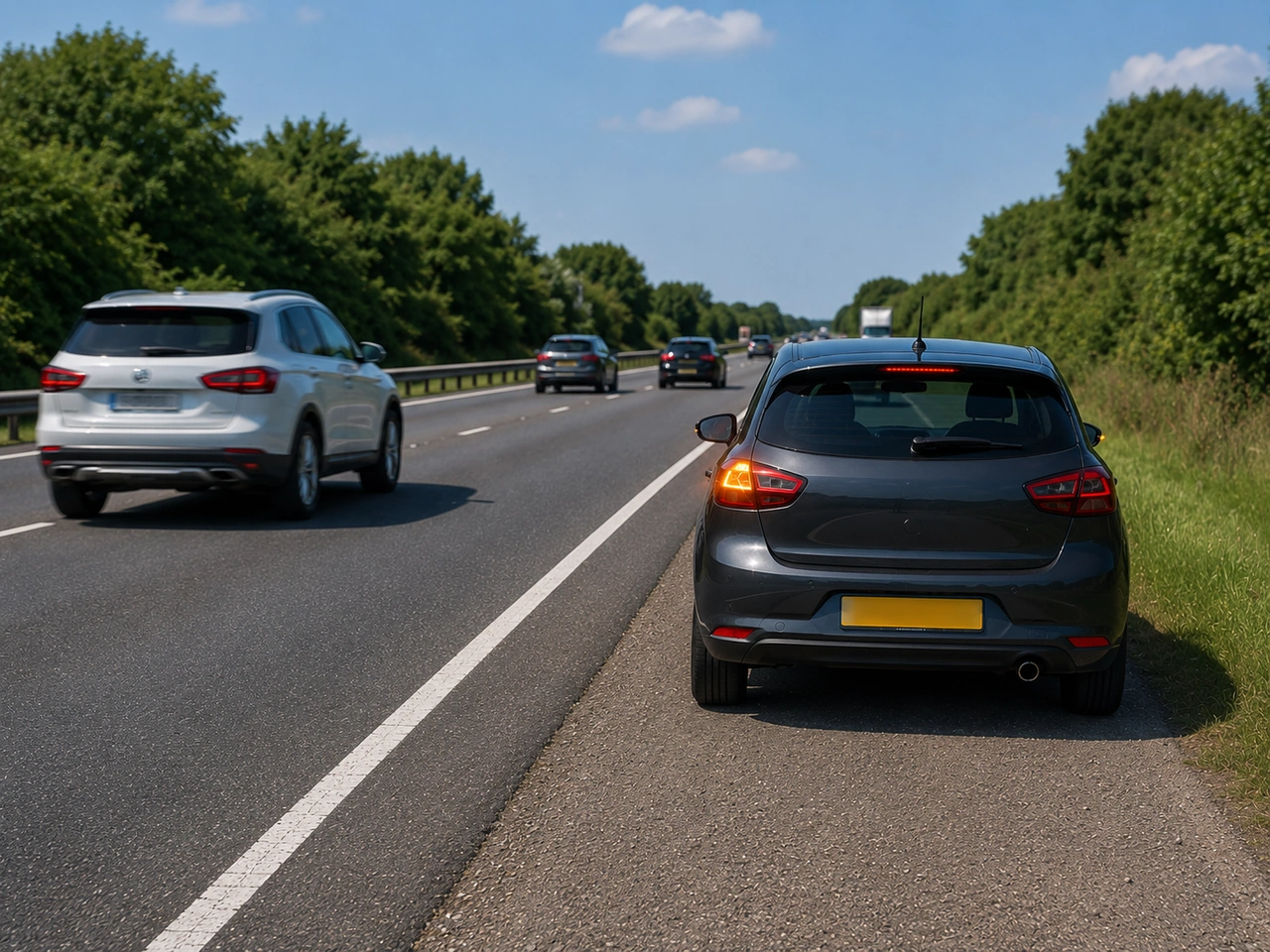
251. What should you do before rejoining traffic after a breakdown?
Check mirrors and blind spots, signal clearly, and build up speed safely without causing approaching traffic to brake suddenly.
AI-generated by Traffic-rules.com • WCIT • CC BY-SA

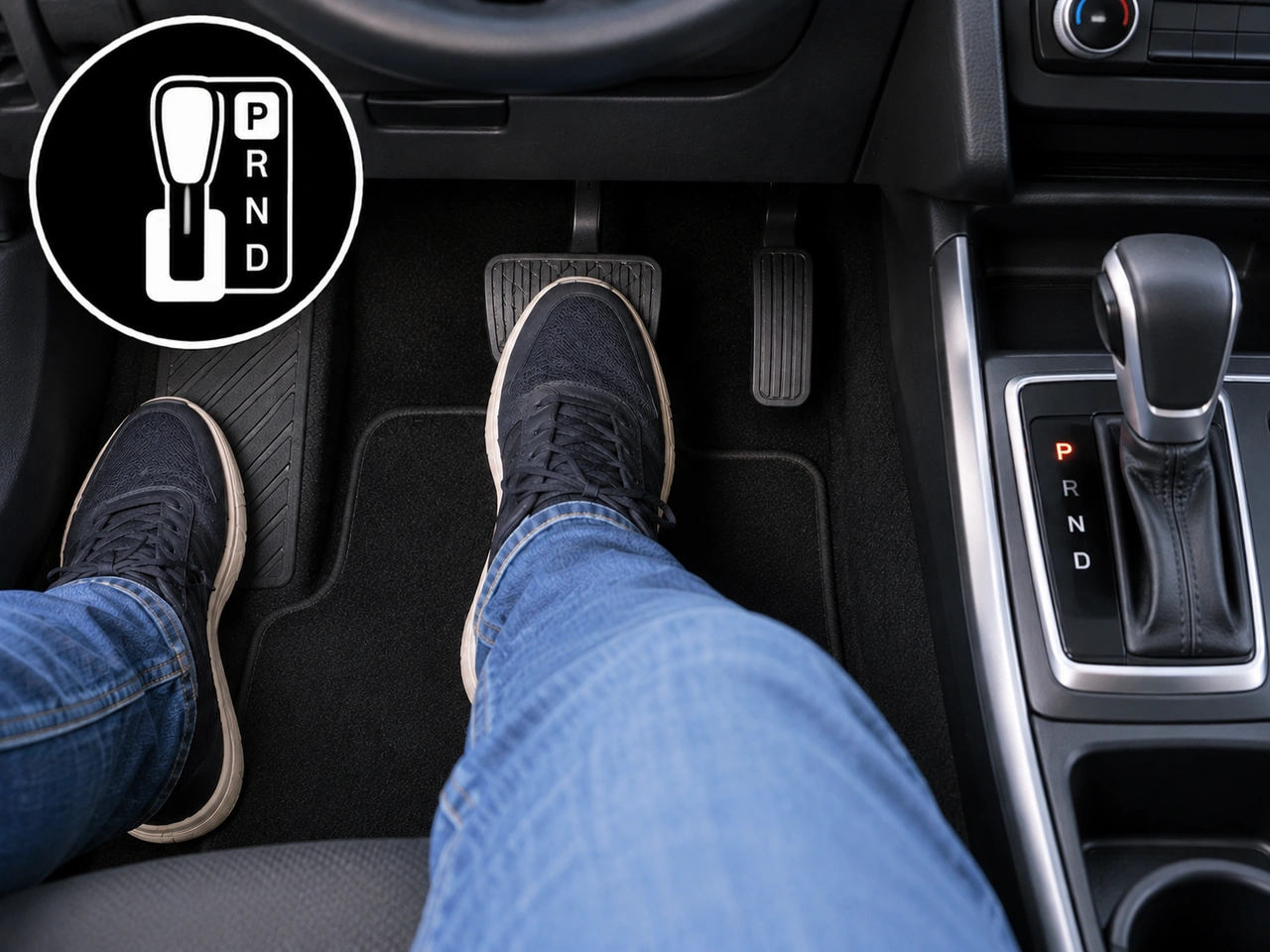
252. What should you normally do before starting an automatic vehicle?
Before starting an automatic vehicle, make sure P (Park) or N (Neutral) is selected and press the brake pedal. Many automatic vehicles will only allow the engine to start when these conditions are met.
AI-generated by Traffic-rules.com • WCIT • CC BY-SA
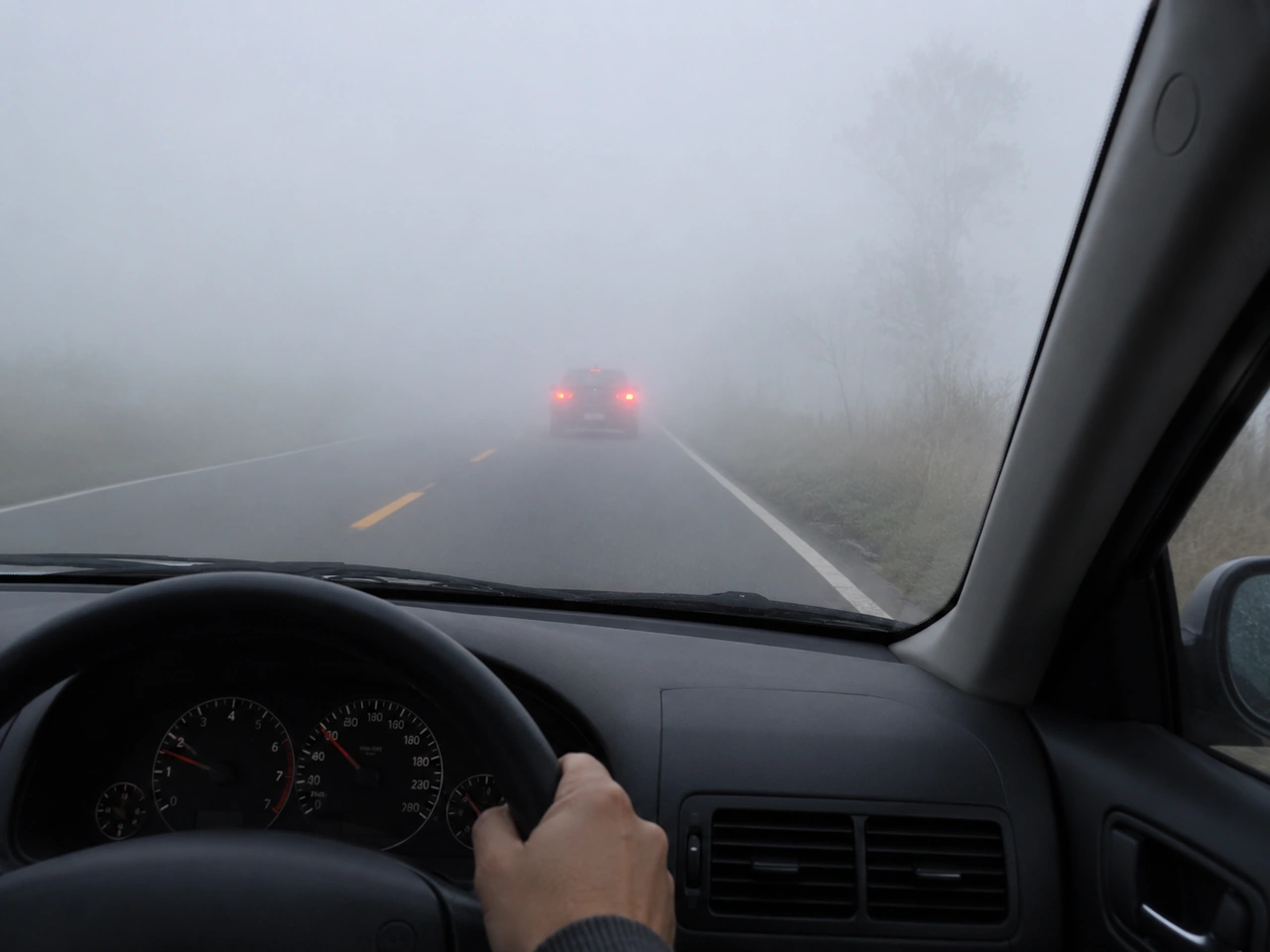
253. Why should you reduce speed in fog?
Fog can hide obstacles, pedestrians, and other vehicles. Lower speed gives you more time to react.
AI-generated by Traffic-rules.com • WCIT • CC BY-SA
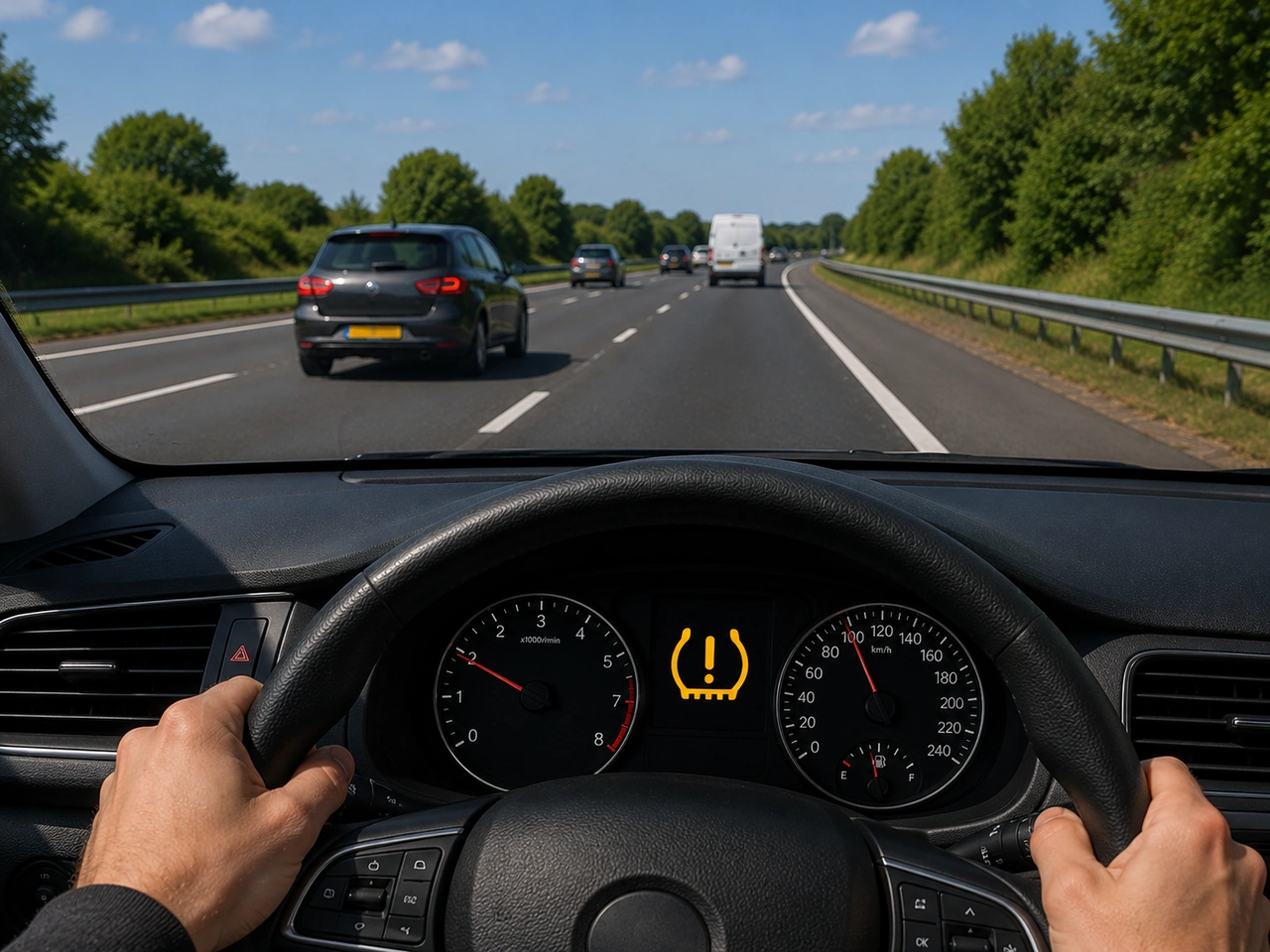
254. What should you do if a tyre-pressure warning appears and handling changes?
A pressure loss or damaged tyre can affect steering and braking. If the tyre-pressure warning appears together with a change in handling, it may indicate a serious tyre problem. Stop safely and inspect the tyres before continuing.
AI-generated by Traffic-rules.com • WCIT • CC BY-SA
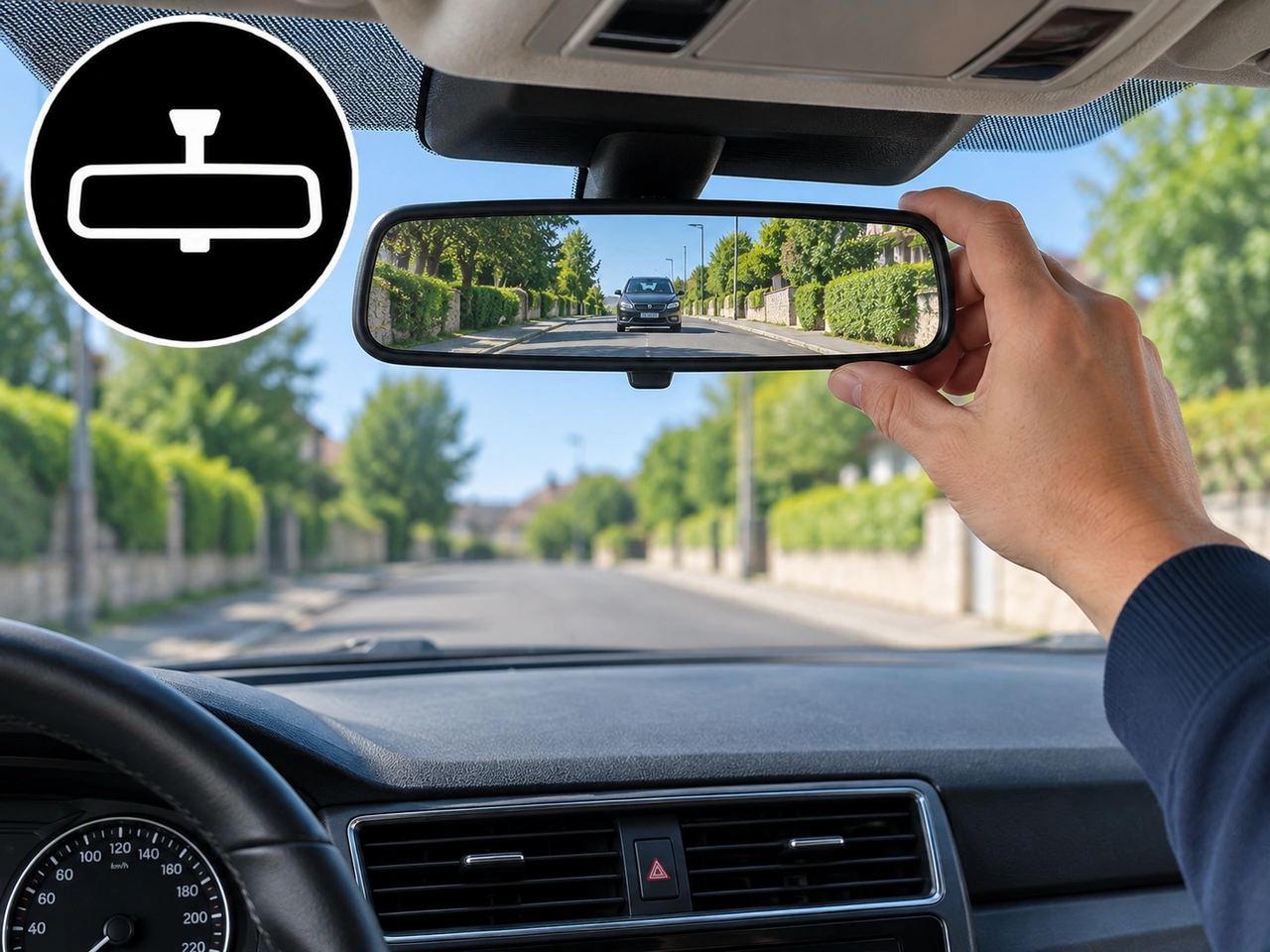
255. How should the interior rear-view mirror be adjusted?
Adjust the interior rear-view mirror before driving so that you have a clear view through the rear window without needing to move your head significantly.
AI-generated by Traffic-rules.com • WCIT • CC BY-SA
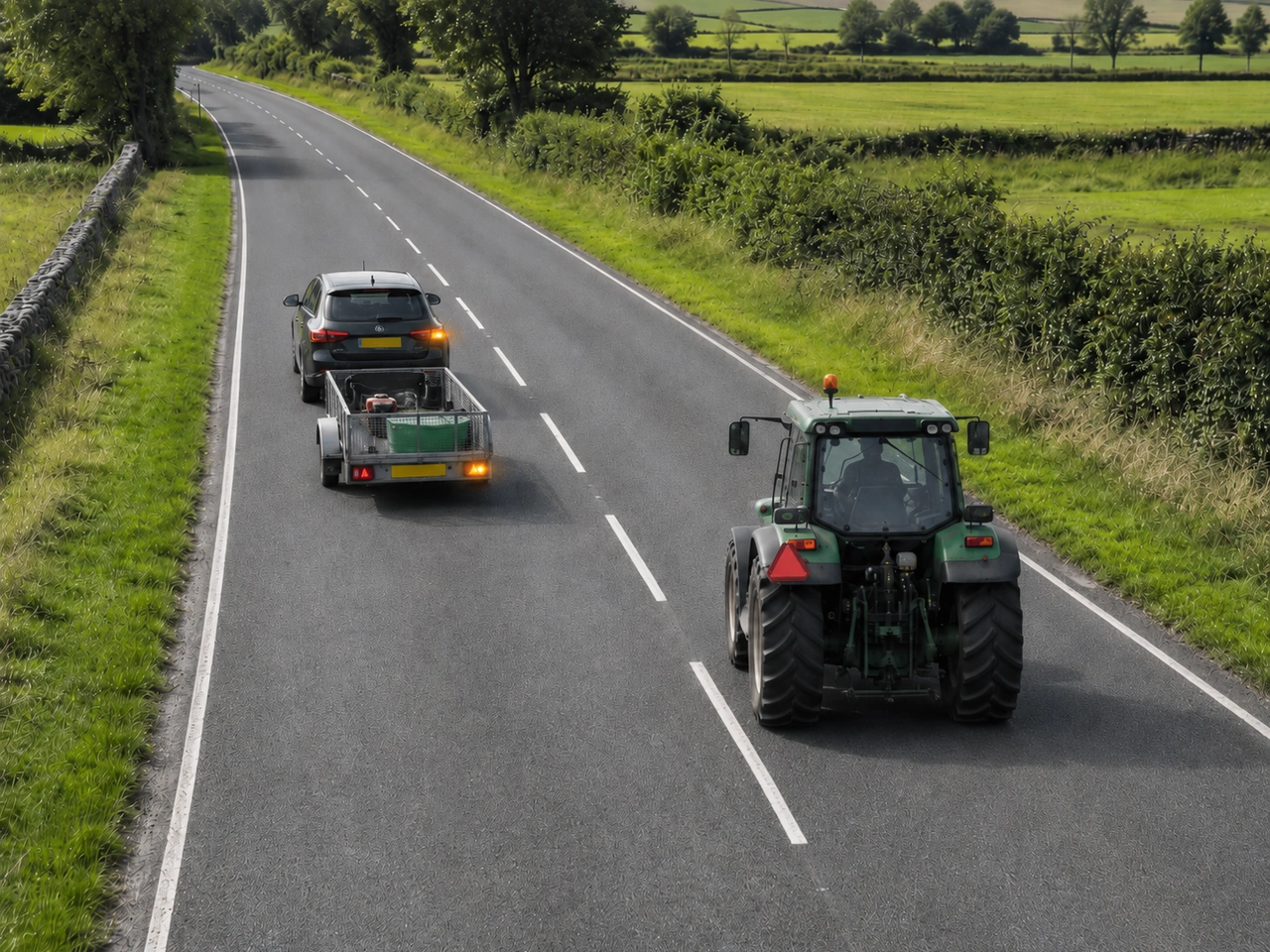
256. What should you do before overtaking while towing a trailer?
A towing vehicle accelerates more slowly, and the trailer makes the whole vehicle combination longer. Remember to allow a much larger safe gap before overtaking and enough space to return safely to your lane.
AI-generated by Traffic-rules.com • WCIT • CC BY-SA
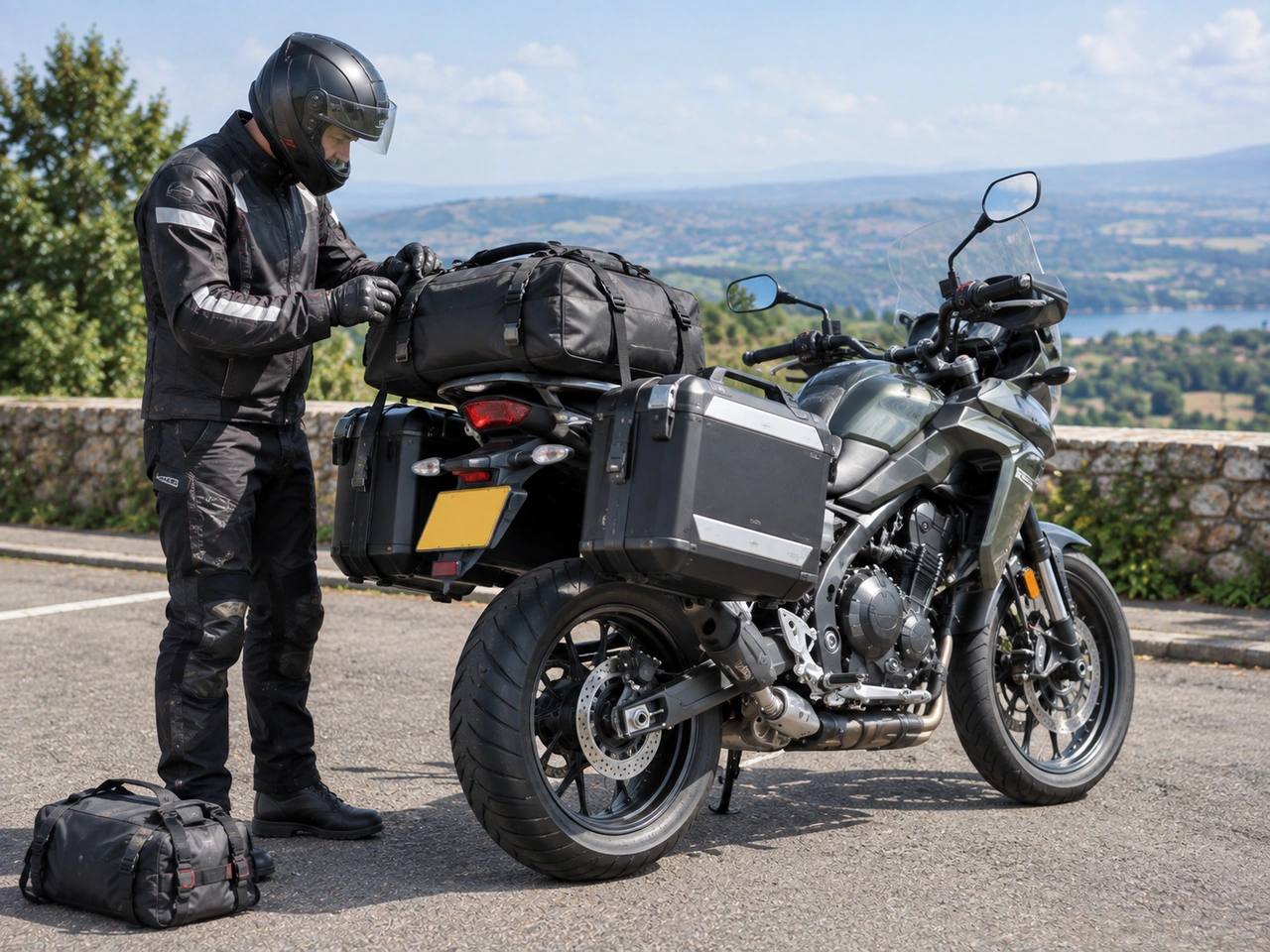
257. How should luggage be carried on a motorcycle?
Motorcycle luggage should be securely fastened and sensibly distributed. A loose, uneven or badly positioned load can affect balance, steering and braking, or become caught in moving parts.
AI-generated by Traffic-rules.com • WCIT • CC BY-SA
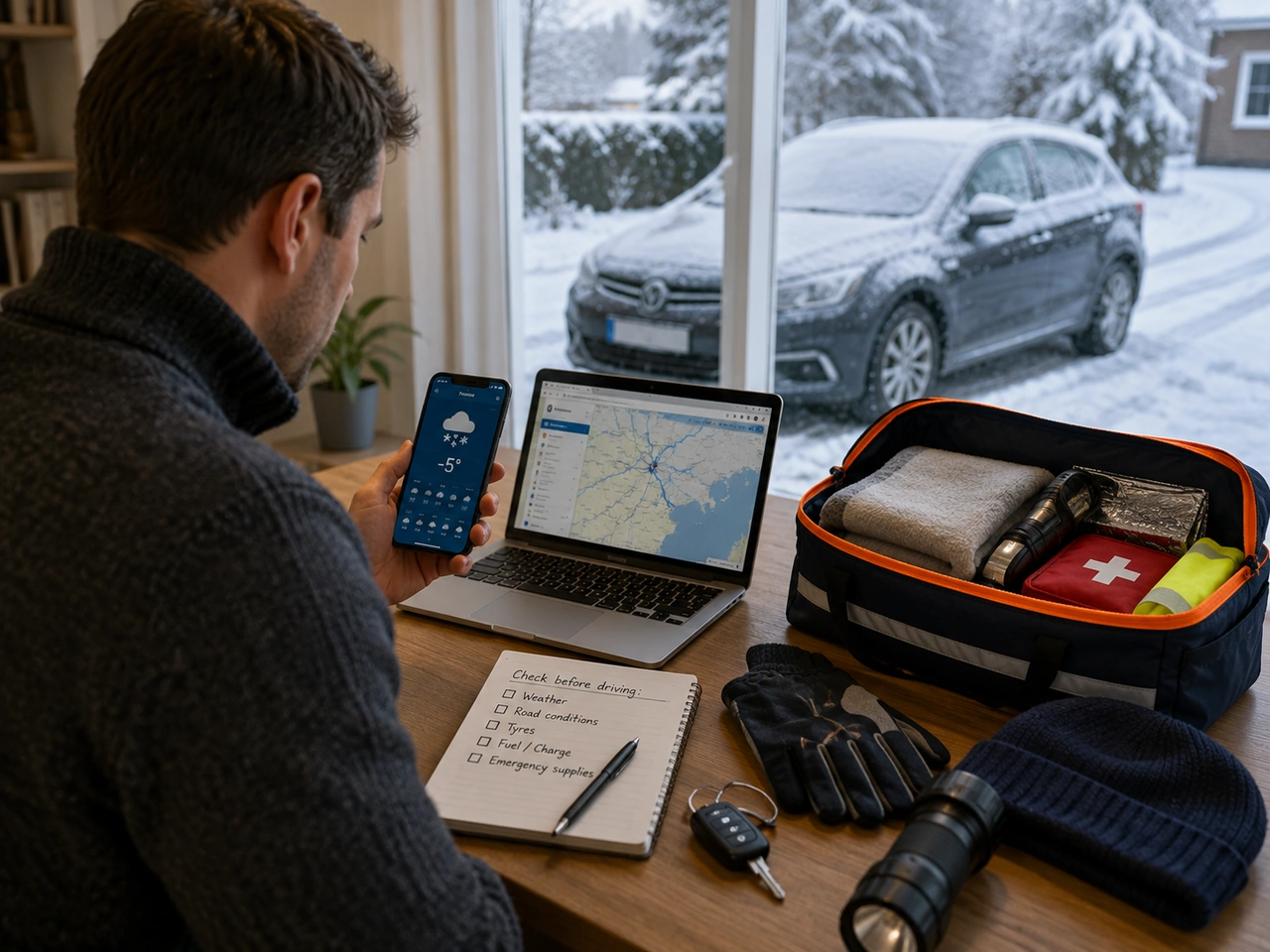
258. What should you check before beginning a journey in severe winter weather?
Check whether the journey is necessary and prepare for delays or changing conditions. Suitable tyres, sufficient fuel or charge, warm clothing, and basic emergency supplies may be important.
AI-generated by Traffic-rules.com • WCIT • CC BY-SA
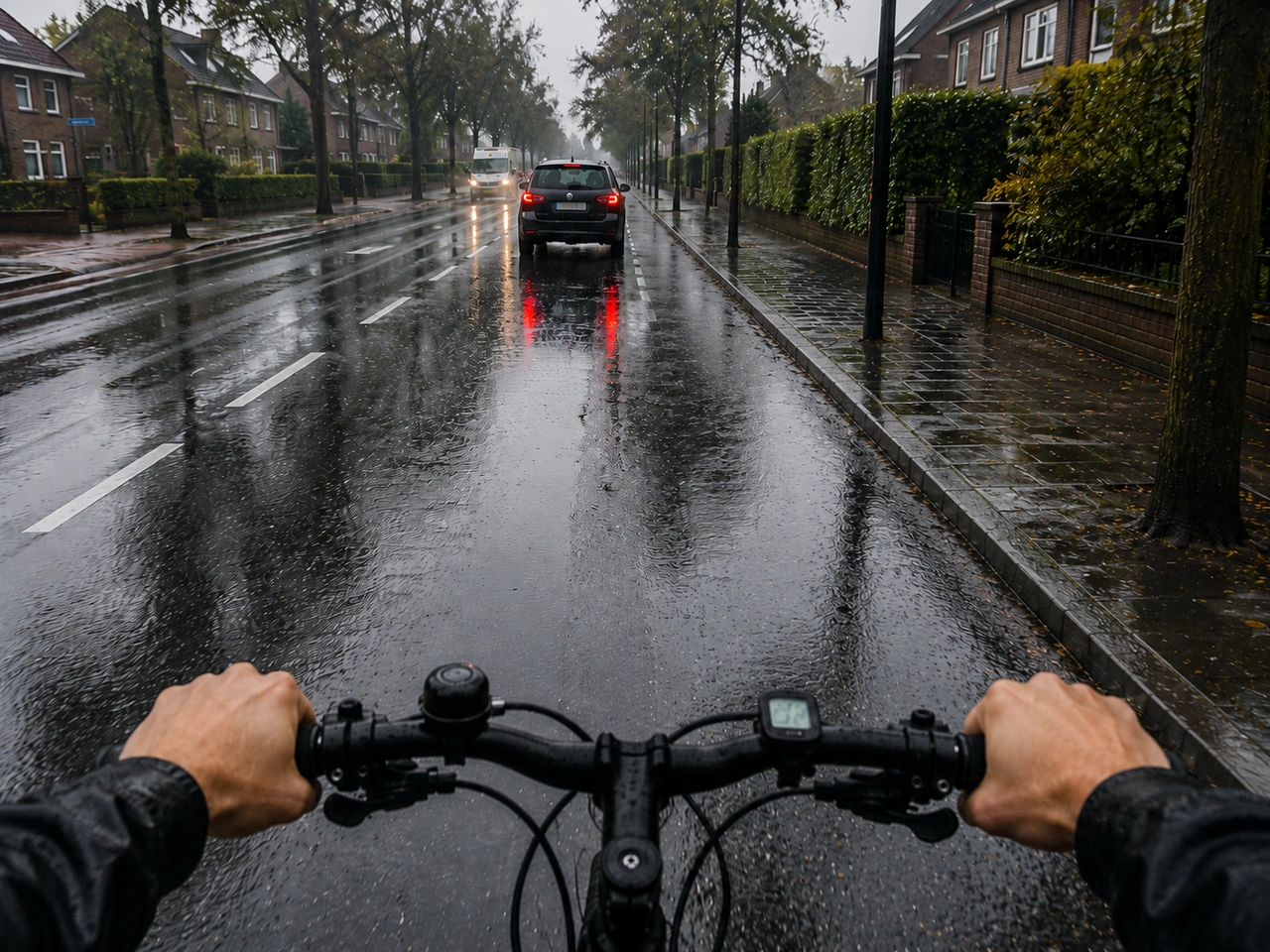
259. How should cyclists brake on a wet road?
Wet surfaces reduce grip and increase stopping distance. Smooth, early braking helps prevent skidding.
AI-generated by Traffic-rules.com • WCIT • CC BY-SA
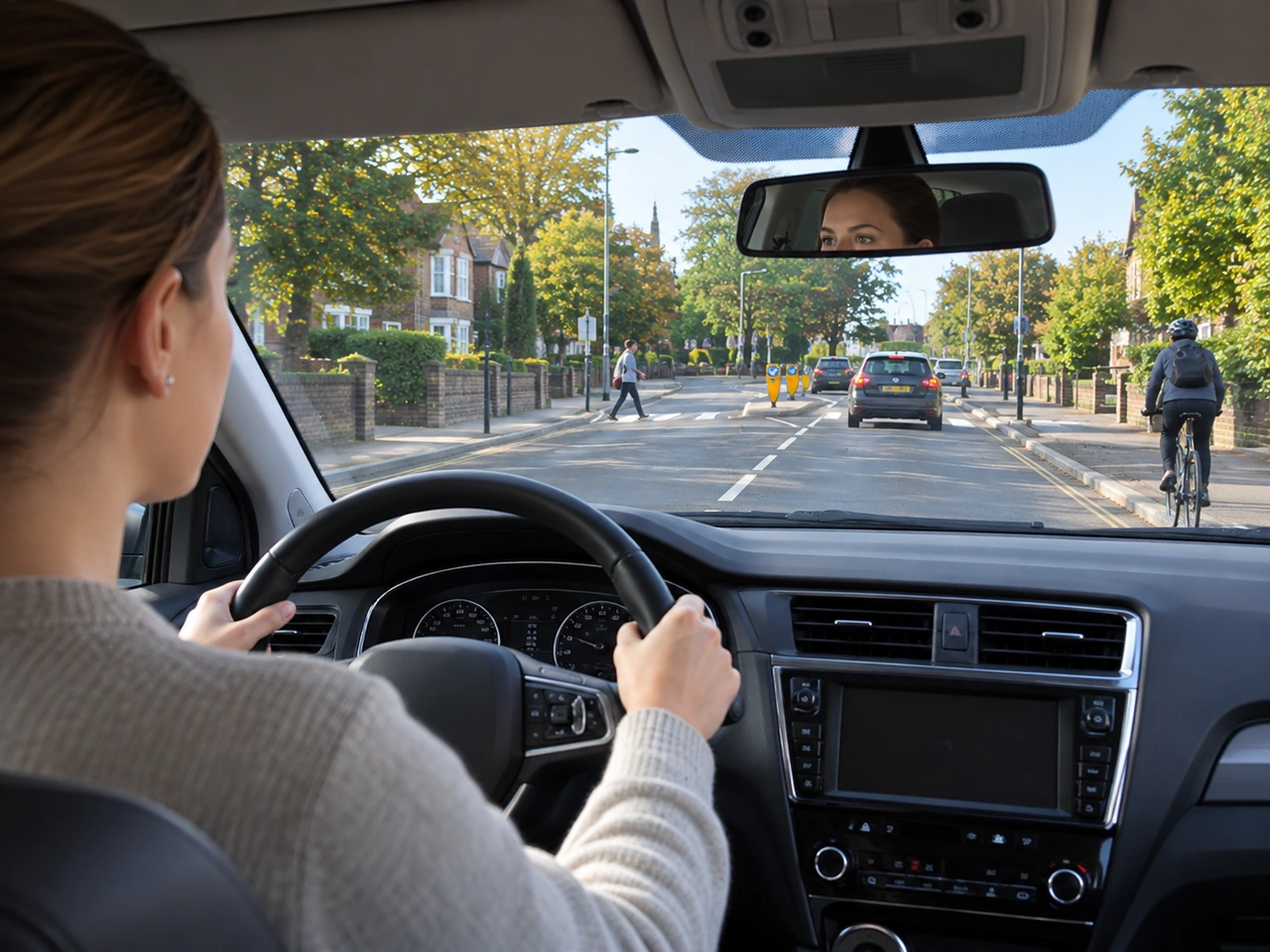
260. Why should you look well ahead while driving?
Looking well ahead helps you identify developing hazards early, such as slowing traffic, pedestrians, junctions, or changing road conditions. Earlier detection gives you more time to assess the situation and respond smoothly and safely.
AI-generated by Traffic-rules.com • WCIT • CC BY-SA
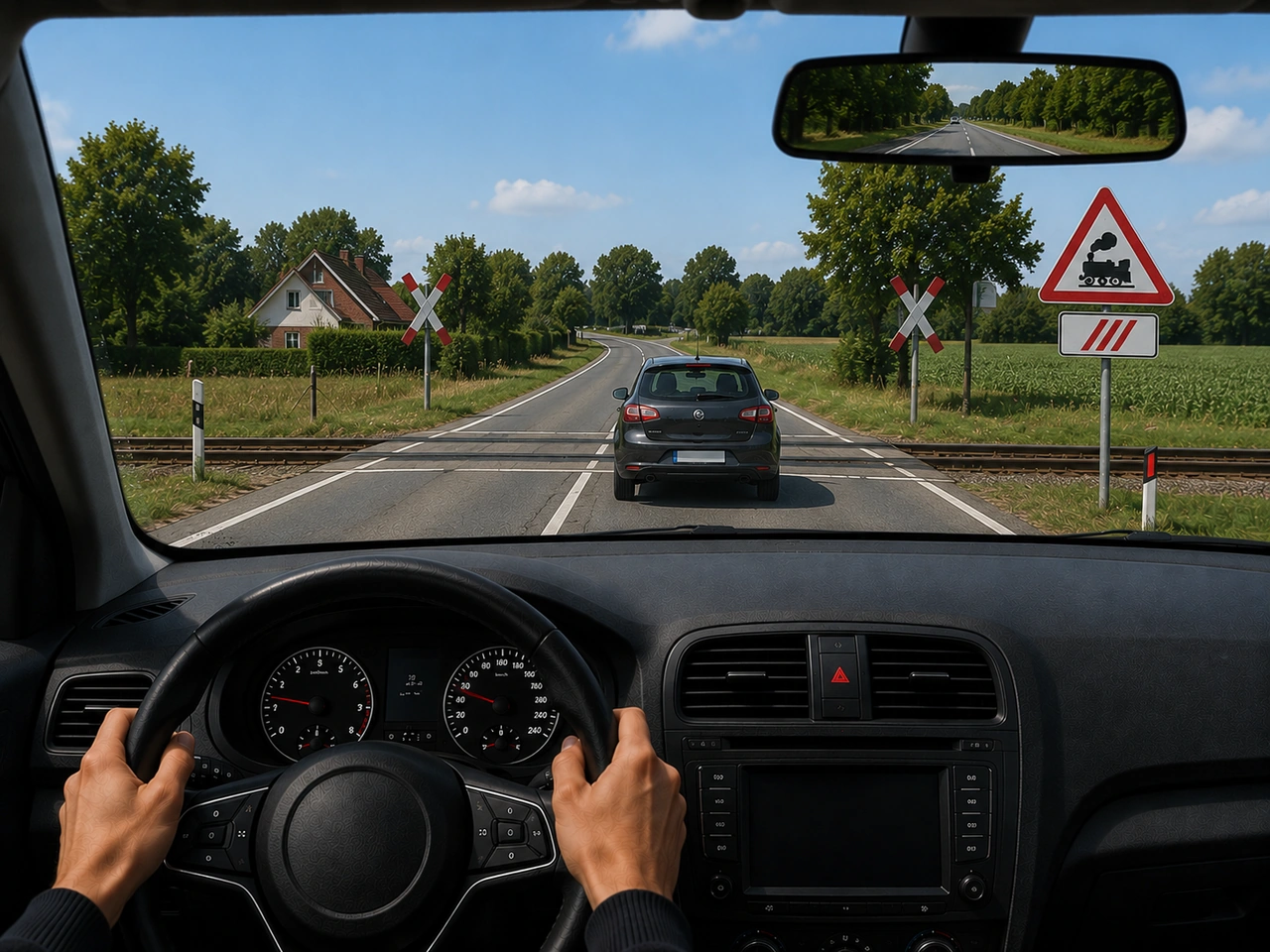
261. What should you do at a railway crossing without barriers?
Approach railway crossings carefully, obey any requirement to stop and any warning signals or barriers, and cross only when it is safe.
AI-generated by Traffic-rules.com • WCIT • CC BY-SA
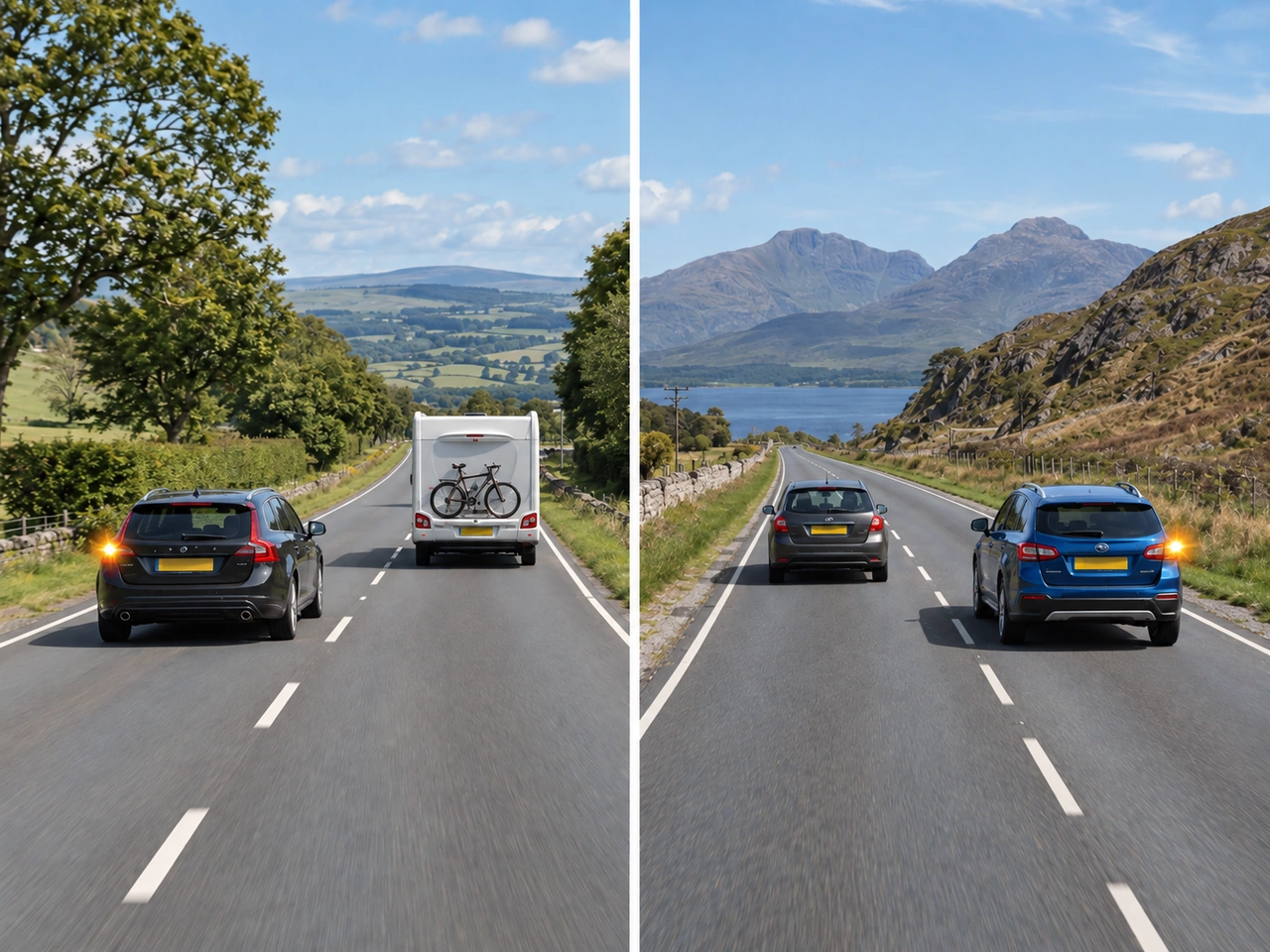
262. Which side is normally used for overtaking in Serbia?
Drivers normally overtake on the left-hand side in Serbia.
AI-generated by Traffic-rules.com • WCIT • CC BY-SA
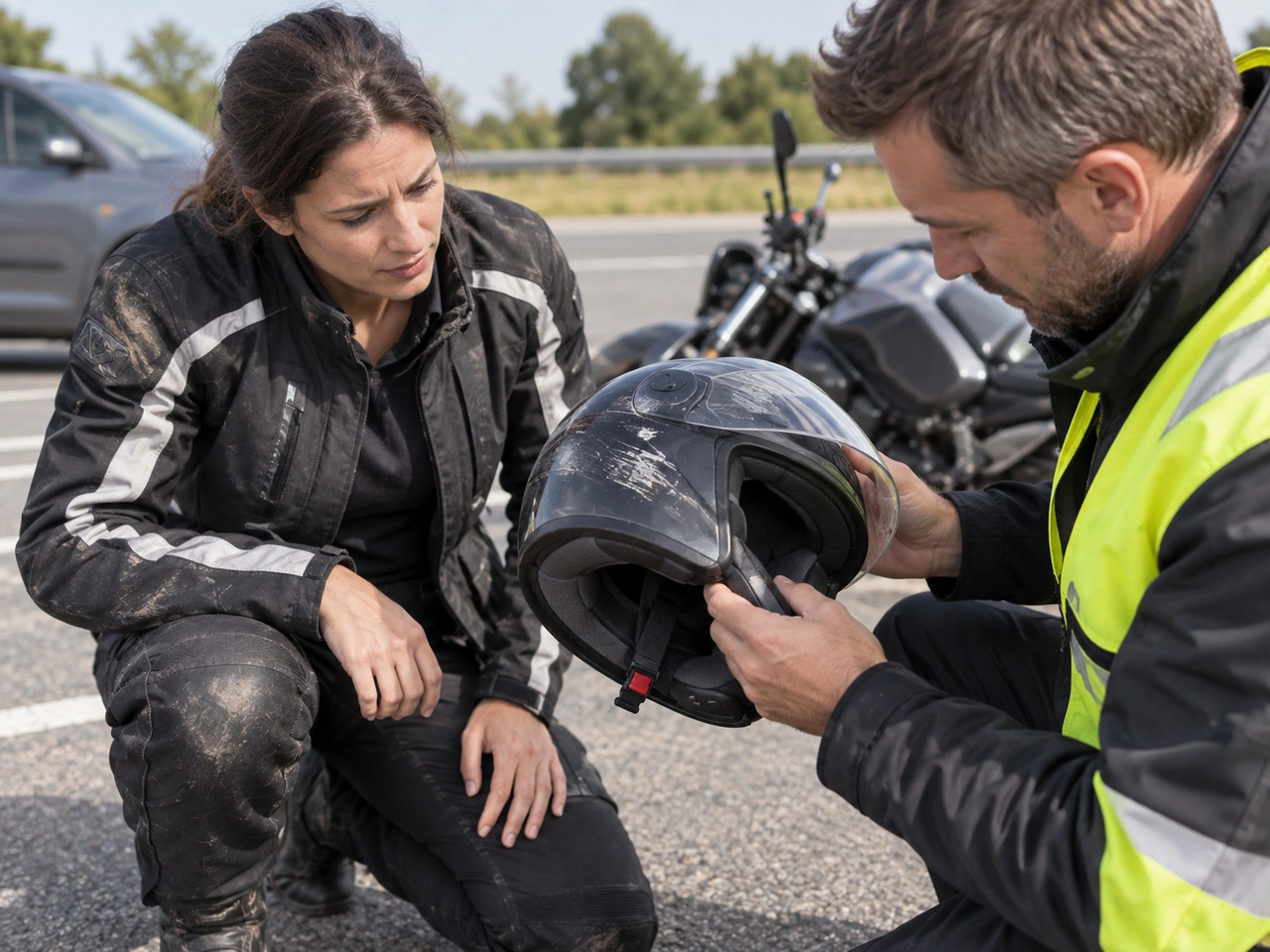
263. What should you do with a helmet that has taken a significant impact in a collision?
A helmet can be damaged internally by a significant impact even when no damage is visible from the outside. Stop using the helmet and follow the manufacturer's guidance, which will commonly require replacement after a significant impact.
AI-generated by Traffic-rules.com • WCIT • CC BY-SA
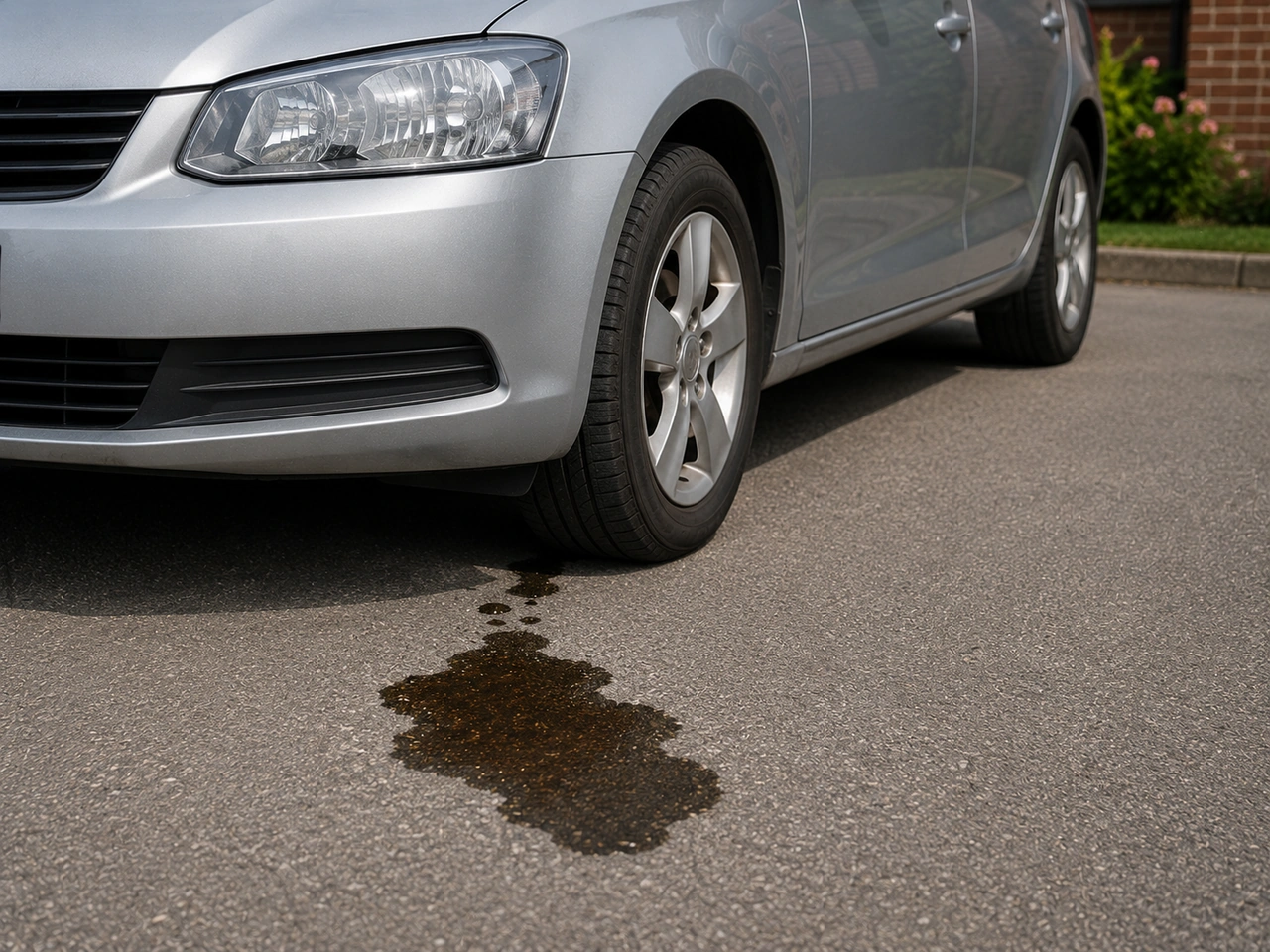
264. What should you do if you notice an unfamiliar fluid underneath your vehicle?
Clear water from air conditioning can be normal, but oil, coolant, fuel, transmission fluid, or brake fluid may indicate a fault requiring urgent attention.
AI-generated by Traffic-rules.com • WCIT • CC BY-SA
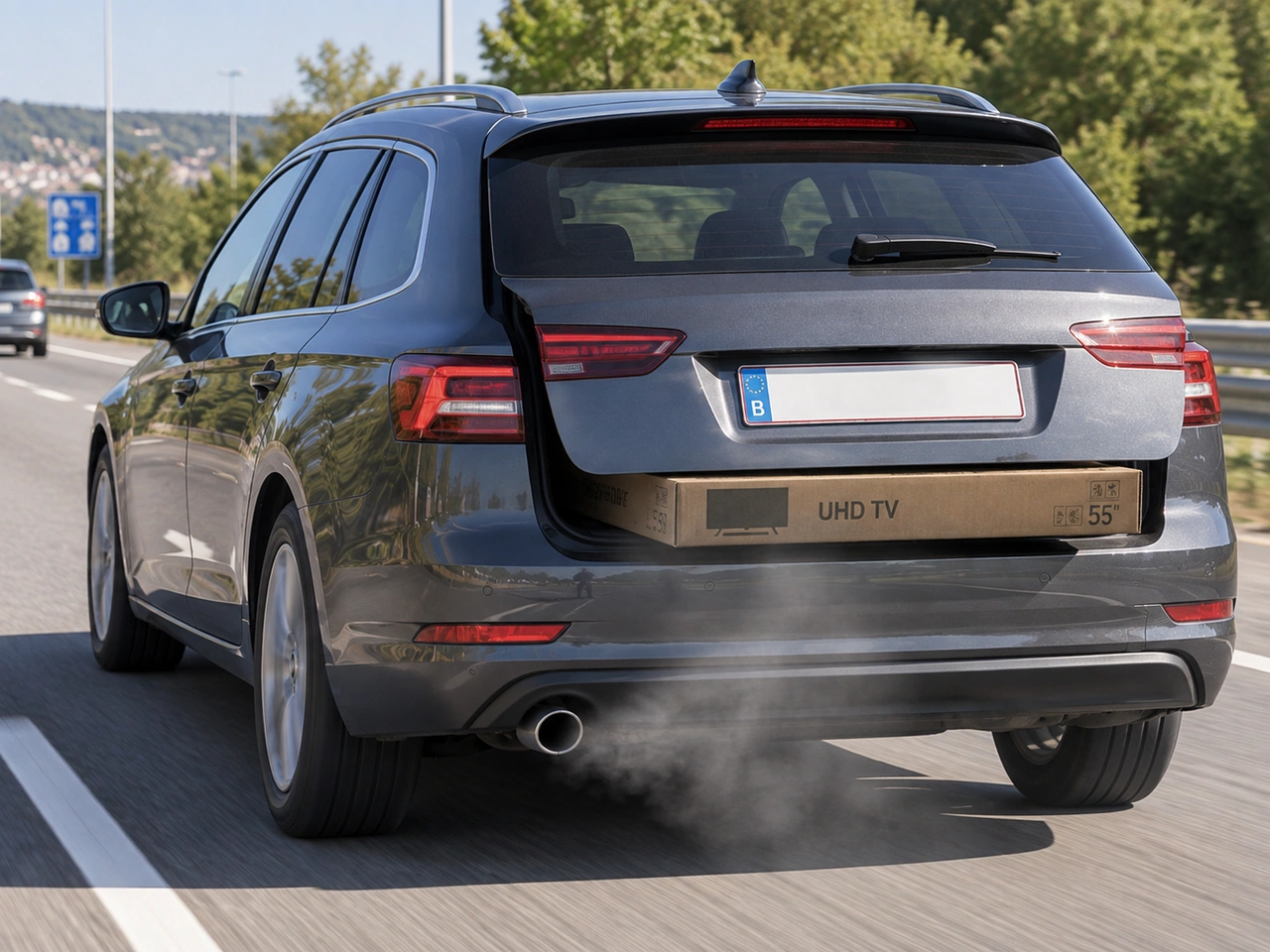
265. What is a danger of driving a petrol or diesel vehicle with the boot or tailgate open?
Driving with the boot or tailgate open can allow exhaust gases to be drawn into the vehicle. Exhaust fumes may contain carbon monoxide, which is poisonous and may be difficult to detect. Keep the luggage compartment properly closed while driving whenever possible.
AI-generated by Traffic-rules.com • WCIT • CC BY-SA
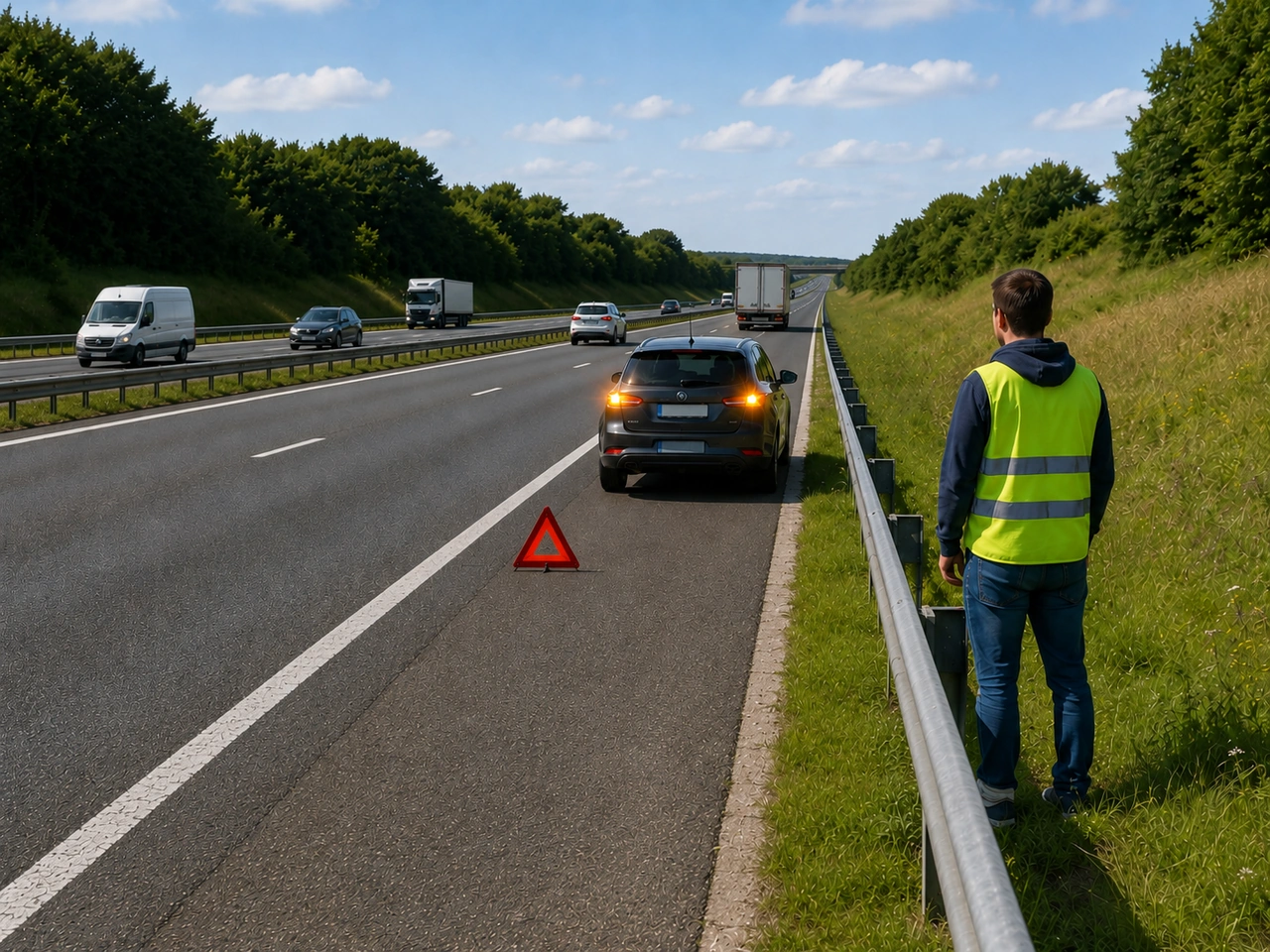
266. Where should you normally wait after a breakdown on a high-speed road?
A stationary vehicle can be struck by passing traffic. Waiting behind a barrier provides better protection.
AI-generated by Traffic-rules.com • WCIT • CC BY-SA
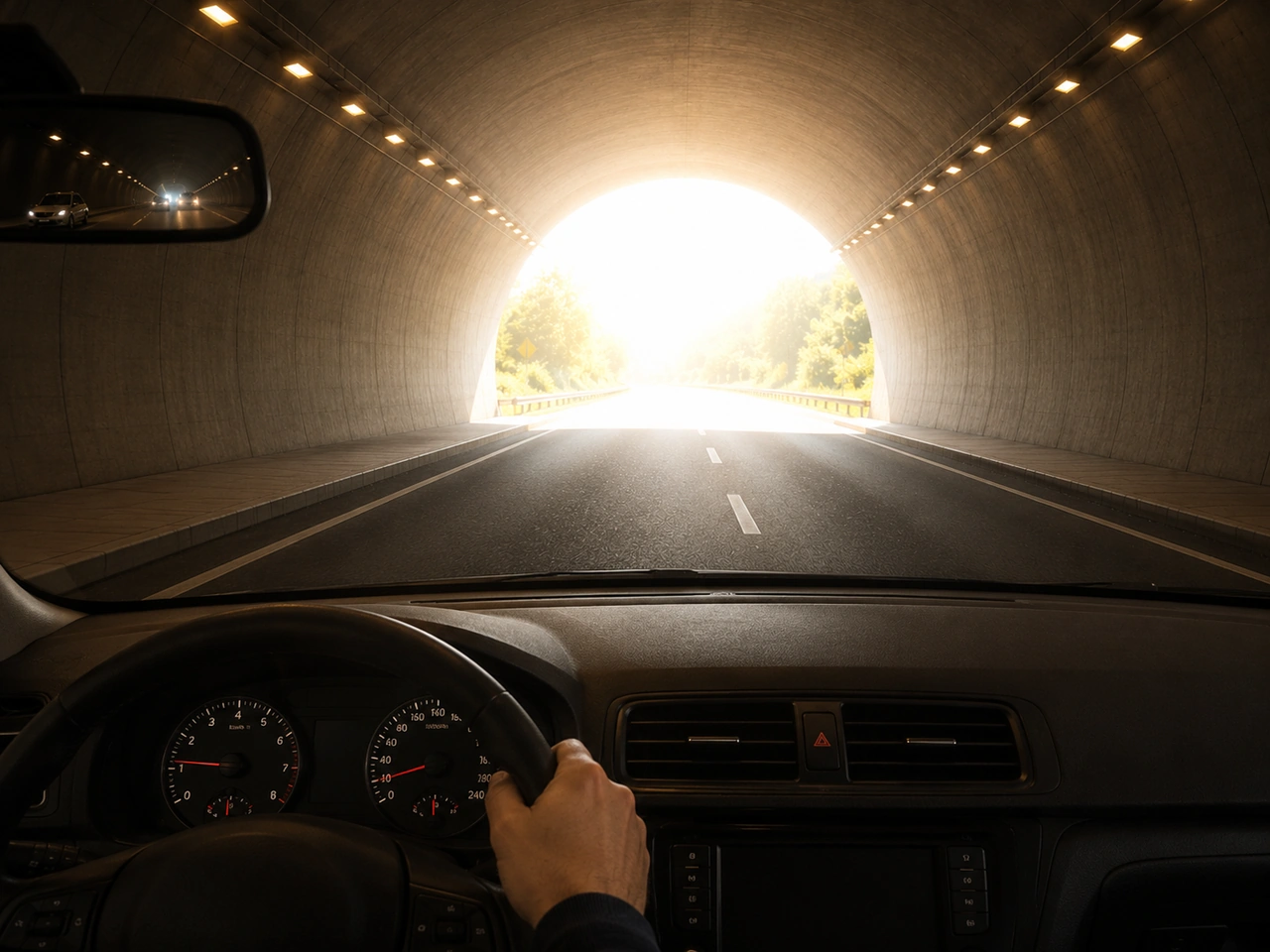
267. What should you expect when leaving a tunnel in bright sunlight?
Your eyes may need time to adjust from the darker tunnel to bright daylight. Reduce speed if necessary and remain alert.
AI-generated by Traffic-rules.com • WCIT • CC BY-SA
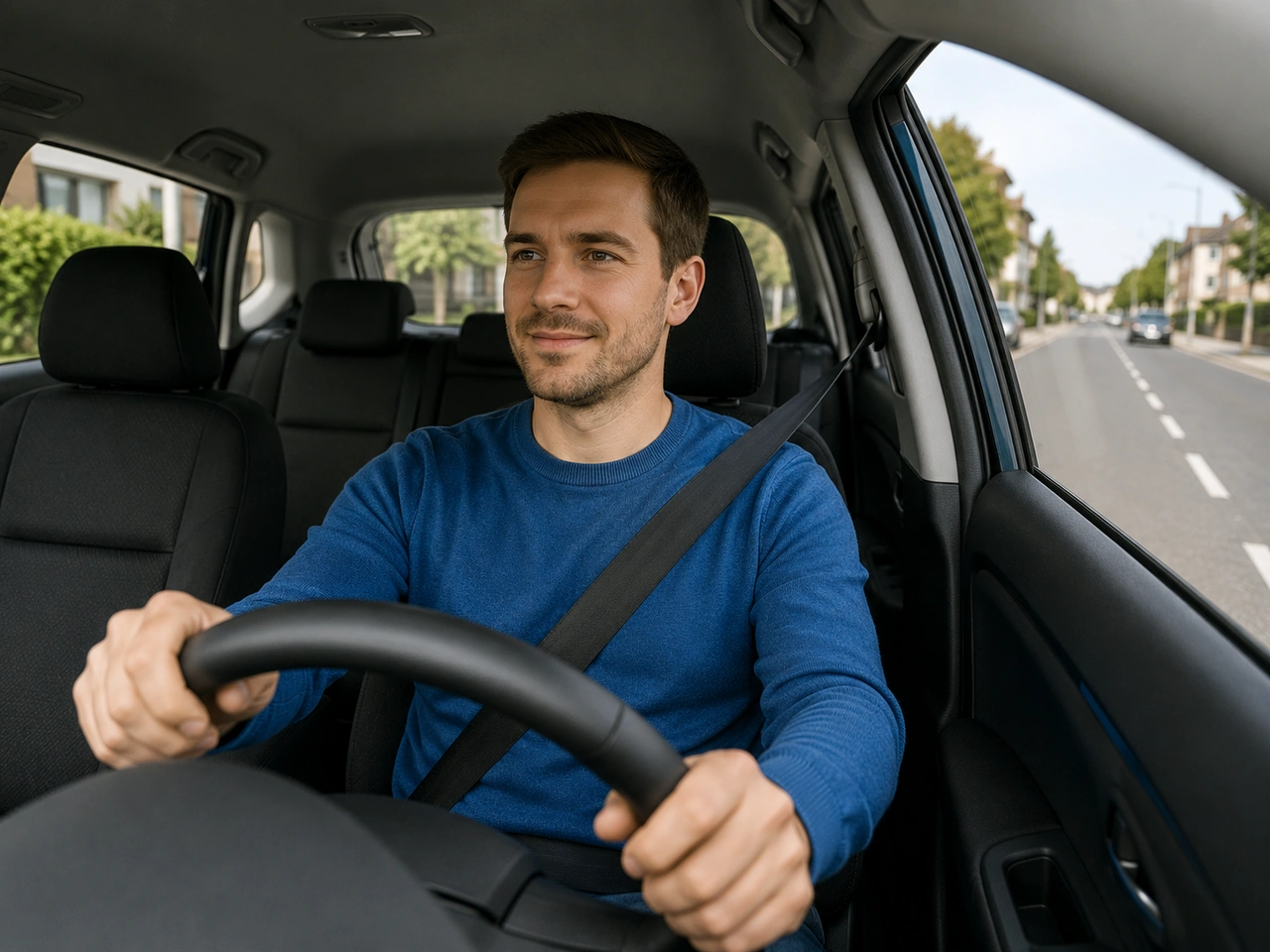
268. You should always wear a seat belt, even on short trips.
Seat belts reduce the risk of serious injury and should be worn on every trip, even short ones.
AI-generated by Traffic-rules.com • WCIT • CC BY-SA
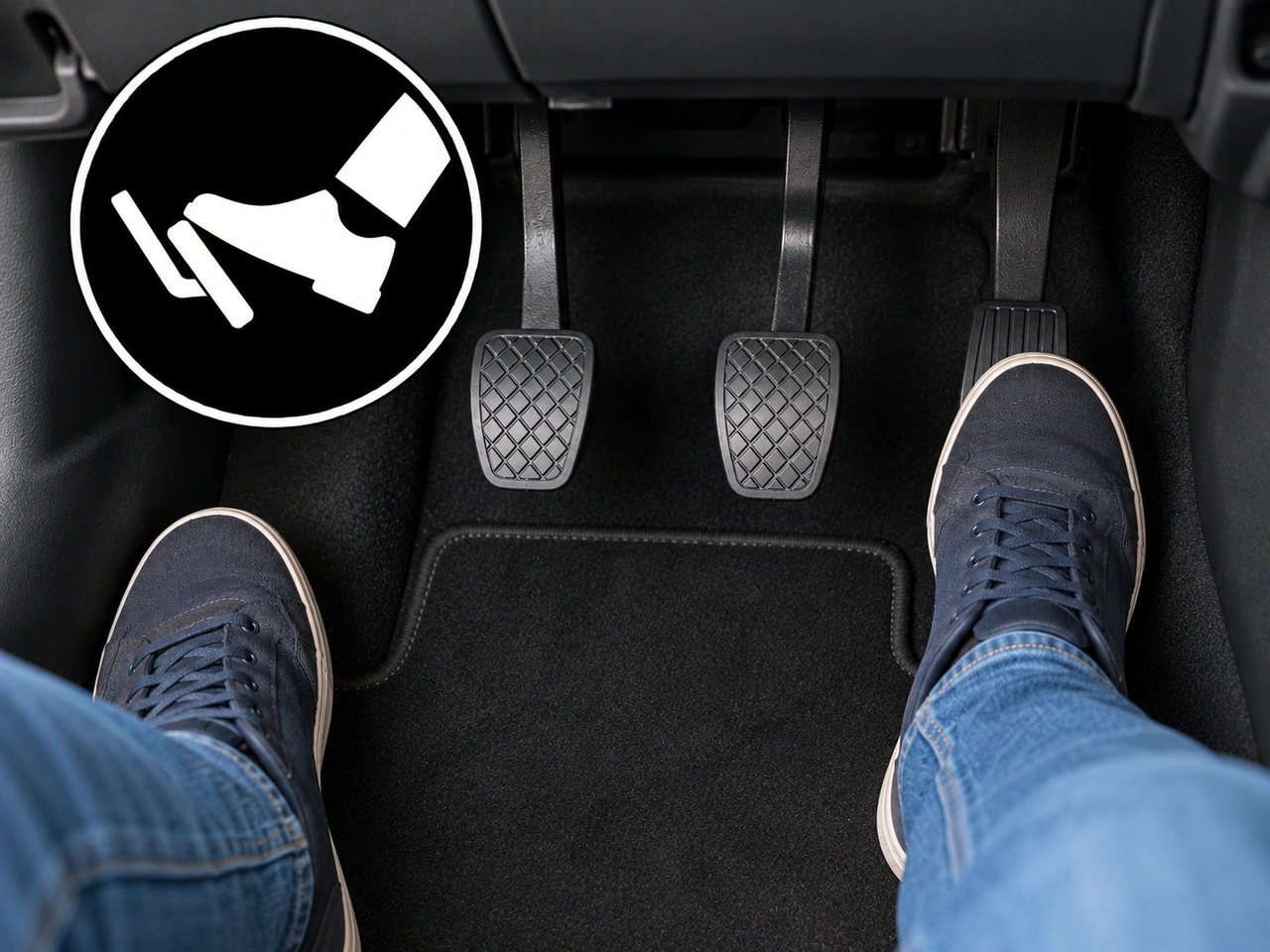
269. Which pedal is used to increase the vehicle's speed?
The accelerator pedal controls the amount of power delivered by the engine and is used to increase or maintain the vehicle's speed. It is the right-hand pedal.
AI-generated by Traffic-rules.com • WCIT • CC BY-SA
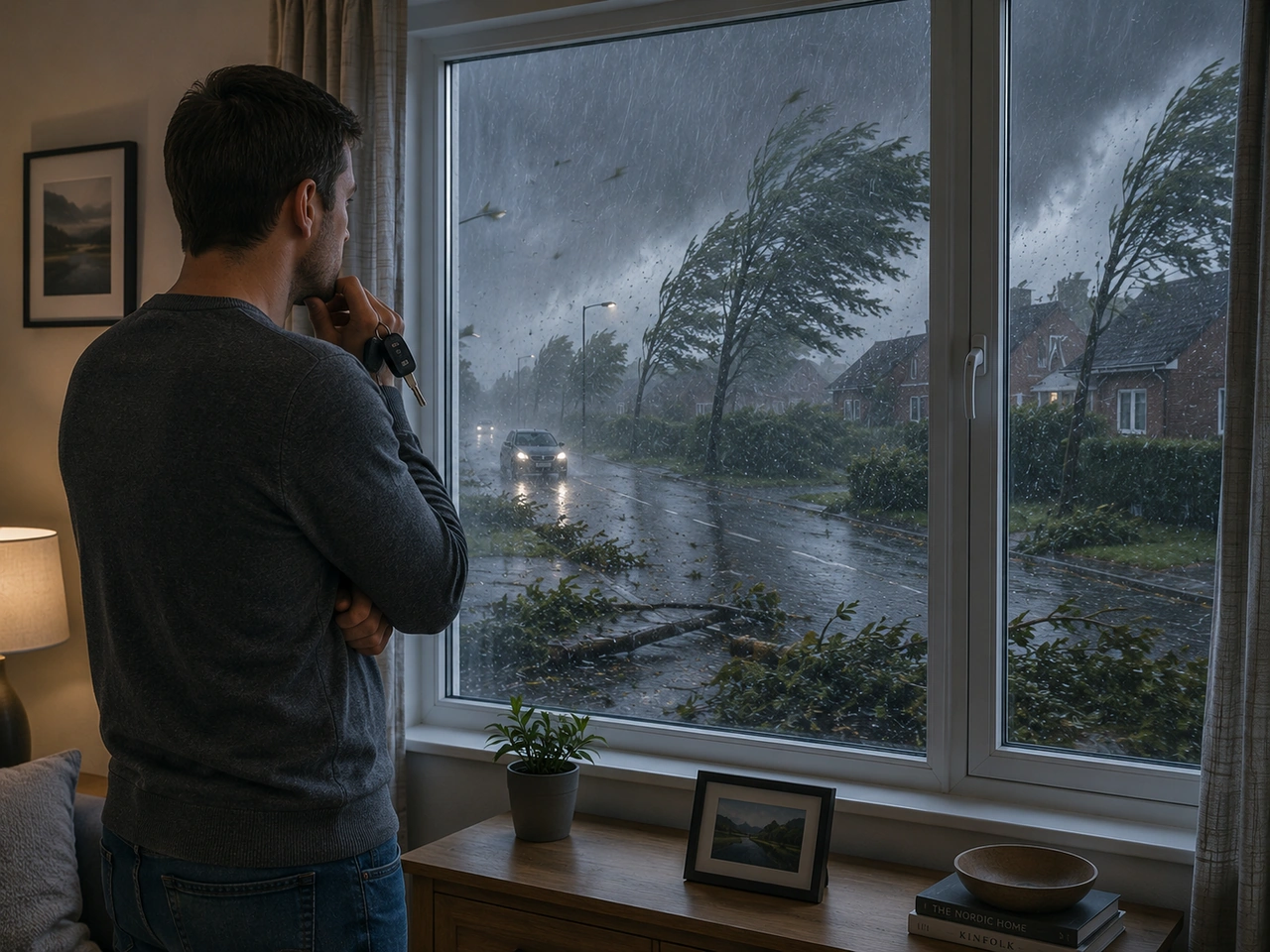
270. When should you consider delaying a journey because of severe weather?
Severe weather can create dangerous conditions. Delaying a journey may be the safest choice when risks are too high.
AI-generated by Traffic-rules.com • WCIT • CC BY-SA
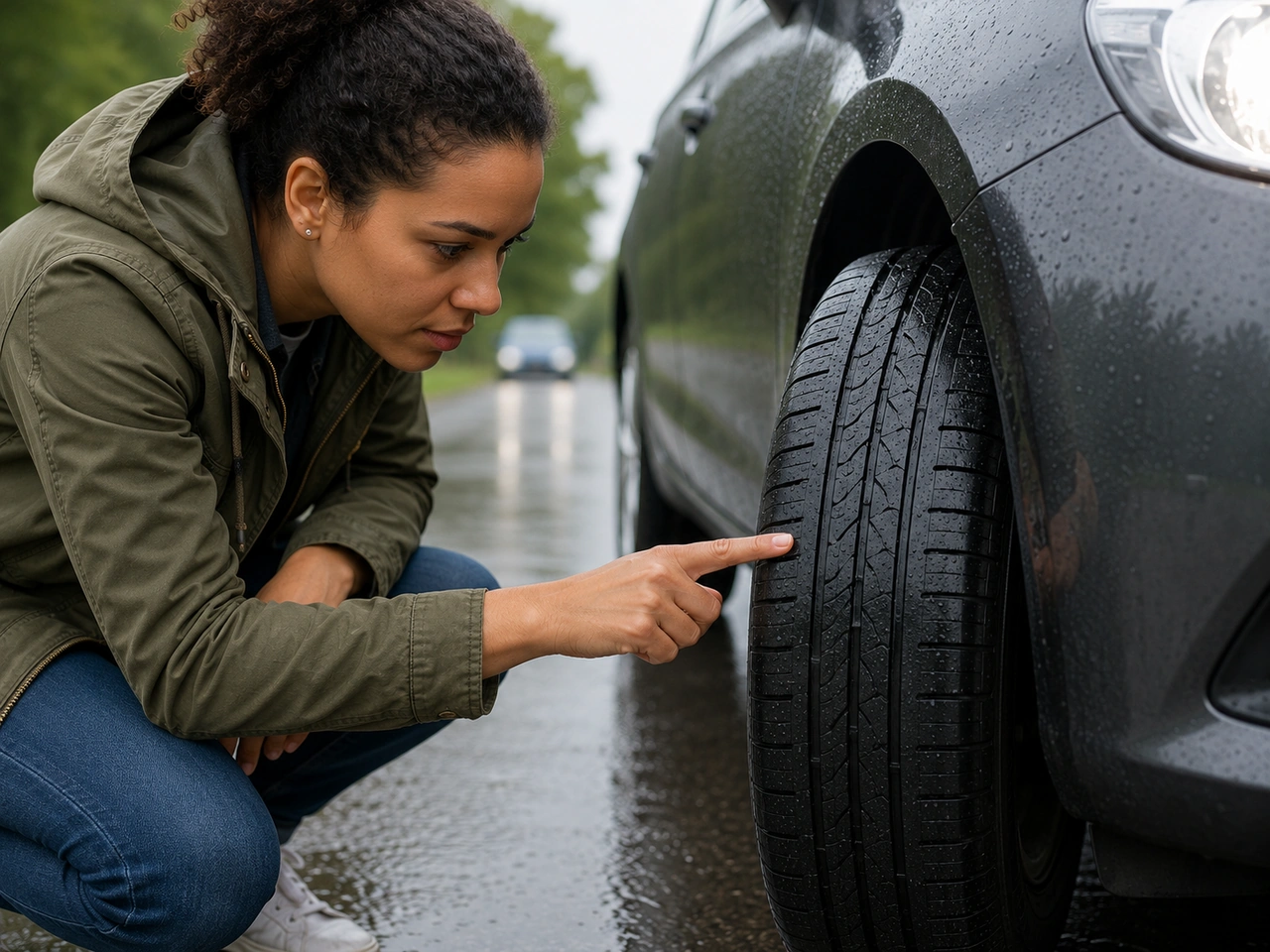
271. Why is adequate tyre tread important?
Tyre tread helps the vehicle grip the road and disperse water. Worn tread increases the risk of skidding and aquaplaning, especially in wet conditions.
AI-generated by Traffic-rules.com • WCIT • CC BY-SA
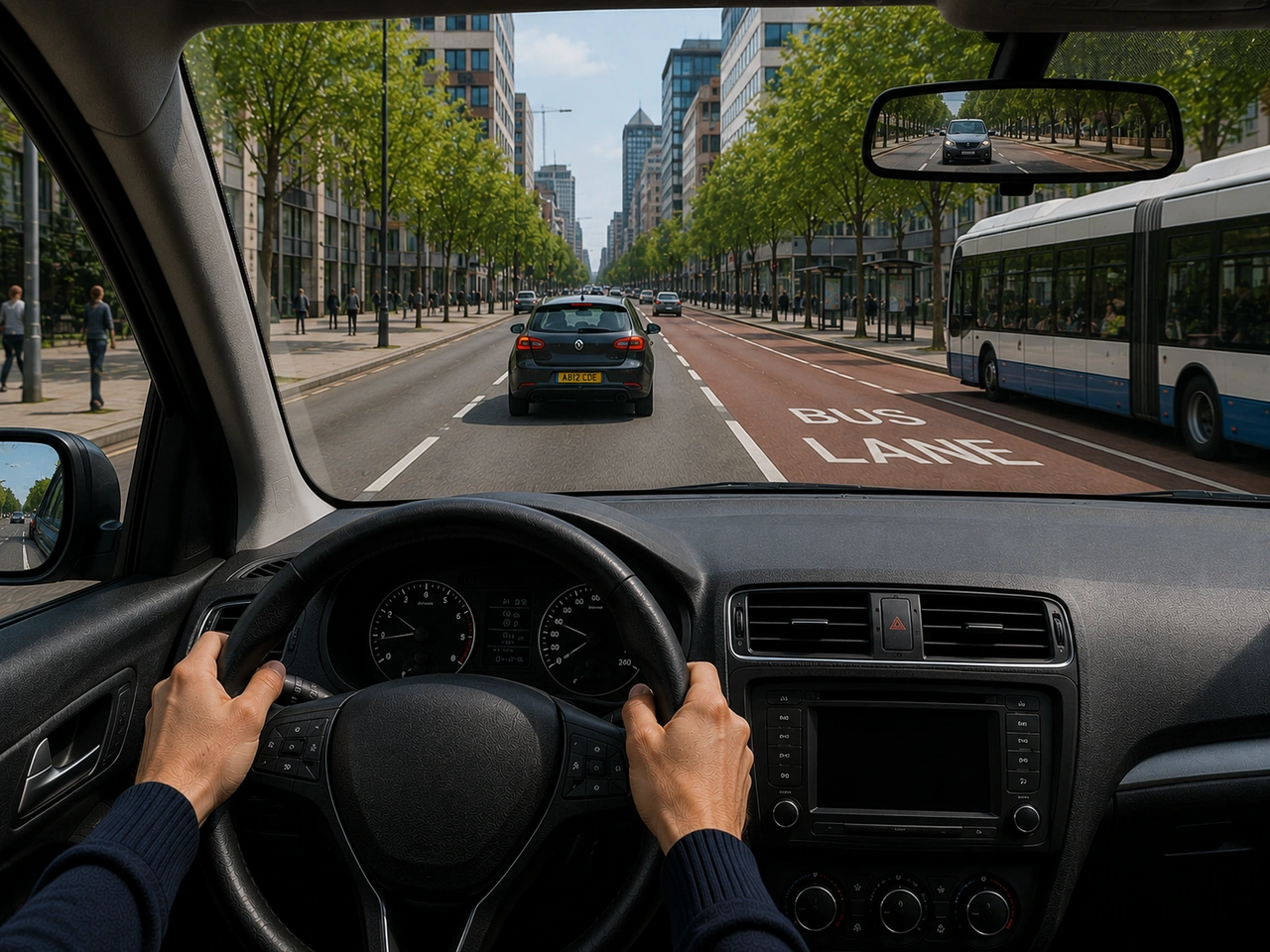
272. Why should you take extra care when crossing a tram or bus lane?
Check carefully before crossing or entering a tram or bus lane. Trams cannot steer around obstacles, and both trams and buses may need significant distance to stop.
AI-generated by Traffic-rules.com • WCIT • CC BY-SA
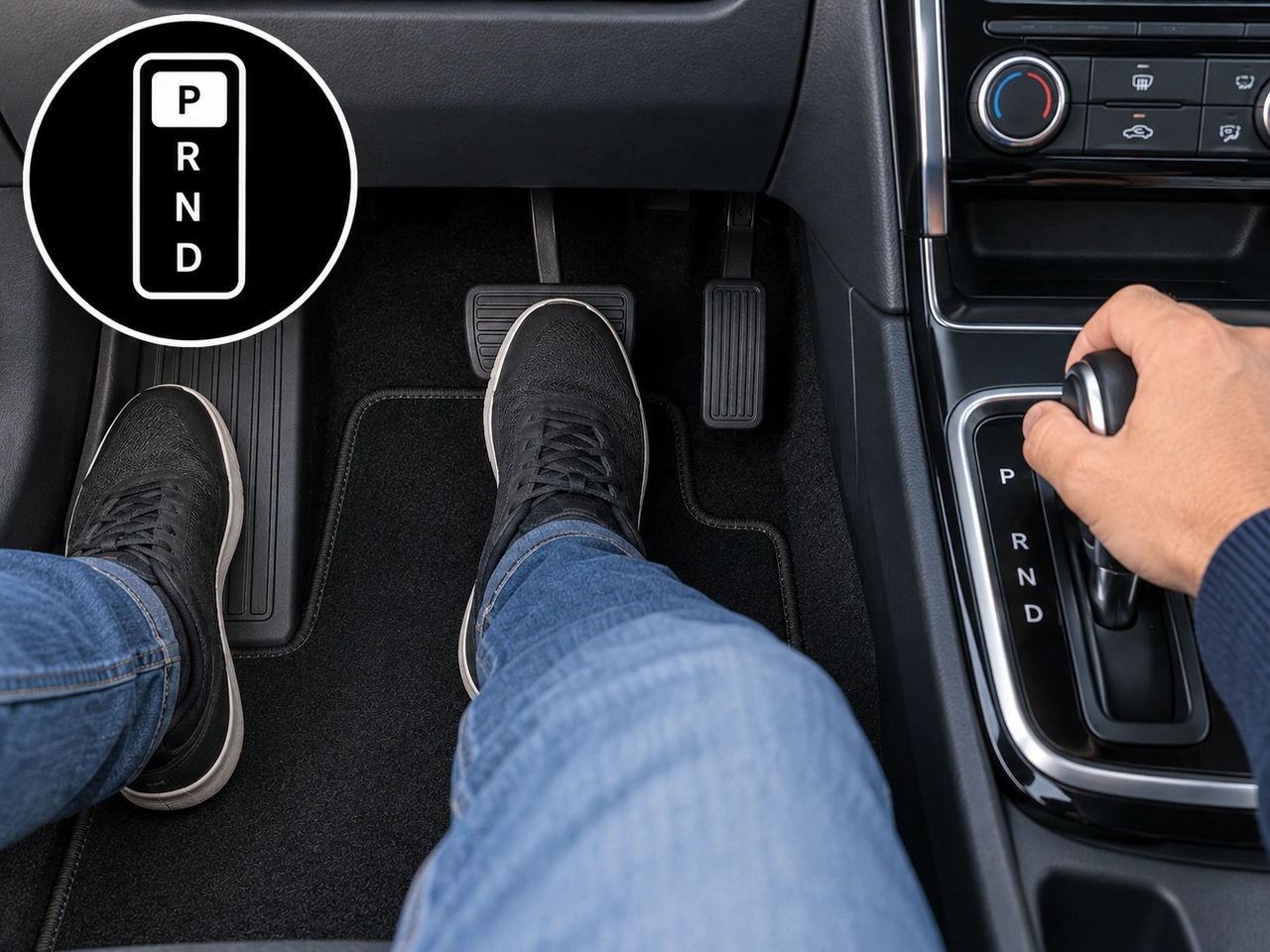
273. When should you select P (Park) in an automatic vehicle?
Select P (Park) only after the vehicle has come to a complete stop. Selecting Park while the vehicle is moving can damage the transmission.
AI-generated by Traffic-rules.com • WCIT • CC BY-SA
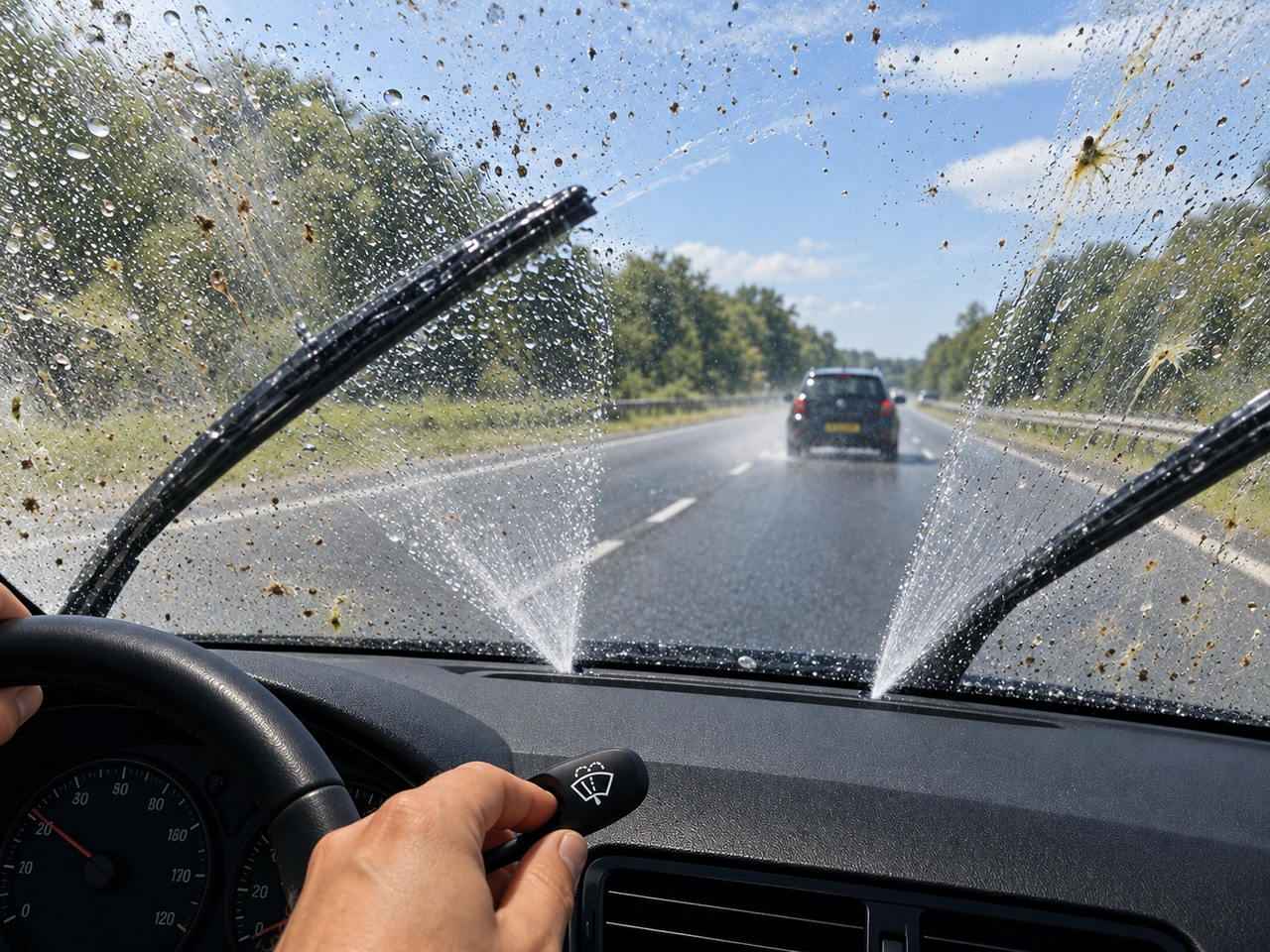
274. Why should the windscreen washer reservoir contain suitable washer fluid?
A clear windscreen is essential for safe observation. Suitable washer fluid helps clean the glass and may provide protection against freezing in cold conditions.
AI-generated by Traffic-rules.com • WCIT • CC BY-SA
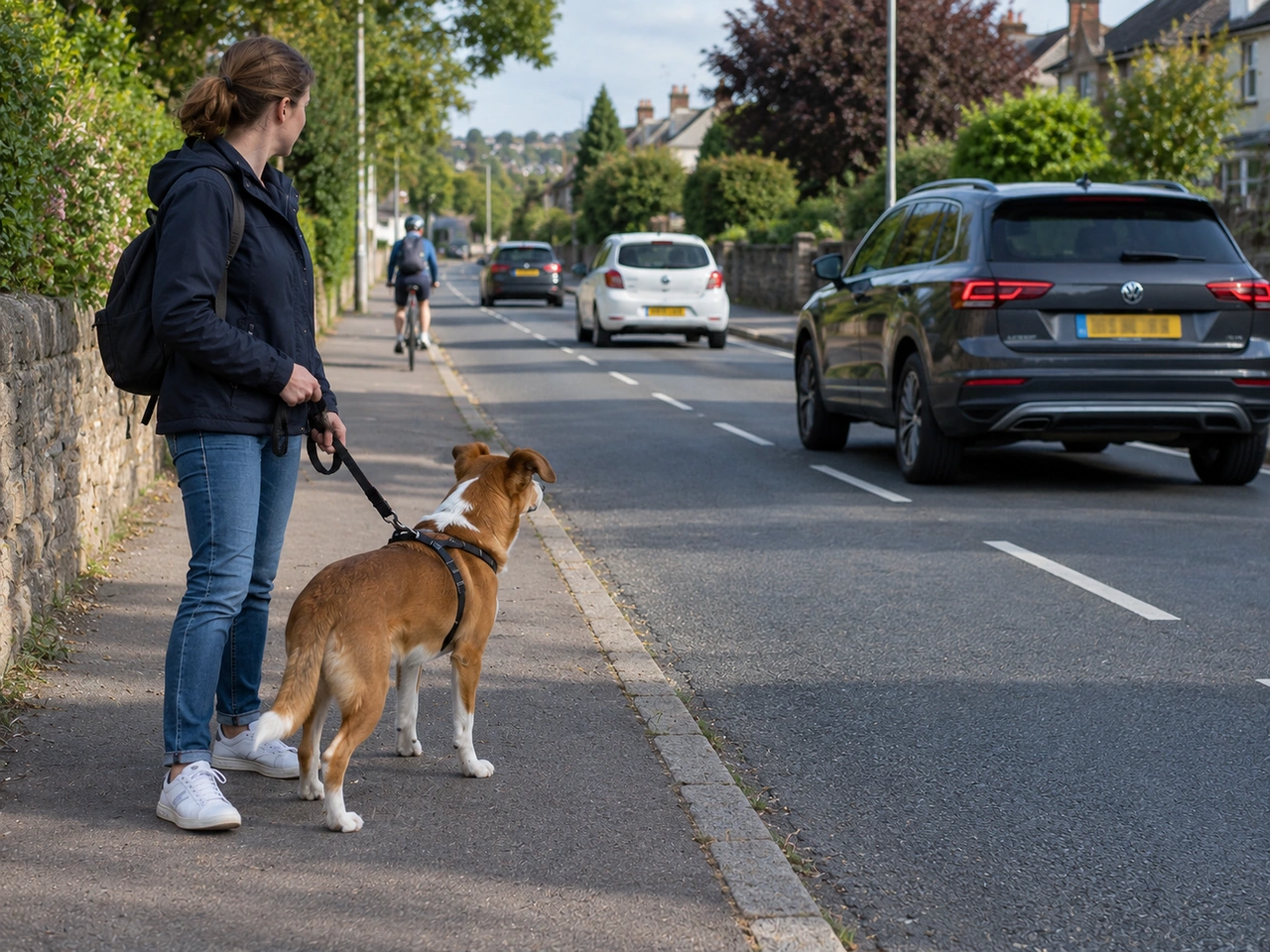
275. Why should you keep a dog on a leash near traffic?
Dogs can react unpredictably to vehicles, people, noises, or other animals. Keeping a dog under close control on a leash near traffic reduces the risk of it suddenly entering the road and endangering itself or other road users.
AI-generated by Traffic-rules.com • WCIT • CC BY-SA
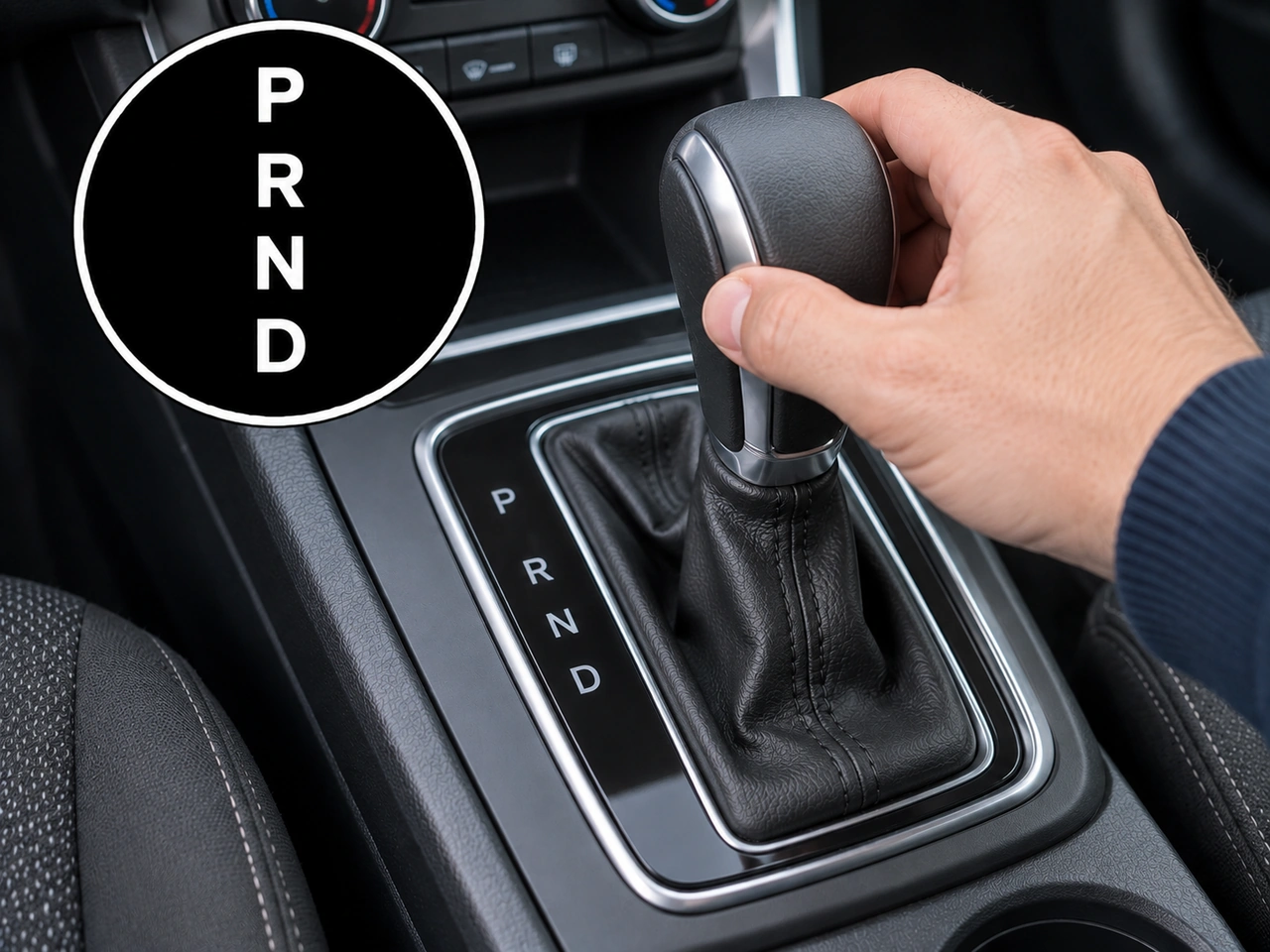
276. Which selector position is used when parking the vehicle?
Select P (Park) when parking an automatic vehicle. Park locks the transmission, but the parking brake should also be applied to secure the vehicle.
AI-generated by Traffic-rules.com • WCIT • CC BY-SA
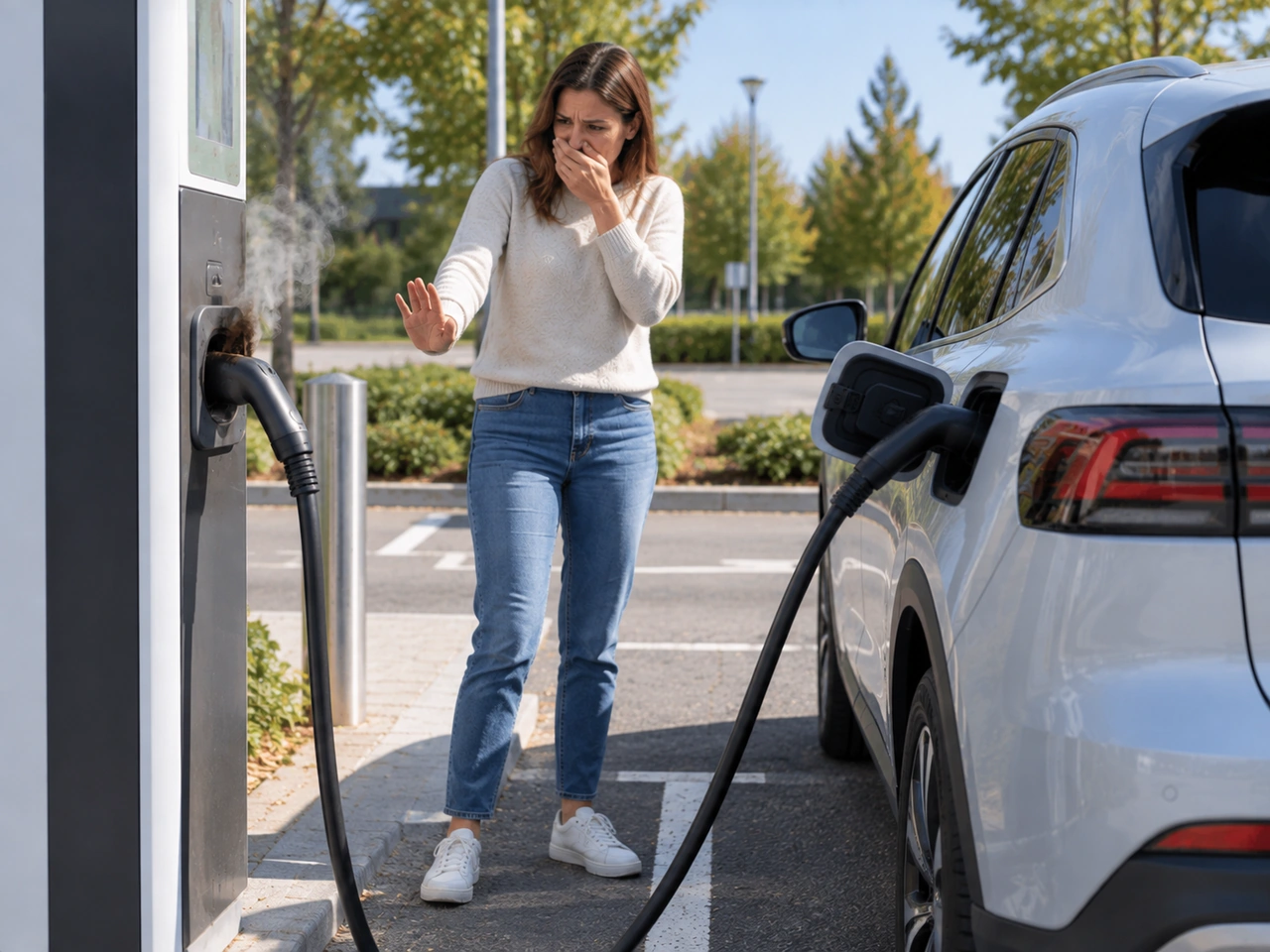
277. What should you do if EV charging equipment becomes unusually hot or smells burnt?
Unusual heat, a burning smell, smoke, sparks, or repeated charging faults can indicate an electrical problem. Stop using the charging equipment if it is safe to do so, keep clear of anything damaged or overheating, and report the fault or seek appropriate assistance.
AI-generated by Traffic-rules.com • WCIT • CC BY-SA
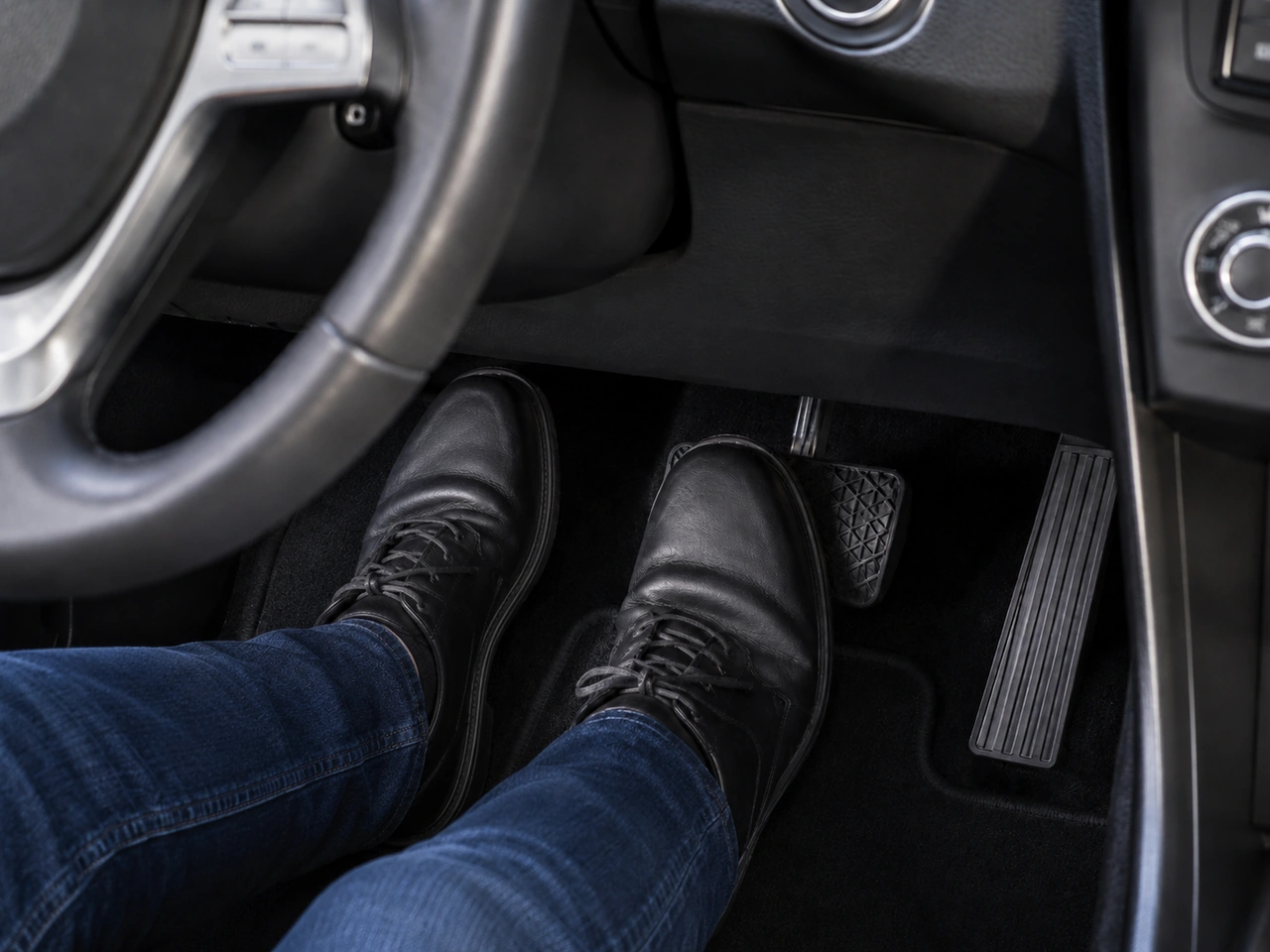
278. What should you do if the brake pedal feels unusually soft?
A soft brake pedal or increased stopping distance may indicate a serious brake fault. Do not continue driving normally until the system has been checked.
AI-generated by Traffic-rules.com • WCIT • CC BY-SA
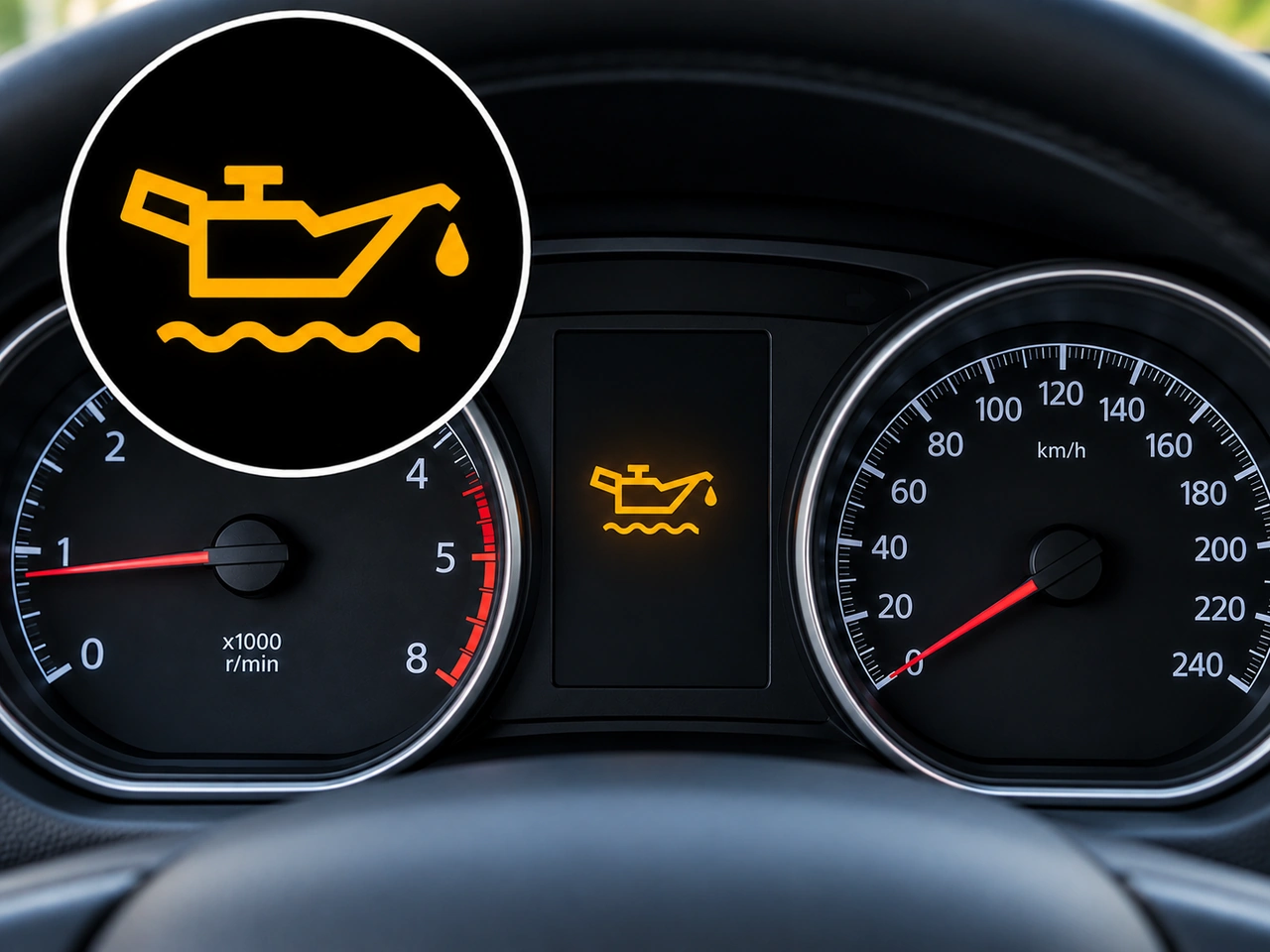
279. What does this dashboard symbol indicate?
This symbol indicates that the engine oil level is low. Check the oil level according to the manufacturer's instructions and add the correct oil if necessary.
AI-generated by Traffic-rules.com • WCIT • CC BY-SA
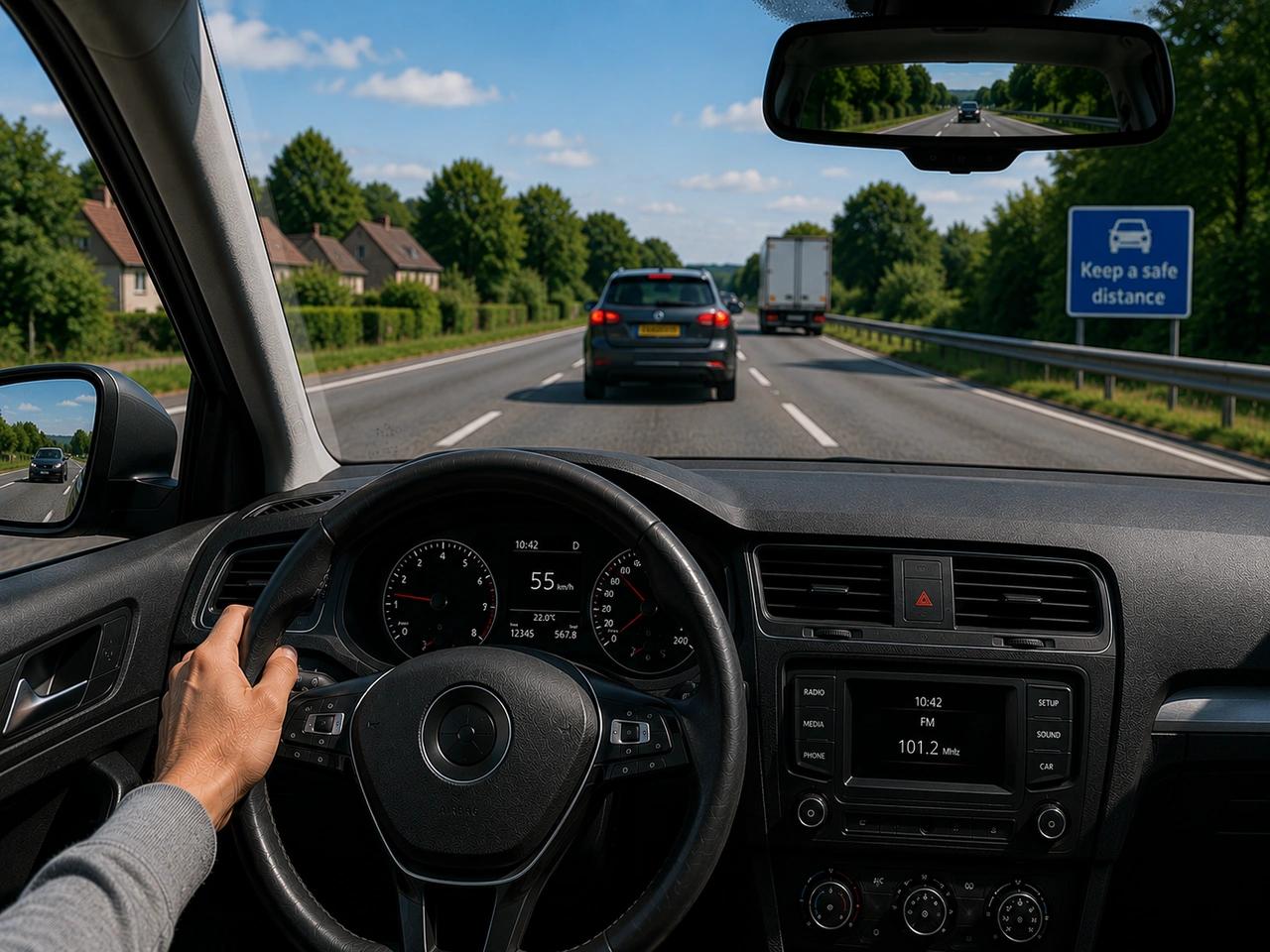
280. You should follow the vehicle in front as closely as possible in traffic.
You should keep a safe following distance so you have enough time to react if traffic slows or stops suddenly.
AI-generated by Traffic-rules.com • WCIT • CC BY-SA
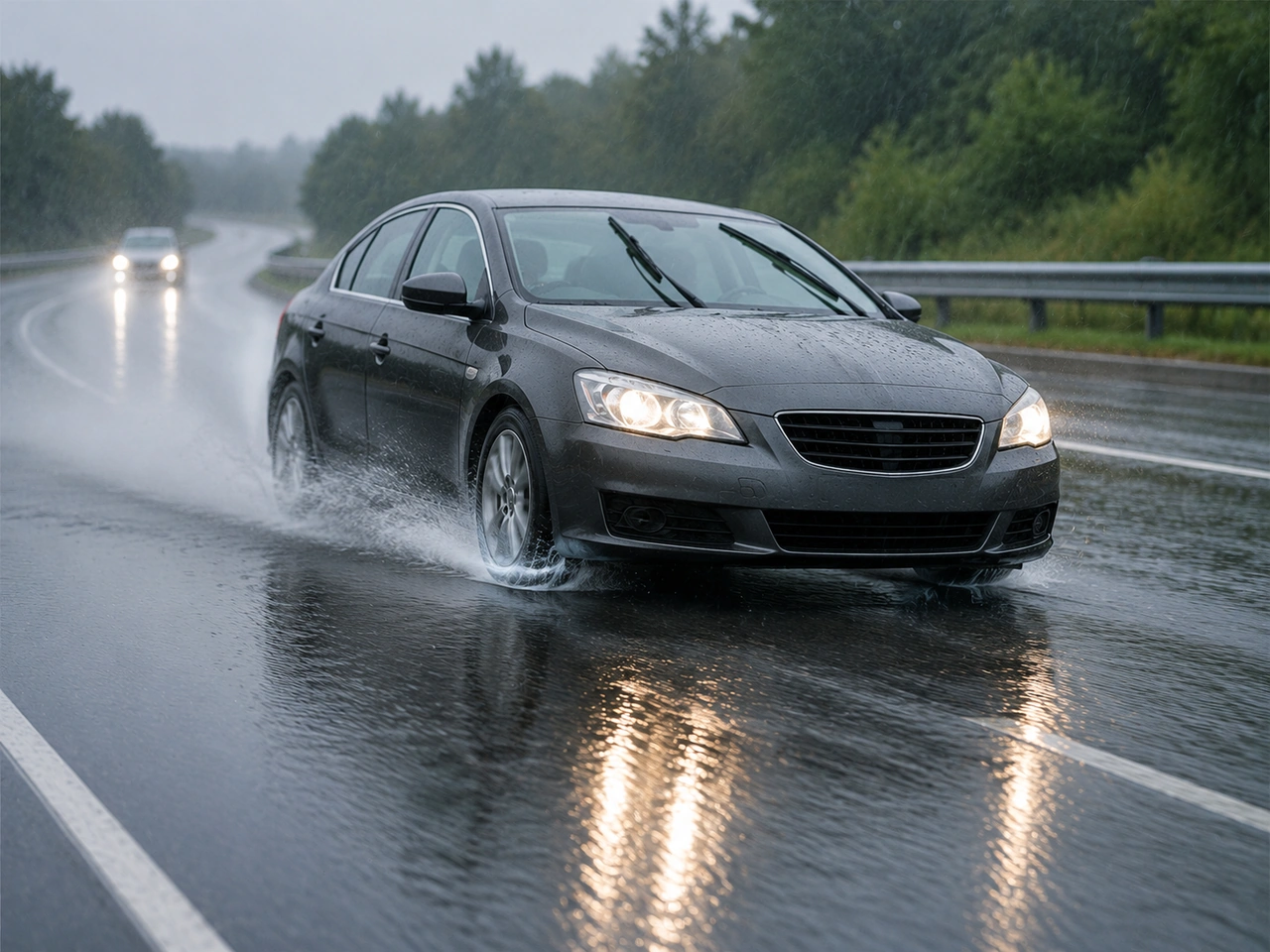
281. What is aquaplaning?
Aquaplaning occurs when water builds up between the tyres and the road, causing a loss of grip and control. The risk increases at higher speeds.
AI-generated by Traffic-rules.com • WCIT • CC BY-SA
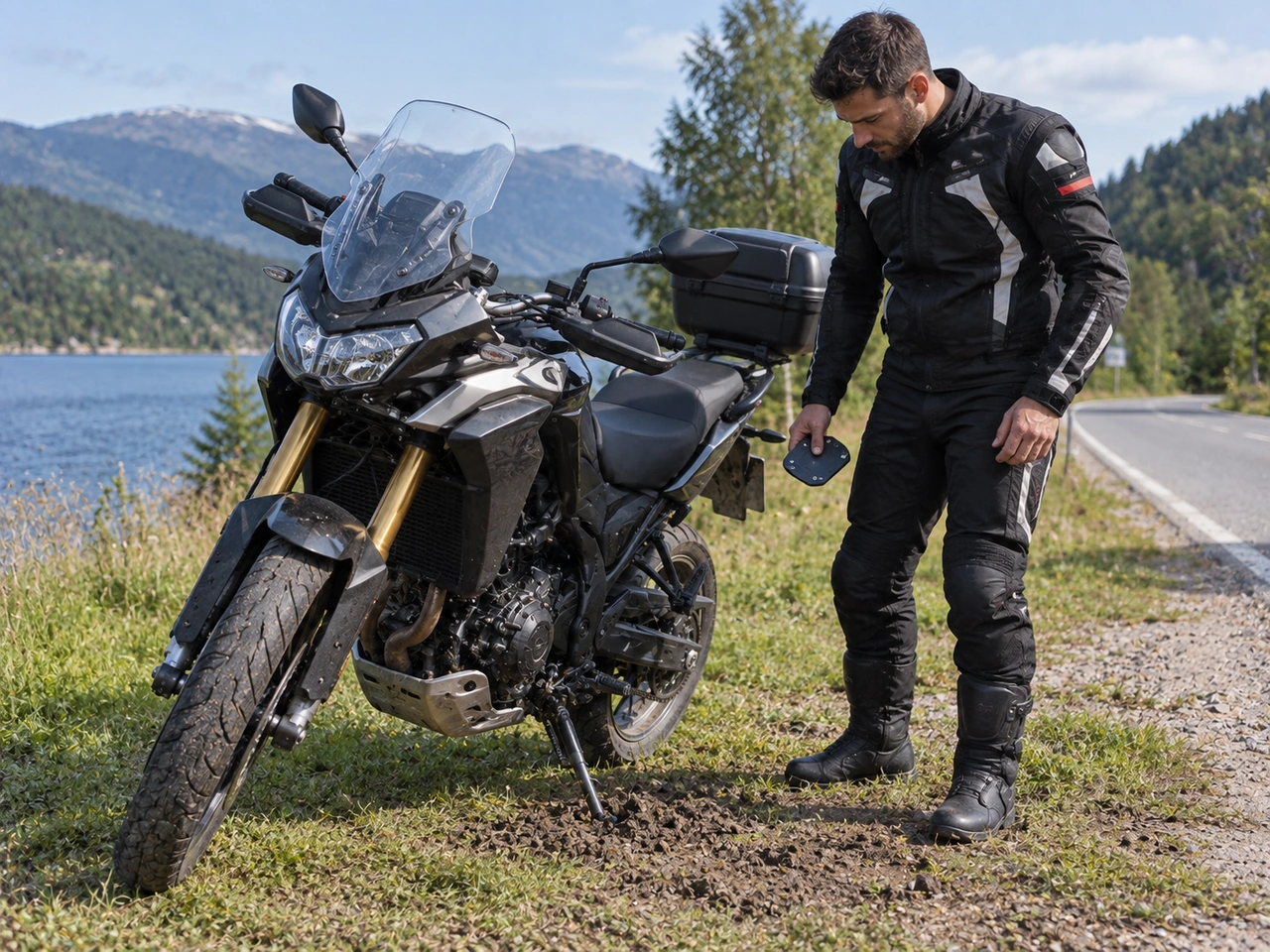
282. Why should you take care when parking a motorcycle on soft ground?
On soft or unstable ground, the side or centre stand can sink or move, causing the motorcycle to fall. Park on a firm, stable surface or use a suitable support under the stand when necessary.
AI-generated by Traffic-rules.com • WCIT • CC BY-SA
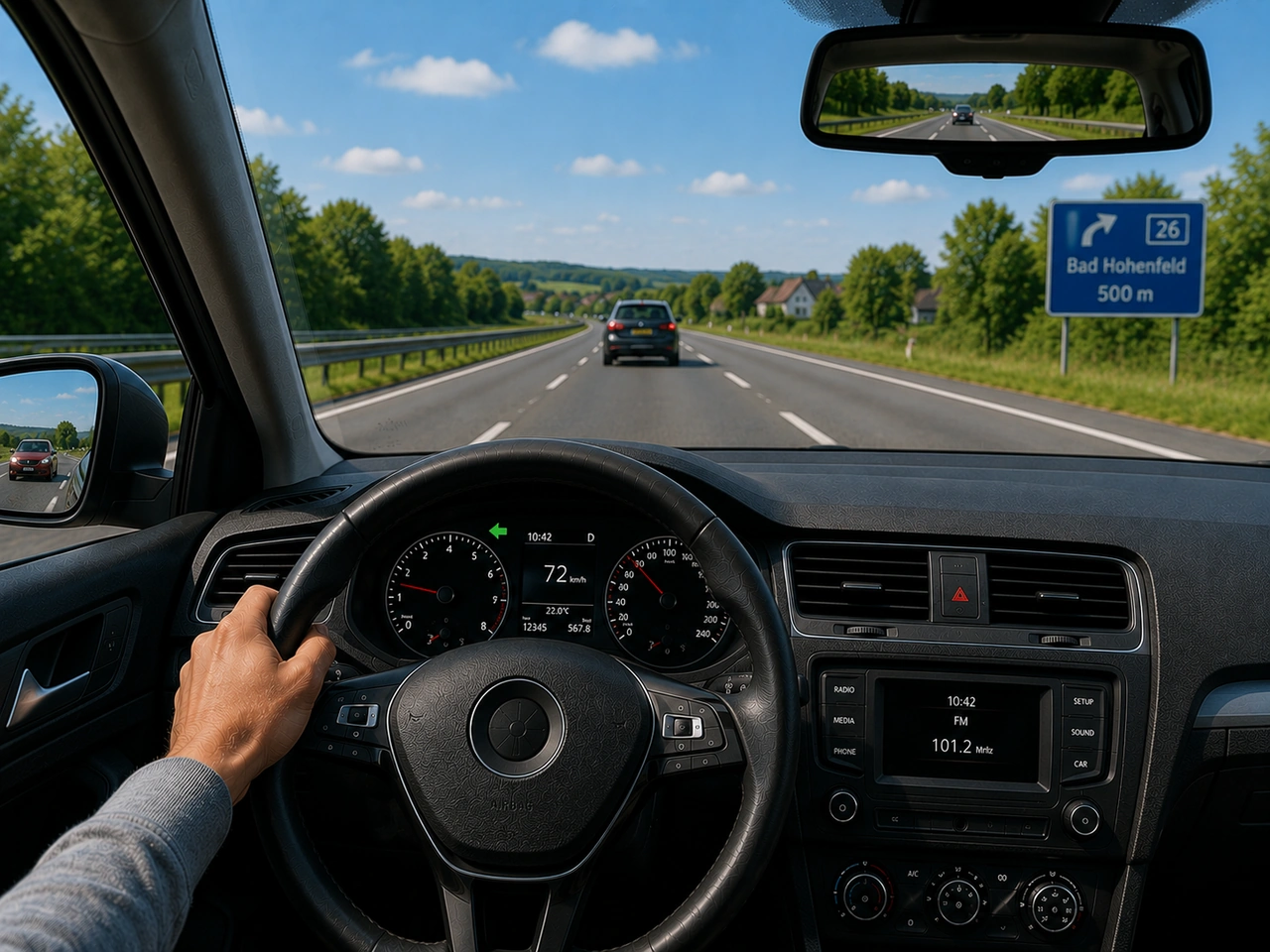
283. Using indicators helps other road users understand your intentions.
Indicators help communicate your intended direction and improve safety for everyone on the road.
AI-generated by Traffic-rules.com • WCIT • CC BY-SA
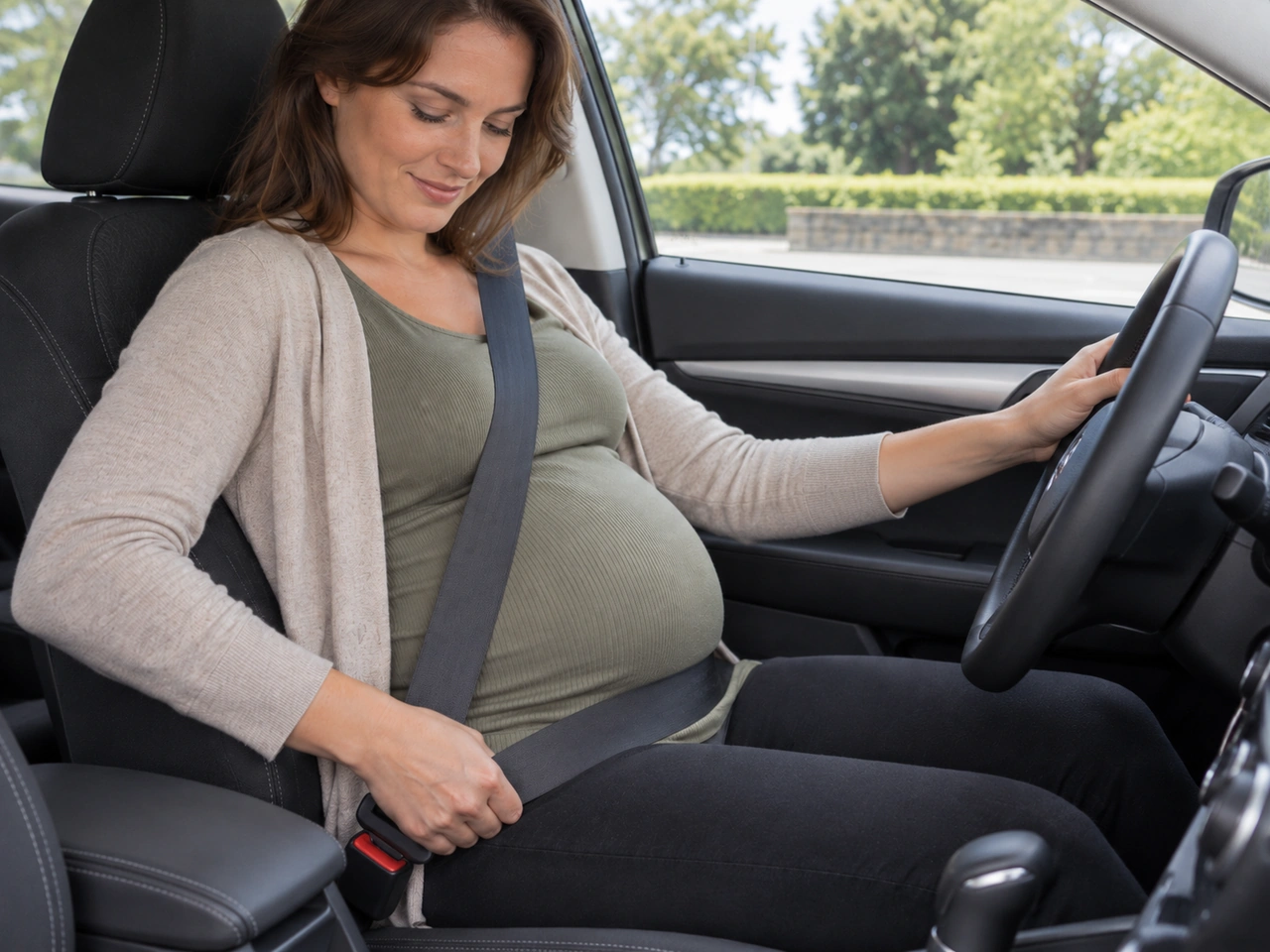
284. How should a three-point seat belt normally be worn during pregnancy?
During pregnancy, a three-point seat belt should be worn correctly. The lap belt should sit low across the hips, below the abdomen, while the shoulder belt should pass across the chest and to the side of the abdomen. The belt should fit snugly and should not be placed behind the back or under the arm.
AI-generated by Traffic-rules.com • WCIT • CC BY-SA
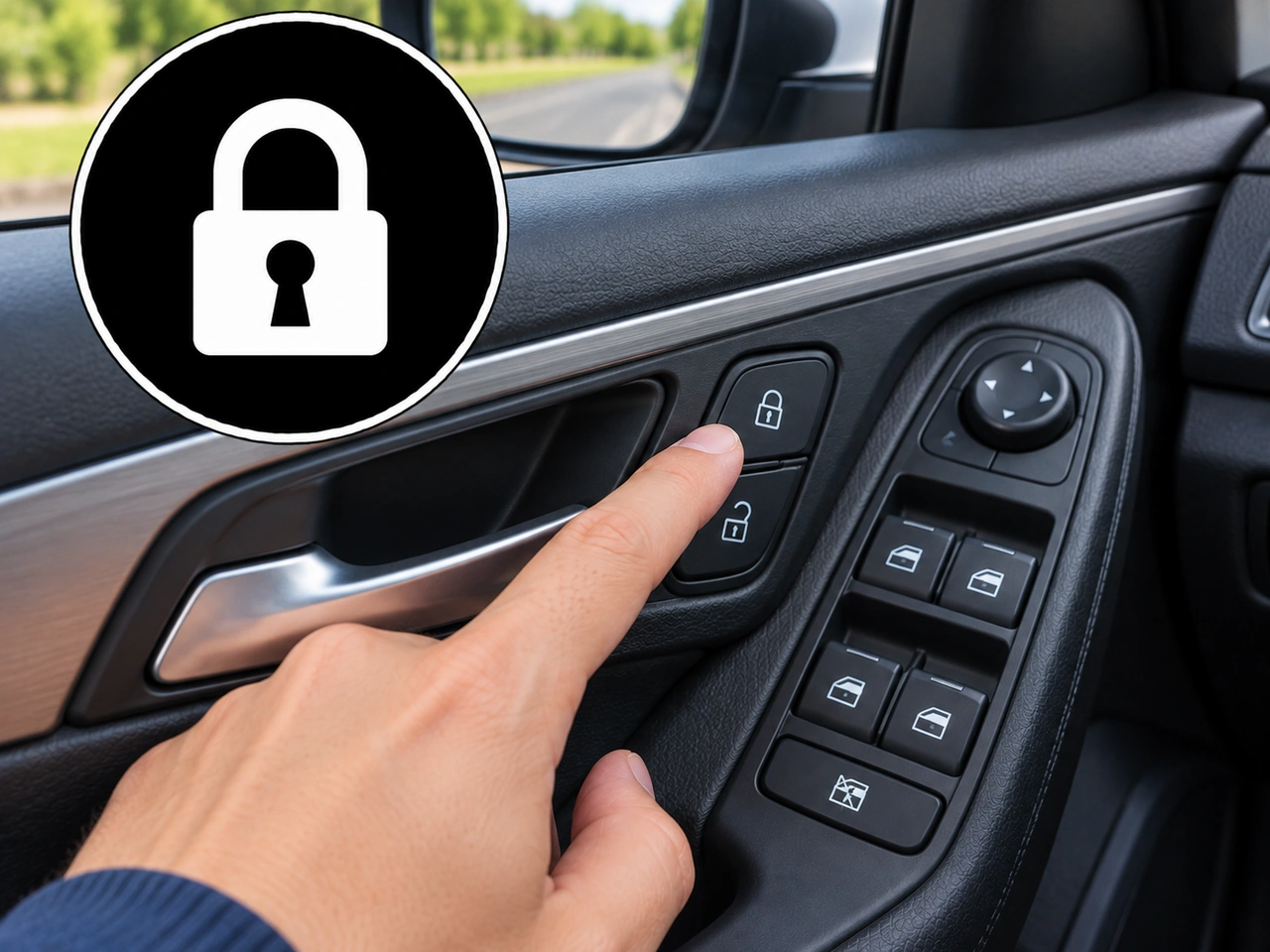
285. What does this vehicle-control symbol indicate?
This control operates the vehicle's central door locking system. Pressing it locks or unlocks the vehicle's doors, depending on the current lock state.
AI-generated by Traffic-rules.com • WCIT • CC BY-SA
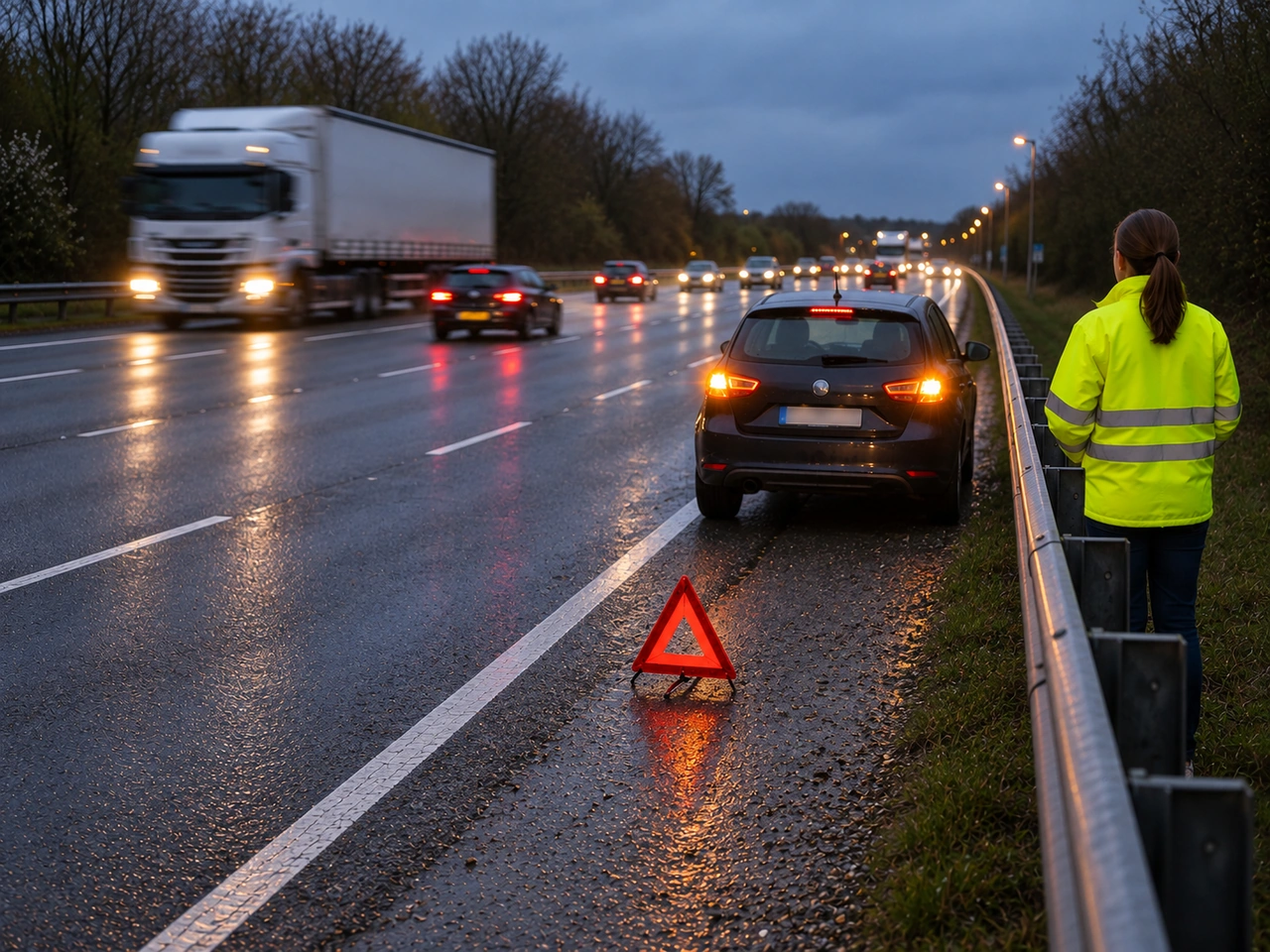
286. Why is high-visibility clothing useful during a roadside breakdown?
High-visibility clothing improves your visibility, especially at night or in poor weather, but you must still remain away from traffic.
AI-generated by Traffic-rules.com • WCIT • CC BY-SA
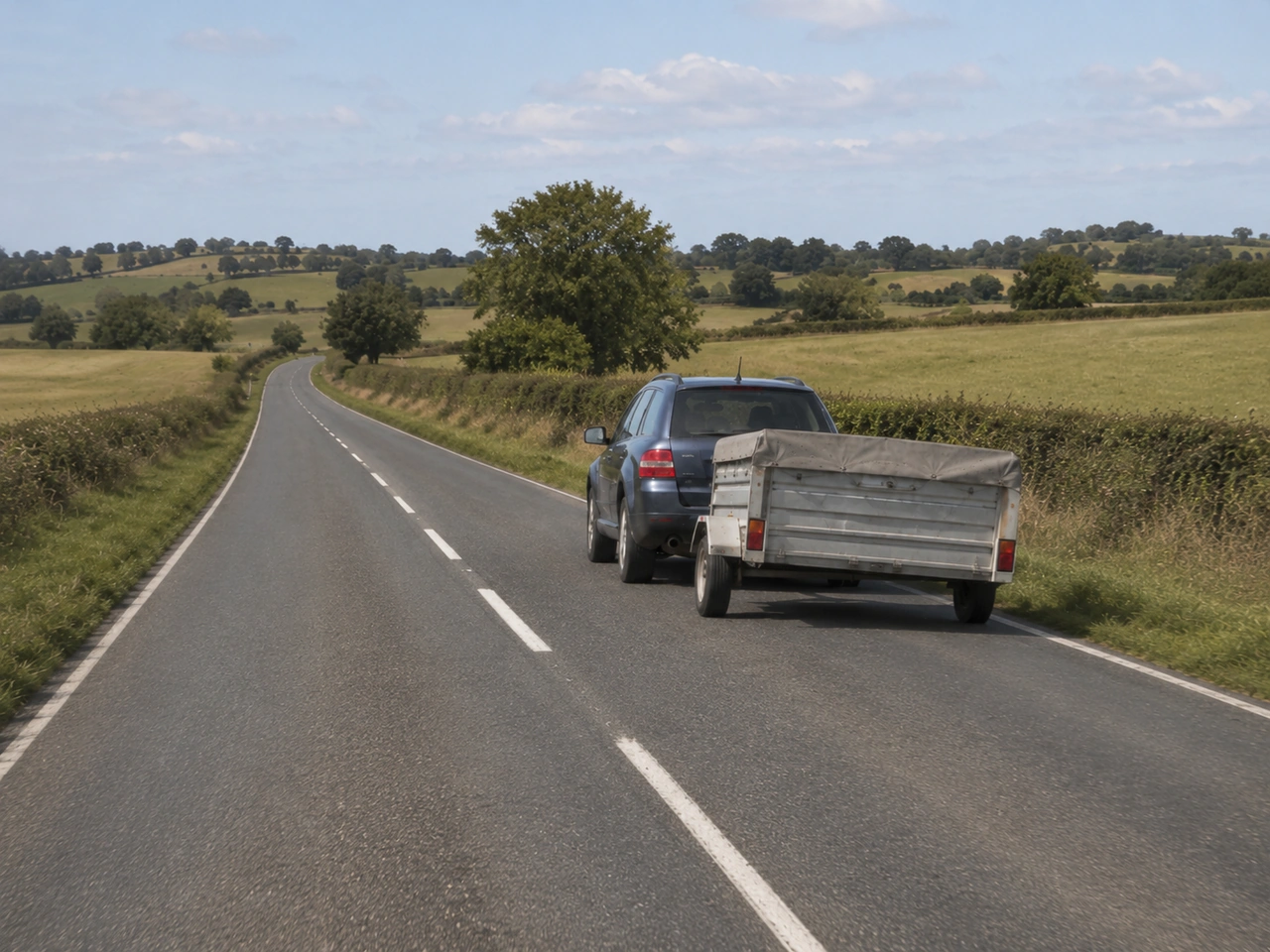
287. What should you do if a trailer begins to sway?
Sudden steering or braking can worsen trailer sway. Stay calm, hold a steady course, and reduce speed smoothly.
AI-generated by Traffic-rules.com • WCIT • CC BY-SA
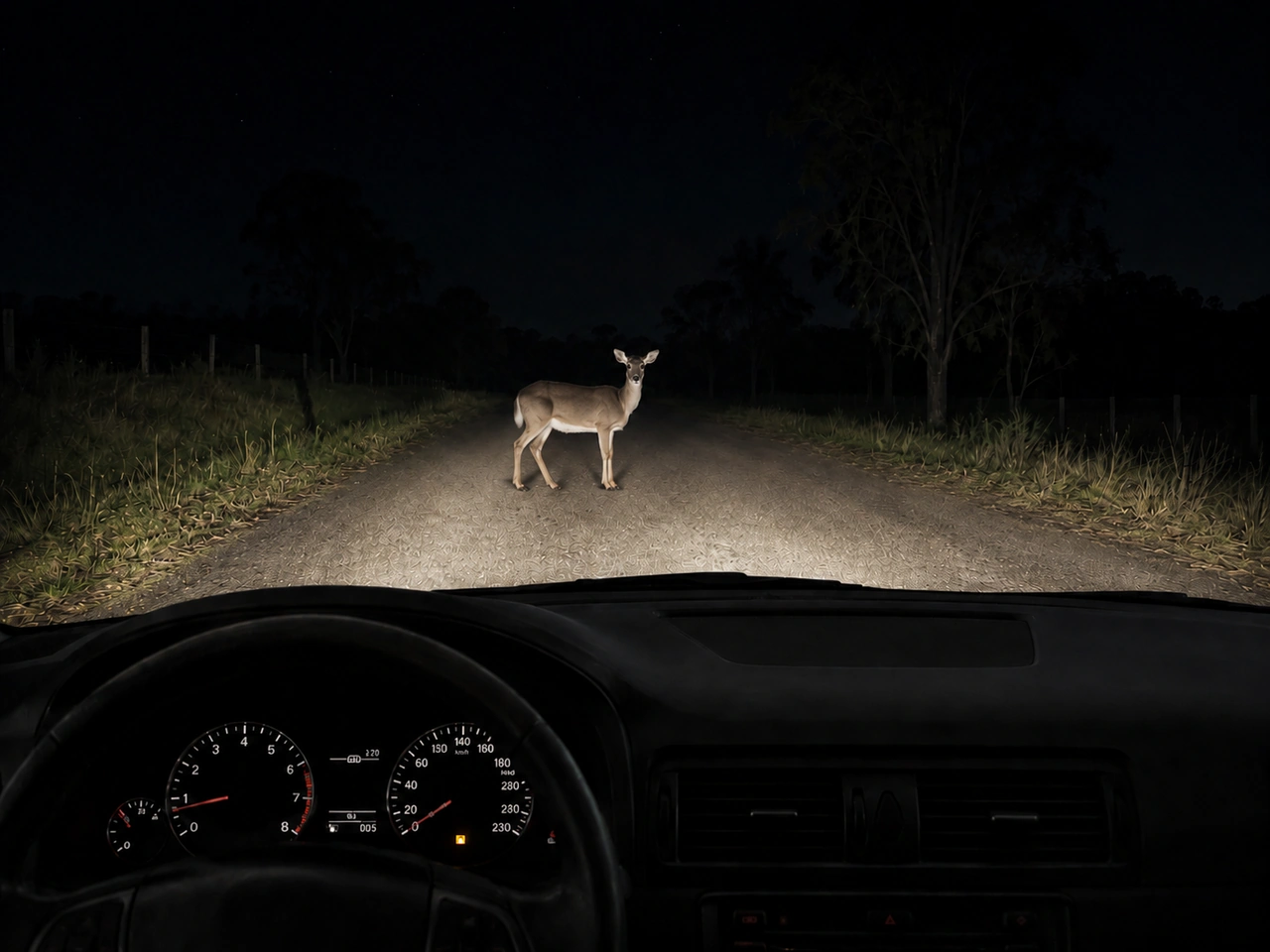
288. What should you do if an animal is standing on the road at night?
Animals may freeze, turn back, or move unpredictably when caught in vehicle headlights.
AI-generated by Traffic-rules.com • WCIT • CC BY-SA
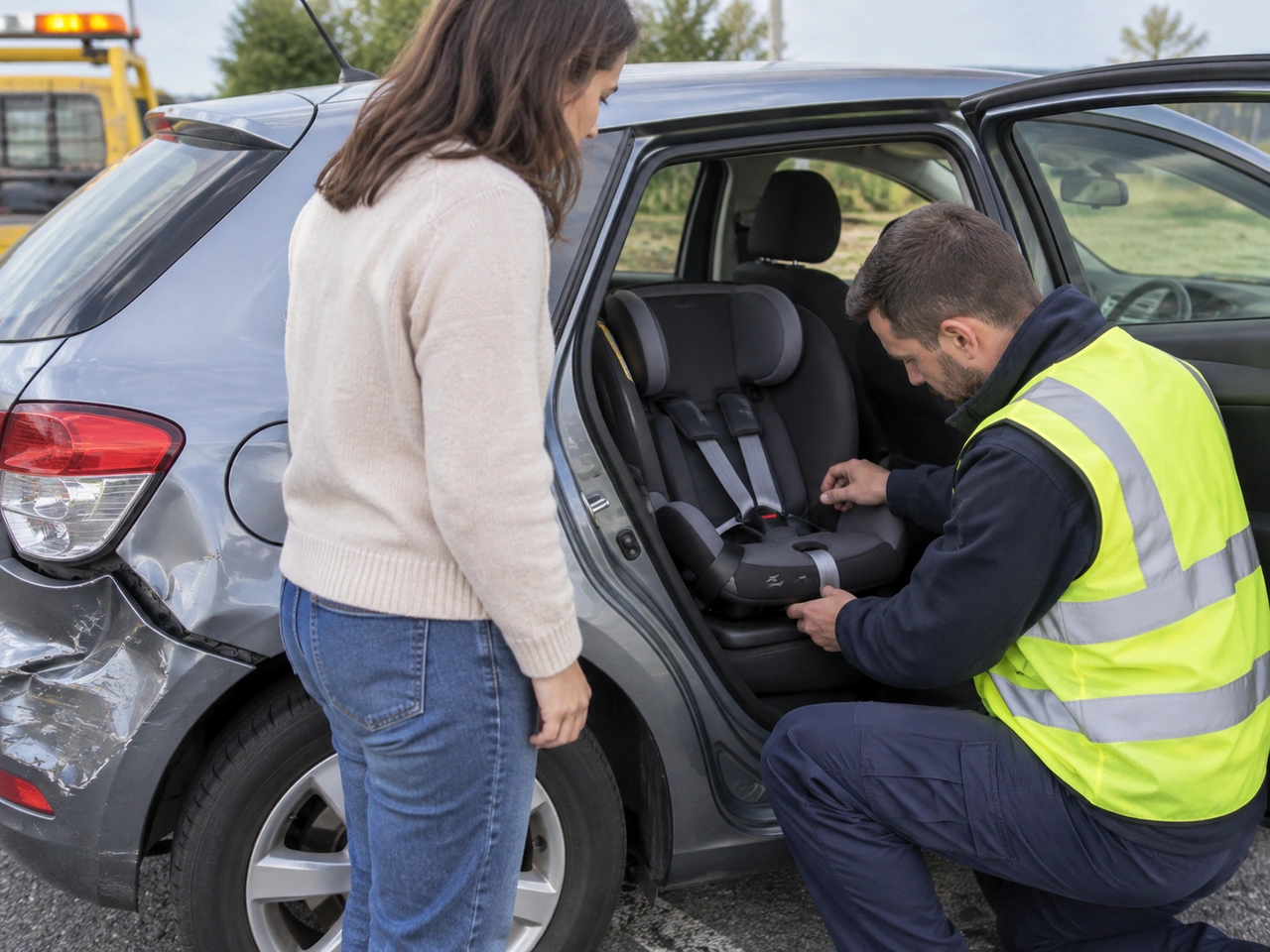
289. What should you do with a child restraint after a collision?
A child restraint may be damaged in a collision even when the damage is not obvious. Follow the manufacturer's instructions, as the restraint may need to be inspected or replaced before it is used again.
AI-generated by Traffic-rules.com • WCIT • CC BY-SA
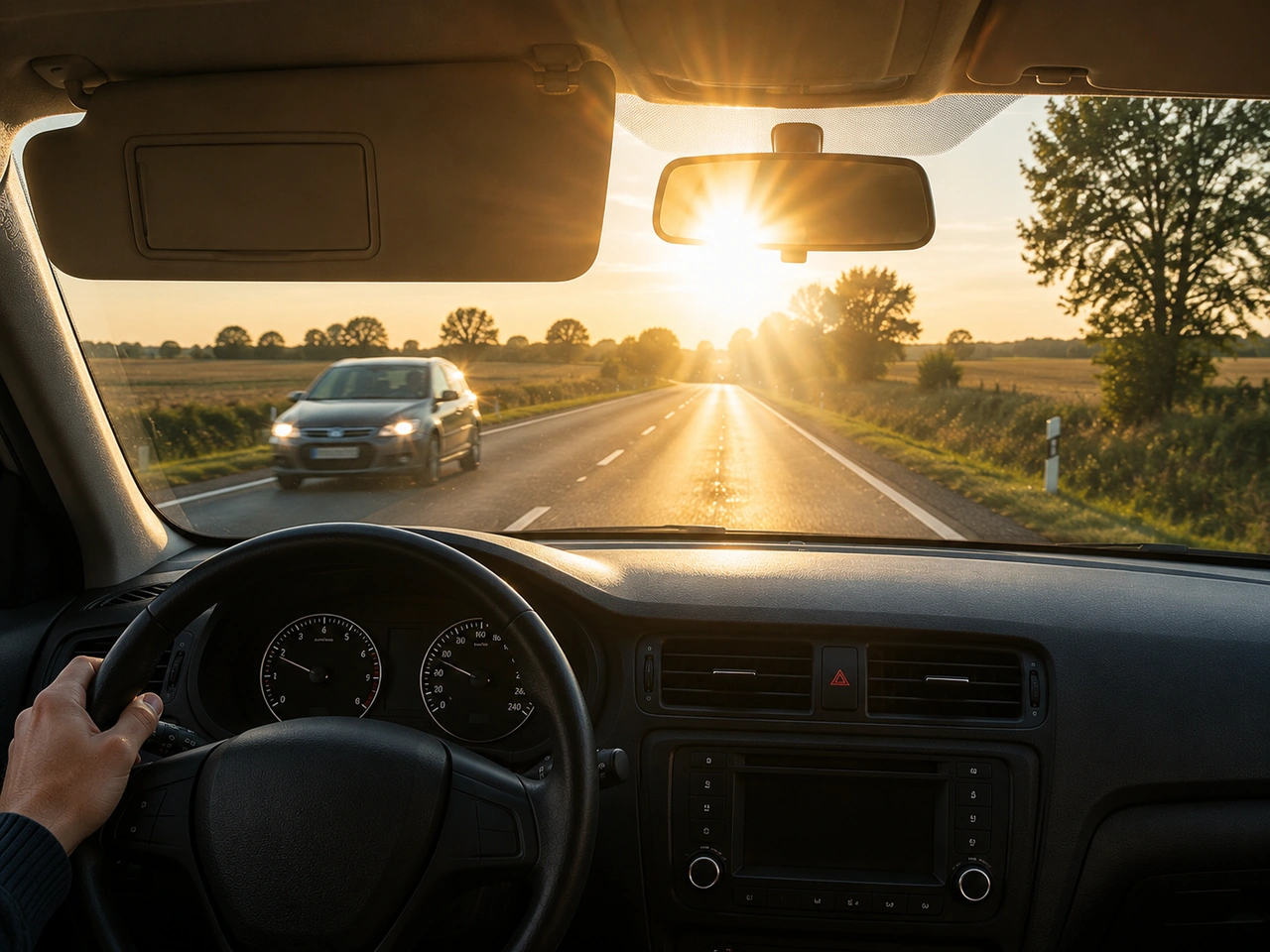
290. What should you do if you are dazzled by low sun?
Low sun can greatly reduce visibility. Slow down, increase your safety margin, and use the sun visor or sunglasses if needed.
AI-generated by Traffic-rules.com • WCIT • CC BY-SA
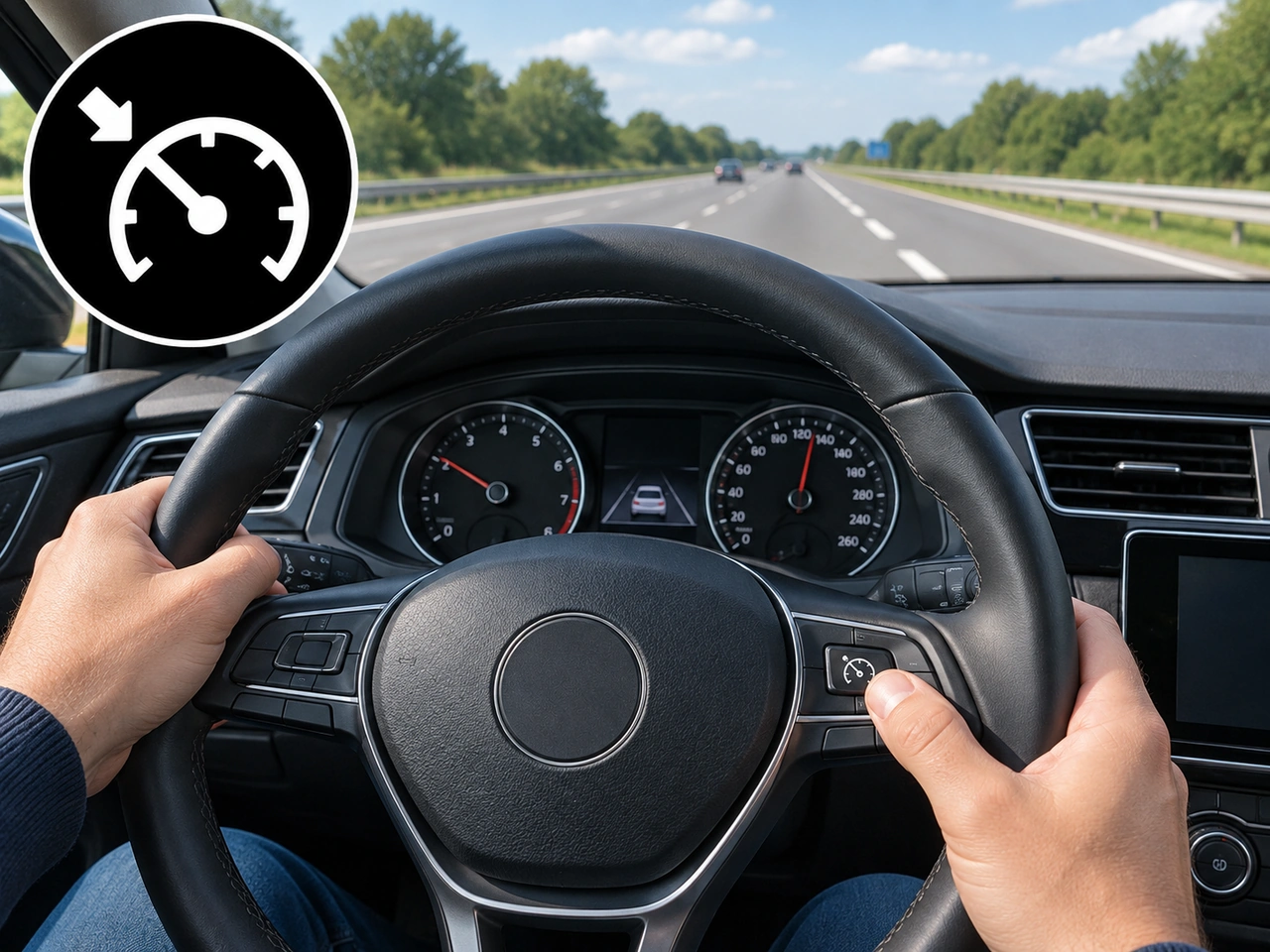
291. What is the purpose of cruise control?
Cruise control can maintain a selected speed without the driver continuously pressing the accelerator. The driver must remain attentive and ready to brake or take control when necessary.
AI-generated by Traffic-rules.com • WCIT • CC BY-SA
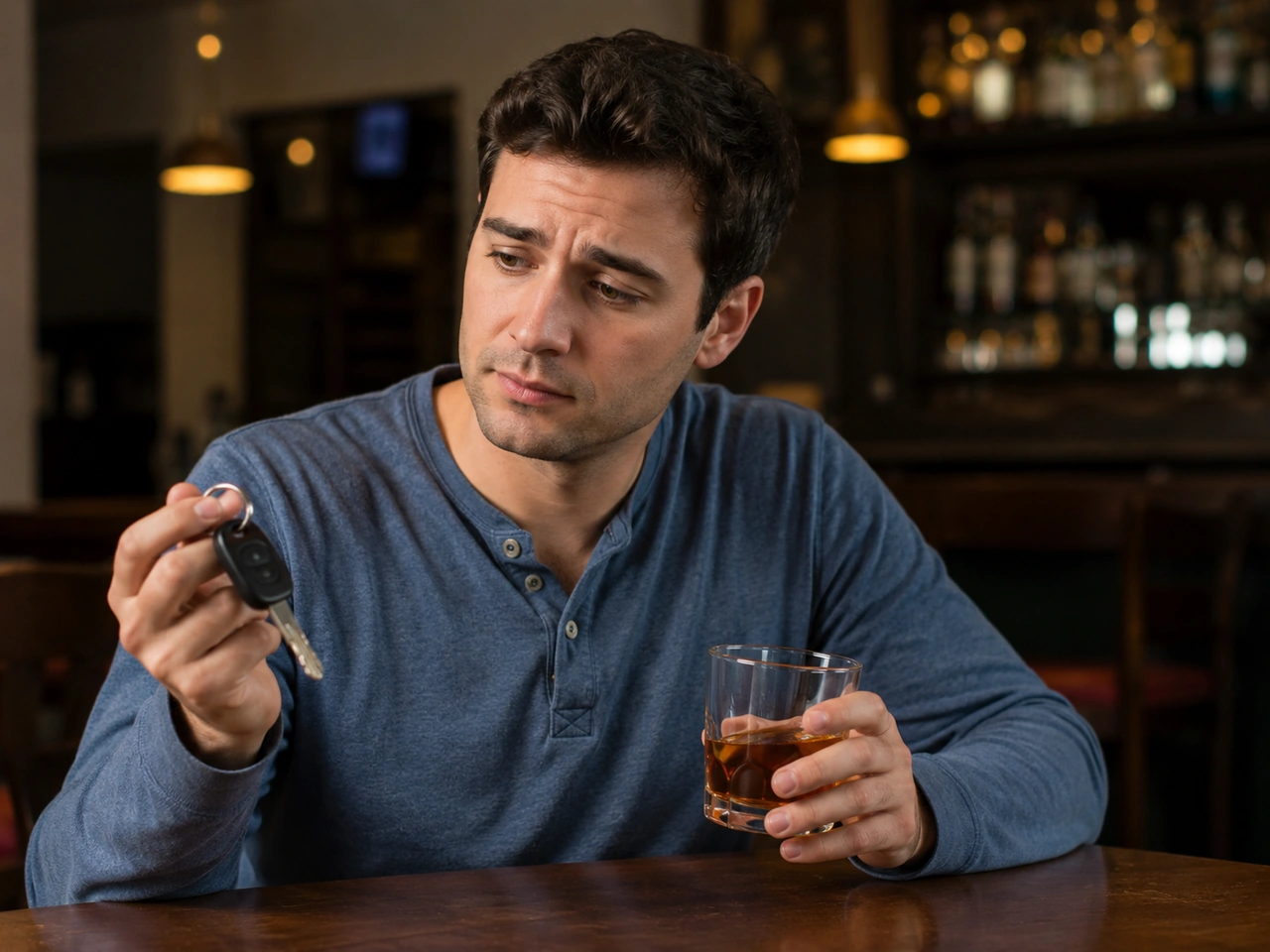
292. What is the safest choice if you have consumed alcohol?
Alcohol can impair judgement, coordination, vision, and reaction time. A sober driver, taxi, public transport, or an overnight stay is the safer choice.
AI-generated by Traffic-rules.com • WCIT • CC BY-SA
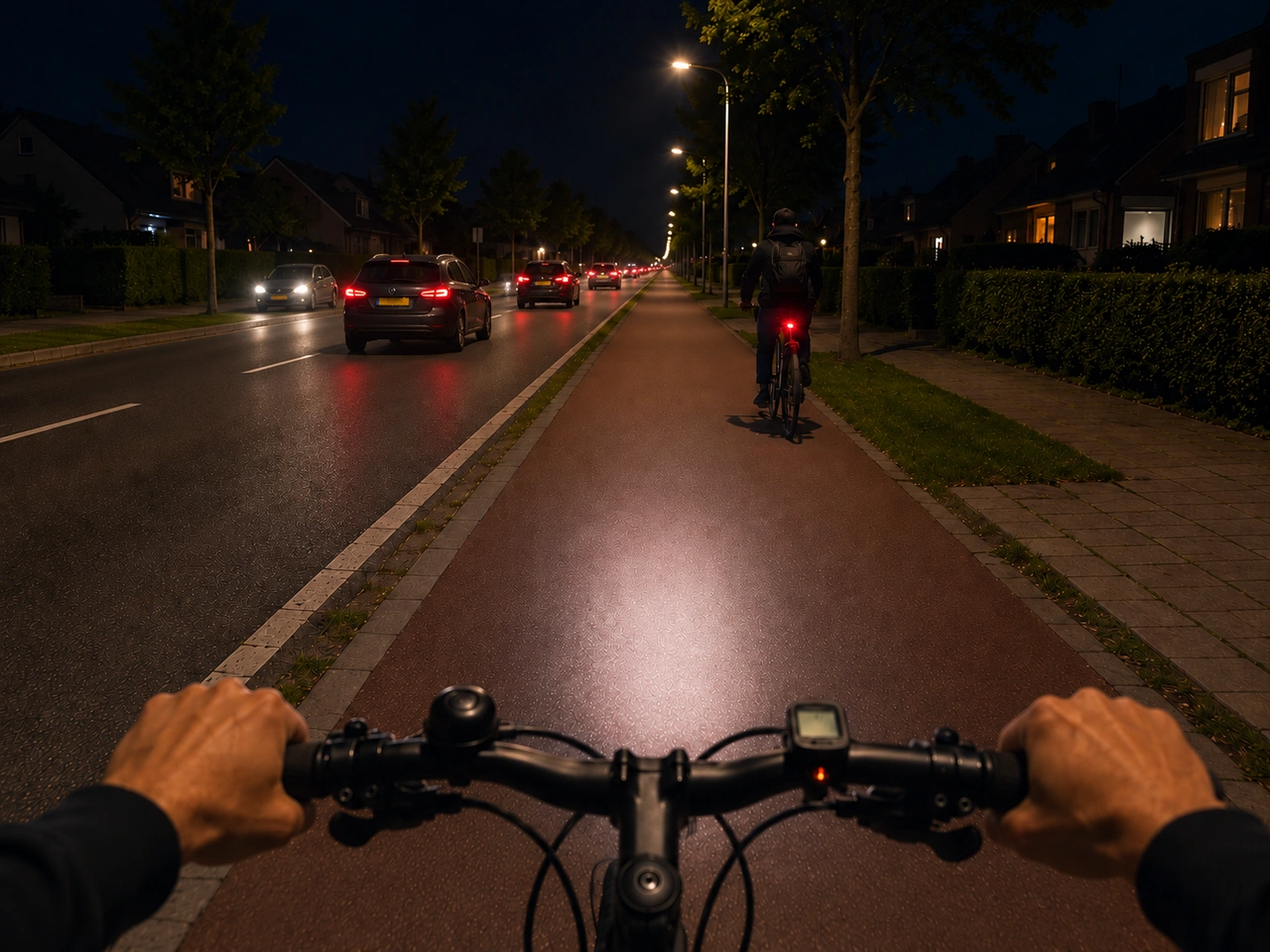
293. Why is it important to use bicycle lights at night?
Front and rear lights improve visibility and make it easier for drivers, cyclists, and pedestrians to detect you.
AI-generated by Traffic-rules.com • WCIT • CC BY-SA
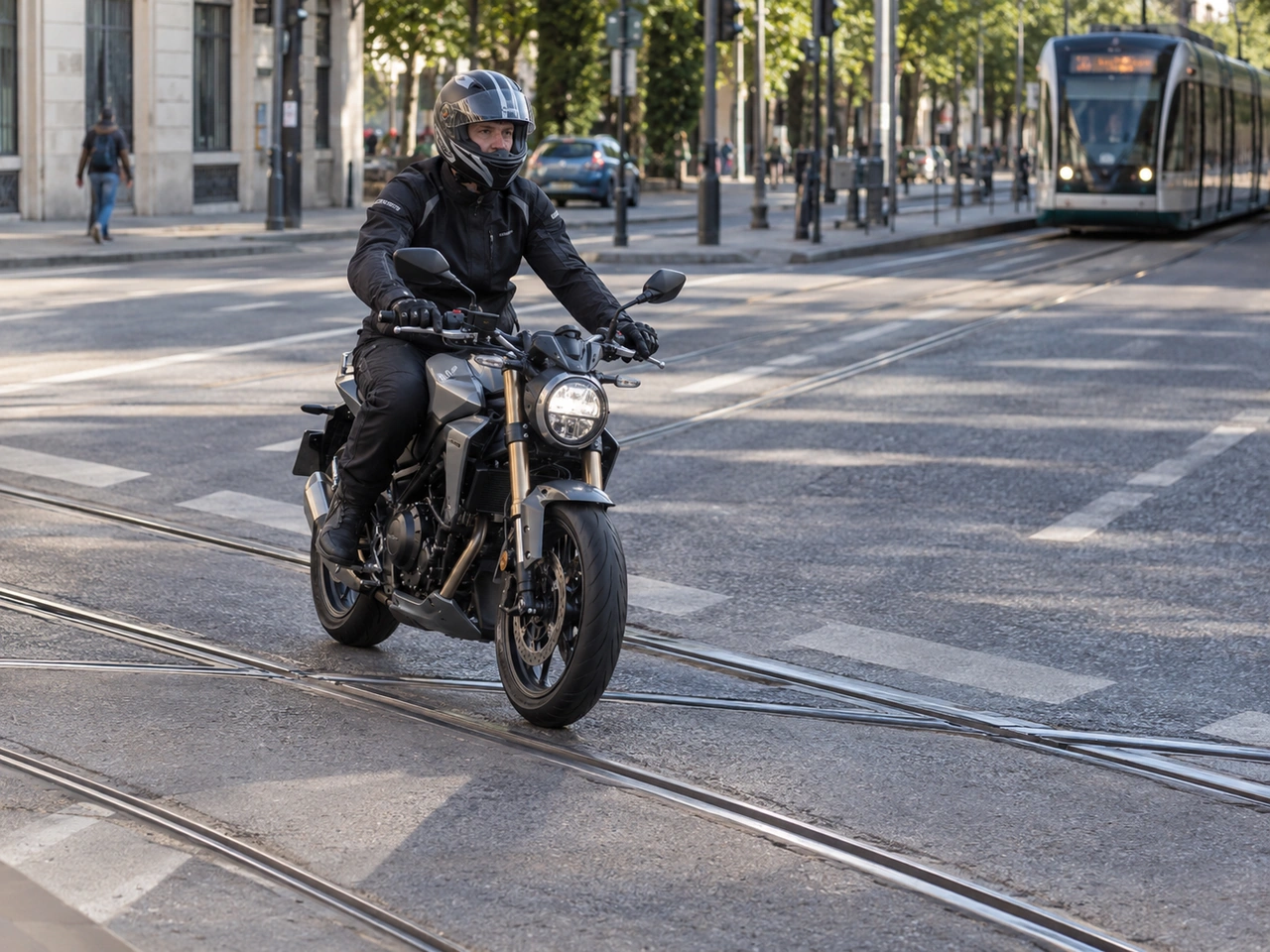
294. How should a motorcyclist cross tram or railway rails?
Rails can be slippery and can catch a motorcycle tyre, especially when wet. Cross them at a sufficiently large angle, as close to perpendicular as practical, and avoid sudden braking, acceleration or steering while crossing.
AI-generated by Traffic-rules.com • WCIT • CC BY-SA
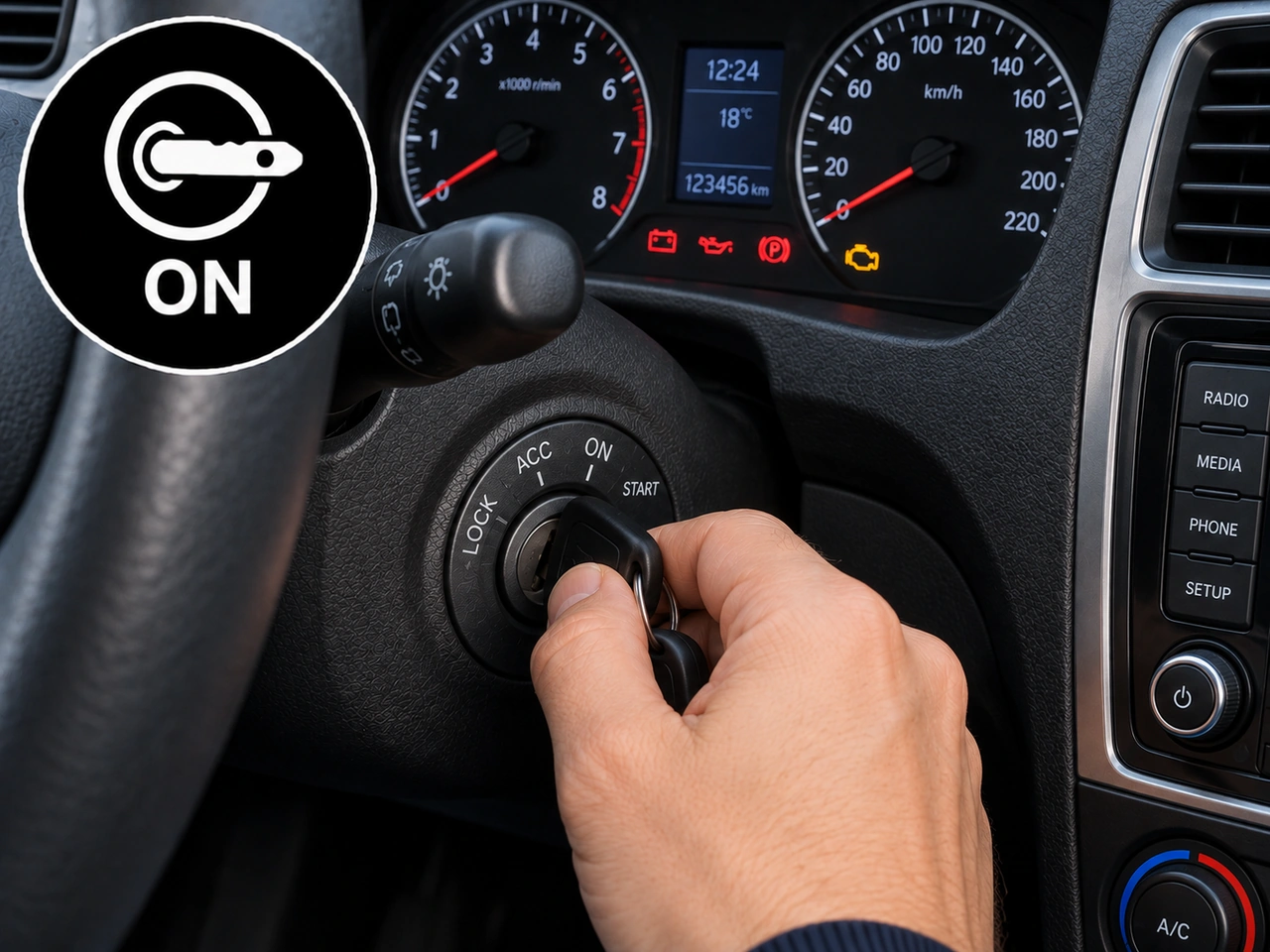
295. What does the ON position of a traditional ignition switch normally do?
The ON position normally switches on the vehicle's electrical and ignition systems without operating the starter motor. The engine is started by turning the key further to the START position.
AI-generated by Traffic-rules.com • WCIT • CC BY-SA
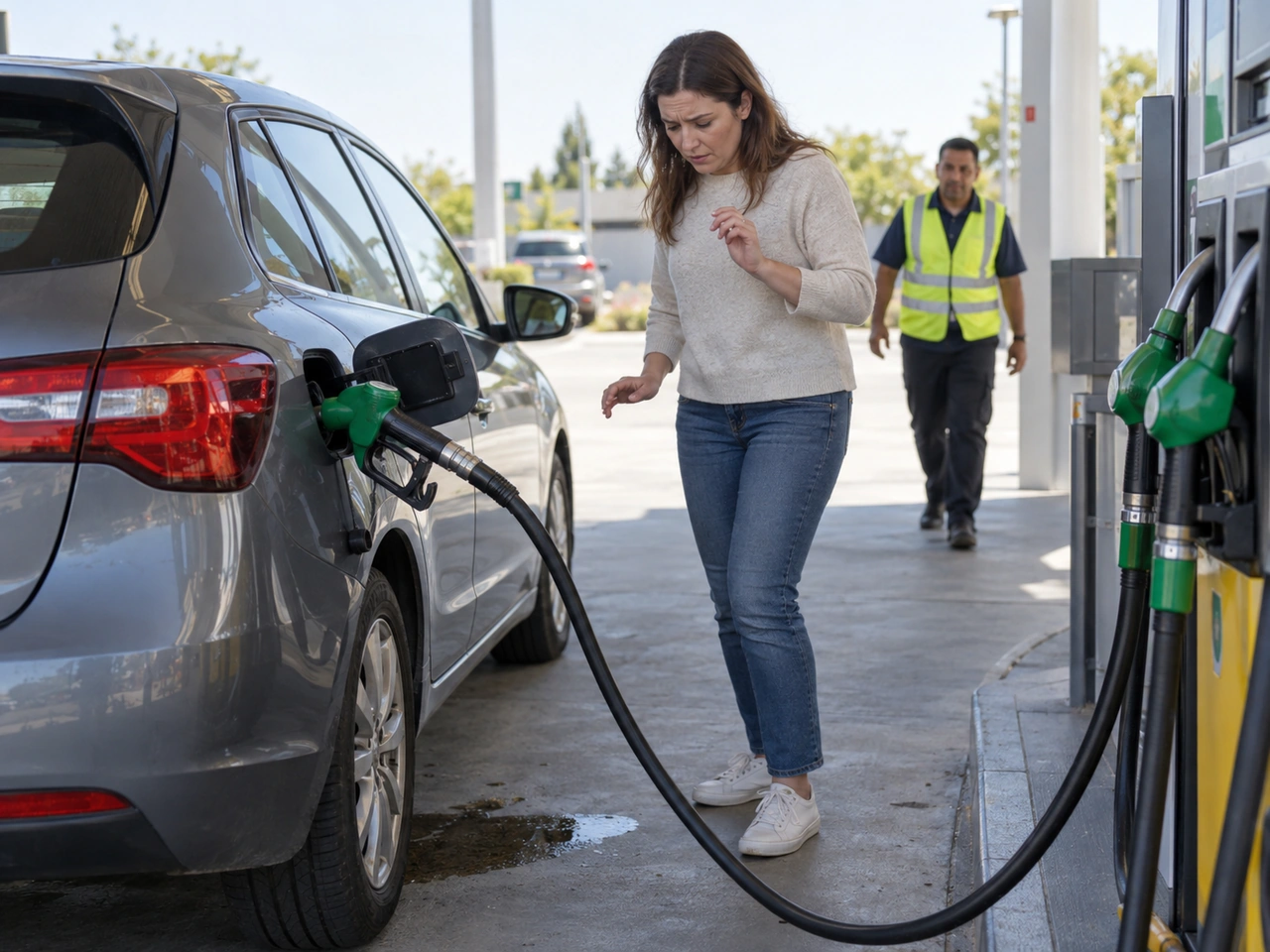
296. What should you do if fuel spills while you are refuelling?
If fuel is spilled, stop refuelling immediately and keep flames, sparks, and other ignition sources away. Do not start the vehicle until the situation is safe. Alert filling-station staff and follow their instructions for dealing with the spill.
AI-generated by Traffic-rules.com • WCIT • CC BY-SA
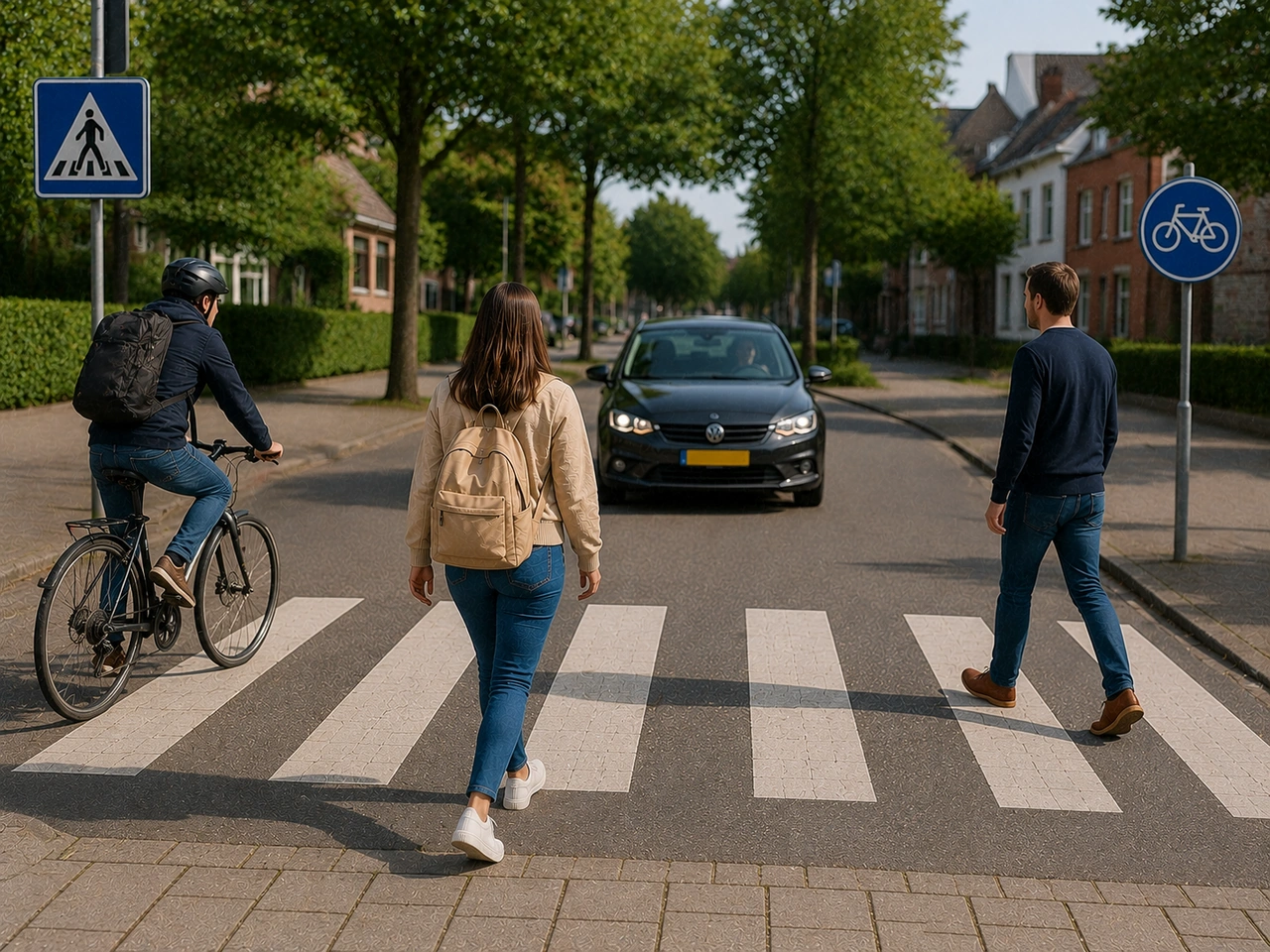
297. Who is responsible for staying safe when crossing the road?
Road safety is a shared responsibility. Pedestrians, drivers, and cyclists all need to stay alert and follow the rules.
AI-generated by Traffic-rules.com • WCIT • CC BY-SA
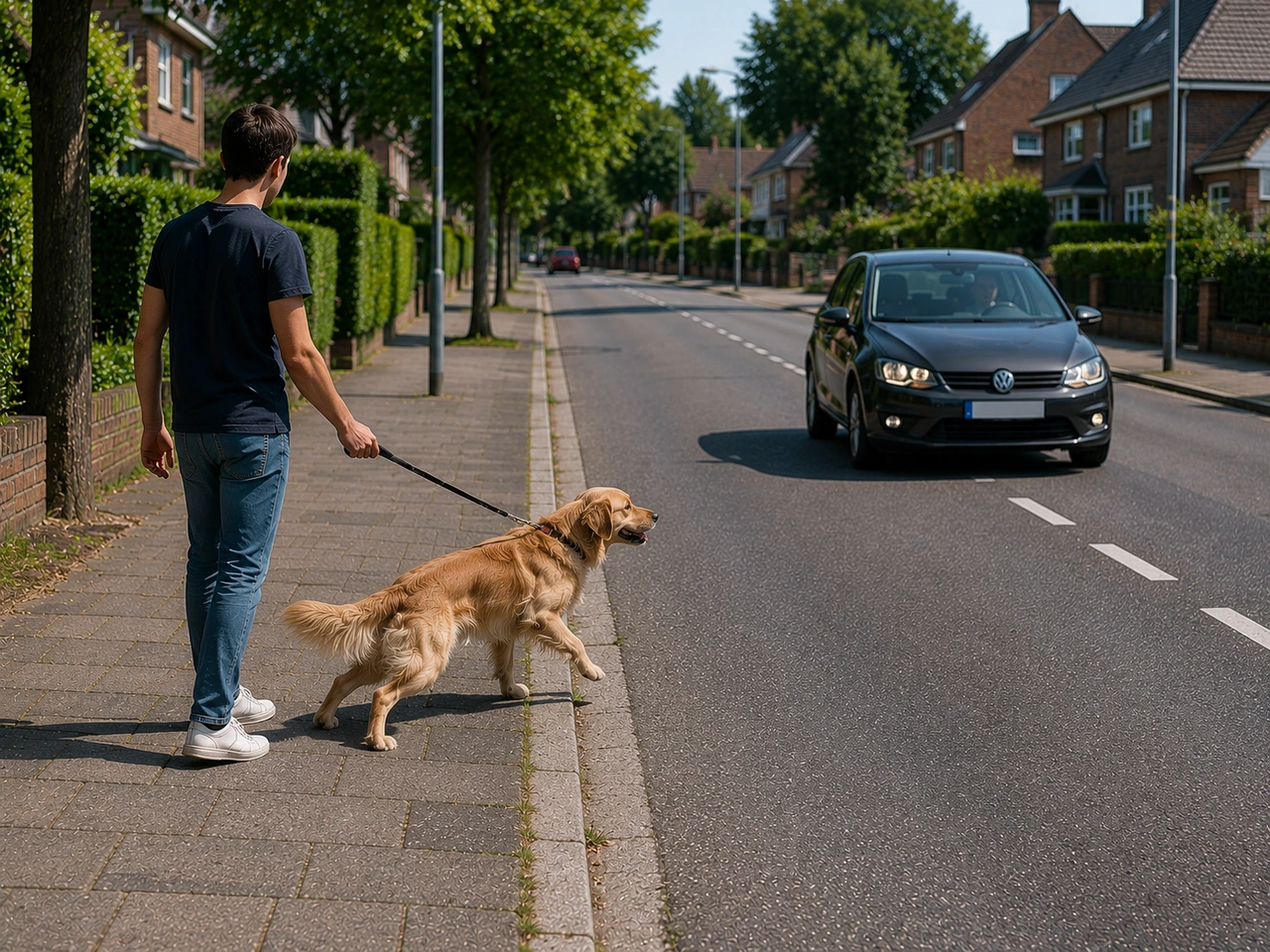
298. Why should pedestrians avoid sudden movements near traffic?
Sudden movements can surprise drivers and reduce the time they have to slow down or stop safely.
AI-generated by Traffic-rules.com • WCIT • CC BY-SA
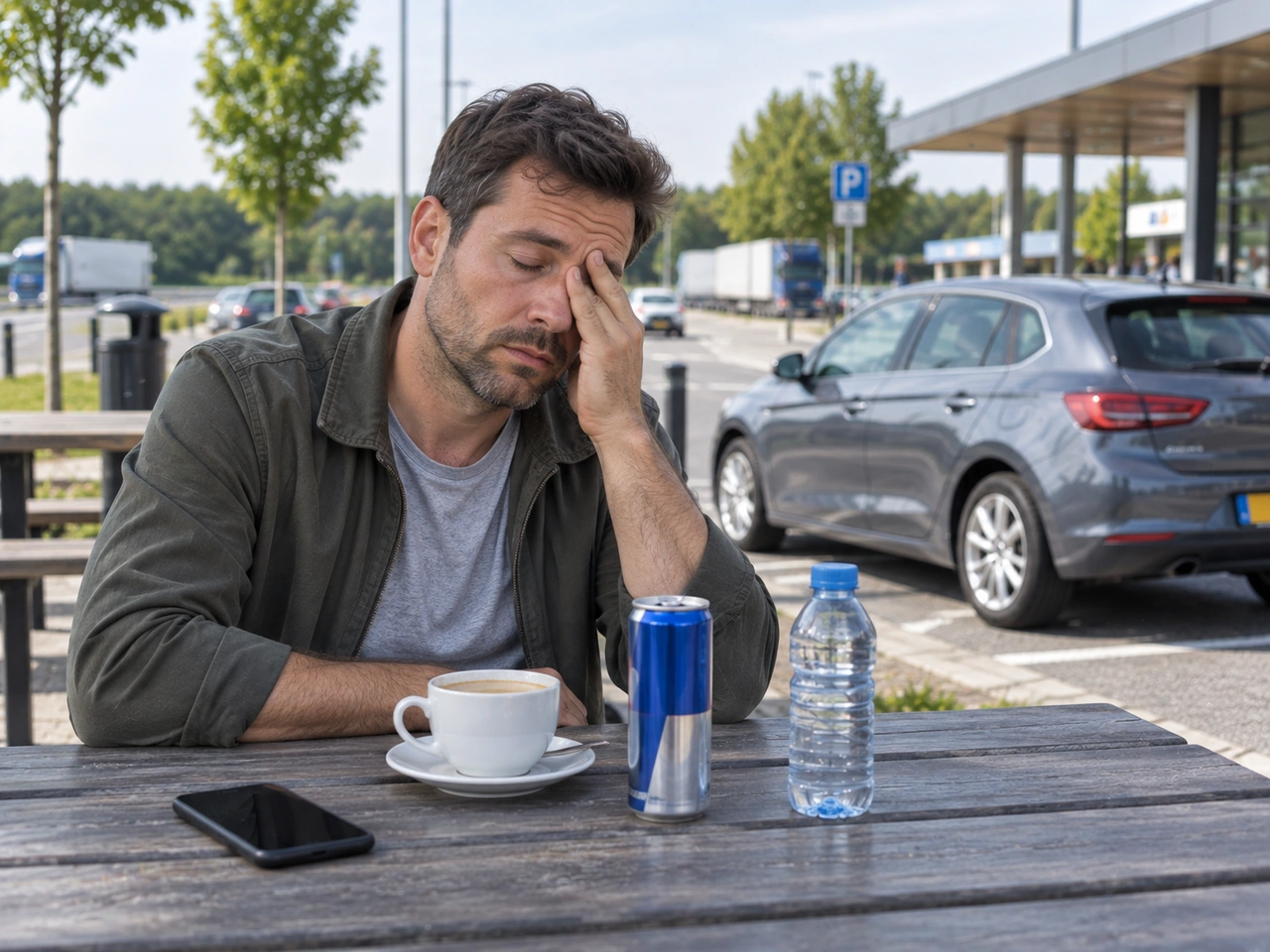
299. Can coffee, energy drinks, fresh air, or loud music replace proper rest when you are tired?
Coffee, energy drinks, fresh air, or loud music may make you feel more alert for a short time, but they do not remove fatigue. If you are too tired to drive safely, stop somewhere safe and get proper rest.
AI-generated by Traffic-rules.com • WCIT • CC BY-SA
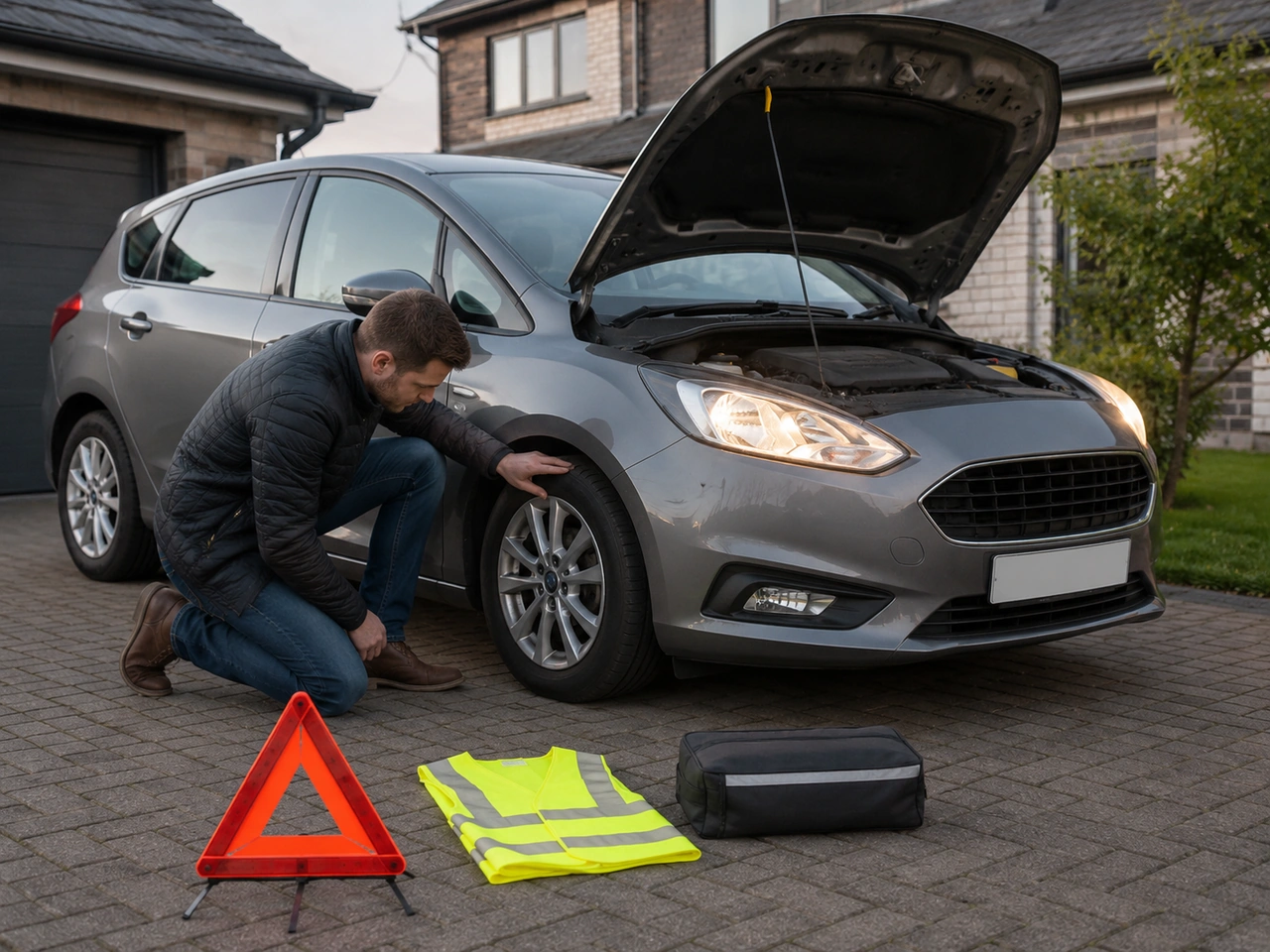
300. What should you check before starting a long journey?
A brief vehicle check can reveal tyre damage, low fluid levels, faulty lights, or visibility problems before they cause danger. Also confirm that any spare wheel or tyre-repair equipment is available and usable.
AI-generated by Traffic-rules.com • WCIT • CC BY-SA