道路標識ドイツ
176. 横断誘導員
横断誘導員は、歩行者が安全に道路を横断できるよう支援する人で、特に学校付近や子ども、高齢者などが頻繁に横断する場所で活動します。現地法により交通を停止させる権限を持つ場合と、安全な横断のタイミングを支援するだけの場合があります。
運転者は減速し、注意を保ち、法的権限のある停止合図や指示に従う必要があります。権限、装備、訓練要件は国によって異なります。
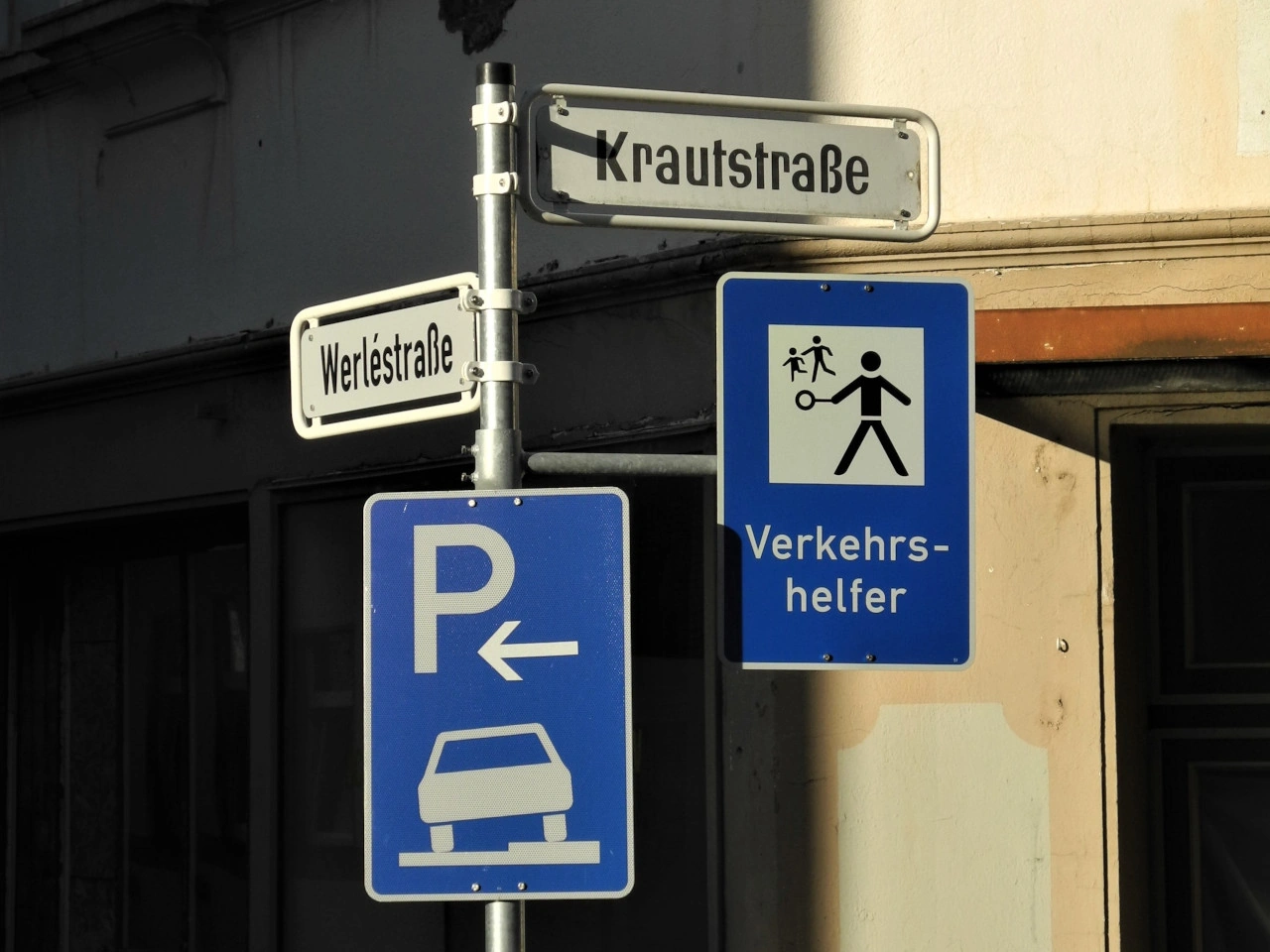
What is a crossing guard?
A crossing guard is a person who assists pedestrians in crossing a road safely, often near schools or other locations with frequent pedestrian activity.
Can a crossing guard stop traffic?
It depends on local law. In some countries authorised crossing guards have the legal power to stop traffic using a prescribed sign or signal, while other helpers may only assist pedestrians without directing drivers.
How should drivers behave near a crossing guard?
Drivers should slow down, remain attentive and obey authorised stop signals so that pedestrians can cross safely.
177. カートレイン
カートレインは、乗客とその乗用車、オートバイなどを同じ旅程で運ぶ鉄道サービスです。乗客は通常、客車や寝台車で移動し、車両は専用の車両輸送貨車に積載されます。
主に長距離移動向けで、全行程を運転せずに目的地で自分の車両を使えるようにします。許容車両寸法、積載手順、運行路線は事業者によって異なります。
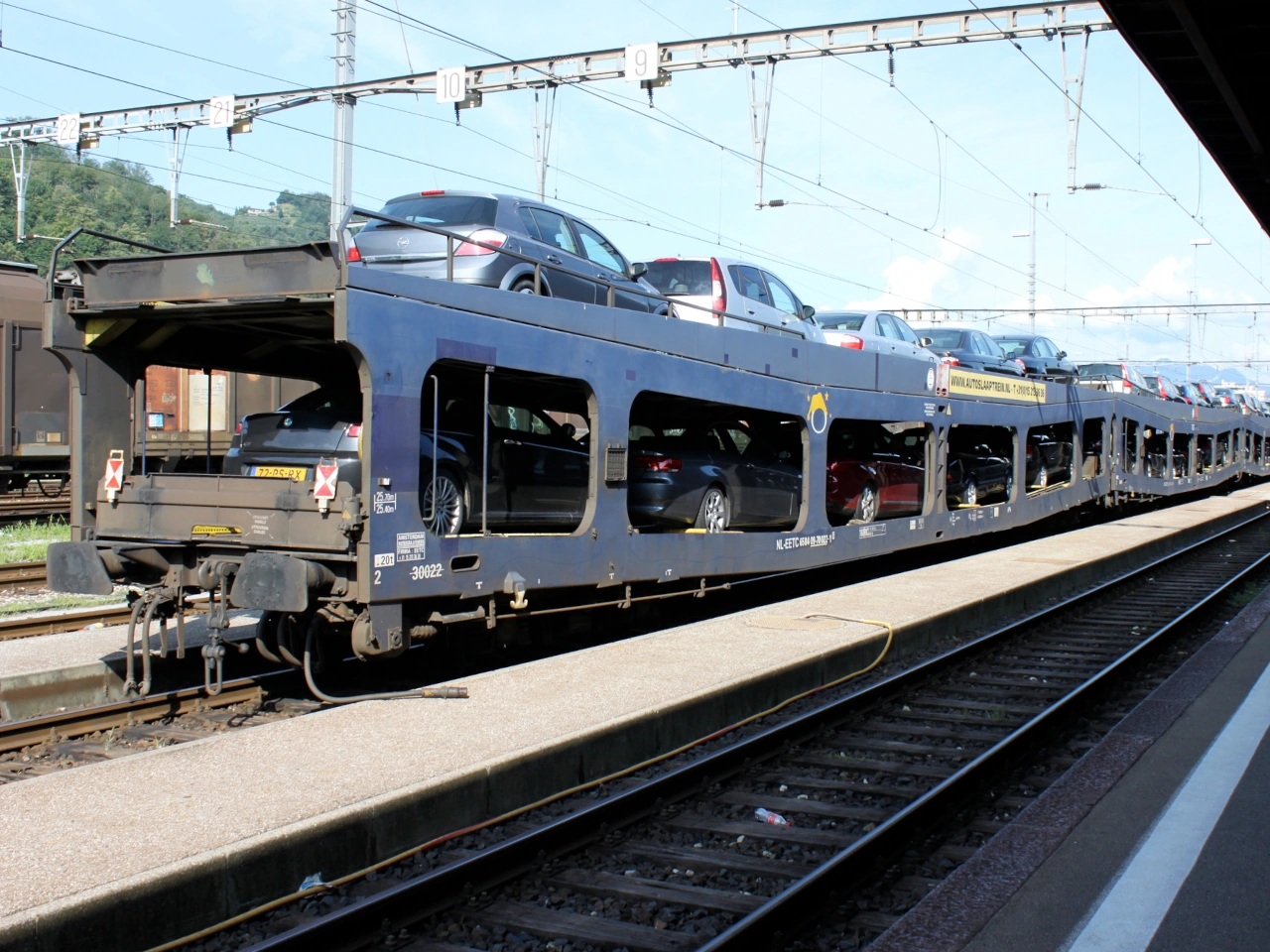
What is Motorail?
Motorail is a train service that transports passengers and their vehicle together, with the vehicle carried on specialised railway wagons.
Which vehicles can be carried on a Motorail train?
Depending on the operator and route, Motorail services may carry cars, motorcycles or other eligible road vehicles. Size and weight restrictions may apply.
Do passengers remain inside their car on a Motorail train?
No. Passengers normally leave their vehicle after loading and travel separately in the passenger accommodation provided by the train.
178. 除雪車
除雪車は、道路などの舗装面から雪を除去するブレードなどを装備した車両です。塩、砂、その他の凍結防止・滑り止め材を散布する装置を備える場合もあります。
接近・追従する運転者は減速し、安全な車間距離を保ち、十分な視界と空間がない限り追い越さないようにします。雪や塩などの散布物が視界を低下させ、追加の危険を生むことがあります。
What is a snowplough?
A snowplough is a vehicle fitted with equipment designed to remove snow from roads or other paved surfaces.
Can a snowplough also spread salt or grit?
Yes. Many winter-maintenance vehicles can combine snow removal with equipment that spreads salt, grit or other substances used to improve road conditions.
How should you drive near a snowplough?
Keep a safe distance, reduce speed and avoid unnecessary overtaking. Snow or road-treatment material may be thrown from the vehicle and visibility may be reduced.
179. 駐車違反
駐車違反は、その場所に適用される交通規則、標識、路面標示、駐車条件に反して車両を駐車した場合に発生します。駐車禁止場所、交通の妨害、許可なく専用スペースを利用する、時間制限を超えるなどが例です。
国や違反の種類・重大性に応じて罰金、駐車料金、車輪ロック、車両撤去、その他の取締措置の対象となります。
What is a parking violation?
A parking violation occurs when a vehicle is parked in a way that does not comply with the applicable traffic rules, signs, markings or parking conditions.
What are common parking violations?
Examples include parking where prohibited, blocking a sidewalk or crossing, using a reserved space without permission, failing to pay or exceeding a permitted parking time.
What can happen after a parking violation?
Depending on local law and the offence, the vehicle owner or driver may receive a fine, parking charge or other enforcement measure, and a dangerously or illegally parked vehicle may sometimes be removed.
180. km/h
km/hはキロメートル毎時を意味する速度単位です。同じ速度を維持した場合に1時間で何キロメートル進むかを表します。
例えば50 km/hは、1時間あたり50キロメートルの割合で進む速度です。メートル法を採用する多くの国で道路速度と速度制限に使われます。
What does km/h mean?
km/h is the abbreviation for kilometres per hour, a unit used to measure speed.
What does 50 km/h mean?
A speed of 50 km/h means that, if the speed remained constant, the vehicle would travel 50 kilometres in one hour.
Is km/h the same as mph?
No. km/h measures speed in kilometres per hour, while mph measures speed in miles per hour. The two units therefore represent different numerical speeds.
181. mph
mphはマイル毎時を意味する速度単位です。同じ速度を維持した場合に1時間で何マイル進むかを表します。
例えば50 mphは、1時間あたり50マイルの割合で進む速度です。1 mphは約1.61 km/hなので、mphとkm/hでは同じ速度でも数値が異なります。
What does mph mean?
mph is the abbreviation for miles per hour, a unit used to measure speed.
What does 50 mph mean?
A speed of 50 mph means that, if the speed remained constant, the vehicle would travel 50 miles in one hour.
Is mph the same as km/h?
No. mph measures speed in miles per hour, while km/h measures speed in kilometres per hour. 1 mph is approximately 1.61 km/h.
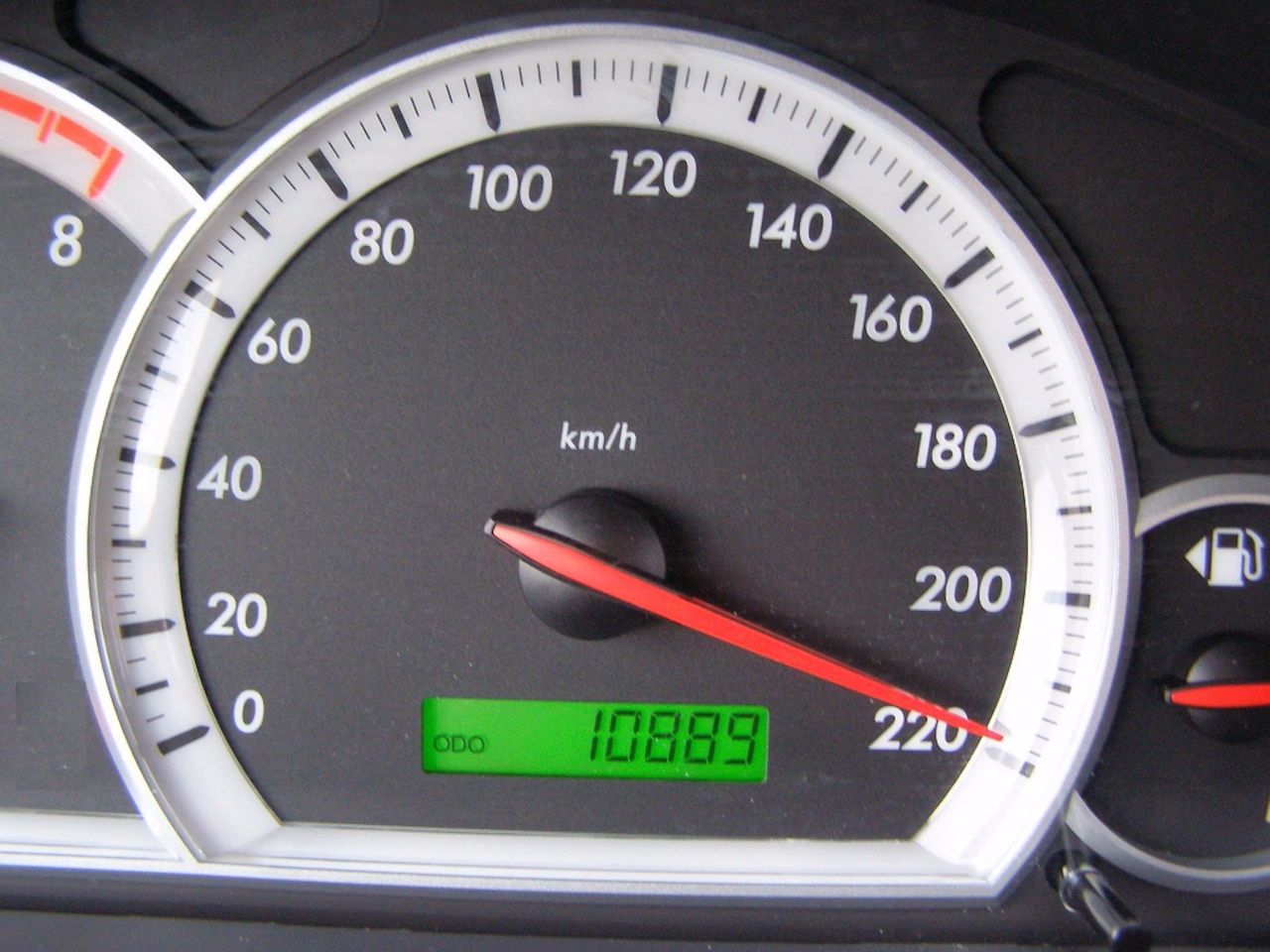
182. 速度計
速度計は、車両の現在速度を表示する計器です。通常、計器盤にあり、アナログ式、デジタル式、または両方を使用します。
運転者は速度計を使って速度を確認し、適用される速度制限内に保つ必要があります。表示単位は国と車両により通常km/hまたはmphです。
What is a speedometer?
A speedometer is an instrument that displays the current speed of a vehicle.
Where is the speedometer located?
It is normally located on the vehicle's instrument panel or digital driver display, where it can be seen easily while driving.
Which units can a speedometer use?
A speedometer may display speed in kilometres per hour (km/h), miles per hour (mph) or both, depending on the vehicle and market.
183. 法定速度
法定速度は、より低い、または異なる地域速度制限が示されていない場合に、特定の道路種類や車両へ法律で定められる標準最高速度です。高速道路、郊外道路、市街地道路など道路区分によって異なる場合があります。
運転者は走行する国・地域の標準速度制限を知り、一般規則を上書きする掲示速度制限には必ず従います。
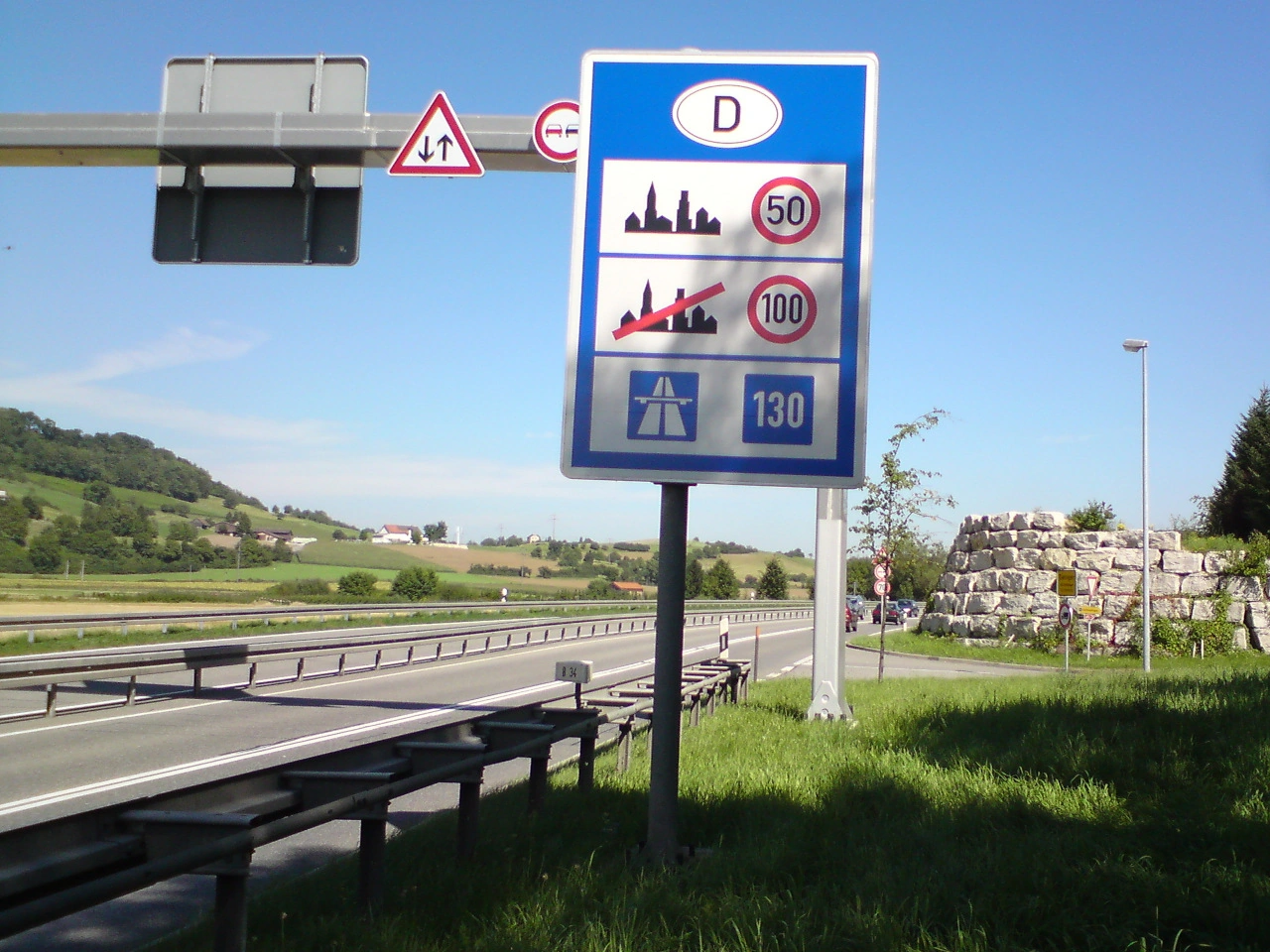
What is a national speed limit?
A national speed limit is a default maximum speed established by law for particular roads or vehicles when no different local restriction applies.
Is there always one national speed limit?
No. A country may have different general limits for motorways, rural roads and built-up areas, and some countries allow regional authorities to establish different default limits.
Can a traffic sign override the national speed limit?
Yes. A posted regulatory speed limit may impose a lower or, where legally permitted, higher maximum speed than the general limit for that road.
184. ランブルストリップ
ランブルストリップは、車両が通過すると振動と音を生む、盛り上がり、溝、粗面などを設けた路面区間です。危険、車線逸脱、交差点接近など、注意が必要な状況を運転者へ知らせます。
車線を横切る方向、または道路の端や中央に沿って設置されます。主に警告装置であり、それ自体が必ずしも特定の速度制限や交通規制を課すわけではありません。
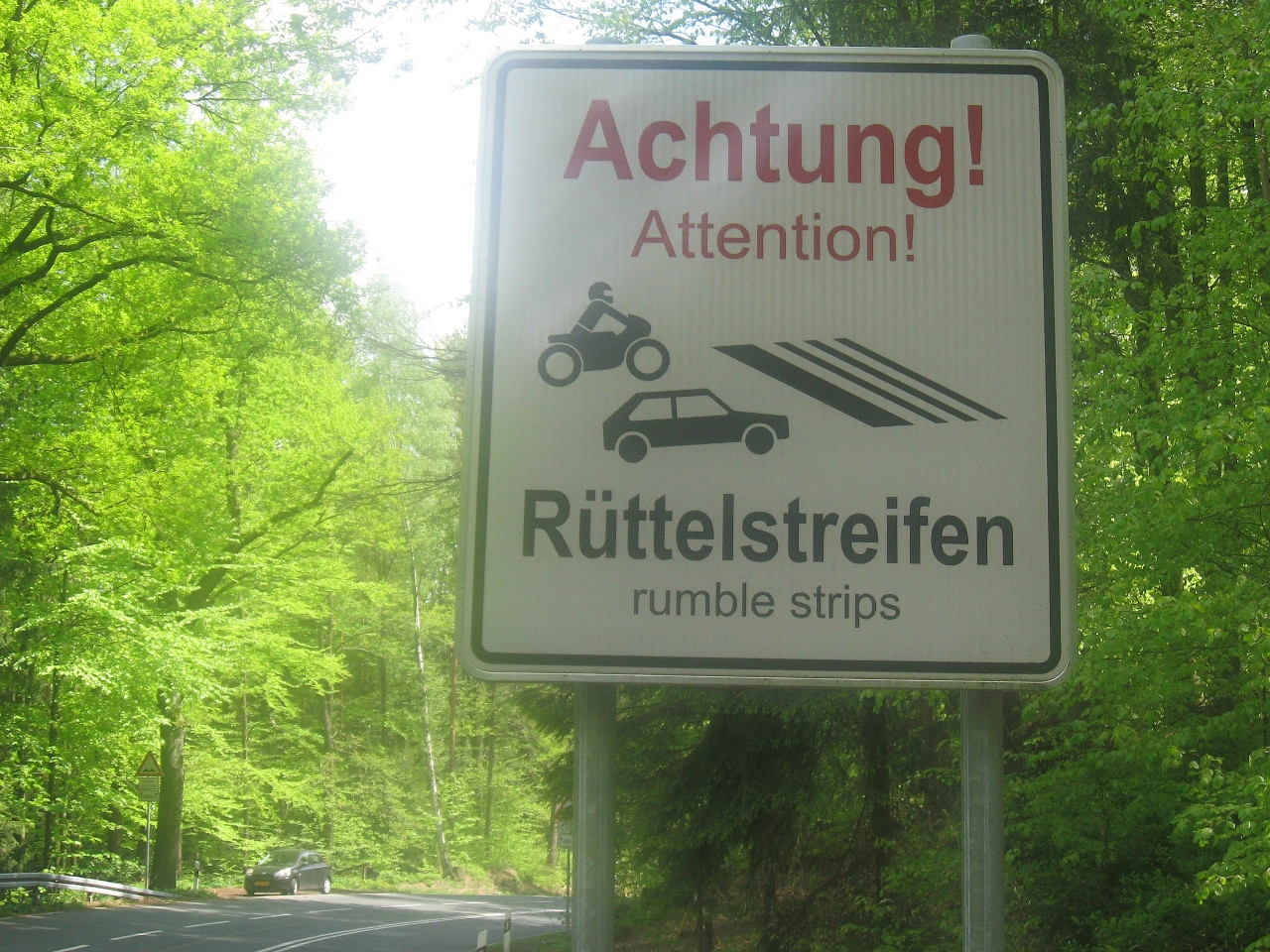
What is a rumble strip?
A rumble strip is a textured or raised road-surface feature that produces vibration and noise when a vehicle passes over it.
Why are rumble strips used?
They are used to alert drivers to hazards, approaching road features or unintended movement out of a traffic lane.
Does a rumble strip impose a speed limit?
Not by itself. A rumble strip warns or attracts attention, while any legally binding speed restriction must be established by the applicable traffic rules or regulatory signs.
185. 車高
車高は、車両の車体やシャシーが路面からどの高さに位置するかを示します。主にサスペンション、ホイール、タイヤで決まり、積載量によっても変化します。
サスペンションをローダウンまたはリフトアップして車高を変更すると、最低地上高、ホイールアライメント、操縦性、車体と路面の間隔に影響します。車両改造はその国の技術・認可規則に適合しなければなりません。
What is ride height?
Ride height describes how high a vehicle's body or chassis sits above the road surface.
What affects a vehicle's ride height?
Ride height can be affected by the suspension, wheel and tyre dimensions, vehicle load and suspension modifications.
Can a vehicle's ride height be changed?
Yes. Suspension modifications can lower or raise a vehicle, but such modifications may be subject to technical approval, inspection and safety requirements.
186. 未舗装土道
未舗装土道は、アスファルト、コンクリート、敷き砂利ではなく、主に自然の土や締め固められた地面で構成される道路です。農村、農業地域、森林、遠隔地などに多くあります。
運転者は路面状況に合わせて速度を調整し、急な制動、加速、操舵を避ける必要があります。ほこり、泥、わだち、穴、低いタイヤグリップにより、特に悪天候中やその後は運転が難しくなります。
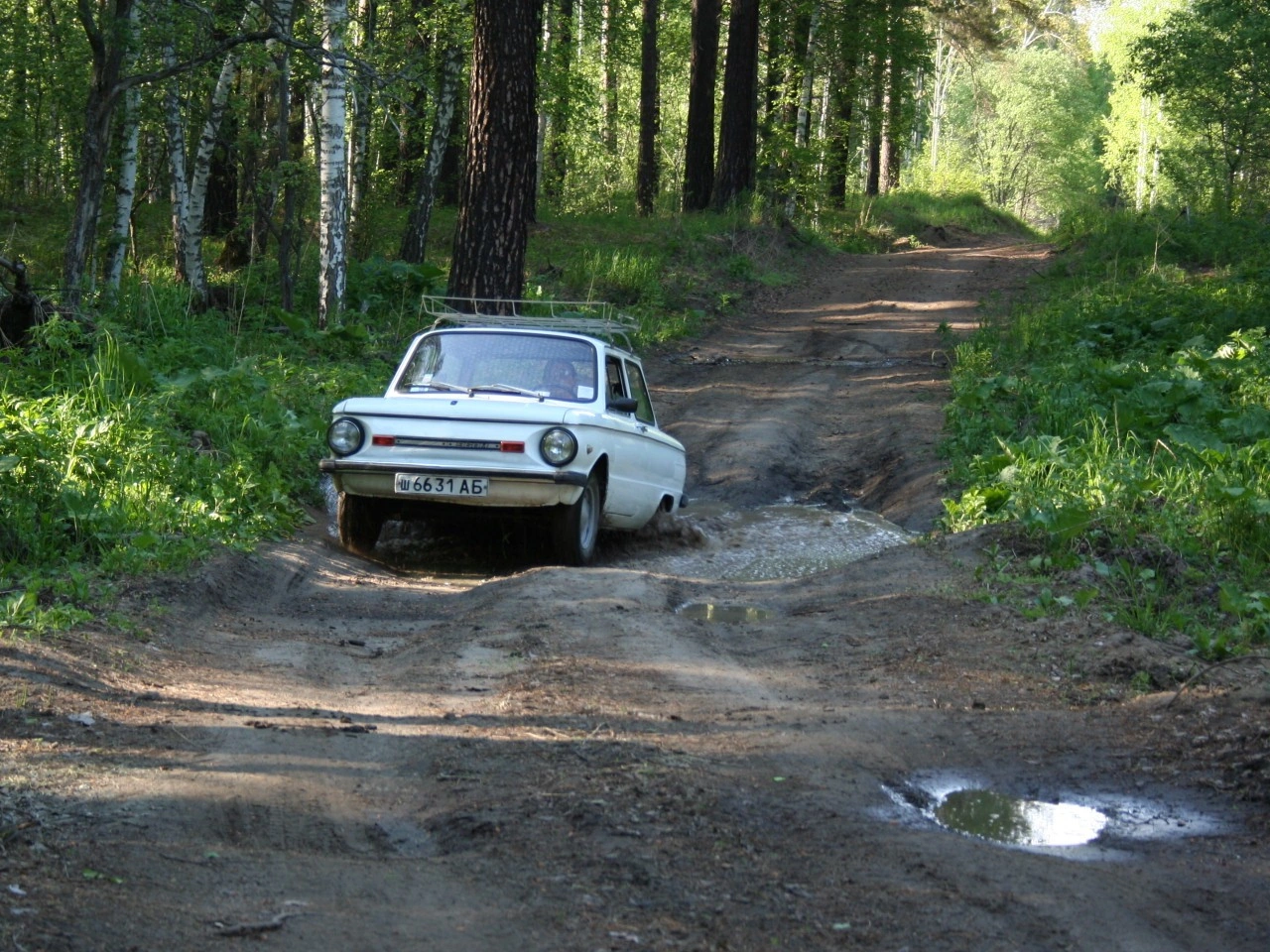
What is a dirt road?
A dirt road is an unpaved road surfaced mainly with natural soil or compacted earth.
What is the difference between a dirt road and a gravel road?
A dirt road mainly uses the natural earth or soil as its driving surface, while a gravel road normally has a deliberately added layer of gravel or crushed stone.
How should you drive on a dirt road?
Use a suitable speed, increase following distance when necessary and accelerate, brake and steer smoothly. Extra care may be required when the surface is dusty, muddy, rutted or uneven.
187. 運転
運転は、交通の中で車両など認められた交通手段を操作・制御する行為です。操舵、加速、制動、道路観察、他の道路利用者との安全な相互作用などを含みます。
安全運転には、運転者が車両を制御し、交通規則と信号に従い、周囲の交通を観察し、道路・天候・視界の状況へ適応することが必要です。
What is driving?
Driving is the act of controlling and operating a vehicle while travelling in traffic.
What does safe driving require?
Safe driving requires proper vehicle control, attention to the road, compliance with traffic rules and appropriate reactions to other road users and changing conditions.
Who can legally drive a motor vehicle?
The requirements vary by country and vehicle type. Drivers may need to meet minimum-age, driving-licence, medical-fitness and vehicle-category requirements.
188. アイドリングストップシステム
アイドリングストップシステムは、車両が停止するとエンジンを自動停止し、運転者が再発進する準備をすると自動再始動する車両システムです。内燃機関車で不要なアイドリングを減らすため一般的に使われます。
渋滞などで停止し、一定条件を満たすと通常自動的に作動します。この機能が運転者の安全な車両制御責任を代替するものではなく、適用される交通規則にも従う必要があります。
What is a start-stop system?
A start-stop system automatically switches off the engine when the vehicle is stationary and restarts it when the driver is ready to continue.
Why do vehicles use a start-stop system?
The system is primarily intended to reduce unnecessary engine idling, particularly when a vehicle is waiting in traffic.
Does the engine always switch off when the vehicle stops?
Not necessarily. The system may keep the engine running when operating conditions do not allow an automatic stop, depending on the vehicle and its systems.
189. マニュアルトランスミッション
マニュアルトランスミッションは、通常、シフトレバーとクラッチペダルを使って運転者が手動でギアを選択する変速機です。発進、停止、変速時にクラッチを操作してエンジンと変速機の接続を切り替えます。
運転にはクラッチ、アクセル、ギア選択を適切に連携させる必要があります。オートマチック車と異なり、変速は車両ではなく運転者が直接行います。
What is a manual transmission?
A manual transmission is a gearbox in which the driver manually selects the appropriate gear, normally using a gear lever and clutch pedal.
What does the clutch do in a manual vehicle?
The clutch temporarily disconnects the engine from the transmission, allowing the driver to start, stop and change gears smoothly.
What is the difference between a manual and automatic transmission?
With a manual transmission, the driver selects and changes gears. An automatic transmission normally selects the appropriate gears automatically without requiring a conventional clutch pedal.
190. オートマチックトランスミッション
オートマチックトランスミッションは、一般的なクラッチペダル操作や各ギアの手動選択を必要とせず、自動で変速する変速機です。通常、運転者はパーキング、リバース、ニュートラル、ドライブなどの位置を選び、変速機がギア変更を管理します。
クラッチペダルと手動変速の連携が不要なため運転を簡単にできます。一般的な自動変速機、無段変速機、デュアルクラッチなどさまざまな方式があります。
What is an automatic transmission?
An automatic transmission is a gearbox that automatically selects and changes gears without requiring the driver to operate a conventional clutch pedal.
How is an automatic transmission different from a manual transmission?
With an automatic transmission, gear changes are handled automatically, while a manual transmission normally requires the driver to operate a clutch and select each gear manually.
Do all automatic transmissions work in the same way?
No. Different designs include conventional automatic transmissions, continuously variable transmissions and dual-clutch systems, although they can all operate without the driver manually controlling a clutch during normal driving.
191. スロットル
スロットルは、エンジンやモーターが発生する出力を調整する装置です。多くの乗用車やトラックではアクセルペダルで操作し、オートバイではハンドルのツイストグリップが一般的です。
スロットルを開くと通常加速に使える出力が増え、戻すと車輪へ伝わる出力が減ります。具体的な仕組みは内燃機関、ハイブリッド、電気自動車で異なります。
What is a throttle?
A throttle is a control that regulates how much power an engine or motor produces.
How does a driver control the throttle?
In most cars, the throttle is controlled using the accelerator pedal. Motorcycles and some other vehicles commonly use a twist-grip throttle.
Is the throttle the same as the accelerator?
They are closely related but not exactly the same. The accelerator is the driver's control, while the throttle refers more broadly to the system that responds to that input and regulates engine or motor power.
192. タコメーター
タコメーターは、エンジンやモーターの回転速度を表示する計器で、通常は毎分回転数(RPM)で示します。一般に速度計の近くの計器盤に表示されます。
運転者がエンジン回転の速さを把握するのに役立ち、マニュアル車では適切なギア選択にも役立ちます。車両の走行速度ではなくエンジン回転数を測ります。
What is a tachometer?
A tachometer is an instrument that measures and displays the rotational speed of an engine or motor, usually in revolutions per minute.
What does RPM mean on a tachometer?
RPM means revolutions per minute and indicates how many complete rotations the engine's crankshaft makes in one minute.
Is a tachometer the same as a speedometer?
No. A tachometer shows engine rotational speed, while a speedometer shows the vehicle's road speed.
193. ハンドル
ハンドルは、運転者が車両の進行方向を変えるための主要な操作装置です。ハンドルを回すと操舵機構が作動し、操舵輪の角度を変えて車両を意図した方向へ向けます。
運転者は滑らかに操作し、常に車両を十分に制御します。現代の操舵システムにはパワーアシスト、電子制御、オーディオやクルーズコントロールなどの操作ボタンが組み込まれることもあります。
What is a steering wheel?
A steering wheel is the driver's main control for changing the direction in which a vehicle travels.
How does a steering wheel control the vehicle?
Turning the steering wheel operates the vehicle's steering system, which changes the direction of the steered wheels.
Should you make sudden steering movements?
Normally, no. Steering should be smooth and controlled because sudden movements can destabilise the vehicle or create danger for other road users.
194. パワーステアリング
パワーステアリングは、車輪を操舵する際に運転者を補助し、ハンドル操作に必要な力を減らすシステムです。油圧式、電動式、または両方を組み合わせた方式があります。
特に低速走行や駐車時に車両を扱いやすくします。高速時の安定性と応答性を保つため、車速に応じてアシスト量が変化する場合があります。
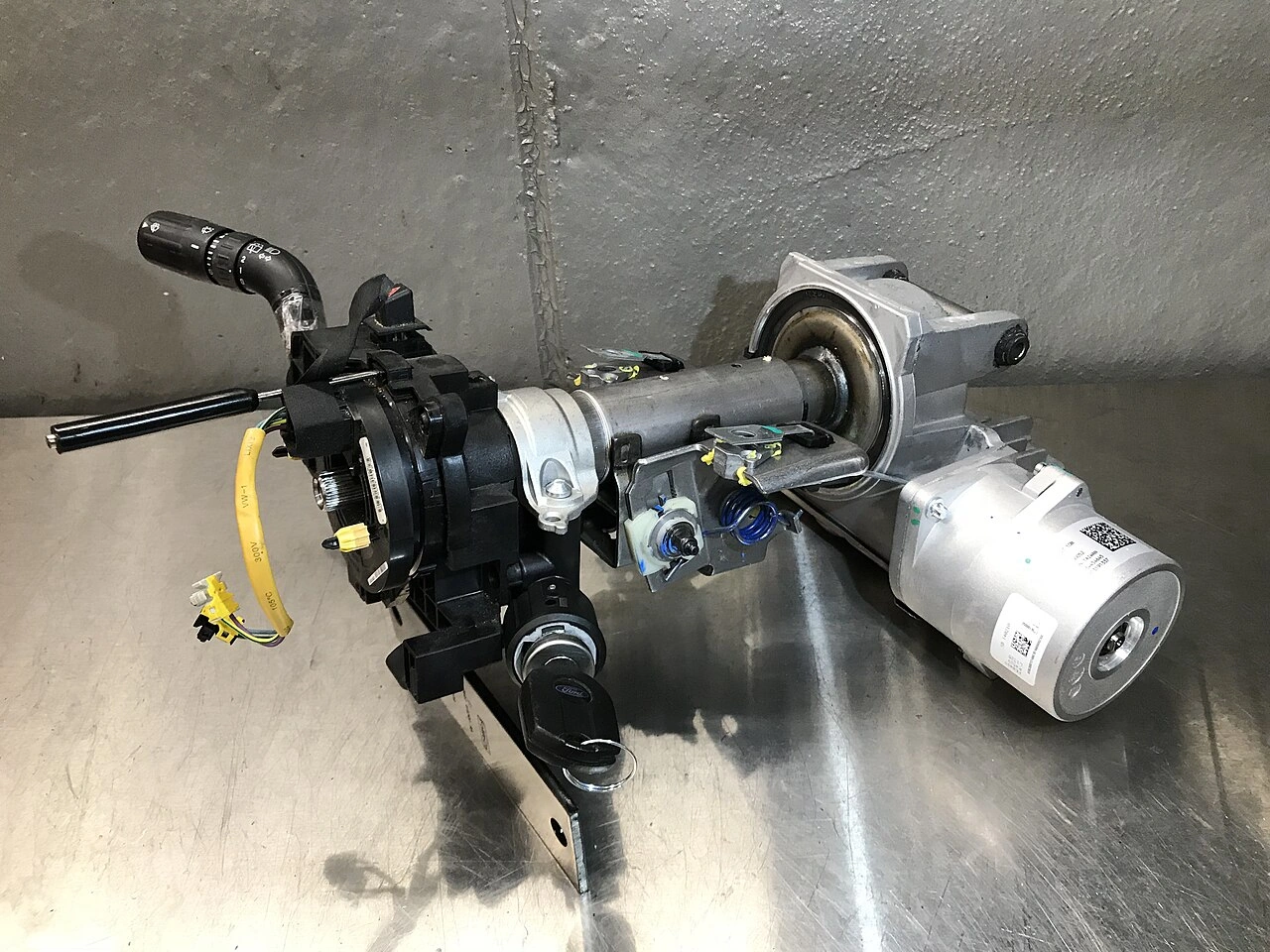
What is power steering?
Power steering is a system that assists the driver's steering effort, making the steering wheel easier to turn.
What types of power steering are used?
Vehicles may use hydraulic, electro-hydraulic or electric power steering, depending on their design.
What happens if power steering fails?
Steering may become considerably heavier or a warning may appear. The driver should maintain control, reduce speed safely and have the steering system checked as soon as possible.
195. スキャニング
スキャニングは、前方道路、ミラー、側方、周囲の交通を継続的に観察し、危険や交通状況の変化をできるだけ早く発見する運転技術です。一点だけを見続けず、交通環境のさまざまな部分へ定期的に視線を移します。
運転者は遠く前方を見て、定期的にミラーを確認し、必要な側方区域や死角を観察します。特に速度、方向、道路上の位置を変える前に重要です。
What is scanning while driving?
Scanning means continuously observing different parts of the traffic environment so that hazards and changes can be detected early.
What should a driver scan?
A driver should regularly observe the road ahead, mirrors, intersections, side areas, vulnerable road users and relevant blind spots.
Why is scanning important?
Scanning helps drivers identify hazards earlier and gives them more time to adjust speed, position or direction safely.
196. ミラー
ミラーは、長時間前方から目を離さずに車両の後方・側方の交通を確認できる装置です。通常、室内の後方確認ミラーと左右の外部ミラーを備えます。
方向変更、車線変更、追い越し、合流、減速の前に周囲の交通を確認するのに役立ちます。ただし全周囲を映せないため、必要に応じて操作前に目視で死角を確認します。
What is a vehicle mirror?
A vehicle mirror allows the driver to observe traffic and other road users behind or beside the vehicle.
What is the difference between an interior and exterior mirror?
An interior rear-view mirror normally provides a view through the rear window, while exterior side mirrors provide views along the sides and towards the rear of the vehicle.
When should you check your mirrors?
Check your mirrors regularly and particularly before changing speed or direction, changing lane, overtaking, merging, turning or stopping.
Should you adjust your mirrors before driving?
Yes. Mirrors should be adjusted from the normal driving position before setting off so that they provide the intended view of traffic behind and beside the vehicle.
Do mirrors eliminate blind spots?
No. Even correctly adjusted mirrors can leave areas that are not visible to the driver. These are commonly called blind spots.
Should you check your blind spot before changing lane?
Yes. Where necessary, use a brief direct observation in addition to the mirrors before moving sideways so that a cyclist, motorcycle or other vehicle hidden from the mirrors is not overlooked.
Can a damaged mirror affect road safety?
Yes. A cracked, loose, missing or badly adjusted mirror can reduce the driver's view of surrounding traffic and should be repaired or replaced when necessary.
Can cameras replace conventional mirrors?
Some vehicles use approved camera-based indirect-vision systems instead of or in addition to conventional mirrors. Whether such a system is legally permitted depends on the vehicle's approval and local technical requirements.
Why should you check mirrors before opening a vehicle door?
Checking the mirrors can help detect cyclists, motorcyclists and other approaching road users before a door is opened into their path.
Do motorcycles also need mirrors?
Yes, according to the applicable vehicle requirements. Motorcycles normally have one or more rear-view mirrors so that the rider can observe traffic behind without turning around for extended periods.
197. 燃料
燃料は、車両のエンジンを動かすエネルギー源です。一般的な車両燃料にはガソリン、ディーゼル、LPG、CNG、代替燃料などがあります。電気自動車は従来の液体・気体燃料ではなく電気を使用します。
必ず車両に適合した燃料を使用します。誤った燃料はエンジンや燃料系統を損傷する可能性があり、経済的な運転と適切な整備は燃料消費を減らします。
Which fuels are commonly used in road vehicles?
Common fuels include petrol, diesel, LPG and CNG. Some vehicles can also use biofuels or other alternative fuels, while electric vehicles obtain their energy from a battery rather than conventional fuel.
How do I know which fuel my vehicle needs?
Check the vehicle manufacturer's instructions and the fuel information shown near the filler opening or on the vehicle. Fuel pumps are normally labelled to help drivers identify compatible fuels.
How can a driver reduce fuel consumption?
Smooth acceleration, anticipating traffic, maintaining an appropriate speed, correct tyre pressure, avoiding unnecessary loads and keeping the vehicle properly maintained can help reduce fuel consumption.
198. 燃費
燃費は、一定距離を走るために車両がどれだけ効率的に燃料を使うかを表します。通常、100 kmあたりのリットル(L/100 km)などの燃料消費量、または1ガロンあたりのマイル(mpg)など単位燃料あたりの走行距離で示します。
運転方法、速度、交通、車重、タイヤ空気圧、空気抵抗、路面状況、整備状態などに影響されます。滑らかな運転と交通の先読みで燃料消費を減らせます。
What does good fuel economy mean?
Good fuel economy means that a vehicle uses relatively little fuel for the distance travelled. When consumption is expressed in litres per 100 kilometres, a lower number generally indicates better fuel economy.
What driving habits improve fuel economy?
Smooth acceleration, maintaining a steady appropriate speed, anticipating traffic, avoiding unnecessary braking and acceleration, and selecting an efficient gear can all help reduce fuel consumption.
What vehicle factors affect fuel economy?
Fuel economy can be affected by tyre pressure, vehicle weight, roof racks, mechanical condition, air conditioning and other electrical loads. Proper maintenance and removing unnecessary loads can improve efficiency.
199. 燃料計
燃料計は、燃料タンクに残る燃料量のおおよその値を示す計器です。通常、空から満タンまでの目盛りを表示し、低燃料警告灯を備える場合もあります。
表示は推定値であり、坂道、加速、制動、旋回時に多少変動することがあります。タンクが完全に空になる前に給油します。
What does a fuel gauge show?
A fuel gauge shows the approximate amount of fuel remaining in the vehicle's tank. Most gauges use a scale between empty and full.
What does the low-fuel warning light mean?
The low-fuel warning light indicates that the amount of fuel remaining has reached a low level. The driver should refuel soon rather than relying on the remaining reserve.
Is a fuel gauge completely accurate?
No. A fuel gauge provides an approximate reading. The indicated level can vary because of vehicle movement, road gradient, tank shape and the design of the fuel-level sensor.
200. ガソリン
ガソリン(petrol / gasoline)は、火花点火式エンジンで一般的に使われる液体燃料です。主に石油から製造され、エタノールなどの再生可能成分を含む場合があります。
オクタン価やエタノール含有量によって種類が分かれます。車両メーカーが推奨する仕様に適合した燃料を必ず使用します。
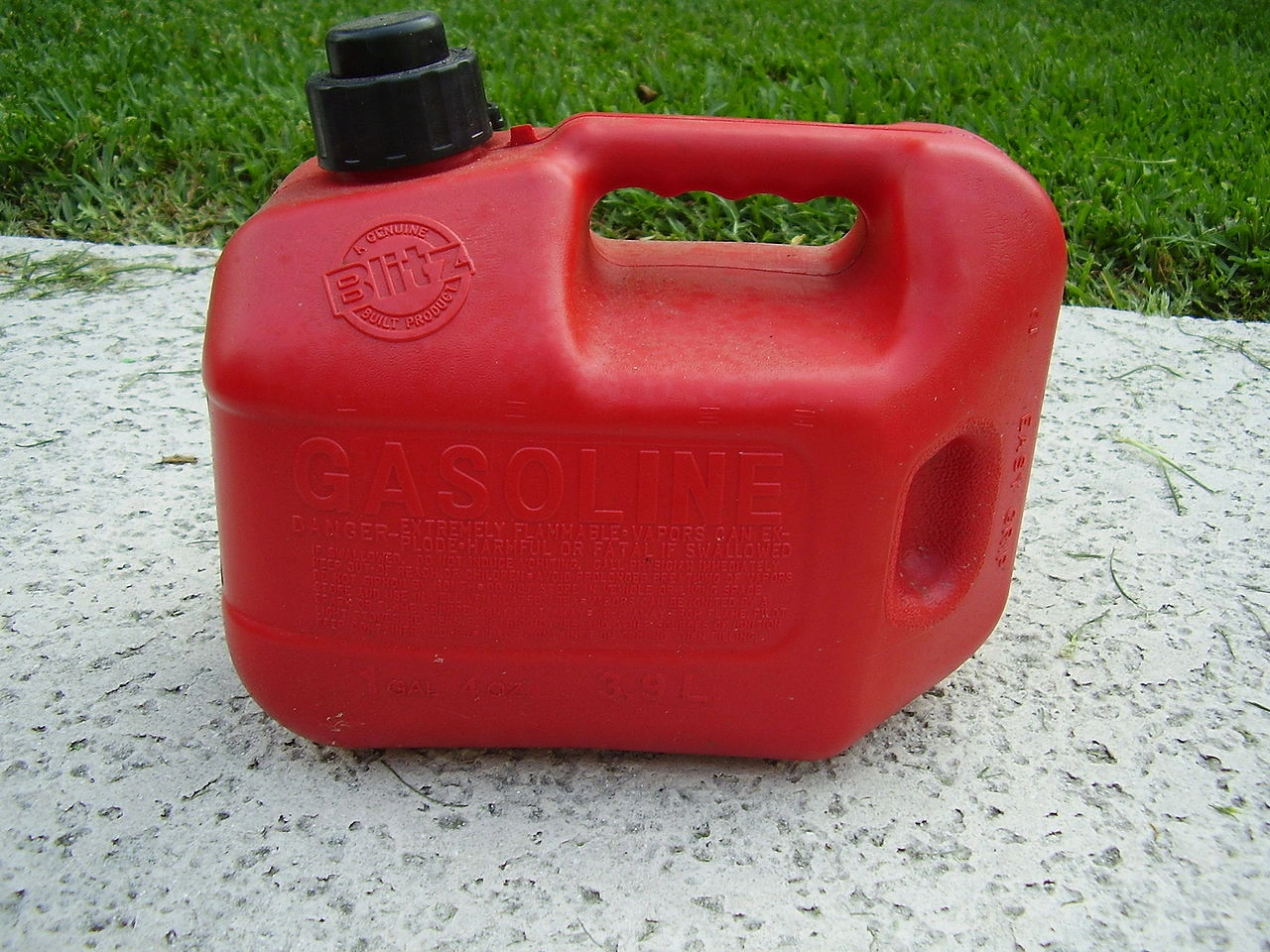
What is petrol?
Petrol is a liquid motor fuel used mainly in spark-ignition engines. It is called petrol in many countries and may contain ethanol or other renewable components.
What does the octane rating of petrol mean?
The octane rating indicates the fuel's resistance to uncontrolled combustion or engine knocking. Vehicles should use petrol with at least the octane rating specified by the manufacturer.
What is the difference between E5 and E10 petrol?
E5 and E10 indicate the permitted ethanol content of petrol. E5 contains up to 5% ethanol by volume, while E10 contains up to 10%. Drivers should check whether their vehicle is compatible with the selected fuel.

交通ルール
ドイツ