


道路標識ドイツ
 交通ルール
交通ルール
 ドイツ
ドイツ
201. ディーゼル燃料
ディーゼル燃料は、圧縮着火式エンジンで使用される液体燃料です。ガソリンエンジンと異なり、点火プラグではなく空気を圧縮して生じる熱で燃料を着火します。
バイオディーゼルなどの再生可能成分を含む場合があります。互換性のない燃料はエンジンや燃料系統を損傷する可能性があるため、メーカー承認の燃料を使用します。

What is diesel fuel?
Diesel is a liquid motor fuel designed primarily for compression-ignition engines. These engines compress air until it becomes hot enough to ignite the injected fuel.
What do labels such as B7 and B10 mean?
The letter B identifies diesel containing biodiesel components. The number indicates the maximum percentage of biodiesel in the fuel, so B7 may contain up to 7% and B10 up to 10% biodiesel.
Can every diesel vehicle use every type of diesel?
No. Compatibility depends on the vehicle and engine. Drivers should follow the manufacturer's specifications before using fuels such as B10, higher biodiesel blends or synthetic diesel.

202. ディーゼル排気液
ディーゼル排気液(DEF)は、選択触媒還元(SCR)システムを備える多くの現代ディーゼル車で、有害な窒素酸化物(NOx)排出を減らすために使用する液体です。欧州では一般にAdBlueという商品名で知られています。
ディーゼル燃料ではなく別タンクに保存されます。高純度尿素と水の溶液で、排気系へ噴射され、窒素酸化物をより有害性の低い物質へ変換するのを助けます。
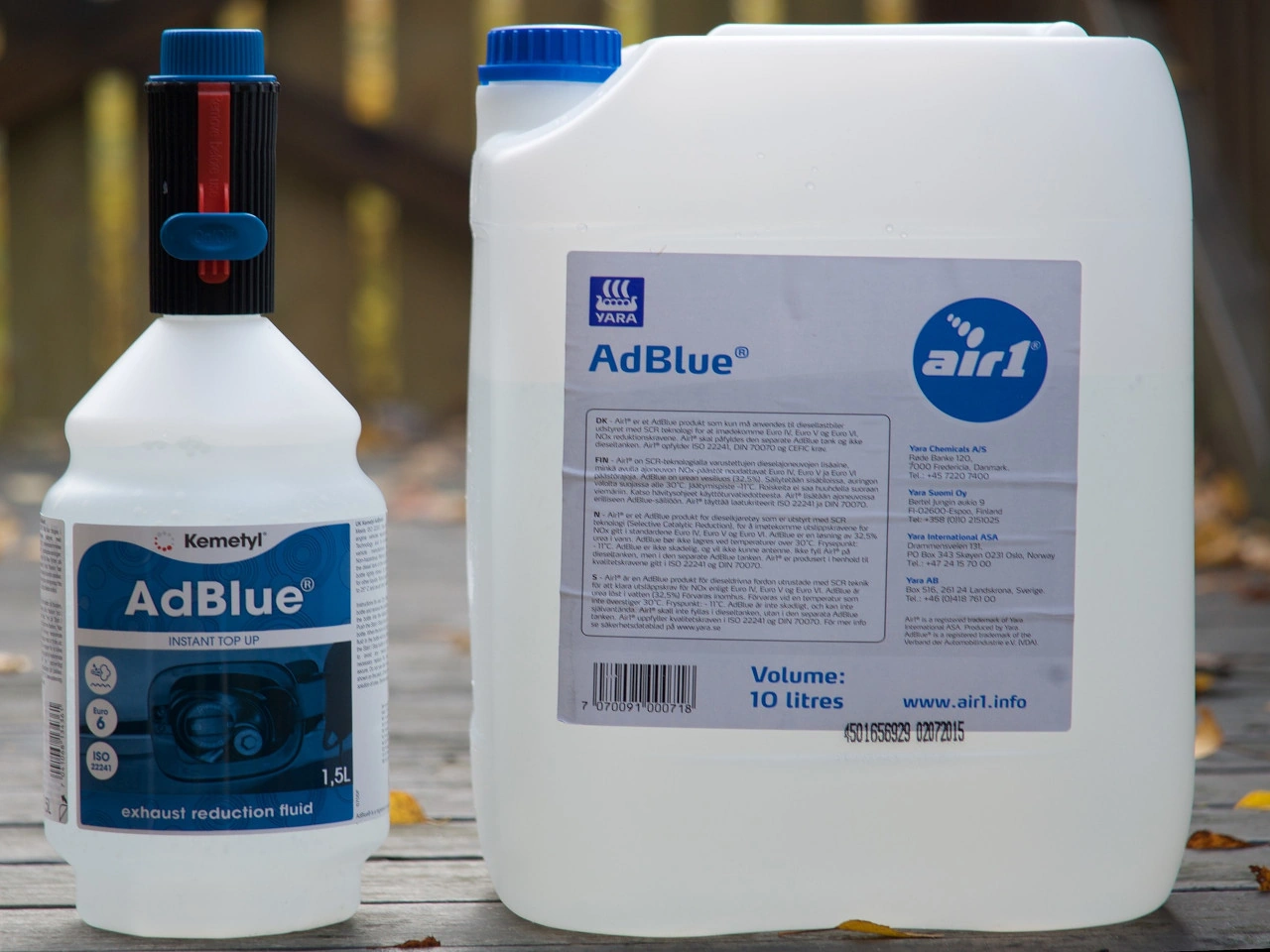
What is diesel exhaust fluid used for?
Diesel exhaust fluid is used in vehicles equipped with an SCR system. It is injected into the exhaust gases to help reduce nitrogen oxide emissions produced by the diesel engine.
Is diesel exhaust fluid the same as diesel fuel?
No. Diesel exhaust fluid is not a fuel and must never be poured into the diesel tank. Vehicles that use it have a separate DEF tank, usually identified by a dedicated filler cap.
What should you do when the DEF warning appears?
Refill the DEF tank with fluid that meets the specification required by the vehicle manufacturer. Do not ignore the warning, because some vehicles can restrict operation or prevent restarting if the DEF supply becomes empty.
203. 自動車保険
自動車保険は、自動車の所有・使用に伴うリスクへ経済的な補償を提供します。契約内容により、他人への傷害・損害に対する賠償責任、被保険車両の損傷、盗難などを補償します。
法律で必要な最低保険は国によって異なります。衝突、総合補償、盗難、火災、ロードサービスなど、義務的最低限を超える補償を追加購入できる場合があります。

What does car insurance cover?
Coverage depends on the policy. Liability insurance generally covers injury or damage caused to other people, while optional forms of insurance may also cover damage to the insured vehicle, theft, fire or other risks.
Is car insurance compulsory?
Many countries require at least a minimum level of motor liability insurance before a vehicle may be used on public roads. The exact requirements and exemptions depend on national law.
What is the difference between liability and comprehensive insurance?
Liability insurance primarily covers damage or injury for which the insured driver is legally responsible toward others. Comprehensive or similar optional cover can also protect the insured vehicle against risks such as theft, fire, vandalism or accidental damage, depending on the policy.
204. 救急セット
救急セットは、けがや事故後に即時の基本手当を行うための医療用品一式です。車載用には一般に滅菌ガーゼ、包帯、絆創膏など基本的な創傷処置用品が含まれます。
一部の国では特定車両への搭載が義務で、他では推奨にとどまります。必要時に取り出せる場所へ保管し、必要品が揃い使用可能な状態か定期的に確認します。

Why should a first aid kit be carried in a vehicle?
A first aid kit provides basic materials that can be used to treat injuries or control bleeding while waiting for professional medical assistance.
Is a first aid kit compulsory in every country?
No. Requirements vary between countries and vehicle types. Some countries require motorists to carry an approved first aid kit, while others only recommend having one.
Should a vehicle first aid kit be checked regularly?
Yes. Its contents should remain complete, clean and usable. Used items should be replaced, and products with expiry dates should be checked periodically.
205. 消火器
消火器は、小規模な火災を抑制・消火するための携帯安全装置です。車載用消火器は種類により、材料、燃料、電気設備などが関係する火災へ対応します。
一部の国では特定車両への搭載が義務で、他では推奨です。車両用に適したものを確実に固定し、すぐ使える場所に置き、作動可能な状態に保ちます。
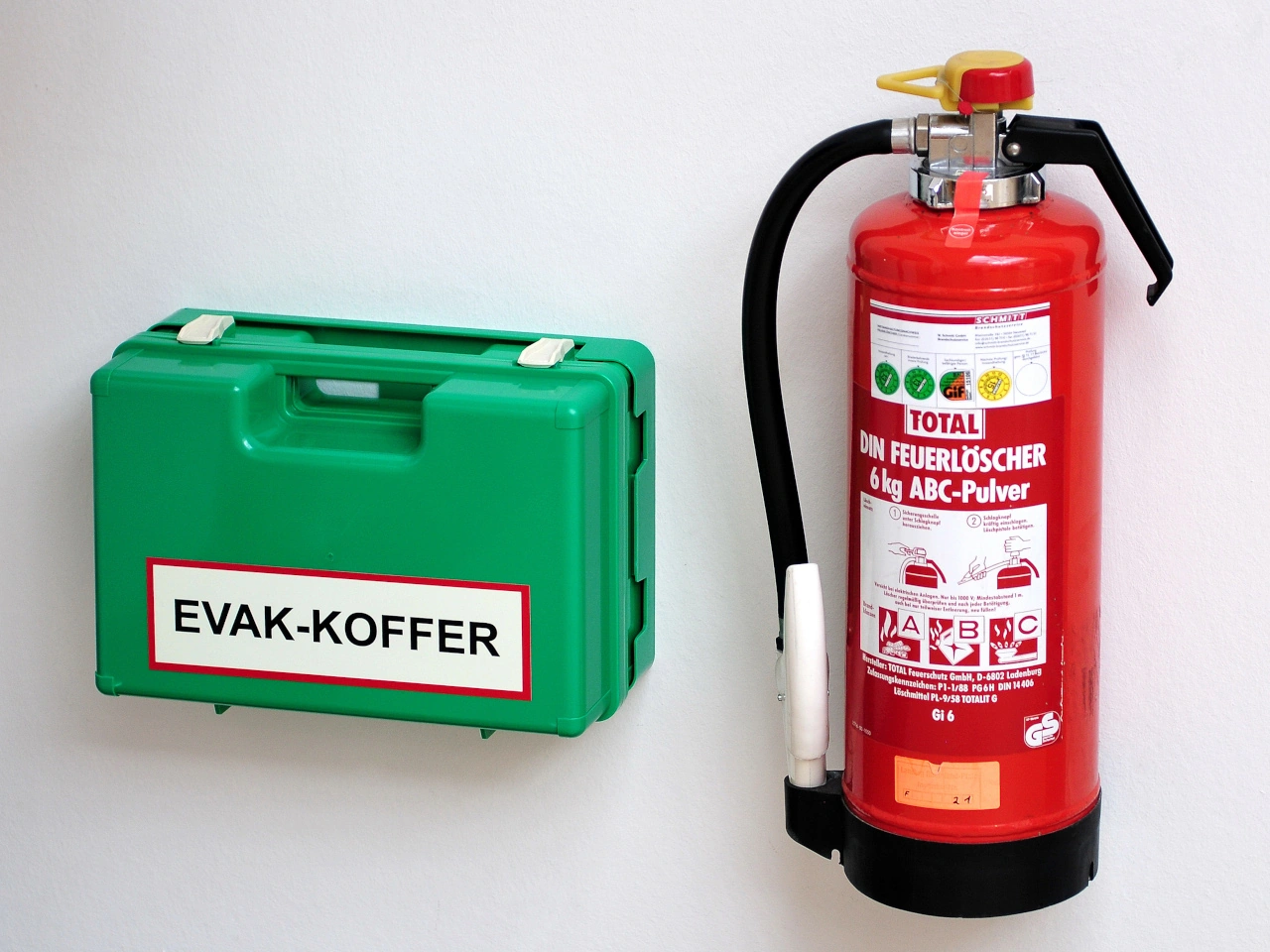
Why carry a fire extinguisher in a vehicle?
A fire extinguisher can help control a small fire before it spreads, provided it is safe to use. If a fire is already large or spreading rapidly, occupants should move away from the vehicle and contact the emergency services.
Is a fire extinguisher compulsory in every vehicle?
No. Requirements vary between countries and vehicle types. Some countries require extinguishers in passenger cars or particular commercial vehicles, while others only recommend carrying one.
Where should a vehicle fire extinguisher be kept?
It should be securely mounted in an accessible location and protected from damage. Drivers should also check its condition, seal and expiry or service information according to the applicable requirements.
206. 高視認性衣類
高視認性衣類は、他の道路利用者から人を見つけやすくするための衣類です。一般に明るい蛍光色素材と、車両のヘッドライトを反射する再帰反射材を組み合わせます。
故障や緊急時に運転者・乗客が車外へ出る際に特に有効です。義務は国によって異なるため、反射安全ベストの携帯・着用が必要か確認します。

What is high-visibility clothing?
High-visibility clothing is designed to make the wearer more noticeable to other road users. Safety vests typically combine fluorescent material for daytime visibility with retro-reflective material that becomes particularly visible when illuminated at night.
When should a high-visibility vest be worn?
It should be worn whenever leaving a vehicle in a situation where approaching traffic could present a danger, particularly after a breakdown or emergency and in conditions of poor visibility.
Is high-visibility clothing compulsory for drivers?
This depends on the country. Some countries require a reflective vest to be carried in the vehicle and worn in specified breakdown or emergency situations, while others only recommend it.
207. 応急手当
応急手当は、専門的な医療援助が到着する前に、けが人や急病人へ行う即時の援助です。生命を守り、状態悪化を防ぎ、回復を支えることを目的とします。
交通事故では、まず現場の安全を確保し、傷病者の状態を確認し、必要なら救急サービスへ連絡します。援助者が安全に行えると理解している処置だけを実施します。

What is the purpose of first aid?
First aid aims to preserve life, prevent an injury or illness from becoming worse and provide appropriate immediate care until professional medical assistance becomes available.
What should you do first when giving first aid after a road accident?
First check that it is safe to approach. Assess the casualty, contact the emergency services when necessary and provide appropriate assistance within your level of knowledge and training.
Should an injured person always be moved?
No. An injured person should generally not be moved unnecessarily because movement can worsen certain injuries. Moving the casualty may be necessary when remaining in the location creates an immediate danger, such as fire or approaching traffic.
208. ガードレール
ガードレールは、車両が道路から逸脱した場合の結果を軽減するための道路側安全バリアです。逸脱車両を誘導・拘束し、急斜面、橋構造物、固定物、対向交通などの危険から分離します。
すべての衝突を防ぐのではなく、衝突の深刻度を低減するためのものです。設計、設置場所、構造は道路、交通条件、防護対象となる危険によって決まります。
What is the purpose of a guardrail?
A guardrail is intended to reduce the severity of run-off-road crashes by containing or redirecting vehicles and shielding road users from more dangerous roadside hazards.
Where are guardrails commonly installed?
Guardrails are commonly installed beside hazards such as steep slopes, bridges, fixed objects, dangerous roadside obstacles or locations where vehicles leaving the roadway could face particularly serious consequences.
Does a guardrail make leaving the road safe?
No. Hitting a guardrail can still cause serious injury or vehicle damage. The barrier is used when it is expected to reduce the consequences compared with reaching the hazard located behind it.
209. コンクリートステップバリア
コンクリートステップバリアは、段差または傾斜した面形状を持つコンクリート製車両防護バリアです。道路沿いや中央分離帯で、進路を外れた車両を受け止めて方向修正し、対向交通や危険な道路脇へ進入する危険を減らします。
現場打ちまたは連結式プレキャスト部材で構成されます。防護レベル、衝突時挙動、許容移動量はバリアシステムと設置方法によります。

What is the purpose of a concrete step barrier?
A concrete step barrier is designed to contain or redirect a vehicle that leaves its intended path. It can be used to separate opposing traffic or protect road users from dangerous areas beside the roadway.
How is a concrete step barrier different from a Jersey barrier?
Both are concrete vehicle-restraint barriers, but they use different cross-sectional profiles. A step barrier has a stepped-profile face, while a Jersey barrier uses the characteristic Jersey-shaped sloping profile. Their actual safety performance depends on the tested barrier system rather than simply on its shape.
Are concrete step barriers always permanently cast into the road?
No. Step barriers can be constructed as continuous cast-in-place barriers or as prefabricated concrete sections, depending on the particular road-restraint system and installation.
210. ボラード
ボラードは、道路、歩道、自転車道、その他の交通区域上または脇に設置する短い柱です。交通誘導、車両進入防止、歩行者・設備保護、違法駐車抑制などに使われます。
固定式、着脱式、柔軟式、昇降式などがあります。自分の車両種類の進入を禁止するため設置されている場合は、ボラードの間や周囲を通ってはいけません。
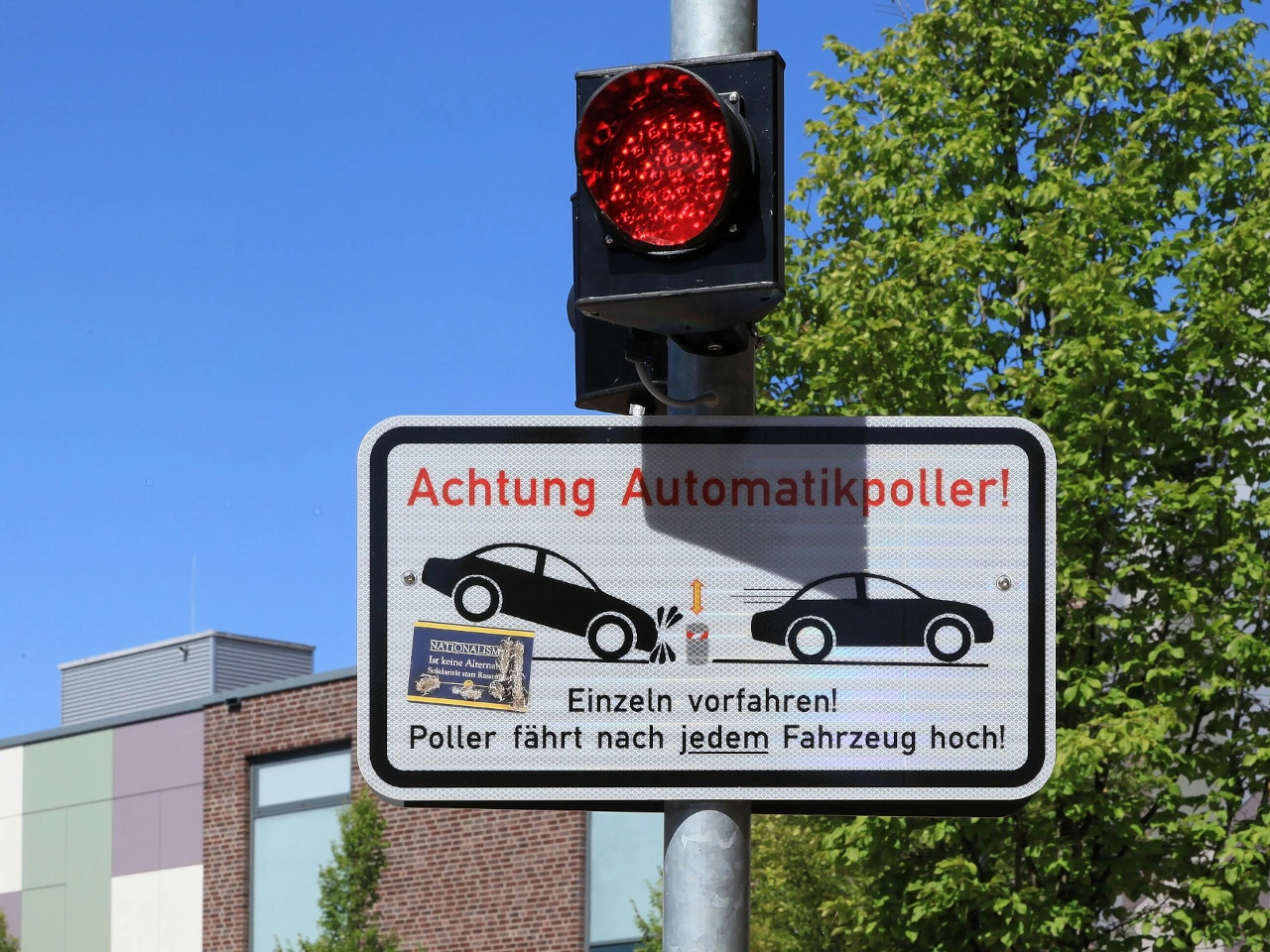
What are bollards used for?
Bollards can restrict vehicle access, separate different types of traffic, protect pedestrians and infrastructure, guide vehicles or prevent parking in prohibited locations.
Can bollards be removable or retractable?
Yes. Some bollards are permanently fixed, while others can be removed, lowered or raised to provide controlled access for authorised vehicles, emergency services or other permitted traffic.
May you drive around a bollard blocking a road?
No, unless the road layout and applicable traffic rules clearly permit your vehicle to pass. A bollard may form part of a physical access restriction even when there is enough space to drive around it.
211. バリア
バリアは、交通を遮断、制限、誘導、分離する物理装置です。道路利用者の保護、道路・車線閉鎖、進入管理、対向交通分離、作業区域の防護などに使われます。
恒久的または仮設で、ゲート、遮断棒、コンクリートバリア、可動バリアなどがあります。道路・区域が閉鎖されていることを示す場合は従い、通過してはいけません。
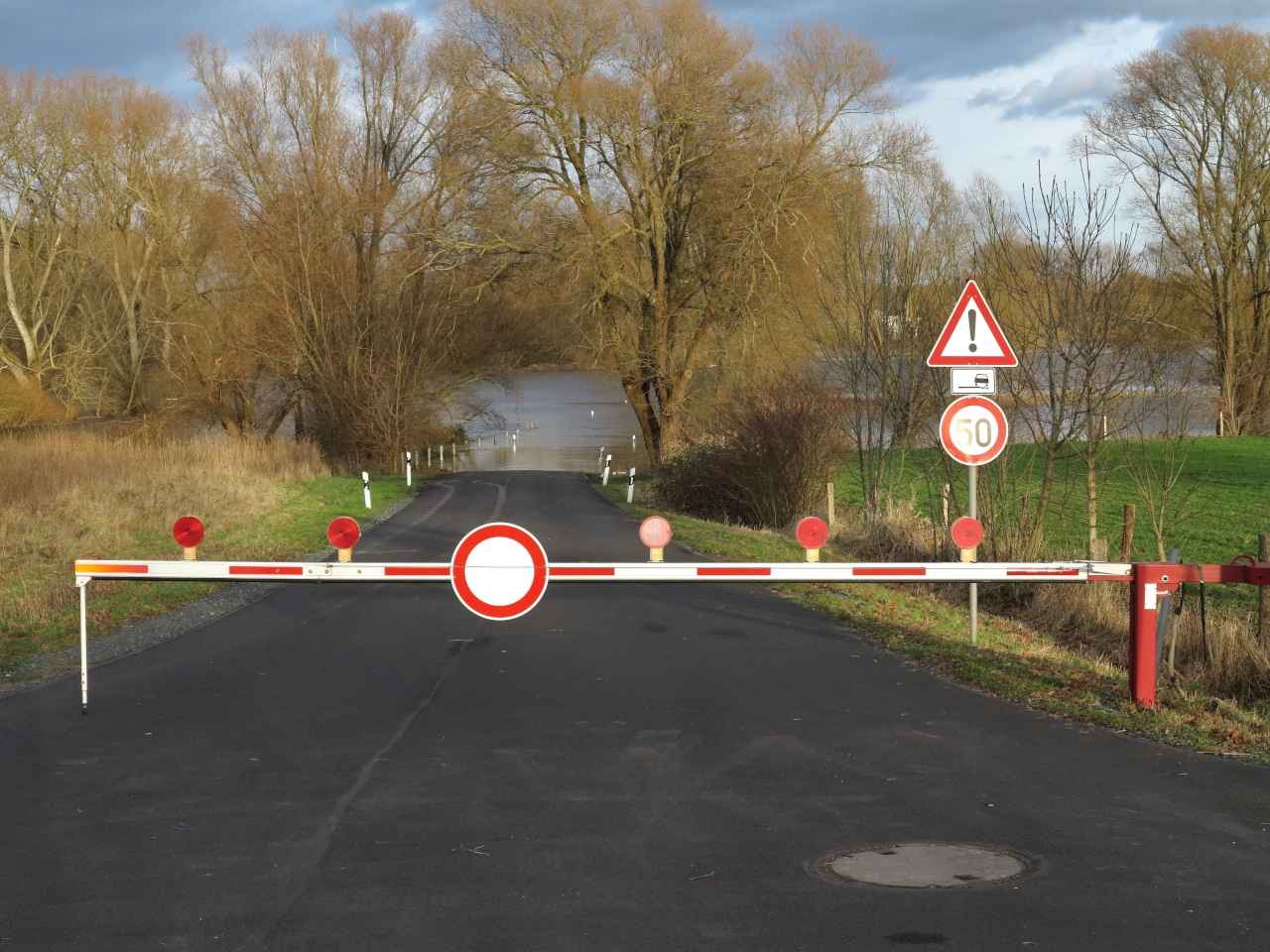
What are road barriers used for?
Road barriers can close roads or lanes, control access, separate traffic streams, protect work zones and prevent vehicles from entering hazardous or restricted areas.
Can road barriers be temporary?
Yes. Temporary barriers are commonly used during roadworks, emergencies and special traffic arrangements, while permanent barriers may be installed for access control or long-term protection.
May you drive past a closed traffic barrier?
No. A closed barrier normally indicates that access is prohibited or unsafe. Drivers should stop and follow any accompanying signs, signals or instructions rather than attempting to drive around it.
212. 車両灯火
車両灯火は、運転者の視界を確保し、車両を見えやすくし、他の道路利用者へ意思を伝えるための灯火・合図装置です。ロービーム、ハイビーム、車幅灯、デイタイムランニングライト、尾灯、制動灯、方向指示器、後退灯、フォグランプ、ハザードランプなどがあります。
視界、天候、交通状況に適した灯火を使用します。灯火は清潔で正常に作動する状態に保ち、他の道路利用者を眩惑する可能性のある灯火は許可される場合だけ使用します。
What are the main types of vehicle lights?
Common vehicle lights include dipped-beam and main-beam headlights, position lights, daytime running lights, rear lights, brake lights, direction indicators, reversing lights, fog lights and hazard warning lights.
When should dipped-beam headlights be used?
Dipped-beam headlights are normally used at night and whenever visibility is poor. Unlike main beams, they are designed to illuminate the road while reducing glare for other road users.
When should main-beam headlights not be used?
Main beams should be changed to dipped beams whenever they could dazzle approaching or preceding road users. The precise requirements and distances vary between countries.
213. 街路灯
街路灯は、暗い時間帯に道路、交差点、横断場所、歩道など公共交通区域を照らす固定照明設備です。路面、道路利用者、潜在的な危険の視認性を高めます。
街路照明があっても、運転者が必要な車両灯火を使い、視界に合わせて速度を調整する責任はなくなりません。照明レベルは道路によって大きく異なり、一部だけ照明される道路や全く照明のない道路もあります。

What is the purpose of street lights?
Street lights improve visibility during darkness and can help road users see the road layout, intersections, pedestrians, cyclists, obstacles and other traffic more clearly.
Do you still need vehicle lights on a street with street lighting?
Usually yes. Street lighting does not normally replace the vehicle-lighting requirements that apply at night or in poor visibility. Drivers must follow the lighting rules of the country in which they are driving.
Should you use main-beam headlights on a well-lit street?
Main beam should not be used when it could dazzle other road users, and many countries require dipped beam instead on sufficiently illuminated roads. Drivers should use the appropriate lighting for the road and traffic conditions.
214. ロービーム
ロービームは、車両ヘッドライトの下向き照射設定です。前方道路を照らしながら光を下向きに配光し、他の運転者や道路利用者を眩惑しにくくします。
通常、夜間、視界不良時、ハイビームが他の道路利用者を眩惑する可能性がある場合に使用します。ハイビームより照射範囲は短いですが、周囲に交通がある通常走行に適しています。

What is dipped beam?
Dipped beam is the normal low-beam headlight setting. It illuminates the road in front of the vehicle while limiting glare towards approaching and preceding road users.
When should dipped beam be used?
Dipped beam is generally used during darkness, in reduced visibility and whenever main-beam headlights could dazzle another road user. Exact requirements vary between countries.
What is the difference between dipped beam and main beam?
Dipped beam directs light lower and is suitable when other traffic is present. Main beam projects light farther ahead but must be switched off when it could dazzle other road users.
215. ハイビーム
ハイビームは、遠方の道路を照らすためのヘッドライト設定です。ロービームより強く遠くまで照らしますが、誤って使用すると他の道路利用者を眩惑する可能性があります。
主に近くに眩惑される交通がいない暗い道路で有効です。交通状況または国の規則で求められる場合はロービームへ切り替えます。

What is high beam used for?
High beam provides long-range illumination and can help a driver see farther ahead on dark roads where there is little or no other traffic.
When should you switch from high beam to dipped beam?
You should switch to dipped beam whenever high beam could dazzle approaching or preceding road users. Exact requirements and distances vary between countries.
Can high beam be used on a well-lit road?
Often not when the existing road lighting already provides sufficient visibility. National traffic rules may specifically require dipped beam instead in adequately illuminated areas.
216. フォグランプ
フォグランプは、霧、雪、その他の悪天候で視界が著しく低下した場合に使用する車両灯火です。前部フォグランプは低い位置から前方路面を照らし、後部フォグランプは後方から接近する道路利用者に車両を見えやすくします。
現地交通規則で許可される条件だけで使用します。特に後部フォグランプは非常に明るく、視界が良い場合は後続運転者を眩惑・妨害することがあります。
What are front fog lights used for?
Front fog lights provide additional low-level illumination in poor visibility such as fog, snowfall or heavy rain. Their design helps illuminate the road close to the vehicle.
What are rear fog lights used for?
Rear fog lights produce an intense red light that makes a vehicle easier to see from behind when visibility is seriously reduced.
Should fog lights be used in normal weather?
No. Fog lights should only be used when the applicable traffic rules and weather conditions justify them. Rear fog lights in particular can cause unnecessary glare when visibility is good.
217. 前部フォグランプ
前部フォグランプは、霧、雪、大雨で視界が低下したときに直前の道路を見やすくするため低い位置に取り付ける灯火です。一般に幅広く低い方向へ配光します。
現地交通規則で許可される天候条件だけで使用します。補助灯であり、通常の視界で不必要に使用してはいけません。

What are front fog lights used for?
Front fog lights provide additional low-level illumination when fog, snow, heavy rain or similar conditions make it difficult to see the road ahead.
Where are front fog lights located?
They are normally mounted relatively low at the front of the vehicle so that their wide beam illuminates the road surface without projecting as much light directly into fog or precipitation.
Should front fog lights be used in normal weather?
No. Front fog lights should only be used when conditions and local traffic rules permit them. Unnecessary use can create glare or distraction for other road users.
218. 後部フォグランプ
後部フォグランプは、視界が著しく低下したときに後続の道路利用者から車両を見えやすくする、車両後部の明るい赤色灯です。通常の尾灯より大幅に明るくなっています。
後続運転者を眩惑・妨害する可能性があるため、現地交通規則で許可される天候条件だけで使用し、視界が改善したら消灯します。

What are rear fog lights used for?
Rear fog lights make a vehicle more visible from behind when fog, snow, heavy rain or other severe weather significantly reduces visibility.
Why are rear fog lights so bright?
They are designed to remain clearly visible through poor weather. Because of their high intensity, they can cause glare when visibility is normal.
Should rear fog lights be switched off when visibility improves?
Yes. They should only remain on while the conditions that justify their use continue. Exact legal requirements vary between countries.
219. 車幅灯
車幅灯(position lights)は、車両の存在とおおよその幅を示し、見えやすくする低輝度灯火です。ロービームやハイビームと異なり、夜間の通常走行に必要な距離まで道路を照らすものではありません。
他の灯火と一緒に使用されるのが一般的で、暗い場所で停止・駐車中の車両を見えやすくするためにも使われます。必要な使用条件は国の交通規則によります。

What are side lights used for?
Side lights make a vehicle easier to see and indicate its position and width. They provide much less road illumination than dipped-beam or high-beam headlights.
Are side lights the same as dipped-beam headlights?
No. Side lights mainly make the vehicle visible, while dipped-beam headlights illuminate the road ahead sufficiently for driving without unnecessarily dazzling other road users.
Can side lights be used when a vehicle is parked?
Yes. In some countries, position or parking lights must be used when a vehicle is parked on the road at night or in poor visibility. The exact requirements depend on local traffic rules.
220. 方向指示器
方向指示器は、右左折や車線変更など、方向・横方向への移動意思を他の道路利用者へ知らせる点滅灯です。通常、車両が移動しようとする側で点滅します。
他の道路利用者へ十分な予告時間を与えるよう早めに作動させ、操作完了後に解除します。合図を出しただけで優先権が生じたり、安全でない操作が許されるわけではありません。

When should turn signals be used?
Turn signals should be used when turning, changing lanes or making another lateral movement where signalling is required. The signal should be given early enough for other road users to understand the driver's intention.
Does using a turn signal give you priority?
No. A turn signal only communicates an intended movement. The driver must still follow the applicable priority rules and make sure the movement can be completed safely.
When should a turn signal be switched off?
The signal should be cancelled once the turn, lane change or other indicated movement has been completed so that it does not mislead other road users.
221. ハザードランプ
ハザードランプは、車両のすべての方向指示器を同時に点滅させます。車両または交通状況に異常・緊急の危険があることを他の道路利用者へ知らせるために使います。
故障、衝突、突然の危険を後続交通へ知らせる場合などに適します。通常、適切な駐車、方向指示、車両灯火の代わりとして使用すべきものではありません。

What are hazard lights used for?
Hazard lights warn other road users of an unusual or potentially dangerous situation involving the vehicle or traffic ahead. Common examples include breakdowns, collisions and sudden obstructions.
Do hazard lights give a driver permission to park anywhere?
No. Switching on hazard lights does not normally make prohibited stopping or parking legal. The driver must still comply with the applicable stopping and parking rules.
Can hazard lights be used to warn drivers behind of sudden congestion?
In many countries they may be used briefly to warn following traffic of an immediate danger such as a sudden queue. The exact rules governing their use vary between countries.
222. ダッシュボード警告灯
ダッシュボード警告灯は、車両の作動状態、各システム、故障の可能性などを知らせる計器盤上の点灯記号・表示です。ヘッドライト、方向指示器、燃料量、エンジン状態、タイヤ空気圧、ブレーキ、安全装備などを示します。
重要度を色で区別するのが一般的です。緑や青は通常作動中、黄や橙は注意が必要な可能性、赤は早急な対応を要する重大状態を示すことが多くあります。
What do dashboard warning lights mean?
Dashboard warning lights communicate information about vehicle systems. Their exact meaning depends on the symbol, colour and vehicle, so drivers should consult the vehicle handbook when a warning is unfamiliar.
What does a red dashboard warning light usually mean?
A red warning light generally indicates a serious problem or a condition requiring immediate attention. Depending on the warning, the driver may need to stop the vehicle safely and switch off the engine.
What does an amber or yellow dashboard light mean?
An amber or yellow light usually indicates a fault, maintenance requirement or condition that should be checked soon. The vehicle may still be driveable, but the warning should not be ignored.
223. 自転車の灯火
自転車の灯火とは、特に薄暗い時間帯や夜間に、利用者が前方を見て他者から見つけてもらうため、自転車に取り付けるライトと反射器を指します。安全のため重要で、多くの場合法律で義務付けられています。

224. 自転車ベル
自転車ベルは、通常ハンドルに取り付ける小型の音響装置で、歩行者、他の自転車利用者、車両へ自分の存在を知らせるために使います。多くの国や都市では、公道や自転車道を走る自転車に正常なベルを備えることが法的に必要です。安全と配慮のための小さくても重要な装置です。

225. パッシング
パッシングは、運転者が車両のハイビーム(場合によってはロービーム)を短時間素早く点滅させ、他の道路利用者へ合図することです。タイミングは明確かつ慎重にし、過度に速く・攻撃的に点滅させず、霧、大雨、夜間など他者を眩惑する可能性がある状況では避けます。
