


道路標識ウクライナ
 交通ルール
交通ルール
 ウクライナ
ウクライナ
26. 通路
通路は、主に歩行者向けの比較的狭い経路で、許可されている場合はその他の道路利用者や小型車両も利用できます。市街地、農村、公園、森林、道路間などに設けられ、舗装されている場合と未舗装の場合があります。
通路は必ずしも歩道や自転車道と同じではありません。利用できる道路利用者は、その法的区分、幅、交通標識、地域規則によって決まります。

What is a path?
A path is a relatively narrow route intended primarily for pedestrians and, where permitted, other road users or small vehicles.
Is a path the same as a footpath?
Not necessarily. A footpath is specifically intended for pedestrians, while a path may also permit cyclists or other users according to local rules.
Is a path the same as a cycle path?
No. A cycle path is specifically designated for bicycles and other permitted users. An ordinary path does not automatically have that legal status.
Can cyclists use a path?
This depends on the legal status, width and signs applying to the path. Some paths permit cyclists, while others are reserved for pedestrians or particular users.
Can motor vehicles use a path?
This depends on local law. Some paths prohibit motor vehicles entirely, while narrow vehicles may be permitted on other paths unless traffic signs restrict access.
Can a path be part of the public-road network?
Yes. A narrow path can legally form part of the public-road network even when it is unsuitable for ordinary cars.
Does a path need to be paved?
No. Paths can be paved, gravelled, compacted or unsurfaced depending on their location and purpose.
Can traffic signs restrict access to a path?
Yes. Signs can reserve a path for particular road users or prohibit certain vehicles, regardless of whether they could physically fit on it.
Who has priority when a path joins a larger road?
The applicable local priority rules determine who must give way. Special rules often apply when a minor path joins an ordinary road.
Can pedestrians and cyclists share a path?
Yes, where both are permitted. Faster users should adapt their speed and avoid endangering or unnecessarily obstructing pedestrians.
Can a path cross another road?
Yes. At the crossing, users must follow the applicable priority signs, traffic lights, road markings and general right-of-way rules.
Is every narrow route legally a path?
No. Its legal classification depends on the definitions and regulations of the country concerned. A narrow route might instead be a footpath, cycle path, private access road or another type of facility.

27. 粒子状物質
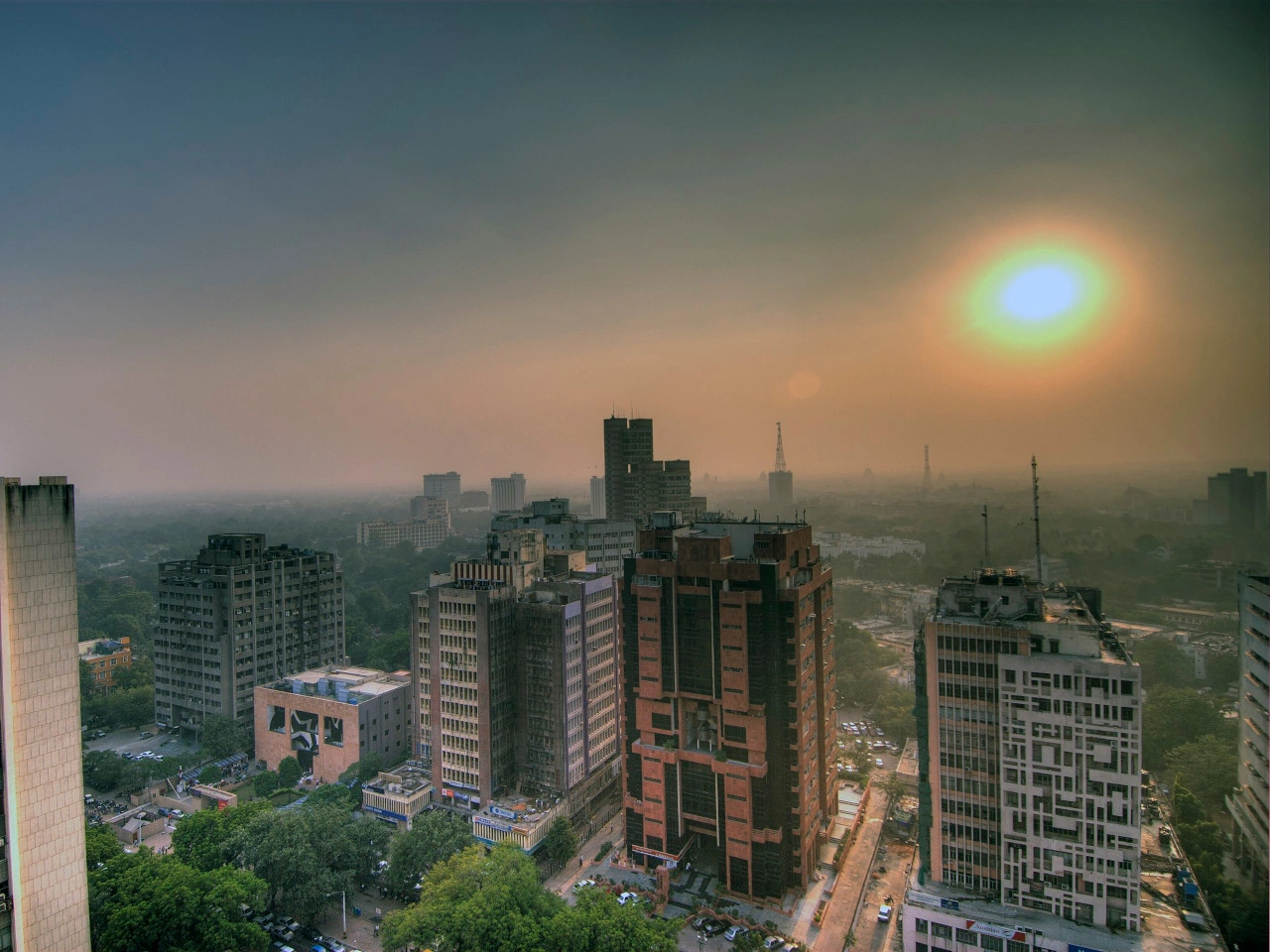
粒子状物質(particulate matter、PM)は、空気中に浮遊する微小な固体粒子または液滴です。道路交通では、排気ガス、ブレーキ摩耗、タイヤ摩耗、路面摩耗のほか、通過車両が巻き上げるほこりからも発生します。
粒子状物質は一般に粒径で分類されます。PM10は直径およそ10マイクロメートル以下、PM2.5はおよそ2.5マイクロメートル以下のより細かい粒子を指します。車両排出ガス基準、粒子フィルター、大気質対策などにより、これらの汚染物質への曝露低減が図られます。
What are particulates?
Particulates, or particulate matter, are very small solid particles or liquid droplets suspended in the air.
What are PM10 and PM2.5?
PM10 refers to particles with a diameter of up to approximately 10 micrometres. PM2.5 refers to finer particles with a diameter of up to approximately 2.5 micrometres.
Where do traffic particulates come from?
Road traffic can produce particles through engine exhaust, brake wear, tyre wear and road-surface wear. Passing traffic can also resuspend dust already present on the road.
Are diesel vehicles a source of particulates?
Yes. Combustion in diesel engines can produce very small soot particles. Modern diesel vehicles commonly use particulate filters to capture a large proportion of these exhaust particles.
What is a particulate filter?
A particulate filter is an exhaust-treatment device designed to trap particulate matter produced by an engine. Diesel particulate filters are commonly known as DPFs.
Do petrol engines produce particulates?
Yes. Petrol engines can also produce particulate emissions, particularly certain direct-injection engines. Appropriate emission-control systems may therefore include particulate filters.
Do electric vehicles produce particulates?
Fully electric vehicles produce no exhaust particulates from a combustion engine, but particles can still result from tyre wear, road wear and braking.
Are brake and tyre particles regulated?
Vehicle-emission regulation is increasingly addressing non-exhaust emissions. The European Euro 7 framework includes requirements concerning brake-particle emissions and tyre abrasion.
Is particulate matter the same as CO2?
No. Particulate matter consists of tiny airborne particles, while carbon dioxide is a gas. They are different types of vehicle emissions and are regulated for different environmental reasons.
How can vehicle particulate emissions be reduced?
Measures include effective particulate filters, cleaner vehicle technologies, correctly maintained emission-control systems and reductions in brake, tyre and road-wear emissions.
28. 大気汚染
大気汚染は、人の健康、環境、生態系へ悪影響を与える濃度で、気体、粒子、その他の物質が空気中に存在する状態です。道路交通は排気ガスに加え、ブレーキ摩耗、タイヤ摩耗、道路粉じんなど非排気由来の排出によっても大気汚染へ寄与します。
交通に関連する主な汚染物質には、窒素酸化物、粒子状物質、一酸化炭素、揮発性有機化合物があります。車両から直接排出されるものもあれば、大気中の化学反応で生成されるものもあります。車両排出ガス基準、よりクリーンな技術、交通管理対策などが排出削減に使われます。

What is air pollution?
Air pollution is contamination of the air by gases, particles or other substances that can adversely affect human health, the environment or ecosystems.
How does road traffic cause air pollution?
Vehicles produce pollutants through fuel combustion, exhaust systems, brake wear, tyre wear and road-surface interaction. Moving traffic can also resuspend dust already present on the road.
Which air pollutants are associated with road traffic?
Important traffic-related pollutants include nitrogen oxides, particulate matter, carbon monoxide and volatile organic compounds. Their relative importance depends on the vehicle, fuel and driving conditions.
What is nitrogen dioxide?
Nitrogen dioxide (NO2) is an air pollutant associated particularly with combustion processes and road traffic. High concentrations are commonly found near busy roads and densely trafficked urban areas.
What is particulate matter?
Particulate matter consists of tiny solid particles or liquid droplets suspended in the air. Road traffic can produce particles from exhaust, brakes, tyres and road surfaces.
Is CO2 the same as ordinary air pollution?
No. Carbon dioxide is primarily regulated as a greenhouse gas because of its contribution to climate change. Local air-quality pollution generally focuses on substances such as nitrogen dioxide, particulate matter, ozone and other pollutants that directly affect air quality and health.
Do electric vehicles cause air pollution?
Fully electric vehicles produce no combustion-engine exhaust emissions while driving, but they can still contribute to non-exhaust particulate emissions through tyres, brakes and road wear.
Can air pollution be worse near busy roads?
Yes. Concentrations of traffic-related pollutants can be higher close to heavily trafficked roads because many emissions occur close to ground level and near where people live and travel.
What is a low-emission zone?
A low-emission zone is an area where access by more polluting vehicles is restricted in order to reduce traffic-related air pollution. Access criteria may depend on factors such as fuel type, vehicle category and emission standard.
How can traffic-related air pollution be reduced?
Measures include cleaner vehicles, stricter emission standards, effective emission-control equipment, low-emission zones, public transport, cycling and walking, as well as traffic-management measures that reduce unnecessary congestion and emissions.
29. ラッシュアワー
ラッシュアワーは、多くの人が通勤、通学、その他の定期的な移動を行うため、道路や公共交通網の需要が特に高くなる時間帯です。通常、平日の朝と夕方から夜にかけて発生します。
ラッシュ時には渋滞、低速走行、移動時間の増加、頻繁な停止が生じます。運転者は安全な車間距離を保ち、焦らず、交通状況の変化を予測し、臨時または動的な交通管理措置に従います。

What is rush hour?
Rush hour is a period when unusually large numbers of people travel at the same time, resulting in increased traffic and often congestion.
When does rush hour occur?
Rush hour commonly occurs during the morning and late afternoon or evening on working days, but the exact times vary according to the city, road and local travel patterns.
Does rush hour always last one hour?
No. The term does not mean that congestion lasts exactly one hour. In busy urban areas, peak traffic conditions may continue for several hours.
Why does traffic become congested during rush hour?
Congestion develops when traffic demand approaches or exceeds the available road capacity. Intersections, merging traffic, collisions, roadworks and weather can make the congestion worse.
Should you increase your following distance in rush-hour traffic?
Yes. Leave sufficient distance to react to sudden braking and frequent changes in traffic speed. Avoid following another vehicle too closely even when traffic is moving slowly.
Should you frequently change lanes during congestion?
Unnecessary lane changes can create additional conflicts and may not significantly reduce journey time. Choose an appropriate lane, observe surrounding traffic and change lane only when it can be done safely.
Can speed limits change during rush hour?
Yes. Roads equipped with variable traffic management may display lower speed limits during congestion. Drivers must follow the speed limit currently indicated.
What is a rush-hour lane?
A rush-hour lane is an additional traffic lane that can be opened during busy periods to increase road capacity. It may use a lane or shoulder that is closed to normal traffic at other times.
Can you use a rush-hour lane whenever traffic is congested?
No. Such a lane may only be used when traffic signals or signs indicate that it is open. Never assume that congestion alone permits its use.
How can you prepare for a journey during rush hour?
Check current traffic conditions and expected journey times, allow additional travel time and consider an alternative route, departure time or mode of transport where appropriate.
30. 交通法規
交通法規は、人々が公道をどのように利用するかを定める法律や交通規則の体系です。運転者、自転車利用者、歩行者、その他の道路利用者に適用され、優先、速度、追い越し、駐車、信号機、道路標識、路面標示などを扱います。
交通法規は国によって、場合によっては地域によって異なります。道路利用者は、母国の規則と異なる場合でも移動先で適用される規則を知り、従うことが求められます。
What is a road code?
A road code is the body of traffic rules and regulations governing how road users must behave on public roads.
What does a road code regulate?
A road code can regulate subjects such as priority, speed, overtaking, turning, parking, traffic signals, road signs and road markings, as well as the responsibilities of different road users.
Are road codes the same in every country?
No. Although many traffic rules and signs are similar internationally, each country establishes its own traffic legislation and may apply different rules, signs, speed limits and requirements.
31. 道路側溝
道路側溝は、道路や街路の端に沿って設けられ、雨水を集めて排水口などへ流す細い水路です。通常、車道と縁石の間にあり、コンクリート、舗石、路面の一部などで形成されます。
道路側溝は主に排水設備であり、交通車線ではありません。水、破片、排水口、凹凸などがある場合があるため、道路利用者は側溝付近で注意します。

What is a street gutter?
A street gutter is a drainage channel along the edge of a road that collects rainwater and directs it toward drains or another drainage system.
Is a street gutter a traffic lane?
Normally, no. A gutter is primarily part of the road's drainage system and is not intended to function as a normal traffic lane.
Why should cyclists take care near street gutters?
Gutters may contain water, leaves, debris, drain covers or uneven surfaces, which can reduce grip or make cycling less stable.
32. カーゴバイク
カーゴバイクは、通常の自転車より多くの荷物、子ども、その他の大きな積載物を運ぶため設計された自転車です。前後のボックスや荷台、延長された後部キャリア、多輪構造などを備える場合があります。
人力のみの場合も、電動アシストを備える場合もあります。許容寸法、乗車定員、自転車道の利用、電動アシストの上限などは現地の交通・車両規則によります。

What is a cargo bike?
A cargo bike is a bicycle designed to carry goods, children or larger loads than a conventional bicycle.
What types of cargo bikes are there?
Common designs include two-wheel box bikes, three-wheel cargo bikes and longtail bicycles with an extended rear carrying area.
Can a cargo bike be electric?
Yes. Many cargo bikes use electric pedal assistance to make it easier to move heavier loads or travel longer distances.
Is an electric cargo bike still a bicycle?
It can be. If the electrical assistance remains within the applicable power and assistance-speed limits, the vehicle may remain legally classified as a bicycle. More powerful or faster models may belong to another category.
Can a cargo bike carry children?
Yes, when it is designed and equipped for passenger transport. Children should use the seats, restraints, foot protection or other safety equipment provided by the manufacturer and required by local law.
Can a cargo bike carry goods?
Yes. Transporting goods is one of its main purposes. Loads must be securely positioned and must not make the bicycle unstable, obstruct the rider's view or exceed applicable dimensional or weight limits.
Can a cargo bike use a cycle path?
This depends on its dimensions and legal classification. Ordinary-sized cargo bicycles generally follow bicycle rules, while unusually wide models may be excluded from certain cycle facilities.
Does a cargo bike need a driving licence?
Normally not when it remains legally classified as an ordinary bicycle or electrically assisted bicycle. Faster or more powerful vehicles may be subject to different licensing requirements.
Is a helmet compulsory on a cargo bike?
This depends on the country's bicycle rules and the vehicle's classification. A model legally classified as a faster motorised vehicle may have different helmet requirements from an ordinary cargo bicycle.
Should you ride differently when a cargo bike is heavily loaded?
Yes. Additional weight can affect acceleration, braking, steering and stability. Reduce speed where necessary, allow greater stopping distance and take particular care when turning.
Can a cargo bike tow a trailer?
Yes, where permitted. The bicycle, trailer and total load must comply with the applicable dimensional, mass, braking and passenger-transport requirements.
Why should drivers take care around cargo bikes?
Cargo bikes can be longer, wider and heavier than ordinary bicycles and may need additional space when turning or stopping. Drivers should leave sufficient passing distance and avoid cutting across their path.
33. 林業車両
林業車両は、林業や森林管理に関連する作業向けに設計、装備、改造された車両です。機械の牽引、木材運搬、機器輸送、伐採、集材、森林地の維持などに使われます。
トラクター、特殊自走機械、トレーラー、交換式装置などが含まれます。登録、運転免許、最高速度、公道利用、技術要件は車両の法的分類と現地交通規則によります。
What is a forestry vehicle?
A forestry vehicle is a vehicle designed or adapted for forestry work, such as pulling machinery, carrying equipment, transporting timber or working on forest land.
Is a forestry vehicle always a tractor?
No. Forestry vehicles can include tractors, specialised self-propelled machines, trailers and other equipment. Their legal classification depends on their design and use.
What is a forestry tractor?
A forestry tractor is a powered vehicle primarily designed to pull, push, carry or operate equipment or trailers used for forestry work.
Can forestry vehicles travel on public roads?
Yes, when legally permitted and properly equipped. Registration, insurance, lighting, dimensions, speed and driving-licence requirements may apply before a forestry vehicle can use public roads.
Do you need a special driving licence for a forestry vehicle?
This depends on the vehicle classification, mass and country. Some countries have special agricultural or forestry vehicle licence categories, while other machines require ordinary car or heavy-vehicle licences.
Do forestry vehicles have special speed limits?
They may. The permitted speed can depend on the vehicle's construction speed, mass, road type and local traffic rules. Posted speed limits must also be respected.
Can forestry vehicles use motorways?
This depends on the country and vehicle classification. Agricultural and forestry vehicles are often restricted from high-speed roads, particularly when their construction speed is unsuitable for motorway traffic.
Why should drivers take care when passing a forestry vehicle?
Forestry vehicles can be large, slow, wide or equipped with projecting machinery. Reduce speed where necessary and overtake only when there is sufficient visibility and space.
Can a forestry vehicle tow a trailer?
Yes, where the vehicle is designed and approved to do so. Forestry tractors commonly tow trailers carrying timber, machinery or other forestry materials.
Can forestry equipment extend beyond the normal width of the vehicle?
Some machinery or loads may make a forestry vehicle unusually wide or long. Where legal limits are exceeded, special markings, lighting, permits or escort arrangements may be required under local law.
34. 建設車両
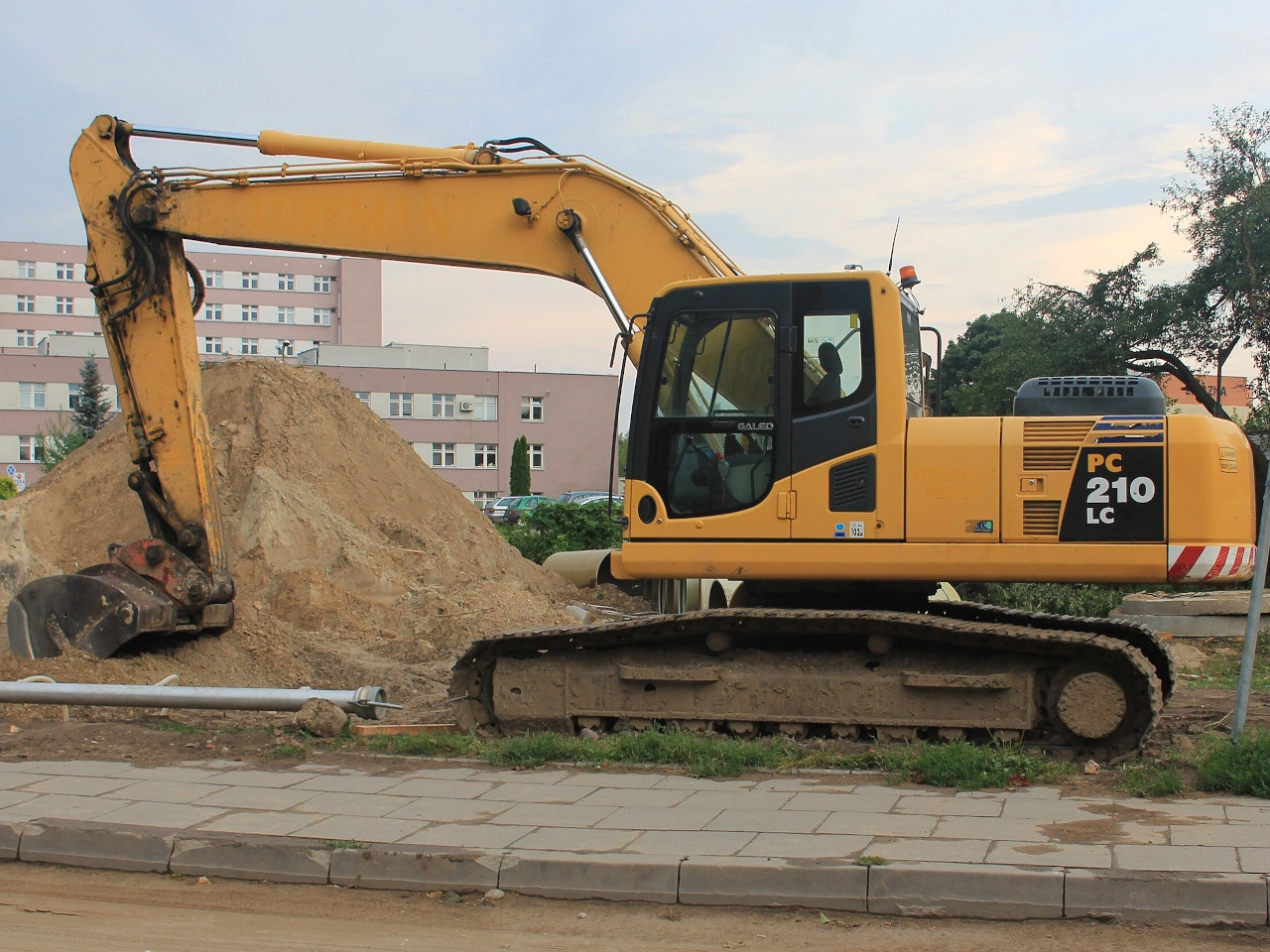
建設車両は、建設、道路工事、掘削、揚重、資材運搬に関連する作業向けに設計・改造された車両または移動式機械です。掘削機、ローダー、ブルドーザー、ロードローラー、移動式クレーン、ダンプトラック、コンクリートミキサーなどがあります。
大きさ、速度、法的分類は大きく異なります。通常の道路車両に該当するものも、主に工事現場用の特殊機械に該当するものもあります。公道を走行する場合は、適用される登録、免許、灯火、寸法、重量、速度、交通規則に従います。
What is a construction vehicle?
A construction vehicle is a vehicle or mobile machine used for construction, excavation, lifting, roadworks or transporting construction materials.
What are examples of construction vehicles?
Examples include excavators, wheel loaders, bulldozers, road rollers, mobile cranes, dump trucks and concrete mixers.
Is every construction vehicle legally the same type of vehicle?
No. A construction vehicle may legally be classified as a truck, mobile machine, special-purpose vehicle or another vehicle category depending on its design and use.
Can construction vehicles travel on public roads?
Yes, when the vehicle is legally permitted and suitably equipped for road use. Some machines are designed mainly for construction sites and may be subject to special restrictions when travelling on public roads.
Do you need a driving licence for a construction vehicle?
This depends on the vehicle category, mass, speed and local law. Heavy trucks, mobile cranes and specialised machines may require different licence categories.
Do construction vehicles have special speed limits?
They may. A vehicle's design speed, mass, tyres, suspension and legal classification can result in a lower permitted speed than that applying to ordinary cars.
Why should you take extra care near construction vehicles?
Construction vehicles can be large, slow and difficult to manoeuvre and may have significant blind spots. They may also turn, reverse or enter a construction site unexpectedly.
What do flashing amber lights on a construction vehicle mean?
Flashing amber lights generally warn other road users that the vehicle is working, moving slowly or creating an unusual obstruction or hazard. They do not normally give the vehicle the same priority as an emergency vehicle.
Can a construction vehicle be wider or heavier than an ordinary vehicle?
Yes. Some construction machinery exceeds normal vehicle dimensions or masses. Special permits, route restrictions, warning equipment or escorts may then be required.
What should you do when passing a construction vehicle?
Reduce speed where necessary and leave sufficient space. Be aware of blind spots, projecting equipment, wide turns and workers who may be present nearby.
35. セミトレーラートラック
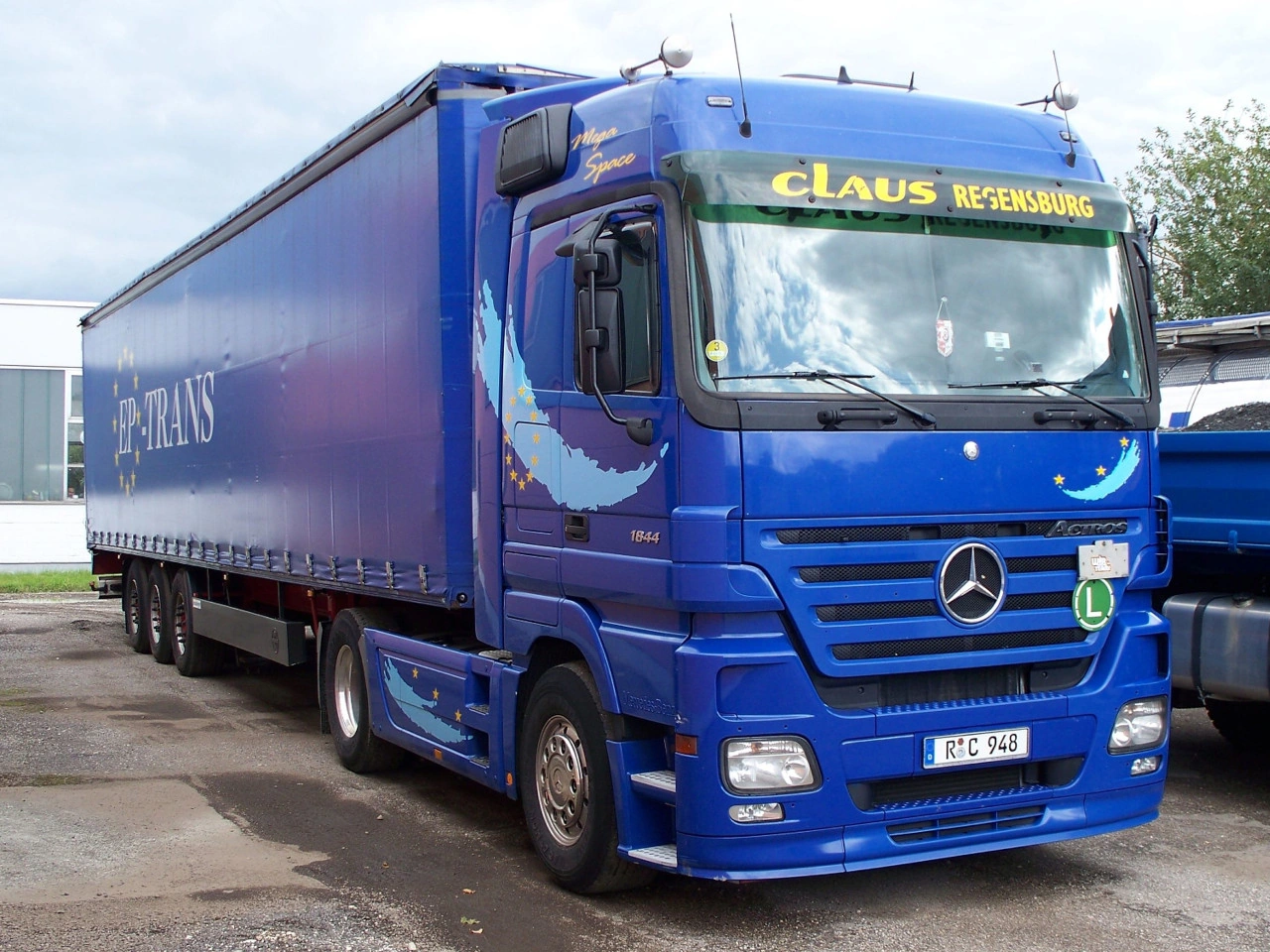
セミトレーラートラックは、主に貨物輸送に使われるトラクターヘッドとセミトレーラーの組み合わせです。セミトレーラーは、自身の車輪だけでなく重量のかなりの部分をトラクター側で支えるよう連結されます。
長距離貨物輸送で一般的で、コンテナ、冷蔵品、液体、ばら積み貨物などを運びます。運転免許、最大寸法・質量、速度制限、車線利用、追い越し、積載、運転・休憩時間に特別規則が適用される場合があります。
What is a semi-trailer truck?
A semi-trailer truck consists of a powered road tractor coupled to a semi-trailer primarily used to transport goods.
What is a semi-trailer?
A semi-trailer is a trailer designed so that part of the trailer and a significant part of its load are supported by the towing tractor.
What is the difference between a semi-trailer and an ordinary trailer?
An ordinary trailer generally supports its own weight through its axles, while a semi-trailer transfers a substantial vertical load to the tractor through its coupling.
How is a semi-trailer connected to the tractor?
The semi-trailer is normally connected through a kingpin and fifth-wheel coupling mounted behind the tractor cab.
Why are semi-trailer trucks called articulated vehicles?
The tractor and semi-trailer are connected by a pivoting coupling, allowing the two parts to turn relative to each other when the combination changes direction.
Do you need a special licence to drive a semi-trailer truck?
Yes. Heavy articulated trucks normally require a heavy-goods-vehicle licence that also authorises the driver to tow a heavy trailer or semi-trailer. The precise licence categories differ between countries.
Do semi-trailer trucks have lower speed limits?
They often do. Many countries impose vehicle-specific maximum speeds on heavy goods vehicles, particularly on motorways and other high-speed roads.
Why do semi-trailer trucks need more space to turn?
The semi-trailer's rear wheels follow a tighter path than the tractor's front wheels. Drivers therefore need additional space when turning, particularly at narrow intersections.
Why should you leave extra distance behind a semi-trailer truck?
Large trucks can restrict your view of traffic ahead and require considerable stopping distance. Keeping an appropriate following distance improves visibility and reaction time.
Why should you take care when driving beside a semi-trailer truck?
Large trucks have substantial blind spots around the cab and trailer. Avoid remaining beside the vehicle unnecessarily and be particularly careful when the truck is turning or changing lane.
36. トロリーバス
トロリーバスは、通常、車両に取り付けた集電装置を通じて架空電線から電力を得る電気バスです。トラムと異なり通常のゴムタイヤで道路を走行し、レールではなく運転者が操舵します。
主に公共旅客輸送に使われ、バスレーン、停留所などの公共交通設備を利用することがあります。現代の一部車両はバッテリーや補助電源を備え、架線から離れて短距離走行できます。

What is a trolleybus?
A trolleybus is an electrically powered bus that normally receives electricity from overhead wires while travelling on ordinary road wheels.
Is a trolleybus the same as a tram?
No. A tram runs on rails and follows the path of its tracks. A trolleybus has ordinary tyres and is steered like a conventional bus.
Is a trolleybus an electric bus?
Yes. A trolleybus uses an electric motor, but unlike a battery-electric bus it traditionally receives most or all of its operating power from overhead electrical wires.
How does a trolleybus receive electricity?
Electrical current is normally collected from overhead wires through poles or another current-collection system mounted on the vehicle.
Can a trolleybus drive without overhead wires?
Some trolleybuses can. Modern vehicles may have batteries or auxiliary motors that allow limited operation away from the overhead wiring.
Can a trolleybus change lane?
Yes. Because it is steered rather than rail-guided, a trolleybus can move sideways within the range permitted by its overhead electrical connection and road layout.
Can trolleybuses use bus lanes?
Yes, where local rules permit. Trolleybuses operating public-transport services can normally use infrastructure reserved for authorised buses and public transport.
Do trolleybuses have priority when leaving stops?
This depends on the local traffic law. Some countries require other drivers to allow public-transport buses, including trolleybuses, to leave designated stops.
Should drivers slow down near a stopped trolleybus?
Yes. Passengers may be boarding, leaving or crossing the roadway. Drivers should approach carefully and give passengers sufficient space where required.
Does a trolleybus produce exhaust emissions?
A trolleybus operating entirely on electric power produces no combustion-engine exhaust emissions at the vehicle. Non-exhaust emissions from tyres, brakes and road wear can still occur.
37. スピードペデレック
スピードペデレックは、通常の電動アシスト自転車のアシスト上限を超えて、一般に約45 km/hまでペダルアシストを継続できる高速電動アシスト自転車です。ペダルを備え、主としてペダリングを補助する設計です。
高速であるため、通常の自転車や電動自転車とは異なる法的扱いを受けることがあります。国により最低年齢、運転免許、ヘルメット、登録、保険、自転車道利用、通行可能道路に特別規則が適用されます。

What is a speed pedelec?
A speed pedelec is an electrically assisted pedal cycle capable of providing motor assistance at higher speeds than an ordinary electric bicycle, commonly up to approximately 45 km/h.
What is the difference between a speed pedelec and an ordinary electric bicycle?
An ordinary electrically assisted bicycle normally stops providing motor assistance at a lower speed, commonly around 25 km/h. A speed pedelec can continue assisting the rider at higher speeds.
Do you still have to pedal a speed pedelec?
Normally yes. A speed pedelec is primarily designed to provide assistance while the rider pedals, although limited walking or starting assistance may also be provided.
Can a speed pedelec travel at 45 km/h?
Many speed pedelecs are designed to provide assistance up to approximately 45 km/h. The actual permitted speed must still comply with the local speed limit and traffic conditions.
Do you need a driving licence for a speed pedelec?
This depends on the country's legal classification. Some countries classify speed pedelecs similarly to mopeds and require an appropriate driving licence.
Is a helmet compulsory on a speed pedelec?
Helmet requirements vary between countries, but because speed pedelecs travel considerably faster than ordinary bicycles, specific helmet requirements commonly apply.
Does a speed pedelec need a licence plate?
In countries where speed pedelecs are classified as mopeds or another motor-vehicle category, registration and a licence plate may be compulsory.
Does a speed pedelec need insurance?
This depends on its technical characteristics and local law. Some jurisdictions require motor-vehicle liability insurance, while others exempt pedal-assisted speed pedelecs under specified conditions.
Can a speed pedelec use a cycle path?
This depends on the country, road speed limit and traffic signs. Speed pedelecs may be permitted, required or prohibited on particular cycle paths.
Can a speed pedelec use a motorway?
Speed pedelecs are generally unsuitable for motorways and are commonly prohibited where mopeds or low-speed vehicles are not permitted. Follow the local access rules.
Can you carry a passenger on a speed pedelec?
This depends on the vehicle's construction and local rules. Where passengers are permitted, the speed pedelec must be designed and equipped to carry them safely.
Is a speed pedelec the same as an electric moped?
No. A speed pedelec is primarily designed to provide pedal assistance, while an electric moped can normally propel itself without requiring the rider to pedal. Their legal classifications may nevertheless be closely related.
38. 配送車両
配送車両は、住宅、事業所などへ商品、小包、物資、その他の品物を運搬・配達する車両です。荷物の種類や量に応じて、バン、トラック、乗用車、オートバイ、カーゴバイクなどが使われます。
車両区分に応じた通常の交通規則に加え、積み降ろし、進入制限区域、駐車、車両寸法、低排出ゾーンなどの特別規則に従います。配達許可があるからといって、どこでも停車・駐車できるわけではありません。

What is a delivery vehicle?
A delivery vehicle is a vehicle used to transport goods, parcels, supplies or other items to a particular destination.
Is a delivery vehicle always a van or truck?
No. Deliveries can be made using vans, trucks, cars, motorcycles, cargo bicycles or other suitable vehicles.
Can a delivery vehicle stop to load or unload goods?
Yes, where stopping is legally permitted. Many traffic systems distinguish genuine loading or unloading from ordinary parking when the vehicle remains only for the time necessary to perform the activity.
Can a delivery driver wait in a loading area?
A loading area is intended for active loading or unloading. Remaining there after the delivery activity has finished may constitute parking and may therefore violate the applicable restrictions.
Can delivery vehicles use restricted streets?
Sometimes. Traffic signs may provide an exception for deliveries, loading and unloading or local access. The driver must comply with any times, vehicle restrictions or other conditions shown.
Can delivery vehicles enter pedestrian zones?
Only where local rules or signs specifically allow delivery access. Access may be limited to certain hours, and vehicles may be required to travel at very low speed and give priority to pedestrians.
Can a delivery vehicle park on a pavement or cycle path while unloading?
Not automatically. Loading or unloading does not override general stopping restrictions or rules protecting pavements, cycle paths and other road users.
Can a delivery vehicle use hazard warning lights while illegally stopped?
No. Hazard warning lights warn other road users but do not make an otherwise prohibited stopping or parking position legal.
Can delivery vehicles be restricted by low-emission zones?
Yes. Vans and trucks may be subject to low-emission-zone requirements based on factors such as fuel type, vehicle category and emission standard.
Should drivers take extra care around delivery vehicles?
Yes. Delivery vehicles may stop frequently, reverse, open doors or move between the roadway and loading areas. Other road users should allow sufficient space and anticipate pedestrians or workers moving around the vehicle.
39. アイドリング
アイドリングは、車両が停止しており、エンジンが車両移動に使われていない状態でもエンジンを作動させ続けることです。待機、駐車、積み降ろし、出発前などに起こります。
不必要なアイドリングは燃料を消費し、排気ガス、大気汚染、騒音を発生させます。多くの国や地方自治体では長時間または不必要なアイドリングを制限していますが、安全、技術設備、その他必要な目的でエンジンが必要な場合は例外となることがあります。
What is idling?
Idling means keeping a vehicle's engine running while the vehicle remains stationary and the engine is not being used to propel it.
Why should unnecessary idling be avoided?
Unnecessary idling uses fuel, produces exhaust emissions and creates noise without moving the vehicle.
Is idling illegal everywhere?
No. Rules differ between countries and local authorities. Some prohibit unnecessary idling generally, while others restrict it only in particular locations or circumstances.
Does an idling engine still produce exhaust emissions?
Yes. A combustion engine continues to produce exhaust gases while running even though the vehicle is not moving.
Does idling use fuel?
Yes. A combustion engine consumes fuel while it remains running, even when the vehicle is stationary.
Should you leave the engine running while waiting for someone?
Where it is safe and legal to switch the engine off, unnecessary prolonged idling should generally be avoided. Local rules may specifically require the engine to be switched off.
Is waiting at a red traffic light the same as parking with the engine idling?
No. A vehicle temporarily prevented from moving by traffic conditions is different from a vehicle voluntarily parked or waiting. The rules concerning engine shutdown may therefore differ.
Can an engine remain running when vehicle equipment needs power?
Some laws provide exceptions when the engine is genuinely required to operate refrigeration, hydraulic equipment, emergency equipment or another essential system. The precise exceptions depend on local law.
Should you rev the engine while stationary?
Unnecessary engine revving should be avoided because it increases noise, fuel consumption and emissions. It may also be specifically prohibited by local traffic or noise regulations.
Do electric vehicles idle?
Not in the conventional combustion-engine sense. An electric vehicle can remain stationary while switched on without an internal-combustion engine running, although electrical systems such as heating or air conditioning may still consume energy.
40. レッカー車
レッカー車は、故障、損傷、不適切な駐車などにより通常走行できない車両を救援、牽引、持ち上げ、運搬する特殊車両です。リフト、ウインチ、ホイールリフト、積載平台などを使用します。
移動中の交通の近くで作業するため、作業中は警光灯などの安全装備を使用するのが一般的です。救援作業へ近づく運転者は必要に応じて減速し、十分な間隔を取り、臨時交通規制や係員の指示に従います。
What is a tow truck?
A tow truck is a specialised vehicle designed to recover, tow, lift or transport vehicles that are disabled, damaged or otherwise need to be removed.
How can a tow truck move another vehicle?
Tow trucks may use a wheel lift, lifting arm, winch, towing equipment or loading platform. The recovery method depends on the type and condition of the vehicle being moved.
What is a flatbed tow truck?
A flatbed tow truck carries the recovered vehicle on a loading platform rather than leaving some of its wheels on the road.
When is a tow truck used?
A tow truck may be used after a breakdown, collision, vehicle defect or other situation in which a vehicle cannot safely continue or must be removed.
Why do tow trucks use flashing warning lights?
Warning lights alert other road users that the tow truck is working, moving slowly or creating an unusual roadside hazard. The meaning and permitted colour of the lights depend on local law.
Do flashing lights give a tow truck emergency-vehicle priority?
Not necessarily. Warning lights used for vehicle recovery usually indicate a hazard rather than giving the tow truck the same legal priority as a police car, ambulance or fire vehicle.
Can any vehicle tow a broken-down car?
This depends on the local towing rules and equipment. Emergency towing may be permitted under limited conditions, while professional recovery vehicles can use specialised equipment designed for the task.
Can a tow truck recover a vehicle from a motorway?
Yes, where authorised and suitably equipped. Motorway recovery may be subject to special safety procedures because of the high traffic speeds and restricted stopping areas.
Should you slow down when passing a working tow truck?
Yes. Recovery personnel may be working close to live traffic and vehicles or equipment may occupy part of the roadway. Reduce speed where necessary and leave sufficient space.
Can a tow truck recover heavy trucks and buses?
Yes, if it is designed and rated for the vehicle concerned. Heavy recovery vehicles use specialised lifting and towing equipment for trucks, buses and other large vehicles.
41. 四輪駆動
四輪駆動(4WDまたは4x4)は、車両の4輪すべてへ駆動力を伝えられる駆動方式です。雪、泥、砂利、砂、不整地などで追加のトラクションを得られます。
常時作動する方式と、必要時に自動または手動で作動させる方式があります。滑りやすい路面や悪路での走破性を高めますが、適切なタイヤ、安全な速度、慎重な制動・操舵が不要になるわけではありません。

What is four-wheel drive?
Four-wheel drive is a drivetrain system that can send power to all four wheels of a vehicle rather than only the front or rear wheels.
What does 4x4 mean?
4x4 normally indicates a vehicle with four wheels of which all four can be driven by the powertrain.
Is four-wheel drive the same as all-wheel drive?
The terms 4WD and AWD are sometimes used interchangeably, but manufacturers often use them for different types of system. Traditional 4WD systems commonly provide selectable driving modes, while AWD systems often distribute power automatically.
Does four-wheel drive improve traction?
Yes. Sending power to more wheels can improve traction when accelerating on snow, mud, gravel, sand or other low-grip surfaces.
Does four-wheel drive shorten braking distance?
Not automatically. Braking performance depends primarily on the tyres, road surface, speed, braking system and vehicle condition. Four-wheel drive should not encourage a driver to travel faster on slippery roads.
Does a four-wheel-drive vehicle still need suitable tyres?
Yes. The tyres provide the contact between the vehicle and road. Four-wheel drive cannot compensate for tyres that are unsuitable, excessively worn or incorrectly inflated.
Can four-wheel drive help in snow?
Yes. It can improve the ability to move away and climb on snow-covered roads, but safe braking and cornering still depend heavily on tyre grip and appropriate speed.
Can a four-wheel-drive vehicle drive off-road?
Some 4x4 vehicles are designed for off-road use, but four-wheel drive alone does not make every vehicle suitable for difficult terrain. Ground clearance, tyres, suspension and the drivetrain design are also important.
Can you use four-wheel drive on dry roads?
This depends on the type of drivetrain. Permanent or automatic systems are designed for normal road use, while some selectable 4WD systems should only be engaged under particular conditions. Follow the manufacturer's instructions.
Does four-wheel drive increase towing capacity?
It can improve traction when towing, but the legally and technically permitted trailer mass is determined by the vehicle's approved towing limits and local regulations, not simply by the presence of four-wheel drive.
42. 自転車
自転車は、主として利用者がペダルまたはハンドクランクを使って推進する2輪以上の車両です。移動、レクリエーション、スポーツ、適切な装備がある場合の小荷物や乗客輸送などに使われます。
一部の自転車はペダリング中に補助する電動モーターを備えます。電動アシスト自転車が法律上自転車に分類され続けるかは、モーター出力、アシスト速度、現地規則によります。自転車利用者は自転車に適用される交通規則、標識、信号、道路利用要件に従います。
What is a bicycle?
A bicycle is a wheeled vehicle primarily propelled by the rider using pedals or hand cranks.
Is an electric bicycle still a bicycle?
It can be. Electrically assisted bicycles that remain within specified power and assistance-speed limits are commonly treated as bicycles. Faster or more powerful vehicles may be classified differently.
Where should cyclists ride?
Cyclists should use cycle paths, cycle lanes or the roadway according to the local traffic rules and signs. The required position varies between countries and road types.
Must cyclists use a cycle path?
This depends on the country and type of cycle facility. Some cycle paths are compulsory, while others are optional.
Do bicycles need lights?
Yes, when required by local law. Bicycles commonly need a white or yellow light at the front and a red light at the rear during darkness or poor visibility.
Do bicycles need brakes?
Yes. A bicycle used on public roads must have an effective braking system appropriate to its design and local technical requirements.
Is a bicycle helmet compulsory?
This varies between countries. Some require helmets for all cyclists or particular age groups, while others recommend helmets without making them compulsory.
Can a bicycle carry a passenger?
Yes, where the bicycle is appropriately equipped and local law permits it. A passenger should use a proper seat and any other required safety equipment.
Can cyclists ride side by side?
This depends on local law and the road conditions. Many countries allow two cyclists to ride beside each other in certain circumstances but require single-file riding when necessary for safety or traffic flow.
Is someone walking a bicycle still a cyclist?
In many traffic systems, a person who dismounts and walks the bicycle by hand is treated as a pedestrian. The exact legal definition depends on local law.
43. オートバイ装備
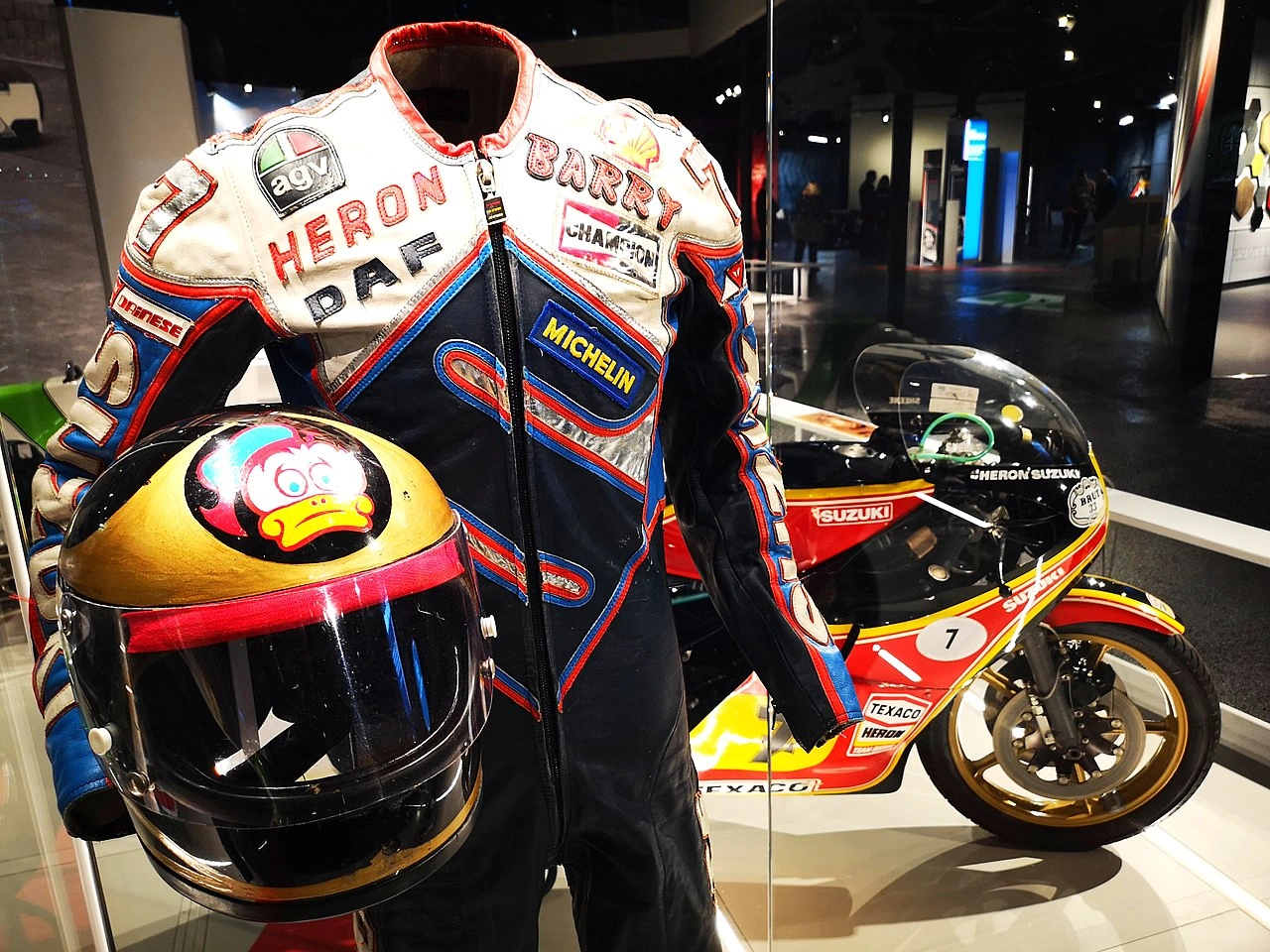
オートバイ装備には、運転者・同乗者が使う保護装備と、オートバイに装備される安全装置が含まれます。乗員装備には一般にヘルメット、防護服、手袋、ブーツ、目の保護具があり、車両には現地法に応じて灯火、ブレーキ、ミラー、タイヤ、方向指示装置などが必要です。
法的に必要な装備は国やオートバイ区分によって異なります。出発前に保護装備と車両の双方が適切で、正しく使用され、安全な状態であることを確認します。
What equipment should a motorcyclist use?
Motorcyclists should use appropriate protective equipment, commonly including a helmet, gloves, protective jacket and trousers, and footwear that protects the feet and ankles.
Is a motorcycle helmet compulsory?
Helmet requirements depend on local law, although approved motorcycle helmets are compulsory in many countries. The helmet should fit correctly and be used in a way that preserves its protective function.
Why is protective motorcycle clothing important?
Protective clothing can reduce injuries caused by impact, abrasion and contact with the road surface. Purpose-designed motorcycle clothing may also include impact protectors for vulnerable parts of the body.
Why should motorcyclists wear gloves?
Gloves help protect the hands and wrists against abrasion, weather and impact and can also improve grip on the motorcycle controls.
Why are motorcycle boots important?
Suitable boots provide protection for the feet and ankles and can reduce injuries caused by impact, abrasion or the motorcycle falling onto the rider.
Does a motorcycle passenger need protective equipment?
Yes. Passengers are exposed to many of the same risks as riders and should use appropriate protective equipment. Local law may require the passenger to wear the same helmet and clothing as the rider.
What safety equipment must a motorcycle have?
A road-legal motorcycle normally requires functioning brakes, tyres, lights, reflectors, mirrors, a horn and other prescribed equipment. Exact technical requirements vary between countries and motorcycle categories.
Should motorcycle lights be checked before riding?
Yes. Check that the headlight, rear light, brake light and direction indicators work correctly where fitted or required. Motorcycle visibility is especially important because motorcycles can be difficult for other road users to detect.
Should motorcycle tyres be checked regularly?
Yes. Check tyre condition, tread and pressure regularly. Because motorcycles rely on two relatively small tyre contact areas, damaged or incorrectly inflated tyres can significantly affect stability, steering and braking.
Should motorcycle equipment be checked before every journey?
A brief check of the tyres, brakes, lights, controls, mirrors and general condition of the motorcycle can help identify problems before riding. Protective equipment should also be correctly fitted and in usable condition.
44. 軌道
軌道は、トラム、列車、その他の鉄道車両を案内する2本のレールです。道路沿いを走る場合、道路を横切る場合、車道内に埋め込まれて鉄道車両と他の道路利用者が同じ区域を通る場合があります。
鉄道車両は障害物を避けて操舵できず、停止に長い距離を必要とするため、軌道付近では特に注意します。運転者、自転車利用者、歩行者は優先規則、信号、警告標識、横断規則に従い、不要に軌道を塞いではいけません。

What is a track?
A track consists of rails that guide trams, trains or other rail vehicles. Tracks may be separated from ordinary traffic or incorporated into a road.
Can tram tracks run along an ordinary road?
Yes. Tram tracks may be embedded in the carriageway and share part of the road with other traffic, depending on the local road layout and traffic rules.
Who has priority when a road crosses tram tracks?
The applicable priority rules vary between countries, but rail vehicles commonly receive special priority because they cannot leave their tracks. Always obey traffic lights, signs and local rules.
Can you drive on tram tracks?
This depends on the road layout and local regulations. Tracks incorporated into an ordinary traffic lane may sometimes be used by other vehicles, while reserved tram tracks or separate railway tracks may not.
Can you stop or park on railway or tram tracks?
You should never stop or park where your vehicle would obstruct a rail vehicle. Local traffic law may specifically prohibit stopping or parking on or close to tracks.
Why are tracks dangerous for cyclists and motorcyclists?
Wheels can slip on wet rails or become trapped in the groove beside a rail. Riders should cross tracks carefully and, where possible, at an angle that reduces the risk of a wheel following the rail groove.
Should you follow a tram closely?
No. Maintain sufficient distance so that you can react safely if the tram stops, passengers enter the roadway or traffic conditions change.
Can pedestrians cross tram tracks?
Yes, where crossing is permitted, but pedestrians should carefully check for approaching rail vehicles and obey pedestrian lights and crossing restrictions.
Is a tram track the same as a railway level crossing?
No. Tram tracks can be incorporated directly into a street or carriageway. A railway level crossing is a specific place where a road or path crosses railway tracks, usually with dedicated warning signs or signals.
What should you do if traffic stops while you are crossing tracks?
Do not enter a track crossing unless there is enough space to clear it completely. Never deliberately stop where a tram or train could be blocked.
45. キャラバン
キャラバンは、旅行やキャンプ中の一時的な居住設備として設計された牽引式トレーラーです。通常は就寝スペースを備え、調理、座席、収納、洗面、トイレ設備などを備える場合もあります。
牽引時は正しく連結され、安全に積載され、許容される牽引能力と重量制限内であることを確認します。キャラバンにより車両組み合わせの全長、重量、操縦性、停止距離が変化します。

What is a caravan?
A caravan is a trailer designed to be towed by another vehicle and used as temporary accommodation while travelling or camping.
Is a caravan a trailer?
Yes. A towable caravan is a type of trailer and is therefore subject to the applicable rules for trailers as well as any specific rules concerning caravans.
What should you check before towing a caravan?
Check that the caravan is properly coupled, correctly loaded and secured and that the towing vehicle, trailer and driver comply with the applicable weight, equipment and driving-licence requirements.
46. トレーラー
トレーラーは、自らの動力で走行するのではなく、他の車両に牽引されるよう設計された車両です。貨物、機器、ボート、キャラバンなどの運搬に使われ、大きさや重量は大きく異なります。
牽引する運転者は正しく連結され、適切に積載され、牽引車に適合していることを確認します。トレーラーにより組み合わせの全長、重量、停止距離、旋回に必要な空間が増加します。

What is a trailer?
A trailer is a vehicle designed to be pulled by another vehicle rather than propelled by its own motor.
What can trailers be used for?
Trailers can transport goods, equipment, vehicles, boats or other loads and can also include caravans designed for accommodation.
What should you check before towing a trailer?
Check that the trailer is properly coupled, correctly loaded and secured and that the towing vehicle, trailer and driver meet the applicable weight, equipment and licensing requirements.
47. 牽引ヒッチ
牽引ヒッチ(trailer hitch / towing coupling)は、トレーラー、キャラバン、その他の被牽引車両を安全に接続するため車両へ取り付ける装置です。乗用車では牽引ボールが一般的で、大型車では別の機械式連結装置を使う場合があります。
ヒッチと牽引車はトレーラーと荷重に適合している必要があります。車両の承認牽引能力、連結装置の限界、トレーラー質量、適用される免許、ブレーキ、安全要件を守ります。

What is a tow hitch?
A tow hitch is a mechanical coupling fitted to a vehicle so that a trailer, caravan or other towable vehicle can be attached.
What is a tow ball?
A tow ball is the ball-shaped part of a common passenger-car towing system onto which the trailer coupling is secured.
Can every car have a tow hitch?
No. The vehicle must be approved or technically suitable for the coupling and intended towing load. Some vehicles have limited or no approved towing capacity.
Does fitting a tow hitch automatically mean you may tow any trailer?
No. You must respect the towing vehicle's approved towing capacity, the hitch rating, trailer limits and the driving-licence rules applying to the combination.
What is the maximum load on a tow hitch?
The permitted load depends on the vehicle and coupling. The coupling normally has specified maximum towing and vertical-load ratings that must not be exceeded.
What is nose weight?
Nose weight is the downward vertical force that a trailer applies to the towing vehicle through the coupling. It must remain within the limits specified for the vehicle, hitch and trailer.
Can a tow hitch be removable?
Yes. Tow hitches may be fixed, detachable or retractable. Detachable systems must be correctly installed and securely locked before towing.
Can a tow hitch be used for a bicycle carrier?
Yes, if the hitch and carrier are designed for that purpose. The permitted vertical load and vehicle manufacturer's restrictions must still be respected.
Does a trailer need a secondary safety connection?
Depending on the trailer's braking system and local law, a safety cable, chain or breakaway system may be required in addition to the main coupling.
What should you check before towing?
Check that the coupling is fully engaged and locked, the safety connection is correctly attached, the electrical connector works and the trailer lights and brakes operate correctly where required.
48. 消防車
消防車は、消防・救助機関が消防士、消火設備、救助設備、水を火災、衝突事故、その他の緊急現場へ運ぶため使用する緊急車両です。消火、救助、高所作業など用途別にさまざまな種類があります。
緊急出動中は警光灯とサイレンを使用し、優先権や一部交通規則の例外が認められる場合があります。他の道路利用者は緊急車両に関する現地規則に従い、十分な空間を空け、通行を妨げないようにします。
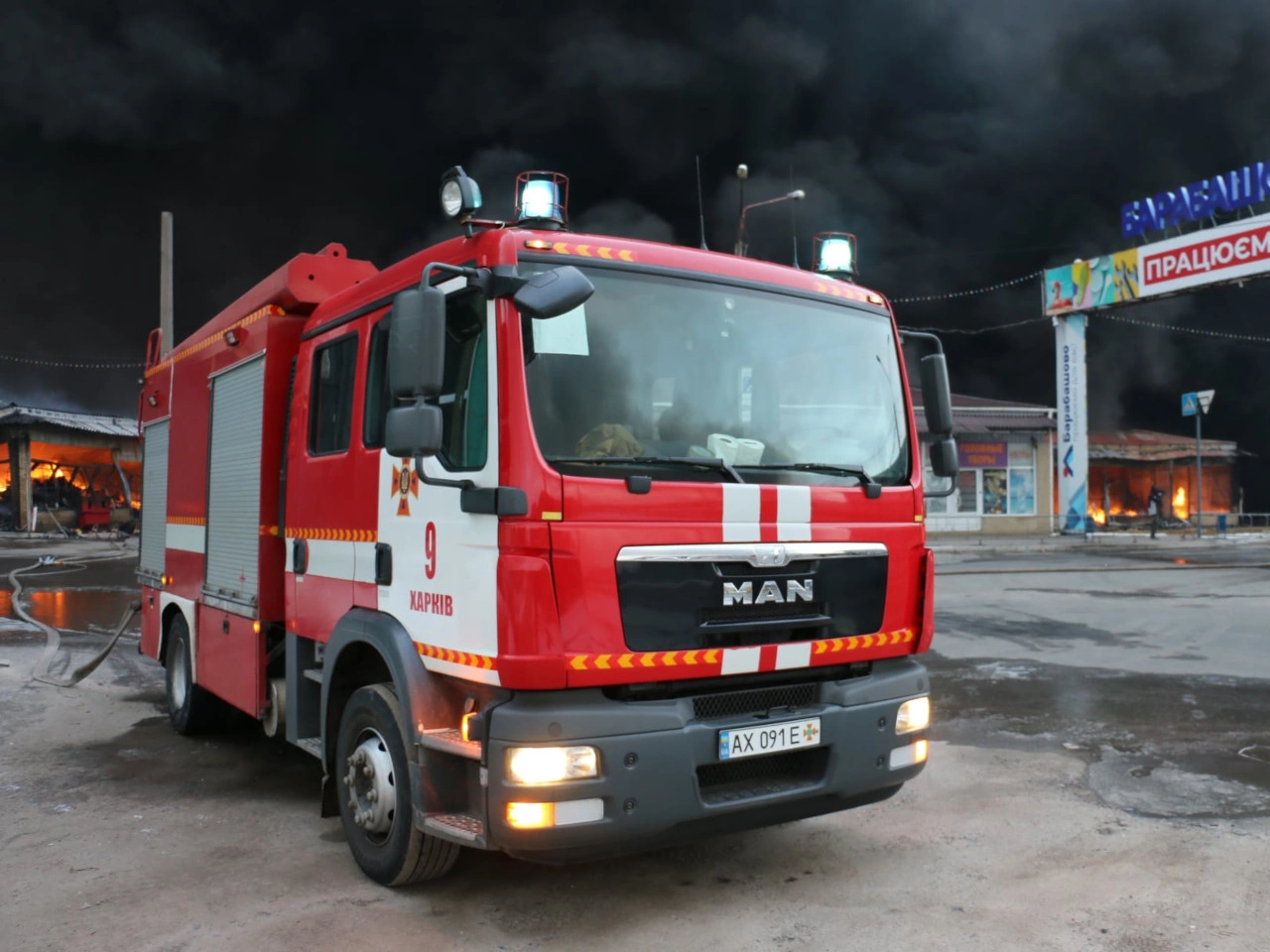
What is a fire truck?
A fire truck is an emergency vehicle used by firefighters to respond to fires, collisions, rescues and other emergencies. It may carry firefighters, water, ladders and specialised rescue equipment.
When does a fire truck have priority?
This depends on the local traffic laws and emergency signals being used. Fire trucks responding to urgent incidents commonly use flashing warning lights and a siren to indicate that other road users must make way.
What should you do when a fire truck approaches?
Make sufficient space and allow it to pass. Slow down or stop where necessary, but avoid sudden manoeuvres that could endanger other road users or block the emergency vehicle.
Should you enter an intersection to make way for a fire truck?
Do not create another dangerous situation. Make room in a safe and controlled manner and follow any directions given by police, firefighters or other authorised personnel.
Can a fire truck pass a red traffic light?
Emergency vehicles may be permitted to pass a red light during an urgent response under special legal conditions. The precise rules and precautions required vary between countries.
Can a fire truck exceed the speed limit?
Many countries allow emergency vehicles to depart from certain speed restrictions while carrying out an urgent mission. Emergency drivers must nevertheless take appropriate precautions and comply with the applicable emergency-driving rules.
Can a fire truck use lanes that ordinary traffic cannot use?
Emergency vehicles may sometimes use emergency lanes, restricted lanes or other parts of the road during urgent missions when local law permits it.
Can you follow a fire truck through traffic?
You should not follow closely or use the path created for the fire truck to bypass traffic. Maintain a safe distance and continue to obey the normal traffic rules.
Do fire trucks always use their sirens?
No. Warning lights and sirens are generally used according to the urgency of the mission and local law. A fire-service vehicle travelling on a non-urgent assignment may operate without emergency signals.
What should you do near a stationary fire truck?
Reduce speed and remain alert. Firefighters, hoses, equipment or other emergency personnel may be on or near the roadway, and temporary traffic restrictions may be in place.
49. サイレン
サイレンは、注意を引き、緊急車両や優先車両が接近していることを知らせる大きな警告音を発する装置です。救急車、消防車、警察車両などに装備され、素早く認識できるよう交互音や変化する音を出すことがあります。
サイレンを鳴らす緊急車両が接近したら、道路利用者は注意を保ち、車両がどこから来るか確認し、安全に通路を空ける必要があります。優先規則やサイレンの使用条件は国によって異なります。

What is a siren?
A siren is a powerful audible warning device used primarily by emergency or priority vehicles to alert other road users of their approach.
Which vehicles commonly use sirens?
Sirens are commonly used by ambulances, fire engines, police vehicles and other authorised emergency vehicles.
What should you do when you hear an emergency siren?
Stay alert, determine where the emergency vehicle is approaching from and make room for it to pass safely according to the traffic rules of the country.
50. 車列
車列は、通常同じ経路と目的地へ向かい、組織的な集団として一緒に走行する複数の車両です。一般車両、軍用車両、特殊輸送車両、組織的な移動に参加する車両などで構成されることがあります。
車列で走行する運転者は安全な車間距離を保ち、適用される交通規則に従い、他の交通を妨げない必要があります。特別な法律、護衛、交通規制が適用されない限り、車列に参加しているだけで特別な優先権が与えられるわけではありません。
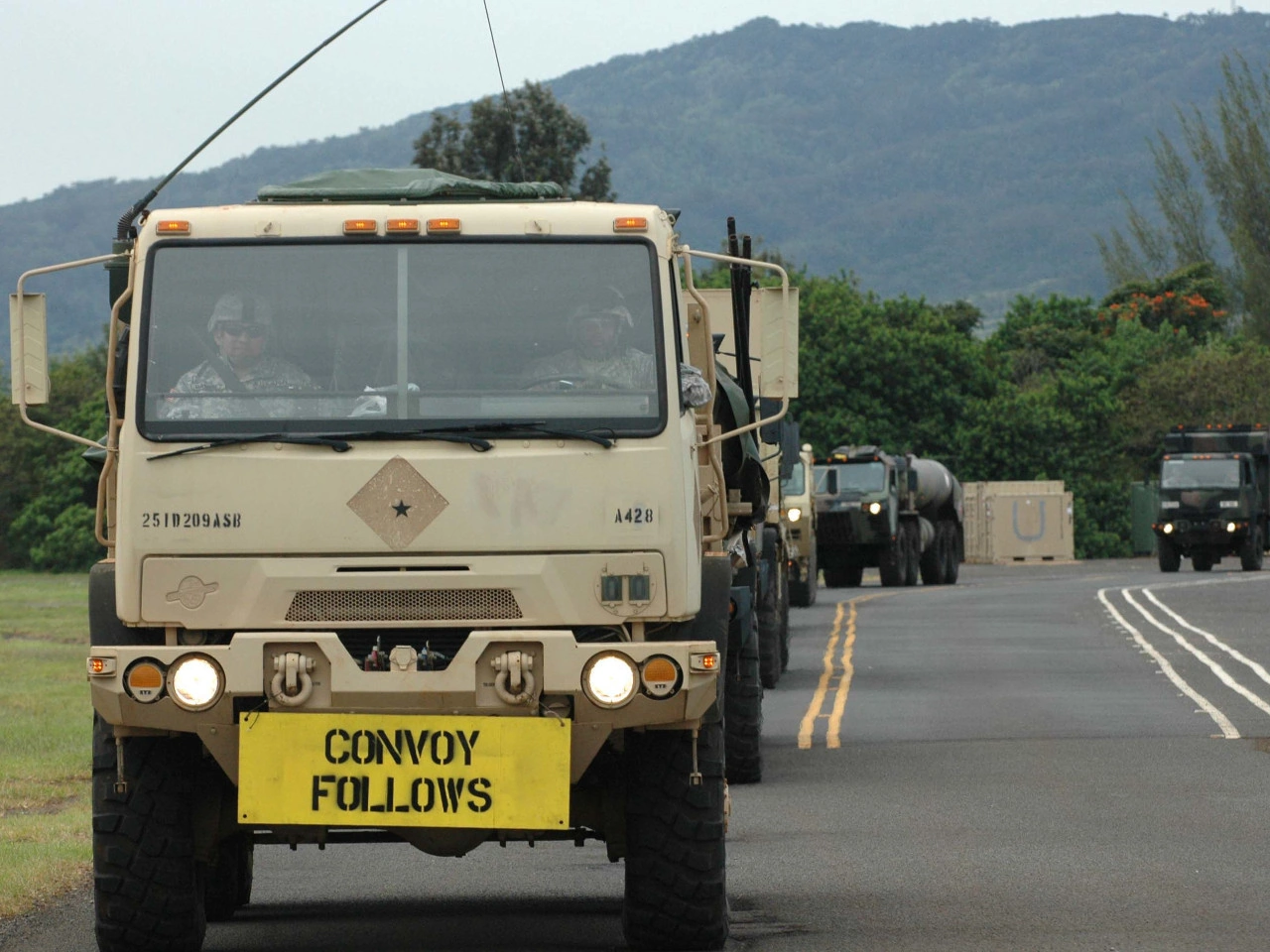
What is a convoy?
A convoy is an organised group of vehicles travelling together along the same route.
Do vehicles in a convoy automatically have priority?
No. An ordinary convoy does not automatically have priority over other traffic. Special rules may apply to military convoys, exceptional transports or officially escorted groups.
Should vehicles in a convoy maintain a safe distance?
Yes. Drivers should maintain sufficient distance from the vehicle ahead so they can react safely and so that other traffic can interact with the convoy where permitted.