交通ルールウクライナ
1. ウクライナ
ウクライナは東ヨーロッパの大国で、ポーランド、スロバキア、ハンガリー、ルーマニア、モルドバ、ベラルーシ、ロシアと国境を接し、黒海沿岸を持ちます。交通は右側通行です。国土の多くは広い平原と長距離の都市間道路で、西部のカルパチアでは急勾配、曲がりくねった道路、厳しい冬季条件があります。道路情報にはキリル文字のウクライナ語が使われ、主要方面標識では地名のラテン文字転写も表示されます。
ウクライナには現在、高速道路ヴィネットも既存公道の一般有料制度もありません。標準的な速度制度では、一般乗用車について通常道路90 km/h、中央分離道路110 km/h、高速道路130 km/hまで区別されます。ロシアの侵攻に伴う戒厳令が2026年8月2日から90日間延長されており、一時的な検問所、夜間外出禁止、道路閉鎖、立入規制が地域によって異なり、変更される可能性があります。これらは恒久的な全国交通規則として扱わず、最新の地域当局・警察情報を確認する必要があります。
ウクライナでは道路のどちら側を走りますか?
道路の右側を走行し、通常は左側から追い越します。
ウクライナの緊急通報番号は何番ですか?
緊急支援には112へ電話します。全国サービスが警察、救急、消防・救助などの緊急サービスを調整できます。
ウクライナの飲酒運転のアルコール基準値は?
酒気帯び・酩酊状態での運転は禁止されています。公式のアルコール検査手続では0.2‰を超える測定値がアルコール酩酊の陽性所見として扱われます。この検査基準を運転前に安全に飲める量と考えてはいけません。
ウクライナの市街地の速度制限は?
市街地の一般最高速度は50 km/hです。交通標識で別の速度が定められている場合はそれに従います。
ウクライナの市街地外の速度制限は?
普通乗用車について、市街地外の一般道路の一般最高速度は90 km/hです。別の制限がある場合はそれに従います。
ウクライナの分離道路の速度制限は?
普通乗用車について、中央分離帯で車道が分離された道路の一般最高速度は110 km/hです。より低い制限が表示されている場合はそれに従います。
ウクライナの高速道路の速度制限は?
普通乗用車について、高速道路として指定された道路の一般最高速度は130 km/hです。より低い制限が表示されている場合はそれに従います。
ウクライナの住宅・歩行者ゾーンの速度制限は?
住宅ゾーンと歩行者ゾーンの最高速度は20 km/hです。
ウクライナでは初心運転者の速度制限は低いですか?
はい。運転経験が2年未満の運転者は、道路固有のより低い制限がない場合でも最高70 km/hに制限されます。ウクライナの初回運転免許は通常2年間発行され、この制限が適用されます。
ウクライナの高速道路を利用できない道路利用者は?
高速道路は歩行者、自転車など各種低速道路利用者には開放されていません。技術的特性または状態により40 km/h未満しか出せない車両も禁止されています。
ウクライナでは高速道路ヴィネットが必要ですか?
いいえ。ウクライナには全国共通の高速道路ヴィネット制度はなく、既存の公道へ通行料金制度を導入する決定も採択されていません。
ウクライナでは乗用車はデイタイムランニングライトを使用する必要がありますか?
はい、市街地外では必要です。集落外の道路を昼間走行する自動車は、デイタイムランニングライト、装備されていない場合はロービームを使用しなければなりません。この要件は現在年間を通じて適用されます。
ウクライナでは冬用タイヤは義務ですか?
普通乗用車に対して冬用タイヤを法的に義務付ける全国一律の固定期間は現在ありません。交通規則では車道路面の状態に適したタイヤを求めており、警察は寒冷、積雪、凍結時には冬用タイヤを強く推奨しています。
ウクライナではシートベルトは義務ですか?
はい。限定的な法定例外を除き、運転者は装備されたシートベルトを使用し、適切に拘束されていない乗客を乗せてはいけません。
ウクライナでは子どもはいつチャイルドシートを使用する必要がありますか?
身長150 cm未満の子どもは通常、シートベルトまたはチャイルドシート固定装置を備えた車両で、適切なチャイルドシートを使用して運ばなければなりません。
ウクライナではオートバイのヘルメットは義務ですか?
はい。オートバイ・モペッドの運転者はあご紐を締めたオートバイ用ヘルメットを着用し、同様にヘルメットを着用していない乗客を乗せてはいけません。
ウクライナでは運転中に携帯電話を使用できますか?
車両走行中、通信機器を手に持って使用してはいけません。安全運転を妨げない限り、ハンズフリー使用は認められています。
ウクライナでは右方優先が適用されますか?
はい。同等の優先順位を持つ道路の無規制交差点では、非軌道車両は通常右から接近する車両に道を譲る必要があります。
ウクライナのラウンドアバウトでは誰が優先ですか?
ラウンドアバウトとして標示された無規制交差点では、すでにラウンドアバウト内を走行している車両が優先です。
ウクライナの横断歩道では歩行者が優先ですか?
信号などで規制されていない横断歩道で歩行者が横断している場合、運転者は減速し、必要なら停止して道を譲る必要があります。
ウクライナの黄色信号は何を意味しますか?
黄色の連続灯は通常、進行を禁止し、信号が変わることを警告します。所定位置で停止するために急制動が必要となる運転者は、交通規則で認められる場合そのまま進行できます。黄色点滅灯は意味が異なり、注意して進む必要があります。
ウクライナの踏切ではどうすればよいですか?
鉄道信号、遮断機、権限ある係員の指示に従い、列車が接近している、または横断が禁止されている場合は進入してはいけません。規則上停止が必要な場合は踏切へ進入する前に停止し、安全かつ許可されてから進みます。
ウクライナの乗用車にはどの安全装備が必要ですか?
普通乗用車には、救急セット、消火器、警告三角表示板または同等の緊急警告装置など所定の安全装備が必要です。交通規則に従い、適切で使用可能な場所に保管します。
ウクライナでは警告三角表示板を車両の後方何メートルに置きますか?
警告三角表示板または赤色点滅灯が必要な場合、他の交通へ十分な警告を与える位置に置き、車両から市街地では20 m、市街地外では40 m以上離します。
戦時中の規制はウクライナでの運転に影響しますか?
はい。現在、戒厳令が2026年8月2日から90日間延長されて施行中です。夜間外出禁止、検問所、一時的な道路閉鎖、その他の進入規制は地域によって異なり、短期間で変更される可能性があるため、地域当局と警察の最新の公式指示に従ってください。
ウクライナの道路標識ではどの言語が使われますか?
道路の文字情報は主にキリル文字を使うウクライナ語です。主要方面標識では、国際運転者が目的地を認識しやすいようウクライナ語地名をラテン文字で転写して表示する場合もあります。
2. 速度制限
速度制限は、道路、車線、または指定区域で法律上許可される最高速度です。一般交通法規によって定められる場合も、固定式・可変式・一時的な標識で示される場合もあります。
速度制限は上限であり、目標速度ではありません。交通、視界、天候、路面状況、交通弱者、車両状態などにより上限速度が安全でない場合、運転者はさらに減速する必要があります。
What is a speed limit?
A speed limit is the maximum legal speed permitted on a road, lane or within a designated area. It does not require drivers to travel at that speed.
How can you recognise a speed limit?
A speed limit is commonly displayed as a number on a regulatory traffic sign. General limits may also apply automatically because of the country, road category, vehicle type or surrounding area, even when no speed-limit sign is present.
Is the speed limit a recommended driving speed?
No. It is the highest speed legally permitted under suitable conditions. Drivers must reduce their speed whenever travelling at the limit would be unsafe.
Can you drive more slowly than the speed limit?
Yes. Drivers should travel more slowly when required by traffic, weather, visibility, road conditions or nearby vulnerable road users. Driving unnecessarily slowly may nevertheless be prohibited when it obstructs normal traffic.
Does the same speed limit apply to every vehicle?
Not always. Lower limits may apply to heavy vehicles, buses, vehicles towing trailers, novice drivers or other vehicle categories. The lowest applicable limit must be respected.
What is a default speed limit?
A default speed limit applies automatically to a particular road type or area when no traffic sign indicates another limit. Examples include general limits for motorways, built-up areas or roads outside built-up areas.
Does a posted speed limit replace the default limit?
Usually, yes. A legally placed speed-limit sign normally introduces another maximum speed, although lower vehicle-specific or special-road limits may continue to apply.
When does a speed-limit sign take effect?
A speed restriction normally begins at the location of the sign. Drivers should reduce their speed before passing the sign so that they are already travelling within the limit when it takes effect.
When does a speed limit end?
A signed limit may end at an intersection, an end-of-limit sign, another speed-limit sign or the beginning or end of a legally defined area. The exact rule differs between countries.
Does an intersection end a speed limit?
This depends on local law. An ordinary speed restriction may end at an intersection in some countries, while a zonal speed limit normally continues across intersections until an end-of-zone sign.
What is a speed zone?
A speed zone is an area in which the displayed maximum speed applies throughout all included roads. The limit normally remains in force until the corresponding end-of-zone sign.
What is a variable speed limit?
A variable speed limit is displayed on an electronic or changeable sign and may be adjusted according to congestion, weather, incidents or roadworks. When activated, it has the same legal importance as another applicable regulatory speed sign.
Can different lanes have different speed limits?
Yes. Signs positioned above individual lanes may impose different limits on those lanes. Drivers must observe the limit applying to the lane they use.
Can a temporary speed limit apply?
Yes. Temporary limits may be introduced near roadworks, collisions, hazards or special events. Drivers must follow the temporary traffic signs and instructions that are legally in force.
May you exceed the speed limit while overtaking?
No. Overtaking does not normally permit a driver to exceed the applicable maximum speed. The manoeuvre must be completed safely while respecting the speed limit.
Do poor conditions change the legal speed limit?
Some countries impose specific lower limits in rain, snow or other conditions. Even where the numerical limit does not change, drivers must reduce their speed sufficiently for the conditions.
3. 自転車道
自転車道は、主にまたは専ら自転車利用者のために設けられた道路の一部または独立した通路です。自動車交通から物理的に分離される場合、路面標示で示される場合、標識で指定される場合があります。
自転車道には一方通行、双方向、他の道路利用者との共用があります。利用可能者、進行方向、優先規則、利用義務は現地の交通標識と規則に従います。
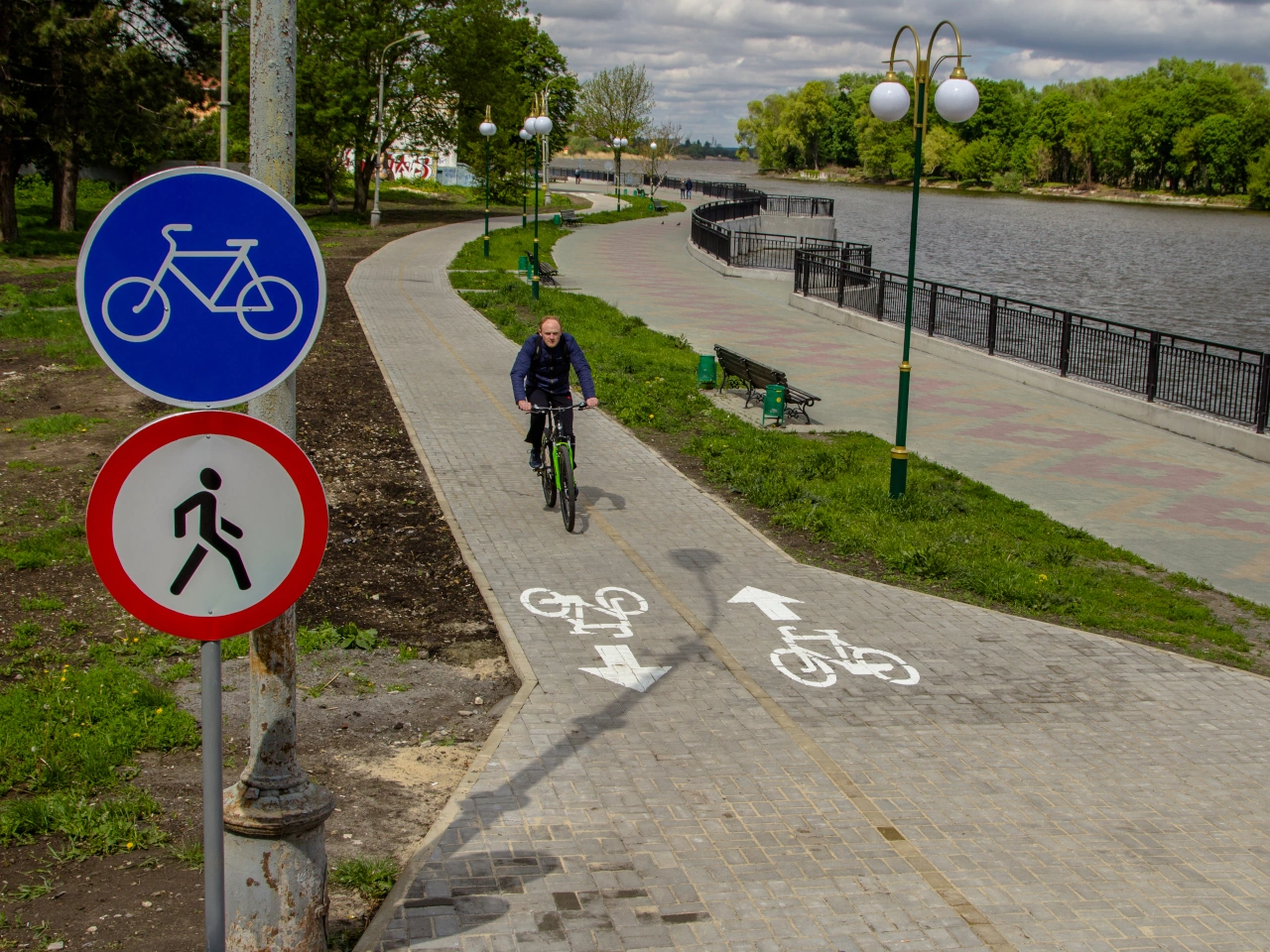
How can you recognise a bike path?
A bike path may be identified by a bicycle traffic sign, bicycle symbols, coloured surfacing or road markings. It may run beside the carriageway or follow a completely separate route.
Is a bike path the same as a bike lane?
Not always. A bike lane is normally marked directly on or beside the carriageway, while a bike path may be physically separated from motor traffic. The terminology and legal distinction vary between countries.
Must cyclists use a bike path?
This depends on local law and the signs displayed. Some bike paths are mandatory, while others are optional. Cyclists may also be permitted to leave a path to turn, overtake or avoid an obstruction.
Can a bike path carry traffic in both directions?
Yes. Some bike paths are two-way, but others may be used only in the direction indicated by signs, markings or their position beside the road. Cyclists should not assume that every path permits travel in both directions.
May pedestrians use a bike path?
Pedestrians may use a bike path where it is designated as a shared-use path or where local law permits it. On a cycle-only path, pedestrians may be prohibited or permitted only when no suitable pedestrian facility is available.
May mopeds or speed pedelecs use a bike path?
This depends on the country, vehicle category, road speed and traffic signs. Some bike paths permit or require certain mopeds or speed pedelecs, while others are reserved exclusively for ordinary bicycles.
May motor vehicles use a bike path?
Normally not. Motor vehicles may cross a bike path to enter another road or property where this is permitted, but they must follow the applicable priority rules and must not endanger path users.
Who has priority where a vehicle crosses a bike path?
Priority depends on the road layout, signs, signals and local law. Drivers crossing a continuous bike path commonly have to give way to its users, but cyclists approaching a separate cycle crossing may not automatically have priority before entering it.
Does a cyclist always have priority at a cycle crossing?
No. A marked cycle crossing does not universally give an approaching cyclist priority. Cyclists should enter cautiously and observe approaching traffic unless signs, signals or local rules clearly give them priority.
Is there a speed limit on a bike path?
Some countries or local authorities impose specific limits, particularly on shared paths. Even without a posted limit, cyclists must travel at a safe and considerate speed for the width, visibility and number of other users.
May you stop or park on a bike path?
Normally not. Stopping or parking on a bike path can force cyclists into motor traffic and may be expressly prohibited by law.
What should cyclists do when passing pedestrians?
Reduce speed, give a clear warning where appropriate and leave sufficient space. Pedestrians may change direction unexpectedly, especially on a shared path.
What should cyclists do when a bike path is blocked?
Slow down and check surrounding traffic before leaving the path. Avoid the obstruction safely and return to the bike path when permitted and practical.
Can cyclists ride side by side on a bike path?
This depends on local law and the available width. Even where riding side by side is permitted, cyclists must not block, endanger or unnecessarily hinder other path users.
What is the difference between a bike path and a shared-use path?
A bike path is intended primarily or exclusively for cycling. A shared-use path is legally intended for cyclists together with pedestrians or other indicated road users, who must use the space considerately.
4. バス停
バス停は、路線バスが乗客を乗降させるため指定された場所です。標識、路面標示、停留所施設、待合所などで示されます。
バス停付近では、バスの発進、道路を横断する乗客、停車車両で視界が遮られる危険に注意します。停止・駐車規制やバスへの優先規則は国や地域によって異なります。
What is a bus stop?
A bus stop is a designated location where buses stop so that passengers can board or leave the vehicle.
What should you watch for near a bus stop?
Watch for buses entering or leaving the stop, passengers near the roadway and pedestrians who may cross the road.
Can you park at a bus stop?
Parking or stopping at or near a bus stop is often restricted or prohibited so that buses can reach the stop safely. The exact restrictions depend on local traffic rules.
5. 譲れ
譲れ標識は、運転者に速度を落とし、必要に応じて停止して、優先権を持つ道路利用者へ道を譲ることを求めます。一般に逆三角形の標識が使われます。
必ず完全停止する必要はありませんが、安全に進めない場合は停止しなければなりません。どの交通に譲るかは交差点の構造、標識、現地の優先規則によって決まります。
What does a give-way sign mean?
A give-way sign requires drivers to allow traffic with priority to proceed first. The driver must slow down and stop when necessary.
How can you recognise a give-way sign?
It is commonly an inverted triangular sign with a red border and a light-coloured centre. In some countries, it is called a yield sign.
Must you always stop at a give-way sign?
No. You must stop only when necessary to give way or obtain a sufficiently clear view. You may continue slowly when the road is clearly free.
What does giving way mean?
Giving way means allowing another road user to continue without being forced to brake, accelerate, stop or change direction because of your movement.
Where should you stop when necessary?
Stop before the give-way line where one is provided. Without a line, stop before entering the intersection or priority road at a position where you can observe traffic safely.
May you cross the give-way line before stopping?
You may move beyond the line only when this does not interfere with traffic that has priority. Where visibility is limited, first slow or stop at the line and then move forward cautiously.
What is the difference between give way and stop?
A stop sign always requires a complete stop. A give-way sign permits the driver to continue without stopping when the road is clearly free and it is safe to proceed.
Does slowing down satisfy the give-way requirement?
Only when slowing down is sufficient to let all priority traffic proceed safely. If another road user would be hindered, the driver must slow further or stop.
Who must you give way to?
Give way to traffic travelling on the road being entered or crossed and to any pedestrians, cyclists or other road users who have priority under the applicable rules.
Does giving way apply only to vehicles approaching from one direction?
No. Check every direction from which lawful traffic may approach, including cycle paths, one-way roads with authorised contraflow traffic and separate carriageways.
Does a give-way sign give the other road permanent priority?
The sign determines priority at the particular location. The priority arrangement at later intersections may be different unless the road is separately identified as a priority road.
Does giving way give you priority afterwards?
No. You may proceed only when it is safe. Another driver’s hesitation or courtesy does not remove your responsibility to avoid danger.
Must every vehicle in a queue give way separately?
Yes. Each driver must observe the road and make an individual decision. You may not follow another vehicle through without checking that the way remains clear.
Does a give-way sign apply to cyclists?
Normally, yes. Cyclists are generally treated as drivers and must obey the sign unless a supplementary sign or local rule provides otherwise.
Can a give-way sign apply only to cyclists?
Yes. Some countries use supplementary signs or path-specific signs to require cyclists to give way while other traffic follows a different priority arrangement.
Does a give-way sign change the speed limit?
No. It regulates priority rather than speed. Drivers must still approach slowly enough to observe traffic and stop when necessary.
Does a give-way sign change turning rules?
No. Drivers must still obey traffic lights, lane arrows, mandatory-direction signs and turning prohibitions.
How does give way work at a roundabout?
Many roundabout entrances have give-way signs requiring entering traffic to yield to vehicles already circulating. Drivers must follow the actual signs because roundabout priority rules differ between countries.
Do traffic lights override a give-way sign?
Functioning traffic lights commonly take precedence over priority signs controlling the same movement. The give-way sign may apply again when the lights are switched off or flashing, depending on local law.
Do police instructions override a give-way sign?
Yes. Instructions from an authorised traffic officer normally take precedence over traffic signs and ordinary priority rules.
What should you do when visibility is limited?
Reduce speed substantially and stop when necessary. Move forward cautiously only after giving way and checking that the road can be entered without danger.
6. ラウンドアバウト
ラウンドアバウトは、中央島の周囲を一方向に循環し、複数の道路が接続する交差点です。進入交通の速度を下げ、交差点内の交錯点を減らすよう設計されています。
進入時の優先関係、車線選択、合図方法は国によって異なります。運転者は進入口の優先標識、車線矢印、路面表示に従い、退出時は歩行者や自転車にも注意する必要があります。
What is a roundabout?
A roundabout is a circular road arrangement where traffic travels in one direction around a central island before leaving through the chosen exit.
How can you recognise a roundabout?
A roundabout is normally identified by a circular-direction sign, a central island and entry roads controlled by signs, markings or local priority rules.
Which direction does traffic travel around a roundabout?
The direction depends on the country’s driving side. Traffic normally travels anticlockwise in right-hand-traffic countries and clockwise in left-hand-traffic countries.
Who has priority at a roundabout?
Priority differs between countries and roundabout designs. Entering traffic commonly gives way to traffic already circulating, but drivers must always follow the actual priority signs and signals.
Must you stop before entering a roundabout?
Not always. Stop when required by a stop sign, traffic light or approaching priority traffic. Otherwise, reduce speed and enter only when there is a safe gap.
Does a roundabout always have a give-way sign?
No. The sign arrangement depends on local law. Some circular intersections use ordinary priority rules or traffic lights instead.
How should you approach a roundabout?
Reduce speed, observe the signs and markings, choose the appropriate lane and check for pedestrians, cyclists and circulating traffic.
Which lane should you choose?
Follow the lane arrows and destination signs. As a general guide, use the lane appropriate for your exit, but exact lane-selection rules differ between countries and roundabout layouts.
May you use an inner lane?
Yes, where the road layout and local rules permit it. Before leaving, change lanes safely and give way to road users already travelling in the lane you wish to enter.
Do you need to signal when entering?
This depends on local law. Some countries require a signal for particular exits, while others require no signal when entering.
Do you need to signal when leaving?
Usually, yes. Signal in the direction of the exit early enough to inform other road users, but not so early that your intention becomes misleading.
Does signalling give you priority?
No. A direction indicator communicates your intention but does not permit you to force another road user to brake or change direction.
May you change lanes on a roundabout?
Only when the lane markings permit it and the manoeuvre can be completed safely. Check mirrors and blind spots, signal where required and give way to traffic already in the target lane.
What should you do if you miss your exit?
Continue around the roundabout and approach the exit again. Do not stop, reverse or cut suddenly across another lane.
May you drive over the central island?
Normally not. Some small roundabouts have a mountable central section intended only for vehicles that cannot otherwise negotiate the road safely.
Do cyclists have priority at a roundabout?
Priority depends on whether cyclists use the carriageway, a continuing bike path or a separate cycle crossing. Drivers and cyclists must follow the signs, markings and local priority rules.
What should drivers check before leaving?
Check mirrors and blind spots for cyclists, mopeds, motorcycles and vehicles beside you. Also check for pedestrians crossing the exit road.
Do pedestrians have priority at roundabout exits?
Pedestrian priority depends on crossings and local law. Drivers should approach exits slowly and be prepared to yield to pedestrians crossing or about to cross.
Does a roundabout have a special speed limit?
Not universally. The posted or general road limit applies, but drivers must travel slowly enough to negotiate the roundabout safely.
May you overtake on a roundabout?
Passing another vehicle may be permitted on a multilane roundabout, but drivers must remain within their lane and avoid unsafe lane changes. Local overtaking restrictions may apply.
May you stop or park on a roundabout?
Follow local signs and parking rules. Stopping or parking on the circulating roadway is commonly prohibited or unsafe because it obstructs traffic and reduces visibility.
Is every circular intersection a roundabout?
No. A circular junction may be governed by traffic lights, ordinary priority rules or another road design. Its legal status depends on its signs and local definition.
7. 横断歩道
横断歩道は、歩行者が道路を横断するために指定された場所です。路面標示、交通標識、信号、またはそれらの組み合わせで示されます。
運転者は適切に注意して接近し、現地法で必要な場合は歩行者へ道を譲ります。歩行者も接近車両を確認し、歩行者信号や交通整理員の指示に従う必要があります。
What is a pedestrian crossing?
A pedestrian crossing is a designated place for pedestrians to cross a road. It may be controlled by traffic lights or operate without signals.
How can you recognise a pedestrian crossing?
It may be indicated by white road markings, traffic signs, flashing lights, pedestrian signals or a raised crossing. Its appearance varies between countries.
Is a pedestrian crossing the same as a zebra crossing?
A zebra crossing is a type of pedestrian crossing marked by broad contrasting stripes or rectangles. Not every pedestrian crossing uses this design.
Do pedestrians always have priority?
Not universally. Priority depends on local law, traffic signals and whether the pedestrian is already crossing or clearly preparing to cross.
Must drivers stop for pedestrians waiting beside the crossing?
This depends on local law. In many countries, drivers must give way when a pedestrian is clearly intending or preparing to enter the crossing.
How should drivers approach a pedestrian crossing?
Reduce speed, observe both sides of the road and be prepared to stop. Pay particular attention to children, older people and persons with limited mobility.
May you enter a crossing when traffic is congested?
No. Do not enter when traffic ahead may force you to stop on the crossing and block pedestrians.
Where should you stop for a pedestrian?
Stop before the crossing or before the applicable stop line. Leave the crossing completely clear.
May you overtake near a pedestrian crossing?
Overtaking may be prohibited, particularly when another vehicle has stopped or slowed for the crossing. Even where no specific prohibition applies, overtaking is unsafe when pedestrians may be hidden from view.
May you stop or park on a pedestrian crossing?
Normally not. Stopping or parking on or immediately before a crossing can obstruct pedestrians and hide them from approaching drivers.
Does a pedestrian crossing impose a speed limit?
Not by itself. Drivers must respect the applicable speed limit and reduce their speed further when necessary to stop safely.
Do traffic lights change the priority rules?
Yes. Drivers and pedestrians must follow the signals applying to them. Drivers must still allow pedestrians who lawfully started crossing to finish safely.
May pedestrians cross when their signal is red?
No. Pedestrians must wait when the pedestrian signal prohibits them from entering the road.
What if the pedestrian signal changes while someone is crossing?
A pedestrian who entered lawfully should continue at a normal pace. Drivers must allow the crossing to be completed safely.
May cyclists ride across a pedestrian crossing?
This depends on local law. In many countries, a person riding a bicycle is treated as a driver and does not receive pedestrian priority. A cyclist walking beside the bicycle is normally treated as a pedestrian.
Is a pedestrian crossing also a cycle crossing?
Not automatically. A separate cycle crossing, cycle path or combined crossing may be indicated by additional markings or signs.
Must pedestrians use a nearby crossing?
Some countries require pedestrians to use a crossing when one is located within a specified distance. Other countries allow crossing elsewhere when it can be done safely.
May pedestrians remain standing on the crossing?
No. Pedestrians should cross without unnecessary delay and should not obstruct traffic by stopping or lingering on the road.
Does a raised pedestrian crossing change priority?
The raised surface itself does not necessarily determine priority. Drivers and pedestrians must follow the crossing markings, signs, signals and local rules.
What should drivers check when turning across a crossing?
Check for pedestrians approaching from both sides and give way where required. Turning drivers should not focus only on motor traffic.
What should pedestrians do before crossing?
Observe approaching traffic, make sure drivers have sufficient time to react and cross carefully. Priority does not remove the need to avoid stepping into the path of a vehicle that cannot stop safely.
8. 踏切
踏切は、道路または通路と鉄道線路が同じ高さで交差する場所で、level crossingやrailroad crossingとも呼ばれます。遮断機、警報灯、警報音、標識などで保護される場合があります。
道路利用者は慎重に接近し、列車が接近している場合、警報が作動している場合、出口側が塞がれている場合は進入してはいけません。速やかに横断し、線路上で停止、待機、立ち往生してはなりません。
What is a railway crossing?
A railway crossing is a place where a road or path crosses railway tracks at the same level.
What is another name for a railway crossing?
It may also be called a level crossing or, particularly in North America, a railroad crossing.
How can you recognise a railway crossing?
It may be indicated by warning signs, crossbuck signs, barriers, flashing lights, bells or road markings. The design differs between countries.
What is the difference between a crossing with and without barriers?
A protected crossing uses full or partial barriers to block road traffic when a train approaches. A crossing without barriers relies on signs, lights, bells or the road user’s own observation.
Must you always stop at a railway crossing?
Not necessarily. You must stop when required by lights, barriers, signs, an approaching train or an authorised person. At an unprotected crossing, slow down and proceed only after checking that no train is approaching.
What do flashing red lights mean?
Flashing red lights mean stop and do not enter the crossing. Remain stopped until the signal permits you to continue.
May you cross while a barrier is moving?
No. Do not enter while a barrier is lowering, rising or closed. Wait until the crossing is fully open and all prohibiting signals have stopped.
May you drive around a closed barrier?
No. Never drive, cycle or walk around or underneath a closed or moving barrier.
What does a warning bell mean?
A warning bell or audible signal normally means that the crossing is closing or that a train is approaching. Do not enter the crossing while it is sounding.
What does a flashing white light mean?
In some countries, a flashing white light indicates that the crossing equipment is operating and road users may pass when the route is clear. Its exact meaning depends on local law.
What should you do at a crossing without lights or barriers?
Reduce speed, look and listen carefully in both directions and cross only after making sure that no train or other rail vehicle is approaching.
May you cross immediately after a train has passed?
Not automatically. Another train may approach on a second track. Wait until all warning signals stop and the crossing is fully open.
What if traffic ahead is blocking the exit?
Do not enter the crossing unless there is enough room beyond the tracks for your entire vehicle. Never rely on traffic moving before a train arrives.
May you wait on the tracks?
No. Railway tracks must always remain clear. Do not stop because of congestion, traffic lights or another obstruction beyond the crossing.
May you overtake at a railway crossing?
Overtaking is often prohibited or restricted because another vehicle can obstruct the view of an approaching train or warning signal. Follow local signs and overtaking rules.
May you stop or park on a railway crossing?
No. Stopping or parking on the tracks creates an immediate and potentially fatal danger.
Do the crossing signals apply to pedestrians and cyclists?
Yes. Pedestrians and cyclists must obey barriers, lights, bells and authorised personnel in the same way as other road users.
Should cyclists ride across the tracks at an angle?
Where possible, cross the rails at an angle close to 90 degrees. Rails can trap a bicycle wheel, especially when they are wet or cross the road diagonally.
What should drivers of long vehicles check?
Make sure the entire vehicle and any trailer can clear the crossing without stopping. Consider the available space, road gradient, turning room and traffic beyond the tracks.
What should drivers of high vehicles check?
Observe all height restrictions and warning signs. Electrified railway lines may have overhead equipment that can be struck by an excessively high vehicle or load.
What should you do if the signals appear defective?
Treat the crossing with extreme caution. Do not assume that no train is approaching merely because the lights or barriers are not operating.
What should you do if your vehicle becomes stuck on the tracks?
Evacuate everyone immediately, move well away from the railway and contact the emergency services or railway operator. Do not remain in the vehicle or return for belongings.
Is a railway crossing the same as tram tracks in the road?
Not always. A railway crossing normally crosses tracks that are separate from the carriageway, while tram or street-running railway tracks may form part of the road itself.
9. 指定方向
指定方向標識は、矢印で示された方向またはいずれかの方向にのみ進むことを運転者へ義務付けます。直進、右左折、障害物の指定側通過などを指示します。
この標識自体は優先関係や速度を定めません。運転者は適切な車線を使用し、必要な合図を行い、現地の交通標識と規則に従って優先関係を守る必要があります。
What does a mandatory-direction sign mean?
It requires drivers to follow the direction or one of the directions shown by the arrow or arrows.
How can you recognise a mandatory-direction sign?
It is commonly a blue circular sign with one or more white arrows. Colours and designs may differ in some countries.
What does an upward arrow mean?
It normally means that drivers must continue straight ahead and may not turn in another direction at that location.
What does a left or right arrow mean?
It normally requires drivers to turn or proceed in the direction shown by the arrow.
What do two arrows mean?
Drivers may choose one of the displayed directions. Any direction not shown is prohibited.
What does an arrow beside an obstacle mean?
It requires drivers to pass the traffic island, barrier, roadworks equipment or other obstruction on the side indicated by the arrow.
Is a mandatory-direction sign the same as a one-way sign?
No. A mandatory-direction sign prescribes a movement at a particular location. A one-way sign indicates the permitted direction along a road or carriageway.
Is it the same as a no-turn sign?
No. A mandatory sign states which direction must be followed, while a prohibition sign states which movement is forbidden. Both may produce a similar practical result.
Does the sign impose a speed limit?
No. Drivers must follow the applicable general, zonal or posted speed limit and reduce speed when necessary to complete the required movement safely.
Does the sign give you priority?
No. You must still obey traffic lights, priority signs and the ordinary rules concerning oncoming traffic, pedestrians, cyclists and other road users.
When does the obligation begin?
It normally applies at the sign, intersection or obstacle associated with it. An advance sign may indicate that the obligation begins farther ahead.
Can a mandatory-direction sign apply to only one lane?
Yes. When it is positioned above a particular lane or clearly associated with that lane, it normally applies only to traffic using that lane.
Can road arrows also prescribe a direction?
Yes. Lane arrows may require drivers to use a particular lane and follow one of the directions displayed within that lane.
Must you use an indicator?
Yes, when the required movement involves turning or changing position and local law requires signalling. The sign does not replace the obligation to indicate.
Does signalling give you priority?
No. An indicator communicates your intention but does not allow you to force another road user to brake or change direction.
May you make a U-turn?
Not when doing so would conflict with the mandatory direction or another prohibition. Drivers must follow the permitted route shown by the signs and markings.
May you reverse to avoid following the sign?
No. Reversing must not be used to evade a mandatory direction. Continue along a lawful route and turn around later where permitted.
Does the sign apply to cyclists?
Cyclists are normally treated as drivers and must obey the sign unless a supplementary panel or local rule expressly exempts them.
Can other road users be exempted?
Yes. Supplementary signs may exempt or separately regulate cyclists, public transport or other specified categories where local law permits this.
What if the required route is blocked?
Do not enter a closed or unsafe route. Stop where safe and follow temporary signs, traffic lights or instructions from authorised personnel.
Do traffic lights cancel a mandatory-direction sign?
Not normally. Traffic lights determine when traffic may proceed, while the mandatory-direction sign determines which movement is permitted.
Do police instructions override the sign?
Yes. Instructions from an authorised traffic officer normally take precedence over traffic signs and ordinary traffic rules.
Can a temporary mandatory-direction sign be binding?
Yes. Properly placed temporary signs at roadworks, incidents or events must be obeyed.
What is a mandatory route for dangerous-goods vehicles?
It requires vehicles carrying specified dangerous goods to follow a designated route suitable for their cargo and any applicable tunnel restrictions.
When does the mandatory direction end?
The obligation is normally completed after the driver has followed the required direction at the intersection or passed the obstacle on the indicated side.
10. 学校周辺
学校周辺は、多くの子どもが徒歩、自転車で通行し、道路を横断したり車両へ乗降したりする可能性が高い学校付近の道路または道路群です。警戒標識、ゾーン標識、路面表示、交通静穏化設備、点滅灯などで示されます。
特別な速度制限、駐車規制、進入規制が常時または登下校時間だけ適用されることがあります。運転者は減速し、子どもを注意深く確認し、停止できるよう備える必要があります。
What is a school area?
A school area is a road or group of roads near a school where drivers should expect large numbers of children, pedestrians, cyclists and stopping vehicles.
How can you recognise a school area?
It may be identified by school warning signs, speed-zone signs, flashing lights, road markings, coloured surfacing or traffic-calming measures. The signs differ between countries.
Does every road beside a school have special legal rules?
No. Special school-area rules normally apply only where signs, signals or local legislation establish them.
What is the speed limit in a school area?
There is no universal school-area speed limit. The applicable limit depends on the country, region, signs and whether a variable restriction is active.
Is the school-area speed limit always active?
Some limits apply permanently, while others apply only during displayed times or when flashing or variable signs are active. Drivers must observe the actual sign arrangement.
Must you drive below the displayed limit?
Yes, when necessary. The displayed speed is a maximum. Children, congestion, poor visibility or vehicles stopping near the school may require a much lower speed.
Why are children especially vulnerable in traffic?
Children may have difficulty judging speed and distance, may be hidden by parked vehicles and may enter the road unexpectedly.
How should you approach a school area?
Reduce speed early, increase your observation and be prepared for children crossing, cyclists changing direction, vehicle doors opening and cars stopping suddenly.
Do children automatically have priority everywhere?
No. Priority depends on crossings, traffic lights, authorised crossing supervisors and local rules. Drivers must nevertheless take exceptional care to avoid endangering children.
Must you obey a school crossing supervisor?
Yes. Drivers and other road users must follow lawful instructions given by an authorised person controlling traffic for children.
May children cross away from a pedestrian crossing?
This depends on local pedestrian rules. Drivers should remain prepared for children to cross unexpectedly, even where they are required to use a nearby crossing.
Does a school sign create pedestrian priority?
Not by itself. A school warning sign alerts drivers to children but does not normally create the legal effect of a pedestrian crossing.
Does a school area change intersection priority?
No. Traffic lights, priority signs and the ordinary intersection rules remain applicable unless another traffic arrangement provides otherwise.
May you overtake in a school area?
Overtaking may be restricted by signs or local law. Even where it is permitted, drivers should not overtake when children, crossings, limited visibility or stopped vehicles make the manoeuvre unsafe.
May you stop to drop off a child?
Only where stopping is permitted and can be completed safely. Do not stop on a crossing, pavement, bike path, bus stop or another prohibited or dangerous location.
May you park near a school entrance?
Follow the parking signs and markings. Do not block entrances, pavements, bike paths, crossings, visibility or access for buses and emergency vehicles.
Why is double parking dangerous near a school?
It blocks traffic and visibility and may force children to walk between moving vehicles or enter the road from behind an obstruction.
What should you watch for near school buses?
Expect children to enter or leave the vehicle and possibly cross the road. Reduce speed and follow any special warning lights, signs or local school-bus rules.
May cyclists ride through a school area?
Normally, yes. They must follow the applicable road, bike-path, speed and priority rules. Drivers should expect inexperienced young cyclists.
Is a school area the same as a school street?
No. A school area normally remains open to traffic under special caution or speed rules. A school street temporarily restricts or excludes motor traffic during specified periods.
Is a school area the same as a Zone 30?
Not universally. A school area may form part of a Zone 30, use another speed limit or have a variable restriction that applies only at particular times.
When do the school-area rules end?
They normally end at an end sign, at the end of the stated time period or when the variable signal is no longer active. The surrounding road rules then apply.
11. 滑りやすい道路
滑りやすい道路はタイヤのグリップが低下し、操舵、制動、加速の効果が弱くなる道路です。雨、氷、雪、泥、油、砂利などで路面が滑りやすくなります。運転者は速度を落とし、車間距離を増やし、急な操舵、制動、加速を避ける必要があります。カーブ、橋、路面状態が突然変わる場所では特に注意します。
What makes a road slippery?
A road can become slippery because of rain, ice, snow, mud, oil, loose material or other substances that reduce tyre grip.
How should you drive on a slippery road?
Reduce speed, increase your following distance and use smooth steering, braking and acceleration. Sudden movements can cause the tyres to lose grip.
Why does braking distance increase on a slippery road?
Reduced tyre grip means the tyres cannot generate as much braking force, so the vehicle may need a longer distance to slow down or stop.
Can a road be slippery even when it looks dry?
Yes. Oil, dust, loose material or a thin layer of ice can reduce grip even when the road does not appear obviously wet or slippery.
Are bends more dangerous on slippery roads?
Yes. Turning requires tyre grip, so a slippery surface can make it easier for the vehicle to skid or leave its intended path, especially at higher speeds.
What should you do if your vehicle starts to skid?
Stay calm and avoid sudden braking or steering. Make smooth corrections and allow the tyres to regain grip. The correct response can depend on the vehicle and its safety systems.
12. 逆走
逆走は、法律で定められた交通方向に反して走行することです。一方通行道路、分離道路、高速道路の入口・出口、その他一方向専用区間で発生することがあります。
逆走は正面衝突の極めて高い危険を生みます。方向標識、進入禁止標識、車線矢印、路面表示に従わなければなりません。誤って逆方向へ進入した場合は減速し、他車へ警告し、可能な限り安全な場所で停止して緊急サービスへ連絡します。
What is wrong-way driving?
Wrong-way driving means travelling against the legally permitted direction of traffic.
Where can wrong-way driving occur?
It can occur on one-way streets, divided roads, motorways, slip roads, tunnels, car parks and temporary traffic arrangements.
Why is wrong-way driving especially dangerous?
Other drivers do not expect approaching traffic in their lane, and the combined speeds can make a head-on collision extremely severe.
How can you recognise a prohibited direction?
Look for no-entry signs, one-way signs, mandatory-direction signs, lane arrows and road markings. Motorway exits may also have repeated signs or warning systems facing the wrong direction.
Is wrong-way driving the same as entering a no-entry road?
Entering past a no-entry sign can cause wrong-way driving, but the term also covers turning around on a divided road or using the wrong carriageway without passing such a sign.
Is driving against a one-way street always prohibited?
Normally, yes. However, signs may expressly permit certain road users, such as cyclists or public transport, to travel in the opposite direction.
Is authorised contraflow traffic wrong-way driving?
No. A cyclist, bus or other road user travelling in an expressly authorised contraflow lane or direction is using the road legally.
Can roadworks temporarily change the normal direction?
Yes. Temporary signs, barriers, lane signals and markings may redirect traffic onto another lane or carriageway. Follow the temporary arrangement rather than the usual road layout.
What should you do when you see a wrong-way driver?
Reduce speed immediately, keep as far as safely possible towards the outer edge of your carriageway and avoid sudden lane changes. Warn the police or emergency services as soon as this can be done safely.
Should you attempt to stop the wrong-way driver?
No. Do not block, chase or turn after the vehicle. Protect yourself and allow trained emergency services to intervene.
Should you flash your headlights?
A brief warning may help the driver recognise the error, but avoid prolonged or aggressive signalling that could cause panic or an unpredictable manoeuvre.
Should you sound the horn?
Use the horn only when reasonably necessary to warn of immediate danger. Your first priority is to reduce speed and create as much safe space as possible.
Should you stop in a live traffic lane?
Normally not. Sudden stopping may cause a rear-end collision. Slow down and move towards a safe shoulder, refuge or other protected location where possible.
What should you do after receiving a wrong-way-driver warning?
Reduce speed, stop overtaking, increase your following distance and remain in the lane or position recommended by the local authorities or warning system.
Should you continue using the overtaking lane?
Avoid unnecessary use of lanes nearest opposing or central traffic when a wrong-way driver has been reported. Follow local emergency guidance and electronic signs.
What should you do if you are driving in the wrong direction?
Slow down immediately, activate the hazard warning lights and use dipped headlights where required. Move to the safest available edge or shoulder and stop.
Should you accelerate to reach the next exit?
No. Increasing speed greatly increases the collision risk. Stop safely and wait for instructions from the police.
Should you make a U-turn across traffic?
No. Do not turn across live lanes, cross a central reservation or attempt to correct the mistake through another dangerous manoeuvre.
Should you reverse back to the entrance?
No. Reversing against traffic or along a motorway slip road creates additional danger. Stop safely and contact the emergency services.
Should you leave the vehicle after stopping?
This depends on the location and immediate danger. Remain protected from moving traffic and follow instructions from the emergency services. Do not stand in a live lane.
How should you contact the emergency services?
Stop safely before using a handheld phone. A passenger may call while the vehicle is moving when local law permits and this can be done without distracting the driver.
What information should you report?
Report the road name or number, direction, nearby exit or landmark, vehicle description and the wrong-way driver’s approximate location and direction.
What commonly causes wrong-way driving?
Possible causes include confusion at junctions, poor visibility, unfamiliar roads, impairment, navigation errors, turning around illegally or deliberately ignoring traffic signs.
How can drivers prevent entering the wrong direction?
Slow down at unfamiliar junctions, read signs before turning, verify the road layout and do not rely exclusively on navigation instructions.
Does a navigation system override traffic signs?
No. Traffic signs, signals, markings and instructions from authorised persons always take precedence over navigation guidance.
13. 次の交差点で優先
次の交差点で優先とは、特定道路を走る車両が、次の交差点で交差道路から進入する交通より優先されることを意味します。通常、優先側と譲る側の両方へ標識で示されます。
継続する優先道路とは異なり、この優先は指定交差点だけに適用されます。運転者は慎重に接近し、信号、交通整理員、横断場所、右左折規則、その他の標識にも従います。
What does priority at the next junction mean?
It means that drivers travelling on the indicated road have priority over traffic entering from intersecting roads at the next junction.
Is this the same as a priority road?
No. Priority at the next junction applies to one particular junction. A priority road normally keeps its priority across several junction until its status ends.
Is a main road always a priority road?
No. The term main road may describe a larger, busier or more important road, but legal priority is determined by traffic signs, signals and local rules.
How can you recognise priority at the next junction?
It may be indicated by a priority-junction sign showing a thick line for the priority route and thinner lines for the roads that must give way.
Does the thick line show the priority route?
Yes. On signs using a junction diagram, the thicker line normally represents the road followed by traffic with priority.
Does the priority route always continue straight ahead?
No. The priority route may turn left or right. A diagram or supplementary panel may show which branch retains priority.
What signs do drivers on the side roads normally see?
They commonly face a give-way or stop sign, requiring them to yield to traffic on the priority route.
Does priority from the right still apply?
Not when legally placed signs establish another priority arrangement at that junction. Drivers must follow the actual signs rather than the ordinary default rule.
Does the sign give priority at later junctions?
No. After passing the indicated junction, the priority arrangement at the next junction must be determined separately.
Does having priority mean you may enter without slowing down?
No. Approach at a safe speed and remain prepared for another road user to fail to give way.
Does having priority mean you must proceed first?
No. Priority is not an obligation to continue. Slow down or stop whenever proceeding would create danger.
May you enter a blocked junction?
No. Do not enter when congestion is likely to leave your vehicle stopped inside the junction and obstructing other traffic.
Does the sign impose a speed limit?
No. The applicable general, zonal, posted or vehicle-specific speed limit remains in force.
Does it give priority over pedestrians?
No. Drivers must still yield to pedestrians where crossings, traffic signals or turning rules require it.
Does it give priority over cyclists?
It regulates priority between traffic approaching the junction, but drivers must still respect continuing bike paths, cycle crossings and turning rules.
Must you signal when the priority route turns?
Yes, when following the route involves a change of direction and local law requires signalling. Priority does not remove the obligation to indicate.
Does signalling give you priority?
No. An indicator communicates your intended movement but does not allow you to endanger or obstruct another road user.
Must you yield to oncoming traffic when turning left?
Normally, yes. Priority over side-road traffic does not automatically give a left-turning driver priority over lawful oncoming traffic.
Do functioning traffic lights override the priority signs?
Functioning traffic lights normally control the junction instead of the priority signs. Local rules determine what applies when the lights are switched off or flashing.
Do authorised officers override the signs?
Yes. Instructions from an authorised traffic controller normally take precedence over signs, signals and ordinary priority rules.
Does the sign prohibit overtaking?
No. Overtaking remains subject to the ordinary rules, visibility, road markings and any separate prohibition signs.
Does the sign prohibit stopping or parking?
No. The ordinary stopping and parking rules and any local signs or markings remain applicable.
What applies after you pass the intersection?
The special priority indicated by the sign has been completed. At later junctions, follow the signs, signals or default priority rule applying there.
14. 信号機
信号機は、色灯、矢印、記号によって道路利用者が進行できる時、停止準備をする時、停止し続ける時を規制します。進行方向、車線、歩行者、自転車、公共交通ごとに別の信号がある場合があります。
青信号でも、進路が空いており、その動きが法的に許可される場合にのみ進めます。優先規則、右左折制限、車線表示、交通整理員の指示にも従う必要があります。
What are traffic lights?
Traffic lights are signals that use coloured lights, arrows or road-user symbols to regulate traffic movements.
What does a red traffic light mean?
A red light requires road users to stop before the stop line or signal and remain stopped until movement is permitted.
What does a steady amber light mean?
A steady amber light normally requires drivers to stop unless they are already too close to stop safely. It warns that the signal is changing to red.
What does a green traffic light mean?
A green light permits road users to pass the signal, but only when the route is clear and the intended movement is otherwise legal.
Does green mean that you have priority over everyone?
No. You may still have to give way to pedestrians, cyclists, oncoming traffic or other road users when turning or following a conditional arrow.
May you enter a blocked intersection on green?
No. Do not enter when congestion is likely to leave you stopped inside the intersection and obstructing crossing traffic.
Where should you stop at a red light?
Stop before the stop line. When no stop line is provided, stop before the traffic light or at another legally prescribed position.
May you cross the stop line and then stop?
No. The required stop must normally be completed before the stop line. Do not stop on a pedestrian or cycle crossing.
What if the light changes to amber while you are approaching?
Stop when this can be done safely. Continue only when you are already too close to stop without creating danger.
Should you accelerate to pass an amber light?
No. Do not accelerate to avoid stopping. Maintain control and stop unless doing so safely is no longer possible.
What do arrow-shaped traffic lights mean?
They have the same general meaning as circular lights, but the prohibition or permission applies only to the direction shown by the arrow.
What does a green arrow displayed with a red light mean?
It may permit travel in the indicated direction while other movements remain prohibited. Drivers may still have to give way to conflicting traffic and pedestrians.
Does a green arrow override a no-turn sign?
Not universally. Drivers must follow the complete local sign arrangement. A traffic signal does not necessarily cancel a separate regulatory prohibition.
May you turn right on red?
Only where local law or a specific sign or signal expressly permits it. There is no universal right to turn on red.
What does a flashing amber light mean?
It warns of a potential hazard and normally allows cautious passage. The ordinary priority arrangement remains applicable.
What should you do when the normal lights are flashing amber?
Reduce speed, observe the intersection carefully and follow the applicable priority signs or default priority rules.
What does a flashing red light mean?
Its meaning depends on local law. At railway crossings and some movable bridges, flashing red lights normally require road users to stop.
What do lane-control signals mean?
A red cross normally closes the lane, a green downward arrow opens it and an amber diagonal arrow instructs drivers to leave the lane in the indicated direction.
May you continue beneath a red lane-control cross?
No. Move out of the lane safely before reaching the red cross unless an authorised person or emergency rule directs otherwise.
What does an amber diagonal lane arrow mean?
It warns that the lane is closing or unavailable ahead. Drivers must move into the adjacent lane indicated by the arrow when safe.
Can separate lights apply to cyclists?
Yes. A signal displaying a bicycle symbol applies to the road users legally covered by that signal rather than to general motor traffic.
Can separate lights apply to pedestrians?
Yes. Pedestrian lights normally use red and green human figures to indicate whether pedestrians may begin crossing.
What does a flashing green pedestrian light mean?
It normally warns that the crossing period is about to end. Pedestrians who have not started should wait for the next green signal.
What if the pedestrian signal changes while someone is crossing?
A person who entered lawfully should continue without unnecessary delay. Turning drivers must allow the crossing to be completed safely.
Can buses and trams have separate traffic lights?
Yes. Public-transport signals may use bars, circles, triangles or other symbols that apply only to authorised service vehicles.
Do functioning traffic lights override priority signs?
They commonly replace the priority arrangement at that location. Priority signs may apply again when the normal signals are inactive or flashing.
Do instructions from a police officer override traffic lights?
Yes. Instructions from an authorised traffic controller normally take precedence over lights, signs, markings and ordinary rules.
What should you do when the lights are not working?
Reduce speed and follow the priority signs, temporary signals, authorised personnel or default priority rules that apply.
May you clear an intersection after the light turns red?
Yes, when you entered lawfully and must leave the intersection. Complete the movement cautiously without endangering other road users.
Does a green light impose a minimum speed?
No. Drivers may proceed but must continue at a safe and legal speed.
May you use a handheld phone while waiting at red?
This depends on local law. In many countries, a driver temporarily stopped in traffic is still considered to be driving and may not use a handheld device.
15. 歩行者地下道
歩行者地下道は、歩行者が道路、鉄道、その他の障害物の下を通り、同じ高さで交通路を横断せずに移動できる通路です。立体分離型歩行者横断施設の一つです。
地下道には階段、スロープ、エレベーターで出入りし、歩道網の一部となることがあります。自転車など他の利用者は、設計、標識、現地規則で許可されている場合のみ利用できます。
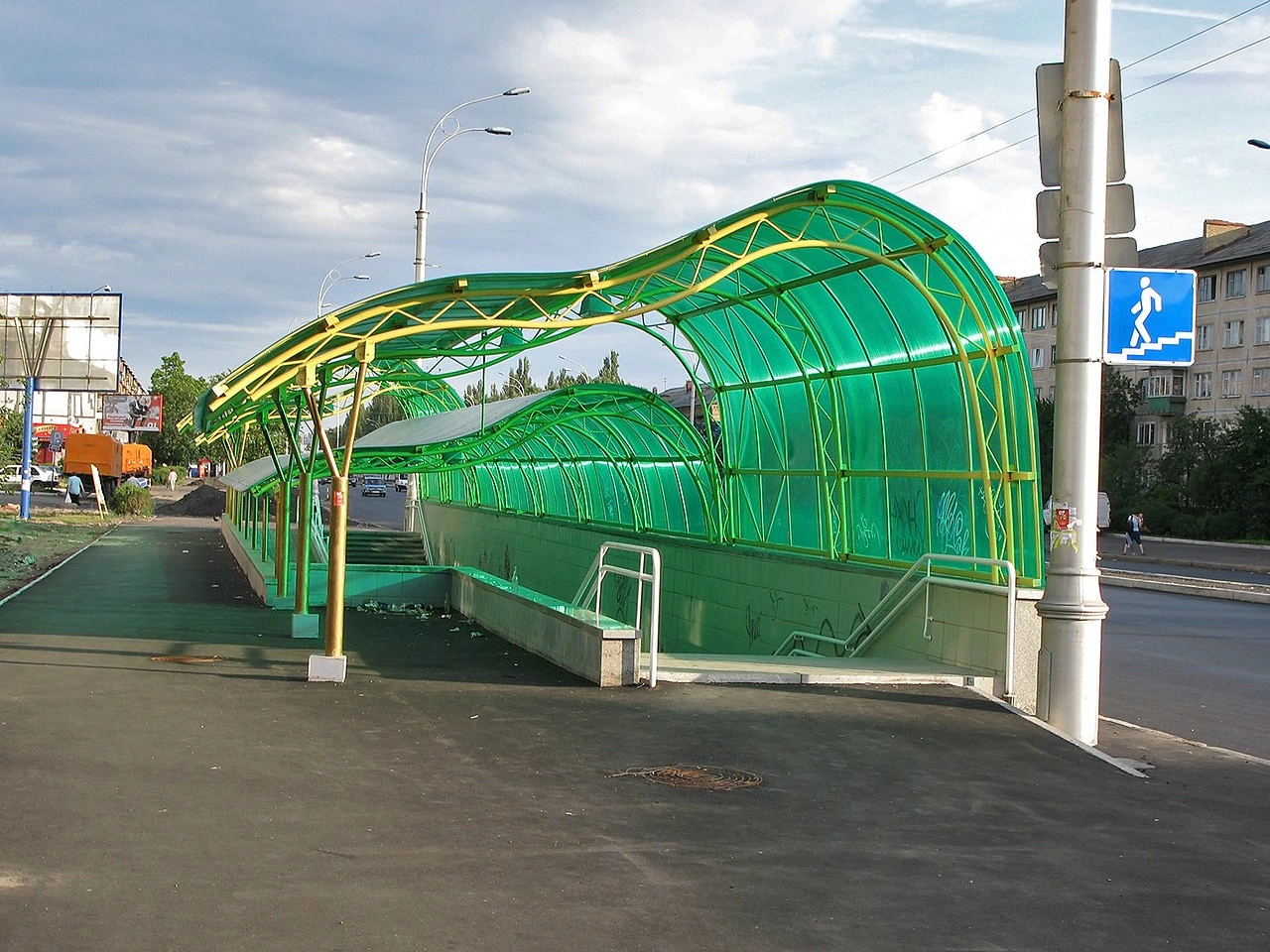
What is a pedestrian underpass?
A pedestrian underpass is a passage that allows pedestrians to cross beneath a road, railway or other obstacle without entering the traffic route above.
Why are pedestrian underpasses used?
They separate pedestrians from motor vehicles, trains or other traffic, reducing direct conflicts at busy or high-speed crossings.
Is a pedestrian underpass the same as a tunnel?
Not exactly. A pedestrian underpass is specifically intended to allow pedestrians to pass beneath an obstacle, while a tunnel can carry roads, railways, pedestrians or other forms of transport.
Is an underpass the same as a pedestrian overpass?
No. An underpass passes beneath the obstacle, while an overpass or footbridge carries pedestrians above it. Both provide grade-separated crossings.
Can cyclists use a pedestrian underpass?
This depends on the signs and design of the facility. Some underpasses are shared with cyclists, while pedestrian-only underpasses may require cyclists to dismount.
Can a pedestrian underpass have a cycle path?
Yes. Some underpasses contain separate or shared pedestrian and cycle facilities so both categories can cross safely away from motor traffic.
Can motor vehicles use a pedestrian underpass?
No when the passage is specifically reserved for pedestrians. Maintenance or emergency access may be permitted in exceptional circumstances.
Can an underpass be accessible to wheelchairs?
Yes, when suitably designed. Ramps or lifts can provide step-free access, although accessibility depends on the individual facility.
Do pedestrians have to follow signs inside an underpass?
Yes. Users must follow any signs indicating permitted users, direction of travel, separated sections or temporary closures.
Can a pedestrian underpass be temporarily closed?
Yes. Maintenance, flooding, construction, safety concerns or other circumstances may require temporary closure or diversion.
Does an underpass give pedestrians priority over traffic above?
The underpass physically separates the movements, so pedestrians do not directly cross the traffic route above. Priority rules still apply wherever the pedestrian route later crosses another roadway or cycle facility.
What should cyclists do in a pedestrian-only underpass?
Where cycling is not permitted, cyclists should dismount and continue on foot if pedestrian access with a bicycle is allowed.
16. 駐車
駐車とは、交通状況や直ちに必要な事情による短時間停止ではなく、一定時間車両を静止させておくことです。多くの国では、乗客の乗降や荷物の積み下ろしのための短時間停止と駐車を区別しますが、法的定義は異なります。
駐車は交通標識、路面表示、駐車ゾーン、地域規則により許可、制限、予約、時間制、禁止となります。危険や不必要な妨害を生じないようにし、支払、許可証、車種、最長時間などの条件に従います。
What is the difference between parking and stopping?
Parking generally means leaving a vehicle stationary for longer than a brief stop required for passengers, loading or unloading. A vehicle stopped because of traffic lights, congestion, an emergency or another traffic condition is normally not considered parked. The precise legal definitions vary between countries.
How can you tell where parking is allowed?
Look for parking signs, prohibition signs, road markings and parking-zone signs. Local rules may also permit parking along certain roads even when individual parking spaces are not marked.
Can you park anywhere if there is no sign prohibiting parking?
No. General traffic rules can prohibit parking even when no specific prohibition sign is present. Common examples include locations where a parked vehicle would obstruct visibility, crossings, intersections, cycle facilities or the movement of other traffic.
Can you park on a pavement or sidewalk?
Parking on a pavement or sidewalk is prohibited or restricted in many countries unless signs or markings specifically allow it. Vehicles must not force pedestrians into the roadway or block an accessible pedestrian route.
Can you park near a pedestrian crossing?
Parking on or close to a pedestrian crossing is generally restricted because a vehicle can hide pedestrians from approaching drivers. The required clearance distance varies between countries.
Can you park close to an intersection?
Many countries prohibit parking within a specified distance of an intersection because parked vehicles can reduce visibility and obstruct turning traffic. Follow the local distance requirements and any signs or markings.
What does a parking sign mean?
A parking sign identifies a place or area where parking is permitted or regulated. Additional signs or panels may specify time limits, payment requirements, vehicle categories, permits or particular parking arrangements.
How does paid parking work?
Where parking is subject to payment, drivers must follow the instructions displayed locally. Payment may be made through a parking meter, ticket machine, mobile application or another authorised system. The permitted duration and charging periods vary by location.
Who may use an accessible parking space?
Spaces marked for people with disabilities are reserved for vehicles displaying or registered with the required disability parking permit. Eligibility, permit display requirements and parking privileges depend on national and local law.
Can you leave a vehicle parked for an unlimited time?
Not necessarily. Local rules may impose a maximum parking duration, even where parking is otherwise permitted. Different limits may apply to abandoned, commercial, heavy or recreational vehicles.
17. 停車禁止
停車禁止は、乗客の乗降や荷物の積み下ろしのための短時間停止も含め、指定場所で任意に停止してはいけないことを意味します。駐車禁止より厳しい規制です。
標識、路面表示、地域規則で示されます。交通状況、緊急事態、法的義務によって停止を強制される場合を除き、停車可能な場所まで進む必要があります。
What does a no stopping restriction mean?
It means that a driver may not voluntarily stop the vehicle in the restricted area. The prohibition normally includes stopping to pick up or drop off passengers or to load or unload goods.
What is the difference between no stopping and no parking?
No stopping is the stricter restriction. A no-parking rule may still allow a brief stop for activities such as picking up passengers or loading goods, while a no-stopping rule prohibits these voluntary stops as well.
Can you stop in a no-stopping area during an emergency?
A driver may have to stop because of an emergency, traffic conditions, a red light, police instructions or another situation outside the driver's control. Such compulsory stops are generally different from voluntarily stopping the vehicle.
18. 後退
後退は車両を後ろ向きに動かすことです。駐車、狭い場所から出るとき、前進では位置調整できない場合などに使われます。
後退前にミラーと死角を確認し、車両周囲をよく見て後方が空いていることを確かめます。後方視界は限られるため、ゆっくり、必要な距離だけ後退します。
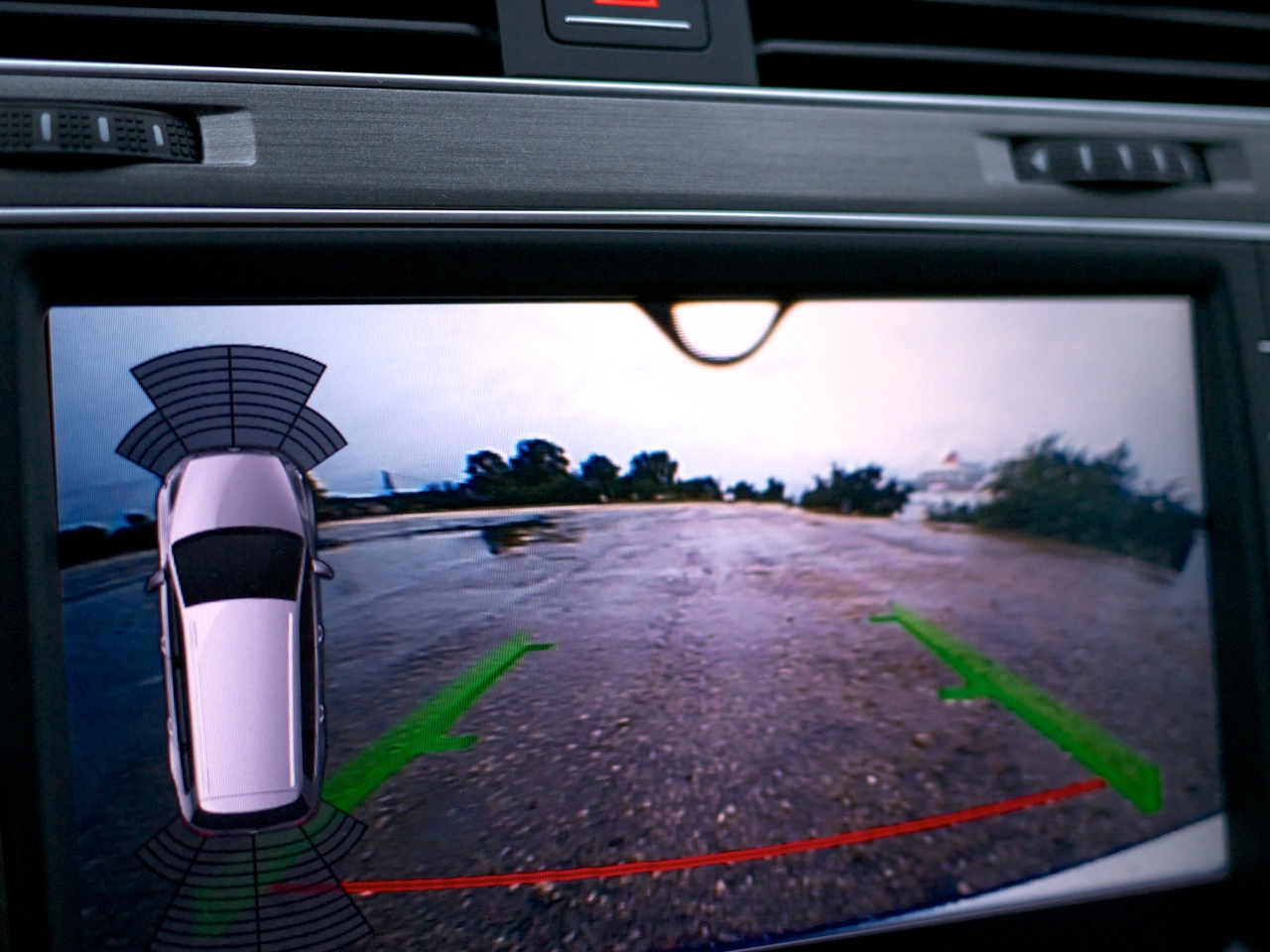
What should you check before reversing?
Check behind and around the vehicle for pedestrians, cyclists, other vehicles and obstacles. Use mirrors and cameras where available, but also look directly because monitoring systems can have blind spots.
Who has priority when a vehicle is reversing?
In many countries, reversing is treated as a manoeuvre and the reversing driver must give way to other road users. The exact legal requirements depend on national traffic rules.
Should you reverse for a long distance?
No. Reversing should normally be limited to the distance necessary to complete the manoeuvre safely. Driving forward generally provides better visibility and vehicle control.
19. 市街地境界
市街地境界は、道路交通上、市街地・都市区域が始まるまたは終わる境界です。地名標識や市街地標識で示され、都市速度制限、駐車規則など特別規則の開始・終了地点となることがあります。
交通上の市街地境界は自治体の行政境界と必ずしも一致しません。法的意味はその国の道路標識と交通規則によります。
What is a city limit?
A city limit marks the boundary of a city, town, village, locality or municipality. On roads, it is often indicated by a place-name or boundary sign.
Does a city-limit sign always mark a built-up area?
No. A city-limit or locality sign may simply identify a place or administrative boundary. A legally defined built-up area can use a different sign or definition.
Does passing a city-limit sign always change the speed limit?
No. In some countries a locality or boundary sign has consequences for traffic rules, while in others it mainly identifies the place. Drivers must follow the traffic signs and rules that apply in that country.
Is a city limit the same as a municipal boundary?
Not always. Some signs indicate an administrative municipal boundary, while others identify a city, town, village or locality without exactly following the municipality's legal boundary.
What is the difference between a city limit and a built-up area?
A city limit identifies the boundary of a named place or administrative area. A built-up area is a traffic-law concept that may affect rules such as default speed limits. The two boundaries can coincide, but they do not have to.
20. ナンバープレート
ナンバープレート(登録番号標または車両番号標)は、登録当局から車両へ割り当てられた固有の登録識別番号を表示するプレートです。車両登録、交通取締、税、保険、駐車管理などで車両を識別するために使われます。
外観、形式、取付位置、必要枚数は国や車種で異なります。必要なプレートを正しく取り付け、はっきり見え、読み取れる状態に保ち、紛失、盗難、破損、交換時には現地規則に従います。
What is a licence plate?
A licence plate is a plate displaying the registration identifier assigned to a vehicle. It allows authorities and other authorised systems to identify the vehicle's registration.
Is a licence plate the same as a registration plate?
Yes. Licence plate, registration plate and number plate are different terms commonly used for the plate displaying a vehicle's official registration number.
Does every vehicle need a licence plate?
Most motor vehicles used on public roads must display one or more registration plates, but requirements differ for motorcycles, trailers, agricultural vehicles and other special vehicle categories.
Do vehicles need both front and rear licence plates?
This depends on the country and vehicle type. Cars commonly require front and rear plates, while motorcycles and certain other vehicles may require only a rear plate.
Must a licence plate remain visible?
Yes. A required registration plate must normally remain clearly visible and readable. It should not be hidden by luggage, dirt, accessories or other objects.
Can you modify a licence plate?
Generally no. Changing the characters, colours, dimensions or appearance of an official plate may make it invalid or illegal. Plates and authorised reproductions must comply with local specifications.
What should you do if a licence plate is lost or stolen?
Follow the local reporting and replacement procedure. Many countries require the loss or theft to be reported to the police or vehicle-registration authority before a replacement plate can be issued.
Can you drive with a damaged licence plate?
A plate must remain legible and compliant with local requirements. If damage prevents it from being read or makes it invalid, it should be replaced according to the local registration procedure.
Can a licence plate be personalised?
Some countries allow motorists to request a personalised registration combination. The available characters, formats and prohibited combinations are determined by the registration authority.
Does a licence plate stay with the vehicle when it is sold?
This varies between countries. In some systems the plate remains with the vehicle, while in others it remains associated with the registered holder and may be retained or returned when the vehicle is sold.
21. 一般危険
一般危険警戒標識は、より具体的な警戒標識で表せない前方の危険を知らせます。補助標識、文字、記号などで具体的な危険内容が示される場合があります。
運転者は注意を高め、前方を確認し、危険と周囲の状況に合わせて速度を調整します。標識の形や危険の示し方は国によって異なるため、現地の交通標識と規則に従います。
What does a general danger warning sign mean?
A general danger warning sign indicates that there is a hazard ahead that is not represented by a more specific warning sign in the local traffic-sign system.
What kind of danger can the sign indicate?
It can be used for unusual or uncommon hazards for which no dedicated warning symbol exists. The nature of the danger may be explained by an additional panel, symbol or message.
How can you know what the danger is?
Look for a supplementary panel, text or symbol accompanying the warning sign. It may describe the hazard or provide information needed to understand the warning.
What should you do when you see a general danger warning sign?
Increase your attention, observe the road and surroundings carefully and adapt your speed where necessary so that you can respond safely to the hazard.
Does the sign impose a specific speed limit?
Not normally. A warning sign alerts road users to danger rather than establishing a numerical speed limit. A separate speed-limit sign may be provided where a specific maximum speed is required.
Why is a general warning sign used instead of a specific warning sign?
It is used when the traffic-sign system does not contain a specific symbol that accurately represents the particular hazard.
Can the danger be temporary?
Yes. A general warning sign may be used for either a temporary or continuing hazard, depending on local signing rules and the circumstances.
Can a supplementary panel indicate the distance to the danger?
Yes. Depending on the country's traffic-sign system, an additional panel may indicate the distance to the hazard, the length of the dangerous section or other useful information.
Does a general danger sign give anyone priority?
No. A danger warning sign does not by itself change the priority rules. Drivers must continue to follow traffic lights, priority signs and the normal right-of-way rules.
Does the warning end immediately after the sign?
Not necessarily. The sign normally warns of a hazard ahead of the sign, and the dangerous situation may extend over a section of road. Supplementary information may indicate its location or length.
22. バス
バスは、公共交通、スクール輸送、私的輸送などで多数の乗客を道路上で運ぶための自動車です。乗用車より乗車定員が多く、座席のみ、立席を含む、または両方の形式があります。
運転免許、乗車定員、速度、シートベルト、バスレーン、停留所、乗降などに特別規則が適用される場合があります。分類や規則は国によって異なるため、現地交通規則に従います。
What is a bus?
A bus is a motor vehicle designed to transport a relatively large number of passengers. It may be used for public transport, school transport, private services or other passenger transport.
What is the difference between a bus and a coach?
A bus is commonly designed for frequent passenger boarding and may allow standing passengers, while a coach is generally designed for longer journeys with passengers seated. Exact legal definitions vary between countries.
Do you need a special driving licence to drive a bus?
Yes. Driving a vehicle designed to carry more than a specified number of passengers normally requires a dedicated bus or passenger-vehicle driving licence.
Can passengers stand on a bus?
Only when the vehicle is designed and approved to carry standing passengers. Coaches and other vehicles designed exclusively for seated passengers must not be used beyond their approved passenger configuration.
Must bus passengers wear seat belts?
Where seat belts are provided and local law requires their use, passengers must wear them correctly. Urban buses designed for standing passengers may have seating positions or operating conditions that differ from coaches.
Can buses use bus lanes?
Yes, where permitted. Bus lanes are commonly reserved for public transport buses, although local signs may also allow taxis, bicycles or other specified vehicles to use them.
Do buses always have priority when leaving a bus stop?
No. Some countries require other drivers to give way to buses leaving designated stops, particularly in urban areas, while others apply the normal merging rules.
Should you take extra care near a stopped bus?
Yes. Passengers may be boarding, leaving or crossing the road near the bus. Reduce speed where necessary and watch carefully for pedestrians emerging from behind or in front of the vehicle.
Do buses have special speed limits?
They can. Some countries impose lower maximum speeds on buses than on passenger cars, particularly on high-speed roads. Different limits may apply to buses and coaches.
Can a bus use a motorway?
Yes, normally. Buses that satisfy the applicable construction and access requirements may use motorways, but they must obey any vehicle-specific speed limits, lane restrictions and other local rules.
23. 警察
警察は、法律の執行、公共安全、道路交通へ影響する状況の管理を担う公的機関です。交通では車両検査、交通取締、事故調査、交通整理、緊急対応などを行います。
道路利用者は警察官など権限を持つ交通整理員の適法な指示に従います。現地法により、警察の指示は一時的に信号、道路標識、通常の交通配置より優先する場合があります。
What is the role of police in road traffic?
Police help enforce traffic laws, manage traffic, investigate collisions and respond to dangerous situations. They may also carry out roadside checks and direct road users.
Must you obey a police officer directing traffic?
Yes. Lawful directions given by an authorised police officer must be followed. In many countries, those directions take precedence over traffic lights, road signs and normal priority rules.
What should you do if police signal you to stop?
Slow down, follow the officer's directions and stop at a safe location as instructed. Do not make sudden movements or continue driving unless directed to do so.
Can police direct you through a red traffic light?
Yes, where authorised by local law. A police officer controlling traffic may instruct road users to proceed even when a traffic light or sign would normally require them to stop.
Can police check your driving documents?
Yes. Police may require drivers to provide documents such as a driving licence, vehicle registration, identification or proof of insurance according to local law.
Can police carry out alcohol or drug checks?
Yes. Traffic police may conduct legally authorised alcohol and drug checks using procedures such as breath, saliva or other approved tests.
Can police temporarily close a road?
Yes. Roads or lanes may be temporarily closed or traffic diverted because of collisions, emergencies, investigations, public events or other safety concerns.
What should you do near police controlling an accident scene?
Reduce speed, remain alert and follow all directions. Do not enter a closed area or interfere with emergency personnel, and leave sufficient space for emergency vehicles.
What should you do when a police vehicle approaches with emergency signals?
Follow the local rules for priority vehicles. Drivers generally have to make sufficient space, give way and stop where necessary so that the emergency vehicle can pass safely.
Can police order a parked vehicle to be moved?
Yes, where local law permits it. Police or another authorised authority may require a vehicle to be moved when it obstructs traffic, creates danger or must be removed for operational reasons.
24. 救急車
救急車は、緊急医療の提供や患者輸送のため装備・使用される車両です。医療機器と訓練された職員を乗せ、搬送中に治療する場合があります。
緊急出動中は警光灯とサイレンを使用し、特別な優先権や一部交通規則の例外が認められる場合があります。他の道路利用者は現地規則に従い、十分な通路を空け、進行を妨げない必要があります。
What is an ambulance?
An ambulance is a specially equipped vehicle used to provide emergency medical assistance and transport sick or injured people.
When does an ambulance have priority?
This depends on the local traffic rules and warning signals being used. Ambulances responding to emergencies commonly use flashing lights and a siren to indicate that other road users must make way.
What should you do when an ambulance approaches?
Remain calm and make sufficient space for it to pass. Slow down or stop where necessary, but avoid sudden or dangerous manoeuvres.
Should you stop immediately when you hear an ambulance siren?
Not necessarily in your exact position. Move or stop in a way that creates a safe passage without blocking an intersection, pedestrian crossing or another part of the road needed by the ambulance.
Can an ambulance pass a red traffic light?
Emergency vehicles may be allowed to pass a red light during an urgent response under special legal conditions. The precise rules differ between countries, and the ambulance driver must still take appropriate precautions.
Can an ambulance exceed the speed limit?
Many countries permit emergency vehicles to depart from certain normal speed rules during an urgent mission, subject to safety requirements and national legislation.
Can an ambulance drive through a traffic queue?
Yes, when responding to an emergency and legally permitted to do so. Other road users should create space and keep emergency corridors or access routes clear where required.
Can you follow an ambulance through traffic?
You should not use the passage created for an ambulance as a way to bypass congestion. Maintain a safe distance and continue to obey the normal traffic rules.
Do ambulances always use their sirens?
No. The use of warning lights and sirens depends on the urgency of the mission and local regulations. An ambulance transporting a patient does not necessarily need to use emergency signals throughout the journey.
What should you do near a stationary ambulance?
Reduce speed and remain alert. Medical personnel, patients or other emergency workers may be entering the road, and the ambulance may need to move unexpectedly.
25. ポットホール
ポットホールは、摩耗、天候、水、反復荷重、舗装劣化などにより路面に生じる穴・窪みです。大きさ・深さはさまざまで、凍結、豪雨、反復交通で悪化することがあります。
操舵、制動、車両安定性へ影響し、タイヤ、ホイール、サスペンションを損傷することがあります。前方路面を確認し、速度を調整し、危険な急操作を避けます。
What is a pothole?
A pothole is a hole or depression that develops in a road surface when the pavement becomes damaged or deteriorates.
How do potholes form?
Potholes can develop through a combination of water, temperature changes, traffic loads and deterioration of the road material. Cracks can gradually expand until pieces of the surface break away.
Why are potholes dangerous?
A pothole can cause a vehicle to change direction suddenly, lose stability or suffer tyre, wheel or suspension damage. Deep potholes can present a particularly serious hazard at higher speeds.
What should you do when you see a pothole?
Reduce speed when necessary, maintain control of the vehicle and avoid abrupt steering or braking. Only move around the pothole when this can be done safely without endangering other road users.
Should you brake while driving through a pothole?
If possible, reduce your speed before reaching the pothole. Sudden heavy braking or steering while passing over a damaged surface can make the vehicle less stable.
Are potholes particularly dangerous for motorcycles?
Yes. A pothole can disturb the steering or balance of a motorcycle and may cause the rider to lose control.
Are potholes dangerous for cyclists?
Yes. Bicycle wheels can be strongly affected by deep holes or sharp edges, particularly when the cyclist has little time or space to avoid the hazard.
Can a pothole damage a car?
Yes. Severe impacts can damage tyres, wheel rims, suspension components, steering parts or wheel alignment.
Should you swerve suddenly to avoid a pothole?
No. A sudden evasive movement may create a greater danger by bringing the vehicle into conflict with cyclists, pedestrians, oncoming traffic or vehicles in another lane.
Can a warning sign indicate potholes ahead?
Yes. Depending on the country's traffic-sign system, an uneven-road or general-danger warning sign may be used where poor road conditions create a significant hazard.

交通ルール
ウクライナ