


道路標識ウクライナ
 交通ルール
交通ルール
 ウクライナ
ウクライナ
151. 排気ガス
排気ガスは、内燃機関で生成され、車両の排気系統から排出される気体と粒子の混合物です。二酸化炭素、水蒸気などの燃焼生成物に加え、一酸化炭素、窒素酸化物、炭化水素、粒子状物質などの汚染物質を含む場合があります。
現代車は触媒コンバーターや粒子フィルターなどで有害排出物を減らします。量と組成は燃料、エンジン設計、運転状態、排出ガス制御システムの状態などで変わります。

What is contained in vehicle exhaust gas?
Exhaust gas contains products of fuel combustion and can include carbon dioxide, water vapour, carbon monoxide, nitrogen oxides, unburned hydrocarbons and particulate matter. The quantities depend on the engine, fuel and emissions-control system.
Why can exhaust gas be harmful?
Some exhaust components, including carbon monoxide, nitrogen oxides and fine particles, can harm human health or contribute to air pollution. Exhaust should therefore never be allowed to accumulate in an enclosed space.
How are harmful exhaust emissions reduced?
Vehicles can use technologies such as catalytic converters, particulate filters and electronic engine-management systems to reduce pollutants. Emission standards also limit the amount of certain pollutants that vehicles may produce.

152. すす
すすは、不完全燃焼によって生じる炭素を多く含む黒色の粒子状物質です。道路車両では主にディーゼルエンジンの排気に関連し、大気汚染へ寄与する非常に小さな粒子で構成されます。
現代のディーゼル車は粒子フィルターで排出前に多くを捕集します。過度なすす排出は、燃焼、エンジン、排出ガス制御システムの問題を示す場合があります。

What causes soot in vehicle exhaust?
Soot is produced when fuel does not burn completely. Diesel engines can produce particularly significant amounts of particulate matter, especially when combustion or emissions-control systems are not functioning correctly.
What does a diesel particulate filter do with soot?
A diesel particulate filter traps a large proportion of the soot particles in the exhaust. The filter periodically removes accumulated material through a process known as regeneration.
Can excessive soot indicate a vehicle problem?
Yes. Unusually high soot emissions can result from engine faults, poor combustion, a defective particulate filter or other problems with the emissions-control system.
153. 触媒コンバーター
触媒コンバーターは、車両の排気系統に装備される排出ガス制御装置です。化学反応によって有害な排気汚染物質を、より有害性の低い物質へ変換してから大気へ放出します。
エンジンとシステムにより、一酸化炭素、未燃焼炭化水素、窒素酸化物などを低減します。効果的に作動するには適切な温度が必要で、汚染、過熱、エンジン故障で損傷することがあります。
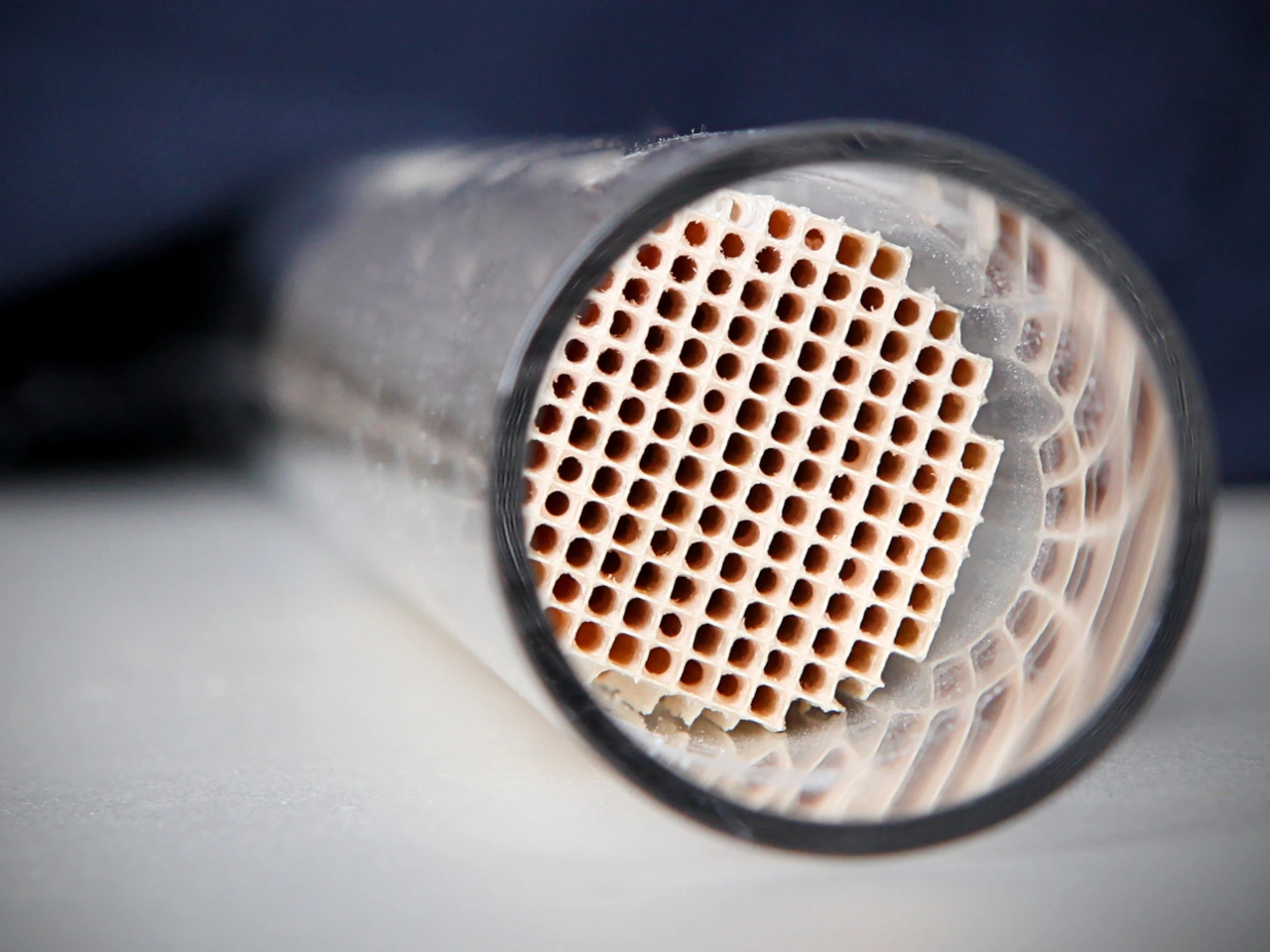
What does a catalytic converter do?
A catalytic converter reduces harmful pollutants in engine exhaust by converting them through chemical reactions into less harmful substances before they leave the exhaust system.
Where is the catalytic converter located?
It is installed in the exhaust system between the engine and the exhaust outlet. Its exact position varies between vehicles and may be relatively close to the engine so that it reaches its operating temperature quickly.
What are signs of a faulty catalytic converter?
Possible signs include an emissions or engine warning light, excessive exhaust emissions, reduced engine performance, unusual exhaust smells or failure of an emissions test. These symptoms can also have other causes and should be diagnosed properly.
154. エンジン
エンジンは、自動車を推進するために必要な動力を生み出す機械です。一般的な車両では内燃機関がガソリンやディーゼルを燃焼し、電気自動車では内燃機関の代わりに1基以上の電動モーターを使用します。
多くの部品が連携してエネルギーを機械的動力へ変換します。確実な作動と車両安全のため、適切な潤滑、冷却、整備、排出ガス制御が重要です。
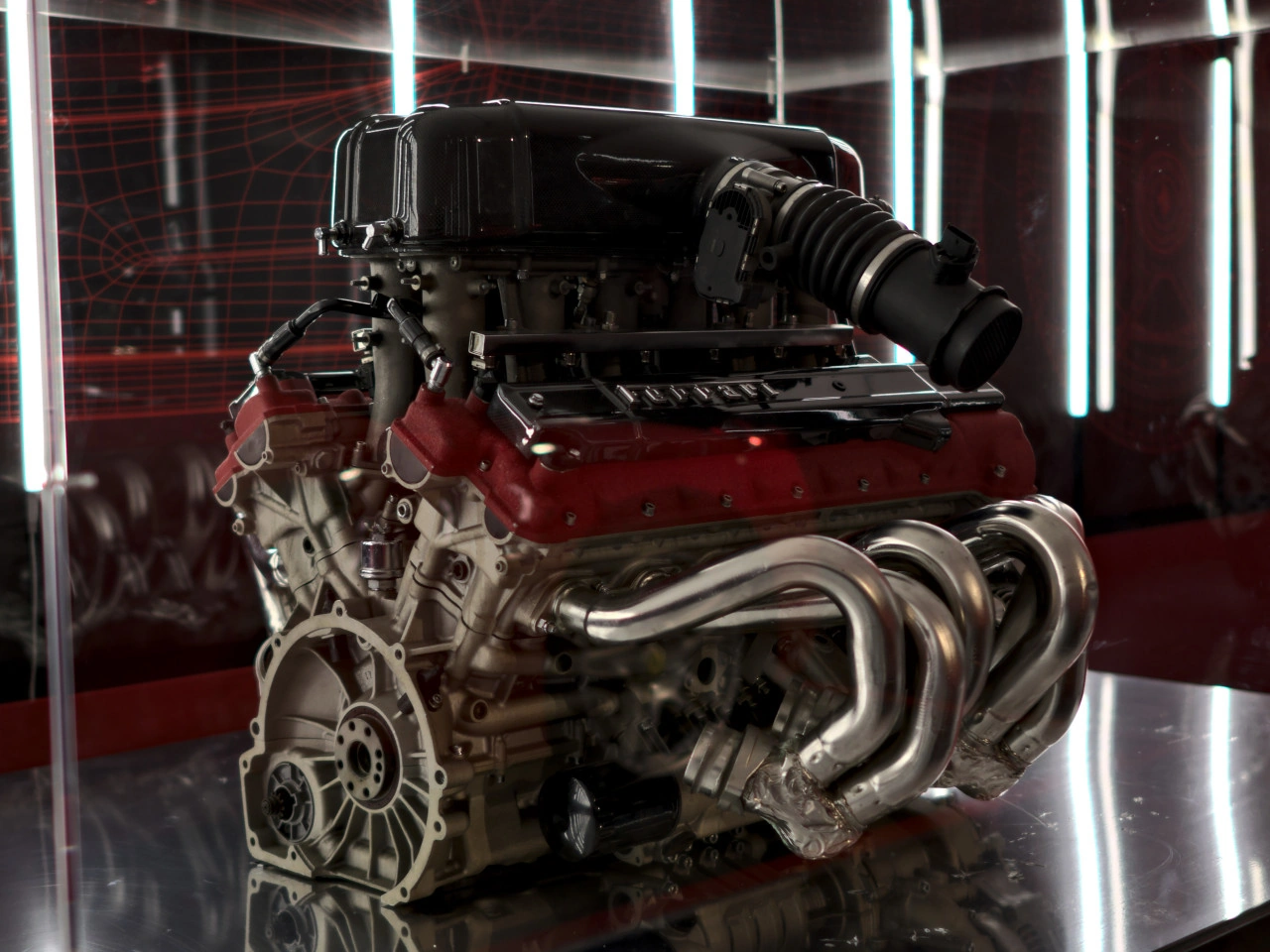
What does a vehicle engine do?
An engine converts energy into mechanical power that can be used to drive the vehicle's wheels. Internal-combustion engines obtain this energy by burning fuel, while electric vehicles use electrical energy in traction motors.
What are common signs of an engine problem?
Possible signs include unusual noises, loss of power, excessive smoke, overheating, fluid leaks, difficult starting or an engine warning light. These symptoms can have many different causes and should be investigated when necessary.
Why is regular engine maintenance important?
Maintenance helps keep lubrication, cooling, fuel, ignition and emissions systems working correctly. Following the manufacturer's service requirements can improve reliability and help prevent serious mechanical damage.
155. ガソリンエンジン
ガソリンエンジンは、通常、空気とガソリンの混合気をスパークプラグで点火する内燃機関です。そのため火花点火式エンジンとも呼ばれます。
燃焼で放出されたエネルギーを車両を動かす機械的動力へ変換します。現代のガソリンエンジンは電子制御と触媒コンバーターなどの排出ガス制御装置を用いて効率向上と有害排出物の削減を図ります。

How does a petrol engine work?
A petrol engine draws or injects fuel and air into the engine, compresses the mixture and ignites it using a spark plug. The resulting combustion produces pressure that moves the pistons and generates mechanical power.
What is the difference between a petrol and diesel engine?
A petrol engine normally uses spark ignition, while a diesel engine uses compression ignition. The two engine types also differ in fuel, combustion characteristics and emissions-control systems.
What emissions can a petrol engine produce?
Petrol-engine exhaust can contain pollutants such as carbon monoxide, hydrocarbons, nitrogen oxides and, particularly with some direct-injection engines, particulate matter. Modern emissions-control systems are designed to reduce these pollutants.
156. ディーゼルエンジン
ディーゼルエンジンは、通常、スパークプラグを使わず、高圧縮した空気の熱で燃料を着火する内燃機関です。そのため圧縮着火式エンジンとも呼ばれます。
低回転域で強いトルクと効率的な燃料利用を得やすく、乗用車、トラック、バス、機械などに使われます。現代のディーゼルエンジンは粒子フィルターや選択触媒還元などで有害排出物を減らします。

How does a diesel engine work?
A diesel engine compresses air inside the cylinder until it becomes very hot. Diesel fuel is then injected into the compressed air and ignites because of the high temperature.
What is the difference between a diesel and petrol engine?
A diesel engine normally uses compression ignition, while a petrol engine normally uses spark plugs to ignite an air-fuel mixture. The two engine types also differ in fuel, combustion characteristics and emissions-control systems.
What emissions can a diesel engine produce?
Diesel engines can produce pollutants including nitrogen oxides and particulate matter or soot. Modern vehicles use systems such as diesel particulate filters and other emissions-control technologies to reduce these pollutants.
157. 電動モーター
電動モーターは、電気エネルギーを機械的動力へ変換する機械です。電気・ハイブリッド車では1基以上の電動モーターが車輪を駆動するトルクを生み出します。
非常に低い回転数からトルクを出すことができ、ガソリン・ディーゼルエンジンのような燃焼を行いません。回生ブレーキ時には発電機として動作し、車両の運動エネルギーの一部を電気へ戻すこともあります。

What does an electric motor do in a vehicle?
An electric motor converts electrical energy into mechanical power that can propel the vehicle. Depending on the drivetrain, one or more motors may drive the wheels.
Do hybrid vehicles have electric motors?
Yes. Hybrid electric vehicles combine at least one electric propulsion motor with another propulsion-energy source, normally an internal-combustion engine.
Can an electric motor generate electricity?
Yes. In vehicles equipped with regenerative braking, the traction motor can operate as a generator while the vehicle slows down, converting part of its kinetic energy into electrical energy that can be stored in the traction battery.
158. タイミングベルト
タイミングベルトは、内燃機関でクランクシャフトとカムシャフトの回転を同期させ、ピストンの動きに合わせてバルブが正しいタイミングで開閉するようにする歯付きベルトです。
摩耗部品であり、車両メーカーの整備スケジュールに従って交換します。過度に摩耗したり切れたりするとエンジンが突然停止し、多くのエンジン設計では重大な内部損傷が起こる可能性があります。

What does a timing belt do?
The timing belt synchronises the crankshaft and camshaft so that the pistons and valves move in the correct sequence while the engine is operating.
When should a timing belt be replaced?
The replacement interval depends on the vehicle and engine. Drivers should follow the manufacturer's specified mileage and age interval rather than waiting for obvious symptoms of wear.
What happens if a timing belt breaks?
The engine will stop operating and, depending on the engine design, the pistons and valves can collide and cause severe internal engine damage.
159. グロープラグ
グロープラグは、ディーゼルエンジンの低温始動を助ける電熱部品です。燃焼室を加熱し、圧縮空気を確実な燃焼に適した状態へします。
現代のグロープラグは始動後もしばらく作動し、燃焼を改善し、冷間時排出ガスを減らし、暖機中の滑らかな作動を助ける場合があります。

What does a glow plug do?
A glow plug heats the combustion chamber of a diesel engine before and during cold starting so that the injected diesel fuel can ignite more reliably.
Do diesel engines use glow plugs instead of spark plugs?
Diesel engines normally ignite fuel through compression rather than an electrical spark. Glow plugs therefore assist cold combustion but do not continuously ignite the fuel in the same way that spark plugs do in a petrol engine.
What are signs of faulty glow plugs?
Possible signs include difficult cold starting, rough running shortly after startup, increased cold-start smoke or a glow plug or engine warning light. Similar symptoms can have other causes, so proper diagnosis may be necessary.
160. シリンダー
シリンダーは、往復動内燃機関でピストンが上下する筒状の燃焼室です。内部で空気または混合気が圧縮され、燃焼圧力がピストンを押して機械的動力を生みます。
多くの自動車エンジンは複数のシリンダーを直列、V型、水平対向などに配置します。すべてのシリンダーの行程容積の合計がエンジン排気量です。

What happens inside an engine cylinder?
A piston moves inside the cylinder while the engine draws in air or an air-fuel mixture, compresses it and uses combustion to create pressure. This pressure acts on the piston and contributes to turning the crankshaft.
How many cylinders does a car engine have?
The number varies by engine design. Common passenger-car engines can have three, four, six or more cylinders, while some engines use different configurations according to their size and performance requirements.
What is cylinder capacity?
Cylinder capacity or engine displacement is the total swept volume of the engine's cylinders. It is commonly expressed in cubic centimetres (cm³) or litres.
161. エンジンオイル
エンジンオイルは、内燃機関内部で可動部品間の摩擦と摩耗を減らす潤滑油です。また熱を逃がし、内部を清浄に保ち、腐食から部品を保護します。
油量と状態はメーカーの指示に従って確認します。正しい規格と粘度のオイルだけを使用し、推奨整備間隔でオイルとオイルフィルターを交換します。

What does engine oil do?
Engine oil lubricates moving components, reduces friction and wear, helps carry away heat and keeps contaminants suspended so that they can be removed by the oil filter or during an oil change.
How do you check the engine oil level?
Depending on the vehicle, the level is checked with an oil dipstick or an electronic oil-level system. The vehicle manufacturer's instructions should be followed because the required procedure can vary between engines.
Can you use any engine oil?
No. Engine oils have different viscosity grades and technical specifications. Only oil meeting the requirements specified by the vehicle manufacturer should be used.
162. 冷却液
冷却液は、車両の冷却系統を循環してエンジンなどから余分な熱を取り除く液体です。通常、水に不凍液と防錆剤を混ぜ、広い温度範囲で冷却系統が安全に作動できるようにします。
液量はメーカーの指示に従って確認し、指定された規格を使用します。高温の冷却液は加圧されていることがあるため、安全な状態でのみ冷却系統を開けます。

What does engine coolant do?
Coolant absorbs heat from the engine and carries it to the radiator, where the heat can be released. It also helps protect the cooling system against freezing, corrosion and excessive temperatures.
Can you use any type of coolant?
No. Vehicles can require different coolant specifications and mixtures. Drivers should use coolant that meets the vehicle manufacturer's requirements and avoid mixing incompatible coolant types.
Should you open the coolant reservoir when the engine is hot?
No. A hot cooling system can be pressurised and opening it can release hot coolant or steam. Allow the system to cool and follow the vehicle manufacturer's instructions before opening the reservoir.
163. 整備
整備は、車両を安全で信頼できる良好な状態に保つための定期点検、サービス、修理です。油脂類、タイヤ、ブレーキ、灯火などを確認し、必要に応じて摩耗部品を交換します。
車両メーカーの推奨整備スケジュールに従います。定期整備は故障防止、摩耗低減、安全システム維持、重大化する前の欠陥発見に役立ちます。

Why is regular vehicle maintenance important?
Regular maintenance helps keep safety-critical and mechanical systems working correctly, reduces the risk of breakdowns and can identify worn or damaged components before they cause larger problems.
What does routine vehicle maintenance include?
It can include checking and replacing engine oil and filters, inspecting tyres and brakes, checking fluid levels, lights, suspension and other components, and performing other work specified by the vehicle manufacturer.
How often should a vehicle be serviced?
Service intervals depend on the vehicle, engine, mileage, age and operating conditions. Drivers should follow the maintenance schedule provided by the vehicle manufacturer.
164. スペアタイヤ
スペアタイヤは、損傷・パンクした通常の車輪を一時的に交換するため車両に搭載する追加タイヤで、通常はホイールに装着されています。フルサイズのスペア、応急用小型スペア、タイヤ修理キットを備える場合があります。
応急用スペアは通常緊急時の短期間使用だけを想定しています。速度、距離、空気圧、取付方法に関するメーカー制限に従い、損傷した通常タイヤはできるだけ早く修理・交換します。

What is a spare tyre?
A spare tyre is an additional tyre, normally mounted on a wheel, that can temporarily replace a punctured or damaged road wheel.
Is a spare tyre the same as a spare wheel?
In everyday use the terms are often used interchangeably. Technically, a spare wheel usually consists of both the wheel rim and the tyre already fitted to it.
What is a space-saver spare wheel?
A space-saver is a smaller and lighter temporary spare designed to take up less storage space. It normally has stricter speed and distance limitations than a normal road wheel.
Can you drive normally on a temporary spare wheel?
No. Temporary spare wheels are intended for emergency use. Follow the maximum speed, distance and other restrictions specified by the vehicle or tyre manufacturer.
Do all cars have a spare tyre?
No. Many modern cars instead use a tyre-repair kit, run-flat tyres or roadside-assistance arrangements.
Can a tyre-repair kit replace a spare wheel?
For some punctures, yes. A repair kit may temporarily seal a small puncture, but it may not work for severe tyre damage, sidewall damage or a damaged wheel rim.
Should you check the pressure of a spare tyre?
Yes. A spare tyre can lose pressure while stored for long periods. Check it periodically according to the manufacturer's recommended pressure.
Can any spare wheel be fitted to any car?
No. The wheel dimensions, bolt pattern, load capacity and other specifications must be compatible with the vehicle. Use only a spare approved or specified for the vehicle.
What should you do after fitting a spare wheel?
Drive cautiously, respect any temporary-wheel restrictions and have the damaged tyre repaired or replaced as soon as reasonably possible.
Is carrying a spare tyre compulsory?
This depends on the country and vehicle category. Some jurisdictions require particular breakdown equipment, while others allow vehicles to operate without a spare wheel.
165. パンク
パンクは、タイヤが車両を支え安全に走行できないほど空気圧を失った状態です。穴あき、バルブやホイールの損傷、タイヤ破損、徐々な空気漏れなどで起こります。
操舵、制動、安定性へ重大な影響を与えます。運転者は滑らかに減速し、急な操舵・制動を避け、損傷タイヤで走り続けず、できるだけ早く安全な場所へ停止します。

What should you do if a tyre becomes flat while driving?
Keep control of the vehicle, reduce speed gradually and move to a safe stopping place. Avoid sudden braking or steering because the vehicle's handling may be significantly affected.
Can you continue driving on a flat tyre?
Normally no. Driving on a deflated tyre can damage the tyre and wheel and can make the vehicle difficult to control. Some run-flat tyres permit limited continued driving under specified conditions, so the manufacturer's instructions should be followed.
What can cause a flat tyre?
Common causes include punctures, damaged valves, cracked or damaged wheels, tyre sidewall damage and gradual air leakage. Regular tyre-pressure and condition checks can help identify some problems before complete pressure loss occurs.
166. ジャッキ
ジャッキは、主に車輪交換時に車両の一部を地面から持ち上げる携帯式の昇降装置です。機械式、油圧式、電動式などがあります。
メーカー指定のジャッキポイントだけで使用し、硬く安定した地面に置きます。持ち上げる前にパーキングブレーキをかけ、車両が動かないよう固定します。

What is a vehicle jack used for?
A jack is used to lift part of a vehicle so that a wheel can be removed or certain maintenance tasks can be performed.
Where should a jack be placed?
The jack should only be positioned at the lifting points specified by the vehicle manufacturer. Using an unsuitable location can damage the vehicle or cause it to become unstable.
Is it safe to work underneath a vehicle supported only by a jack?
No. A jack is primarily a lifting device and should not be relied upon as the sole support when working underneath a raised vehicle. Appropriate supporting equipment should be used for work beneath the vehicle.
167. 車両検査
車両検査は、車両が安全で道路走行に適し、適用される技術・環境要件へ適合しているか確認する公的検査です。国・車種により、ブレーキ、タイヤ、操舵、サスペンション、灯火、排出ガス、車両識別などを確認します。検査規則と間隔は国によって異なり、定期検査に加え、大規模改造、事故、輸入、所有者変更後などに検査が必要な場合があります。

What is a vehicle inspection?
A vehicle inspection is an official examination of a vehicle to check whether it meets applicable safety, technical and environmental requirements.
What is checked during a vehicle inspection?
The inspection may include the brakes, tyres, steering, suspension, lights, vehicle identification and emissions. The exact inspection points depend on the country, vehicle type and type of inspection.
How often does a vehicle need to be inspected?
The inspection interval depends on the country and type of vehicle. Some countries require annual inspections, while others use longer intervals based on the vehicle's age, use or condition.
What happens if a vehicle fails the inspection?
A vehicle that does not meet the required standards may need to be repaired and presented for another inspection. Serious defects may restrict or prohibit the vehicle from being used until they are repaired.
Do all countries have the same vehicle inspection rules?
No. Vehicle inspection systems differ between countries, including which vehicles must be inspected, how often inspections are required and which technical standards are checked.
Do electric vehicles need a vehicle inspection?
In countries with periodic vehicle inspections, electric vehicles are generally also subject to inspection. Some inspection points differ because electric vehicles do not have a conventional combustion engine or exhaust-emission system.
168. 車両キー
車両キーは、車両を解錠し、作動を許可する装置です。従来は機械式の鍵でしたが、現代車では電子トランスポンダー、リモコンキー、キーレスシステムなどが一般的です。
多くはイモビライザーと連携し、認証済みキーを検知しない限りエンジンや駆動系を始動できません。そのため交換・複製キーは車両への電子登録が必要な場合があります。

What does a modern car key do?
A modern car key can unlock and lock the vehicle and authorise the engine or electric propulsion system to start. It may use a mechanical blade, electronic transponder, remote-control functions or a keyless system.
What is a transponder key?
A transponder key contains an electronic identification device that communicates with the vehicle's immobiliser. If the correct code is not recognised, the vehicle normally prevents the engine or propulsion system from being started.
What should you do if you lose a vehicle key?
Use a spare key if available and arrange a replacement through an appropriate dealer, locksmith or vehicle specialist. Modern replacement keys often need to be programmed to the vehicle's electronic security system.
169. ダッシュボード
ダッシュボードは、運転者前方にあり、車両の重要情報を表示し、操作装置や警告表示へアクセスできる部分です。速度計、燃料・バッテリー残量、警告灯、方向指示表示、エンジン、ブレーキ、安全システム情報などがあります。現代車では従来の計器の代わりにデジタルディスプレイを使用する場合があります。運転者は主要な表示記号を理解し、警告灯点灯時に適切に対応する必要があります。
What is a car dashboard?
The dashboard is the panel in front of the driver that displays vehicle information and contains controls, gauges and warning indicators.
What information is shown on the dashboard?
A dashboard may show the speed, fuel or battery level, engine information, warning lights, turn indicators and safety-system status. The exact display depends on the vehicle.
What do dashboard warning light colours mean?
Colours generally indicate the importance or function of a dashboard light. Red often indicates a serious warning, yellow or amber usually indicates caution, and green or blue commonly indicates that a system is active. Symbols and meanings can differ between vehicles, so consult the vehicle manual.
What should I do if a dashboard warning light comes on?
Identify the warning and follow the instructions in the vehicle manual. A red warning light may require you to stop safely as soon as possible, while other warnings may indicate that the vehicle should be checked or repaired.
What is the instrument cluster?
The instrument cluster is the part of the dashboard directly in front of the driver that contains the main gauges, displays and warning lights.
Can a dashboard be completely digital?
Yes. Many modern vehicles use a digital dashboard or digital instrument cluster that displays vehicle information on one or more electronic screens instead of traditional analogue gauges.
170. ワイパー
ワイパーは、フロントガラスから雨、雪、汚れ、水分などを取り除き、道路の明瞭な視界を保つ装置です。多くの車両は交換可能なゴムブレードを持つ電動ワイパーを備え、複数速度とウォッシャー液装置を組み合わせます。筋が残る、跳ねる、十分に拭き取れない場合は摩耗・損傷したブレードを交換します。
What is a windscreen wiper?
A windscreen wiper is a device that moves across the windscreen to remove rain, snow, dirt and moisture so the driver can maintain a clear view of the road.
Why are windscreen wipers important?
Windscreen wipers help maintain clear visibility in bad weather and when the windscreen becomes dirty. Poor visibility can make it harder to detect traffic, pedestrians, signs and hazards.
When should windscreen wiper blades be replaced?
Wiper blades should be replaced when they are worn, cracked, damaged or no longer clean the windscreen effectively. Common signs include streaking, skipping, squeaking or areas of the windscreen remaining wet.
What is the windscreen washer system?
The windscreen washer system sprays cleaning fluid onto the windscreen so the wipers can remove dirt and improve visibility.
Can you drive with broken windscreen wipers?
Driving with defective windscreen wipers can be unsafe and may be illegal where functioning wipers are required. The driver must be able to maintain adequate visibility through the windscreen.
Do cars have a rear window wiper?
Many vehicles have a rear window wiper, especially hatchbacks, estate cars and SUVs. Whether one is fitted or legally required depends on the vehicle design and applicable regulations.
171. ドア
ドアは車両への出入りを可能にし、走行中の乗員保護にも役立ちます。正しく開閉し、走行中は確実に閉じ、ヒンジ、ラッチ、ロック機構が正常に作動する必要があります。損傷・緩みがあり突然開く、または適切に閉じられないドアは重大な安全リスクになります。
Why are vehicle doors important for safety?
Vehicle doors help protect occupants and keep them safely inside the vehicle. They should close securely and must not open unexpectedly while driving.
What parts of a vehicle door should work correctly?
The door, hinges, catches, locking mechanism and surrounding structure should be secure and in good condition so the door can open and close properly.
Can you drive with a door that does not close properly?
A door that cannot remain securely closed can be dangerous and may make the vehicle unroadworthy. It should be repaired before the vehicle is used.
Are sliding doors checked differently from normal doors?
The basic requirement is the same: the door must open and close correctly and remain securely closed. The exact inspection method can depend on the type of door and vehicle.
Can damaged door hinges be dangerous?
Yes. Damaged, loose or badly worn hinges can prevent a door from closing correctly or allow it to move unexpectedly.
172. グローブボックス
グローブボックスは、助手席前のダッシュボードに組み込まれた収納スペースです。車両書類、取扱説明書、小物などを手の届く場所に保管するため使われます。走行中は閉じておき、乗員を妨げたり物が落ちたりしないようにします。貴重品や、駐車中の高温で損傷する物の保管は避けます。
What is a glovebox?
A glovebox is a storage compartment in the dashboard, usually located in front of the passenger seat. It is also called a glove compartment.
Why is it called a glovebox?
The name comes from the early use of the compartment for storing driving gloves. Today it is commonly used for vehicle documents and other small items.
What can you keep in a glovebox?
A glovebox is commonly used for vehicle documents, the owner’s manual and small useful items. What should be kept in the vehicle depends on local legal requirements and personal preference.
Should the glovebox be closed while driving?
Yes. Keeping the glovebox properly closed while driving prevents it from obstructing the passenger area and helps stop loose objects from falling out.
Should valuables be kept in the glovebox?
It is generally better not to leave valuable or sensitive items in an unattended vehicle, as a glovebox does not provide strong protection against theft.
Can a glovebox become hot?
Yes. The interior of a parked vehicle can become very hot, and the glovebox can also heat up. Avoid storing heat-sensitive or potentially dangerous items there.
173. 視界
視界は、運転者が道路、他の道路利用者、危険を明瞭に見られ、同時に車両が他者から見える状態を指します。暗闇、霧、雨、雪、汚れ・曇りのある窓、まぶしさ、視野を遮る物などで低下します。窓、ミラー、灯火を清潔に保ち、視野を妨げる物を除き、視界低下時は適切な灯火を使用します。
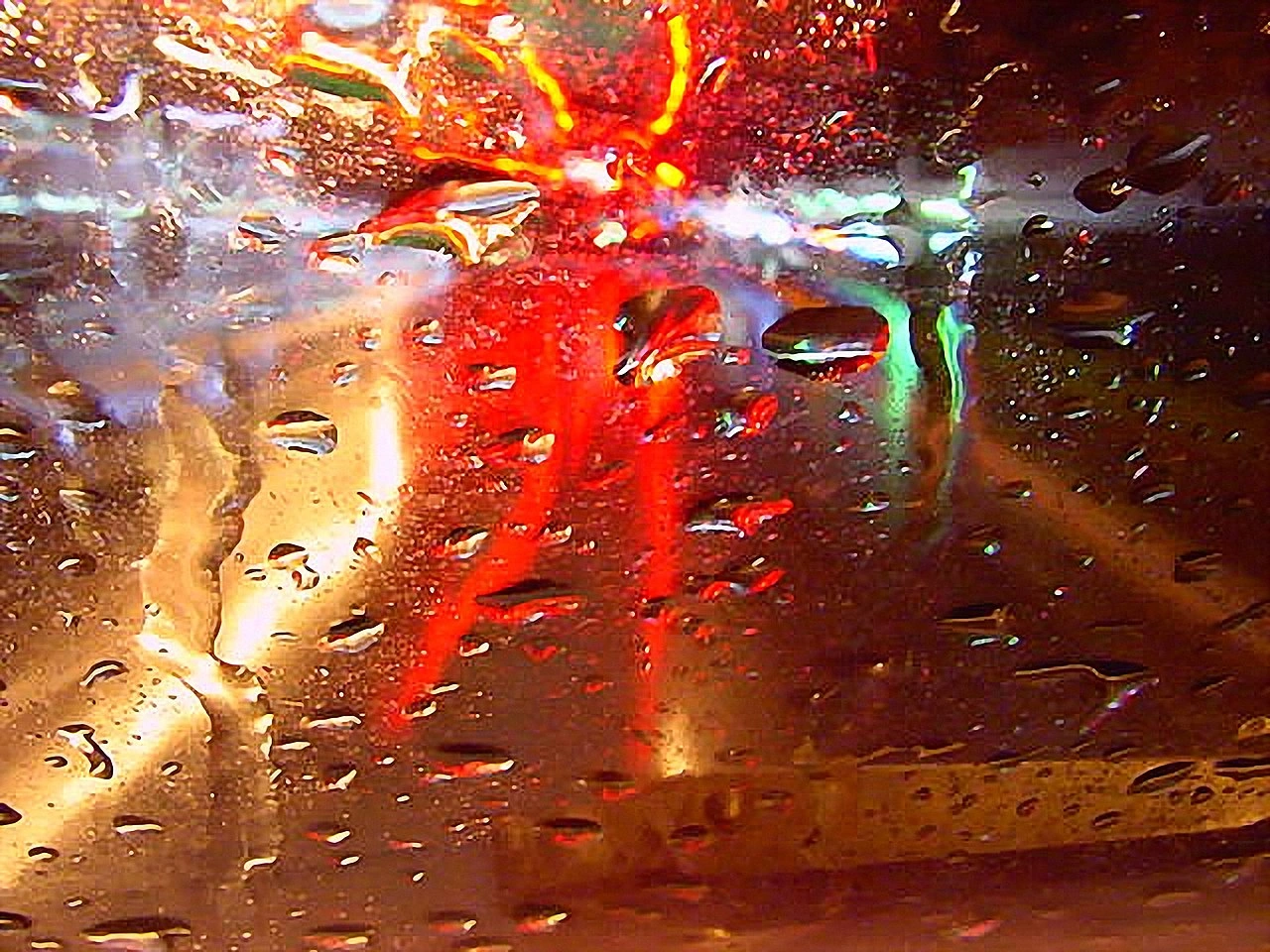
What does visibility mean when driving?
Visibility describes how clearly a driver can see the road, traffic and hazards and how easily other road users can see the vehicle.
What can reduce visibility while driving?
Visibility can be reduced by darkness, fog, rain, snow, glare, dirty or misted windows and objects that obstruct the driver’s view.
How can you improve visibility while driving?
Keep the windscreen, windows, mirrors and lights clean, remove condensation or ice before driving and use the appropriate lights when conditions require them.
Can objects inside a vehicle obstruct visibility?
Yes. Objects placed on the dashboard, windscreen or elsewhere around the driver can block part of the field of vision and make it harder to detect road users or hazards.
What should you do when visibility is poor?
Reduce your speed, increase your following distance and use the appropriate lights. Make sure you can see far enough ahead to react safely to traffic and obstacles.
Why are mirrors important for visibility?
Mirrors extend the driver’s view to the rear and sides of the vehicle. They should be clean and correctly adjusted, although drivers must still check blind spots where necessary.
174. 雨
雨は、視界、タイヤグリップ、車両制御を低下させ、停止距離を増やします。路面の水により、タイヤが路面との接触を失うハイドロプレーニングが起こることもあります。運転者は減速し、車間距離を増やし、急な操舵・制動を避け、視界が低下したら適切な灯火を使用します。大雨や、わだち・排水不良道路に水がたまる場所では特に注意します。
How does rain affect driving?
Rain can reduce visibility and tyre grip, increase stopping distances and make it more difficult to control the vehicle safely.
What is aquaplaning?
Aquaplaning occurs when a layer of water builds up between the tyres and the road, causing the tyres to lose contact with the road surface and reducing steering and braking control.
How should you drive in heavy rain?
Reduce speed, increase your following distance and use smooth steering, acceleration and braking. Use the appropriate lights and be prepared for reduced visibility and standing water.
Why should you increase the following distance in rain?
Wet roads can increase the distance needed to stop. A larger following distance gives you more time and space to react safely.
What should you do if the vehicle starts aquaplaning?
Remain calm, ease off the accelerator and avoid sudden braking or steering. Make smooth corrections until the tyres regain contact with the road.
Should you use headlights in rain?
Lighting requirements vary between countries. Drivers should use the lights required by local traffic rules whenever rain or other conditions reduce visibility.
175. 霧
霧は視界を大幅に低下させ、速度、距離、他の道路利用者の位置を判断しにくくします。運転者は減速し、車間距離を増やし、他者を眩惑しない適切な灯火を使います。前車だけを目印にせず、視界が突然変化することにも備えます。非常に濃い霧では、安全な場所へ停止することが最善の場合があります。
Why is fog dangerous when driving?
Fog can greatly reduce visibility and make it harder to judge speed, distance and the movement of other road users.
How should you drive in fog?
Reduce speed, increase your following distance and use the appropriate lights. Drive so that you can stop safely within the distance you can clearly see.
Should you use high-beam headlights in fog?
Usually not. High beams can reflect from the water droplets in fog and make visibility worse. Use the lighting permitted and recommended under local traffic rules.
When should fog lights be used?
Fog lights are intended for conditions where fog or similar weather significantly reduces visibility. The exact rules for front and rear fog lights vary between countries.
Should you follow the lights of the vehicle ahead in fog?
No. You should maintain your own safe speed and following distance. Following another vehicle too closely can be dangerous because visibility and stopping distance remain limited.
What should you do if fog becomes extremely dense?
If visibility becomes too poor to continue safely, slow down and consider stopping at a safe place away from moving traffic until conditions improve.