


Tabliczki uzupełniająceRepublika Południowej Afryki
 Przepisy ruchu drogowego
 Republika Południowej Afryki
 Znaki pierwszeństwa
 Znaki ostrzegawcze
 Znaki zakazu
 Znaki nakazu
 Znaki informacyjne
 Tabliczki uzupełniające
Tabliczka uzupełniająca znajduje się bezpośrednio pod innym znakiem i dodaje informacje lub wyjaśnia znaczenie znaku głównego. Może określać odległość, przedziały czasu, uczestników ruchu objętych zasadą, kierunki lub szczególne okoliczności. Sama nie tworzy nowej zasady, lecz zmienia, ogranicza lub objaśnia znaczenie znaku umieszczonego powyżej, umożliwiając jego prawidłowe zastosowanie.






Dlaczego trzeba odczytać tabliczkę pod znakiem?
Może ona doprecyzowywać znak główny, wskazując wyjątek, czas obowiązywania lub odległość do ograniczenia. Odczytuj cały zestaw, zamiast stosować tylko główny symbol.

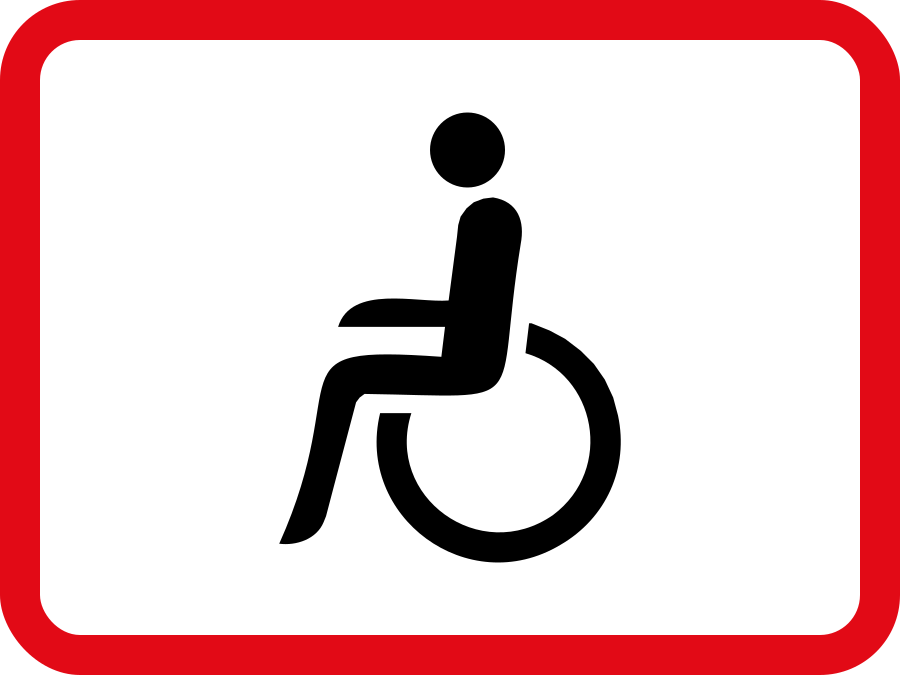
1. Dla osób z niepełnosprawnościami
Ta tabliczka wskazuje, że główny znak drogowy dotyczy konkretnie osób z niepełnosprawnościami. Wymagania dotyczące zezwoleń lub uprawnień zależą od znaku i obowiązujących przepisów lokalnych.
English • (R)578 • Vehicles used by disabled persons only: secondary message. When displayed below a primary regulatory sign, this exclusive secondary message makes that regulation apply only to vehicles used by disabled persons. Read it together with the main sign; it is not a standalone regulation.
Źródła
🔗 Commons.wikimedia.org
🔗 Transport.gov.za • Department of Transport · SADC RTSM Vol. 1, chapter 2, PDF p. 121 (May 2012)
SVG source: Southern African Development Community • Public domain • Original revision 2017-07-15. Wikimedia original unmodified.
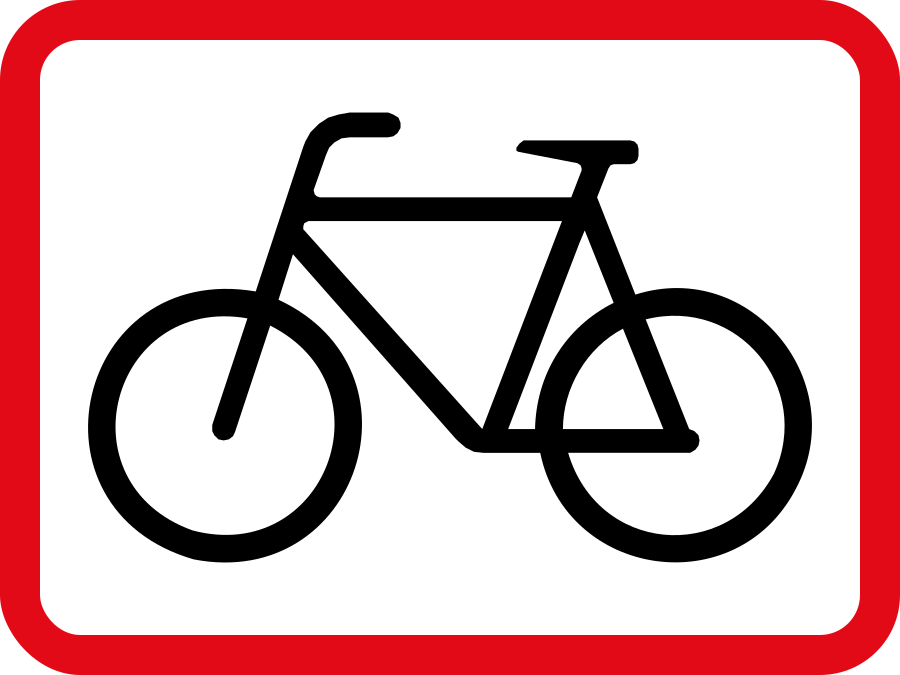
2. Dla rowerzystów
Ta tabliczka wskazuje, że główny znak drogowy dotyczy konkretnie rowerzystów.
English • (R)561 • Bicycles only: secondary message. When displayed below a primary regulatory sign, this exclusive secondary message makes that regulation apply only to bicycles. Read it together with the main sign; it is not a standalone regulation.
Źródła
🔗 Commons.wikimedia.org
🔗 Transport.gov.za • Department of Transport · SADC RTSM Vol. 1, chapter 2, PDF p. 120 (May 2012)
SVG source: Southern African Development Community • Public domain • Original revision 2017-07-13. Wikimedia original unmodified.
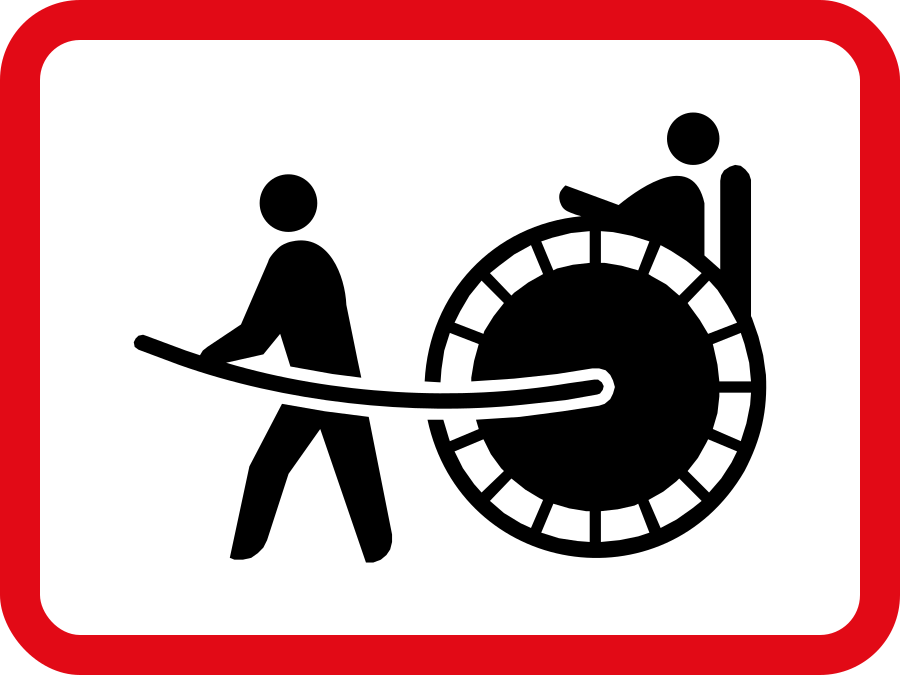
3. Dla riksz
Ta tabliczka wskazuje, że główny znak drogowy dotyczy konkretnie riksz.
English • (R)573 • Rickshaws only: secondary message. When displayed below a primary regulatory sign, this exclusive secondary message makes that regulation apply only to rickshaws. Read it together with the main sign; it is not a standalone regulation.
Źródła
🔗 Commons.wikimedia.org
🔗 Transport.gov.za • Department of Transport · SADC RTSM Vol. 1, chapter 2, PDF p. 120 (May 2012)
SVG source: Southern African Development Community • Public domain • Original revision 2017-07-15. Wikimedia original unmodified.
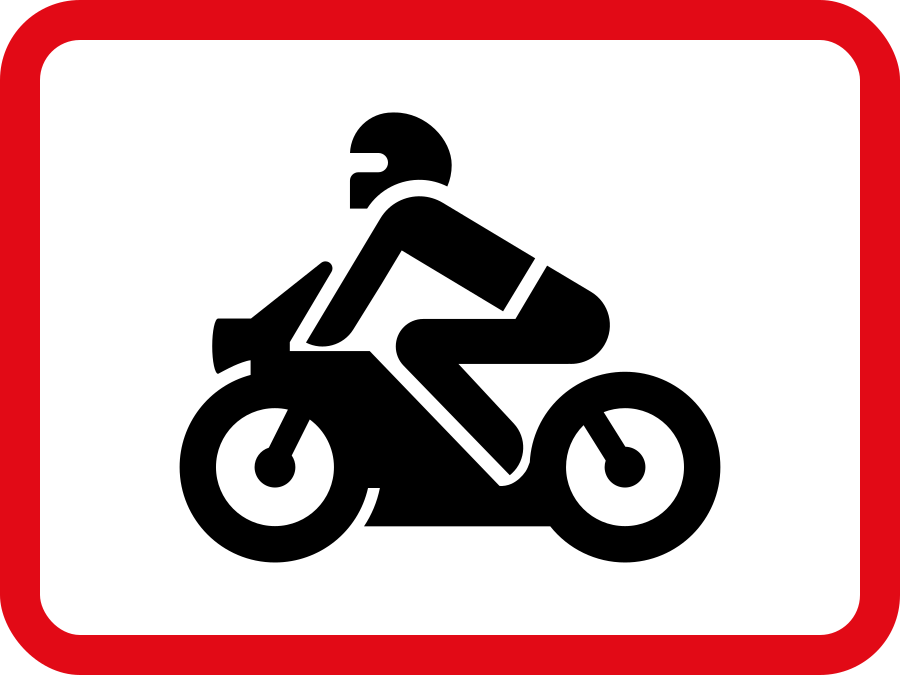
4. Dla motocykli
Ta tabliczka wskazuje, że główny znak drogowy dotyczy konkretnie motocykli.
English • (R)562 • Motor cycles only: secondary message. When displayed below a primary regulatory sign, this exclusive secondary message makes that regulation apply only to motor cycles. Read it together with the main sign; it is not a standalone regulation.
Źródła
🔗 Commons.wikimedia.org
🔗 Transport.gov.za • Department of Transport · SADC RTSM Vol. 1, chapter 2, PDF p. 120 (May 2012)
SVG source: Southern African Development Community • Public domain • Original revision 2025-12-15. Wikimedia original unmodified.
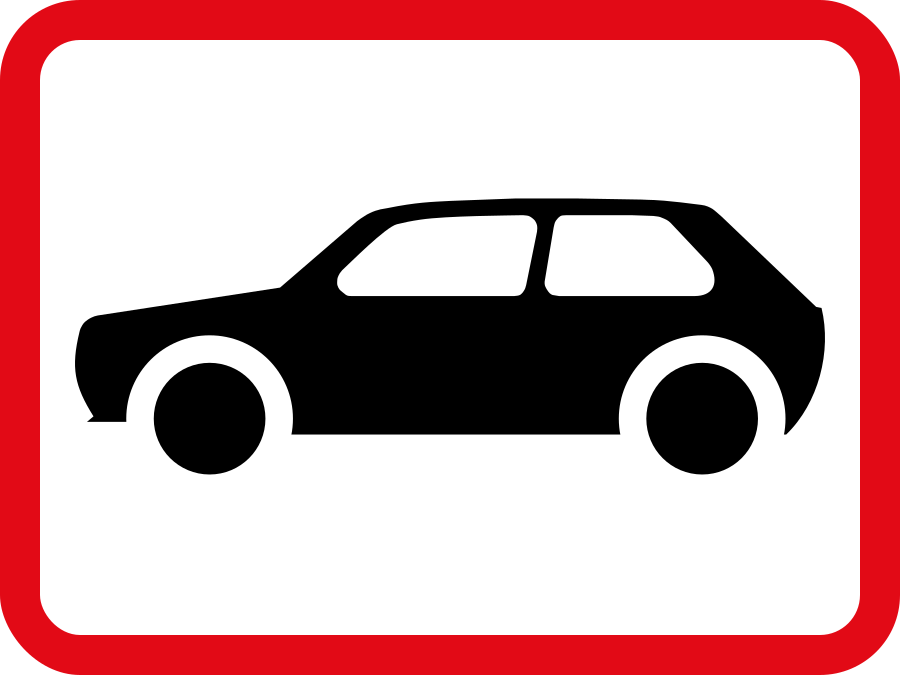
5. Dla samochodów osobowych
Ta tabliczka wskazuje, że główny znak drogowy dotyczy konkretnie samochodów osobowych. Kategoria pojazdów oznaczona symbolem jest określona w obowiązujących definicjach lokalnych.
English • (R)563 • Motor cars only: secondary message. When displayed below a primary regulatory sign, this exclusive secondary message makes that regulation apply only to motor cars. Read it together with the main sign; it is not a standalone regulation.
Źródła
🔗 Commons.wikimedia.org
🔗 Transport.gov.za • Department of Transport · SADC RTSM Vol. 1, chapter 2, PDF p. 120 (May 2012)
SVG source: Southern African Development Community • Public domain • Original revision 2017-07-13. Wikimedia original unmodified.
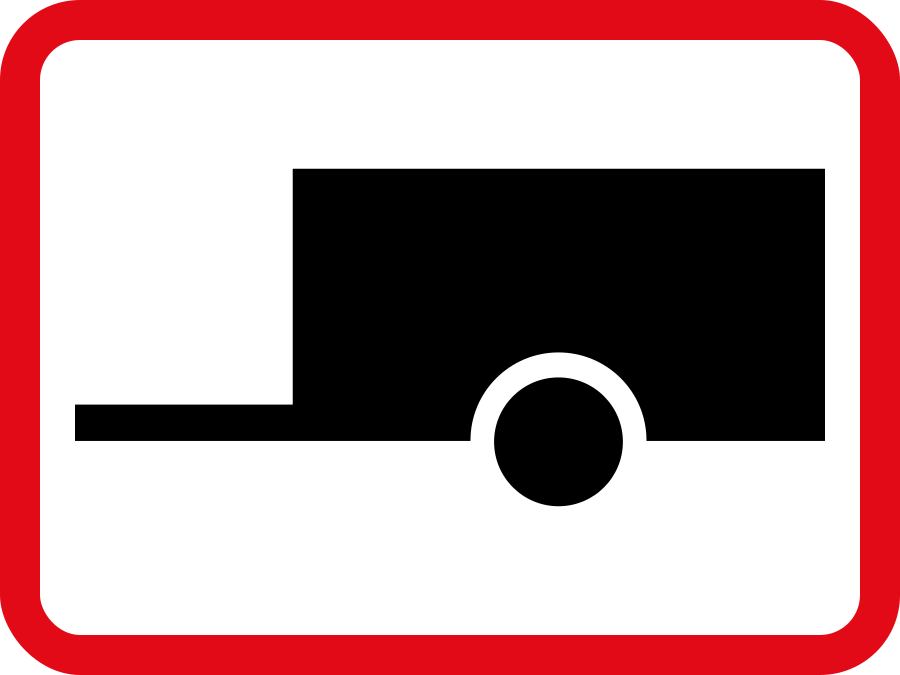
6. Dla przyczep
Ta tabliczka wskazuje, że główny znak drogowy dotyczy konkretnie pojazdów ciągnących przyczepy.
English • (R)582 • Towed vehicles only: secondary message. When displayed below a primary regulatory sign, this exclusive secondary message makes that regulation apply only to towed vehicles. Read it together with the main sign; it is not a standalone regulation.
Źródła
🔗 Commons.wikimedia.org
🔗 Transport.gov.za • Department of Transport · SADC RTSM Vol. 1, chapter 2, PDF p. 121 (May 2012)
SVG source: Southern African Development Community • Public domain • Original revision 2017-07-17. Wikimedia original unmodified.
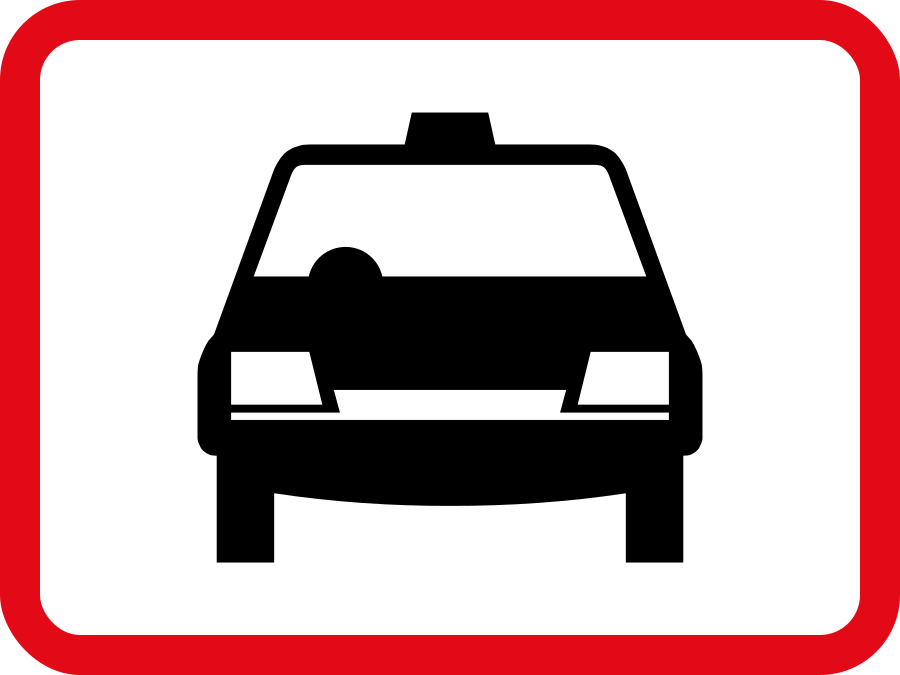
7. Dla taksówek
Ta tabliczka wskazuje, że główny znak drogowy dotyczy konkretnie taksówek.
English • (R)564 • Taxis only: secondary message. When displayed below a primary regulatory sign, this exclusive secondary message makes that regulation apply only to taxis. Read it together with the main sign; it is not a standalone regulation.
Źródła
🔗 Commons.wikimedia.org
🔗 Transport.gov.za • Department of Transport · SADC RTSM Vol. 1, chapter 2, PDF p. 120 (May 2012)
SVG source: Southern African Development Community • Public domain • Original revision 2017-07-13. Wikimedia original unmodified.
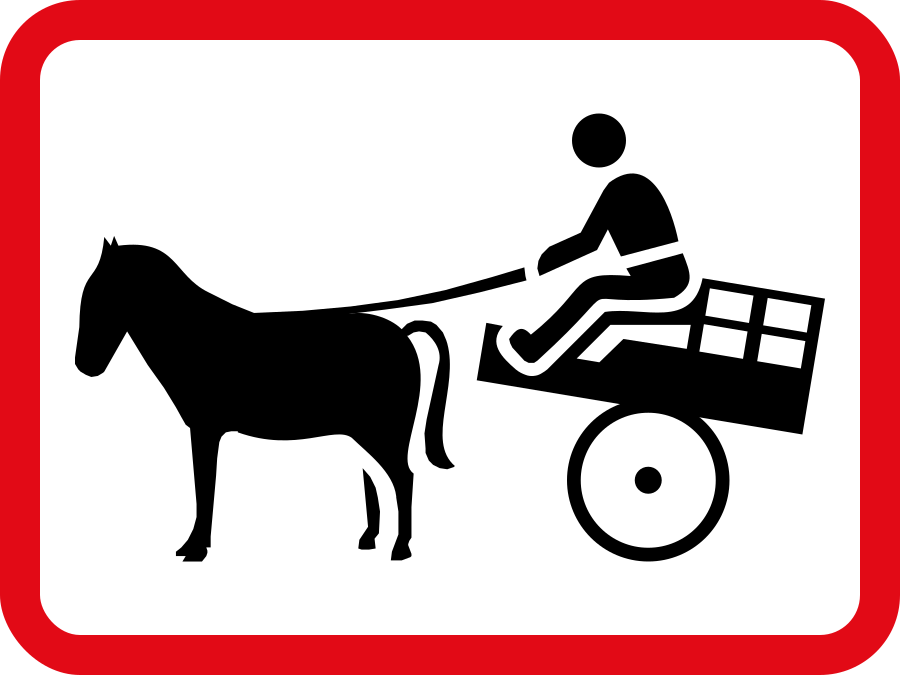
8. Dla pojazdów zaprzęgowych
Ta tabliczka wskazuje, że główny znak drogowy dotyczy konkretnie pojazdów zaprzęgowych.
English • (R)581 • Animal-drawn vehicles only: secondary message. When displayed below a primary regulatory sign, this exclusive secondary message makes that regulation apply only to animal-drawn vehicles. Read it together with the main sign; it is not a standalone regulation.
Źródła
🔗 Commons.wikimedia.org
🔗 Transport.gov.za • Department of Transport · SADC RTSM Vol. 1, chapter 2, PDF p. 121 (May 2012)
SVG source: Southern African Development Community • Public domain • Original revision 2017-07-18. Wikimedia original unmodified.
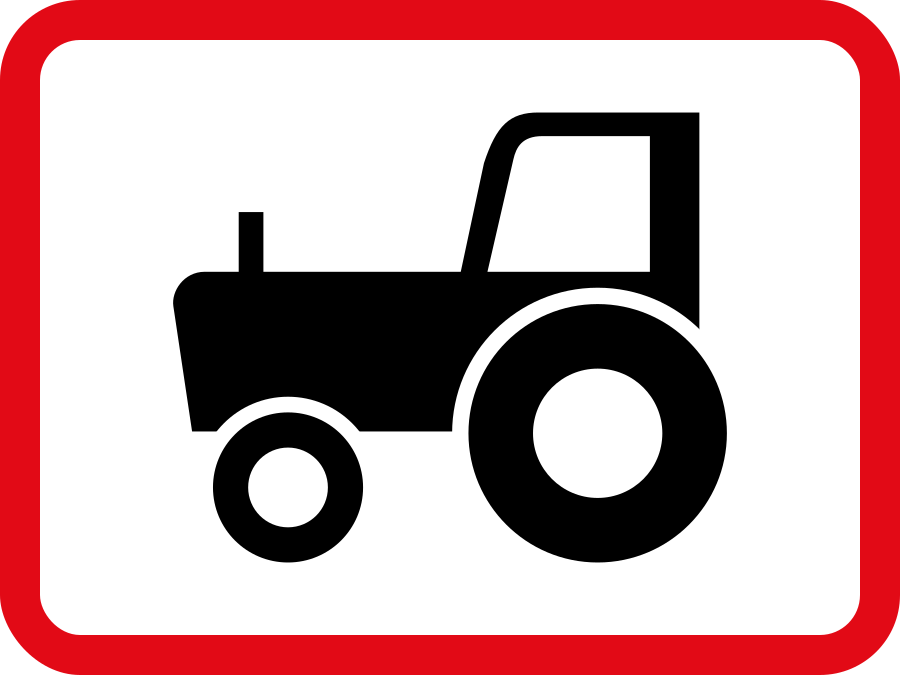
9. Dla ciągników
Ta tabliczka wskazuje, że główny znak drogowy dotyczy konkretnie ciągników.
English • (R)580 • Agricultural vehicles only: secondary message. When displayed below a primary regulatory sign, this exclusive secondary message makes that regulation apply only to agricultural vehicles. Read it together with the main sign; it is not a standalone regulation.
Źródła
🔗 Commons.wikimedia.org
🔗 Transport.gov.za • Department of Transport · SADC RTSM Vol. 1, chapter 2, PDF p. 121 (May 2012)
SVG source: Southern African Development Community • Public domain • Original revision 2017-07-18. Wikimedia original unmodified.
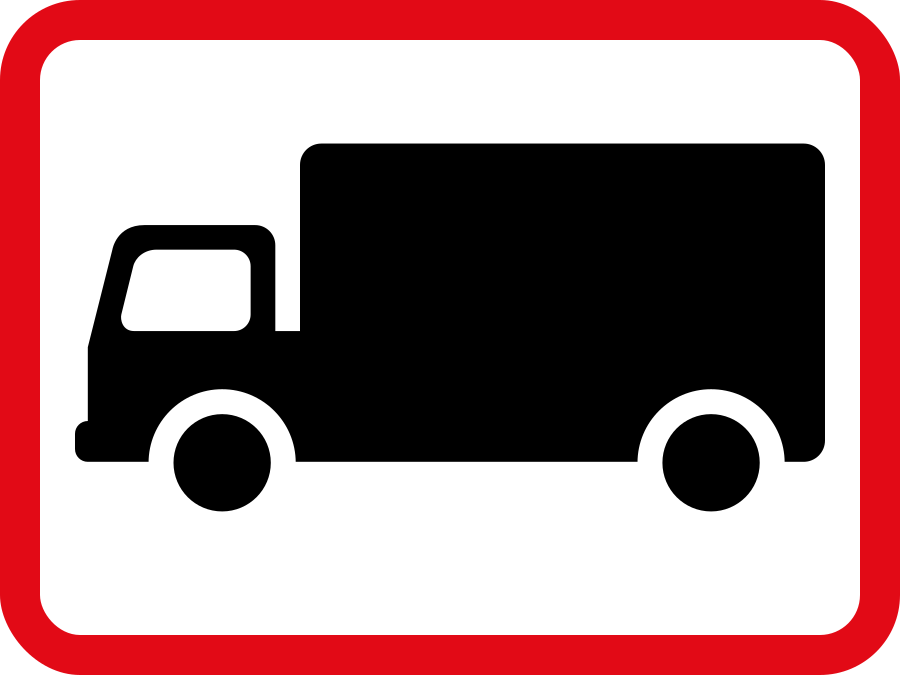
10. Dla samochodów ciężarowych
Ta tabliczka wskazuje, że główny znak drogowy dotyczy konkretnie samochodów ciężarowych. Kategorie samochodów ciężarowych objęte znakiem zależą od obowiązujących definicji lokalnych.
English • (R)568 • Goods vehicles only: secondary message. When displayed below a primary regulatory sign, this exclusive secondary message makes that regulation apply only to goods vehicles. Read it together with the main sign; it is not a standalone regulation.
Źródła
🔗 Commons.wikimedia.org
🔗 Transport.gov.za • Department of Transport · SADC RTSM Vol. 1, chapter 2, PDF p. 120 (May 2012)
SVG source: Southern African Development Community • Public domain • Original revision 2017-07-13. Wikimedia original unmodified.
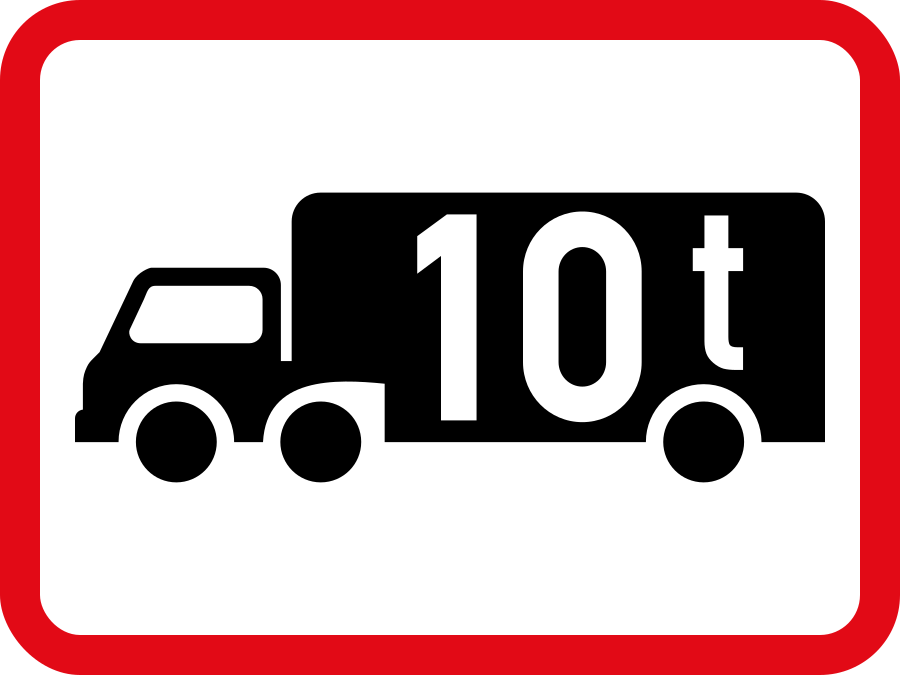
11. Dla ciężarówek o masie większej niż wskazana
Ta tabliczka wskazuje, że główny znak drogowy dotyczy konkretnie ciężarówek o masie przekraczającej wskazaną wartość. To, jaki rodzaj masy należy uwzględnić, określają obowiązujące przepisy lokalne.
English • (R)569 • Goods vehicles exceeding 10 tonnes gvm or gcm only: secondary message. When displayed below a primary regulatory sign, this exclusive secondary message makes that regulation apply only to goods vehicles exceeding 10 tonnes GVM or GCM. Read it together with the main sign; it is not a standalone regulation.
Źródła
🔗 Commons.wikimedia.org
🔗 Transport.gov.za • Department of Transport · SADC RTSM Vol. 1, chapter 2, PDF p. 120 (May 2012)
SVG source: Southern African Development Community • Public domain • Original revision 2017-07-18. Wikimedia original unmodified.
12. Dla autobusów
Ta tabliczka wskazuje, że główny znak drogowy dotyczy konkretnie autobusów. Kategorie pojazdów objęte znakiem zależą od obowiązujących definicji lokalnych.
English • (R)560 • Buses only: secondary message. When displayed below a primary regulatory sign, this exclusive secondary message makes that regulation apply only to buses. Read it together with the main sign; it is not a standalone regulation.
Źródła
🔗 Commons.wikimedia.org
🔗 Transport.gov.za • Department of Transport · SADC RTSM Vol. 1, chapter 2, PDF p. 120 (May 2012)
SVG source: Southern African Development Community • Public domain • Original revision 2017-07-13. Wikimedia original unmodified.
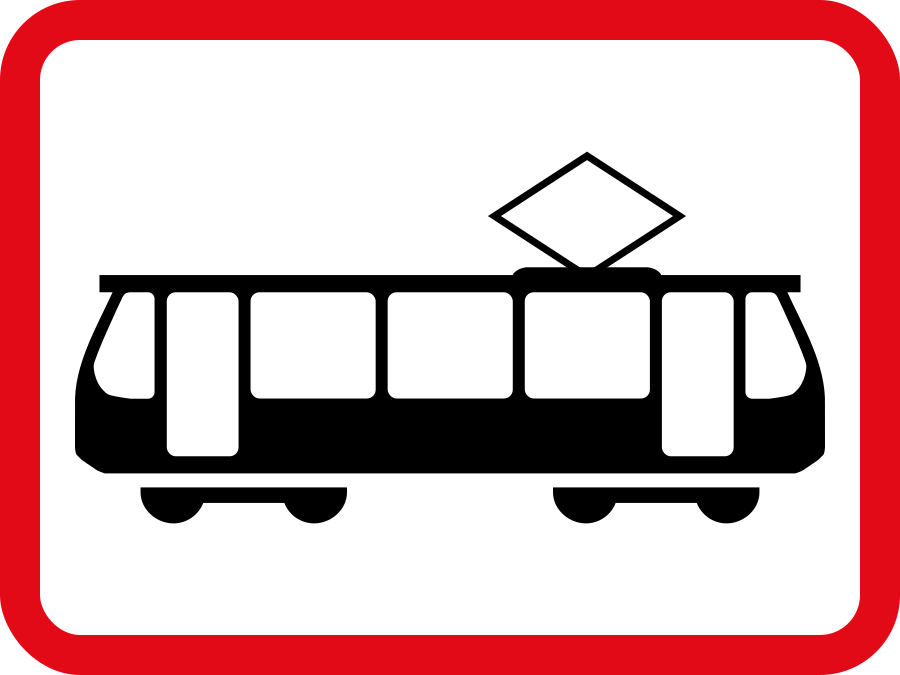
13. Dla tramwajów
Ta tabliczka wskazuje, że główny znak drogowy dotyczy konkretnie tramwajów.
English • (R)583 • Trams only: secondary message. When displayed below a primary regulatory sign, this exclusive secondary message makes that regulation apply only to trams. Read it together with the main sign; it is not a standalone regulation.
Źródła
🔗 Commons.wikimedia.org
🔗 Transport.gov.za • Department of Transport · SADC RTSM Vol. 1, chapter 2, PDF p. 121 (May 2012)
SVG source: Southern African Development Community • Public domain • Original revision 2017-07-17. Wikimedia original unmodified.
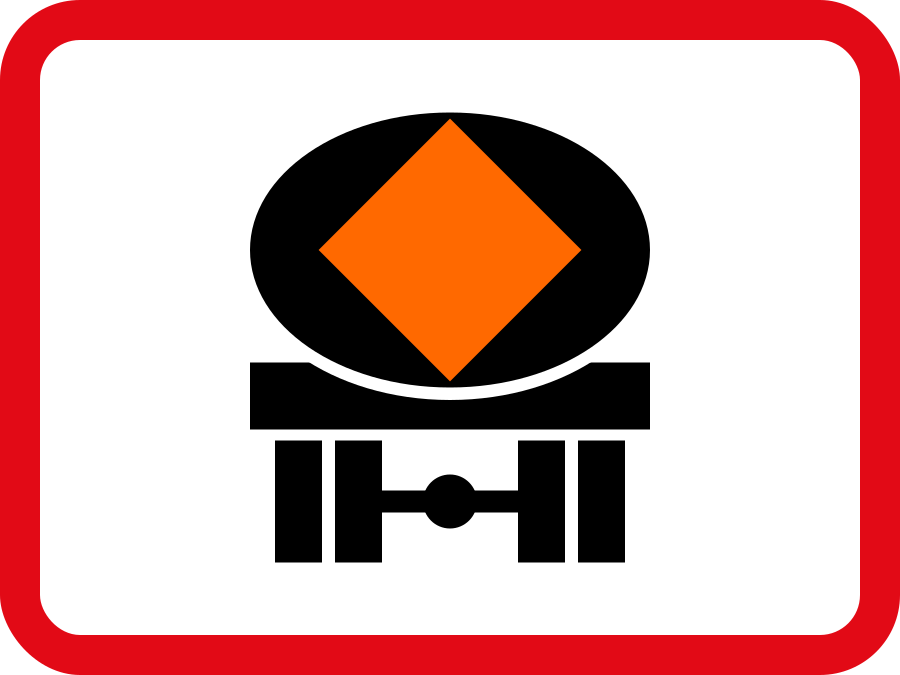
14. Dla pojazdów z substancjami zanieczyszczającymi wodę
Ta tabliczka wskazuje, że główny znak drogowy dotyczy konkretnie pojazdów przewożących substancje zanieczyszczające wodę. To, jakie substancje są objęte znakiem, określają obowiązujące przepisy lokalne.
English • (R)571 • Vehicles conveying dangerous goods only: secondary message. When displayed below a primary regulatory sign, this exclusive secondary message makes that regulation apply only to vehicles conveying dangerous goods. Read it together with the main sign; it is not a standalone regulation.
Źródła
🔗 Commons.wikimedia.org
🔗 Transport.gov.za • Department of Transport · SADC RTSM Vol. 1, chapter 2, PDF p. 120 (May 2012)
SVG source: Southern African Development Community • Public domain • Original revision 2017-07-14. Wikimedia original unmodified.
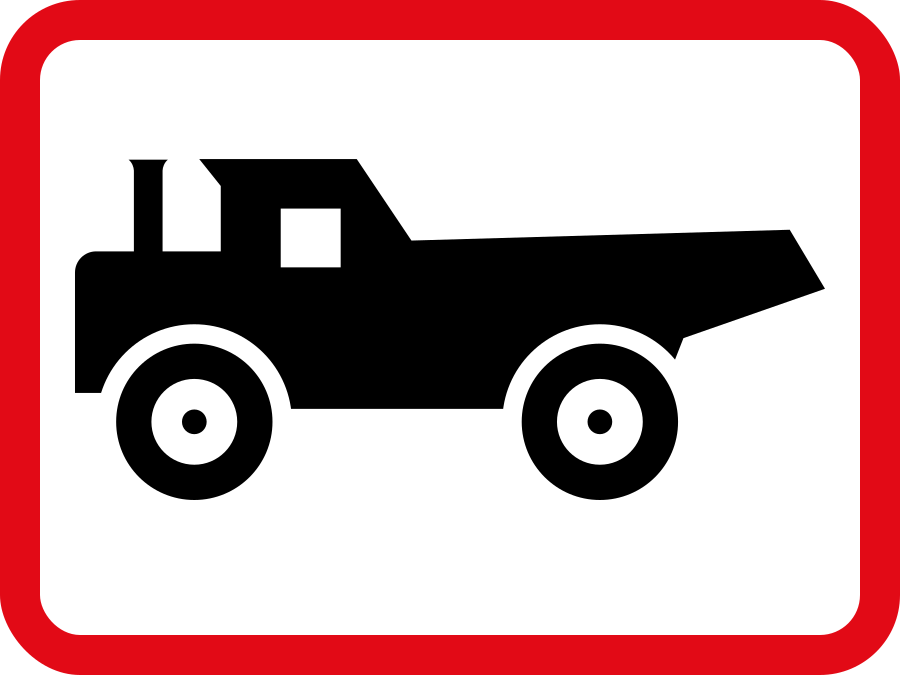
15. Dla pojazdów budowlanych
Ta tabliczka wskazuje, że główny znak drogowy dotyczy konkretnie pojazdów budowlanych. Kategorie pojazdów objęte znakiem zależą od obowiązujących definicji lokalnych.
English • (R)570 • Construction vehicles only: secondary message. When displayed below a primary regulatory sign, this exclusive secondary message makes that regulation apply only to construction vehicles. Read it together with the main sign; it is not a standalone regulation.
Źródła
🔗 Commons.wikimedia.org
🔗 Transport.gov.za • Department of Transport · SADC RTSM Vol. 1, chapter 2, PDF p. 120 (May 2012)
SVG source: Southern African Development Community • Public domain • Original revision 2017-07-14. Wikimedia original unmodified.
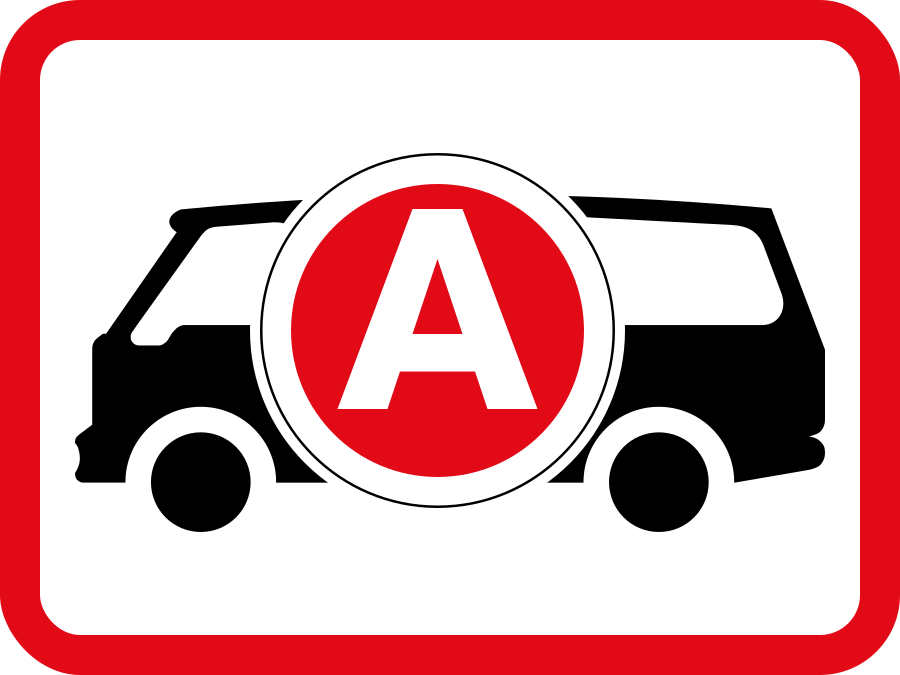
16. Dla karetek pogotowia
Ta tabliczka wskazuje, że główny znak drogowy dotyczy konkretnie karetek pogotowia.
English • (R)576 • Emergency vehicles only: secondary message. When displayed below a primary regulatory sign, this exclusive secondary message makes that regulation apply only to emergency vehicles. Read it together with the main sign; it is not a standalone regulation.
Źródła
🔗 Commons.wikimedia.org
🔗 Transport.gov.za • Department of Transport · SADC RTSM Vol. 1, chapter 2, PDF p. 121 (May 2012)
Image via Commons.wikimedia.org
Southern African Development Community • Public domain • Source revision 2017-07-18. Wikimedia original unmodified.
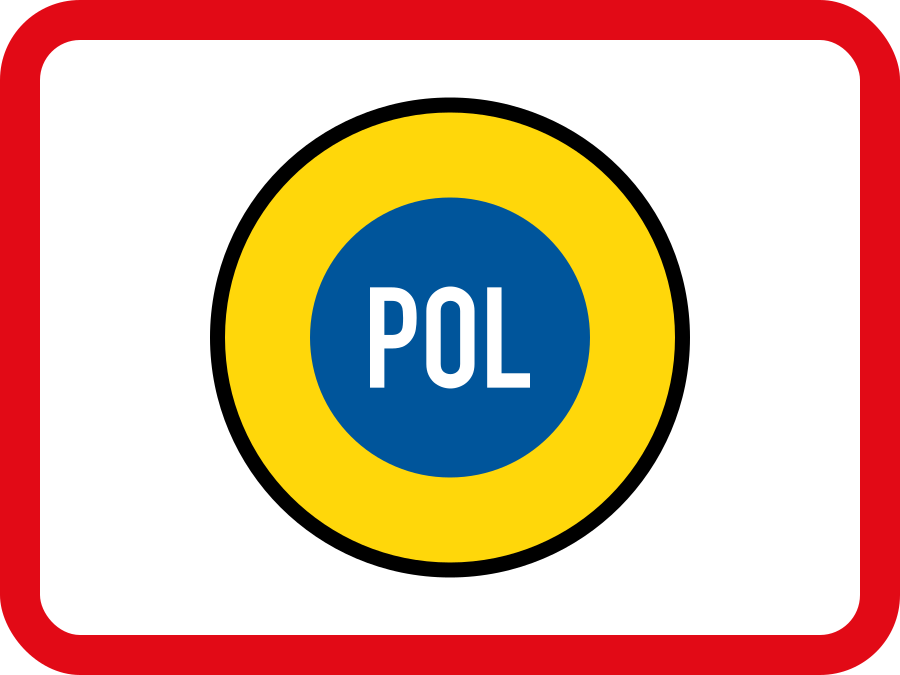
17. Dla pojazdów policji
Ta tabliczka wskazuje, że główny znak drogowy dotyczy konkretnie pojazdów policji.
English • (R)577 • Police vehicles only: secondary message. When displayed below a primary regulatory sign, this exclusive secondary message makes that regulation apply only to police vehicles. Read it together with the main sign; it is not a standalone regulation.
Źródła
🔗 Commons.wikimedia.org
🔗 Transport.gov.za • Department of Transport · SADC RTSM Vol. 1, chapter 2, PDF p. 121 (May 2012)
Image via Commons.wikimedia.org
Southern African Development Community • Public domain • Source revision 2017-07-21. Wikimedia original unmodified.
18. W lewo
Ta tabliczka wskazuje, że główny znak drogowy obowiązuje w kierunku wskazanym strzałką, w lewo.
English • (R)520 • Regulation applies left: secondary message. When displayed below a primary regulatory sign, the regulation applies in the direction indicated: left. Read the arrow together with the main sign.
Źródła
🔗 Commons.wikimedia.org
🔗 Transport.gov.za • Department of Transport · SADC RTSM Vol. 1, chapter 2, PDF p. 118 (May 2012)
SVG source: Southern African Development Community • Public domain • Original revision 2017-07-11. Wikimedia original unmodified.
19. W obu kierunkach: w lewo i w prawo
Ta tabliczka wskazuje, że główny znak drogowy obowiązuje w obu kierunkach wskazanych strzałkami, w lewo i w prawo.
English • (R)522 • Regulation applies left and right: secondary message. When displayed below a primary regulatory sign, the regulation applies in the direction indicated: left and right. Read the arrow together with the main sign.
Źródła
🔗 Commons.wikimedia.org
🔗 Transport.gov.za • Department of Transport · SADC RTSM Vol. 1, chapter 2, PDF p. 118 (May 2012)
SVG source: Southern African Development Community • Public domain • Original revision 2017-07-11. Wikimedia original unmodified.
20. W prawo
Ta tabliczka wskazuje, że główny znak drogowy obowiązuje w kierunku wskazanym strzałką, w prawo.
English • (R)521 • Regulation applies right: secondary message. When displayed below a primary regulatory sign, the regulation applies in the direction indicated: right. Read the arrow together with the main sign.
Źródła
🔗 Commons.wikimedia.org
🔗 Transport.gov.za • Department of Transport · SADC RTSM Vol. 1, chapter 2, PDF p. 118 (May 2012)
SVG source: Southern African Development Community • Public domain • Original revision 2017-07-11. Wikimedia original unmodified.
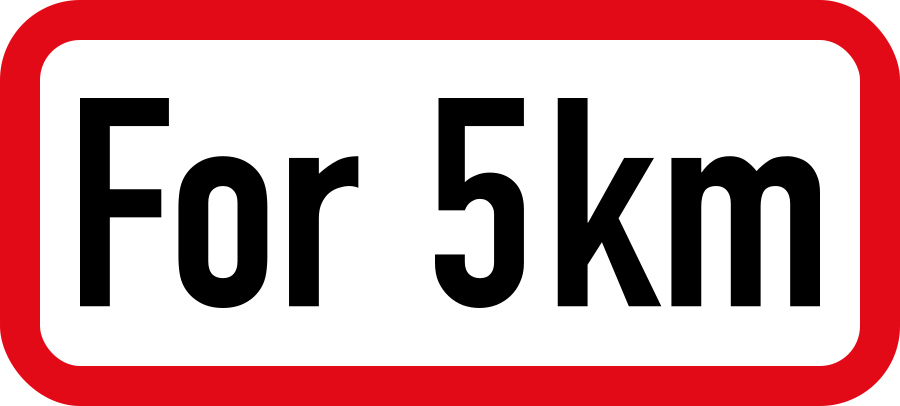
21. Na odcinku kilometrów
Ta tabliczka wskazuje długość odcinka, na którym obowiązuje główny znak drogowy. Długość podano w kilometrach.
English • (R)535 • For 5 km: secondary message. When displayed below a primary regulatory sign, the regulation applies for the indicated distance of 5 kilometres. This is a distance over which it applies, not a distance to the restriction.
Źródła
🔗 Commons.wikimedia.org
🔗 Transport.gov.za • Department of Transport · SADC RTSM Vol. 1, chapter 2, PDF p. 119 (May 2012)
SVG source: Southern African Development Community • Public domain • Original revision 2017-07-12. Wikimedia original unmodified.
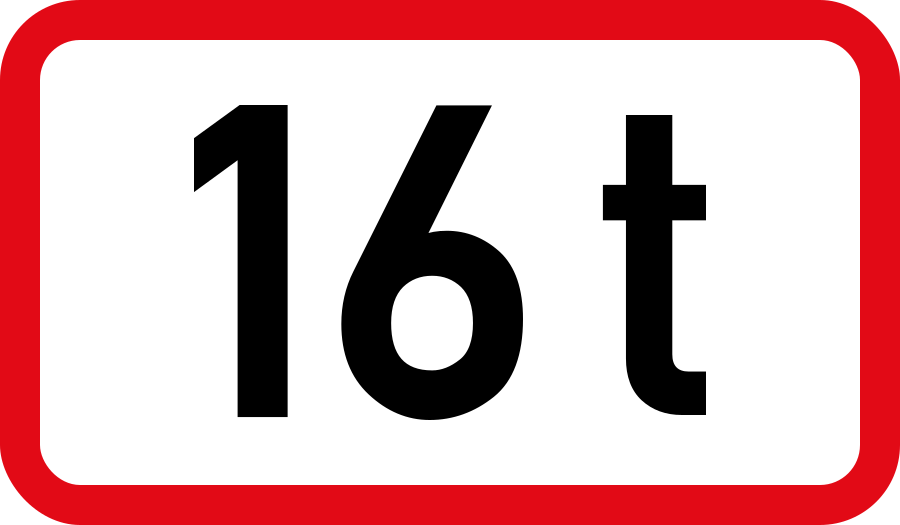
22. Wskazana masa
Ta tabliczka podaje masę pojazdu. Należy odczytywać ją łącznie z głównym znakiem drogowym, aby ustalić, jak podana masa wpływa na obowiązujący przepis lub ograniczenie.
English • (R)532 • Over 16 t: secondary message. When displayed below a primary regulatory sign, the regulation applies only to vehicles with GVM or GCM exceeding 16 tonnes. This plate is not, by itself, a maximum permitted mass sign.
Źródła
🔗 Commons.wikimedia.org
🔗 Transport.gov.za • Department of Transport · SADC RTSM Vol. 1, chapter 2, PDF p. 119 (May 2012)
SVG source: Southern African Development Community • Public domain • Original revision 2017-07-13. Wikimedia original unmodified.
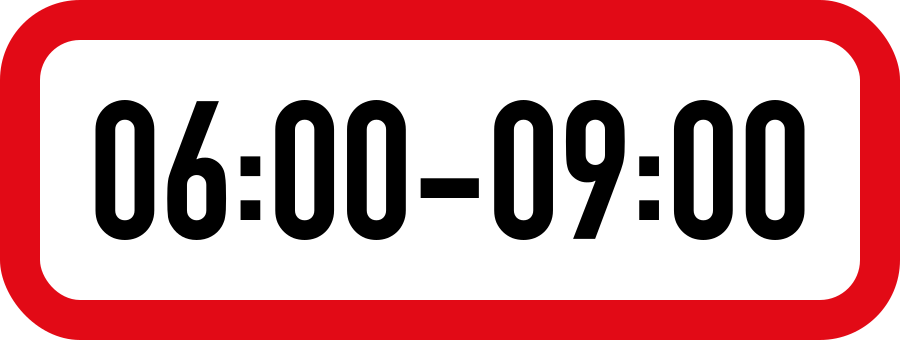
23. We wskazanym czasie
Ta tabliczka wskazuje, że główny znak drogowy obowiązuje we wskazanym czasie.
English • (R)501 • 06:00–09:00: secondary message. When displayed below a primary regulatory sign, the regulation applies only during 06:00 to 09:00. Read this plate together with the main sign.
Źródła
🔗 Commons.wikimedia.org
🔗 Transport.gov.za • Department of Transport · SADC RTSM Vol. 1, chapter 2, PDF p. 117 (May 2012)
SVG source: Southern African Development Community • Public domain • Original revision 2017-07-09. Wikimedia original unmodified.
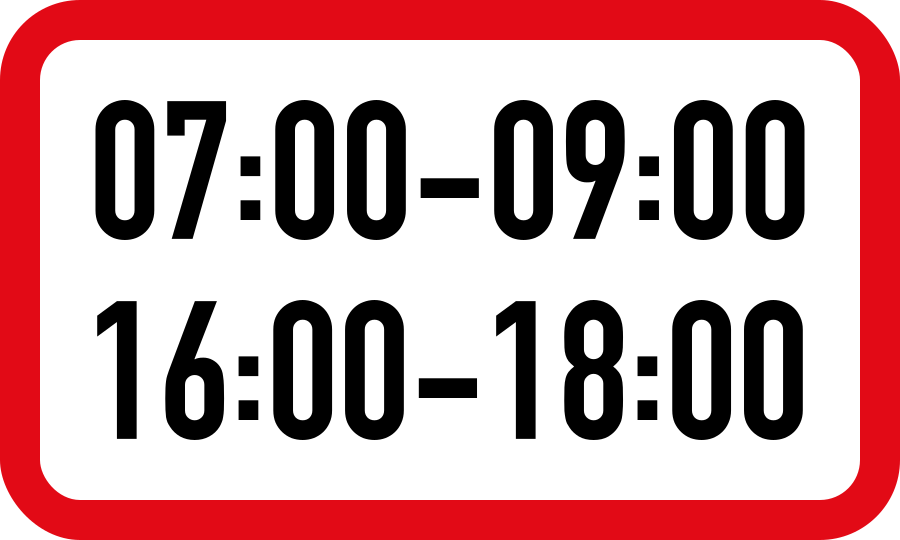
24. W podanych godzinach
Ta tabliczka wskazuje, że główny znak drogowy obowiązuje w podanych godzinach.
English • (R)502 • 07:00–09:00 and 16:00–18:00: secondary message. When displayed below a primary regulatory sign, the regulation applies only during 07:00 to 09:00 and 16:00 to 18:00. Read this plate together with the main sign.
Źródła
🔗 Commons.wikimedia.org
🔗 Transport.gov.za • Department of Transport · SADC RTSM Vol. 1, chapter 2, PDF p. 117 (May 2012)
SVG source: Southern African Development Community • Public domain • Original revision 2017-07-09. Wikimedia original unmodified.
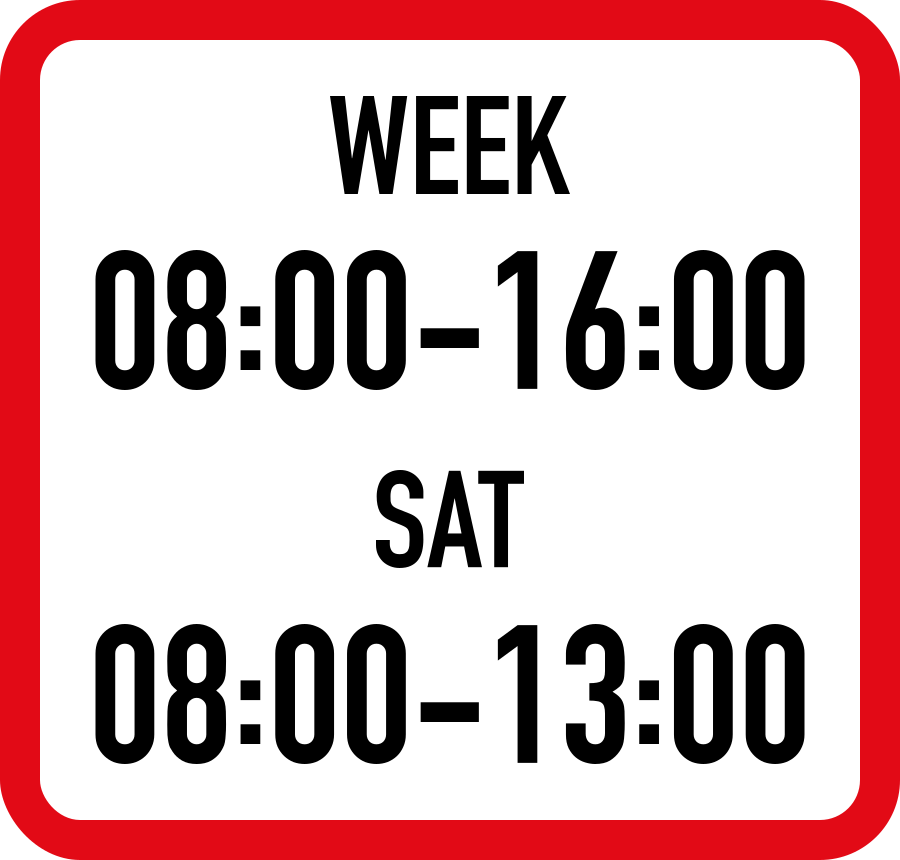
25. W godzinach podanych dla poszczególnych dni
Ta tabliczka wskazuje, że główny znak drogowy obowiązuje w godzinach podanych dla poszczególnych dni.
English • (R)503 • Weekdays and Saturday times: secondary message. When displayed below a primary regulatory sign, the regulation applies only during 08:00 to 16:00 on weekdays and 08:00 to 13:00 on Saturdays. Read this plate together with the main sign.
Źródła
🔗 Commons.wikimedia.org
🔗 Transport.gov.za • Department of Transport · SADC RTSM Vol. 1, chapter 2, PDF p. 117 (May 2012)
SVG source: Southern African Development Community • Public domain • Original revision 2017-07-09. Wikimedia original unmodified.
26. W porze dziennej
Ta tabliczka wskazuje, że główny znak drogowy obowiązuje w porze dziennej.
English • (R)511 • Daytime: secondary message. When displayed below a primary regulatory sign, the regulation applies only during daytime. Read this plate together with the main sign.
Źródła
🔗 Commons.wikimedia.org
🔗 Transport.gov.za • Department of Transport · SADC RTSM Vol. 1, chapter 2, PDF p. 117 (May 2012)
SVG source: Southern African Development Community • Public domain • Original revision 2017-07-11. Wikimedia original unmodified.
27. W porze nocnej
Ta tabliczka wskazuje, że główny znak drogowy obowiązuje w porze nocnej.
English • (R)512 • Night-time: secondary message. When displayed below a primary regulatory sign, the regulation applies only during night-time. Read this plate together with the main sign.
Źródła
🔗 Commons.wikimedia.org
🔗 Transport.gov.za • Department of Transport · SADC RTSM Vol. 1, chapter 2, PDF p. 117 (May 2012)
SVG source: Southern African Development Community • Public domain • Original revision 2017-07-11. Wikimedia original unmodified.
