

QuizTraffic rulesBrussels
Test your knowledge with our multiple-choice quiz. Learn from each answer and improve your understanding of the traffic rules and road signs of Brussels.
 Traffic signs
 Traffic rules
 Brussels
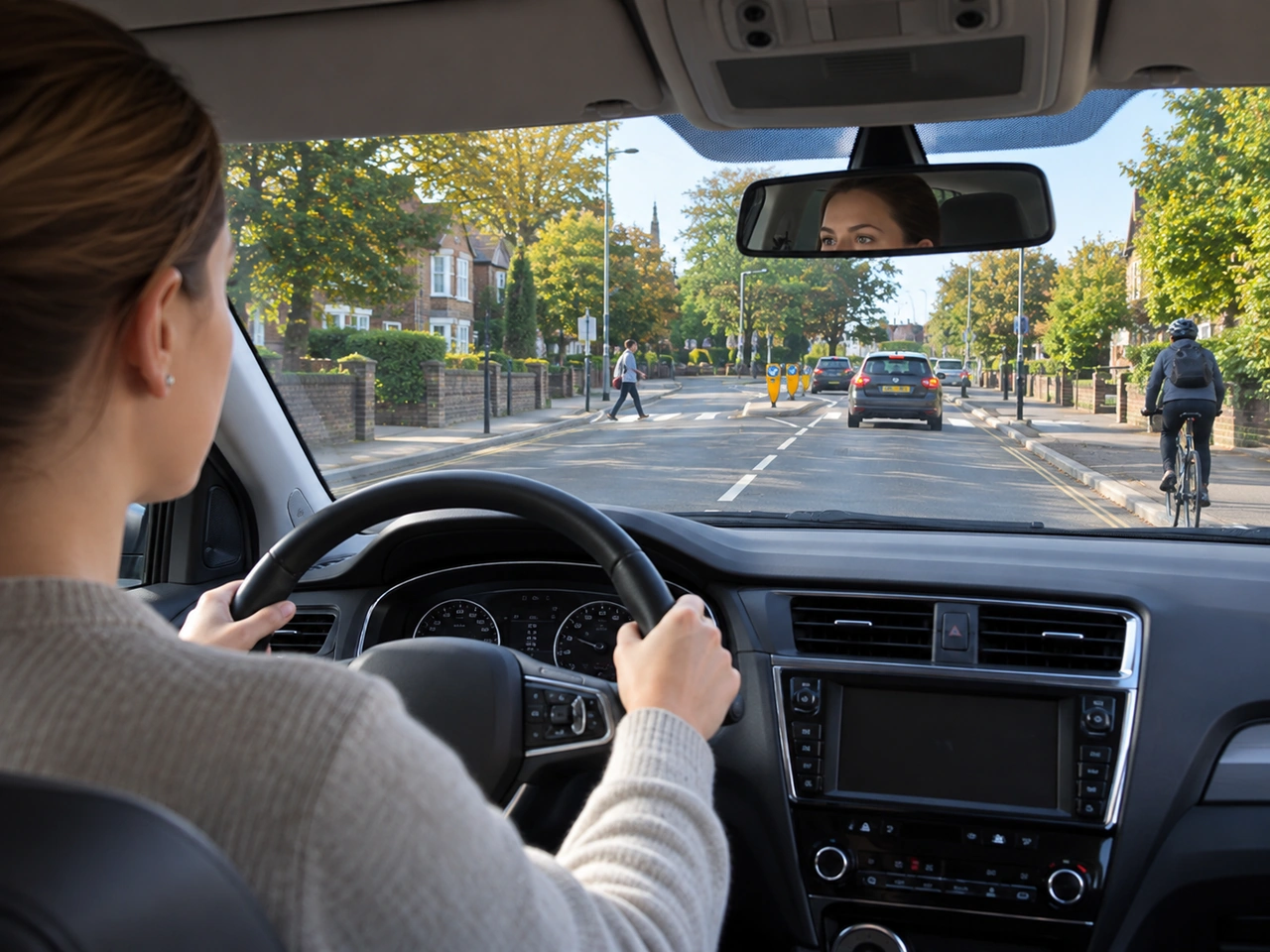
351. Why should you look well ahead while driving?
Looking well ahead helps you identify developing hazards early, such as slowing traffic, pedestrians, junctions, or changing road conditions. Earlier detection gives you more time to assess the situation and respond smoothly and safely.
AI-generated by Traffic-rules.com • WCIT • CC BY-SA

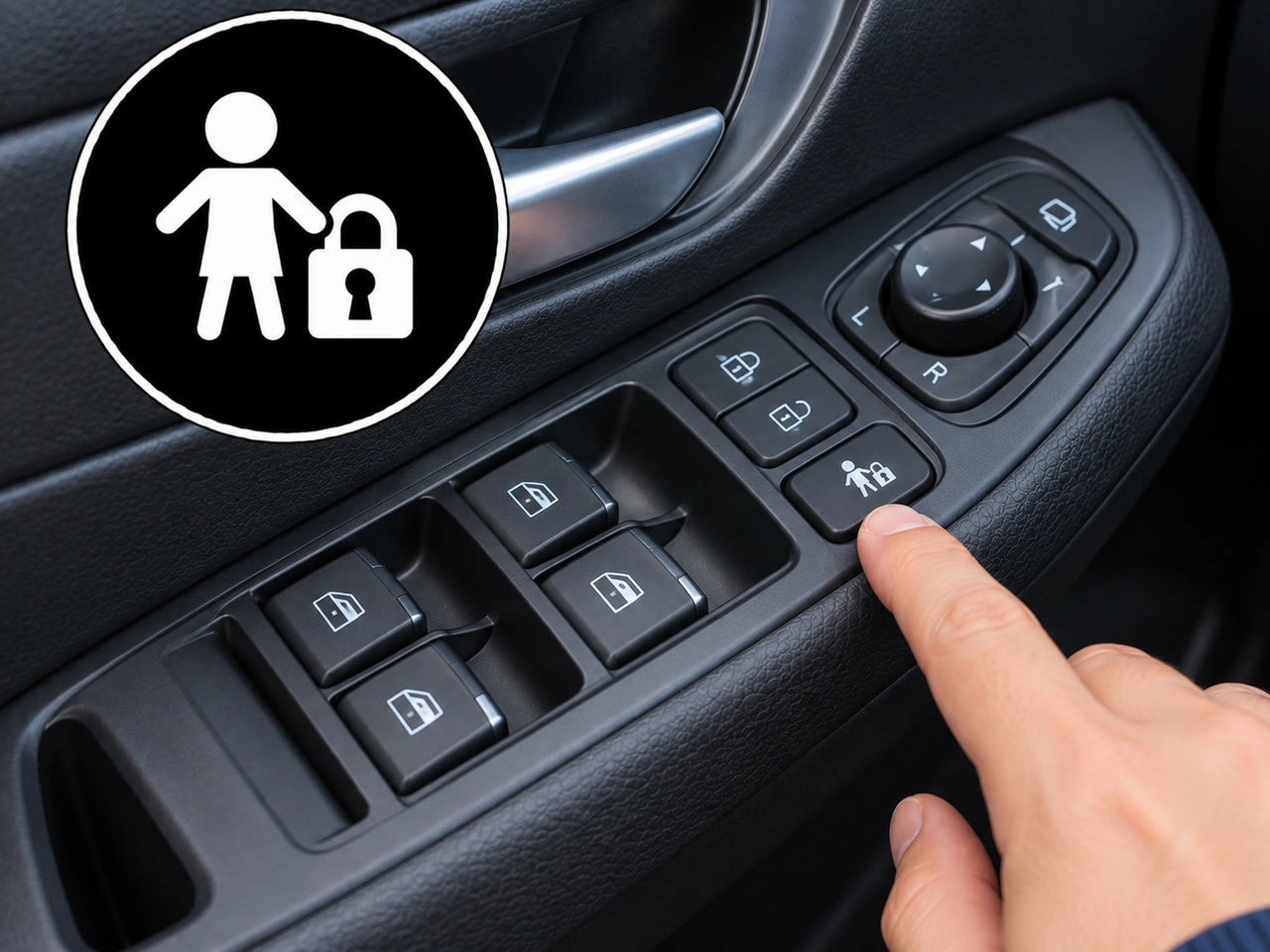
352. What does this vehicle-control symbol indicate?
This control activates the child safety lock. It helps prevent a rear door from being opened from inside the vehicle, depending on the vehicle and system design.
AI-generated by Traffic-rules.com • WCIT • CC BY-SA
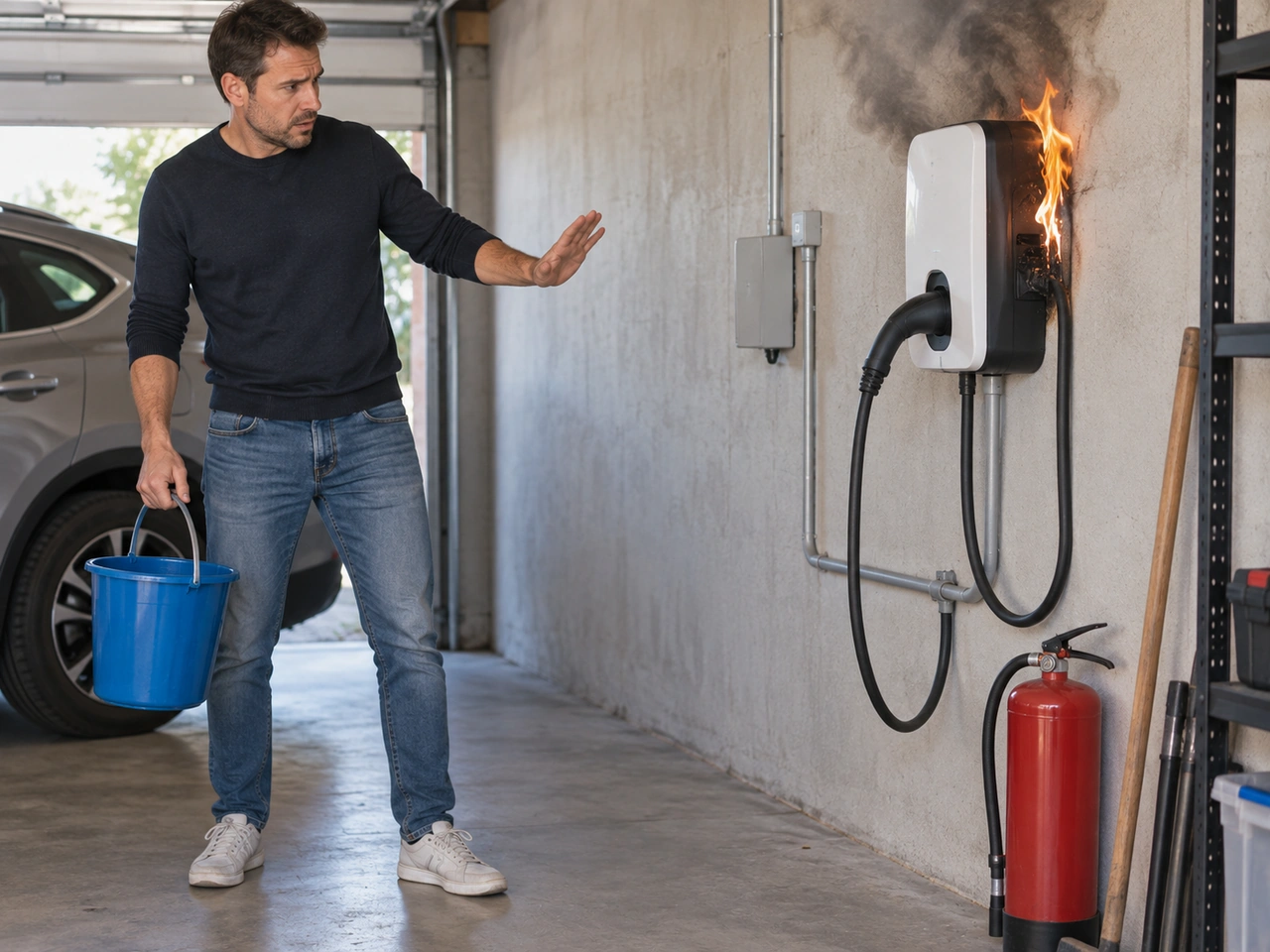
353. Why should you not use water on a fire involving live electrical equipment?
Do not use water on a fire involving energised electrical equipment, because water can conduct electricity and create a serious electric-shock hazard. Keep clear, disconnect the power only if it is safe to do so, and call the emergency services. Use only a suitable fire extinguisher if it is safe and you know how to use it.
AI-generated by Traffic-rules.com • WCIT • CC BY-SA
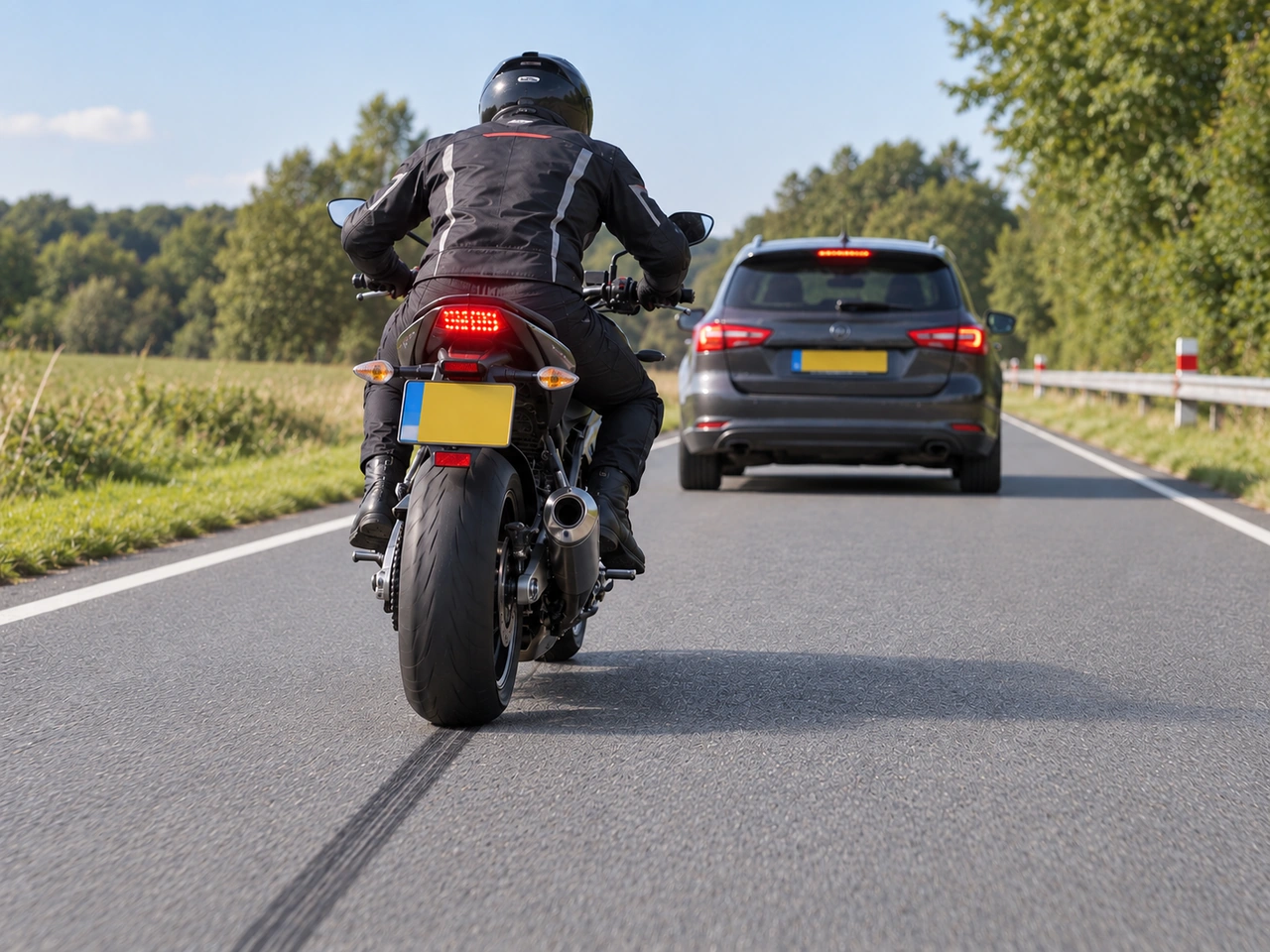
354. How should a motorcyclist brake in an emergency?
During emergency braking, use both brakes firmly and progressively while keeping the motorcycle as upright and stable as practical. Avoid sudden steering. If ABS is fitted, maintain firm braking pressure and allow the system to work.
AI-generated by Traffic-rules.com • WCIT • CC BY-SA
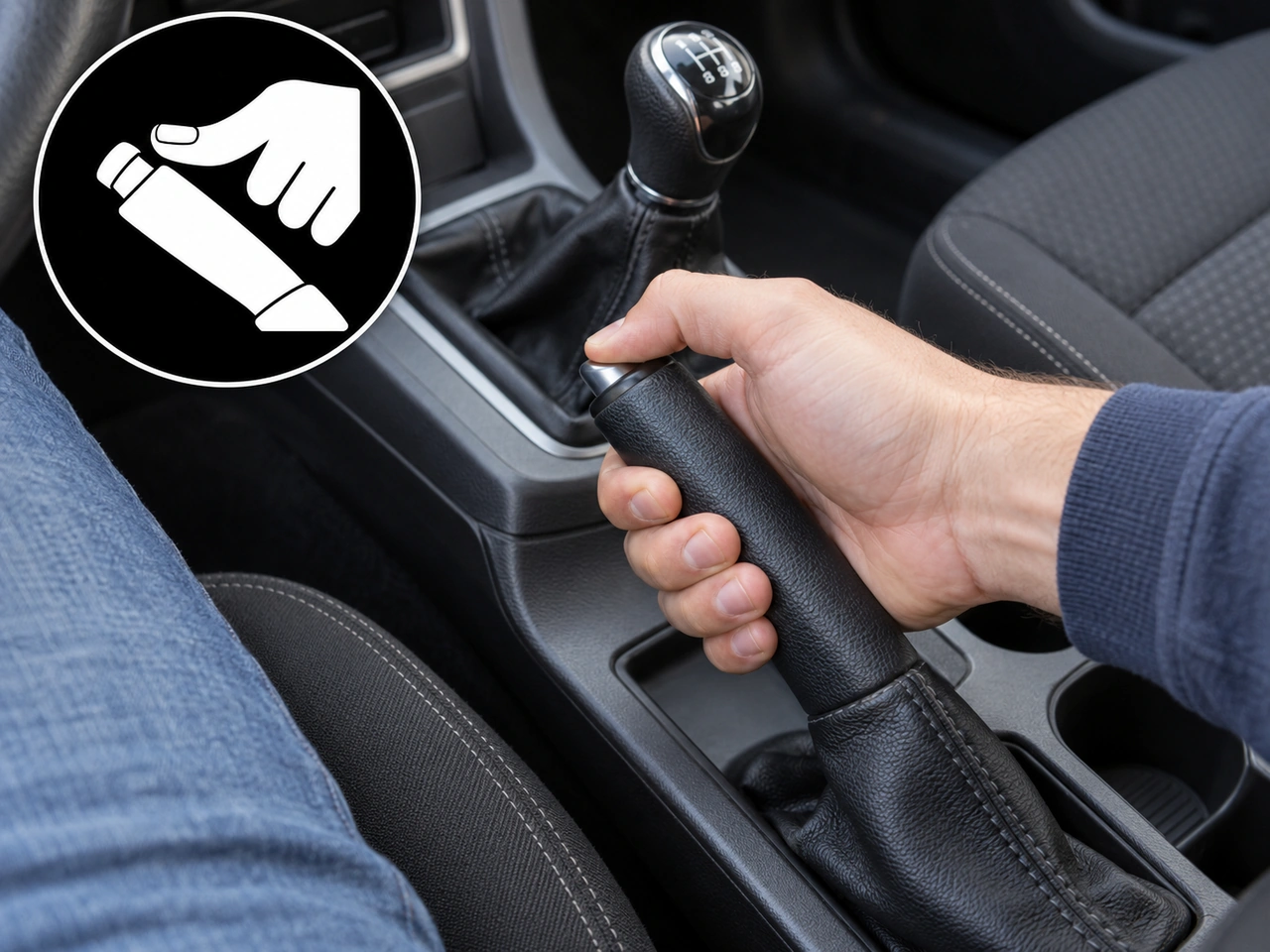
355. What is the button on a manual handbrake lever used for?
To release a manual handbrake, pull the lever up slightly, press and hold the release button, then lower the lever under control.
AI-generated by Traffic-rules.com • WCIT • CC BY-SA
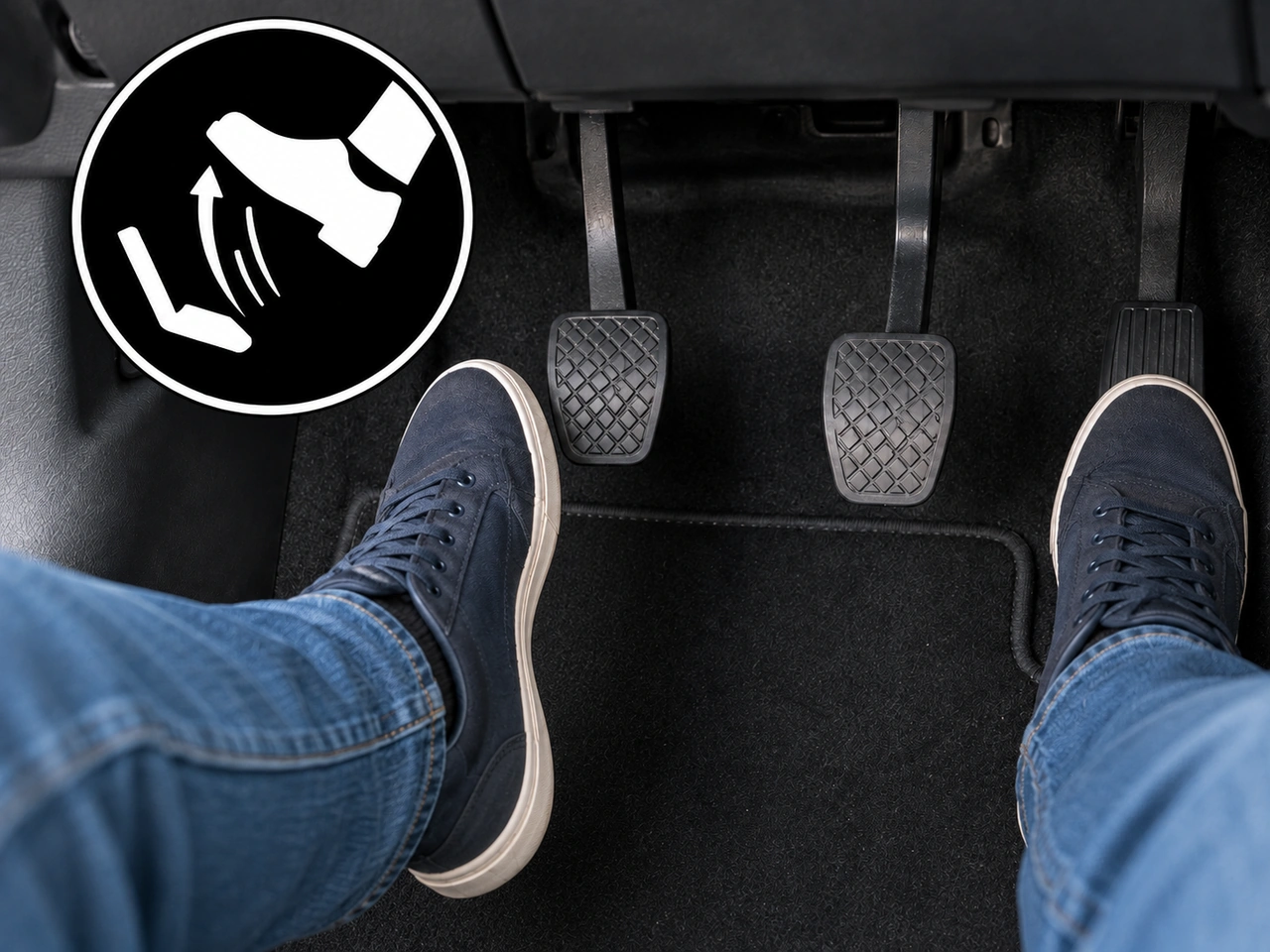
356. What may happen if you release the clutch too quickly when moving off?
Releasing the clutch pedal too quickly when moving off can cause the engine to stall. Release the clutch smoothly through the biting point while applying the accelerator progressively.
AI-generated by Traffic-rules.com • WCIT • CC BY-SA
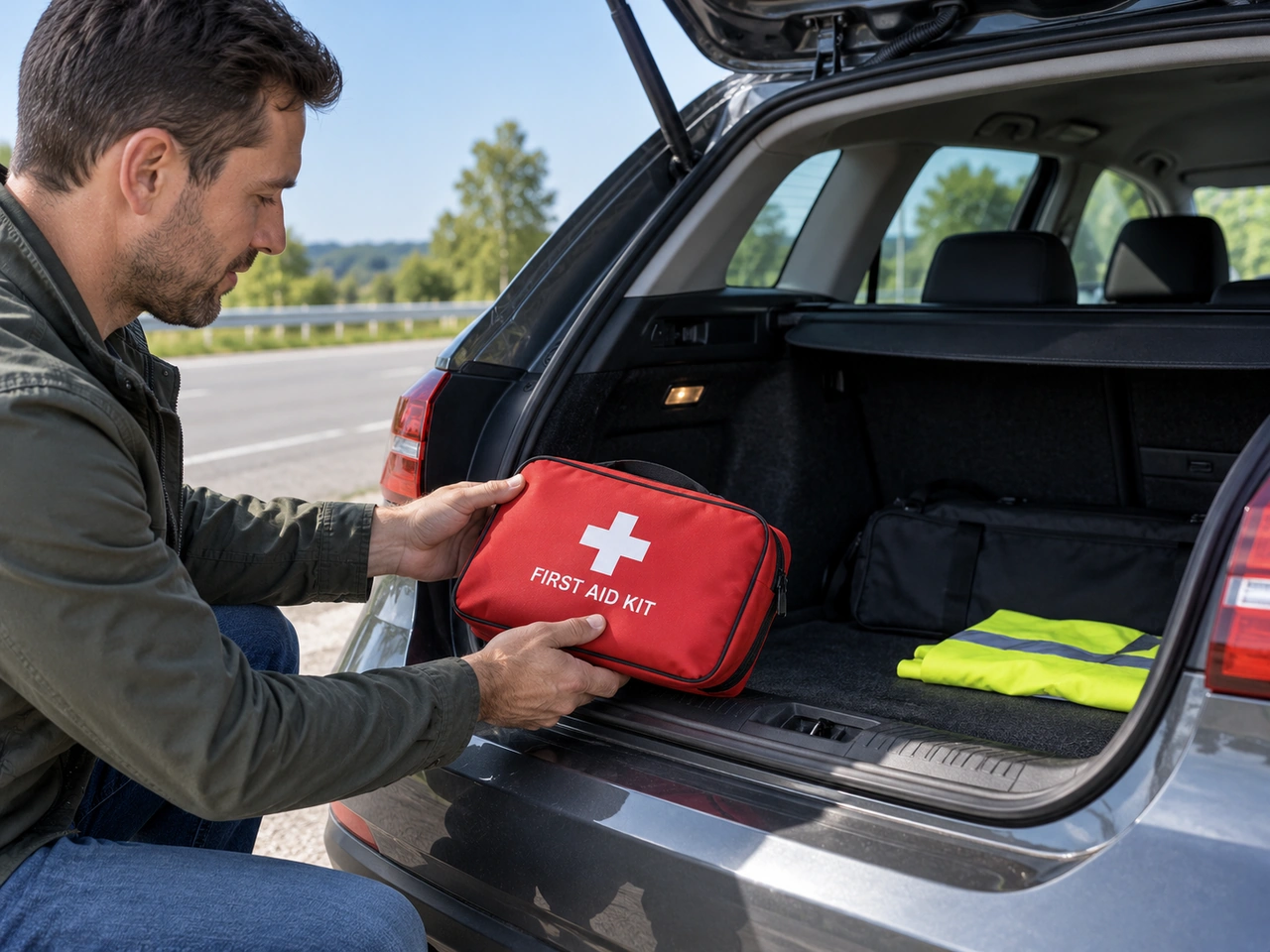
357. Is a first-aid kit required in cars in Brussels?
Cars in Brussels are required to carry a first-aid kit.
AI-generated by Traffic-rules.com • WCIT • CC BY-SA
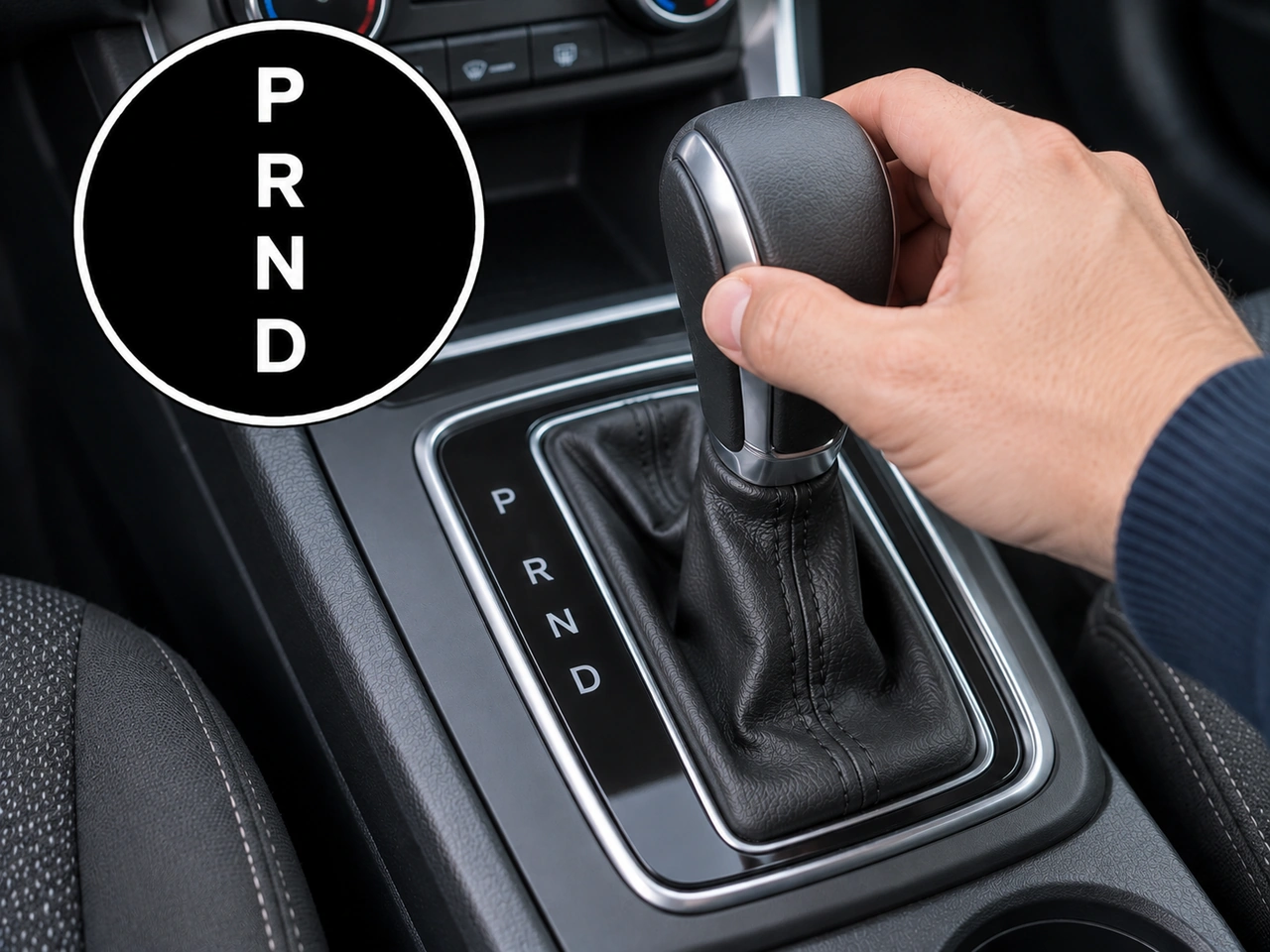
358. Which selector position is used to drive the vehicle backwards?
Select R (Reverse) when you need to drive the vehicle backwards. The vehicle should be stationary before selecting Reverse.
AI-generated by Traffic-rules.com • WCIT • CC BY-SA
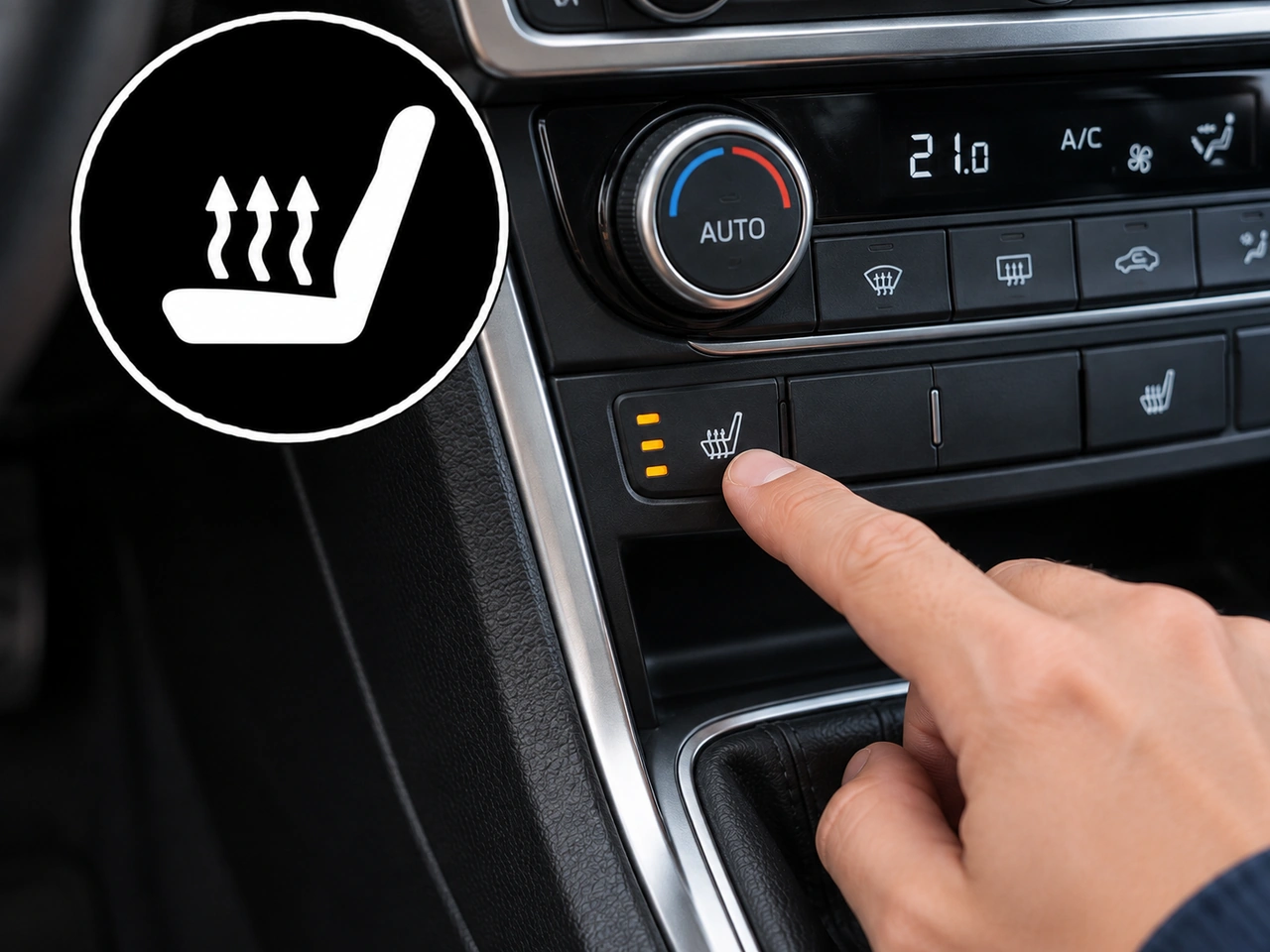
359. What does this vehicle-control symbol indicate?
This control activates the seat heating, which warms the seat cushion and, on many vehicles, the backrest. Several heat levels may be available.
AI-generated by Traffic-rules.com • WCIT • CC BY-SA
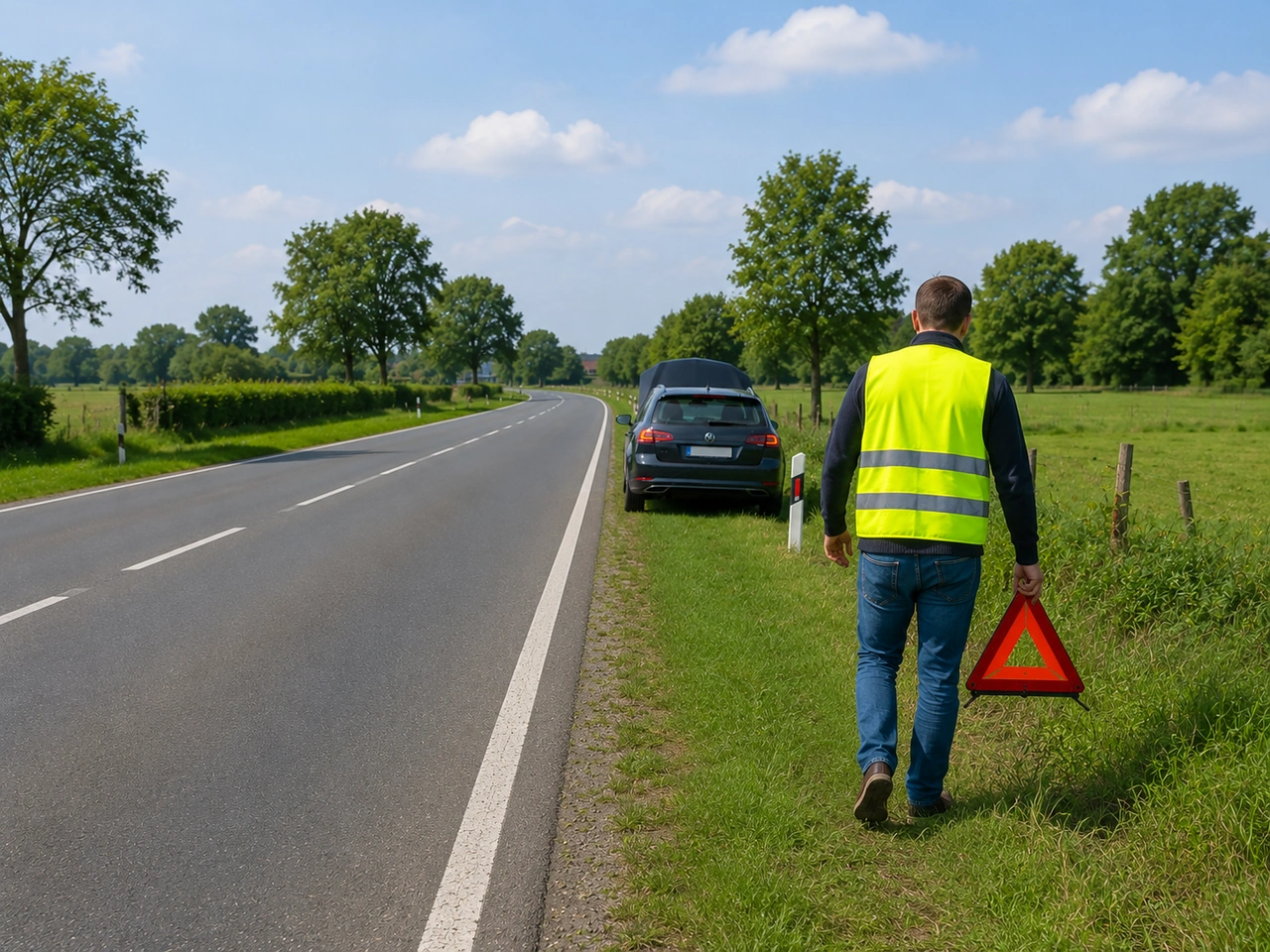
360. How far behind a broken-down vehicle should the warning triangle normally be placed?
The warning triangle should normally be placed at least 30 metres away on ordinary roads and at least 100 metres away on motorways.
AI-generated by Traffic-rules.com • WCIT • CC BY-SA
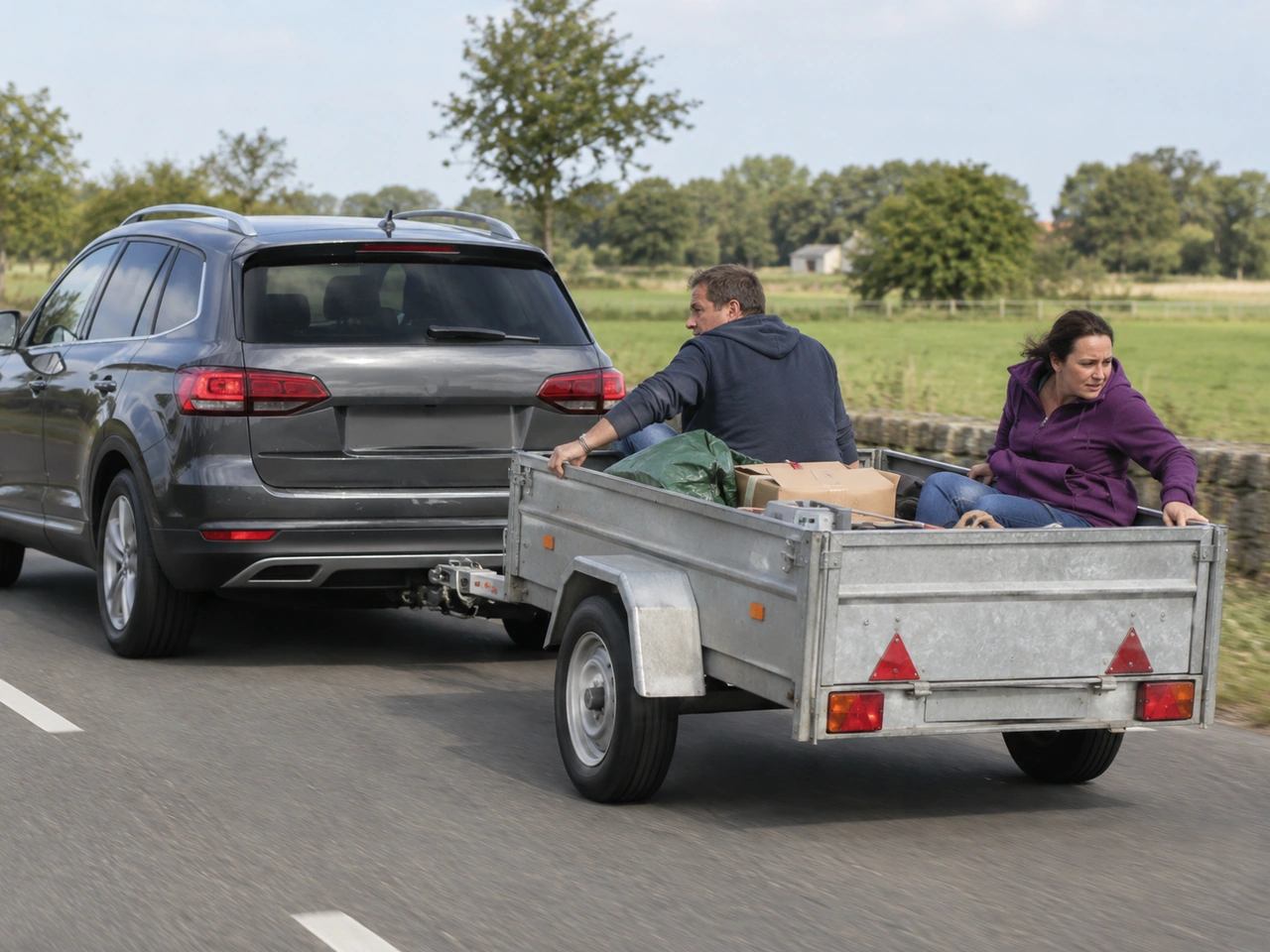
361. Should passengers travel in an ordinary goods trailer?
An ordinary goods trailer is not designed to carry passengers and normally has no suitable seats or restraint systems. Passengers should travel in seating positions designed and approved for carrying people. Special passenger-carrying trailers may be subject to different local rules.
AI-generated by Traffic-rules.com • WCIT • CC BY-SA
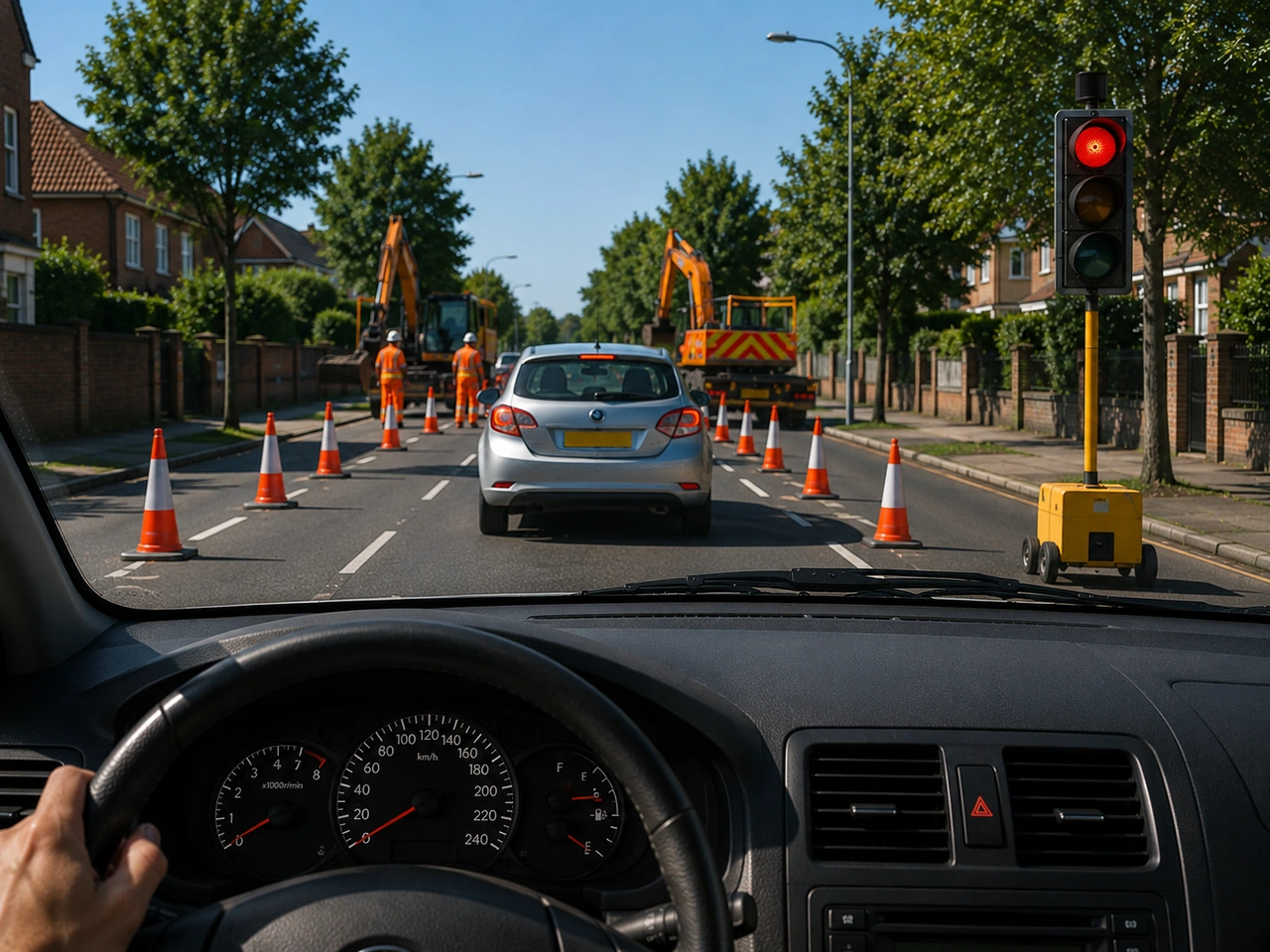
362. What should you do when roadworks are ahead?
Roadworks can create narrow lanes, workers near traffic, uneven surfaces, and temporary rules. Slow down and follow the signs.
AI-generated by Traffic-rules.com • WCIT • CC BY-SA
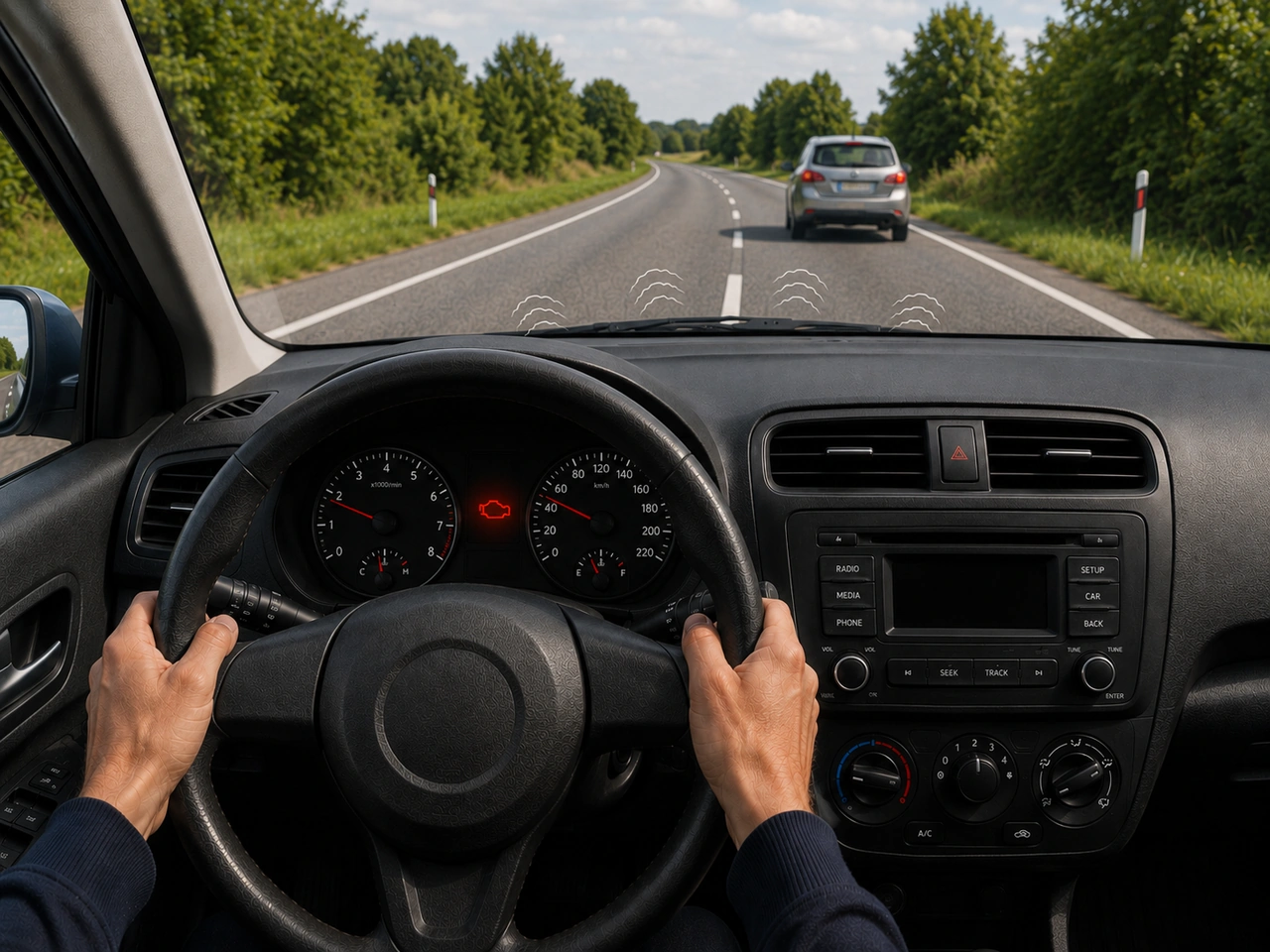
363. What should you do if a red warning light appears with an unusual noise?
A red warning combined with an unusual noise may indicate a serious fault. Continuing could cause damage or loss of control.
AI-generated by Traffic-rules.com • WCIT • CC BY-SA
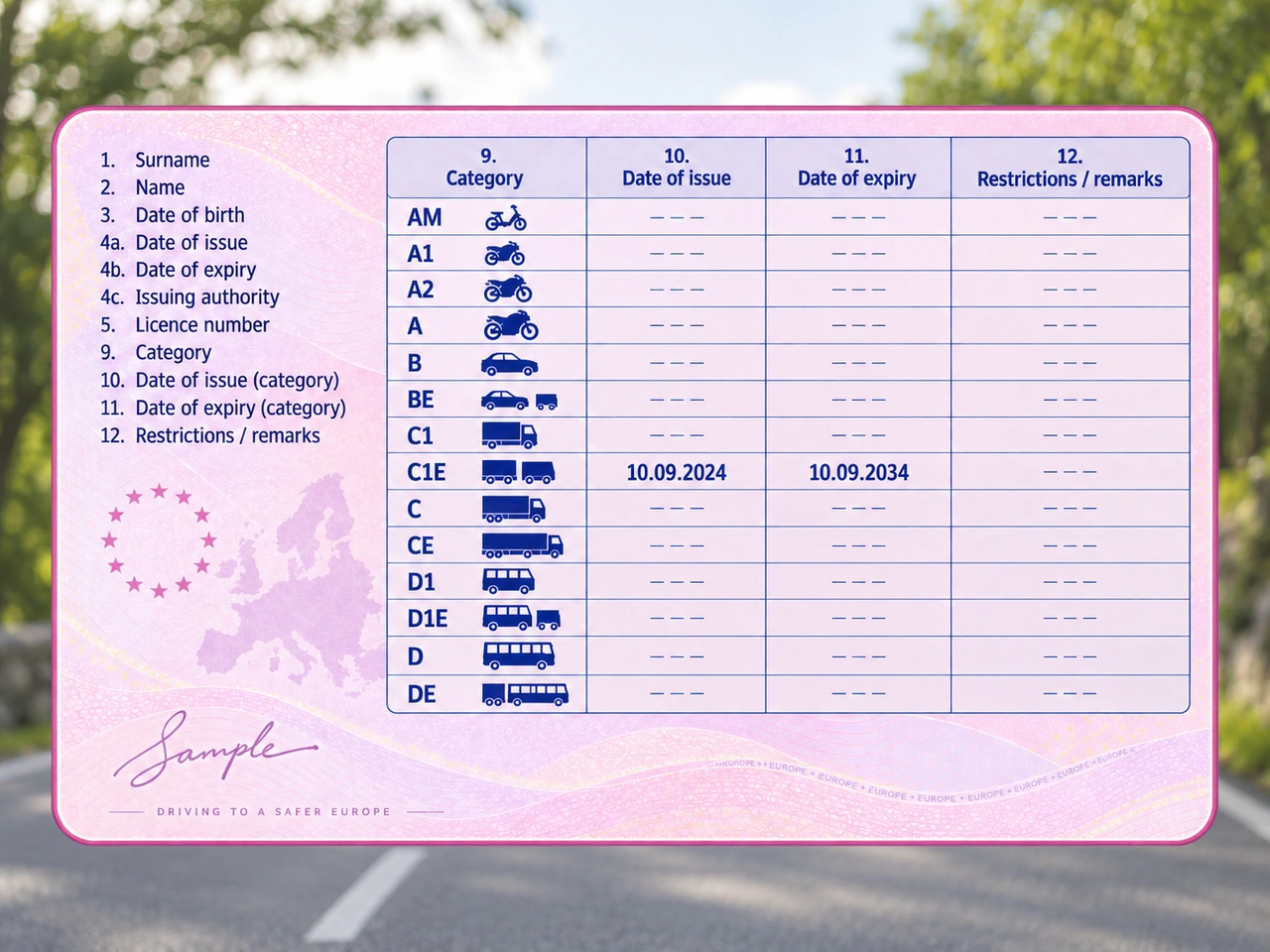
364. Which vehicle combination is covered by driving licence C1E?
Category C1E covers a category C1 vehicle with a trailer over 750 kg, provided the combination does not exceed 12,000 kg. It can also cover certain category B vehicles towing trailers over 3,500 kg, again with a combined maximum authorised mass not exceeding 12,000 kg.
AI-generated by Traffic-rules.com • WCIT • CC BY-SA
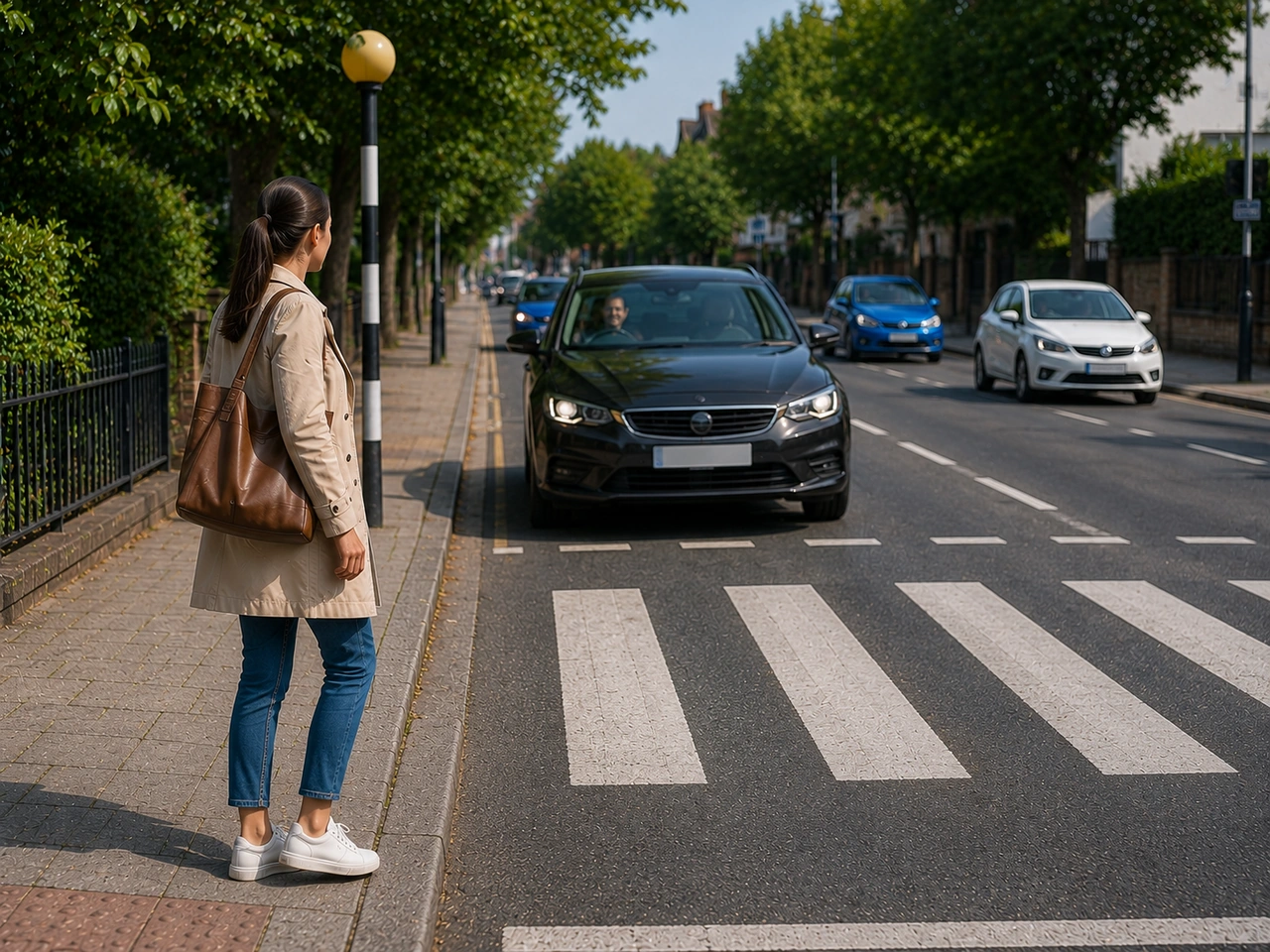
365. What should you do if traffic stops and a driver waves you across?
One driver may stop, but other vehicles may still be moving. Always check all lanes before crossing.
AI-generated by Traffic-rules.com • WCIT • CC BY-SA
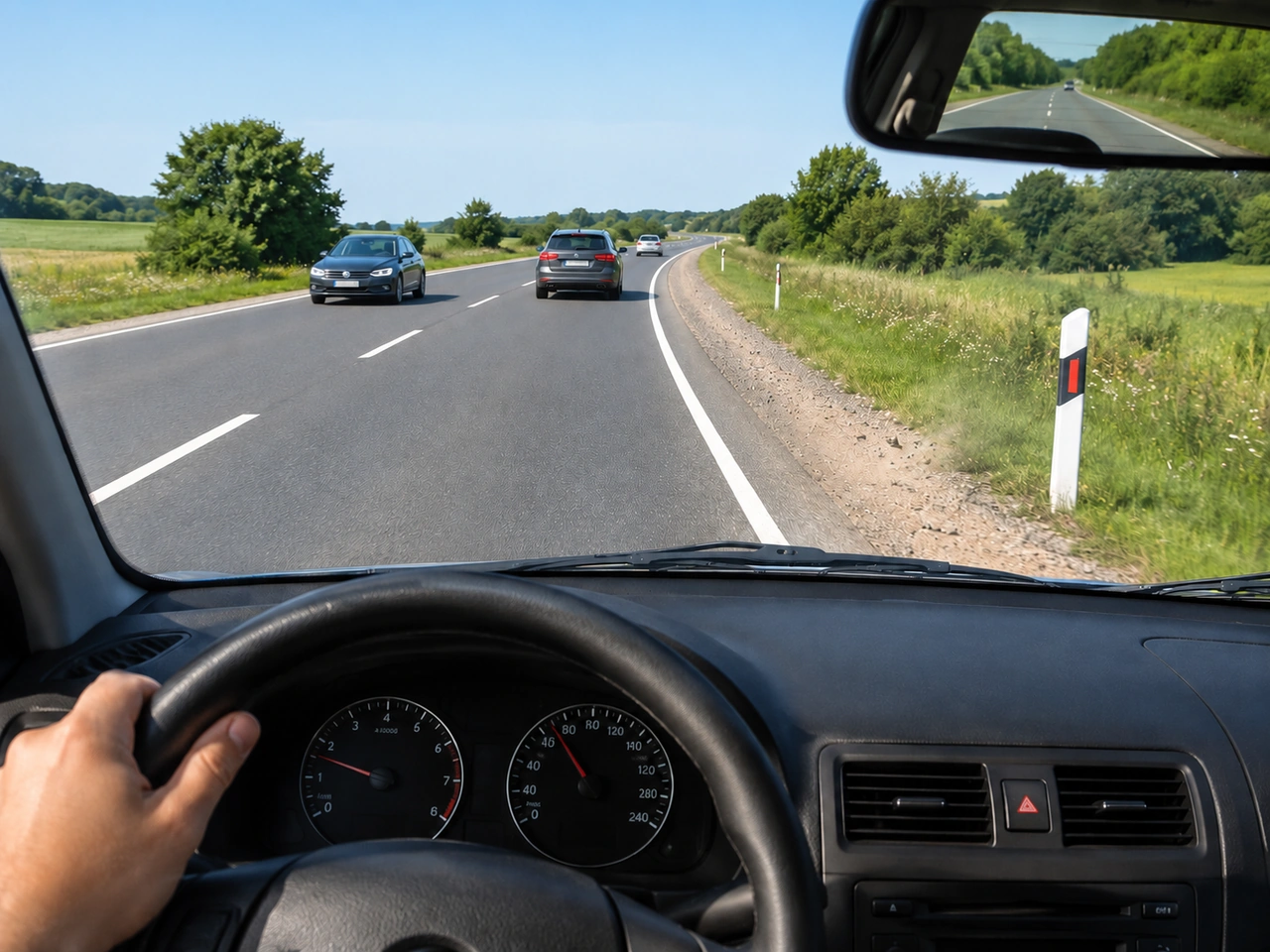
366. What should you do if your vehicle begins to drift onto the shoulder?
If you drift onto the shoulder, avoid sudden steering or braking. Slow gently and return to the road smoothly when it is safe.
AI-generated by Traffic-rules.com • WCIT • CC BY-SA
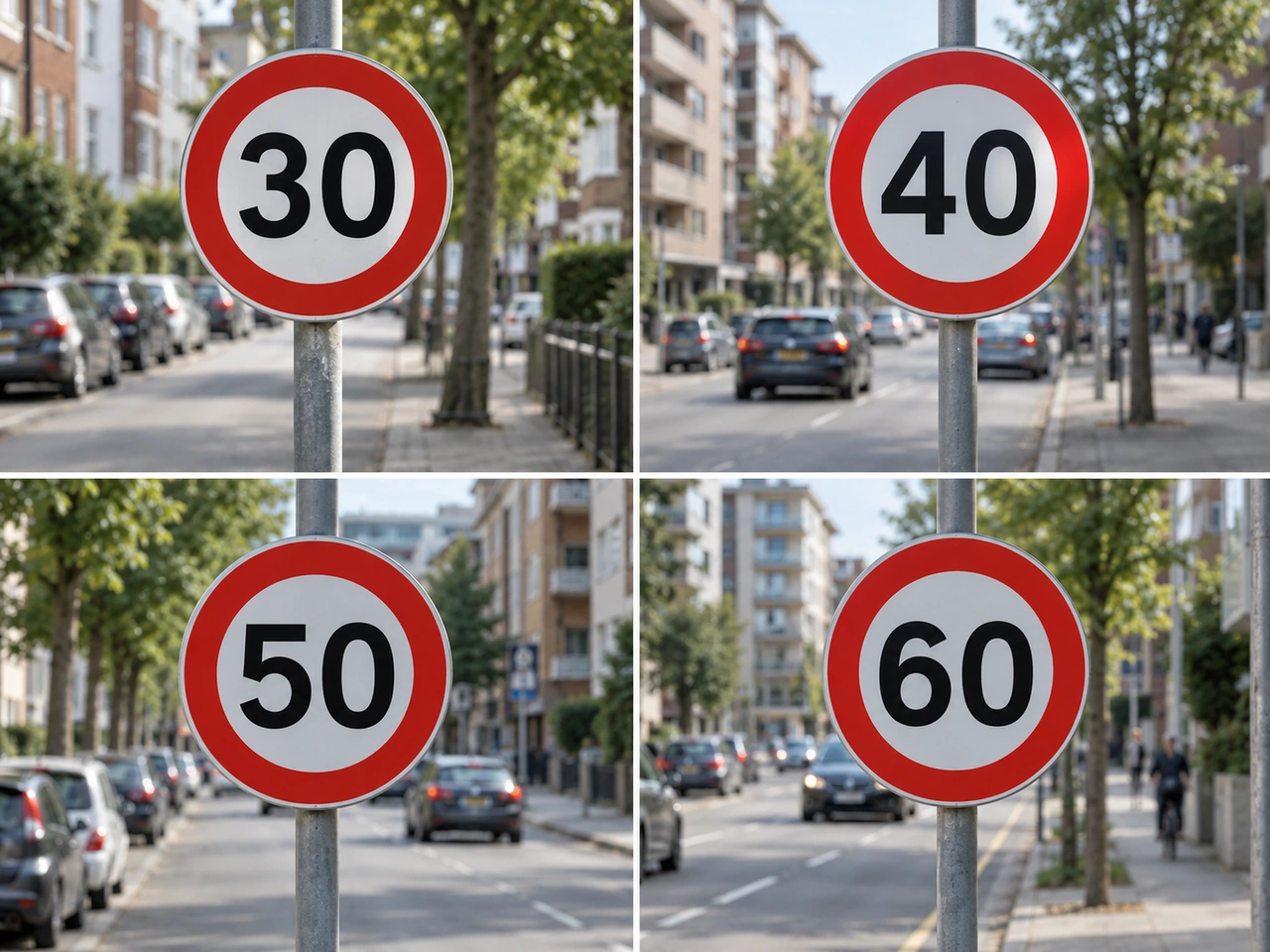
367. What is the general speed limit for cars in built-up areas in Brussels?
The general speed limit for cars in built-up areas in Brussels is 30 km/h, unless signs or road-specific rules indicate otherwise.
AI-generated by Traffic-rules.com • WCIT • CC BY-SA
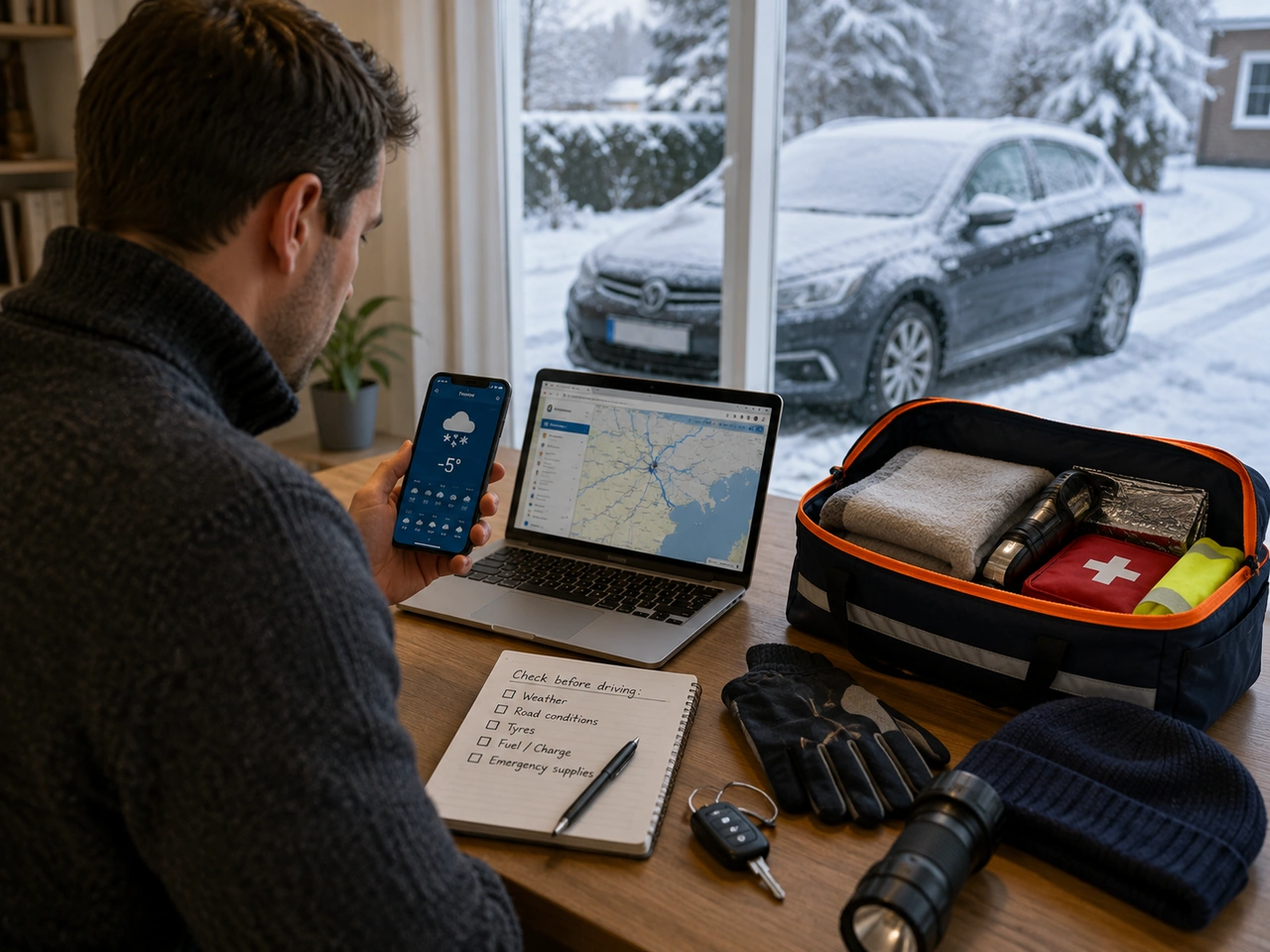
368. What should you check before beginning a journey in severe winter weather?
Check whether the journey is necessary and prepare for delays or changing conditions. Suitable tyres, sufficient fuel or charge, warm clothing, and basic emergency supplies may be important.
AI-generated by Traffic-rules.com • WCIT • CC BY-SA
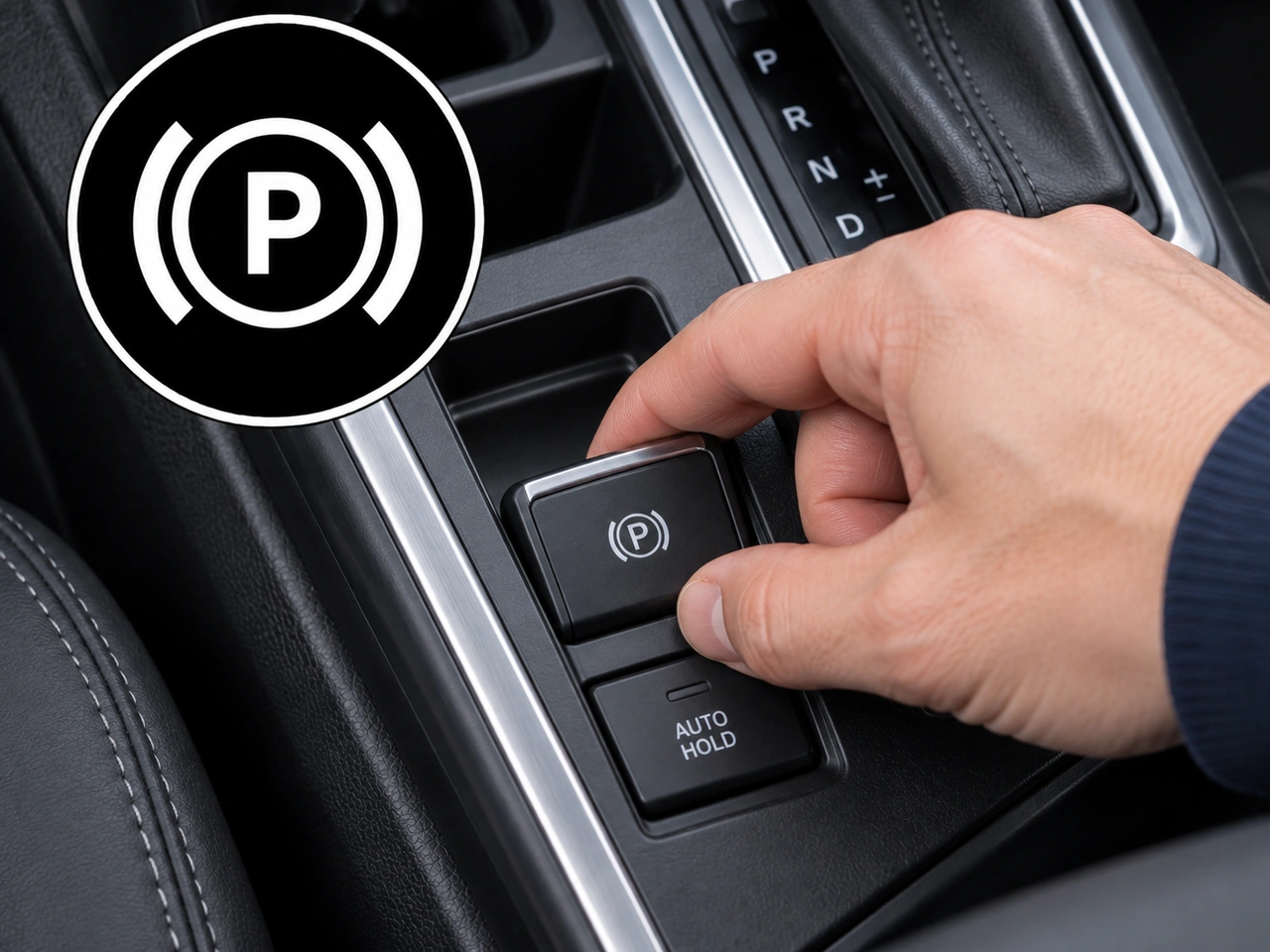
369. What does this vehicle-control symbol indicate?
This control operates the electronic parking brake. Pulling or pressing the switch applies or releases the parking brake, depending on the vehicle.
AI-generated by Traffic-rules.com • WCIT • CC BY-SA
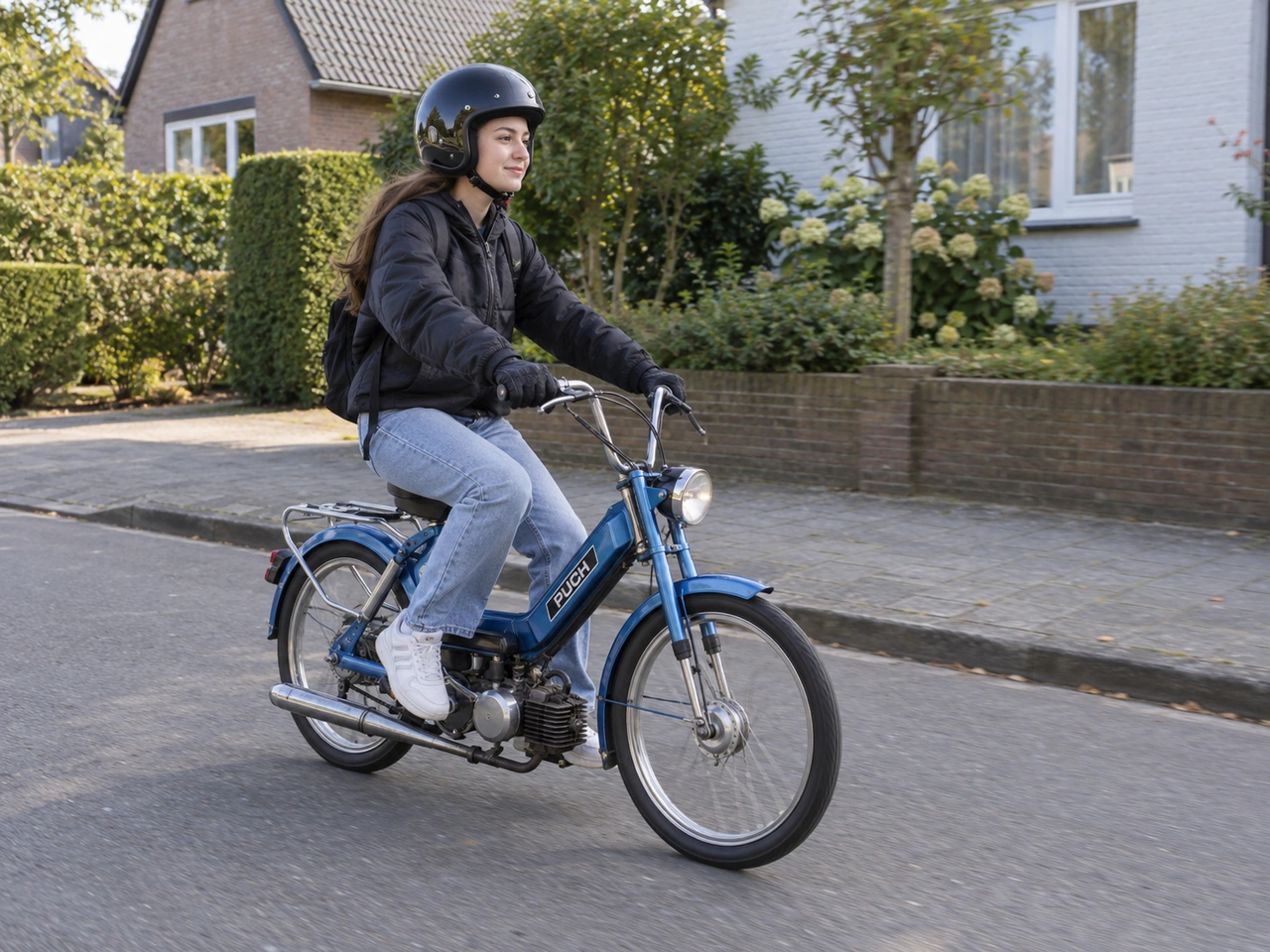
370. Which Belgian moped class is limited to a maximum design speed of 25 km/h?
A Belgian class A moped has a maximum design speed of no more than 25 km/h. It may be ridden from the age of 16 without a driving licence.
AI-generated by Traffic-rules.com • WCIT • CC BY-SA
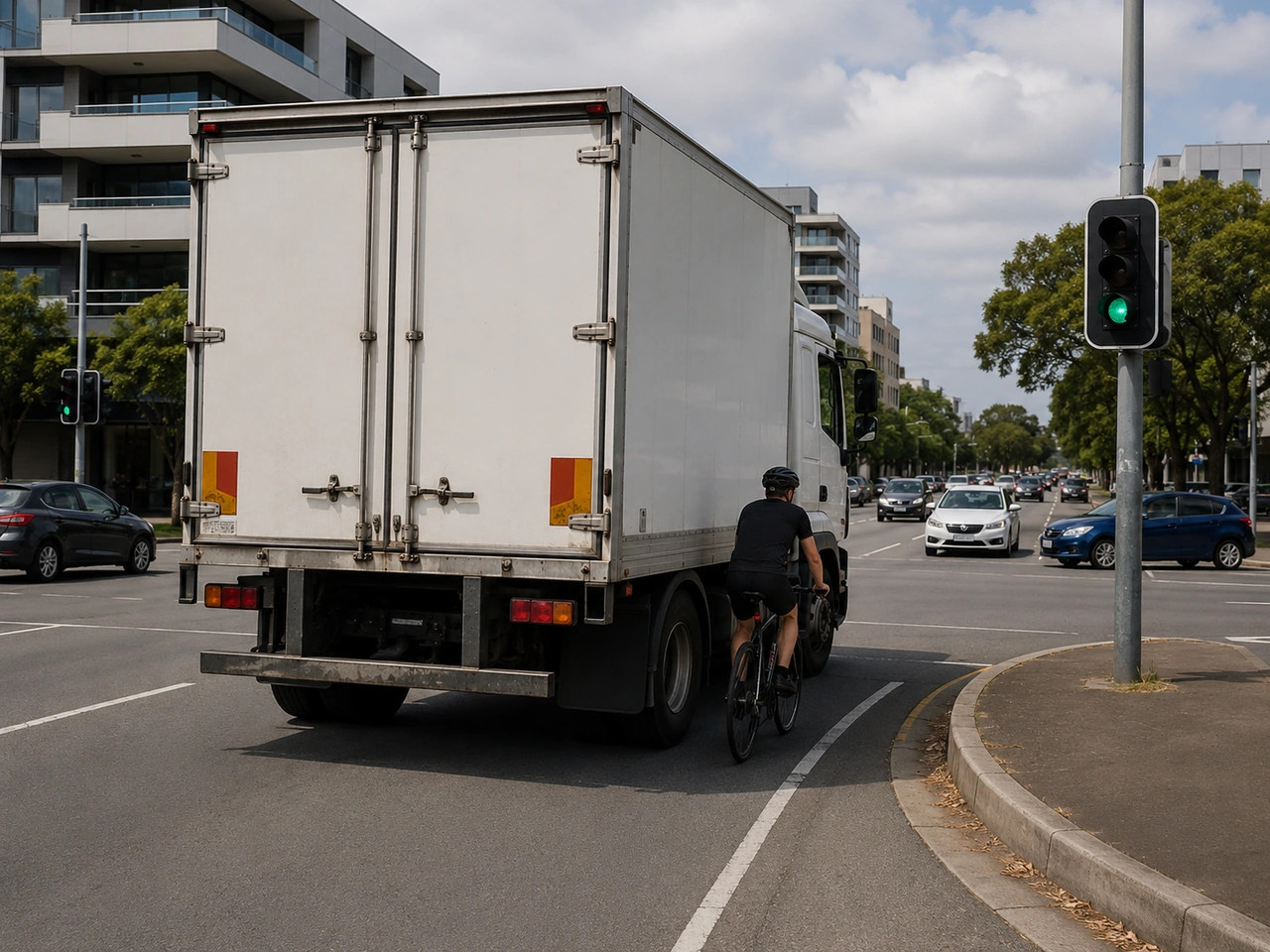
371. Why should cyclists avoid riding in a large vehicle's blind spot?
Buses and trucks have large areas where the driver cannot see cyclists, especially beside the vehicle and near turns.
AI-generated by Traffic-rules.com • WCIT • CC BY-SA
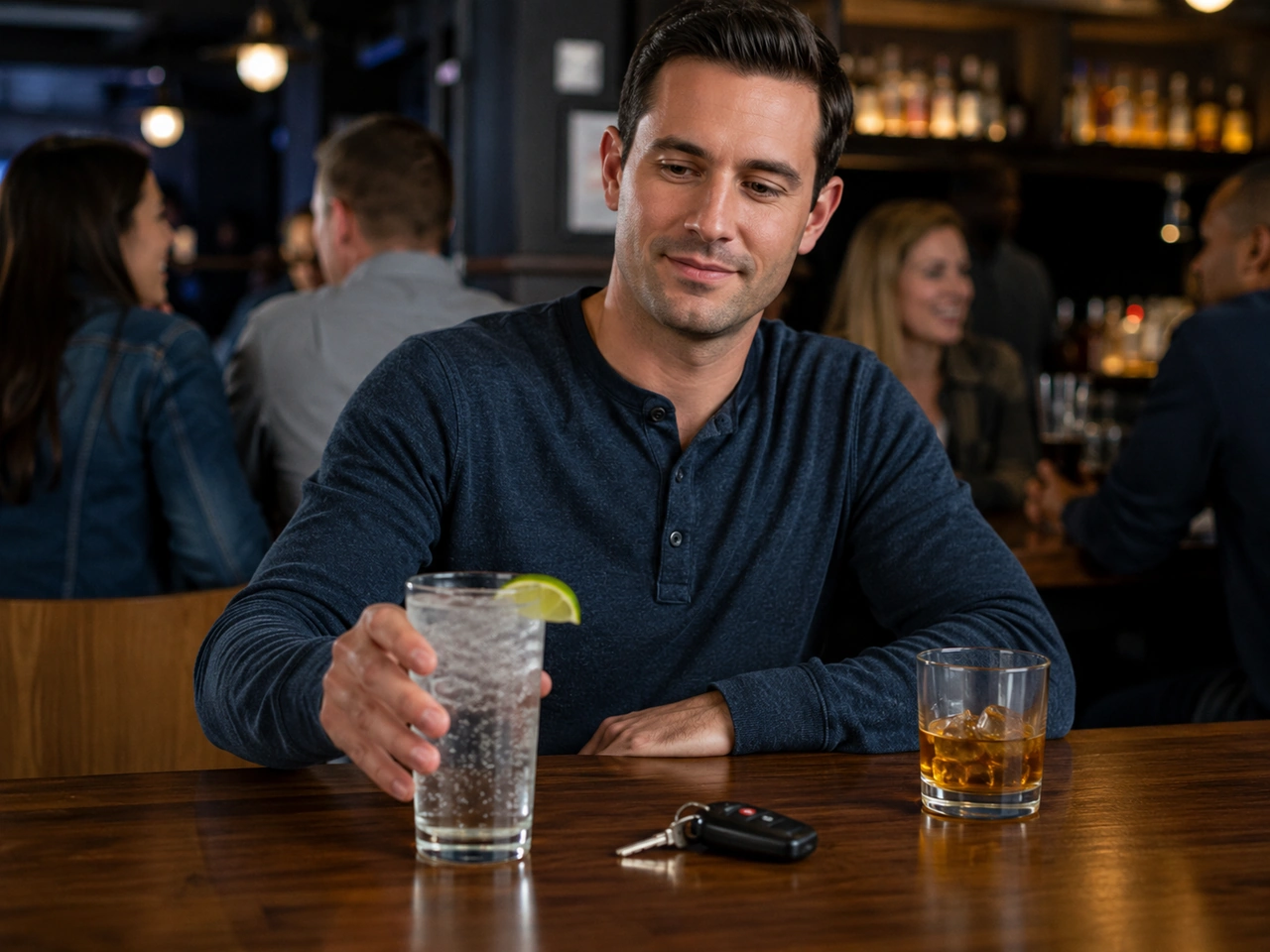
372. What should a designated driver do?
A designated driver should remain sober so they can drive safely and respond properly to traffic conditions.
AI-generated by Traffic-rules.com • WCIT • CC BY-SA
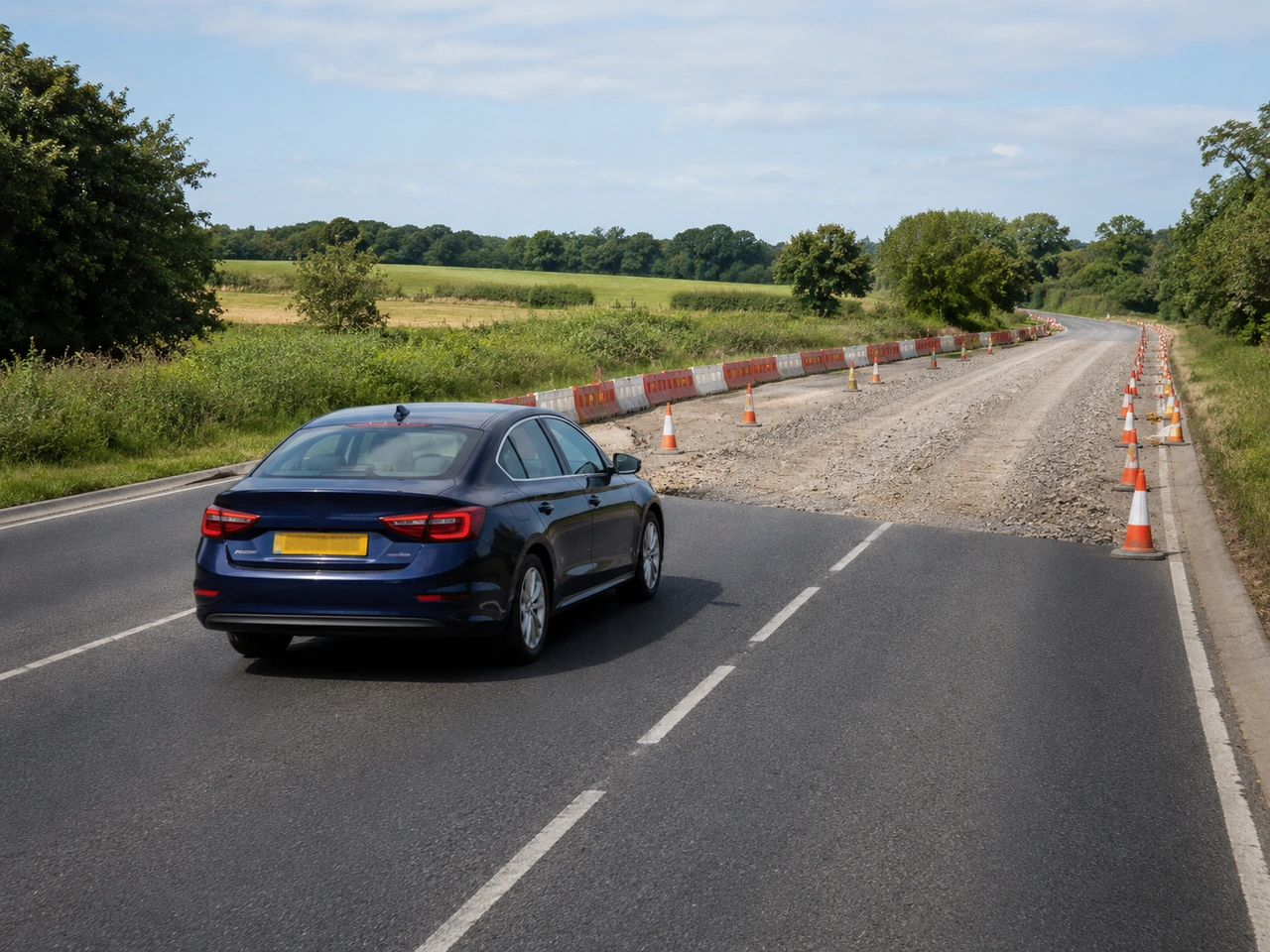
373. Why can temporary road surfaces increase stopping distance?
Temporary surfaces may provide less grip than normal asphalt. Reduce speed and allow more distance for braking.
AI-generated by Traffic-rules.com • WCIT • CC BY-SA
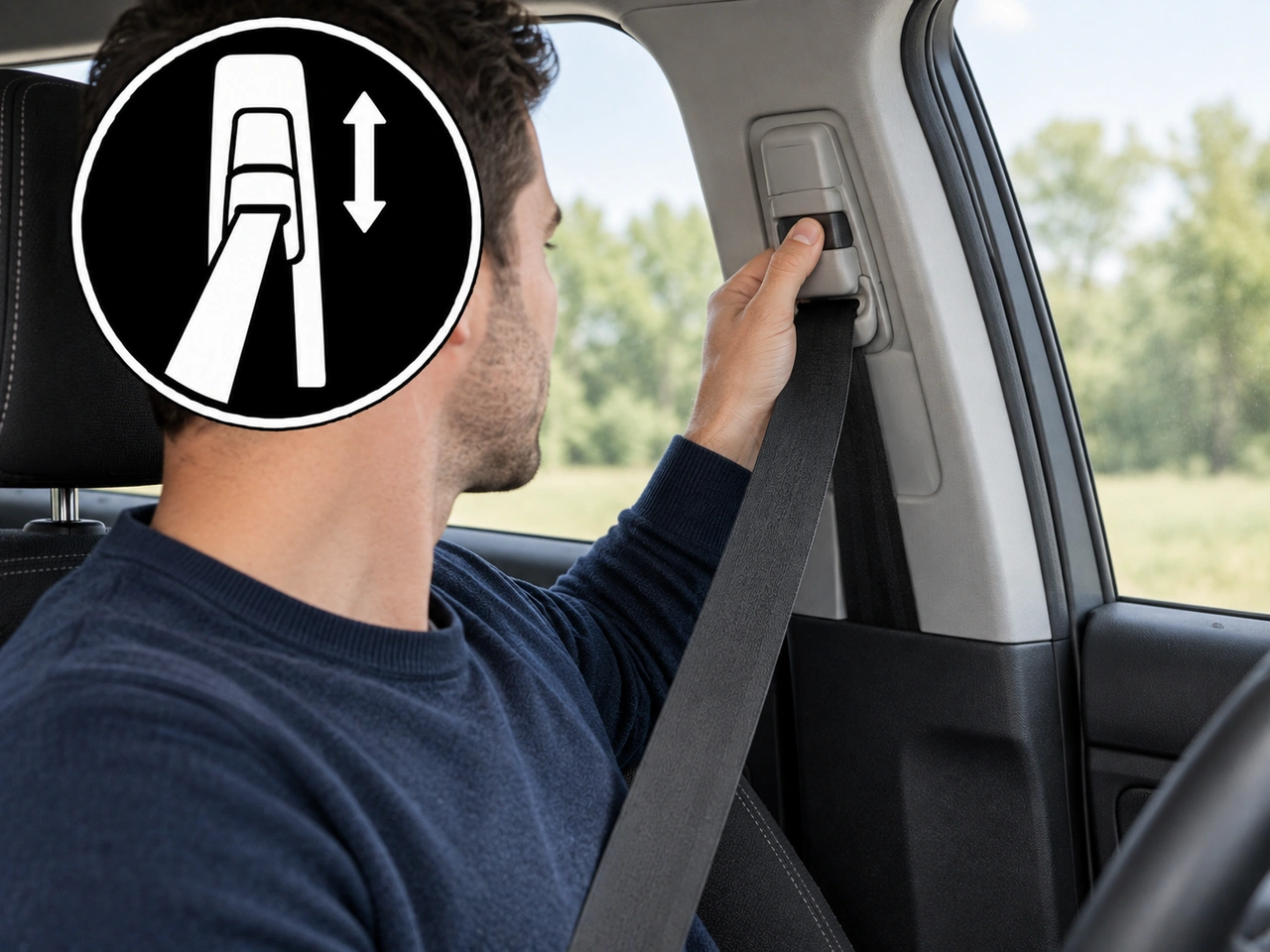
374. Why should the seat-belt height be adjusted correctly?
The seat-belt height adjustment helps position the shoulder belt correctly across the chest and shoulder. It should not run across the neck or under the arm.
AI-generated by Traffic-rules.com • WCIT • CC BY-SA
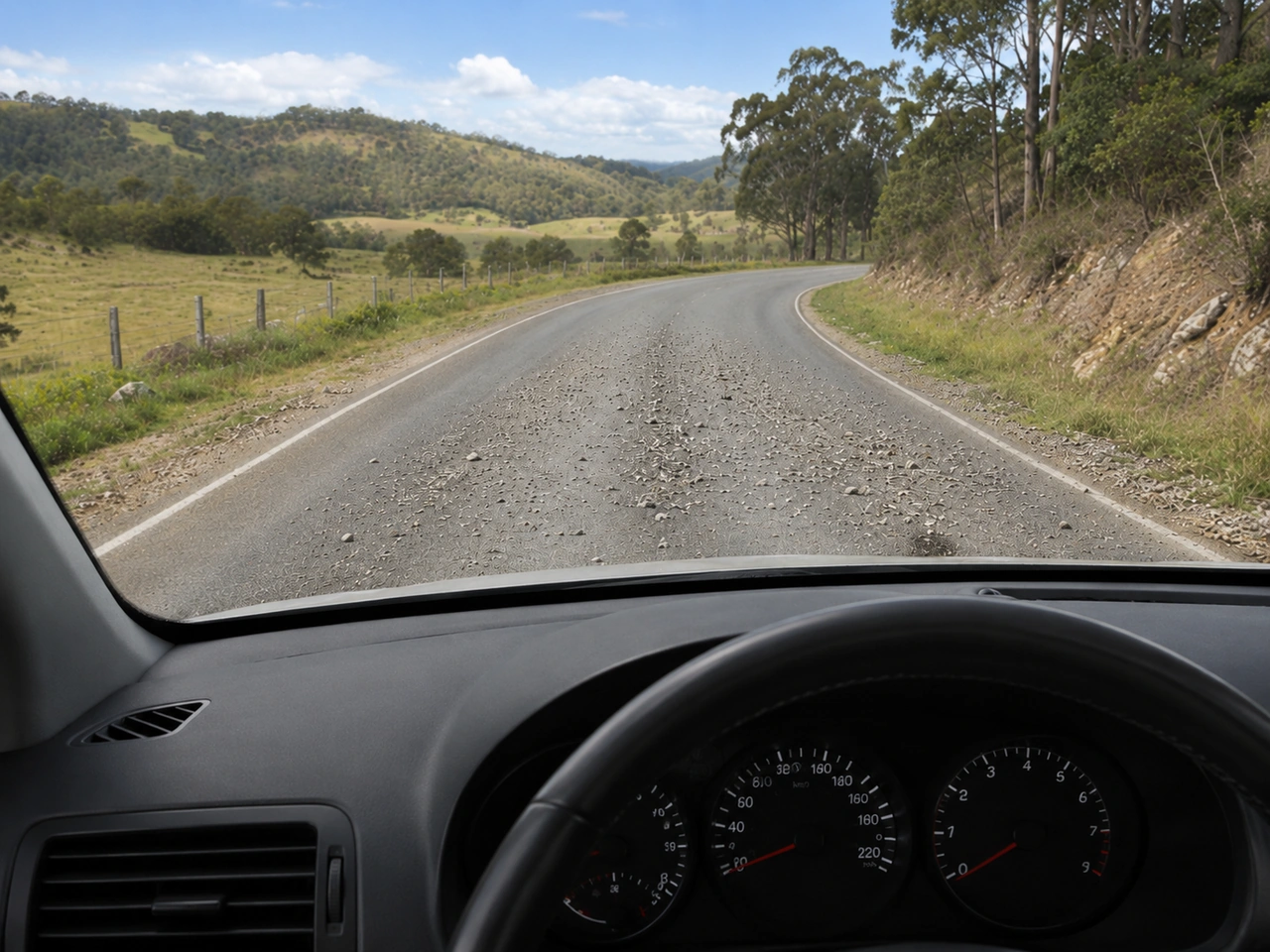
375. What should you do if you see loose gravel on the road?
Loose gravel reduces grip and can make the vehicle skid. Slow down and use smooth steering and braking.
AI-generated by Traffic-rules.com • WCIT • CC BY-SA
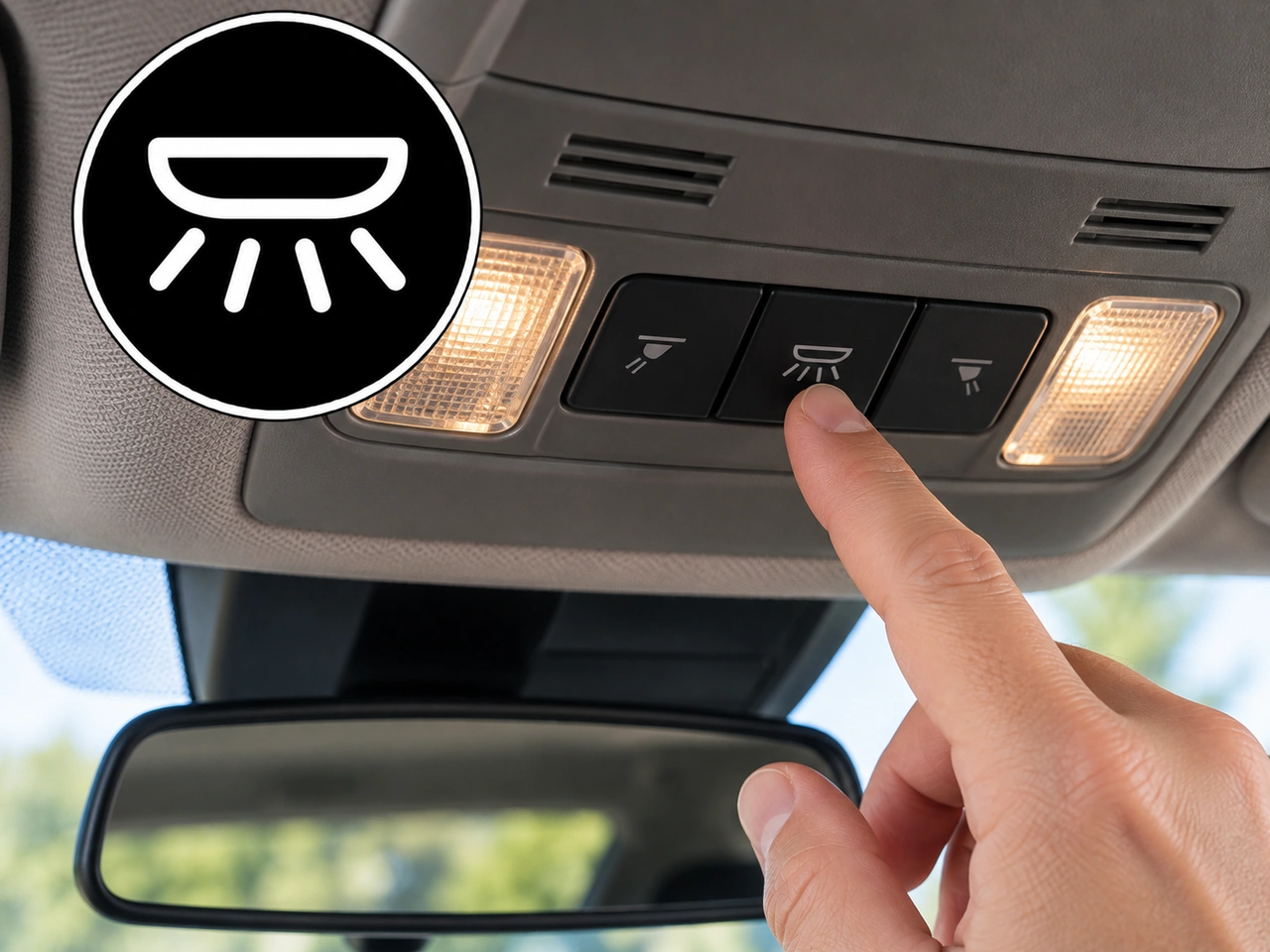
376. What does this vehicle-control symbol indicate?
This control operates the vehicle's interior lighting. Depending on the vehicle, the lights can be switched on manually or set to illuminate automatically when a door is opened.
AI-generated by Traffic-rules.com • WCIT • CC BY-SA
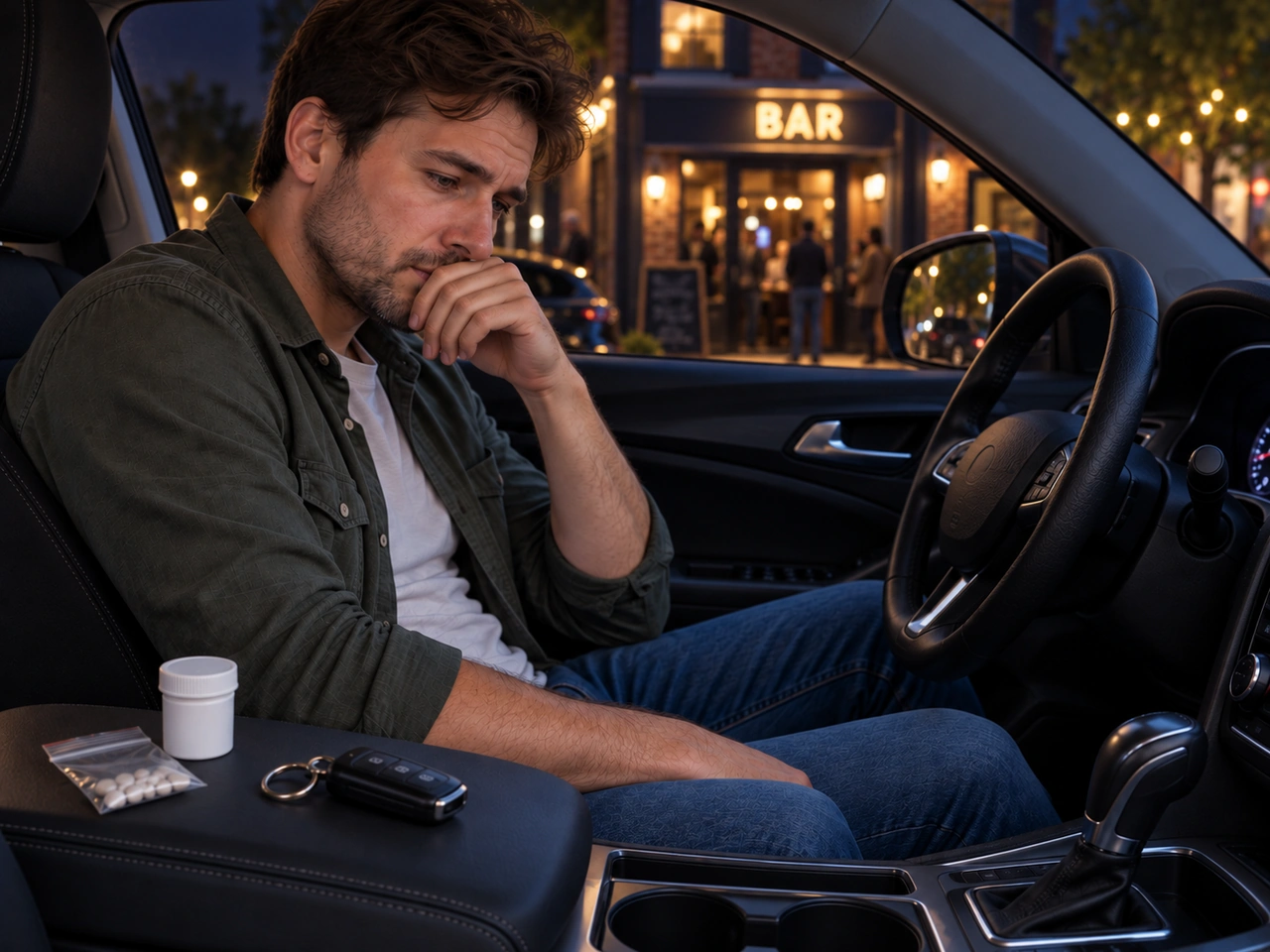
377. What should you do if you have taken drugs that may impair your driving?
Drugs can impair judgement, coordination, concentration, and reaction time. Their effects can be unpredictable and may continue after you feel that the main effects have passed. Do not drive while impaired.
AI-generated by Traffic-rules.com • WCIT • CC BY-SA
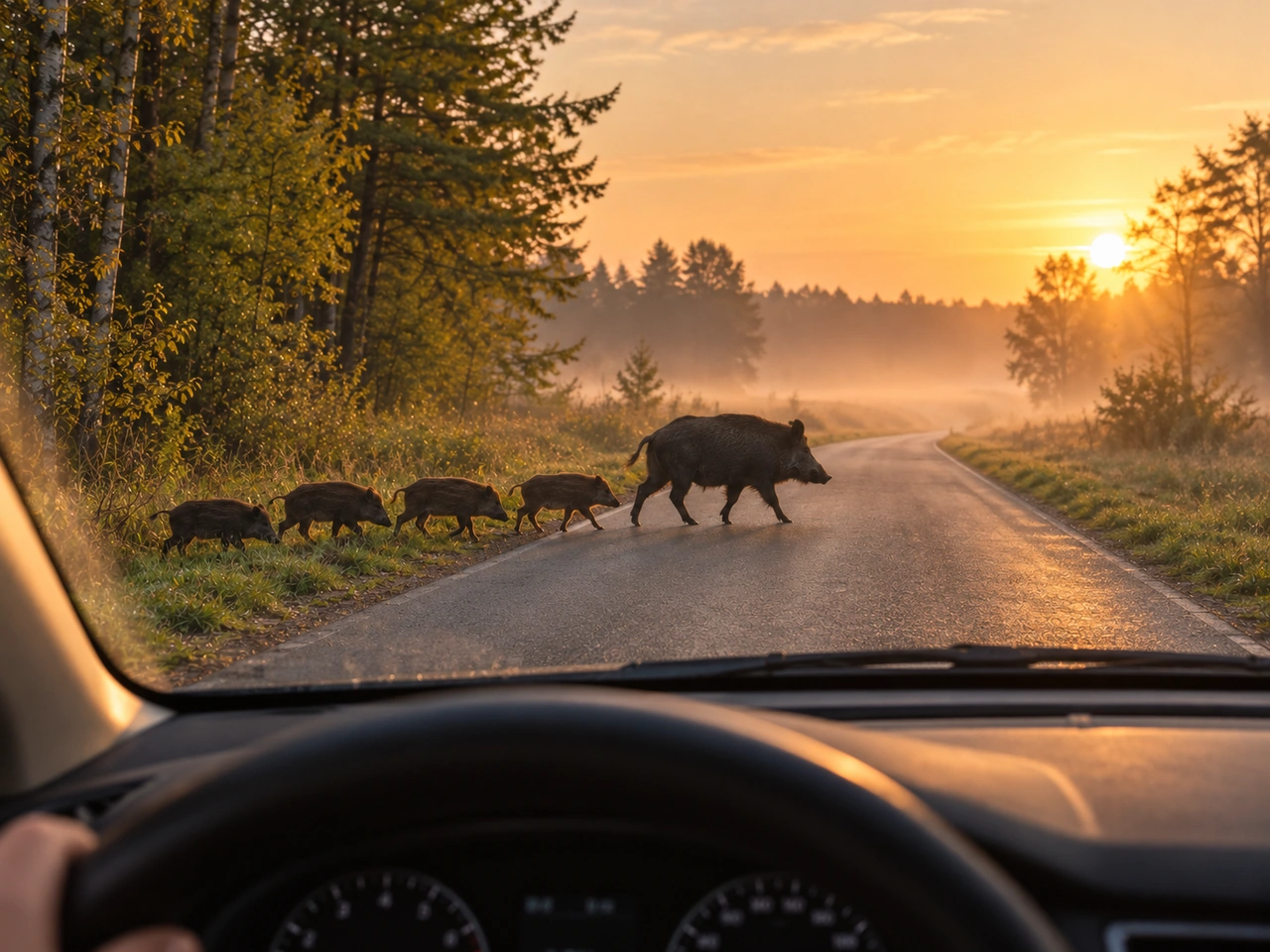
378. Why should you be especially alert for wild animals at dawn and dusk?
Many wild animals are most active around dawn and dusk, when visibility may also be reduced.
AI-generated by Traffic-rules.com • WCIT • CC BY-SA
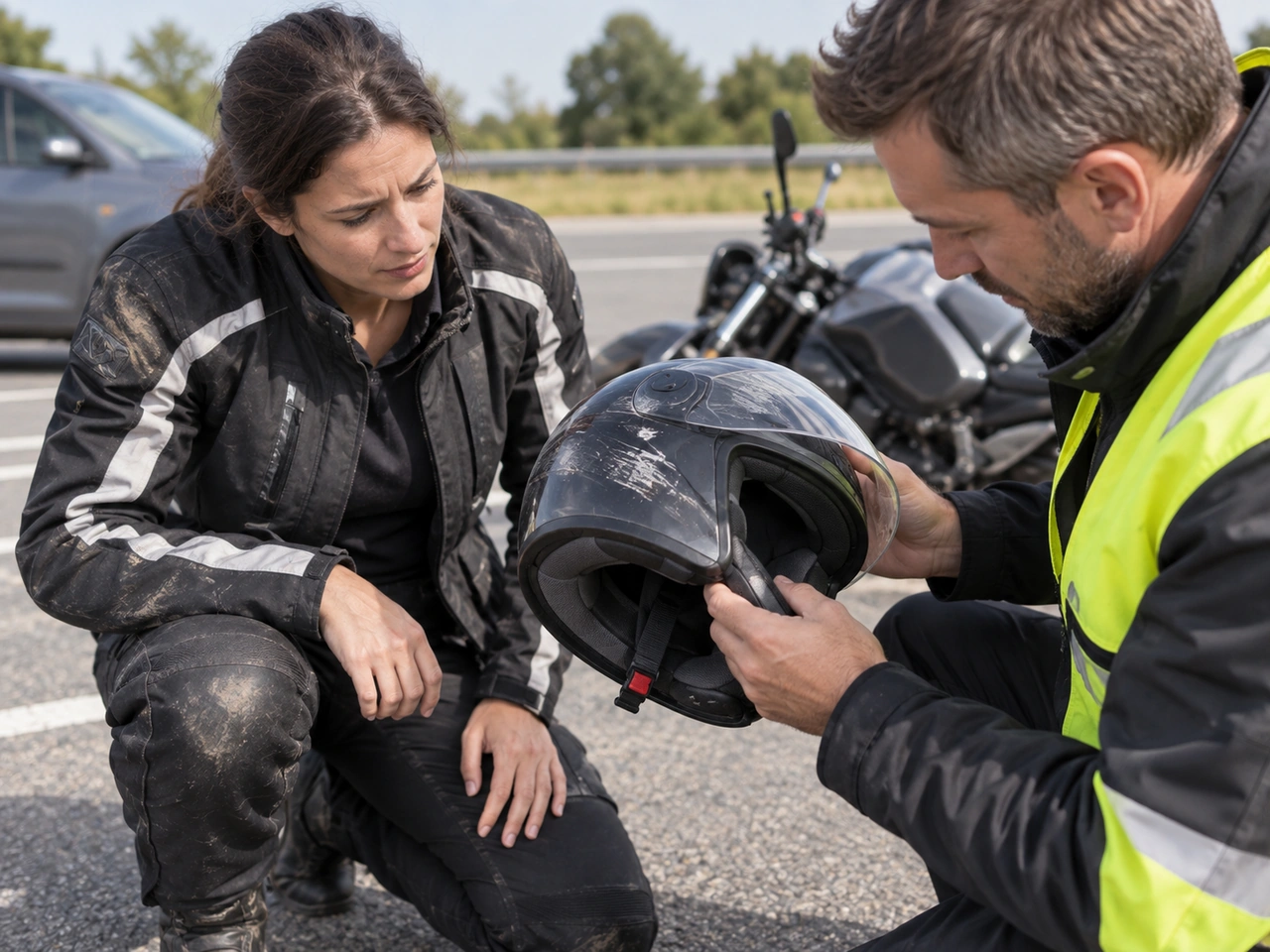
379. What should you do with a helmet that has taken a significant impact in a collision?
A helmet can be damaged internally by a significant impact even when no damage is visible from the outside. Stop using the helmet and follow the manufacturer's guidance, which will commonly require replacement after a significant impact.
AI-generated by Traffic-rules.com • WCIT • CC BY-SA
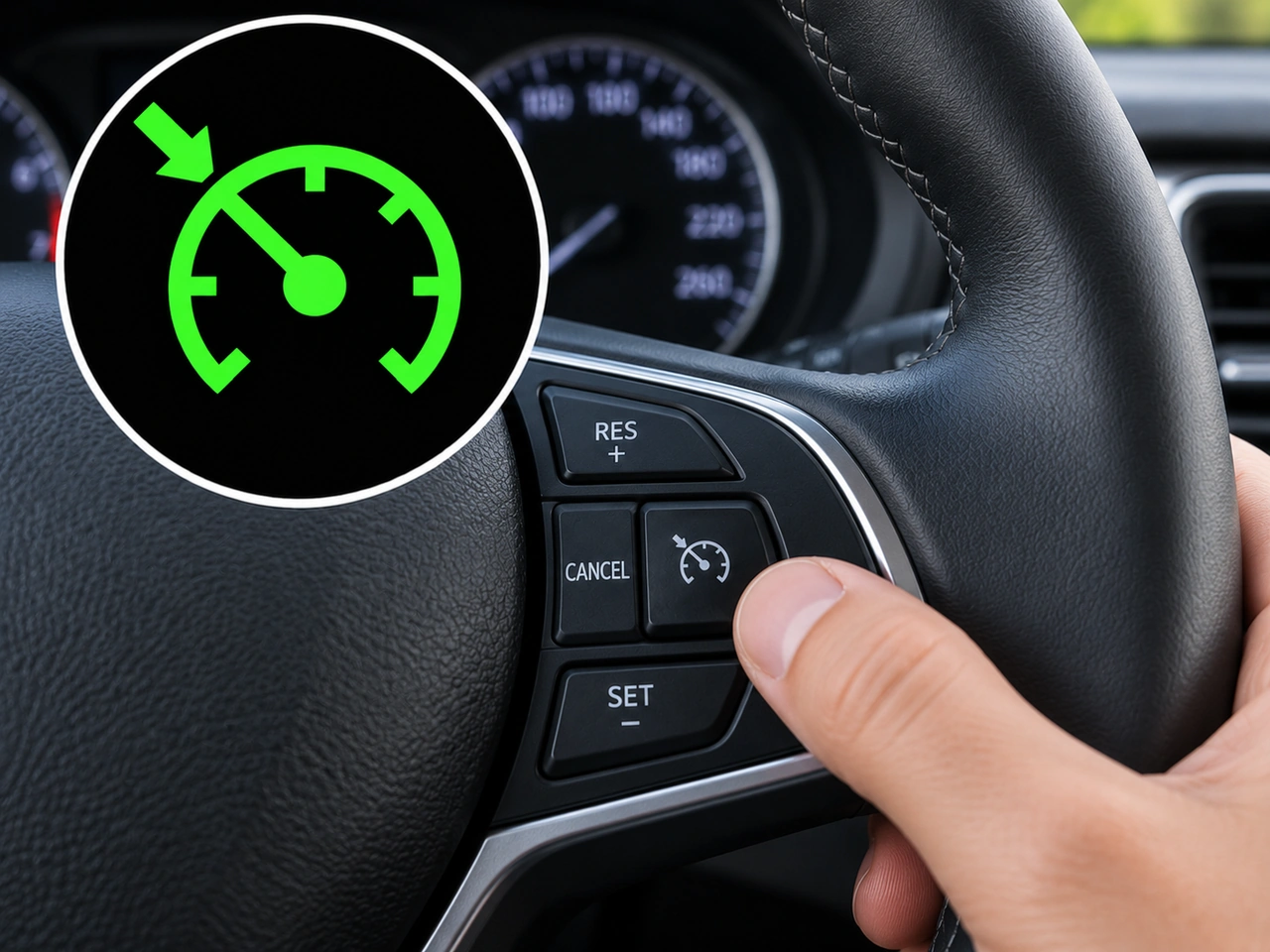
380. What does this dashboard symbol indicate?
This symbol indicates the cruise-control system. Cruise control can maintain a selected vehicle speed without the driver continuously pressing the accelerator. The exact indicator behaviour can vary between vehicles.
AI-generated by Traffic-rules.com • WCIT • CC BY-SA
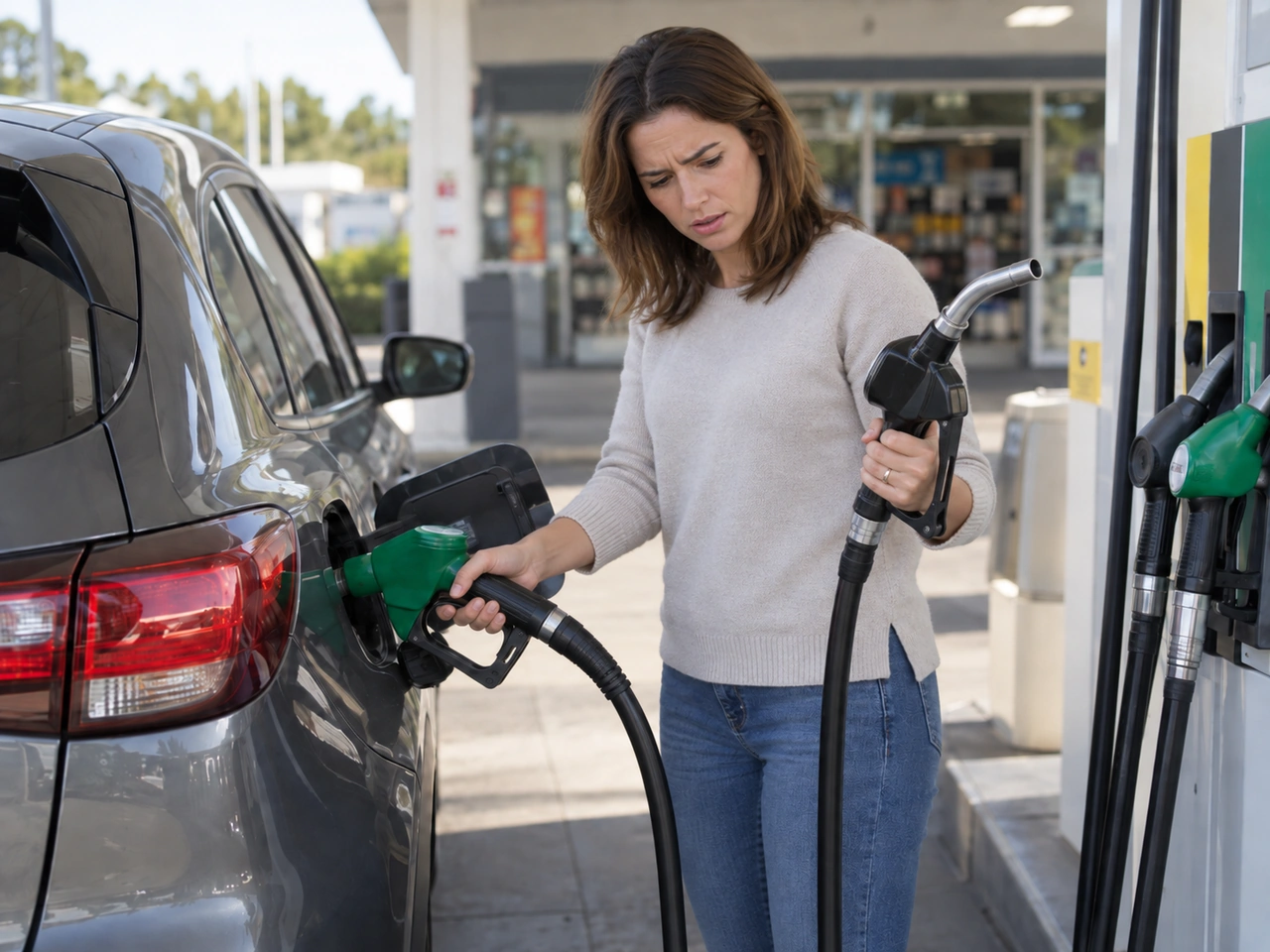
381. What should you do if you realise you have put the wrong fuel in your vehicle?
If you have used the wrong fuel, do not start the engine. Starting it can circulate the incorrect fuel and cause further damage. If possible, avoid switching on the ignition and seek appropriate roadside or workshop assistance.
AI-generated by Traffic-rules.com • WCIT • CC BY-SA
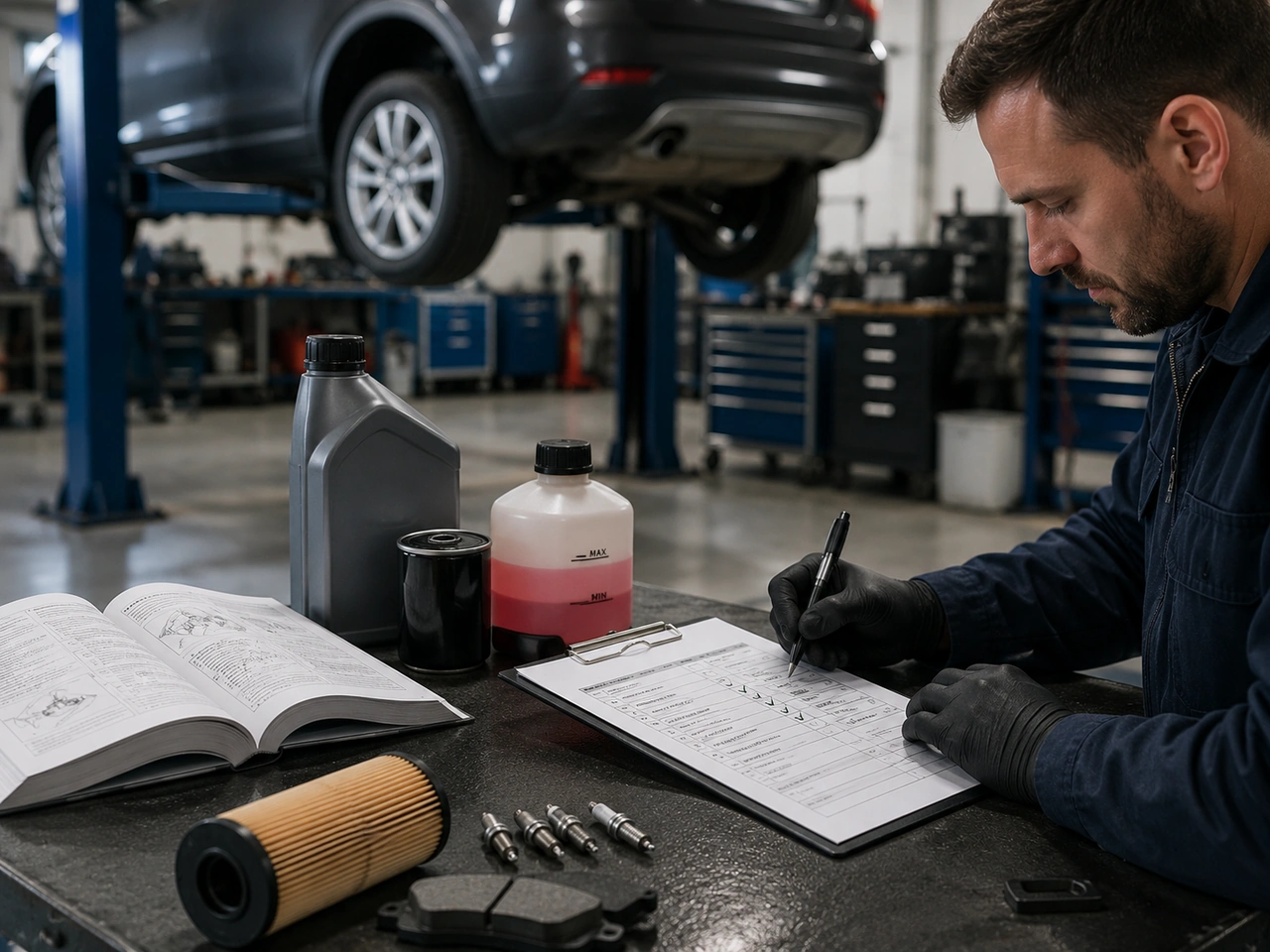
382. Why should you follow the manufacturer's service schedule?
Scheduled servicing helps ensure that brakes, tyres, fluids, filters, steering, suspension, and other important systems are checked and maintained before faults become more serious.
AI-generated by Traffic-rules.com • WCIT • CC BY-SA
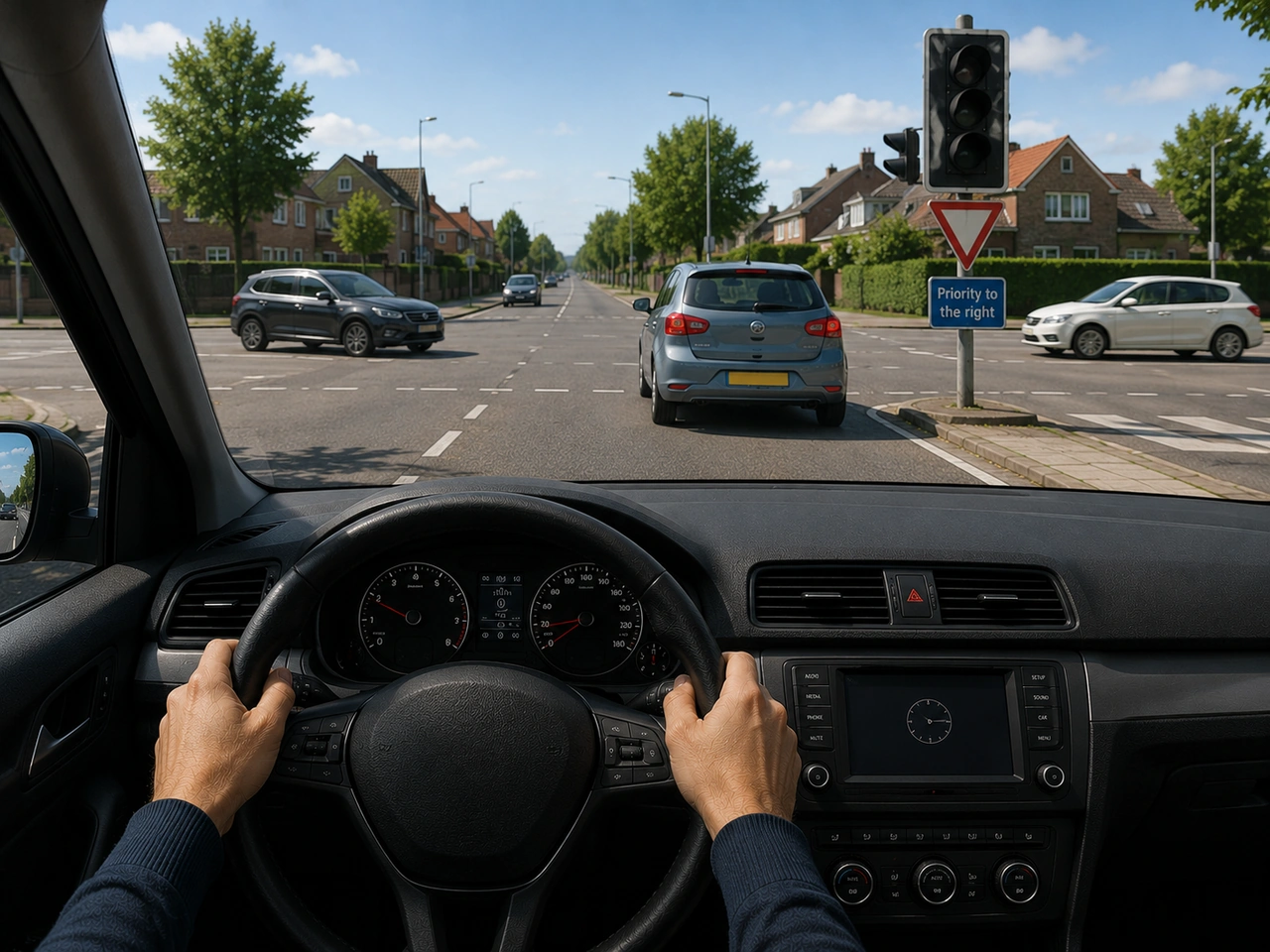
383. What should you do when traffic lights are not working?
If traffic lights are not working, slow down, observe carefully, and follow signs, road markings, or local priority rules.
AI-generated by Traffic-rules.com • WCIT • CC BY-SA
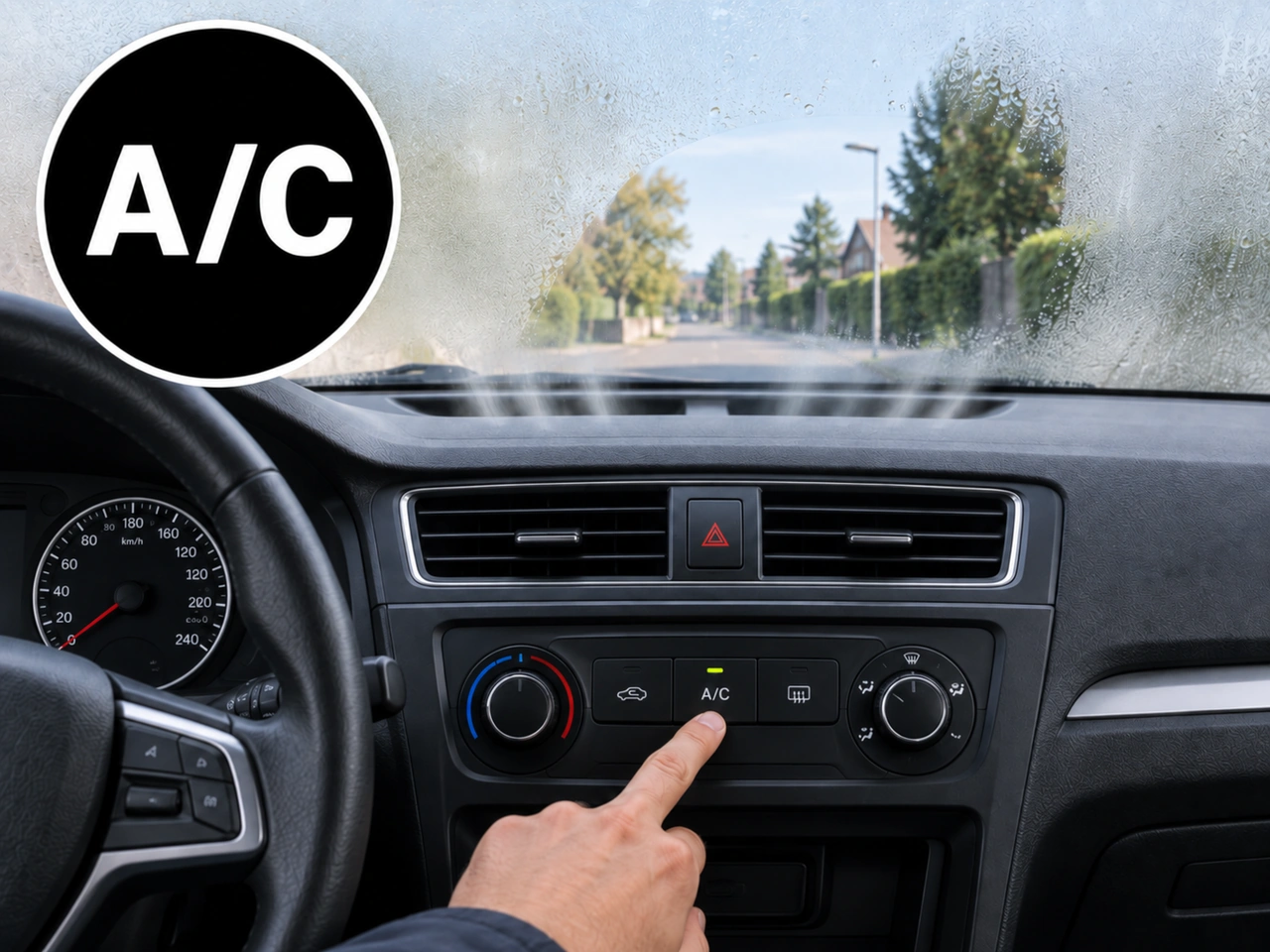
384. How can air conditioning help demist the windows?
Using the air conditioning can help demist the windows because it removes moisture from the cabin air. Directing this drier air towards the windscreen can clear condensation more quickly.
AI-generated by Traffic-rules.com • WCIT • CC BY-SA
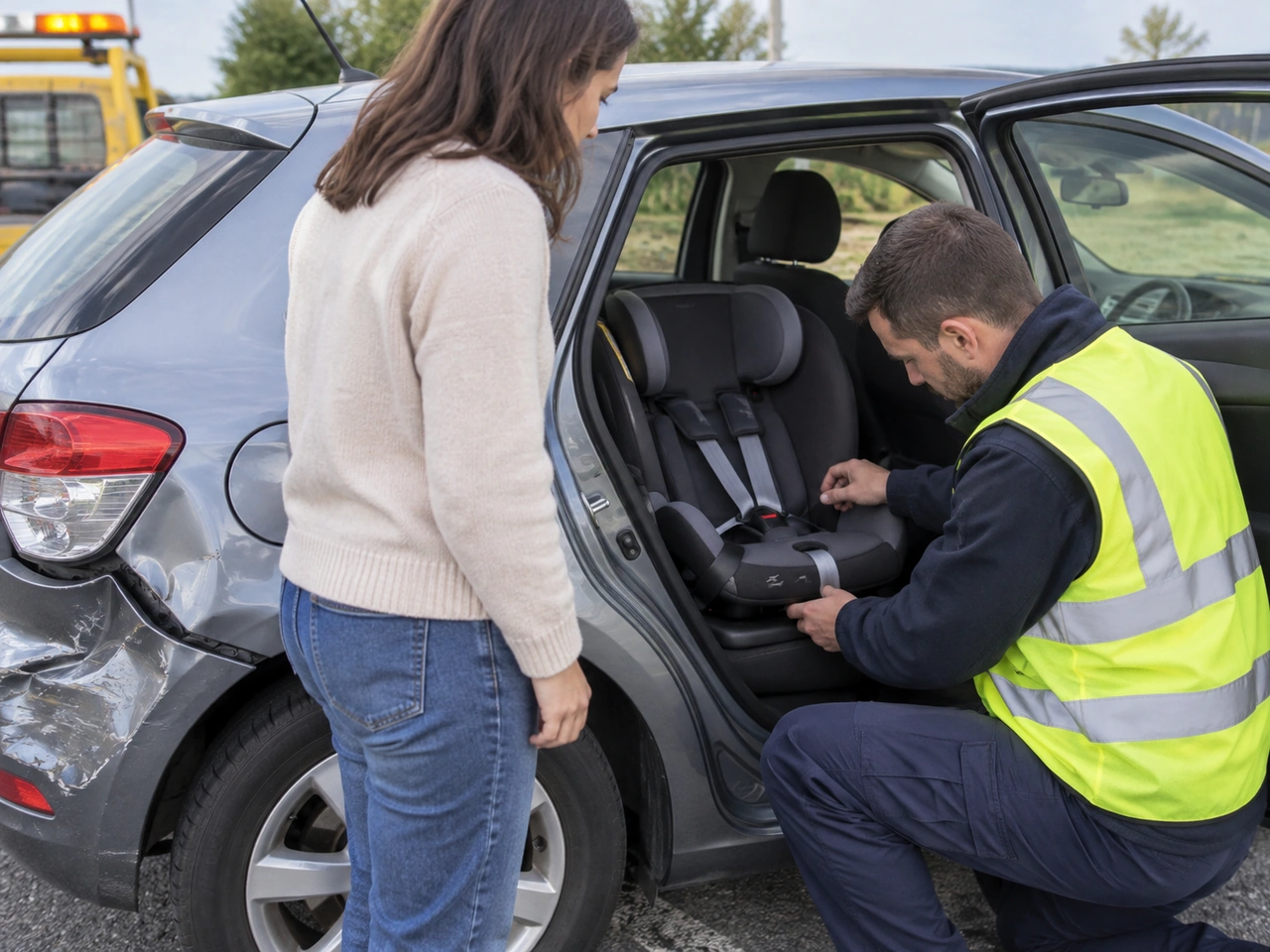
385. What should you do with a child restraint after a collision?
A child restraint may be damaged in a collision even when the damage is not obvious. Follow the manufacturer's instructions, as the restraint may need to be inspected or replaced before it is used again.
AI-generated by Traffic-rules.com • WCIT • CC BY-SA
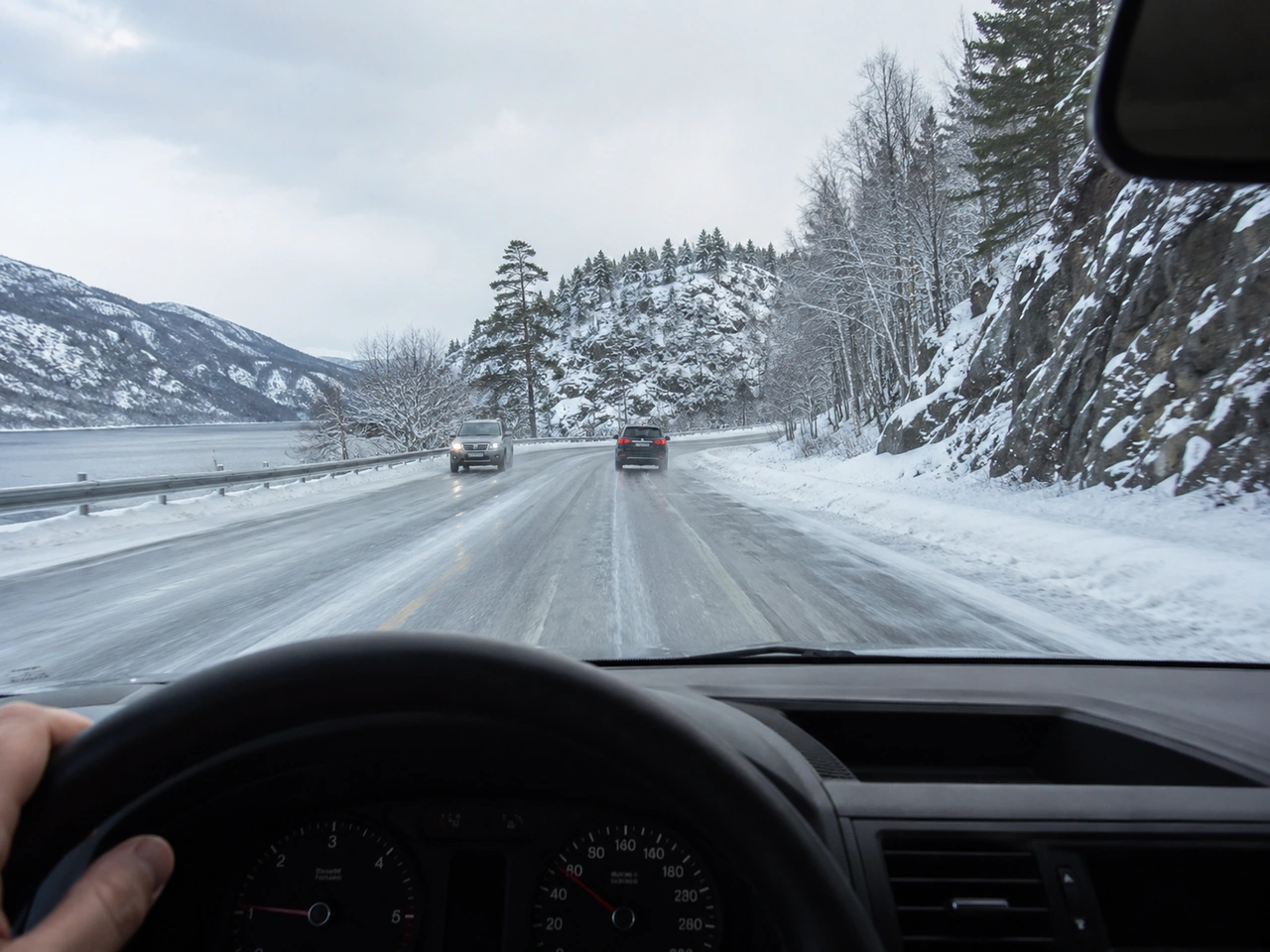
386. How should you brake on a slippery road?
Sudden braking can cause the wheels to lose grip. Smooth, progressive braking reduces the risk of skidding.
AI-generated by Traffic-rules.com • WCIT • CC BY-SA
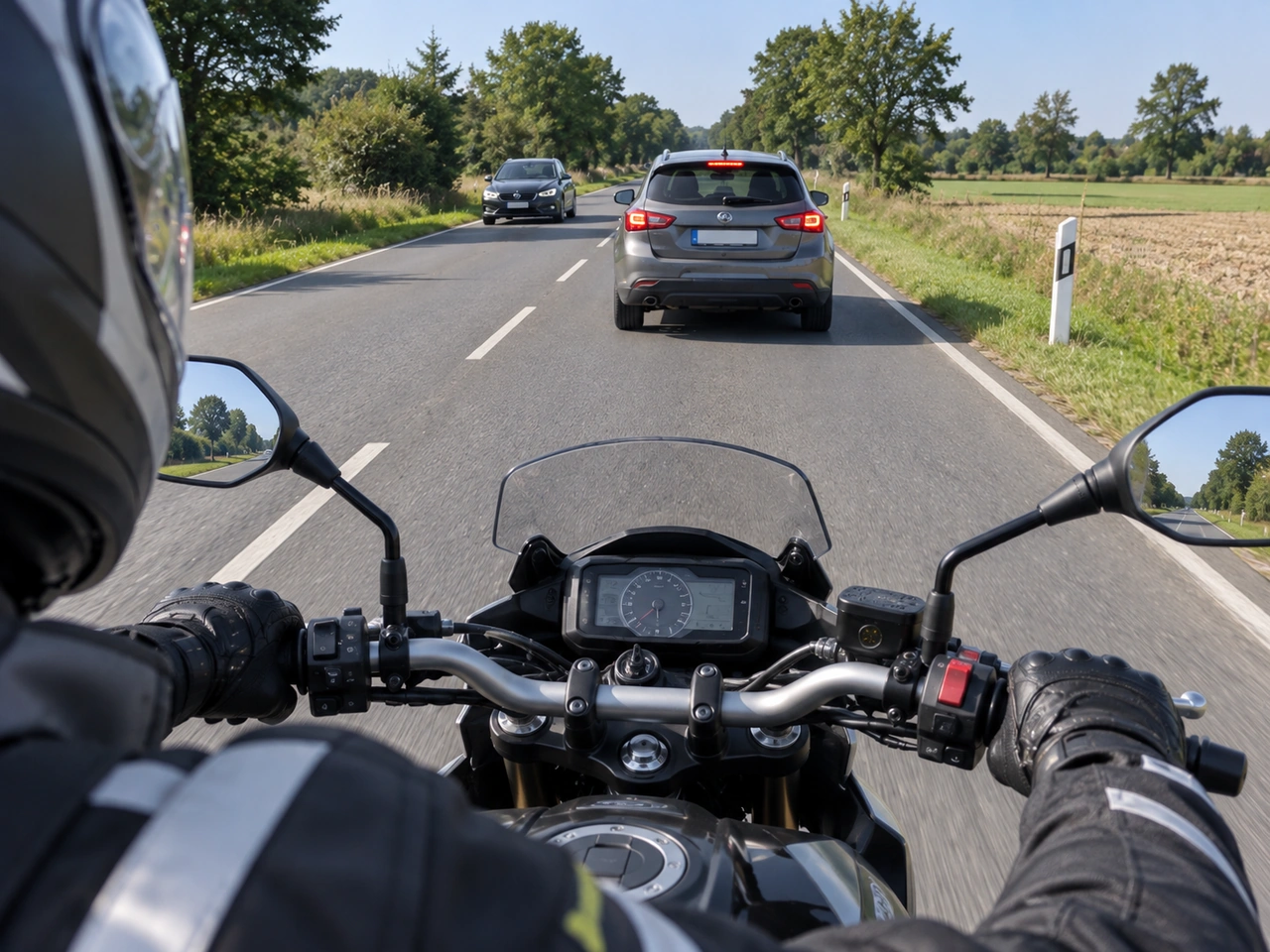
387. How should you normally brake on a motorcycle?
During normal braking, use both the front and rear brakes smoothly and progressively. The front brake normally provides much of the braking force, while the rear brake also helps slow and stabilise the motorcycle. Sudden or poorly balanced braking can reduce stability or cause a wheel to lose grip.
AI-generated by Traffic-rules.com • WCIT • CC BY-SA
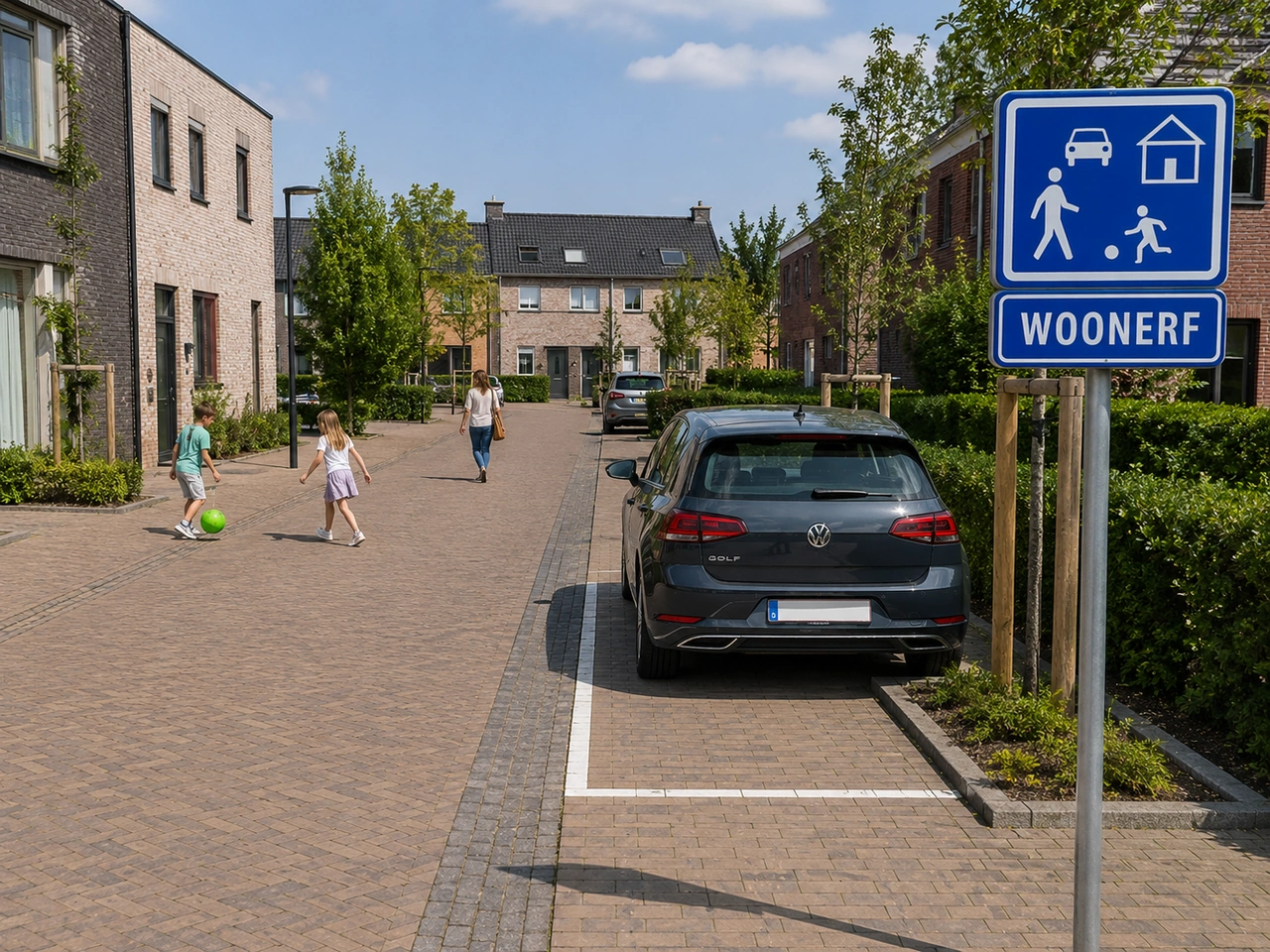
388. Where may you park inside a Belgian residential zone or shared-space zone?
Parking is prohibited inside a woonerf or erf except in designated parking places or where a traffic sign expressly allows it.
AI-generated by Traffic-rules.com • WCIT • CC BY-SA
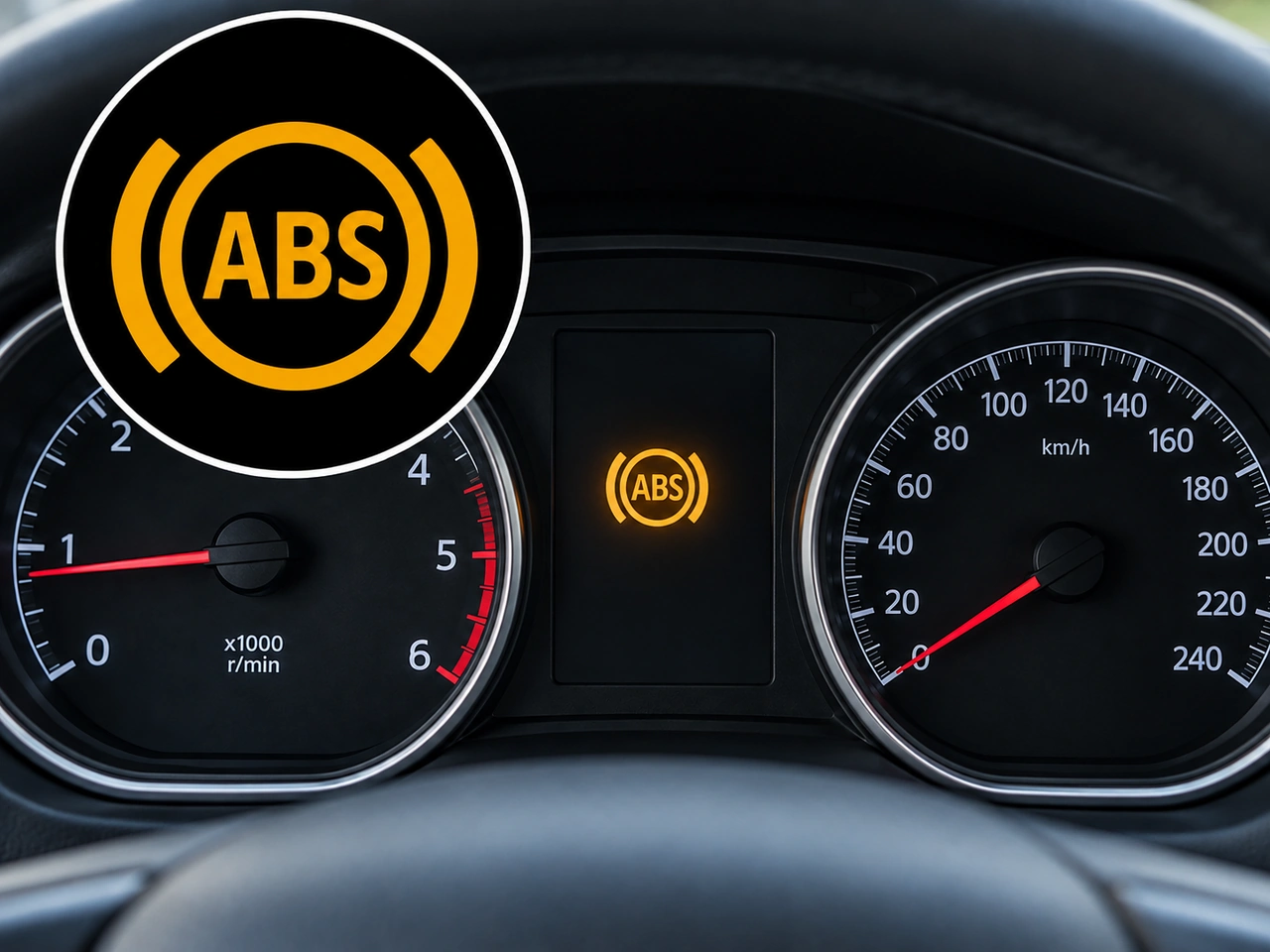
389. What does this dashboard symbol indicate?
This symbol indicates a possible fault with the anti-lock braking system (ABS). Normal braking may still be available, but ABS may not operate during heavy braking, so the system should be checked.
AI-generated by Traffic-rules.com • WCIT • CC BY-SA
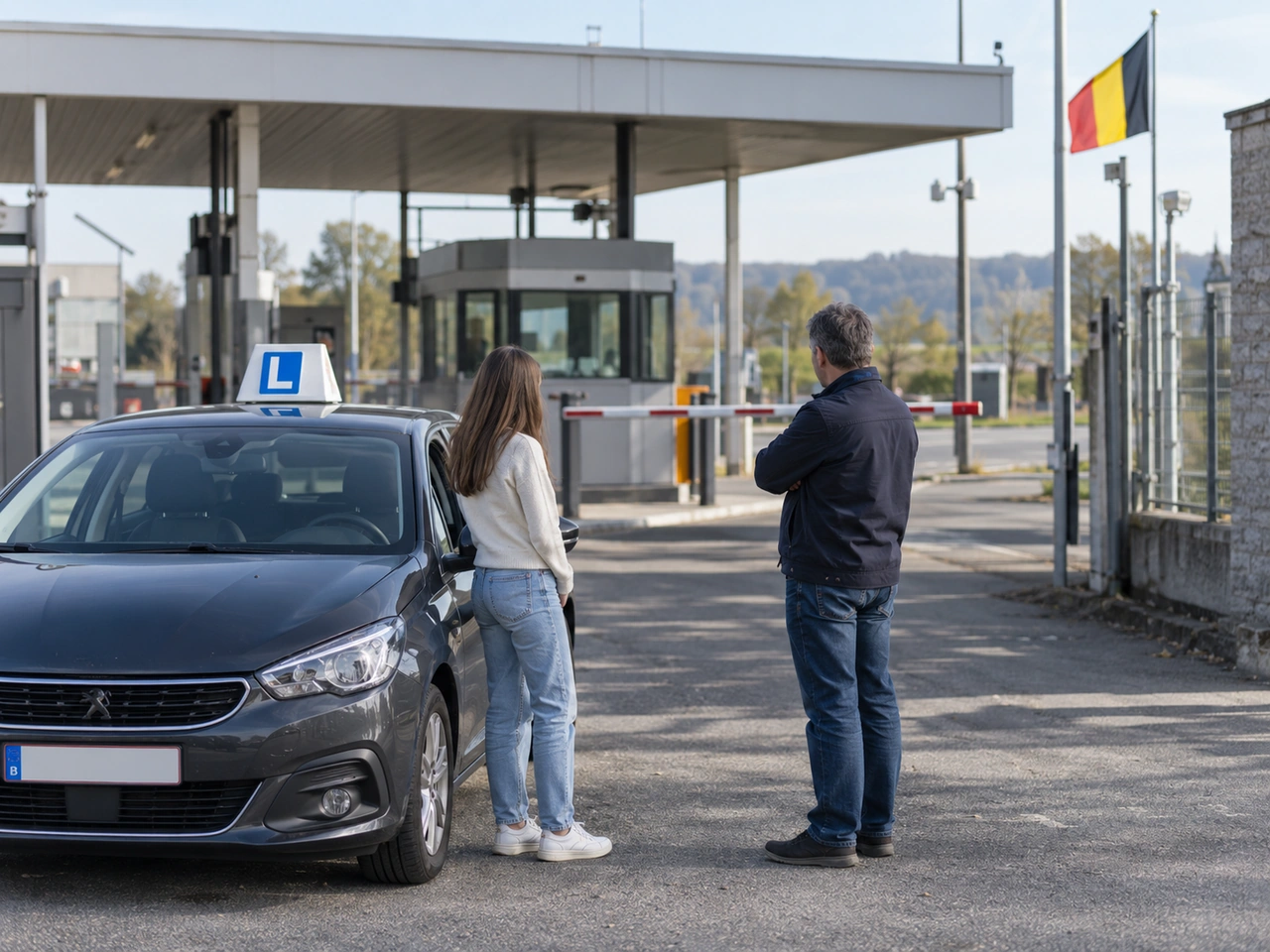
390. Where is a Belgian provisional driving licence valid?
Belgian provisional driving licences M36, M18 and M12 are valid only in Belgium. They cannot be used for learner driving abroad.
AI-generated by Traffic-rules.com • WCIT • CC BY-SA
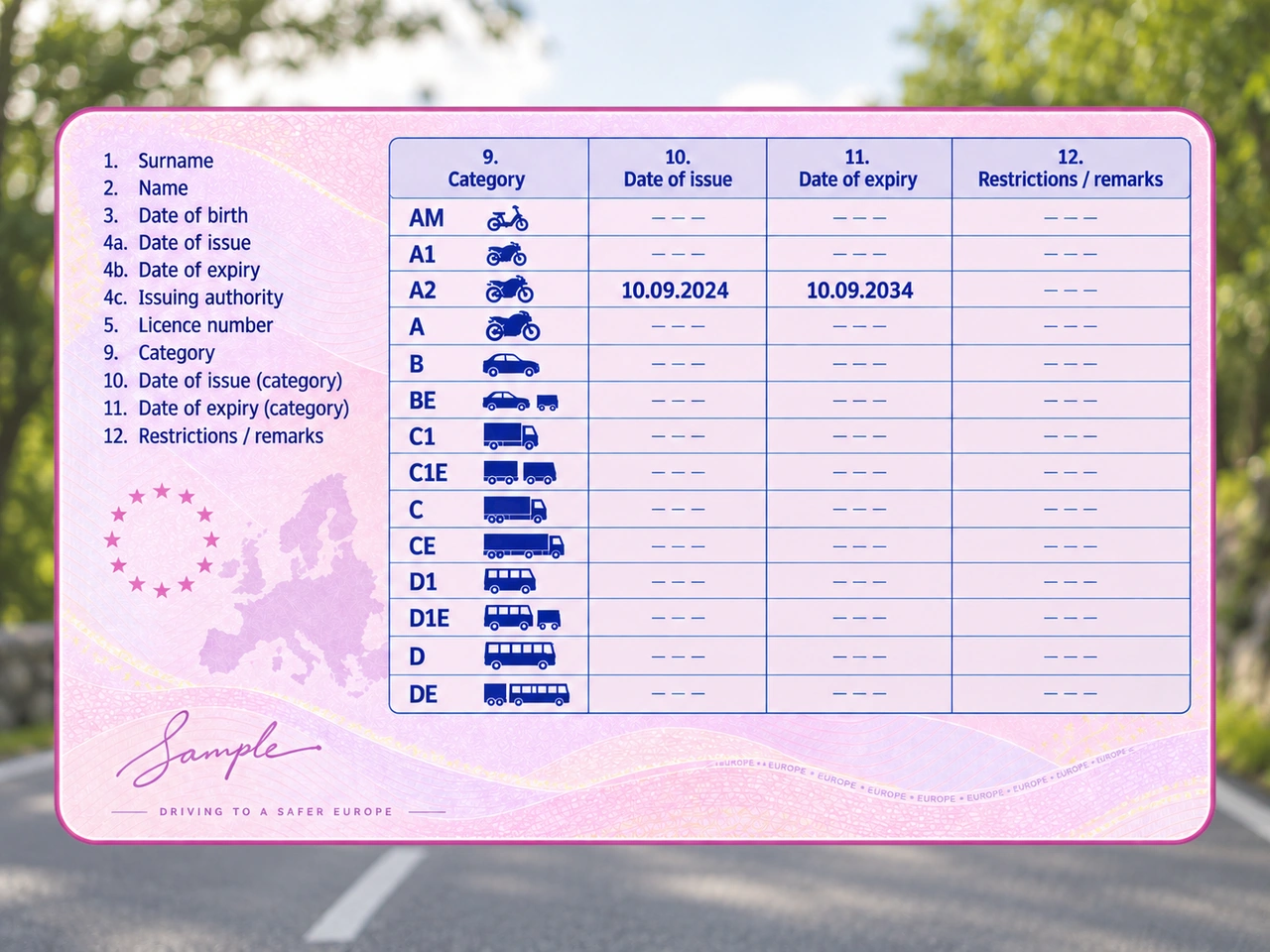
391. Which motorcycles are covered by driving licence A2?
Category A2 covers motorcycles with power not exceeding 35 kW and a power-to-weight ratio not exceeding 0.2 kW/kg. The motorcycle must not be derived from a vehicle with more than double its power.
AI-generated by Traffic-rules.com • WCIT • CC BY-SA
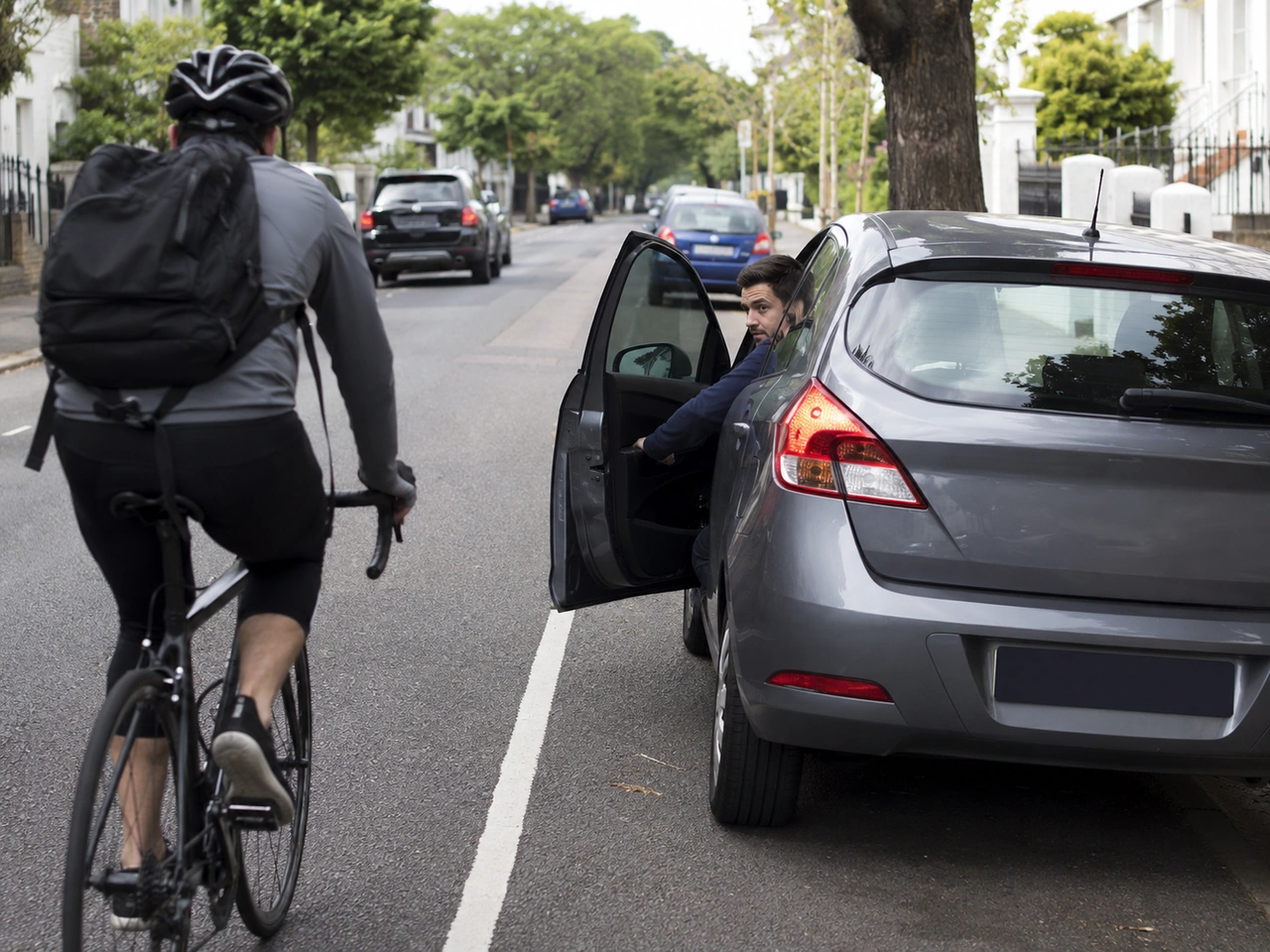
392. You do not need to look for cyclists when opening your car door.
You should always check for cyclists, motorcyclists, and other road users before opening a door.
AI-generated by Traffic-rules.com • WCIT • CC BY-SA
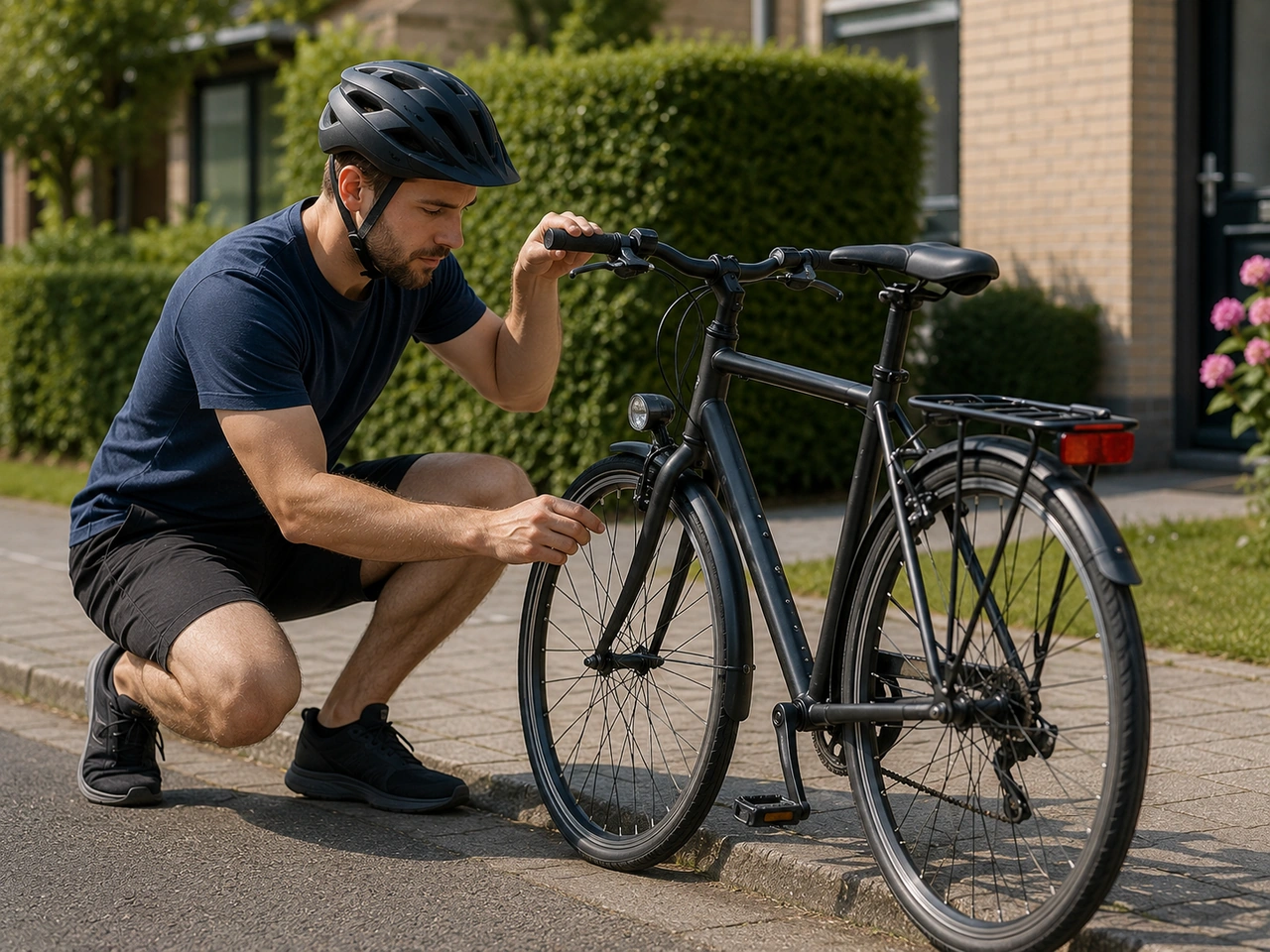
393. What should you check before starting a bicycle journey?
A basic safety check can reveal problems with the brakes, tyres, lights, or steering before they cause an accident.
AI-generated by Traffic-rules.com • WCIT • CC BY-SA
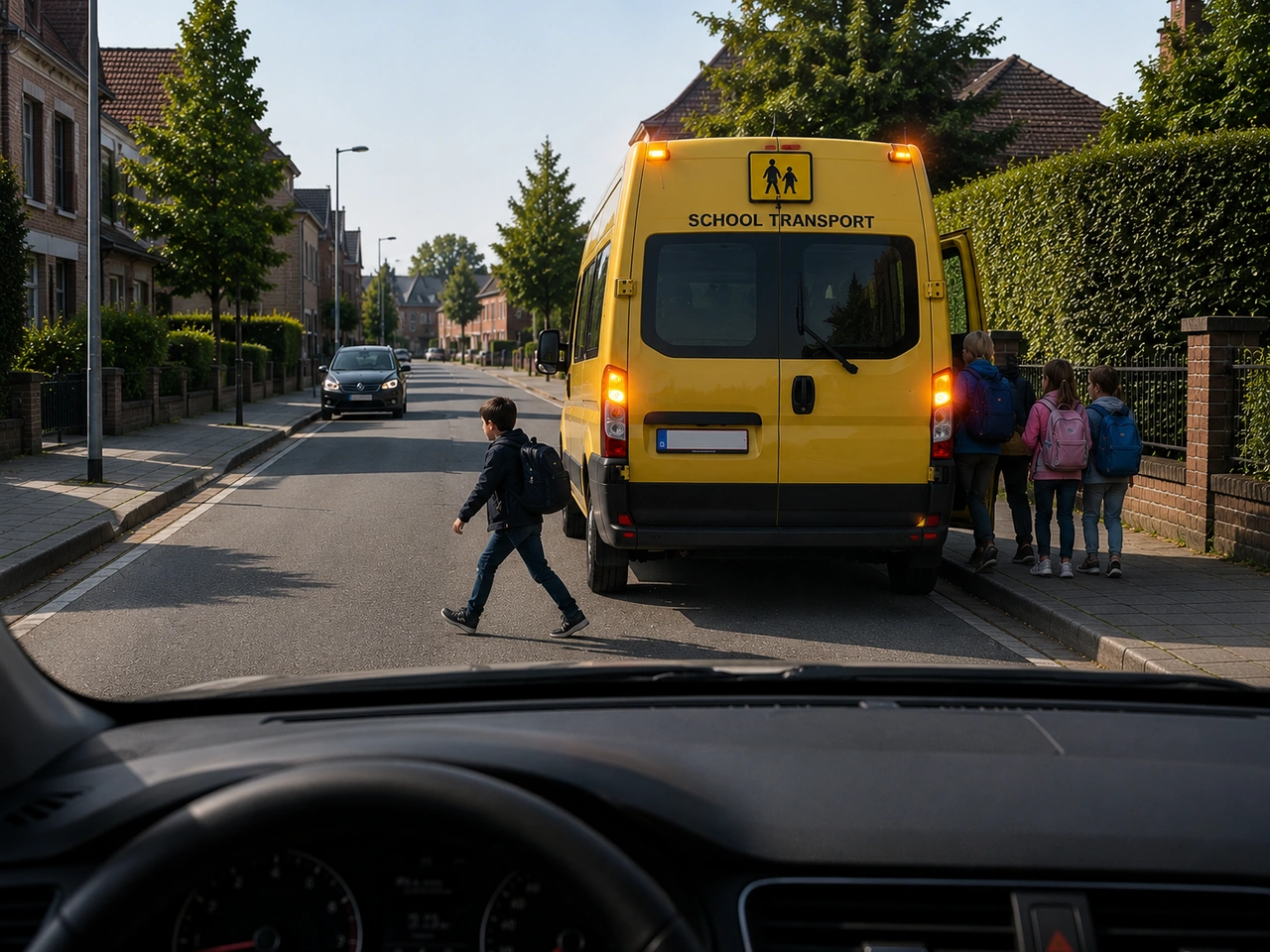
394. What should you do when a school-transport vehicle uses all its indicators?
When a marked school-transport vehicle uses all its direction indicators to show that children are entering or leaving, approaching drivers must be especially careful, reduce speed considerably, and stop if necessary.
AI-generated by Traffic-rules.com • WCIT • CC BY-SA
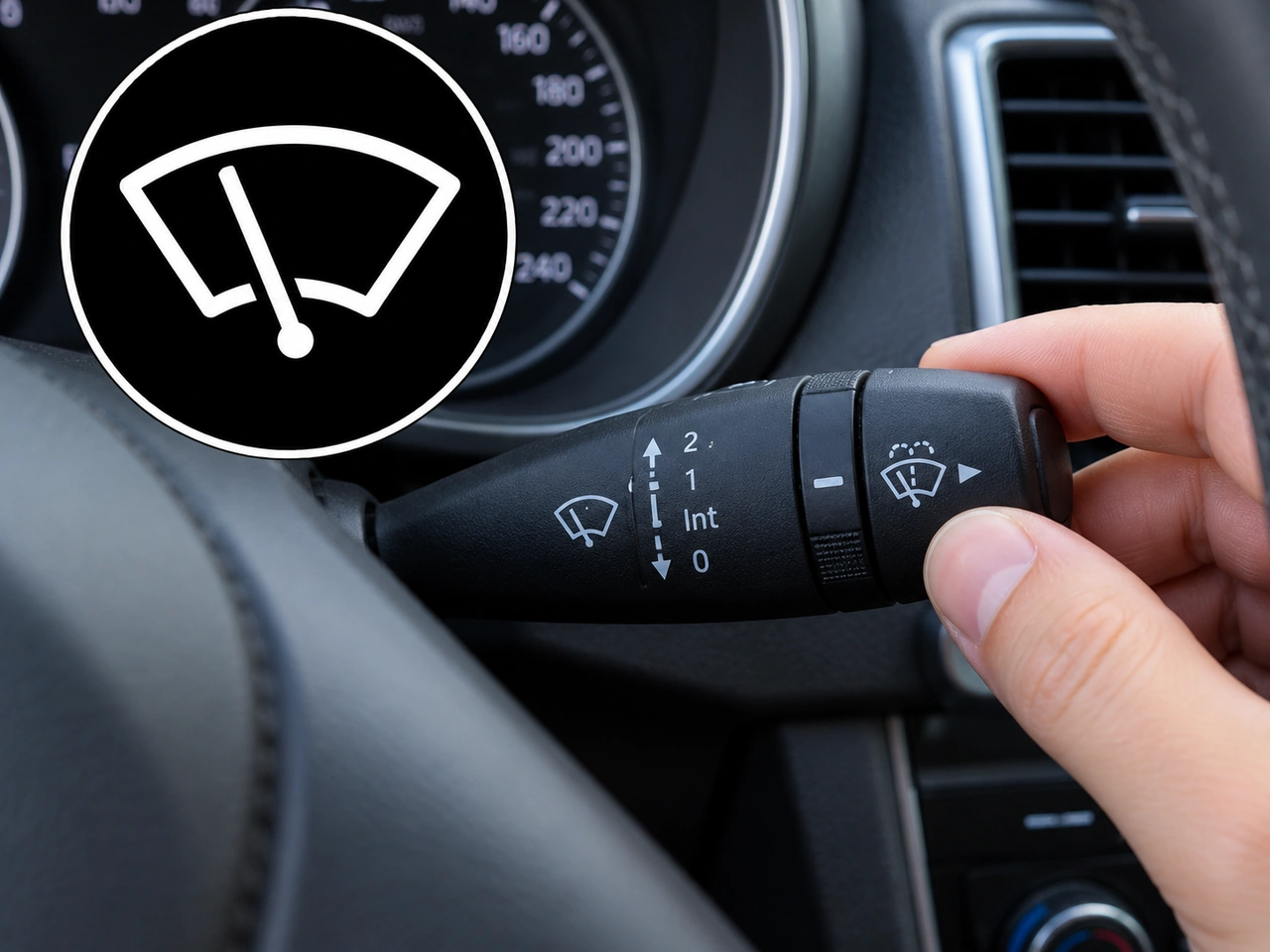
395. What does this vehicle-control symbol indicate?
This symbol relates to the windscreen wipers. The control allows the driver to select an appropriate wiping mode or speed for the amount of rain and visibility conditions.
AI-generated by Traffic-rules.com • WCIT • CC BY-SA
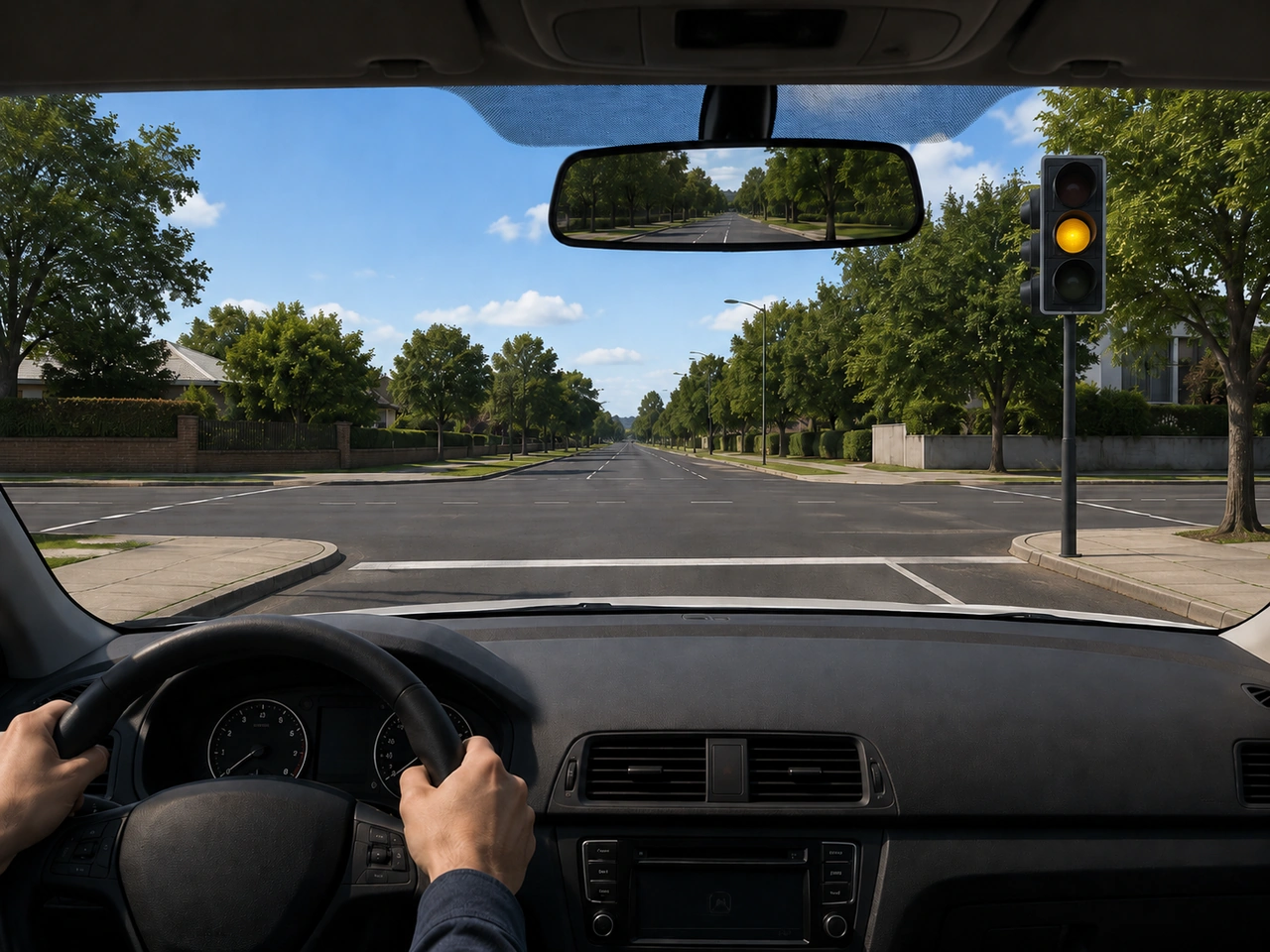
396. You may drive through an amber light without slowing down.
An amber light means you should stop if you can do so safely. If you are too close to stop safely, continue through the junction with caution.
AI-generated by Traffic-rules.com • WCIT • CC BY-SA
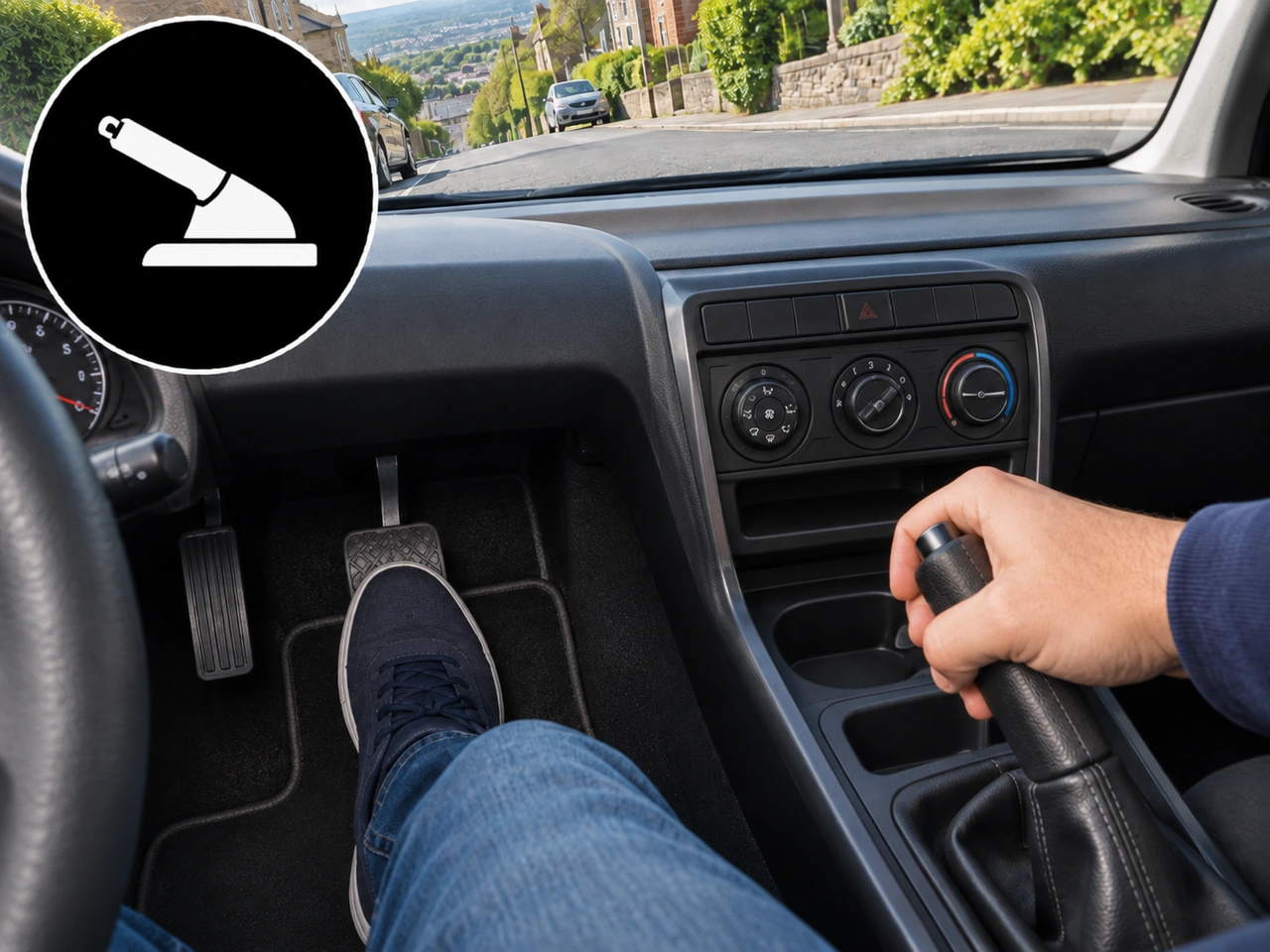
397. What should you do before releasing the parking brake on a slope?
Before releasing the parking brake on a slope, make sure the vehicle cannot roll unexpectedly. Use the service brake or, when moving off in a manual vehicle, establish the clutch biting point and sufficient power before releasing the parking brake.
AI-generated by Traffic-rules.com • WCIT • CC BY-SA
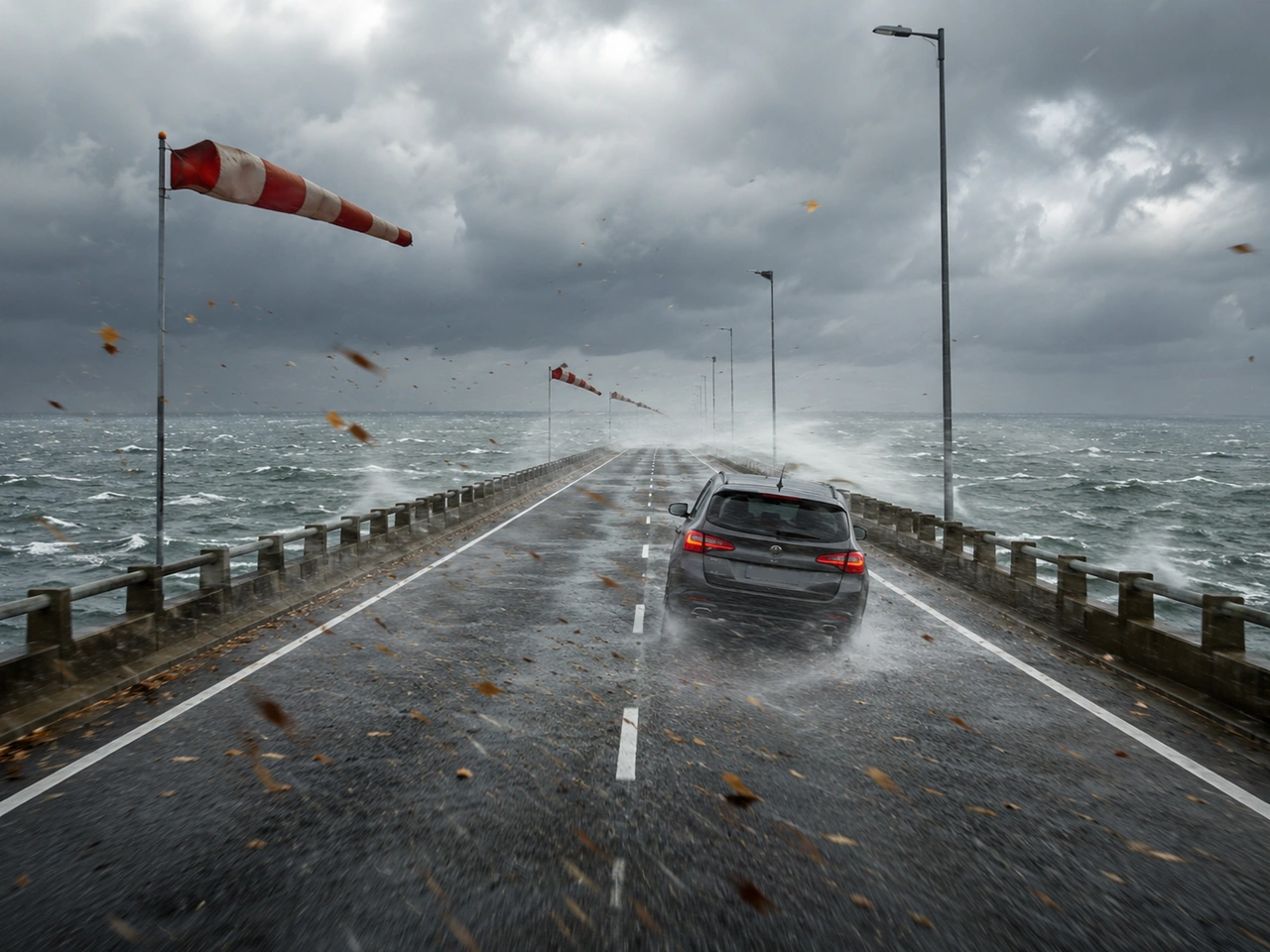
398. Why can bridges be dangerous in strong winds?
Bridges are often open and exposed, allowing strong winds to affect vehicles more suddenly.
AI-generated by Traffic-rules.com • WCIT • CC BY-SA
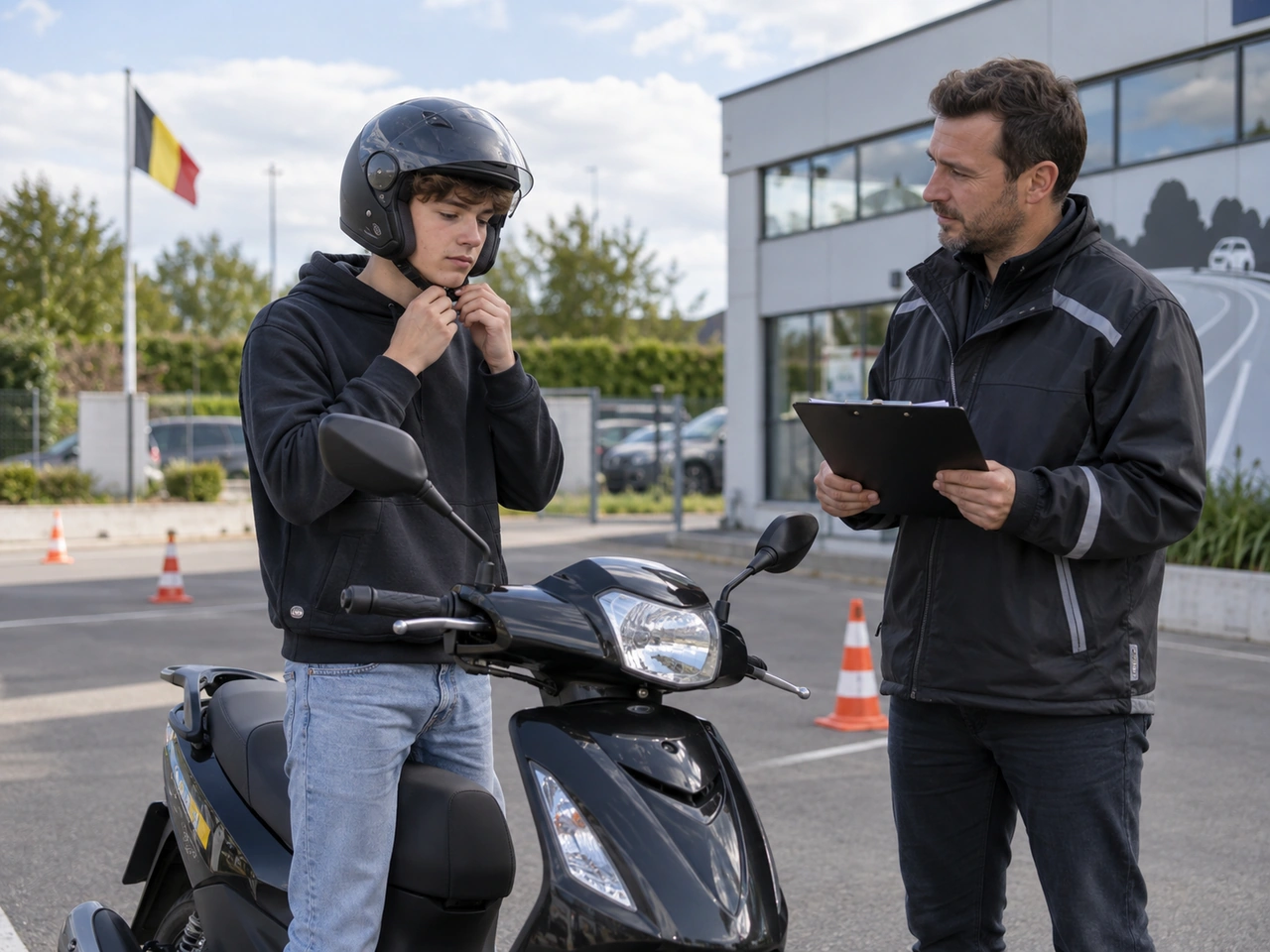
399. At what age can you obtain a Belgian driving licence AM?
Driving licence AM may be obtained from the age of 16 in Belgium.
AI-generated by Traffic-rules.com • WCIT • CC BY-SA
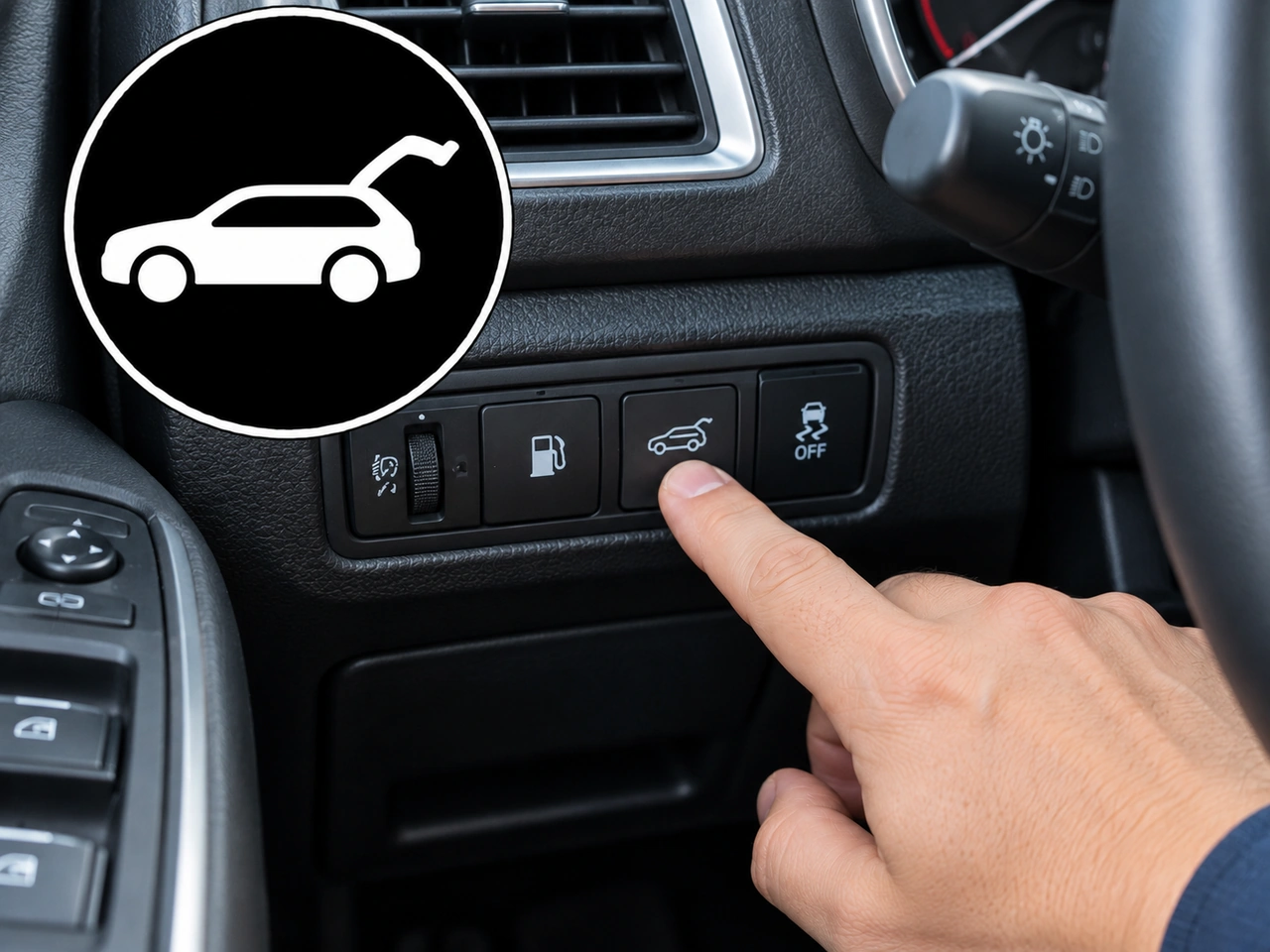
400. What does this vehicle-control symbol indicate?
This symbol indicates the boot or tailgate release. Operating the control unlocks or opens the luggage compartment, depending on the vehicle.
AI-generated by Traffic-rules.com • WCIT • CC BY-SA