


ZoneHungary
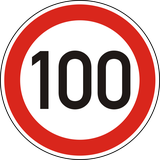 Traffic rules
 Hungary
4. Zone
A traffic zone is an area in which a traffic rule applies throughout all included roads or road sections. The rule normally begins at a zone-entry sign and remains applicable until the corresponding end-of-zone sign is passed.
Zones may regulate speed, parking, access, vehicle categories, emissions or other traffic behaviour. The signs used, the roads covered and the effect of intersections or local exceptions depend on local traffic law.
Wikimedia.org • Globetrotter19 • CC BY-SA
What is a traffic zone?
A traffic zone is a defined area in which a particular restriction, prohibition or obligation applies throughout the included roads rather than only at one location.
How can you recognise a traffic zone?
A traffic zone normally begins with a zone-entry sign showing the applicable rule. A corresponding end-of-zone sign indicates where that rule stops applying.
What is the difference between a zone sign and an ordinary traffic sign?
An ordinary sign usually applies to a particular road, direction, lane or section. A zone sign applies throughout a designated area, which may contain several roads and intersections.
Does a zone normally continue after an intersection?
Usually, yes. A zonal rule commonly continues through intersections until an end-of-zone sign is reached. The exact effect of intersections depends on local law.
How does a traffic zone end?
A traffic zone normally ends when you pass the corresponding end-of-zone sign. The normal road rules or another signed regulation then apply.
Can more than one rule apply inside a zone?
Yes. A zone may contain several regulations, such as a speed limit together with parking or access restrictions. Drivers must observe every applicable sign.
Can another traffic sign apply inside a zone?
Yes. A local sign may introduce a different or more restrictive rule on a particular road or section. Whether the original zonal rule resumes afterwards depends on local law and the type of regulation.
What types of traffic zones exist?
Common examples include speed zones, parking zones, low-emission zones, pedestrian zones, cycling zones, school zones and zones restricting particular vehicle categories.
Is a traffic zone the same as a built-up area?
No. A built-up area is a broader legally defined urban area. A traffic zone imposes a specific signed rule and may be located inside or outside a built-up area.
Is a traffic zone the same as a residential area?
No. A residential area describes an area mainly used for housing. It may contain one or more traffic zones, but the terms do not automatically have the same legal meaning.
Does a zonal rule apply to every road user?
Not necessarily. The sign, symbol or additional panel may limit the rule to particular vehicles, road users, times or circumstances.
What should you do when entering a traffic zone?
Observe the entrance sign carefully, identify every displayed rule and remember that the regulation may continue across several roads and intersections until the zone ends.


