

QuizTraffic rulesItaly
This interesting quiz helps you test your knowledge in a clear and visual way. With easy multiple-choice questions, you can quickly build confidence and learn new facts while keeping it simple, interactive, and fun.
 Traffic signs
 Traffic rules
 Italy
Italy
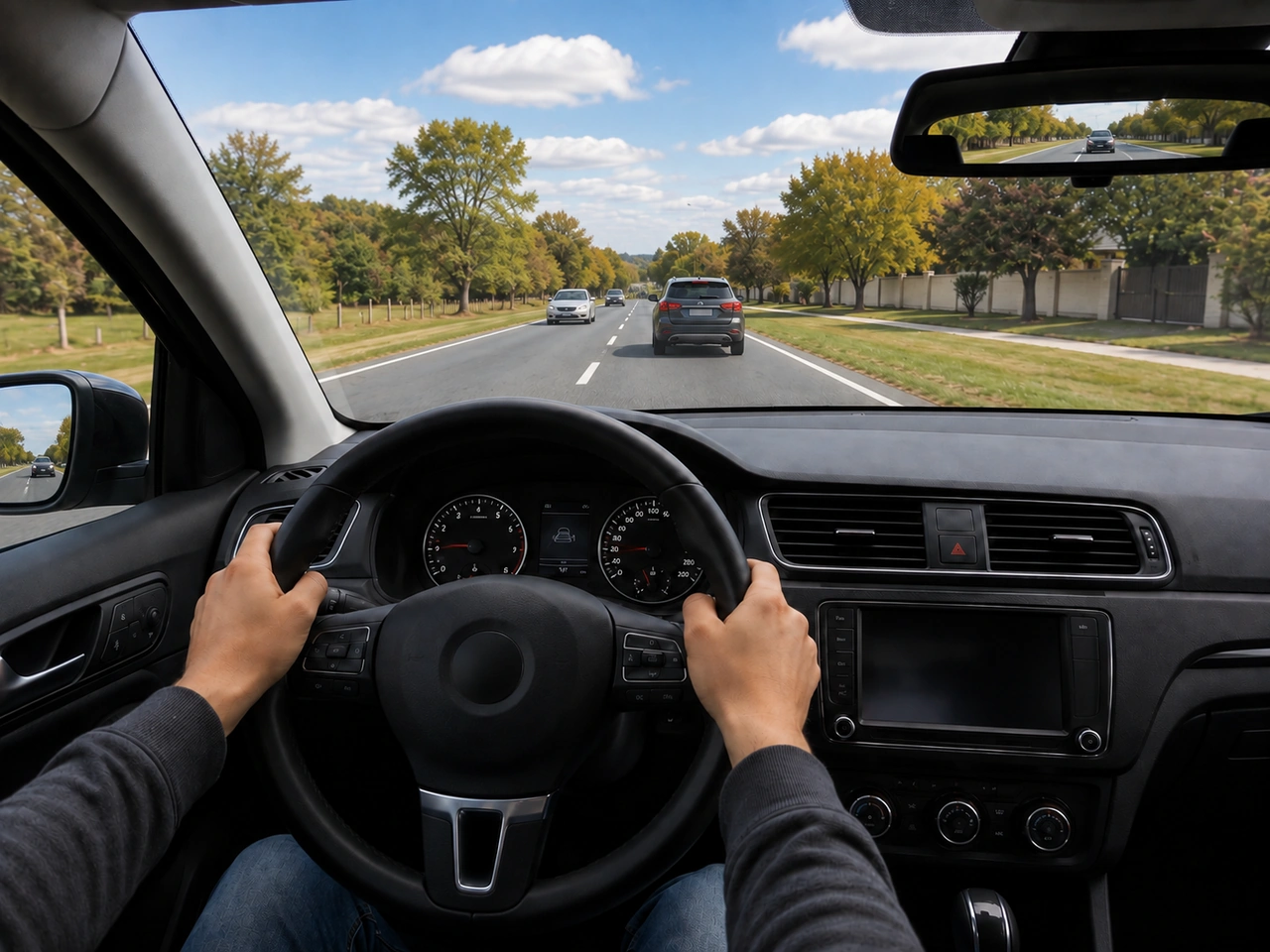
301. You should keep both hands ready to control the steering.
Keeping proper control of the steering wheel helps you react safely to changes in traffic and road conditions.
AI-generated by Traffic-rules.com • WCIT • CC BY-SA

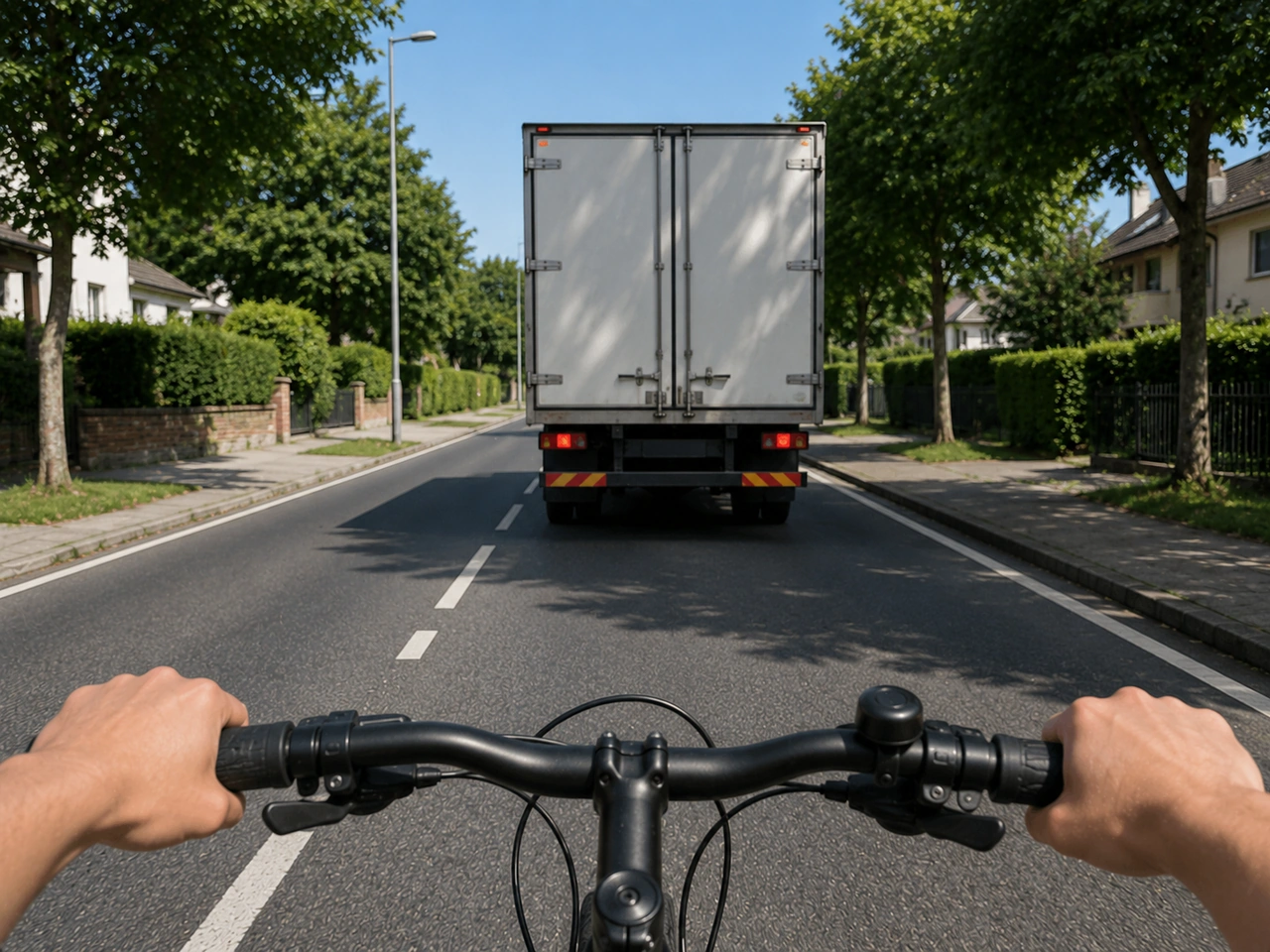
302. What should cyclists do near a large vehicle that may be turning?
Large vehicles need extra space to turn and may move across a cyclist's path. Remaining behind is usually safer.
AI-generated by Traffic-rules.com • WCIT • CC BY-SA
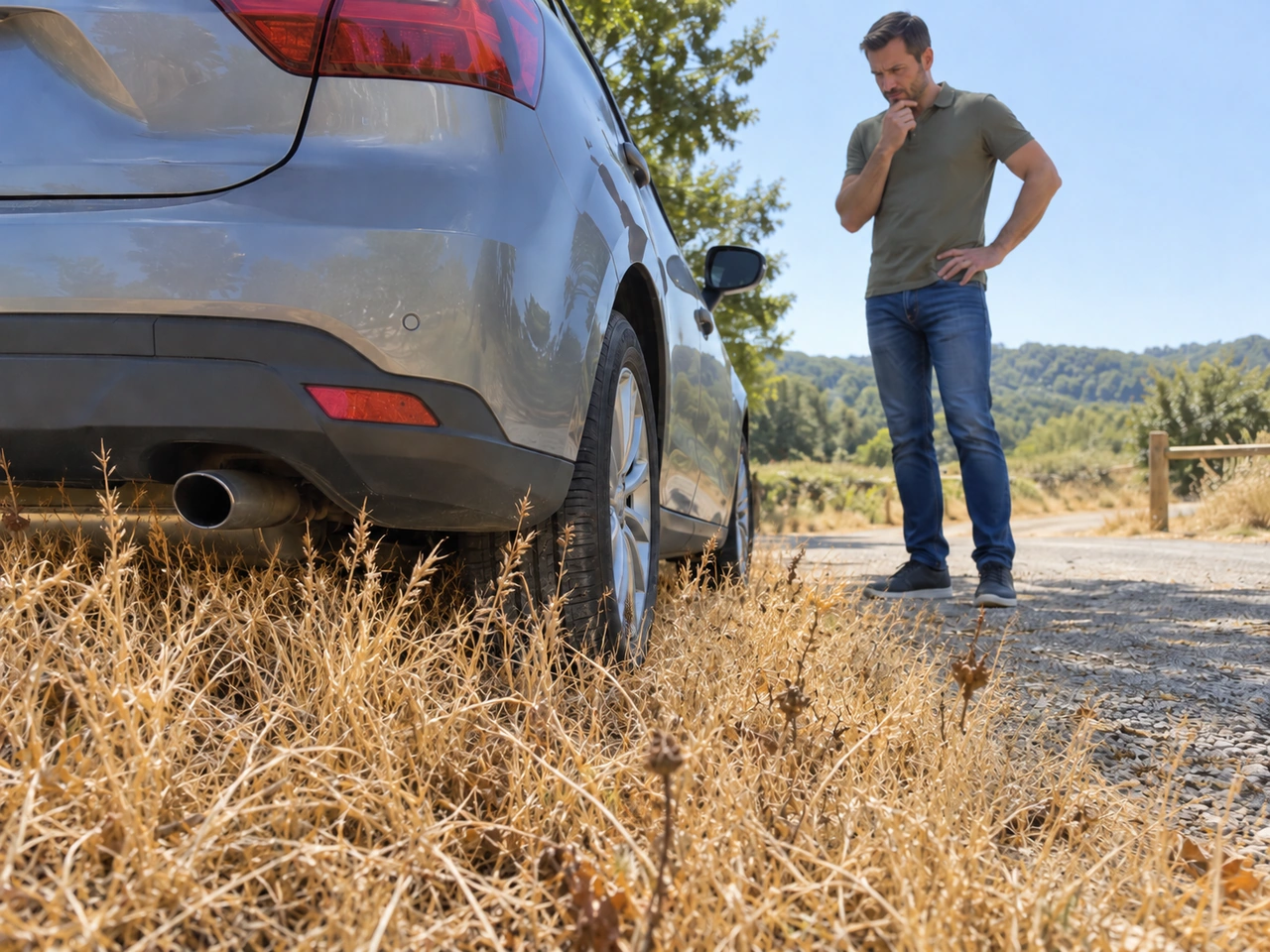
303. Why should you avoid parking a petrol or diesel vehicle on dry grass?
Parts of the exhaust system, especially the catalytic converter, can become very hot while driving. Parking over dry grass, leaves, or other combustible vegetation can create a fire risk. Park on a suitable non-flammable surface whenever possible.
AI-generated by Traffic-rules.com • WCIT • CC BY-SA
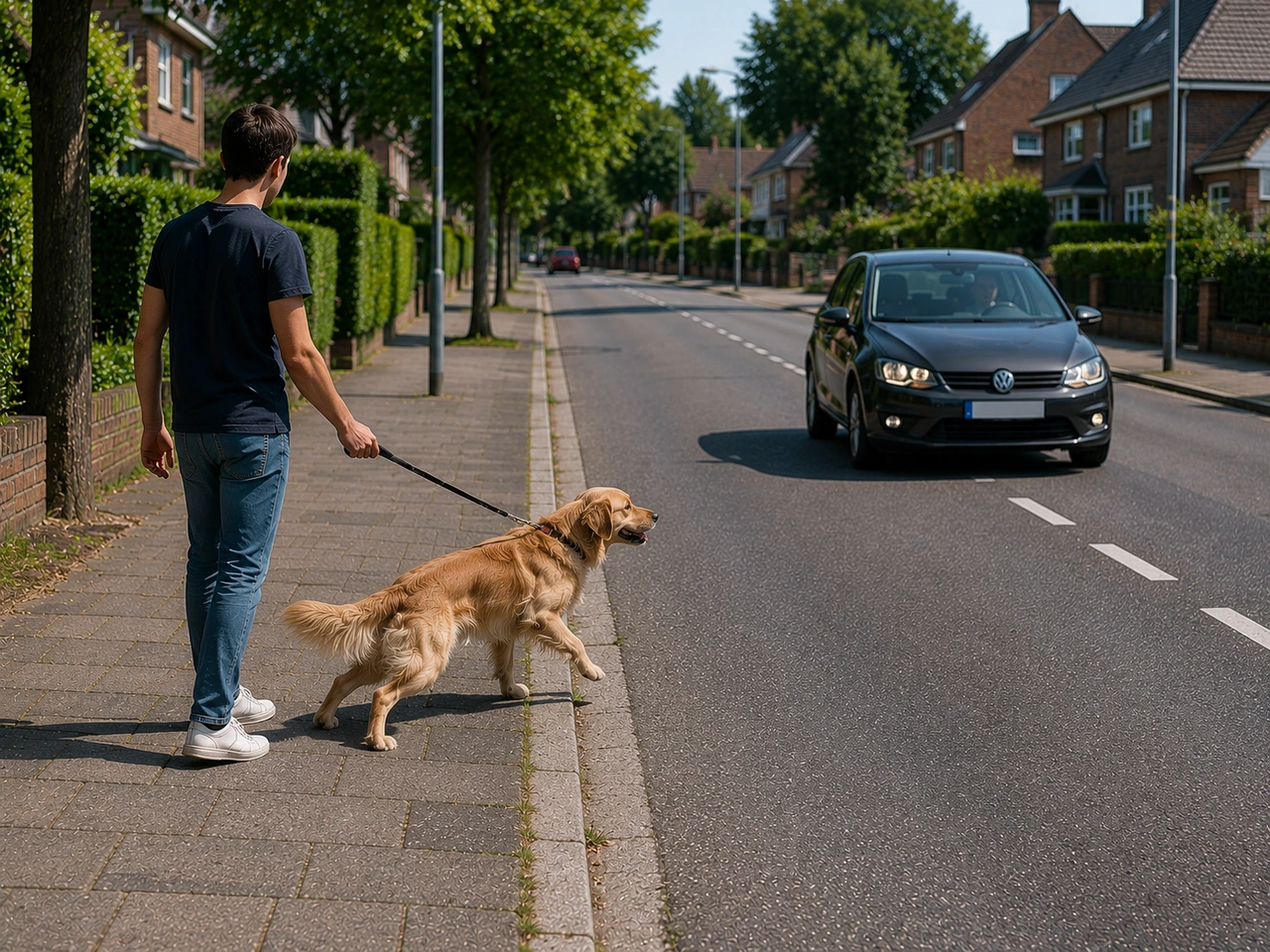
304. Why should pedestrians avoid sudden movements near traffic?
Sudden movements can surprise drivers and reduce the time they have to slow down or stop safely.
AI-generated by Traffic-rules.com • WCIT • CC BY-SA
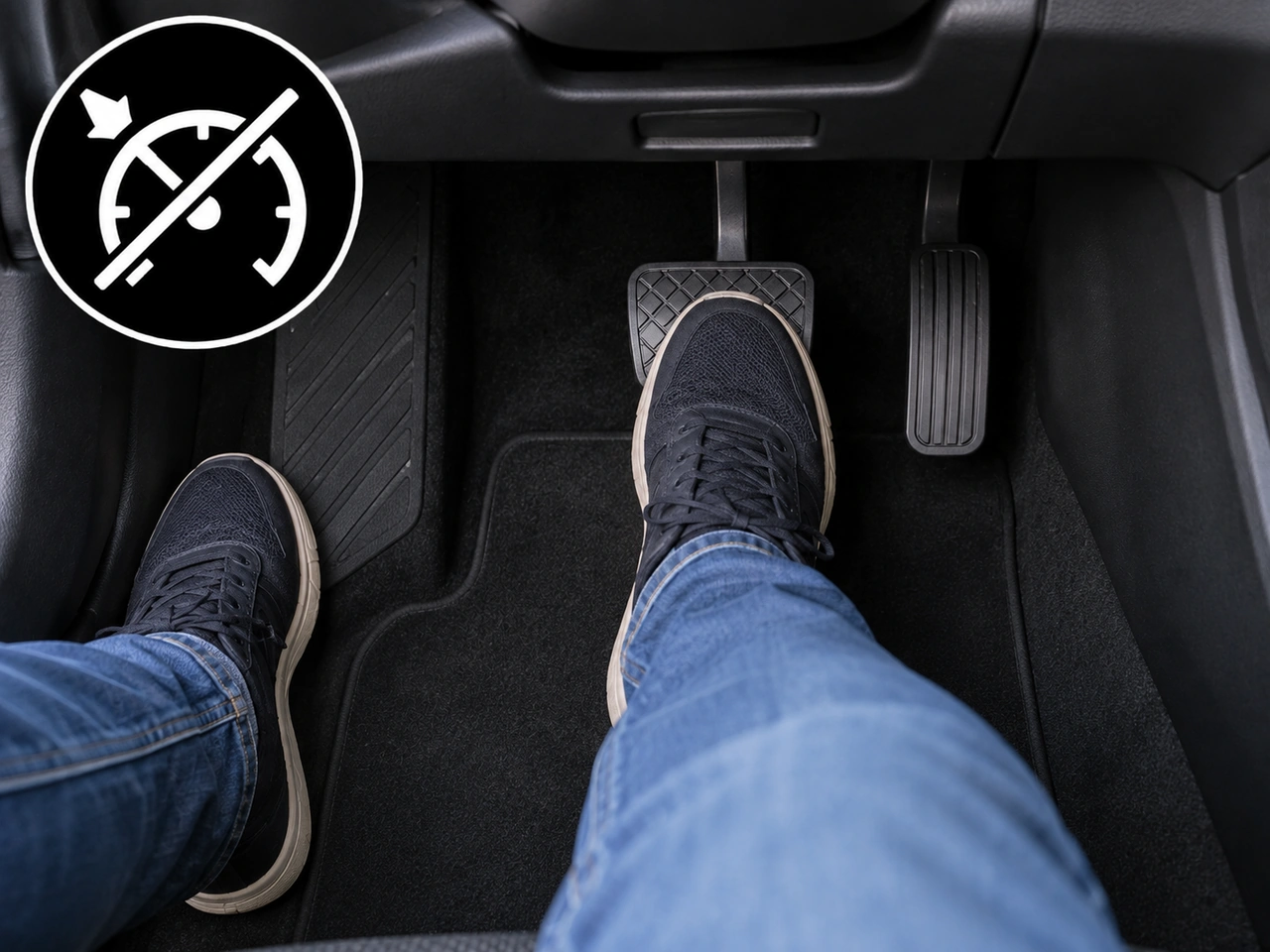
305. What normally happens to cruise control when you press the brake pedal?
Pressing the brake pedal normally cancels or temporarily disengages cruise control, returning speed control to the driver.
AI-generated by Traffic-rules.com • WCIT • CC BY-SA
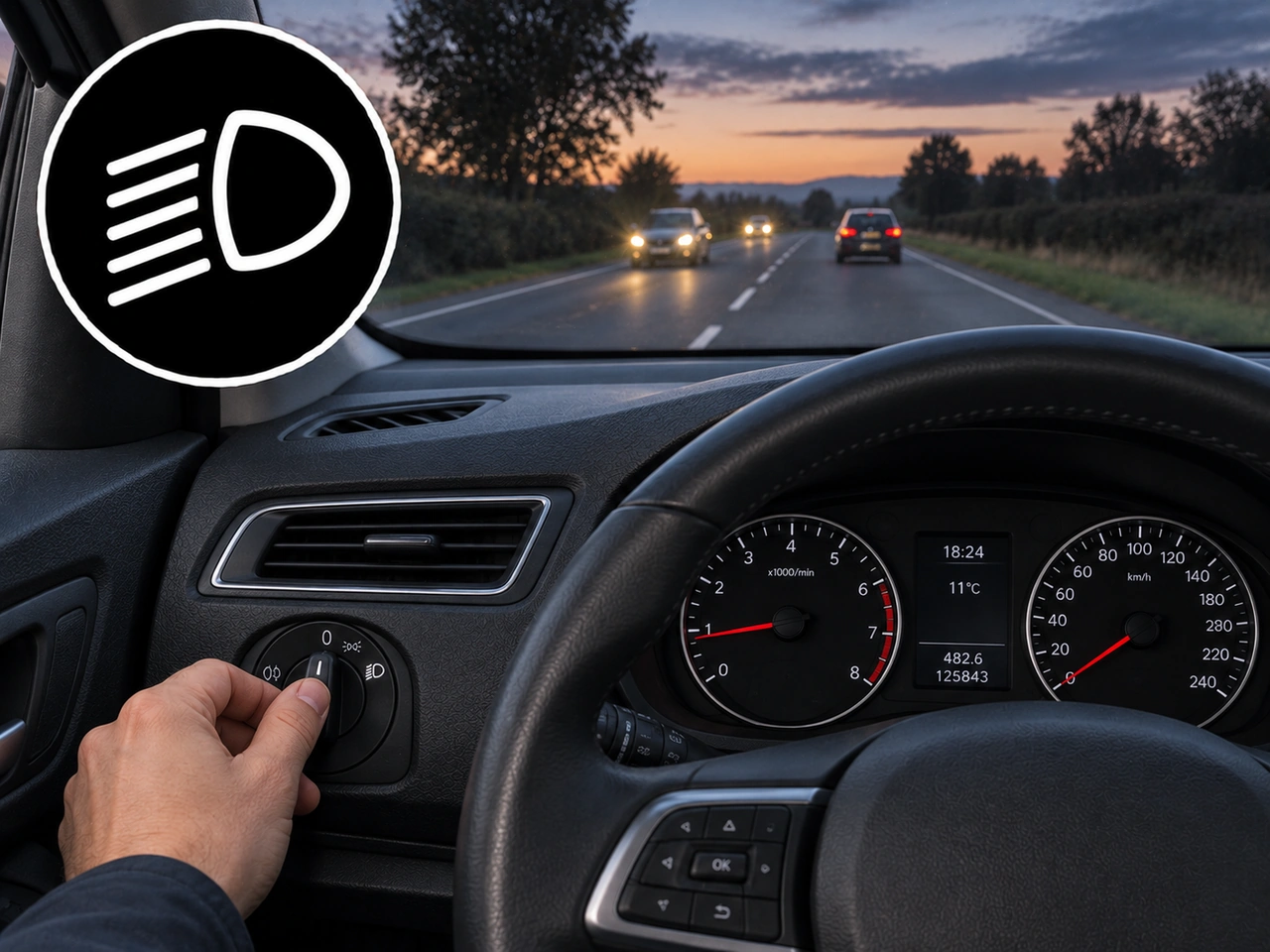
306. Which control is normally used to switch on the dipped headlights?
The lighting control is normally used to switch on the dipped headlights. Depending on the vehicle, it may be a rotary switch or part of a lighting stalk.
AI-generated by Traffic-rules.com • WCIT • CC BY-SA
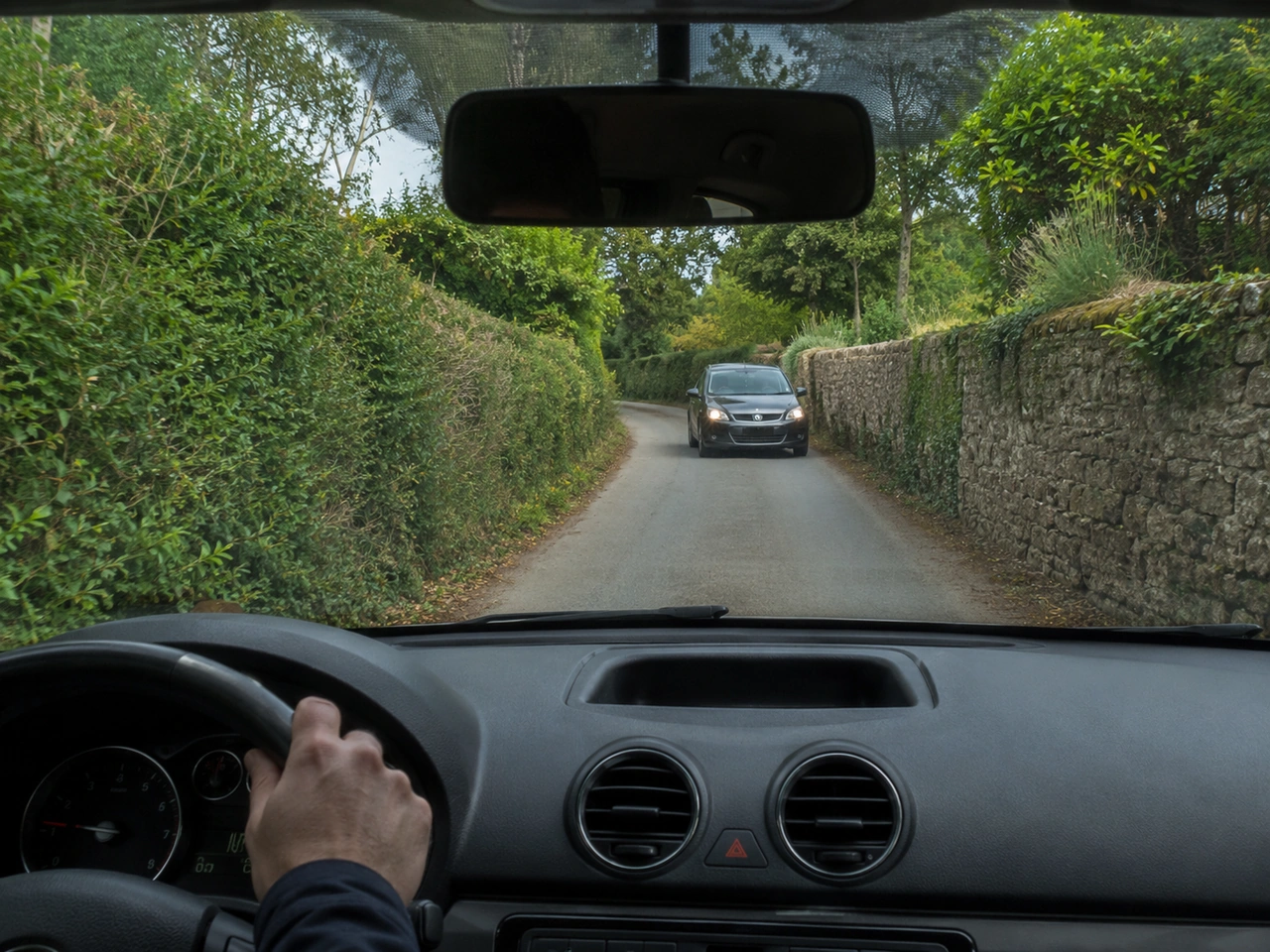
307. What should you do when approaching a narrow road with oncoming traffic?
On narrow roads, reduce speed and be prepared to stop or use a suitable passing place. Leave enough space for the oncoming vehicle and avoid forcing either vehicle into an unsafe position.
AI-generated by Traffic-rules.com • WCIT • CC BY-SA
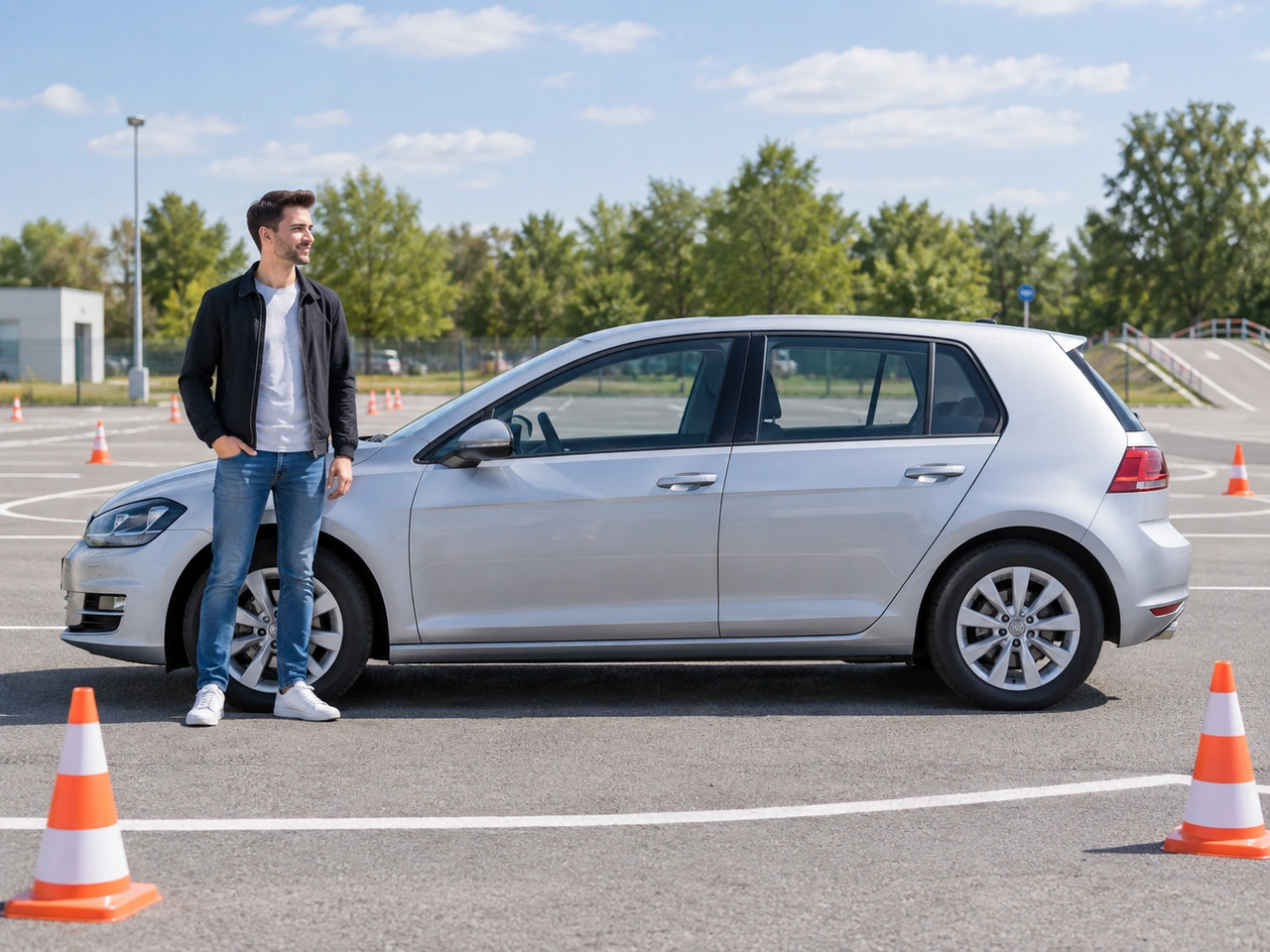
308. What is the minimum licence for a car with a maximum authorised mass of 3,500 kg?
Category B normally covers motor vehicles with a maximum authorised mass not exceeding 3,500 kg and designed to carry no more than eight passengers in addition to the driver.
AI-generated by Traffic-rules.com • WCIT • CC BY-SA
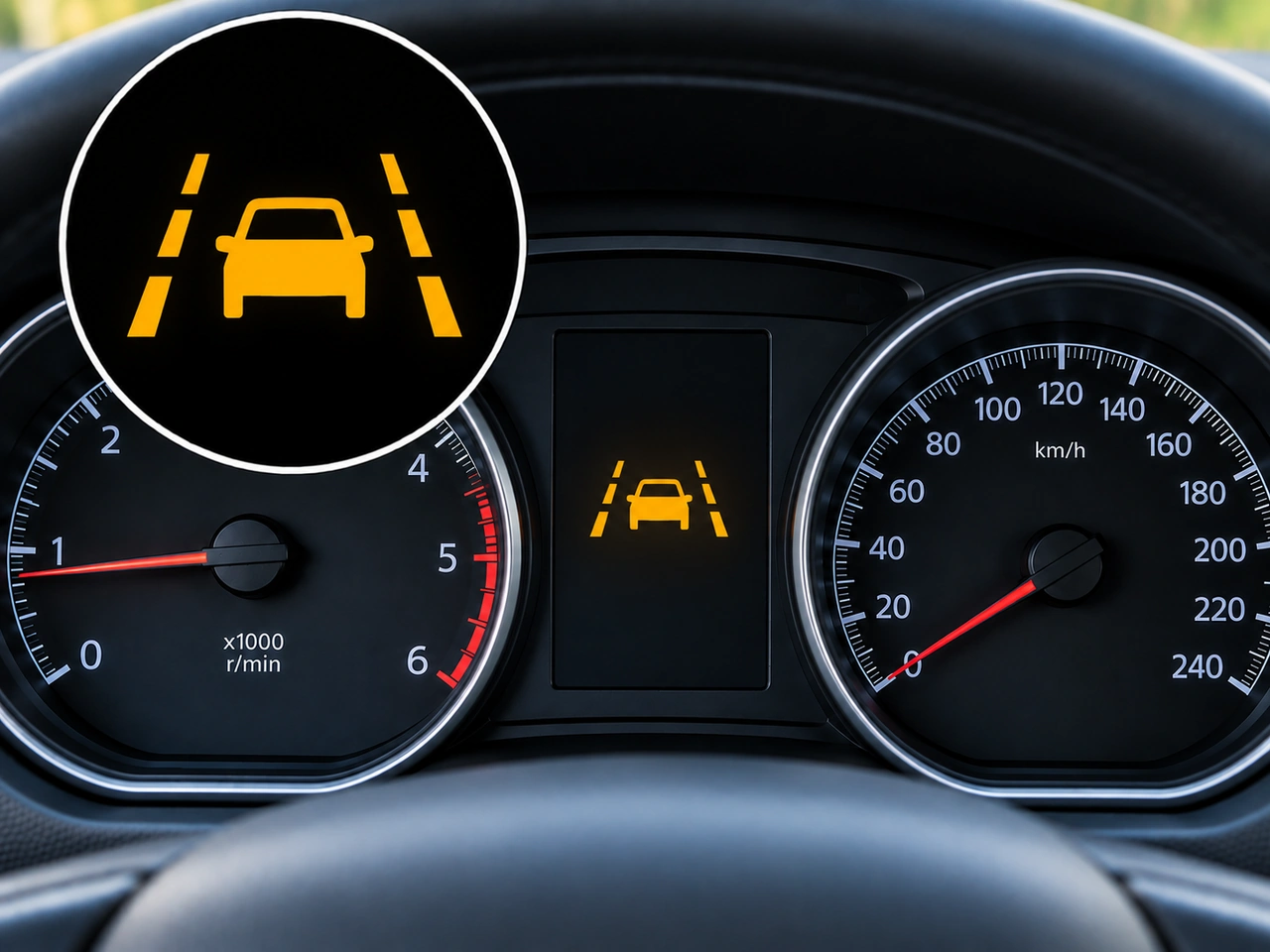
309. What does this dashboard symbol indicate?
This symbol relates to the lane-departure warning or lane-keeping system. The system monitors the vehicle's position within its lane and may warn the driver if the vehicle begins to leave the lane unintentionally.
AI-generated by Traffic-rules.com • WCIT • CC BY-SA
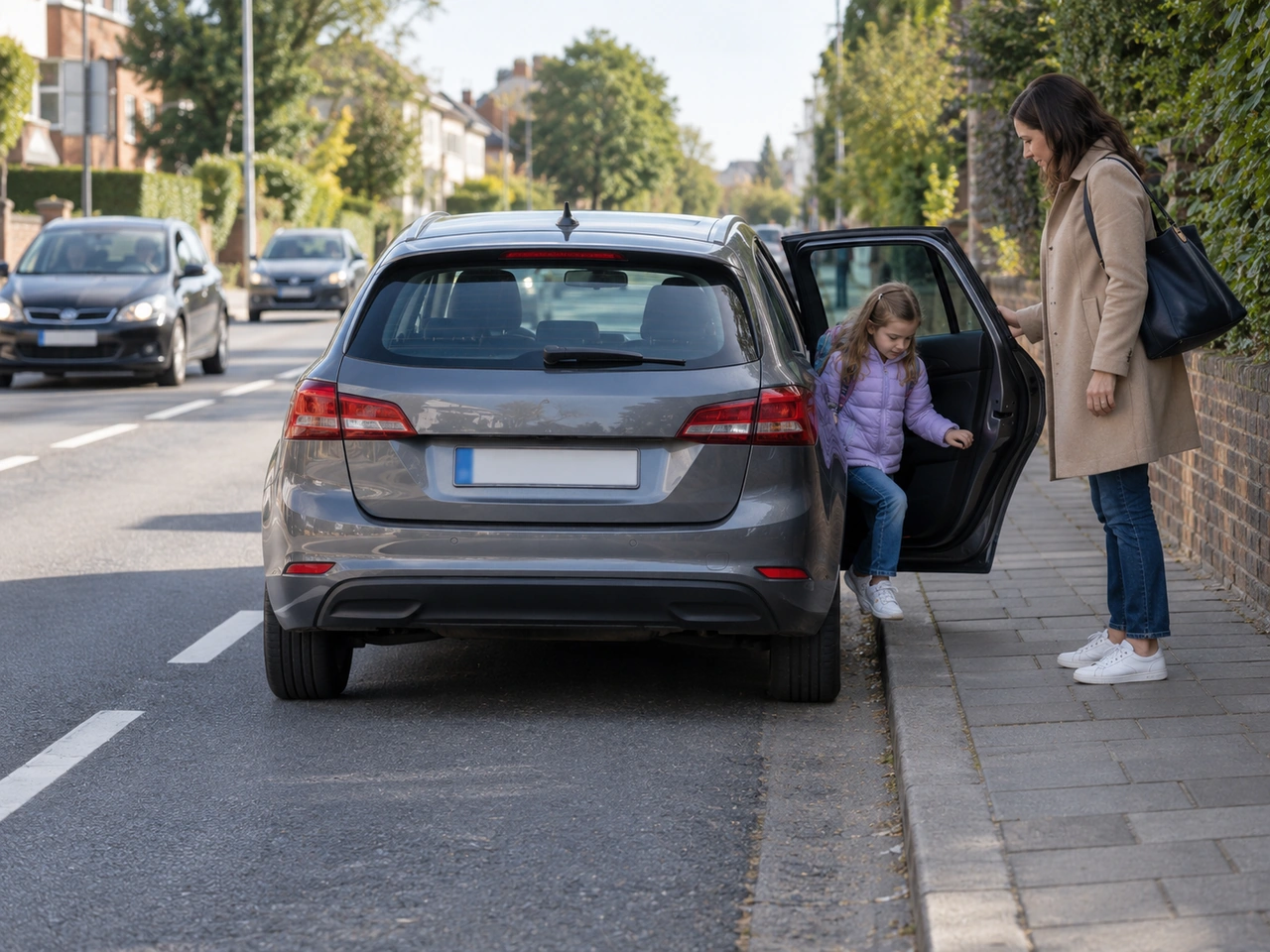
310. Where should passengers get in or out of a vehicle when possible?
Passengers should get in or out on the side away from moving traffic whenever possible. This is particularly important for children, who may not recognise approaching traffic or other road users. Before opening any door, check that it is safe.
AI-generated by Traffic-rules.com • WCIT • CC BY-SA
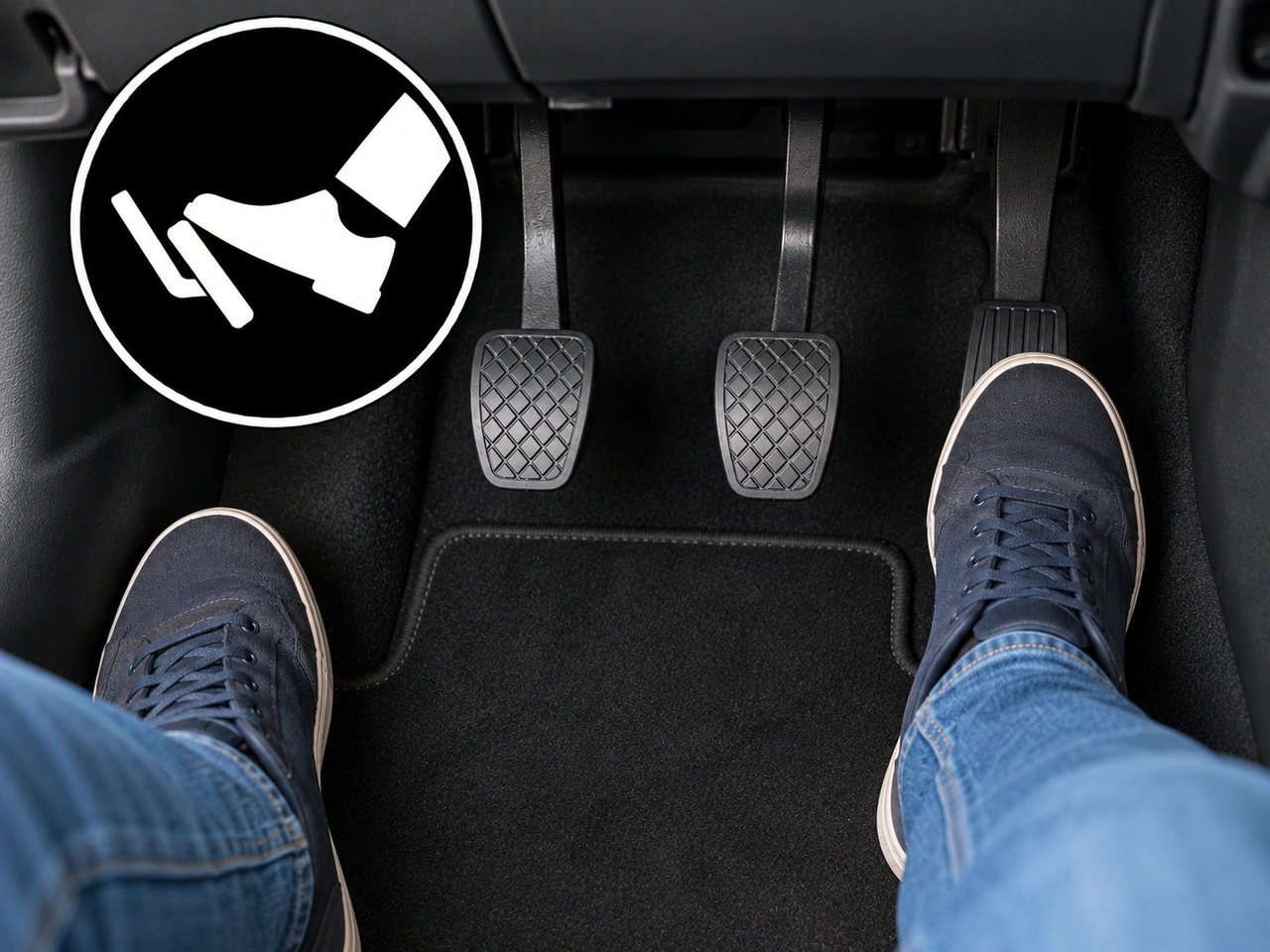
311. Which pedal is used to increase the vehicle's speed?
The accelerator pedal controls the amount of power delivered by the engine and is used to increase or maintain the vehicle's speed. It is the right-hand pedal.
AI-generated by Traffic-rules.com • WCIT • CC BY-SA
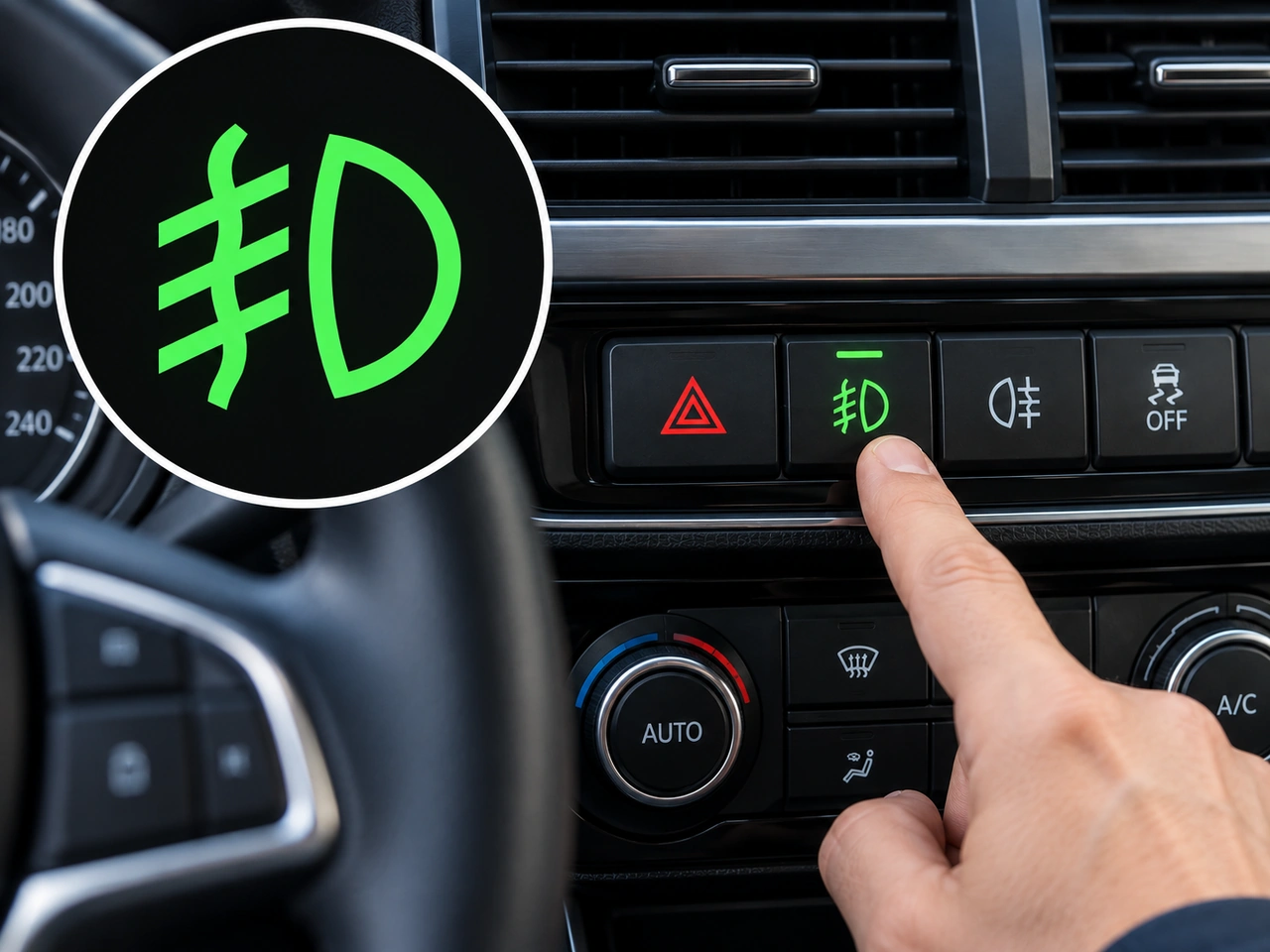
312. What does this dashboard symbol indicate?
This symbol indicates that the front fog lights are switched on. Front fog lights are designed to improve illumination close to the road in conditions of severely reduced visibility. Rules governing their use vary by country.
AI-generated by Traffic-rules.com • WCIT • CC BY-SA
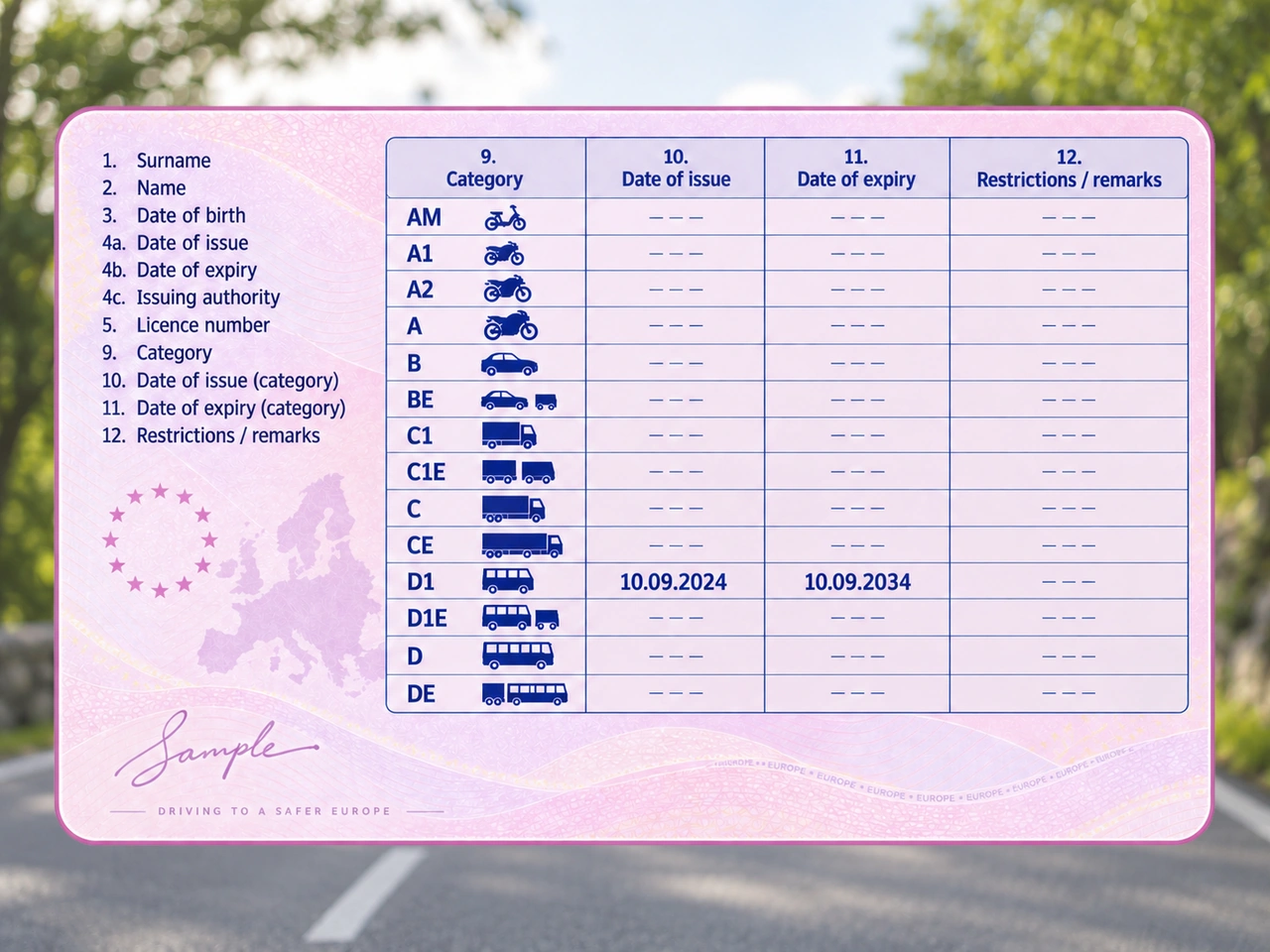
313. Which passenger vehicles are covered by driving licence D1?
Category D1 covers vehicles designed to carry no more than 16 passengers in addition to the driver and with a maximum length of 8 metres. A trailer up to 750 kg may be towed.
AI-generated by Traffic-rules.com • WCIT • CC BY-SA
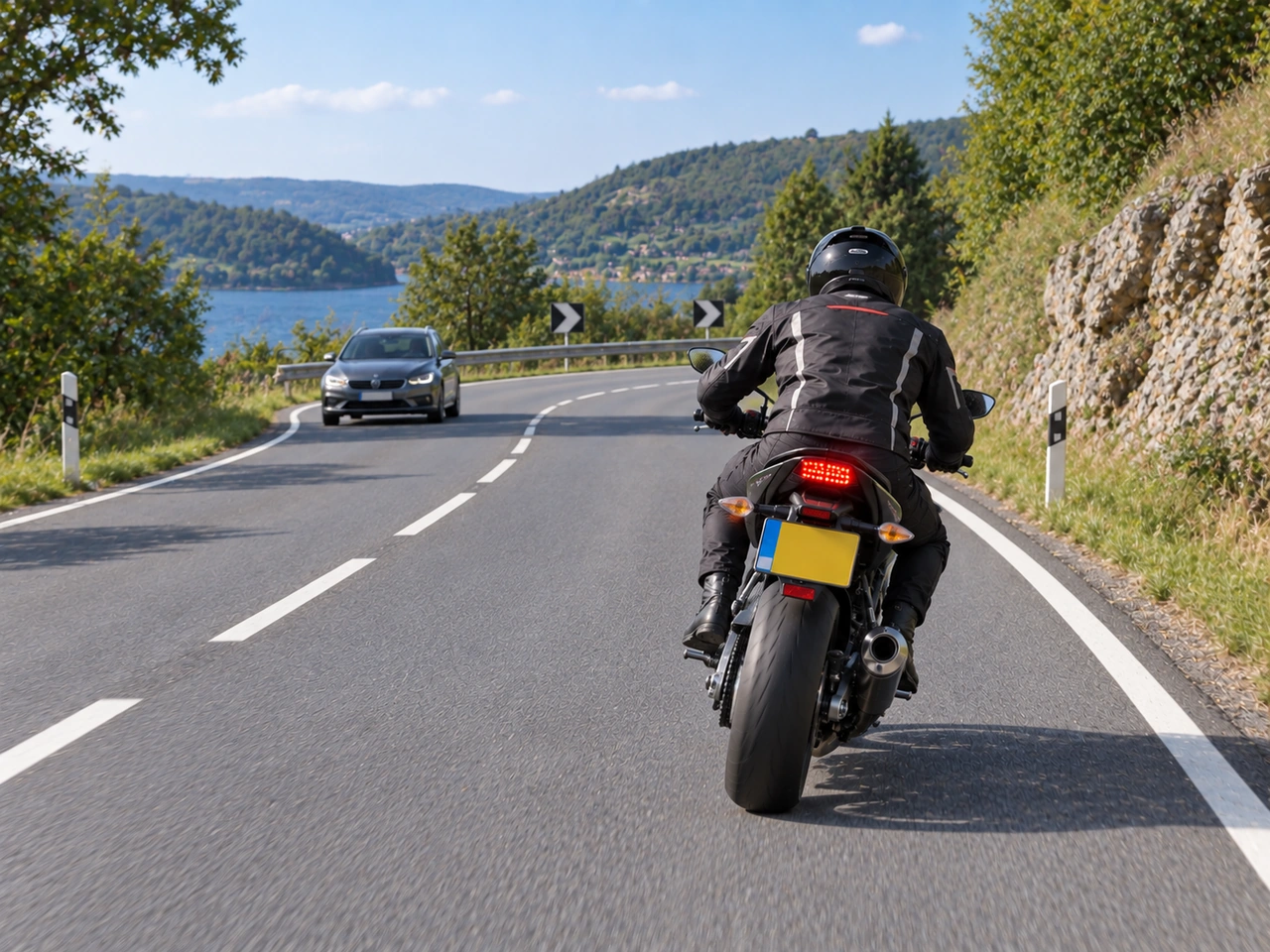
314. What should a motorcyclist do before entering a bend?
Adjust your speed before entering the bend so you can steer smoothly and remain within a safe position. Look through the bend towards where you want to travel and be prepared for hazards that may be hidden from view.
AI-generated by Traffic-rules.com • WCIT • CC BY-SA
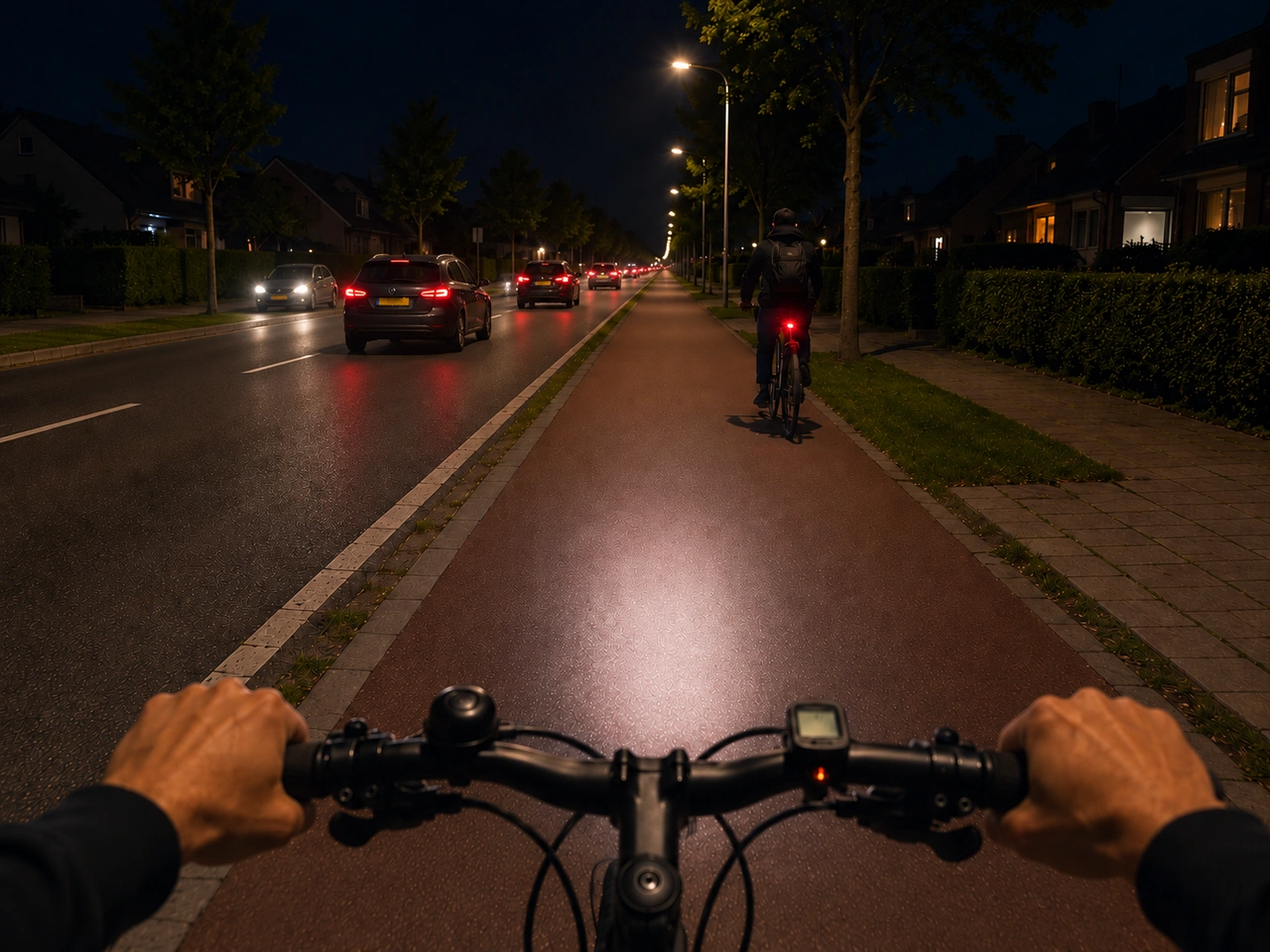
315. Why is it important to use bicycle lights at night?
Front and rear lights improve visibility and make it easier for drivers, cyclists, and pedestrians to detect you.
AI-generated by Traffic-rules.com • WCIT • CC BY-SA
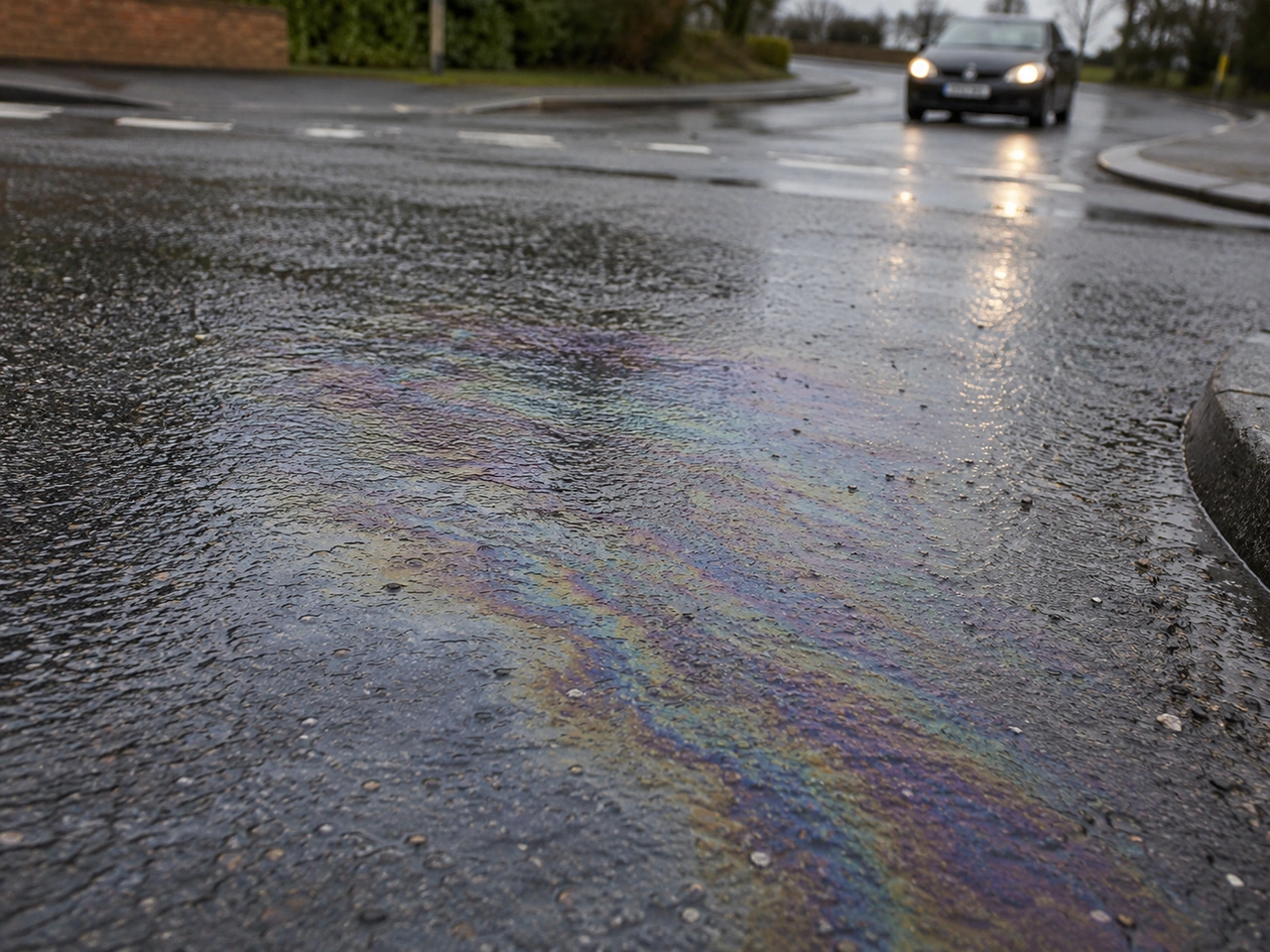
316. Why are roads especially slippery during rain after a dry period?
After a dry period, oil and dirt can build up on the road. The first rain mixes with them and can make the surface very slippery.
AI-generated by Traffic-rules.com • WCIT • CC BY-SA
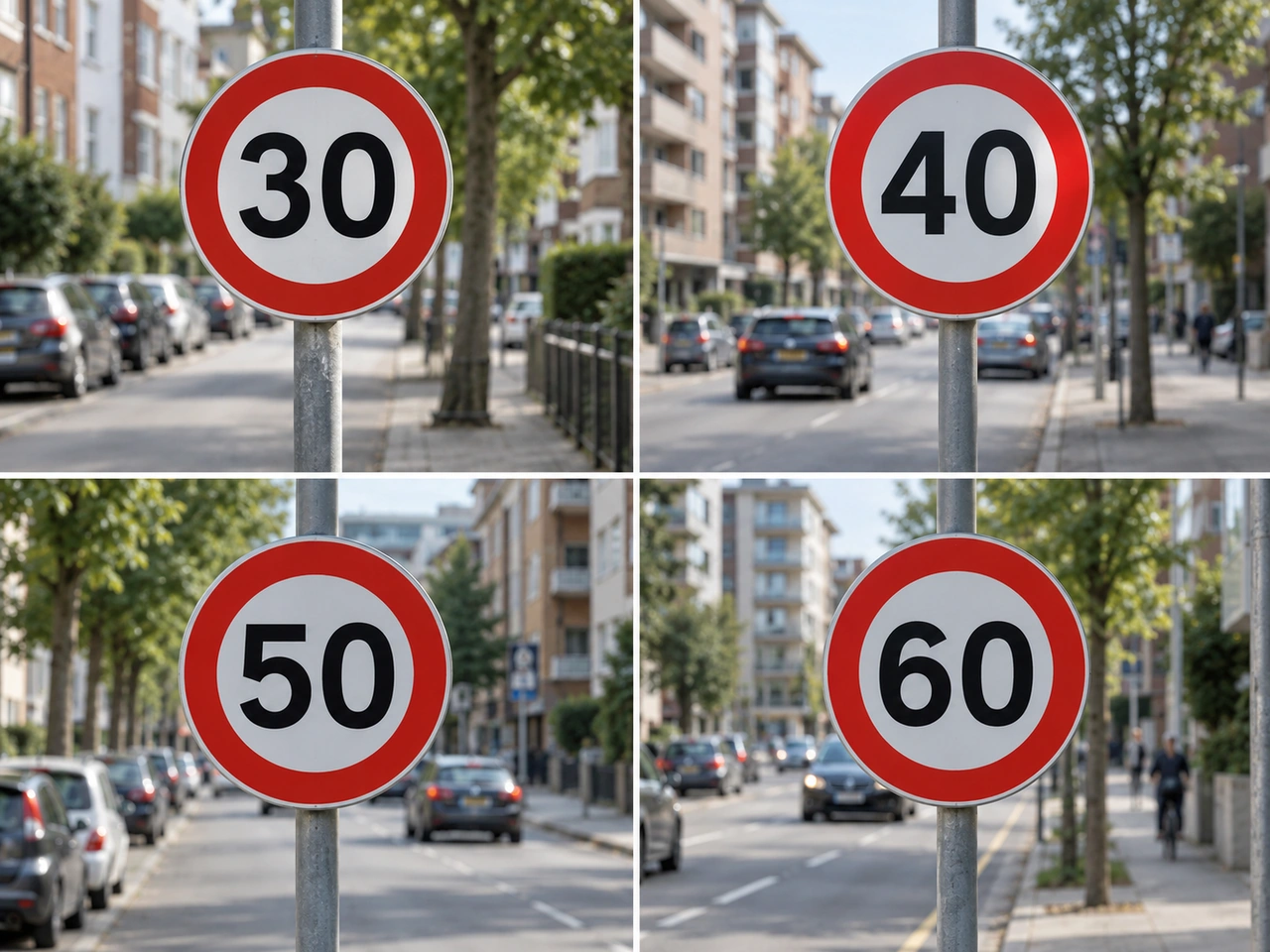
317. What is the general speed limit for cars in built-up areas in Italy?
The general speed limit for cars in built-up areas in Italy is 50 km/h, unless signs indicate otherwise.
AI-generated by Traffic-rules.com • WCIT • CC BY-SA
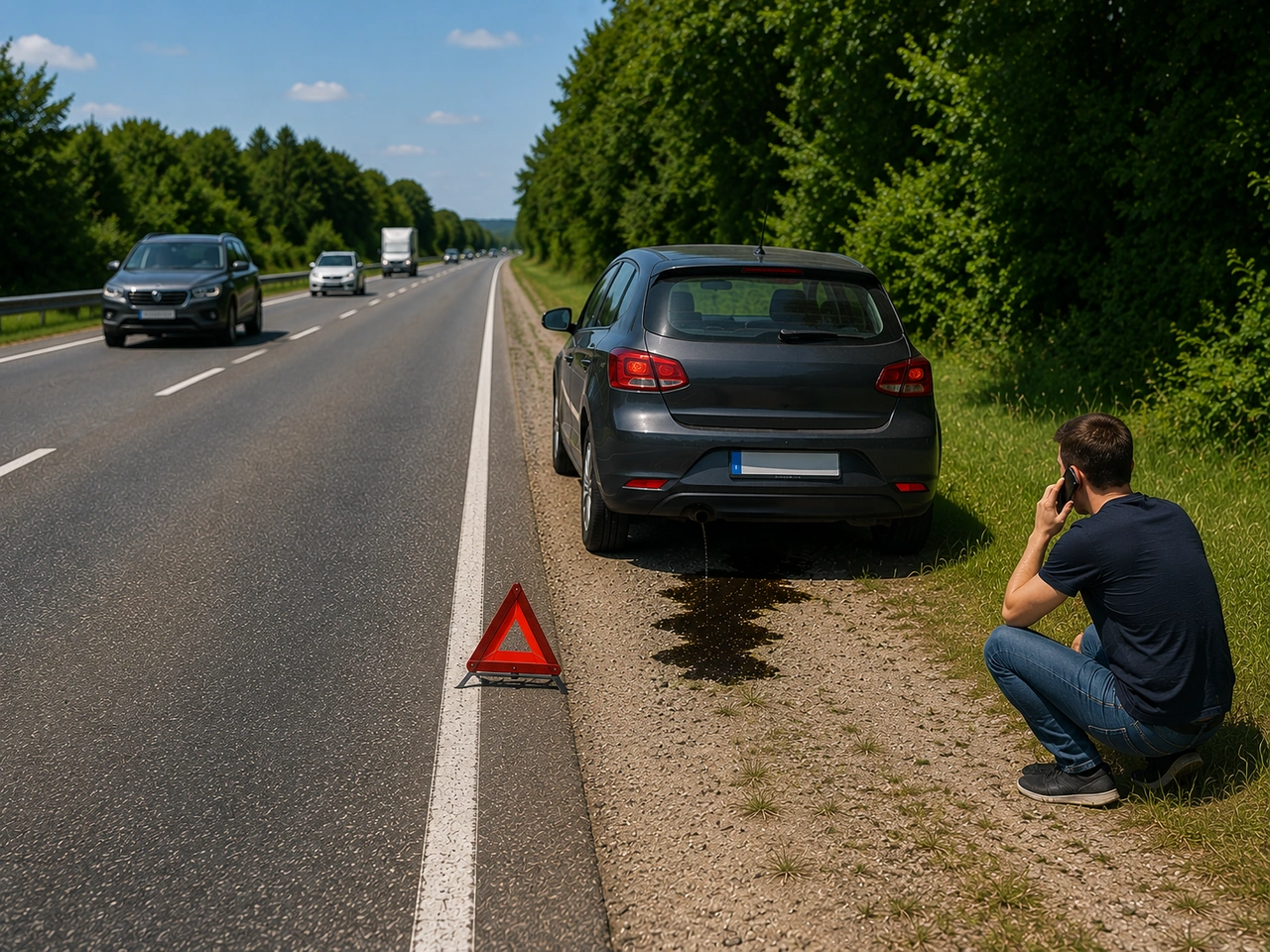
318. What should you do if you smell fuel or see fuel leaking from your vehicle?
Leaking fuel creates a serious fire risk. Keep people away, do not restart the engine, and arrange professional assistance.
AI-generated by Traffic-rules.com • WCIT • CC BY-SA
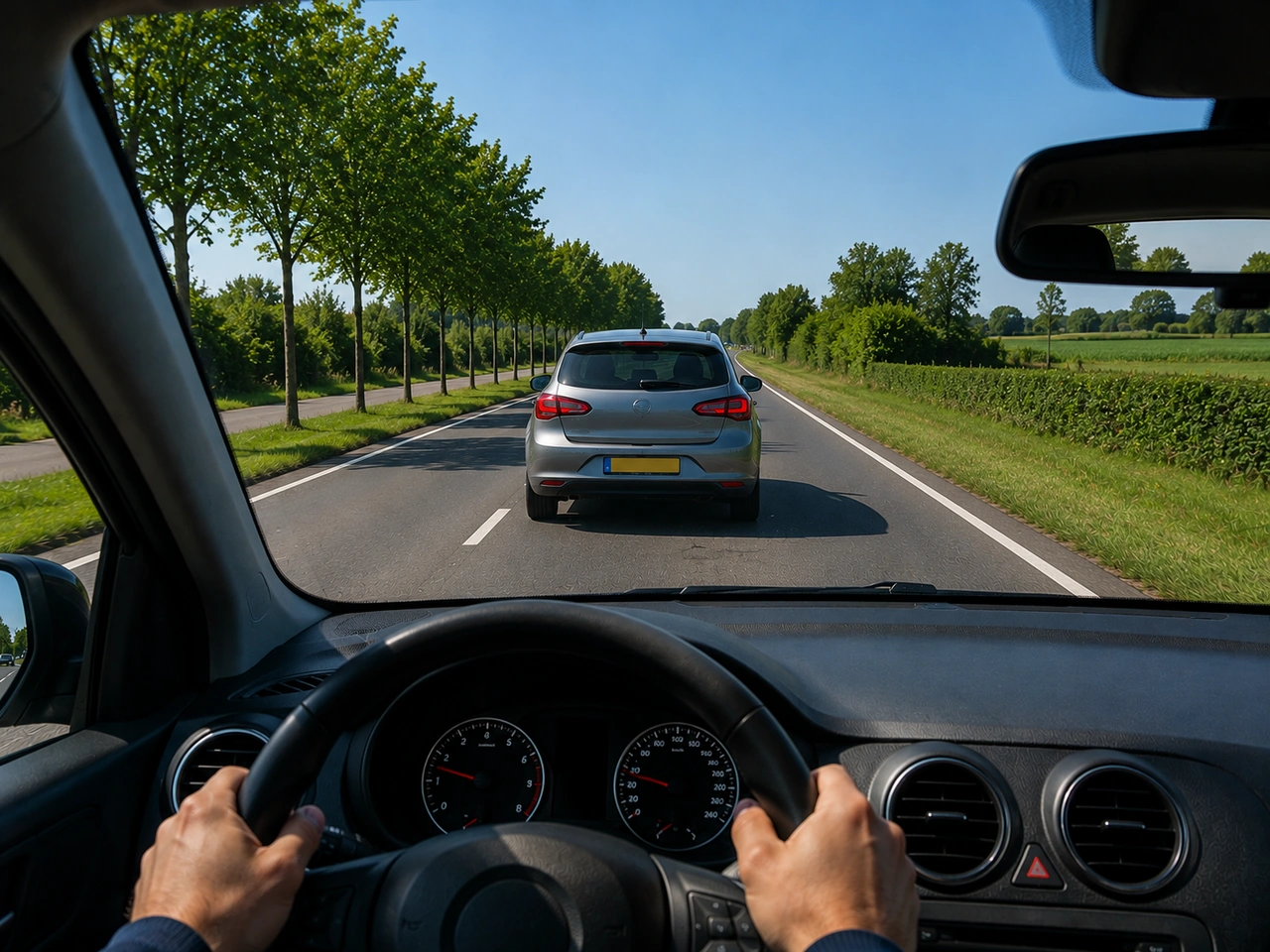
319. Why should you not drive too close behind another vehicle?
Driving too close, or tailgating, reduces the time and space available to react and increases the risk of a rear-end collision. Use defensive driving and keep a safe following distance.
AI-generated by Traffic-rules.com • WCIT • CC BY-SA
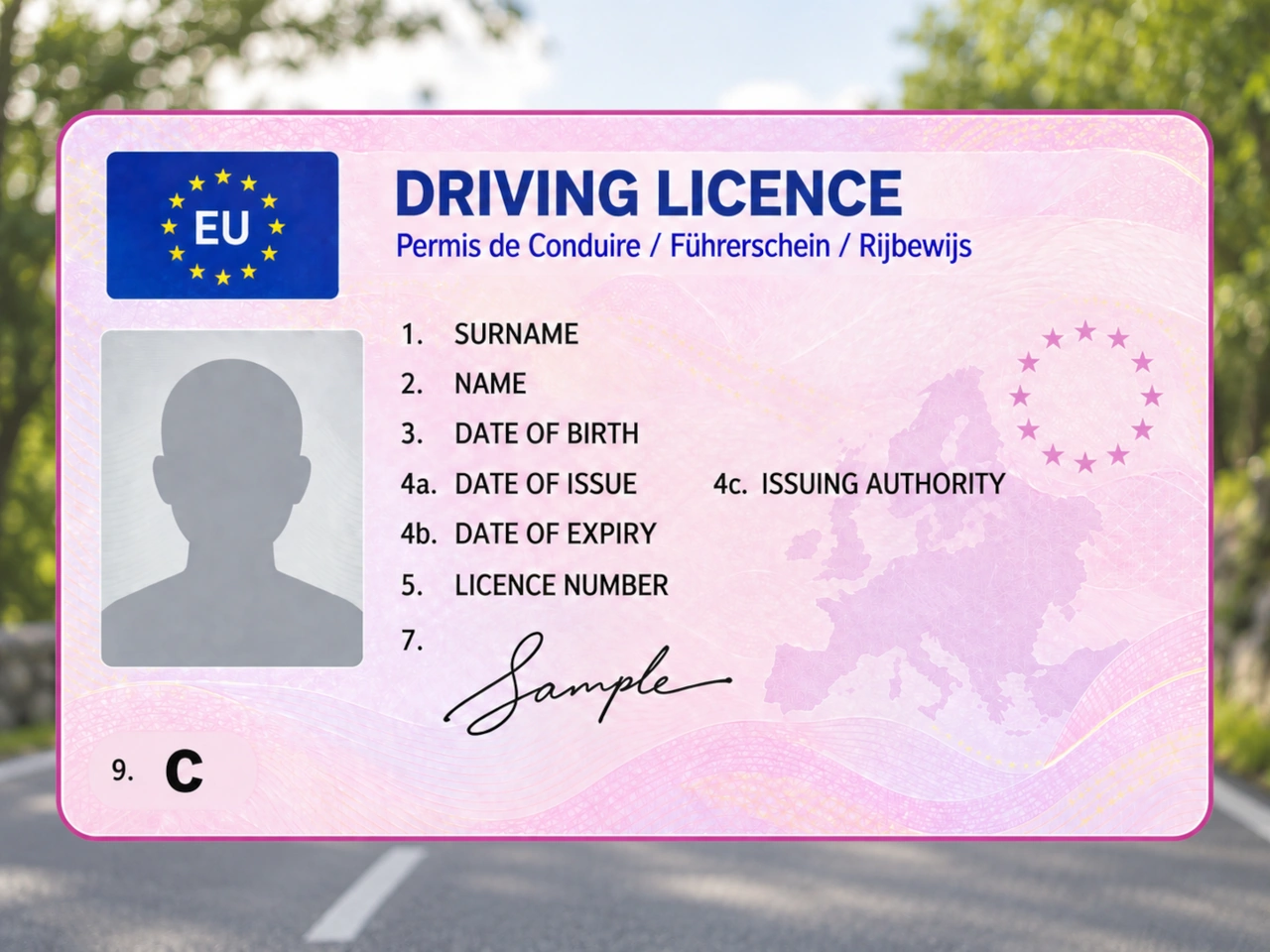
320. Which vehicle type is mainly associated with driving licence C?
Driving licence C is mainly associated with trucks. Category C1 covers smaller heavy vehicles, C covers larger heavy vehicles, and C1E and CE allow heavier trailers.
AI-generated by Traffic-rules.com • WCIT • CC BY-SA
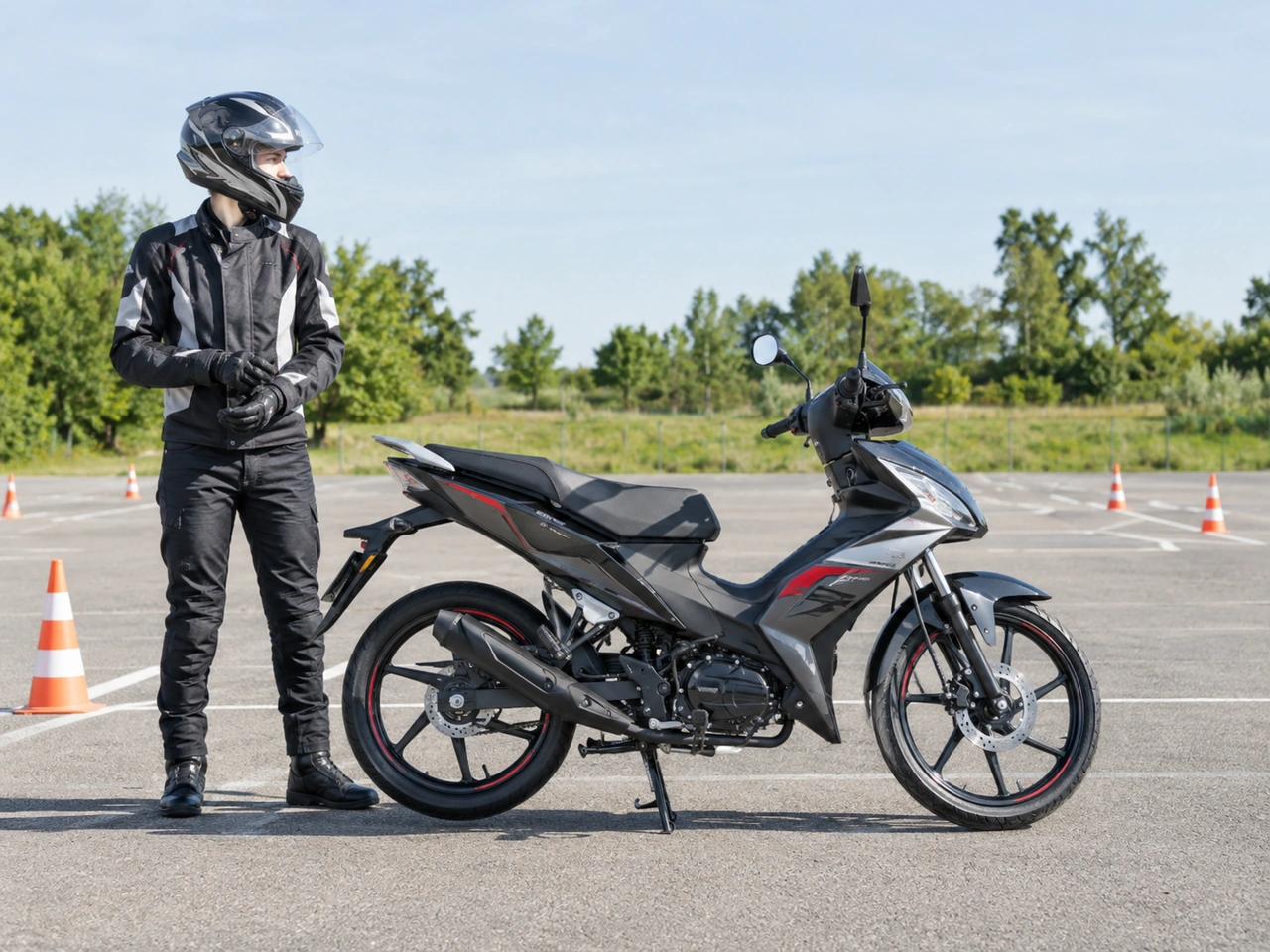
321. What is the minimum licence for a moped with a design speed over 25 and up to 45 km/h?
Category AM covers certain two- and three-wheeled mopeds with a maximum design speed above 25 km/h and not exceeding 45 km/h, as well as light quadricycles.
AI-generated by Traffic-rules.com • WCIT • CC BY-SA
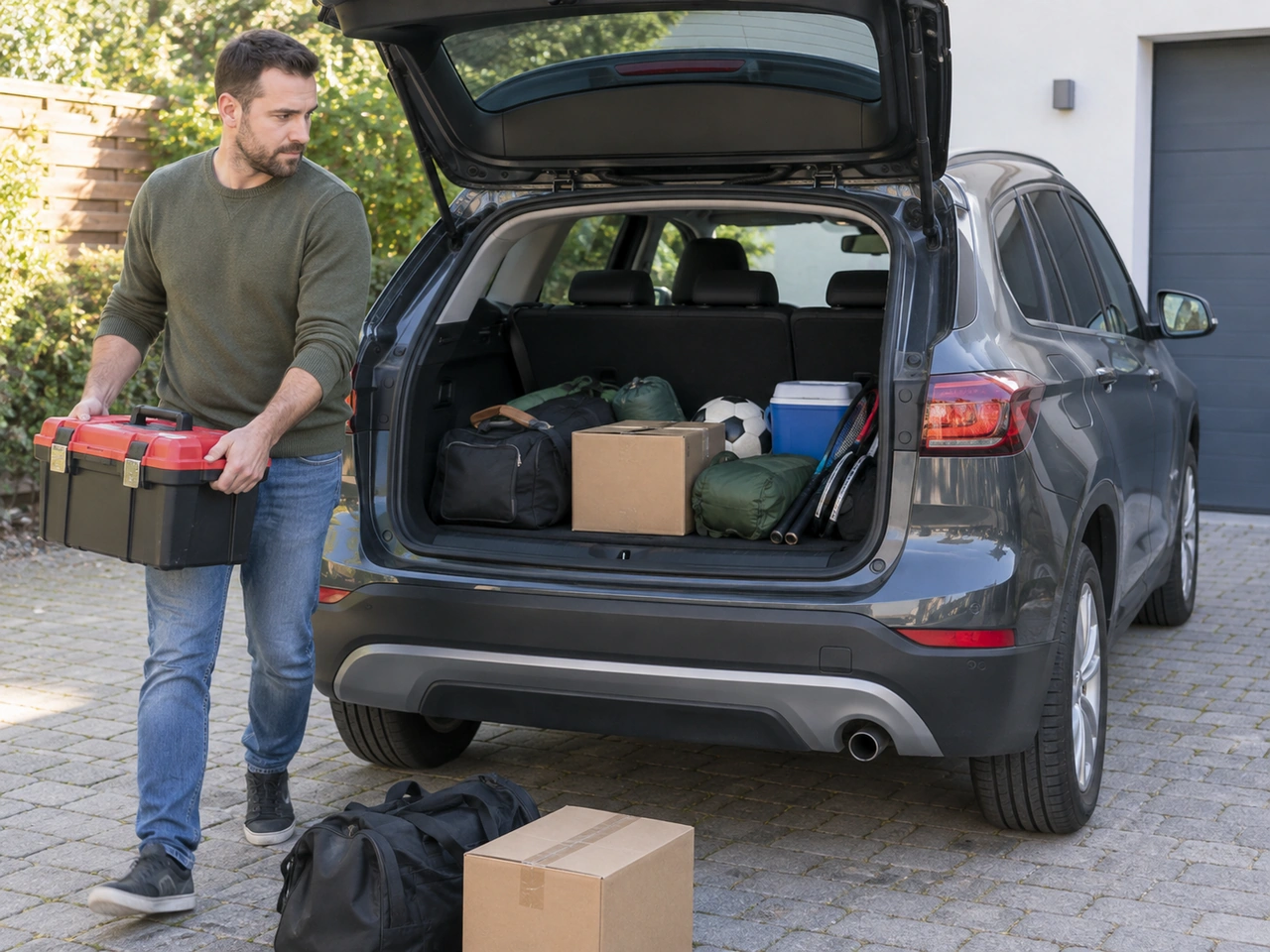
322. How can unnecessary weight affect a vehicle's energy use?
Extra weight generally requires more energy when accelerating and climbing. Removing unnecessary heavy items can help reduce fuel or energy consumption while keeping all essential equipment in the vehicle.
AI-generated by Traffic-rules.com • WCIT • CC BY-SA
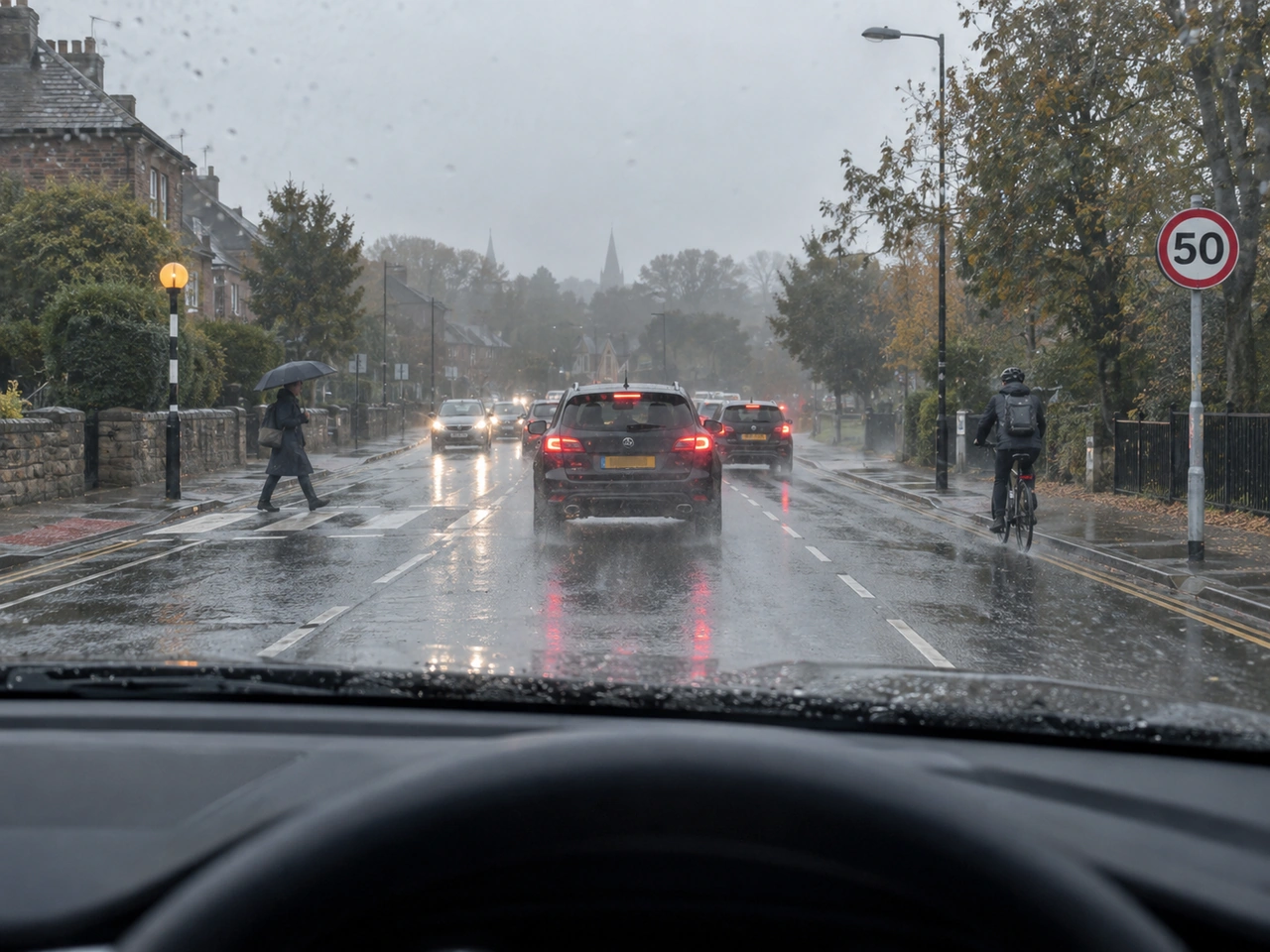
323. Does driving at the speed limit always mean your speed is safe?
A speed limit is a maximum permitted speed, not a target. You may need to drive more slowly because of traffic, poor visibility, weather, road conditions, pedestrians, cyclists, or other hazards.
AI-generated by Traffic-rules.com • WCIT • CC BY-SA
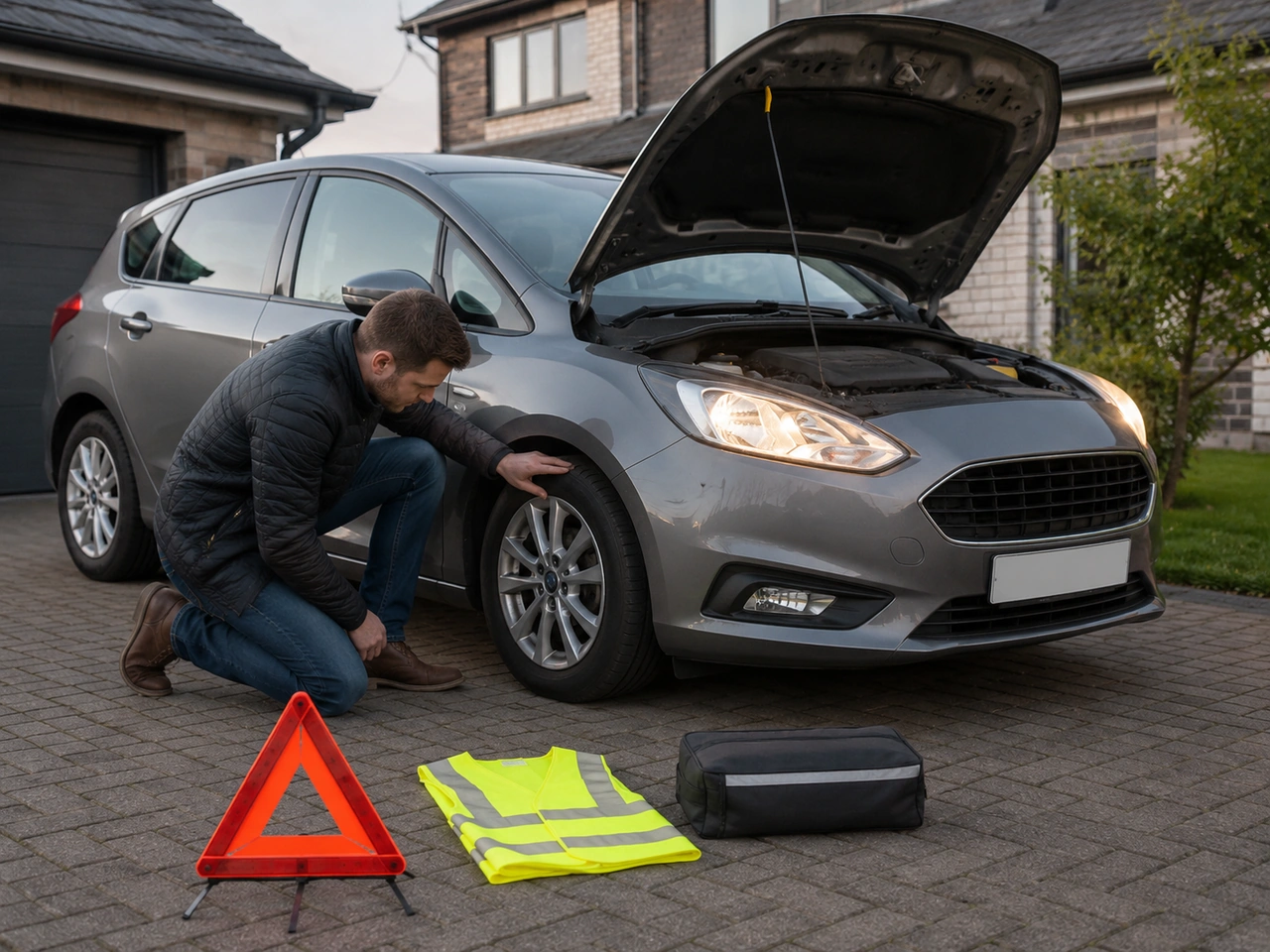
324. What should you check before starting a long journey?
A brief vehicle check can reveal tyre damage, low fluid levels, faulty lights, or visibility problems before they cause danger. Also confirm that any spare wheel or tyre-repair equipment is available and usable.
AI-generated by Traffic-rules.com • WCIT • CC BY-SA
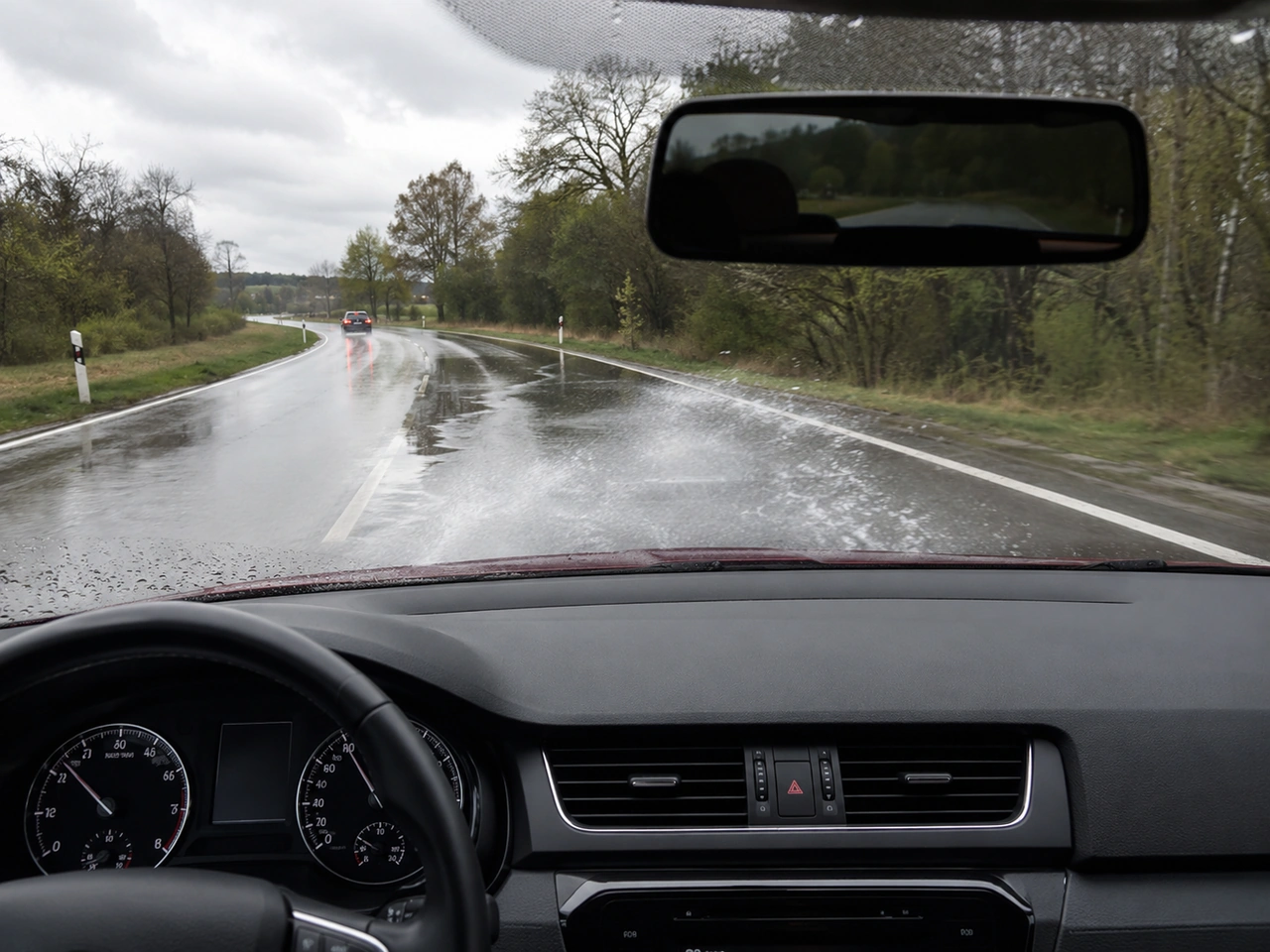
325. Why is it dangerous to drive through standing water at speed?
Driving too fast through water can cause aquaplaning, where the tyres lose grip and the driver may lose control.
AI-generated by Traffic-rules.com • WCIT • CC BY-SA
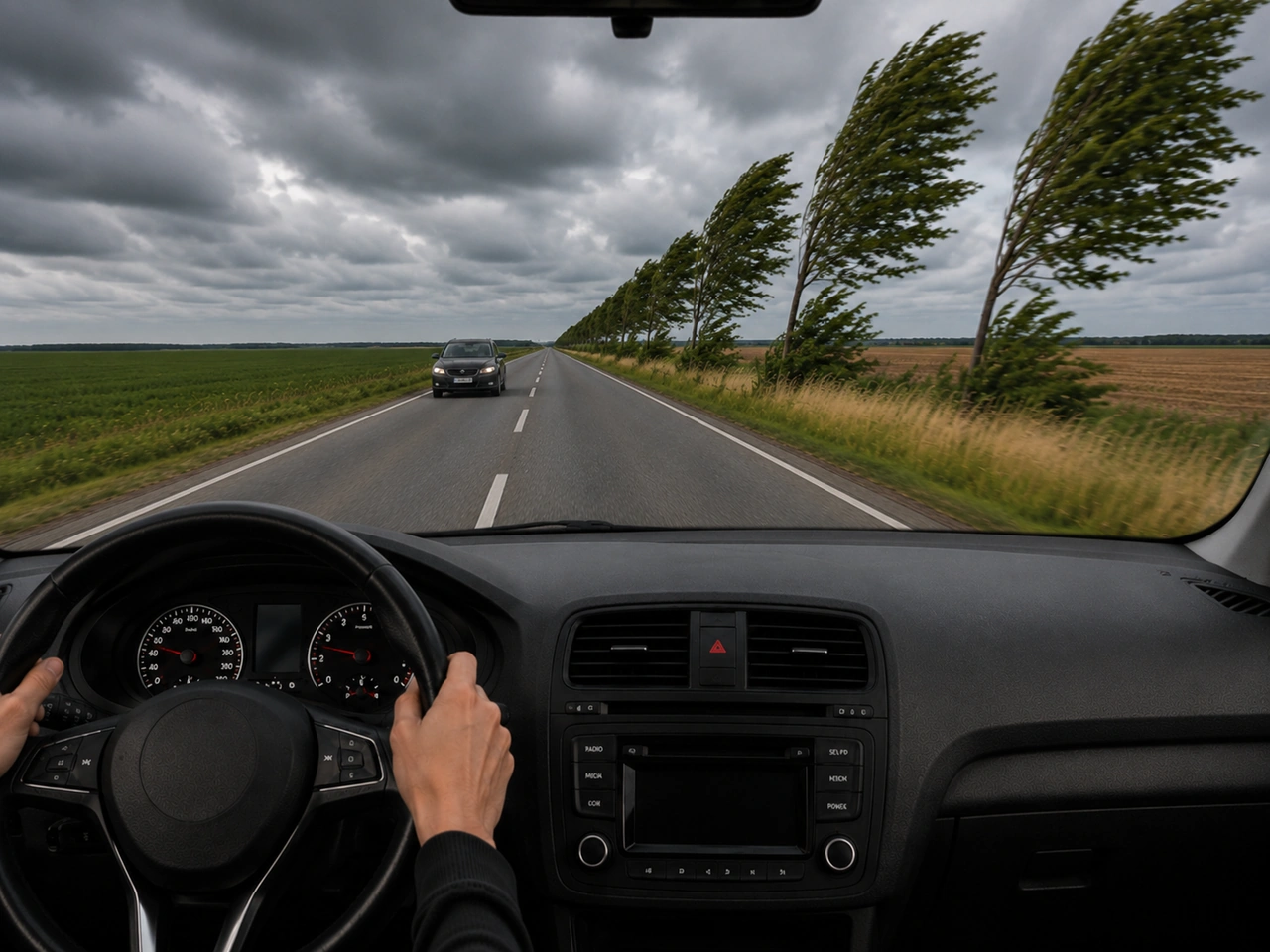
326. What should you do when driving in strong wind?
Strong wind can affect vehicle control, especially near open areas, bridges, large vehicles, cyclists, and motorcyclists.
AI-generated by Traffic-rules.com • WCIT • CC BY-SA
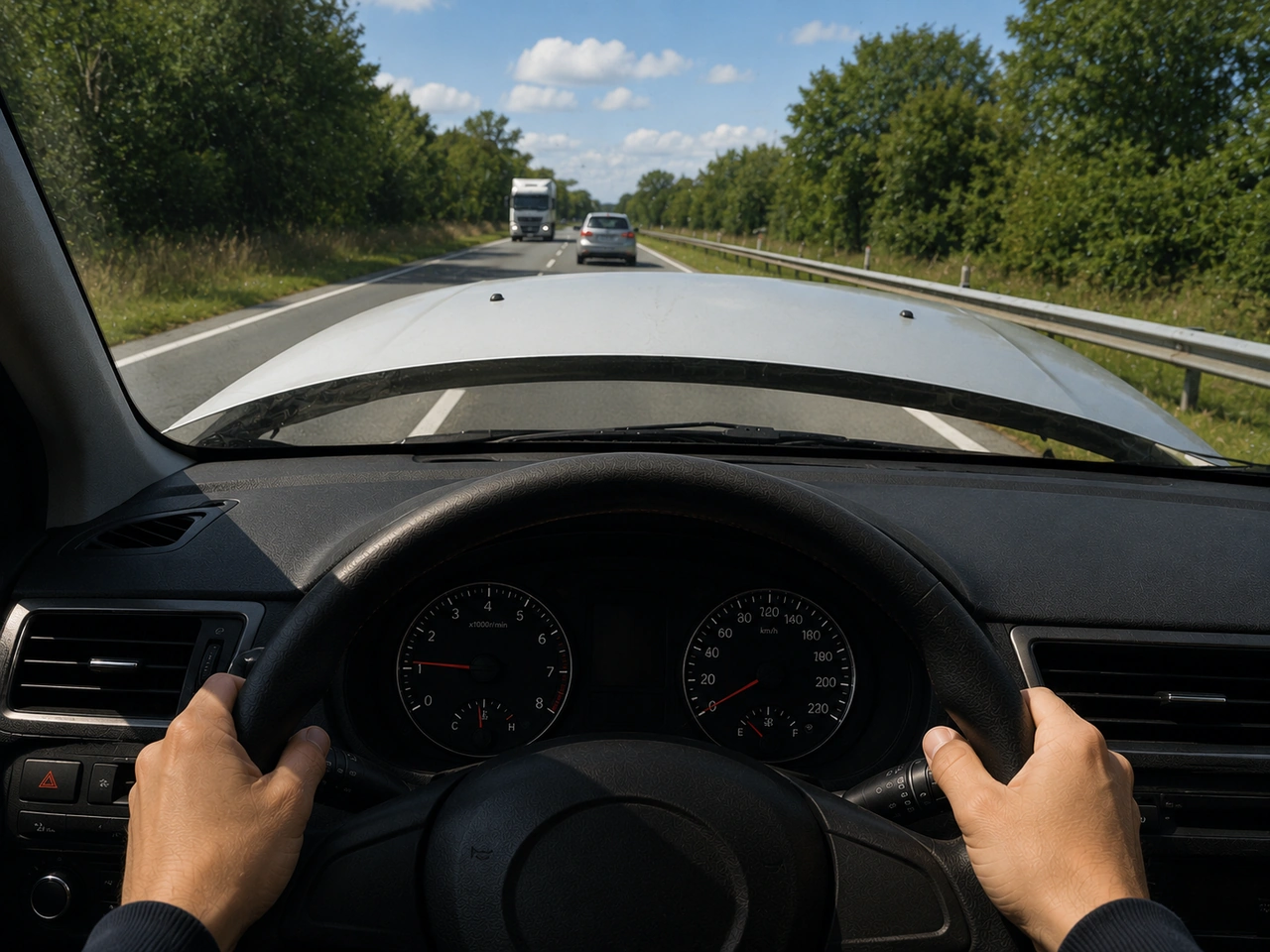
327. What should you do if the bonnet suddenly opens while you are driving?
The bonnet may completely obstruct your view. Avoid sudden movements, use the road markings or available gap to maintain direction, and stop safely.
AI-generated by Traffic-rules.com • WCIT • CC BY-SA
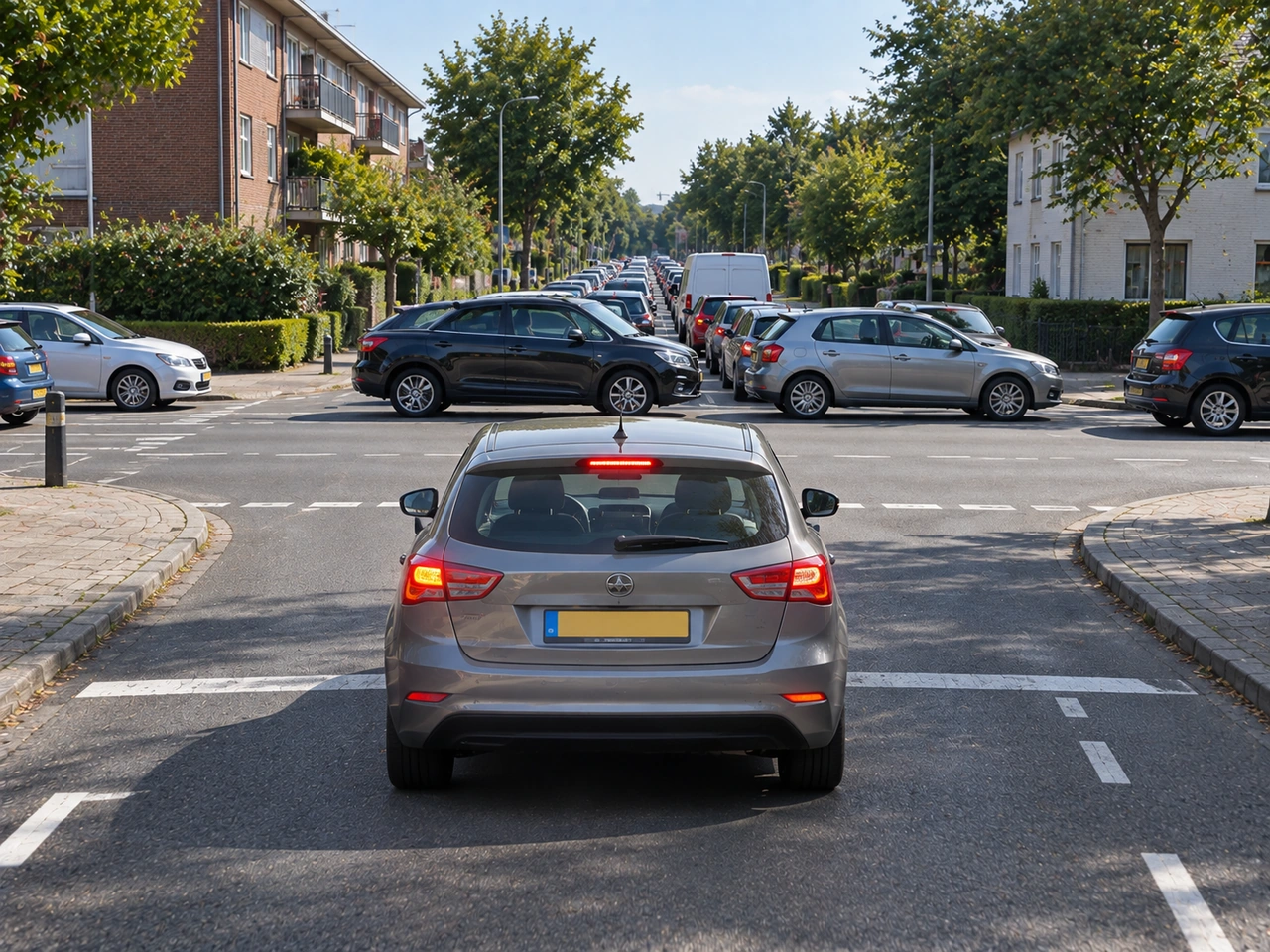
328. What should you do if traffic ahead is blocking a junction?
Do not enter a junction if traffic ahead prevents you from clearing it safely. Waiting before the junction helps avoid blocking crossing traffic, pedestrians, cyclists, or other road users.
AI-generated by Traffic-rules.com • WCIT • CC BY-SA
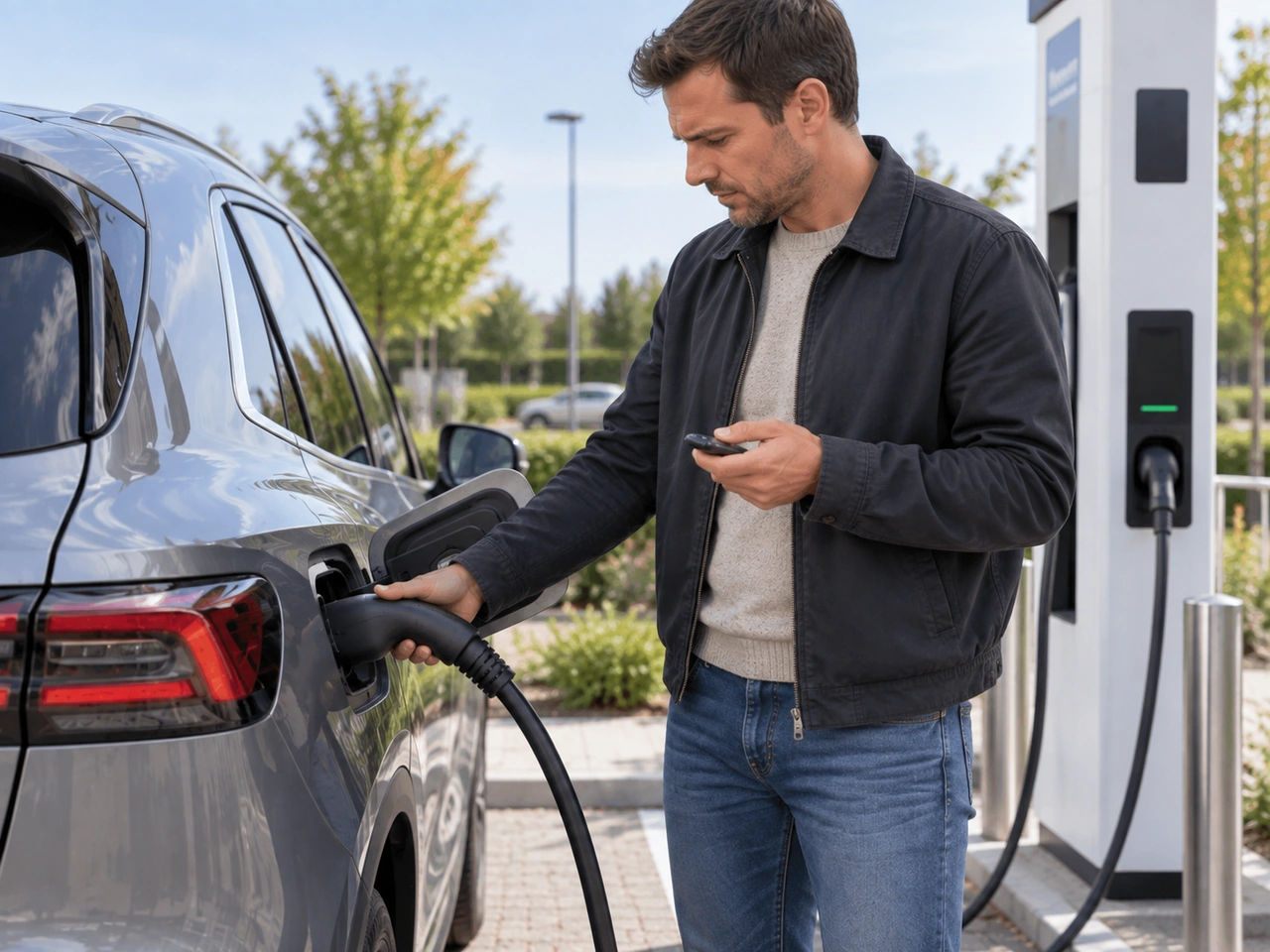
329. What should you do if an EV charging connector will not release from the vehicle?
Charging connectors may remain locked while charging or until the vehicle is unlocked. Stop the charging session and follow the vehicle or charger's release procedure. Never force the connector; if it remains stuck, seek appropriate assistance.
AI-generated by Traffic-rules.com • WCIT • CC BY-SA
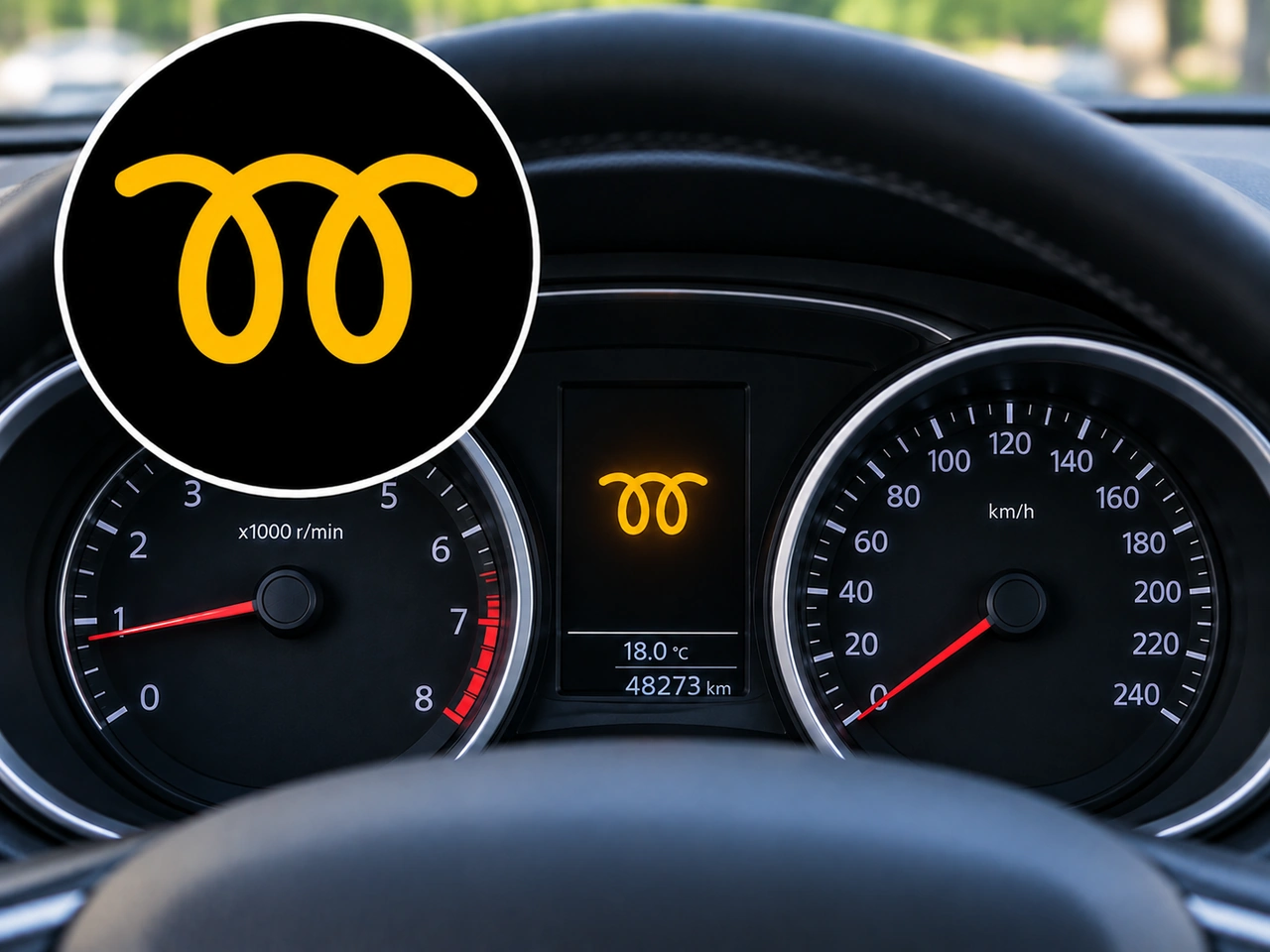
330. What does this dashboard symbol indicate?
This symbol indicates the diesel glow-plug preheating system. In a diesel vehicle, wait for the light to go out before starting the engine when required. If it remains illuminated or flashes while driving, it may indicate a fault.
AI-generated by Traffic-rules.com • WCIT • CC BY-SA
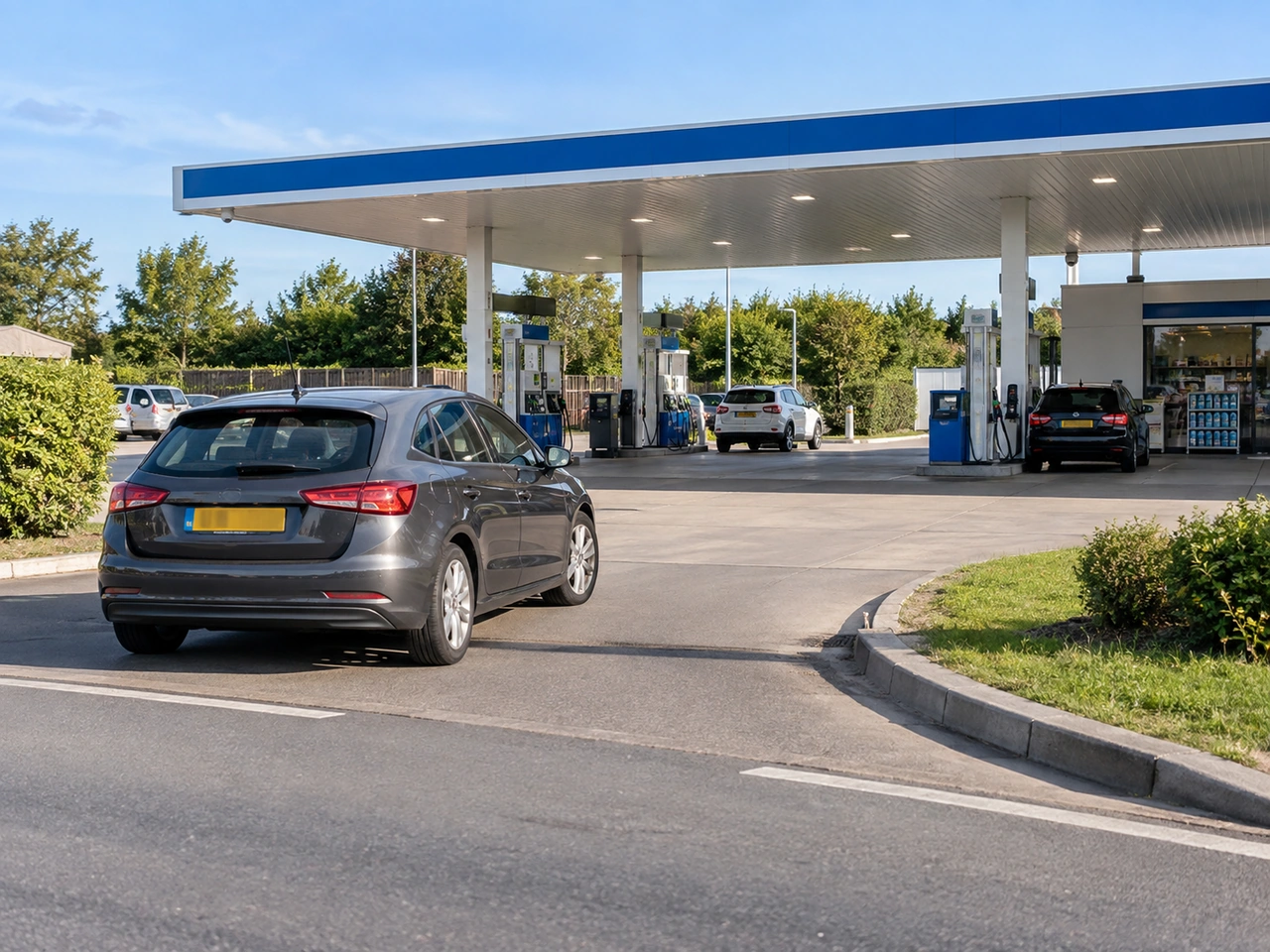
331. How should you position your vehicle beside a fuel pump?
Position the vehicle so the fuel filler is close to the pump and the hose can reach without being stretched tightly across or around the vehicle. Stop within the designated refuelling area and leave enough space to use the pump safely.
AI-generated by Traffic-rules.com • WCIT • CC BY-SA
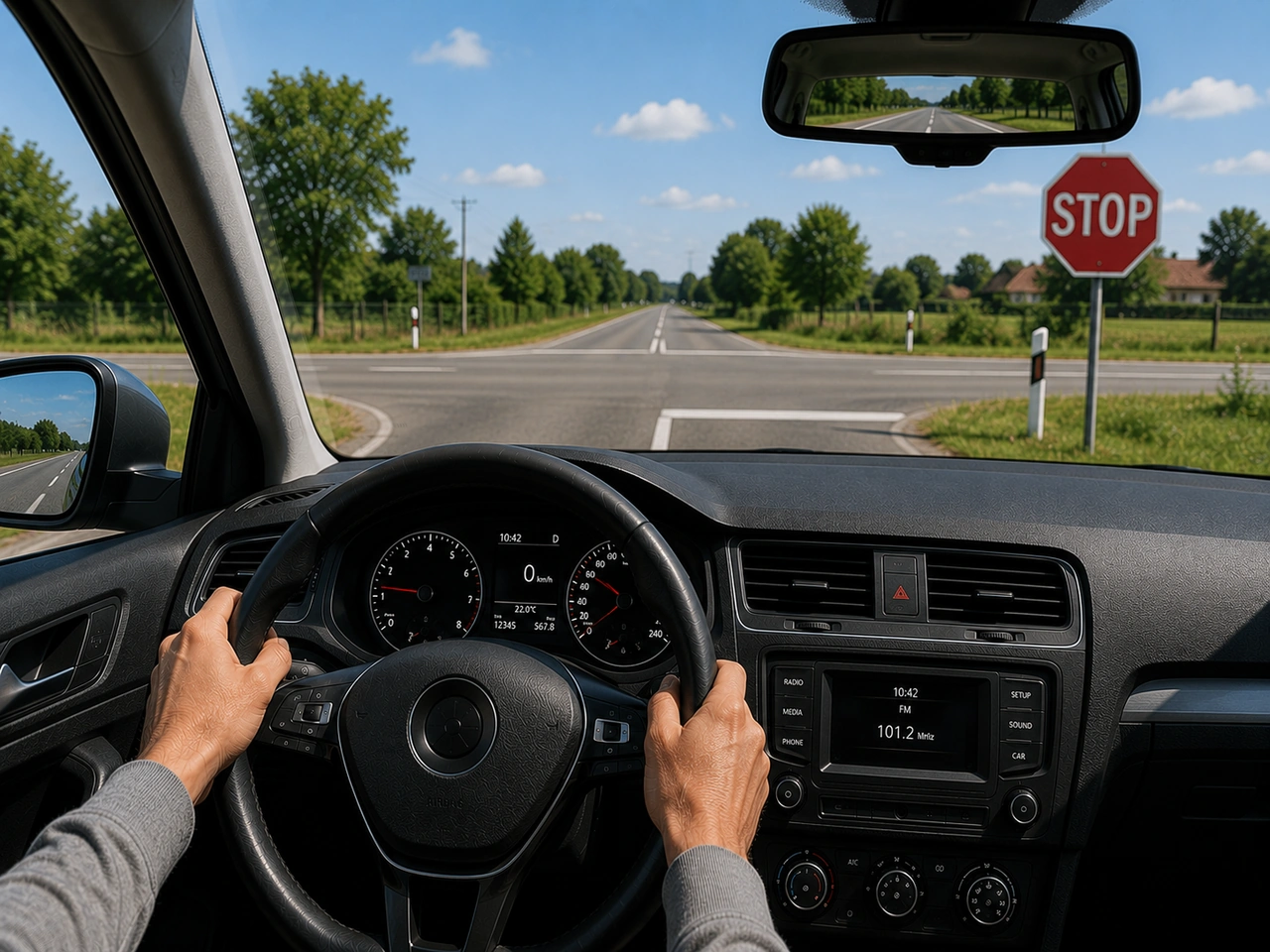
332. You may ignore a stop sign if the road looks empty.
A stop sign means you must come to a complete stop, even if no other traffic is visible.
AI-generated by Traffic-rules.com • WCIT • CC BY-SA
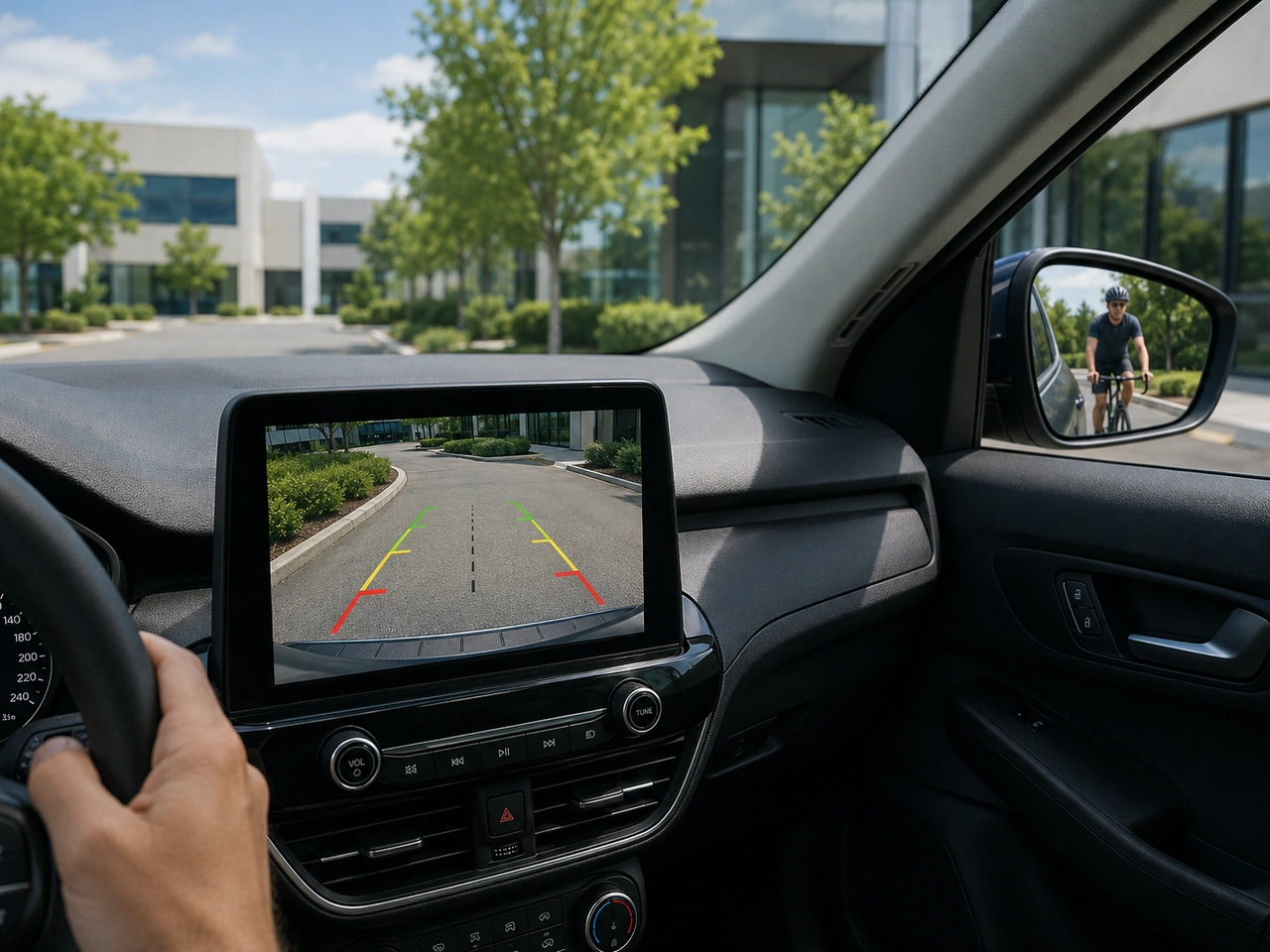
333. Why should you not rely only on a reversing camera?
Reversing cameras can help, but they may have blind spots and limited coverage. Always check your mirrors and surroundings, look around where possible, and reverse slowly.
AI-generated by Traffic-rules.com • WCIT • CC BY-SA
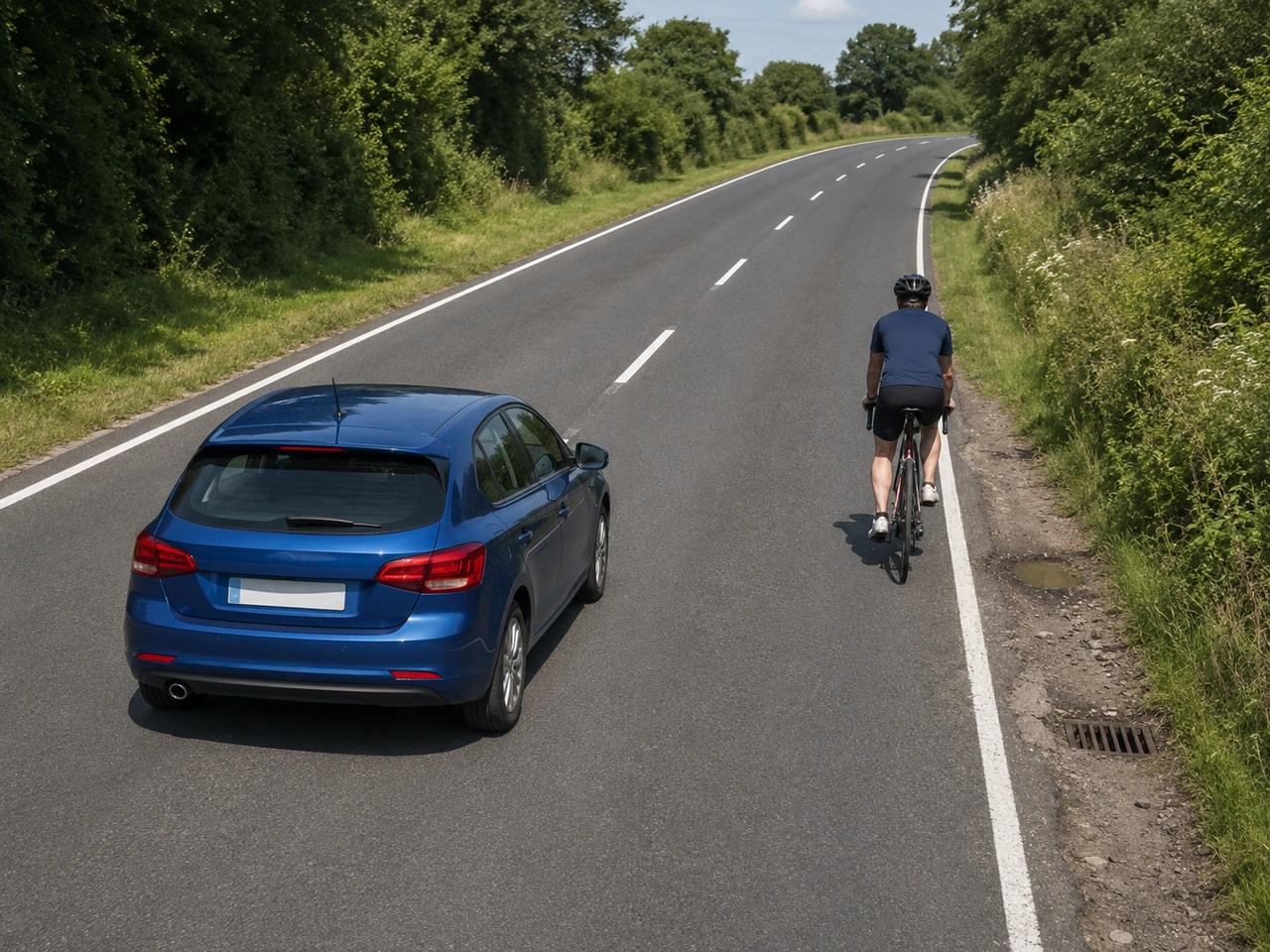
334. Why should you keep a safe distance from cyclists?
Cyclists may need to move around potholes, parked cars, or drains. Giving them enough space helps prevent dangerous situations.
AI-generated by Traffic-rules.com • WCIT • CC BY-SA
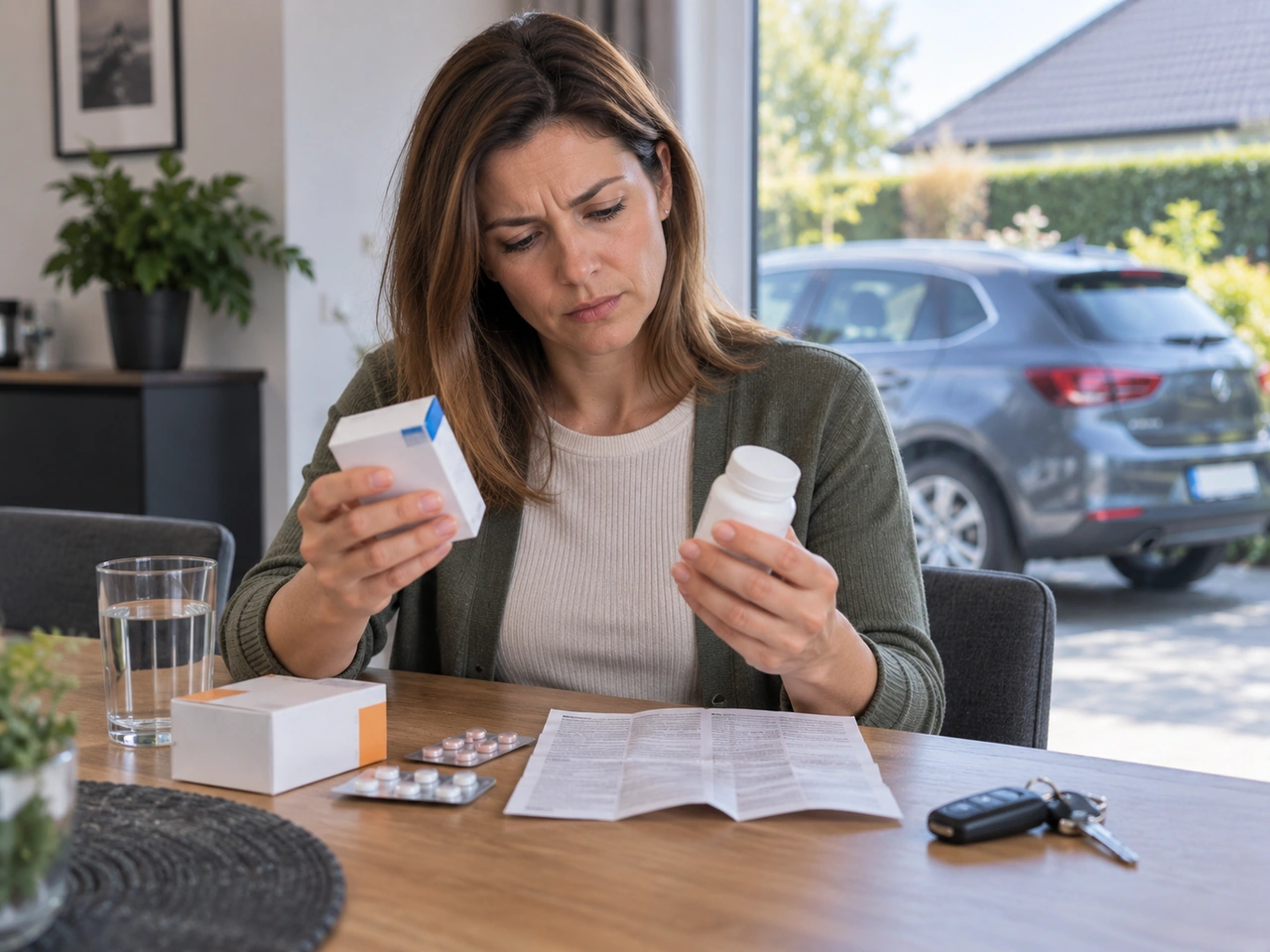
335. Why should you be careful when taking more than one medicine before driving?
Different medicines can interact or have combined side effects such as drowsiness, dizziness, blurred vision, or slower reactions. Check the instructions and seek advice from a doctor or pharmacist if you are unsure whether it is safe to drive.
AI-generated by Traffic-rules.com • WCIT • CC BY-SA
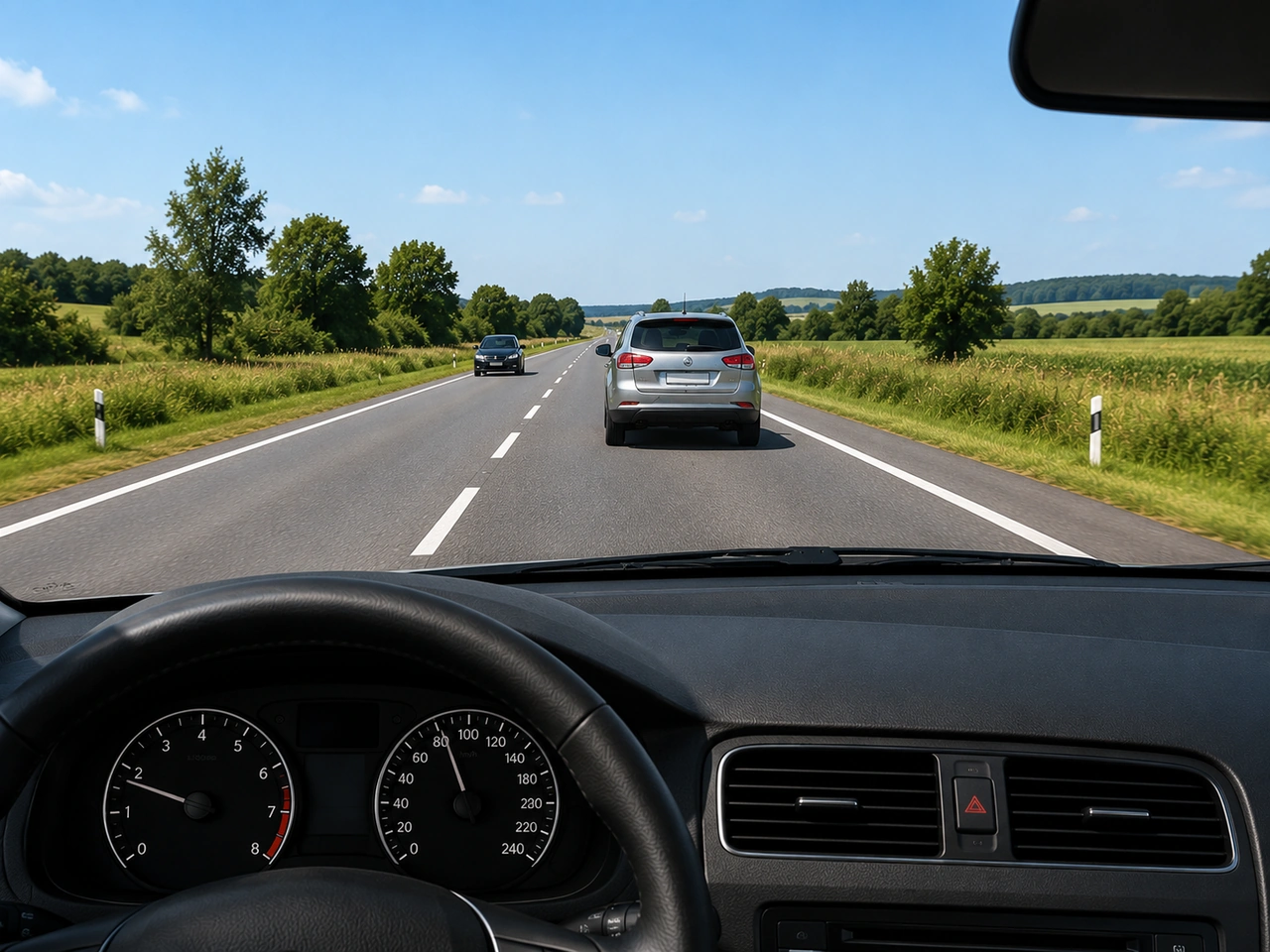
336. Why should you keep a safe following distance?
A safe following distance gives you enough time to react if the vehicle in front slows down or stops suddenly.
AI-generated by Traffic-rules.com • WCIT • CC BY-SA
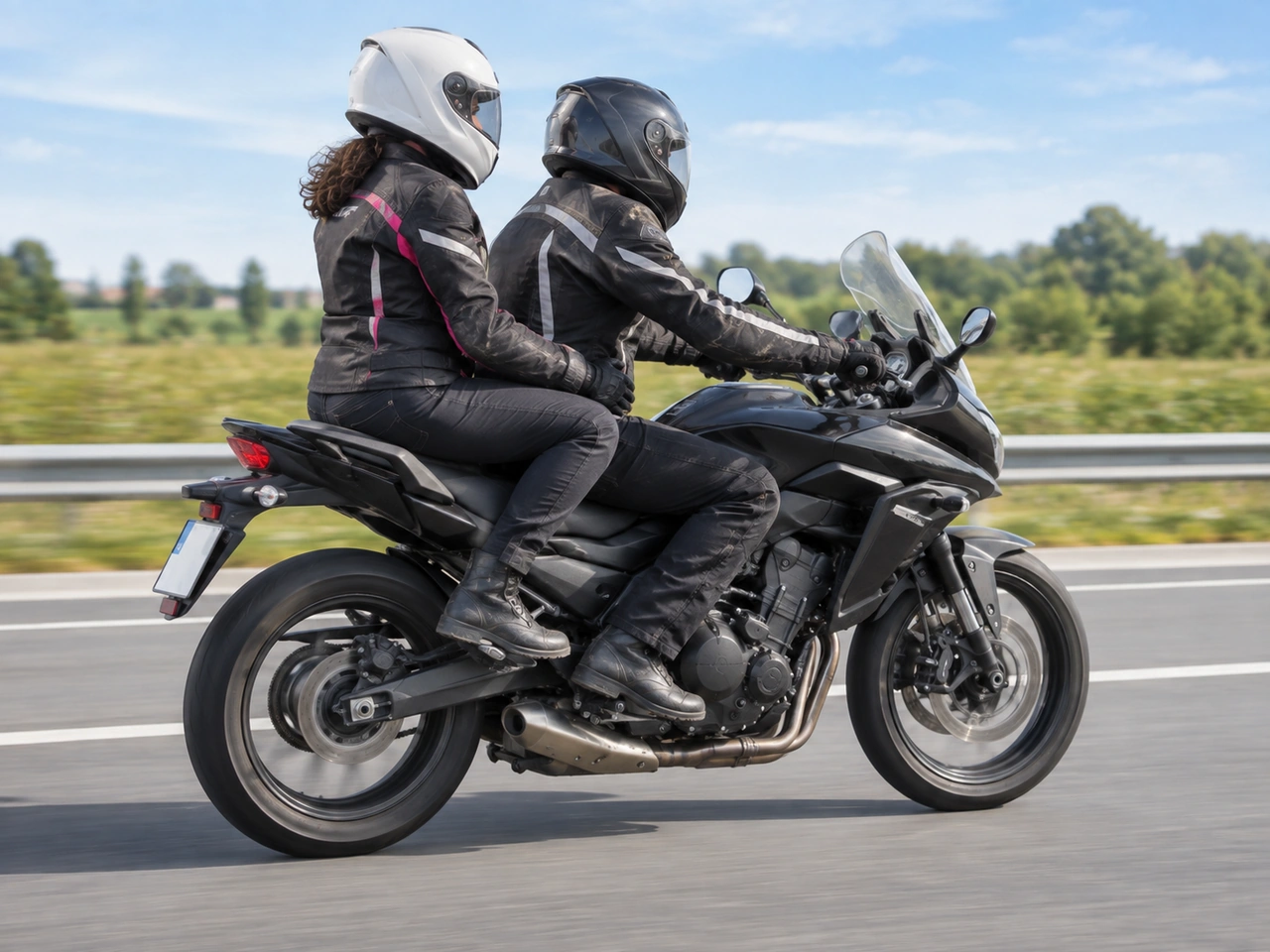
337. How should a passenger normally sit on a motorcycle?
A motorcycle passenger should sit securely on the designated passenger seat, keep both feet on the footrests and avoid sudden movements that could affect the motorcycle's balance and stability.
AI-generated by Traffic-rules.com • WCIT • CC BY-SA
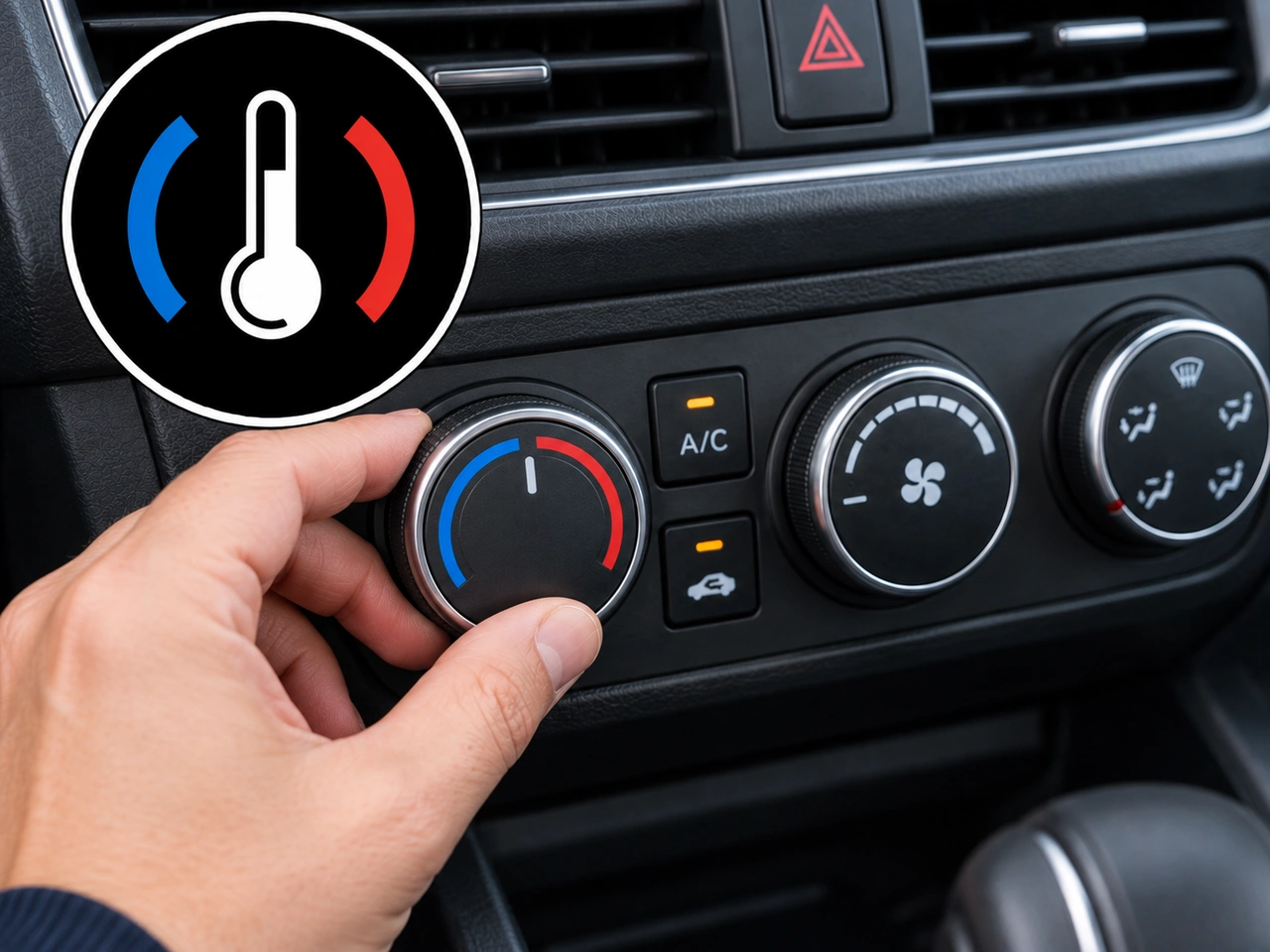
338. What does this vehicle-control symbol indicate?
This control adjusts the temperature of the air supplied to the cabin. Turning it towards the blue side lowers the selected temperature, while turning it towards the red side raises it.
AI-generated by Traffic-rules.com • WCIT • CC BY-SA
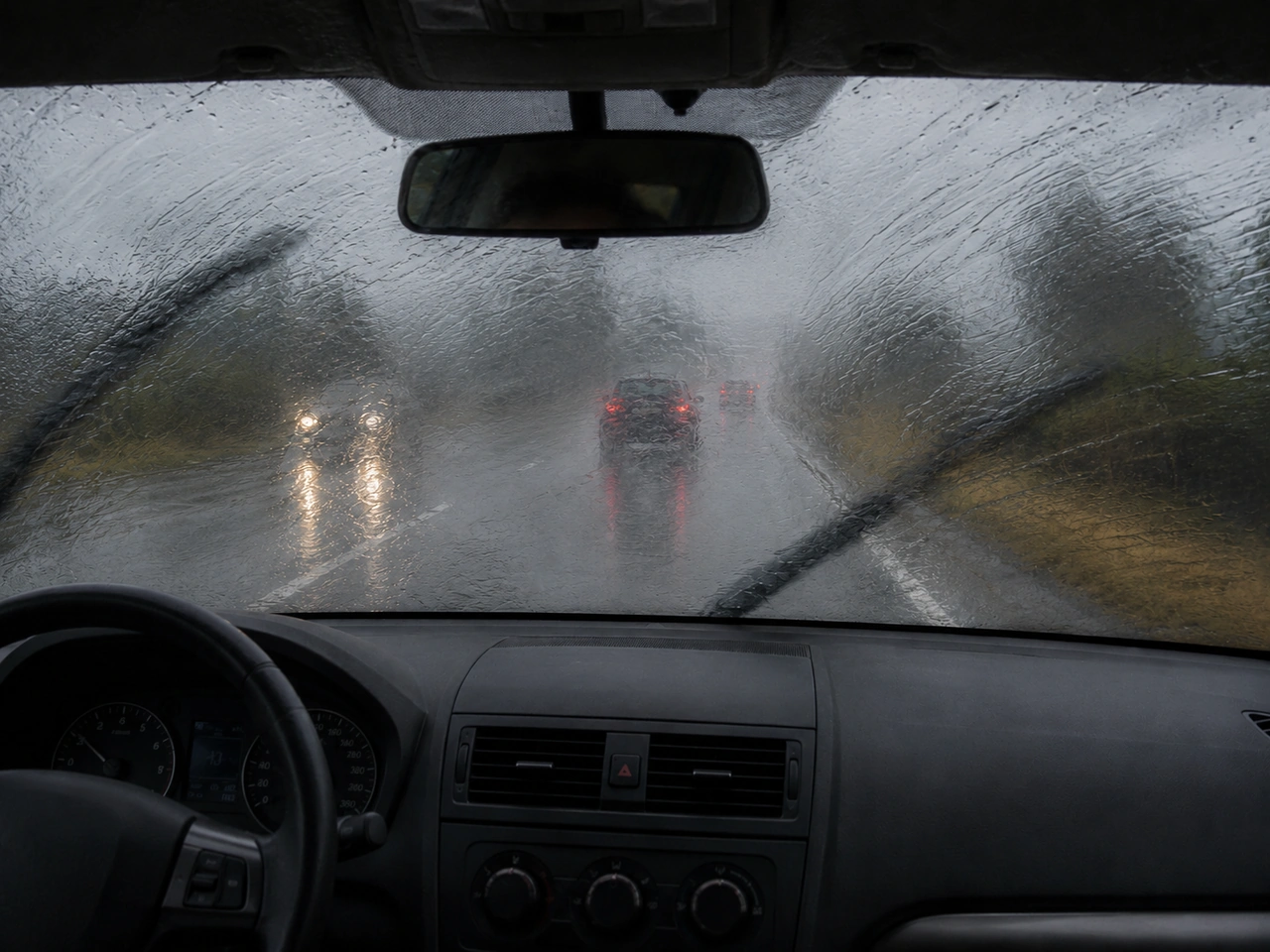
339. What should you do if the windscreen wipers leave the glass smeared?
Worn or dirty wiper blades can seriously reduce visibility in rain. Clean them first and replace them if they remain ineffective or damaged.
AI-generated by Traffic-rules.com • WCIT • CC BY-SA
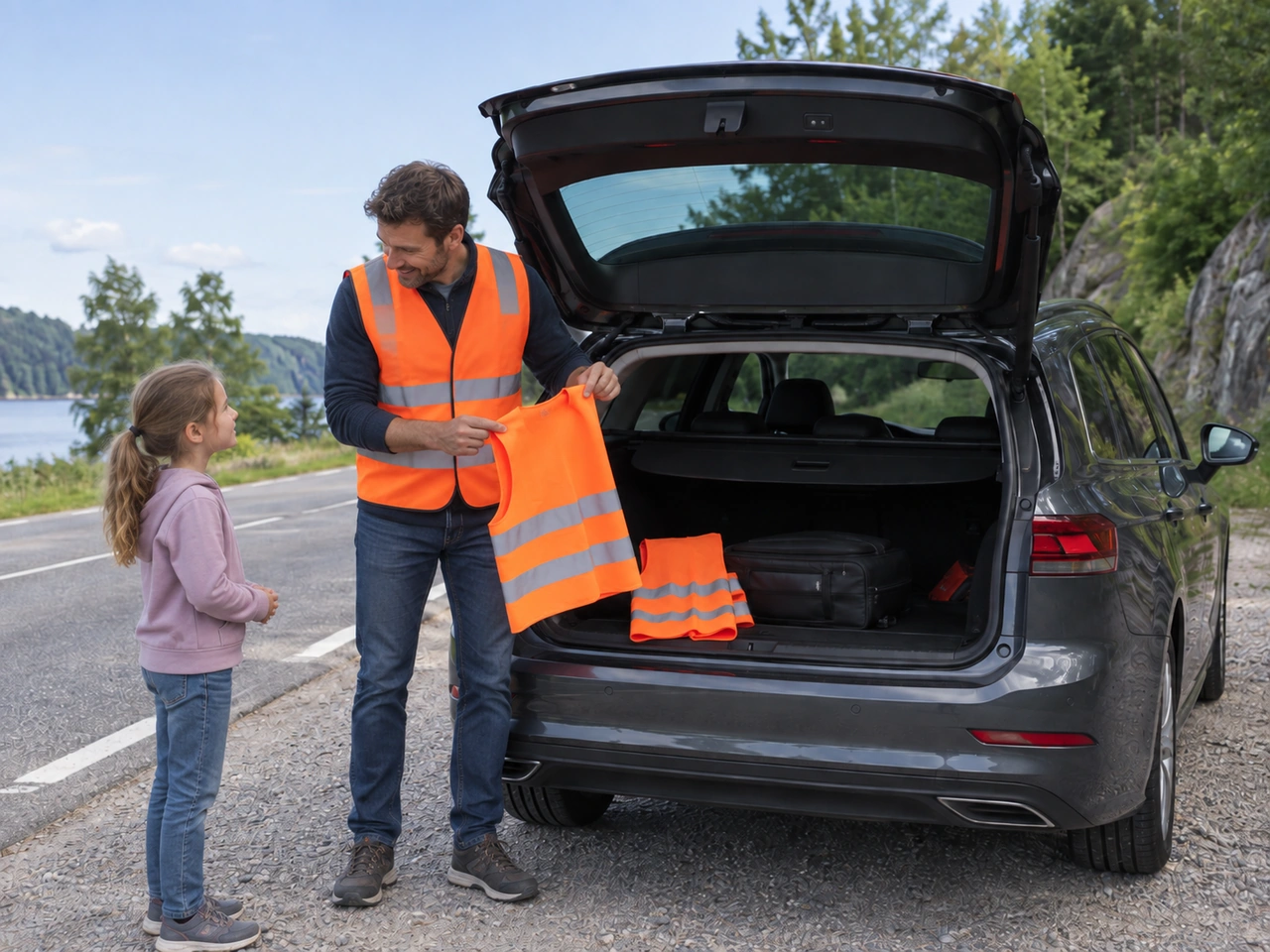
340. Is a high-visibility vest required in cars in Italy?
Cars in Italy are required to carry a high-visibility vest.
AI-generated by Traffic-rules.com • WCIT • CC BY-SA
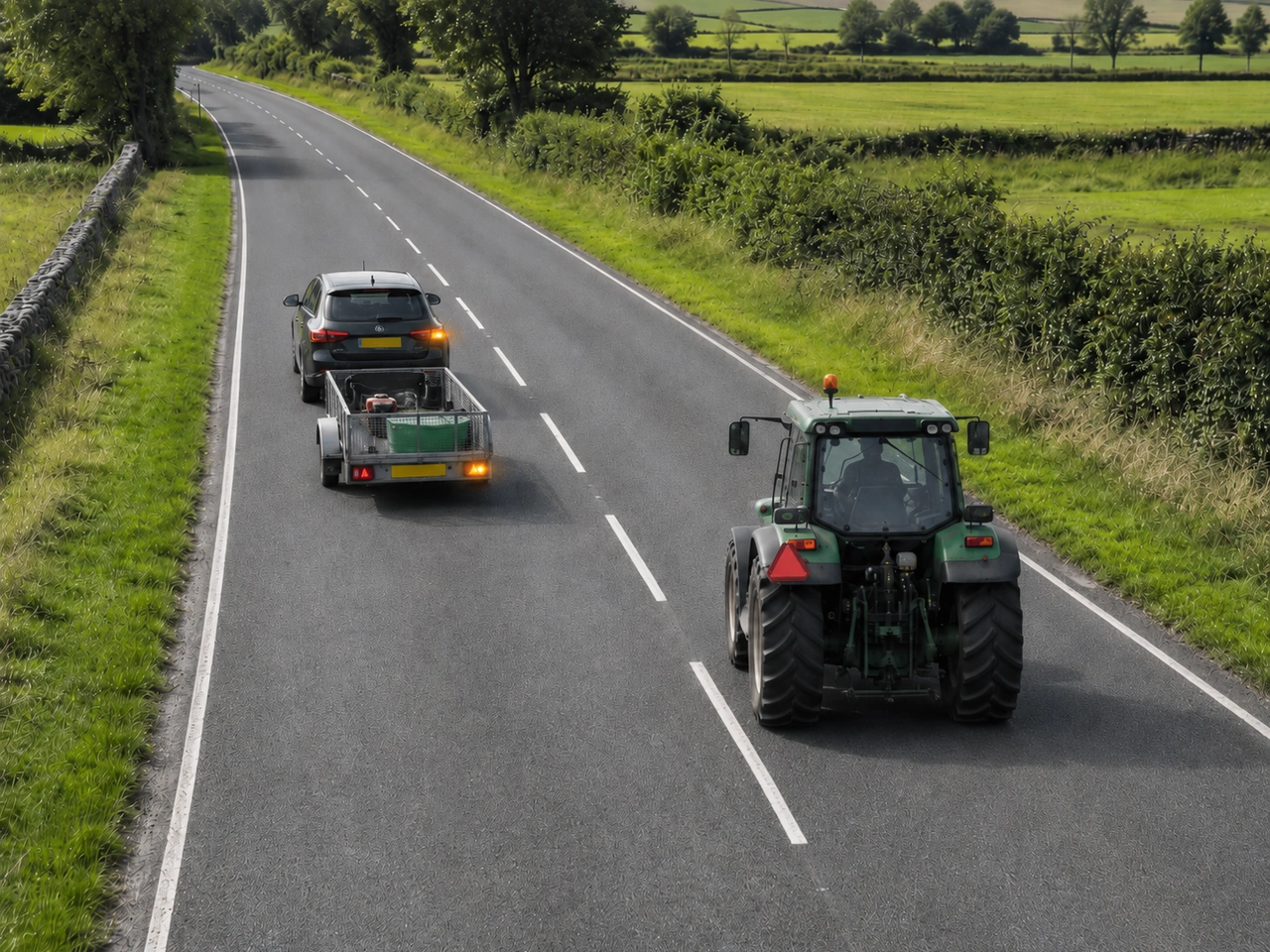
341. What should you do before overtaking while towing a trailer?
A towing vehicle accelerates more slowly, and the trailer makes the whole vehicle combination longer. Remember to allow a much larger safe gap before overtaking and enough space to return safely to your lane.
AI-generated by Traffic-rules.com • WCIT • CC BY-SA
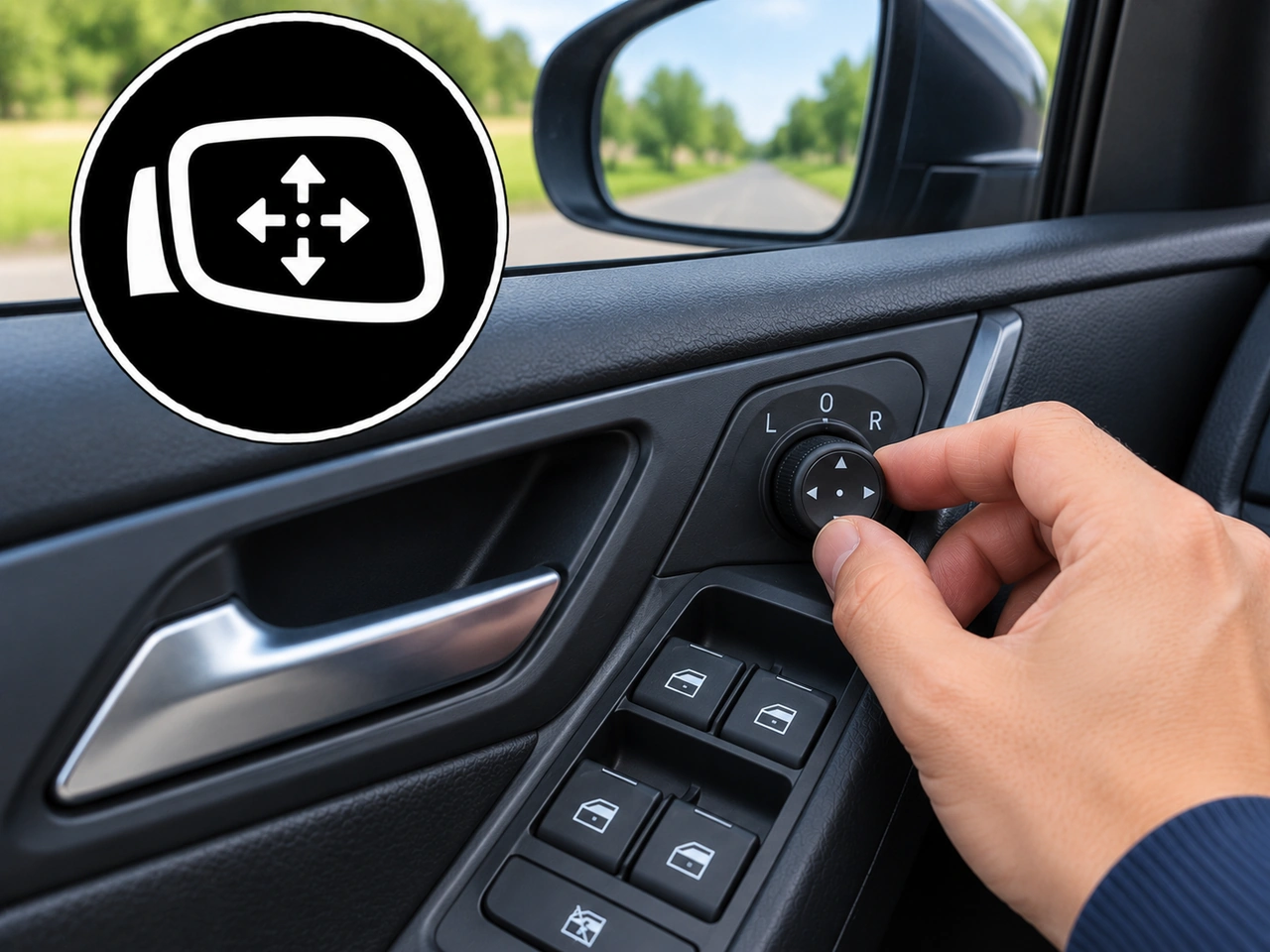
342. What does this vehicle-control symbol indicate?
This control adjusts the vehicle's exterior mirrors. The driver normally selects the left or right mirror and then moves the control to change its angle.
AI-generated by Traffic-rules.com • WCIT • CC BY-SA
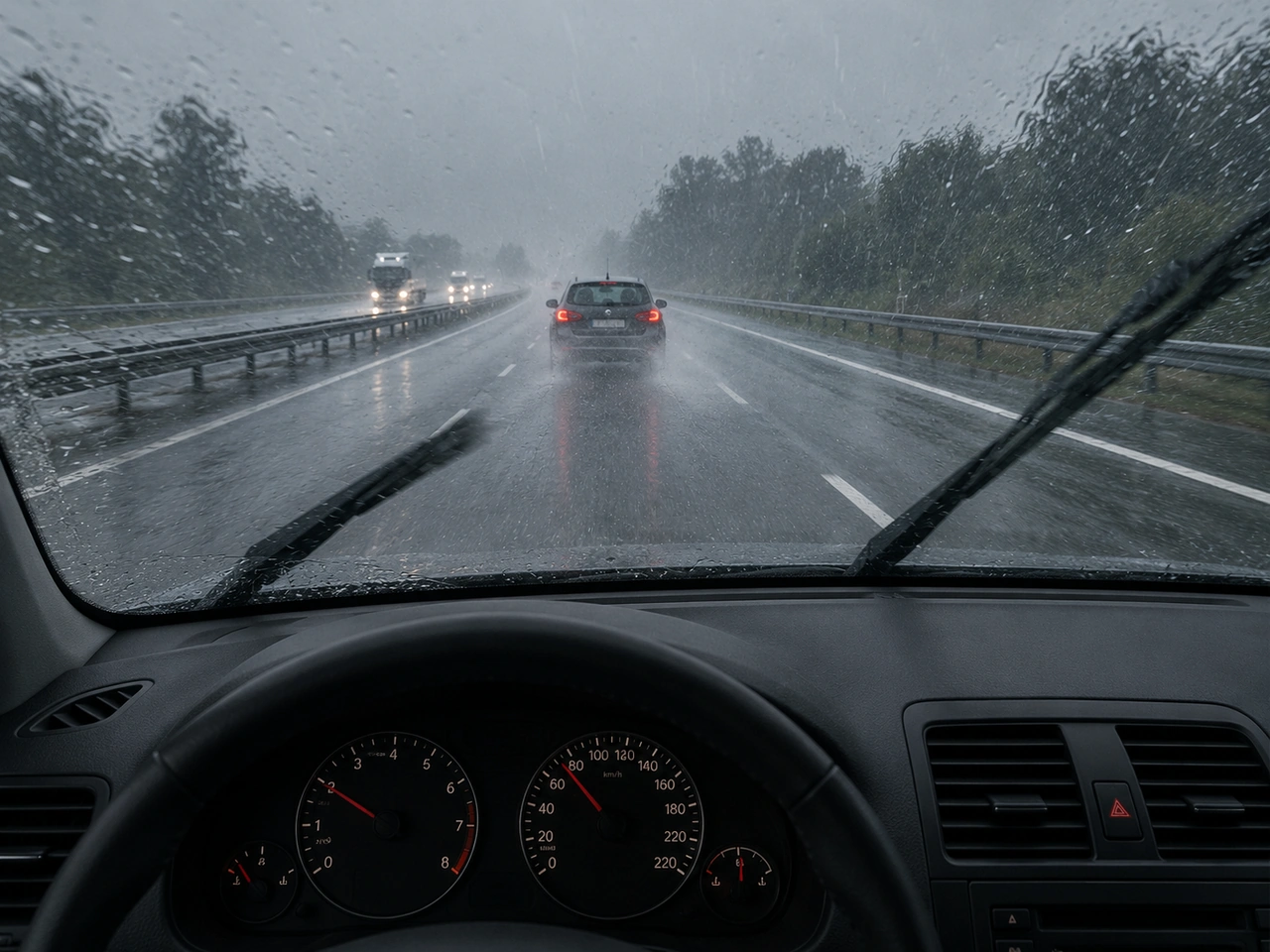
343. What should you do when driving through heavy rain?
Heavy rain reduces grip and visibility. Lower speed and extra distance give you more time to react safely.
AI-generated by Traffic-rules.com • WCIT • CC BY-SA
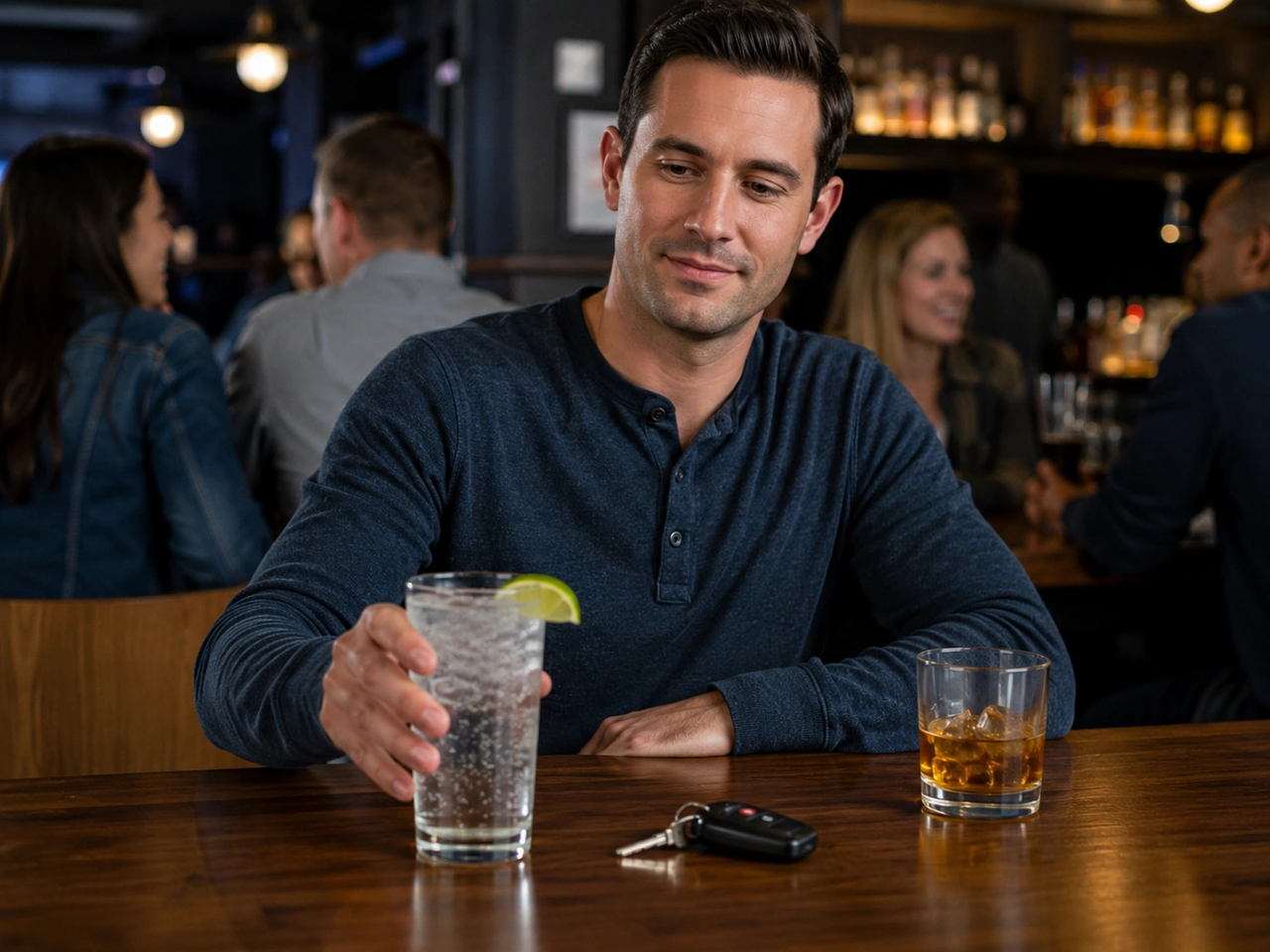
344. What should a designated driver do?
A designated driver should remain sober so they can drive safely and respond properly to traffic conditions.
AI-generated by Traffic-rules.com • WCIT • CC BY-SA
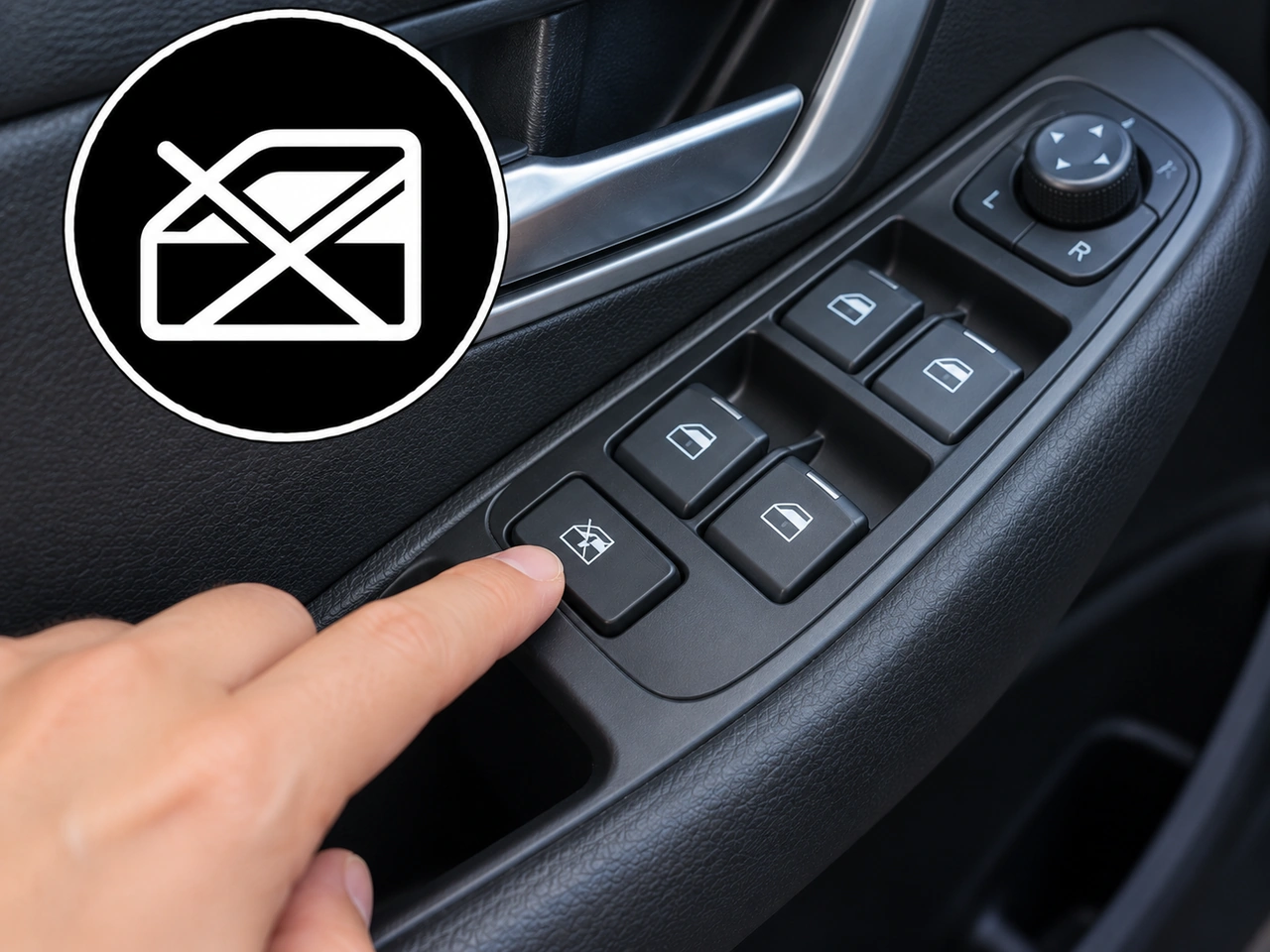
345. What does this vehicle-control symbol indicate?
This control activates the window lock, which normally prevents passengers from operating their electric windows while leaving control with the driver.
AI-generated by Traffic-rules.com • WCIT • CC BY-SA
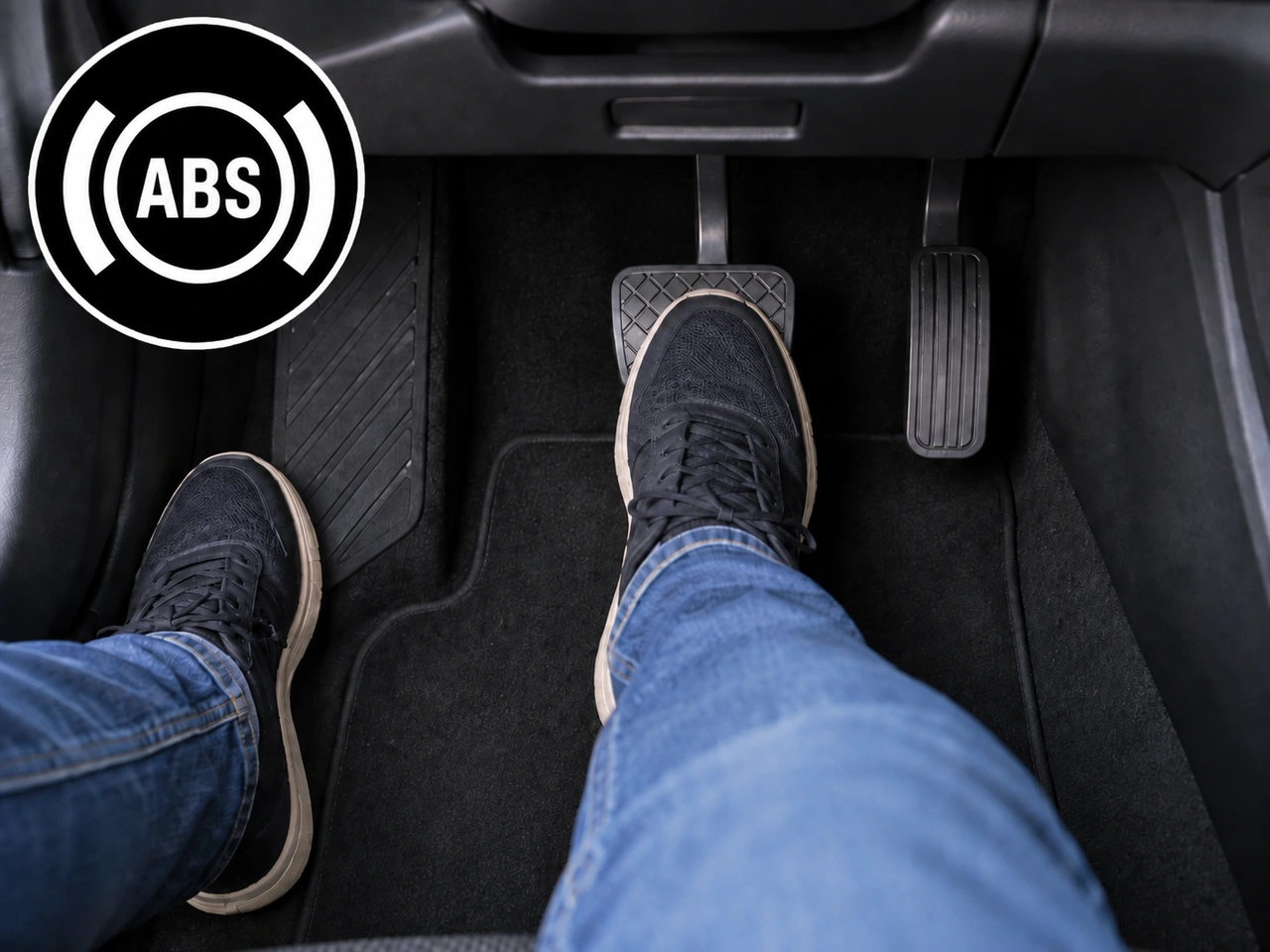
346. How should you use the brake pedal during emergency braking in a vehicle with ABS?
During emergency braking with ABS, press the brake pedal firmly and keep it pressed. Pulsation or vibration through the pedal can be normal while ABS is operating, so do not pump or release the brake.
AI-generated by Traffic-rules.com • WCIT • CC BY-SA
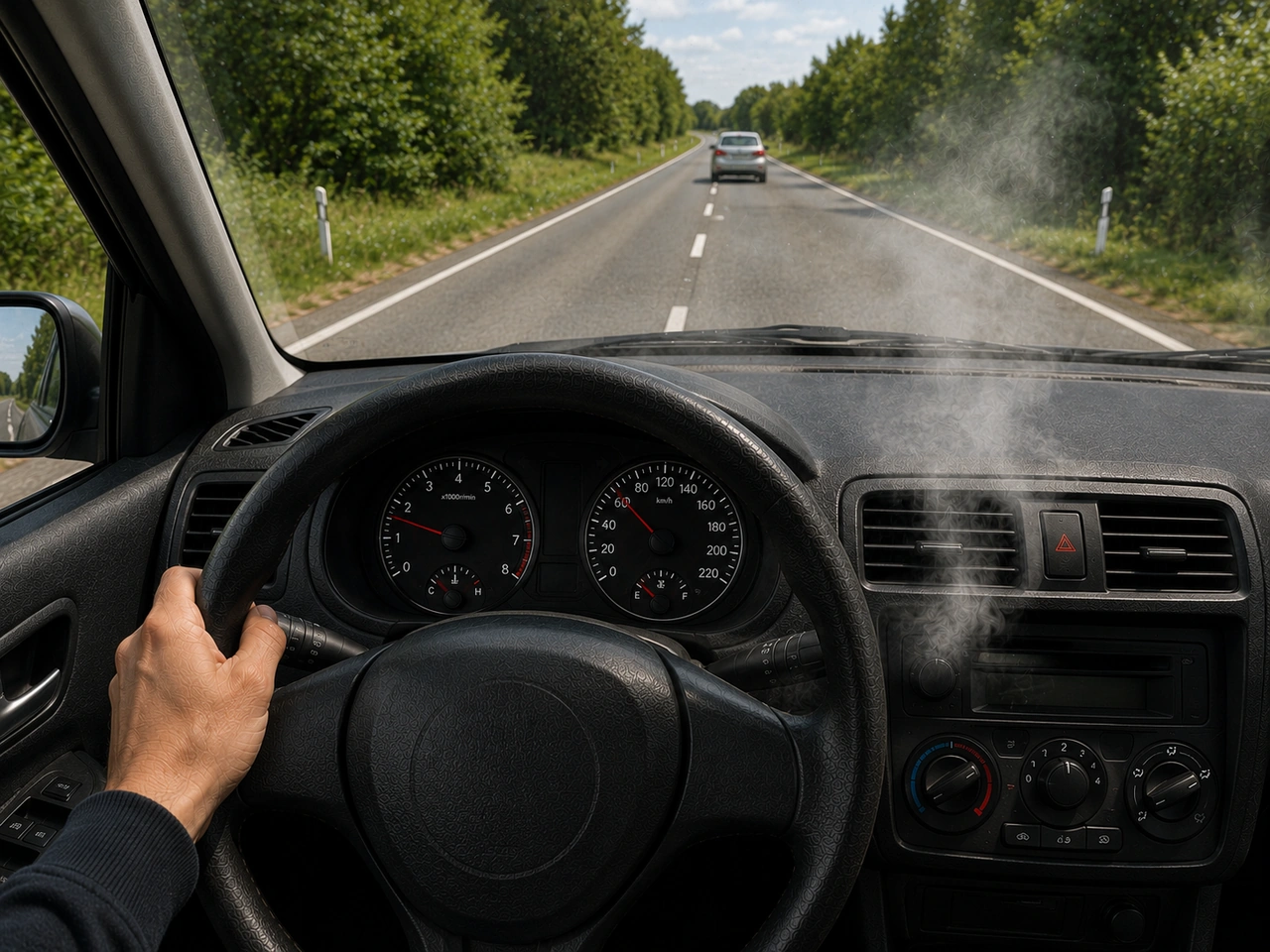
347. What should you do if exhaust fumes begin entering the car?
Exhaust gases may contain carbon monoxide, which is poisonous and may not be visible. The exhaust system should be inspected before the vehicle is used again.
AI-generated by Traffic-rules.com • WCIT • CC BY-SA
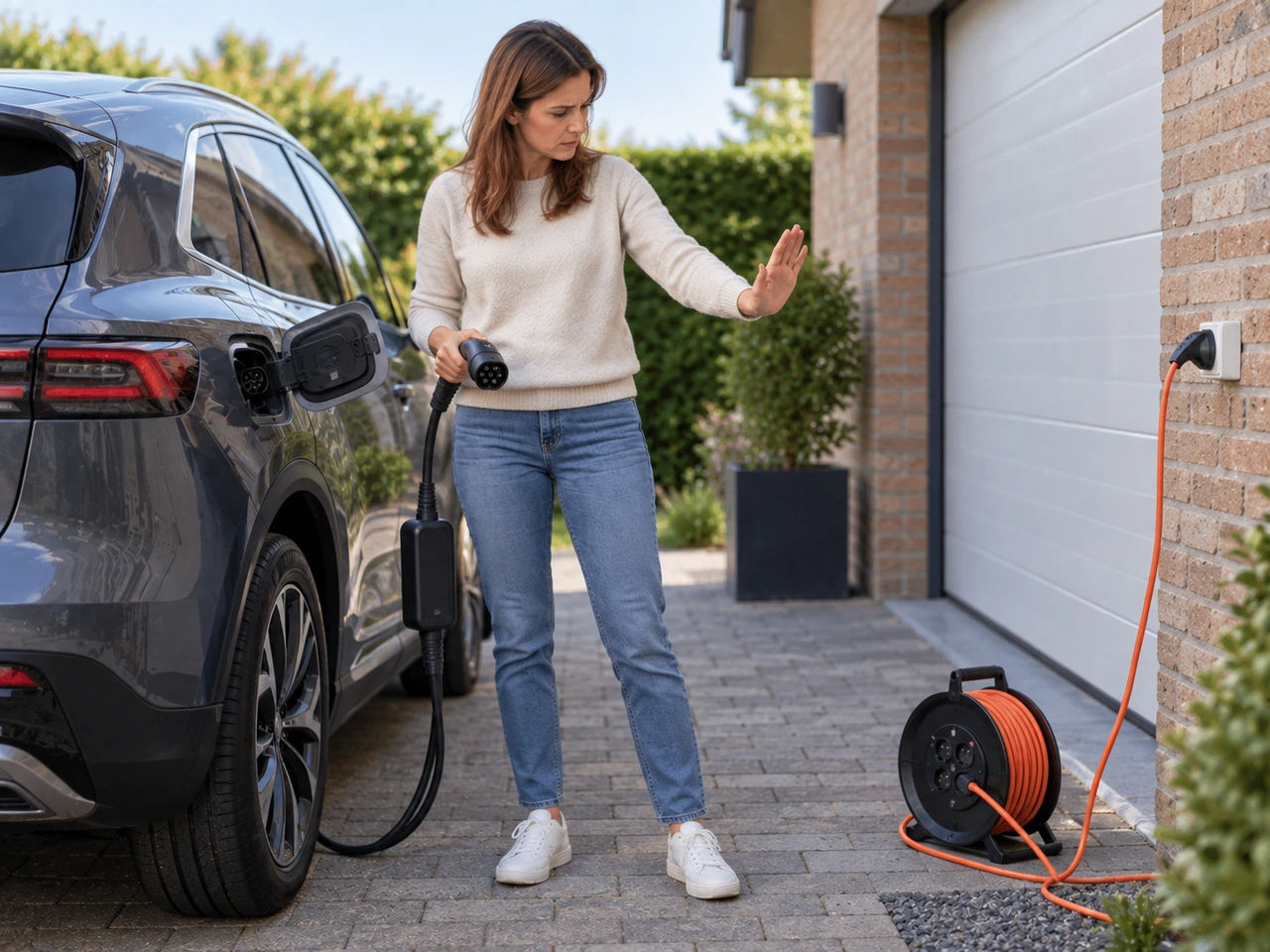
348. Why should you avoid using an ordinary extension lead to charge an electric vehicle?
An ordinary household extension lead may not be designed for the sustained electrical load required for EV charging and can overheat. Use suitable approved charging equipment and follow the vehicle and charging-equipment manufacturer's instructions.
AI-generated by Traffic-rules.com • WCIT • CC BY-SA
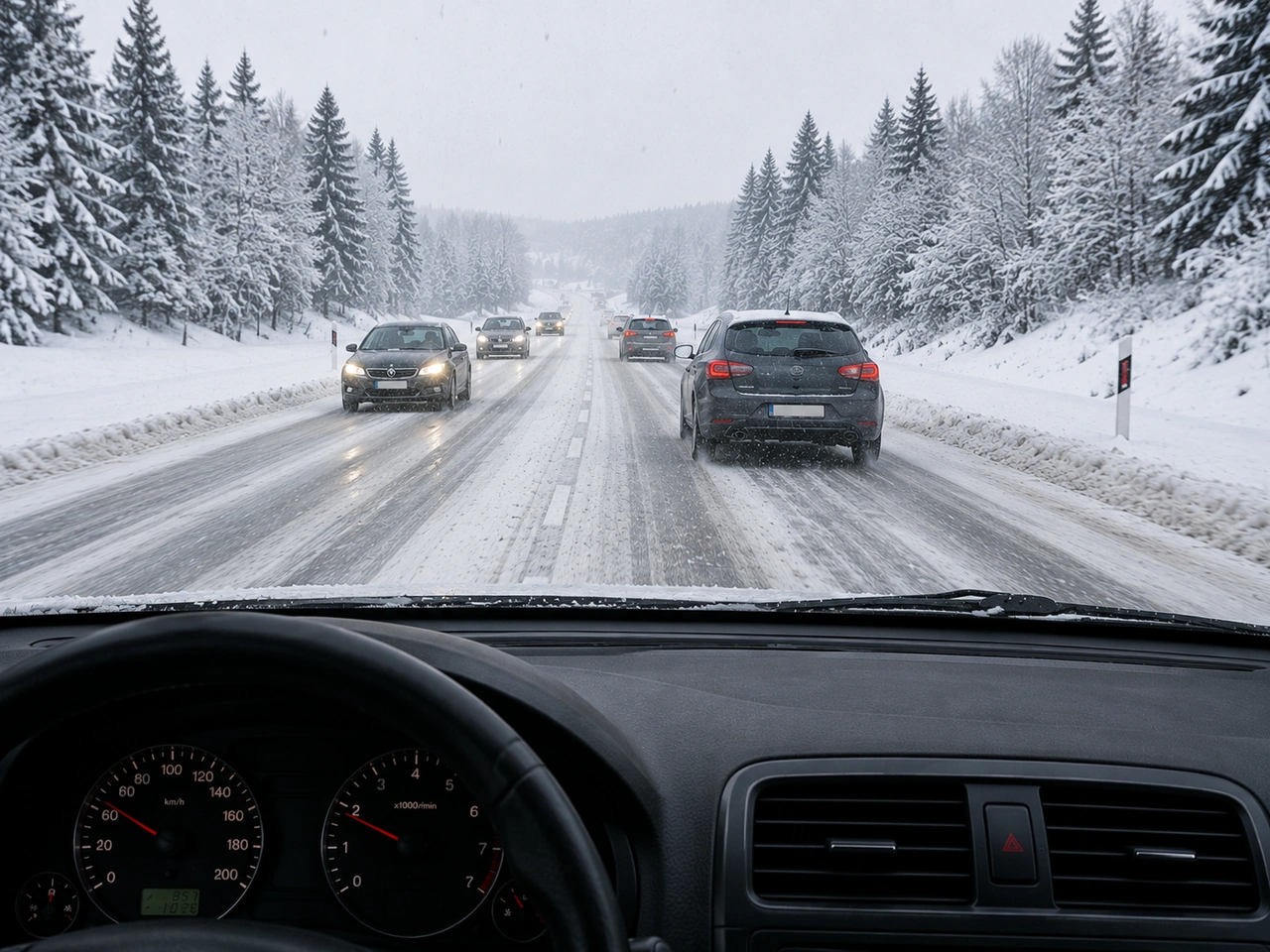
349. What should you do when the road is covered with snow or ice?
Snow and ice greatly reduce tyre grip. Lower speed, extra distance, and gentle steering, braking, and acceleration help maintain control.
AI-generated by Traffic-rules.com • WCIT • CC BY-SA
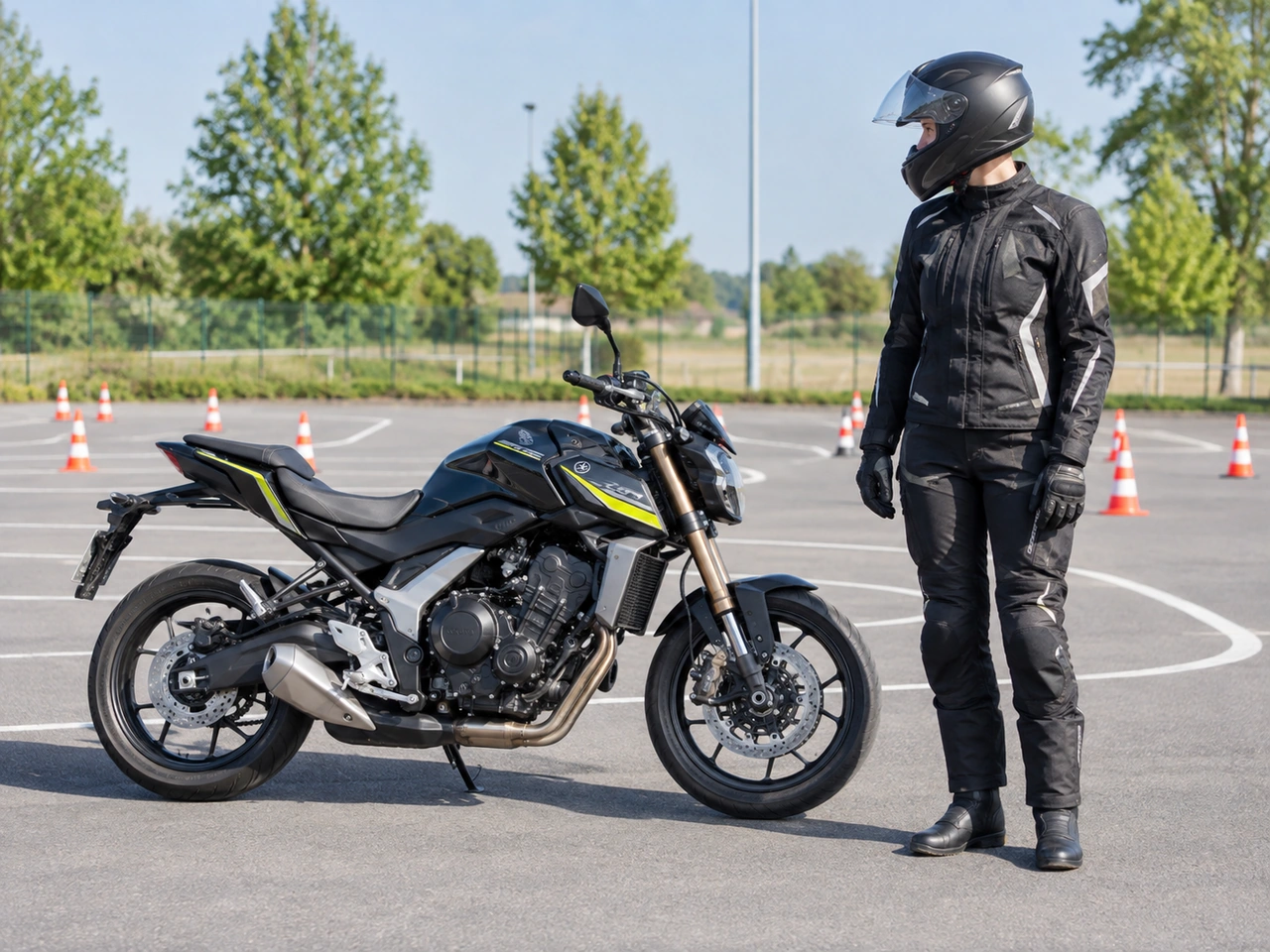
350. What is the minimum licence for a 35 kW motorcycle at 0.2 kW/kg, derived from 70 kW?
Category A2 covers motorcycles with power not exceeding 35 kW and a power-to-weight ratio not exceeding 0.2 kW/kg. The motorcycle must not be derived from a vehicle with more than double its power, so a 35 kW motorcycle may be derived from a vehicle of up to 70 kW.
AI-generated by Traffic-rules.com • WCIT • CC BY-SA