


QuizTraffic rulesPhilippines
This interesting quiz helps you test your knowledge in a clear and visual way. With easy multiple-choice questions, you can quickly build confidence and learn new facts while keeping it simple, interactive, and fun.
 Traffic signs
 Traffic rules
 Philippines
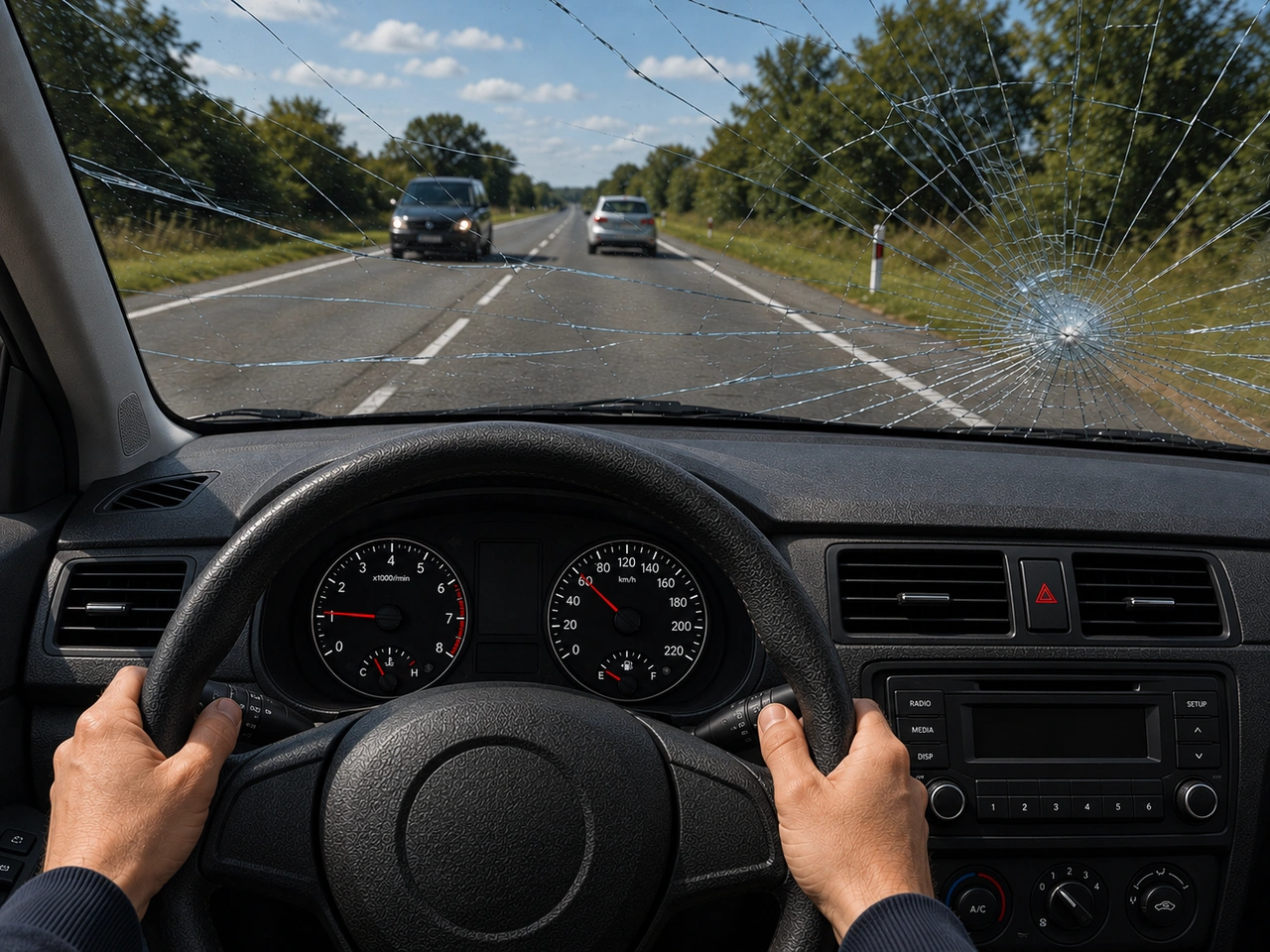
201. What should you do if the windscreen becomes damaged while driving?
Severe damage can obstruct your view and weaken the glass. Do not continue if you cannot see the road clearly.
AI-generated by Traffic-rules.com • WCIT • CC BY-SA

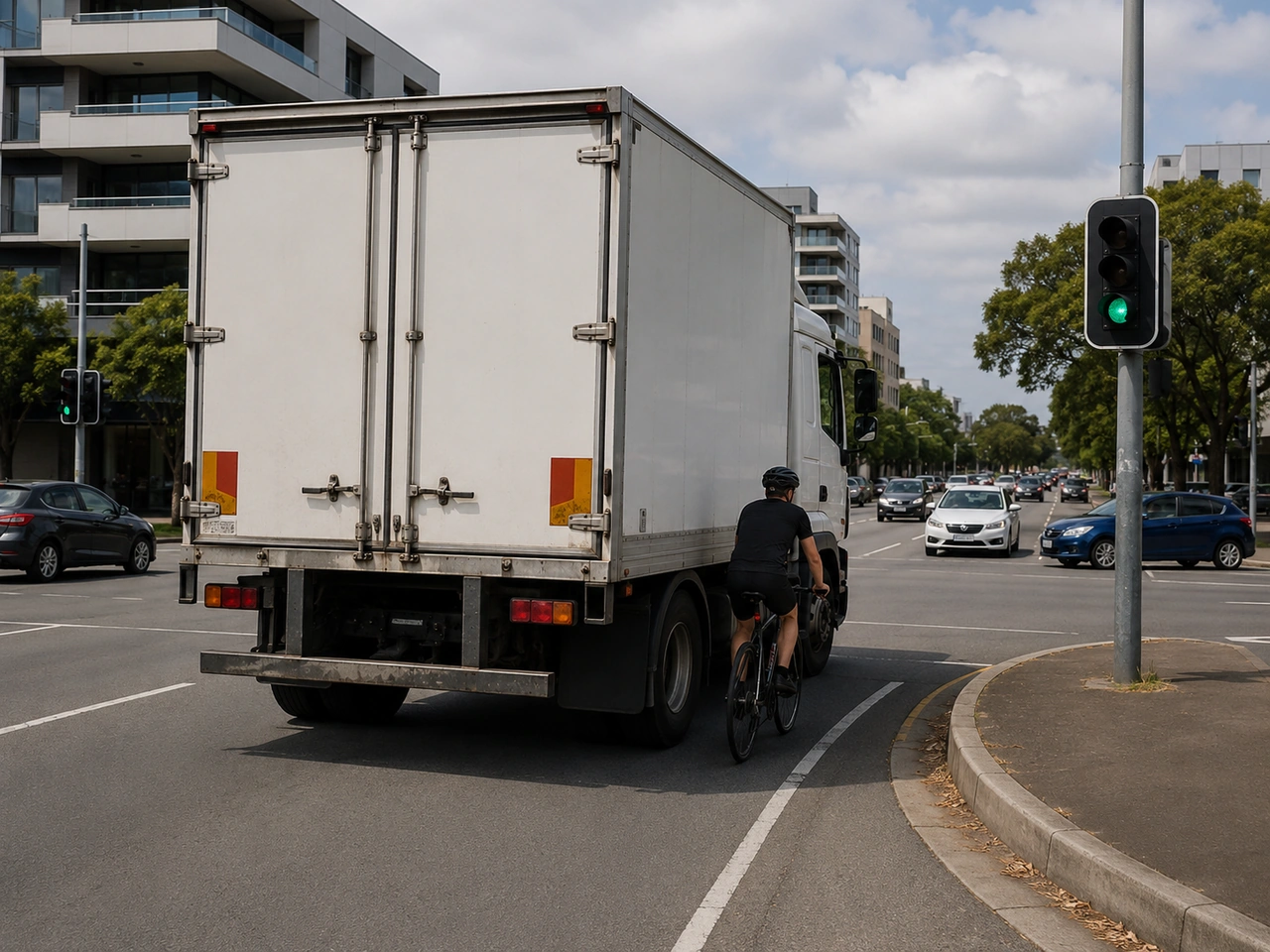
202. Why should cyclists avoid riding in a large vehicle's blind spot?
Buses and trucks have large areas where the driver cannot see cyclists, especially beside the vehicle and near turns.
AI-generated by Traffic-rules.com • WCIT • CC BY-SA
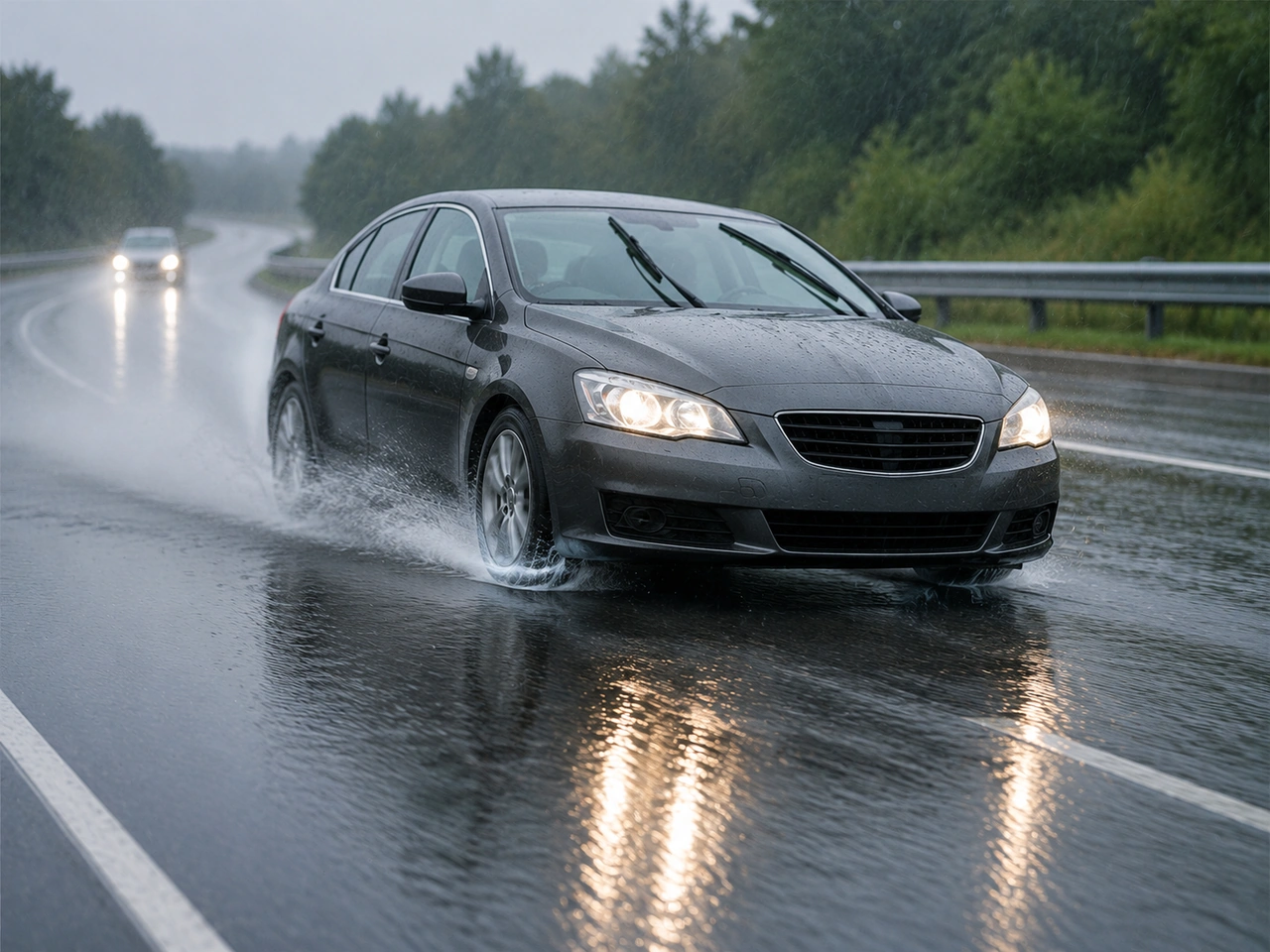
203. What is aquaplaning?
Aquaplaning occurs when water builds up between the tyres and the road, causing a loss of grip and control. The risk increases at higher speeds.
AI-generated by Traffic-rules.com • WCIT • CC BY-SA
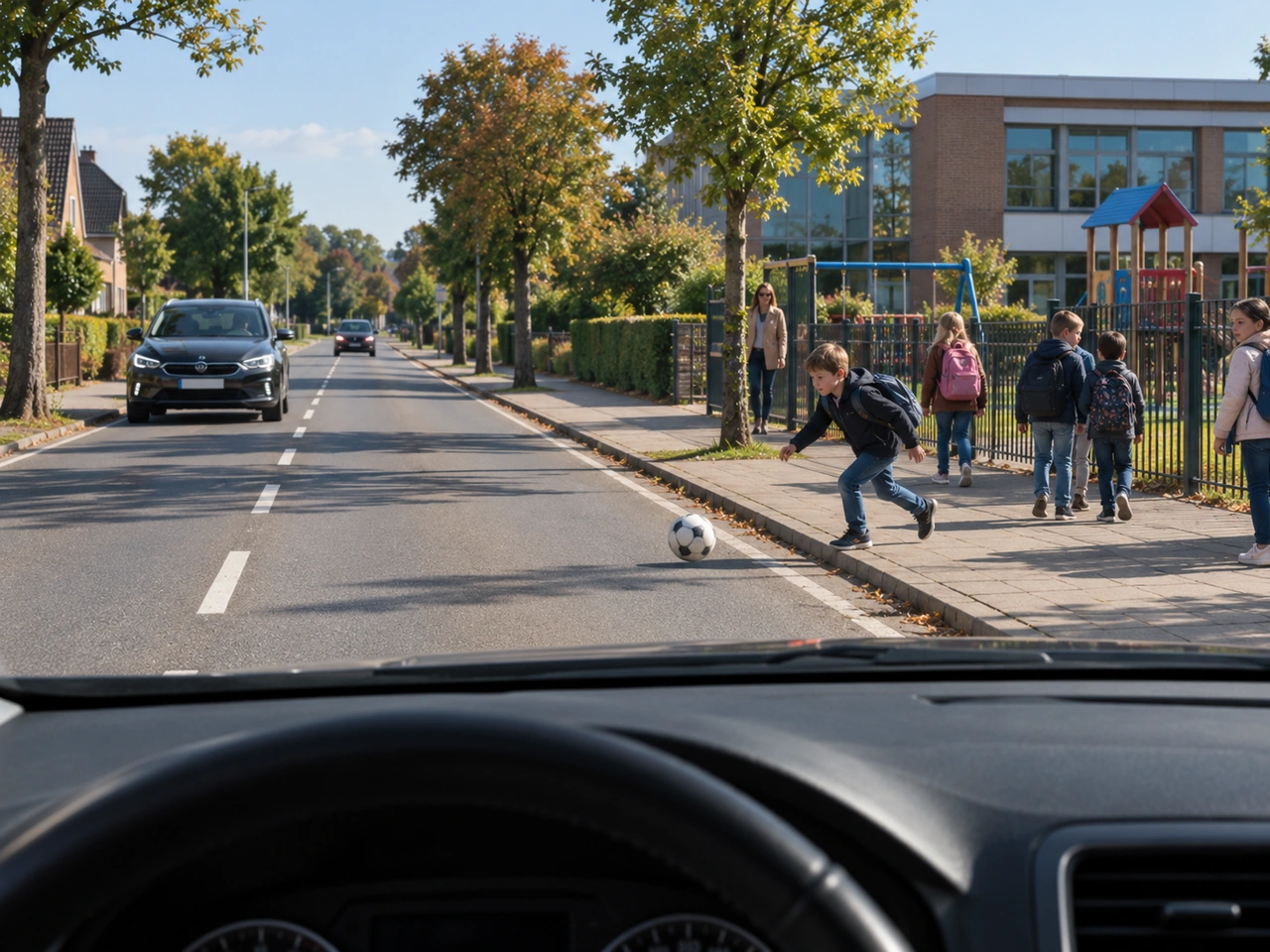
204. Why should you slow down near schools or playgrounds?
Children may suddenly cross the road or move unexpectedly, so drivers should slow down and stay alert near schools and playgrounds.
AI-generated by Traffic-rules.com • WCIT • CC BY-SA
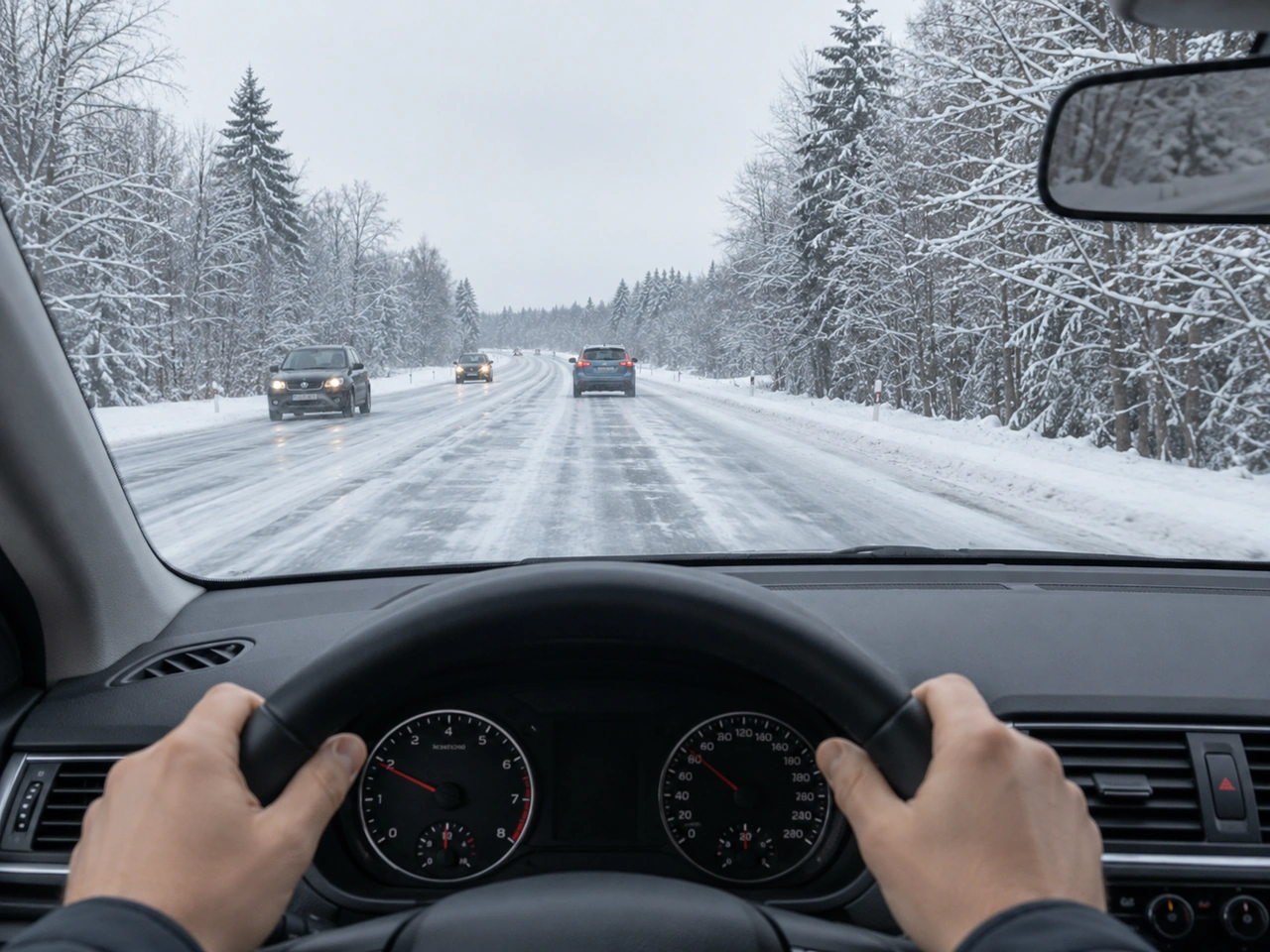
205. Why should you leave a much larger following distance on an icy road?
Tyres have much less grip on ice, so braking takes longer. Extra distance gives you more time to slow down safely.
AI-generated by Traffic-rules.com • WCIT • CC BY-SA
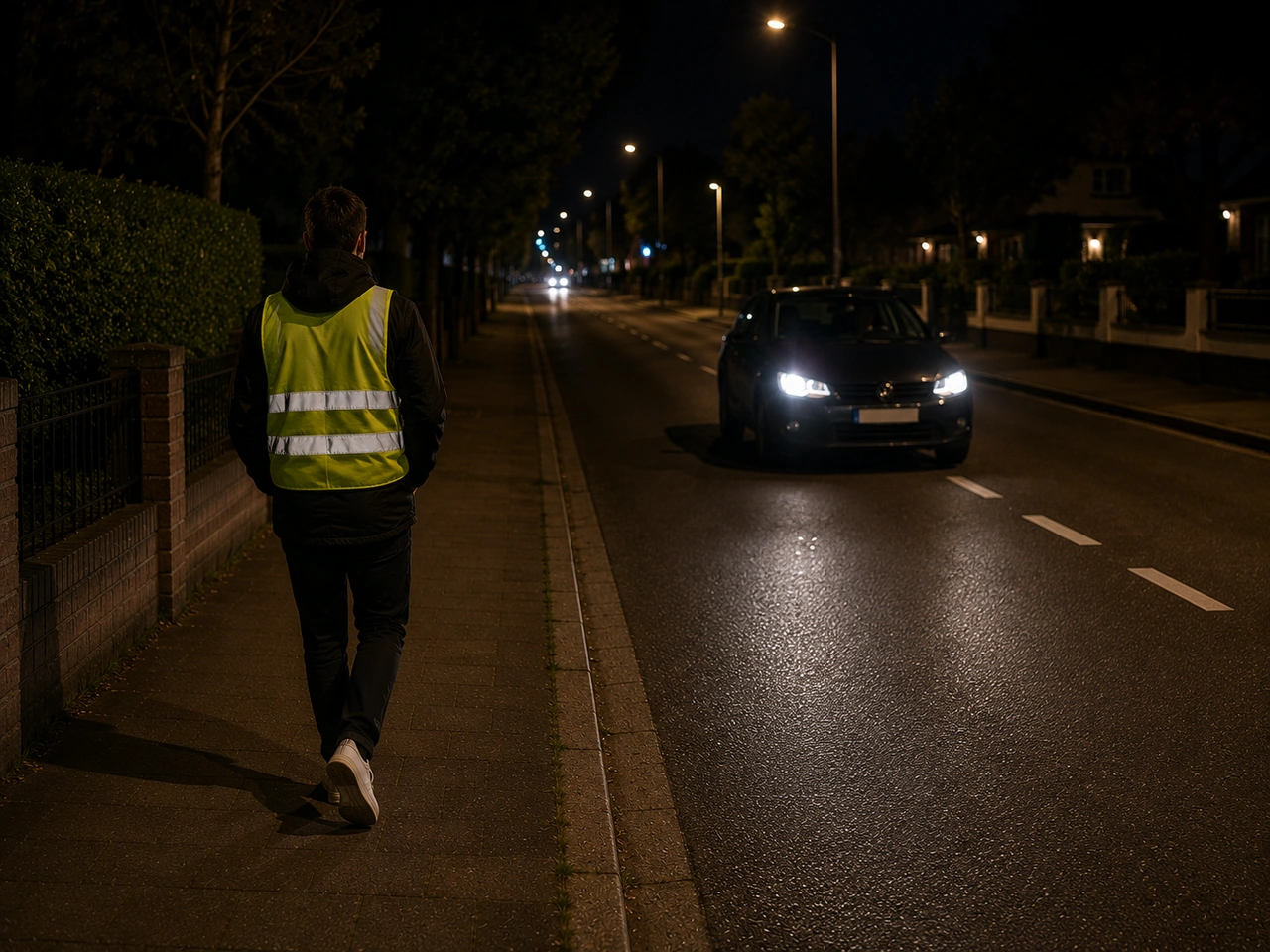
206. Why is it important to make yourself visible at night?
Bright or reflective clothing helps drivers notice pedestrians in low-light conditions.
AI-generated by Traffic-rules.com • WCIT • CC BY-SA
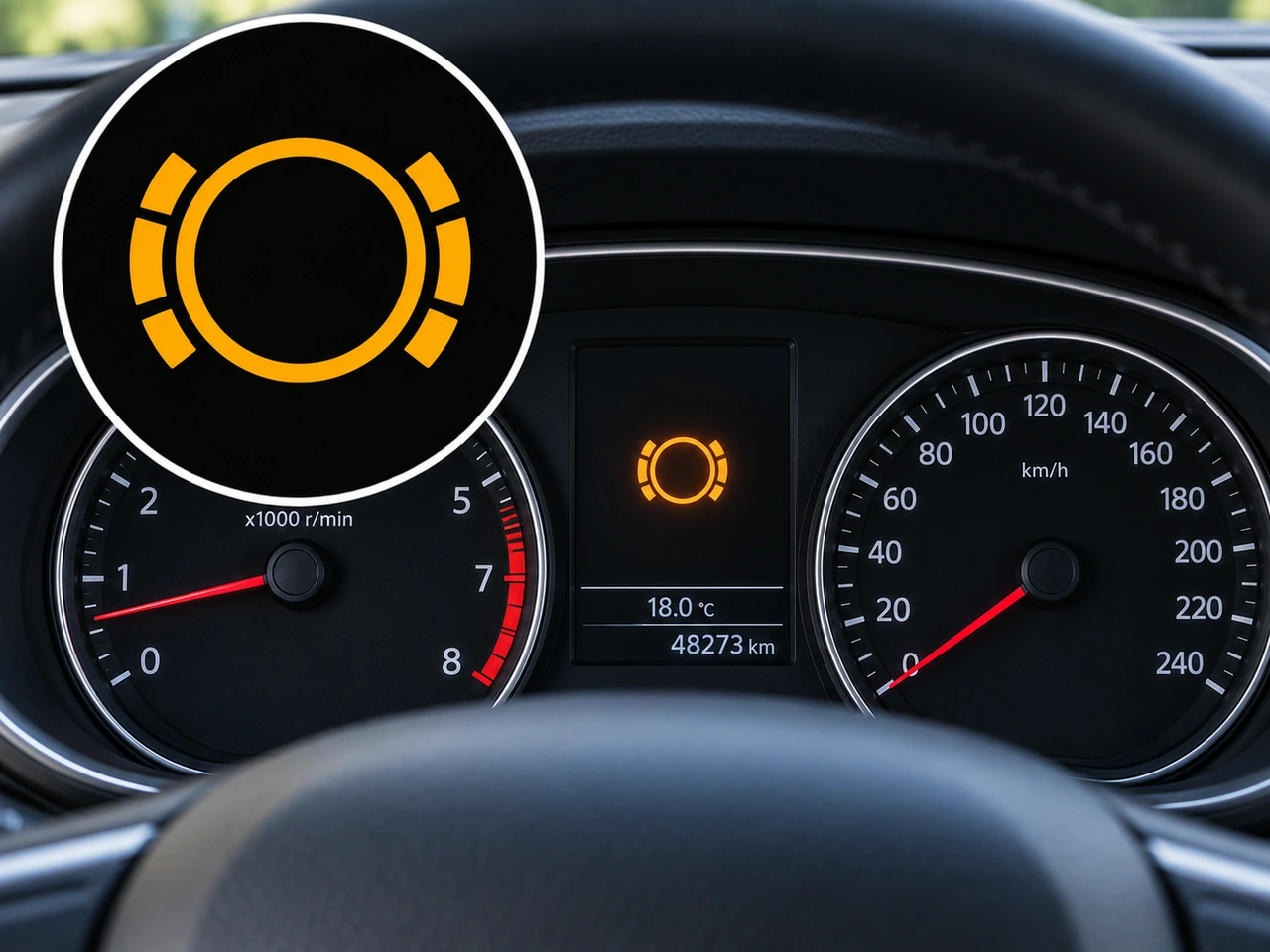
207. What does this dashboard symbol indicate?
This symbol indicates that the brake pads may be worn and should be inspected. Continuing to drive with excessively worn brake pads can reduce braking performance and damage other brake components.
AI-generated by Traffic-rules.com • WCIT • CC BY-SA
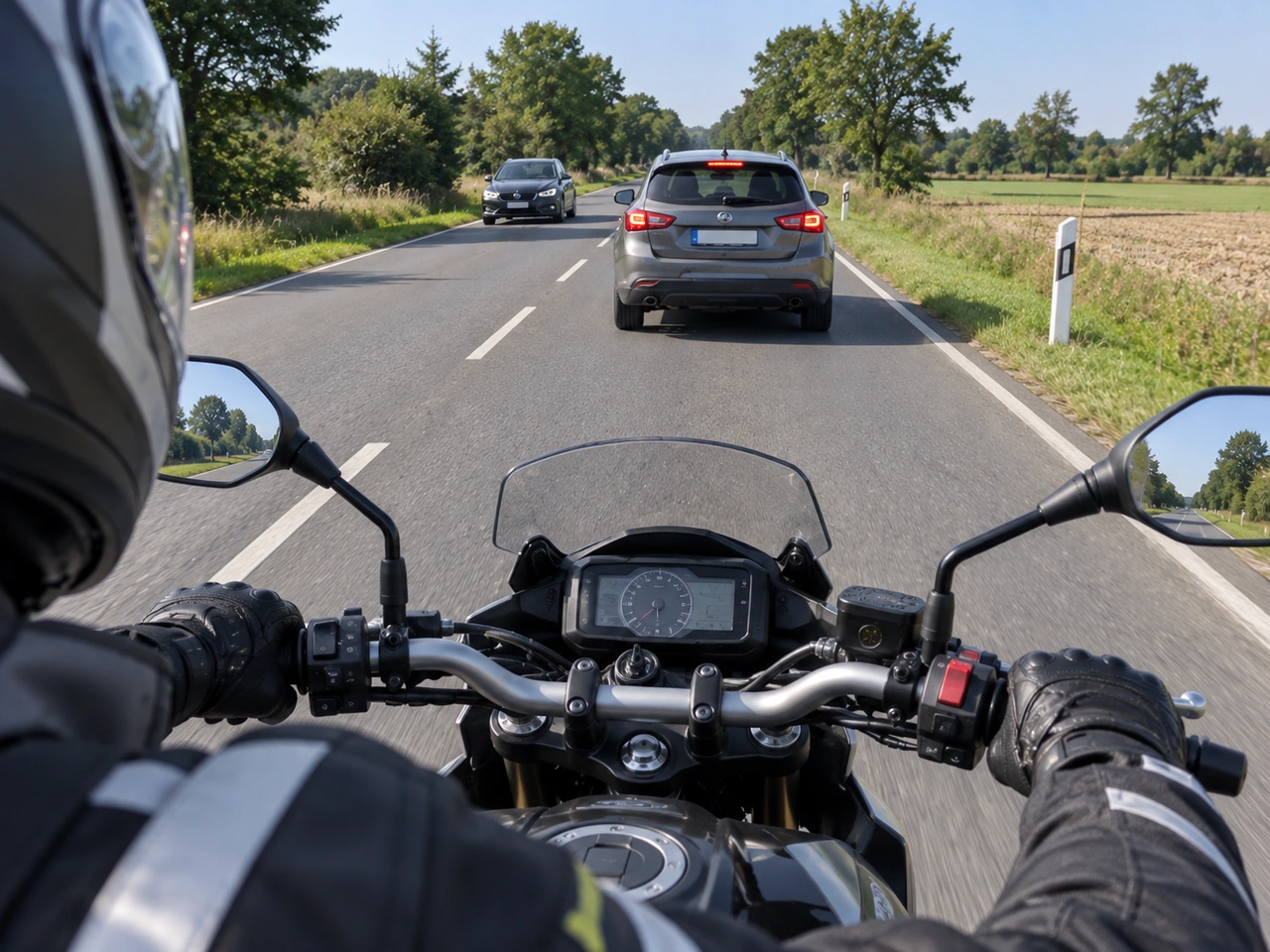
208. How should you normally brake on a motorcycle?
During normal braking, use both the front and rear brakes smoothly and progressively. The front brake normally provides much of the braking force, while the rear brake also helps slow and stabilise the motorcycle. Sudden or poorly balanced braking can reduce stability or cause a wheel to lose grip.
AI-generated by Traffic-rules.com • WCIT • CC BY-SA
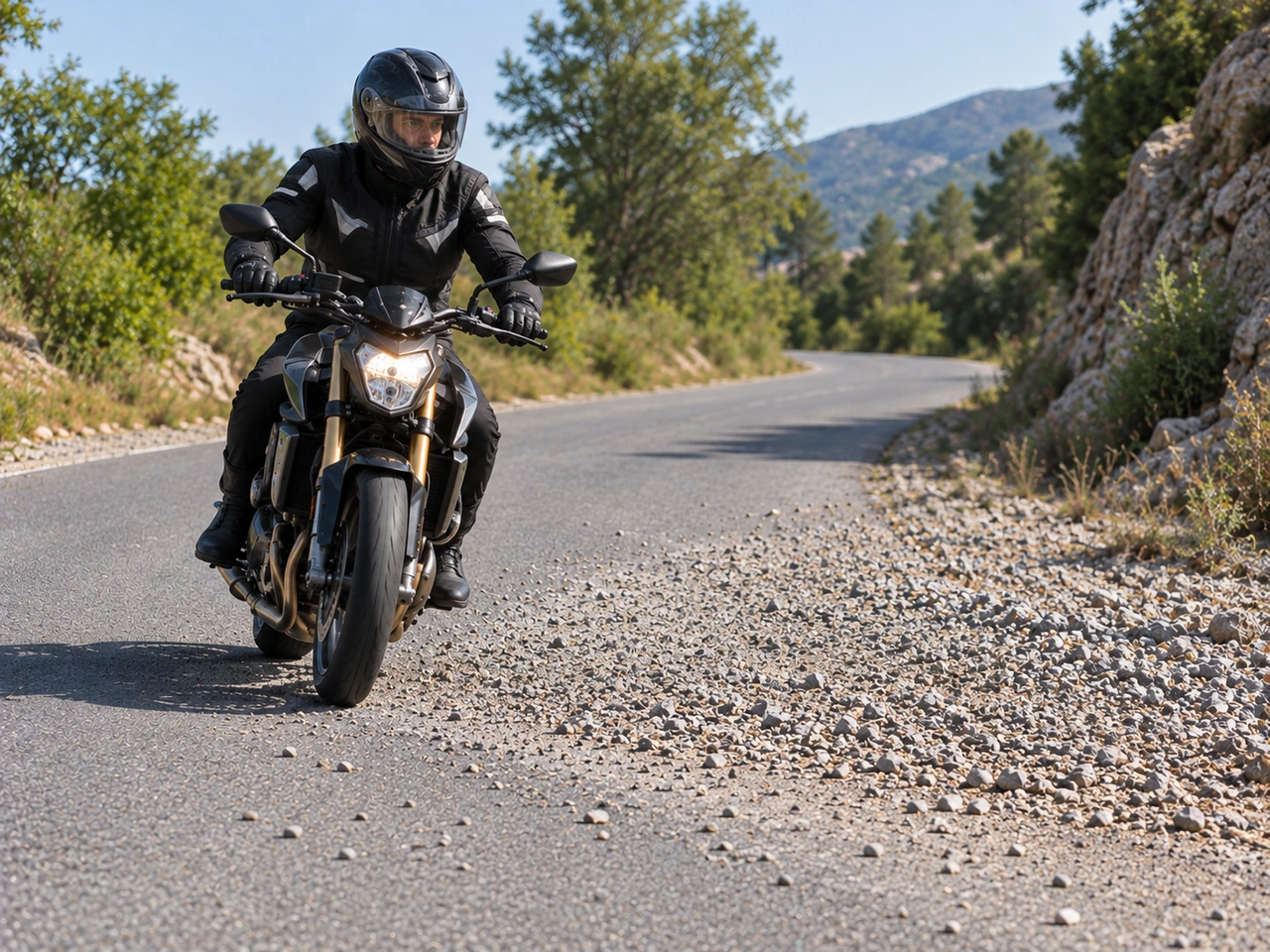
209. What should a motorcyclist do when approaching loose gravel?
Loose gravel can significantly reduce tyre grip. Reduce speed before reaching it, keep the motorcycle as upright as practical, and avoid sudden braking, acceleration or steering while crossing the loose surface.
AI-generated by Traffic-rules.com • WCIT • CC BY-SA
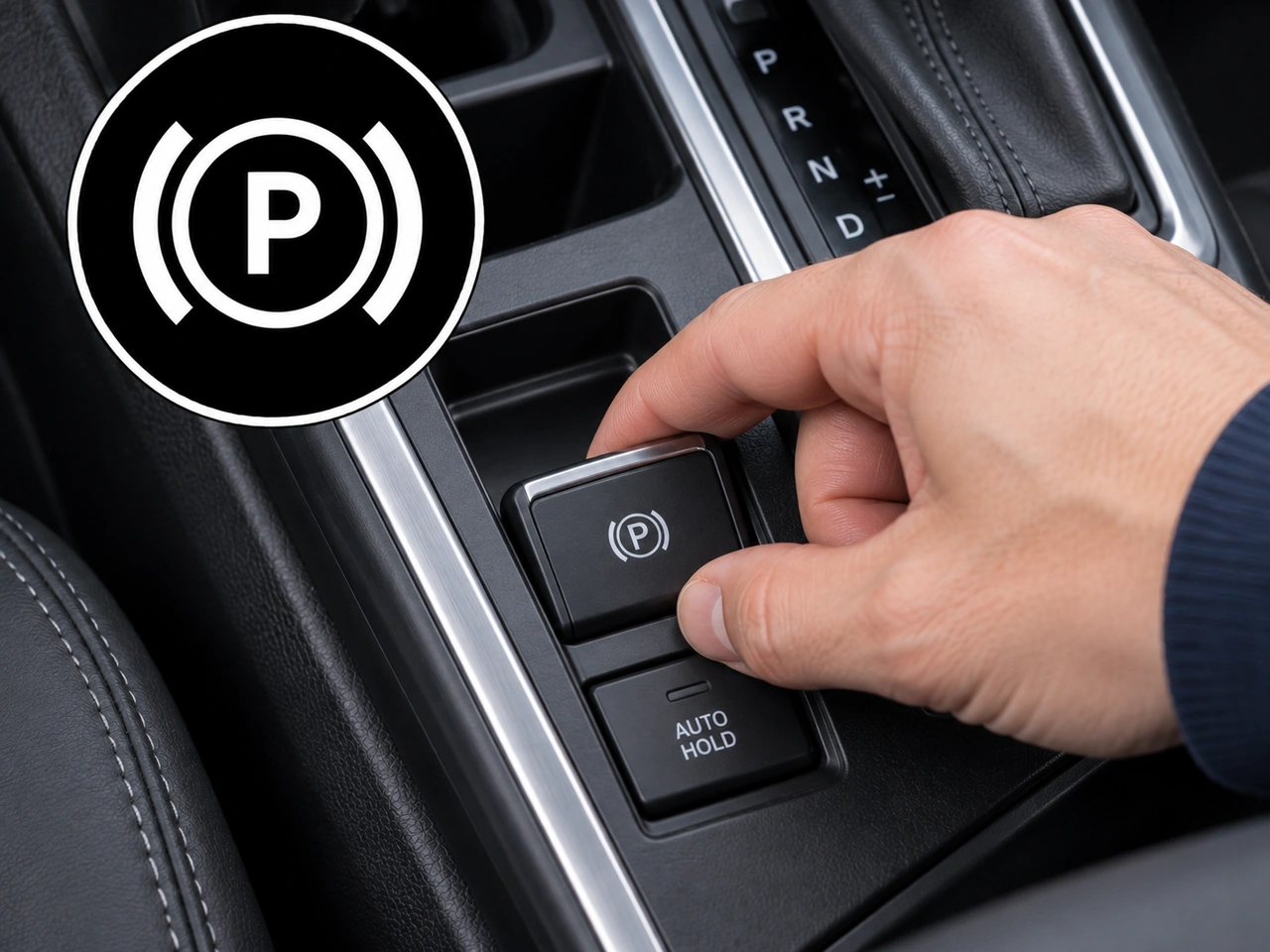
210. What does this vehicle-control symbol indicate?
This control operates the electronic parking brake. Pulling or pressing the switch applies or releases the parking brake, depending on the vehicle.
AI-generated by Traffic-rules.com • WCIT • CC BY-SA
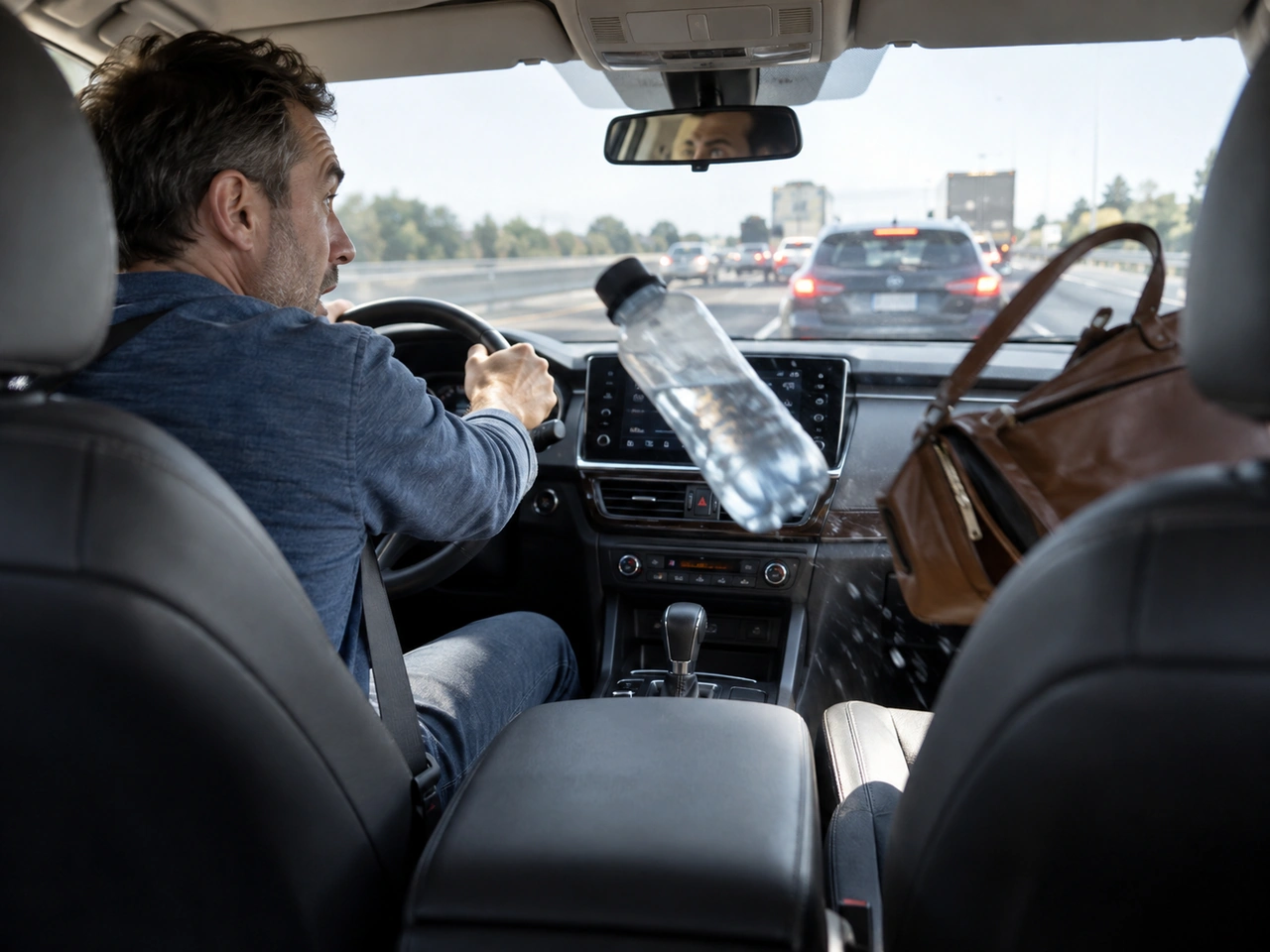
211. Why should loose items inside a vehicle be secured?
Loose objects can move or be thrown forwards during sudden braking or a collision. Secure luggage and other items so they cannot injure occupants or interfere with the driver or vehicle controls.
AI-generated by Traffic-rules.com • WCIT • CC BY-SA
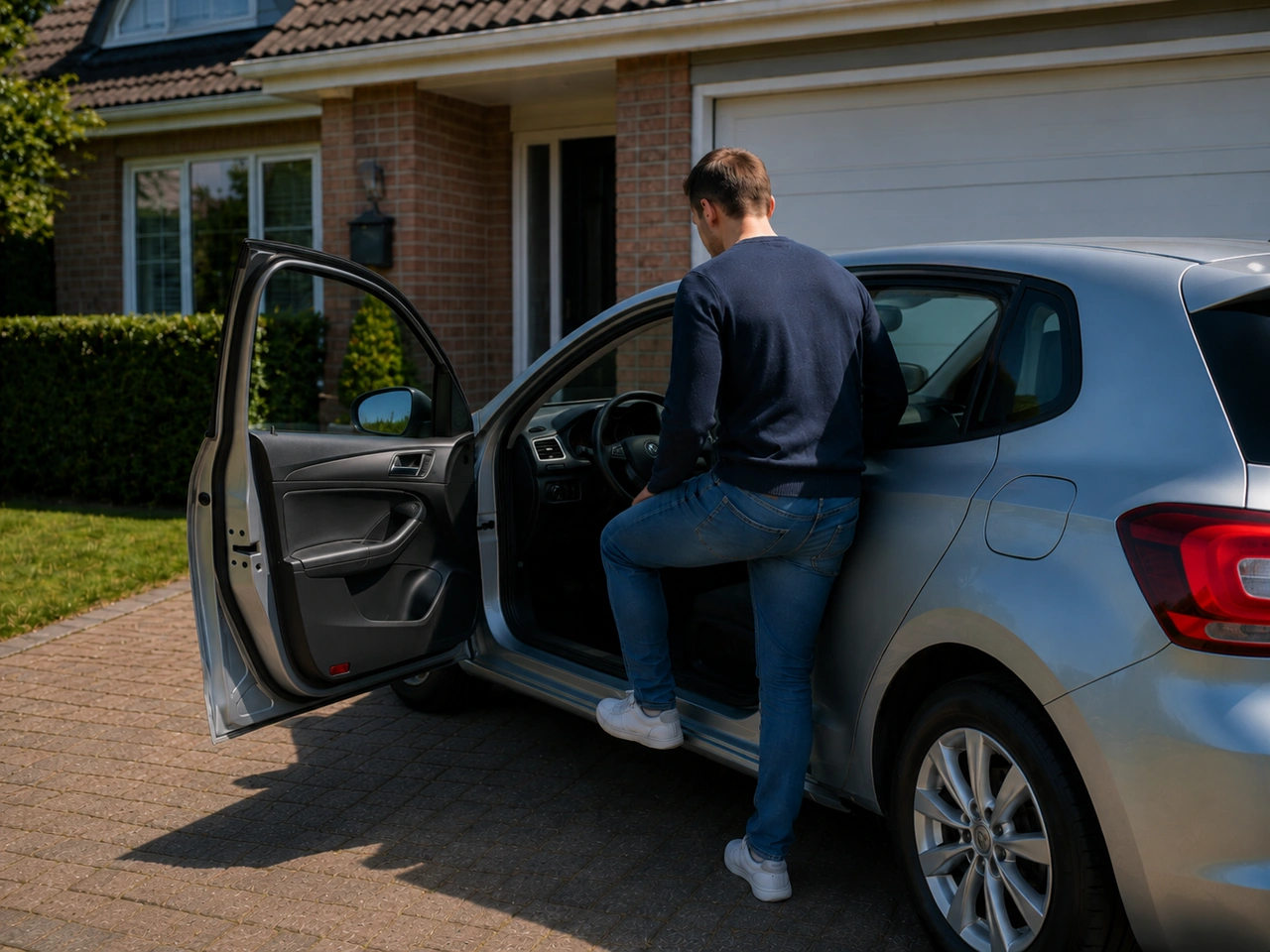
212. When should you fasten your seat belt?
Fasten your seat belt before the vehicle starts moving and keep it fastened throughout the journey. Make sure your passengers are also safely seated and properly restrained.
AI-generated by Traffic-rules.com • WCIT • CC BY-SA
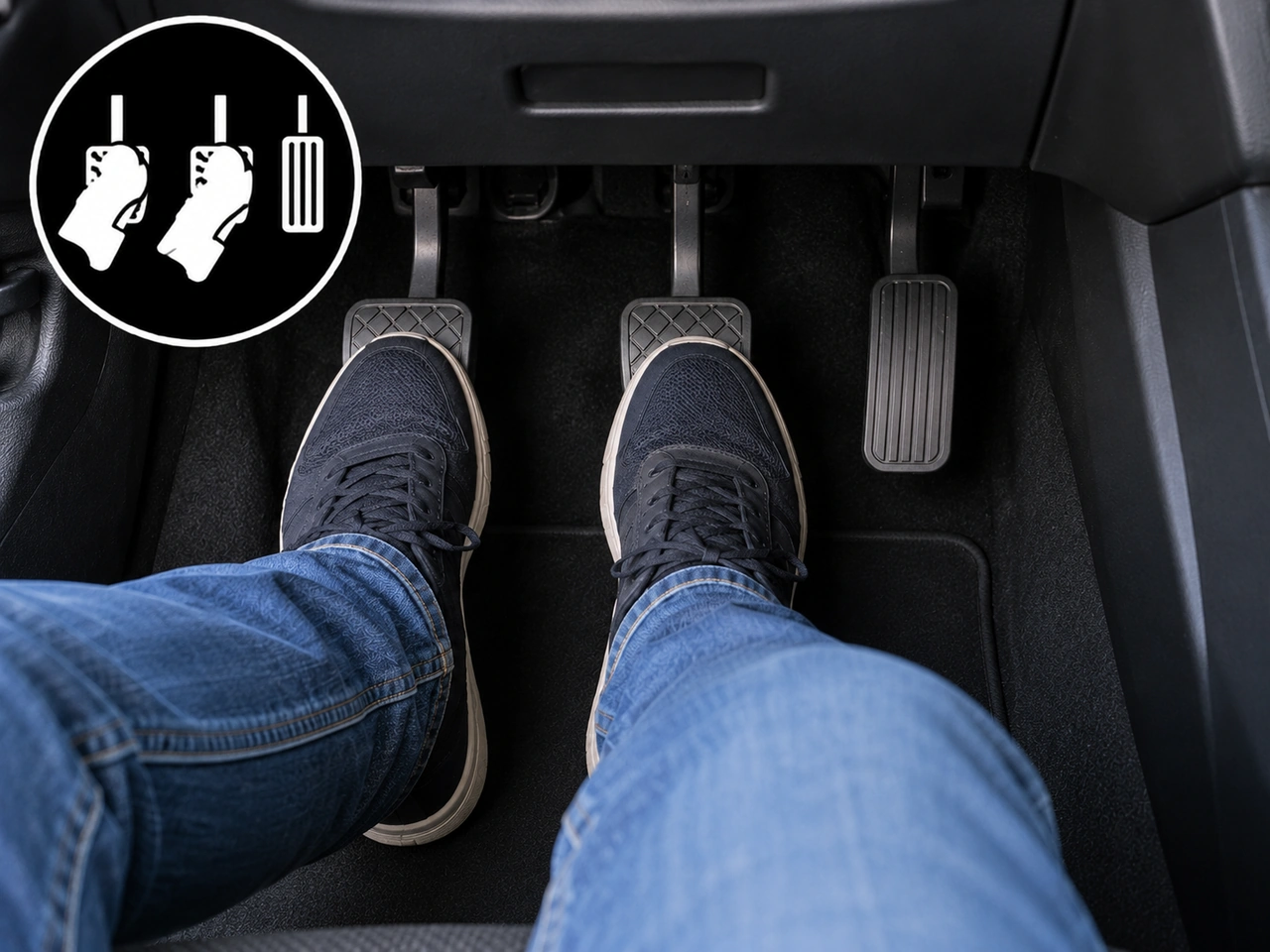
213. What should you do with the clutch when bringing a manual vehicle to a stop?
When stopping a manual vehicle, brake normally and press the clutch pedal before the engine speed becomes too low and the engine stalls. Avoid pressing the clutch unnecessarily early, as this reduces engine braking.
AI-generated by Traffic-rules.com • WCIT • CC BY-SA
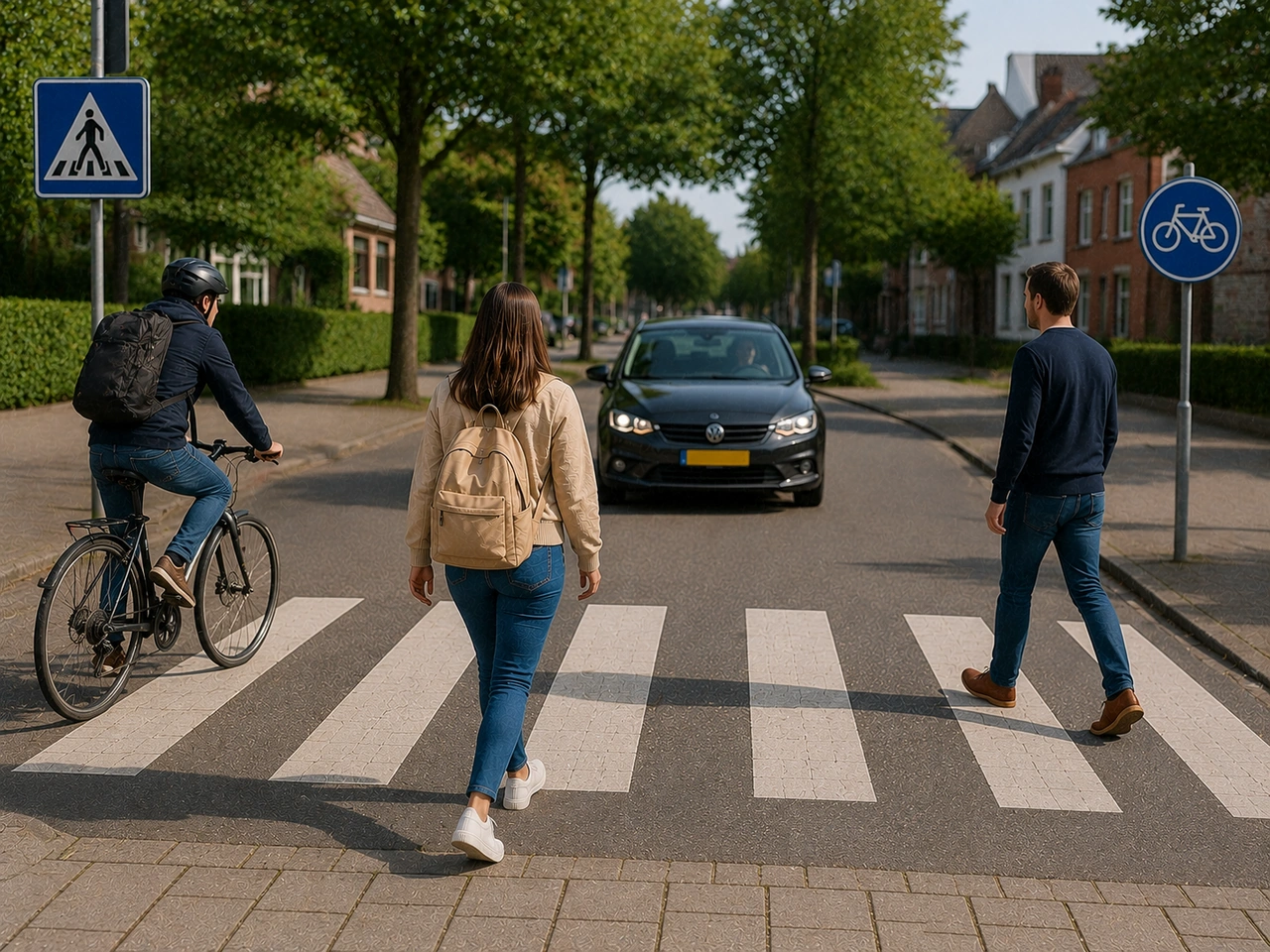
214. Who is responsible for staying safe when crossing the road?
Road safety is a shared responsibility. Pedestrians, drivers, and cyclists all need to stay alert and follow the rules.
AI-generated by Traffic-rules.com • WCIT • CC BY-SA
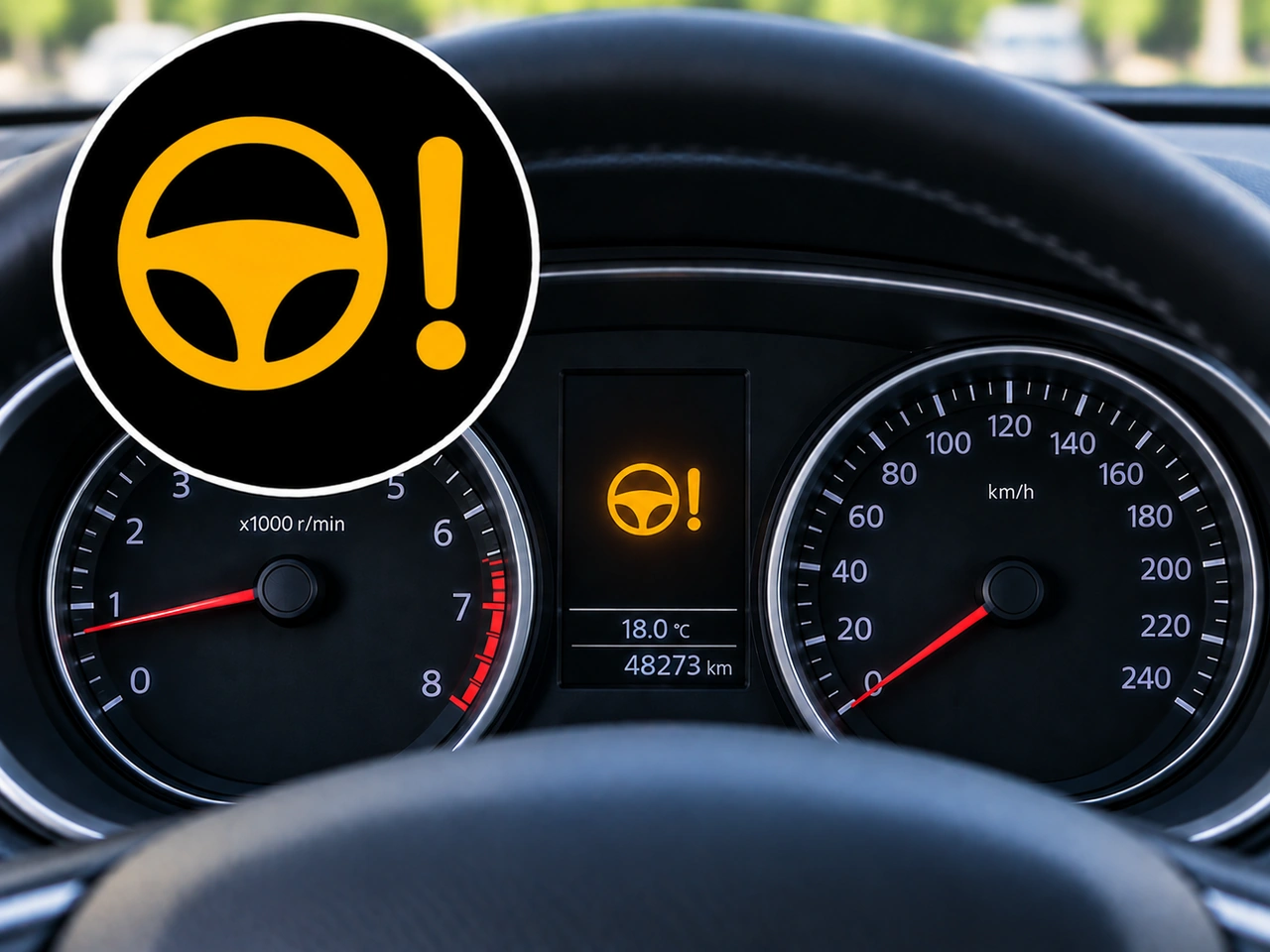
215. What does this dashboard symbol indicate?
This symbol indicates a possible fault with the power-steering system. Steering assistance may be reduced or unavailable, making the steering wheel harder to turn.
AI-generated by Traffic-rules.com • WCIT • CC BY-SA
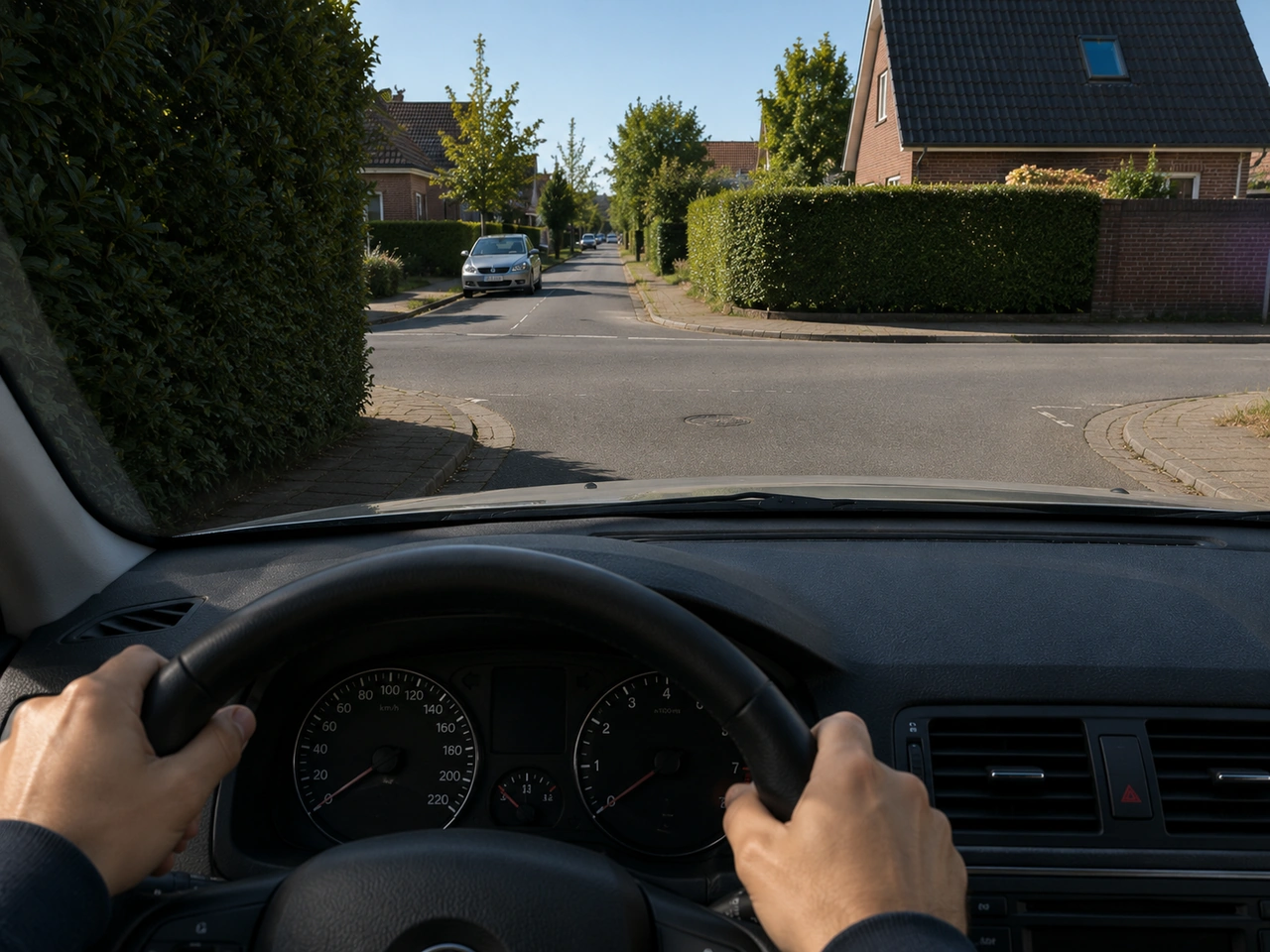
216. What should you do when your view is blocked at a junction?
If your view is blocked, slow down and make sure the way is clear before entering the junction.
AI-generated by Traffic-rules.com • WCIT • CC BY-SA
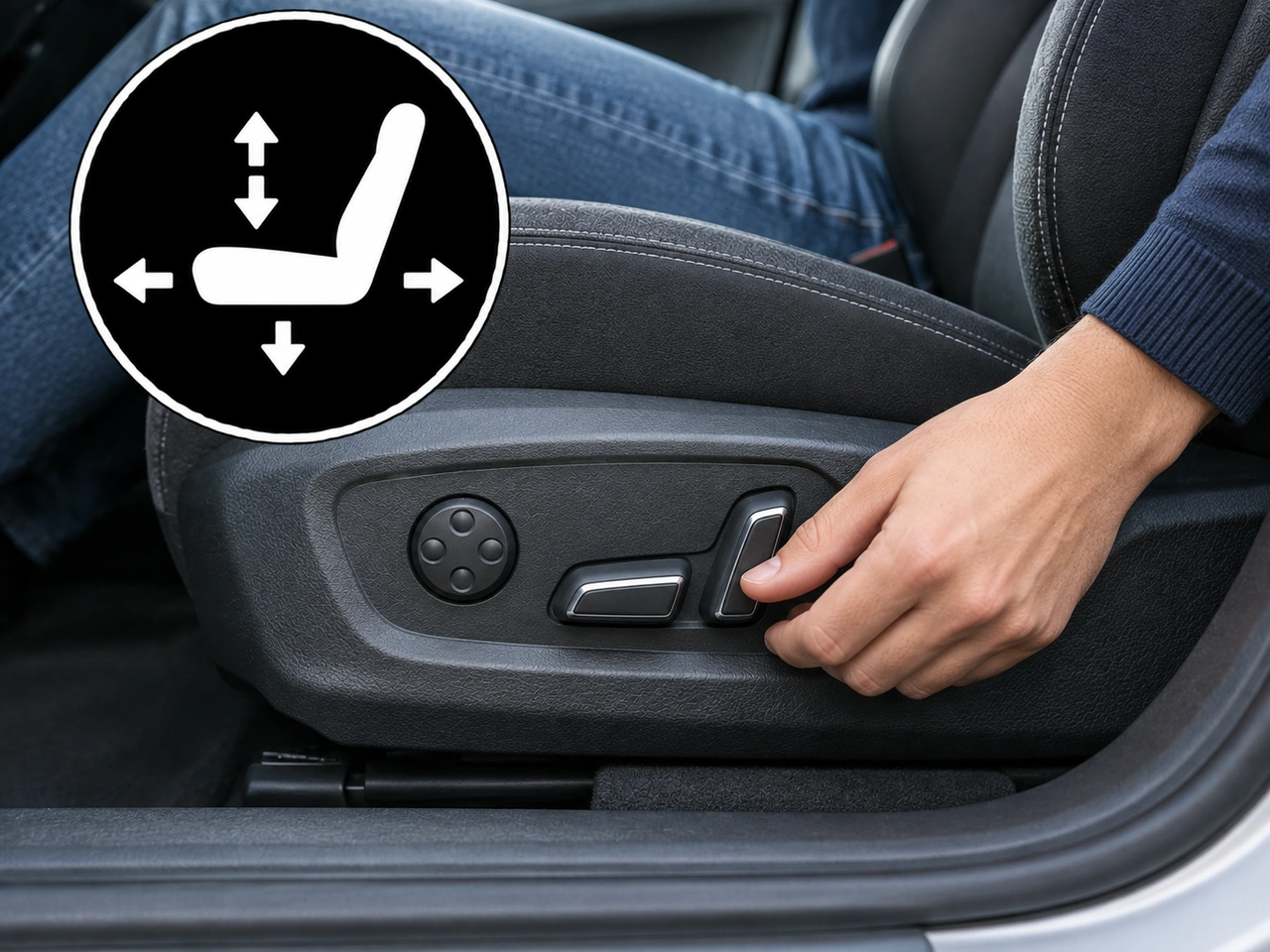
217. What does this vehicle-control symbol indicate?
This control adjusts the position of the seat. Depending on the vehicle, it may move the seat forwards or backwards, raise or lower it, or change the backrest angle.
AI-generated by Traffic-rules.com • WCIT • CC BY-SA
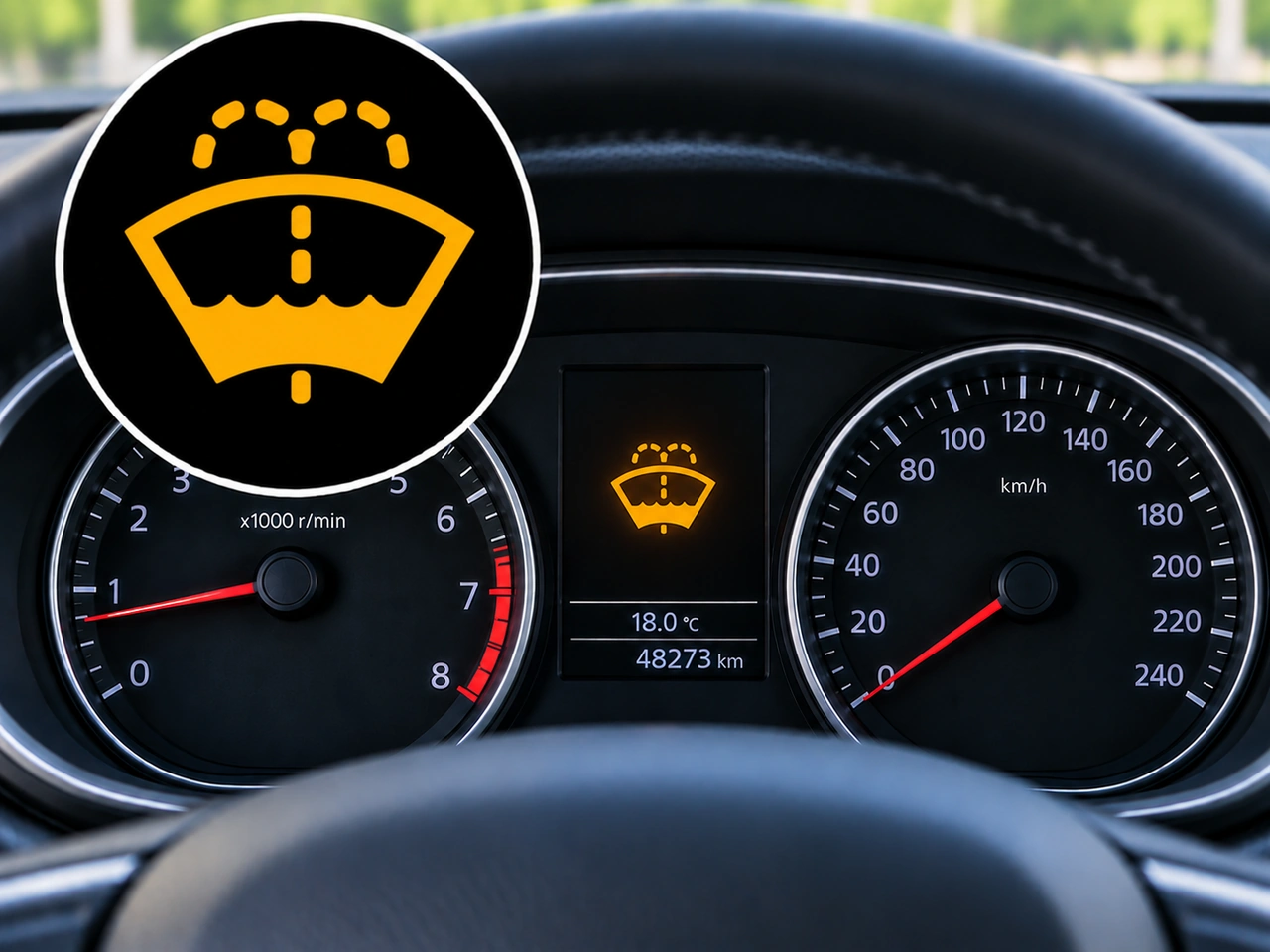
218. What does this dashboard symbol indicate?
This symbol indicates that the windscreen washer fluid level is low. Refill the washer-fluid reservoir with suitable fluid when possible.
AI-generated by Traffic-rules.com • WCIT • CC BY-SA
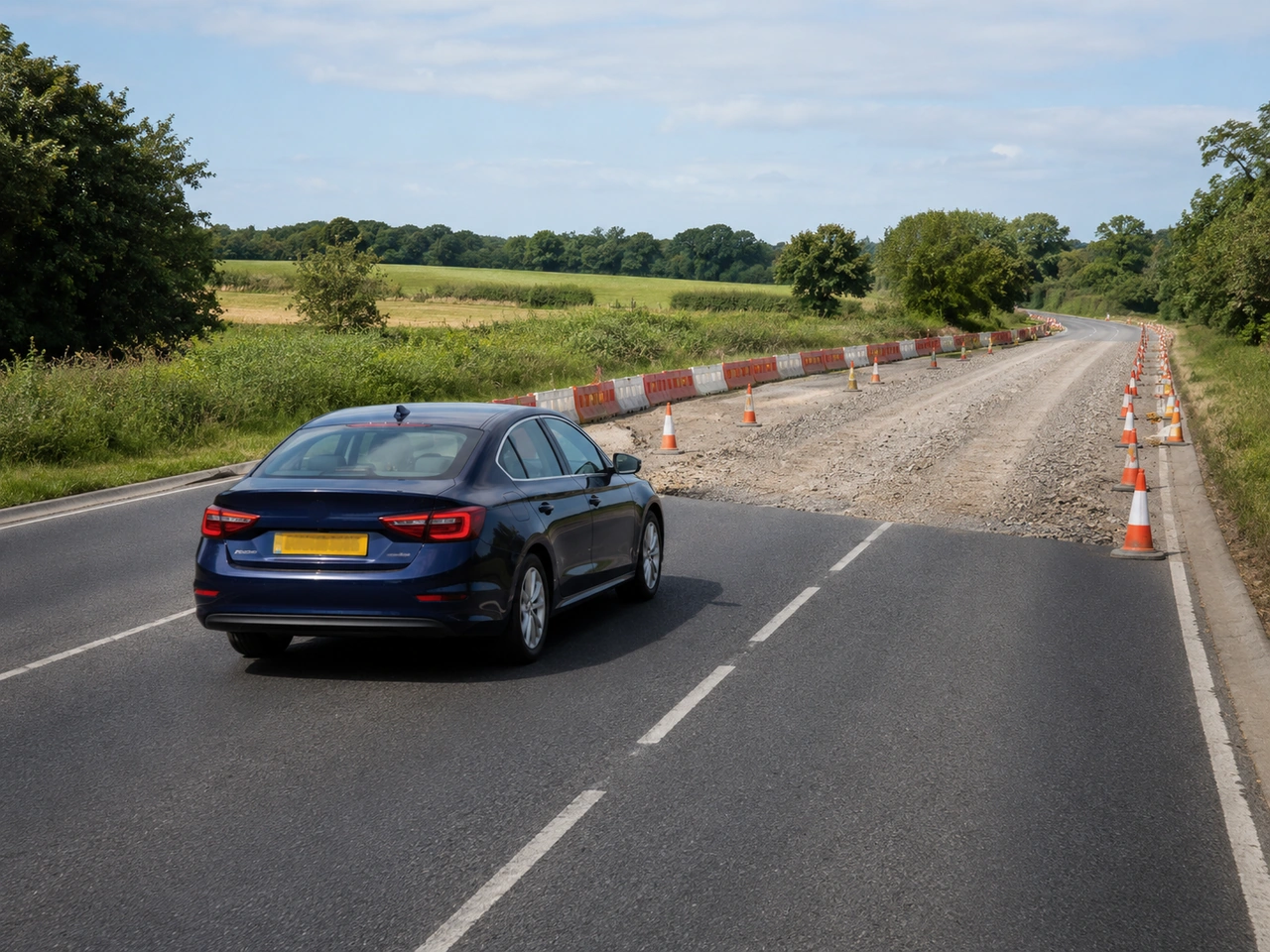
219. Why can temporary road surfaces increase stopping distance?
Temporary surfaces may provide less grip than normal asphalt. Reduce speed and allow more distance for braking.
AI-generated by Traffic-rules.com • WCIT • CC BY-SA
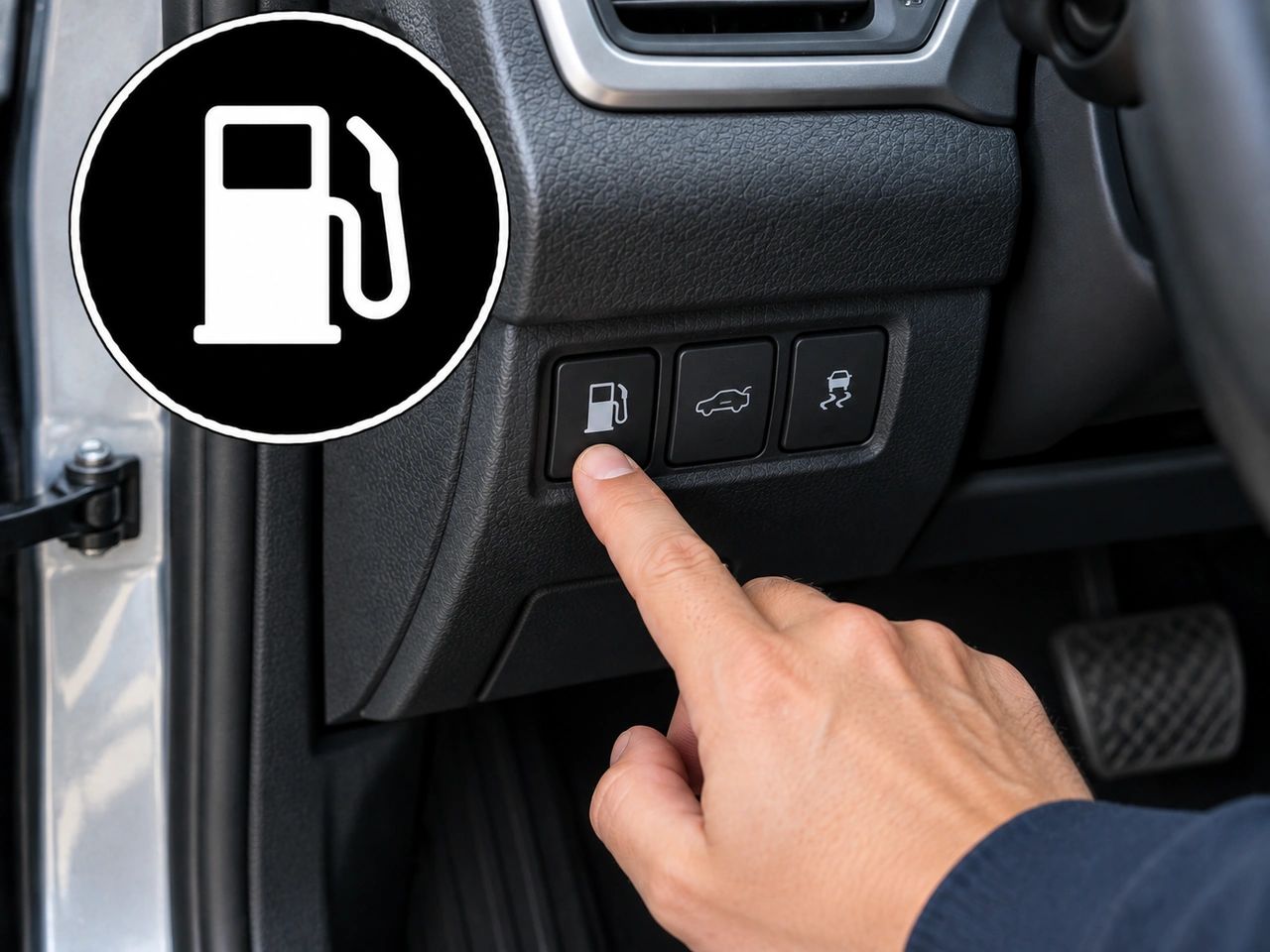
220. What does this vehicle-control symbol indicate?
This control releases the fuel-filler flap, allowing access to the vehicle's fuel filler.
AI-generated by Traffic-rules.com • WCIT • CC BY-SA
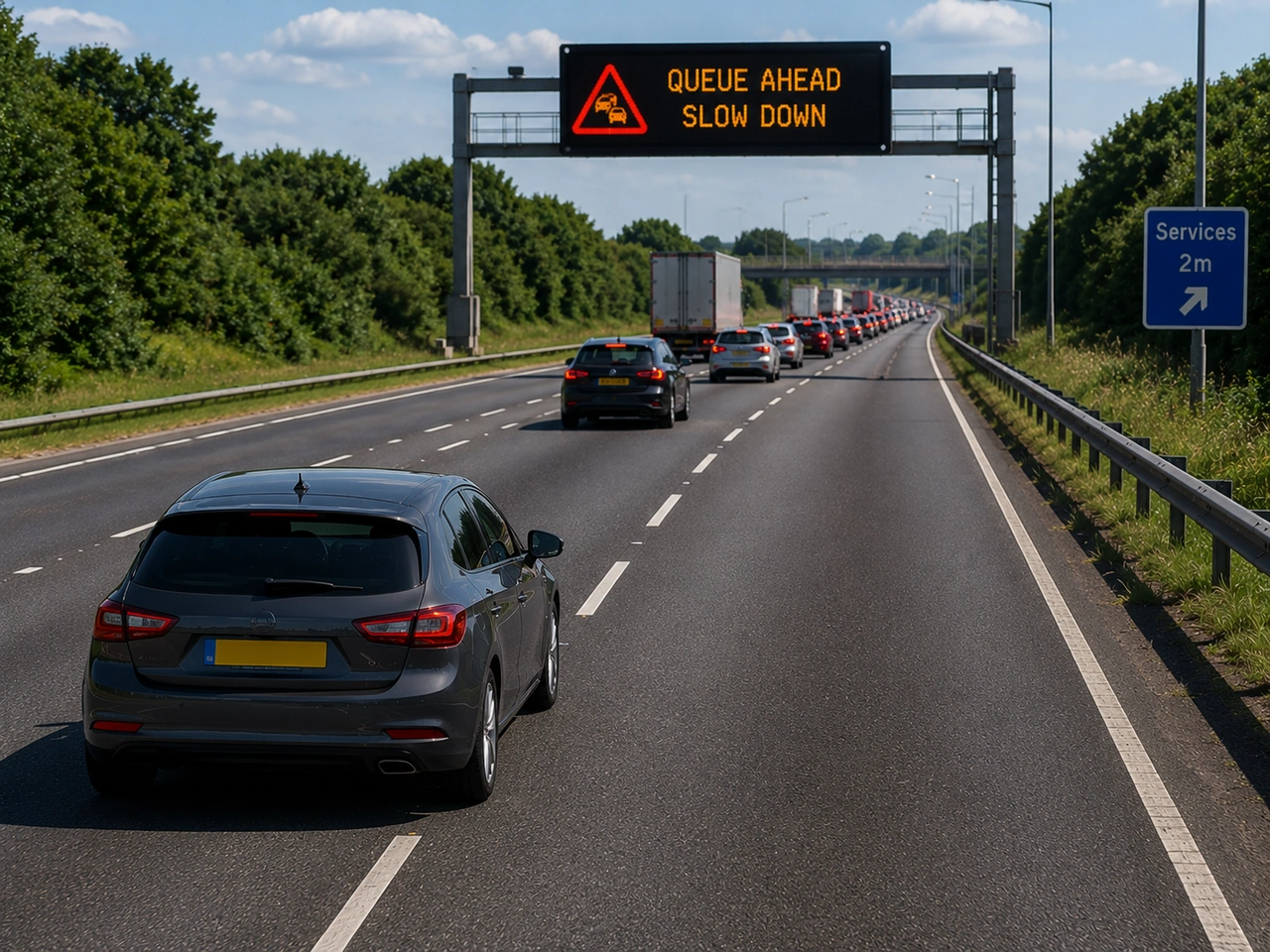
221. Why is a larger following distance needed at motorway speeds?
At higher speeds, you travel farther during your reaction time and need more distance to brake. A larger gap gives you more time and space to stop safely.
AI-generated by Traffic-rules.com • WCIT • CC BY-SA
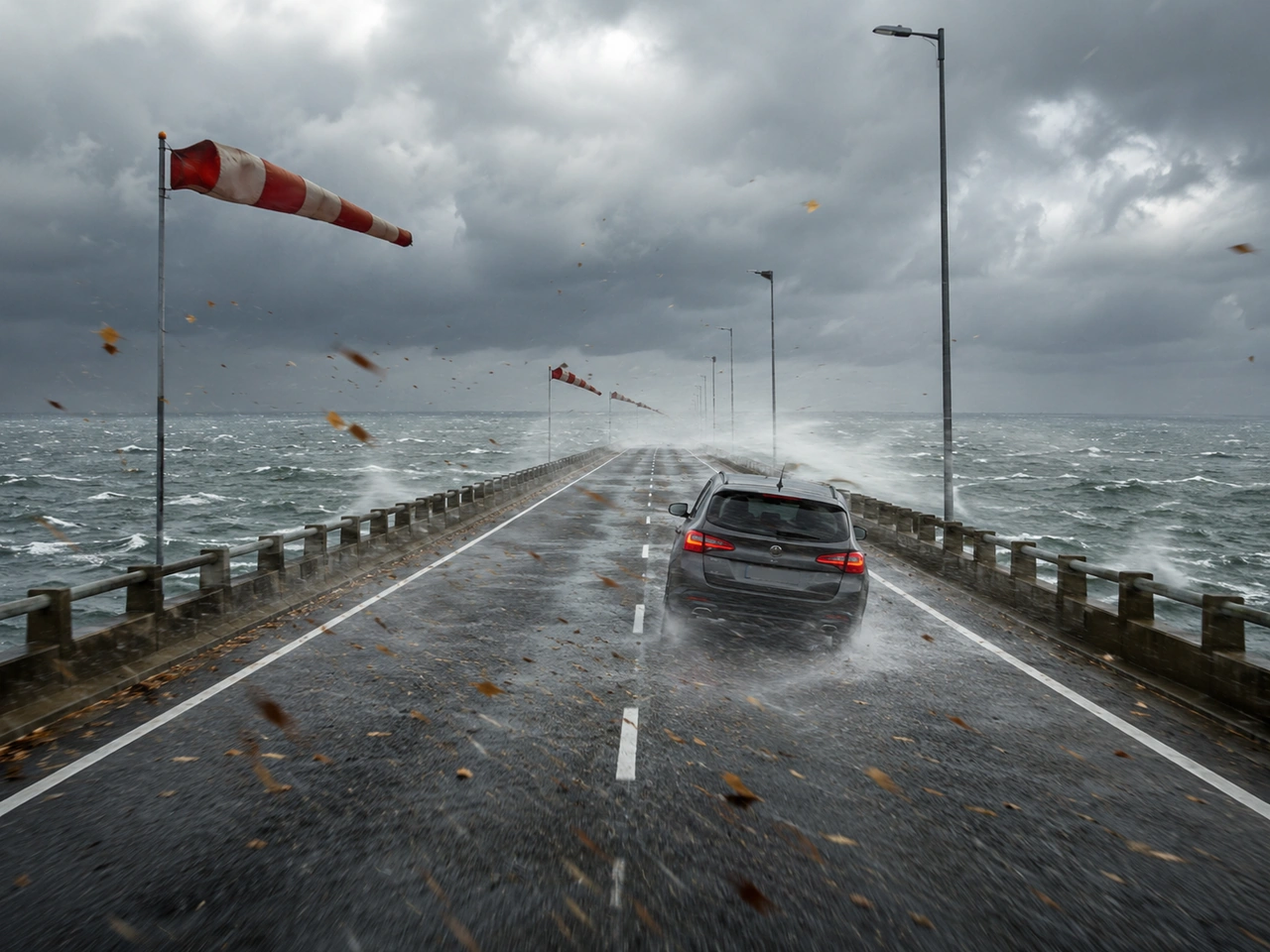
222. Why can bridges be dangerous in strong winds?
Bridges are often open and exposed, allowing strong winds to affect vehicles more suddenly.
AI-generated by Traffic-rules.com • WCIT • CC BY-SA
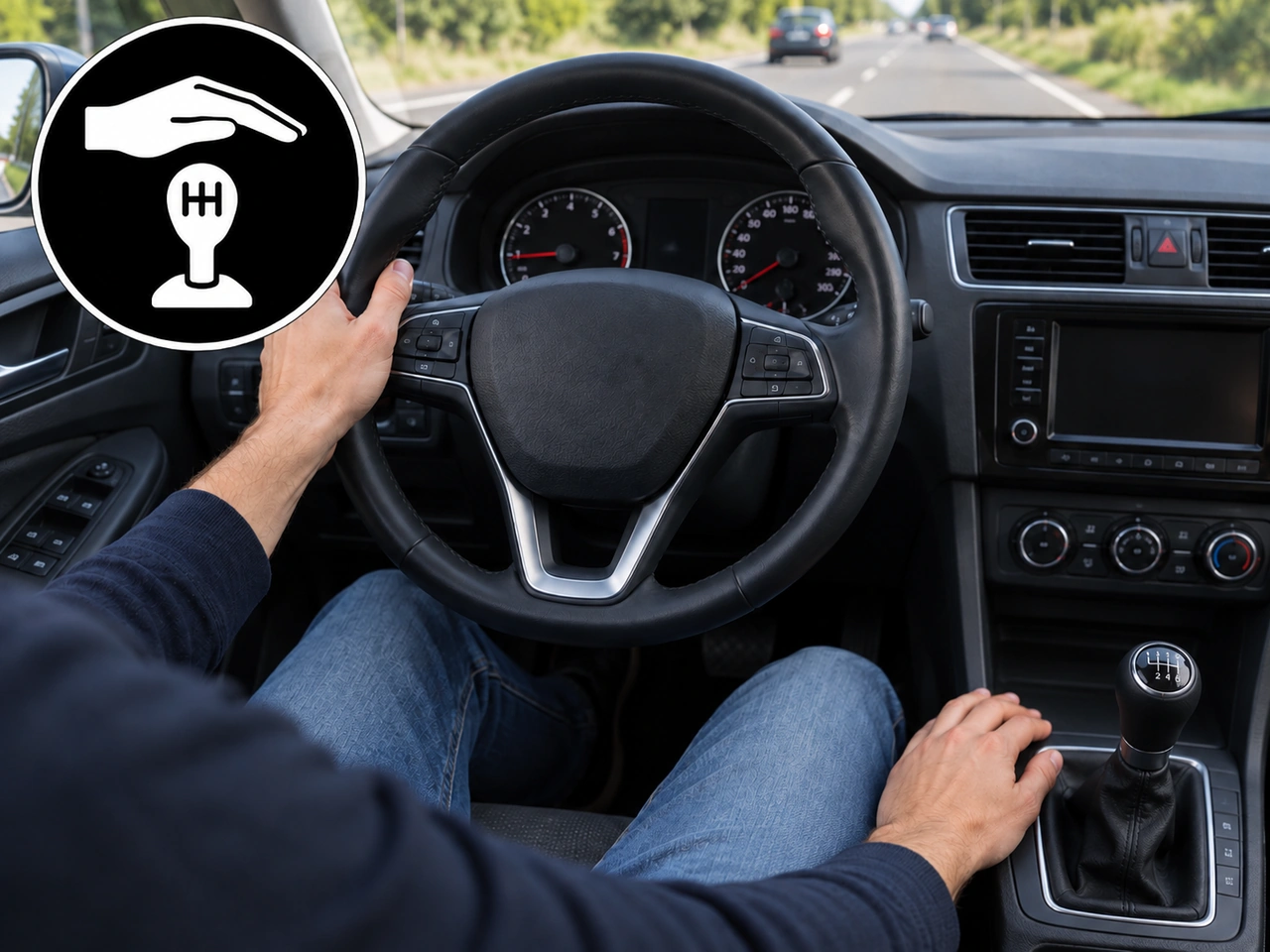
223. Why should you avoid resting your hand on the gear lever while driving?
Resting your hand on the gear lever can place unnecessary pressure on parts of the gear-selection mechanism and contribute to wear. Keep both hands on the steering wheel when you are not changing gear.
AI-generated by Traffic-rules.com • WCIT • CC BY-SA
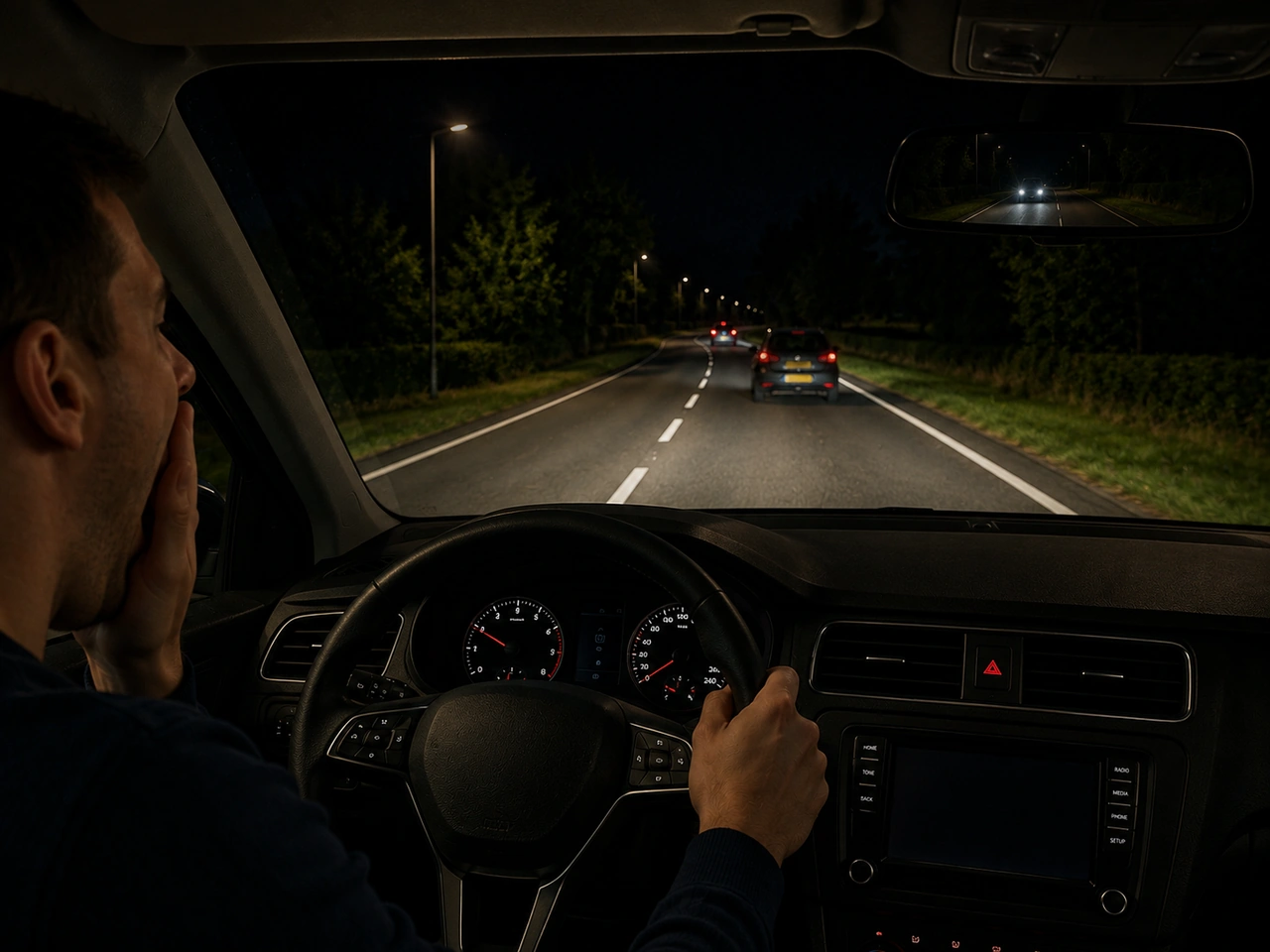
224. What should you do if you feel tired while driving?
Driving while tired reduces concentration and reaction time. Stop somewhere safe and rest before continuing.
AI-generated by Traffic-rules.com • WCIT • CC BY-SA
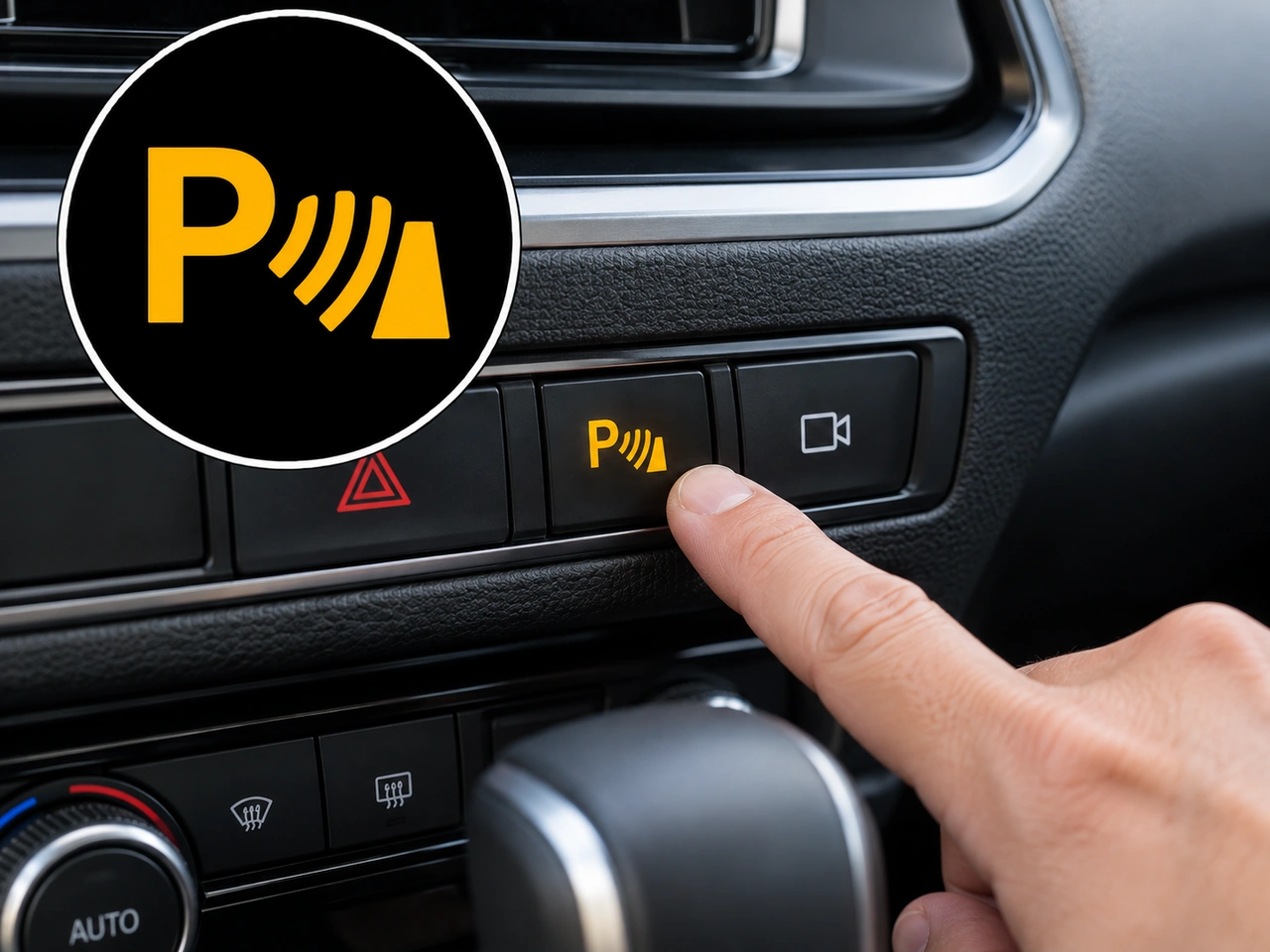
225. What does this dashboard symbol indicate?
This symbol relates to the vehicle's parking assistance system. Depending on the vehicle, the system may use sensors or cameras to detect obstacles and assist the driver while parking.
AI-generated by Traffic-rules.com • WCIT • CC BY-SA
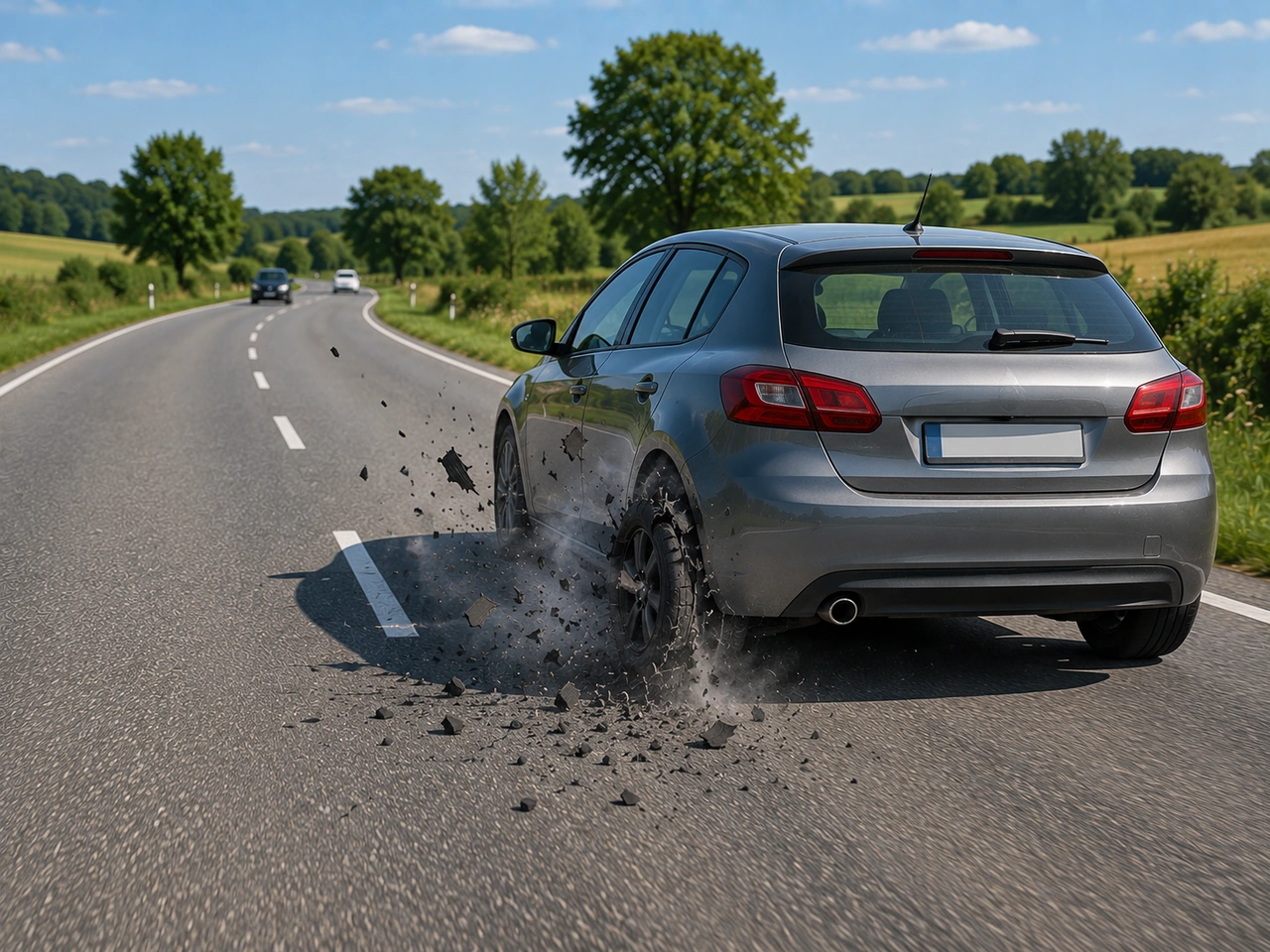
226. What should you do if one of your tyres suddenly bursts while driving?
A tyre burst can make the vehicle unstable. Hold the wheel firmly, avoid sudden braking or steering, and slow down gradually.
AI-generated by Traffic-rules.com • WCIT • CC BY-SA
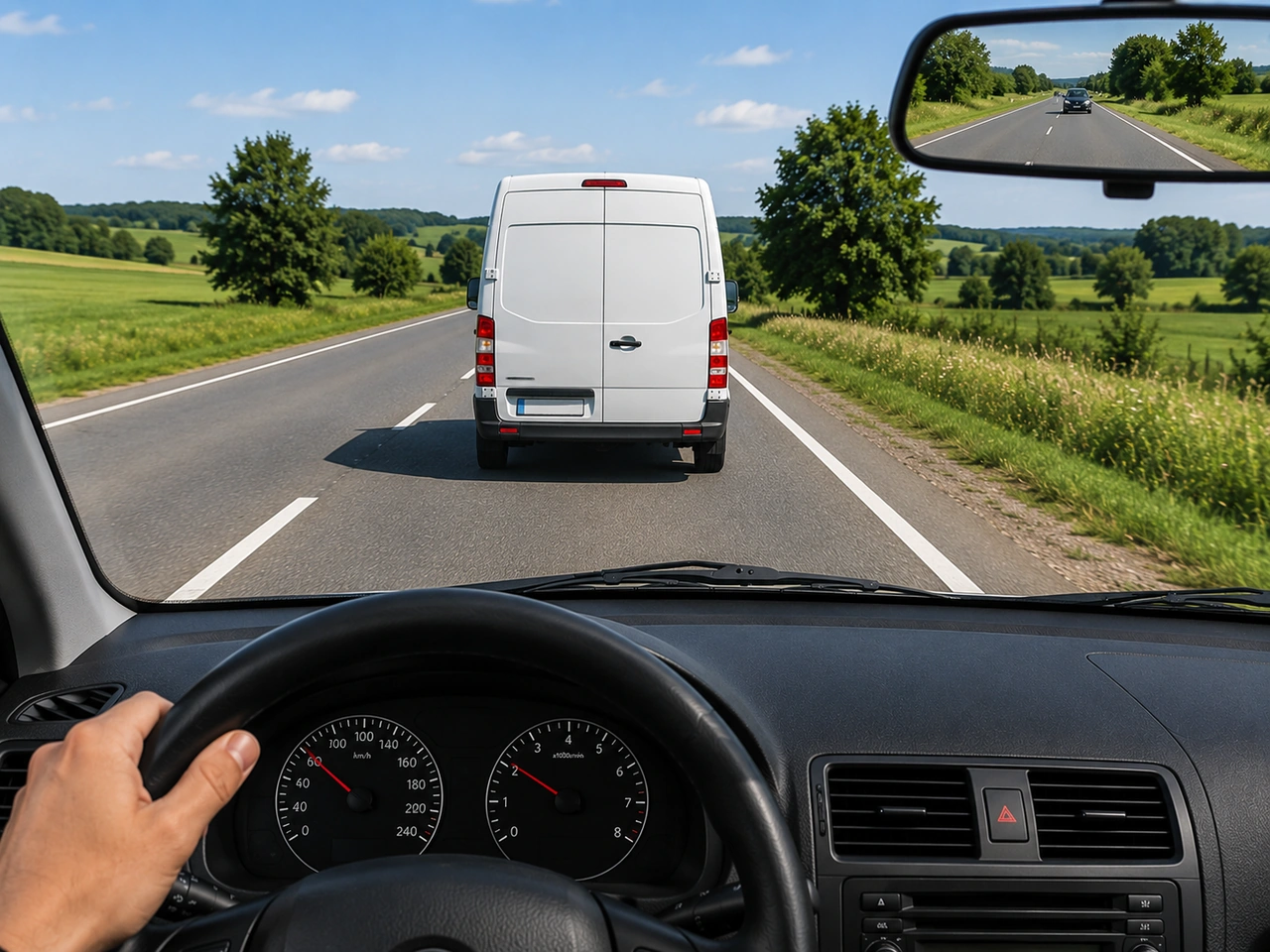
227. What is the main risk when following a vehicle with limited rear visibility?
Vans, trucks, and vehicles with blocked rear windows may have limited visibility. Keep extra distance and avoid sitting in blind spots.
AI-generated by Traffic-rules.com • WCIT • CC BY-SA
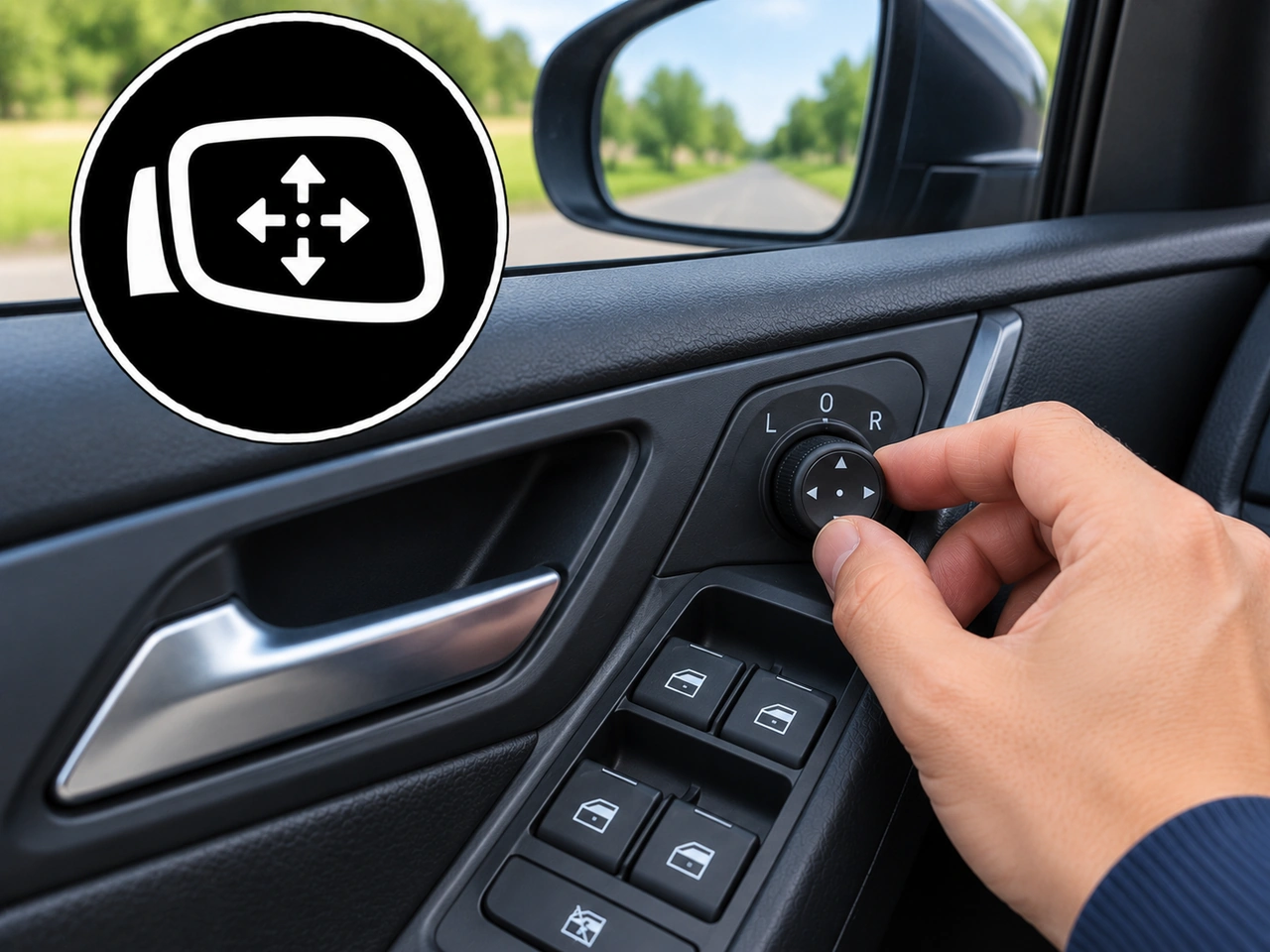
228. What does this vehicle-control symbol indicate?
This control adjusts the vehicle's exterior mirrors. The driver normally selects the left or right mirror and then moves the control to change its angle.
AI-generated by Traffic-rules.com • WCIT • CC BY-SA
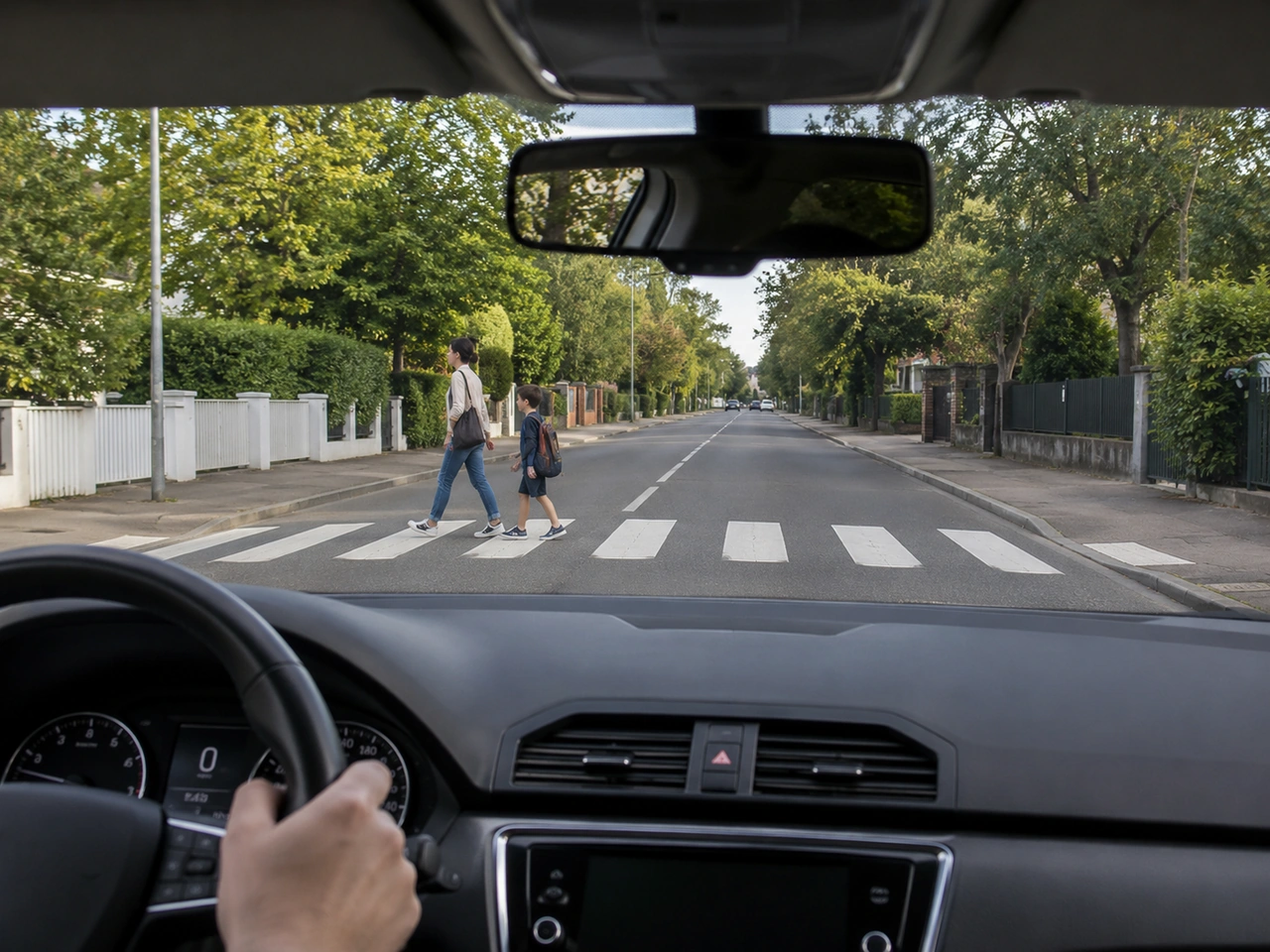
229. What is the purpose of a pedestrian crossing?
Pedestrian crossings provide a designated place where people can safely cross the road.
AI-generated by Traffic-rules.com • WCIT • CC BY-SA
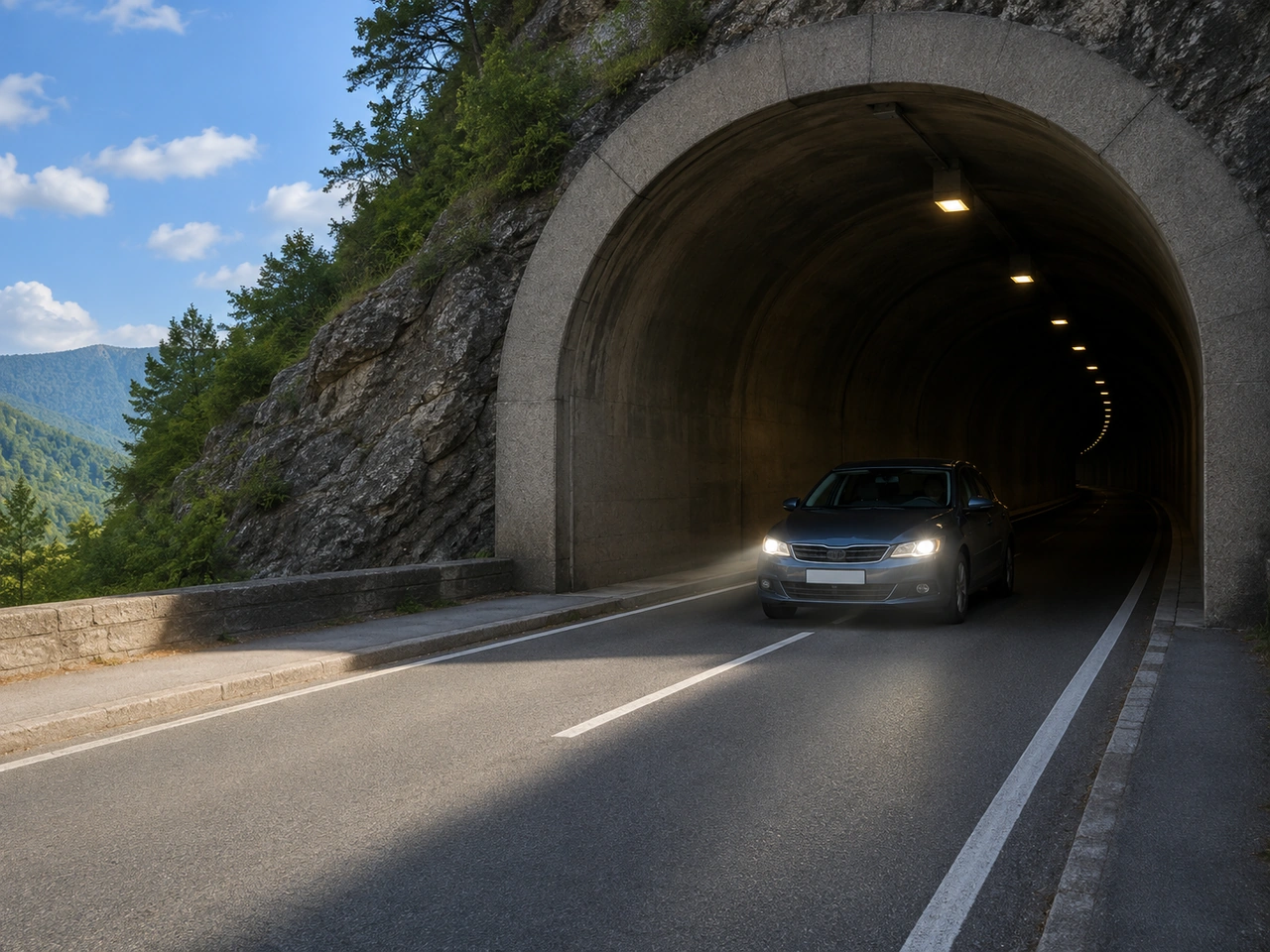
230. Why should you switch on dipped headlights before entering a tunnel?
Tunnel lighting may be much darker than daylight. Dipped headlights help you see and make your vehicle more visible.
AI-generated by Traffic-rules.com • WCIT • CC BY-SA
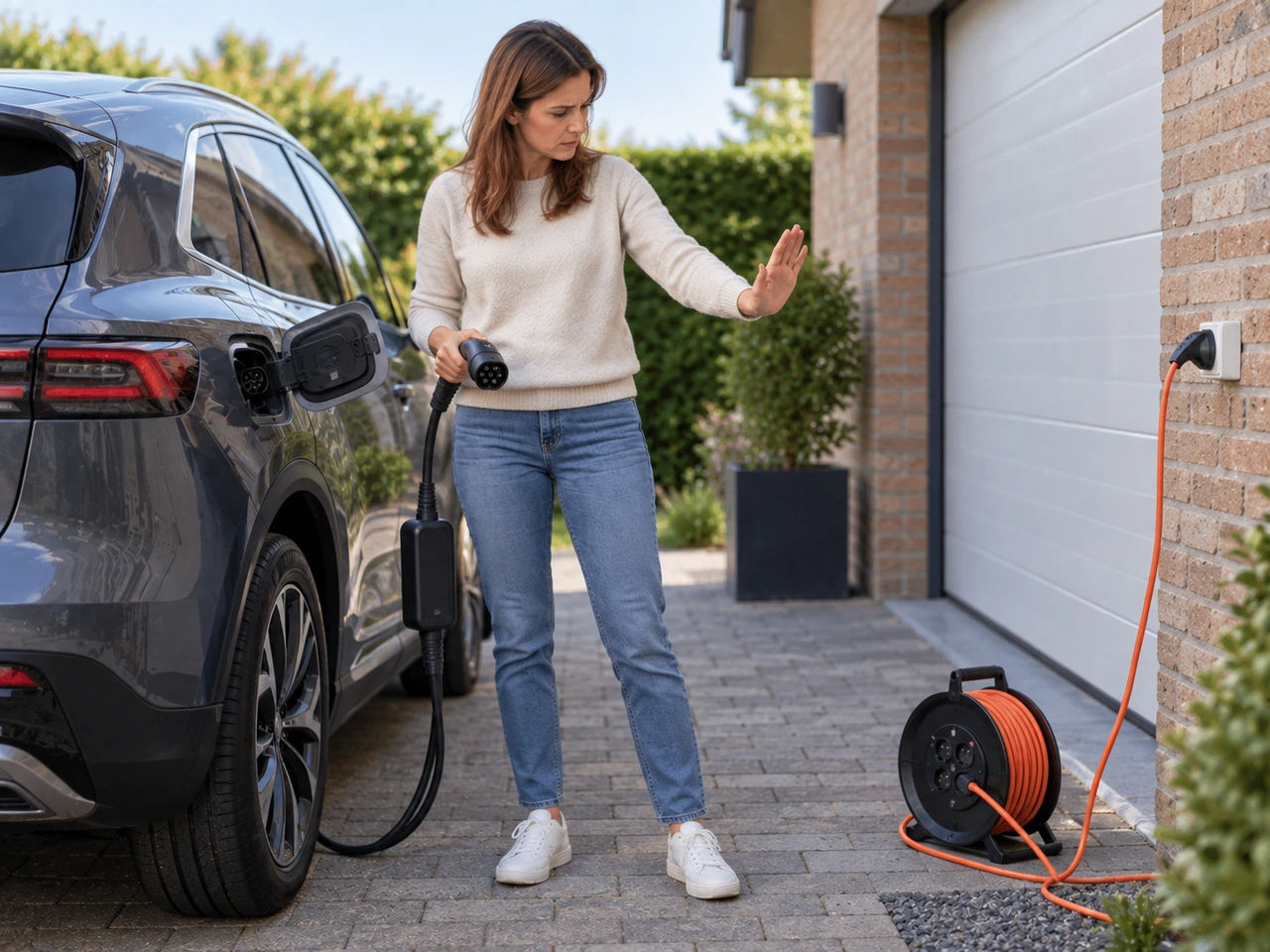
231. Why should you avoid using an ordinary extension lead to charge an electric vehicle?
An ordinary household extension lead may not be designed for the sustained electrical load required for EV charging and can overheat. Use suitable approved charging equipment and follow the vehicle and charging-equipment manufacturer's instructions.
AI-generated by Traffic-rules.com • WCIT • CC BY-SA
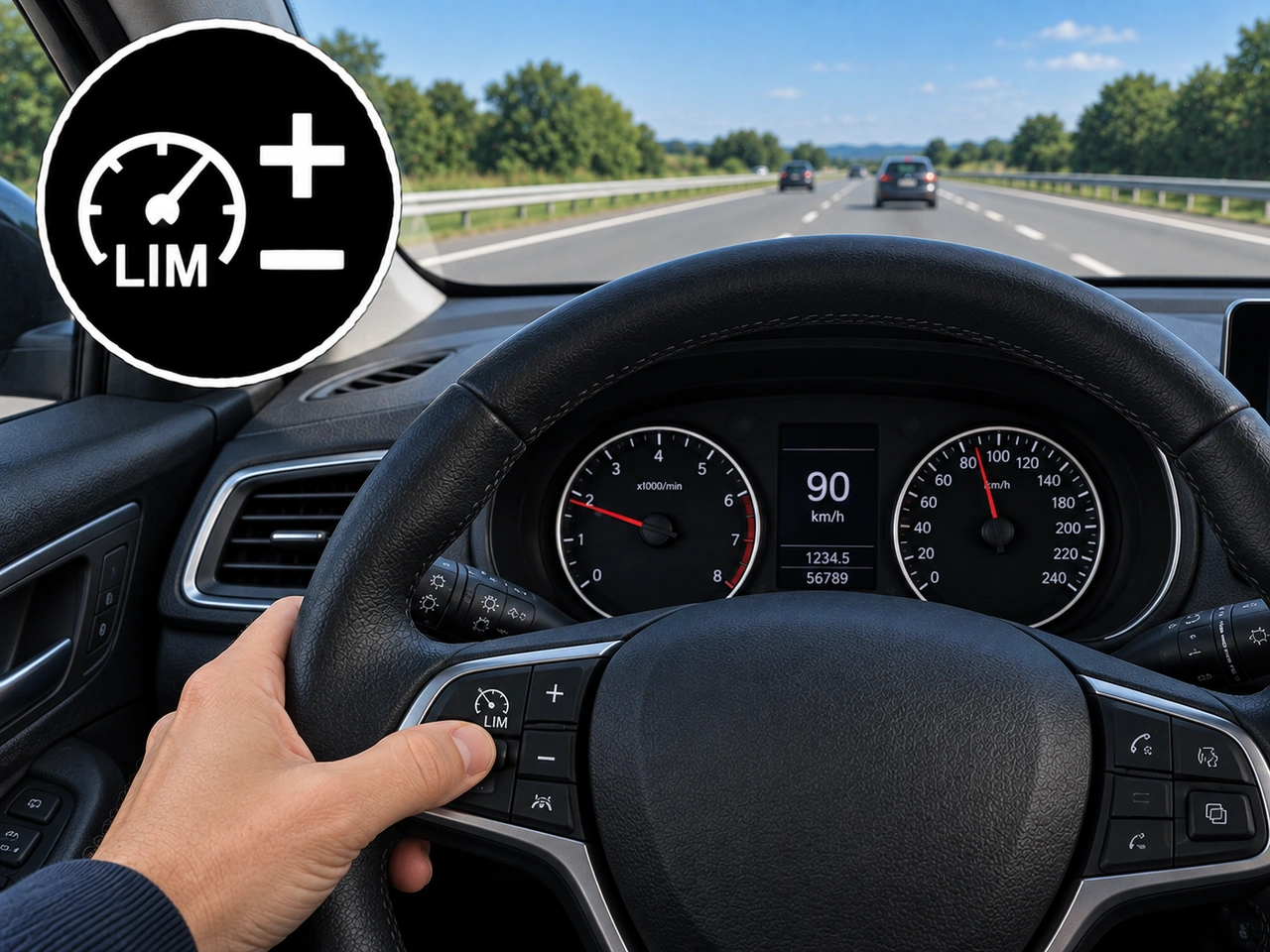
232. What do the + and − controls normally adjust when the speed limiter is active?
When the speed limiter is active, the + and − controls normally increase or decrease the selected maximum speed. The exact adjustment steps can vary between vehicles.
AI-generated by Traffic-rules.com • WCIT • CC BY-SA
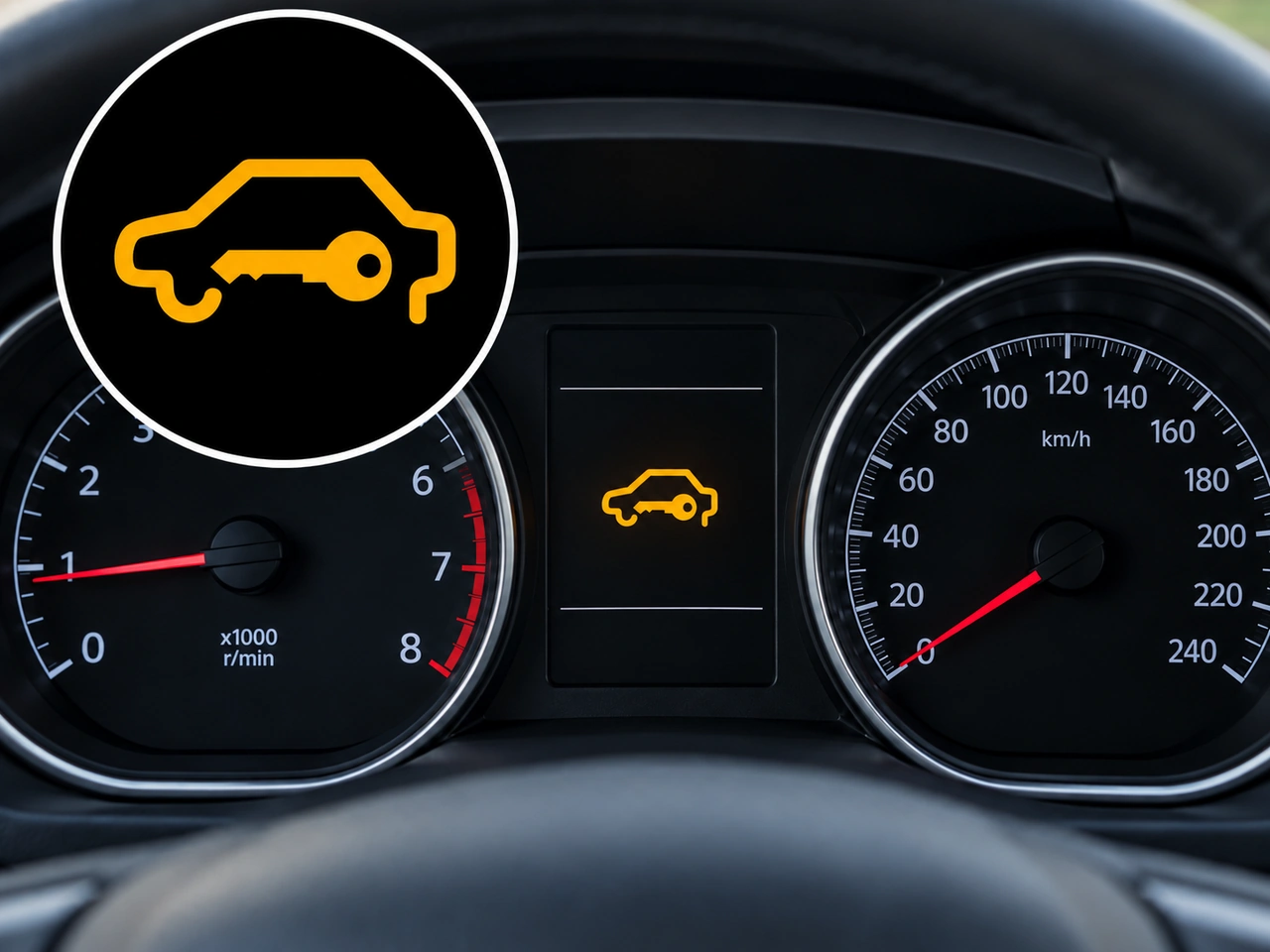
233. What does this dashboard symbol indicate?
This symbol relates to the vehicle's immobiliser or anti-theft system. If it remains illuminated or flashes unexpectedly, the vehicle may not recognise the key or there may be a fault in the security system.
AI-generated by Traffic-rules.com • WCIT • CC BY-SA
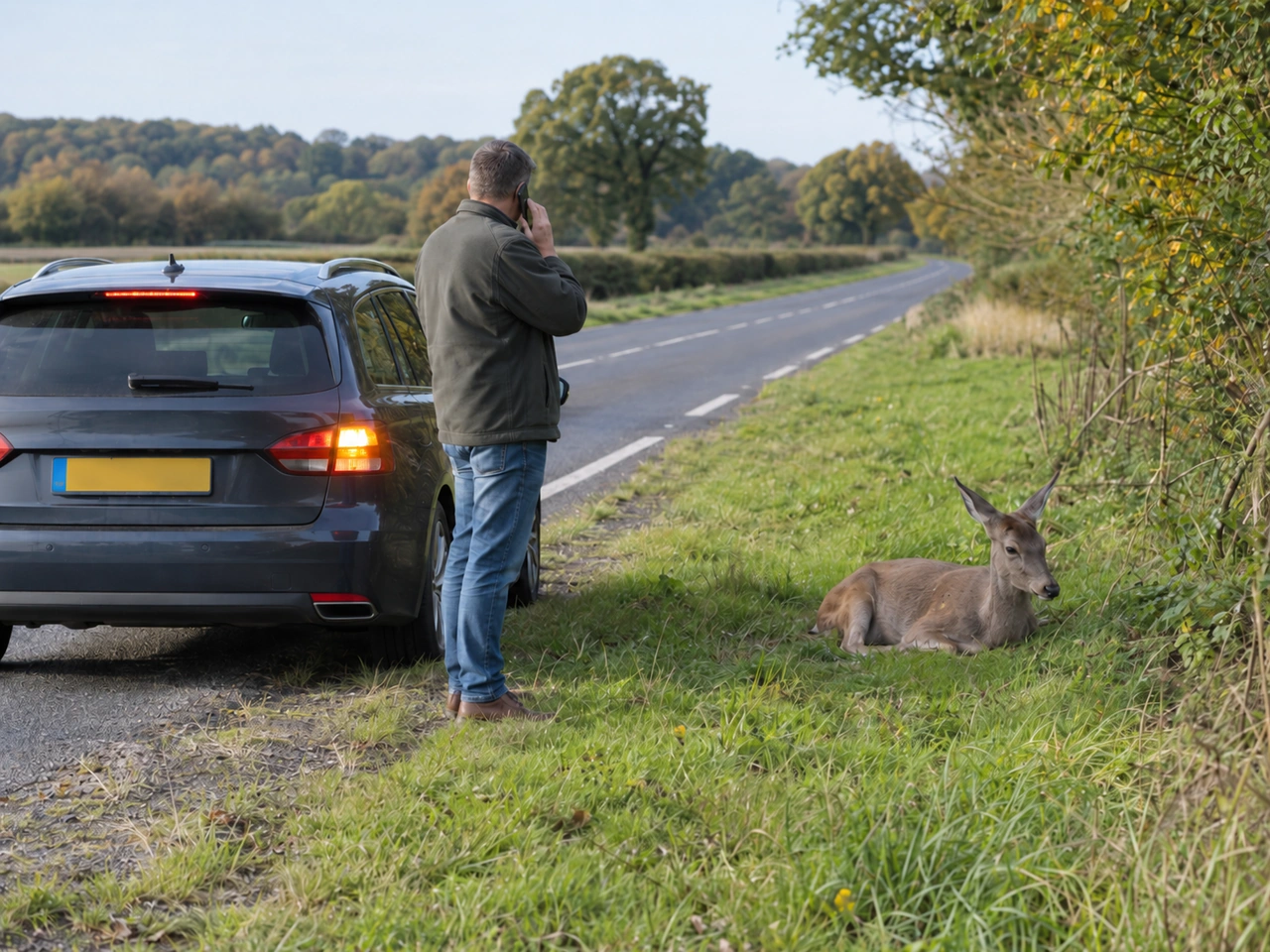
234. What should you do after hitting an animal with your vehicle?
After an animal collision, stop in a safe place if possible and protect yourself and other road users from further danger. Do not approach an injured or frightened animal unless it is safe to do so. Contact the appropriate police, road authority, animal service, or emergency service as required by the situation and local rules.
AI-generated by Traffic-rules.com • WCIT • CC BY-SA
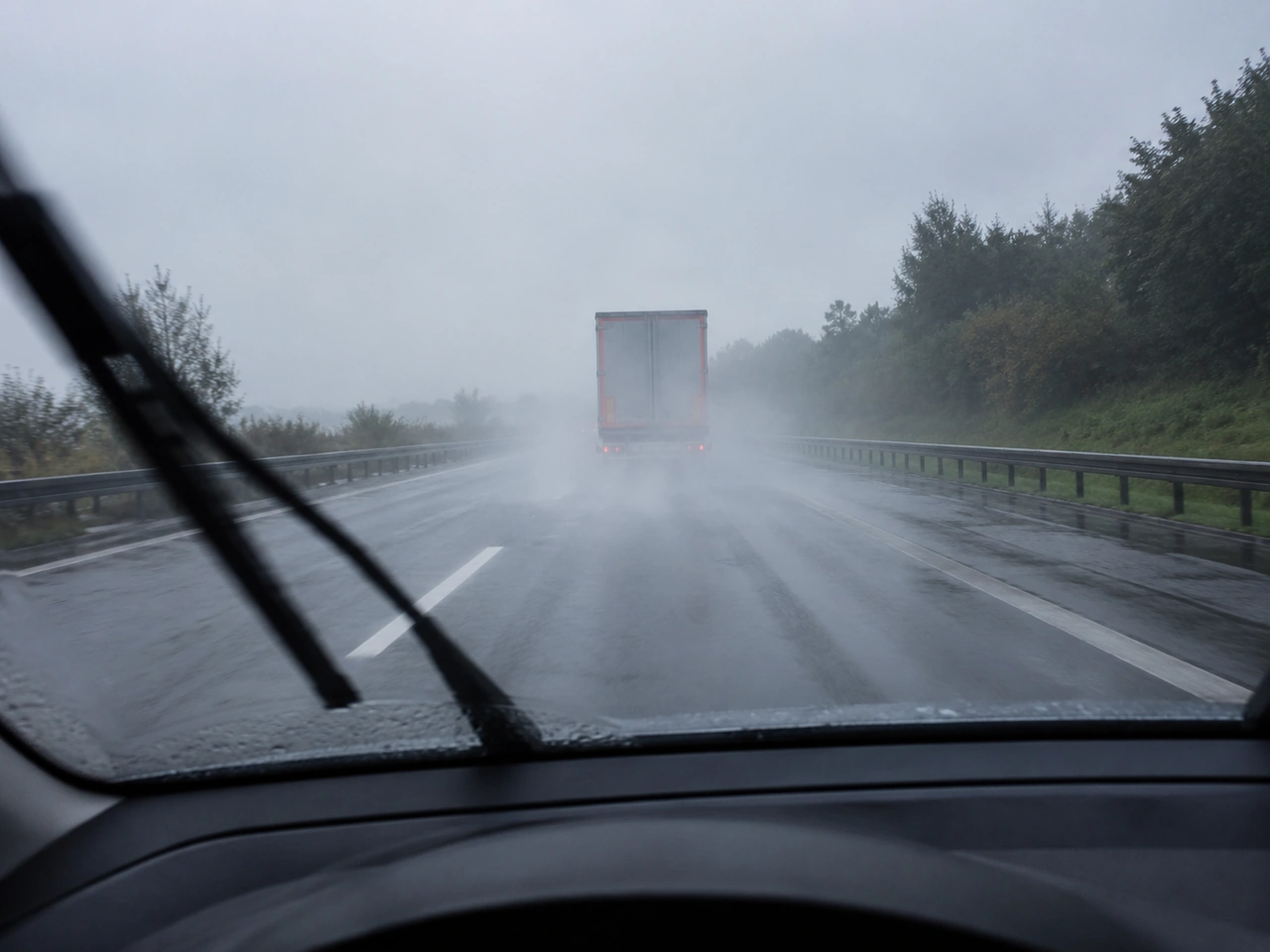
235. What should you do if spray from other vehicles makes it hard to see?
Spray can seriously reduce visibility. Slowing down and increasing your distance gives you more time and a clearer view.
AI-generated by Traffic-rules.com • WCIT • CC BY-SA
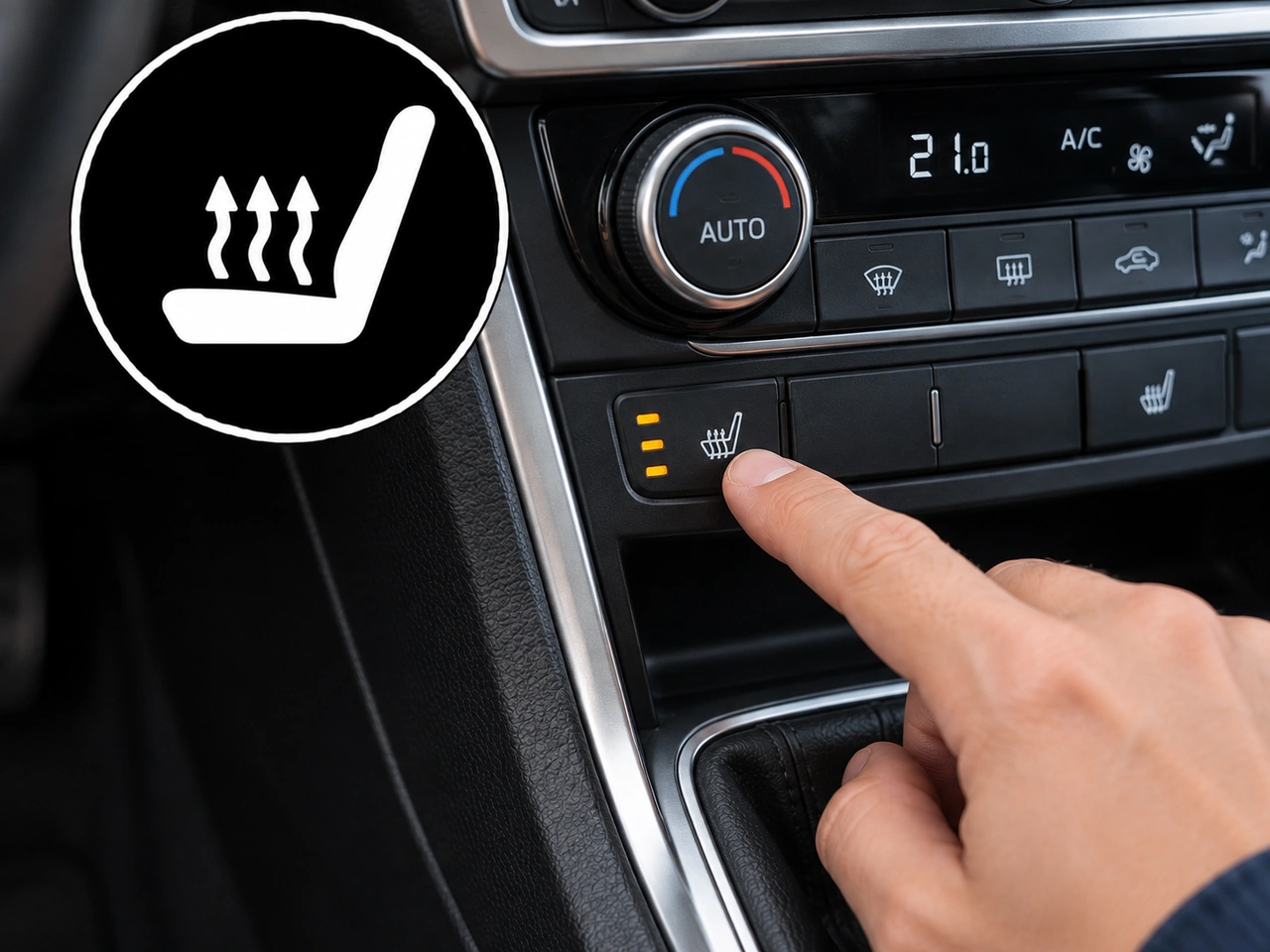
236. What does this vehicle-control symbol indicate?
This control activates the seat heating, which warms the seat cushion and, on many vehicles, the backrest. Several heat levels may be available.
AI-generated by Traffic-rules.com • WCIT • CC BY-SA
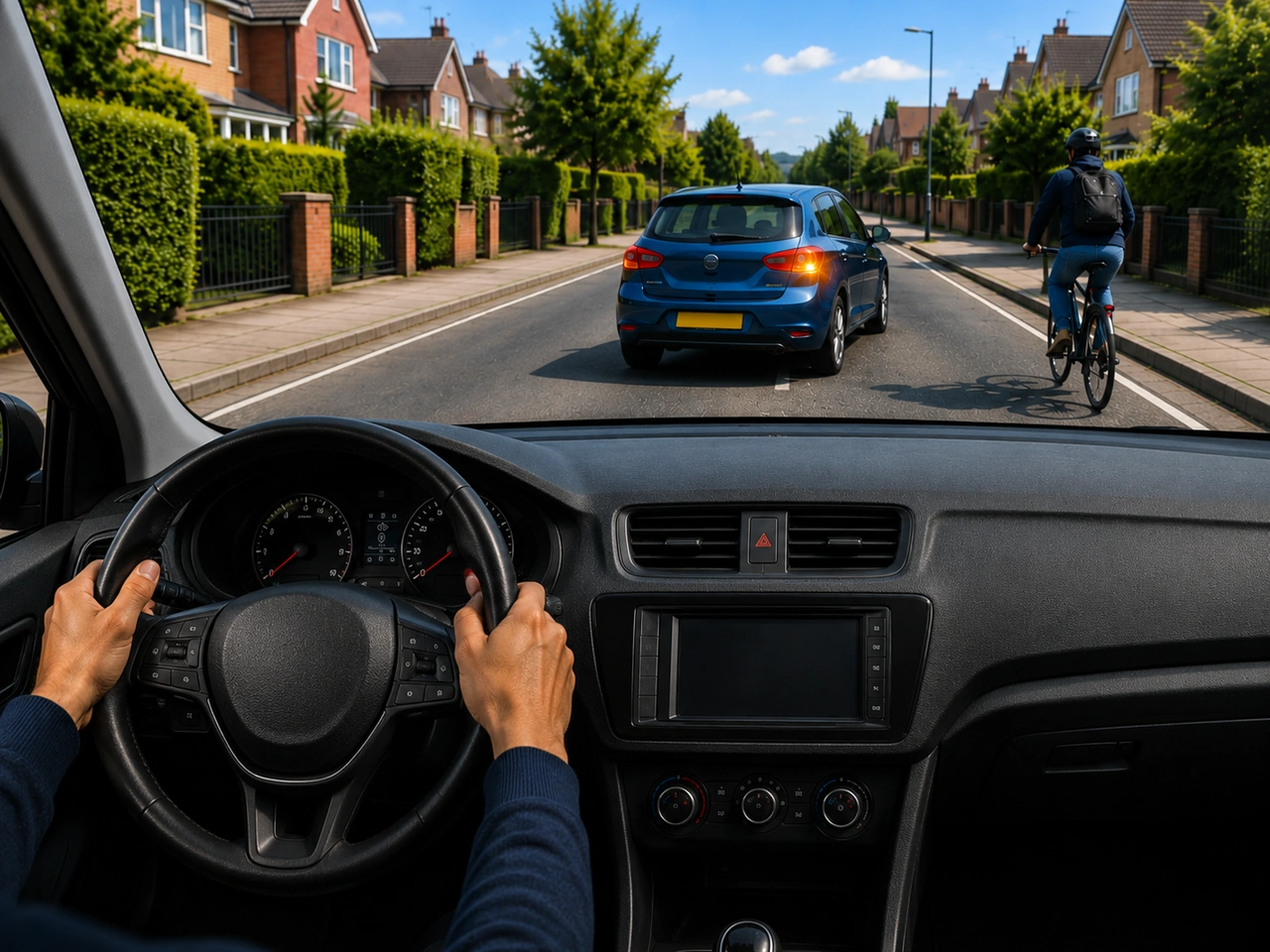
237. What should you do if another road user makes a mistake?
Road users can make mistakes. Staying calm and reacting safely helps prevent crashes.
AI-generated by Traffic-rules.com • WCIT • CC BY-SA
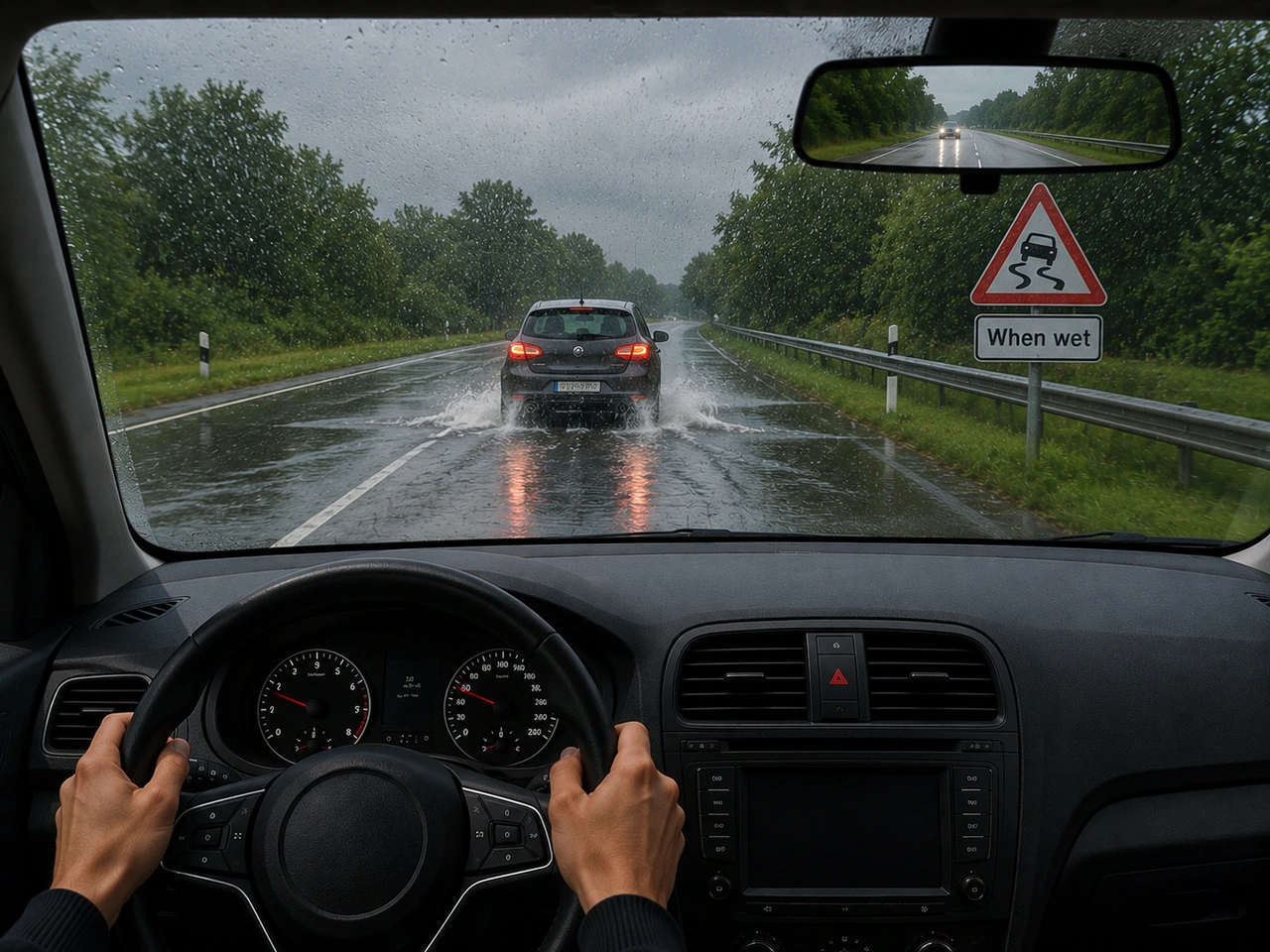
238. What should you do if your brakes feel less effective after driving through water?
Water can reduce braking performance. After driving through water, check the brakes gently when it is safe to do so.
AI-generated by Traffic-rules.com • WCIT • CC BY-SA
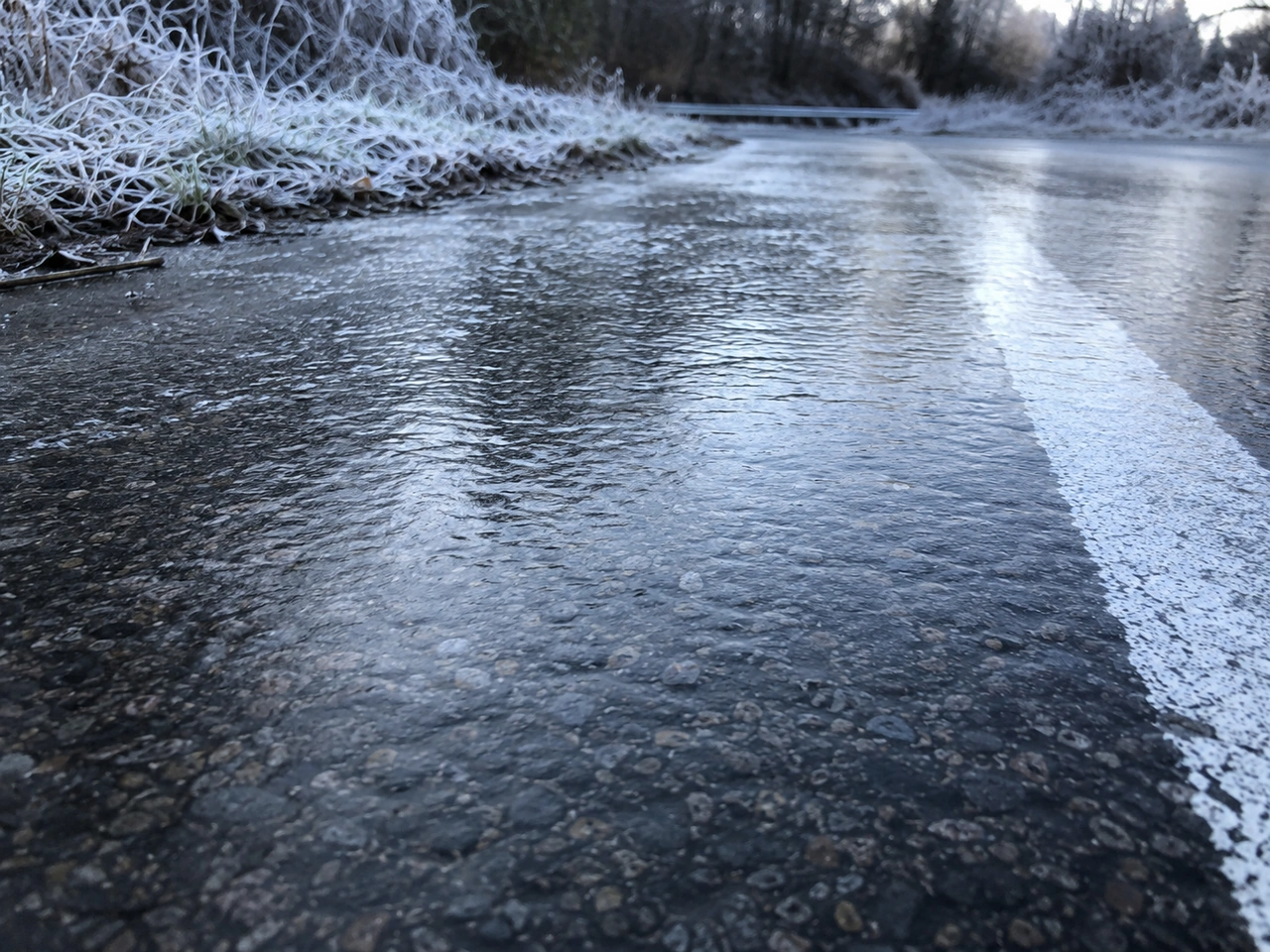
239. What is black ice?
Black ice is difficult to detect because the road surface may look merely wet. It can cause a sudden and severe loss of grip.
AI-generated by Traffic-rules.com • WCIT • CC BY-SA
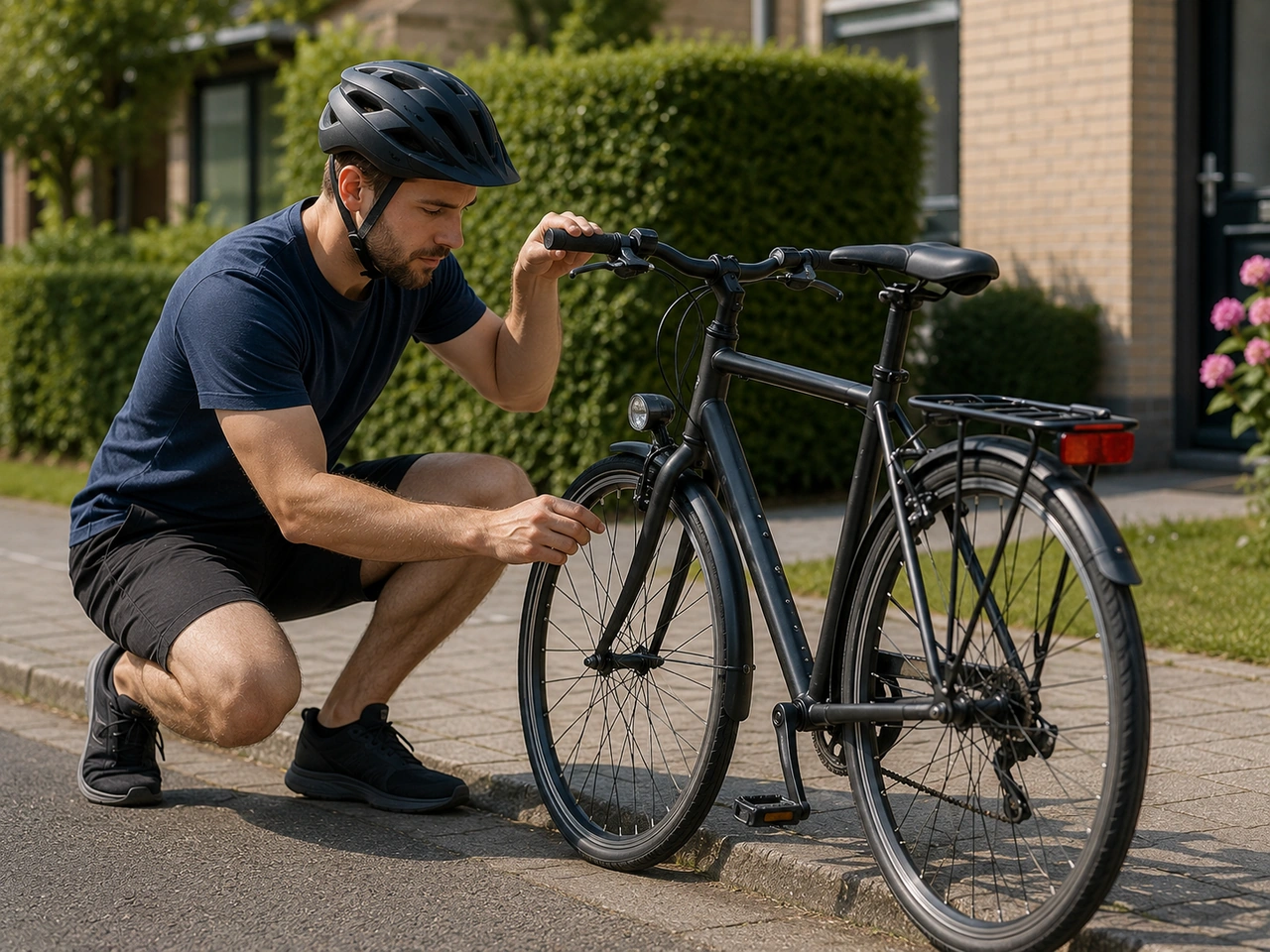
240. What should you check before starting a bicycle journey?
A basic safety check can reveal problems with the brakes, tyres, lights, or steering before they cause an accident.
AI-generated by Traffic-rules.com • WCIT • CC BY-SA
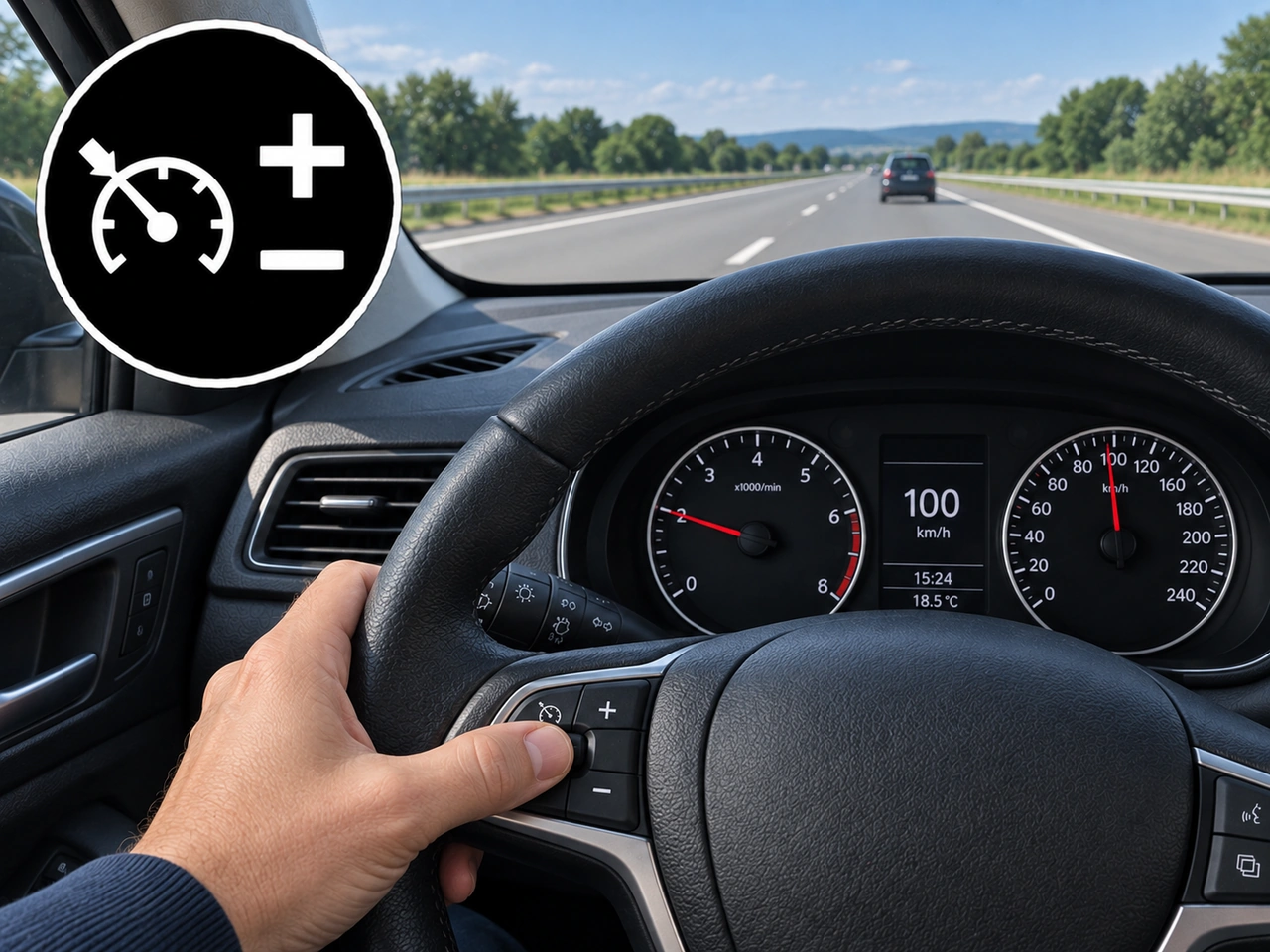
241. What do the + and − controls of cruise control normally do?
When cruise control is active, the + and − controls normally increase or decrease the selected cruising speed. The amount of each adjustment can vary between vehicles.
AI-generated by Traffic-rules.com • WCIT • CC BY-SA
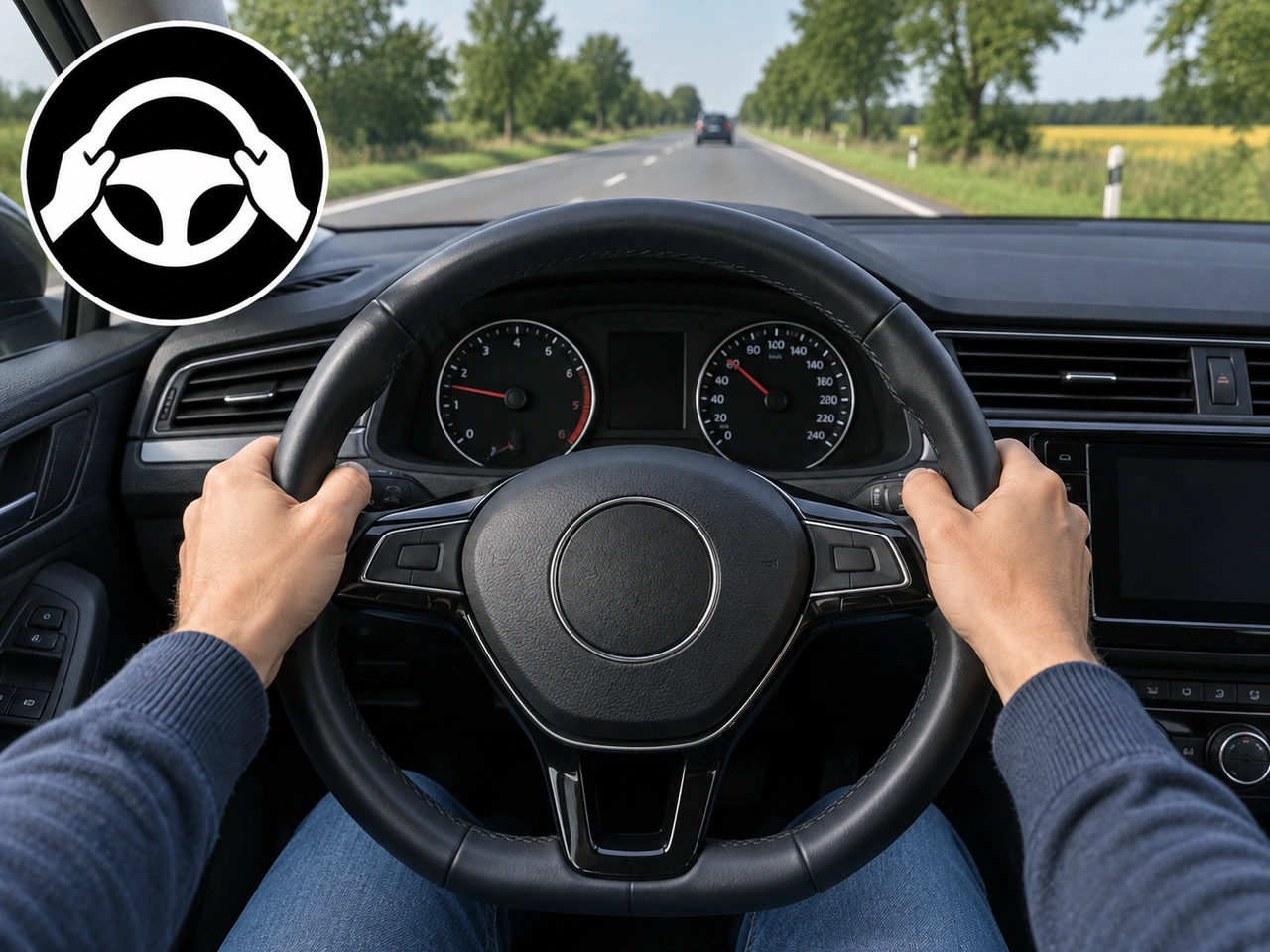
242. How should you normally hold the steering wheel while driving?
Hold the steering wheel with both hands in a balanced position so that you can steer smoothly and react quickly. A position around nine and three o'clock generally provides good control.
AI-generated by Traffic-rules.com • WCIT • CC BY-SA
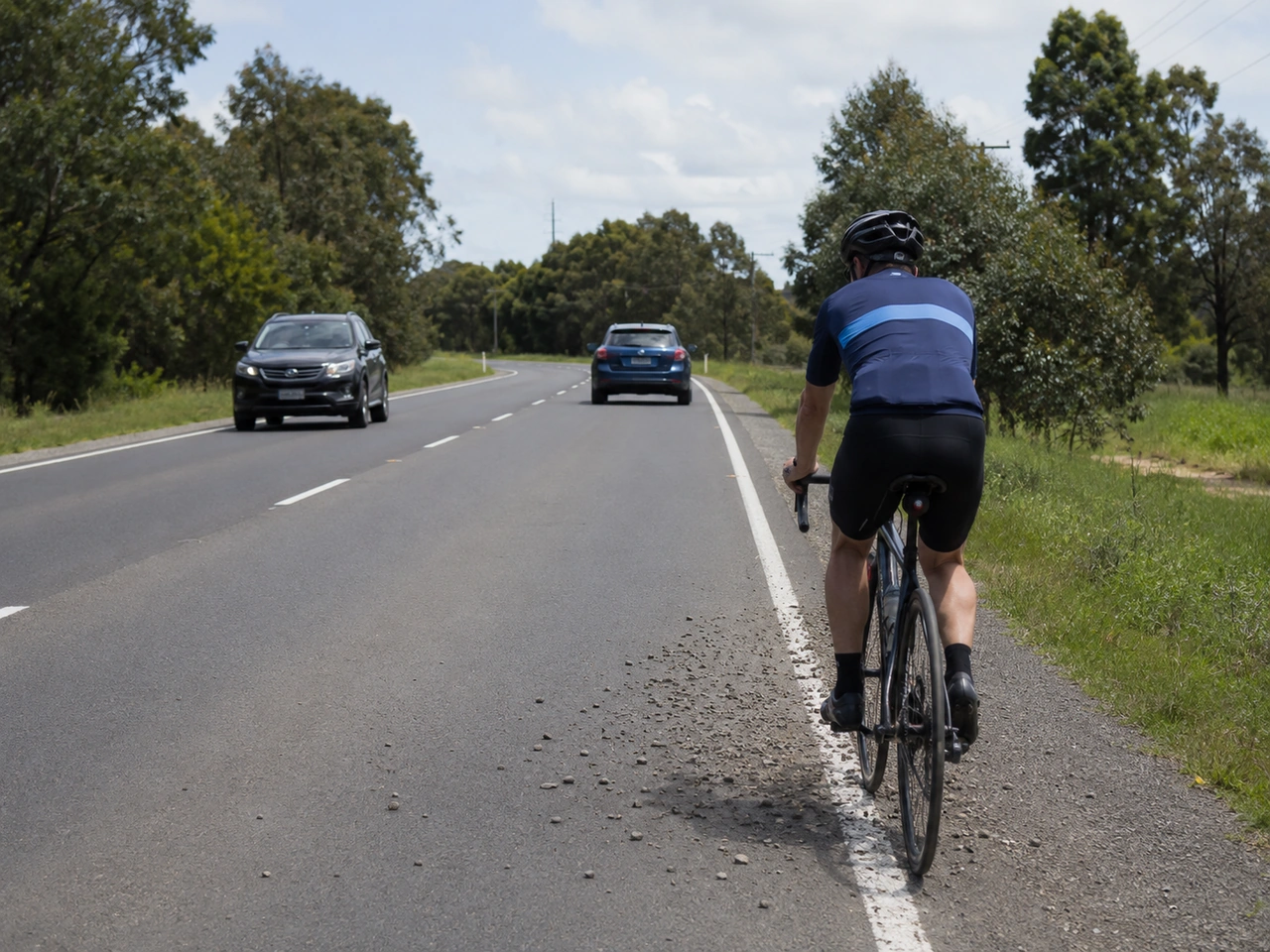
243. What should cyclists do when riding over loose gravel or road debris?
Loose material reduces tyre grip. Smooth steering and controlled speed lower the chance of losing balance.
AI-generated by Traffic-rules.com • WCIT • CC BY-SA
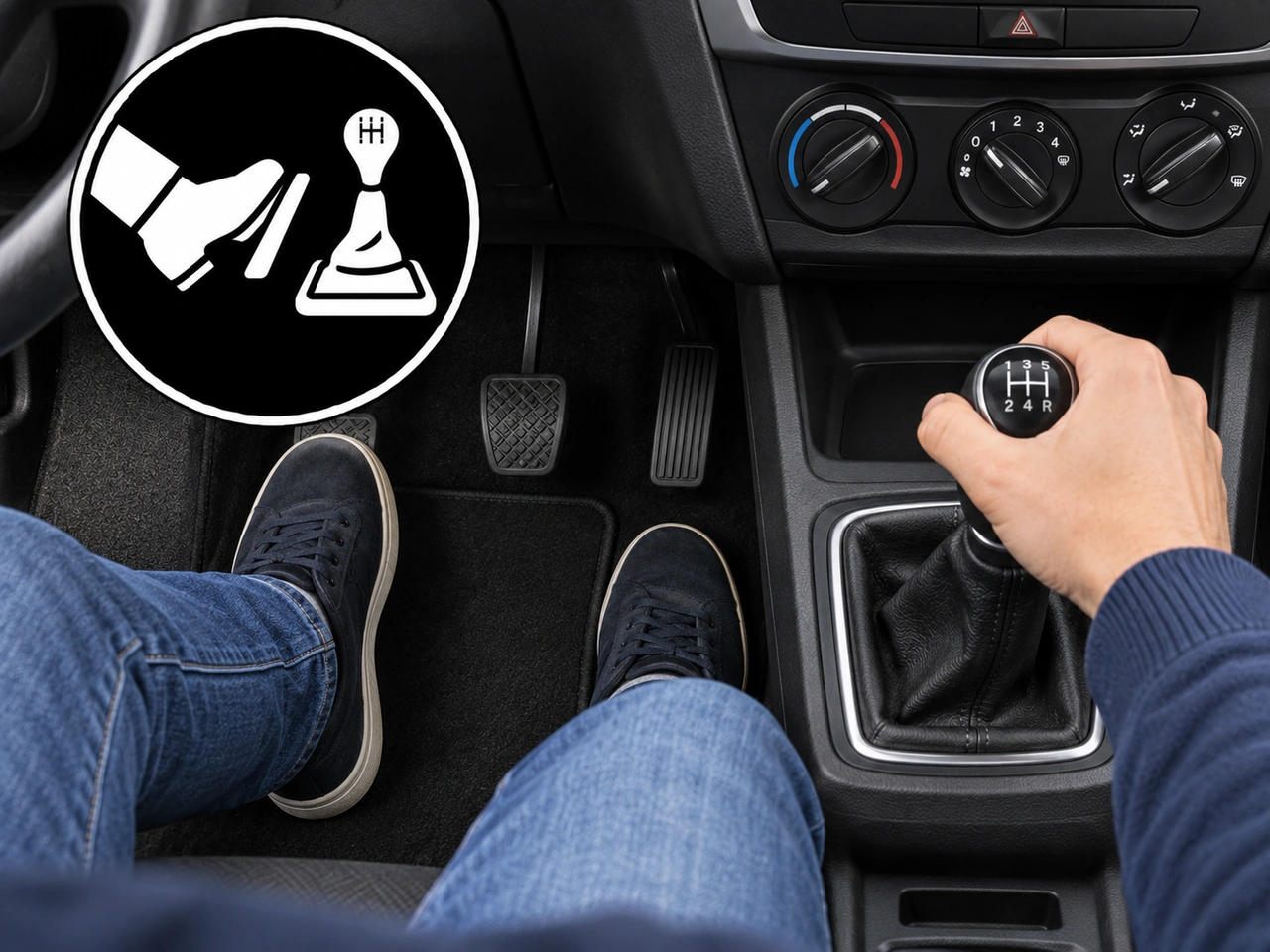
244. What should you normally do before changing gear in a manual vehicle?
Pressing the clutch pedal disconnects the engine from the transmission so that another gear can be selected. After changing gear, the clutch should be released smoothly.
AI-generated by Traffic-rules.com • WCIT • CC BY-SA
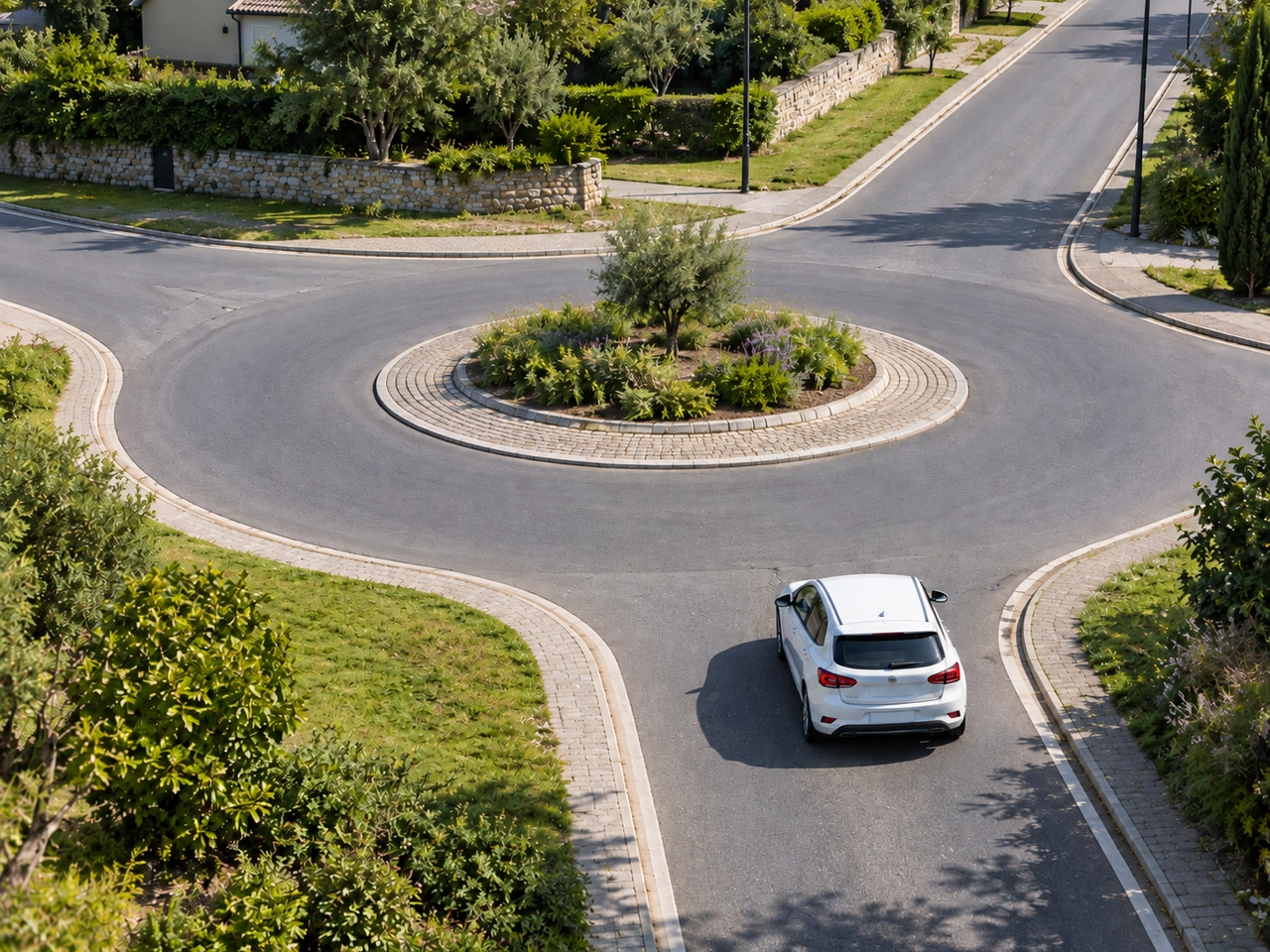
245. Who normally has priority at roundabouts in Philippines?
In Philippines, traffic entering a roundabout normally gives way to traffic already circulating.
AI-generated by Traffic-rules.com • WCIT • CC BY-SA
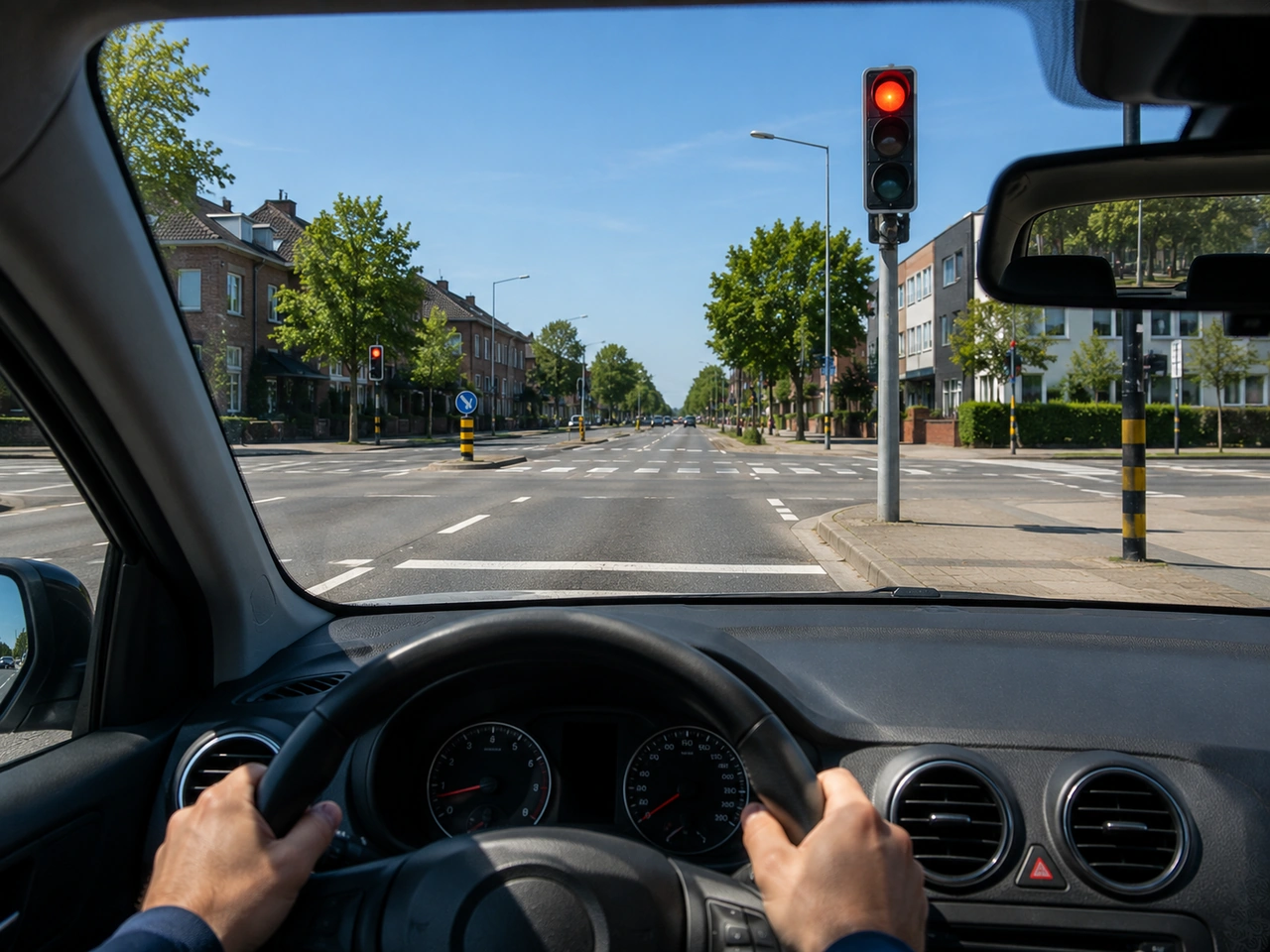
246. What should you do when a traffic light turns red?
A red traffic light means you must stop before the stop line, pedestrian crossing, or intersection unless a sign or signal indicates otherwise.
AI-generated by Traffic-rules.com • WCIT • CC BY-SA
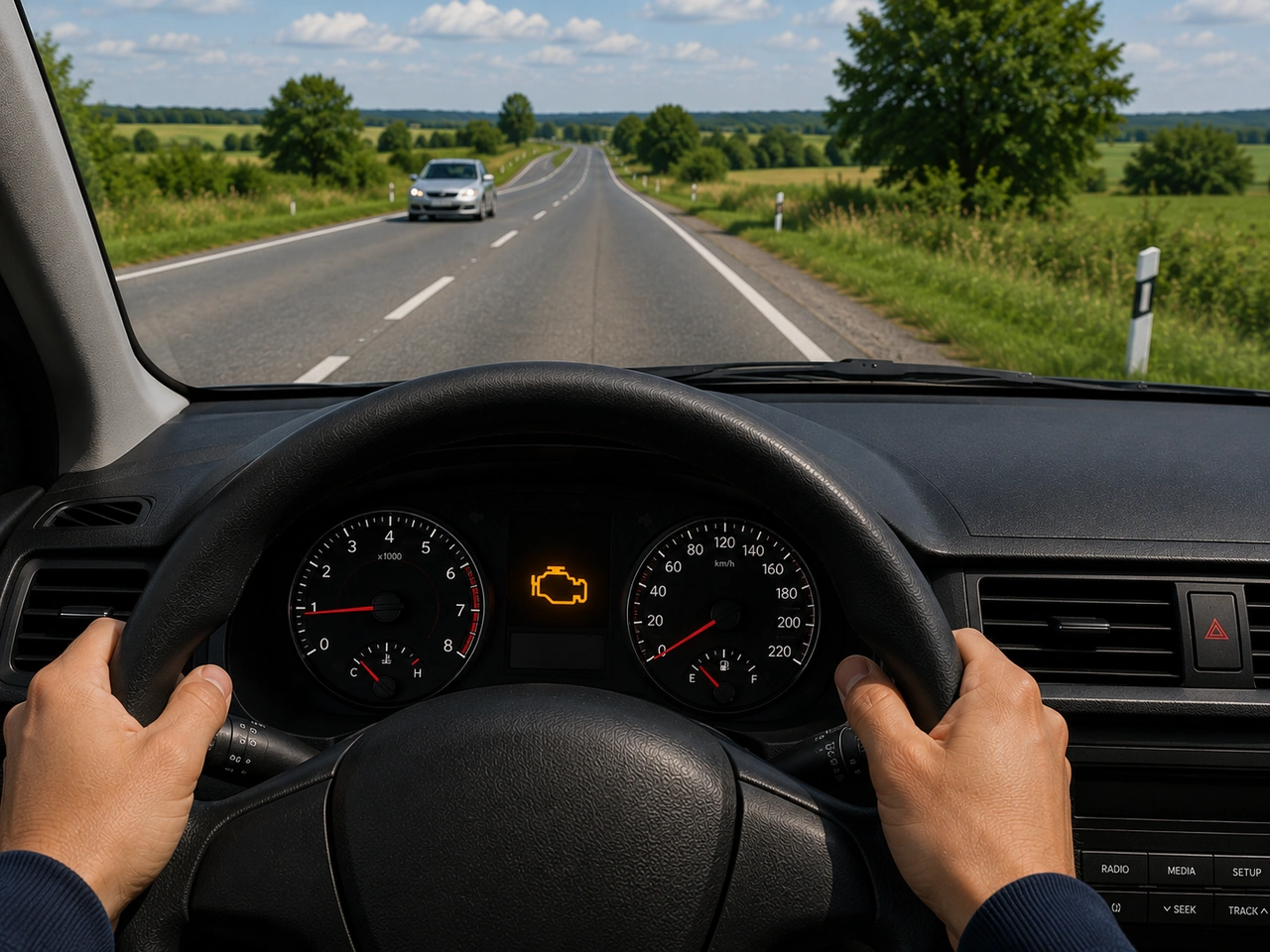
247. What should you expect if the engine suddenly stalls while the vehicle is moving?
Power assistance may be reduced when the engine stops. Keep control, use the hazard lights if needed, and steer toward a safe stopping area.
AI-generated by Traffic-rules.com • WCIT • CC BY-SA
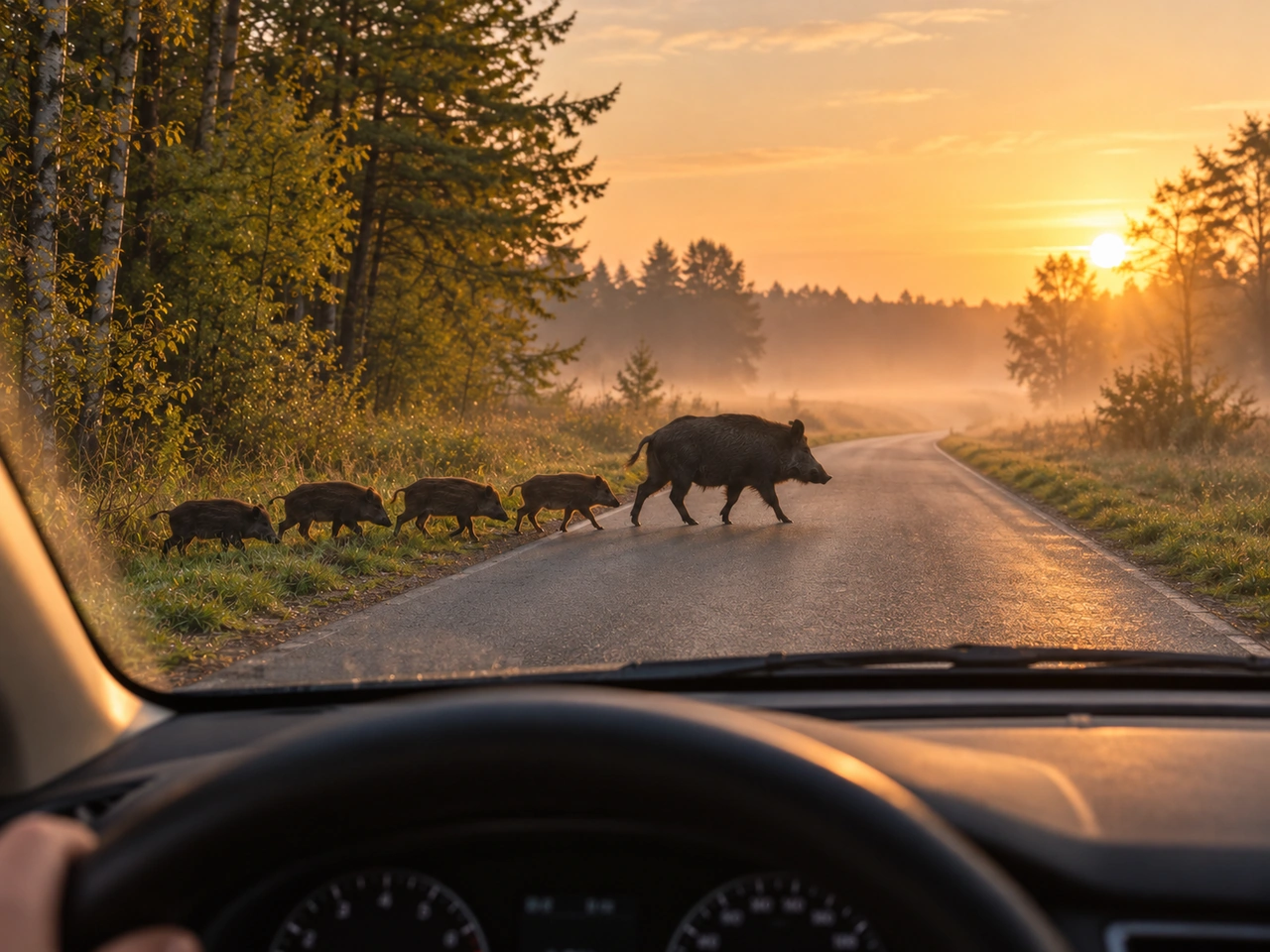
248. Why should you be especially alert for wild animals at dawn and dusk?
Many wild animals are most active around dawn and dusk, when visibility may also be reduced.
AI-generated by Traffic-rules.com • WCIT • CC BY-SA
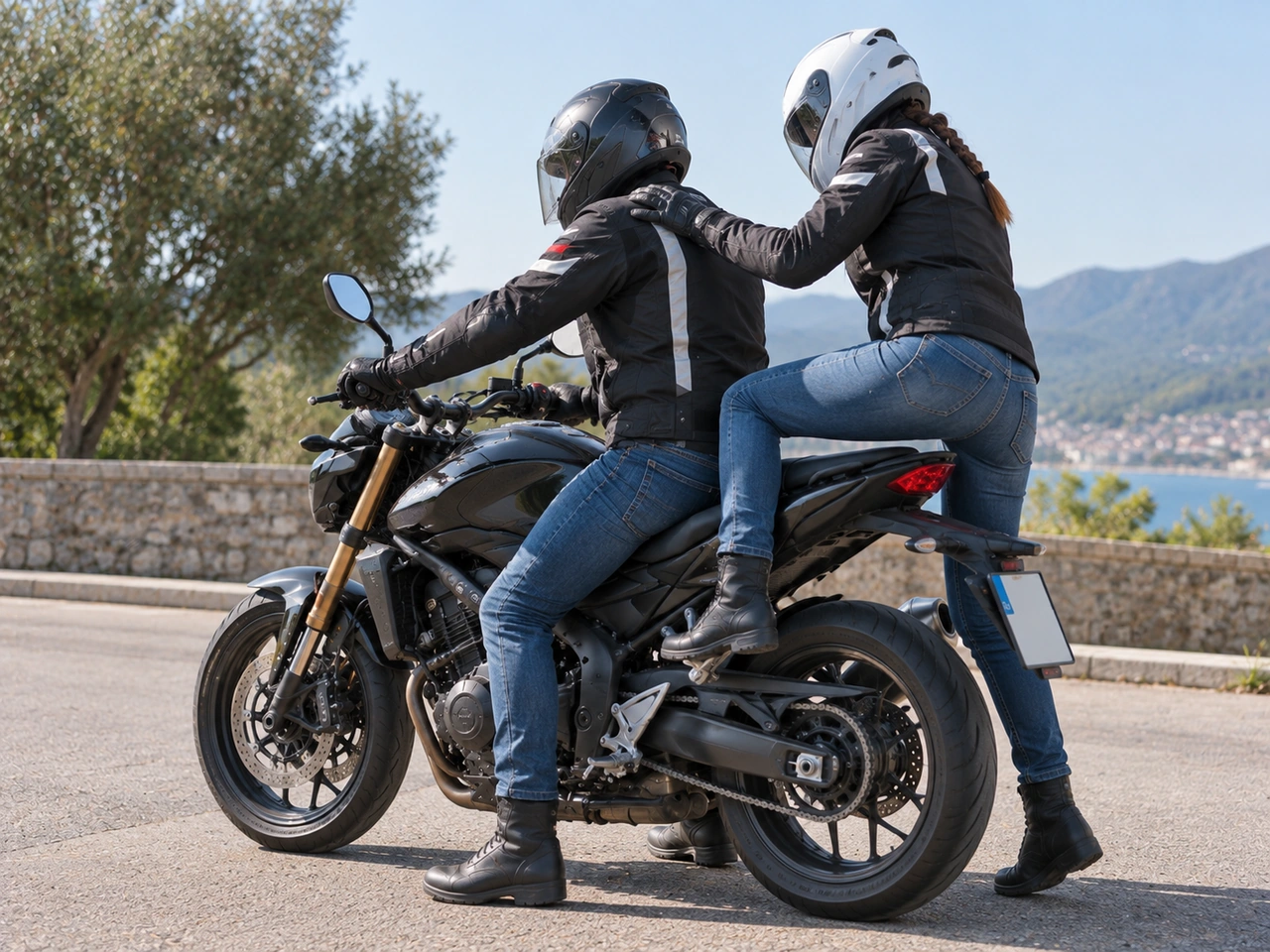
249. When should a passenger get on or off a motorcycle?
A passenger getting on or off can shift the motorcycle's balance suddenly. The motorcycle should be stationary and stable, and the passenger should wait until the rider is ready and prepared to support the extra movement.
AI-generated by Traffic-rules.com • WCIT • CC BY-SA
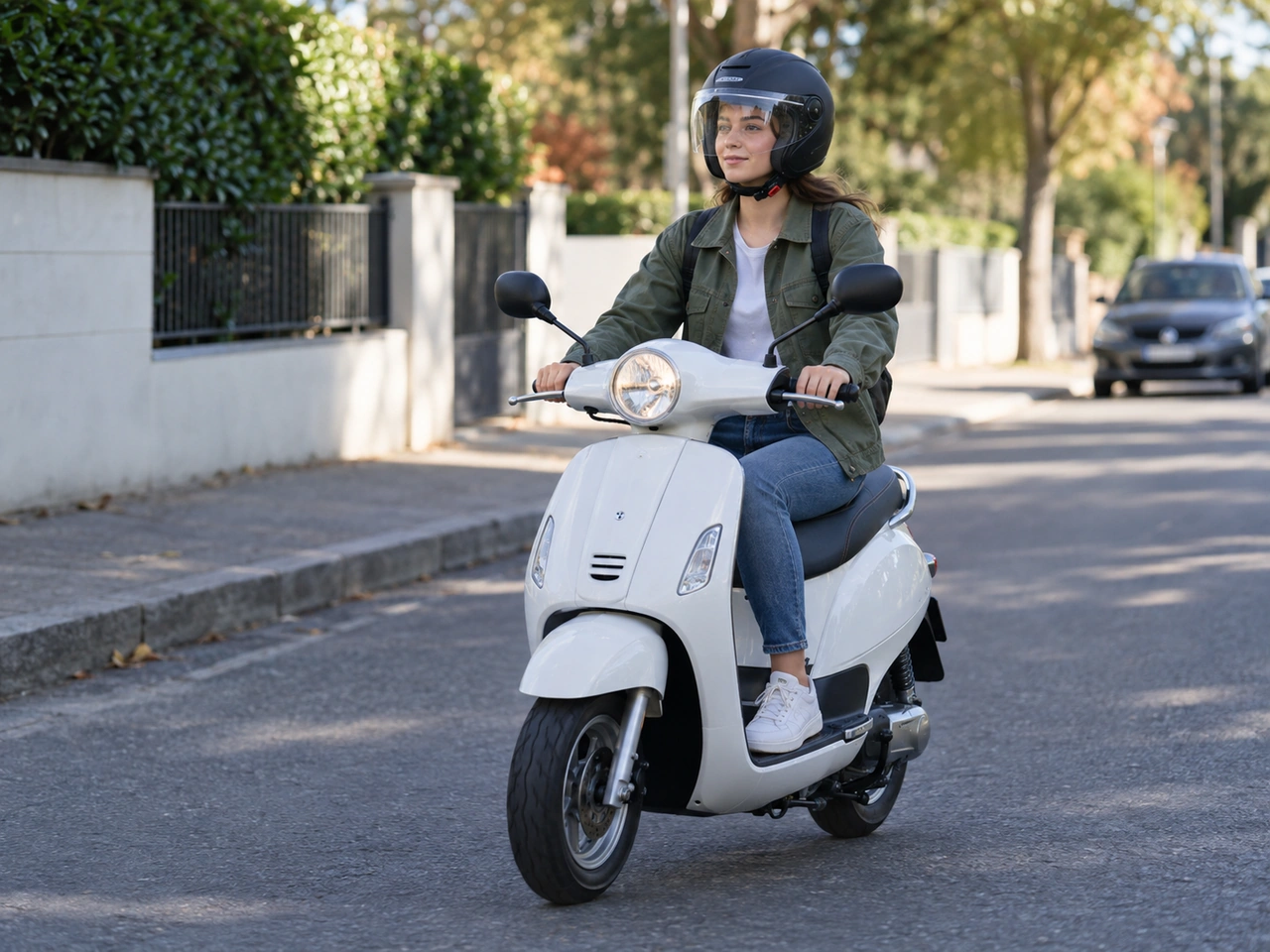
250. Are moped riders generally required to wear a helmet in Philippines?
Moped riders in Philippines are generally required to wear an approved helmet.
AI-generated by Traffic-rules.com • WCIT • CC BY-SA