


Motorcycle equipmentSouth Africa
 Traffic rules
 South Africa
45. Motorcycle equipment
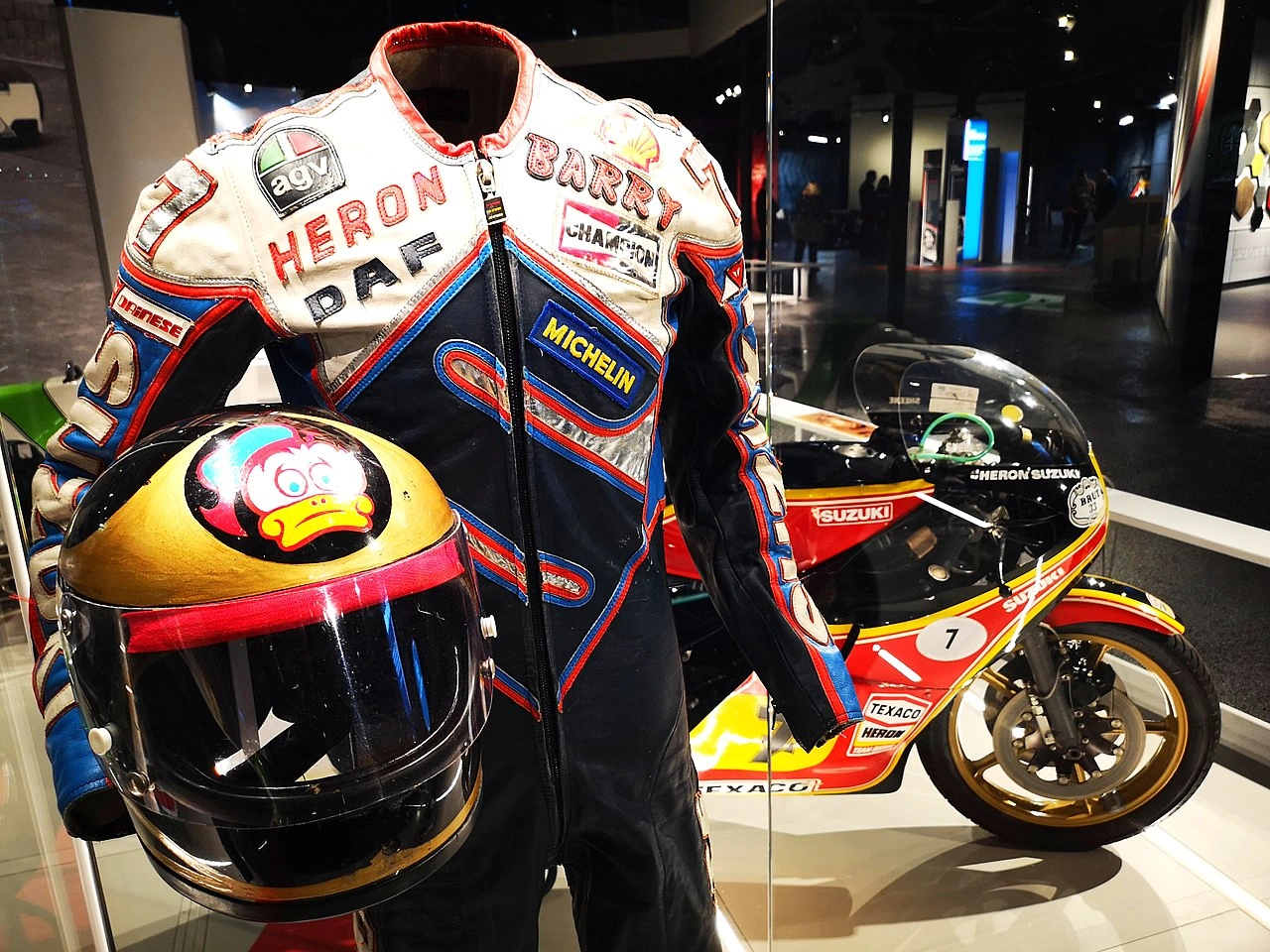
Motorcycle equipment includes the protective equipment used by the rider and passenger and the safety equipment fitted to the motorcycle. Rider equipment commonly includes a helmet, protective clothing, gloves, boots and eye protection, while the motorcycle itself requires equipment such as lights, brakes, mirrors, tyres and signalling devices according to local law.
The equipment that is legally required varies between countries and motorcycle categories. Riders should ensure that both their protective equipment and motorcycle are suitable, correctly used and in safe condition before travelling.
Wikimedia.org • 35mmMan • CC BY
What equipment should a motorcyclist use?
Motorcyclists should use appropriate protective equipment, commonly including a helmet, gloves, protective jacket and trousers, and footwear that protects the feet and ankles.
Is a motorcycle helmet compulsory?
Helmet requirements depend on local law, although approved motorcycle helmets are compulsory in many countries. The helmet should fit correctly and be used in a way that preserves its protective function.
Why is protective motorcycle clothing important?
Protective clothing can reduce injuries caused by impact, abrasion and contact with the road surface. Purpose-designed motorcycle clothing may also include impact protectors for vulnerable parts of the body.
Why should motorcyclists wear gloves?
Gloves help protect the hands and wrists against abrasion, weather and impact and can also improve grip on the motorcycle controls.
Why are motorcycle boots important?
Suitable boots provide protection for the feet and ankles and can reduce injuries caused by impact, abrasion or the motorcycle falling onto the rider.
Does a motorcycle passenger need protective equipment?
Yes. Passengers are exposed to many of the same risks as riders and should use appropriate protective equipment. Local law may require the passenger to wear the same helmet and clothing as the rider.
What safety equipment must a motorcycle have?
A road-legal motorcycle normally requires functioning brakes, tyres, lights, reflectors, mirrors, a horn and other prescribed equipment. Exact technical requirements vary between countries and motorcycle categories.
Should motorcycle lights be checked before riding?
Yes. Check that the headlight, rear light, brake light and direction indicators work correctly where fitted or required. Motorcycle visibility is especially important because motorcycles can be difficult for other road users to detect.
Should motorcycle tyres be checked regularly?
Yes. Check tyre condition, tread and pressure regularly. Because motorcycles rely on two relatively small tyre contact areas, damaged or incorrectly inflated tyres can significantly affect stability, steering and braking.
Should motorcycle equipment be checked before every journey?
A brief check of the tyres, brakes, lights, controls, mirrors and general condition of the motorcycle can help identify problems before riding. Protective equipment should also be correctly fitted and in usable condition.


