


Señales de tráficoAlemania
 Normas de tráfico
 Alemania
101. Límite de carga por eje
Un límite de carga por eje es el peso o carga máxima permitida soportada por un solo eje de un vehículo. Limita la fuerza que un eje y sus ruedas pueden transmitir a la carretera, independientemente del peso total del vehículo.
Estos límites ayudan a proteger puentes y superficies viales de cargas excesivas y contribuyen al funcionamiento seguro del vehículo. Un vehículo puede cumplir un límite de peso total y aun así superar el límite de un eje si la carga está distribuida incorrectamente.
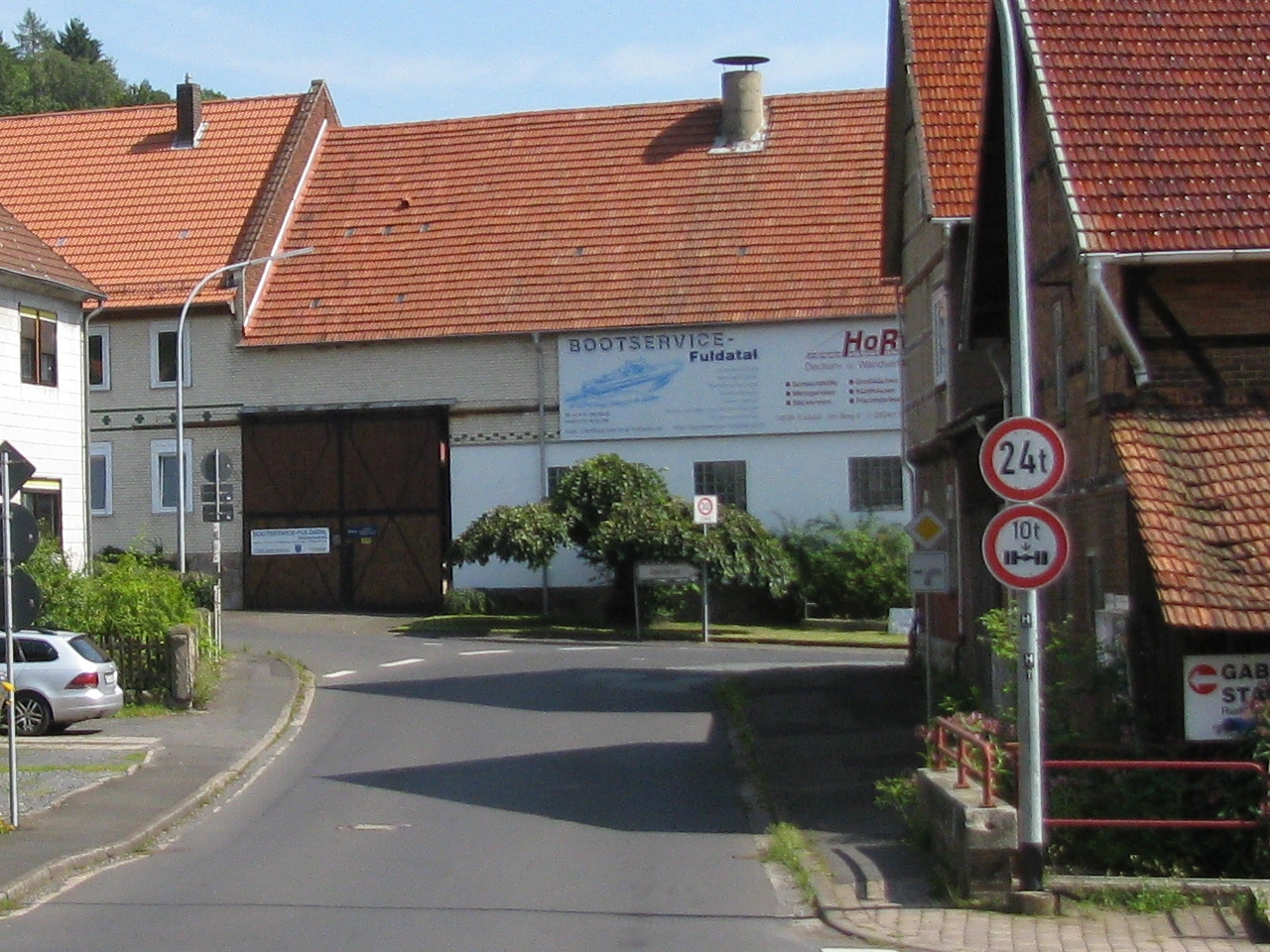
What does an axle weight limit mean?
An axle weight limit specifies the maximum permitted load carried by an individual axle or axle group. A vehicle exceeding the indicated axle load may not use the restricted road or structure.
Is axle weight the same as total vehicle weight?
No. Total vehicle weight is the combined weight of the entire vehicle and its load, while axle weight is the portion of that weight supported by a particular axle. Both limits may apply at the same time.
Why are axle weight limits used?
They help prevent excessive stress on roads and structures such as bridges. They also ensure that vehicle loads are distributed safely between the axles.

102. Matrícula
Una matrícula, también llamada placa de matrícula, es una placa que muestra un identificador único asignado a un vehículo por la autoridad competente. Permite identificarlo para fines como matriculación, control de tráfico, impuestos, seguro y control de estacionamiento.
El aspecto, formato, ubicación y número de placas exigidas varían entre países y categorías de vehículos. Los conductores deben asegurarse de que las matrículas estén correctamente instaladas, claramente visibles y legibles y seguir las normas locales cuando una placa se pierda, sea robada, dañada o sustituida.
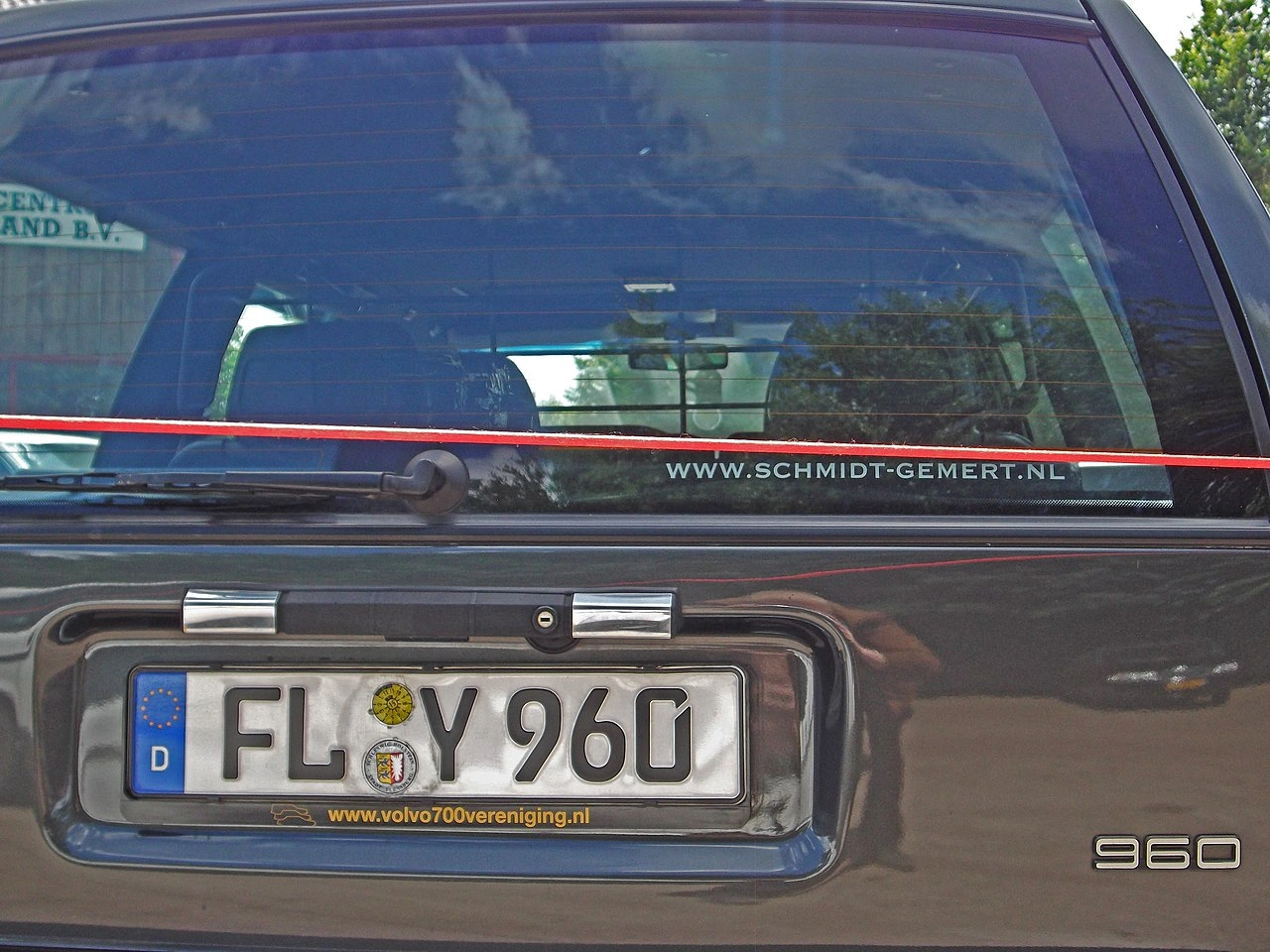
What is a licence plate?
A licence plate is a plate displaying the registration identifier assigned to a vehicle. It allows authorities and other authorised systems to identify the vehicle's registration.
Is a licence plate the same as a registration plate?
Yes. Licence plate, registration plate and number plate are different terms commonly used for the plate displaying a vehicle's official registration number.
Does every vehicle need a licence plate?
Most motor vehicles used on public roads must display one or more registration plates, but requirements differ for motorcycles, trailers, agricultural vehicles and other special vehicle categories.
Do vehicles need both front and rear licence plates?
This depends on the country and vehicle type. Cars commonly require front and rear plates, while motorcycles and certain other vehicles may require only a rear plate.
Must a licence plate remain visible?
Yes. A required registration plate must normally remain clearly visible and readable. It should not be hidden by luggage, dirt, accessories or other objects.
Can you modify a licence plate?
Generally no. Changing the characters, colours, dimensions or appearance of an official plate may make it invalid or illegal. Plates and authorised reproductions must comply with local specifications.
What should you do if a licence plate is lost or stolen?
Follow the local reporting and replacement procedure. Many countries require the loss or theft to be reported to the police or vehicle-registration authority before a replacement plate can be issued.
Can you drive with a damaged licence plate?
A plate must remain legible and compliant with local requirements. If damage prevents it from being read or makes it invalid, it should be replaced according to the local registration procedure.
Can a licence plate be personalised?
Some countries allow motorists to request a personalised registration combination. The available characters, formats and prohibited combinations are determined by the registration authority.
Does a licence plate stay with the vehicle when it is sold?
This varies between countries. In some systems the plate remains with the vehicle, while in others it remains associated with the registered holder and may be retained or returned when the vehicle is sold.
103. Estación de carga
Una estación de carga es un lugar equipado con uno o más puntos donde la batería de un vehículo eléctrico o híbrido enchufable puede conectarse a una fuente de electricidad y recargarse. Puede estar situada junto a vías públicas, en aparcamientos, áreas de servicio o propiedades privadas.
Las plazas de carga pueden estar reservadas a vehículos que estén cargando y sujetas a restricciones de estacionamiento, límites de tiempo, pago u otras condiciones. Los conductores deben respetar las señales, normas de estacionamiento e instrucciones de carga aplicables.
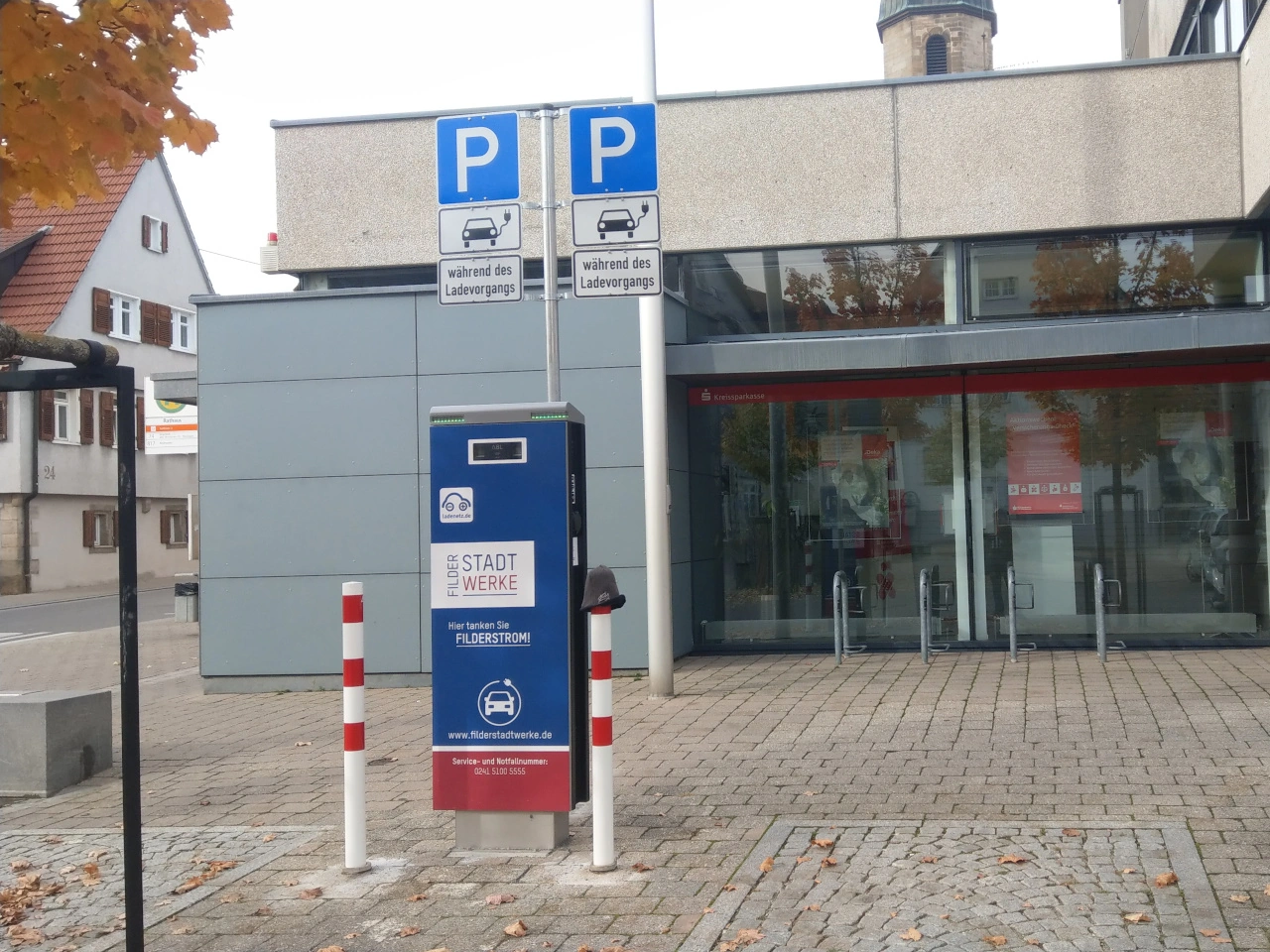
What is a charging station?
A charging station is a location where electric vehicles can be connected to an electricity supply to recharge their batteries. A station may contain one or several individual charging points.
Who can use an electric-vehicle charging station?
Charging stations are intended for vehicles that can be externally charged, such as battery-electric vehicles and plug-in hybrid vehicles. The exact vehicle categories permitted may be indicated by local signs or operator conditions.
Is a charging space an ordinary parking space?
Not necessarily. A space beside a charger may be reserved for electric vehicles or vehicles that are charging. Drivers must check the signs and markings before parking there.
Can a petrol or diesel vehicle park at a charging station?
Not where the parking space is officially reserved for electric vehicles. An ordinary parking space located near a charger may be different, so the applicable signs and markings determine who may park there.
Can an electric vehicle park at a charging point without charging?
This depends on the local traffic and parking rules. Many charging spaces require the vehicle to be connected to the charger, even if the vehicle itself is electric.
Do you have to pay to use a charging station?
Charging may be free or subject to payment. The price and payment method are determined by the charging operator, while separate parking charges may also apply.
Can a charging station have a maximum parking time?
Yes. Traffic signs, parking regulations or charging conditions may establish a maximum duration to encourage drivers to move their vehicles and make the charger available to others.
Must you move the vehicle when charging is finished?
Follow the local parking rules and charging conditions. Some locations require vehicles to leave after charging or impose additional fees or time limits when the charging session has ended.
Does using a charger override ordinary parking restrictions?
No. A charging station does not allow a driver to ignore no-parking rules, reserved spaces, time limits or other traffic regulations. The vehicle must still be legally parked.
Are all charging stations equally fast?
No. Charging stations can provide different charging powers. Some are intended for longer parking periods, while high-power chargers can recharge compatible vehicles much more quickly.
104. Peligros
Una señal de peligro general advierte de un riesgo próximo que no está representado por una señal de advertencia más específica. El peligro concreto puede explicarse mediante un panel complementario, texto, símbolo u otra indicación situada junto a la señal.
Los conductores deben aumentar la atención, observar la carretera por delante y adaptar la velocidad a la naturaleza del peligro y a las condiciones del entorno. El aspecto exacto y la forma de identificar el peligro varían entre países, por lo que deben respetarse las señales y normas de tráfico locales.
What does a general danger warning sign mean?
A general danger warning sign indicates that there is a hazard ahead that is not represented by a more specific warning sign in the local traffic-sign system.
What kind of danger can the sign indicate?
It can be used for unusual or uncommon hazards for which no dedicated warning symbol exists. The nature of the danger may be explained by an additional panel, symbol or message.
How can you know what the danger is?
Look for a supplementary panel, text or symbol accompanying the warning sign. It may describe the hazard or provide information needed to understand the warning.
What should you do when you see a general danger warning sign?
Increase your attention, observe the road and surroundings carefully and adapt your speed where necessary so that you can respond safely to the hazard.
Does the sign impose a specific speed limit?
Not normally. A warning sign alerts road users to danger rather than establishing a numerical speed limit. A separate speed-limit sign may be provided where a specific maximum speed is required.
Why is a general warning sign used instead of a specific warning sign?
It is used when the traffic-sign system does not contain a specific symbol that accurately represents the particular hazard.
Can the danger be temporary?
Yes. A general warning sign may be used for either a temporary or continuing hazard, depending on local signing rules and the circumstances.
Can a supplementary panel indicate the distance to the danger?
Yes. Depending on the country's traffic-sign system, an additional panel may indicate the distance to the hazard, the length of the dangerous section or other useful information.
Does a general danger sign give anyone priority?
No. A danger warning sign does not by itself change the priority rules. Drivers must continue to follow traffic lights, priority signs and the normal right-of-way rules.
Does the warning end immediately after the sign?
Not necessarily. The sign normally warns of a hazard ahead of the sign, and the dangerous situation may extend over a section of road. Supplementary information may indicate its location or length.
105. Ramas salientes
Las ramas salientes son ramas de árboles que se extienden sobre una carretera, vía ciclista o acera y pueden reducir el espacio libre o crear un peligro. Las ramas bajas pueden ser especialmente peligrosas para camiones, autobuses, ciclistas y peatones y también pueden ocultar señales, semáforos o reducir la visibilidad.
Los conductores que se aproximen deben reducir la velocidad, evaluar la altura disponible y evitar maniobras bruscas. Los vehículos altos deben tener especial cuidado cuando las ramas se extiendan sobre la calzada.
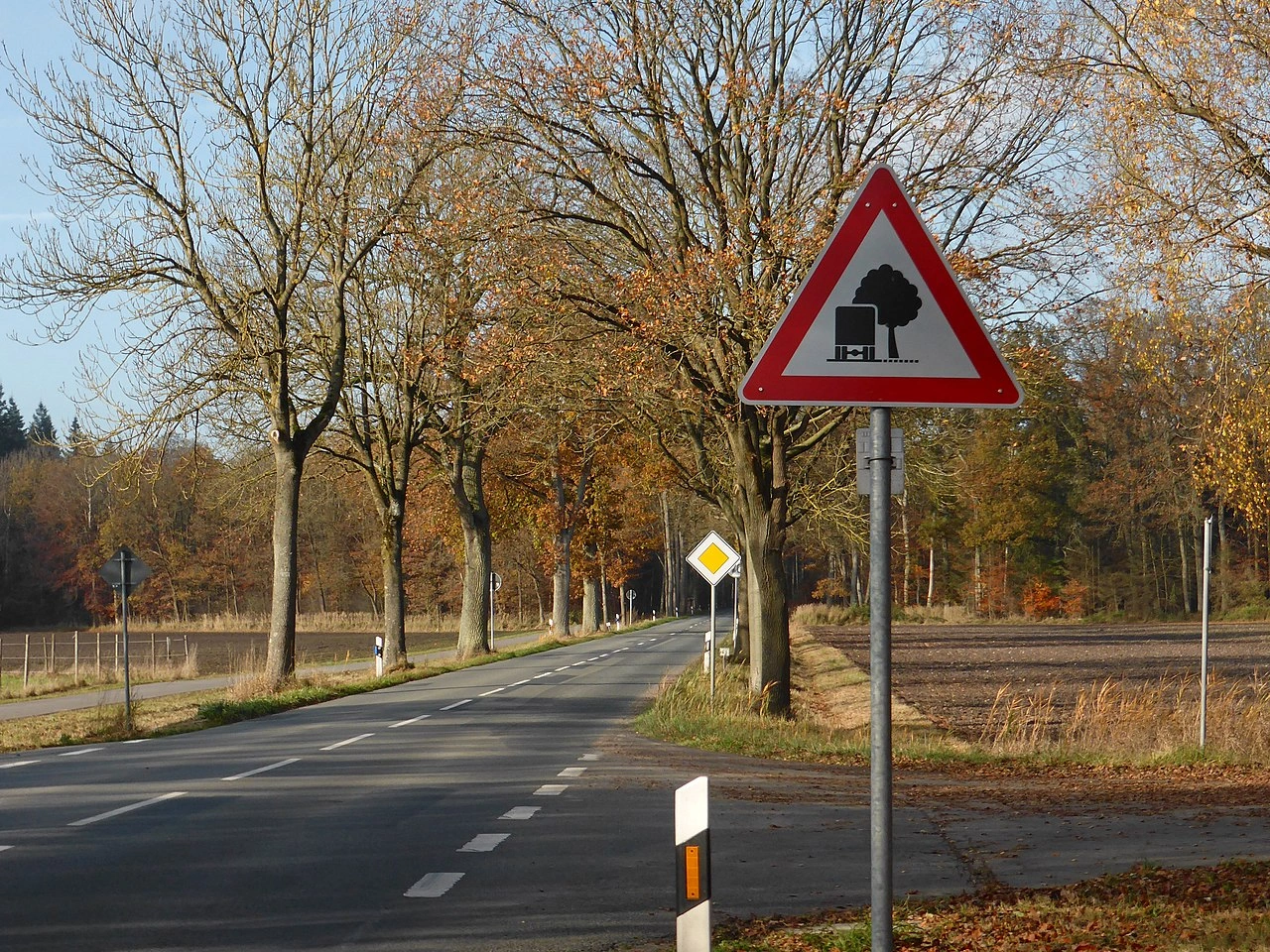
What are hanging trees?
Hanging trees are trees or branches that extend over or toward a road, cycle path or footpath and may interfere with the safe passage of road users.
Why can overhanging branches be dangerous?
They can reduce vertical or lateral clearance, obstruct signs or signals and create a collision hazard, particularly for tall vehicles, cyclists and pedestrians.
What should drivers do near low overhanging branches?
Drivers should slow down, check the available clearance and pass only when it can be done safely. They should avoid swerving suddenly into another lane or toward other road users.
106. Giro con semáforo rojo
Girar con semáforo rojo es una norma o disposición semafórica que permite a determinados usuarios avanzar en una dirección concreta a pesar de una luz roja. Lo más habitual es permitir un giro después de que el conductor se haya detenido o haya cedido el paso, pero el procedimiento exacto varía entre países.
El giro con rojo no está permitido universalmente. Puede permitirse de forma general, solo cuando exista una señal o indicación específica o estar totalmente prohibido. Los conductores deben seguir siempre los semáforos, señales, normas de prioridad y pasos de peatones o ciclistas locales.
What does turn on red mean?
Turn on red means that a road user may proceed in a specified turning direction despite a red traffic light when local law or a specific sign or signal permits it.
Is turning on red allowed everywhere?
No. Some countries permit certain turns on red, while others prohibit them unless a special sign or signal provides an exception.
Do you have to stop before turning on red?
This depends on the local traffic rules. In some jurisdictions a complete stop is required before turning, while other systems use a give-way rule or a separate signal that permits the movement.
Do you have priority when turning on red?
Usually no. A road user permitted to proceed against a red light generally has to give way to traffic, pedestrians and cyclists who are lawfully moving through the intersection.
Can pedestrians have priority over a vehicle turning on red?
Yes. Drivers must check pedestrian crossings carefully and give way where required before making the permitted turn.
Can cyclists be allowed to pass a red light when motorists cannot?
Yes. Some countries use special signs or bicycle signals that allow cyclists to turn or continue in a specified direction while the main traffic light remains red.
Does a green arrow beside a red light allow you to proceed?
Where the local signal system provides this arrangement, a green arrow may permit movement only in the direction indicated even though the main signal remains red. Applicable give-way rules must still be followed.
Can a sign prohibit turning on red?
Yes. In countries where turning on red is normally permitted, a specific sign may prohibit the manoeuvre at particular intersections.
Can you turn left on red?
This depends entirely on the country and road layout. Some jurisdictions permit particular left turns on red, while many do not. Never assume that a rule allowing a right turn also permits a left turn.
What should you do if you are unsure whether turning on red is allowed?
Remain stopped until a signal clearly permits you to proceed. Never pass a red light based only on what is permitted in another country.
107. Seguridad ferroviaria
La seguridad ferroviaria comprende las normas y precauciones destinadas a evitar colisiones y otros accidentes donde carreteras, peatones o vehículos interactúan con vías férreas. Incluye pasos a nivel, señales, barreras, luces, avisos acústicos y zonas de separación.
Los usuarios nunca deben entrar en las vías cuando se aproxime un tren, estén activas las señales o la salida esté bloqueada. Los trenes necesitan largas distancias para detenerse y no pueden desviarse para evitar un obstáculo.
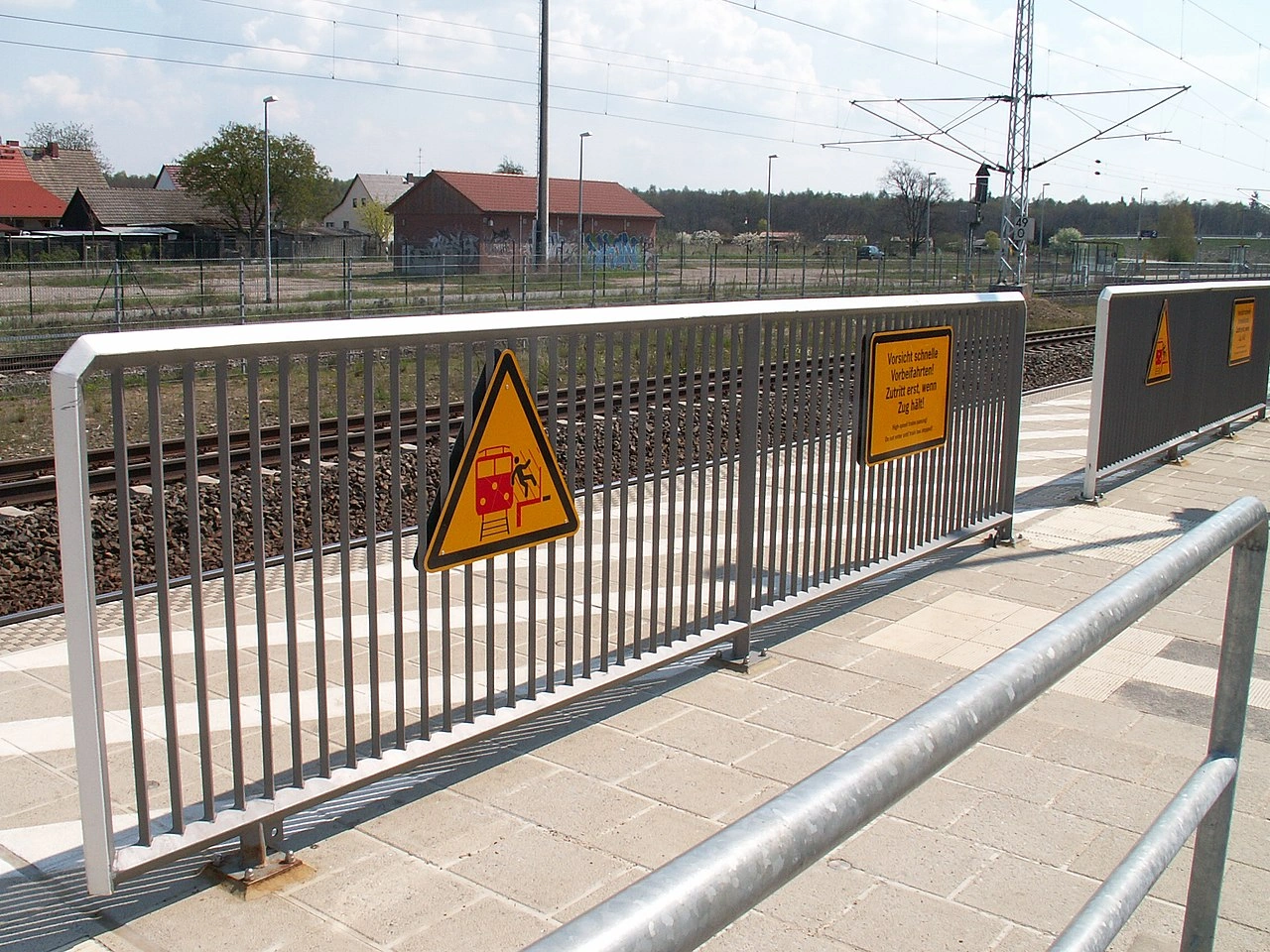
What is rail safety?
Rail safety covers the rules, equipment and precautions intended to prevent accidents involving trains, railway infrastructure and people.
Why are railway crossings particularly important for rail safety?
Railway crossings bring road users and railway vehicles into the same location. Road users must therefore obey the warning systems and never enter when a train is approaching or the crossing cannot be cleared safely.
Can you walk along railway tracks?
Normally, no. Railway tracks are operational transport infrastructure and should be entered only at authorised crossing points or where access is specifically permitted.
108. Peatón
Un peatón es una persona que se desplaza a pie por una carretera, calle, camino u otro espacio público. Según la legislación local, las personas que empujan bicicletas, sillas de ruedas, cochecitos u otros pequeños dispositivos también pueden ser consideradas peatones.
Los peatones normalmente utilizan aceras, caminos peatonales y zonas peatonales cuando están disponibles. Al cruzar una carretera o caminar donde no existe una instalación adecuada, deben seguir las normas de cruce, semáforos y otras normas locales de tráfico.
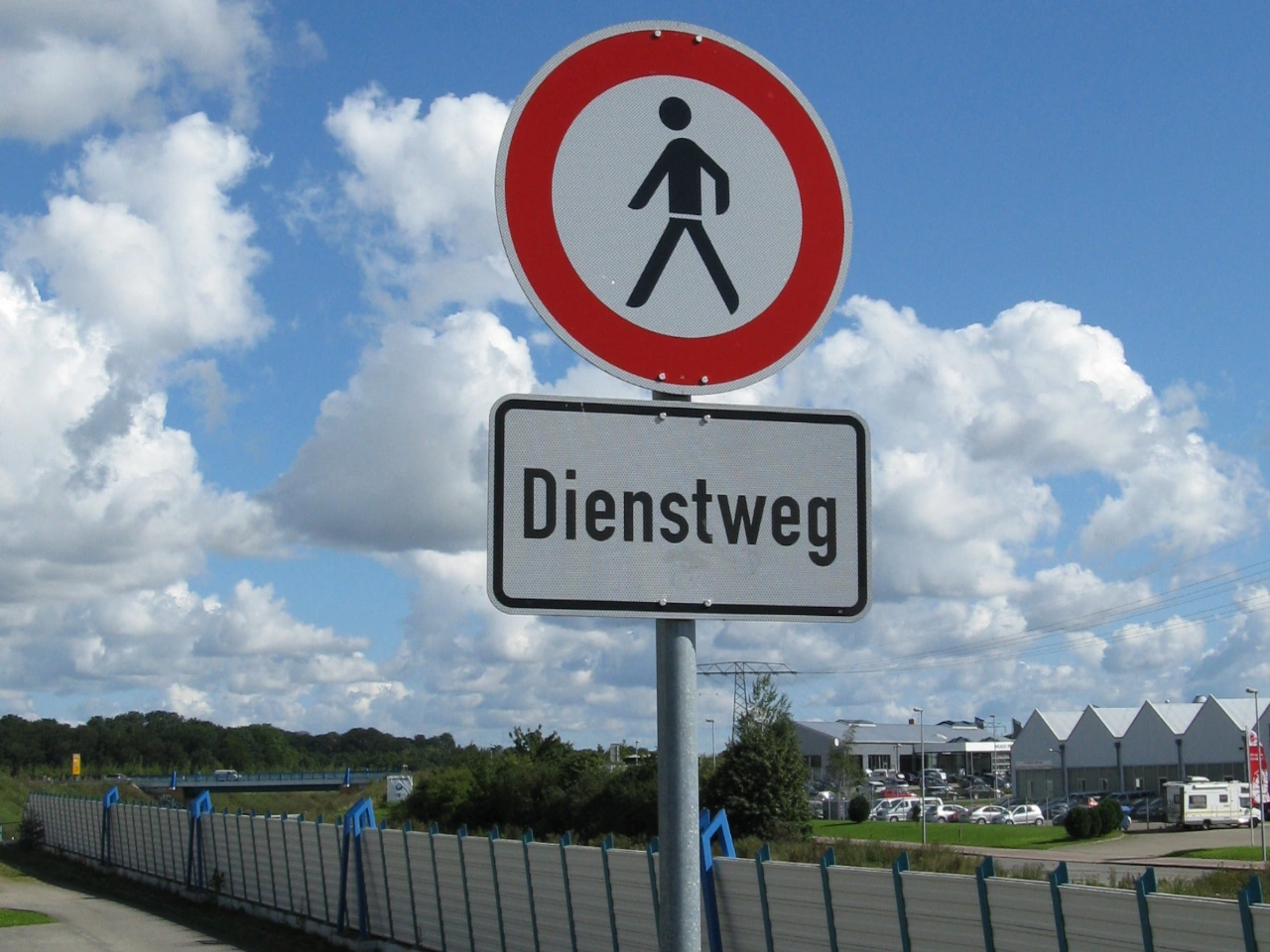
What is a pedestrian?
A pedestrian is primarily a person travelling on foot. Local traffic laws may also treat people pushing bicycles, wheelchairs, prams or certain other devices as pedestrians.
Where should pedestrians normally walk?
Pedestrians should normally use pavements, sidewalks, footpaths or other areas provided for pedestrians. Where these are unavailable, local rules determine where pedestrians may walk on or beside the road.
Which side of the road should pedestrians walk on when there is no pavement?
This depends on the country's traffic rules. Many countries require or recommend pedestrians to face approaching traffic, but the exact rule varies.
Where should pedestrians cross a road?
Use a pedestrian crossing, traffic-light-controlled crossing or other designated crossing where required or reasonably available. Where crossing elsewhere is permitted, choose a location with good visibility and cross carefully.
Do pedestrians always have priority at a pedestrian crossing?
The exact priority rule varies between countries. Drivers are commonly required to give way to pedestrians using or entering designated crossings, but pedestrians must still obey traffic lights and avoid entering the road dangerously.
Must pedestrians obey traffic lights?
Yes. Where pedestrian signals are provided, pedestrians must follow their indications and should not enter the roadway while the signal prohibits crossing.
Is someone pushing a bicycle a pedestrian?
In many traffic systems, a person who dismounts and walks beside a bicycle is treated as a pedestrian. The precise legal classification depends on local law.
Can pedestrians use a cycle path?
This depends on the road layout and local rules. Pedestrians may sometimes use a cycle path when no suitable pedestrian facility is available, but they must not unnecessarily obstruct cyclists or other authorised users.
Do turning vehicles have to watch for pedestrians?
Yes. Drivers turning into another road must watch carefully for pedestrians crossing the road they are entering and give way where required by local traffic law.
What should pedestrians do before crossing a road?
Check carefully for approaching traffic from all relevant directions, make sure there is sufficient time and distance to cross safely, and continue to observe traffic while crossing.
109. Ciclista
Un ciclista es una persona que conduce una bicicleta. Puede circular por la calzada, carriles bici, vías ciclistas u otras infraestructuras según las normas locales.
Los ciclistas son usuarios vulnerables y pueden verse afectados por viento, superficies irregulares, puertas de vehículos y adelantamientos cercanos. Los conductores deben dejar espacio suficiente y comprobar la presencia de ciclistas antes de girar o abrir puertas.
What is a cyclist?
A cyclist is a person who rides and controls a bicycle.
Is a cyclist considered a road user?
Yes. Cyclists are road users and must follow the traffic rules, signs and signals that apply to them.
Where should cyclists ride?
This depends on local rules. Cyclists may be required to use a cycle path or designated cycling facility, while in other situations they may ride on the carriageway.
110. Ciclomotor
Un ciclomotor es un vehículo ligero a motor, normalmente de dos o tres ruedas, cuya potencia, cilindrada o velocidad máxima por construcción está limitada por ley. Generalmente ocupa una categoría legal entre bicicletas y motocicletas, aunque su clasificación exacta varía entre países.
Pueden aplicarse normas especiales sobre edad mínima, permiso de conducir, casco, matriculación, seguro, velocidad máxima y uso de vías ciclistas o calzadas. Por ello, los usuarios deben seguir la clasificación y normas aplicables en el país donde circulan.
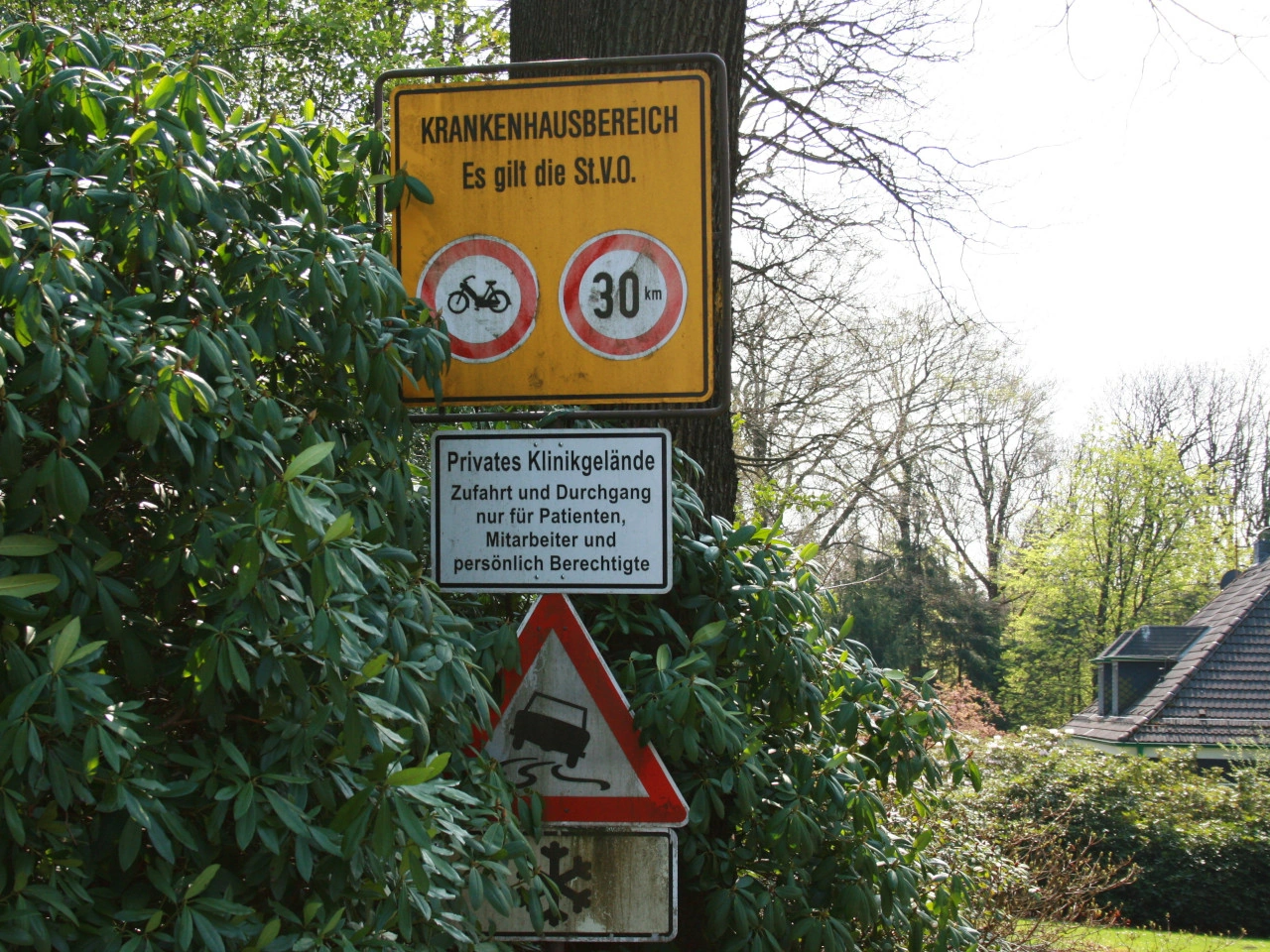
What is a moped?
A moped is a lightweight motor vehicle whose engine power, capacity or maximum design speed is restricted by law. The precise technical definition differs between countries.
Is a moped the same as a motorcycle?
No. Mopeds normally have lower maximum speeds and power than motorcycles and are classified separately under traffic and licensing laws.
Is an electric moped still a moped?
Yes, potentially. A vehicle can be legally classified as a moped whether its motor is electric or uses an internal-combustion engine. Classification depends on factors such as design speed and power.
Do you need a driving licence for a moped?
This depends on the country and moped category. Some low-speed mopeds may be ridden without a licence, while faster mopeds commonly require a dedicated moped licence or another qualifying driving licence.
Do moped riders have to wear a helmet?
Helmet requirements vary between countries, but an approved protective helmet is compulsory for moped riders in many jurisdictions. Passengers may also be required to wear one.
Can a moped use a cycle path?
This depends on the moped category, road speed limit and local signs. Some low-speed mopeds may be required to use cycle paths, while faster mopeds may be required or permitted to use the roadway.
Can a moped carry a passenger?
Only where the vehicle is designed and legally approved to carry a passenger and the rider satisfies any minimum-age or licensing requirements.
Does a moped need a licence plate?
Many countries require mopeds to be registered and display a registration plate. Requirements vary according to vehicle category and national law.
Does a moped need insurance?
Compulsory third-party liability insurance is required for mopeds in many countries. The exact insurance requirements depend on the vehicle classification and national legislation.
Can a moped use a motorway?
Mopeds are generally prohibited from motorways and other high-speed controlled-access roads because their maximum design speed is too low and the road may specifically exclude them.
111. Motocicleta
Una motocicleta es un vehículo de motor de dos ruedas y, según la clasificación legal, también puede incluir determinados vehículos de tres ruedas. Las motocicletas pueden variar desde modelos pequeños hasta máquinas de alta potencia.
Los motociclistas son más vulnerables porque tienen menos protección física y pueden ser difíciles de ver. Otros conductores deben comprobar espejos y ángulos muertos, dejar espacio y valorar correctamente su velocidad.
What is a motorcycle?
A motorcycle is a powered two-wheeled vehicle, which may also be equipped with a sidecar.
Is a motorcycle the same as a moped?
No. Traffic laws generally distinguish motorcycles from mopeds according to technical characteristics such as power, engine capacity or maximum speed.
What protective equipment should a motorcyclist use?
Motorcyclists should use an approved helmet and suitable protective clothing. The exact mandatory equipment depends on the country's traffic laws.
112. Turismo
Un turismo es un vehículo a motor diseñado principalmente para transportar a un pequeño número de personas y su equipaje por carretera. Puede estar propulsado por gasolina, diésel, electricidad, hidrógeno o una combinación de distintas fuentes de energía.
Los conductores deben cumplir los requisitos aplicables sobre permiso de conducir, matriculación del vehículo, seguro, estado técnico, cinturones de seguridad y seguridad de los pasajeros. Los límites de velocidad, requisitos de equipamiento, acceso a vías y otras normas varían entre países, por lo que deben seguirse las señales y normas locales de tráfico.
What is a car?
A car is a motor vehicle primarily designed to carry a relatively small number of passengers and their luggage on roads.
Is a car the same as a motor vehicle?
No. A car is a type of motor vehicle. The broader category of motor vehicles can also include motorcycles, buses, trucks, mopeds and other powered vehicles, depending on local legal definitions.
Do you need a driving licence to drive a car?
Yes. A driver must normally hold a valid driving licence for the vehicle category concerned. The licence categories and minimum ages vary between countries.
Does a car need to be registered?
Yes, normally. Cars used on public roads generally have to be registered with the competent authority and display the required registration plate or plates.
Does a car need insurance?
Most countries require at least third-party liability insurance before a car may be used on public roads. Additional insurance may be optional.
Must people in a car wear seat belts?
Where seat belts are fitted, drivers and passengers are generally required to wear them correctly. Exact requirements and exemptions vary between countries.
Do children need a special restraint in a car?
Yes, in many countries. Children below specified age, height or weight thresholds must be transported in an appropriate approved child-restraint system.
How many passengers can a car carry?
A car must not carry more people than it is designed and legally approved to transport. Passengers should use the designated seating positions and required restraint systems.
Can a car tow a trailer?
Yes, if the vehicle and licence permit it. Maximum trailer masses, combination masses and licence requirements depend on the vehicle and local regulations.
Can every car use a motorway?
Most ordinary cars can use motorways, but they must satisfy the applicable vehicle, speed and access requirements. Certain unusually slow or restricted vehicles may be prohibited.
113. Camión
Un camión es un vehículo de motor diseñado principalmente para transportar mercancías o cargas. Puede ir desde vehículos ligeros de reparto hasta vehículos pesados articulados con remolques o semirremolques.
Los camiones suelen tener mayor masa, dimensiones, distancia de frenado y ángulos muertos que los turismos. Pueden estar sujetos a límites de velocidad, restricciones de acceso, tiempos de conducción, peajes y normas de carga específicos.
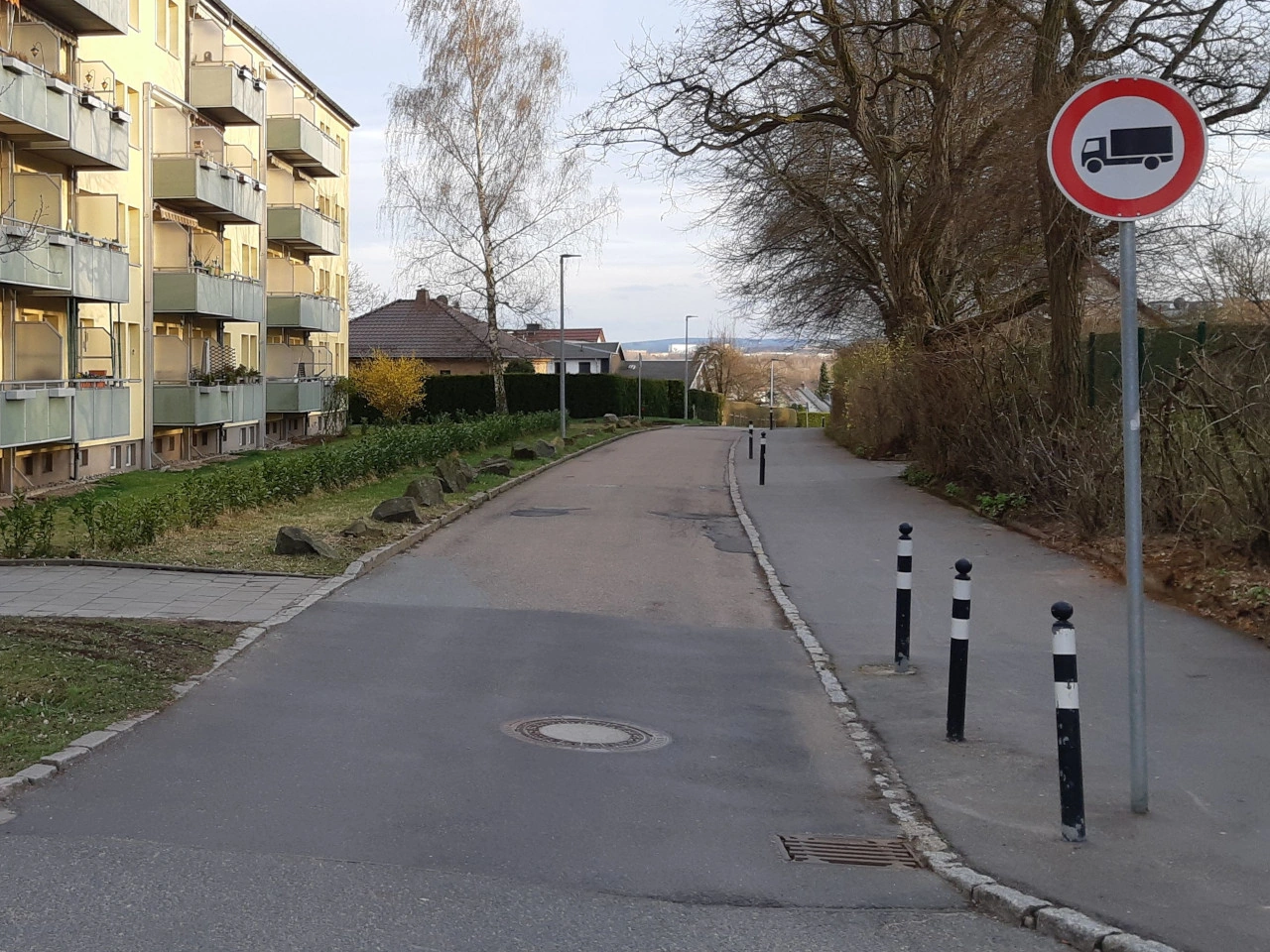
What is a truck?
A truck is a motor vehicle designed primarily for transporting goods.
Are all trucks considered heavy goods vehicles?
No. Trucks can include lighter goods vehicles as well as heavy trucks. Traffic laws often apply different rules according to the vehicle's maximum authorised mass.
Why should other road users take extra care around trucks?
Trucks may have larger blind spots, longer stopping distances and wider turning paths than smaller vehicles, so other road users should avoid remaining unnecessarily close beside or in front of them.
114. Autobús
Un autobús es un vehículo a motor diseñado para transportar a varios pasajeros, normalmente por carretera como parte del transporte público, escolar, privado u otro servicio de pasajeros. Los autobuses suelen tener mayor capacidad que los turismos y pueden estar diseñados para pasajeros sentados, de pie o ambos.
Pueden aplicarse normas especiales sobre permiso de conducir, capacidad de pasajeros, límites de velocidad, cinturones, carriles bus, paradas y subida de pasajeros. La clasificación legal de autobuses y autocares y las normas aplicables varían entre países, por lo que conductores y pasajeros deben seguir las normas locales de tráfico.
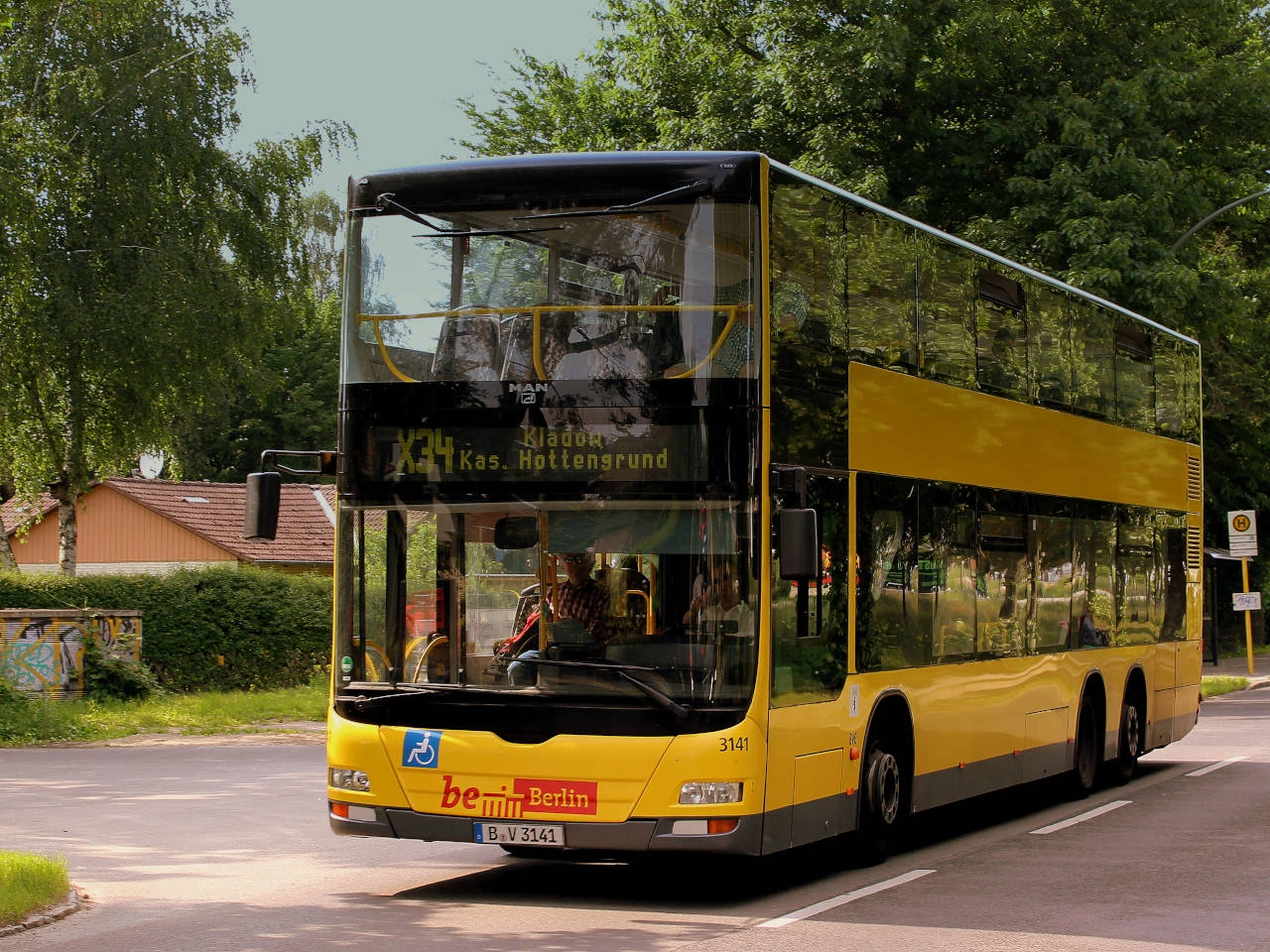
What is a bus?
A bus is a motor vehicle designed to transport a relatively large number of passengers. It may be used for public transport, school transport, private services or other passenger transport.
What is the difference between a bus and a coach?
A bus is commonly designed for frequent passenger boarding and may allow standing passengers, while a coach is generally designed for longer journeys with passengers seated. Exact legal definitions vary between countries.
Do you need a special driving licence to drive a bus?
Yes. Driving a vehicle designed to carry more than a specified number of passengers normally requires a dedicated bus or passenger-vehicle driving licence.
Can passengers stand on a bus?
Only when the vehicle is designed and approved to carry standing passengers. Coaches and other vehicles designed exclusively for seated passengers must not be used beyond their approved passenger configuration.
Must bus passengers wear seat belts?
Where seat belts are provided and local law requires their use, passengers must wear them correctly. Urban buses designed for standing passengers may have seating positions or operating conditions that differ from coaches.
Can buses use bus lanes?
Yes, where permitted. Bus lanes are commonly reserved for public transport buses, although local signs may also allow taxis, bicycles or other specified vehicles to use them.
Do buses always have priority when leaving a bus stop?
No. Some countries require other drivers to give way to buses leaving designated stops, particularly in urban areas, while others apply the normal merging rules.
Should you take extra care near a stopped bus?
Yes. Passengers may be boarding, leaving or crossing the road near the bus. Reduce speed where necessary and watch carefully for pedestrians emerging from behind or in front of the vehicle.
Do buses have special speed limits?
They can. Some countries impose lower maximum speeds on buses than on passenger cars, particularly on high-speed roads. Different limits may apply to buses and coaches.
Can a bus use a motorway?
Yes, normally. Buses that satisfy the applicable construction and access requirements may use motorways, but they must obey any vehicle-specific speed limits, lane restrictions and other local rules.
115. Policía
La policía es la autoridad pública responsable de hacer cumplir las leyes, mantener la seguridad pública y gestionar situaciones que pueden afectar al tráfico. En la circulación, los agentes pueden controlar vehículos, hacer cumplir las normas, investigar colisiones, dirigir el tráfico y responder a emergencias.
Los usuarios deben obedecer las instrucciones legales de los agentes u otro personal autorizado de control. Las indicaciones policiales pueden prevalecer temporalmente sobre semáforos, señales o la organización normal del tráfico, según la legislación local.
What is the role of police in road traffic?
Police help enforce traffic laws, manage traffic, investigate collisions and respond to dangerous situations. They may also carry out roadside checks and direct road users.
Must you obey a police officer directing traffic?
Yes. Lawful directions given by an authorised police officer must be followed. In many countries, those directions take precedence over traffic lights, road signs and normal priority rules.
What should you do if police signal you to stop?
Slow down, follow the officer's directions and stop at a safe location as instructed. Do not make sudden movements or continue driving unless directed to do so.
Can police direct you through a red traffic light?
Yes, where authorised by local law. A police officer controlling traffic may instruct road users to proceed even when a traffic light or sign would normally require them to stop.
Can police check your driving documents?
Yes. Police may require drivers to provide documents such as a driving licence, vehicle registration, identification or proof of insurance according to local law.
Can police carry out alcohol or drug checks?
Yes. Traffic police may conduct legally authorised alcohol and drug checks using procedures such as breath, saliva or other approved tests.
Can police temporarily close a road?
Yes. Roads or lanes may be temporarily closed or traffic diverted because of collisions, emergencies, investigations, public events or other safety concerns.
What should you do near police controlling an accident scene?
Reduce speed, remain alert and follow all directions. Do not enter a closed area or interfere with emergency personnel, and leave sufficient space for emergency vehicles.
What should you do when a police vehicle approaches with emergency signals?
Follow the local rules for priority vehicles. Drivers generally have to make sufficient space, give way and stop where necessary so that the emergency vehicle can pass safely.
Can police order a parked vehicle to be moved?
Yes, where local law permits it. Police or another authorised authority may require a vehicle to be moved when it obstructs traffic, creates danger or must be removed for operational reasons.
116. Ambulancia
Una ambulancia es un vehículo equipado y utilizado para prestar asistencia médica de emergencia o transportar pacientes hasta o entre centros sanitarios. Puede llevar material médico y personal formado capaz de proporcionar tratamiento durante el transporte.
Durante una respuesta de emergencia, puede utilizar luces de emergencia y sirena y recibir prioridad especial o exenciones de determinadas normas. Los demás usuarios deben seguir las reglas locales para vehículos de emergencia, dejar espacio suficiente y evitar obstaculizar su paso.
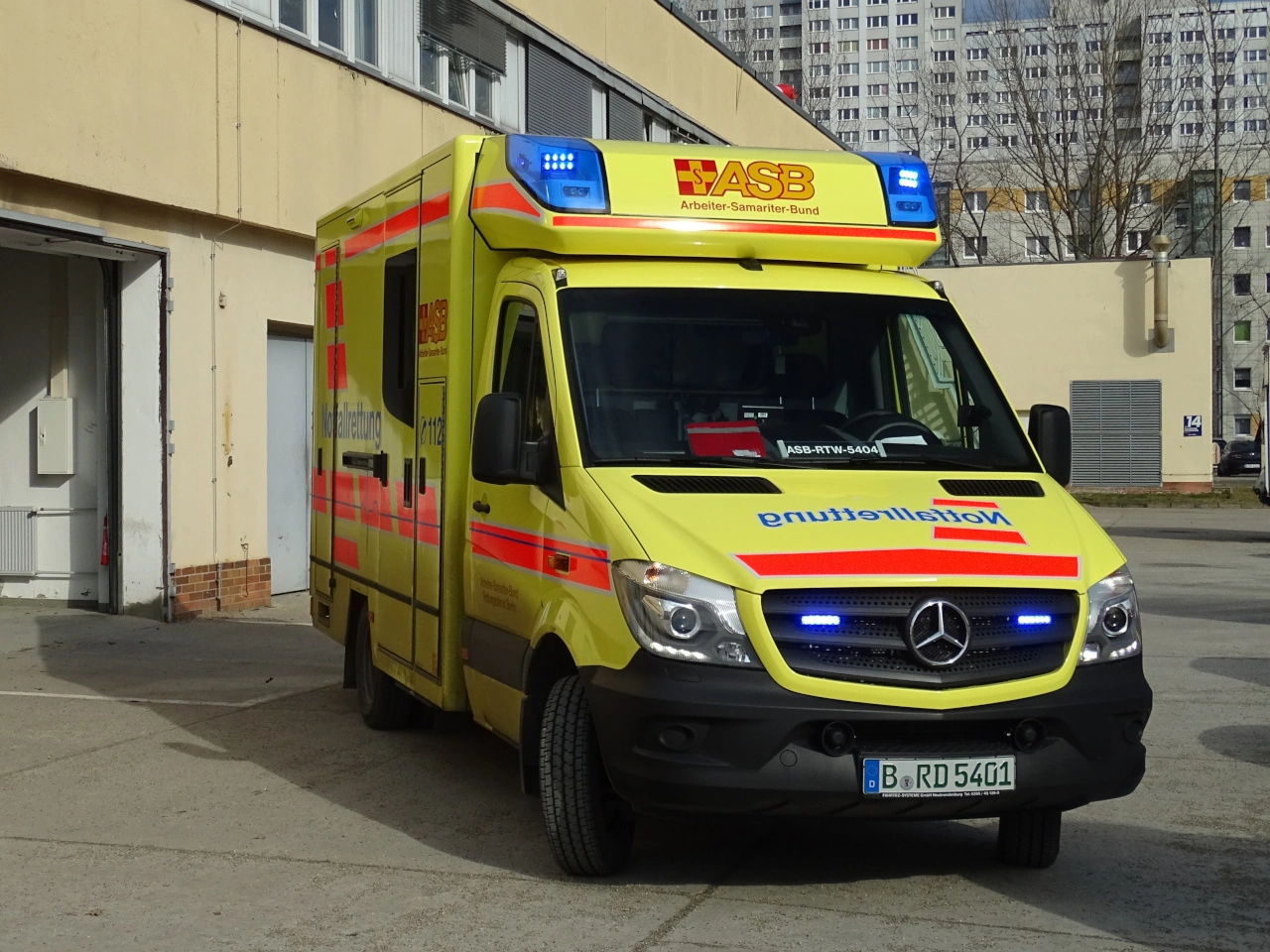
What is an ambulance?
An ambulance is a specially equipped vehicle used to provide emergency medical assistance and transport sick or injured people.
When does an ambulance have priority?
This depends on the local traffic rules and warning signals being used. Ambulances responding to emergencies commonly use flashing lights and a siren to indicate that other road users must make way.
What should you do when an ambulance approaches?
Remain calm and make sufficient space for it to pass. Slow down or stop where necessary, but avoid sudden or dangerous manoeuvres.
Should you stop immediately when you hear an ambulance siren?
Not necessarily in your exact position. Move or stop in a way that creates a safe passage without blocking an intersection, pedestrian crossing or another part of the road needed by the ambulance.
Can an ambulance pass a red traffic light?
Emergency vehicles may be allowed to pass a red light during an urgent response under special legal conditions. The precise rules differ between countries, and the ambulance driver must still take appropriate precautions.
Can an ambulance exceed the speed limit?
Many countries permit emergency vehicles to depart from certain normal speed rules during an urgent mission, subject to safety requirements and national legislation.
Can an ambulance drive through a traffic queue?
Yes, when responding to an emergency and legally permitted to do so. Other road users should create space and keep emergency corridors or access routes clear where required.
Can you follow an ambulance through traffic?
You should not use the passage created for an ambulance as a way to bypass congestion. Maintain a safe distance and continue to obey the normal traffic rules.
Do ambulances always use their sirens?
No. The use of warning lights and sirens depends on the urgency of the mission and local regulations. An ambulance transporting a patient does not necessarily need to use emergency signals throughout the journey.
What should you do near a stationary ambulance?
Reduce speed and remain alert. Medical personnel, patients or other emergency workers may be entering the road, and the ambulance may need to move unexpectedly.
117. Taxi
Un taxi es un vehículo autorizado para transportar pasajeros a cambio de una tarifa. Puede recogerse en la calle, en una parada, reservarse por teléfono o mediante una aplicación, según el sistema local.
Los taxis pueden estar sujetos a licencias, tarifas, distintivos, zonas de parada y normas de acceso especiales. Algunos carriles o zonas restringidas pueden permitir taxis cuando otros vehículos no están autorizados.
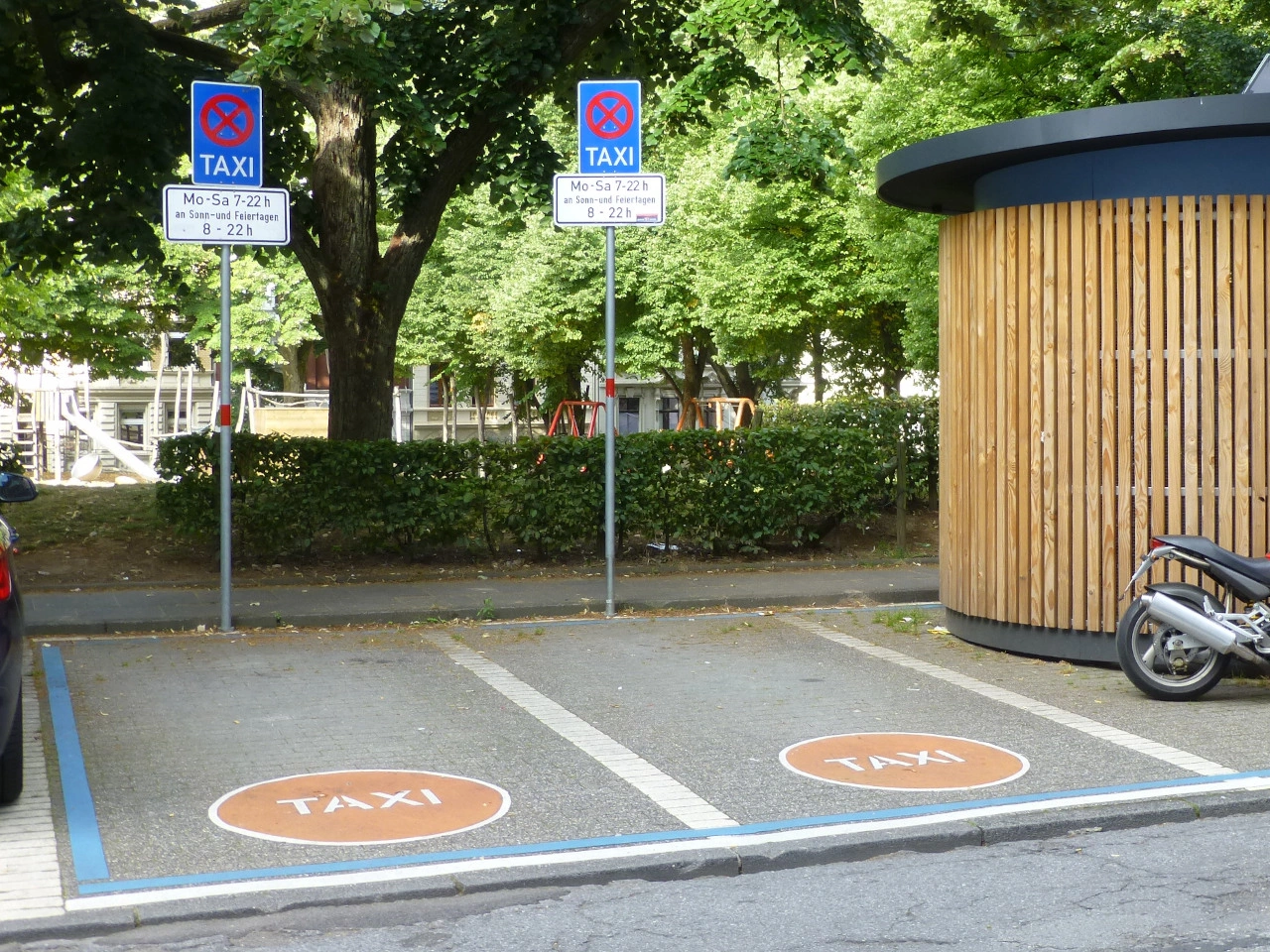
What is a taxi?
A taxi is a vehicle used to transport passengers for payment, normally providing journeys requested by individual customers.
Where can passengers find a taxi?
Depending on the local system, taxis may be available at taxi stands, airports, railway stations, on the street or through telephone and app-based booking services.
Are taxis regulated?
Yes. Taxi services are generally subject to licensing and operating requirements, although the exact rules concerning vehicles, drivers, fares and permitted operating areas vary between jurisdictions.
118. Señales de la policía
Las señales de la policía son gestos, posiciones o indicaciones utilizados por agentes u otras personas autorizadas para controlar el tráfico. Pueden ordenar a los usuarios detenerse, avanzar, cambiar de dirección o seguir otra disposición temporal.
Los usuarios deben observar y obedecer estas señales incluso cuando difieran de las señales o semáforos normales. Los gestos exactos y sus significados varían entre países.
What are police traffic signals?
Police traffic signals are gestures, positions or other signals used by authorised officers to regulate or direct traffic.
Do police signals override traffic lights?
In many countries, yes. Directions given by an authorised traffic officer normally take precedence over traffic lights, signs and ordinary traffic rules.
What should you do if a police officer gives a signal you do not expect?
Slow down, pay close attention and follow the officer's instruction. Do not continue simply because a traffic light or road sign would normally allow you to proceed.
119. Circular demasiado cerca
Circular demasiado cerca significa conducir detrás de otro vehículo sin dejar distancia suficiente para reaccionar y detenerse con seguridad si el vehículo delantero reduce la velocidad o frena de repente. La distancia segura depende de factores como velocidad, estado de la carretera, tiempo y visibilidad.
Los conductores deben dejar espacio suficiente respecto al vehículo delantero y aumentarlo con lluvia, nieve, niebla u otras condiciones que incrementen la distancia de frenado.
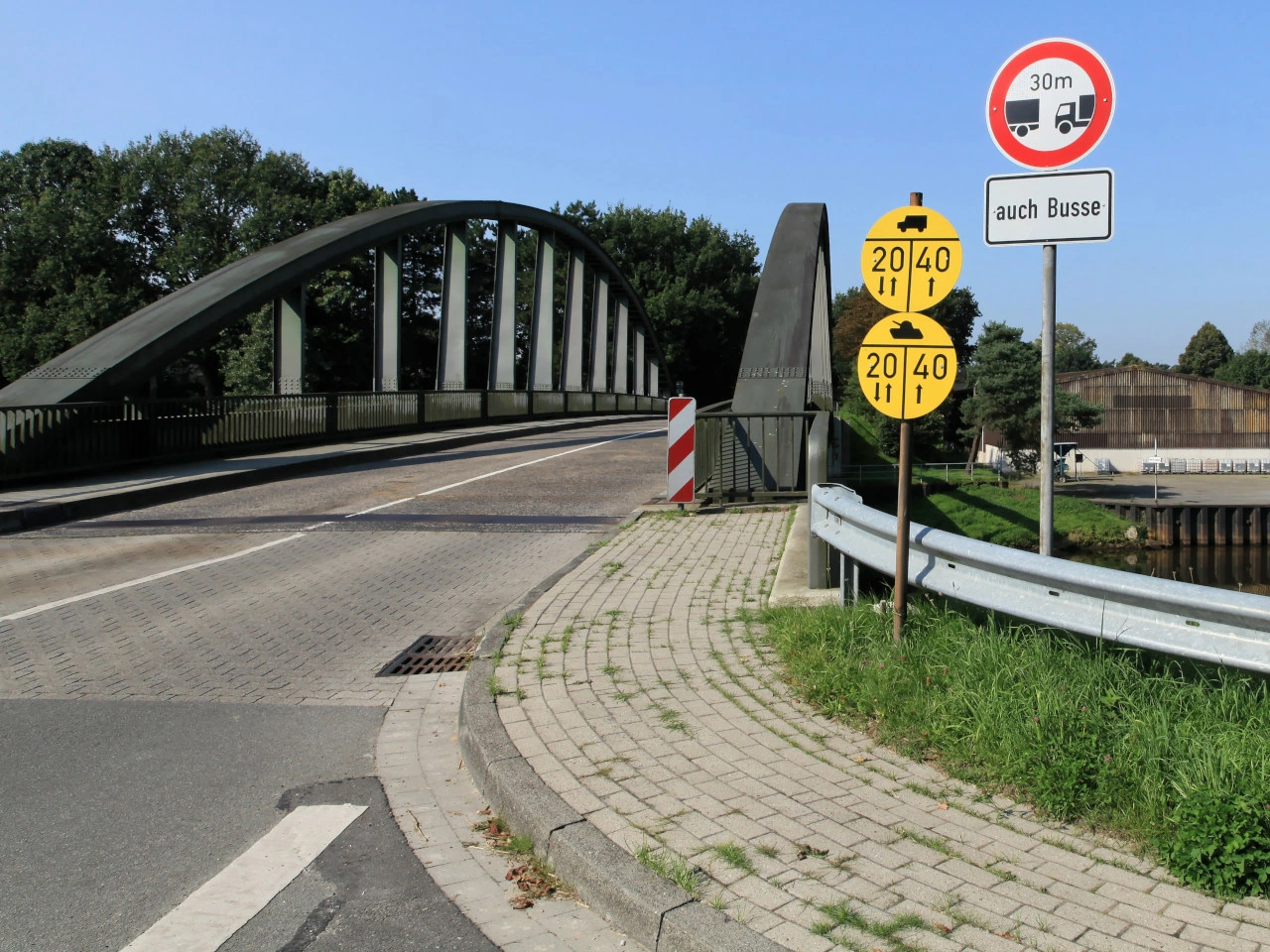
What is tailgating?
Tailgating means following another vehicle too closely to maintain a safe stopping distance.
Why is tailgating dangerous?
Following too closely gives the driver less time and distance to react if the vehicle ahead brakes, slows down or encounters an unexpected hazard.
When should you increase your following distance?
You should increase the distance in conditions such as rain, snow, ice, fog, darkness or poor road surfaces and whenever visibility or tyre grip is reduced.
120. Norma europea de emisiones
Una norma europea de emisiones, comúnmente llamada norma Euro, es una clasificación europea de vehículos basada en límites para los contaminantes emitidos por vehículos y motores. Normas sucesivas como Euro 4, Euro 5 y Euro 6 introdujeron requisitos progresivamente más estrictos para contaminantes como óxidos de nitrógeno, partículas, monóxido de carbono e hidrocarburos.
La norma Euro de un vehículo se determina como parte de su homologación de tipo y depende de factores como categoría, combustible y legislación de emisiones aplicable cuando fue homologado. Las normas Euro también pueden utilizarse para determinar el acceso a zonas de bajas emisiones, pero las reglas locales varían entre países y ciudades.

What is a European emission standard?
A European emission standard, or Euro standard, classifies vehicles according to the emissions requirements they had to satisfy when approved for use in the European market.
What do Euro 4, Euro 5 and Euro 6 mean?
They are successive generations of European emission requirements. In general, a higher Euro number represents a newer and stricter emissions standard, although the exact limits differ according to vehicle and fuel type.
Which pollutants do Euro standards regulate?
Depending on the vehicle and standard, limits apply to pollutants such as nitrogen oxides, particulate matter, carbon monoxide and hydrocarbons. Newer standards also regulate additional environmental aspects.
Is the Euro standard the same as a vehicle's CO2 emissions?
No. Euro standards primarily regulate harmful air pollutants from vehicles. Carbon-dioxide emissions and fuel or energy consumption are subject to separate measurements and regulatory requirements.
How can you find a vehicle's Euro standard?
The Euro standard may appear on the vehicle registration certificate, certificate of conformity or other official vehicle documentation. Its location and format vary between countries.
Does the year of a vehicle determine its Euro standard?
The date of first registration can provide an indication, but it does not always determine the standard with certainty. The official vehicle documents or type-approval information provide the more reliable classification.
Can petrol and diesel vehicles with the same Euro number have different emission limits?
Yes. The applicable emission limits and testing requirements can differ according to the vehicle category, engine and fuel type even when vehicles belong to the same general Euro generation.
Can the Euro standard affect access to a low-emission zone?
Yes. Many low-emission zones use the vehicle's Euro standard together with factors such as fuel type and vehicle category to determine whether it may enter.
Does installing a particulate filter automatically change the Euro standard?
Not normally. The official Euro standard is linked to the vehicle's approved emissions classification. Retrofitting emission-control equipment does not necessarily result in a different official Euro classification.
What is Euro 7?
Euro 7 is the latest European emissions framework for road vehicles. It builds on earlier Euro standards and also introduces requirements covering areas such as non-exhaust particle emissions and battery durability.
121. Bache
Un bache es un agujero o depresión en la superficie causado por desgaste, meteorología, agua, cargas repetidas o deterioro del pavimento. Puede variar mucho en tamaño y profundidad y desarrollarse gradualmente o empeorar tras heladas, lluvias intensas o tráfico repetido.
Los baches pueden afectar a dirección, frenada y estabilidad y dañar neumáticos, llantas o suspensión. Los conductores y motoristas deben observar la carretera, adaptar la velocidad y evitar maniobras bruscas o peligrosas.

What is a pothole?
A pothole is a hole or depression that develops in a road surface when the pavement becomes damaged or deteriorates.
How do potholes form?
Potholes can develop through a combination of water, temperature changes, traffic loads and deterioration of the road material. Cracks can gradually expand until pieces of the surface break away.
Why are potholes dangerous?
A pothole can cause a vehicle to change direction suddenly, lose stability or suffer tyre, wheel or suspension damage. Deep potholes can present a particularly serious hazard at higher speeds.
What should you do when you see a pothole?
Reduce speed when necessary, maintain control of the vehicle and avoid abrupt steering or braking. Only move around the pothole when this can be done safely without endangering other road users.
Should you brake while driving through a pothole?
If possible, reduce your speed before reaching the pothole. Sudden heavy braking or steering while passing over a damaged surface can make the vehicle less stable.
Are potholes particularly dangerous for motorcycles?
Yes. A pothole can disturb the steering or balance of a motorcycle and may cause the rider to lose control.
Are potholes dangerous for cyclists?
Yes. Bicycle wheels can be strongly affected by deep holes or sharp edges, particularly when the cyclist has little time or space to avoid the hazard.
Can a pothole damage a car?
Yes. Severe impacts can damage tyres, wheel rims, suspension components, steering parts or wheel alignment.
Should you swerve suddenly to avoid a pothole?
No. A sudden evasive movement may create a greater danger by bringing the vehicle into conflict with cyclists, pedestrians, oncoming traffic or vehicles in another lane.
Can a warning sign indicate potholes ahead?
Yes. Depending on the country's traffic-sign system, an uneven-road or general-danger warning sign may be used where poor road conditions create a significant hazard.
122. Propiedad privada
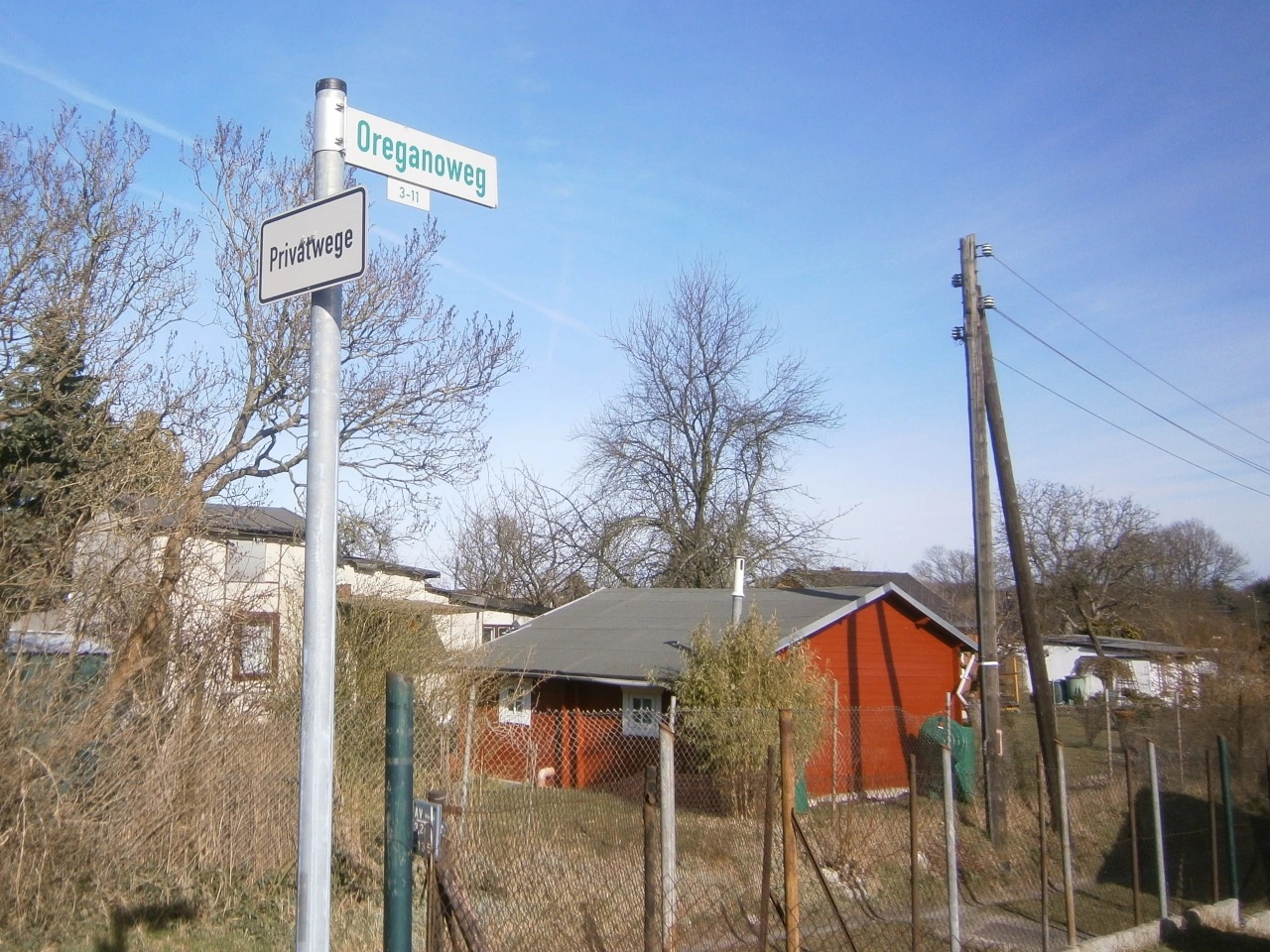
La propiedad privada comprende terrenos, edificios u otros bienes propiedad o bajo control de una persona, empresa u organización privada en lugar de una autoridad pública. Puede incluir viviendas, accesos particulares, terrenos empresariales, aparcamientos privados y carreteras de acceso.
Puede estar completamente cerrada al público o permitir acceso a clientes, visitantes u otros usuarios autorizados. Las normas de tráfico dependen no solo de la propiedad sino también de si el área está abierta al tráfico público y de su clasificación legal.
What is private property?
Private property is land, buildings or other property owned or controlled by a private person, company or organisation.
What are examples of private property?
Examples include homes, driveways, private roads, company grounds, shopping-centre car parks and privately owned parking facilities.
Is private property always closed to the public?
No. Some private property is restricted to its owner or authorised users, while other privately owned areas are open to customers, visitors or the general public.
Is private property the same as a private road?
No. A private road is only one type of private property. Private property can also include buildings, car parks, yards and other land.
Can a privately owned road be open to public traffic?
Yes. Ownership and public accessibility are separate issues. A privately owned road can be made available to public traffic and may then be subject to traffic rules that normally apply to public roads.
Do road traffic rules apply on every private driveway?
Not necessarily. The applicable rules depend on the legal status and accessibility of the area. A driveway used only by its owner is different from a privately owned road that is open to general traffic.
Can the owner restrict access to private property?
Yes, subject to applicable law. Access may be limited using gates, barriers, permits, signs or other conditions established by the owner or operator.
Can a private car park be open to the public?
Yes. A privately owned supermarket, shopping-centre or commercial car park can be accessible to customers or the general public even though the land remains privately owned.
Can vehicles be removed from private property?
This depends on local law and the circumstances. Owners or authorised operators may have procedures for dealing with vehicles that are unlawfully parked or obstruct access.
What should you do when leaving private property and entering a road?
Enter carefully and follow the applicable rules for joining traffic from a driveway or adjoining property. In many countries, the driver entering the road must give way to road users already using it.
Can traffic signs be placed on private property?
Yes. Owners may use signs to indicate access, parking or safety conditions, although their legal status and enforceability can differ from official road signs installed on public roads.
Why is the distinction between private property and public road important?
Because traffic laws often depend on the legal status and accessibility of the place rather than simply on who owns the land.
123. Camino
Un camino es una ruta relativamente estrecha destinada a peatones y, cuando esté permitido, a otros usuarios o vehículos pequeños. Los caminos pueden atravesar zonas urbanas, campo, parques, bosques o conectar otras carreteras, y pueden estar pavimentados o no.
Un camino no es necesariamente lo mismo que una acera o vía ciclista. Los usuarios que pueden utilizarlo dependen de su estatus legal, anchura, señales de tráfico y normas locales.

What is a path?
A path is a relatively narrow route intended primarily for pedestrians and, where permitted, other road users or small vehicles.
Is a path the same as a footpath?
Not necessarily. A footpath is specifically intended for pedestrians, while a path may also permit cyclists or other users according to local rules.
Is a path the same as a cycle path?
No. A cycle path is specifically designated for bicycles and other permitted users. An ordinary path does not automatically have that legal status.
Can cyclists use a path?
This depends on the legal status, width and signs applying to the path. Some paths permit cyclists, while others are reserved for pedestrians or particular users.
Can motor vehicles use a path?
This depends on local law. Some paths prohibit motor vehicles entirely, while narrow vehicles may be permitted on other paths unless traffic signs restrict access.
Can a path be part of the public-road network?
Yes. A narrow path can legally form part of the public-road network even when it is unsuitable for ordinary cars.
Does a path need to be paved?
No. Paths can be paved, gravelled, compacted or unsurfaced depending on their location and purpose.
Can traffic signs restrict access to a path?
Yes. Signs can reserve a path for particular road users or prohibit certain vehicles, regardless of whether they could physically fit on it.
Who has priority when a path joins a larger road?
The applicable local priority rules determine who must give way. Special rules often apply when a minor path joins an ordinary road.
Can pedestrians and cyclists share a path?
Yes, where both are permitted. Faster users should adapt their speed and avoid endangering or unnecessarily obstructing pedestrians.
Can a path cross another road?
Yes. At the crossing, users must follow the applicable priority signs, traffic lights, road markings and general right-of-way rules.
Is every narrow route legally a path?
No. Its legal classification depends on the definitions and regulations of the country concerned. A narrow route might instead be a footpath, cycle path, private access road or another type of facility.
124. Partículas
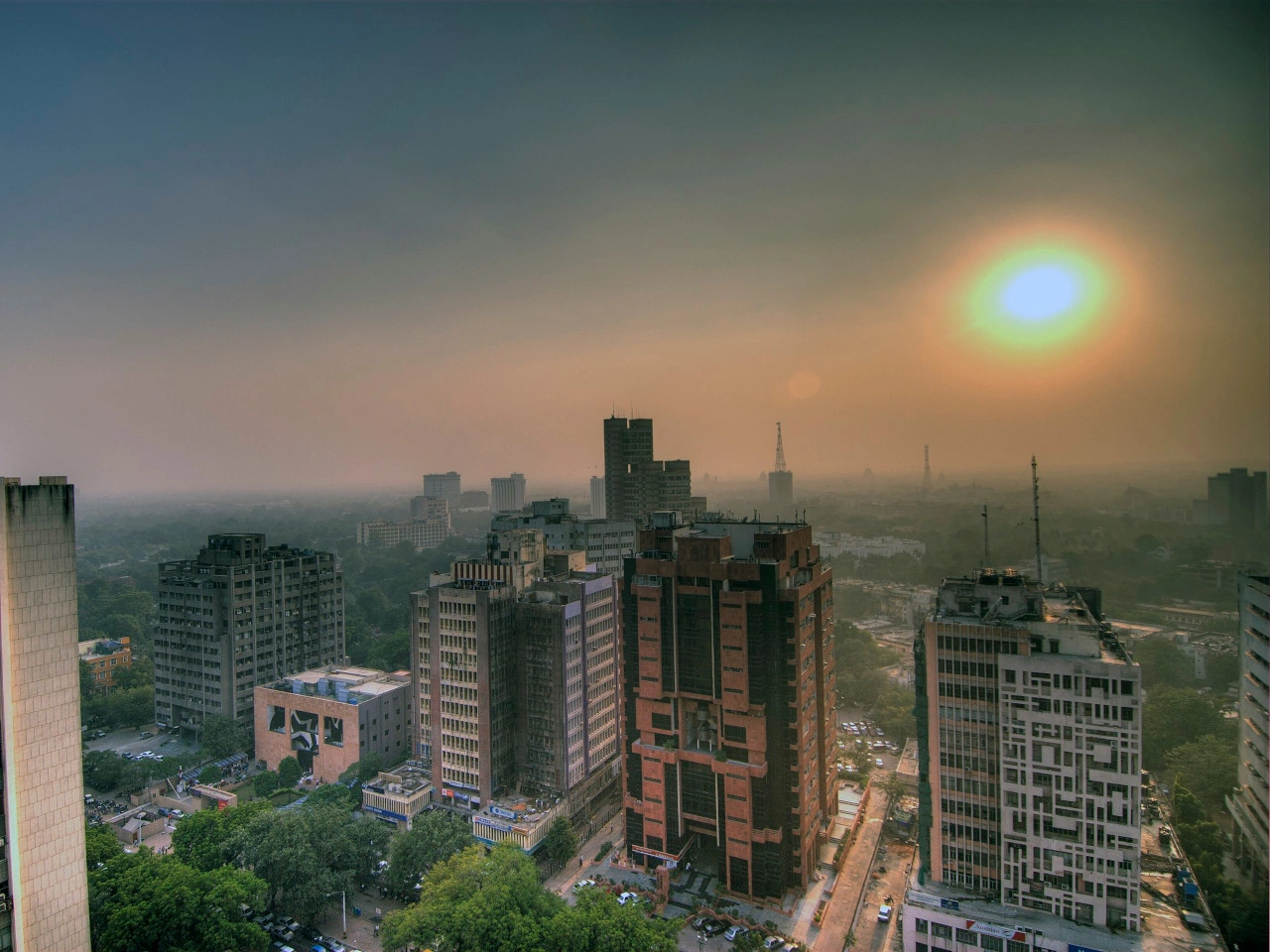
Las partículas, o material particulado (PM), son pequeñas partículas sólidas o gotas líquidas suspendidas en el aire. En el tráfico, las emisiones de partículas pueden proceder de gases de escape, desgaste de frenos, desgaste de neumáticos y desgaste de la superficie vial, además del polvo levantado por el paso de vehículos.
El material particulado suele clasificarse por tamaño. PM10 se refiere a partículas de hasta aproximadamente 10 micrómetros de diámetro, mientras que PM2.5 se refiere a partículas más finas de hasta aproximadamente 2,5 micrómetros. Las normas de emisiones, filtros de partículas y medidas de calidad del aire se utilizan para reducir la exposición a estos contaminantes.
What are particulates?
Particulates, or particulate matter, are very small solid particles or liquid droplets suspended in the air.
What are PM10 and PM2.5?
PM10 refers to particles with a diameter of up to approximately 10 micrometres. PM2.5 refers to finer particles with a diameter of up to approximately 2.5 micrometres.
Where do traffic particulates come from?
Road traffic can produce particles through engine exhaust, brake wear, tyre wear and road-surface wear. Passing traffic can also resuspend dust already present on the road.
Are diesel vehicles a source of particulates?
Yes. Combustion in diesel engines can produce very small soot particles. Modern diesel vehicles commonly use particulate filters to capture a large proportion of these exhaust particles.
What is a particulate filter?
A particulate filter is an exhaust-treatment device designed to trap particulate matter produced by an engine. Diesel particulate filters are commonly known as DPFs.
Do petrol engines produce particulates?
Yes. Petrol engines can also produce particulate emissions, particularly certain direct-injection engines. Appropriate emission-control systems may therefore include particulate filters.
Do electric vehicles produce particulates?
Fully electric vehicles produce no exhaust particulates from a combustion engine, but particles can still result from tyre wear, road wear and braking.
Are brake and tyre particles regulated?
Vehicle-emission regulation is increasingly addressing non-exhaust emissions. The European Euro 7 framework includes requirements concerning brake-particle emissions and tyre abrasion.
Is particulate matter the same as CO2?
No. Particulate matter consists of tiny airborne particles, while carbon dioxide is a gas. They are different types of vehicle emissions and are regulated for different environmental reasons.
How can vehicle particulate emissions be reduced?
Measures include effective particulate filters, cleaner vehicle technologies, correctly maintained emission-control systems and reductions in brake, tyre and road-wear emissions.
125. Contaminación del aire
La contaminación del aire es la presencia de gases, partículas u otras sustancias en concentraciones que pueden perjudicar la salud humana, el medio ambiente o los ecosistemas. El tráfico contribuye mediante emisiones de escape y fuentes no relacionadas con el escape como desgaste de frenos, neumáticos y polvo de la carretera.
Entre los contaminantes importantes del tráfico se incluyen óxidos de nitrógeno, material particulado, monóxido de carbono y compuestos orgánicos volátiles. Algunos se emiten directamente y otros se forman en la atmósfera mediante reacciones químicas. Las normas de emisiones, tecnologías más limpias y medidas de gestión del tráfico ayudan a reducirlos.

What is air pollution?
Air pollution is contamination of the air by gases, particles or other substances that can adversely affect human health, the environment or ecosystems.
How does road traffic cause air pollution?
Vehicles produce pollutants through fuel combustion, exhaust systems, brake wear, tyre wear and road-surface interaction. Moving traffic can also resuspend dust already present on the road.
Which air pollutants are associated with road traffic?
Important traffic-related pollutants include nitrogen oxides, particulate matter, carbon monoxide and volatile organic compounds. Their relative importance depends on the vehicle, fuel and driving conditions.
What is nitrogen dioxide?
Nitrogen dioxide (NO2) is an air pollutant associated particularly with combustion processes and road traffic. High concentrations are commonly found near busy roads and densely trafficked urban areas.
What is particulate matter?
Particulate matter consists of tiny solid particles or liquid droplets suspended in the air. Road traffic can produce particles from exhaust, brakes, tyres and road surfaces.
Is CO2 the same as ordinary air pollution?
No. Carbon dioxide is primarily regulated as a greenhouse gas because of its contribution to climate change. Local air-quality pollution generally focuses on substances such as nitrogen dioxide, particulate matter, ozone and other pollutants that directly affect air quality and health.
Do electric vehicles cause air pollution?
Fully electric vehicles produce no combustion-engine exhaust emissions while driving, but they can still contribute to non-exhaust particulate emissions through tyres, brakes and road wear.
Can air pollution be worse near busy roads?
Yes. Concentrations of traffic-related pollutants can be higher close to heavily trafficked roads because many emissions occur close to ground level and near where people live and travel.
What is a low-emission zone?
A low-emission zone is an area where access by more polluting vehicles is restricted in order to reduce traffic-related air pollution. Access criteria may depend on factors such as fuel type, vehicle category and emission standard.
How can traffic-related air pollution be reduced?
Measures include cleaner vehicles, stricter emission standards, effective emission-control equipment, low-emission zones, public transport, cycling and walking, as well as traffic-management measures that reduce unnecessary congestion and emissions.