Marcador de ubicaciónEspaña

Aprende normas de tráfico con explicaciones claras y ejemplos visuales en nuestro libro ilustrado, diseñado para que estudiar sea sencillo y ameno.


32. Marcador de ubicación

Un marcador de ubicación identifica una posición concreta en una carretera mediante un número, código, referencia kilométrica u otro sistema. Estos marcadores ayudan a conductores, servicios de emergencia, mantenimiento y autoridades a describir una ubicación con precisión.

En caso de avería, accidente u otra emergencia, comunicar la referencia exacta del marcador puede ayudar a localizar el lugar con rapidez. El formato y la frecuencia de estos marcadores varían entre países y carreteras.
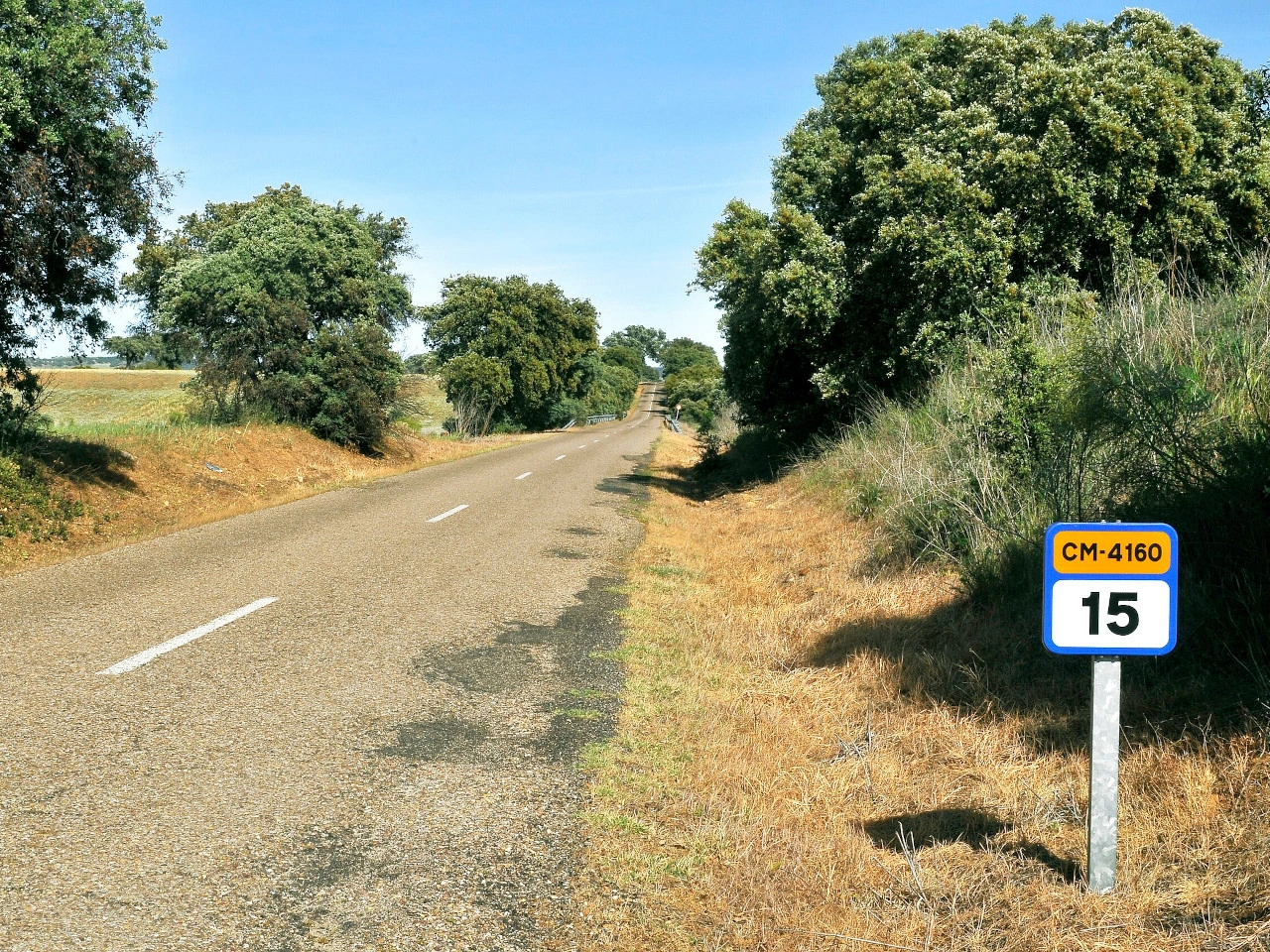
Marcador de ubicación
What is a road location marker?

A road location marker is a numbered reference point identifying a measured position along a particular road or route.

What is a kilometre marker?

A kilometre marker indicates the number of kilometres measured from an established starting point on the road.

What is a hectometre marker?

A hectometre marker identifies a position at intervals of 100 metres. One kilometre contains ten hectometres.

What does a marker showing 14.7 mean?

It normally identifies a point approximately 14 kilometres and 700 metres from the route’s reference origin.

Is the marker the distance to the next town?

No. It normally measures the position along the road from a fixed reference origin rather than the remaining distance to a destination.

Where does the kilometre measurement begin?

It begins at a reference point chosen for that road, such as the start of the route, a border, an administrative boundary or another officially defined origin.

Does the numbering always increase in the direction of travel?

No. It increases in the officially defined direction of the route. Drivers travelling in the opposite direction may see the values decrease.

How can you recognise a location marker?

It may appear as a numbered roadside post, small sign, plate, marker attached to a barrier or numbers painted beside the carriageway.

Are kilometre markers used in every country?

Many countries use kilometre markers, while countries using imperial measurements may use mile markers. Designs and intervals differ.

Are hectometre markers always placed every 100 metres?

They are intended to represent 100-metre intervals, but their physical placement and permitted tolerances depend on the road authority and local conditions.

What information should you give during an emergency?

Give the road number, marker value, direction of travel and nearest junction or landmark where possible.

Why is the road number important?

The same kilometre value may occur on many different roads. The road number identifies which route the marker belongs to.

Why is the direction of travel important?

Divided roads have separate carriageways. Reporting the direction helps emergency services approach the correct side without making a long diversion.

Can a marker help locate a breakdown?

Yes. Reporting the nearest marker can help breakdown and emergency services identify the affected road section more accurately.

Can it help report debris or another hazard?

Yes. The marker can help road authorities locate an obstruction, damaged barrier, animal, collision or other dangerous situation.

Is a location marker a traffic sign?

Normally not. It is a reference or identification device rather than a regulatory sign.

Does it impose a speed limit?

No. The applicable speed comes from general traffic rules and regulatory speed signs.

Does it change priority?

No. Traffic lights, priority signs and ordinary intersection rules remain applicable.

Does it mark the beginning of a new road rule?

No. Passing a kilometre or hectometre marker does not normally begin or end a traffic regulation.

Can markers be used for road maintenance?

Yes. Road authorities use reference points to locate signs, barriers, bridges, defects, works and other infrastructure precisely.

Can navigation coordinates replace a location marker?

Coordinates can be useful, but a road reference marker may be easier for road operators and emergency services to connect with the correct carriageway and road section.

What if the marker is damaged or missing?

Use the nearest visible marker together with the road number, direction, junctions and other identifiable features.

Should a driver stop simply to read a marker?

No. Do not stop in a live lane or another prohibited location. A passenger may note the marker, or the driver may read it after stopping somewhere safe during an actual emergency.

Can temporary roadworks change the marker values?

Normally not. Temporary traffic routes may move traffic away from the marker’s usual position, but the official road reference system generally remains unchanged.

1 España 2 Autopista 3 Zona residencial 4 Zona 5 Límite de velocidad 6 Carril bici 7 Advertencia de peatones 8 Túnel 9 Carretera de peaje 10 Muelle 11 Pendiente 12 Calle sin salida 13 Señal de STOP 14 Ceda el paso 15 Glorieta 16 Estrechamiento de calzada 17 Paso de peatones 18 Paso a nivel 19 Zona escolar 20 Adelantamiento 21 Cruce de animales 22 Calzada deslizante 23 Desprendimiento de rocas 24 Curva 25 Obras 26 Límite de altura 27 Barreras selectivas 28 Semáforos 29 Advertencia de semáforos 30 Semáforos peatonales 31 Permiso de conducir 32 Marcador de ubicación 33 Paneles de aproximación 34 Espejo de tráfico 35 Frontera internacional 36 Paso inferior peatonal 37 Ruta ciclista 38 Estacionamiento 39 Prohibido estacionar 40 Estacionamiento para personas con discapacidad 41 Marcha atrás 42 Permiso provisional 43 Límite de población 44 Matrícula 45 Estación de carga 46 Peligros 47 Peatón 48 Ciclista 49 Autobús 50 Policía 51 Ambulancia 52 Norma europea de emisiones 53 Bache 54 Camino 55 Partículas 56 Contaminación del aire 57 Hora punta 58 Código de circulación 59 Canaleta de la calle 60 Residuos en la calzada 61 Bicicleta de carga 62 Vehículo forestal 63 Vehículo de construcción 64 Camión articulado 65 Trolebús 66 Speed pedelec 67 Vehículo de reparto 68 Motor al ralentí 69 Grúa 70 Tracción a las cuatro ruedas 71 Prohibido el paso de vehículos 72 Bicicleta 73 Equipamiento de motocicleta 74 Tranvía 75 Vía férrea 76 Caravana 77 Remolque 78 Enganche de remolque 79 Camión de bomberos 80 Sirena 81 Convoy 82 Luces de vehículos de emergencia 83 Maquinaria agrícola 84 Bicicleta eléctrica 85 Vehículo eléctrico 86 Pedelec 87 Cuadriciclo 88 Microcoche 89 Vehículo todoterreno 90 Furgoneta 91 Vehículo recreativo 92 Scooter 93 Trikke 94 Vehículo de movilidad personal 95 Monopatín 96 Segway 97 Patinete 98 Patines 99 Cartero 100 Autoestopista ...