

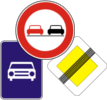
Limite d’agglomérationSlovaquie
Une introduction aux règles de circulation et aux panneaux routiers de Slovaquie. Découvrez la conduite, la sécurité routière et bien plus encore dans notre livre illustré, avec des réponses aux questions fréquemment posées.
À titre informatif uniquement. Respectez toujours la réglementation officielle. Certains contenus et certaines images ont été créés avec l’aide de l’IA.
 Règles de circulation
 Slovaquie
15. Limite d’agglomération
Une limite d’agglomération est la frontière à partir de laquelle une zone bâtie ou urbaine commence ou se termine pour l’application des règles de circulation. Elle est couramment indiquée par un panneau de nom de localité ou d’agglomération et peut marquer le point où certaines règles, telles que les limitations urbaines, règles de stationnement ou autres restrictions, commencent ou cessent de s’appliquer.
Une limite d’agglomération au sens routier ne correspond pas nécessairement exactement à la limite administrative d’une ville ou commune. Sa signification juridique dépend des panneaux et règles de circulation utilisés dans le pays.


