


道路標識ウクライナ
 交通ルール
交通ルール
 ウクライナ
ウクライナ
76. 速度計
速度計は、車両の現在速度を表示する計器です。通常、計器盤にあり、アナログ式、デジタル式、または両方を使用します。
運転者は速度計を使って速度を確認し、適用される速度制限内に保つ必要があります。表示単位は国と車両により通常km/hまたはmphです。

What is a speedometer?
A speedometer is an instrument that displays the current speed of a vehicle.
Where is the speedometer located?
It is normally located on the vehicle's instrument panel or digital driver display, where it can be seen easily while driving.
Which units can a speedometer use?
A speedometer may display speed in kilometres per hour (km/h), miles per hour (mph) or both, depending on the vehicle and market.

77. 車高
車高は、車両の車体やシャシーが路面からどの高さに位置するかを示します。主にサスペンション、ホイール、タイヤで決まり、積載量によっても変化します。
サスペンションをローダウンまたはリフトアップして車高を変更すると、最低地上高、ホイールアライメント、操縦性、車体と路面の間隔に影響します。車両改造はその国の技術・認可規則に適合しなければなりません。
What is ride height?
Ride height describes how high a vehicle's body or chassis sits above the road surface.
What affects a vehicle's ride height?
Ride height can be affected by the suspension, wheel and tyre dimensions, vehicle load and suspension modifications.
Can a vehicle's ride height be changed?
Yes. Suspension modifications can lower or raise a vehicle, but such modifications may be subject to technical approval, inspection and safety requirements.
78. 未舗装土道
未舗装土道は、アスファルト、コンクリート、敷き砂利ではなく、主に自然の土や締め固められた地面で構成される道路です。農村、農業地域、森林、遠隔地などに多くあります。
運転者は路面状況に合わせて速度を調整し、急な制動、加速、操舵を避ける必要があります。ほこり、泥、わだち、穴、低いタイヤグリップにより、特に悪天候中やその後は運転が難しくなります。
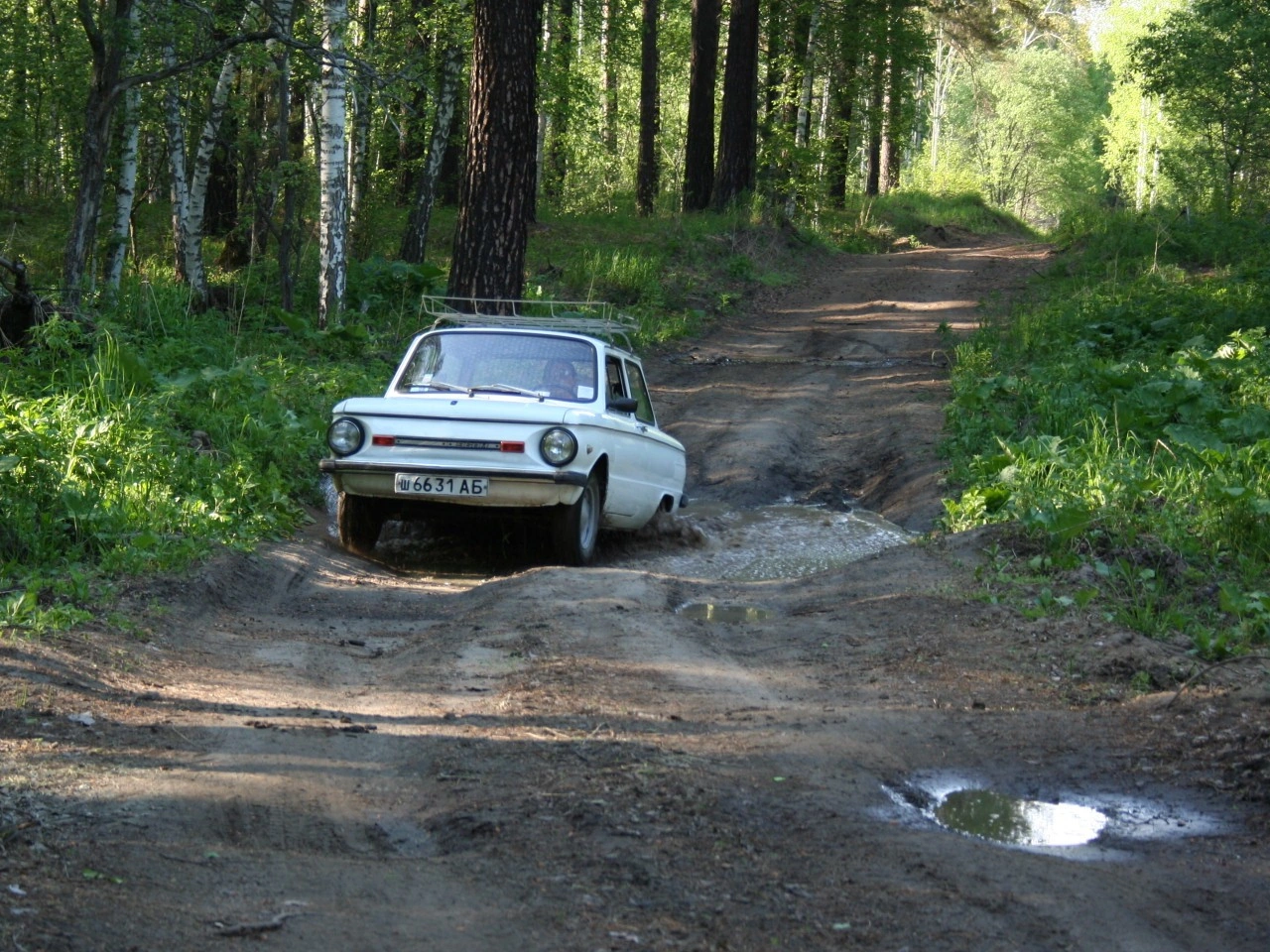
What is a dirt road?
A dirt road is an unpaved road surfaced mainly with natural soil or compacted earth.
What is the difference between a dirt road and a gravel road?
A dirt road mainly uses the natural earth or soil as its driving surface, while a gravel road normally has a deliberately added layer of gravel or crushed stone.
How should you drive on a dirt road?
Use a suitable speed, increase following distance when necessary and accelerate, brake and steer smoothly. Extra care may be required when the surface is dusty, muddy, rutted or uneven.
79. 運転
運転は、交通の中で車両など認められた交通手段を操作・制御する行為です。操舵、加速、制動、道路観察、他の道路利用者との安全な相互作用などを含みます。
安全運転には、運転者が車両を制御し、交通規則と信号に従い、周囲の交通を観察し、道路・天候・視界の状況へ適応することが必要です。

What is driving?
Driving is the act of controlling and operating a vehicle while travelling in traffic.
What does safe driving require?
Safe driving requires proper vehicle control, attention to the road, compliance with traffic rules and appropriate reactions to other road users and changing conditions.
Who can legally drive a motor vehicle?
The requirements vary by country and vehicle type. Drivers may need to meet minimum-age, driving-licence, medical-fitness and vehicle-category requirements.
80. アイドリングストップシステム
アイドリングストップシステムは、車両が停止するとエンジンを自動停止し、運転者が再発進する準備をすると自動再始動する車両システムです。内燃機関車で不要なアイドリングを減らすため一般的に使われます。
渋滞などで停止し、一定条件を満たすと通常自動的に作動します。この機能が運転者の安全な車両制御責任を代替するものではなく、適用される交通規則にも従う必要があります。
What is a start-stop system?
A start-stop system automatically switches off the engine when the vehicle is stationary and restarts it when the driver is ready to continue.
Why do vehicles use a start-stop system?
The system is primarily intended to reduce unnecessary engine idling, particularly when a vehicle is waiting in traffic.
Does the engine always switch off when the vehicle stops?
Not necessarily. The system may keep the engine running when operating conditions do not allow an automatic stop, depending on the vehicle and its systems.
81. マニュアルトランスミッション
マニュアルトランスミッションは、通常、シフトレバーとクラッチペダルを使って運転者が手動でギアを選択する変速機です。発進、停止、変速時にクラッチを操作してエンジンと変速機の接続を切り替えます。
運転にはクラッチ、アクセル、ギア選択を適切に連携させる必要があります。オートマチック車と異なり、変速は車両ではなく運転者が直接行います。
What is a manual transmission?
A manual transmission is a gearbox in which the driver manually selects the appropriate gear, normally using a gear lever and clutch pedal.
What does the clutch do in a manual vehicle?
The clutch temporarily disconnects the engine from the transmission, allowing the driver to start, stop and change gears smoothly.
What is the difference between a manual and automatic transmission?
With a manual transmission, the driver selects and changes gears. An automatic transmission normally selects the appropriate gears automatically without requiring a conventional clutch pedal.
82. オートマチックトランスミッション
オートマチックトランスミッションは、一般的なクラッチペダル操作や各ギアの手動選択を必要とせず、自動で変速する変速機です。通常、運転者はパーキング、リバース、ニュートラル、ドライブなどの位置を選び、変速機がギア変更を管理します。
クラッチペダルと手動変速の連携が不要なため運転を簡単にできます。一般的な自動変速機、無段変速機、デュアルクラッチなどさまざまな方式があります。
What is an automatic transmission?
An automatic transmission is a gearbox that automatically selects and changes gears without requiring the driver to operate a conventional clutch pedal.
How is an automatic transmission different from a manual transmission?
With an automatic transmission, gear changes are handled automatically, while a manual transmission normally requires the driver to operate a clutch and select each gear manually.
Do all automatic transmissions work in the same way?
No. Different designs include conventional automatic transmissions, continuously variable transmissions and dual-clutch systems, although they can all operate without the driver manually controlling a clutch during normal driving.
83. スロットル
スロットルは、エンジンやモーターが発生する出力を調整する装置です。多くの乗用車やトラックではアクセルペダルで操作し、オートバイではハンドルのツイストグリップが一般的です。
スロットルを開くと通常加速に使える出力が増え、戻すと車輪へ伝わる出力が減ります。具体的な仕組みは内燃機関、ハイブリッド、電気自動車で異なります。

What is a throttle?
A throttle is a control that regulates how much power an engine or motor produces.
How does a driver control the throttle?
In most cars, the throttle is controlled using the accelerator pedal. Motorcycles and some other vehicles commonly use a twist-grip throttle.
Is the throttle the same as the accelerator?
They are closely related but not exactly the same. The accelerator is the driver's control, while the throttle refers more broadly to the system that responds to that input and regulates engine or motor power.
84. タコメーター
タコメーターは、エンジンやモーターの回転速度を表示する計器で、通常は毎分回転数(RPM)で示します。一般に速度計の近くの計器盤に表示されます。
運転者がエンジン回転の速さを把握するのに役立ち、マニュアル車では適切なギア選択にも役立ちます。車両の走行速度ではなくエンジン回転数を測ります。
What is a tachometer?
A tachometer is an instrument that measures and displays the rotational speed of an engine or motor, usually in revolutions per minute.
What does RPM mean on a tachometer?
RPM means revolutions per minute and indicates how many complete rotations the engine's crankshaft makes in one minute.
Is a tachometer the same as a speedometer?
No. A tachometer shows engine rotational speed, while a speedometer shows the vehicle's road speed.
85. ハンドル
ハンドルは、運転者が車両の進行方向を変えるための主要な操作装置です。ハンドルを回すと操舵機構が作動し、操舵輪の角度を変えて車両を意図した方向へ向けます。
運転者は滑らかに操作し、常に車両を十分に制御します。現代の操舵システムにはパワーアシスト、電子制御、オーディオやクルーズコントロールなどの操作ボタンが組み込まれることもあります。

What is a steering wheel?
A steering wheel is the driver's main control for changing the direction in which a vehicle travels.
How does a steering wheel control the vehicle?
Turning the steering wheel operates the vehicle's steering system, which changes the direction of the steered wheels.
Should you make sudden steering movements?
Normally, no. Steering should be smooth and controlled because sudden movements can destabilise the vehicle or create danger for other road users.
86. パワーステアリング
パワーステアリングは、車輪を操舵する際に運転者を補助し、ハンドル操作に必要な力を減らすシステムです。油圧式、電動式、または両方を組み合わせた方式があります。
特に低速走行や駐車時に車両を扱いやすくします。高速時の安定性と応答性を保つため、車速に応じてアシスト量が変化する場合があります。
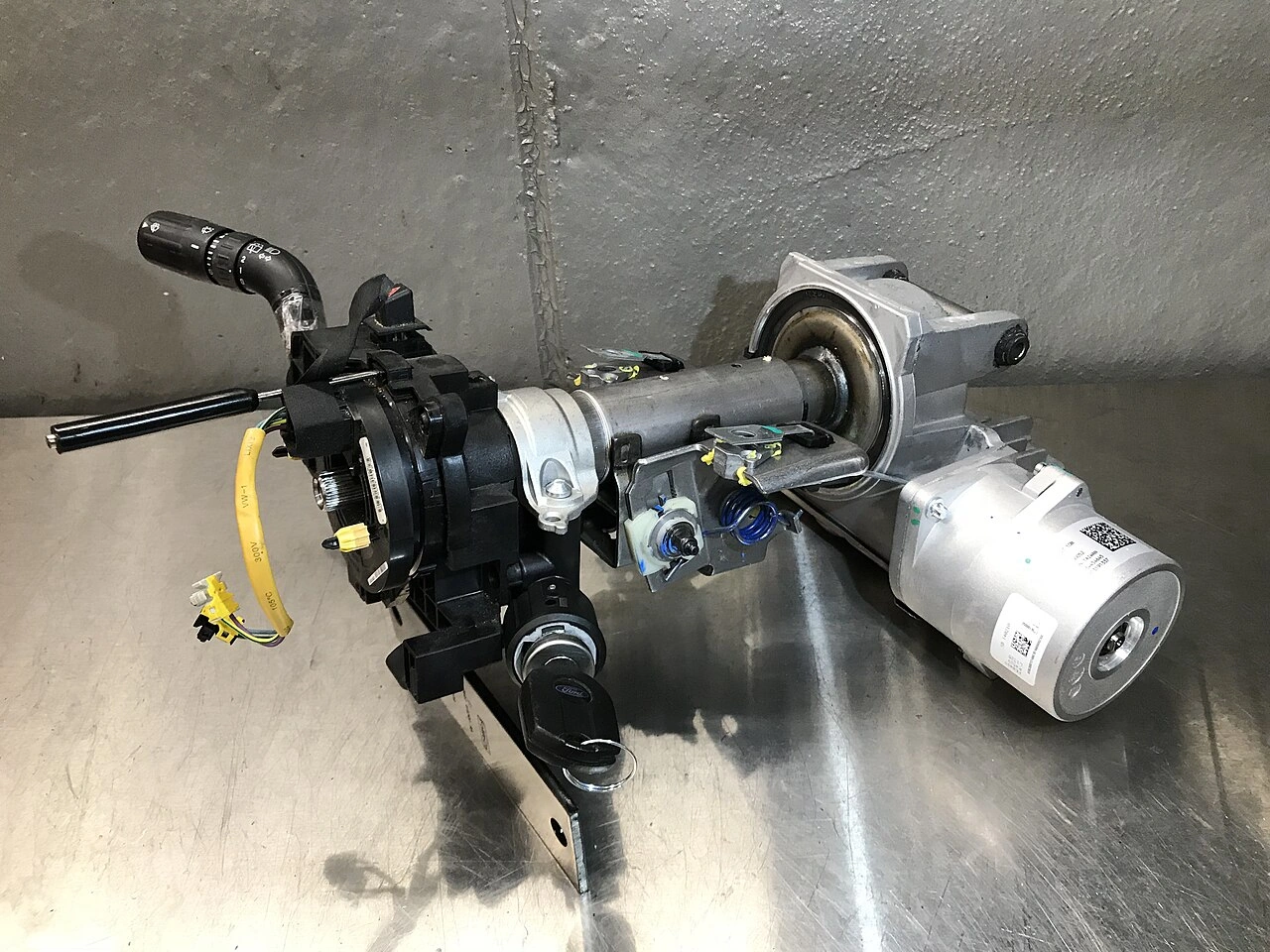
What is power steering?
Power steering is a system that assists the driver's steering effort, making the steering wheel easier to turn.
What types of power steering are used?
Vehicles may use hydraulic, electro-hydraulic or electric power steering, depending on their design.
What happens if power steering fails?
Steering may become considerably heavier or a warning may appear. The driver should maintain control, reduce speed safely and have the steering system checked as soon as possible.
87. スキャニング
スキャニングは、前方道路、ミラー、側方、周囲の交通を継続的に観察し、危険や交通状況の変化をできるだけ早く発見する運転技術です。一点だけを見続けず、交通環境のさまざまな部分へ定期的に視線を移します。
運転者は遠く前方を見て、定期的にミラーを確認し、必要な側方区域や死角を観察します。特に速度、方向、道路上の位置を変える前に重要です。

What is scanning while driving?
Scanning means continuously observing different parts of the traffic environment so that hazards and changes can be detected early.
What should a driver scan?
A driver should regularly observe the road ahead, mirrors, intersections, side areas, vulnerable road users and relevant blind spots.
Why is scanning important?
Scanning helps drivers identify hazards earlier and gives them more time to adjust speed, position or direction safely.
88. ミラー
ミラーは、長時間前方から目を離さずに車両の後方・側方の交通を確認できる装置です。通常、室内の後方確認ミラーと左右の外部ミラーを備えます。
方向変更、車線変更、追い越し、合流、減速の前に周囲の交通を確認するのに役立ちます。ただし全周囲を映せないため、必要に応じて操作前に目視で死角を確認します。
What is a vehicle mirror?
A vehicle mirror allows the driver to observe traffic and other road users behind or beside the vehicle.
What is the difference between an interior and exterior mirror?
An interior rear-view mirror normally provides a view through the rear window, while exterior side mirrors provide views along the sides and towards the rear of the vehicle.
When should you check your mirrors?
Check your mirrors regularly and particularly before changing speed or direction, changing lane, overtaking, merging, turning or stopping.
Should you adjust your mirrors before driving?
Yes. Mirrors should be adjusted from the normal driving position before setting off so that they provide the intended view of traffic behind and beside the vehicle.
Do mirrors eliminate blind spots?
No. Even correctly adjusted mirrors can leave areas that are not visible to the driver. These are commonly called blind spots.
Should you check your blind spot before changing lane?
Yes. Where necessary, use a brief direct observation in addition to the mirrors before moving sideways so that a cyclist, motorcycle or other vehicle hidden from the mirrors is not overlooked.
Can a damaged mirror affect road safety?
Yes. A cracked, loose, missing or badly adjusted mirror can reduce the driver's view of surrounding traffic and should be repaired or replaced when necessary.
Can cameras replace conventional mirrors?
Some vehicles use approved camera-based indirect-vision systems instead of or in addition to conventional mirrors. Whether such a system is legally permitted depends on the vehicle's approval and local technical requirements.
Why should you check mirrors before opening a vehicle door?
Checking the mirrors can help detect cyclists, motorcyclists and other approaching road users before a door is opened into their path.
Do motorcycles also need mirrors?
Yes, according to the applicable vehicle requirements. Motorcycles normally have one or more rear-view mirrors so that the rider can observe traffic behind without turning around for extended periods.
89. 燃料
燃料は、車両のエンジンを動かすエネルギー源です。一般的な車両燃料にはガソリン、ディーゼル、LPG、CNG、代替燃料などがあります。電気自動車は従来の液体・気体燃料ではなく電気を使用します。
必ず車両に適合した燃料を使用します。誤った燃料はエンジンや燃料系統を損傷する可能性があり、経済的な運転と適切な整備は燃料消費を減らします。

Which fuels are commonly used in road vehicles?
Common fuels include petrol, diesel, LPG and CNG. Some vehicles can also use biofuels or other alternative fuels, while electric vehicles obtain their energy from a battery rather than conventional fuel.
How do I know which fuel my vehicle needs?
Check the vehicle manufacturer's instructions and the fuel information shown near the filler opening or on the vehicle. Fuel pumps are normally labelled to help drivers identify compatible fuels.
How can a driver reduce fuel consumption?
Smooth acceleration, anticipating traffic, maintaining an appropriate speed, correct tyre pressure, avoiding unnecessary loads and keeping the vehicle properly maintained can help reduce fuel consumption.
90. 燃料計
燃料計は、燃料タンクに残る燃料量のおおよその値を示す計器です。通常、空から満タンまでの目盛りを表示し、低燃料警告灯を備える場合もあります。
表示は推定値であり、坂道、加速、制動、旋回時に多少変動することがあります。タンクが完全に空になる前に給油します。

What does a fuel gauge show?
A fuel gauge shows the approximate amount of fuel remaining in the vehicle's tank. Most gauges use a scale between empty and full.
What does the low-fuel warning light mean?
The low-fuel warning light indicates that the amount of fuel remaining has reached a low level. The driver should refuel soon rather than relying on the remaining reserve.
Is a fuel gauge completely accurate?
No. A fuel gauge provides an approximate reading. The indicated level can vary because of vehicle movement, road gradient, tank shape and the design of the fuel-level sensor.
91. ガソリン
ガソリン(petrol / gasoline)は、火花点火式エンジンで一般的に使われる液体燃料です。主に石油から製造され、エタノールなどの再生可能成分を含む場合があります。
オクタン価やエタノール含有量によって種類が分かれます。車両メーカーが推奨する仕様に適合した燃料を必ず使用します。
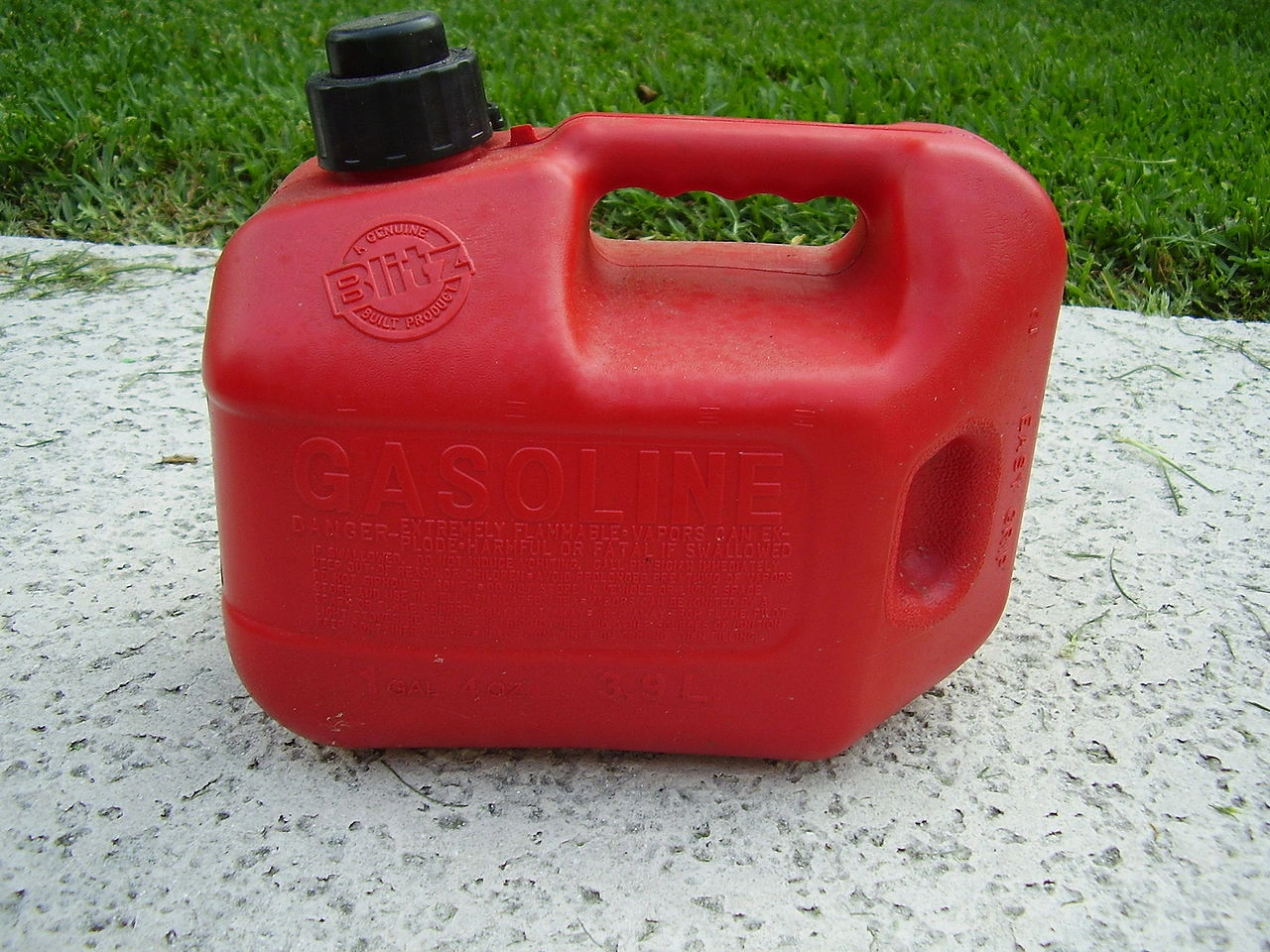
What is petrol?
Petrol is a liquid motor fuel used mainly in spark-ignition engines. It is called petrol in many countries and may contain ethanol or other renewable components.
What does the octane rating of petrol mean?
The octane rating indicates the fuel's resistance to uncontrolled combustion or engine knocking. Vehicles should use petrol with at least the octane rating specified by the manufacturer.
What is the difference between E5 and E10 petrol?
E5 and E10 indicate the permitted ethanol content of petrol. E5 contains up to 5% ethanol by volume, while E10 contains up to 10%. Drivers should check whether their vehicle is compatible with the selected fuel.
92. ディーゼル燃料
ディーゼル燃料は、圧縮着火式エンジンで使用される液体燃料です。ガソリンエンジンと異なり、点火プラグではなく空気を圧縮して生じる熱で燃料を着火します。
バイオディーゼルなどの再生可能成分を含む場合があります。互換性のない燃料はエンジンや燃料系統を損傷する可能性があるため、メーカー承認の燃料を使用します。

What is diesel fuel?
Diesel is a liquid motor fuel designed primarily for compression-ignition engines. These engines compress air until it becomes hot enough to ignite the injected fuel.
What do labels such as B7 and B10 mean?
The letter B identifies diesel containing biodiesel components. The number indicates the maximum percentage of biodiesel in the fuel, so B7 may contain up to 7% and B10 up to 10% biodiesel.
Can every diesel vehicle use every type of diesel?
No. Compatibility depends on the vehicle and engine. Drivers should follow the manufacturer's specifications before using fuels such as B10, higher biodiesel blends or synthetic diesel.
93. ディーゼル排気液
ディーゼル排気液(DEF)は、選択触媒還元(SCR)システムを備える多くの現代ディーゼル車で、有害な窒素酸化物(NOx)排出を減らすために使用する液体です。欧州では一般にAdBlueという商品名で知られています。
ディーゼル燃料ではなく別タンクに保存されます。高純度尿素と水の溶液で、排気系へ噴射され、窒素酸化物をより有害性の低い物質へ変換するのを助けます。
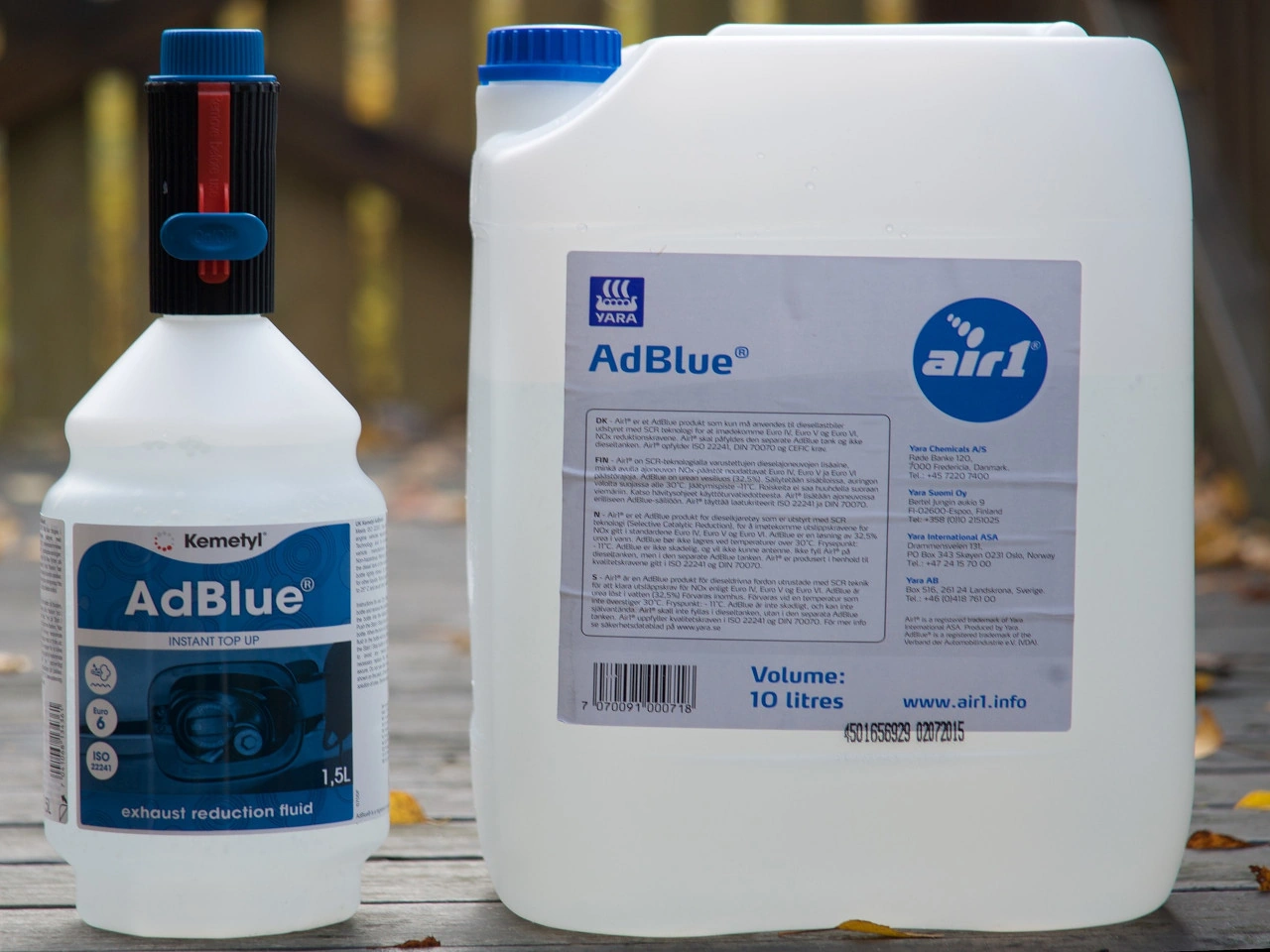
What is diesel exhaust fluid used for?
Diesel exhaust fluid is used in vehicles equipped with an SCR system. It is injected into the exhaust gases to help reduce nitrogen oxide emissions produced by the diesel engine.
Is diesel exhaust fluid the same as diesel fuel?
No. Diesel exhaust fluid is not a fuel and must never be poured into the diesel tank. Vehicles that use it have a separate DEF tank, usually identified by a dedicated filler cap.
What should you do when the DEF warning appears?
Refill the DEF tank with fluid that meets the specification required by the vehicle manufacturer. Do not ignore the warning, because some vehicles can restrict operation or prevent restarting if the DEF supply becomes empty.
94. 自動車保険
自動車保険は、自動車の所有・使用に伴うリスクへ経済的な補償を提供します。契約内容により、他人への傷害・損害に対する賠償責任、被保険車両の損傷、盗難などを補償します。
法律で必要な最低保険は国によって異なります。衝突、総合補償、盗難、火災、ロードサービスなど、義務的最低限を超える補償を追加購入できる場合があります。

What does car insurance cover?
Coverage depends on the policy. Liability insurance generally covers injury or damage caused to other people, while optional forms of insurance may also cover damage to the insured vehicle, theft, fire or other risks.
Is car insurance compulsory?
Many countries require at least a minimum level of motor liability insurance before a vehicle may be used on public roads. The exact requirements and exemptions depend on national law.
What is the difference between liability and comprehensive insurance?
Liability insurance primarily covers damage or injury for which the insured driver is legally responsible toward others. Comprehensive or similar optional cover can also protect the insured vehicle against risks such as theft, fire, vandalism or accidental damage, depending on the policy.
95. 救急セット
救急セットは、けがや事故後に即時の基本手当を行うための医療用品一式です。車載用には一般に滅菌ガーゼ、包帯、絆創膏など基本的な創傷処置用品が含まれます。
一部の国では特定車両への搭載が義務で、他では推奨にとどまります。必要時に取り出せる場所へ保管し、必要品が揃い使用可能な状態か定期的に確認します。

Why should a first aid kit be carried in a vehicle?
A first aid kit provides basic materials that can be used to treat injuries or control bleeding while waiting for professional medical assistance.
Is a first aid kit compulsory in every country?
No. Requirements vary between countries and vehicle types. Some countries require motorists to carry an approved first aid kit, while others only recommend having one.
Should a vehicle first aid kit be checked regularly?
Yes. Its contents should remain complete, clean and usable. Used items should be replaced, and products with expiry dates should be checked periodically.
96. 消火器
消火器は、小規模な火災を抑制・消火するための携帯安全装置です。車載用消火器は種類により、材料、燃料、電気設備などが関係する火災へ対応します。
一部の国では特定車両への搭載が義務で、他では推奨です。車両用に適したものを確実に固定し、すぐ使える場所に置き、作動可能な状態に保ちます。

Why carry a fire extinguisher in a vehicle?
A fire extinguisher can help control a small fire before it spreads, provided it is safe to use. If a fire is already large or spreading rapidly, occupants should move away from the vehicle and contact the emergency services.
Is a fire extinguisher compulsory in every vehicle?
No. Requirements vary between countries and vehicle types. Some countries require extinguishers in passenger cars or particular commercial vehicles, while others only recommend carrying one.
Where should a vehicle fire extinguisher be kept?
It should be securely mounted in an accessible location and protected from damage. Drivers should also check its condition, seal and expiry or service information according to the applicable requirements.
97. 高視認性衣類
高視認性衣類は、他の道路利用者から人を見つけやすくするための衣類です。一般に明るい蛍光色素材と、車両のヘッドライトを反射する再帰反射材を組み合わせます。
故障や緊急時に運転者・乗客が車外へ出る際に特に有効です。義務は国によって異なるため、反射安全ベストの携帯・着用が必要か確認します。

What is high-visibility clothing?
High-visibility clothing is designed to make the wearer more noticeable to other road users. Safety vests typically combine fluorescent material for daytime visibility with retro-reflective material that becomes particularly visible when illuminated at night.
When should a high-visibility vest be worn?
It should be worn whenever leaving a vehicle in a situation where approaching traffic could present a danger, particularly after a breakdown or emergency and in conditions of poor visibility.
Is high-visibility clothing compulsory for drivers?
This depends on the country. Some countries require a reflective vest to be carried in the vehicle and worn in specified breakdown or emergency situations, while others only recommend it.
98. 応急手当
応急手当は、専門的な医療援助が到着する前に、けが人や急病人へ行う即時の援助です。生命を守り、状態悪化を防ぎ、回復を支えることを目的とします。
交通事故では、まず現場の安全を確保し、傷病者の状態を確認し、必要なら救急サービスへ連絡します。援助者が安全に行えると理解している処置だけを実施します。

What is the purpose of first aid?
First aid aims to preserve life, prevent an injury or illness from becoming worse and provide appropriate immediate care until professional medical assistance becomes available.
What should you do first when giving first aid after a road accident?
First check that it is safe to approach. Assess the casualty, contact the emergency services when necessary and provide appropriate assistance within your level of knowledge and training.
Should an injured person always be moved?
No. An injured person should generally not be moved unnecessarily because movement can worsen certain injuries. Moving the casualty may be necessary when remaining in the location creates an immediate danger, such as fire or approaching traffic.
99. コンクリートステップバリア
コンクリートステップバリアは、段差または傾斜した面形状を持つコンクリート製車両防護バリアです。道路沿いや中央分離帯で、進路を外れた車両を受け止めて方向修正し、対向交通や危険な道路脇へ進入する危険を減らします。
現場打ちまたは連結式プレキャスト部材で構成されます。防護レベル、衝突時挙動、許容移動量はバリアシステムと設置方法によります。

What is the purpose of a concrete step barrier?
A concrete step barrier is designed to contain or redirect a vehicle that leaves its intended path. It can be used to separate opposing traffic or protect road users from dangerous areas beside the roadway.
How is a concrete step barrier different from a Jersey barrier?
Both are concrete vehicle-restraint barriers, but they use different cross-sectional profiles. A step barrier has a stepped-profile face, while a Jersey barrier uses the characteristic Jersey-shaped sloping profile. Their actual safety performance depends on the tested barrier system rather than simply on its shape.
Are concrete step barriers always permanently cast into the road?
No. Step barriers can be constructed as continuous cast-in-place barriers or as prefabricated concrete sections, depending on the particular road-restraint system and installation.
100. バリア
バリアは、交通を遮断、制限、誘導、分離する物理装置です。道路利用者の保護、道路・車線閉鎖、進入管理、対向交通分離、作業区域の防護などに使われます。
恒久的または仮設で、ゲート、遮断棒、コンクリートバリア、可動バリアなどがあります。道路・区域が閉鎖されていることを示す場合は従い、通過してはいけません。

What are road barriers used for?
Road barriers can close roads or lanes, control access, separate traffic streams, protect work zones and prevent vehicles from entering hazardous or restricted areas.
Can road barriers be temporary?
Yes. Temporary barriers are commonly used during roadworks, emergencies and special traffic arrangements, while permanent barriers may be installed for access control or long-term protection.
May you drive past a closed traffic barrier?
No. A closed barrier normally indicates that access is prohibited or unsafe. Drivers should stop and follow any accompanying signs, signals or instructions rather than attempting to drive around it.