Traffic signsGermany
 Traffic rules
 Germany
 Priority signs
 Warning signs
 Prohibitory signs
 Mandatory signs
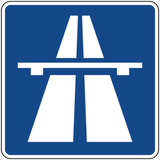 Information signs
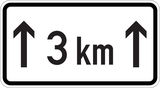 Additional signs
Traffic signs
A traffic sign is a standardised visual symbol placed along roads to guide, warn, or regulate drivers, cyclists, and pedestrians. These signs provide essential information about road conditions, rules, directions, and potential hazards, helping to ensure safety and smooth traffic flow. They come in various shapes and colours—such as triangular warning signs, circular prohibitory or mandatory signs, and rectangular information signs—each designed for quick recognition and clear understanding.

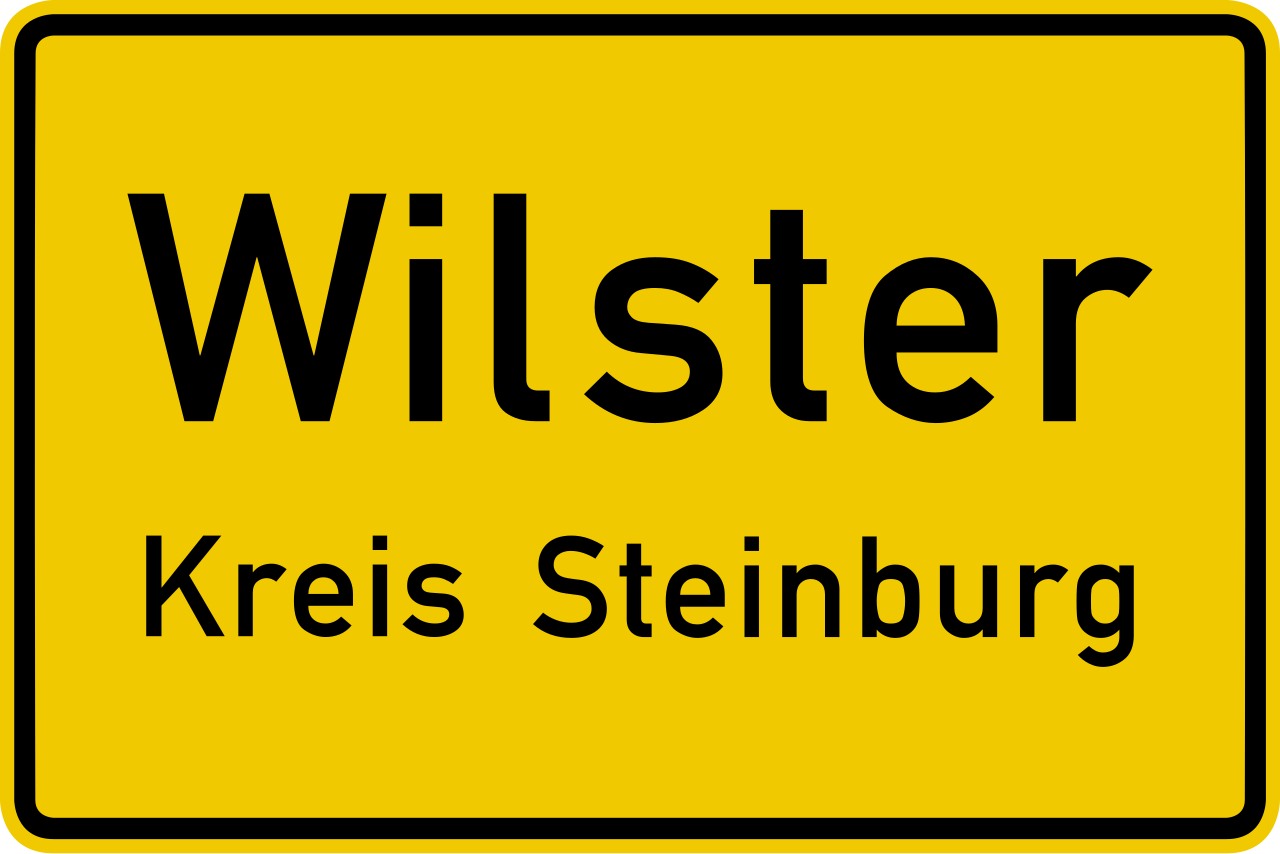
101. City limit
This traffic sign indicates a city or town limit. It marks the boundary or entrance of the named locality. Any traffic rules associated with the boundary depend on the applicable local regulations.
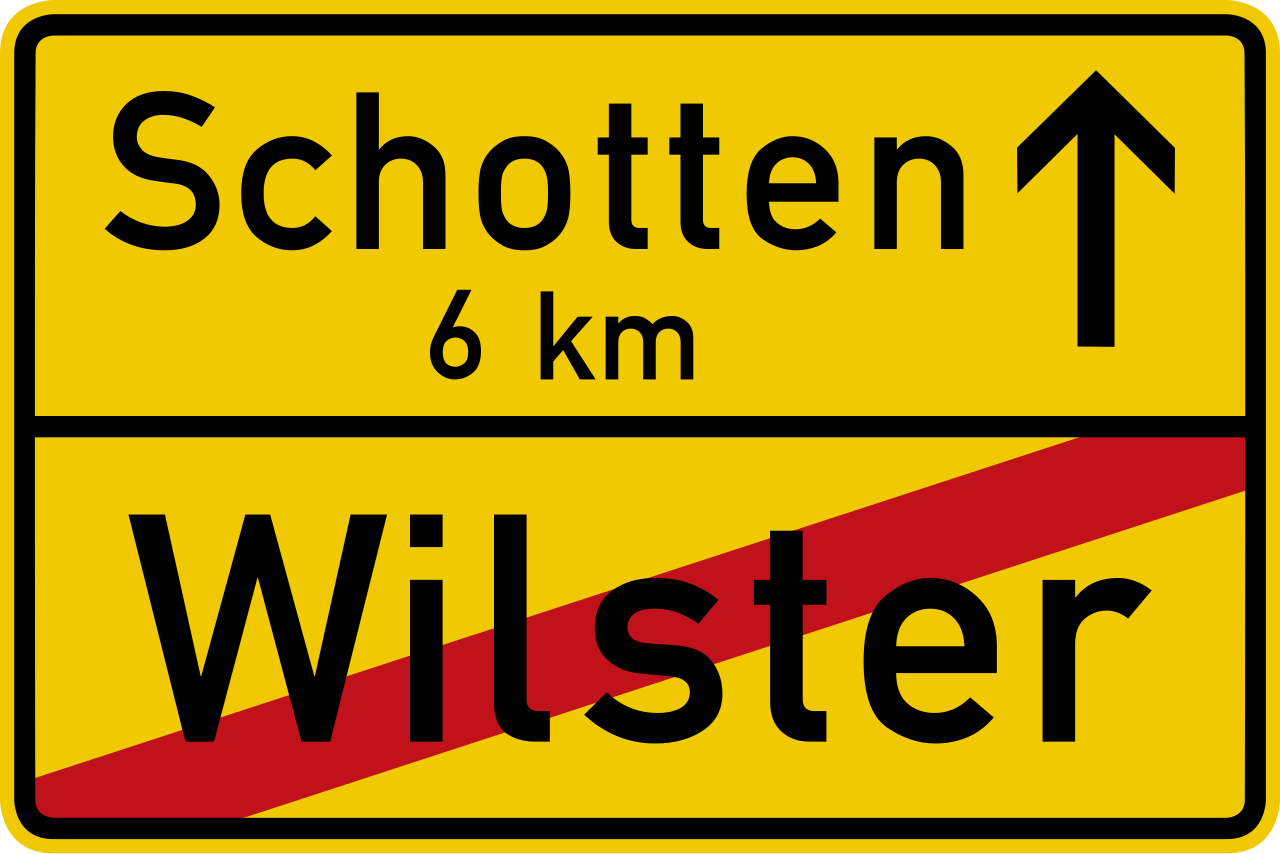
102. End of city limit
This traffic sign indicates the end of the city or town limit. The named locality ends at this point. Follow the traffic signs and rules that apply beyond the boundary.
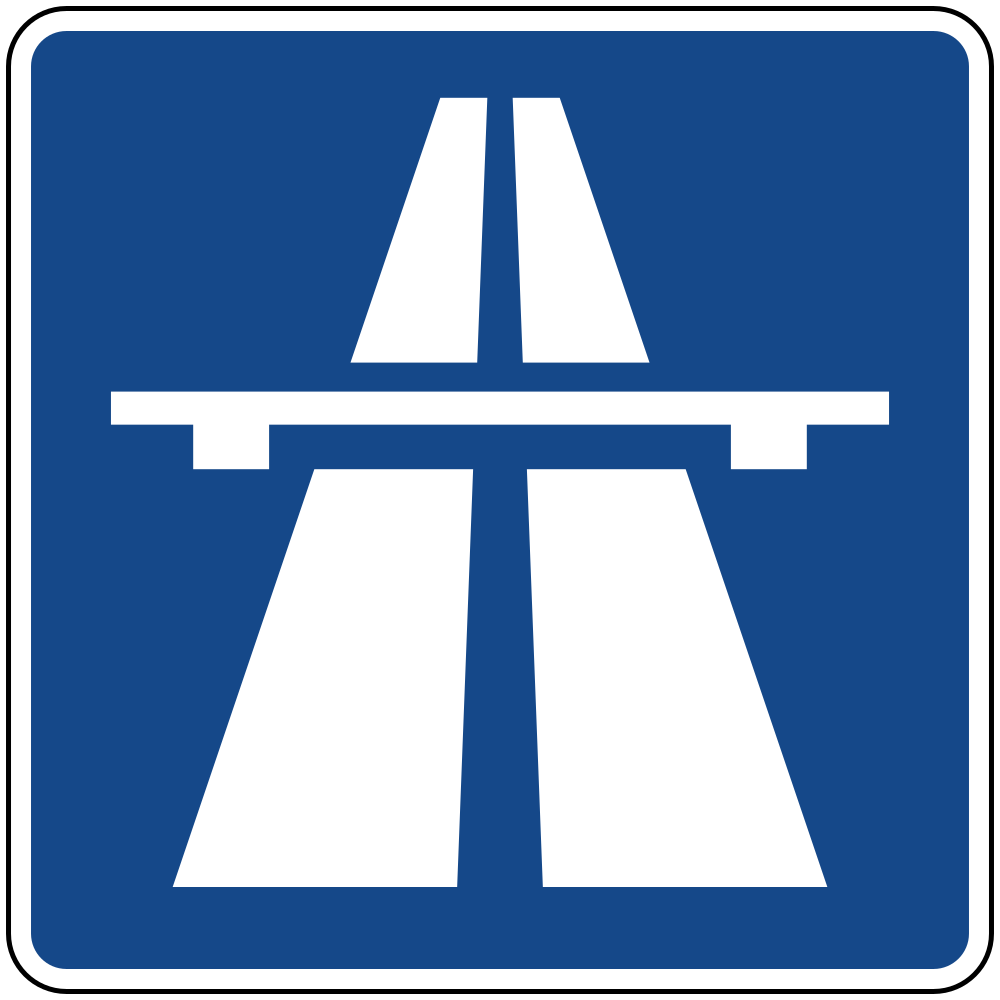
103. Start of a motorway
This traffic sign indicates the start of a motorway. From this point, special motorway rules apply, including restrictions on which road users may enter and on stopping, reversing and other manoeuvres. Follow the applicable speed limits, lane rules and local motorway regulations.
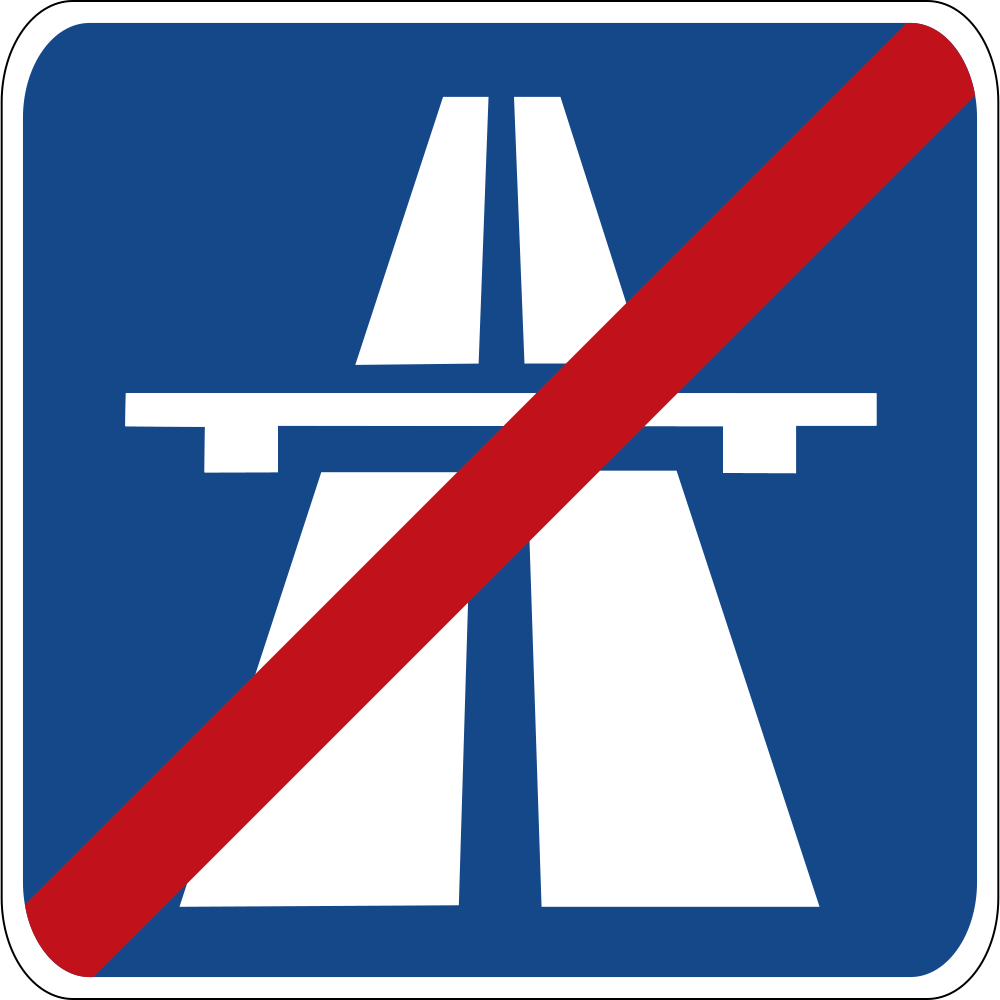
104. End of the motorway
This traffic sign indicates the end of the motorway. The special motorway rules end at this point. Follow the speed limits, access rules and other traffic signs that apply to the road ahead.
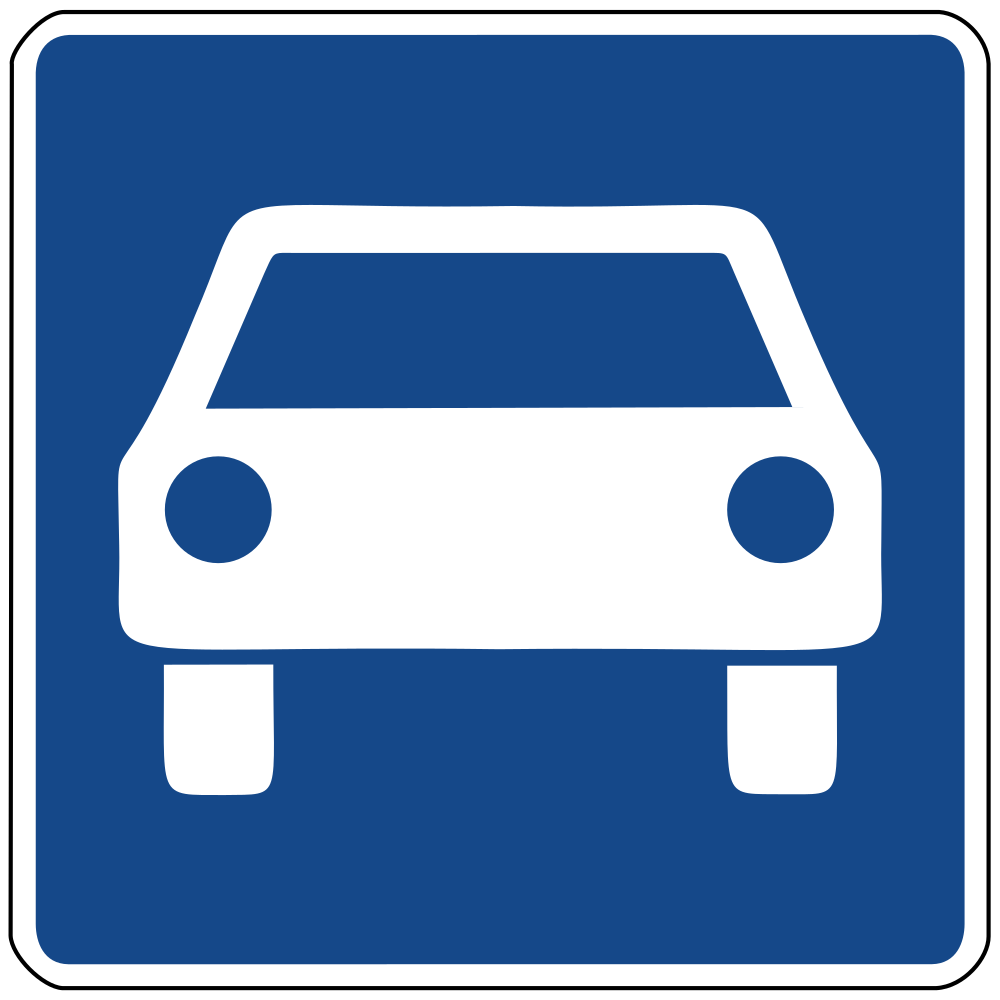
105. Start of an expressway
This traffic sign indicates the start of an expressway. From this point, the traffic rules and access conditions that apply to expressways take effect according to the applicable local regulations.
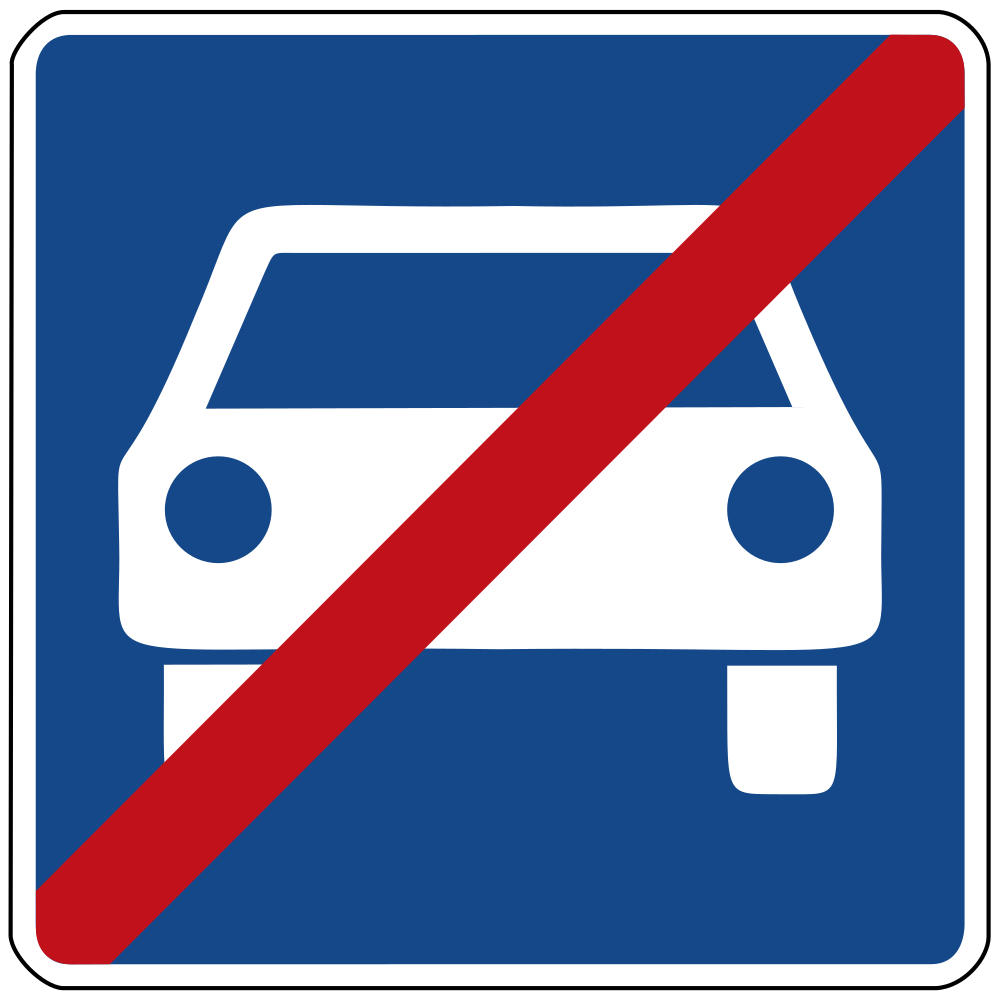
106. End of the expressway
This traffic sign indicates the end of the expressway. The special traffic rules associated with the expressway end at this point. Follow the rules and traffic signs that apply to the road ahead.
107. Start of a residential area
This traffic sign indicates the start of a residential area. Special traffic rules apply within the area according to the applicable signs and local regulations. These rules may affect speed, parking and how different road users use the road.
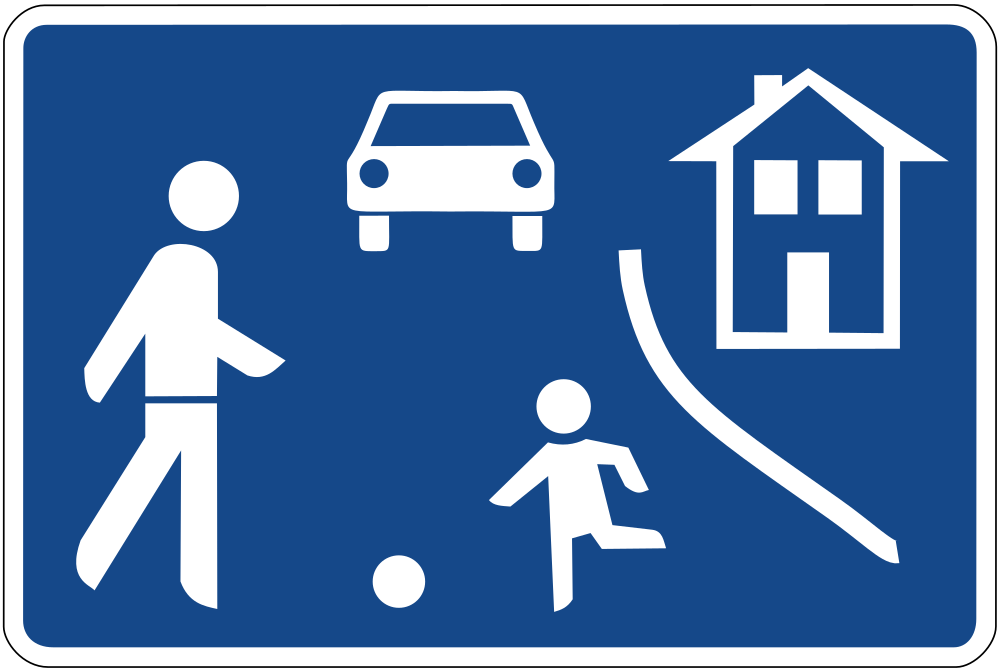
108. End of the residential area
This traffic sign indicates the end of the residential area. The special traffic rules associated with the residential area end at this point. Follow the traffic signs and rules that apply beyond the area.
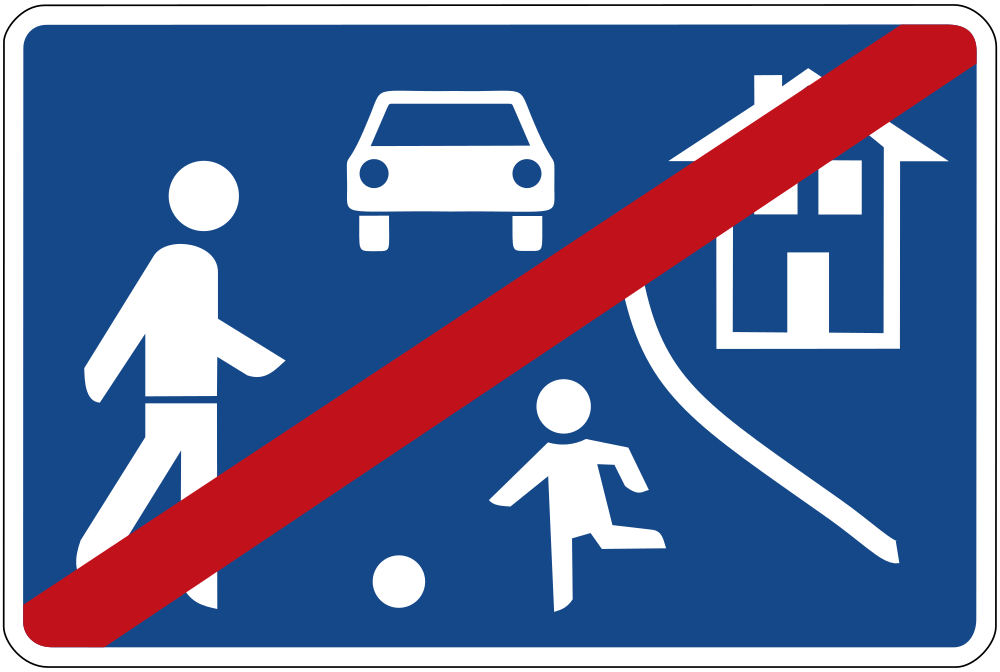
109. Start of a zone for pedestrians
This traffic sign indicates the start of a pedestrian zone. Pedestrians are the principal road users within the zone, while access by vehicles and other road users is subject to the applicable traffic signs and local rules.
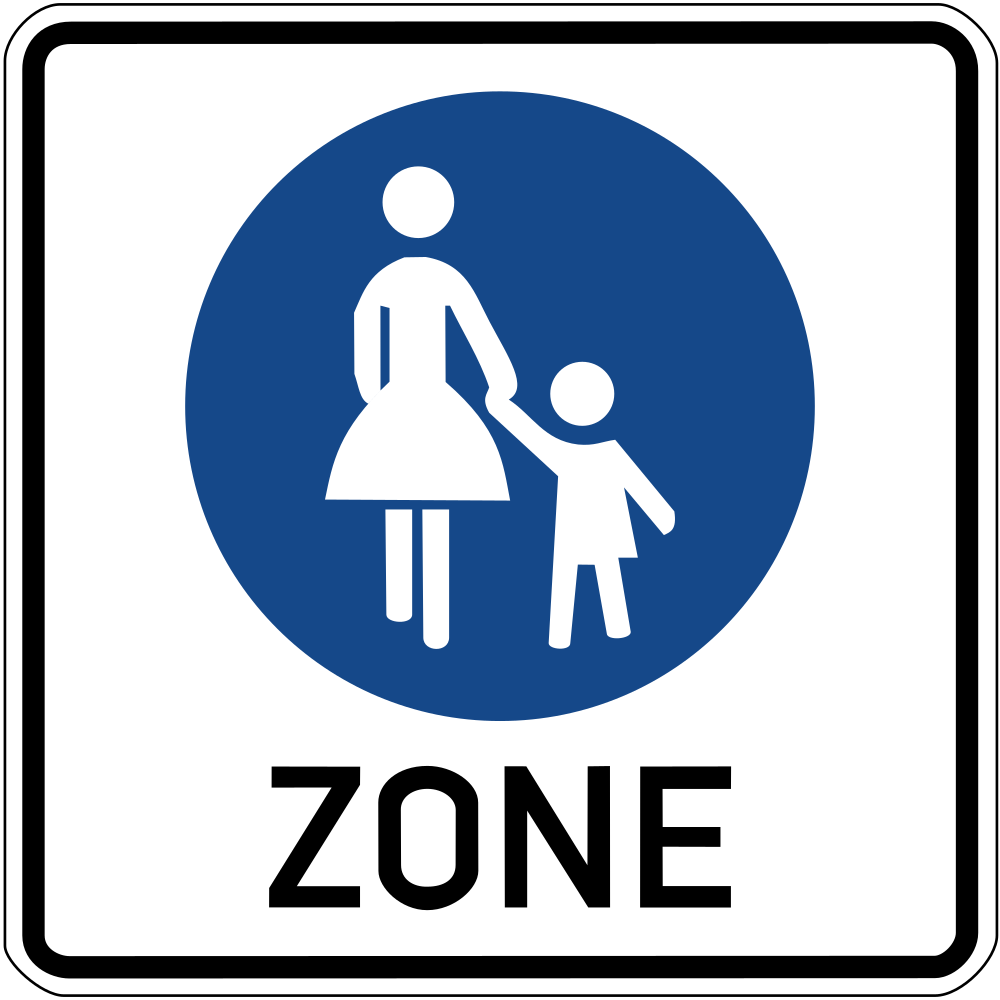
110. End of the zone for pedestrians
This traffic sign indicates the end of the pedestrian zone. The special traffic rules associated with the pedestrian zone end at this point. Follow the traffic signs and rules that apply beyond the zone.
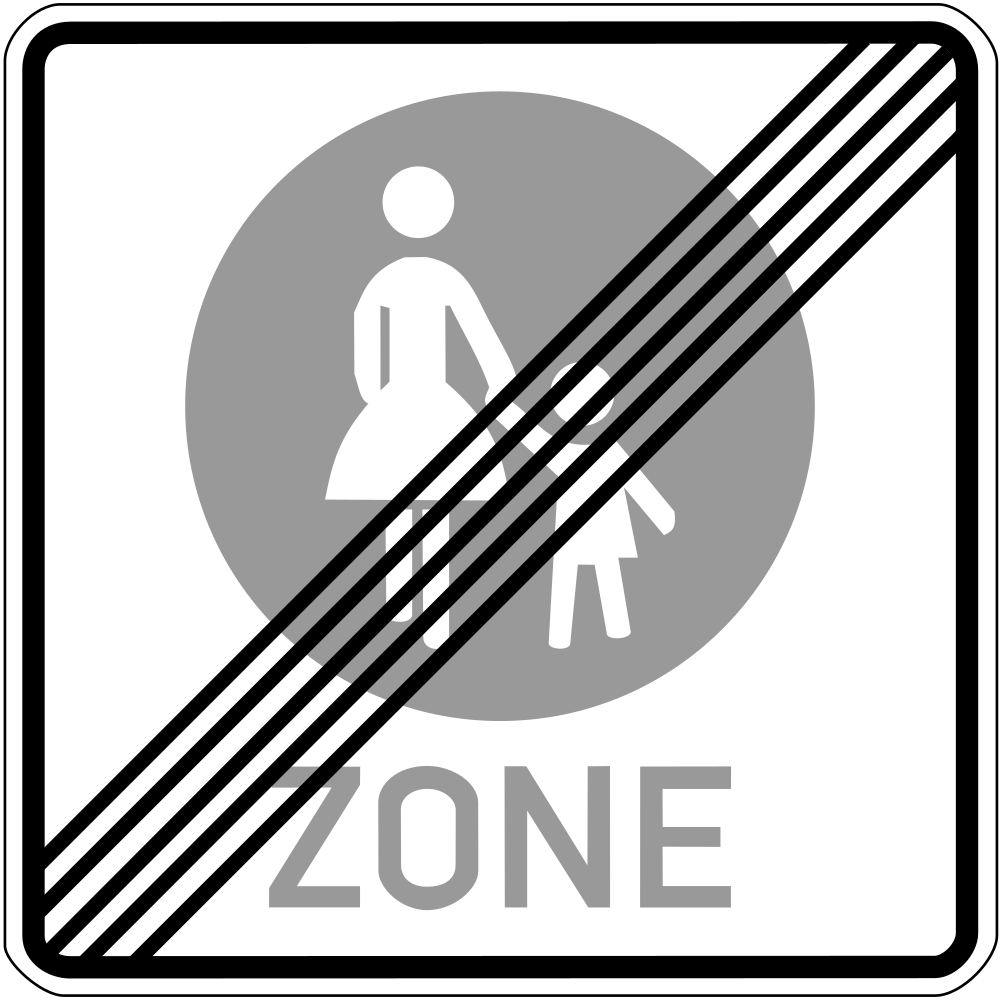
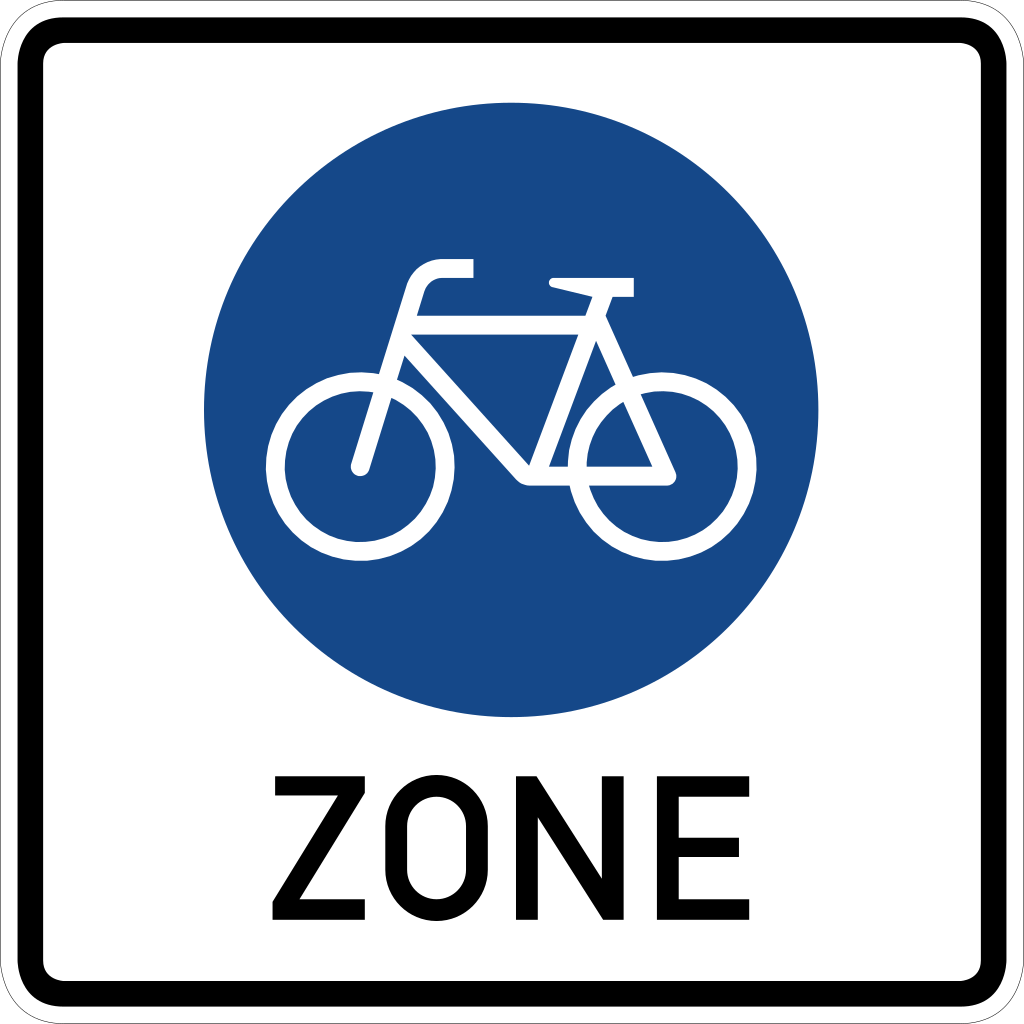
111. Start of a zone for cyclists
This traffic sign indicates the start of a zone for cyclists. Special traffic rules apply throughout the zone according to the applicable signs and local regulations.
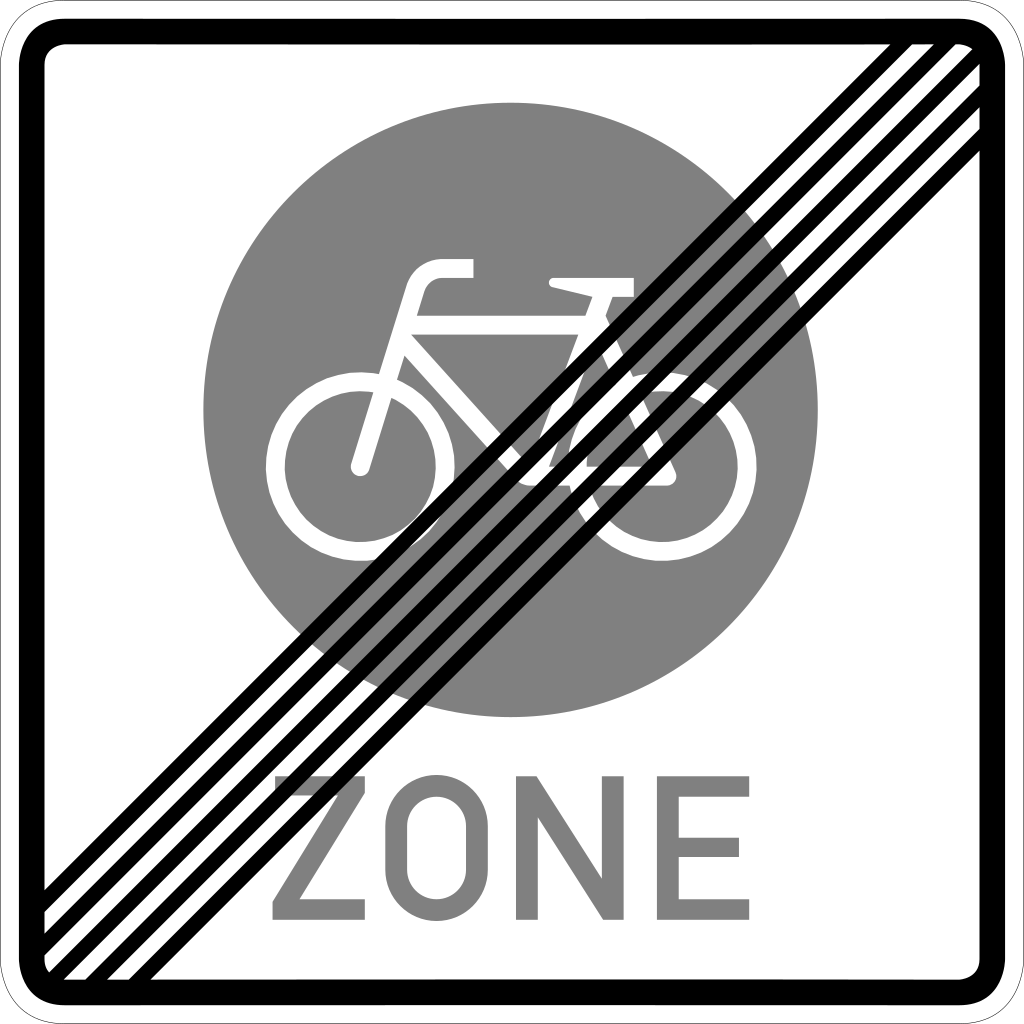
112. End of the zone for cyclists
This traffic sign indicates the end of the zone for cyclists. The special rules associated with the cyclist zone end at this point. Other traffic rules or restrictions may still apply.
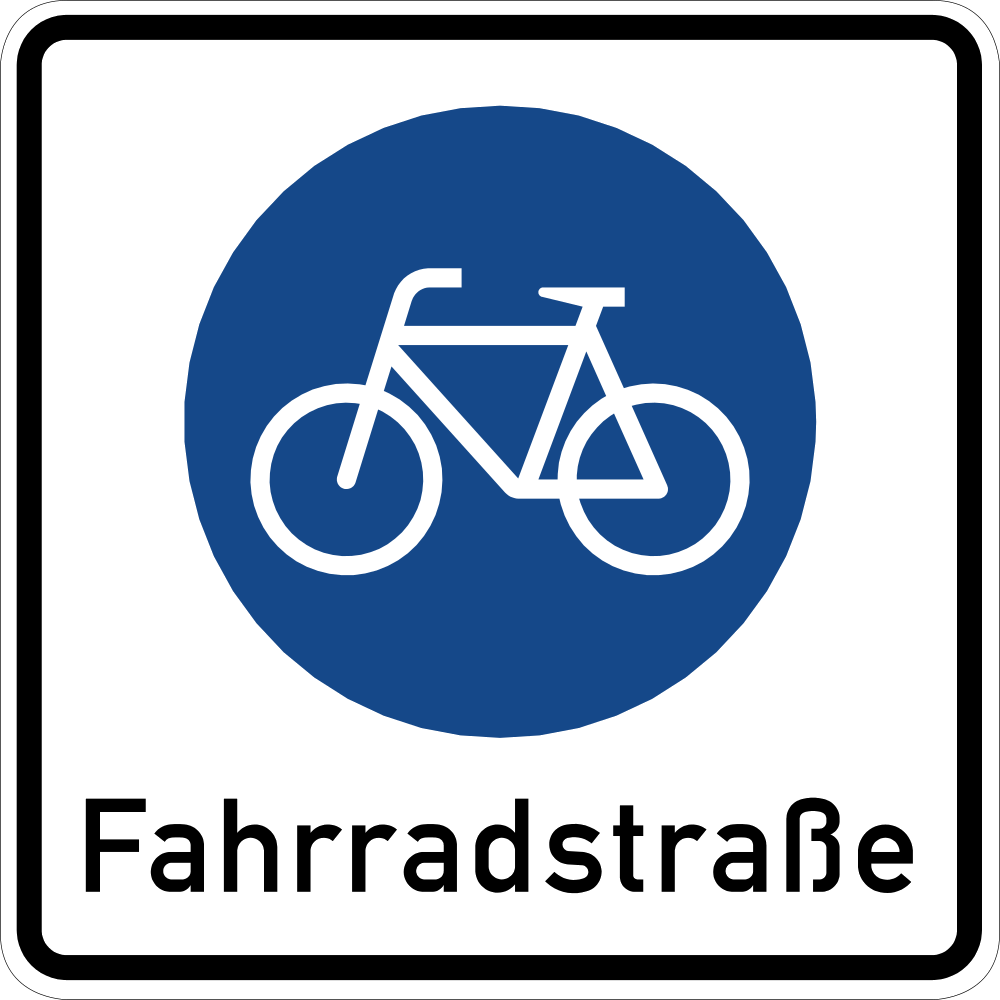
113. Lane for cyclists
This traffic sign indicates a lane for cyclists. The lane is designated for bicycle traffic, subject to the applicable road markings, traffic signs and local rules.
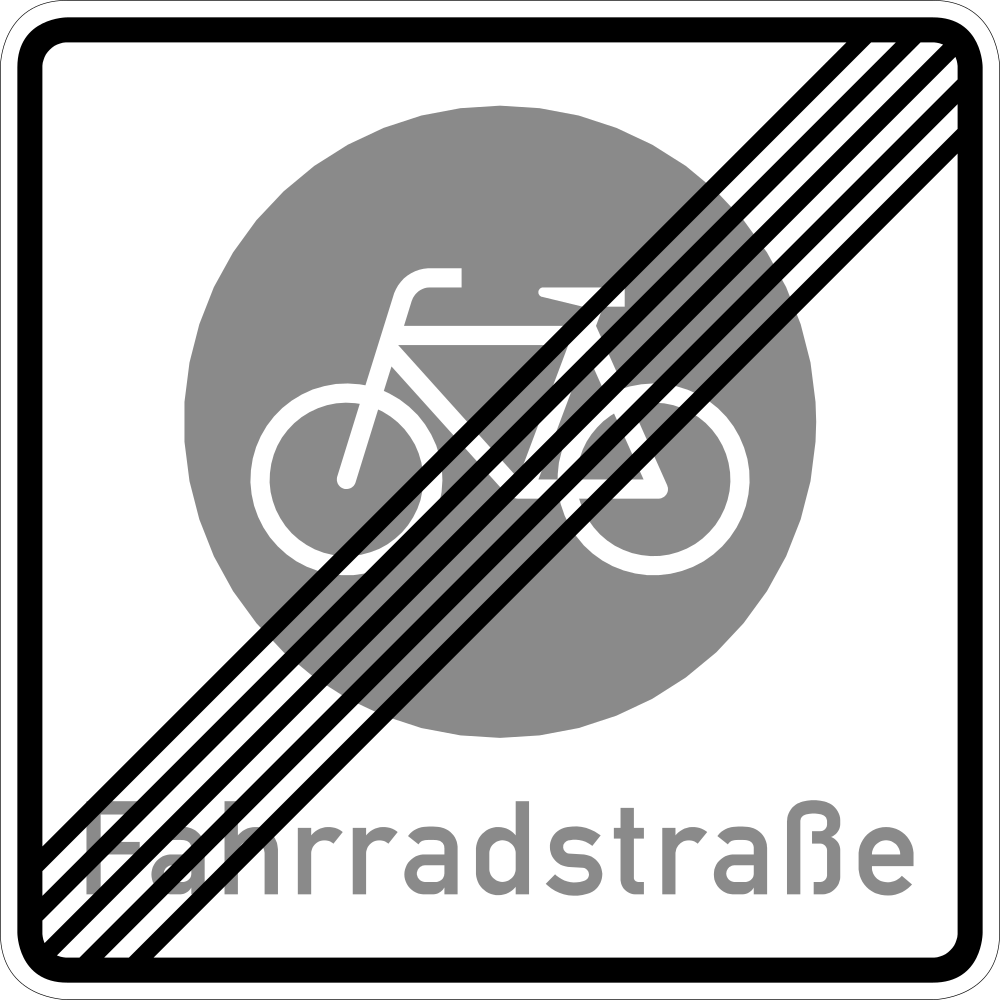
114. End of the lane for cyclists
This traffic sign indicates the end of the lane for cyclists. The designated cyclist lane ends at this point. Cyclists should continue according to the road layout, traffic signs and rules that apply beyond the lane.
115. Cycle highway
This traffic sign indicates a cycle highway. A cycle highway is a designated cycling route intended to provide an efficient connection over longer distances, often with infrastructure designed to support continuous bicycle travel.
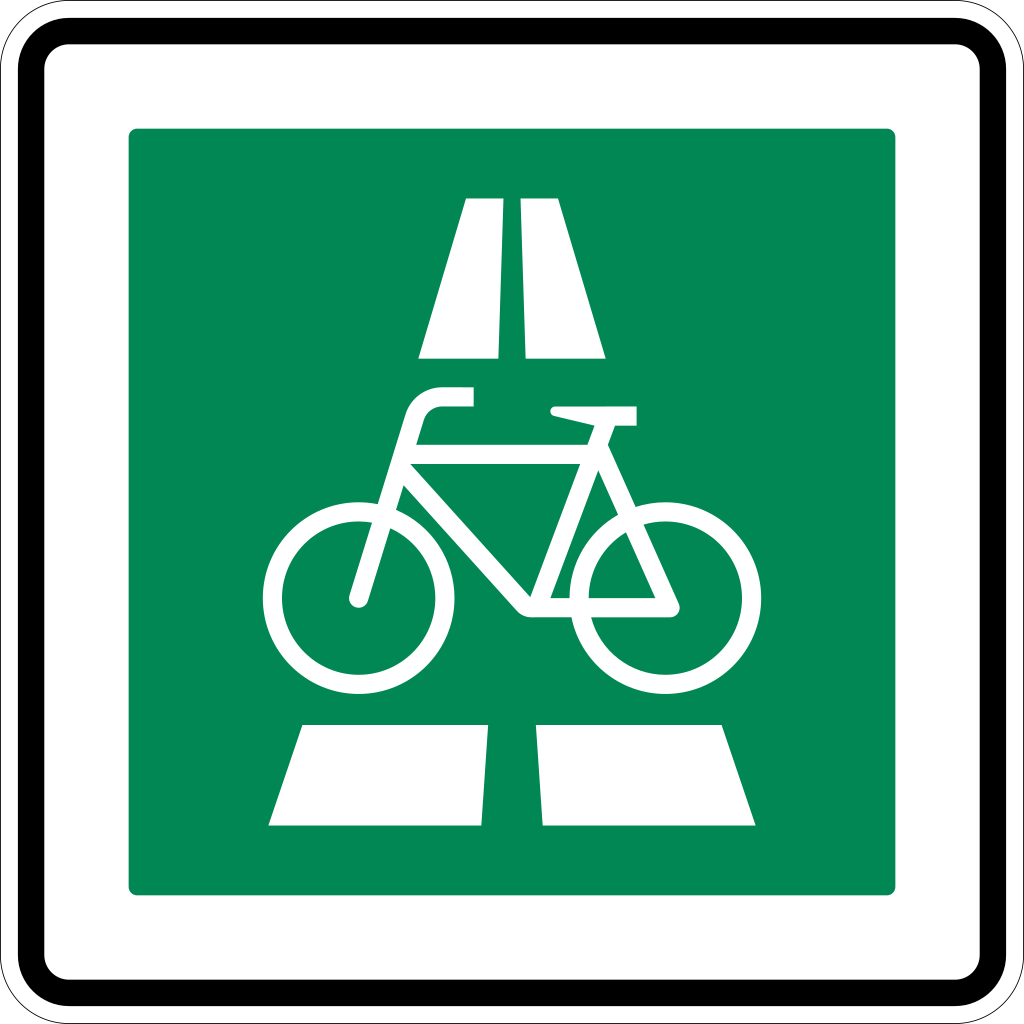
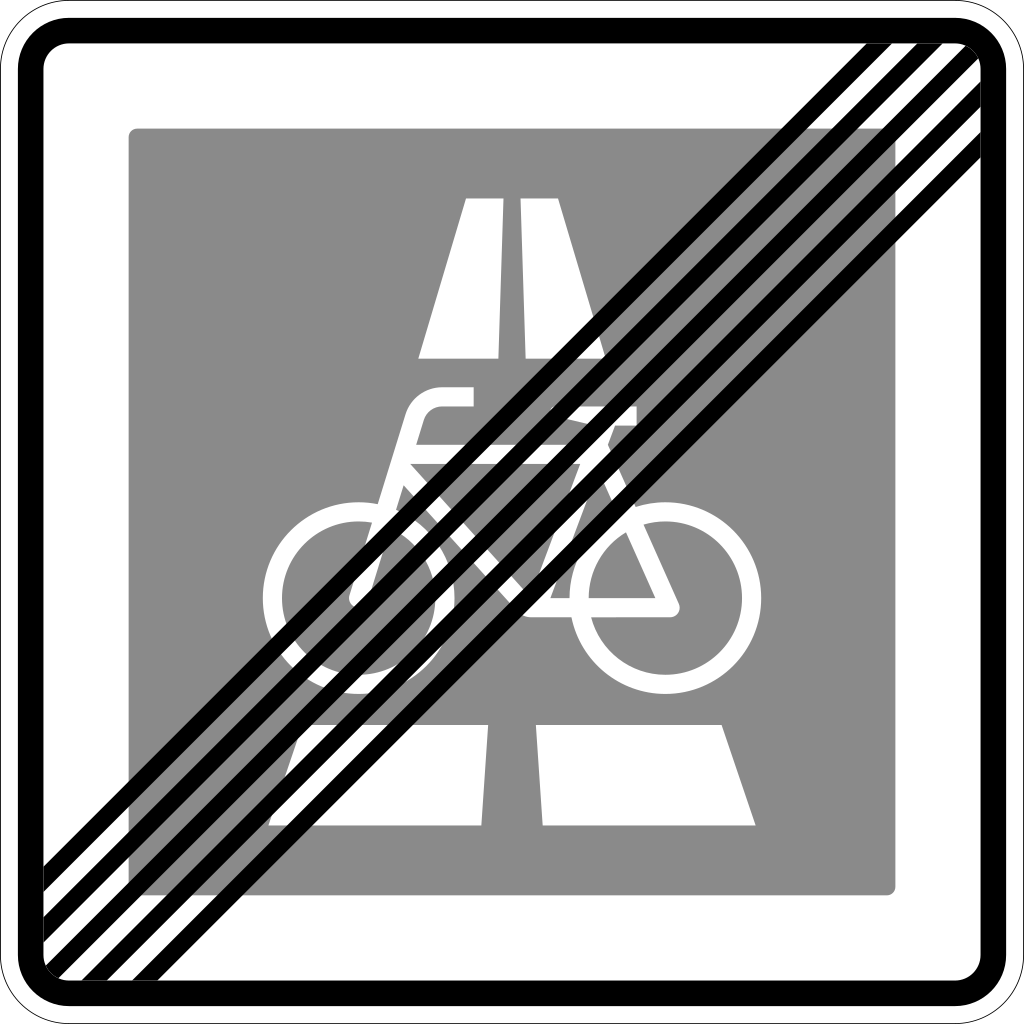
116. End of cycle highway
This traffic sign indicates the end of the cycle highway. The designated cycle-highway route ends at this point. Cyclists should continue according to the signs, road layout and cycling rules that apply beyond it.
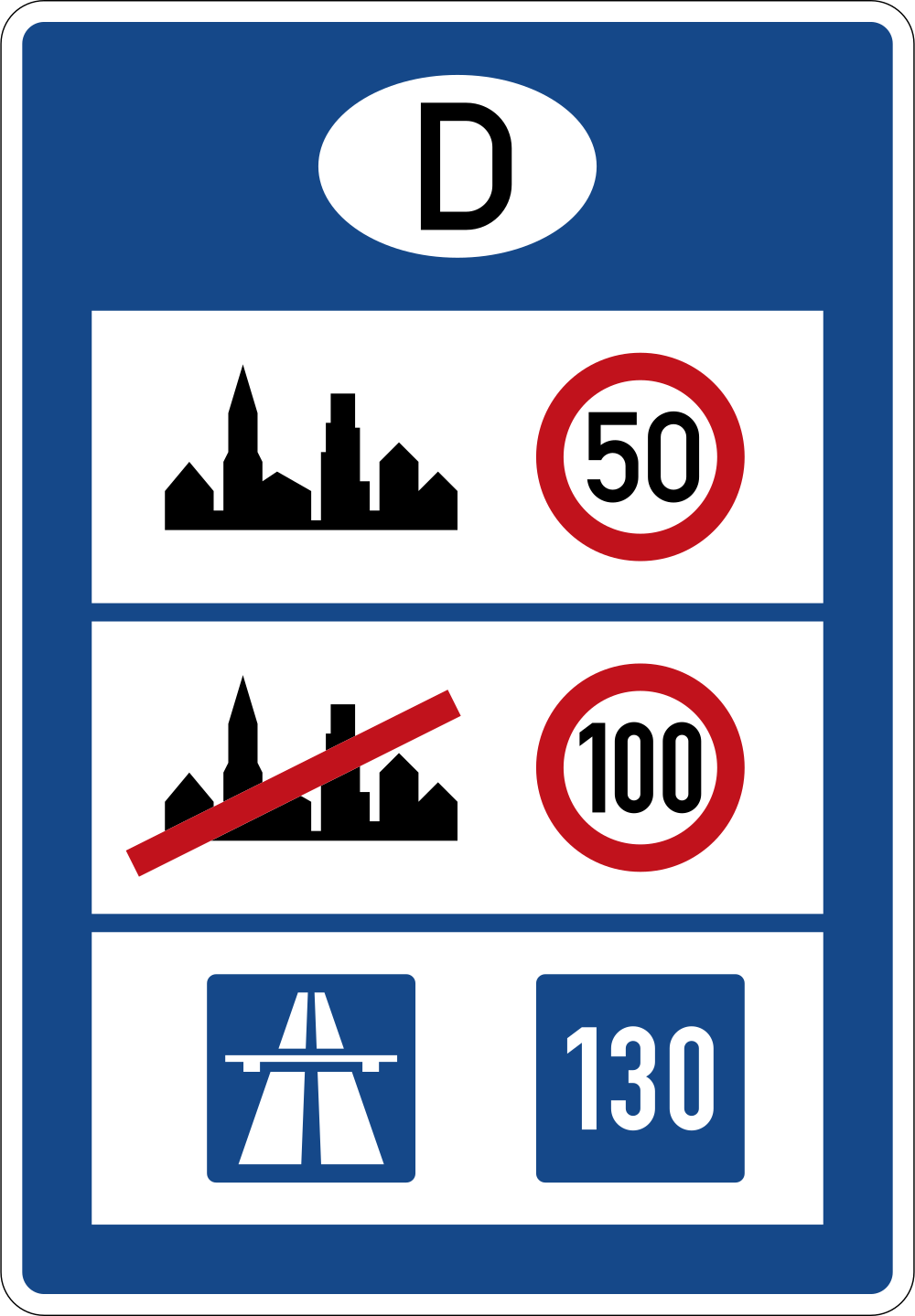
117. National speed limits
This traffic sign indicates the national speed limits. The applicable default maximum speeds depend on the road type, vehicle category and local traffic rules when no different speed limit is indicated.
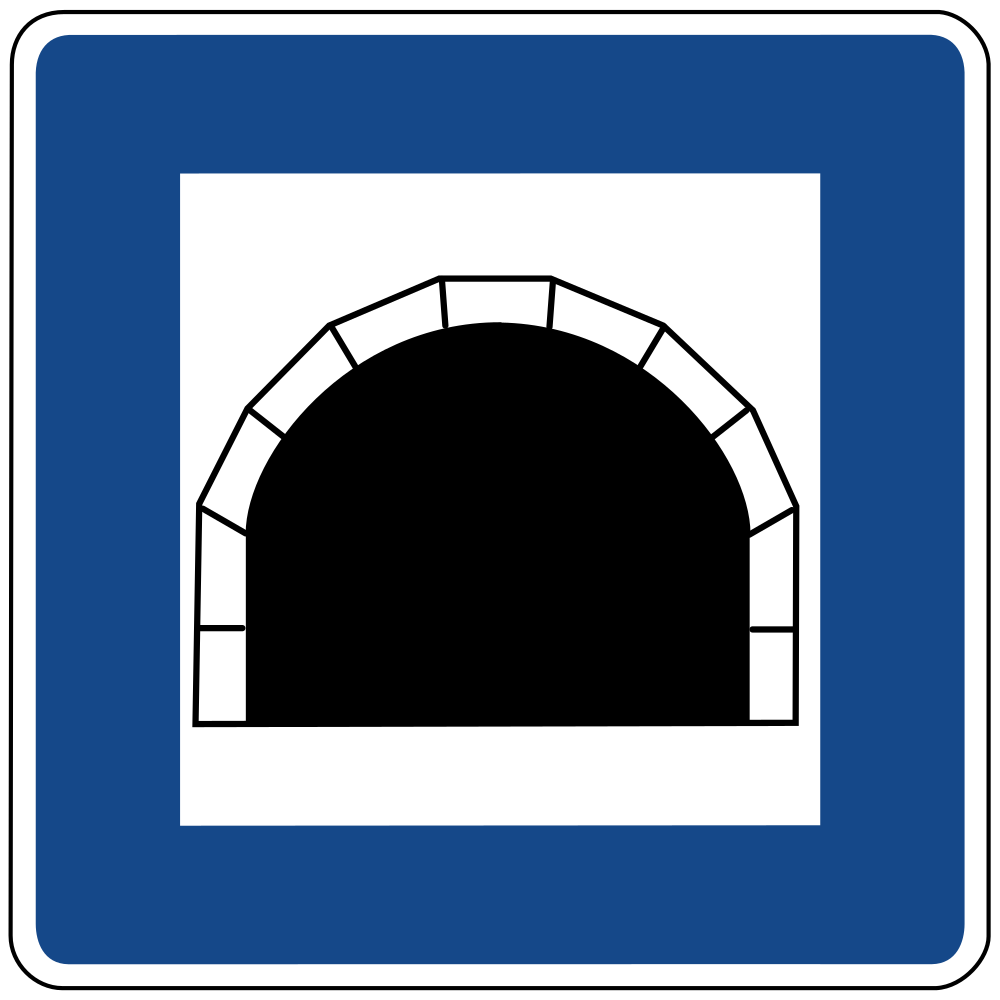
118. Start of a tunnel
This traffic sign indicates the start of a tunnel. Special traffic rules may apply within the tunnel, including requirements concerning vehicle lighting, speed or following distance. Follow the applicable signs and local rules.
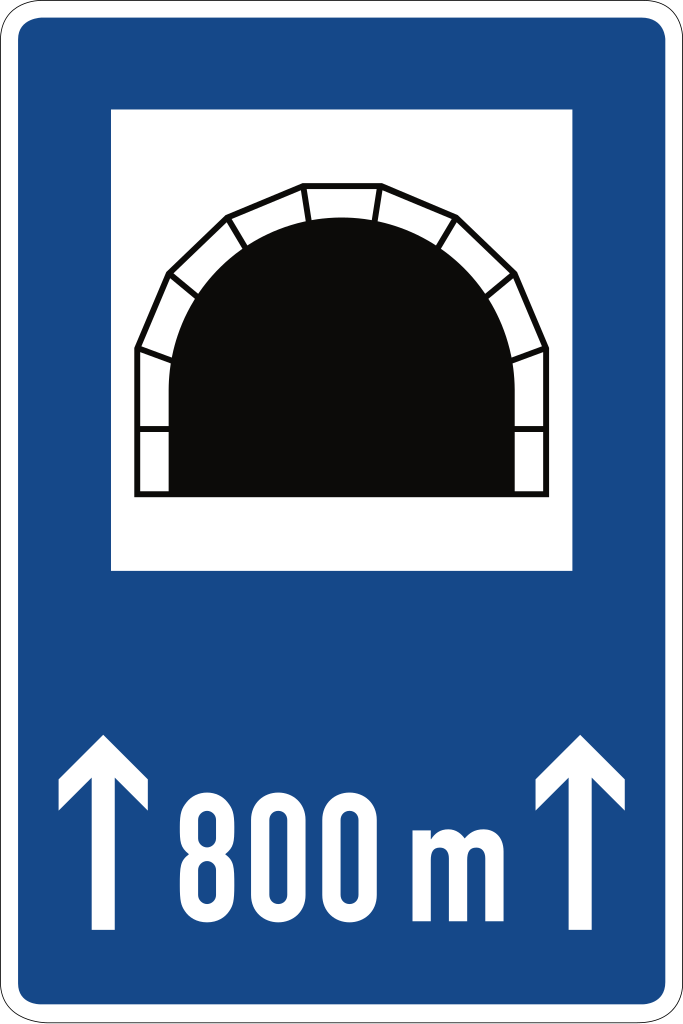
119. Start of a tunnel with indicated length
This traffic sign indicates the start of a tunnel and shows its length. The displayed value indicates the length of the tunnel. Follow the traffic rules and any special requirements that apply within it.
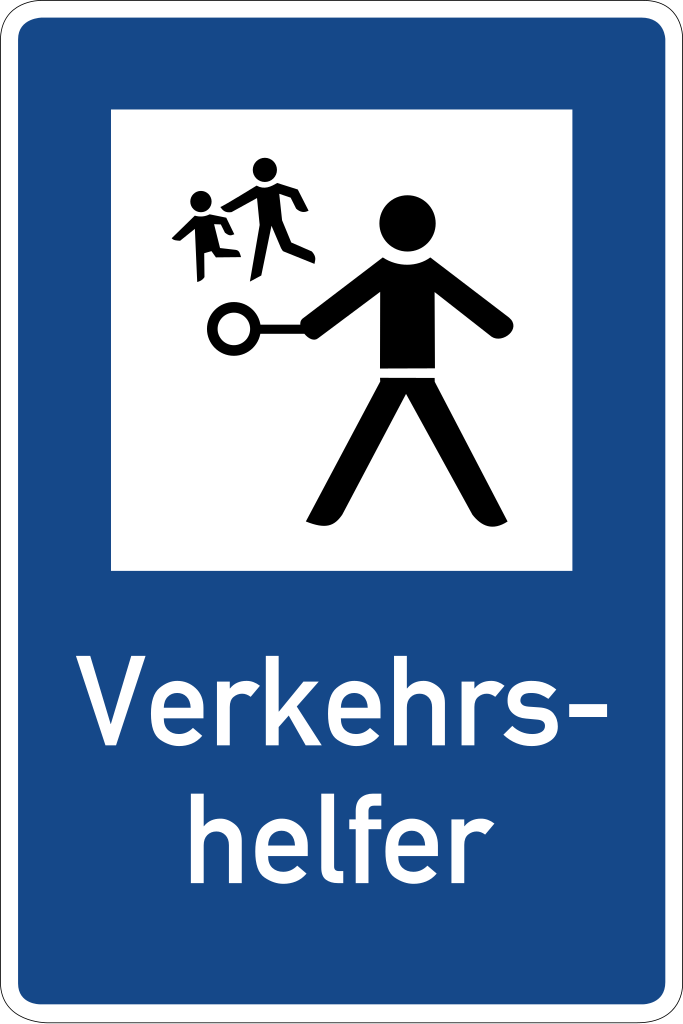
120. Crossing guard
This traffic sign indicates a crossing guard. A crossing guard or school crossing patrol assists pedestrians in crossing the road and may give instructions that road users must follow where required by local rules.
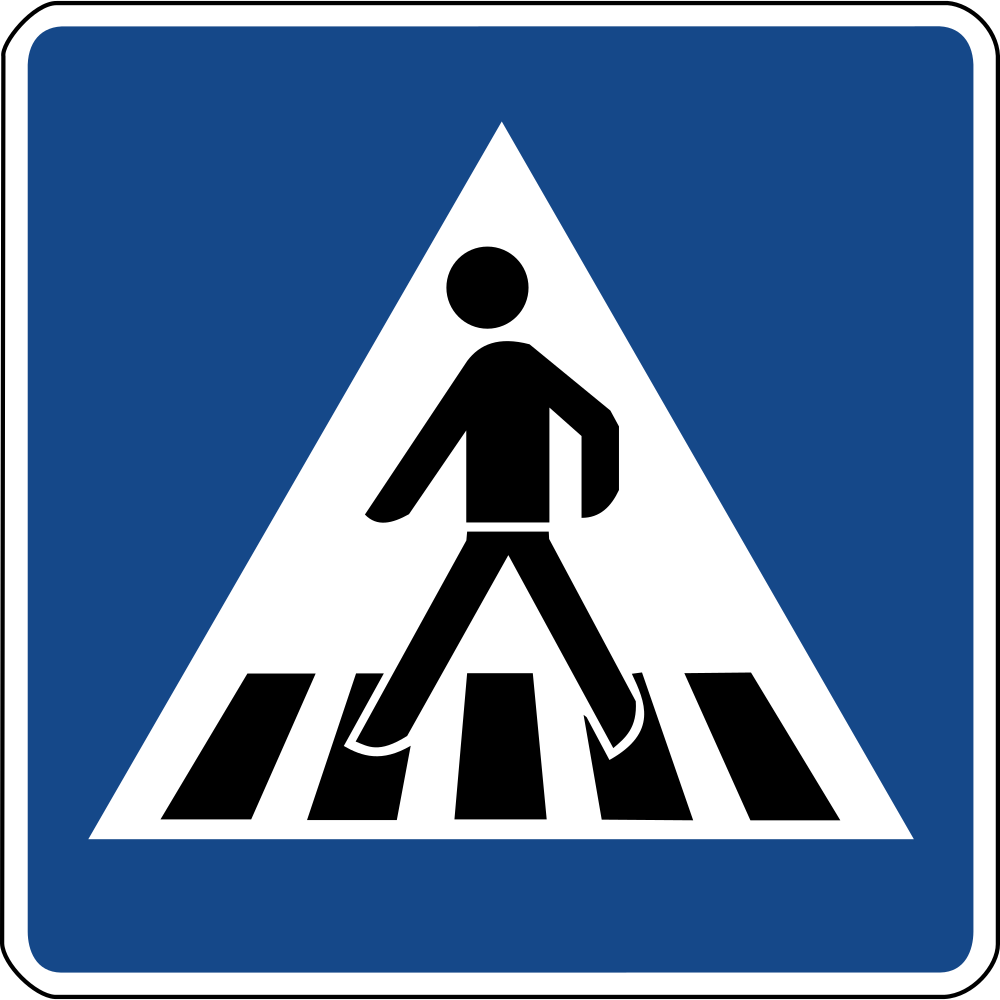
121. Crossing for pedestrians
This traffic sign indicates a crossing for pedestrians. It marks a designated place where pedestrians cross the road. Priority and crossing rules depend on the applicable traffic signs, signals and local regulations.
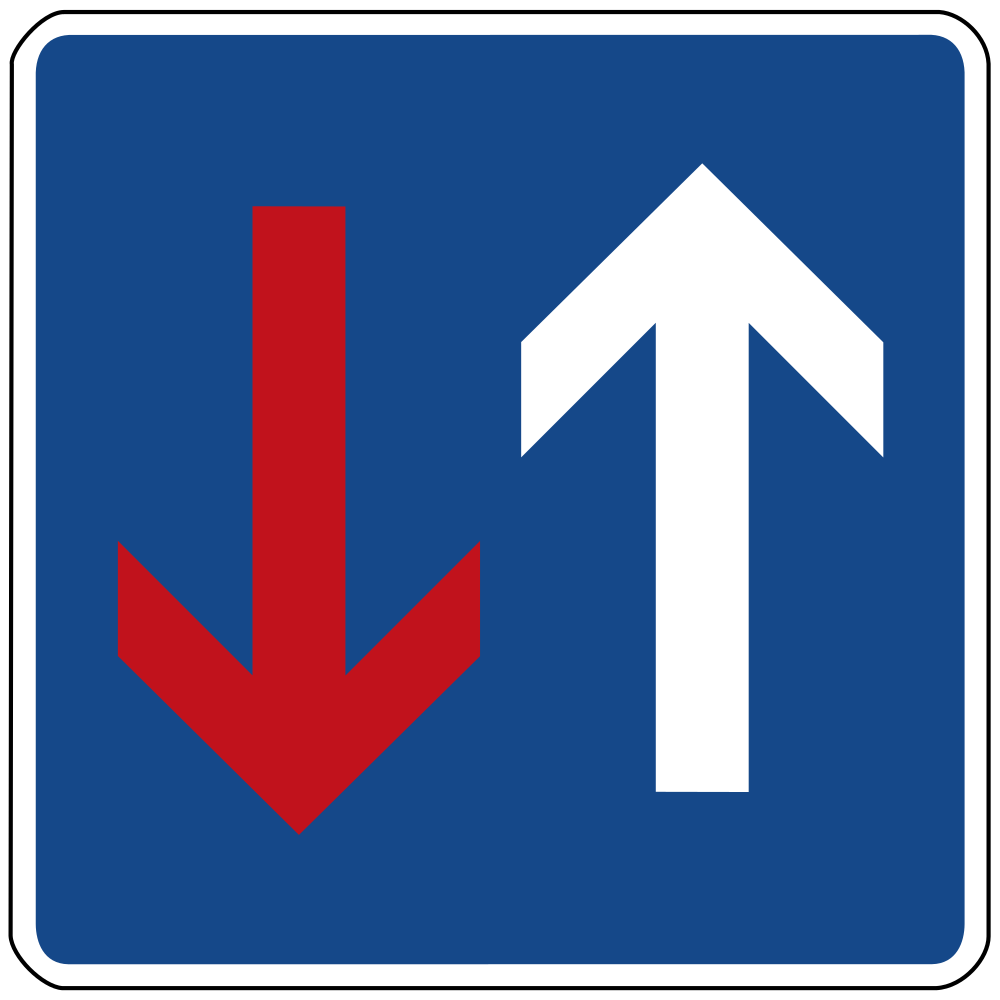
122. Road narrowing, oncoming drivers have to give way
This traffic sign indicates a road narrowing where oncoming drivers have to give way.
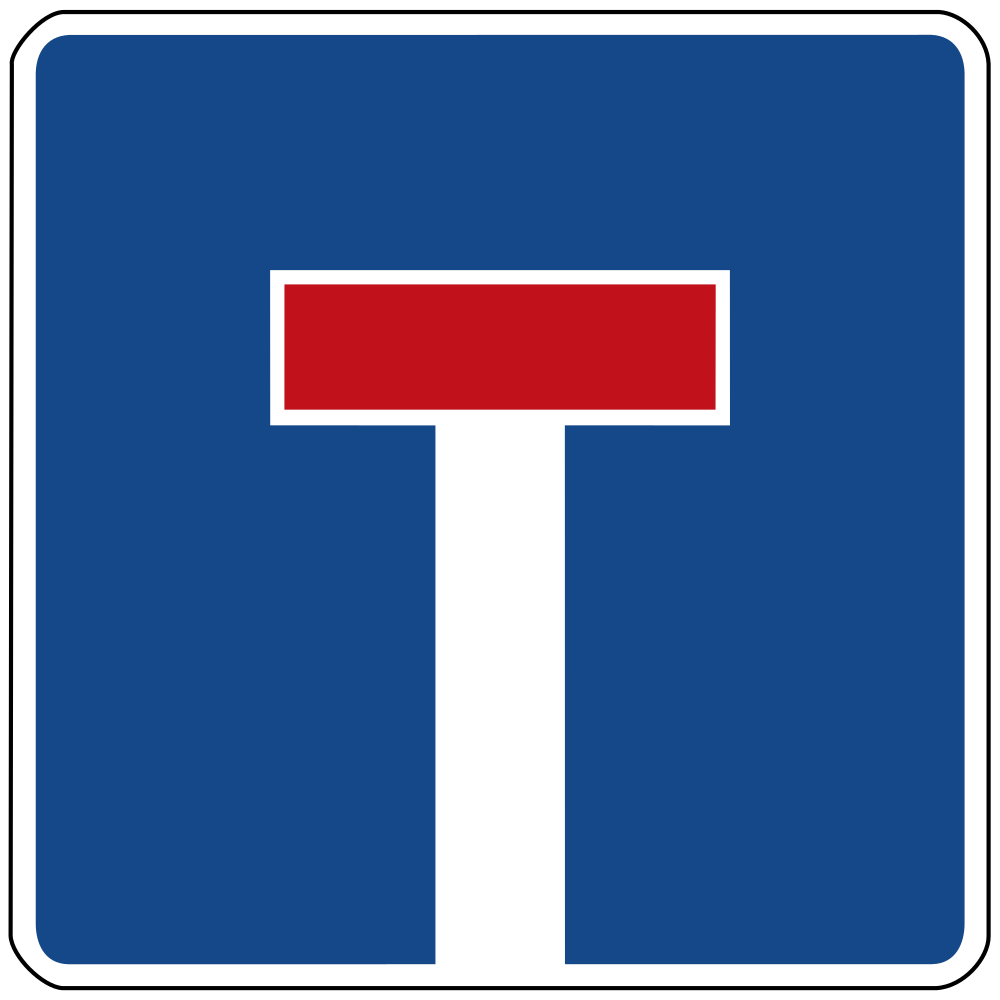
123. Dead end street
This traffic sign indicates a dead end street. The road has no through route for vehicles, although access to properties or other destinations along the road may still be possible.
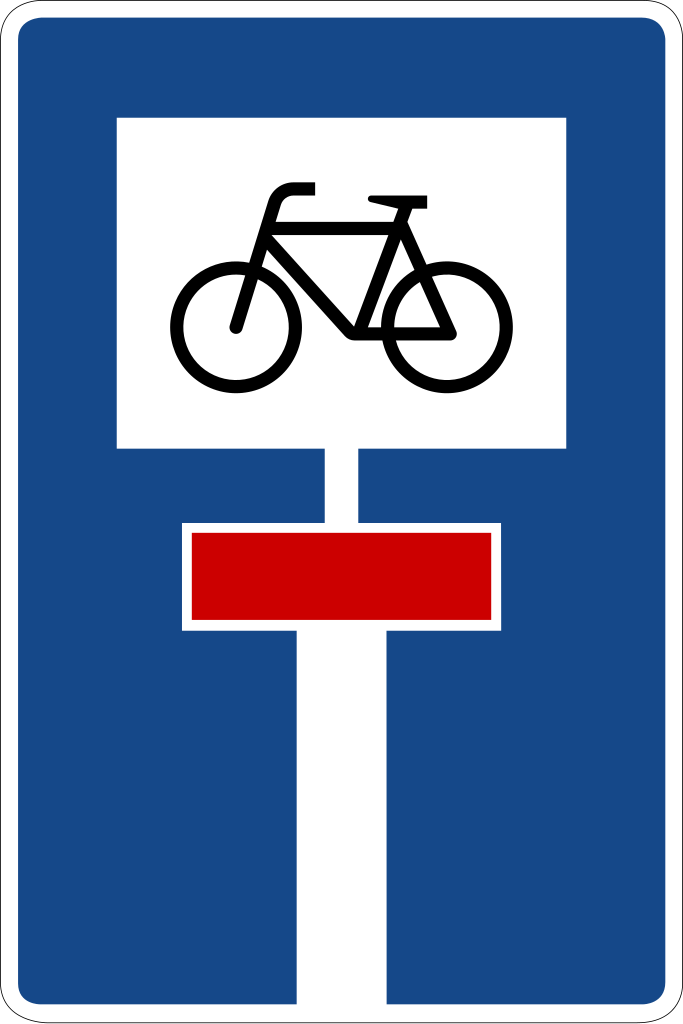
124. Dead end street with a passage for cyclists
This traffic sign indicates a dead end street with a passage for cyclists. The road has no through route for motor vehicles, but cyclists can continue beyond the dead end.
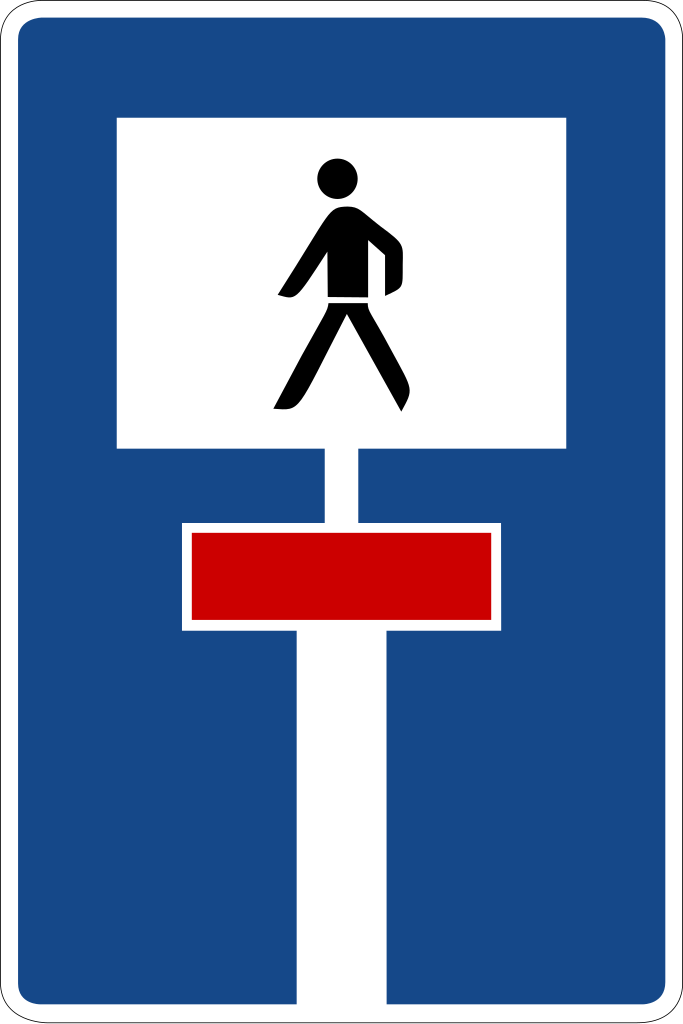
125. Dead end street with a passage for pedestrians
This traffic sign indicates a dead end street with a passage for pedestrians. The road has no through route for motor vehicles, but pedestrians can continue beyond the dead end.
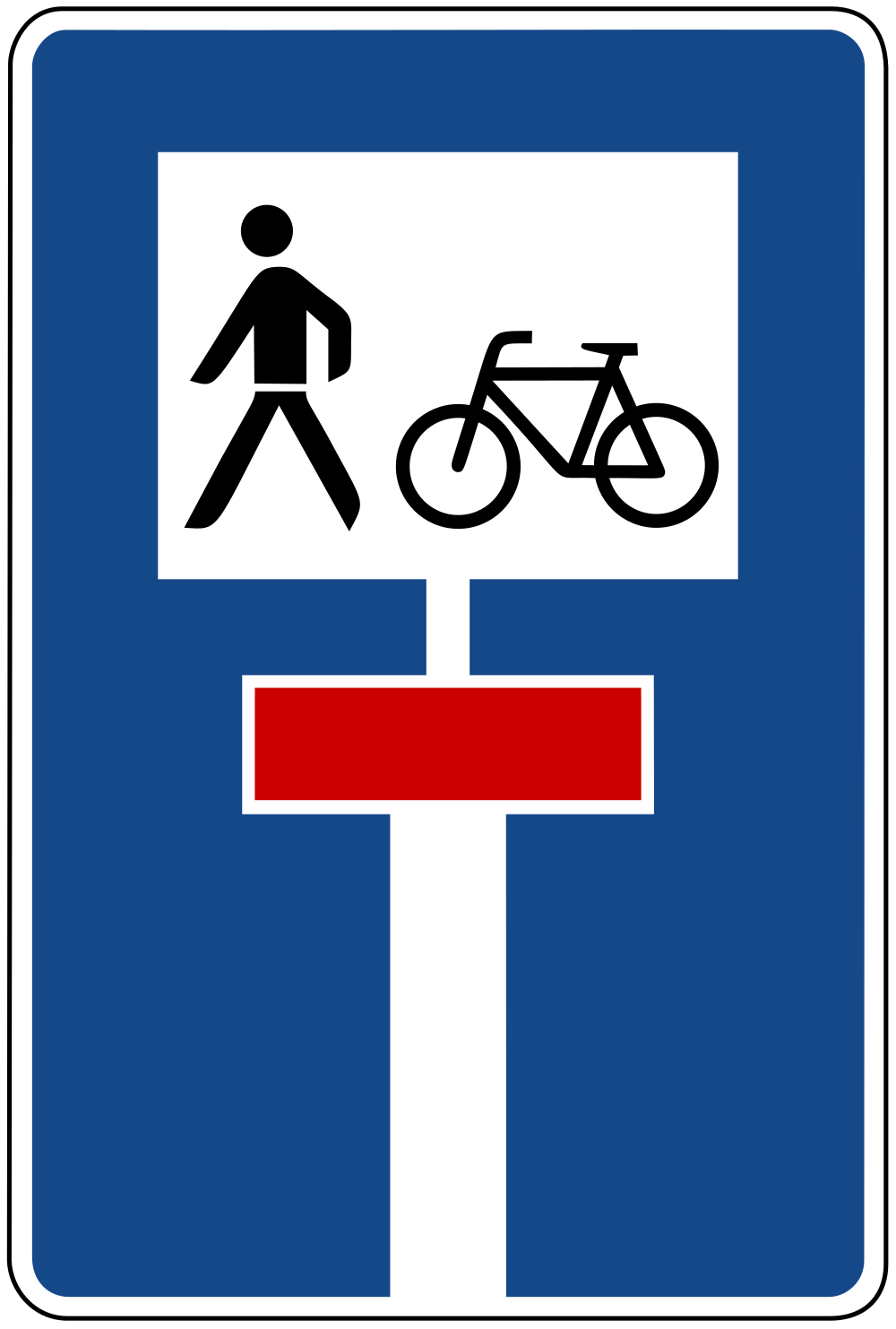
126. Dead end street with a passage for pedestrians and cyclists
This traffic sign indicates a dead end street with a passage for pedestrians and cyclists. The road has no through route for motor vehicles, but pedestrians and cyclists can continue beyond the dead end.
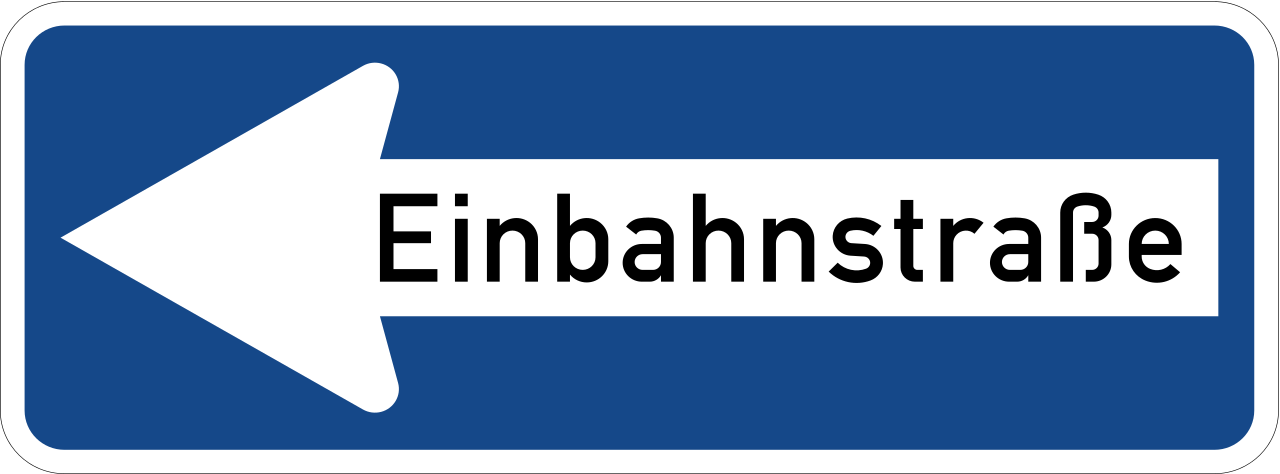
127. Road with one-way traffic
This traffic sign indicates a road with one-way traffic. Drivers may travel only in the permitted direction.
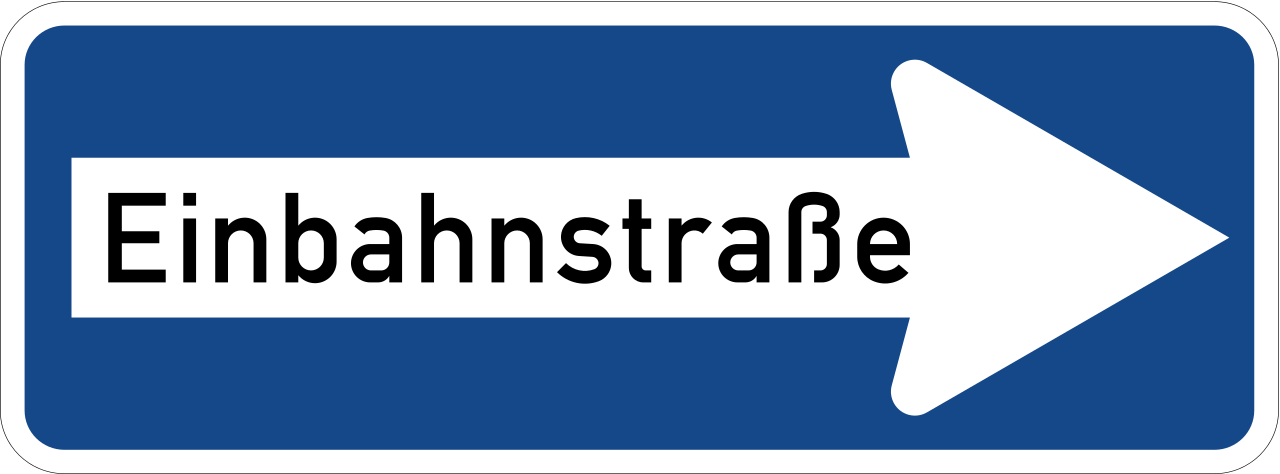
128. Road with one-way traffic
This traffic sign indicates a road with one-way traffic. Drivers may travel only in the permitted direction.
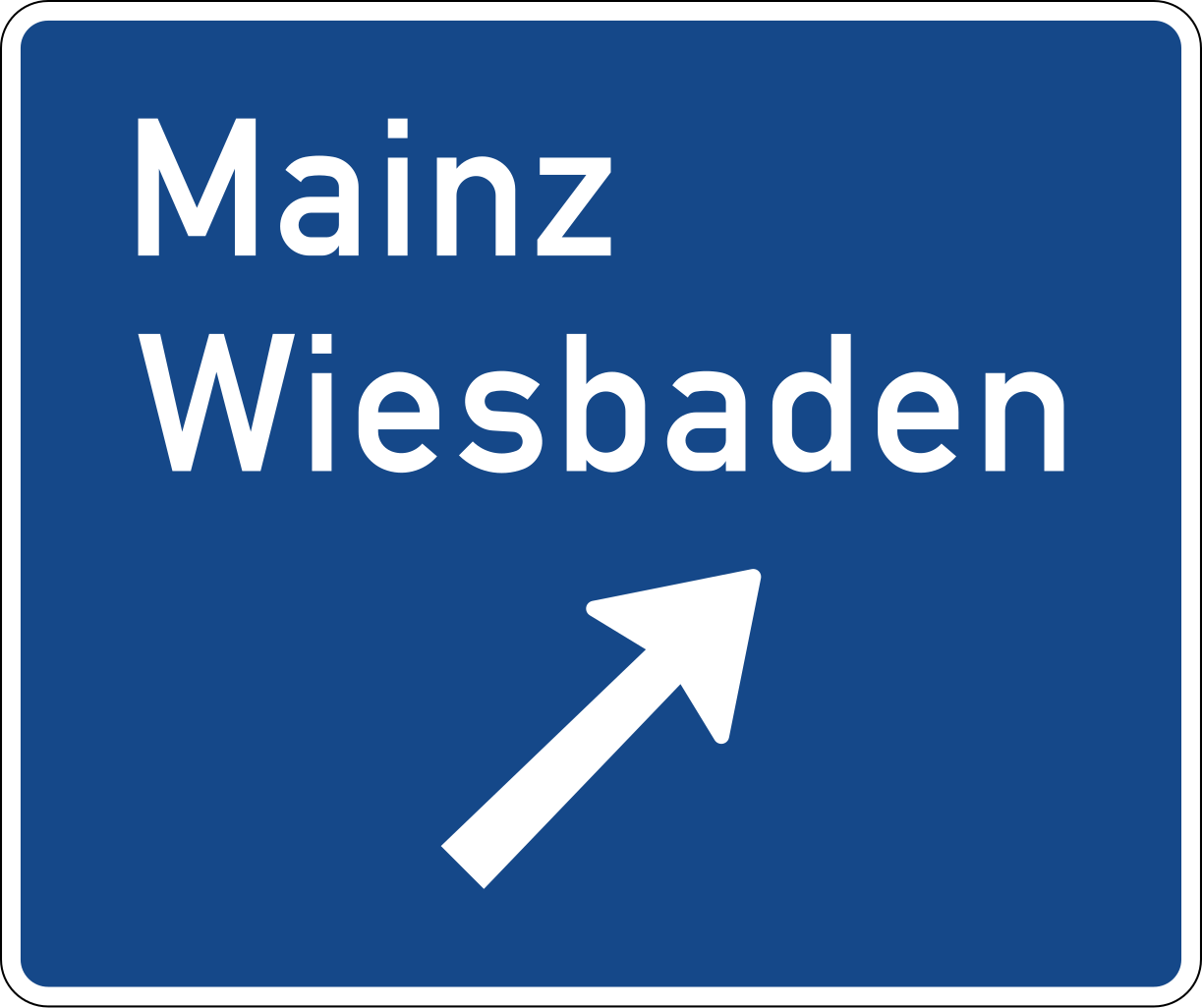
129. Information about the next exit
This traffic sign gives information about the next exit. It may show the exit number, destination, direction or distance to the exit.
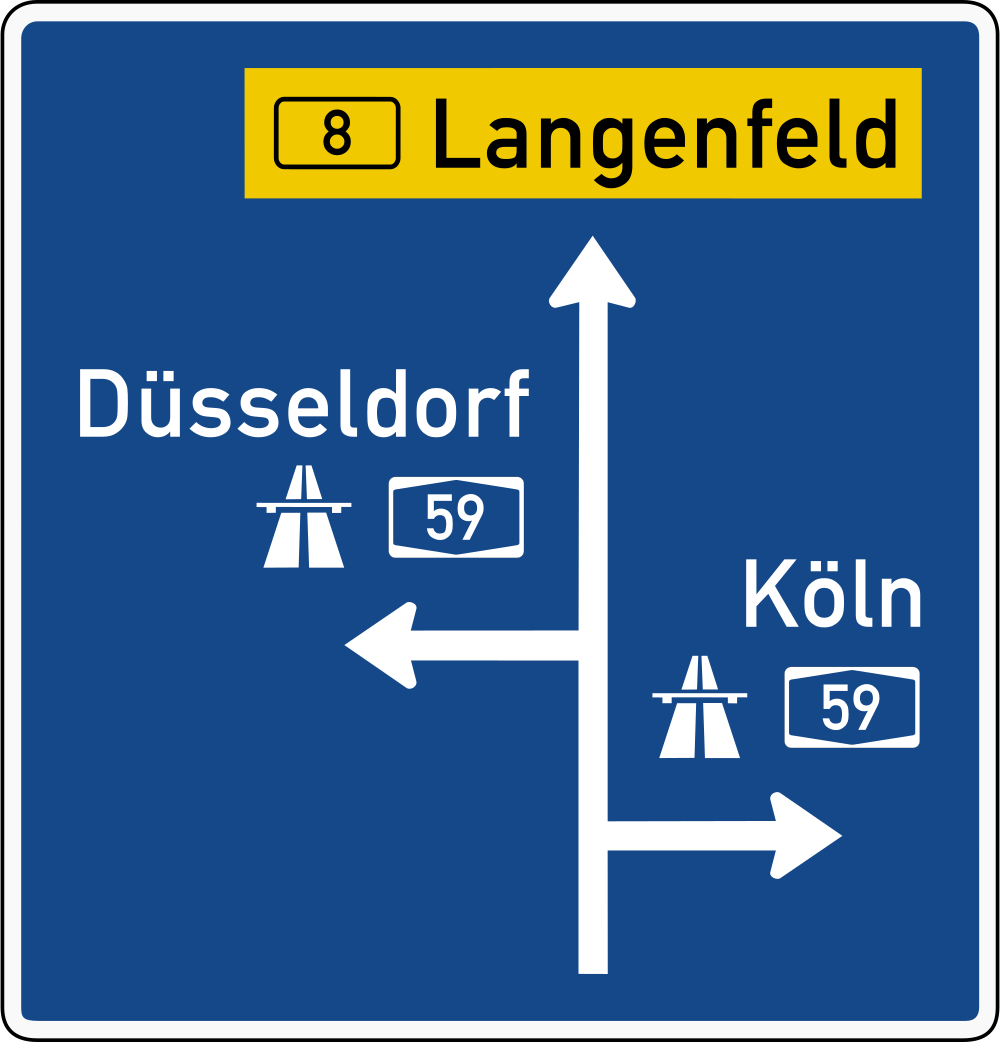
130. Ramp destination
This traffic sign gives information about the destination reached via the ramp. The displayed destination indicates where the ramp leads.
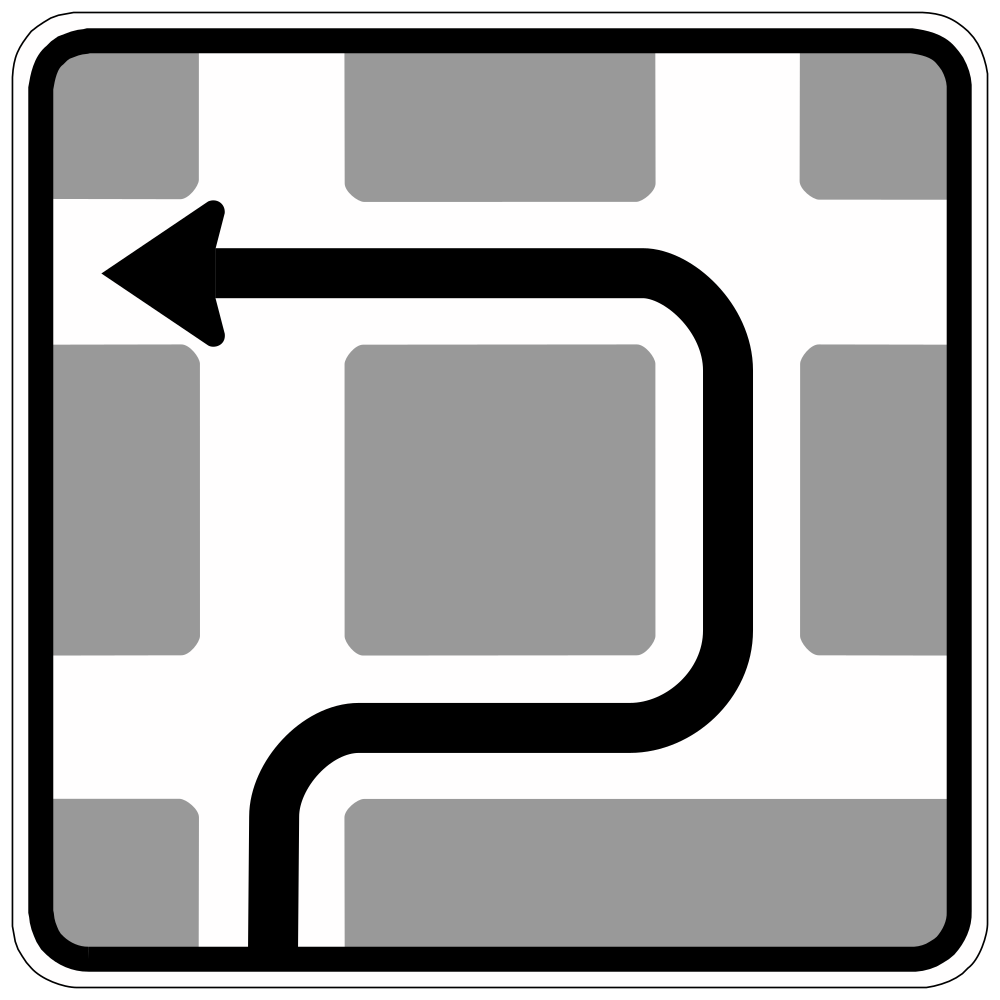
131. Route to be followed in order to turn left
This traffic sign indicates the route to use for a left turn. Follow the indicated route instead of turning left directly at this point.
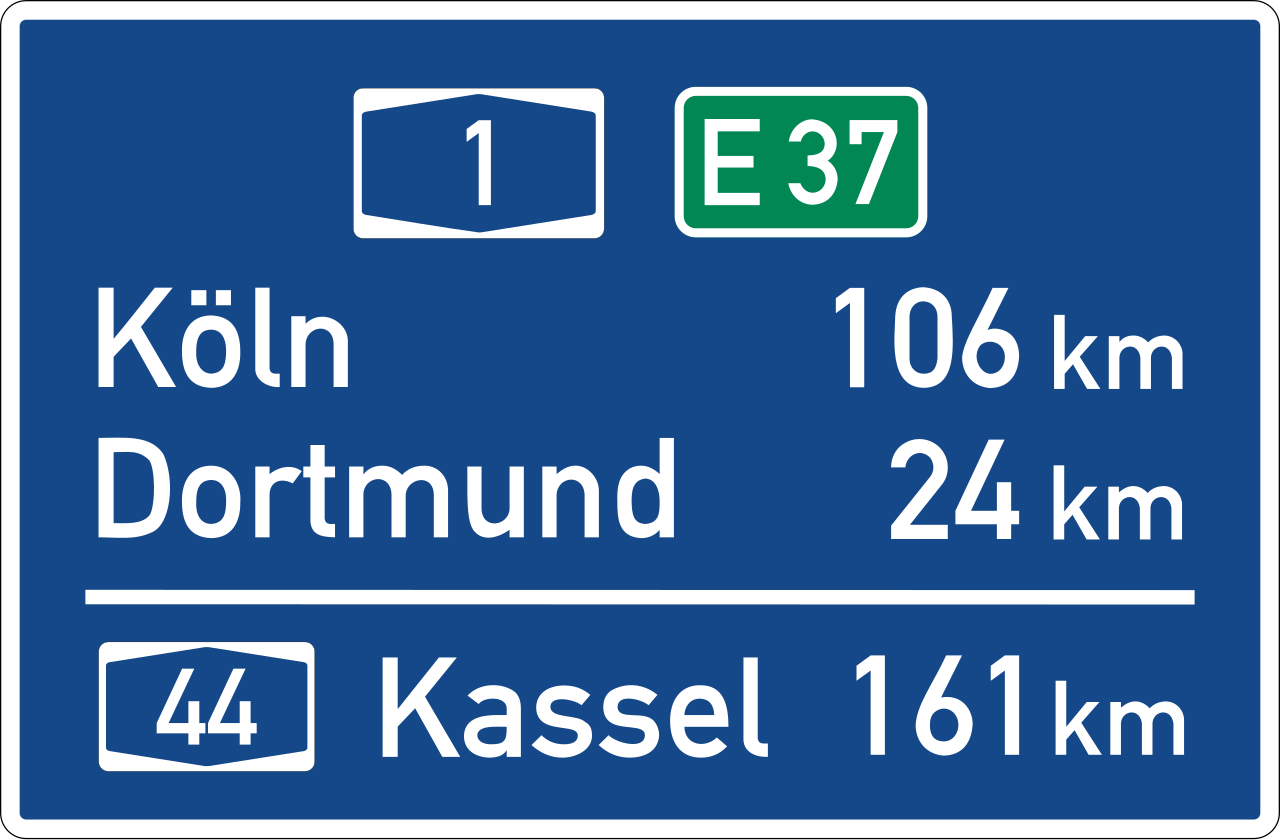
132. Information about the destination and distance
This traffic sign gives information about destinations and their distance. The displayed values show how far the indicated destinations are from the sign.
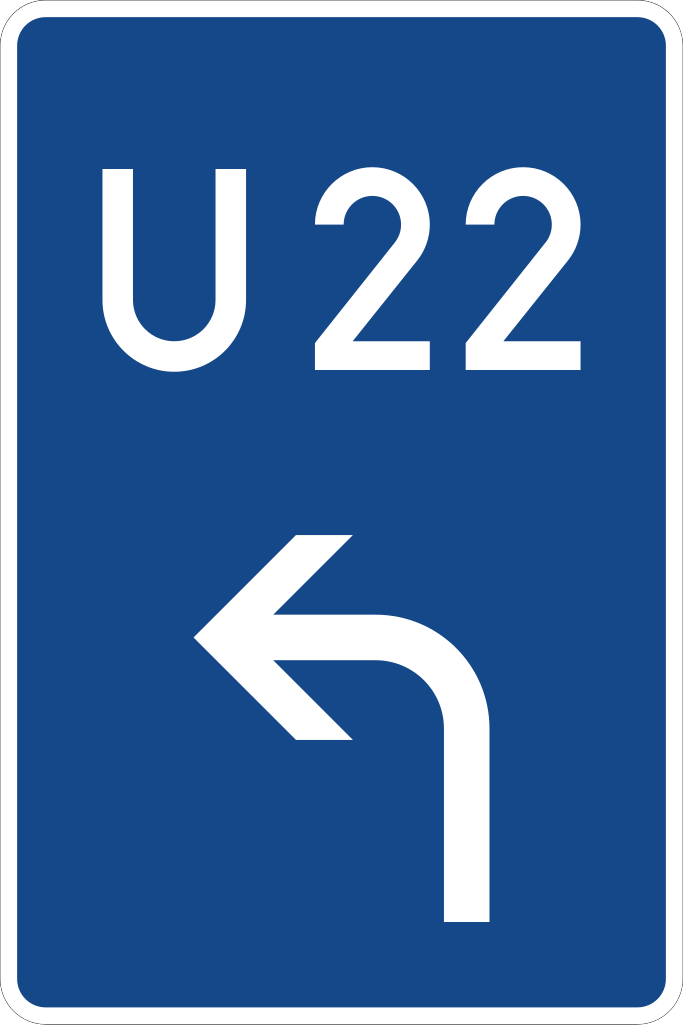
133. Detour directions
This traffic sign indicates detour directions. The arrows or destinations shown guide road users along the temporary or alternative route.
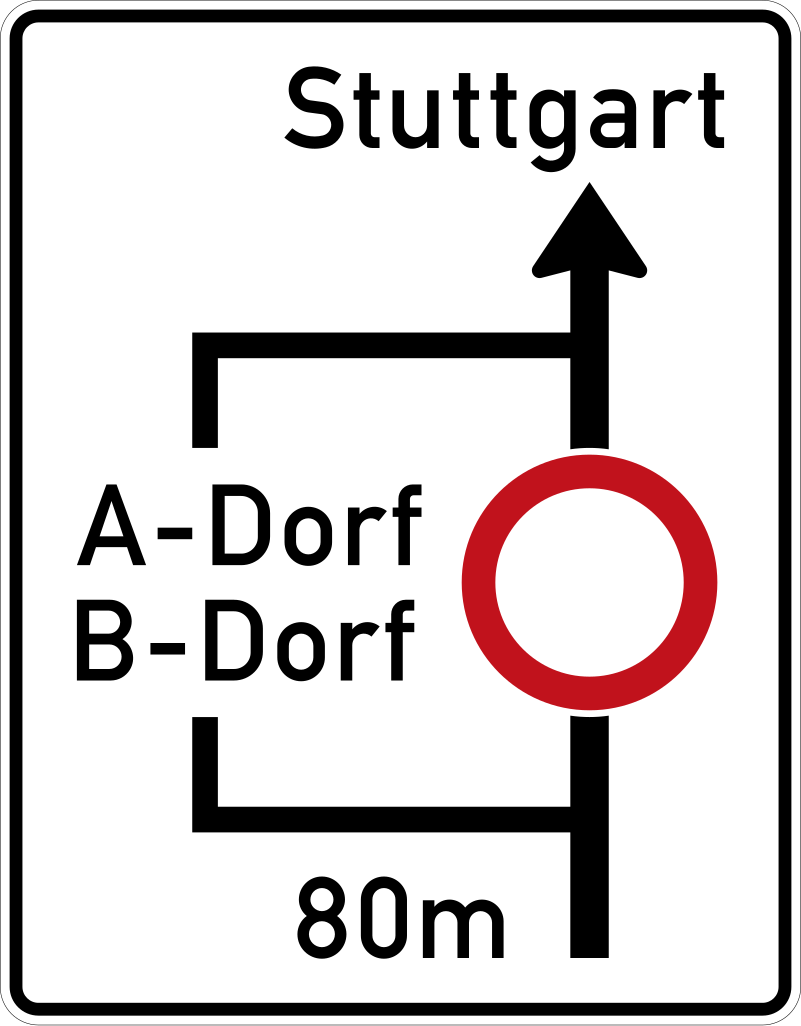
134. Detour for vehicles that are not allowed to pass
This traffic sign indicates a detour for vehicles that cannot continue on the normal route. Vehicles affected by the relevant restriction should follow the indicated alternative route.
135. Recommended detour route
This traffic sign indicates a recommended detour route. The indicated route is recommended as an alternative to the normal route but is not itself mandatory unless another traffic rule requires it.
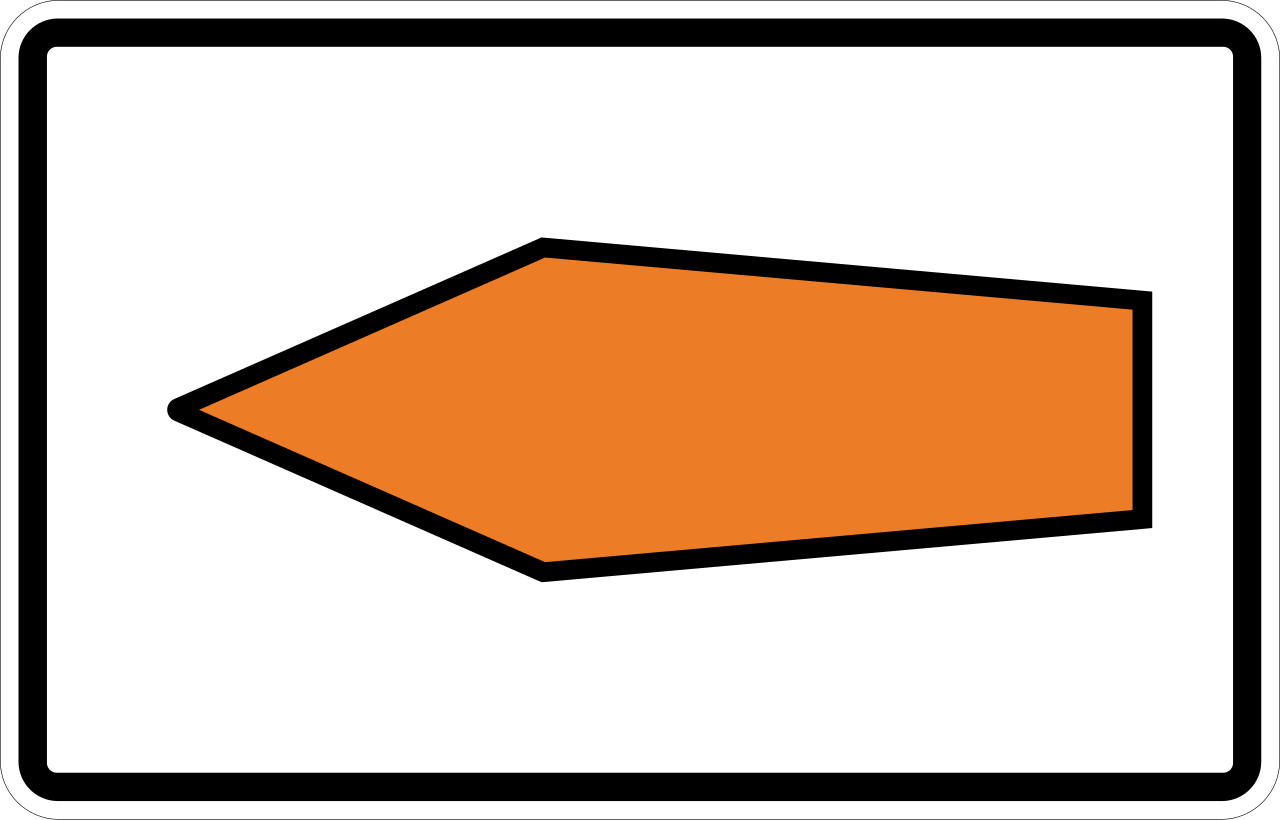
136. End of a lane
This traffic sign indicates the end of a lane. The displayed lane arrangement shows which lane ends and how the remaining traffic lanes continue.
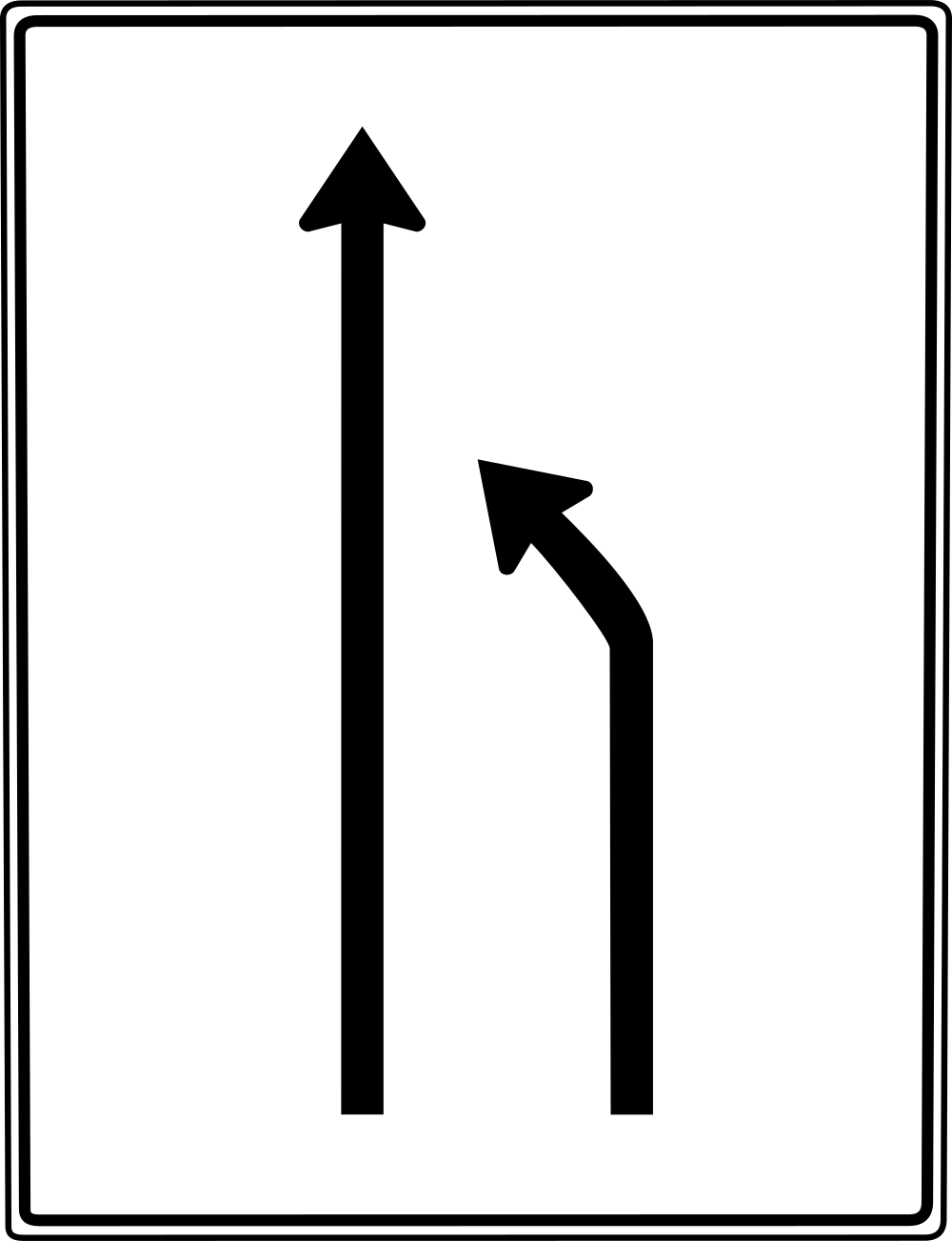
137. Temporary median strip diversion
This traffic sign indicates that traffic is temporarily directed through an opening in the central reservation. Follow the displayed direction and temporary lane markings through the diversion.
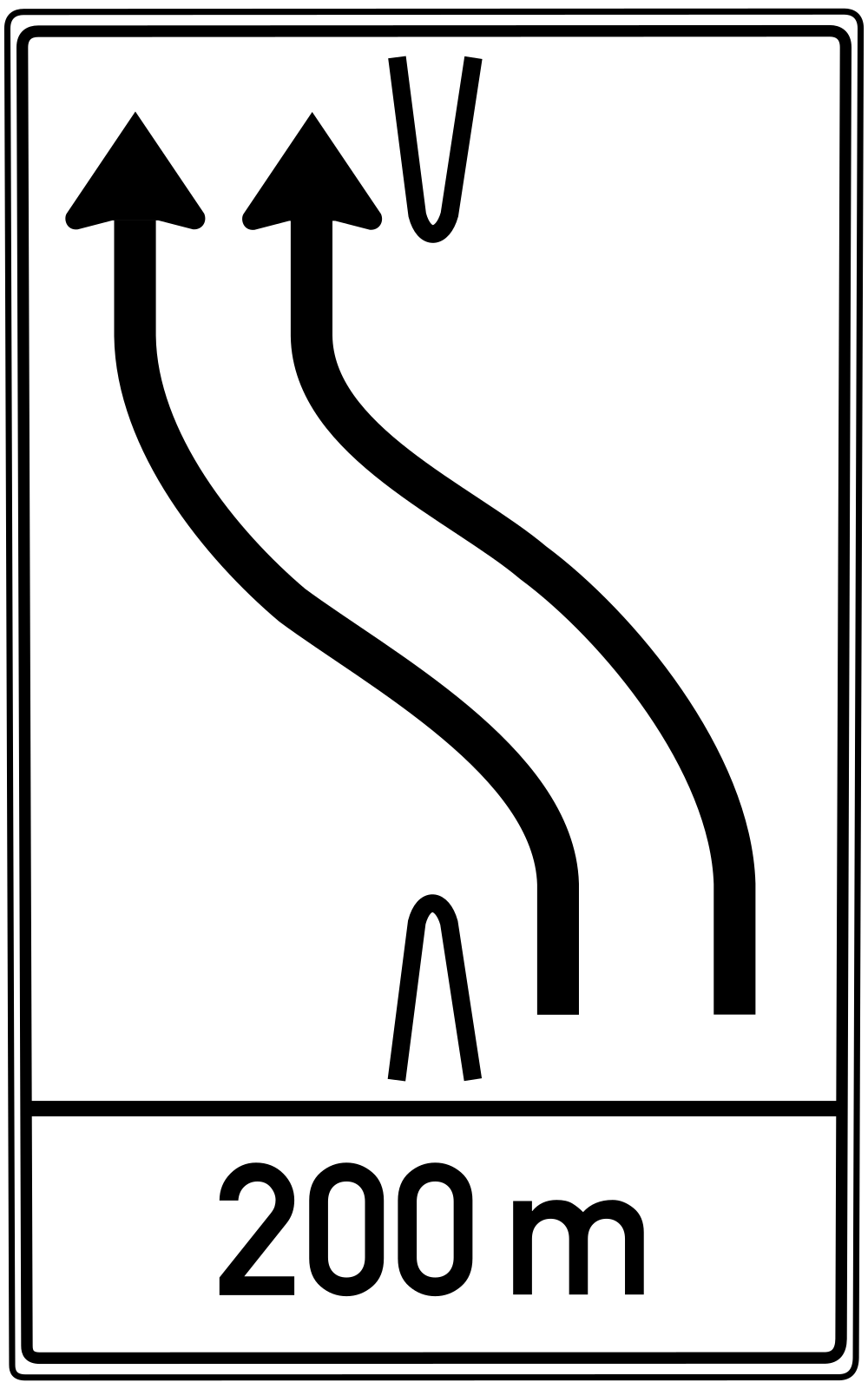
138. Detour
This traffic sign indicates a detour. The temporary route guides traffic around a road closure, roadworks or another disruption affecting the normal route.
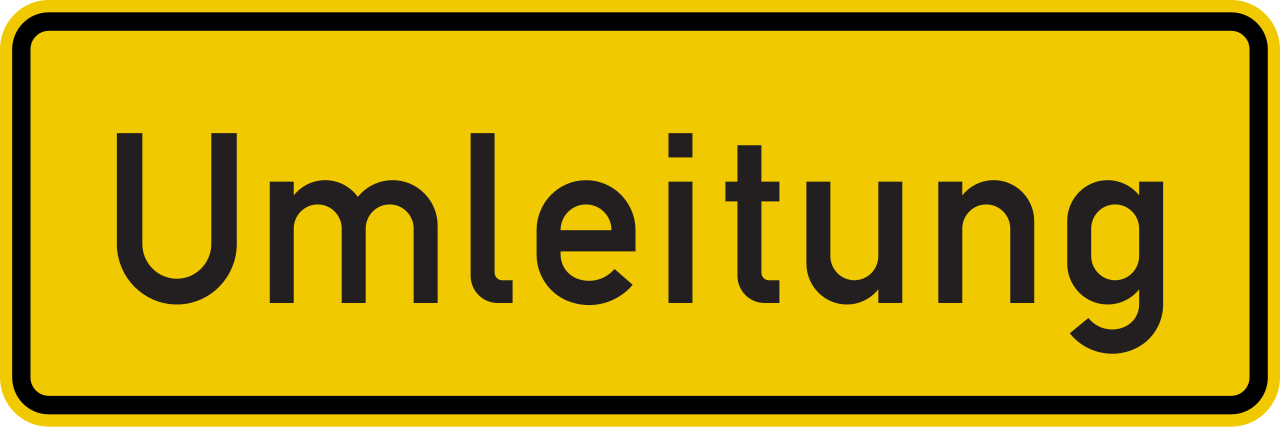
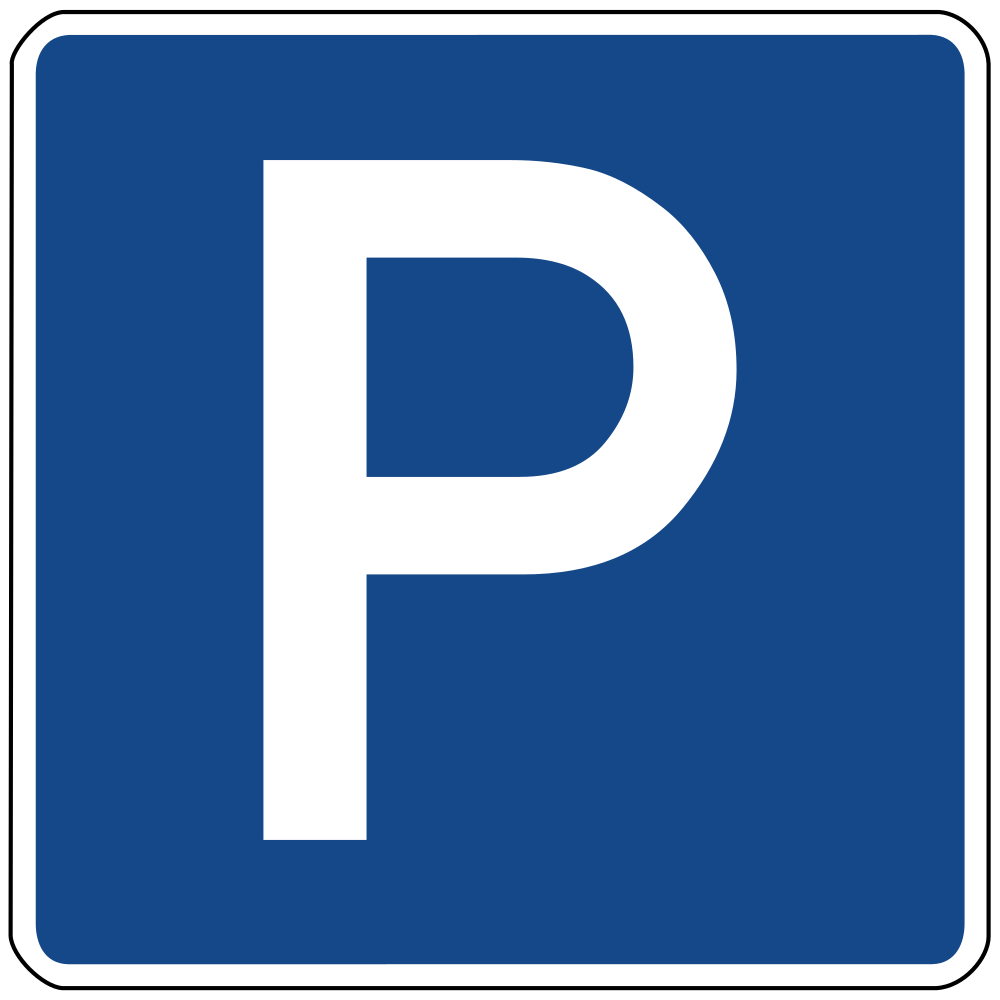
139. Parking allowed
This traffic sign indicates that parking is allowed. Vehicles may be parked in the area covered by the sign subject to any indicated conditions, restrictions or local parking rules.
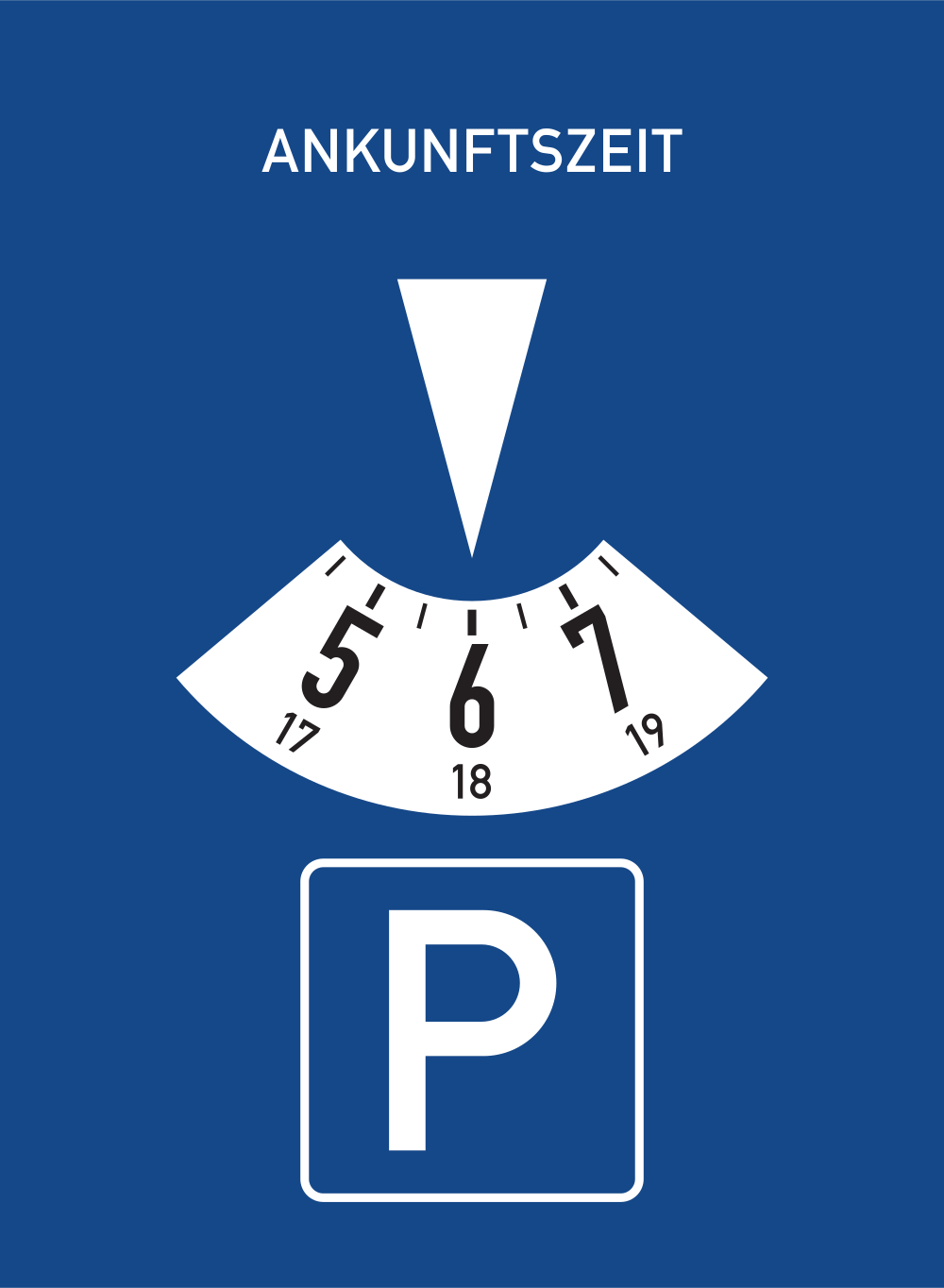
140. Parking only allowed for a limited time
This traffic sign indicates that parking is allowed only for a limited time. Observe the permitted parking duration and use a parking disc or other time-recording method where required.
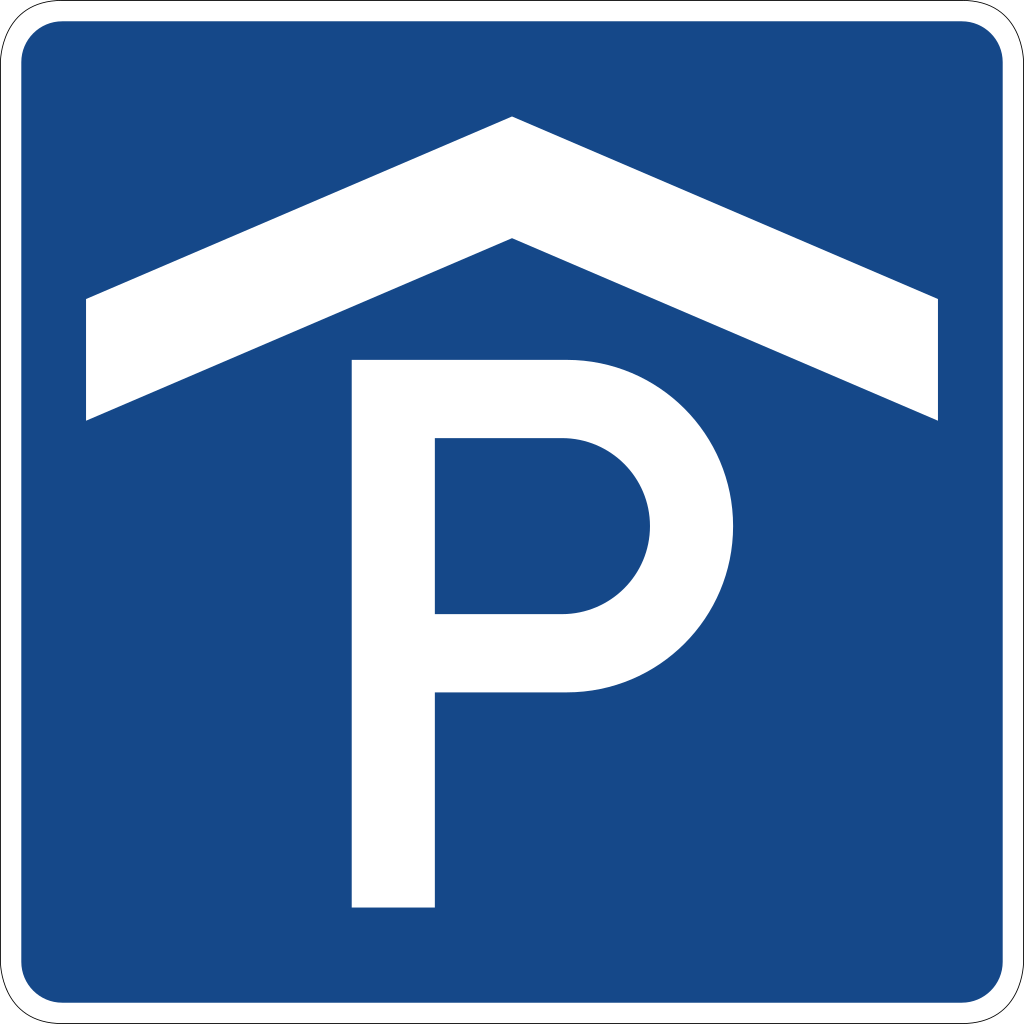
141. Covered car park
This traffic sign indicates a covered car park. A covered car park is an enclosed or roofed parking facility that protects vehicles from the weather. It may be underground, at ground level or arranged over several storeys.
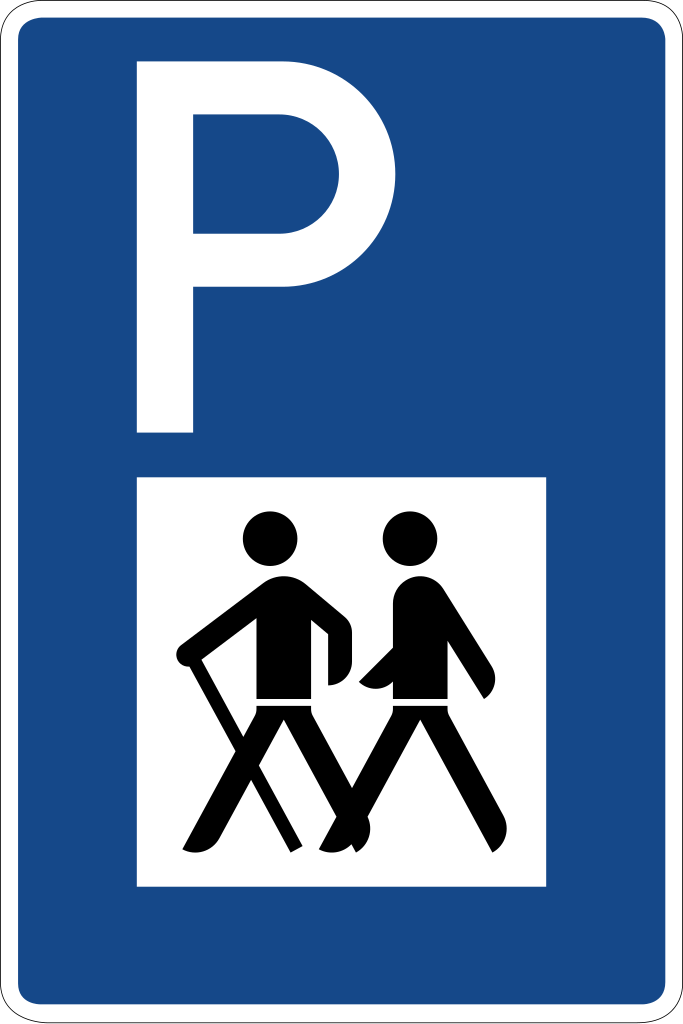
142. Parking area for hikers
This traffic sign indicates a parking area for hikers. The parking area is intended for people accessing a hiking route or walking area.
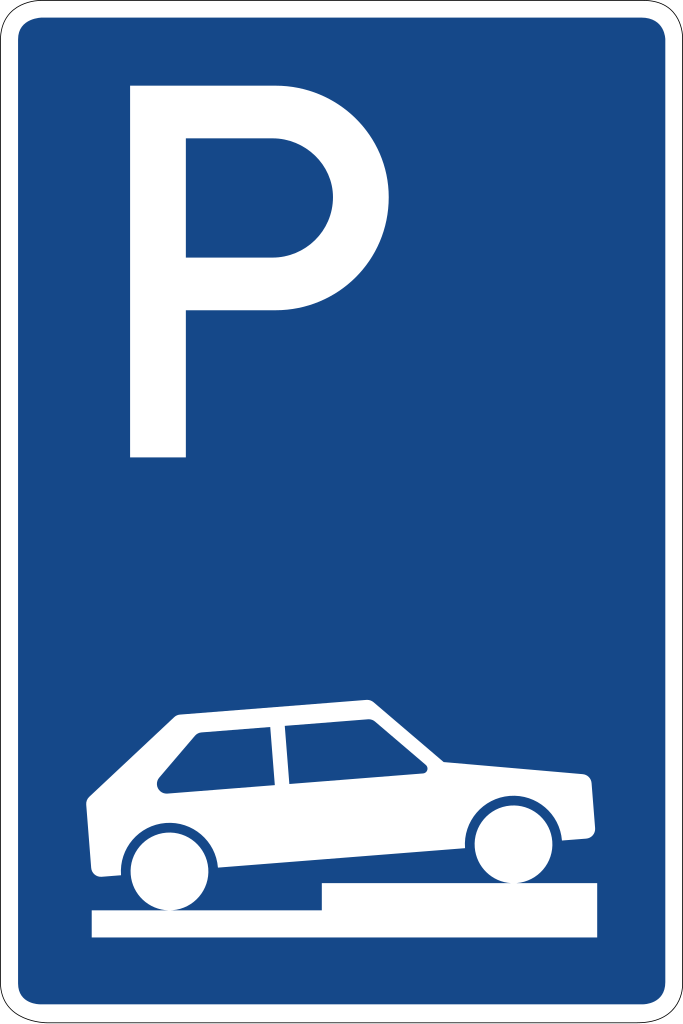
143. Parking partly on the roadway and verge
This traffic sign indicates parking partly on the roadway and adjoining verge or pavement. Vehicles must park in the position shown by the sign, with part of the vehicle on the roadway and part on the adjoining verge or pavement.
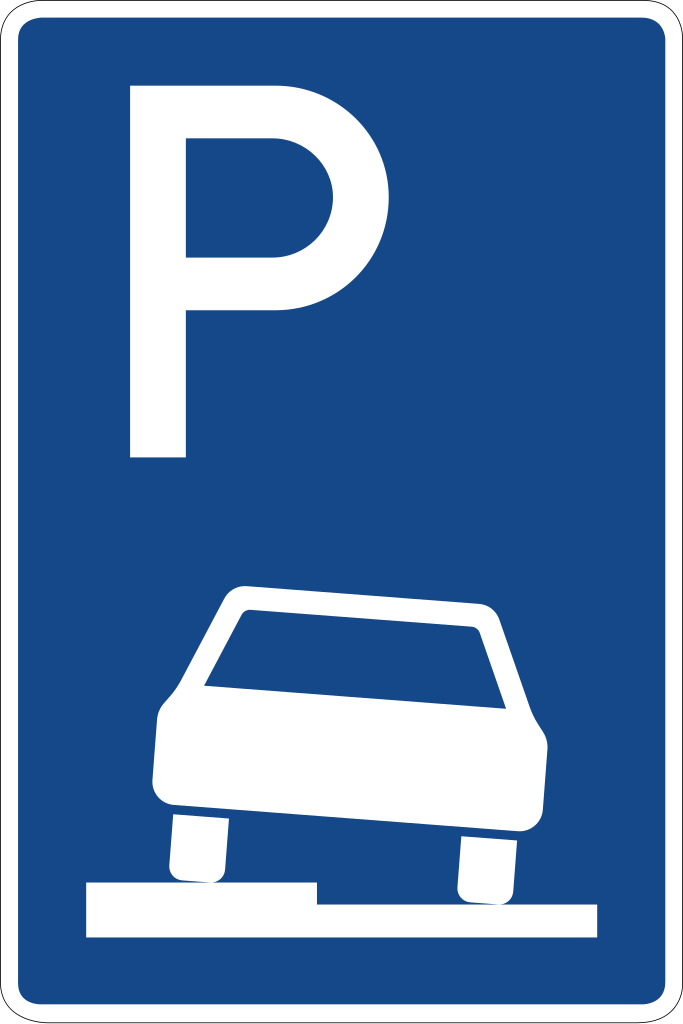
144. Parking partly on the roadway and verge
This traffic sign indicates parking partly on the roadway and adjoining verge or pavement. Vehicles must park in the position shown by the sign, with part of the vehicle on the roadway and part on the adjoining verge or pavement.
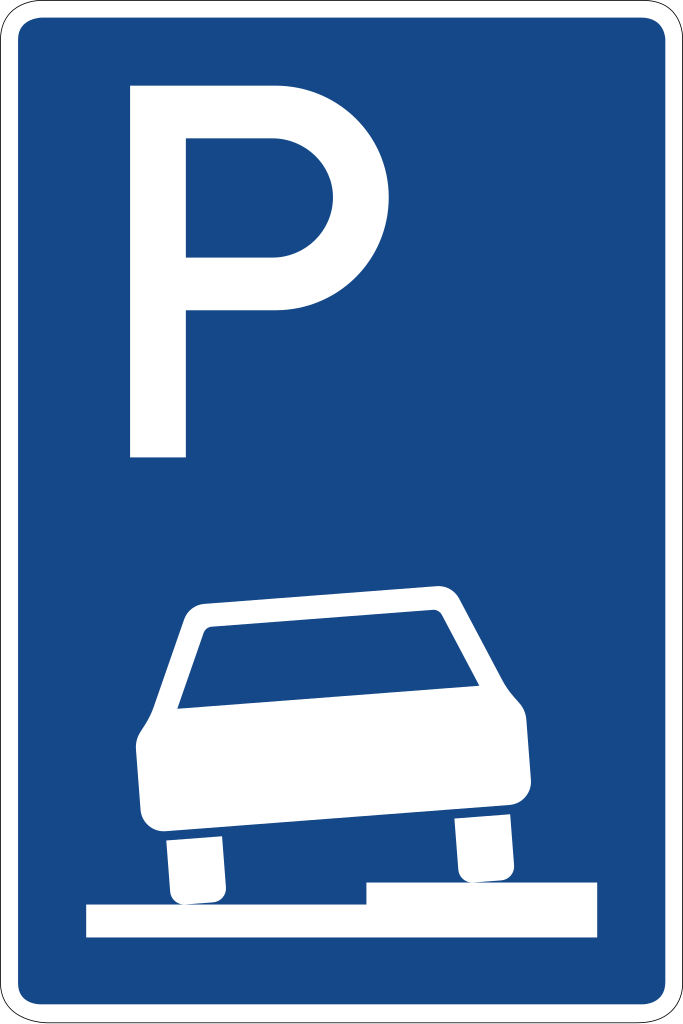
145. Parking only allowed on the verge or pavement
This traffic sign indicates that parking is only allowed on the verge or pavement. Vehicles must park in the position shown by the sign rather than on the roadway.
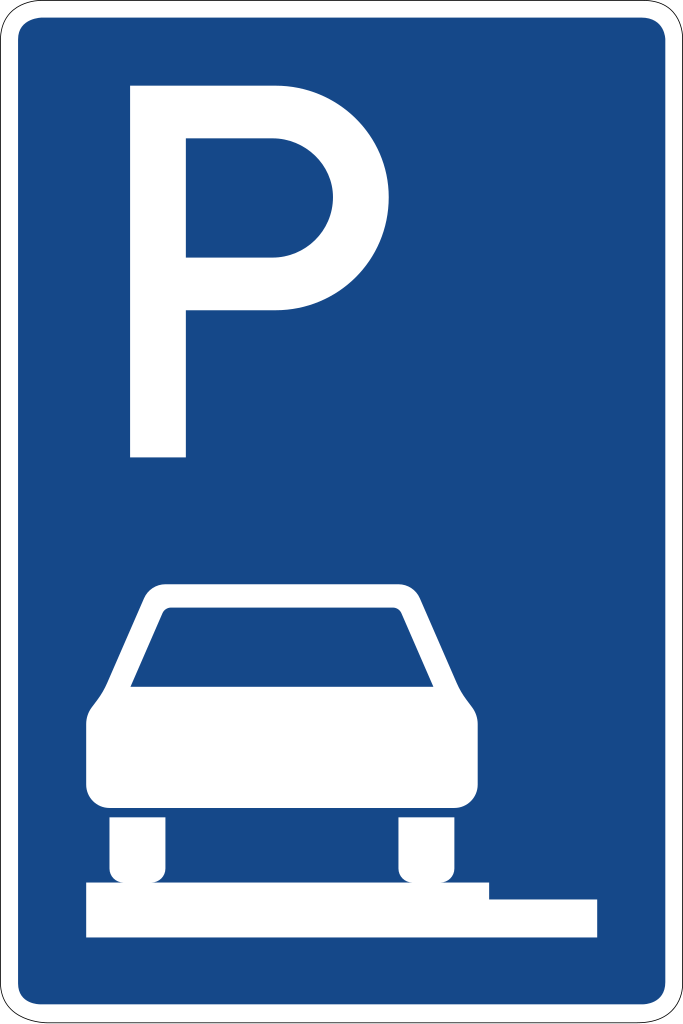
146. Parking only allowed on the verge or pavement
This traffic sign indicates that parking is only allowed on the verge or pavement. Vehicles must park in the position shown by the sign rather than on the roadway.
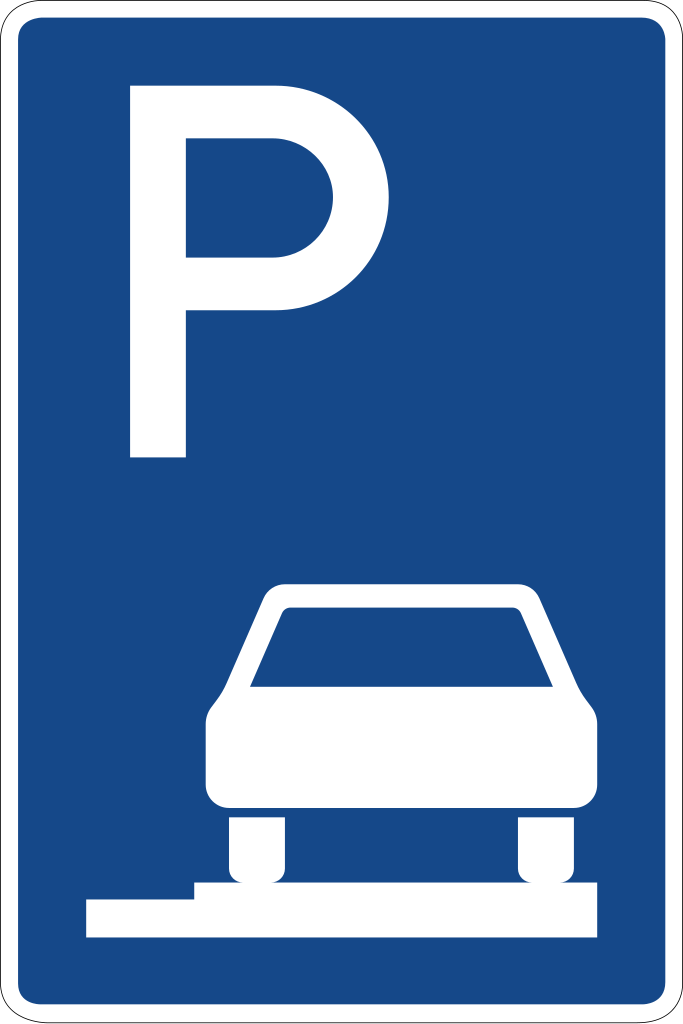
147. Park and carpooling
This traffic sign indicates a park and carpool facility. Drivers can leave their vehicles in the designated car park and continue their journey together in another vehicle.
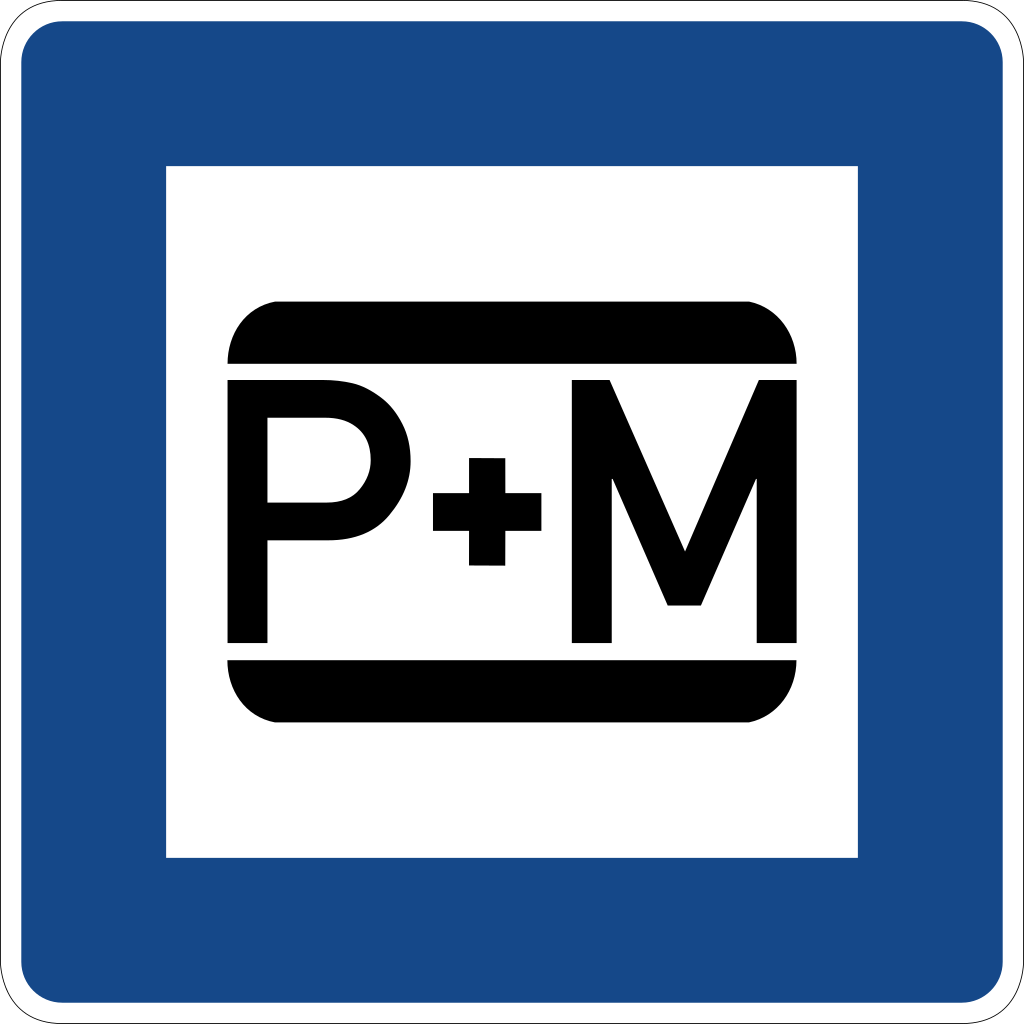
148. Park and ride
This traffic sign indicates a park and ride (P+R). Drivers can park their vehicles and continue their journey by public transport.
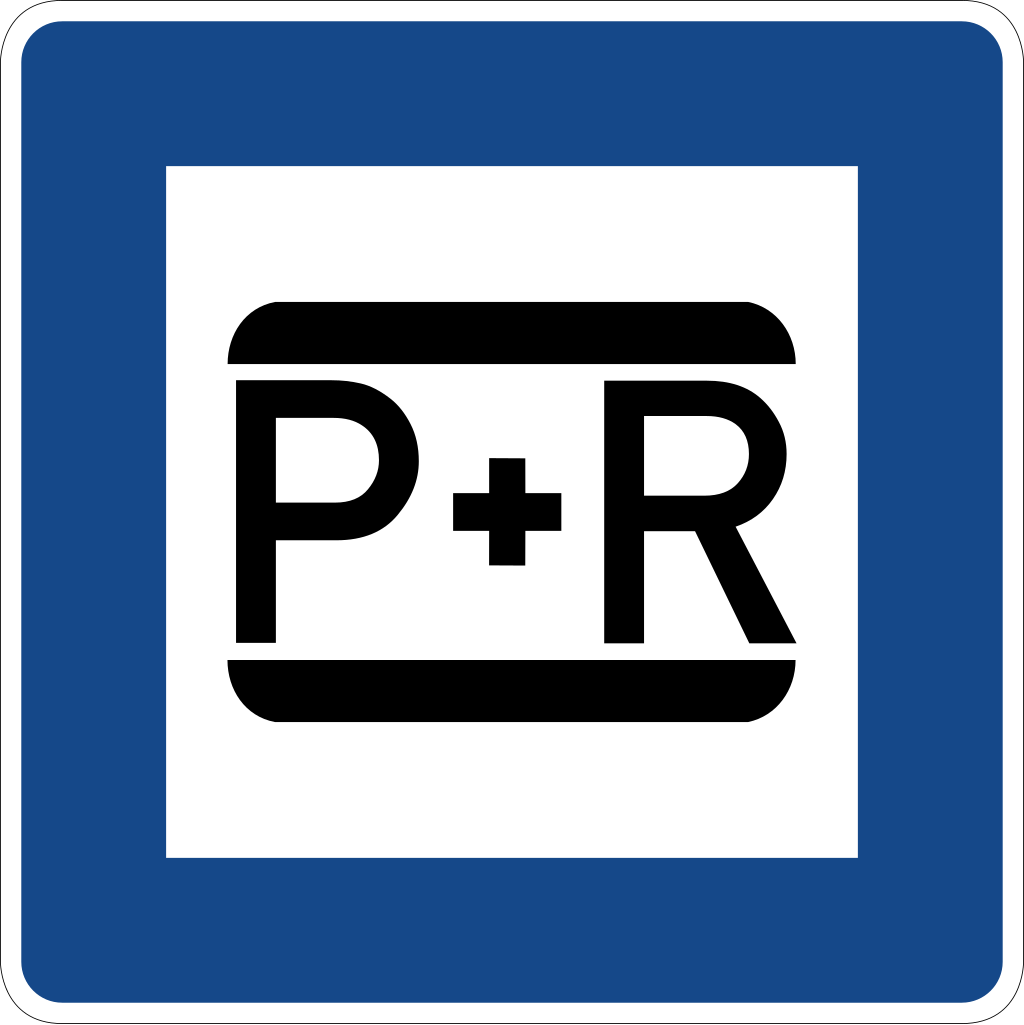
149. Parking only allowed partially on the verge or pavement
This traffic sign indicates that parking is only allowed partially on the verge or pavement. Vehicles must park in the position shown by the sign, with part of the vehicle on the roadway and part on the adjoining verge or pavement.
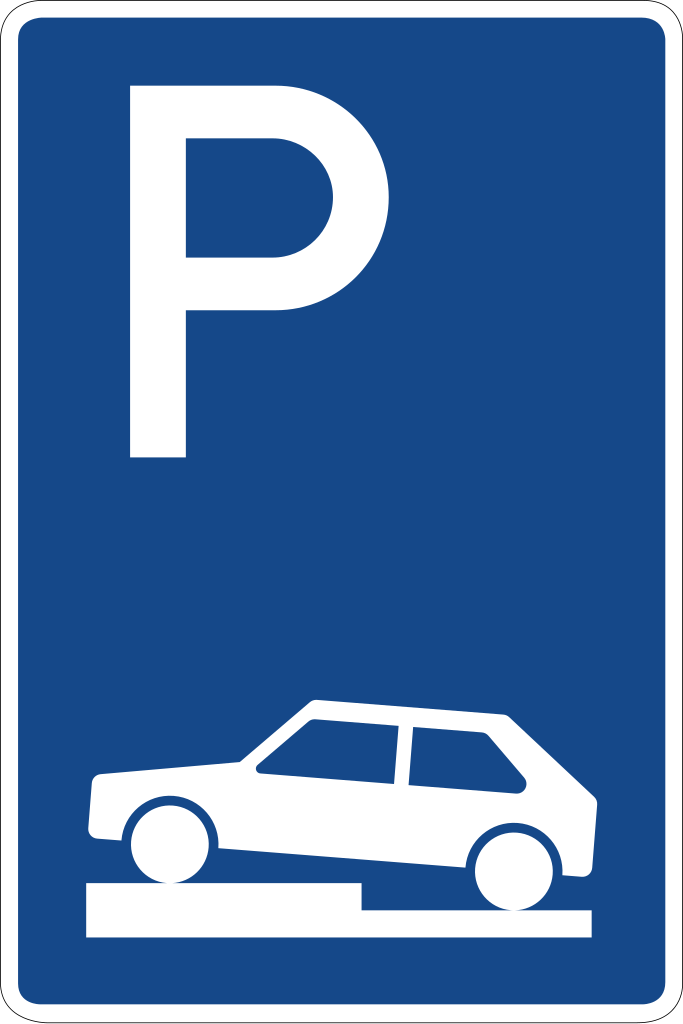
150. Parking only allowed partially on the verge or pavement
This traffic sign indicates that parking is only allowed partially on the verge or pavement. Vehicles must park in the position shown by the sign, with part of the vehicle on the roadway and part on the adjoining verge or pavement.