Prohibido estacionarPortugal

Aprende normas de tráfico con explicaciones claras y ejemplos visuales en nuestro libro ilustrado, diseñado para que estudiar sea sencillo y ameno.


20. Prohibido estacionar

Prohibido estacionar indica que los vehículos no pueden quedar estacionados en el lugar o tramo de carretera cubierto por la restricción. Según la legislación local, todavía puede permitirse detenerse brevemente para recoger o dejar pasajeros o para cargar o descargar mercancías, siempre que la parada en sí no esté prohibida.

La prohibición de estacionar puede aplicarse de forma continua o solo durante determinadas horas, días, categorías de vehículos o tramos de carretera. Su alcance exacto y las excepciones vienen determinados por la señal, los paneles complementarios, las marcas viales y las normas locales.
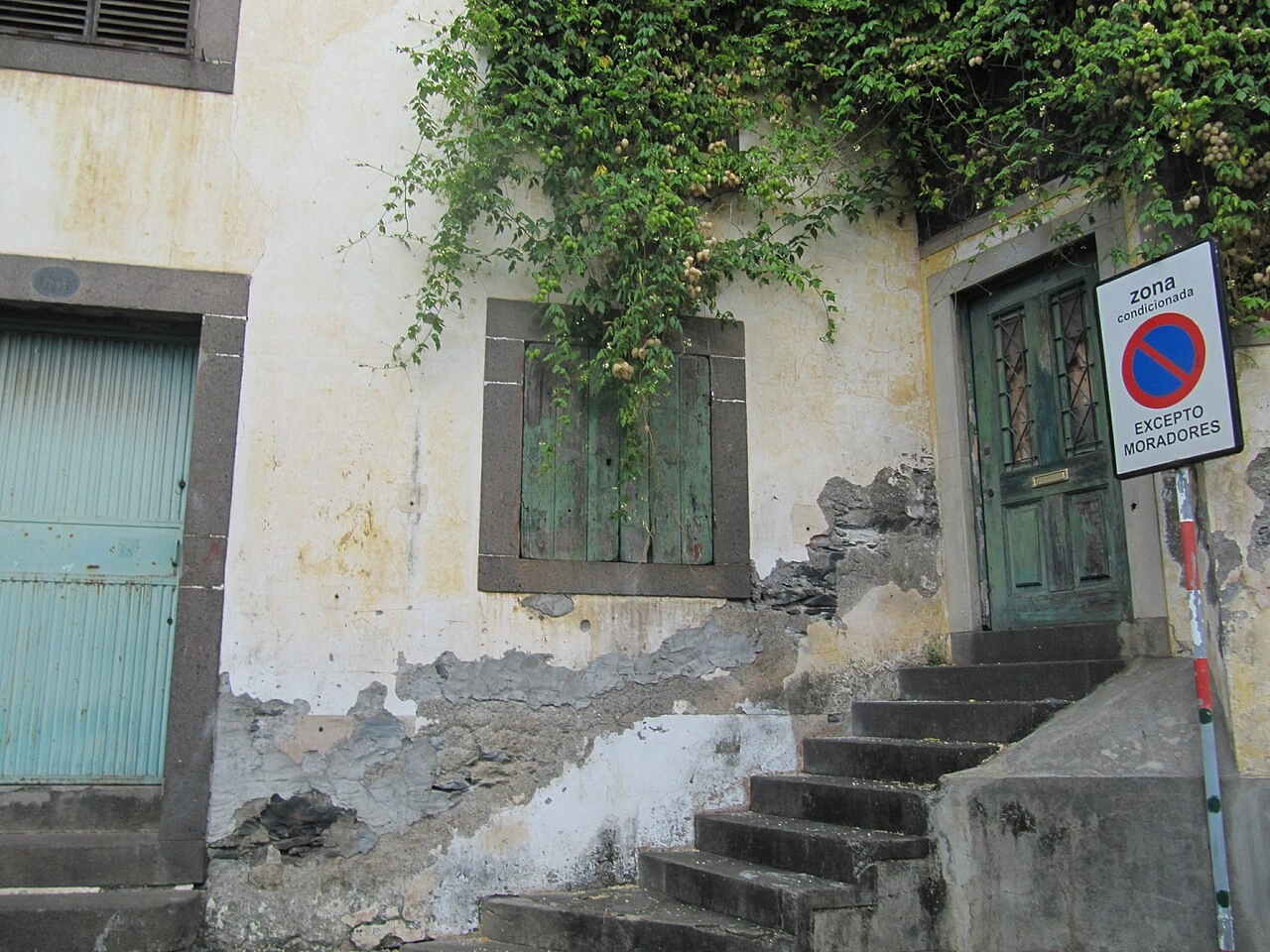
Prohibido estacionar
What does a no-parking sign mean?

A no-parking sign prohibits leaving a vehicle parked in the area or along the section of road to which the restriction applies. The exact legal definition of parking and the extent of the prohibition vary between countries.

Is no parking the same as no stopping?

No. A no-parking restriction commonly still permits certain brief stops, such as picking up or dropping off passengers or loading or unloading goods. A no-stopping restriction is stricter and generally prohibits voluntary stopping as well as parking.

Can you wait in your vehicle where parking is prohibited?

Remaining inside the vehicle does not necessarily mean that it is not parked. If the vehicle remains stationary beyond what local law permits as a brief stop, it may legally be considered parked even when the driver stays inside.

Can you pick up or drop off passengers in a no-parking area?

Often yes, if stopping is permitted and the vehicle remains there only as long as reasonably necessary for passengers to get in or out. Local rules may impose stricter restrictions at particular locations.

Can you load or unload goods where parking is prohibited?

In many countries, genuine loading or unloading is treated as stopping rather than parking and may therefore be permitted. The vehicle should remain there only for the time reasonably necessary for the activity.

How far does a no-parking restriction apply?

This depends on the country's signing rules. The restriction may continue to the next intersection, an end sign, a stated distance or the end of a designated zone. Supplementary arrows or distance panels may indicate its exact extent.

Does a no-parking sign apply on both sides of the road?

Usually a roadside no-parking sign applies only to the side of the road on which it is placed, unless it forms part of a zonal restriction or local signs indicate otherwise.

Can a no-parking restriction apply only at certain times?

Yes. A supplementary panel may restrict the prohibition to particular hours, days or periods. Outside those periods, parking may be permitted if no other rule prohibits it.

Can a no-parking restriction apply only to certain vehicles?

Yes. Additional signs or symbols may make a parking restriction applicable to particular vehicle categories, such as heavy vehicles, motorcycles or other specified vehicles.

Can you park immediately after a no-parking sign ends?

Only if parking is otherwise legal. The end of a specific no-parking restriction does not override general parking prohibitions near crossings, intersections, driveways, traffic signs or other protected locations.

1 Portugal 2 Autopista 3 Zona 4 Límite de velocidad 5 Carril bici 6 Parada de autobús 7 Calle sin salida 8 Señal de STOP 9 Glorieta 10 Paso a nivel 11 Dirección obligatoria 12 Zona escolar 13 Adelantamiento 14 Cruce de animales 15 Circulación en sentido contrario 16 Semáforos 17 Espejo de tráfico 18 Frontera internacional 19 Estacionamiento 20 Prohibido estacionar 21 Estacionamiento para personas con discapacidad 22 Marcha atrás 23 Atracción turística 24 Matrícula 25 Estación de carga 26 Autobús 27 Policía 28 Ambulancia 29 Norma europea de emisiones 30 Bache 31 Camino 32 Partículas 33 Contaminación del aire 34 Hora punta 35 Código de circulación 36 Canaleta de la calle 37 Bicicleta de carga 38 Vehículo forestal 39 Vehículo de construcción 40 Camión articulado 41 Trolebús 42 Speed pedelec 43 Vehículo de reparto 44 Motor al ralentí 45 Grúa 46 Tracción a las cuatro ruedas 47 Bicicleta 48 Equipamiento de motocicleta 49 Vía férrea 50 Caravana 51 Remolque 52 Enganche de remolque 53 Camión de bomberos 54 Sirena 55 Convoy 56 Luces de vehículos de emergencia 57 Maquinaria agrícola 58 Bicicleta eléctrica 59 Vehículo eléctrico 60 Pedelec 61 Cuadriciclo 62 Microcoche 63 Vehículo todoterreno 64 Furgoneta 65 Vehículo recreativo 66 Scooter 67 Trikke 68 Vehículo de movilidad personal 69 Monopatín 70 Segway 71 Patinete 72 Patines 73 Cartero 74 Autoestopista 75 Niño pequeño 76 Niño 77 Discapacidad 78 Tren para automóviles 79 km/h 80 mph 81 Velocímetro 82 Altura libre del vehículo 83 Camino de tierra 84 Conducción 85 Sistema start-stop 86 Cambio manual 87 Cambio automático 88 Acelerador 89 Cuentarrevoluciones 90 Volante 91 Dirección asistida 92 Exploración visual 93 Espejo 94 Combustible 95 Indicador de combustible 96 Gasolina 97 Diésel 98 Líquido de escape diésel 99 Seguro de automóvil 100 Botiquín de primeros auxilios ...