譲れ南アフリカ

わかりやすい説明と視覚的な例を使った図解付きの本で、交通ルールをシンプルかつ楽しく学べます。


9. 譲れ

譲れ標識は、運転者に速度を落とし、必要に応じて停止して、優先権を持つ道路利用者へ道を譲ることを求めます。一般に逆三角形の標識が使われます。

必ず完全停止する必要はありませんが、安全に進めない場合は停止しなければなりません。どの交通に譲るかは交差点の構造、標識、現地の優先規則によって決まります。
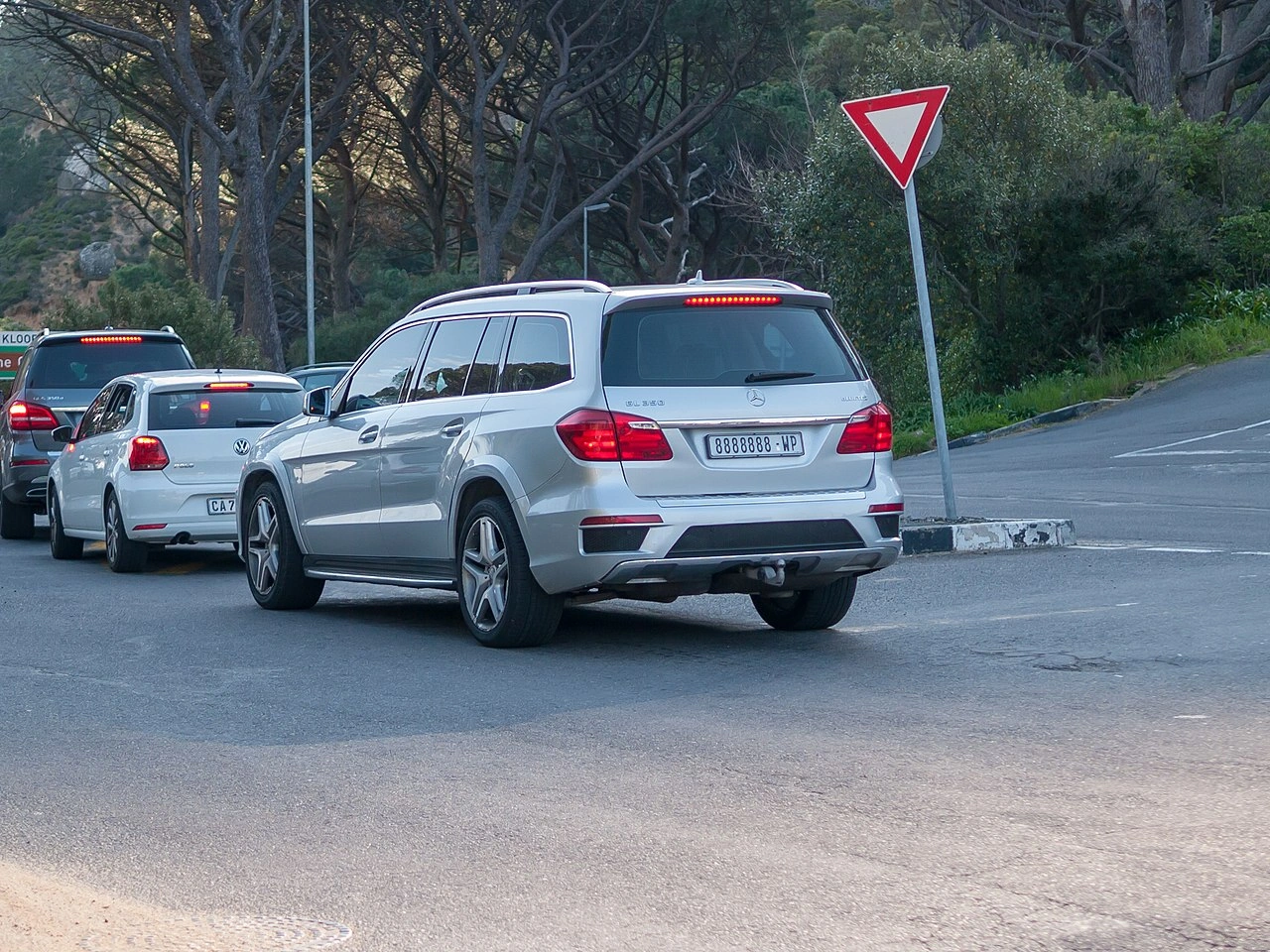
譲れ
What does a give-way sign mean?

A give-way sign requires drivers to allow traffic with priority to proceed first. The driver must slow down and stop when necessary.

How can you recognise a give-way sign?

It is commonly an inverted triangular sign with a red border and a light-coloured centre. In some countries, it is called a yield sign.

Must you always stop at a give-way sign?

No. You must stop only when necessary to give way or obtain a sufficiently clear view. You may continue slowly when the road is clearly free.

What does giving way mean?

Giving way means allowing another road user to continue without being forced to brake, accelerate, stop or change direction because of your movement.

Where should you stop when necessary?

Stop before the give-way line where one is provided. Without a line, stop before entering the intersection or priority road at a position where you can observe traffic safely.

May you cross the give-way line before stopping?

You may move beyond the line only when this does not interfere with traffic that has priority. Where visibility is limited, first slow or stop at the line and then move forward cautiously.

What is the difference between give way and stop?

A stop sign always requires a complete stop. A give-way sign permits the driver to continue without stopping when the road is clearly free and it is safe to proceed.

Does slowing down satisfy the give-way requirement?

Only when slowing down is sufficient to let all priority traffic proceed safely. If another road user would be hindered, the driver must slow further or stop.

Who must you give way to?

Give way to traffic travelling on the road being entered or crossed and to any pedestrians, cyclists or other road users who have priority under the applicable rules.

Does giving way apply only to vehicles approaching from one direction?

No. Check every direction from which lawful traffic may approach, including cycle paths, one-way roads with authorised contraflow traffic and separate carriageways.

Does a give-way sign give the other road permanent priority?

The sign determines priority at the particular location. The priority arrangement at later intersections may be different unless the road is separately identified as a priority road.

Does giving way give you priority afterwards?

No. You may proceed only when it is safe. Another driver’s hesitation or courtesy does not remove your responsibility to avoid danger.

Must every vehicle in a queue give way separately?

Yes. Each driver must observe the road and make an individual decision. You may not follow another vehicle through without checking that the way remains clear.

Does a give-way sign apply to cyclists?

Normally, yes. Cyclists are generally treated as drivers and must obey the sign unless a supplementary sign or local rule provides otherwise.

Can a give-way sign apply only to cyclists?

Yes. Some countries use supplementary signs or path-specific signs to require cyclists to give way while other traffic follows a different priority arrangement.

Does a give-way sign change the speed limit?

No. It regulates priority rather than speed. Drivers must still approach slowly enough to observe traffic and stop when necessary.

Does a give-way sign change turning rules?

No. Drivers must still obey traffic lights, lane arrows, mandatory-direction signs and turning prohibitions.

How does give way work at a roundabout?

Many roundabout entrances have give-way signs requiring entering traffic to yield to vehicles already circulating. Drivers must follow the actual signs because roundabout priority rules differ between countries.

Do traffic lights override a give-way sign?

Functioning traffic lights commonly take precedence over priority signs controlling the same movement. The give-way sign may apply again when the lights are switched off or flashing, depending on local law.

Do police instructions override a give-way sign?

Yes. Instructions from an authorised traffic officer normally take precedence over traffic signs and ordinary priority rules.

What should you do when visibility is limited?

Reduce speed substantially and stop when necessary. Move forward cautiously only after giving way and checking that the road can be entered without danger.

1 南アフリカ 2 高速道路 3 速度制限 4 歩行者注意 5 速度抑制ハンプ 6 有料道路 7 行き止まり 8 一時停止標識 9 譲れ 10 ラウンドアバウト 11 横断歩道 12 踏切 13 学校周辺 14 動物横断 15 カーブ 16 逆走 17 信号機 18 信号機あり警戒 19 道路反射鏡 20 駐車 21 後退 22 観光地 23 一般危険 24 バス 25 警察 26 救急車 27 ポットホール 28 通路 29 粒子状物質 30 大気汚染 31 ラッシュアワー 32 交通法規 33 道路側溝 34 カーゴバイク 35 林業車両 36 建設車両 37 セミトレーラートラック 38 トロリーバス 39 スピードペデレック 40 配送車両 41 アイドリング 42 レッカー車 43 四輪駆動 44 自転車 45 オートバイ装備 46 軌道 47 キャラバン 48 トレーラー 49 牽引ヒッチ 50 消防車 51 サイレン 52 車列 53 緊急車両の警光灯 54 農業機械 55 電動自転車 56 電気自動車 57 ペデレック 58 クアドリシクル 59 マイクロカー 60 全地形対応車 61 バン 62 キャンピング車 63 スクーター 64 Trikke 65 パーソナルモビリティ 66 スケートボード 67 セグウェイ 68 キックスクーター 69 ローラースケート 70 郵便配達員 71 ヒッチハイカー 72 幼児 73 子ども 74 障害 75 カートレイン 76 km/h 77 mph 78 速度計 79 車高 80 未舗装土道 81 運転 82 アイドリングストップシステム 83 マニュアルトランスミッション 84 オートマチックトランスミッション 85 スロットル 86 タコメーター 87 ハンドル 88 パワーステアリング 89 スキャニング 90 ミラー 91 燃料 92 燃料計 93 ガソリン 94 ディーゼル燃料 95 ディーゼル排気液 96 自動車保険 97 救急セット 98 消火器 99 高視認性衣類 100 応急手当 ...