BusWallonien
70. Bus
Ein Bus ist ein Kraftfahrzeug zur Beförderung von mehreren Fahrgästen, meist im öffentlichen Verkehr, Schülerverkehr, privaten Personenverkehr oder einem anderen Personenbeförderungsdienst. Busse haben in der Regel eine höhere Fahrgastkapazität als Pkw und können für sitzende Fahrgäste, stehende Fahrgäste oder beides ausgelegt sein.
Für Busse können besondere Vorschriften hinsichtlich Führerschein, Fahrgastkapazität, Geschwindigkeitsbegrenzungen, Sicherheitsgurten, Busspuren, Haltestellen und Fahrgastwechsel gelten. Die rechtliche Einordnung von Bussen und Reisebussen sowie die für sie geltenden Regeln unterscheiden sich zwischen den Ländern; Fahrer und Fahrgäste müssen daher die örtlichen Verkehrsvorschriften beachten.
What is legally considered a bus in Belgium?
A Belgian autobus is a motor vehicle designed and constructed to carry seated and standing passengers and having more than eight passenger seats, excluding the driver's seat.
What is the difference between a bus and a coach in Belgium?
An autobus is designed for both seated and standing passengers, while an autocar is designed for passengers who are exclusively seated. Both have more than eight passenger seats, excluding the driver.
Which driving licence is required to drive a bus in Belgium?
A bus normally requires a category D1 or D driving licence. D1 permits vehicles carrying up to 16 passengers excluding the driver and measuring no more than 8 metres. Category D covers vehicles designed for more than eight passengers without those D1 limits.
Do professional Belgian bus drivers need Code 95?
Yes, in most cases. Professional drivers using category D-group vehicles generally need the professional-competence qualification identified by Code 95, although specific exemptions exist.
Can passengers stand in a Belgian bus?
Yes, if the vehicle is designed and approved for standing passengers. The Belgian legal definition of an autobus specifically includes vehicles constructed for both seated and standing passengers. An autocar, by contrast, is designed exclusively for seated passengers.
Must passengers wear seat belts on Belgian buses?
Where a passenger seat is equipped with a seat belt, the applicable seat-belt requirement must be followed. In vehicles with more than eight passenger seats, passengers must also be informed of the obligation to wear available seat belts by the driver, another responsible person, audiovisual information or notices at the seats.
What is the maximum speed of a Belgian bus on a motorway?
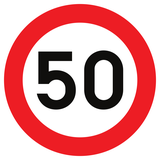
An autobus is limited to 90 km/h on Belgian motorways, even though the general motorway limit for many passenger cars is 120 km/h. Different rules can apply to qualifying coaches.
Does a bus leaving a stop have priority in Belgium?
Inside a built-up area, yes in the specified circumstances. A driver travelling in the same direction must allow an autobus or trolleybus to leave its stop when its driver indicates the intention to move off with the direction indicators. The approaching driver must slow down and stop if necessary.
Does a Belgian bus have the same priority when leaving a stop outside a built-up area?
No special priority under this rule applies outside the built-up area. The specific Belgian obligation to let an autobus or trolleybus leave its stop applies within built-up areas.
What should you do when passing a stopped bus in Belgium?
You must reduce your speed when passing a bus, coach, trolleybus, minibus or rail vehicle that is stopped for passengers to board or leave. Be especially alert for passengers moving between the vehicle and the pavement or verge.
What if passengers must cross your path to reach a Belgian bus stop?
If there is no refuge island and you are travelling on the side where passengers are boarding or leaving a public-transport vehicle, you must allow them to reach the vehicle, pavement or verge safely. You must stop when necessary and may resume driving only at moderate speed.
Can every bus use a Belgian bus lane?
No. A bus lane is primarily reserved for vehicles operating scheduled public passenger services. Other passenger vehicles with more than eight passenger seats may use it only when the appropriate symbol or indication on the F17 sign or a supplementary panel permits them.
Can other vehicles use a Belgian bus lane?
Only in the circumstances allowed by Belgian rules or the signs. Supplementary indications can permit categories such as taxis, bicycles, mopeds, motorcycles or school-transport vehicles. Other drivers may also enter or cross a bus lane in specific situations such as turning near an intersection.
May you park close to a Belgian bus stop?
No. Parking is prohibited within 15 metres on either side of a sign indicating a bus, trolleybus or tram stop.

Verkehrsregeln
Wallonien