


Priority at the next intersectionCanada
 Traffic rules
 Canada
33. Priority at the next intersection
Priority at the next intersection means that drivers travelling on a particular road have the right-of-way over traffic entering from intersecting roads at the next intersection. The priority arrangement is normally indicated by signs facing both the priority traffic and the traffic that must yield.
Unlike a continuing priority road, this priority applies only at the indicated intersection. Drivers must still approach cautiously and obey traffic signals, authorized officers, crossings, turning rules and other applicable signs.
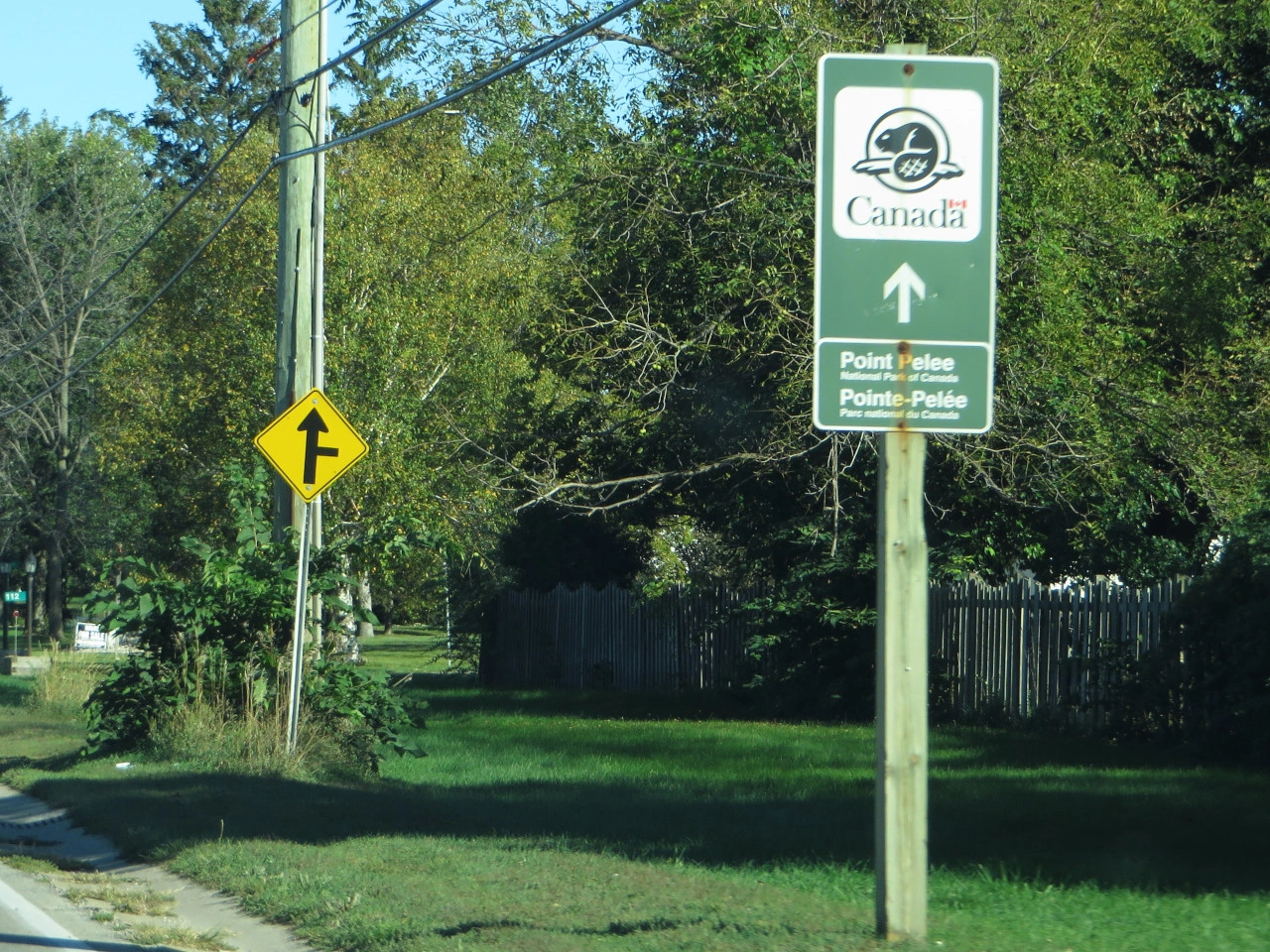
Wikimedia.org • Ken Lund • CC BY-SA
How is priority at the next junction determined in Canada?
There is no safe universal rule that a road with more lanes or heavier traffic has priority. At an intersection in Canada, identify the applicable Stop or Give Way signs, traffic lights and local right-of-way rules.
Does priority at one junction automatically continue along the entire road in Canada?
No. One-junction priority and continuing priority-road status are distinct concepts. Check the local signs at each following junction, including any end-of-priority marker, traffic signal or new Give Way or Stop sign.
May a driver with priority ignore pedestrians or another safety obligation at the next junction in Canada?
No. Junction priority does not cancel duties towards pedestrians, traffic signals, emergency vehicles or other road users where the law gives them precedence. Approach at a speed allowing you to stop safely.


