


EngineNew Zealand
An introduction to the traffic rules and road signs of New Zealand. Learn about driving, road safety and much more in our illustrated book, with answers to frequently asked questions.
For informational purposes only. Always follow official regulations. Some content and images were created with AI assistance.
 Traffic rules
 New Zealand
175. Engine
An engine is the machine that produces the power needed to propel a motor vehicle. In conventional vehicles, an internal-combustion engine burns fuel such as petrol or diesel, while electric vehicles use one or more electric motors instead of a combustion engine.
An engine contains many components that work together to convert energy into mechanical power. Proper lubrication, cooling, maintenance and emissions control are important for reliable operation and vehicle safety.
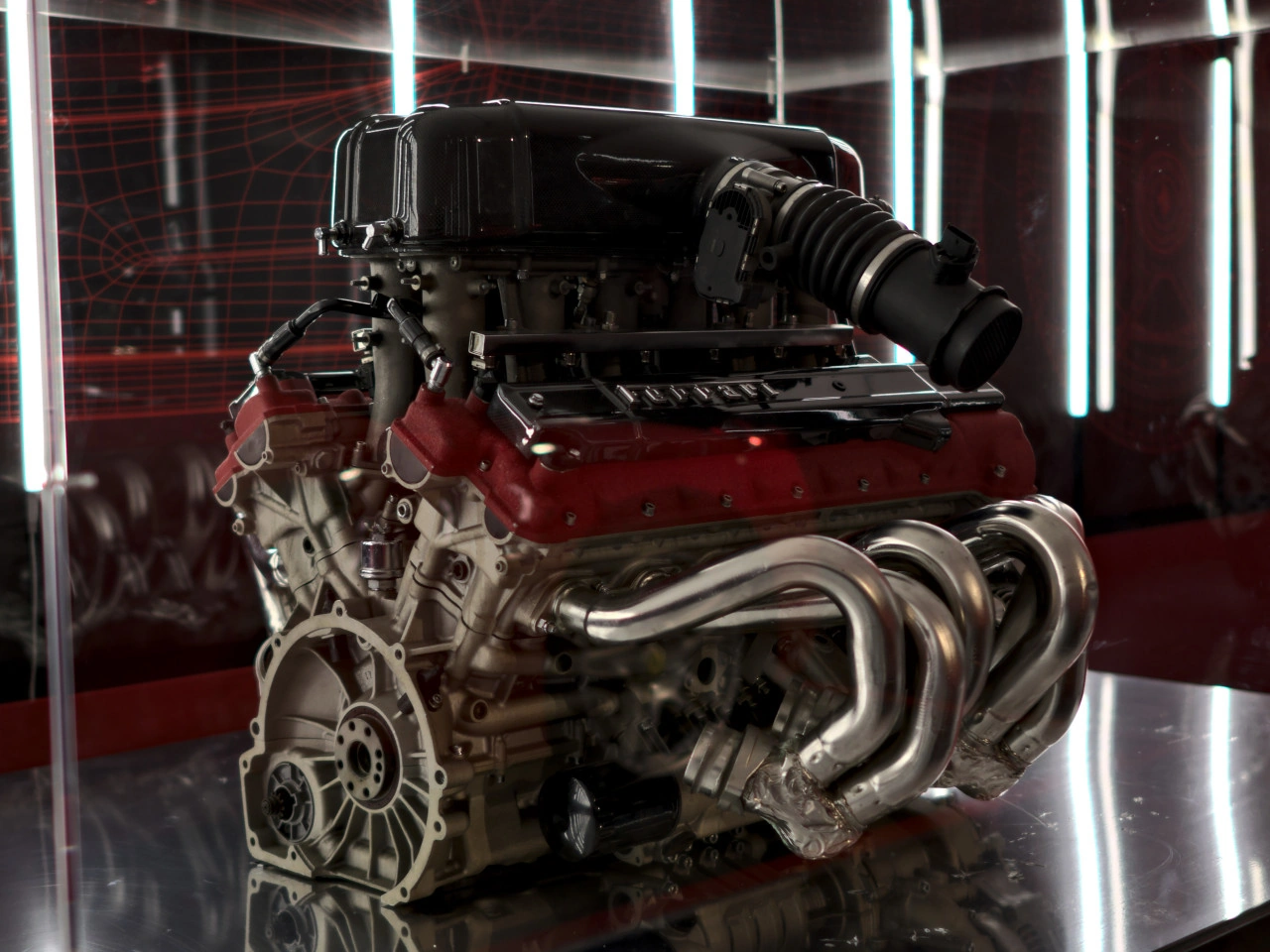
Wikimedia.org • Yanko Malinov • CC BY-SA
What does a vehicle engine do?
An engine converts energy into mechanical power that can be used to drive the vehicle's wheels. Internal-combustion engines obtain this energy by burning fuel, while electric vehicles use electrical energy in traction motors.
What are common signs of an engine problem?
Possible signs include unusual noises, loss of power, excessive smoke, overheating, fluid leaks, difficult starting or an engine warning light. These symptoms can have many different causes and should be investigated when necessary.
Why is regular engine maintenance important?
Maintenance helps keep lubrication, cooling, fuel, ignition and emissions systems working correctly. Following the manufacturer's service requirements can improve reliability and help prevent serious mechanical damage.


