

Night blindnessTurkey
 Traffic rules
 Turkey
187. Night blindness
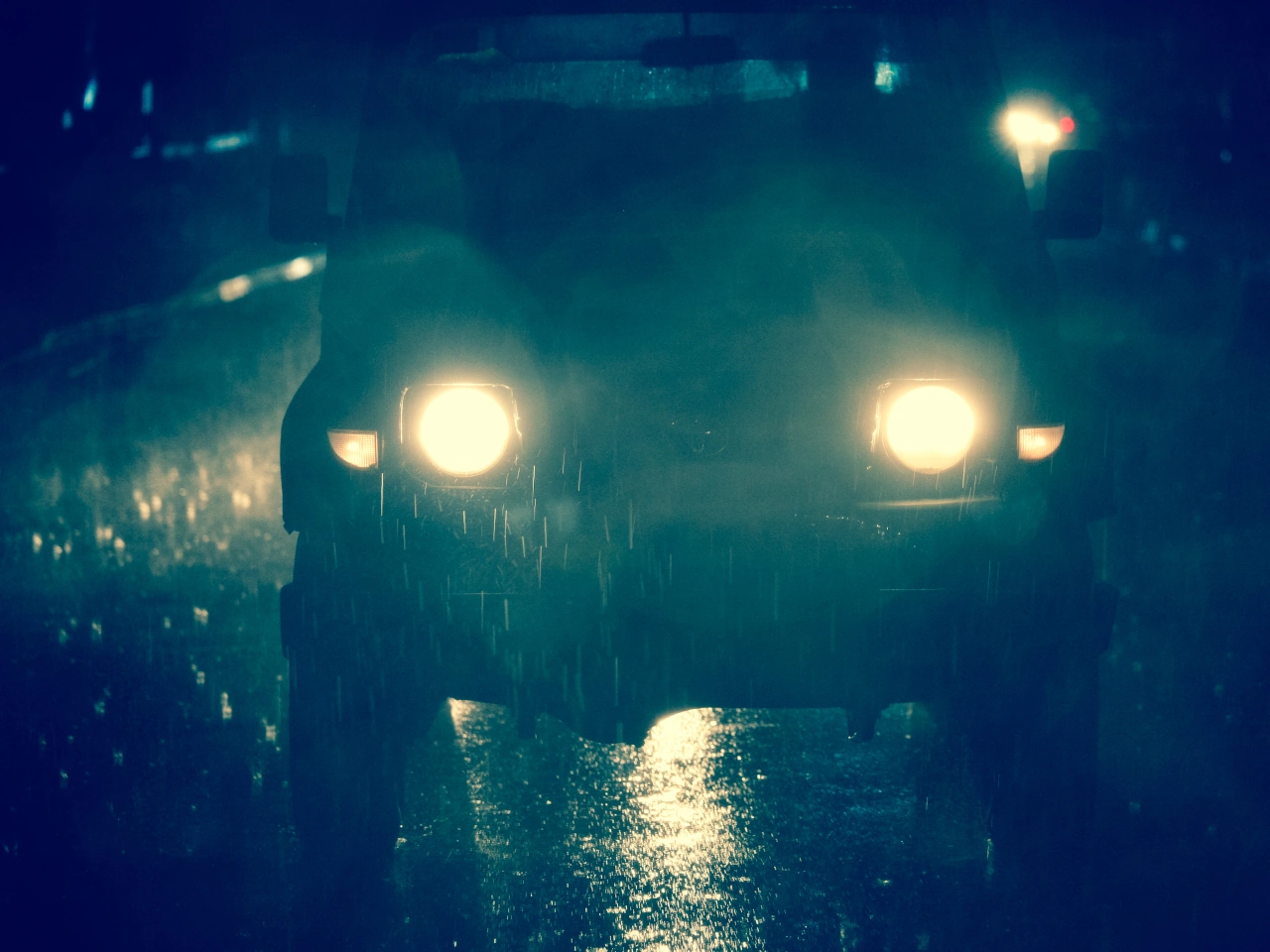
Night blindness, also called nyctalopia, is reduced ability to see in darkness or low-light conditions. It can make it difficult to recognise pedestrians, cyclists, road markings, bends or obstacles at night and during twilight. Night blindness can have different causes, including certain eye conditions, vitamin deficiencies or problems with the retina. Drivers who have difficulty seeing in low light should avoid driving in conditions where their vision is inadequate and seek professional eye care.
Wikimedia.org • Alex Proimos • CC BY
What is night blindness?
Night blindness is difficulty seeing in darkness or low-light conditions, even when daytime vision may be relatively good.
Why is night blindness dangerous when driving?
It can make pedestrians, cyclists, road edges, signs and obstacles harder to detect, reducing the time available to react safely.
Is night blindness the same as being completely blind at night?
No. Night blindness usually means reduced vision in dim conditions, not a complete loss of sight.
What can cause night blindness?
Possible causes include retinal disorders, cataracts, certain inherited eye conditions and some nutritional deficiencies. An eye-care professional can determine the underlying cause.
Can glasses correct night blindness?
Glasses may help when poor low-light vision is partly caused by an uncorrected refractive error, but not every cause of night blindness can be corrected with glasses.
Should you drive at night if you have night blindness?
If your low-light vision is not sufficient for safe driving, you should avoid driving at night or in other dark conditions and seek medical advice.


