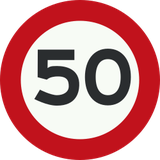
Calle ciclistaPaíses Bajos

Aprende normas de tráfico con explicaciones claras y ejemplos visuales en nuestro libro ilustrado, diseñado para que estudiar sea sencillo y ameno.


9. Calle ciclista

Una calle ciclista es una calle diseñada o legalmente designada para dar a los ciclistas una posición destacada en el tráfico mixto. Los vehículos de motor normalmente pueden entrar, pero deben adaptar su velocidad y comportamiento a la presencia de ciclistas.

Dependiendo del país, los ciclistas pueden estar autorizados a utilizar más parte de la calzada y los vehículos de motor pueden tener prohibido adelantarlos. El límite de velocidad, las normas de prioridad, los vehículos permitidos y el inicio y fin de la calle dependen de las señales y normas de tráfico locales.
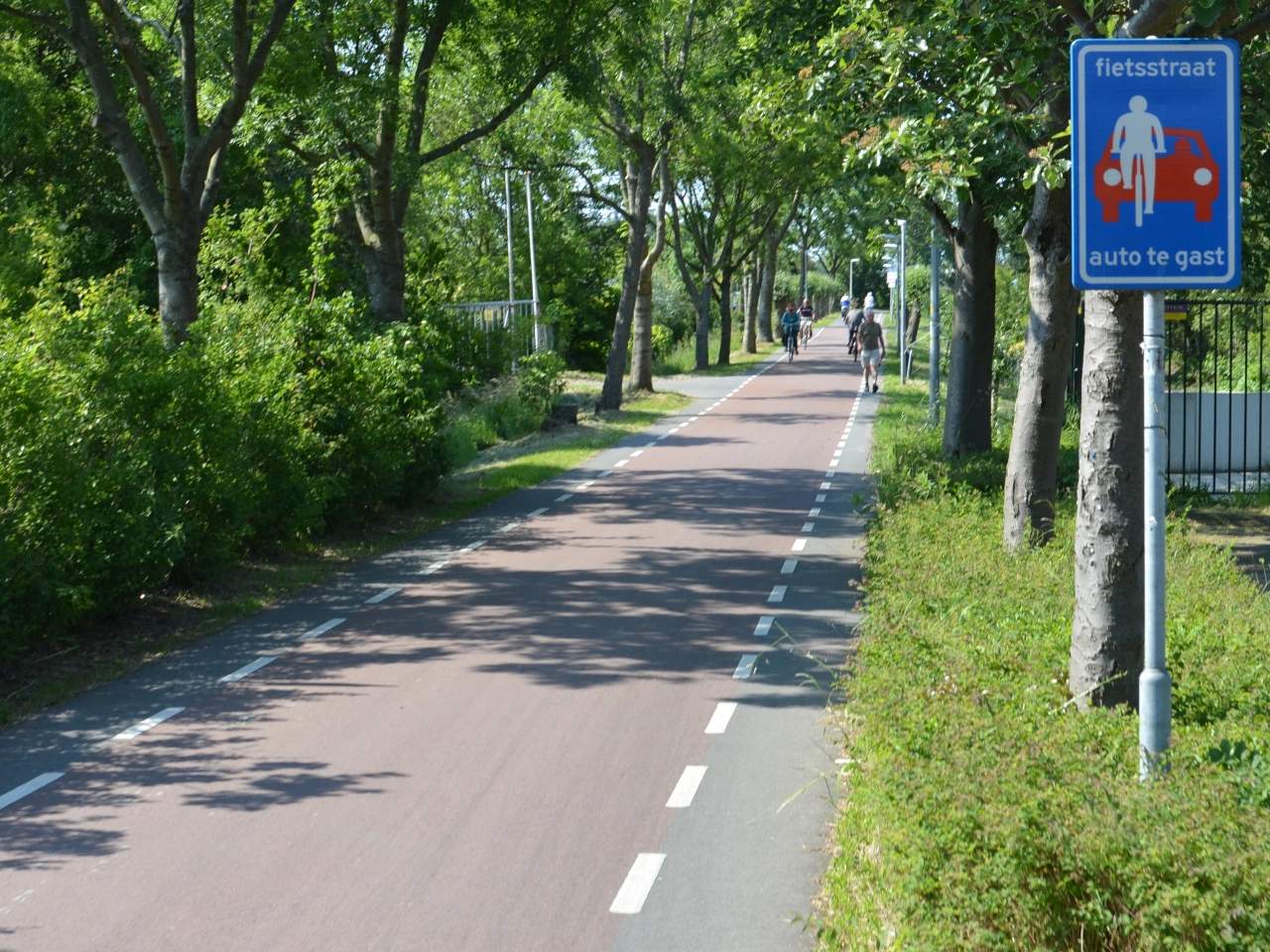
Calle ciclista
What is a cycling street?

A cycling street is a road where cycling is given a prominent position while motor vehicles may usually continue to use the road under additional restrictions.

How can you recognise a cycling street?

It may be identified by special entrance signs, bicycle symbols, coloured surfacing or distinctive road markings. The legally required signs differ between countries.

Is a cycling street the same as a bike path?

No. A bike path is a separate part of the road or a separate route intended for cyclists. On a cycling street, cyclists and motor vehicles normally share the carriageway.

Is a cycling street the same as a cycling zone?

Not always. A cycling street may refer to one individual street, while a cycling zone may include several connected streets governed by the same rules. Local terminology varies.

May motor vehicles use a cycling street?

Usually, yes. A cycling street is not normally closed to motor traffic, although access may be restricted by additional signs or local regulations.

Do cyclists have to stay close to the edge of the road?

This depends on local law. In some cycling streets, cyclists may use a larger part of the carriageway or ride in the centre of the lane. In others, the normal positioning rules continue to apply.

May cyclists ride side by side?

This depends on the rules of the country and the available road width. Cyclists may often ride side by side where this does not endanger or unlawfully obstruct other road users.

May motor vehicles overtake cyclists?

Some countries expressly prohibit motor vehicles from overtaking cyclists on cycling streets. Elsewhere, overtaking may remain permitted only when the legally required distance and other safety conditions can be respected.

May cyclists overtake motor vehicles?

Normally, cyclists may overtake other vehicles when the manoeuvre is permitted and can be completed safely. They must still observe local overtaking, lane and intersection rules.

What is the speed limit on a cycling street?

There is no universal speed limit. Many countries impose a low maximum speed, commonly 30 km/h or less, but drivers must follow the signs and laws applying locally.

Do cyclists automatically have priority?

No. A cycling street does not normally give cyclists automatic priority at every intersection. Traffic lights, priority signs, crossings and the ordinary priority rules remain applicable.

Do pedestrians have special rights on a cycling street?

Not necessarily. Pedestrians normally use pavements, crossings and other designated facilities. A cycling street is different from a pedestrian zone or residential shared-space area.

May you stop or park on a cycling street?

Stopping and parking depend on the ordinary rules and any local signs or markings. Vehicles must not block cyclists, pavements, crossings, entrances or other traffic.

Does a cycling street always have red surfacing?

No. Coloured surfacing may make the street easier to recognise, but it does not necessarily have legal meaning by itself. The official signs and local regulations determine which rules apply.

When do the cycling-street rules end?

The special rules normally end at an end sign, the end of the designated street or another legally defined boundary. The exact rule differs between countries.

1 Países Bajos 2 Autopista 3 Vía rápida 4 Zona residencial 5 Zona 6 Límite de velocidad 7 Senda peatonal 8 Carril bici 9 Calle ciclista 10 Zona peatonal 11 Pendiente 12 Parada de autobús 13 Calle sin salida 14 Señal de STOP 15 Ceda el paso 16 Glorieta 17 Vía con prioridad 18 Paso a nivel 19 Zona escolar 20 Adelantamiento 21 Cruce de animales 22 Obras 23 Límite de peso 24 Señal de control de velocidad 25 Barreras selectivas 26 Zona de bajas emisiones 27 Prioridad en la próxima intersección 28 Semáforos 29 Advertencia de semáforos 30 Marcas viales 31 Indicador de velocidad 32 Espejo de tráfico 33 Teléfono de emergencia 34 Ruta ciclista 35 Estacionamiento 36 Prohibido estacionar 37 Prohibido parar 38 Aparcamiento disuasorio 39 Kiss and Ride 40 Disco de estacionamiento 41 Estacionamiento para personas con discapacidad 42 Gestión del tráfico 43 Incorporación 44 Marcha atrás 45 Intersección sin regulación 46 Banda sugerida para bicicletas 47 Carril de hora punta 48 Salida de emergencia 49 Carga sobredimensionada 50 Límite de población 51 Zona de estacionamiento 52 Límite de carga por eje 53 Matrícula 54 Estación de carga 55 Peligros 56 Ruta ecuestre 57 Ciclista 58 Camión 59 Autobús 60 Policía 61 Ambulancia 62 Aparcamiento para bicicletas 63 Semáforos para tranvías 64 Norma europea de emisiones 65 Bache 66 Camino 67 Partículas 68 Contaminación del aire 69 Hora punta 70 Código de circulación 71 Canaleta de la calle 72 Bicicleta de carga 73 Vehículo forestal 74 Vehículo de construcción 75 Camión articulado 76 Trolebús 77 Speed pedelec 78 Vehículo de reparto 79 Motor al ralentí 80 Grúa 81 Tracción a las cuatro ruedas 82 Prohibido el paso de vehículos 83 Bicicleta 84 Equipamiento de motocicleta 85 Vía férrea 86 Caravana 87 Remolque 88 Enganche de remolque 89 Camión de bomberos 90 Sirena 91 Convoy 92 Luces de vehículos de emergencia 93 Maquinaria agrícola 94 Bicicleta eléctrica 95 Vehículo eléctrico 96 Pedelec 97 Cuadriciclo 98 Microcoche 99 Vehículo todoterreno 100 Furgoneta ...