VisibilitéIndonésie
Une introduction aux règles de circulation et aux panneaux routiers de Indonésie. Découvrez la conduite, la sécurité routière et bien plus encore dans notre livre illustré, avec des réponses aux questions fréquemment posées.
À titre informatif uniquement. Respectez toujours la réglementation officielle. Certains contenus et certaines images ont été créés avec l’aide de l’IA.
 Règles de circulation
 Indonésie
175. Visibilité
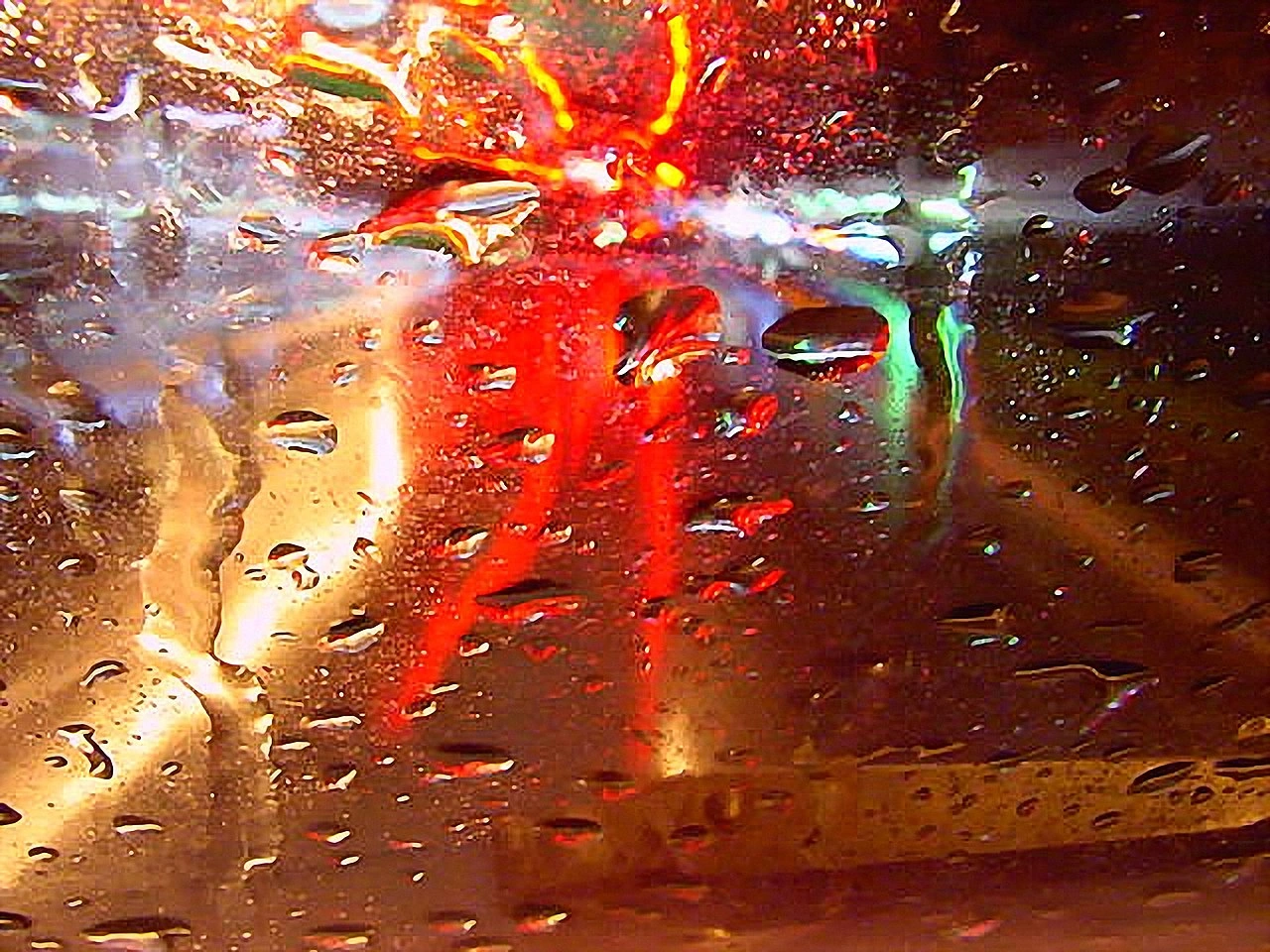
La visibilité est la capacité du conducteur à voir clairement la route, les autres usagers et les dangers potentiels, tout en rendant son propre véhicule visible aux autres. Elle peut être réduite par l’obscurité, le brouillard, la pluie, la neige, des vitres sales ou embuées, l’éblouissement et les objets qui obstruent la vue. Le conducteur doit garder vitres, rétroviseurs et feux propres, retirer tout ce qui bloque son champ de vision et utiliser les feux appropriés lorsque la visibilité diminue.