学校周辺ニュージーランド

わかりやすい説明と視覚的な例を使った図解付きの本で、交通ルールをシンプルかつ楽しく学べます。


20. 学校周辺

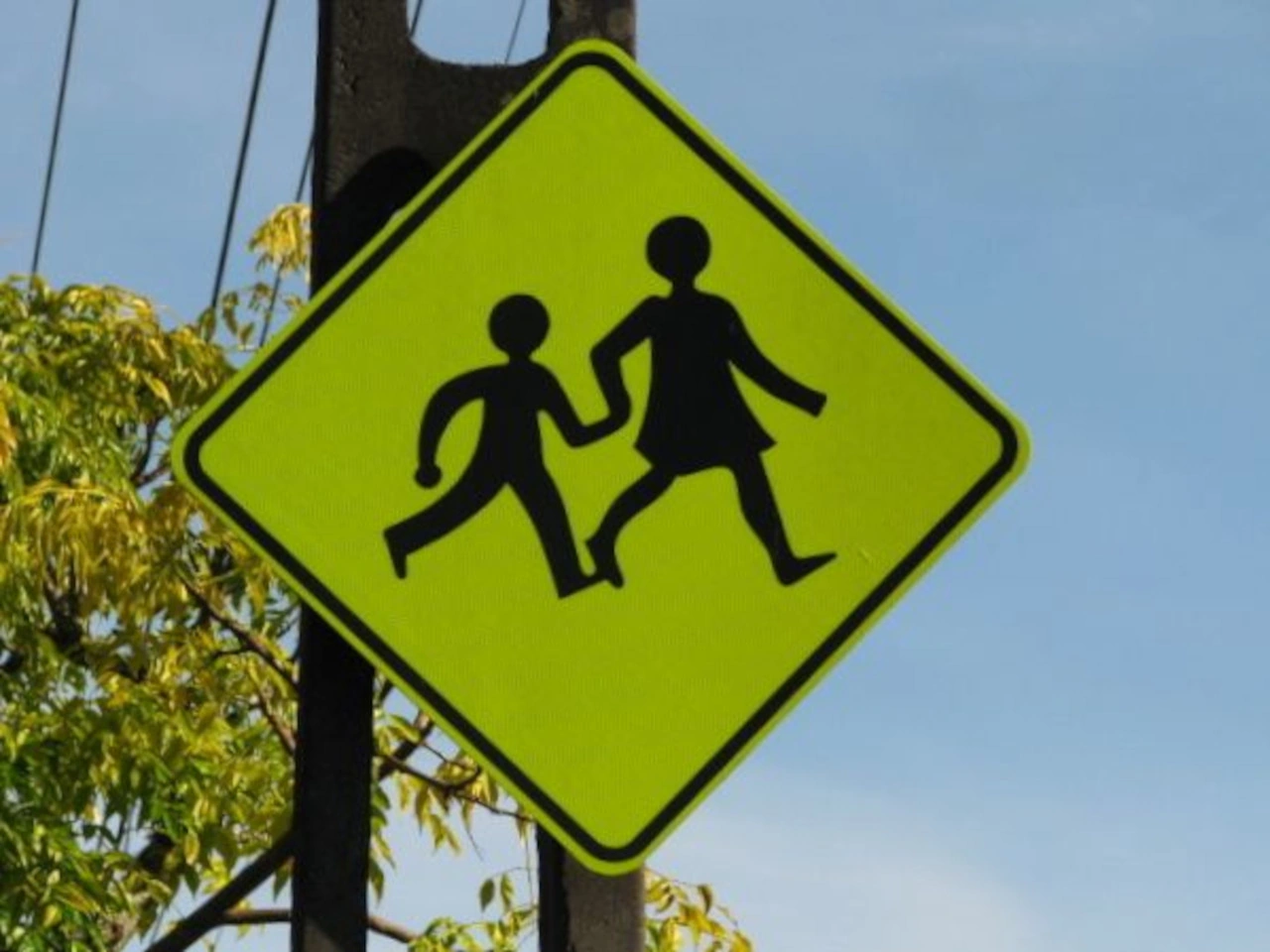
学校周辺は、多くの子どもが徒歩、自転車で通行し、道路を横断したり車両へ乗降したりする可能性が高い学校付近の道路または道路群です。警戒標識、ゾーン標識、路面表示、交通静穏化設備、点滅灯などで示されます。

特別な速度制限、駐車規制、進入規制が常時または登下校時間だけ適用されることがあります。運転者は減速し、子どもを注意深く確認し、停止できるよう備える必要があります。
学校周辺
What is a school area?

A school area is a road or group of roads near a school where drivers should expect large numbers of children, pedestrians, cyclists and stopping vehicles.

How can you recognise a school area?

It may be identified by school warning signs, speed-zone signs, flashing lights, road markings, coloured surfacing or traffic-calming measures. The signs differ between countries.

Does every road beside a school have special legal rules?

No. Special school-area rules normally apply only where signs, signals or local legislation establish them.

What is the speed limit in a school area?

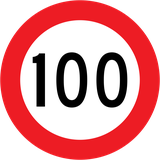
There is no universal school-area speed limit. The applicable limit depends on the country, region, signs and whether a variable restriction is active.

Is the school-area speed limit always active?

Some limits apply permanently, while others apply only during displayed times or when flashing or variable signs are active. Drivers must observe the actual sign arrangement.

Must you drive below the displayed limit?

Yes, when necessary. The displayed speed is a maximum. Children, congestion, poor visibility or vehicles stopping near the school may require a much lower speed.

Why are children especially vulnerable in traffic?

Children may have difficulty judging speed and distance, may be hidden by parked vehicles and may enter the road unexpectedly.

How should you approach a school area?

Reduce speed early, increase your observation and be prepared for children crossing, cyclists changing direction, vehicle doors opening and cars stopping suddenly.

Do children automatically have priority everywhere?

No. Priority depends on crossings, traffic lights, authorised crossing supervisors and local rules. Drivers must nevertheless take exceptional care to avoid endangering children.

Must you obey a school crossing supervisor?

Yes. Drivers and other road users must follow lawful instructions given by an authorised person controlling traffic for children.

May children cross away from a pedestrian crossing?

This depends on local pedestrian rules. Drivers should remain prepared for children to cross unexpectedly, even where they are required to use a nearby crossing.

Does a school sign create pedestrian priority?

Not by itself. A school warning sign alerts drivers to children but does not normally create the legal effect of a pedestrian crossing.

Does a school area change intersection priority?

No. Traffic lights, priority signs and the ordinary intersection rules remain applicable unless another traffic arrangement provides otherwise.

May you overtake in a school area?

Overtaking may be restricted by signs or local law. Even where it is permitted, drivers should not overtake when children, crossings, limited visibility or stopped vehicles make the manoeuvre unsafe.

May you stop to drop off a child?

Only where stopping is permitted and can be completed safely. Do not stop on a crossing, pavement, bike path, bus stop or another prohibited or dangerous location.

May you park near a school entrance?

Follow the parking signs and markings. Do not block entrances, pavements, bike paths, crossings, visibility or access for buses and emergency vehicles.

Why is double parking dangerous near a school?

It blocks traffic and visibility and may force children to walk between moving vehicles or enter the road from behind an obstruction.

What should you watch for near school buses?

Expect children to enter or leave the vehicle and possibly cross the road. Reduce speed and follow any special warning lights, signs or local school-bus rules.

May cyclists ride through a school area?

Normally, yes. They must follow the applicable road, bike-path, speed and priority rules. Drivers should expect inexperienced young cyclists.

Is a school area the same as a school street?

No. A school area normally remains open to traffic under special caution or speed rules. A school street temporarily restricts or excludes motor traffic during specified periods.

Is a school area the same as a Zone 30?

Not universally. A school area may form part of a Zone 30, use another speed limit or have a variable restriction that applies only at particular times.

When do the school-area rules end?

They normally end at an end sign, at the end of the stated time period or when the variable signal is no longer active. The surrounding road rules then apply.

1 ニュージーランド 2 高速道路 3 速度制限 4 推奨速度 5 自転車道 6 歩行者注意 7 橋 8 速度抑制ハンプ 9 一方通行 10 勾配 11 バス専用レーン 12 一時停止標識 13 譲れ 14 ラウンドアバウト 15 道路幅員減少 16 横断歩道 17 踏切 18 指定方向 19 右左折禁止 20 学校周辺 21 動物横断 22 滑りやすい道路 23 カーブ 24 シェブロン標識 25 逆走 26 道路工事 27 横風 28 高さ制限 29 次の交差点で優先 30 信号機 31 歩行者信号 32 路面標示 33 駐車 34 障害者用駐車 35 後退 36 Uターン 37 観光地 38 充電ステーション 39 一般危険 40 自転車利用者 41 バス 42 警察 43 救急車 44 ポットホール 45 通路 46 粒子状物質 47 大気汚染 48 ラッシュアワー 49 交通法規 50 双方向交通 51 道路側溝 52 カーゴバイク 53 林業車両 54 建設車両 55 セミトレーラートラック 56 トロリーバス 57 スピードペデレック 58 配送車両 59 アイドリング 60 レッカー車 61 四輪駆動 62 自転車 63 オートバイ装備 64 トラム 65 軌道 66 キャラバン 67 トレーラー 68 牽引ヒッチ 69 消防車 70 サイレン 71 車列 72 緊急車両の警光灯 73 農業機械 74 電動自転車 75 電気自動車 76 ペデレック 77 クアドリシクル 78 マイクロカー 79 全地形対応車 80 バン 81 キャンピング車 82 スクーター 83 Trikke 84 パーソナルモビリティ 85 スケートボード 86 セグウェイ 87 キックスクーター 88 ローラースケート 89 郵便配達員 90 ヒッチハイカー 91 幼児 92 子ども 93 障害 94 カートレイン 95 km/h 96 mph 97 速度計 98 車高 99 未舗装土道 100 運転 ...