連続カーブニュージーランド

わかりやすい説明と視覚的な例を使った図解付きの本で、交通ルールをシンプルかつ楽しく学べます。


227. 連続カーブ

連続カーブは、反対方向へ続く2つのカーブを含む道路区間です。最初が左、その後右、またはその逆になります。

同じ警告標識がより長い連続カーブを示す場合もあります。最初のカーブ前に減速し、車線内を維持し、その後のカーブの方向、急さ、長さが異なることに備えます。
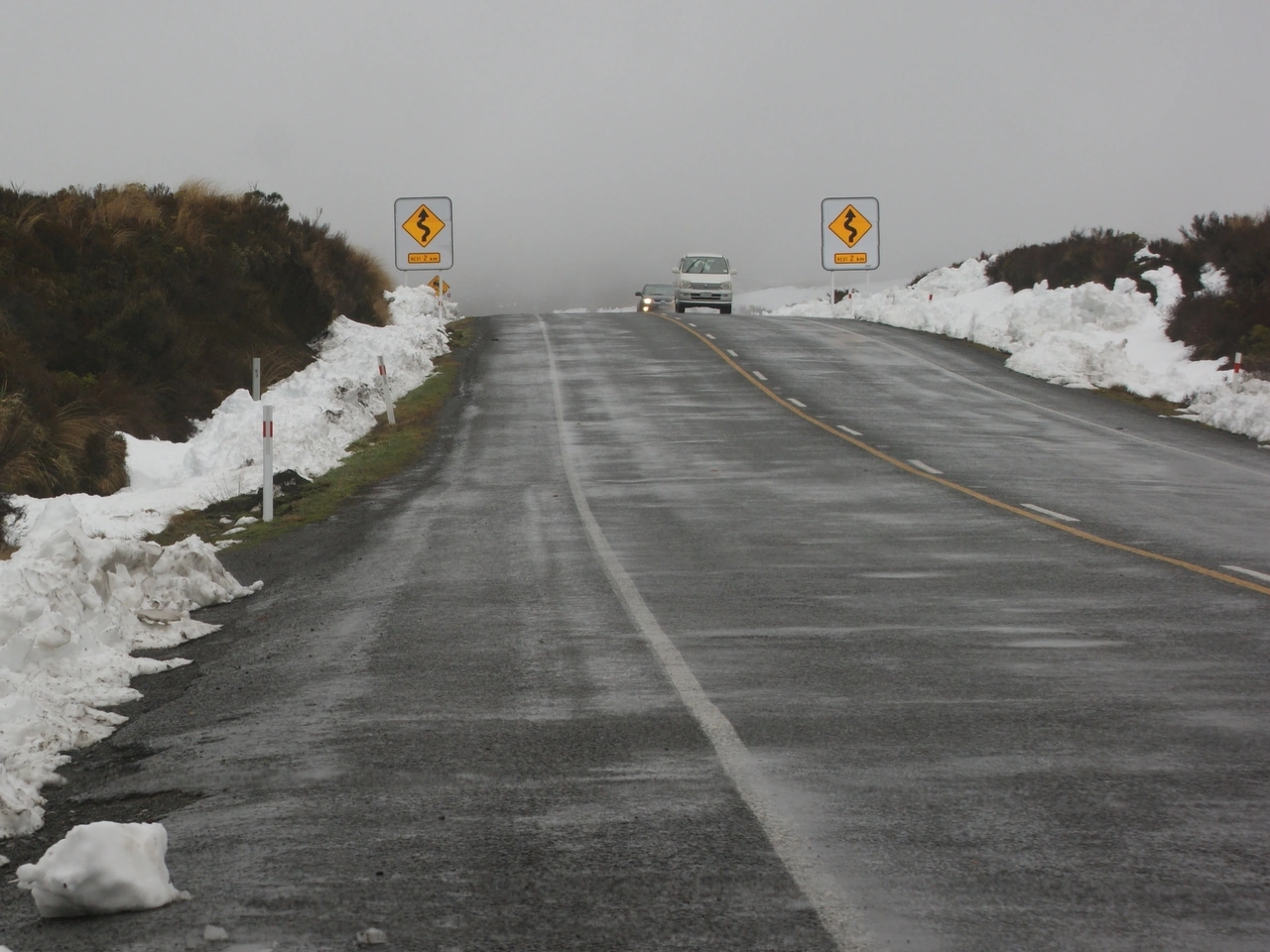
連続カーブ
What is a double curve?

A double curve consists of two successive curves in opposite directions.

How can you recognise a double-curve warning sign?

It normally shows an S-shaped road symbol. The symbol indicates whether the first curve turns left or right.

What does first curve to the left mean?

It means that the road first bends left and is then followed by a curve in the opposite direction.

What does first curve to the right mean?

It means that the road first bends right and is then followed by a curve in the opposite direction.

Can the sign warn of more than two curves?

Yes. In many countries, the same sign may warn of a longer succession of curves. A supplementary panel may indicate the length of the winding section.

Does the sign show the exact shape of every curve?

No. It normally shows only the general direction of the first curves. Their radius, length and spacing may be different from the symbol.

Does a double-curve sign impose a speed limit?

No. It normally warns of danger rather than establishing a numerical limit. Drivers must reduce speed whenever the legal maximum would be unsafe.

When should you reduce speed?

Reduce speed before entering the first curve, while the vehicle is still travelling straight and has maximum stability.

Should you accelerate between the two curves?

Do not accelerate strongly merely because there is a short straight section between them. Maintain a controlled speed until the direction and exit of the following curve are clear.

Should you brake while changing direction?

Avoid harsh braking while steering from one curve into the next. Complete most braking beforehand and use smooth control inputs.

Where should you look?

Look towards the visible road ahead and through each curve while continuing to monitor your lane position, road surface and nearby traffic.

Must you remain within your lane?

Yes. Do not cut across the centre line or another traffic lane to straighten the sequence of curves.

Why can a double curve be more difficult than one curve?

The vehicle’s weight shifts from one side to the other, visibility may change rapidly and the second curve may be sharper or closer than expected.

Why should you leave more following distance?

The vehicle ahead may brake unexpectedly for the second curve, an obstruction or changing road conditions that are not yet visible to you.

May you overtake in a double curve?

Do not overtake when you cannot see far enough ahead to complete the manoeuvre safely. Signs, continuous lines and local law may also prohibit overtaking.

May you stop or park in a double curve?

Only where it is permitted and your vehicle remains clearly visible. Stopping or parking where visibility is limited may create a serious hazard.

How do rain, snow or ice affect double curves?

They reduce tyre grip and increase the risk of skidding during the rapid change of direction. Reduce speed earlier and steer, brake and accelerate smoothly.

Why should motorcyclists take extra care?

Motorcyclists must change lean direction between the curves and depend heavily on tyre grip. Loose material, markings or wet surfaces can make the transition hazardous.

How can a double curve affect a trailer or caravan?

A trailer may sway or follow a tighter path through the curves. Excessive speed or abrupt steering can reduce stability.

Why do trucks and buses need additional space?

Long vehicles may track towards the inside of each curve or approach lane boundaries. Other drivers should avoid travelling beside them through a tight sequence.

What should you do if the second curve is sharper than expected?

Look towards the intended path, reduce acceleration and steer smoothly. Avoid sudden braking or crossing into another lane.

Does the absence of a warning sign mean the curves are safe at the speed limit?

No. Drivers must assess every road section and choose a safe speed even when no warning sign is displayed.

1 ニュージーランド 2 高速道路 3 速度制限 4 推奨速度 5 自転車道 6 歩行者注意 7 橋 8 速度抑制ハンプ 9 一方通行 10 勾配 11 バス専用レーン 12 一時停止標識 13 譲れ 14 ラウンドアバウト 15 道路幅員減少 16 横断歩道 17 踏切 18 指定方向 19 右左折禁止 20 学校周辺 21 動物横断 22 滑りやすい道路 23 カーブ 24 シェブロン標識 25 逆走 26 道路工事 27 横風 28 高さ制限 29 次の交差点で優先 30 信号機 31 歩行者信号 32 路面標示 33 駐車 34 障害者用駐車 35 後退 36 Uターン 37 観光地 38 充電ステーション 39 一般危険 40 自転車利用者 41 バス 42 警察 43 救急車 44 ポットホール 45 通路 46 粒子状物質 47 大気汚染 48 ラッシュアワー 49 交通法規 50 双方向交通 51 道路側溝 52 カーゴバイク 53 林業車両 54 建設車両 55 セミトレーラートラック 56 トロリーバス 57 スピードペデレック 58 配送車両 59 アイドリング 60 レッカー車 61 四輪駆動 62 自転車 63 オートバイ装備 64 トラム 65 軌道 66 キャラバン 67 トレーラー 68 牽引ヒッチ 69 消防車 70 サイレン 71 車列 72 緊急車両の警光灯 73 農業機械 74 電動自転車 75 電気自動車 76 ペデレック 77 クアドリシクル 78 マイクロカー 79 全地形対応車 80 バン 81 キャンピング車 82 スクーター 83 Trikke 84 パーソナルモビリティ 85 スケートボード 86 セグウェイ 87 キックスクーター 88 ローラースケート 89 郵便配達員 90 ヒッチハイカー 91 幼児 92 子ども 93 障害 94 カートレイン 95 km/h 96 mph 97 速度計 98 車高 99 未舗装土道 100 運転 ... 101 アイドリングストップシステム 102 マニュアルトランスミッション 103 オートマチックトランスミッション 104 スロットル 105 タコメーター 106 ハンドル 107 パワーステアリング 108 スキャニング 109 ミラー 110 燃料 111 燃料計 112 ガソリン 113 ディーゼル燃料 114 ディーゼル排気液 115 自動車保険 116 救急セット 117 消火器 118 高視認性衣類 119 応急手当 120 コンクリートステップバリア 121 バリア 122 車両灯火 123 街路灯 124 ロービーム 125 ハイビーム 126 フォグランプ 127 前部フォグランプ 128 後部フォグランプ 129 車幅灯 130 方向指示器 131 ハザードランプ 132 ダッシュボード警告灯 133 自転車の灯火 134 自転車ベル 135 パッシング 136 シートベルト 137 チャイルドシート 138 ヘッドレスト 139 エアバッグ 140 ABS 141 ESP 142 トラクションコントロールシステム 143 ヘルメット 144 自転車ヘルメット 145 ハンズフリー 146 スマートフォン 147 GPS 148 ブレーキ 149 パーキングブレーキ 150 ブレーキフルード 151 タイヤ 152 タイヤ表示 153 冬用タイヤ 154 タイヤ空気圧 155 スノーチェーン 156 自転車タイヤ 157 無限軌道 158 車両総重量 159 車両総重量定格 160 積荷 161 車体 162 トランク 163 ルーフラック 164 フロントガラス 165 非常用ハンマー 166 自動車用バッテリー 167 駆動用バッテリー 168 サスペンション 169 ショックアブソーバー 170 スプリング 171 排気系統 172 排気ガス 173 すす 174 触媒コンバーター 175 エンジン 176 ガソリンエンジン 177 ディーゼルエンジン 178 電動モーター 179 タイミングベルト 180 グロープラグ 181 シリンダー 182 エンジンオイル 183 冷却液 184 整備 185 スペアタイヤ 186 パンク 187 ジャッキ 188 車両検査 189 車両キー 190 ダッシュボード 191 ワイパー 192 ドア 193 グローブボックス 194 視界 195 雨 196 霧 197 ひょう 198 日光 199 サングラス 200 凍結防止剤(塩) 201 エアコン 202 ハイドロプレーニング 203 注意散漫 204 感情 205 ロードレージ 206 健康状態 207 てんかん 208 夜盲症 209 視覚障害 210 疲労 211 車両の不具合 212 交通違反 213 アルコール 214 アルコール検査 215 アルコール・インターロック 216 呼気スクリーニング検査 217 呼気分析 218 血中アルコール濃度 219 血液検査 220 唾液検査 221 薬物 222 医薬品 223 罰則 224 速度超過 225 喫煙 226 交通取締カメラ 227 連続カーブ 228 交通事故 229 負傷 230 鼻血 231 物的損害 232 故障 233 三角表示板 234 交通規則 235 自動車学校 236 交通標識