指定方向ニュージーランド

わかりやすい説明と視覚的な例を使った図解付きの本で、交通ルールをシンプルかつ楽しく学べます。


18. 指定方向

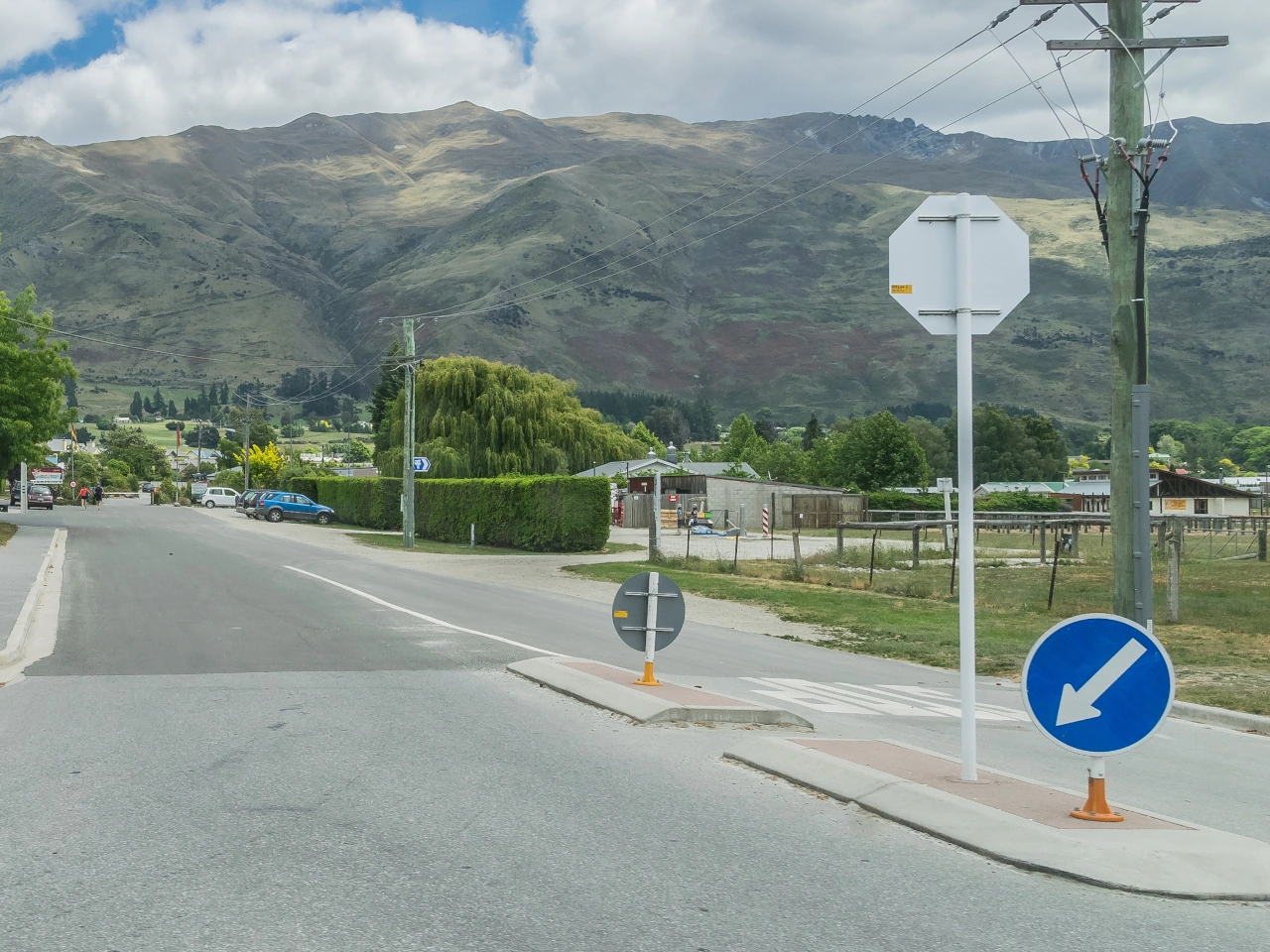
指定方向標識は、矢印で示された方向またはいずれかの方向にのみ進むことを運転者へ義務付けます。直進、右左折、障害物の指定側通過などを指示します。

この標識自体は優先関係や速度を定めません。運転者は適切な車線を使用し、必要な合図を行い、現地の交通標識と規則に従って優先関係を守る必要があります。
指定方向
What does a mandatory-direction sign mean?

It requires drivers to follow the direction or one of the directions shown by the arrow or arrows.

How can you recognise a mandatory-direction sign?

It is commonly a blue circular sign with one or more white arrows. Colours and designs may differ in some countries.

What does an upward arrow mean?

It normally means that drivers must continue straight ahead and may not turn in another direction at that location.

What does a left or right arrow mean?

It normally requires drivers to turn or proceed in the direction shown by the arrow.

What do two arrows mean?

Drivers may choose one of the displayed directions. Any direction not shown is prohibited.

What does an arrow beside an obstacle mean?

It requires drivers to pass the traffic island, barrier, roadworks equipment or other obstruction on the side indicated by the arrow.

Is a mandatory-direction sign the same as a one-way sign?

No. A mandatory-direction sign prescribes a movement at a particular location. A one-way sign indicates the permitted direction along a road or carriageway.

Is it the same as a no-turn sign?

No. A mandatory sign states which direction must be followed, while a prohibition sign states which movement is forbidden. Both may produce a similar practical result.

Does the sign impose a speed limit?

No. Drivers must follow the applicable general, zonal or posted speed limit and reduce speed when necessary to complete the required movement safely.

Does the sign give you priority?

No. You must still obey traffic lights, priority signs and the ordinary rules concerning oncoming traffic, pedestrians, cyclists and other road users.

When does the obligation begin?

It normally applies at the sign, intersection or obstacle associated with it. An advance sign may indicate that the obligation begins farther ahead.

Can a mandatory-direction sign apply to only one lane?

Yes. When it is positioned above a particular lane or clearly associated with that lane, it normally applies only to traffic using that lane.

Can road arrows also prescribe a direction?

Yes. Lane arrows may require drivers to use a particular lane and follow one of the directions displayed within that lane.

Must you use an indicator?

Yes, when the required movement involves turning or changing position and local law requires signalling. The sign does not replace the obligation to indicate.

Does signalling give you priority?

No. An indicator communicates your intention but does not allow you to force another road user to brake or change direction.

May you make a U-turn?

Not when doing so would conflict with the mandatory direction or another prohibition. Drivers must follow the permitted route shown by the signs and markings.

May you reverse to avoid following the sign?

No. Reversing must not be used to evade a mandatory direction. Continue along a lawful route and turn around later where permitted.

Does the sign apply to cyclists?

Cyclists are normally treated as drivers and must obey the sign unless a supplementary panel or local rule expressly exempts them.

Can other road users be exempted?

Yes. Supplementary signs may exempt or separately regulate cyclists, public transport or other specified categories where local law permits this.

What if the required route is blocked?

Do not enter a closed or unsafe route. Stop where safe and follow temporary signs, traffic lights or instructions from authorised personnel.

Do traffic lights cancel a mandatory-direction sign?

Not normally. Traffic lights determine when traffic may proceed, while the mandatory-direction sign determines which movement is permitted.

Do police instructions override the sign?

Yes. Instructions from an authorised traffic officer normally take precedence over traffic signs and ordinary traffic rules.

Can a temporary mandatory-direction sign be binding?

Yes. Properly placed temporary signs at roadworks, incidents or events must be obeyed.

What is a mandatory route for dangerous-goods vehicles?

It requires vehicles carrying specified dangerous goods to follow a designated route suitable for their cargo and any applicable tunnel restrictions.

When does the mandatory direction end?

The obligation is normally completed after the driver has followed the required direction at the intersection or passed the obstacle on the indicated side.

1 ニュージーランド 2 高速道路 3 速度制限 4 推奨速度 5 自転車道 6 歩行者注意 7 橋 8 速度抑制ハンプ 9 一方通行 10 勾配 11 バス専用レーン 12 一時停止標識 13 譲れ 14 ラウンドアバウト 15 道路幅員減少 16 横断歩道 17 踏切 18 指定方向 19 右左折禁止 20 学校周辺 21 動物横断 22 滑りやすい道路 23 カーブ 24 シェブロン標識 25 逆走 26 道路工事 27 横風 28 高さ制限 29 次の交差点で優先 30 信号機 31 歩行者信号 32 路面標示 33 駐車 34 障害者用駐車 35 後退 36 Uターン 37 観光地 38 充電ステーション 39 一般危険 40 自転車利用者 41 バス 42 警察 43 救急車 44 ポットホール 45 通路 46 粒子状物質 47 大気汚染 48 ラッシュアワー 49 交通法規 50 双方向交通 51 道路側溝 52 カーゴバイク 53 林業車両 54 建設車両 55 セミトレーラートラック 56 トロリーバス 57 スピードペデレック 58 配送車両 59 アイドリング 60 レッカー車 61 四輪駆動 62 自転車 63 オートバイ装備 64 トラム 65 軌道 66 キャラバン 67 トレーラー 68 牽引ヒッチ 69 消防車 70 サイレン 71 車列 72 緊急車両の警光灯 73 農業機械 74 電動自転車 75 電気自動車 76 ペデレック 77 クアドリシクル 78 マイクロカー 79 全地形対応車 80 バン 81 キャンピング車 82 スクーター 83 Trikke 84 パーソナルモビリティ 85 スケートボード 86 セグウェイ 87 キックスクーター 88 ローラースケート 89 郵便配達員 90 ヒッチハイカー 91 幼児 92 子ども 93 障害 94 カートレイン 95 km/h 96 mph 97 速度計 98 車高 99 未舗装土道 100 運転 ...