交通ルールポーランド
1. ポーランド
ポーランドはドイツ、チェコ、スロバキア、ウクライナ、ベラルーシ、リトアニア、ロシアと国境を接する中央ヨーロッパの国です。交通は右側通行で、主要都市や近隣国を結ぶ高速道路・自動車専用道路網が拡大しています。特徴の一つは比較的高い高速道路最高速度140 km/hです。乗用車に全国共通ヴィネットは不要ですが、一部のコンセッション高速道路では通行料金がかかります。また年間を通じてロービームまたはデイタイムランニングライトの使用が必要です。
ポーランド語が公用語で、道路・方面標識でも主に使用されます。ą、ć、ę、ł、ń、ó、ś、ź、żなど特徴的な文字を含むラテン文字を使用します。一部自治体では、ドイツ語、カシューブ語、リトアニア語、ベラルーシ語、レムコ語などの公認少数言語・地域言語を用いた二言語地名標識も見られます。冬用タイヤは寒冷時に推奨されますが一般的な季節義務はなく、特定の積雪道路ではスノーチェーンが要求される場合があります。
ポーランドでは道路のどちら側を走りますか?
右側を走行し、通常は左側から追い越します。
ポーランドで緊急時に電話する番号は何ですか?
緊急の警察、救急車、消防などは112へ電話します。
ポーランドの法定飲酒運転基準はどのくらいですか?
血中アルコール濃度を0.2‰(0.2 g/l)未満に保つ必要があります。非常に低い上限なので、運転前にアルコールを飲まないのが最も安全です。
ポーランドの市街地の一般速度制限は何km/hですか?
昼夜を問わず、別の標識がない限り一般最高速度は50 km/hです。
ポーランドの市街地外の一般速度制限は何km/hですか?
乗用車が市街地外の一般単一車道を走る場合、別の標識がない限り一般最高速度は90 km/hです。
ポーランドの自動車専用道路の速度制限は何km/hですか?
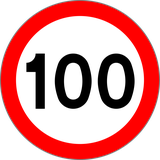
乗用車では、別の低い制限がない限り、単一車道の自動車専用道路100 km/h、中央分離された自動車専用道路120 km/hが一般的です。自動車専用道路でない各方向2車線以上の中央分離道路は通常100 km/hです。
ポーランドの高速道路の最高速度は何km/hですか?
乗用車の高速道路での一般最高速度は、より低い制限が表示されていない限り140 km/hです。
ポーランドで乗用車に高速道路ヴィネットは必要ですか?
いいえ。乗用車向け全国共通の高速道路ヴィネットはありません。国管理高速道路区間は軽車両に概ね無料ですが、A2やA4の一部などコンセッション運営区間では通行料金が残っています。
ポーランドでは乗用車も昼間にライトを使う必要がありますか?
はい。年間を通じて走行中はロービームを使用します。通常の視界で夜明けから日没まではデイタイムランニングライトを代わりに使用できます。
ポーランドでは冬用タイヤが義務ですか?
いいえ。乗用車に一般的な季節別冬用タイヤ義務はありませんが、気温や道路状況が冬季条件になれば強く推奨されます。
ポーランドでスノーチェーンを使えるのはいつですか?
スノーチェーンは雪で覆われた道路だけで使用できます。標識C-18でチェーンが義務付けられる場合、少なくとも駆動輪2輪へ装着します。
ポーランドではシートベルトが義務ですか?
特定の法的免除を除き、シートベルト装備車の運転者と乗客はシートベルトを着用しなければなりません。
ポーランドで子どもがチャイルドシートを使用しなければならないのはいつですか?
身長150 cm未満の子どもは一般に、認可チャイルドシートなど適切な拘束装置を使用します。身長135 cm以上で体格のため適切な拘束装置を用意できない場合、例外的に後部座席で通常のシートベルトを使用できます。
ポーランドで後ろ向きチャイルドシートを作動中のエアバッグ前に設置できますか?
いいえ。助手席エアバッグが作動中の場合、前席で後ろ向きチャイルドシートを使用してはいけません。
ポーランドでヘルメット着用が必要なのは誰ですか?
適切な保護構造を備えた密閉車両など特定例外を除き、オートバイ、モペッド、四輪車の運転者・同乗者は一般に認可ヘルメットを着用します。
ポーランドでは自転車利用者にヘルメット義務がありますか?
いいえ。普通自転車の利用者に現在一般的な法的ヘルメット義務はありませんが、安全のため着用が推奨されます。
ポーランドで運転中に手持ちの携帯電話を使えますか?
いいえ。電話機やマイクを手に持つ必要がある場合、運転者は運転中に電話を使用してはいけません。ハンズフリー利用は認められます。
ポーランドで右から来る交通に道を譲るのはいつですか?
優先関係が別に規制されていない交差点では、一般に右から来る交通へ道を譲る必要があります。左折する運転者は、直進または右折する対向車にも道を譲ります。
ポーランドの無規制交差点ではトラムが優先ですか?
はい。別の規制がない交差点では、トラムなど軌道車両は接近方向にかかわらず一般車両より優先します。
ポーランドのラウンドアバウトでは誰が優先ですか?
入口の標識に従います。多くのポーランドのラウンドアバウトではラウンドアバウト標識と譲れ標識を組み合わせ、すでに環状内を走る交通が優先します。譲れ標識など優先規制がなければ通常の右方優先が適用されます。
ポーランドの横断歩道で運転者は何をしなければなりませんか?
横断歩道へ近づく運転者は減速し、横断中または横断歩道へ入ろうとしている歩行者へ道を譲る必要があります。横断歩道へ入る歩行者は、トラム以外の車両より優先します。
ポーランドで自転車などを追い越す際、どのくらい間隔を空ける必要がありますか?
自転車、モペッド、オートバイ、電動キックスクーター、歩行者を追い越す際は、少なくとも1 mの側方間隔を空けます。
ポーランドではバスが停留所から発進するとき道を譲る必要がありますか?
市街地では、標示された停留所から発進する意思を合図しているバスやトロリーバスへ近づく運転者は、減速し、必要なら停止して交通へ戻れるようにする必要があります。バス運転者も安全に操作できることを確認します。
ポーランドで緊急車両通路を作る必要があるのはいつですか?
同一方向に少なくとも2車線ある道路で渋滞が形成されたら、運転者は緊急車両用通路を作る必要があります。最左車線は左へ、それ以外の車線は右へ寄ります。
ポーランドで車線がなくなる場合、どのように合流すべきですか?
交通が大幅に遅くなり、車線が終了または障害で塞がれる場合、利用可能車線を狭窄部まで使い、その後ジッパー方式で交互に合流します。
ポーランドの高速道路・自動車専用道路で必要な車間距離はどのくらいですか?
同じ車線の前車との距離は通常、メートルで自車速度(km/h)の半分以上を保ちます。例えば100 km/hでは最低50 mです。追い越し中にはこの要件は適用されません。
ポーランドの住宅区域の速度制限は何km/hですか?
指定されたstrefa zamieszkaniaの最高速度は20 km/hです。歩行者は道路幅全体を利用でき、車両より優先します。
ポーランドの乗用車に携行しなければならない安全装備は何ですか?
乗用車には警告三角表示板と消火器が必要です。救急セットと反射安全ベストは強く推奨されますが、通常の自家用乗用車の一般義務装備には含まれません。
2. 高速道路
高速道路は、自動車交通のために特別に設計され、標識で指定された道路です。通常、対向交通用の車道が分離され、指定された出入口によるアクセス制御があり、沿道施設への直接出入りや、他の道路・鉄道・通路との平面交差はありません。
高速道路では特別な交通規則が適用されます。利用できる道路利用者、速度制限、車線規則、通行料金、緊急時の手順は国によって異なるため、運転者は現地の交通標識と規則に従う必要があります。
How can you recognise a motorway?
A motorway is normally identified by a special motorway sign at its entrance. It commonly has separate carriageways, controlled entrances and exits, and no ordinary intersections or direct access to neighbouring properties.
Who may use a motorway?
Motorways are primarily intended for motor vehicles capable of travelling safely at motorway speeds. Pedestrians, cyclists, animals and certain slow vehicles are generally prohibited, but the exact access requirements differ between countries.
What is the speed limit on a motorway?
There is no universal motorway speed limit. The applicable limit depends on the country, road section, vehicle category and driving conditions. Posted or variable speed-limit signs may replace the general national limit.
How should you enter a motorway?
Use the entrance or acceleration lane to observe motorway traffic and adjust your speed where possible. Enter only when there is a safe gap and follow the local priority and merging rules.
How should you leave a motorway?
Move into the correct lane in good time and signal when required. Enter the exit or deceleration lane before reducing your speed, unless traffic, signs or road conditions require you to slow down earlier.
Which lane should you use on a motorway?
Follow the local keep-left or keep-right rule and any lane-direction signs. Lanes closer to the centre of the motorway are commonly used for overtaking, but lane-use rules differ between countries and vehicle categories.
Can you stop on a motorway?
Voluntary stopping and parking are normally permitted only in designated parking or service areas. Drivers may still have to stop because of congestion, an emergency or another unavoidable situation.
Can you reverse or make a U-turn on a motorway?
Reversing, making a U-turn and driving against the direction of traffic are generally prohibited. If you miss an exit, continue to the next suitable exit.
What should you do if your vehicle breaks down?
Move the vehicle out of the traffic lanes when this can be done safely, activate the hazard warning lights and follow the local breakdown procedures. Leave the vehicle safely, keep away from moving traffic and use a warning triangle or safety vest where required by local law.
What is the difference between a motorway and an expressway?
A motorway normally has the highest level of access control and is governed by specific motorway rules. An expressway may have similar characteristics but may permit different road users or contain lower-standard junctions. The legal distinction varies between countries.
3. 自動車専用道路
自動車専用道路は、一般道路より高い速度で通過交通を効率よく流すことを目的とした道路です。多くの場合、アクセスが制限され、複数車線、分離車道、立体交差を備えますが、設計や法的扱いは国によって異なります。
自動車専用道路が必ずしも高速道路とは限りません。交差点、信号、直接出入り口が存在する場合もあり、利用可能な道路利用者、速度制限、特別規則は現地の標識と規則により決まります。
How can you recognise an expressway?
An expressway may be identified by a special road sign or by its road classification. It often has multiple lanes, limited access and junctions designed for faster traffic, but its exact appearance differs between countries.
Is an expressway the same as a motorway?
No. A motorway normally has full access control and stricter design and traffic rules. An expressway may have partial access control, ordinary intersections, traffic lights or direct entrances. The legal distinction varies between countries.
Is an expressway always divided?
Not necessarily. Many expressways have separate carriageways for opposing traffic, but some countries also classify undivided roads as expressways. Drivers should rely on local signs and road rules rather than the road’s appearance alone.
Who may use an expressway?
Expressways are generally intended for motorised traffic. Pedestrians, cyclists, animals, mopeds and slow vehicles may be restricted or prohibited, but the permitted road users depend on local law and traffic signs.
What is the speed limit on an expressway?
There is no universal expressway speed limit. The applicable limit depends on the country, road design, location, vehicle category and posted signs. An expressway sign does not always impose a particular speed by itself.
Can an expressway have intersections or traffic lights?
Yes. Unlike a motorway, an expressway may have level intersections, roundabouts, pedestrian crossings or traffic lights. Drivers must therefore remain prepared for crossing traffic and changes in priority.
How should you enter an expressway?
Use an entrance or acceleration lane where one is provided, observe approaching traffic and enter only when there is a safe gap. Where the road has an ordinary intersection, follow the applicable priority signs and local rules.
Which lane should you use on an expressway?
Follow the local keep-left or keep-right rule, lane arrows and traffic signs. Lanes nearer the centre are commonly used for overtaking, but special lane restrictions may apply to heavy vehicles or particular destinations.
Can you stop, park, reverse or make a U-turn?
These actions are often restricted on expressways because of the speed and flow of traffic. Stop or park only where permitted, and never reverse or make a U-turn unless the road design and local rules clearly allow it.
What should you do after a breakdown?
Move the vehicle away from moving traffic when this can be done safely, activate the hazard warning lights and follow the local breakdown procedures. Use a warning triangle or safety vest where required and wait in a protected location away from traffic.
4. 住宅地域
住宅地域は、住宅や地域内の敷地への出入りが主な機能となる道路または道路群です。運転者は歩行者、自転車、子ども、駐車車両、車庫や私有地から出入りする車両を想定する必要があります。
国によっては特定の住宅地域を標識で指定し、低速や共有空間に関する特別規則を適用します。そのため速度制限、歩行者の権利、駐車規則、通行可能な道路利用者は現地の標識と規則に従います。
How can you recognise a residential area?
A residential area commonly contains homes, driveways, parked vehicles and local streets. It may also have special entrance signs, traffic-calming measures or shared road space, but its appearance and legal status differ between countries.
Is a residential area the same as a built-up area?
Not necessarily. A built-up area may include residential, commercial and industrial streets. A residential area is primarily associated with housing and local access and may form only one part of a larger built-up area.
Is every residential neighbourhood a legally designated residential zone?
No. In many countries, special residential-zone rules apply only where an official entrance sign is displayed. An ordinary neighbourhood may remain subject to the normal rules for the surrounding road or built-up area.
What is the speed limit in a residential area?
There is no universal residential-area speed limit. Some countries apply a very low limit in signposted residential or shared-space zones, while ordinary residential streets may follow the general built-up-area limit or a posted zone limit.
Do pedestrians have priority in a residential area?
The rights of pedestrians depend on the country and the type of residential area. In some signposted shared-space zones, pedestrians may use the whole road and drivers must give them special consideration. On ordinary residential streets, the normal pedestrian and crossing rules may apply.
May children play in a residential area?
Playing may be expressly permitted in certain legally designated residential or shared-space zones. This is not automatically allowed on every residential street. Drivers should nevertheless remain especially alert for children, who may enter the road unexpectedly.
Which road users may enter a residential area?
Residential areas are normally accessible to local motor traffic, cyclists and pedestrians, but additional signs may restrict certain vehicles or through traffic. A residential area is therefore not necessarily a pedestrian-only zone.
How should you drive in a residential area?
Drive at a speed that allows you to stop safely, watch both sides of the road and expect pedestrians, cyclists, children, pets and vehicles emerging from entrances. Leave enough space and avoid unnecessary acceleration, noise or aggressive overtaking.
May you overtake in a residential area?
Overtaking is not universally prohibited, but it may be restricted by local law, signs or road design. Even where it is permitted, drivers should not overtake when the limited space or presence of vulnerable road users makes it unsafe.
Where may you park in a residential area?
Follow the local parking signs, markings and general parking rules. Do not block entrances, pavements, crossings, sight lines or the passage of other road users. Special residential zones may permit parking only in designated spaces.
What is the difference between a residential area and a pedestrian zone?
Motor vehicles are normally still permitted in a residential area, although they may be subject to strict speed and parking rules. In a pedestrian zone, vehicle access is generally prohibited or limited to specific users, purposes or times.
5. 市街地
市街地は、建物、道路、日常的な地域活動が集中する区域です。運転者は歩行者、自転車、交差点、駐車車両、公共交通、敷地から出入りする車両が多いことを想定する必要があります。
多くの国では市街地内に特別な交通規則や低い既定速度制限を適用します。区域は入口・出口標識、街路灯、その他の法的基準で定められることがあるため、現地の標識と規則に従う必要があります。
How can you recognise a built-up area?
A built-up area commonly contains closely spaced buildings, local streets, intersections, pavements, pedestrians and regular access to properties. Some countries use official entrance and exit signs, while others define built-up roads through street lighting or other legal criteria.
Is a built-up area the same as a town or city?
Not necessarily. A legally defined built-up area may cover only part of a town or may include several connected settlements. Administrative boundaries and traffic-law boundaries do not always coincide.
Is a built-up area the same as a residential area?
No. A built-up area may contain residential, commercial, industrial and public streets. A residential area is mainly associated with housing and may form only one part of a built-up area.
How does a built-up area begin and end?
In many countries, the area begins and ends at official traffic signs. In others, road lighting, development or another legal definition determines whether a road is inside a built-up area. Drivers should not rely only on the appearance of the surroundings.
What is the speed limit in a built-up area?
There is no universal built-up-area speed limit. The default limit differs between countries and regions, and traffic signs may impose a lower or higher limit on a particular road or throughout a zone.
Does the built-up-area speed limit apply on every road?
The general limit normally applies unless a traffic sign, road category or special rule establishes another limit. Major urban roads may have a higher signed limit, while residential streets, school areas and city centres may have lower limits.
Does a speed-limit sign remain valid after an intersection?
This depends on local law and the type of sign. A local speed restriction may end at the next intersection in some countries, while a zonal speed limit normally continues until an end-of-zone sign.
Do pedestrians have priority throughout a built-up area?
No. Pedestrians do not automatically have priority everywhere merely because they are in a built-up area. Their priority depends on crossings, traffic signals, shared-space rules and local law. Drivers must nevertheless remain especially alert for pedestrians.
How should you drive in a built-up area?
Adjust your speed, watch both sides of the road and expect frequent changes in traffic. Be prepared for pedestrians crossing, cyclists changing position, buses leaving stops, opening vehicle doors and vehicles emerging from side roads or driveways.
Are parking rules different in a built-up area?
Some countries apply additional stopping and parking restrictions inside built-up areas. Drivers must follow signs, markings and local rules and must not obstruct pavements, crossings, entrances, cycle facilities or visibility at intersections.
What is the difference between a built-up area and a speed zone?
A built-up area is a broader traffic-law area that may contain many different roads and activities. A speed zone imposes a particular maximum speed throughout the signed zone and may be located inside or outside a built-up area.
When do the built-up-area rules end?
The rules end at the legally defined boundary, which may be indicated by an end-of-built-up-area sign. After that point, the rules and default speed limits for roads outside built-up areas normally apply.
6. ゾーン
交通ゾーンは、含まれるすべての道路または道路区間に特定の交通規則が適用される区域です。規則は通常、ゾーン開始標識から始まり、対応するゾーン終了標識を通過するまで有効です。
ゾーンでは速度、駐車、進入、車種、排出ガス、その他の交通行動を規制できます。使用する標識、対象道路、交差点や例外の扱いは現地の交通法規によって異なります。
What is a traffic zone?
A traffic zone is a defined area in which a particular restriction, prohibition or obligation applies throughout the included roads rather than only at one location.
How can you recognise a traffic zone?
A traffic zone normally begins with a zone-entry sign showing the applicable rule. A corresponding end-of-zone sign indicates where that rule stops applying.
What is the difference between a zone sign and an ordinary traffic sign?
An ordinary sign usually applies to a particular road, direction, lane or section. A zone sign applies throughout a designated area, which may contain several roads and intersections.
Does a zone normally continue after an intersection?
Usually, yes. A zonal rule commonly continues through intersections until an end-of-zone sign is reached. The exact effect of intersections depends on local law.
How does a traffic zone end?
A traffic zone normally ends when you pass the corresponding end-of-zone sign. The normal road rules or another signed regulation then apply.
Can more than one rule apply inside a zone?
Yes. A zone may contain several regulations, such as a speed limit together with parking or access restrictions. Drivers must observe every applicable sign.
Can another traffic sign apply inside a zone?
Yes. A local sign may introduce a different or more restrictive rule on a particular road or section. Whether the original zonal rule resumes afterwards depends on local law and the type of regulation.
What types of traffic zones exist?
Common examples include speed zones, parking zones, low-emission zones, pedestrian zones, cycling zones, school zones and zones restricting particular vehicle categories.
Is a traffic zone the same as a built-up area?
No. A built-up area is a broader legally defined urban area. A traffic zone imposes a specific signed rule and may be located inside or outside a built-up area.
Is a traffic zone the same as a residential area?
No. A residential area describes an area mainly used for housing. It may contain one or more traffic zones, but the terms do not automatically have the same legal meaning.
Does a zonal rule apply to every road user?
Not necessarily. The sign, symbol or additional panel may limit the rule to particular vehicles, road users, times or circumstances.
What should you do when entering a traffic zone?
Observe the entrance sign carefully, identify every displayed rule and remember that the regulation may continue across several roads and intersections until the zone ends.
7. 速度制限
速度制限は、道路、車線、または指定区域で法律上許可される最高速度です。一般交通法規によって定められる場合も、固定式・可変式・一時的な標識で示される場合もあります。
速度制限は上限であり、目標速度ではありません。交通、視界、天候、路面状況、交通弱者、車両状態などにより上限速度が安全でない場合、運転者はさらに減速する必要があります。
What is a speed limit?
A speed limit is the maximum legal speed permitted on a road, lane or within a designated area. It does not require drivers to travel at that speed.
How can you recognise a speed limit?
A speed limit is commonly displayed as a number on a regulatory traffic sign. General limits may also apply automatically because of the country, road category, vehicle type or surrounding area, even when no speed-limit sign is present.
Is the speed limit a recommended driving speed?
No. It is the highest speed legally permitted under suitable conditions. Drivers must reduce their speed whenever travelling at the limit would be unsafe.
Can you drive more slowly than the speed limit?
Yes. Drivers should travel more slowly when required by traffic, weather, visibility, road conditions or nearby vulnerable road users. Driving unnecessarily slowly may nevertheless be prohibited when it obstructs normal traffic.
Does the same speed limit apply to every vehicle?
Not always. Lower limits may apply to heavy vehicles, buses, vehicles towing trailers, novice drivers or other vehicle categories. The lowest applicable limit must be respected.
What is a default speed limit?
A default speed limit applies automatically to a particular road type or area when no traffic sign indicates another limit. Examples include general limits for motorways, built-up areas or roads outside built-up areas.
Does a posted speed limit replace the default limit?
Usually, yes. A legally placed speed-limit sign normally introduces another maximum speed, although lower vehicle-specific or special-road limits may continue to apply.
When does a speed-limit sign take effect?
A speed restriction normally begins at the location of the sign. Drivers should reduce their speed before passing the sign so that they are already travelling within the limit when it takes effect.
When does a speed limit end?
A signed limit may end at an intersection, an end-of-limit sign, another speed-limit sign or the beginning or end of a legally defined area. The exact rule differs between countries.
Does an intersection end a speed limit?
This depends on local law. An ordinary speed restriction may end at an intersection in some countries, while a zonal speed limit normally continues across intersections until an end-of-zone sign.
What is a speed zone?
A speed zone is an area in which the displayed maximum speed applies throughout all included roads. The limit normally remains in force until the corresponding end-of-zone sign.
What is a variable speed limit?
A variable speed limit is displayed on an electronic or changeable sign and may be adjusted according to congestion, weather, incidents or roadworks. When activated, it has the same legal importance as another applicable regulatory speed sign.
Can different lanes have different speed limits?
Yes. Signs positioned above individual lanes may impose different limits on those lanes. Drivers must observe the limit applying to the lane they use.
Can a temporary speed limit apply?
Yes. Temporary limits may be introduced near roadworks, collisions, hazards or special events. Drivers must follow the temporary traffic signs and instructions that are legally in force.
May you exceed the speed limit while overtaking?
No. Overtaking does not normally permit a driver to exceed the applicable maximum speed. The manoeuvre must be completed safely while respecting the speed limit.
Do poor conditions change the legal speed limit?
Some countries impose specific lower limits in rain, snow or other conditions. Even where the numerical limit does not change, drivers must reduce their speed sufficiently for the conditions.
8. 歩道
歩道は、主に歩行者の通行を目的とした通路または道路の一部です。道路沿い、公園や住宅地内、または自動車道路から独立して設置されることがあります。
歩道が歩行者専用の場合もあれば、自転車など他の許可された利用者との共用通路の一部である場合もあります。進入、優先関係、利用可能者は、その通路に適用される標識と現地規則によって決まります。
What is a footpath?
A footpath is a path or part of a road intended primarily for pedestrians.
Is a footpath the same as a pavement?
Not necessarily. A pavement or sidewalk normally runs alongside a roadway, while a footpath may follow an independent route or pass through an area without an adjacent roadway.
Who may use a footpath?
Pedestrians are the primary users. Depending on the signs and local regulations, cyclists or other categories may also be permitted on shared paths.
Can cyclists use a pedestrian-only footpath?
Normally no when the path is specifically reserved for pedestrians. Cyclists may have to dismount unless local rules or signs allow cycling.
Can someone walking a bicycle use a footpath?
In many countries, a person walking a bicycle by hand is treated as a pedestrian and may therefore use pedestrian facilities, subject to local rules.
Can motor vehicles use a footpath?
Normally no when the route is reserved for pedestrians. Limited access may sometimes be authorised for maintenance, emergency or other specific purposes.
Can a footpath be shared with cyclists?
Yes. A route may be designated as a shared pedestrian-and-cycle path. Users must follow any signs indicating how the space should be shared.
Do pedestrians have priority on a shared footpath?
This depends on the local traffic rules and type of shared facility. Cyclists and other permitted users should always avoid endangering pedestrians.
Can a footpath cross a roadway?
Yes. Where a path crosses a roadway, pedestrians must follow the applicable crossing, priority and traffic-light rules.
Can a footpath be part of the public road?
Yes. Pedestrian paths can form part of the wider public-road network even though ordinary motor traffic may not use them.
Can a footpath have its own traffic sign?
Yes. Many countries use a specific pedestrian symbol to indicate a path reserved or compulsory for pedestrians.
What should cyclists do when a footpath is not open to cycling?
Use the appropriate cycle facility or roadway. Where local law permits it, a cyclist may also dismount and continue as a pedestrian.
9. 自転車道
自転車道は、主にまたは専ら自転車利用者のために設けられた道路の一部または独立した通路です。自動車交通から物理的に分離される場合、路面標示で示される場合、標識で指定される場合があります。
自転車道には一方通行、双方向、他の道路利用者との共用があります。利用可能者、進行方向、優先規則、利用義務は現地の交通標識と規則に従います。
How can you recognise a bike path?
A bike path may be identified by a bicycle traffic sign, bicycle symbols, coloured surfacing or road markings. It may run beside the carriageway or follow a completely separate route.
Is a bike path the same as a bike lane?
Not always. A bike lane is normally marked directly on or beside the carriageway, while a bike path may be physically separated from motor traffic. The terminology and legal distinction vary between countries.
Must cyclists use a bike path?
This depends on local law and the signs displayed. Some bike paths are mandatory, while others are optional. Cyclists may also be permitted to leave a path to turn, overtake or avoid an obstruction.
Can a bike path carry traffic in both directions?
Yes. Some bike paths are two-way, but others may be used only in the direction indicated by signs, markings or their position beside the road. Cyclists should not assume that every path permits travel in both directions.
May pedestrians use a bike path?
Pedestrians may use a bike path where it is designated as a shared-use path or where local law permits it. On a cycle-only path, pedestrians may be prohibited or permitted only when no suitable pedestrian facility is available.
May mopeds or speed pedelecs use a bike path?
This depends on the country, vehicle category, road speed and traffic signs. Some bike paths permit or require certain mopeds or speed pedelecs, while others are reserved exclusively for ordinary bicycles.
May motor vehicles use a bike path?
Normally not. Motor vehicles may cross a bike path to enter another road or property where this is permitted, but they must follow the applicable priority rules and must not endanger path users.
Who has priority where a vehicle crosses a bike path?
Priority depends on the road layout, signs, signals and local law. Drivers crossing a continuous bike path commonly have to give way to its users, but cyclists approaching a separate cycle crossing may not automatically have priority before entering it.
Does a cyclist always have priority at a cycle crossing?
No. A marked cycle crossing does not universally give an approaching cyclist priority. Cyclists should enter cautiously and observe approaching traffic unless signs, signals or local rules clearly give them priority.
Is there a speed limit on a bike path?
Some countries or local authorities impose specific limits, particularly on shared paths. Even without a posted limit, cyclists must travel at a safe and considerate speed for the width, visibility and number of other users.
May you stop or park on a bike path?
Normally not. Stopping or parking on a bike path can force cyclists into motor traffic and may be expressly prohibited by law.
What should cyclists do when passing pedestrians?
Reduce speed, give a clear warning where appropriate and leave sufficient space. Pedestrians may change direction unexpectedly, especially on a shared path.
What should cyclists do when a bike path is blocked?
Slow down and check surrounding traffic before leaving the path. Avoid the obstruction safely and return to the bike path when permitted and practical.
Can cyclists ride side by side on a bike path?
This depends on local law and the available width. Even where riding side by side is permitted, cyclists must not block, endanger or unnecessarily hinder other path users.
What is the difference between a bike path and a shared-use path?
A bike path is intended primarily or exclusively for cycling. A shared-use path is legally intended for cyclists together with pedestrians or other indicated road users, who must use the space considerately.
10. 歩行者・自転車共用道
歩行者・自転車共用道は、歩行者と自転車の両方が利用する通路または道路の一部です。歩行者と自転車の区画が明確に分離されている施設とは異なり、通常は同じ空間内を通行します。
利用者の速度差が大きいため、自転車は歩行者へ慎重に接近し、速度を調整し、追い越す際に十分な間隔を取る必要があります。利用可能者、優先関係、速度規制は現地の交通標識と規則によります。
What is a shared-use path?
A shared-use path is a path or part of a road intended to be used by both pedestrians and cyclists.
Is a shared-use path the same as a cycle path?
Not necessarily. A cycle path is primarily intended for cyclists, while a shared-use path is specifically intended to accommodate pedestrians and cyclists together.
Do pedestrians and cyclists have separate sides on a shared-use path?
Not always. On a genuinely shared path, both categories may use the same space. Other facilities may divide pedestrians and cyclists into separate sections using signs, markings or physical separation.
Should cyclists slow down near pedestrians?
Yes. Cyclists should adapt their speed when approaching or passing pedestrians and leave sufficient space to avoid creating danger or discomfort.
Can cyclists ring a bell before passing pedestrians?
Yes, where appropriate. An audible warning can help alert pedestrians before a cyclist passes, but it should be used considerately and does not give the cyclist priority.
Do cyclists automatically have priority over pedestrians?
No. The applicable priority and conduct rules depend on local law. On a shared facility, cyclists should expect pedestrians to move within the available space.
Can mopeds use a shared-use path?
This depends on the signs and local vehicle classifications. Some shared facilities are limited to pedestrians and bicycles, while others also permit specified moped categories.
Can speed pedelecs use a shared-use path?
This depends on local law. Because speed pedelecs can travel substantially faster than ordinary bicycles, some countries or facilities exclude them from pedestrian-and-cycle shared paths.
Can motor vehicles use a shared-use path?
Normally no. Motor vehicles may use such a path only where a specific exception or local rule permits access, for example for maintenance or emergency purposes.
Can a shared-use path cross a roadway?
Yes. At crossings, pedestrians and cyclists must follow the applicable traffic lights, priority signs, road markings and crossing rules.
Can a shared-use path be two-way?
Yes. Many shared-use paths carry pedestrians and cyclists travelling in both directions. Users should therefore remain alert for approaching traffic from ahead as well as users travelling in the same direction.
What should cyclists do when a shared-use path is crowded?
Reduce speed and be prepared to stop. Crowded conditions may make normal cycling speed unsafe even when no specific lower speed limit is posted.
11. 分離型通路
分離型通路は、通常歩行者と自転車など異なる道路利用者の区分に、同じ通路内で別々の部分を割り当てた施設です。路面標示、舗装材、縁石、その他の物理的分離で区別されます。
利用者は自分に割り当てられた部分を通行し、区画が交差、合流、道路と接続する場所では特に注意する必要があります。利用可能者、優先関係、速度規制は現地の標識と規則によります。
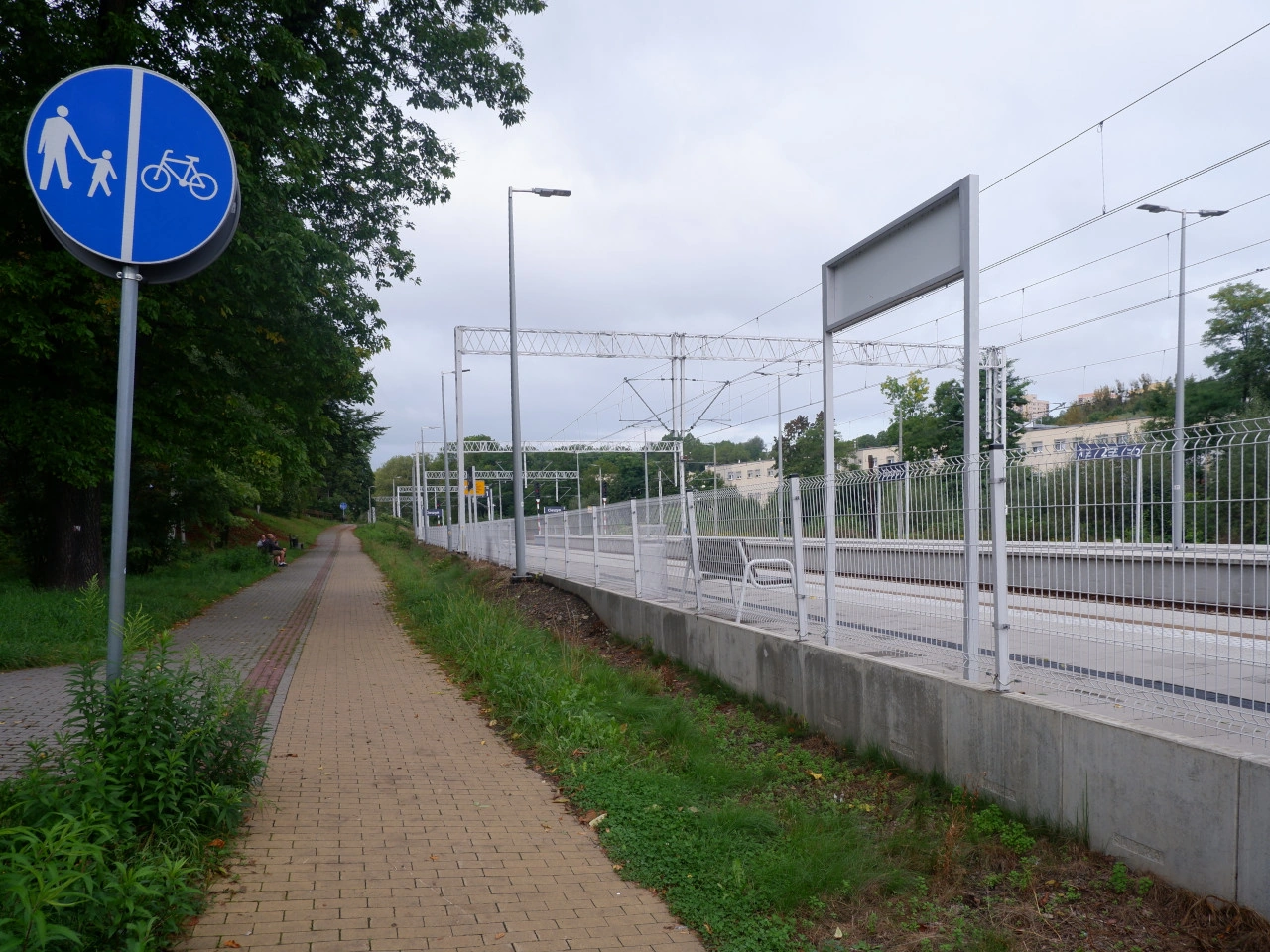
What is a separated path?
A separated path is a route where pedestrians, cyclists or other permitted users have clearly designated sections rather than sharing the same space.
How are the different parts of a separated path identified?
The sections may be separated by a painted line, different paving materials, a kerb, verge or another physical division. Traffic signs may also show which side each category should use.
Is a separated path the same as a shared-use path?
No. On a shared-use path, pedestrians and cyclists normally use the same space. On a separated path, each category has its own designated section.
Which side should pedestrians use?
Pedestrians should use the section indicated for pedestrians by the signs, symbols, markings or layout of the path.
Which side should cyclists use?
Cyclists should use the section designated for bicycles and should avoid unnecessarily entering the pedestrian section.
Can pedestrians walk in the cycling section?
Normally they should remain in the pedestrian section where one is specifically provided. Local rules may nevertheless allow exceptions where their designated section is obstructed or unusable.
Can cyclists use the pedestrian section?
Normally no. Cyclists should remain in the cycling section unless local rules specifically permit otherwise or they dismount and become pedestrians.
Can mopeds use a separated path?
This depends on the traffic signs and local vehicle classifications. Some separated facilities also permit specified moped categories on the cycling section.
Can a separated path be two-way?
Yes. The cycling section may carry traffic in one or both directions depending on the signs and local road arrangement.
What happens where the pedestrian and cycling sections cross?
Users should approach carefully and follow any priority signs, markings or crossing rules. Neither category should assume priority simply because they are using a separated path.
Can a separated path cross a roadway?
Yes. At the crossing, users must follow the applicable traffic lights, priority rules and road markings.
Why are pedestrians and cyclists separated?
Separation can reduce conflicts between users travelling at different speeds and provide a clearer and more predictable route for both pedestrians and cyclists.
12. 歩行者注意
歩行者注意は、前方で歩行者が道路を横断したり車道へ進入したりする可能性を示す警戒表示です。横断歩道付近など、歩行者が多く運転者へ事前の注意が必要な場所で使われます。
運転者は必要に応じて減速し、歩行者をよく確認し、停止できるよう備える必要があります。警戒標識のデザインや横断場所での優先規則は国によって異なります。
What does a pedestrian warning mean?
A pedestrian warning alerts drivers that pedestrians may be crossing or entering the road ahead.
Where are pedestrian warning signs commonly used?
They are commonly placed near pedestrian crossings or other locations with significant pedestrian activity.
How should you react to a pedestrian warning?
Reduce speed when necessary, watch both sides of the road and be prepared to give way or stop for pedestrians according to the applicable traffic rules.
13. トンネル
トンネルは、丘、山、建物、水路、他の交通路などの障害物を道路が通過するための覆われた通路です。道路トンネルは1本以上の車線を持ち、一方向または双方向の交通を通す場合があります。
トンネル内では視界、避難経路、危険回避の空間が限られるため特に注意が必要です。ライト、速度、車線、車間距離の規則に従い、非常口、信号、可変情報標識を確認する必要があります。
What is a road tunnel?
A road tunnel is a covered passage that carries a road through or beneath an obstacle.
Should you use headlights in a tunnel?
Follow the local lighting rules and traffic signs. Many countries require dipped headlights in tunnels even during daylight, while general visibility rules may also require vehicle lights.
Should you increase your following distance in a tunnel?
Yes. Additional distance gives more time to react to sudden congestion, a breakdown or another hazard where escape space may be limited.
Can you stop or park in a tunnel?
Voluntary stopping and parking are generally prohibited or strongly restricted in road tunnels. Drivers should stop only where permitted or when traffic, an emergency or another unavoidable situation requires it.
Can you reverse or make a U-turn in a tunnel?
Normally this should not be done unless specifically authorised or directed by emergency or traffic-control personnel. Motorway tunnels are additionally subject to the normal motorway prohibitions on reversing and U-turns.
What should you do if traffic stops in a tunnel?
Keep a safe distance from the vehicle ahead, follow traffic signals and instructions and avoid blocking emergency access. Switch on hazard warning lights where appropriate to warn following traffic.
What should you do if your vehicle breaks down in a tunnel?
Move into an emergency bay or other safe position if possible, switch on the hazard warning lights and follow the tunnel's emergency procedures. Use an emergency telephone or contact the emergency services where necessary.
What should you do if there is a fire in a tunnel?
Follow the emergency signs and instructions immediately. If evacuation is necessary, leave the vehicle and use the indicated emergency exit rather than remaining in a dangerous traffic or smoke-filled area.
What are tunnel emergency exits?
Emergency exits provide a route away from the traffic tunnel during incidents such as a fire. Signs may indicate the nearest exit and the direction or distance to it.
Should you remove sunglasses before entering a tunnel?
Where necessary, removing dark sunglasses before entering can help your eyes adapt more quickly to the lower light level inside the tunnel.
Can speed limits change inside a tunnel?
Yes. Tunnels may have permanent or variable speed restrictions. Drivers must follow the speed limit currently indicated.
Can dangerous goods be restricted in tunnels?
Yes. Certain tunnels may restrict vehicles carrying dangerous goods because an incident in an enclosed space can create additional risks. Follow all applicable tunnel-category and dangerous-goods signs.
14. 速度抑制ハンプ
速度抑制ハンプは、車両を物理的に減速させるため道路表面を盛り上げた交通静穏化設備です。住宅地、学校周辺、歩行者の多い場所などで使われます。
運転者はハンプへ近づく前に速度を落とし、滑らかに通過して車両や乗員への衝撃を避ける必要があります。ハンプ自体が常に特定の法定速度を示すわけではないため、掲示された速度制限にも従います。
What is the purpose of a speed bump?
A speed bump is intended to physically reduce vehicle speeds. It encourages drivers to slow down in places where pedestrians, cyclists, children or local traffic may be present.
How can you recognise a speed bump?
A speed bump is a raised section extending across all or part of the road. It may be marked with contrasting paint, road markings or warning signs to make it more visible.
Is a speed bump the same as a speed table?
No. A speed bump or speed hump normally has a rounded profile. A speed table has ramps leading to a longer, flat raised section that may contain an intersection or pedestrian crossing.
Is a speed cushion the same as a speed bump?
No. A speed cushion is a narrower raised device that does not cover the full width of a traffic lane. Its design may allow buses and emergency vehicles to pass with less disturbance while still slowing smaller vehicles.
Is there a universal speed limit over a speed bump?
No. The legal speed depends on the country, traffic signs and road type. Even when no special limit applies, drivers must cross the device at a speed that is safe for the road, vehicle and passengers.
How should you approach a speed bump?
Check surrounding traffic, reduce your speed smoothly and approach in a straight line where possible. Avoid sudden braking immediately before the bump.
Should you brake while crossing a speed bump?
Most of the necessary braking should be completed before reaching the raised surface. Cross at a steady, low speed and avoid harsh braking or acceleration while the wheels are on the device.
Should you drive across a speed bump at an angle?
Normally not. Cross in the normal direction of the traffic lane unless the road layout requires otherwise. Driving diagonally may place the vehicle in the path of approaching or overtaking traffic.
May motorcycles and bicycles use a speed bump?
Yes. Riders should reduce speed, keep the vehicle stable and cross as directly as possible. Painted or wet raised surfaces may provide less grip.
Do pedestrians have priority at a speed bump?
Not automatically. A speed bump does not by itself create a pedestrian crossing. Pedestrian priority depends on crossings, traffic signals, signs and local law.
Does a speed bump change priority at an intersection?
No. The presence of a raised surface does not normally change the priority rules. Drivers must continue to follow traffic signs, signals and the ordinary intersection rules.
May you overtake on a speed bump?
Overtaking may be restricted by local law or signs. Even where it is not expressly prohibited, drivers should avoid overtaking when the raised surface, limited space or nearby vulnerable road users make the manoeuvre unsafe.
May you stop or park on a speed bump?
This depends on local law. Stopping or parking may be prohibited because the vehicle could obstruct visibility, traffic flow or the purpose of the traffic-calming device.
Can a speed bump damage a vehicle?
A correctly designed speed bump should be crossed safely at an appropriate speed. Crossing too quickly may damage tyres, wheels, suspension, bodywork or cargo and may cause passengers discomfort.
Does the road speed limit change after a speed bump?
Not necessarily. A special limit may apply only to the raised device, while a signed speed restriction or speed zone may continue beyond it. Drivers must follow the applicable signs and local rules.
Why do buses and emergency vehicles sometimes avoid speed bumps?
Raised devices can affect passenger comfort, emergency response and large vehicles. Some roads therefore use speed tables, cushions or other traffic-calming measures designed to reduce these effects.
15. 有料道路
有料道路は、利用するため料金の支払いが必要な道路、橋、トンネル、または道路区間です。料金は建設、維持管理、運営などの費用に充てられます。
支払い方法には料金所の現金・カード、電子タグ、ナンバープレート認識、オンライン決済などがあります。利用前に料金、支払方法、期限を確認し、外国登録車に特別な登録要件がある場合は従う必要があります。
What is a toll road?
A toll road is a road or section of road for which a charge must be paid to use it. Tolls may also apply to particular bridges, tunnels or other road infrastructure.
How are road tolls paid?
Depending on the country, tolls may be paid at a toll booth, through an electronic toll system, vignette or distance-based charging system.
Do all vehicles pay the same toll?
Not necessarily. Toll rates can vary according to vehicle type, size, weight, emissions, distance travelled or the particular road being used.
16. 税関
税関は、国境を越える人、車両、貨物、商品を税関当局が検査・管理する場所または手続です。国境検問所、港、空港、内陸の指定施設などで行われます。
運転者は指示された車線を使用し、必要な書類を提示し、申告対象品を申告して、係官の指示に従う必要があります。車両、燃料、貨物、動植物、現金、個人用品に関する規則は国や移動方向によって異なります。
What is customs?
Customs is the government service that controls goods entering or leaving a country or customs territory, collects applicable duties and taxes, and enforces restrictions on prohibited or regulated goods.
What is a customs checkpoint?
A customs checkpoint is a control point where drivers and passengers may be required to stop, declare goods and present documents. Vehicles, luggage and cargo may be inspected in accordance with local law.
How can you recognise a customs checkpoint?
It may be indicated by signs displaying words such as Customs, Douane, Zoll or another local-language equivalent. Barriers, traffic lights, lane arrows and instructions from officers may also control access.
Must you stop at a customs sign?
Yes, when the sign or officer requires it. Reduce speed, enter the indicated lane and stop at the line, barrier or place shown.
Is customs the same as passport control?
No. Customs primarily controls goods, money and cargo. Passport or immigration control concerns people, identity documents and permission to enter or leave a territory. Both controls may take place at the same border facility.
Is a customs border always the same as a national border?
No. Several countries may form a customs union with no routine customs formalities between them. Some territories may also have a different customs status from the country to which they belong.
Does every border have a permanent customs checkpoint?
No. Some borders have permanent facilities, while others have mobile, temporary or selective controls. Borders within a customs union may have no routine customs checkpoint.
Can customs checks take place away from a border?
Yes. Depending on local law, checks may occur at ports, ferry terminals, airports, warehouses, inspection areas or inland road-control locations.
What should you do when approaching customs?
Reduce speed, observe the lane signs and be prepared to stop. Keep the required identification, vehicle, travel and goods documents accessible and follow the officers’ instructions.
Which documents may customs request?
Customs may request identification, vehicle documents, receipts, invoices, transport papers, customs declarations, permits or proof of ownership, depending on the journey and goods carried.
Which goods must be declared?
Goods exceeding duty-free allowances, commercial goods and certain restricted products may require a declaration. The applicable rules depend on the customs territory, journey, quantity, value and intended use.
What do red and green customs channels mean?
Where these channels are used, the red channel is generally for travellers who have goods to declare or need assistance. The green channel is for travellers who believe they have nothing that must be declared. Using the green channel does not prevent an inspection.
Can customs inspect your vehicle or luggage?
Yes, subject to local law. Officers may examine luggage, cargo spaces, vehicle compartments and accompanying documents to verify that customs rules are being followed.
Does duty-free mean that goods never need to be declared?
No. Duty-free allowances normally apply only within specified values, quantities and conditions. Restricted goods or quantities exceeding an allowance may still require declaration and payment.
Must cash be declared?
Many countries require travellers carrying cash or other monetary instruments above a specified amount to make a declaration. The threshold, definition of cash and procedure differ between customs territories.
Do personal belongings count as imported goods?
Ordinary personal belongings used during a journey are often admitted without duties, but newly purchased, high-value, commercial or restricted goods may be subject to special requirements.
What rules apply to commercial cargo?
Commercial goods normally require customs documentation and may be subject to duties, taxes, inspections, permits, origin rules and transit procedures. The driver must carry the documents required for the shipment.
What are restricted goods?
Restricted goods may include certain foods, plants, animals, medicines, weapons, cultural objects, protected species, counterfeit products and hazardous materials. Requirements vary by country.
What happens if goods are not declared?
Undeclared goods may be detained or seized, and the traveller may have to pay duties, taxes, fines or other penalties. Serious cases may lead to criminal proceedings.
Whose instructions should you follow at a customs checkpoint?
Follow the instructions of authorised customs, police and border officers, together with traffic lights, barriers, lane signals and road signs.
17. 一方通行
一方通行は、車両が一方向にのみ通行できる道路または車道です。標識、道路標示、道路設計によって進行方向が示されます。
運転者は逆方向へ進入してはならず、曲がる際や駐車する際も現地の規則に従う必要があります。自転車などに対し反対方向通行の例外が認められる場合は、標識で明示されます。
What is a one-way road?
A one-way road is a road or carriageway on which vehicles may travel only in the designated direction.
How can you recognise one-way traffic?
One-way traffic is normally indicated by a one-way sign at the entrance and a no-entry sign at the opposite end. Lane arrows and road markings may provide additional guidance.
Is a one-way sign the same as a no-entry sign?
No. A one-way sign confirms the permitted direction of travel. A no-entry sign prohibits drivers from entering from the opposite direction.
Does one-way traffic apply to the entire road?
It may apply to an entire road, one carriageway, a particular lane or only a designated section. Drivers must follow the signs and markings applying to the part of the road they use.
Can a divided road have one-way traffic on each carriageway?
Yes. On a divided road, each carriageway normally carries traffic in one direction even though the road as a whole carries traffic in both directions.
May cyclists travel against one-way traffic?
Only when traffic signs or local law expressly permit contraflow cycling. Drivers should check supplementary signs and remain alert for cyclists approaching from the opposite direction.
May buses travel against one-way traffic?
Public-transport vehicles may use a contraflow lane where signs and road markings permit it. Other drivers may not use that lane unless they are also authorised.
Does a one-way road have its own speed limit?
No. The applicable speed depends on the country, road type, surrounding area and traffic signs.
Does one-way traffic change priority at intersections?
No. Drivers must continue to follow traffic lights, priority signs and the ordinary local priority rules.
Does traffic on a one-way road always have priority?
No. The one-way designation regulates direction of travel, not priority. Traffic entering or crossing the road may still have priority under signs or local law.
Which lane should you use on a one-way road?
Follow the local lane-positioning rules, lane arrows and destination signs. Drivers commonly keep to the normal side of the road unless overtaking, turning or choosing a marked lane.
Where should you position yourself before turning?
Use the lane or side indicated for the intended direction. On many one-way roads, drivers turning towards the opposite side of the road may position themselves closer to that side before turning.
May you overtake on a one-way road?
Overtaking may be permitted where there is sufficient space and no sign or rule prohibits it. The normal overtaking side and safety requirements continue to apply unless local law provides otherwise.
May you reverse on a one-way road?
A short reversing manoeuvre may be permitted where local law allows it and it can be completed safely. Drivers must not use reversing to travel along the road in the prohibited direction.
May you make a U-turn on a one-way road?
You may not turn around and continue against the permitted direction. A U-turn may also be prohibited by signs or general traffic law.
May you park on both sides of a one-way road?
This depends on local law, signs, markings and the available width. Some countries permit parking along either side, while others retain stricter positioning rules.
Can pedestrians come from both directions?
Yes. One-way traffic restrictions normally apply to vehicles using the carriageway, not to pedestrians using pavements or other pedestrian facilities.
Should you still check both directions?
Yes. Cyclists, buses, emergency vehicles or other authorised users may approach from the opposite direction. Drivers should check both directions before turning, crossing or opening a vehicle door.
What should you do if you enter a one-way road incorrectly?
Do not continue against traffic. Stop somewhere safe without creating additional danger and follow lawful directions to leave or correct the situation. Do not reverse blindly into an intersection.
How does one-way traffic end?
The restriction may end at an end sign, an intersection, a change in road design or a sign warning that two-way traffic resumes. Follow the local signs and road layout.
18. 岸壁
岸壁は、港、運河、河川、その他の水辺に沿って設けられ、船舶の接岸や貨物・旅客の取扱いに使われる場所です。道路が岸壁沿いを通る場合、車両は水際のすぐ近くを走ることがあります。
運転者は保護柵のない水際、港湾作業、歩行者、貨物車両に注意し、速度制限や進入規制に従う必要があります。濡れた路面、強風、夜間の視界にも注意します。
What is a quay?
A quay is a constructed waterside platform or road area beside a river, canal, harbour or other navigable water. It may be used by ships, vehicles, workers, pedestrians and loading equipment.
What does a quay warning sign mean?
It warns that the road approaches or leads onto a quay, riverbank or waterside edge where a vehicle could enter the water.
Does the sign mean that the road ends at the water?
It may. The road may lead directly towards the water, turn sharply near it or continue alongside an insufficiently protected edge. Drivers must observe the actual road layout.
How should you approach a quay?
Reduce speed early, remain in full control and watch for the road edge, barriers, bends, workers, pedestrians and moving equipment. Avoid sudden steering or braking close to the water.
Is there a universal speed limit near a quay?
No. Drivers must follow the posted or general speed limit and reduce their speed further when the road is narrow, wet, poorly lit or close to an unprotected edge.
Does a quay warning sign impose a prohibition?
No. It normally warns of danger rather than prohibiting access. Additional signs, gates or local rules may restrict particular vehicles or activities.
Does the sign change priority?
No. Drivers must continue to follow traffic lights, priority signs and the normal priority rules.
May you stop or park on a quay?
This depends on local signs and regulations. Do not stop or park where the vehicle could create danger, obstruct traffic, interfere with loading operations or block emergency access.
Should you park close to the water’s edge?
Only in a clearly authorised and suitable place. Leave sufficient space from the edge, apply the parking brake securely and follow any wheel-positioning or local parking instructions.
May you overtake near a quay?
Overtaking may be legal, but it should be avoided when the road is narrow, visibility is limited or the manoeuvre would bring the vehicle close to the waterside edge.
Why can quay surfaces be slippery?
Water, algae, mud, ice, fuel, oil or material from loading operations may reduce grip. Painted markings, rails and metal surfaces may also become especially slippery when wet.
What other hazards may be present on a quay?
Drivers may encounter pedestrians, cyclists, dock workers, cranes, forklifts, railway tracks, mooring equipment, reversing trucks and unsecured edges.
Why should large vehicles take extra care?
Large vehicles need more space to turn and may have limited visibility close to the cab or trailer. Soft edges, narrow roads and nearby equipment can make manoeuvring more difficult.
May pedestrians walk on a quay?
Pedestrian access depends on local rules. Where pedestrians are permitted, drivers should expect them to move between vehicles, vessels, buildings and loading areas.
Should you reverse near a quay edge?
Reverse only when necessary and when the route is clearly visible. Use a guide where available and never rely solely on mirrors or cameras when the vehicle could approach the water.
What should you do in darkness or poor visibility?
Reduce speed, use the required lights and look carefully for reflectors, barriers, road edges and people. Water and dark surroundings can make the boundary of the road difficult to recognise.
What should you do if a barrier is open or missing?
Do not assume that the route is safe. Slow down, identify the road boundary and follow signs or instructions from authorised personnel.
What should you do if a vehicle enters the water?
Leave the vehicle as quickly and safely as possible, help passengers where possible and contact the emergency services. Do not re-enter the water or vehicle to recover belongings.
19. 勾配
勾配は、道路が上りまたは下りに傾いている程度を示します。急勾配では車両の速度、制動距離、加速、安定性、重い車両の性能に大きな影響があります。
運転者は下り坂の前に適切な速度とギアを選び、長時間ブレーキだけに頼らず、前方の交通に十分な間隔を取る必要があります。狭い坂道では上り・下り車両の優先規則が地域法で定められている場合があります。
What is a road slope?
A road slope is a section of road that rises or descends over a particular distance. It may also be called a gradient, incline or decline.
How can you recognise a steep slope?
A steep slope may be indicated by a warning sign showing an ascending or descending road. The sign may also display the gradient as a percentage.
What does a gradient of 10% mean?
A gradient of 10% means that the road rises or falls approximately 10 metres for every 100 metres travelled horizontally. It does not mean that the road is inclined at 10 degrees.
What is the difference between an ascent and a descent?
An ascent rises in the direction of travel, while a descent falls in the direction of travel. The same section of road is therefore an ascent in one direction and a descent in the other.
Does a slope warning sign impose a speed limit?
Not normally. It warns of a hazard rather than setting a numerical limit. Drivers must still respect the applicable speed limit and reduce their speed further when necessary.
How should you approach a steep descent?
Reduce speed before the descent, select a suitable gear and maintain a safe following distance. Avoid allowing the vehicle to gain excessive speed.
Which gear should you use when descending?
Use a gear that provides sufficient engine braking and helps keep the vehicle at a controlled speed. The appropriate gear depends on the vehicle, gradient and road conditions.
Should you coast downhill in neutral?
No. Coasting reduces engine braking and may make it harder to control the vehicle’s speed. Keep the transmission engaged while descending.
Why should you avoid continuous heavy braking?
Continuous braking on a long descent can cause the brakes to become excessively hot and lose effectiveness. Select a suitable gear, control speed early and use the brakes progressively when needed.
What is brake fade?
Brake fade is a reduction in braking performance caused by excessive heat. It can occur when the brakes are used continuously during a long or steep descent.
How should you drive uphill?
Select a suitable gear before the engine begins to struggle and maintain a steady speed where possible. Be prepared for heavy or low-powered vehicles travelling slowly ahead.
May a vehicle lose speed on a steep ascent?
Yes. Heavy vehicles, vehicles towing trailers and low-powered vehicles may slow considerably. Other drivers should maintain a safe distance and avoid impatient manoeuvres.
May you overtake near the top of a slope?
Do not overtake when the crest prevents you from seeing far enough ahead. Overtaking near a hilltop may also be expressly prohibited by local law, signs or road markings.
Why is visibility limited near the crest of a slope?
The road surface itself may hide approaching traffic, stopped vehicles, pedestrians or other hazards beyond the crest.
Who has priority on a narrow slope?
Some countries give priority to uphill traffic, while others rely on signs or ordinary obstruction rules. Drivers must follow local law and cooperate when passing is difficult.
How should you meet another vehicle on a narrow slope?
Reduce speed and use a passing place where available. The driver who can reverse or move aside more safely should cooperate, subject to any applicable priority signs or local rules.
How do rain, snow or ice affect a slope?
They reduce traction and make acceleration, braking and steering more difficult. Increase the following distance, use smooth controls and reduce speed before entering the slope.
Why are cyclists vulnerable on slopes?
Cyclists may travel slowly and move less steadily when climbing, while they may reach high speeds when descending. Drivers should leave sufficient space and avoid overtaking without a clear view.
How should you park on a slope?
Use the parking brake, select the appropriate gear or parking position and follow local rules concerning wheel position. Make sure the vehicle cannot roll into traffic.
Can a slope affect towing?
Yes. A trailer increases the load on the engine and brakes and may affect stability. Drivers should use a suitable gear, maintain additional distance and avoid excessive speed.
20. バス専用レーン
バス専用レーンは、主にバスなど公共交通車両のために確保された車線です。道路標示、標識、異なる舗装色などで示されます。
タクシー、自転車、オートバイ、特定車両などが利用できる場合や、時間帯によって一般車両に開放される場合もあります。進入、右左折、横断、時間帯に関する規則は標識と路面表示に従います。
What is a bus lane?
A bus lane is a lane reserved primarily for buses or other authorised public-transport vehicles. Its purpose is to help public transport move efficiently through traffic.
How can you recognise a bus lane?
A bus lane may be identified by a bus-lane sign, lane markings, coloured surfacing or the word BUS painted on the road. The markings and colours differ between countries.
Is a bus lane the same as a bus-only road?
No. A bus lane forms part of a wider road arrangement, while a bus-only road may reserve the entire road for buses and other authorised users.
Who may use a bus lane?
Buses operating authorised or scheduled services may normally use it. Other vehicles may enter only when the traffic signs or local regulations expressly permit them.
May taxis use a bus lane?
This depends on local law and the signs displayed. Some bus lanes permit licensed taxis, while others are reserved exclusively for buses.
May cyclists use a bus lane?
Cyclists may use a bus lane where signs or local law permit them. They should remain alert for large vehicles, stops, passengers and buses moving towards the kerb.
May motorcycles use a bus lane?
Only where motorcycles are expressly permitted. Permission may apply to all motorcycles, particular times or specific bus lanes.
Can a bus lane operate only at certain times?
Yes. A sign may show days or hours during which the restriction applies. Outside those periods, the lane may become available to general traffic, subject to the local rules.
Does a bus lane have a special speed limit?
Not necessarily. The normal road or posted speed limit generally applies unless a separate restriction is displayed.
May ordinary vehicles enter a bus lane to turn?
Some countries allow drivers to enter a bus lane shortly before a junction to make a turn. Drivers must follow the lane markings and enter only at the point where local rules permit it.
May you cross a bus lane?
Usually, where necessary and permitted. A driver may need to cross it at an intersection or to enter or leave a property, parking area or side road. The driver must check carefully for buses, cyclists and other authorised users.
May you use a bus lane to pass congestion?
No. An unauthorised driver may not use the bus lane simply to overtake a queue or reach the front of traffic.
May you stop or park in a bus lane?
Stopping and parking are normally prohibited unless a sign or marked bay expressly permits them. A stopped vehicle can obstruct buses and force authorised lane users into general traffic.
Do buses always have priority when leaving a stop?
Not universally. Some countries require drivers to allow a signalling bus to leave a stop, particularly inside built-up areas. Elsewhere, ordinary merging rules apply.
Does a bus lane change priority at an intersection?
No. Traffic lights, priority signs and the ordinary intersection rules continue to apply unless special public-transport signals indicate otherwise.
Can a bus lane run against the direction of general traffic?
Yes. A contraflow bus lane may carry authorised vehicles in the opposite direction from nearby general traffic. Drivers and pedestrians should check both directions before crossing.
What do special bus traffic lights mean?
Some countries use separate lights or symbols for public-transport vehicles. Only drivers authorised to use that lane should follow those signals, while other traffic follows its own lights.
What should you check before crossing a bus lane?
Check mirrors and blind spots and look for buses, taxis, cyclists, motorcycles or other authorised vehicles. Their lane may be moving even when general traffic is stationary.
How does a bus lane end?
It may end at a sign, a change in road markings, an intersection or the end of its stated operating period. Drivers should follow the lane arrows and merge safely where required.
21. バス停
バス停は、路線バスが乗客を乗降させるため指定された場所です。標識、路面標示、停留所施設、待合所などで示されます。
バス停付近では、バスの発進、道路を横断する乗客、停車車両で視界が遮られる危険に注意します。停止・駐車規制やバスへの優先規則は国や地域によって異なります。
What is a bus stop?
A bus stop is a designated location where buses stop so that passengers can board or leave the vehicle.
What should you watch for near a bus stop?
Watch for buses entering or leaving the stop, passengers near the roadway and pedestrians who may cross the road.
Can you park at a bus stop?
Parking or stopping at or near a bus stop is often restricted or prohibited so that buses can reach the stop safely. The exact restrictions depend on local traffic rules.
22. 行き止まり
行き止まりは、先で他の道路へ通り抜けられない道路です。車両通行はそこで終了し、運転者は戻る、方向転換する、または指定場所で駐車する必要があります。
道路が自動車には行き止まりでも、歩行者や自転車には通り抜け可能な場合があります。その場合、標識に補助記号が付くことがあります。
What is a dead-end road?
A dead-end road is a road that provides no through route for some or all vehicles. Traffic entering it normally has to return by the same route.
How can you recognise a dead end?
A dead end may be indicated by a blue rectangular sign showing a road blocked at one end. The exact colour, design and symbol vary between countries.
Does a dead-end sign prohibit entry?
Normally not. It generally provides information rather than prohibiting access. Drivers may enter to reach a destination unless another sign restricts entry.
Is a dead-end sign the same as a no-entry sign?
No. A dead-end sign warns that the road does not continue as a through route. A no-entry sign prohibits drivers from entering in the indicated direction.
Does a dead-end road always physically end?
No. It may end at a wall, gate, turning area or private property, or it may continue as a narrower path that motor vehicles cannot use.
Can pedestrians continue through a dead end?
Sometimes. A separate symbol, sign or visible path may indicate that pedestrians can continue beyond the point where motor traffic ends.
Can cyclists continue through a dead end?
Sometimes. A sign may indicate a through route for cyclists, but cyclists must still follow any access, direction and path-use rules that apply.
Does a dead-end sign change the speed limit?
No. The normal road, zonal or posted speed limit remains applicable. Drivers should nevertheless reduce speed when space, visibility or nearby pedestrians require it.
Does a dead-end road have different priority rules?
No. Traffic lights, priority signs and the ordinary intersection rules continue to apply.
Does traffic leaving a dead-end road have to give way?
Not solely because the road is a dead end. Priority depends on the signs, road surface, road category and local priority rules.
May you make a U-turn in a dead-end road?
A driver may turn around where the manoeuvre is legal, safe and does not obstruct other road users. Local signs or road markings may prohibit it.
May you reverse in a dead-end road?
Reverse only when necessary and when the route is clear. Give way to all other road users and avoid reversing for a long distance where a safer turning place is available.
Who has priority while a vehicle is turning around?
A driver performing a turning or reversing manoeuvre must normally give way to other road users.
May you park in a dead-end road?
The dead-end sign itself does not normally prohibit parking. Drivers must follow the ordinary parking rules and must not block entrances, pedestrian routes, emergency access or turning areas.
May you park in the turning area?
Only where parking is permitted and sufficient room remains for other vehicles to turn. Blocking the turning area can force vehicles to reverse for an unsafe distance.
Why should large vehicles avoid some dead-end roads?
Trucks, buses and vehicles towing trailers may not have enough space to turn around. Drivers should check the route and any length, width, weight or access restrictions before entering.
Can emergency vehicles enter a dead-end road?
Yes. Emergency and service vehicles may need access to properties within it. Other vehicles should not block the road or its turning space.
What should you do after entering a dead end by mistake?
Continue cautiously to a suitable turning place. Turn around or reverse only after checking carefully for pedestrians, cyclists, vehicles and other obstacles.
Does the absence of a dead-end sign guarantee a through route?
No. Temporary closures, private access, gates, roadworks or outdated navigation information may still prevent passage. Drivers must observe the actual road and signs.
23. 一時停止標識
一時停止標識は、運転者に指定された停止位置で完全に停止することを求める規制標識です。停止線がある場合はその手前、なければ交差点や見通しを確保できる位置で停止します。
停止後、運転者は優先権のある交通や歩行者に道を譲り、安全を確認してから進みます。標識の文字や形状は国によって多少異なります。
What does a stop sign mean?
A stop sign requires a driver to come to a complete stop and give way before proceeding.
How can you recognise a stop sign?
A stop sign is commonly a red octagonal sign displaying the word STOP. Some countries use another legally recognised design, so drivers must learn the signs used locally.
Must you stop when no other traffic is visible?
Yes. The obligation to stop applies even when the road appears completely clear.
What is a complete stop?
A complete stop means that the vehicle has ceased moving entirely. Merely slowing down or allowing the vehicle to continue rolling does not satisfy the requirement.
Where should you stop?
Stop before the stop line where one is provided. Without a line, stop at the legally prescribed position before entering the intersection, crossing or priority road.
May you stop beyond the stop line?
No. The required first stop must be made before the line. If visibility is limited, move forward cautiously after stopping and stop again where necessary before proceeding.
Must every vehicle in a queue stop separately?
Yes. Each driver must make an individual complete stop. Following another vehicle through without stopping is not permitted.
Does stopping give you priority?
No. After stopping, you must continue to give way to all road users who have priority.
Who must you give way to?
Give way to traffic on the road being entered or crossed and to pedestrians, cyclists or other road users who have priority under the applicable rules.
What is the difference between a stop sign and a give-way sign?
A stop sign always requires a complete stop. A give-way sign requires the driver to yield but normally allows continued movement when the road is clearly free.
May you turn after stopping?
Yes. After stopping and giving way, you may turn in any direction permitted by signs, signals, lane arrows and road markings.
May you turn right at a red traffic light after stopping?
This depends entirely on local law and traffic signs. A stop sign does not by itself permit a turn against a red light.
Does a stop sign impose a speed limit?
No. It imposes a stopping and yielding obligation. The normal posted or general speed limit remains applicable before and after the intersection.
Does a stop sign apply to cyclists?
In many countries, cyclists are drivers and must stop unless a specific sign or local rule provides an exception.
What happens at an all-way stop?
The order in which drivers may proceed depends on local rules, commonly involving arrival order, vehicle position and turning direction. Drivers should communicate cautiously and never assume another driver will yield.
What if two vehicles stop at the same time?
Apply the local priority rule and proceed only when the intentions of the other driver are clear. Avoid forcing the other vehicle to brake or change direction.
Do traffic lights override a stop sign?
Where functioning traffic lights control the same movement, they commonly take precedence over the stop sign. Local rules determine what applies when the lights are switched off or flashing.
Do instructions from a police officer override a stop sign?
Yes. Instructions from an authorised traffic officer normally take precedence over traffic signs and ordinary priority rules.
Can a temporary stop sign be legally binding?
Yes. A correctly placed temporary stop sign at roadworks, an event or another temporary traffic arrangement must be obeyed.
What should you do when the stop sign is partly hidden?
If you recognise that a stop sign applies, reduce speed and obey it. Report damaged, obscured or missing signs to the responsible road authority where appropriate.
24. 譲れ
譲れ標識は、運転者に速度を落とし、必要に応じて停止して、優先権を持つ道路利用者へ道を譲ることを求めます。一般に逆三角形の標識が使われます。
必ず完全停止する必要はありませんが、安全に進めない場合は停止しなければなりません。どの交通に譲るかは交差点の構造、標識、現地の優先規則によって決まります。
What does a give-way sign mean?
A give-way sign requires drivers to allow traffic with priority to proceed first. The driver must slow down and stop when necessary.
How can you recognise a give-way sign?
It is commonly an inverted triangular sign with a red border and a light-coloured centre. In some countries, it is called a yield sign.
Must you always stop at a give-way sign?
No. You must stop only when necessary to give way or obtain a sufficiently clear view. You may continue slowly when the road is clearly free.
What does giving way mean?
Giving way means allowing another road user to continue without being forced to brake, accelerate, stop or change direction because of your movement.
Where should you stop when necessary?
Stop before the give-way line where one is provided. Without a line, stop before entering the intersection or priority road at a position where you can observe traffic safely.
May you cross the give-way line before stopping?
You may move beyond the line only when this does not interfere with traffic that has priority. Where visibility is limited, first slow or stop at the line and then move forward cautiously.
What is the difference between give way and stop?
A stop sign always requires a complete stop. A give-way sign permits the driver to continue without stopping when the road is clearly free and it is safe to proceed.
Does slowing down satisfy the give-way requirement?
Only when slowing down is sufficient to let all priority traffic proceed safely. If another road user would be hindered, the driver must slow further or stop.
Who must you give way to?
Give way to traffic travelling on the road being entered or crossed and to any pedestrians, cyclists or other road users who have priority under the applicable rules.
Does giving way apply only to vehicles approaching from one direction?
No. Check every direction from which lawful traffic may approach, including cycle paths, one-way roads with authorised contraflow traffic and separate carriageways.
Does a give-way sign give the other road permanent priority?
The sign determines priority at the particular location. The priority arrangement at later intersections may be different unless the road is separately identified as a priority road.
Does giving way give you priority afterwards?
No. You may proceed only when it is safe. Another driver’s hesitation or courtesy does not remove your responsibility to avoid danger.
Must every vehicle in a queue give way separately?
Yes. Each driver must observe the road and make an individual decision. You may not follow another vehicle through without checking that the way remains clear.
Does a give-way sign apply to cyclists?
Normally, yes. Cyclists are generally treated as drivers and must obey the sign unless a supplementary sign or local rule provides otherwise.
Can a give-way sign apply only to cyclists?
Yes. Some countries use supplementary signs or path-specific signs to require cyclists to give way while other traffic follows a different priority arrangement.
Does a give-way sign change the speed limit?
No. It regulates priority rather than speed. Drivers must still approach slowly enough to observe traffic and stop when necessary.
Does a give-way sign change turning rules?
No. Drivers must still obey traffic lights, lane arrows, mandatory-direction signs and turning prohibitions.
How does give way work at a roundabout?
Many roundabout entrances have give-way signs requiring entering traffic to yield to vehicles already circulating. Drivers must follow the actual signs because roundabout priority rules differ between countries.
Do traffic lights override a give-way sign?
Functioning traffic lights commonly take precedence over priority signs controlling the same movement. The give-way sign may apply again when the lights are switched off or flashing, depending on local law.
Do police instructions override a give-way sign?
Yes. Instructions from an authorised traffic officer normally take precedence over traffic signs and ordinary priority rules.
What should you do when visibility is limited?
Reduce speed substantially and stop when necessary. Move forward cautiously only after giving way and checking that the road can be entered without danger.
25. ラウンドアバウト
ラウンドアバウトは、中央島の周囲を一方向に循環し、複数の道路が接続する交差点です。進入交通の速度を下げ、交差点内の交錯点を減らすよう設計されています。
進入時の優先関係、車線選択、合図方法は国によって異なります。運転者は進入口の優先標識、車線矢印、路面表示に従い、退出時は歩行者や自転車にも注意する必要があります。
What is a roundabout?
A roundabout is a circular road arrangement where traffic travels in one direction around a central island before leaving through the chosen exit.
How can you recognise a roundabout?
A roundabout is normally identified by a circular-direction sign, a central island and entry roads controlled by signs, markings or local priority rules.
Which direction does traffic travel around a roundabout?
The direction depends on the country’s driving side. Traffic normally travels anticlockwise in right-hand-traffic countries and clockwise in left-hand-traffic countries.
Who has priority at a roundabout?
Priority differs between countries and roundabout designs. Entering traffic commonly gives way to traffic already circulating, but drivers must always follow the actual priority signs and signals.
Must you stop before entering a roundabout?
Not always. Stop when required by a stop sign, traffic light or approaching priority traffic. Otherwise, reduce speed and enter only when there is a safe gap.
Does a roundabout always have a give-way sign?
No. The sign arrangement depends on local law. Some circular intersections use ordinary priority rules or traffic lights instead.
How should you approach a roundabout?
Reduce speed, observe the signs and markings, choose the appropriate lane and check for pedestrians, cyclists and circulating traffic.
Which lane should you choose?
Follow the lane arrows and destination signs. As a general guide, use the lane appropriate for your exit, but exact lane-selection rules differ between countries and roundabout layouts.
May you use an inner lane?
Yes, where the road layout and local rules permit it. Before leaving, change lanes safely and give way to road users already travelling in the lane you wish to enter.
Do you need to signal when entering?
This depends on local law. Some countries require a signal for particular exits, while others require no signal when entering.
Do you need to signal when leaving?
Usually, yes. Signal in the direction of the exit early enough to inform other road users, but not so early that your intention becomes misleading.
Does signalling give you priority?
No. A direction indicator communicates your intention but does not permit you to force another road user to brake or change direction.
May you change lanes on a roundabout?
Only when the lane markings permit it and the manoeuvre can be completed safely. Check mirrors and blind spots, signal where required and give way to traffic already in the target lane.
What should you do if you miss your exit?
Continue around the roundabout and approach the exit again. Do not stop, reverse or cut suddenly across another lane.
May you drive over the central island?
Normally not. Some small roundabouts have a mountable central section intended only for vehicles that cannot otherwise negotiate the road safely.
Do cyclists have priority at a roundabout?
Priority depends on whether cyclists use the carriageway, a continuing bike path or a separate cycle crossing. Drivers and cyclists must follow the signs, markings and local priority rules.
What should drivers check before leaving?
Check mirrors and blind spots for cyclists, mopeds, motorcycles and vehicles beside you. Also check for pedestrians crossing the exit road.
Do pedestrians have priority at roundabout exits?
Pedestrian priority depends on crossings and local law. Drivers should approach exits slowly and be prepared to yield to pedestrians crossing or about to cross.
Does a roundabout have a special speed limit?
Not universally. The posted or general road limit applies, but drivers must travel slowly enough to negotiate the roundabout safely.
May you overtake on a roundabout?
Passing another vehicle may be permitted on a multilane roundabout, but drivers must remain within their lane and avoid unsafe lane changes. Local overtaking restrictions may apply.
May you stop or park on a roundabout?
Follow local signs and parking rules. Stopping or parking on the circulating roadway is commonly prohibited or unsafe because it obstructs traffic and reduces visibility.
Is every circular intersection a roundabout?
No. A circular junction may be governed by traffic lights, ordinary priority rules or another road design. Its legal status depends on its signs and local definition.

交通ルール
ポーランド