Selektive SperrenUngarn

Lerne Verkehrsregeln mit klaren Erklärungen und visuellen Beispielen in unserem illustrierten Buch – einfach, verständlich und anschaulich.


31. Selektive Sperren

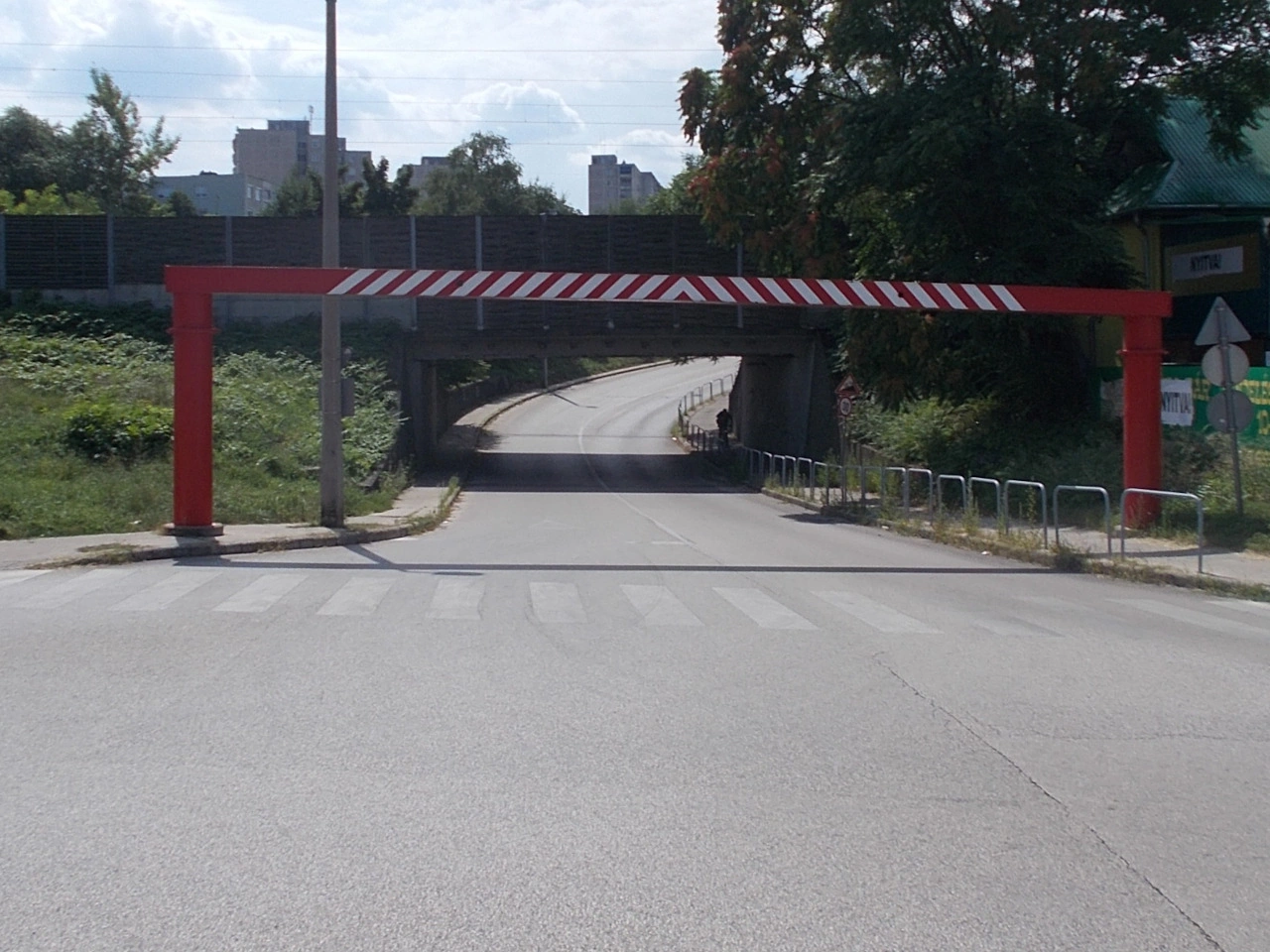
Selektive Sperren sind bauliche Zugangseinrichtungen, die bestimmten Verkehrsteilnehmern oder berechtigten Fahrzeugen die Durchfahrt erlauben und anderen den Zugang verwehren. Dazu können feste, entfernbare, klappbare oder versenkbare Poller, Tore, Schranken und Breitenfilter gehören.

Welche Nutzer zugelassen sind, ergibt sich aus Verkehrszeichen, Zugangsbedingungen und örtlichen Vorschriften und nicht allein aus der Sperre. Fahrer sollten langsam heranfahren, ihre Berechtigung prüfen und warten, bis eine bewegliche Sperre vollständig geöffnet oder abgesenkt ist.
Selektive Sperren
What is a selective barrier?

A selective barrier is a physical access-control device that blocks some traffic while allowing specified road users or authorised vehicles to pass.

What types of selective barriers exist?

Common examples include fixed bollards, removable posts, folding posts, retractable bollards, gates, rising barriers and width-filtering installations.

Why are selective barriers used?

They may prevent through traffic, protect pedestrian or cycling routes, control access to restricted areas or allow only residents, public transport, deliveries or emergency services to enter.

Does the barrier itself determine who may pass?

Not normally. The permitted users are determined by traffic signs, permits, access systems and local regulations.

May cyclists pass through a selective barrier?

Only when cycling is permitted and sufficient safe space is provided. Cyclists must follow the signs applying to the road or path.

May pedestrians pass through?

Pedestrians may pass where pedestrian access is permitted and a safe route is available. They should not walk beneath a moving gate or through a vehicle-only opening.

May motorcycles pass between bollards?

Only when motorcycles are legally permitted beyond the barrier and the opening is intended for them. Being physically able to fit through does not create permission.

May emergency vehicles pass?

Emergency vehicles may have keys, remote controls, automatic recognition or another authorised method of opening the barrier. Other road users must keep the access clear.

May residents or delivery vehicles enter?

They may enter only when local access rules, permits or traffic signs authorise them. Permission may apply only during specified hours.

What is a retractable bollard?

A retractable bollard is a post that can rise from or lower into the road surface to control vehicle access.

How may a retractable bollard be activated?

It may operate through a badge, remote control, access code, number-plate recognition, timer, control centre or automatic detection system.

When may you drive over a retractable bollard?

Only after confirming that you are authorised and the bollard is fully lowered. Do not move merely because another vehicle has activated it.

May you follow another authorised vehicle through?

No, unless your own access is also authorised and the system clearly permits it. The barrier may rise immediately after the first vehicle.

What do warning lights near a barrier mean?

Red lights normally require road users to stop, while another signal may indicate when passage is permitted. Follow the displayed signals and local instructions.

What should you do when the barrier is moving?

Stop at a safe distance and wait until it has completed its movement. Never drive, cycle or walk beneath a moving gate or across a rising bollard.

What if the barrier appears to be stuck?

Do not force, move or drive around it. Use the intercom or contact the operator, road authority or emergency service indicated at the location.

May you move a removable bollard yourself?

No, unless you are specifically authorised. Removing or repositioning access-control equipment may create danger and allow prohibited traffic to enter.

Does a lowered bollard mean everyone may enter?

No. Traffic signs and access restrictions remain applicable even when the physical barrier is temporarily open or lowered.

Does an open gate cancel a no-entry sign?

No. An open physical barrier does not cancel a regulatory traffic sign.

Does a selective barrier impose a speed limit?

Not by itself. Drivers must follow the applicable speed limit and approach slowly enough to stop before the installation.

Does it change priority?

No. Traffic lights, priority signs and ordinary priority rules remain applicable unless another traffic arrangement indicates otherwise.

May you stop or park in front of a selective barrier?

Do not stop or park where the vehicle would block authorised access, emergency services, pedestrians or cyclists.

Why are bollards dangerous for cyclists and motorcyclists?

They may be difficult to see, especially in darkness, congestion or poor weather. A collision can cause a rider to fall into nearby traffic or other obstacles.

How should cyclists approach bollards?

Reduce speed, identify the intended opening and pass through in a straight and controlled line. Avoid overtaking another cyclist at the barrier.

What should drivers do when leaving a restricted area?

Approach slowly, wait for the access system to respond and check for pedestrians and cyclists before crossing their route.

What if your vehicle strikes a barrier?

Stop safely, activate the hazard warning lights where appropriate and report the collision. Do not continue if the vehicle, barrier or access system may be damaged.

1 Ungarn 2 Autobahn 3 Wohngebiet 4 Zone 5 Geschwindigkeitsbegrenzung 6 Radweg 7 Warnung vor Fußgängern 8 Fußgängerzone 9 Steigung oder Gefälle 10 Bushaltestelle 11 Stoppschild 12 Vorfahrt gewähren 13 Kreisverkehr 14 Vorfahrtstraße 15 Fahrbahnverengung 16 Vorrang vor dem Gegenverkehr 17 Gegenverkehr Vorrang gewähren 18 Fußgängerüberweg 19 Bahnübergang 20 Vorgeschriebene Fahrtrichtung 21 Schulbereich 22 Überholen 23 Wild- oder Viehwechsel 24 Rutschige Fahrbahn 25 Richtungstafel 26 Falschfahrt 27 Straßenarbeiten 28 Höhenbegrenzung 29 Gewichtsbeschränkung 30 Geschwindigkeitskontrolle 31 Selektive Sperren 32 Vorfahrt an der nächsten Kreuzung 33 Ampeln 34 Warnung vor Ampeln 35 Fahrbahnmarkierungen 36 Entfernungstafeln 37 Verkehrsspiegel 38 Radroute 39 Parken 40 Parkverbot 41 Halteverbot 42 Behindertenparkplatz 43 Rückwärtsfahren 44 Wenden 45 Ungeregelte Kreuzung 46 Fahrbahnschäden 47 Ortsgrenze 48 Kennzeichen 49 Ladestation 50 Allgemeine Gefahr 51 Radfahrer 52 Moped 53 Pkw 54 Bus 55 Polizei 56 Krankenwagen 57 Taxi 58 Europäische Abgasnorm 59 Schlagloch 60 Weg 61 Feinstaub 62 Luftverschmutzung 63 Hauptverkehrszeit 64 Straßenverkehrsordnung 65 Gegenverkehr 66 Straßenrinne 67 Lastenfahrrad 68 Forstfahrzeug 69 Baufahrzeug 70 Sattelzug 71 Oberleitungsbus 72 Speed-Pedelec 73 Lieferfahrzeug 74 Leerlauf 75 Abschleppwagen 76 Allradantrieb 77 Verbot für Fahrzeuge 78 Fahrrad 79 Motorradausrüstung 80 Gleis 81 Wohnwagen 82 Anhänger 83 Anhängerkupplung 84 Feuerwehrfahrzeug 85 Sirene 86 Konvoi 87 Warnbeleuchtung von Einsatzfahrzeugen 88 Landwirtschaftliche Maschinen 89 Elektrofahrrad 90 Elektrofahrzeug 91 Pedelec 92 Leichtkraftfahrzeug 93 Microcar 94 Geländefahrzeug 95 Lieferwagen 96 Freizeitfahrzeug 97 Motorroller 98 Trikke 99 Persönliches Mobilitätsgerät 100 Skateboard ...