MotorradausrüstungIrland

Lerne Verkehrsregeln mit klaren Erklärungen und visuellen Beispielen in unserem illustrierten Buch – einfach, verständlich und anschaulich.


69. Motorradausrüstung

Motorradausrüstung umfasst sowohl die Schutzausrüstung von Fahrer und Mitfahrer als auch die am Motorrad vorhandene Sicherheitsausrüstung. Zur persönlichen Ausrüstung gehören häufig Helm, Schutzkleidung, Handschuhe, Stiefel und Augenschutz, während das Motorrad selbst je nach örtlichem Recht unter anderem Leuchten, Bremsen, Spiegel, Reifen und Blinker benötigt.

Welche Ausrüstung gesetzlich vorgeschrieben ist, unterscheidet sich zwischen Ländern und Motorradkategorien. Fahrer sollten vor Fahrtantritt sicherstellen, dass sowohl ihre Schutzausrüstung als auch das Motorrad geeignet, korrekt verwendet und in sicherem Zustand sind.
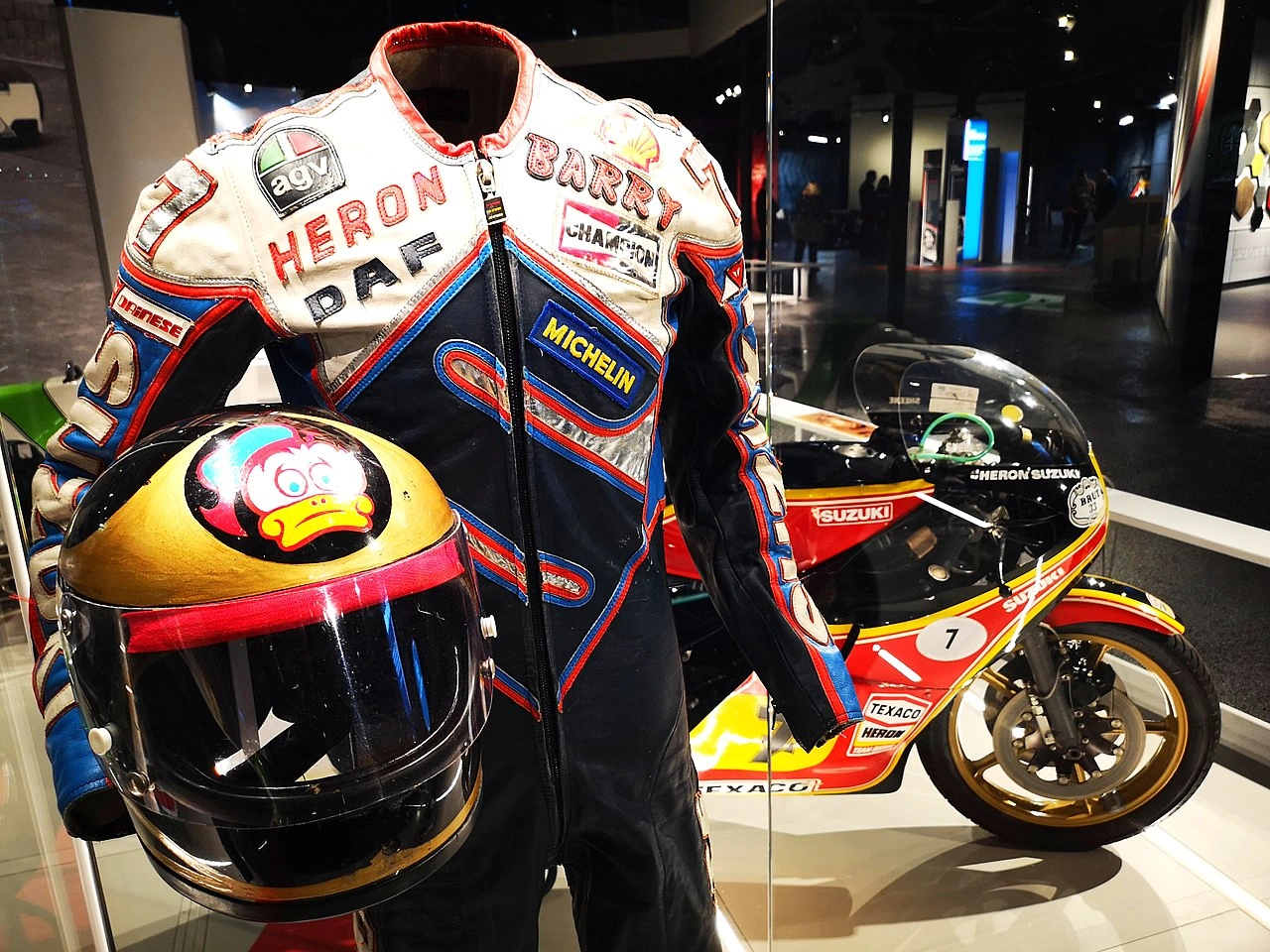
Motorradausrüstung
What equipment should a motorcyclist use?

Motorcyclists should use appropriate protective equipment, commonly including a helmet, gloves, protective jacket and trousers, and footwear that protects the feet and ankles.

Is a motorcycle helmet compulsory?

Helmet requirements depend on local law, although approved motorcycle helmets are compulsory in many countries. The helmet should fit correctly and be used in a way that preserves its protective function.

Why is protective motorcycle clothing important?

Protective clothing can reduce injuries caused by impact, abrasion and contact with the road surface. Purpose-designed motorcycle clothing may also include impact protectors for vulnerable parts of the body.

Why should motorcyclists wear gloves?

Gloves help protect the hands and wrists against abrasion, weather and impact and can also improve grip on the motorcycle controls.

Why are motorcycle boots important?

Suitable boots provide protection for the feet and ankles and can reduce injuries caused by impact, abrasion or the motorcycle falling onto the rider.

Does a motorcycle passenger need protective equipment?

Yes. Passengers are exposed to many of the same risks as riders and should use appropriate protective equipment. Local law may require the passenger to wear the same helmet and clothing as the rider.

What safety equipment must a motorcycle have?

A road-legal motorcycle normally requires functioning brakes, tyres, lights, reflectors, mirrors, a horn and other prescribed equipment. Exact technical requirements vary between countries and motorcycle categories.

Should motorcycle lights be checked before riding?

Yes. Check that the headlight, rear light, brake light and direction indicators work correctly where fitted or required. Motorcycle visibility is especially important because motorcycles can be difficult for other road users to detect.

Should motorcycle tyres be checked regularly?

Yes. Check tyre condition, tread and pressure regularly. Because motorcycles rely on two relatively small tyre contact areas, damaged or incorrectly inflated tyres can significantly affect stability, steering and braking.

Should motorcycle equipment be checked before every journey?

A brief check of the tyres, brakes, lights, controls, mirrors and general condition of the motorcycle can help identify problems before riding. Protective equipment should also be correctly fitted and in usable condition.

1 Irland 2 Autobahn 3 Wohngebiet 4 Zone 5 Geschwindigkeitsbegrenzung 6 Radweg 7 Warnung vor Fußgängern 8 Brücke 9 Bremsschwelle 10 Mautstraße 11 Kaianlage 12 Steigung oder Gefälle 13 Busspur 14 Stoppschild 15 Vorfahrt gewähren 16 Kreisverkehr 17 Fahrbahnverengung 18 Fußgängerüberweg 19 Bahnübergang 20 Abbiegeverbot 21 Schulbereich 22 Wild- oder Viehwechsel 23 Rutschige Fahrbahn 24 Kurve 25 Richtungstafel 26 Falschfahrt 27 Höhenbegrenzung 28 Gewichtsbeschränkung 29 Geschwindigkeitskontrolle 30 Vorfahrt an der nächsten Kreuzung 31 Warnung vor Ampeln 32 Fußgängerampeln 33 Linksverkehr 34 Führerschein 35 Aufhebung einer Beschränkung 36 Parken 37 Parkverbot 38 Rückwärtsfahren 39 Wenden 40 Hostel 41 Sehenswürdigkeit 42 Kennzeichen 43 Allgemeine Gefahr 44 Radfahrer 45 Bus 46 Polizei 47 Krankenwagen 48 Taxi 49 Europäische Abgasnorm 50 Schlagloch 51 Weg 52 Feinstaub 53 Luftverschmutzung 54 Hauptverkehrszeit 55 Straßenverkehrsordnung 56 2+2-Straße 57 Straßenrinne 58 Lastenfahrrad 59 Forstfahrzeug 60 Baufahrzeug 61 Sattelzug 62 Oberleitungsbus 63 Speed-Pedelec 64 Lieferfahrzeug 65 Leerlauf 66 Abschleppwagen 67 Allradantrieb 68 Fahrrad 69 Motorradausrüstung 70 Straßenbahn 71 Gleis 72 Wohnwagen 73 Anhänger 74 Anhängerkupplung 75 Feuerwehrfahrzeug 76 Sirene 77 Konvoi 78 Warnbeleuchtung von Einsatzfahrzeugen 79 Landwirtschaftliche Maschinen 80 Elektrofahrrad 81 Elektrofahrzeug 82 Pedelec 83 Leichtkraftfahrzeug 84 Microcar 85 Geländefahrzeug 86 Lieferwagen 87 Freizeitfahrzeug 88 Motorroller 89 Trikke 90 Persönliches Mobilitätsgerät 91 Skateboard 92 Segway 93 Tretroller 94 Rollschuhe 95 Postzusteller 96 Anhalter 97 Kleinkind 98 Kind 99 Behinderung 100 Autoreisezug ...