

ParticulatesBrussels
 Traffic rules
 Brussels
78. Particulates
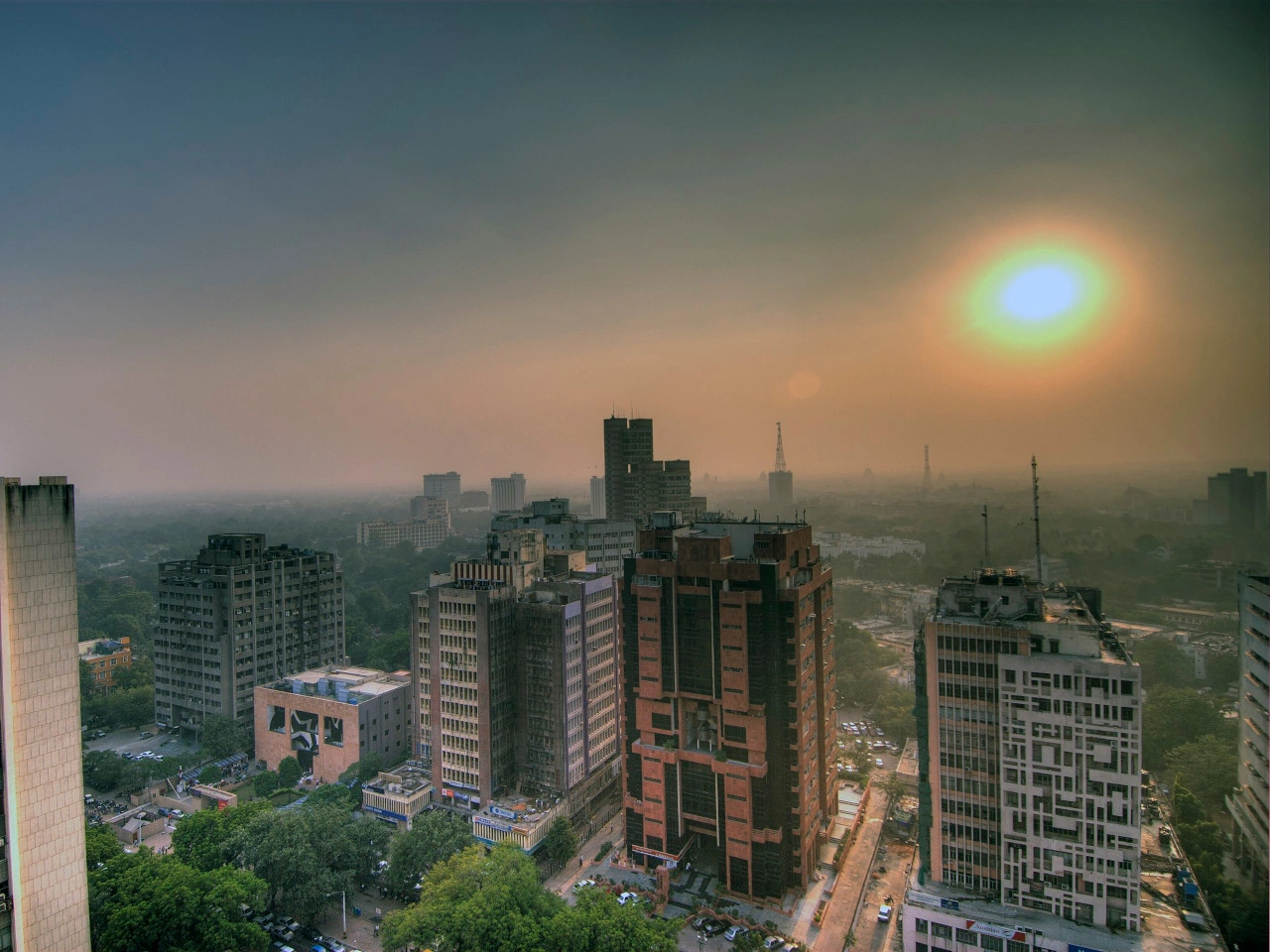
Particulates, or particulate matter (PM), are tiny solid particles or liquid droplets suspended in the air. In road traffic, particulate emissions can come from vehicle exhaust, brake wear, tyre wear and road-surface wear, as well as dust that is disturbed by passing traffic.
Particulate matter is commonly classified by particle size. PM10 refers to particles with a diameter of up to approximately 10 micrometres, while PM2.5 refers to finer particles of up to approximately 2.5 micrometres. Vehicle emission standards, particulate filters and air-quality measures are used to reduce exposure to these pollutants.
Wikimedia.org • wili hybrid • CC BY
What are particulates in road traffic?
Particulates are tiny airborne particles produced or disturbed by road traffic. Sources include vehicle exhaust, brakes, tyres and road-surface wear.
What is the difference between PM10 and PM2.5?
PM10 consists of particles with a diameter of up to approximately 10 micrometres, while PM2.5 consists of finer particles with a diameter of up to approximately 2.5 micrometres.
Do diesel cars produce particulate emissions?
Yes. Diesel combustion can produce soot and other fine particles. Modern diesel vehicles use emission-control equipment such as a diesel particulate filter to greatly reduce these exhaust emissions.
What is a diesel particulate filter?
A diesel particulate filter, or DPF, is an exhaust-treatment device that captures particulate matter produced by a diesel engine instead of allowing much of it to leave through the exhaust.
Are particulate filters checked during Belgian technical inspections?
Yes. Belgium introduced a particle-number measurement during technical inspection for applicable modern diesel vehicles to check whether the particulate filter is functioning correctly.
When was the Belgian particle-number test introduced?
The particle-number test was introduced on 1 July 2022 for the applicable diesel vehicles and is used during technical inspections in the Belgian regions.
Can the Belgian particle test detect a defective particulate filter?
Yes. The purpose of the particle-number test is to identify vehicles with a defective, removed or manipulated particulate filter by measuring the number of particles emitted.
Can you remove a diesel particulate filter in Belgium?
A vehicle's required emission-control equipment must remain compliant. Removing or manipulating the particulate filter can be detected during the technical inspection particle-number test and can cause the vehicle to fail the applicable emissions check.
Does installing a particulate filter change a vehicle's Euro standard?
No. Retrofitting a particulate filter does not by itself change the vehicle's official Euro emission standard. For example, Brussels LEZ rules continue to use the vehicle's official Euro classification.
Do electric vehicles produce particulate matter?
Fully electric vehicles do not produce combustion-engine exhaust particles, but their tyres, brakes and interaction with the road surface can still generate particulate matter.
Does Belgium regulate non-exhaust particles from vehicles?
Belgium is subject to the European vehicle-emission framework. The Euro 7 rules expand vehicle-emission requirements to include non-exhaust sources such as brake-particle emissions and tyre abrasion.
Are particulate emissions relevant to Belgian low-emission zones?
Yes, indirectly. Low-emission zones are intended to reduce harmful vehicle pollution, but access is generally determined using characteristics such as the vehicle category, fuel type and Euro standard rather than a roadside measurement of the individual vehicle's particulate emissions.


