


Two-way trafficJapan
An introduction to the traffic rules and road signs of Japan. Learn about driving, road safety and much more in our illustrated book, with answers to frequently asked questions.
For informational purposes only. Always follow official regulations. Some content and images were created with AI assistance.
 Traffic rules
 Japan
Japan
80. Two-way traffic
Two-way traffic means that vehicles are permitted to travel in opposite directions on the same road or carriageway. The opposing traffic streams may be separated by road markings, a central reservation or, on narrower roads, no physical separation at all.
Drivers on a two-way road should keep to the side required by local traffic rules, remain aware of approaching vehicles and take particular care when overtaking, turning or passing through narrow sections.
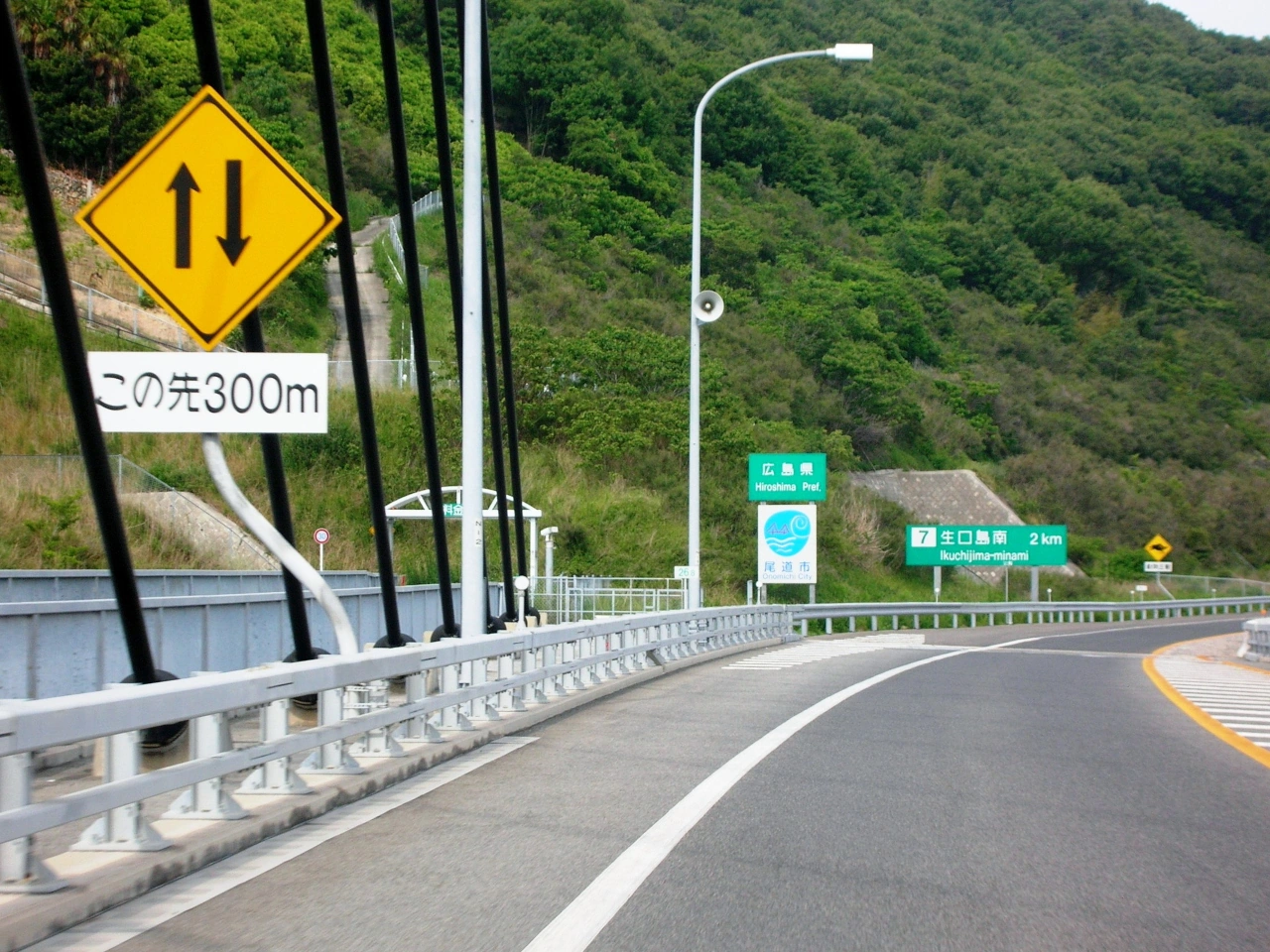
Wikimedia.org • 伊部リコ • CC BY
What is two-way traffic?
Two-way traffic means that vehicles may travel in both directions along the same road or carriageway.
How are opposing traffic directions separated?
They may be separated by centre lines, traffic lanes, a median or another physical divider. On some roads, opposing traffic may share an undivided carriageway.
Why should you take extra care on a two-way road?
Vehicles may approach from the opposite direction, so drivers should maintain a safe position and take particular care when overtaking, turning or passing through narrow sections.


