1. Austria

Austria es un país sin litoral de Europa Central, con los Alpes modelando gran parte de su paisaje y muchas de sus carreteras. Se circula por la derecha, y los conductores pueden encontrarse con carreteras de montaña pronunciadas, túneles largos y condiciones meteorológicas que cambian rápidamente. La conducción invernal es especialmente importante, mientras que los vehículos de hasta 3,5 toneladas generalmente necesitan una viñeta para utilizar las autopistas y vías rápidas austriacas. Determinados túneles y pasos alpinos están sujetos, en cambio, a peajes por tramo independientes.

El alemán es la lengua oficial de Austria y la principal lengua utilizada en las señales de tráfico. El croata, el esloveno y el húngaro también tienen estatus oficial en determinadas zonas de minorías lingüísticas, donde pueden encontrarse señales bilingües de nombres de localidades. Los conductores también deben prestar especial atención a las restricciones locales, incluidos los límites de velocidad marcados con IG-L, impuestos en virtud de la legislación austriaca sobre contaminación atmosférica.

AI
¿Por qué lado de la carretera se circula en Austria?

Se circula por la derecha y normalmente se adelanta por la izquierda. Fuera de zonas urbanas y en autopistas, los conductores deben mantenerse generalmente en el carril derecho cuando sea posible.

¿Qué números de emergencia debe llamar en Austria?

Llame al 112 para el número europeo de emergencias, al 133 para la policía, al 144 para una ambulancia, al 122 para los bomberos y al 140 para rescate de montaña.

¿Cuál es el límite legal de alcohol para los conductores en Austria?

Para la mayoría de los conductores, la alcoholemia debe permanecer por debajo de 0,5‰ (0,5 g/l). Un límite mucho menor de 0,1‰ se aplica a los conductores en periodo de prueba y a determinadas otras categorías, incluidos los conductores de vehículos de las categorías C y D.

¿Cuál es el límite general de velocidad en zonas urbanas de Austria?

Para turismos y motocicletas, la velocidad máxima general es de 50 km/h, salvo que las señales indiquen otro límite.

¿Cuál es el límite general de velocidad fuera de zonas urbanas en Austria?

Para turismos y motocicletas, la velocidad máxima general en carreteras ordinarias fuera de zonas urbanas es de 100 km/h, salvo que las señales indiquen otro límite.

¿Cuál es el límite general de velocidad en las vías rápidas de Austria?

Para turismos y motocicletas, la velocidad máxima general en una Autostraße es de 100 km/h, salvo que las señales indiquen otro límite.

¿Cuál es el límite de velocidad en las autopistas de Austria?

Para turismos y motocicletas, la velocidad máxima general en autopistas es de 130 km/h, salvo que se indique un límite inferior.

¿Necesita una viñeta para circular por las autopistas de Austria?

Los vehículos con una masa máxima en carga técnicamente admisible de hasta 3,5 toneladas inclusive generalmente necesitan una viñeta válida para utilizar las autopistas y vías rápidas de Austria. Algunos tramos están exentos o utilizan un peaje por tramo independiente.

¿Qué son los peajes por tramo en Austria?

Determinados túneles costosos y cruces alpinos de autopista están sujetos a un peaje por tramo independiente. En el propio tramo sujeto a ese peaje no se exige viñeta, aunque otros tramos de autopista utilizados durante el viaje pueden seguir requiriéndola.

¿Cuándo son obligatorios los neumáticos de invierno en Austria?

Los turismos y vehículos ligeros de mercancías de hasta 3,5 toneladas deben utilizar neumáticos de invierno en todas las ruedas entre el 1 de noviembre y el 15 de abril cuando existan condiciones invernales, como nieve, aguanieve o hielo. Como alternativa, pueden utilizarse cadenas para nieve en al menos dos ruedas motrices cuando la carretera esté cubierta continuamente de nieve o hielo.

¿Son obligatorios los cinturones de seguridad en Austria?

Los cinturones de seguridad son obligatorios para los ocupantes de asientos equipados con ellos. Cada persona de 14 años o más es responsable de llevar su propio cinturón.

¿Cuándo deben utilizar los niños un sistema de retención infantil en Austria?

Los niños menores de 14 años y de menos de 135 cm de altura deben ir sujetos mediante un sistema de retención infantil adecuado. Los menores de 14 años que midan al menos 135 cm deben utilizar el cinturón de seguridad.

¿Quién debe llevar casco en Austria?

Los conductores y pasajeros de motocicletas y ciclomotores deben llevar casco. Los niños menores de 12 años deben llevar casco al montar en bicicleta, los menores de 14 deben llevarlo al utilizar una bicicleta eléctrica y los usuarios menores de 16 deben llevarlo al utilizar un patinete eléctrico.

¿Puede utilizar un teléfono móvil mientras conduce en Austria?

Los conductores no pueden sostener ni utilizar de otro modo un teléfono móvil mientras conducen, salvo para llamadas manos libres permitidas o navegación cuando el teléfono está fijado de forma segura. Escribir mensajes, navegar por internet y manejar aplicaciones durante la conducción está prohibido.

¿Deben los turismos utilizar luces de circulación diurna en Austria?

No existe una obligación general para los turismos de utilizar luces con luz diurna normal. Deben utilizarse en la oscuridad y con mala visibilidad. Las motocicletas y los ciclomotores deben utilizar siempre luces de cruce o luces de circulación diurna.

¿Cuándo debe ceder el paso al tráfico que se aproxima por la derecha en Austria?

En una intersección donde la prioridad no esté regulada de otro modo, los vehículos que se aproximan por la derecha generalmente tienen prioridad. Las señales, los semáforos y las normas especiales de prioridad pueden prevalecer sobre esta regla.

¿Qué deben hacer los conductores en los pasos de peatones en Austria?

Los conductores deben permitir que los peatones que están en un paso o que manifiestan claramente su intención de utilizarlo crucen con seguridad y sin obstáculos. Deben aproximarse a una velocidad que les permita detenerse a tiempo.

¿Cuánto espacio deben dejar los conductores al adelantar a ciclistas en Austria?

Los vehículos de motor deben dejar normalmente al menos 1,5 metros en zonas urbanas y 2 metros fuera de zonas urbanas al adelantar a ciclistas o usuarios de patinetes. A velocidades de hasta 30 km/h, la distancia puede reducirse cuando la seguridad vial lo permita.

¿Cuándo deben los conductores formar un corredor de emergencia en Austria?

Cuando comienza a formarse congestión en una autopista o vía rápida de varios carriles físicamente separada, los conductores deben formar inmediatamente una Rettungsgasse. El tráfico del carril situado más a la izquierda se desplaza hacia la izquierda, mientras que el tráfico de todos los demás carriles se desplaza hacia la derecha tanto como sea necesario.

¿Qué significan las luces roja y ámbar de los semáforos en Austria?

Rojo significa detenerse. Una luz ámbar fija también significa generalmente detenerse; los conductores que ya estén demasiado cerca para detenerse con seguridad pueden continuar atravesando la intersección.

¿Qué equipamiento de seguridad debe llevar en un turismo en Austria?

Los conductores de turismos deben llevar un triángulo de emergencia, ropa reflectante de alta visibilidad y un botiquín de primeros auxilios adecuado. La ropa reflectante debe ponerse antes de abandonar el vehículo tras una avería o accidente.

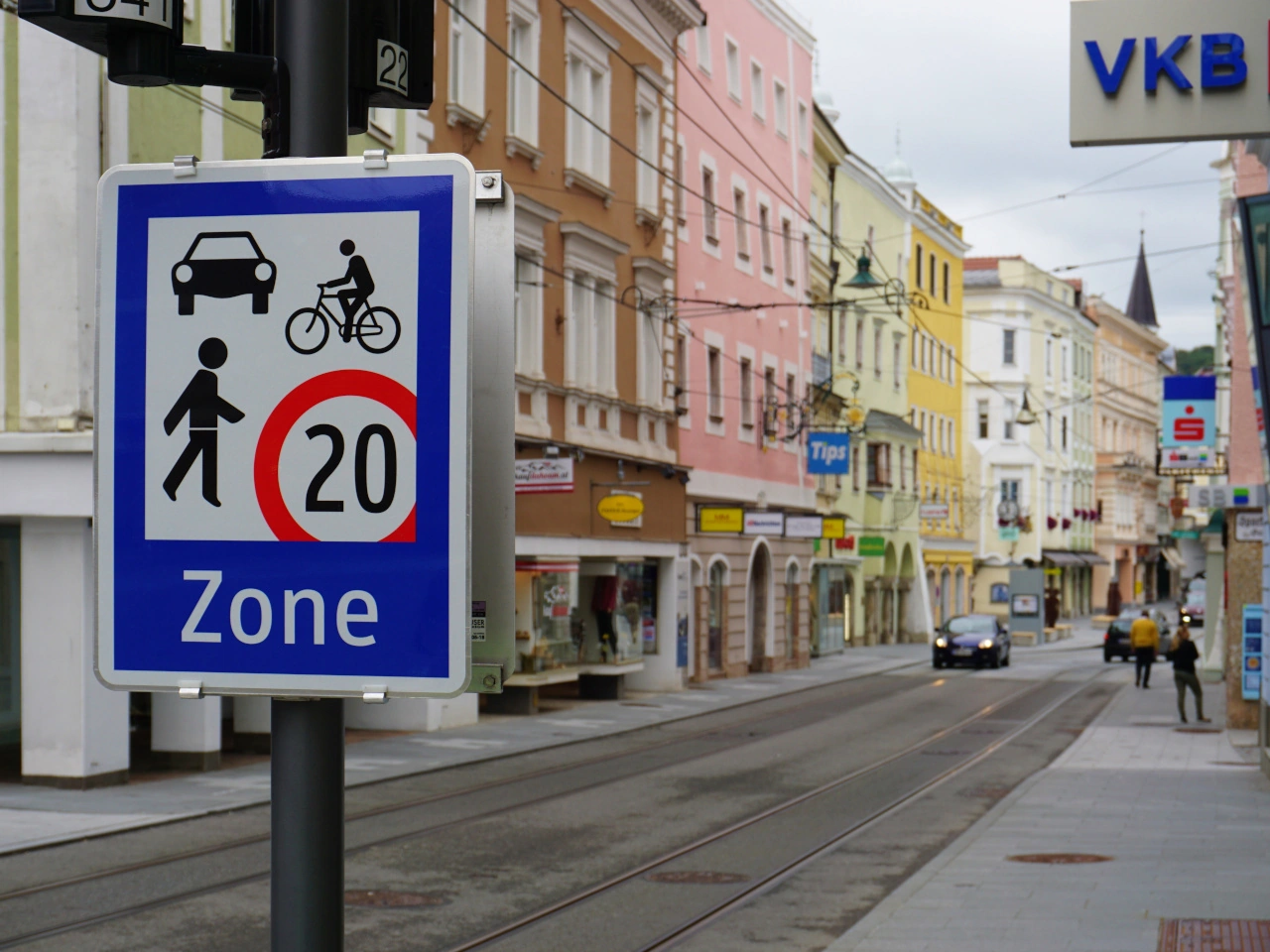
¿Cuál es el límite de velocidad en una zona de convivencia austriaca?

En una Begegnungszone, los vehículos normalmente no pueden superar los 20 km/h. La autoridad puede permitir excepcionalmente un límite de 30 km/h. Los peatones pueden utilizar toda la calzada y no deben ser puestos en peligro ni obstaculizados.

¿Qué deben hacer los conductores cuando los pasajeros suben o bajan del transporte público en Austria?

Cuando los pasajeros deben cruzar la calzada para subir o bajar de un autobús o tranvía, los vehículos deben detenerse mientras los pasajeros suben o bajan. Una vez cerradas las puertas y cuando nadie se aproxime al vehículo, los conductores pueden continuar a paso de peatón.

¿Qué significa un límite de velocidad IG-L en Austria?

Un límite de velocidad IG-L se impone conforme a la legislación austriaca sobre contaminación atmosférica. Estos límites pueden aplicarse de forma permanente o activarse dinámicamente en autopistas y vías rápidas, y los conductores deben respetar el límite mostrado salvo que se aplique una exención legal específica.

2. Autopista

Una autopista es una carretera especialmente diseñada y señalizada para el tráfico de vehículos de motor. Las autopistas suelen tener calzadas separadas para los sentidos opuestos, acceso controlado mediante entradas y salidas designadas, ningún acceso directo a propiedades colindantes y ningún cruce al mismo nivel con otras carreteras, vías férreas o caminos.

En las autopistas se aplican normas de tráfico especiales. Los usuarios permitidos, los límites de velocidad, las normas de carril, los peajes y los procedimientos de emergencia varían entre países, por lo que los conductores deben respetar las señales y normas de tráfico locales.

How can you recognise a motorway?

A motorway is normally identified by a special motorway sign at its entrance. It commonly has separate carriageways, controlled entrances and exits, and no ordinary intersections or direct access to neighbouring properties.

Who may use a motorway?

Motorways are primarily intended for motor vehicles capable of travelling safely at motorway speeds. Pedestrians, cyclists, animals and certain slow vehicles are generally prohibited, but the exact access requirements differ between countries.

What is the speed limit on a motorway?

There is no universal motorway speed limit. The applicable limit depends on the country, road section, vehicle category and driving conditions. Posted or variable speed-limit signs may replace the general national limit.

How should you enter a motorway?

Use the entrance or acceleration lane to observe motorway traffic and adjust your speed where possible. Enter only when there is a safe gap and follow the local priority and merging rules.

How should you leave a motorway?

Move into the correct lane in good time and signal when required. Enter the exit or deceleration lane before reducing your speed, unless traffic, signs or road conditions require you to slow down earlier.

Which lane should you use on a motorway?

Follow the local keep-left or keep-right rule and any lane-direction signs. Lanes closer to the centre of the motorway are commonly used for overtaking, but lane-use rules differ between countries and vehicle categories.

Can you stop on a motorway?

Voluntary stopping and parking are normally permitted only in designated parking or service areas. Drivers may still have to stop because of congestion, an emergency or another unavoidable situation.

Can you reverse or make a U-turn on a motorway?

Reversing, making a U-turn and driving against the direction of traffic are generally prohibited. If you miss an exit, continue to the next suitable exit.

What should you do if your vehicle breaks down?

Move the vehicle out of the traffic lanes when this can be done safely, activate the hazard warning lights and follow the local breakdown procedures. Leave the vehicle safely, keep away from moving traffic and use a warning triangle or safety vest where required by local law.

What is the difference between a motorway and an expressway?

A motorway normally has the highest level of access control and is governed by specific motorway rules. An expressway may have similar characteristics but may permit different road users or contain lower-standard junctions. The legal distinction varies between countries.

3. Vía rápida

Una vía rápida es una carretera destinada a transportar el tráfico de paso de forma eficiente, normalmente a velocidades superiores a las de las carreteras ordinarias. Las vías rápidas suelen tener acceso limitado, varios carriles, calzadas separadas o enlaces a distinto nivel, pero su diseño y estatus legal varían entre países.

Una vía rápida no siempre es una autopista. Puede tener intersecciones, semáforos o accesos directos, y los usuarios permitidos, los límites de velocidad y las normas especiales dependen de las señales y normas locales.

How can you recognise an expressway?

An expressway may be identified by a special road sign or by its road classification. It often has multiple lanes, limited access and junctions designed for faster traffic, but its exact appearance differs between countries.

Is an expressway the same as a motorway?

No. A motorway normally has full access control and stricter design and traffic rules. An expressway may have partial access control, ordinary intersections, traffic lights or direct entrances. The legal distinction varies between countries.

Is an expressway always divided?

Not necessarily. Many expressways have separate carriageways for opposing traffic, but some countries also classify undivided roads as expressways. Drivers should rely on local signs and road rules rather than the road’s appearance alone.

Who may use an expressway?

Expressways are generally intended for motorised traffic. Pedestrians, cyclists, animals, mopeds and slow vehicles may be restricted or prohibited, but the permitted road users depend on local law and traffic signs.

What is the speed limit on an expressway?

There is no universal expressway speed limit. The applicable limit depends on the country, road design, location, vehicle category and posted signs. An expressway sign does not always impose a particular speed by itself.

Can an expressway have intersections or traffic lights?

Yes. Unlike a motorway, an expressway may have level intersections, roundabouts, pedestrian crossings or traffic lights. Drivers must therefore remain prepared for crossing traffic and changes in priority.

How should you enter an expressway?

Use an entrance or acceleration lane where one is provided, observe approaching traffic and enter only when there is a safe gap. Where the road has an ordinary intersection, follow the applicable priority signs and local rules.

Which lane should you use on an expressway?

Follow the local keep-left or keep-right rule, lane arrows and traffic signs. Lanes nearer the centre are commonly used for overtaking, but special lane restrictions may apply to heavy vehicles or particular destinations.

Can you stop, park, reverse or make a U-turn?

These actions are often restricted on expressways because of the speed and flow of traffic. Stop or park only where permitted, and never reverse or make a U-turn unless the road design and local rules clearly allow it.

What should you do after a breakdown?

Move the vehicle away from moving traffic when this can be done safely, activate the hazard warning lights and follow the local breakdown procedures. Use a warning triangle or safety vest where required and wait in a protected location away from traffic.

4. Zona residencial

Una zona residencial es una calle o conjunto de calles donde la vivienda y el acceso a propiedades locales son las funciones principales. Los conductores deben esperar peatones, ciclistas, niños, vehículos estacionados y vehículos que entren o salgan de accesos particulares.

Algunos países identifican determinadas zonas residenciales con señales de tráfico y aplican normas especiales de baja velocidad o espacio compartido. Por ello, el límite de velocidad, los derechos de los peatones, las normas de estacionamiento y los usuarios permitidos dependen de las señales y normas locales.
Zona residencial
How can you recognise a residential area?

A residential area commonly contains homes, driveways, parked vehicles and local streets. It may also have special entrance signs, traffic-calming measures or shared road space, but its appearance and legal status differ between countries.

Is a residential area the same as a built-up area?

Not necessarily. A built-up area may include residential, commercial and industrial streets. A residential area is primarily associated with housing and local access and may form only one part of a larger built-up area.

Is every residential neighbourhood a legally designated residential zone?

No. In many countries, special residential-zone rules apply only where an official entrance sign is displayed. An ordinary neighbourhood may remain subject to the normal rules for the surrounding road or built-up area.

What is the speed limit in a residential area?

There is no universal residential-area speed limit. Some countries apply a very low limit in signposted residential or shared-space zones, while ordinary residential streets may follow the general built-up-area limit or a posted zone limit.

Do pedestrians have priority in a residential area?

The rights of pedestrians depend on the country and the type of residential area. In some signposted shared-space zones, pedestrians may use the whole road and drivers must give them special consideration. On ordinary residential streets, the normal pedestrian and crossing rules may apply.

May children play in a residential area?

Playing may be expressly permitted in certain legally designated residential or shared-space zones. This is not automatically allowed on every residential street. Drivers should nevertheless remain especially alert for children, who may enter the road unexpectedly.

Which road users may enter a residential area?

Residential areas are normally accessible to local motor traffic, cyclists and pedestrians, but additional signs may restrict certain vehicles or through traffic. A residential area is therefore not necessarily a pedestrian-only zone.

How should you drive in a residential area?

Drive at a speed that allows you to stop safely, watch both sides of the road and expect pedestrians, cyclists, children, pets and vehicles emerging from entrances. Leave enough space and avoid unnecessary acceleration, noise or aggressive overtaking.

May you overtake in a residential area?

Overtaking is not universally prohibited, but it may be restricted by local law, signs or road design. Even where it is permitted, drivers should not overtake when the limited space or presence of vulnerable road users makes it unsafe.

Where may you park in a residential area?

Follow the local parking signs, markings and general parking rules. Do not block entrances, pavements, crossings, sight lines or the passage of other road users. Special residential zones may permit parking only in designated spaces.

What is the difference between a residential area and a pedestrian zone?

Motor vehicles are normally still permitted in a residential area, although they may be subject to strict speed and parking rules. In a pedestrian zone, vehicle access is generally prohibited or limited to specific users, purposes or times.

5. Zona

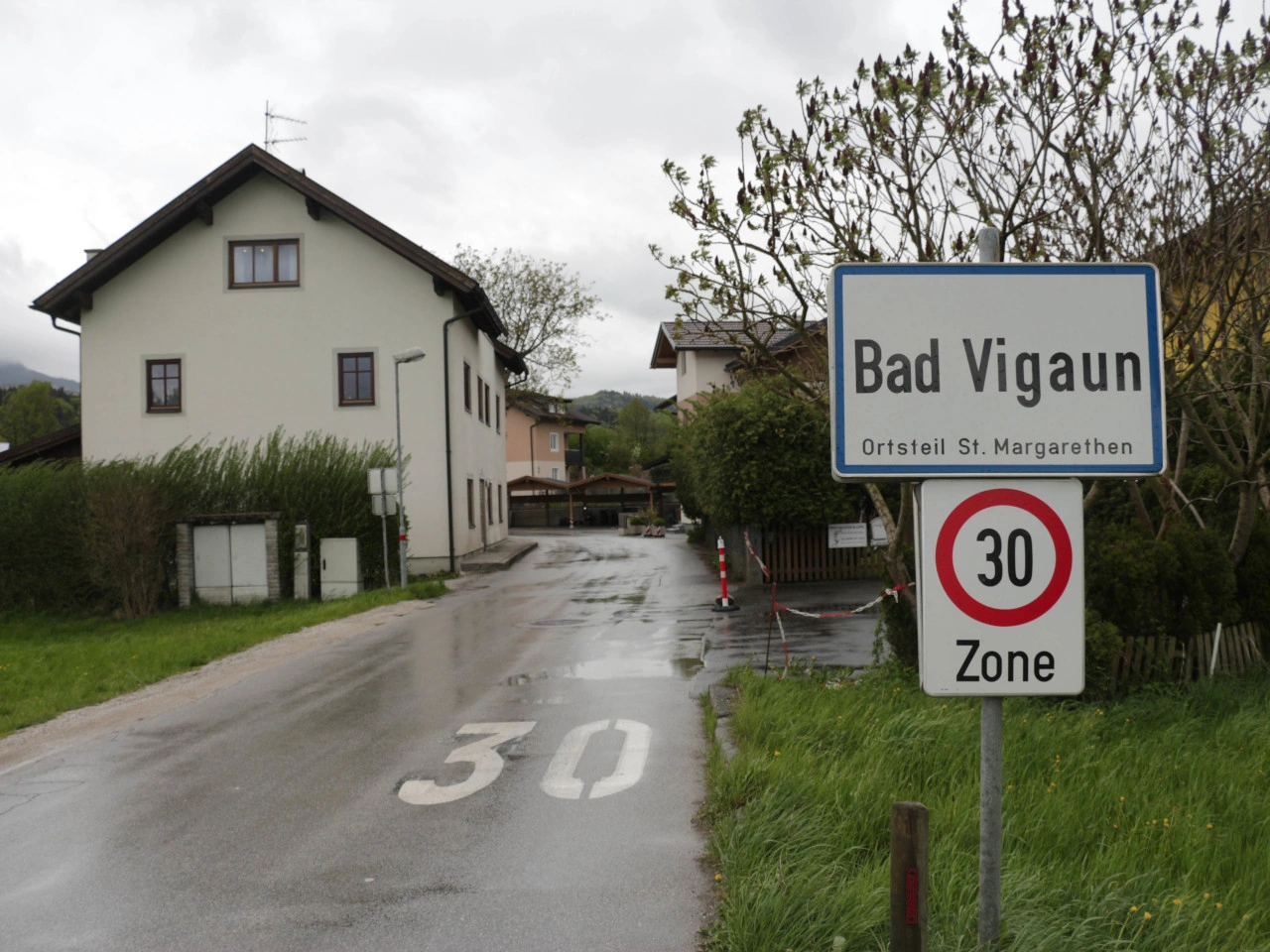
Una zona de tráfico es un área en la que una norma de tráfico se aplica a todas las carreteras o tramos incluidos. La norma normalmente comienza en una señal de entrada a zona y sigue siendo aplicable hasta pasar la señal correspondiente de fin de zona.

Las zonas pueden regular la velocidad, el estacionamiento, el acceso, las categorías de vehículos, las emisiones u otros comportamientos de tráfico. Las señales utilizadas, las carreteras incluidas y el efecto de las intersecciones o excepciones locales dependen de la legislación de tráfico local.
Zona
What is a traffic zone?

A traffic zone is a defined area in which a particular restriction, prohibition or obligation applies throughout the included roads rather than only at one location.

How can you recognise a traffic zone?

A traffic zone normally begins with a zone-entry sign showing the applicable rule. A corresponding end-of-zone sign indicates where that rule stops applying.

What is the difference between a zone sign and an ordinary traffic sign?

An ordinary sign usually applies to a particular road, direction, lane or section. A zone sign applies throughout a designated area, which may contain several roads and intersections.

Does a zone normally continue after an intersection?

Usually, yes. A zonal rule commonly continues through intersections until an end-of-zone sign is reached. The exact effect of intersections depends on local law.

How does a traffic zone end?

A traffic zone normally ends when you pass the corresponding end-of-zone sign. The normal road rules or another signed regulation then apply.

Can more than one rule apply inside a zone?

Yes. A zone may contain several regulations, such as a speed limit together with parking or access restrictions. Drivers must observe every applicable sign.

Can another traffic sign apply inside a zone?

Yes. A local sign may introduce a different or more restrictive rule on a particular road or section. Whether the original zonal rule resumes afterwards depends on local law and the type of regulation.

What types of traffic zones exist?

Common examples include speed zones, parking zones, low-emission zones, pedestrian zones, cycling zones, school zones and zones restricting particular vehicle categories.

Is a traffic zone the same as a built-up area?

No. A built-up area is a broader legally defined urban area. A traffic zone imposes a specific signed rule and may be located inside or outside a built-up area.

Is a traffic zone the same as a residential area?

No. A residential area describes an area mainly used for housing. It may contain one or more traffic zones, but the terms do not automatically have the same legal meaning.

Does a zonal rule apply to every road user?

Not necessarily. The sign, symbol or additional panel may limit the rule to particular vehicles, road users, times or circumstances.

What should you do when entering a traffic zone?

Observe the entrance sign carefully, identify every displayed rule and remember that the regulation may continue across several roads and intersections until the zone ends.

6. Límite de velocidad

Un límite de velocidad es la velocidad máxima legal permitida en una carretera, carril o dentro de una zona designada. Puede estar establecido por la legislación general de tráfico o indicado mediante señales fijas, variables o temporales.

Un límite de velocidad es un máximo, no una velocidad objetivo. Los conductores deben circular más despacio cuando el tráfico, la visibilidad, el tiempo, el estado de la carretera, los usuarios vulnerables o el estado del vehículo hagan insegura la velocidad máxima permitida.

What is a speed limit?

A speed limit is the maximum legal speed permitted on a road, lane or within a designated area. It does not require drivers to travel at that speed.

How can you recognise a speed limit?

A speed limit is commonly displayed as a number on a regulatory traffic sign. General limits may also apply automatically because of the country, road category, vehicle type or surrounding area, even when no speed-limit sign is present.

Is the speed limit a recommended driving speed?

No. It is the highest speed legally permitted under suitable conditions. Drivers must reduce their speed whenever travelling at the limit would be unsafe.

Can you drive more slowly than the speed limit?

Yes. Drivers should travel more slowly when required by traffic, weather, visibility, road conditions or nearby vulnerable road users. Driving unnecessarily slowly may nevertheless be prohibited when it obstructs normal traffic.

Does the same speed limit apply to every vehicle?

Not always. Lower limits may apply to heavy vehicles, buses, vehicles towing trailers, novice drivers or other vehicle categories. The lowest applicable limit must be respected.

What is a default speed limit?

A default speed limit applies automatically to a particular road type or area when no traffic sign indicates another limit. Examples include general limits for motorways, built-up areas or roads outside built-up areas.

Does a posted speed limit replace the default limit?

Usually, yes. A legally placed speed-limit sign normally introduces another maximum speed, although lower vehicle-specific or special-road limits may continue to apply.

When does a speed-limit sign take effect?

A speed restriction normally begins at the location of the sign. Drivers should reduce their speed before passing the sign so that they are already travelling within the limit when it takes effect.

When does a speed limit end?

A signed limit may end at an intersection, an end-of-limit sign, another speed-limit sign or the beginning or end of a legally defined area. The exact rule differs between countries.

Does an intersection end a speed limit?

This depends on local law. An ordinary speed restriction may end at an intersection in some countries, while a zonal speed limit normally continues across intersections until an end-of-zone sign.

What is a speed zone?

A speed zone is an area in which the displayed maximum speed applies throughout all included roads. The limit normally remains in force until the corresponding end-of-zone sign.

What is a variable speed limit?

A variable speed limit is displayed on an electronic or changeable sign and may be adjusted according to congestion, weather, incidents or roadworks. When activated, it has the same legal importance as another applicable regulatory speed sign.

Can different lanes have different speed limits?

Yes. Signs positioned above individual lanes may impose different limits on those lanes. Drivers must observe the limit applying to the lane they use.

Can a temporary speed limit apply?

Yes. Temporary limits may be introduced near roadworks, collisions, hazards or special events. Drivers must follow the temporary traffic signs and instructions that are legally in force.

May you exceed the speed limit while overtaking?

No. Overtaking does not normally permit a driver to exceed the applicable maximum speed. The manoeuvre must be completed safely while respecting the speed limit.

Do poor conditions change the legal speed limit?

Some countries impose specific lower limits in rain, snow or other conditions. Even where the numerical limit does not change, drivers must reduce their speed sufficiently for the conditions.

7. Senda peatonal

Una senda peatonal es un camino o parte de una vía destinado principalmente al tránsito de peatones. Puede discurrir junto a una carretera, atravesar un parque o zona residencial, o ser independiente de las vías utilizadas por vehículos de motor.

Una senda peatonal puede estar reservada exclusivamente para peatones o formar parte de una ruta compartida con ciclistas u otros usuarios permitidos. El acceso, la prioridad y los usuarios autorizados dependen de las señales y normas locales aplicables al camino.

What is a footpath?

A footpath is a path or part of a road intended primarily for pedestrians.

Is a footpath the same as a pavement?

Not necessarily. A pavement or sidewalk normally runs alongside a roadway, while a footpath may follow an independent route or pass through an area without an adjacent roadway.

Who may use a footpath?

Pedestrians are the primary users. Depending on the signs and local regulations, cyclists or other categories may also be permitted on shared paths.

Can cyclists use a pedestrian-only footpath?

Normally no when the path is specifically reserved for pedestrians. Cyclists may have to dismount unless local rules or signs allow cycling.

Can someone walking a bicycle use a footpath?

In many countries, a person walking a bicycle by hand is treated as a pedestrian and may therefore use pedestrian facilities, subject to local rules.

Can motor vehicles use a footpath?

Normally no when the route is reserved for pedestrians. Limited access may sometimes be authorised for maintenance, emergency or other specific purposes.

Can a footpath be shared with cyclists?

Yes. A route may be designated as a shared pedestrian-and-cycle path. Users must follow any signs indicating how the space should be shared.

Do pedestrians have priority on a shared footpath?

This depends on the local traffic rules and type of shared facility. Cyclists and other permitted users should always avoid endangering pedestrians.

Can a footpath cross a roadway?

Yes. Where a path crosses a roadway, pedestrians must follow the applicable crossing, priority and traffic-light rules.

Can a footpath be part of the public road?

Yes. Pedestrian paths can form part of the wider public-road network even though ordinary motor traffic may not use them.

Can a footpath have its own traffic sign?

Yes. Many countries use a specific pedestrian symbol to indicate a path reserved or compulsory for pedestrians.

What should cyclists do when a footpath is not open to cycling?

Use the appropriate cycle facility or roadway. Where local law permits it, a cyclist may also dismount and continue as a pedestrian.

8. Carril bici

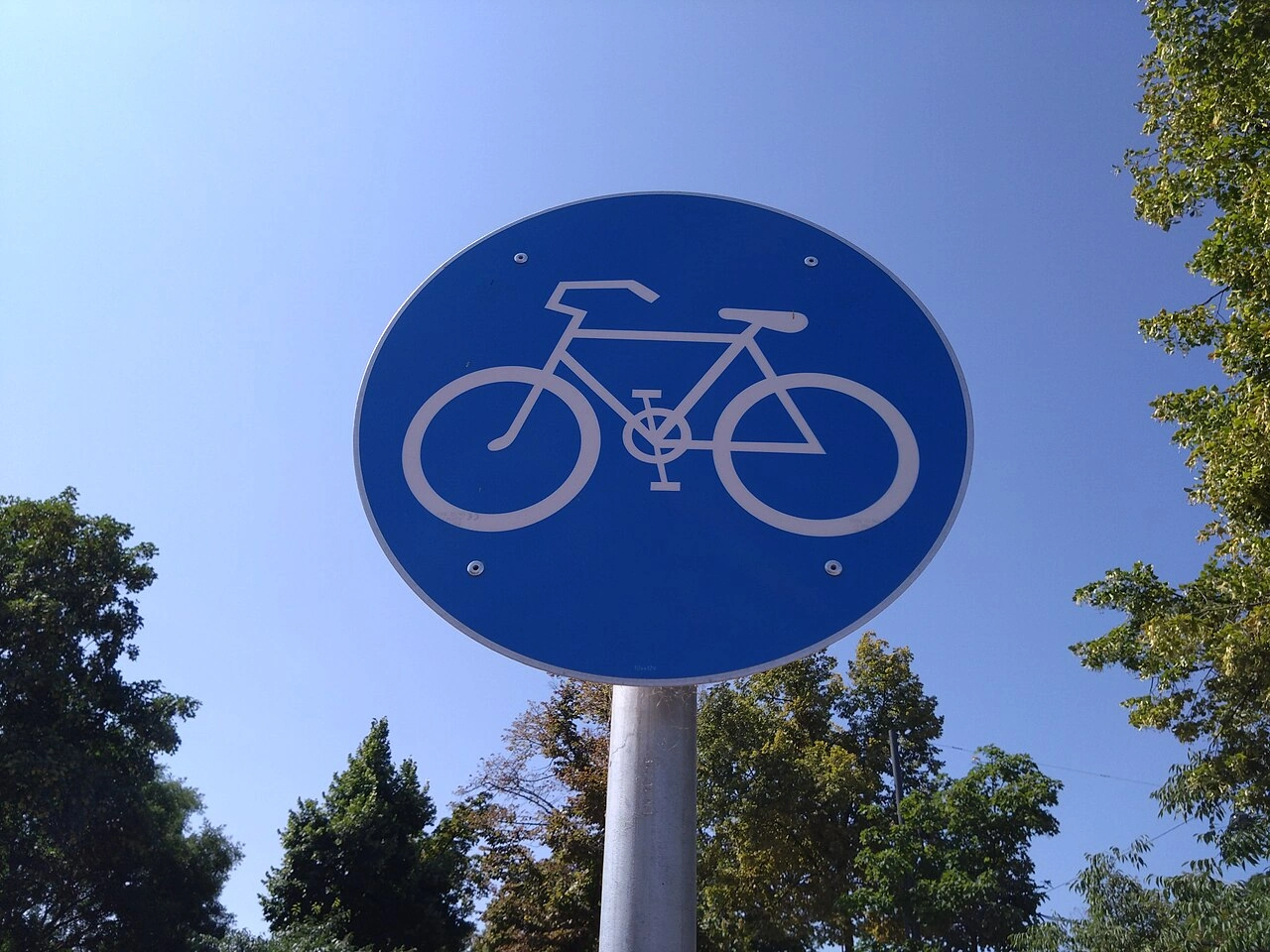
Un carril bici es una parte de una carretera o una ruta separada destinada principalmente o exclusivamente a personas que circulan en bicicleta. Puede estar físicamente separado del tráfico motorizado, marcado sobre la calzada o identificado mediante señales.

Los carriles bici pueden ser de un solo sentido, de doble sentido o compartidos con otros usuarios. Los usuarios permitidos, el sentido de circulación, las normas de prioridad y la obligación de utilizarlo dependen de las señales y normas de tráfico locales.
Carril bici
How can you recognise a bike path?

A bike path may be identified by a bicycle traffic sign, bicycle symbols, coloured surfacing or road markings. It may run beside the carriageway or follow a completely separate route.

Is a bike path the same as a bike lane?

Not always. A bike lane is normally marked directly on or beside the carriageway, while a bike path may be physically separated from motor traffic. The terminology and legal distinction vary between countries.

Must cyclists use a bike path?

This depends on local law and the signs displayed. Some bike paths are mandatory, while others are optional. Cyclists may also be permitted to leave a path to turn, overtake or avoid an obstruction.

Can a bike path carry traffic in both directions?

Yes. Some bike paths are two-way, but others may be used only in the direction indicated by signs, markings or their position beside the road. Cyclists should not assume that every path permits travel in both directions.

May pedestrians use a bike path?

Pedestrians may use a bike path where it is designated as a shared-use path or where local law permits it. On a cycle-only path, pedestrians may be prohibited or permitted only when no suitable pedestrian facility is available.

May mopeds or speed pedelecs use a bike path?

This depends on the country, vehicle category, road speed and traffic signs. Some bike paths permit or require certain mopeds or speed pedelecs, while others are reserved exclusively for ordinary bicycles.

May motor vehicles use a bike path?

Normally not. Motor vehicles may cross a bike path to enter another road or property where this is permitted, but they must follow the applicable priority rules and must not endanger path users.

Who has priority where a vehicle crosses a bike path?

Priority depends on the road layout, signs, signals and local law. Drivers crossing a continuous bike path commonly have to give way to its users, but cyclists approaching a separate cycle crossing may not automatically have priority before entering it.

Does a cyclist always have priority at a cycle crossing?

No. A marked cycle crossing does not universally give an approaching cyclist priority. Cyclists should enter cautiously and observe approaching traffic unless signs, signals or local rules clearly give them priority.

Is there a speed limit on a bike path?

Some countries or local authorities impose specific limits, particularly on shared paths. Even without a posted limit, cyclists must travel at a safe and considerate speed for the width, visibility and number of other users.

May you stop or park on a bike path?

Normally not. Stopping or parking on a bike path can force cyclists into motor traffic and may be expressly prohibited by law.

What should cyclists do when passing pedestrians?

Reduce speed, give a clear warning where appropriate and leave sufficient space. Pedestrians may change direction unexpectedly, especially on a shared path.

What should cyclists do when a bike path is blocked?

Slow down and check surrounding traffic before leaving the path. Avoid the obstruction safely and return to the bike path when permitted and practical.

Can cyclists ride side by side on a bike path?

This depends on local law and the available width. Even where riding side by side is permitted, cyclists must not block, endanger or unnecessarily hinder other path users.

What is the difference between a bike path and a shared-use path?

A bike path is intended primarily or exclusively for cycling. A shared-use path is legally intended for cyclists together with pedestrians or other indicated road users, who must use the space considerately.

9. Vía compartida

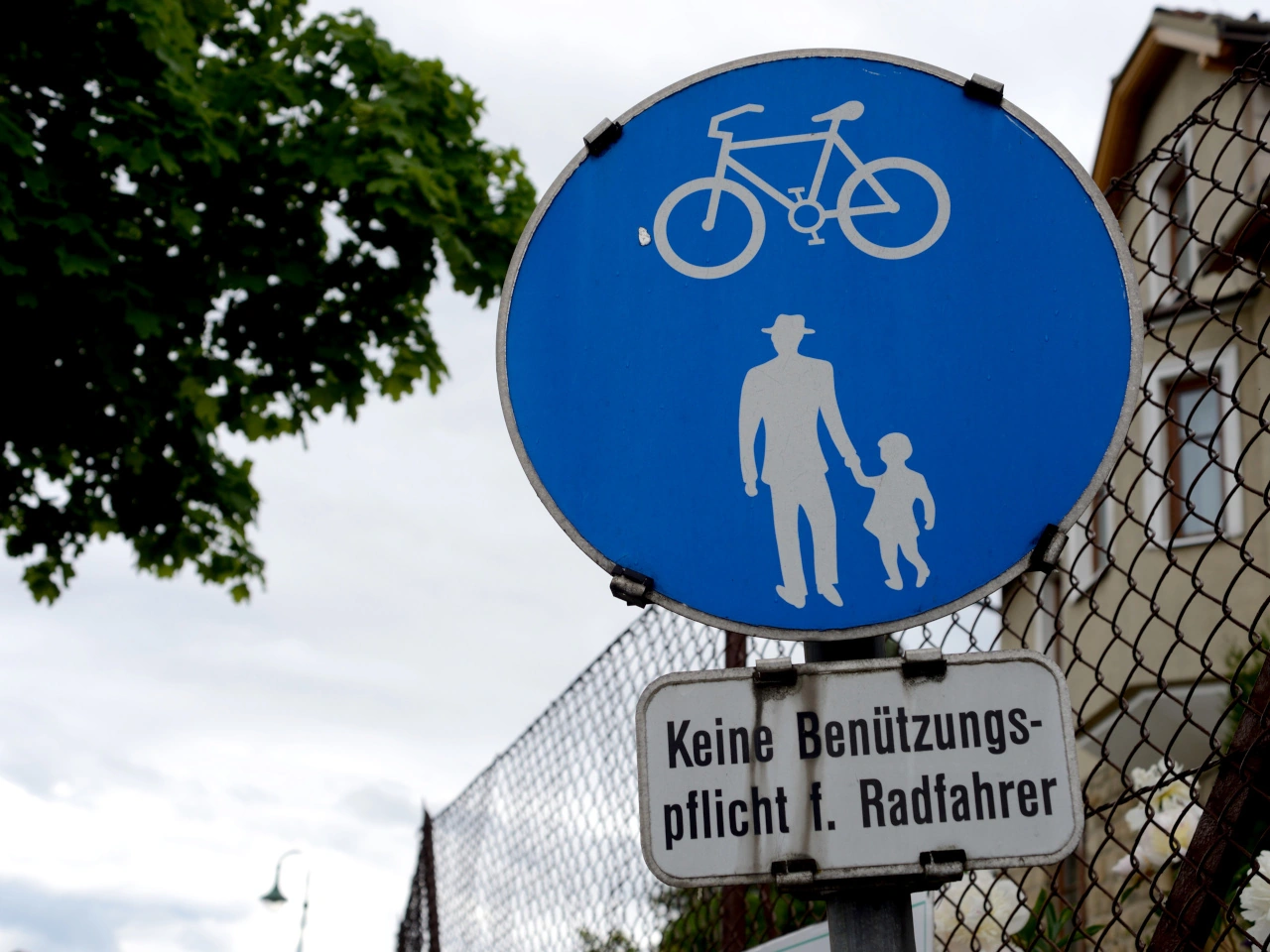
Una vía compartida es un camino o parte de una vía destinado al uso de peatones y ciclistas. A diferencia de las instalaciones donde peatones y ciclistas tienen secciones claramente separadas, los usuarios de una vía compartida normalmente circulan por el mismo espacio general.

Como los usuarios pueden desplazarse a velocidades muy diferentes, los ciclistas deben acercarse a los peatones con cuidado, adaptar su velocidad y dejar espacio suficiente al adelantarlos. Los usuarios permitidos, las normas de prioridad y cualquier restricción de velocidad dependen de las señales y normas de tráfico locales.
Vía compartida
What is a shared-use path?

A shared-use path is a path or part of a road intended to be used by both pedestrians and cyclists.

Is a shared-use path the same as a cycle path?

Not necessarily. A cycle path is primarily intended for cyclists, while a shared-use path is specifically intended to accommodate pedestrians and cyclists together.

Do pedestrians and cyclists have separate sides on a shared-use path?

Not always. On a genuinely shared path, both categories may use the same space. Other facilities may divide pedestrians and cyclists into separate sections using signs, markings or physical separation.

Should cyclists slow down near pedestrians?

Yes. Cyclists should adapt their speed when approaching or passing pedestrians and leave sufficient space to avoid creating danger or discomfort.

Can cyclists ring a bell before passing pedestrians?

Yes, where appropriate. An audible warning can help alert pedestrians before a cyclist passes, but it should be used considerately and does not give the cyclist priority.

Do cyclists automatically have priority over pedestrians?

No. The applicable priority and conduct rules depend on local law. On a shared facility, cyclists should expect pedestrians to move within the available space.

Can mopeds use a shared-use path?

This depends on the signs and local vehicle classifications. Some shared facilities are limited to pedestrians and bicycles, while others also permit specified moped categories.

Can speed pedelecs use a shared-use path?

This depends on local law. Because speed pedelecs can travel substantially faster than ordinary bicycles, some countries or facilities exclude them from pedestrian-and-cycle shared paths.

Can motor vehicles use a shared-use path?

Normally no. Motor vehicles may use such a path only where a specific exception or local rule permits access, for example for maintenance or emergency purposes.

Can a shared-use path cross a roadway?

Yes. At crossings, pedestrians and cyclists must follow the applicable traffic lights, priority signs, road markings and crossing rules.

Can a shared-use path be two-way?

Yes. Many shared-use paths carry pedestrians and cyclists travelling in both directions. Users should therefore remain alert for approaching traffic from ahead as well as users travelling in the same direction.

What should cyclists do when a shared-use path is crowded?

Reduce speed and be prepared to stop. Crowded conditions may make normal cycling speed unsafe even when no specific lower speed limit is posted.

10. Túnel

Un túnel es un paso cubierto que lleva una carretera a través o por debajo de un obstáculo como una colina, montaña, edificio, vía de agua u otra ruta de transporte. Los túneles de carretera pueden contener uno o más carriles y admitir tráfico en uno o ambos sentidos.

Conducir en un túnel requiere especial atención porque la visibilidad, las vías de escape disponibles y el espacio para evitar peligros son limitados. Los conductores deben respetar las normas aplicables de iluminación, velocidad, carril y distancia de seguimiento y prestar atención a las salidas de emergencia, señales luminosas y paneles de mensaje variable.
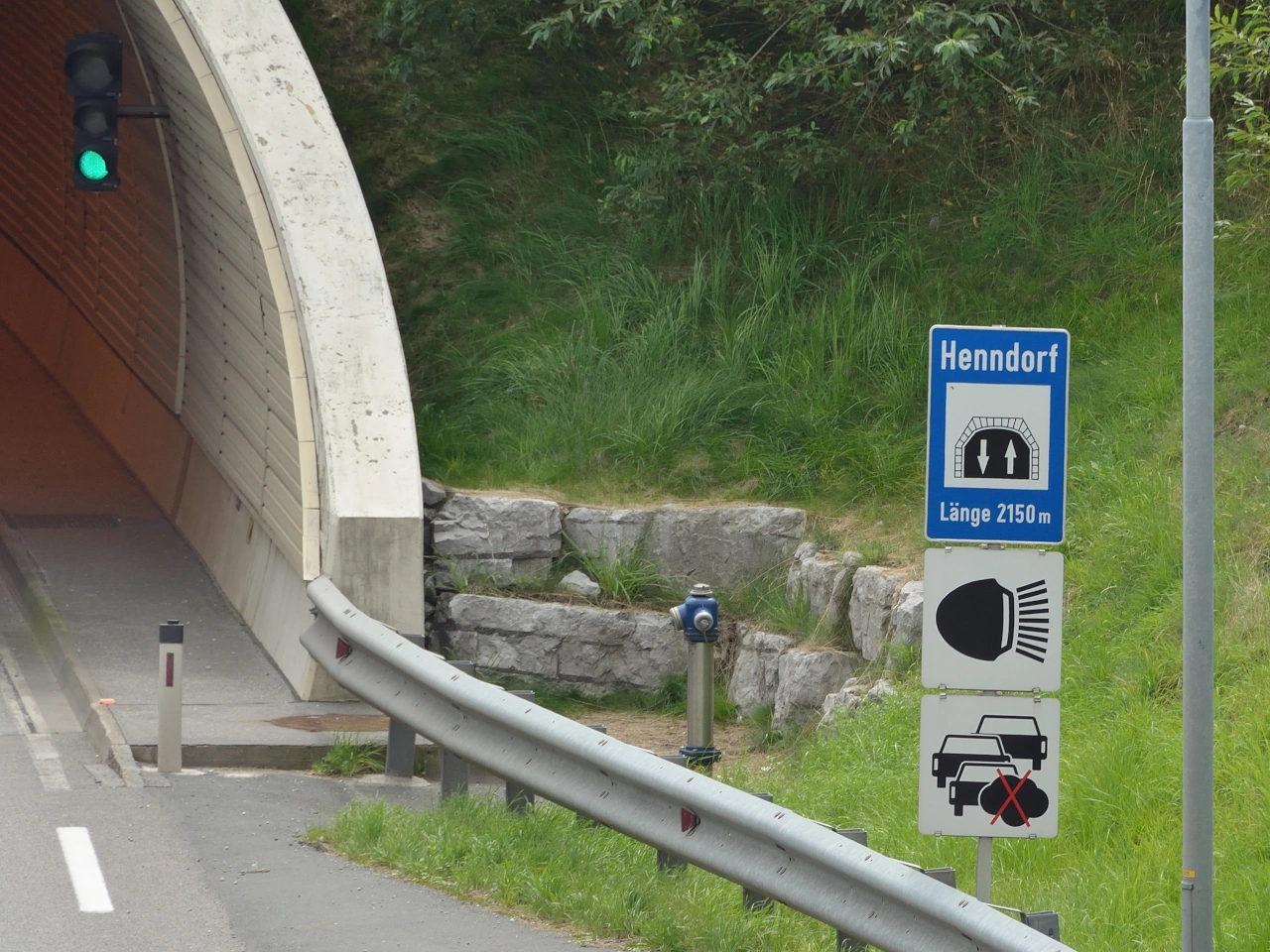
Túnel
What is a road tunnel?

A road tunnel is a covered passage that carries a road through or beneath an obstacle.

Should you use headlights in a tunnel?

Follow the local lighting rules and traffic signs. Many countries require dipped headlights in tunnels even during daylight, while general visibility rules may also require vehicle lights.

Should you increase your following distance in a tunnel?

Yes. Additional distance gives more time to react to sudden congestion, a breakdown or another hazard where escape space may be limited.

Can you stop or park in a tunnel?

Voluntary stopping and parking are generally prohibited or strongly restricted in road tunnels. Drivers should stop only where permitted or when traffic, an emergency or another unavoidable situation requires it.

Can you reverse or make a U-turn in a tunnel?

Normally this should not be done unless specifically authorised or directed by emergency or traffic-control personnel. Motorway tunnels are additionally subject to the normal motorway prohibitions on reversing and U-turns.

What should you do if traffic stops in a tunnel?

Keep a safe distance from the vehicle ahead, follow traffic signals and instructions and avoid blocking emergency access. Switch on hazard warning lights where appropriate to warn following traffic.

What should you do if your vehicle breaks down in a tunnel?

Move into an emergency bay or other safe position if possible, switch on the hazard warning lights and follow the tunnel's emergency procedures. Use an emergency telephone or contact the emergency services where necessary.

What should you do if there is a fire in a tunnel?

Follow the emergency signs and instructions immediately. If evacuation is necessary, leave the vehicle and use the indicated emergency exit rather than remaining in a dangerous traffic or smoke-filled area.

What are tunnel emergency exits?

Emergency exits provide a route away from the traffic tunnel during incidents such as a fire. Signs may indicate the nearest exit and the direction or distance to it.

Should you remove sunglasses before entering a tunnel?

Where necessary, removing dark sunglasses before entering can help your eyes adapt more quickly to the lower light level inside the tunnel.

Can speed limits change inside a tunnel?

Yes. Tunnels may have permanent or variable speed restrictions. Drivers must follow the speed limit currently indicated.

Can dangerous goods be restricted in tunnels?

Yes. Certain tunnels may restrict vehicles carrying dangerous goods because an incident in an enclosed space can create additional risks. Follow all applicable tunnel-category and dangerous-goods signs.

11. Calle ciclista

Una calle ciclista es una calle diseñada o legalmente designada para dar a los ciclistas una posición destacada en el tráfico mixto. Los vehículos de motor normalmente pueden entrar, pero deben adaptar su velocidad y comportamiento a la presencia de ciclistas.

Dependiendo del país, los ciclistas pueden estar autorizados a utilizar más parte de la calzada y los vehículos de motor pueden tener prohibido adelantarlos. El límite de velocidad, las normas de prioridad, los vehículos permitidos y el inicio y fin de la calle dependen de las señales y normas de tráfico locales.
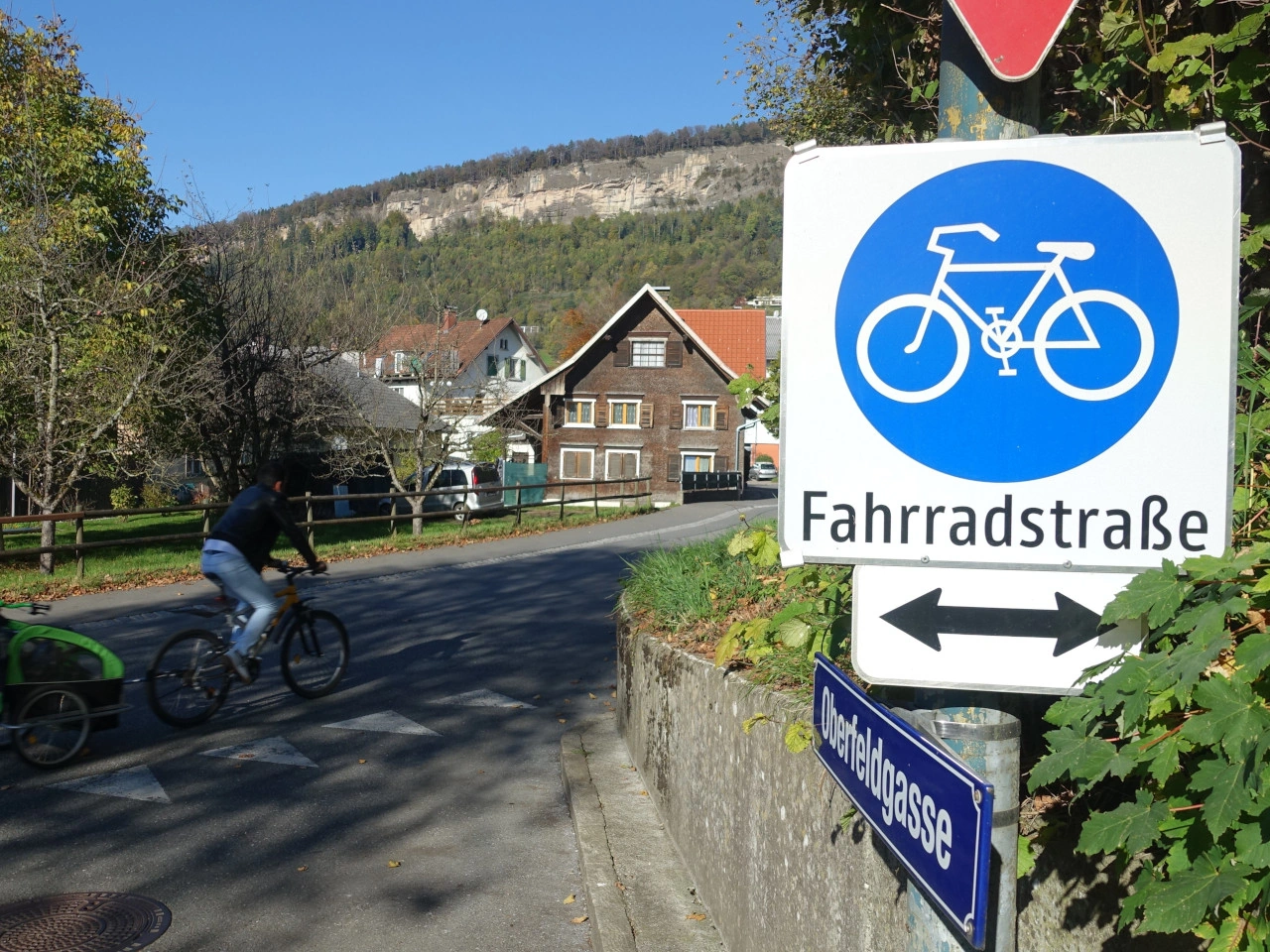
Calle ciclista
What is a cycling street?

A cycling street is a road where cycling is given a prominent position while motor vehicles may usually continue to use the road under additional restrictions.

How can you recognise a cycling street?

It may be identified by special entrance signs, bicycle symbols, coloured surfacing or distinctive road markings. The legally required signs differ between countries.

Is a cycling street the same as a bike path?

No. A bike path is a separate part of the road or a separate route intended for cyclists. On a cycling street, cyclists and motor vehicles normally share the carriageway.

Is a cycling street the same as a cycling zone?

Not always. A cycling street may refer to one individual street, while a cycling zone may include several connected streets governed by the same rules. Local terminology varies.

May motor vehicles use a cycling street?

Usually, yes. A cycling street is not normally closed to motor traffic, although access may be restricted by additional signs or local regulations.

Do cyclists have to stay close to the edge of the road?

This depends on local law. In some cycling streets, cyclists may use a larger part of the carriageway or ride in the centre of the lane. In others, the normal positioning rules continue to apply.

May cyclists ride side by side?

This depends on the rules of the country and the available road width. Cyclists may often ride side by side where this does not endanger or unlawfully obstruct other road users.

May motor vehicles overtake cyclists?

Some countries expressly prohibit motor vehicles from overtaking cyclists on cycling streets. Elsewhere, overtaking may remain permitted only when the legally required distance and other safety conditions can be respected.

May cyclists overtake motor vehicles?

Normally, cyclists may overtake other vehicles when the manoeuvre is permitted and can be completed safely. They must still observe local overtaking, lane and intersection rules.

What is the speed limit on a cycling street?

There is no universal speed limit. Many countries impose a low maximum speed, commonly 30 km/h or less, but drivers must follow the signs and laws applying locally.

Do cyclists automatically have priority?

No. A cycling street does not normally give cyclists automatic priority at every intersection. Traffic lights, priority signs, crossings and the ordinary priority rules remain applicable.

Do pedestrians have special rights on a cycling street?

Not necessarily. Pedestrians normally use pavements, crossings and other designated facilities. A cycling street is different from a pedestrian zone or residential shared-space area.

May you stop or park on a cycling street?

Stopping and parking depend on the ordinary rules and any local signs or markings. Vehicles must not block cyclists, pavements, crossings, entrances or other traffic.

Does a cycling street always have red surfacing?

No. Coloured surfacing may make the street easier to recognise, but it does not necessarily have legal meaning by itself. The official signs and local regulations determine which rules apply.

When do the cycling-street rules end?

The special rules normally end at an end sign, the end of the designated street or another legally defined boundary. The exact rule differs between countries.

12. Zona peatonal

Una zona peatonal es un área formada por una o más calles reservadas principalmente a peatones. El acceso de vehículos de motor suele estar prohibido o restringido a usuarios autorizados, fines concretos u horarios determinados.

Los peatones normalmente pueden utilizar todo el ancho del espacio vial disponible. Las normas relativas a ciclistas, entregas, transporte público, velocidad de vehículos, parada y estacionamiento dependen de las señales y normas de tráfico locales.

What is a pedestrian zone?

A pedestrian zone is an area where pedestrians are the principal road users and ordinary motor-vehicle access is prohibited or strictly restricted.

How can you recognise a pedestrian zone?

A pedestrian zone is normally identified by a special entrance sign. An end sign indicates where the pedestrian-zone rules stop applying.

Is a pedestrian zone the same as a pavement?

No. A pavement is a part of a road intended for pedestrians. A pedestrian zone may include the entire width of one or more streets, squares or other public spaces.

Is a pedestrian zone completely free of vehicles?

Not always. Emergency vehicles, maintenance vehicles, public transport, delivery vehicles, residents or other authorised traffic may be permitted under local rules.

May cyclists enter a pedestrian zone?

This depends on the traffic signs and local law. Cycling may be permitted at all times, during specified hours or not at all. Cyclists who are not permitted to ride may normally walk while pushing their bicycles.

Must cyclists give way to pedestrians?

Where cycling is permitted, cyclists must normally adapt their speed and avoid hindering or endangering pedestrians. They may be required to dismount when the zone is crowded.

May electric scooters enter a pedestrian zone?

This depends on how electric scooters are legally classified and on the signs displayed. They may be treated as pedestrians at very low speeds, as cyclists or as another vehicle category.

May pedestrians use the whole street?

Usually, yes. Pedestrians may generally use the full width of the pedestrian zone, although marked sections may be reserved for authorised vehicles, cyclists or public transport.

Do pedestrians have priority over authorised vehicles?

Authorised drivers must normally travel cautiously, leave pedestrians sufficient space and stop when necessary. The precise priority rule depends on local law.

What is the speed limit for authorised vehicles?

There is no universal numerical limit. Many countries require authorised vehicles to travel at walking pace or another very low speed.

May children play in a pedestrian zone?

Playing may be permitted because the area is primarily reserved for pedestrians, but this depends on local law. Children must still be supervised where authorised vehicles, cyclists or public transport are present.

May vehicles enter for deliveries?

Deliveries may be permitted during specified hours or under particular access conditions. Drivers must observe the information displayed at the entrance.

May taxis enter a pedestrian zone?

Taxis may be permitted to enter for passenger collection or drop-off, but access may be restricted to certain destinations, times or permit holders.

May you stop or park in a pedestrian zone?

Parking is normally prohibited or limited to specially authorised places. Brief stopping for authorised loading, unloading or passenger access may be permitted under local rules.

Does an intersection end a pedestrian zone?

Not necessarily. A pedestrian zone may include several connected streets and intersections. Its rules normally continue until the corresponding end sign is passed.

What is the difference between a pedestrian zone and a residential shared-space area?

A pedestrian zone is primarily reserved for pedestrians and usually restricts motor traffic. A residential shared-space area normally permits general local traffic but imposes very low speeds and special pedestrian and parking rules.

When do the pedestrian-zone rules end?

The special rules normally end at an end-of-pedestrian-zone sign. The ordinary rules of the surrounding road or another signed zone then apply.

13. Sentido único

Una calle de sentido único es una carretera o calzada donde el tráfico de vehículos solo puede circular en una dirección. La dirección permitida se indica mediante señales, marcas viales o el diseño de la carretera.

Los conductores deben entrar y circular únicamente en la dirección autorizada y prestar especial atención al girar, estacionar o abandonar propiedades. Algunas normas locales permiten excepciones para ciclistas, transporte público u otros usuarios, que deben estar indicadas expresamente.
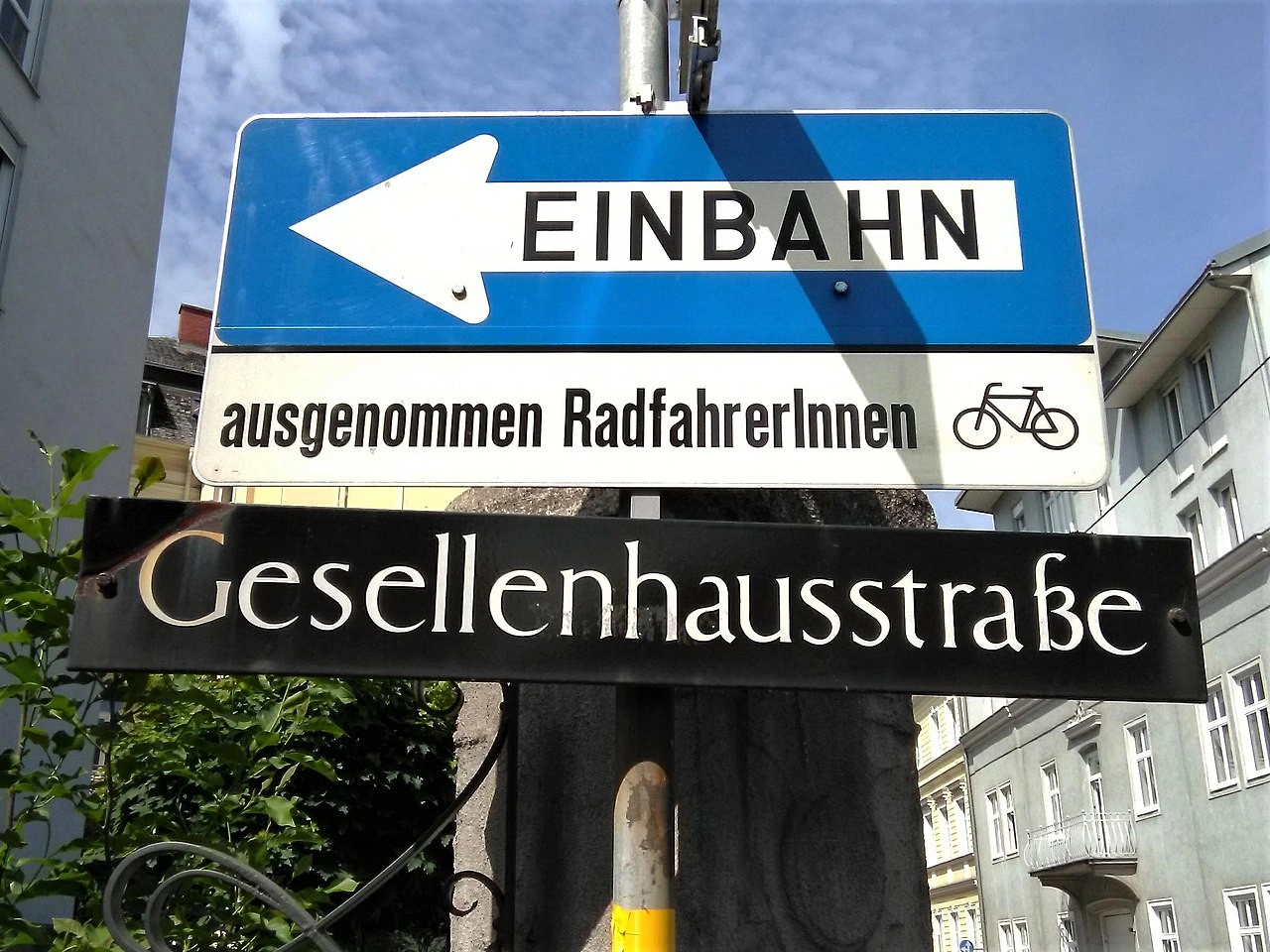
Sentido único
What is a one-way road?

A one-way road is a road or carriageway on which vehicles may travel only in the designated direction.

How can you recognise one-way traffic?

One-way traffic is normally indicated by a one-way sign at the entrance and a no-entry sign at the opposite end. Lane arrows and road markings may provide additional guidance.

Is a one-way sign the same as a no-entry sign?

No. A one-way sign confirms the permitted direction of travel. A no-entry sign prohibits drivers from entering from the opposite direction.

Does one-way traffic apply to the entire road?

It may apply to an entire road, one carriageway, a particular lane or only a designated section. Drivers must follow the signs and markings applying to the part of the road they use.

Can a divided road have one-way traffic on each carriageway?

Yes. On a divided road, each carriageway normally carries traffic in one direction even though the road as a whole carries traffic in both directions.

May cyclists travel against one-way traffic?

Only when traffic signs or local law expressly permit contraflow cycling. Drivers should check supplementary signs and remain alert for cyclists approaching from the opposite direction.

May buses travel against one-way traffic?

Public-transport vehicles may use a contraflow lane where signs and road markings permit it. Other drivers may not use that lane unless they are also authorised.

Does a one-way road have its own speed limit?

No. The applicable speed depends on the country, road type, surrounding area and traffic signs.

Does one-way traffic change priority at intersections?

No. Drivers must continue to follow traffic lights, priority signs and the ordinary local priority rules.

Does traffic on a one-way road always have priority?

No. The one-way designation regulates direction of travel, not priority. Traffic entering or crossing the road may still have priority under signs or local law.

Which lane should you use on a one-way road?

Follow the local lane-positioning rules, lane arrows and destination signs. Drivers commonly keep to the normal side of the road unless overtaking, turning or choosing a marked lane.

Where should you position yourself before turning?

Use the lane or side indicated for the intended direction. On many one-way roads, drivers turning towards the opposite side of the road may position themselves closer to that side before turning.

May you overtake on a one-way road?

Overtaking may be permitted where there is sufficient space and no sign or rule prohibits it. The normal overtaking side and safety requirements continue to apply unless local law provides otherwise.

May you reverse on a one-way road?

A short reversing manoeuvre may be permitted where local law allows it and it can be completed safely. Drivers must not use reversing to travel along the road in the prohibited direction.

May you make a U-turn on a one-way road?

You may not turn around and continue against the permitted direction. A U-turn may also be prohibited by signs or general traffic law.

May you park on both sides of a one-way road?

This depends on local law, signs, markings and the available width. Some countries permit parking along either side, while others retain stricter positioning rules.

Can pedestrians come from both directions?

Yes. One-way traffic restrictions normally apply to vehicles using the carriageway, not to pedestrians using pavements or other pedestrian facilities.

Should you still check both directions?

Yes. Cyclists, buses, emergency vehicles or other authorised users may approach from the opposite direction. Drivers should check both directions before turning, crossing or opening a vehicle door.

What should you do if you enter a one-way road incorrectly?

Do not continue against traffic. Stop somewhere safe without creating additional danger and follow lawful directions to leave or correct the situation. Do not reverse blindly into an intersection.

How does one-way traffic end?

The restriction may end at an end sign, an intersection, a change in road design or a sign warning that two-way traffic resumes. Follow the local signs and road layout.

14. Muelle

Un muelle es una carretera o zona de tráfico situada junto al borde de un puerto, canal, río u otra masa de agua. Puede utilizarse para acceso, carga, estacionamiento o circulación cerca del borde del agua.

Los conductores deben tener especial cuidado por el riesgo de caer al agua, especialmente de noche, con mal tiempo o donde no exista barrera protectora. También pueden aplicarse restricciones de estacionamiento, carga o acceso.
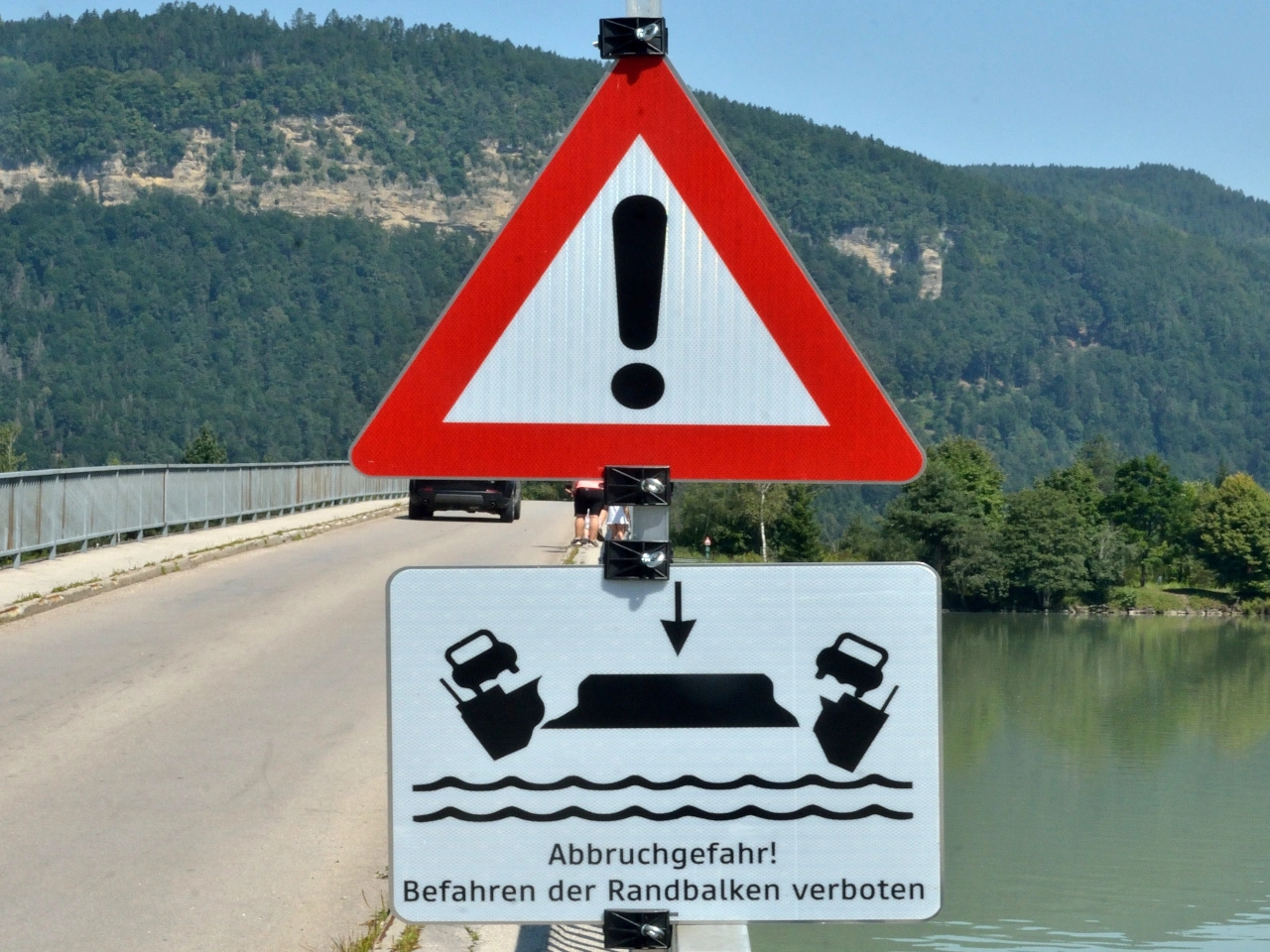
Muelle
What is a quay?

A quay is a constructed waterside platform or road area beside a river, canal, harbour or other navigable water. It may be used by ships, vehicles, workers, pedestrians and loading equipment.

What does a quay warning sign mean?

It warns that the road approaches or leads onto a quay, riverbank or waterside edge where a vehicle could enter the water.

Does the sign mean that the road ends at the water?

It may. The road may lead directly towards the water, turn sharply near it or continue alongside an insufficiently protected edge. Drivers must observe the actual road layout.

How should you approach a quay?

Reduce speed early, remain in full control and watch for the road edge, barriers, bends, workers, pedestrians and moving equipment. Avoid sudden steering or braking close to the water.

Is there a universal speed limit near a quay?

No. Drivers must follow the posted or general speed limit and reduce their speed further when the road is narrow, wet, poorly lit or close to an unprotected edge.

Does a quay warning sign impose a prohibition?

No. It normally warns of danger rather than prohibiting access. Additional signs, gates or local rules may restrict particular vehicles or activities.

Does the sign change priority?

No. Drivers must continue to follow traffic lights, priority signs and the normal priority rules.

May you stop or park on a quay?

This depends on local signs and regulations. Do not stop or park where the vehicle could create danger, obstruct traffic, interfere with loading operations or block emergency access.

Should you park close to the water’s edge?

Only in a clearly authorised and suitable place. Leave sufficient space from the edge, apply the parking brake securely and follow any wheel-positioning or local parking instructions.

May you overtake near a quay?

Overtaking may be legal, but it should be avoided when the road is narrow, visibility is limited or the manoeuvre would bring the vehicle close to the waterside edge.

Why can quay surfaces be slippery?

Water, algae, mud, ice, fuel, oil or material from loading operations may reduce grip. Painted markings, rails and metal surfaces may also become especially slippery when wet.

What other hazards may be present on a quay?

Drivers may encounter pedestrians, cyclists, dock workers, cranes, forklifts, railway tracks, mooring equipment, reversing trucks and unsecured edges.

Why should large vehicles take extra care?

Large vehicles need more space to turn and may have limited visibility close to the cab or trailer. Soft edges, narrow roads and nearby equipment can make manoeuvring more difficult.

May pedestrians walk on a quay?

Pedestrian access depends on local rules. Where pedestrians are permitted, drivers should expect them to move between vehicles, vessels, buildings and loading areas.

Should you reverse near a quay edge?

Reverse only when necessary and when the route is clearly visible. Use a guide where available and never rely solely on mirrors or cameras when the vehicle could approach the water.

What should you do in darkness or poor visibility?

Reduce speed, use the required lights and look carefully for reflectors, barriers, road edges and people. Water and dark surroundings can make the boundary of the road difficult to recognise.

What should you do if a barrier is open or missing?

Do not assume that the route is safe. Slow down, identify the road boundary and follow signs or instructions from authorised personnel.

What should you do if a vehicle enters the water?

Leave the vehicle as quickly and safely as possible, help passengers where possible and contact the emergency services. Do not re-enter the water or vehicle to recover belongings.

15. Pendiente

Una pendiente es un tramo de carretera que asciende o desciende de forma notable. Las pendientes pronunciadas pueden afectar la aceleración, la frenada, la selección de marchas y la distancia necesaria para detener el vehículo.

En descensos largos o pronunciados, los conductores deben seleccionar una marcha adecuada y evitar depender continuamente de los frenos de servicio, ya que pueden sobrecalentarse. En carreteras estrechas de montaña pueden aplicarse normas especiales de prioridad entre vehículos que ascienden y descienden.

What is a road slope?

A road slope is a section of road that rises or descends over a particular distance. It may also be called a gradient, incline or decline.

How can you recognise a steep slope?

A steep slope may be indicated by a warning sign showing an ascending or descending road. The sign may also display the gradient as a percentage.

What does a gradient of 10% mean?

A gradient of 10% means that the road rises or falls approximately 10 metres for every 100 metres travelled horizontally. It does not mean that the road is inclined at 10 degrees.

What is the difference between an ascent and a descent?

An ascent rises in the direction of travel, while a descent falls in the direction of travel. The same section of road is therefore an ascent in one direction and a descent in the other.

Does a slope warning sign impose a speed limit?

Not normally. It warns of a hazard rather than setting a numerical limit. Drivers must still respect the applicable speed limit and reduce their speed further when necessary.

How should you approach a steep descent?

Reduce speed before the descent, select a suitable gear and maintain a safe following distance. Avoid allowing the vehicle to gain excessive speed.

Which gear should you use when descending?

Use a gear that provides sufficient engine braking and helps keep the vehicle at a controlled speed. The appropriate gear depends on the vehicle, gradient and road conditions.

Should you coast downhill in neutral?

No. Coasting reduces engine braking and may make it harder to control the vehicle’s speed. Keep the transmission engaged while descending.

Why should you avoid continuous heavy braking?

Continuous braking on a long descent can cause the brakes to become excessively hot and lose effectiveness. Select a suitable gear, control speed early and use the brakes progressively when needed.

What is brake fade?

Brake fade is a reduction in braking performance caused by excessive heat. It can occur when the brakes are used continuously during a long or steep descent.

How should you drive uphill?

Select a suitable gear before the engine begins to struggle and maintain a steady speed where possible. Be prepared for heavy or low-powered vehicles travelling slowly ahead.

May a vehicle lose speed on a steep ascent?

Yes. Heavy vehicles, vehicles towing trailers and low-powered vehicles may slow considerably. Other drivers should maintain a safe distance and avoid impatient manoeuvres.

May you overtake near the top of a slope?

Do not overtake when the crest prevents you from seeing far enough ahead. Overtaking near a hilltop may also be expressly prohibited by local law, signs or road markings.

Why is visibility limited near the crest of a slope?

The road surface itself may hide approaching traffic, stopped vehicles, pedestrians or other hazards beyond the crest.

Who has priority on a narrow slope?

Some countries give priority to uphill traffic, while others rely on signs or ordinary obstruction rules. Drivers must follow local law and cooperate when passing is difficult.

How should you meet another vehicle on a narrow slope?

Reduce speed and use a passing place where available. The driver who can reverse or move aside more safely should cooperate, subject to any applicable priority signs or local rules.

How do rain, snow or ice affect a slope?

They reduce traction and make acceleration, braking and steering more difficult. Increase the following distance, use smooth controls and reduce speed before entering the slope.

Why are cyclists vulnerable on slopes?

Cyclists may travel slowly and move less steadily when climbing, while they may reach high speeds when descending. Drivers should leave sufficient space and avoid overtaking without a clear view.

How should you park on a slope?

Use the parking brake, select the appropriate gear or parking position and follow local rules concerning wheel position. Make sure the vehicle cannot roll into traffic.

Can a slope affect towing?

Yes. A trailer increases the load on the engine and brakes and may affect stability. Drivers should use a suitable gear, maintain additional distance and avoid excessive speed.

16. Carril bus

Un carril bus es un carril de tráfico reservado principalmente para autobuses y, según las normas locales, posiblemente para otros vehículos autorizados como taxis, bicicletas, motocicletas o vehículos con alta ocupación.

Otros conductores solo pueden utilizar un carril bus cuando las señales, marcas viales y horarios lo permitan. Los conductores también deben tener cuidado al cruzar un carril bus para girar, acceder a una propiedad o estacionar cuando esté permitido.
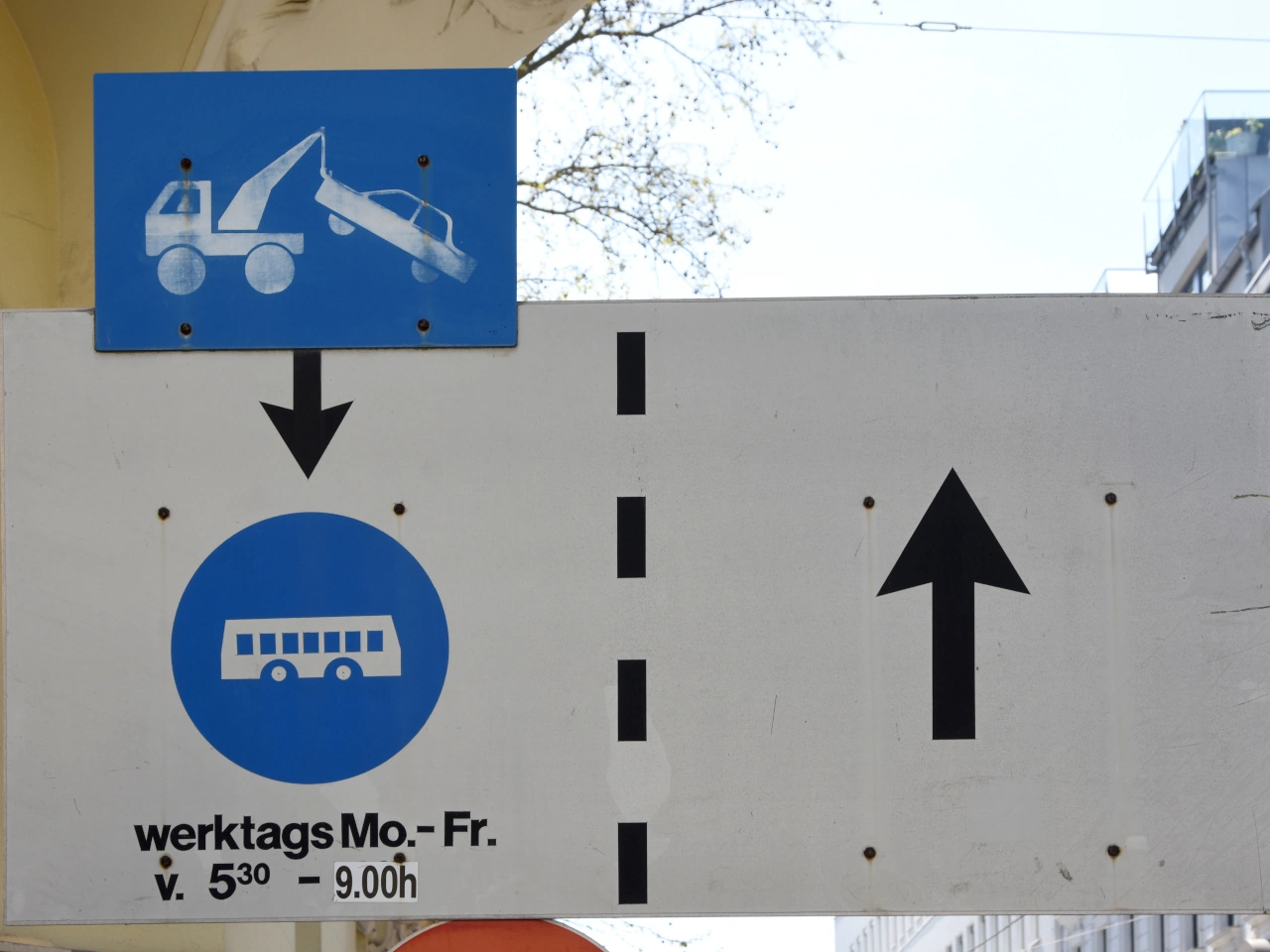
Carril bus
What is a bus lane?

A bus lane is a lane reserved primarily for buses or other authorised public-transport vehicles. Its purpose is to help public transport move efficiently through traffic.

How can you recognise a bus lane?

A bus lane may be identified by a bus-lane sign, lane markings, coloured surfacing or the word BUS painted on the road. The markings and colours differ between countries.

Is a bus lane the same as a bus-only road?

No. A bus lane forms part of a wider road arrangement, while a bus-only road may reserve the entire road for buses and other authorised users.

Who may use a bus lane?

Buses operating authorised or scheduled services may normally use it. Other vehicles may enter only when the traffic signs or local regulations expressly permit them.

May taxis use a bus lane?

This depends on local law and the signs displayed. Some bus lanes permit licensed taxis, while others are reserved exclusively for buses.

May cyclists use a bus lane?

Cyclists may use a bus lane where signs or local law permit them. They should remain alert for large vehicles, stops, passengers and buses moving towards the kerb.

May motorcycles use a bus lane?

Only where motorcycles are expressly permitted. Permission may apply to all motorcycles, particular times or specific bus lanes.

Can a bus lane operate only at certain times?

Yes. A sign may show days or hours during which the restriction applies. Outside those periods, the lane may become available to general traffic, subject to the local rules.

Does a bus lane have a special speed limit?

Not necessarily. The normal road or posted speed limit generally applies unless a separate restriction is displayed.

May ordinary vehicles enter a bus lane to turn?

Some countries allow drivers to enter a bus lane shortly before a junction to make a turn. Drivers must follow the lane markings and enter only at the point where local rules permit it.

May you cross a bus lane?

Usually, where necessary and permitted. A driver may need to cross it at an intersection or to enter or leave a property, parking area or side road. The driver must check carefully for buses, cyclists and other authorised users.

May you use a bus lane to pass congestion?

No. An unauthorised driver may not use the bus lane simply to overtake a queue or reach the front of traffic.

May you stop or park in a bus lane?

Stopping and parking are normally prohibited unless a sign or marked bay expressly permits them. A stopped vehicle can obstruct buses and force authorised lane users into general traffic.

Do buses always have priority when leaving a stop?

Not universally. Some countries require drivers to allow a signalling bus to leave a stop, particularly inside built-up areas. Elsewhere, ordinary merging rules apply.

Does a bus lane change priority at an intersection?

No. Traffic lights, priority signs and the ordinary intersection rules continue to apply unless special public-transport signals indicate otherwise.

Can a bus lane run against the direction of general traffic?

Yes. A contraflow bus lane may carry authorised vehicles in the opposite direction from nearby general traffic. Drivers and pedestrians should check both directions before crossing.

What do special bus traffic lights mean?

Some countries use separate lights or symbols for public-transport vehicles. Only drivers authorised to use that lane should follow those signals, while other traffic follows its own lights.

What should you check before crossing a bus lane?

Check mirrors and blind spots and look for buses, taxis, cyclists, motorcycles or other authorised vehicles. Their lane may be moving even when general traffic is stationary.

How does a bus lane end?

It may end at a sign, a change in road markings, an intersection or the end of its stated operating period. Drivers should follow the lane arrows and merge safely where required.

17. Parada de autobús

Una parada de autobús es un lugar designado donde autobuses u otros vehículos de transporte público se detienen para que los pasajeros suban o bajen. Puede estar indicada mediante una señal, marcas viales, refugio, plataforma elevada u otros elementos.

Las normas sobre parar, estacionar, adelantar y ceder el paso a autobuses que salen de una parada varían entre países. Los conductores deben prestar especial atención a peatones que puedan cruzar cerca de la parada.
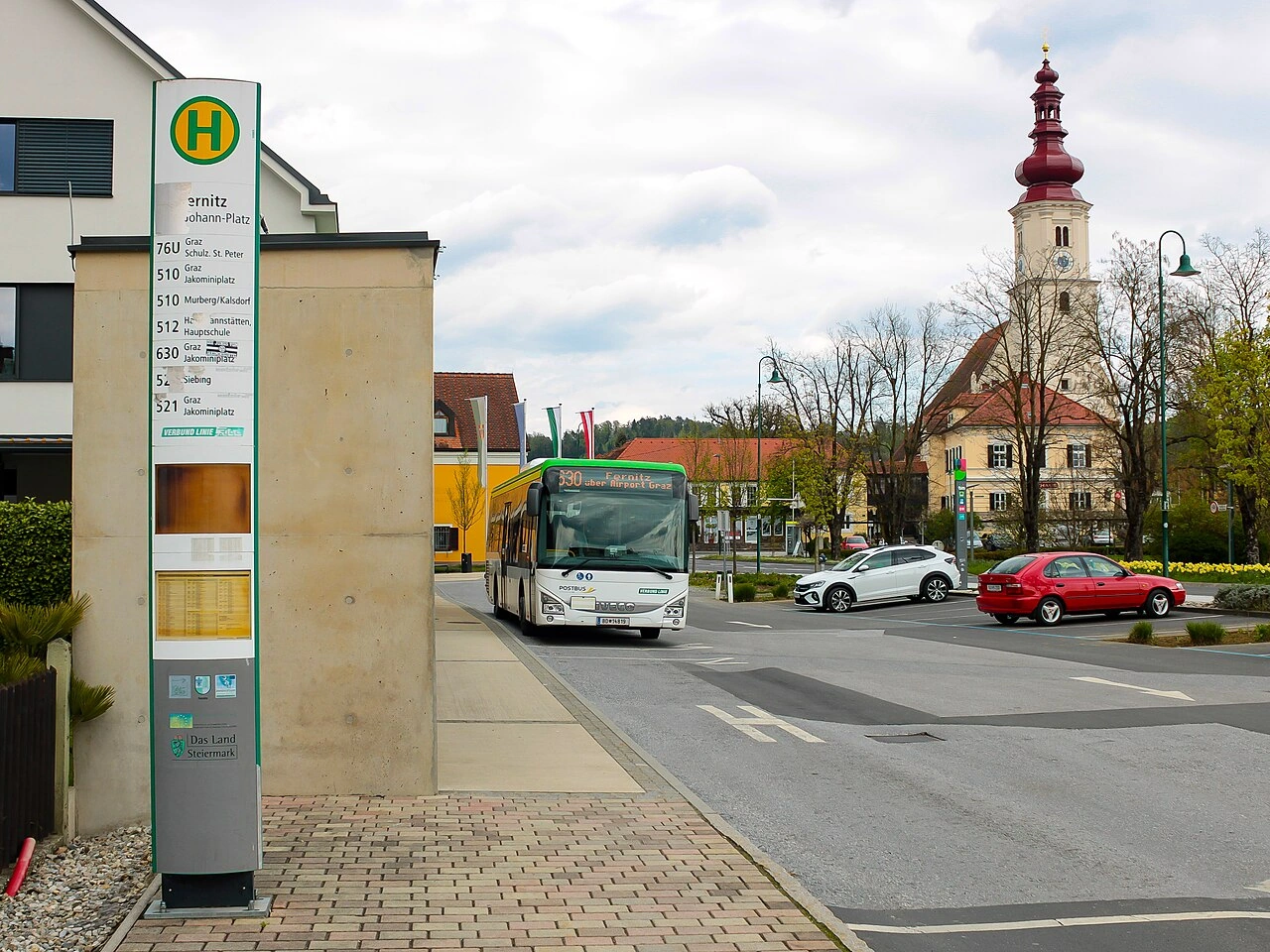
Parada de autobús
What is a bus stop?

A bus stop is a designated location where buses stop so that passengers can board or leave the vehicle.

What should you watch for near a bus stop?

Watch for buses entering or leaving the stop, passengers near the roadway and pedestrians who may cross the road.

Can you park at a bus stop?

Parking or stopping at or near a bus stop is often restricted or prohibited so that buses can reach the stop safely. The exact restrictions depend on local traffic rules.

18. Calle sin salida

Una calle sin salida es una carretera que no permite continuar hacia otra vía porque termina más adelante. Puede acabar en una zona para dar la vuelta, una propiedad, un obstáculo o un tramo reservado a peatones o ciclistas.

Los conductores deben evitar entrar si necesitan continuar más allá del final y estar preparados para dar la vuelta o retroceder con seguridad. Una calle sin salida para vehículos de motor puede seguir ofreciendo paso a peatones o ciclistas.

What is a dead-end road?

A dead-end road is a road that provides no through route for some or all vehicles. Traffic entering it normally has to return by the same route.

How can you recognise a dead end?

A dead end may be indicated by a blue rectangular sign showing a road blocked at one end. The exact colour, design and symbol vary between countries.

Does a dead-end sign prohibit entry?

Normally not. It generally provides information rather than prohibiting access. Drivers may enter to reach a destination unless another sign restricts entry.

Is a dead-end sign the same as a no-entry sign?

No. A dead-end sign warns that the road does not continue as a through route. A no-entry sign prohibits drivers from entering in the indicated direction.

Does a dead-end road always physically end?

No. It may end at a wall, gate, turning area or private property, or it may continue as a narrower path that motor vehicles cannot use.

Can pedestrians continue through a dead end?

Sometimes. A separate symbol, sign or visible path may indicate that pedestrians can continue beyond the point where motor traffic ends.

Can cyclists continue through a dead end?

Sometimes. A sign may indicate a through route for cyclists, but cyclists must still follow any access, direction and path-use rules that apply.

Does a dead-end sign change the speed limit?

No. The normal road, zonal or posted speed limit remains applicable. Drivers should nevertheless reduce speed when space, visibility or nearby pedestrians require it.

Does a dead-end road have different priority rules?

No. Traffic lights, priority signs and the ordinary intersection rules continue to apply.

Does traffic leaving a dead-end road have to give way?

Not solely because the road is a dead end. Priority depends on the signs, road surface, road category and local priority rules.

May you make a U-turn in a dead-end road?

A driver may turn around where the manoeuvre is legal, safe and does not obstruct other road users. Local signs or road markings may prohibit it.

May you reverse in a dead-end road?

Reverse only when necessary and when the route is clear. Give way to all other road users and avoid reversing for a long distance where a safer turning place is available.

Who has priority while a vehicle is turning around?

A driver performing a turning or reversing manoeuvre must normally give way to other road users.

May you park in a dead-end road?

The dead-end sign itself does not normally prohibit parking. Drivers must follow the ordinary parking rules and must not block entrances, pedestrian routes, emergency access or turning areas.

May you park in the turning area?

Only where parking is permitted and sufficient room remains for other vehicles to turn. Blocking the turning area can force vehicles to reverse for an unsafe distance.

Why should large vehicles avoid some dead-end roads?

Trucks, buses and vehicles towing trailers may not have enough space to turn around. Drivers should check the route and any length, width, weight or access restrictions before entering.

Can emergency vehicles enter a dead-end road?

Yes. Emergency and service vehicles may need access to properties within it. Other vehicles should not block the road or its turning space.

What should you do after entering a dead end by mistake?

Continue cautiously to a suitable turning place. Turn around or reverse only after checking carefully for pedestrians, cyclists, vehicles and other obstacles.

Does the absence of a dead-end sign guarantee a through route?

No. Temporary closures, private access, gates, roadworks or outdated navigation information may still prevent passage. Drivers must observe the actual road and signs.

19. Señal de STOP

Una señal de STOP obliga a los conductores a detener completamente el vehículo antes de continuar. La parada debe realizarse en la línea de detención, antes del paso de peatones o, si no existen, en un punto desde el que se pueda observar con seguridad el tráfico transversal.

Después de detenerse, el conductor debe ceder el paso a cualquier usuario que tenga prioridad y continuar solo cuando sea seguro. La forma y el texto de la señal pueden variar ligeramente entre países.
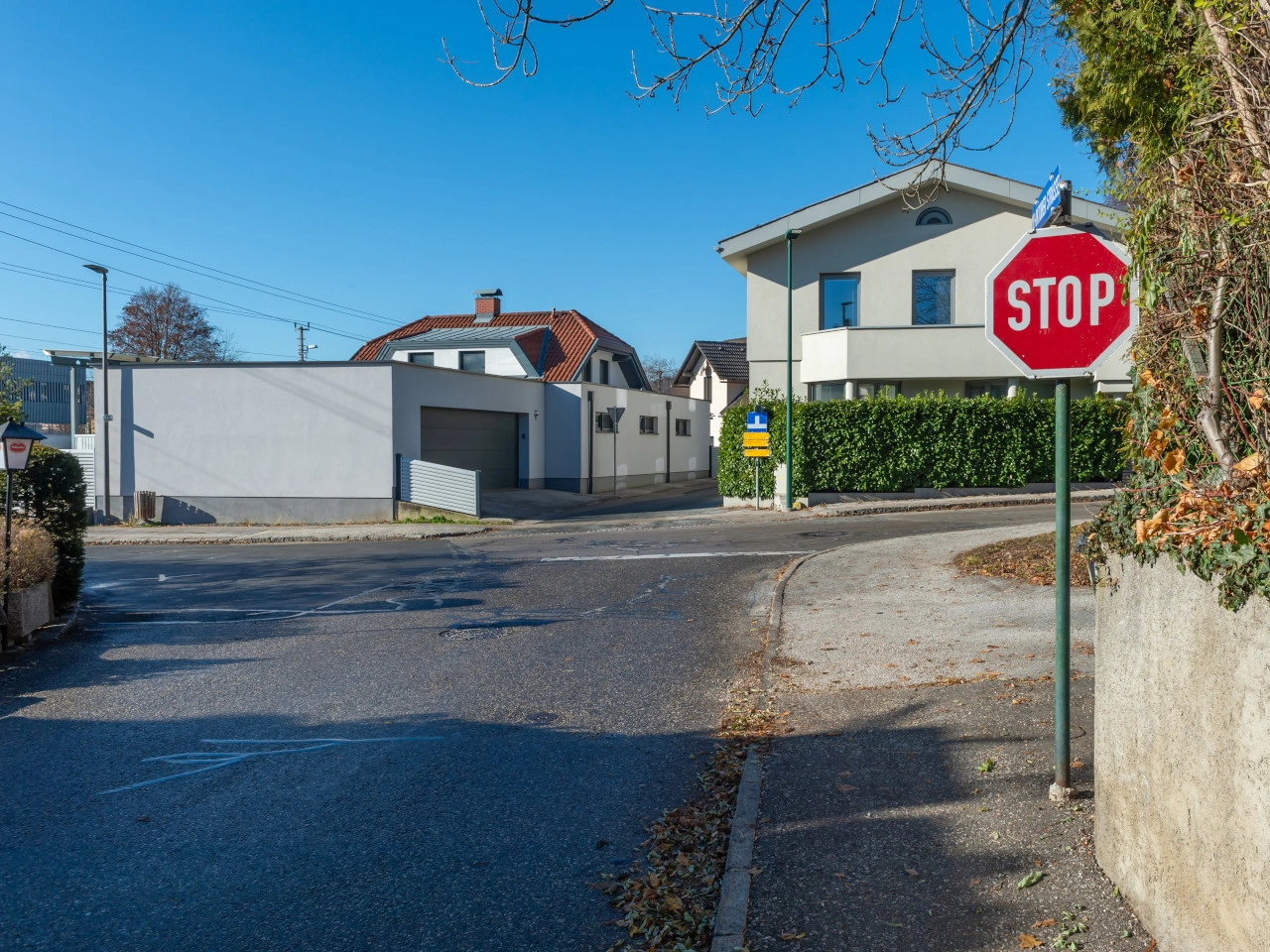
Señal de STOP
What does a stop sign mean?

A stop sign requires a driver to come to a complete stop and give way before proceeding.

How can you recognise a stop sign?

A stop sign is commonly a red octagonal sign displaying the word STOP. Some countries use another legally recognised design, so drivers must learn the signs used locally.

Must you stop when no other traffic is visible?

Yes. The obligation to stop applies even when the road appears completely clear.

What is a complete stop?

A complete stop means that the vehicle has ceased moving entirely. Merely slowing down or allowing the vehicle to continue rolling does not satisfy the requirement.

Where should you stop?

Stop before the stop line where one is provided. Without a line, stop at the legally prescribed position before entering the intersection, crossing or priority road.

May you stop beyond the stop line?

No. The required first stop must be made before the line. If visibility is limited, move forward cautiously after stopping and stop again where necessary before proceeding.

Must every vehicle in a queue stop separately?

Yes. Each driver must make an individual complete stop. Following another vehicle through without stopping is not permitted.

Does stopping give you priority?

No. After stopping, you must continue to give way to all road users who have priority.

Who must you give way to?

Give way to traffic on the road being entered or crossed and to pedestrians, cyclists or other road users who have priority under the applicable rules.

What is the difference between a stop sign and a give-way sign?

A stop sign always requires a complete stop. A give-way sign requires the driver to yield but normally allows continued movement when the road is clearly free.

May you turn after stopping?

Yes. After stopping and giving way, you may turn in any direction permitted by signs, signals, lane arrows and road markings.

May you turn right at a red traffic light after stopping?

This depends entirely on local law and traffic signs. A stop sign does not by itself permit a turn against a red light.

Does a stop sign impose a speed limit?

No. It imposes a stopping and yielding obligation. The normal posted or general speed limit remains applicable before and after the intersection.

Does a stop sign apply to cyclists?

In many countries, cyclists are drivers and must stop unless a specific sign or local rule provides an exception.

What happens at an all-way stop?

The order in which drivers may proceed depends on local rules, commonly involving arrival order, vehicle position and turning direction. Drivers should communicate cautiously and never assume another driver will yield.

What if two vehicles stop at the same time?

Apply the local priority rule and proceed only when the intentions of the other driver are clear. Avoid forcing the other vehicle to brake or change direction.

Do traffic lights override a stop sign?

Where functioning traffic lights control the same movement, they commonly take precedence over the stop sign. Local rules determine what applies when the lights are switched off or flashing.

Do instructions from a police officer override a stop sign?

Yes. Instructions from an authorised traffic officer normally take precedence over traffic signs and ordinary priority rules.

Can a temporary stop sign be legally binding?

Yes. A correctly placed temporary stop sign at roadworks, an event or another temporary traffic arrangement must be obeyed.

What should you do when the stop sign is partly hidden?

If you recognise that a stop sign applies, reduce speed and obey it. Report damaged, obscured or missing signs to the responsible road authority where appropriate.

20. Ceda el paso

Ceda el paso significa que el conductor debe permitir que el tráfico con prioridad pase primero. No siempre es necesario detenerse por completo si la vía está libre, pero el conductor debe reducir la velocidad y estar preparado para parar.

El conductor solo puede entrar o cruzar cuando pueda hacerlo sin obligar al tráfico prioritario a cambiar bruscamente de velocidad o dirección. La señal y las marcas utilizadas varían entre países.
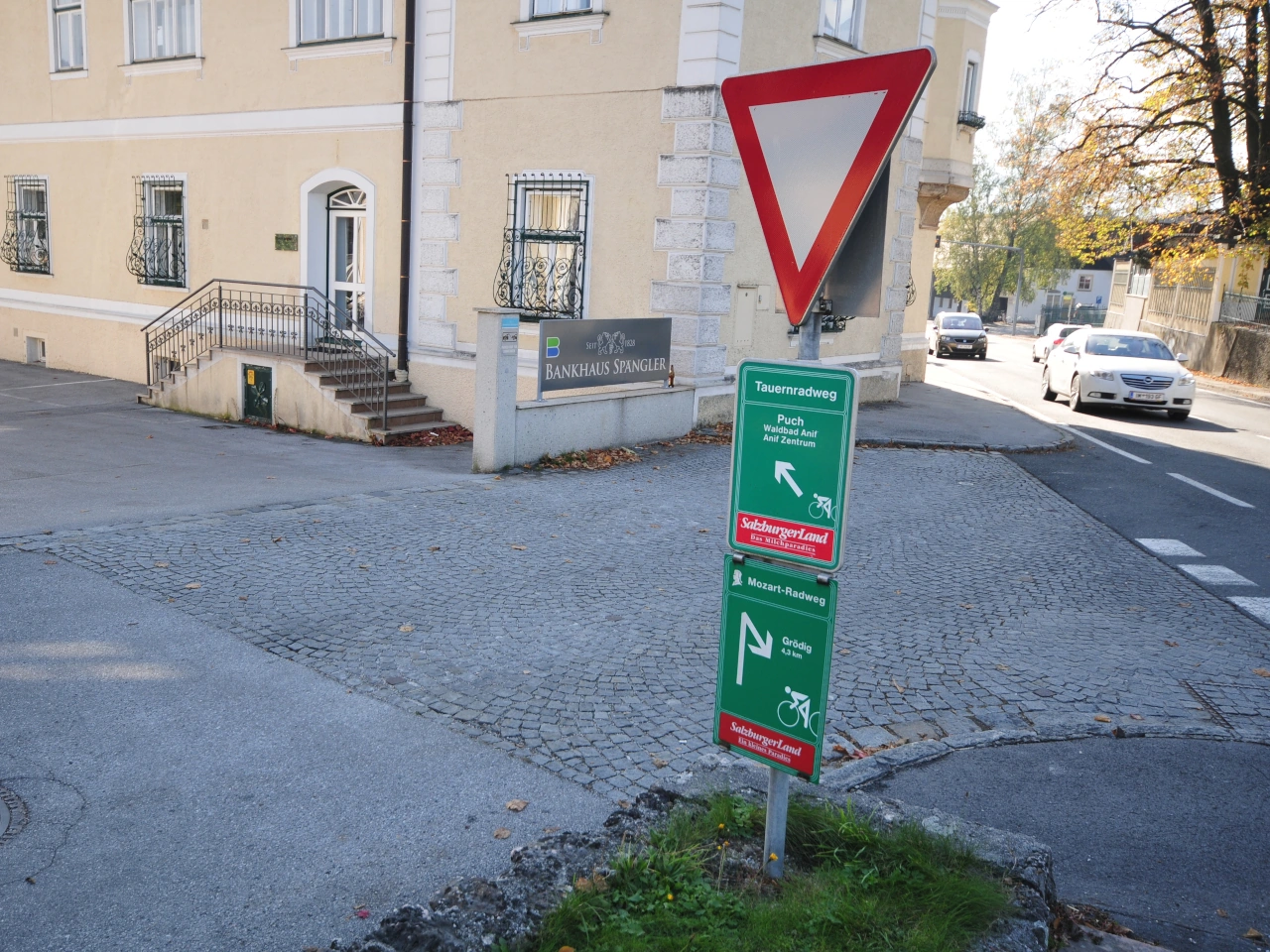
Ceda el paso
What does a give-way sign mean?

A give-way sign requires drivers to allow traffic with priority to proceed first. The driver must slow down and stop when necessary.

How can you recognise a give-way sign?

It is commonly an inverted triangular sign with a red border and a light-coloured centre. In some countries, it is called a yield sign.

Must you always stop at a give-way sign?

No. You must stop only when necessary to give way or obtain a sufficiently clear view. You may continue slowly when the road is clearly free.

What does giving way mean?

Giving way means allowing another road user to continue without being forced to brake, accelerate, stop or change direction because of your movement.

Where should you stop when necessary?

Stop before the give-way line where one is provided. Without a line, stop before entering the intersection or priority road at a position where you can observe traffic safely.

May you cross the give-way line before stopping?

You may move beyond the line only when this does not interfere with traffic that has priority. Where visibility is limited, first slow or stop at the line and then move forward cautiously.

What is the difference between give way and stop?

A stop sign always requires a complete stop. A give-way sign permits the driver to continue without stopping when the road is clearly free and it is safe to proceed.

Does slowing down satisfy the give-way requirement?

Only when slowing down is sufficient to let all priority traffic proceed safely. If another road user would be hindered, the driver must slow further or stop.

Who must you give way to?

Give way to traffic travelling on the road being entered or crossed and to any pedestrians, cyclists or other road users who have priority under the applicable rules.

Does giving way apply only to vehicles approaching from one direction?

No. Check every direction from which lawful traffic may approach, including cycle paths, one-way roads with authorised contraflow traffic and separate carriageways.

Does a give-way sign give the other road permanent priority?

The sign determines priority at the particular location. The priority arrangement at later intersections may be different unless the road is separately identified as a priority road.

Does giving way give you priority afterwards?

No. You may proceed only when it is safe. Another driver’s hesitation or courtesy does not remove your responsibility to avoid danger.

Must every vehicle in a queue give way separately?

Yes. Each driver must observe the road and make an individual decision. You may not follow another vehicle through without checking that the way remains clear.

Does a give-way sign apply to cyclists?

Normally, yes. Cyclists are generally treated as drivers and must obey the sign unless a supplementary sign or local rule provides otherwise.

Can a give-way sign apply only to cyclists?

Yes. Some countries use supplementary signs or path-specific signs to require cyclists to give way while other traffic follows a different priority arrangement.

Does a give-way sign change the speed limit?

No. It regulates priority rather than speed. Drivers must still approach slowly enough to observe traffic and stop when necessary.

Does a give-way sign change turning rules?

No. Drivers must still obey traffic lights, lane arrows, mandatory-direction signs and turning prohibitions.

How does give way work at a roundabout?

Many roundabout entrances have give-way signs requiring entering traffic to yield to vehicles already circulating. Drivers must follow the actual signs because roundabout priority rules differ between countries.

Do traffic lights override a give-way sign?

Functioning traffic lights commonly take precedence over priority signs controlling the same movement. The give-way sign may apply again when the lights are switched off or flashing, depending on local law.

Do police instructions override a give-way sign?

Yes. Instructions from an authorised traffic officer normally take precedence over traffic signs and ordinary priority rules.

What should you do when visibility is limited?

Reduce speed substantially and stop when necessary. Move forward cautiously only after giving way and checking that the road can be entered without danger.

21. Glorieta

Una glorieta es una intersección en la que el tráfico circula alrededor de una isla central en una dirección establecida. Las entradas y salidas pueden tener uno o varios carriles y estar controladas por señales, marcas o semáforos.

Las normas de prioridad en las glorietas varían entre países y según la señalización. Los conductores deben colocarse correctamente, ceder el paso cuando sea obligatorio, señalizar según las normas locales y comprobar la presencia de ciclistas y peatones antes de salir.

What is a roundabout?

A roundabout is a circular road arrangement where traffic travels in one direction around a central island before leaving through the chosen exit.

How can you recognise a roundabout?

A roundabout is normally identified by a circular-direction sign, a central island and entry roads controlled by signs, markings or local priority rules.

Which direction does traffic travel around a roundabout?

The direction depends on the country’s driving side. Traffic normally travels anticlockwise in right-hand-traffic countries and clockwise in left-hand-traffic countries.

Who has priority at a roundabout?

Priority differs between countries and roundabout designs. Entering traffic commonly gives way to traffic already circulating, but drivers must always follow the actual priority signs and signals.

Must you stop before entering a roundabout?

Not always. Stop when required by a stop sign, traffic light or approaching priority traffic. Otherwise, reduce speed and enter only when there is a safe gap.

Does a roundabout always have a give-way sign?

No. The sign arrangement depends on local law. Some circular intersections use ordinary priority rules or traffic lights instead.

How should you approach a roundabout?

Reduce speed, observe the signs and markings, choose the appropriate lane and check for pedestrians, cyclists and circulating traffic.

Which lane should you choose?

Follow the lane arrows and destination signs. As a general guide, use the lane appropriate for your exit, but exact lane-selection rules differ between countries and roundabout layouts.

May you use an inner lane?

Yes, where the road layout and local rules permit it. Before leaving, change lanes safely and give way to road users already travelling in the lane you wish to enter.

Do you need to signal when entering?

This depends on local law. Some countries require a signal for particular exits, while others require no signal when entering.

Do you need to signal when leaving?

Usually, yes. Signal in the direction of the exit early enough to inform other road users, but not so early that your intention becomes misleading.

Does signalling give you priority?

No. A direction indicator communicates your intention but does not permit you to force another road user to brake or change direction.

May you change lanes on a roundabout?

Only when the lane markings permit it and the manoeuvre can be completed safely. Check mirrors and blind spots, signal where required and give way to traffic already in the target lane.

What should you do if you miss your exit?

Continue around the roundabout and approach the exit again. Do not stop, reverse or cut suddenly across another lane.

May you drive over the central island?

Normally not. Some small roundabouts have a mountable central section intended only for vehicles that cannot otherwise negotiate the road safely.

Do cyclists have priority at a roundabout?

Priority depends on whether cyclists use the carriageway, a continuing bike path or a separate cycle crossing. Drivers and cyclists must follow the signs, markings and local priority rules.

What should drivers check before leaving?

Check mirrors and blind spots for cyclists, mopeds, motorcycles and vehicles beside you. Also check for pedestrians crossing the exit road.

Do pedestrians have priority at roundabout exits?

Pedestrian priority depends on crossings and local law. Drivers should approach exits slowly and be prepared to yield to pedestrians crossing or about to cross.

Does a roundabout have a special speed limit?

Not universally. The posted or general road limit applies, but drivers must travel slowly enough to negotiate the roundabout safely.

May you overtake on a roundabout?

Passing another vehicle may be permitted on a multilane roundabout, but drivers must remain within their lane and avoid unsafe lane changes. Local overtaking restrictions may apply.

May you stop or park on a roundabout?

Follow local signs and parking rules. Stopping or parking on the circulating roadway is commonly prohibited or unsafe because it obstructs traffic and reduces visibility.

Is every circular intersection a roundabout?

No. A circular junction may be governed by traffic lights, ordinary priority rules or another road design. Its legal status depends on its signs and local definition.

22. Vía con prioridad

Una vía con prioridad es una carretera en la que los vehículos que circulan por ella tienen prioridad en las intersecciones frente al tráfico procedente de carreteras secundarias, salvo que señales, semáforos o agentes indiquen lo contrario.

La prioridad puede continuar a través de varias intersecciones hasta que termine mediante una señal específica. Los conductores siguen teniendo que respetar límites de velocidad, pasos de peatones, reglas de giro y otros controles de tráfico.
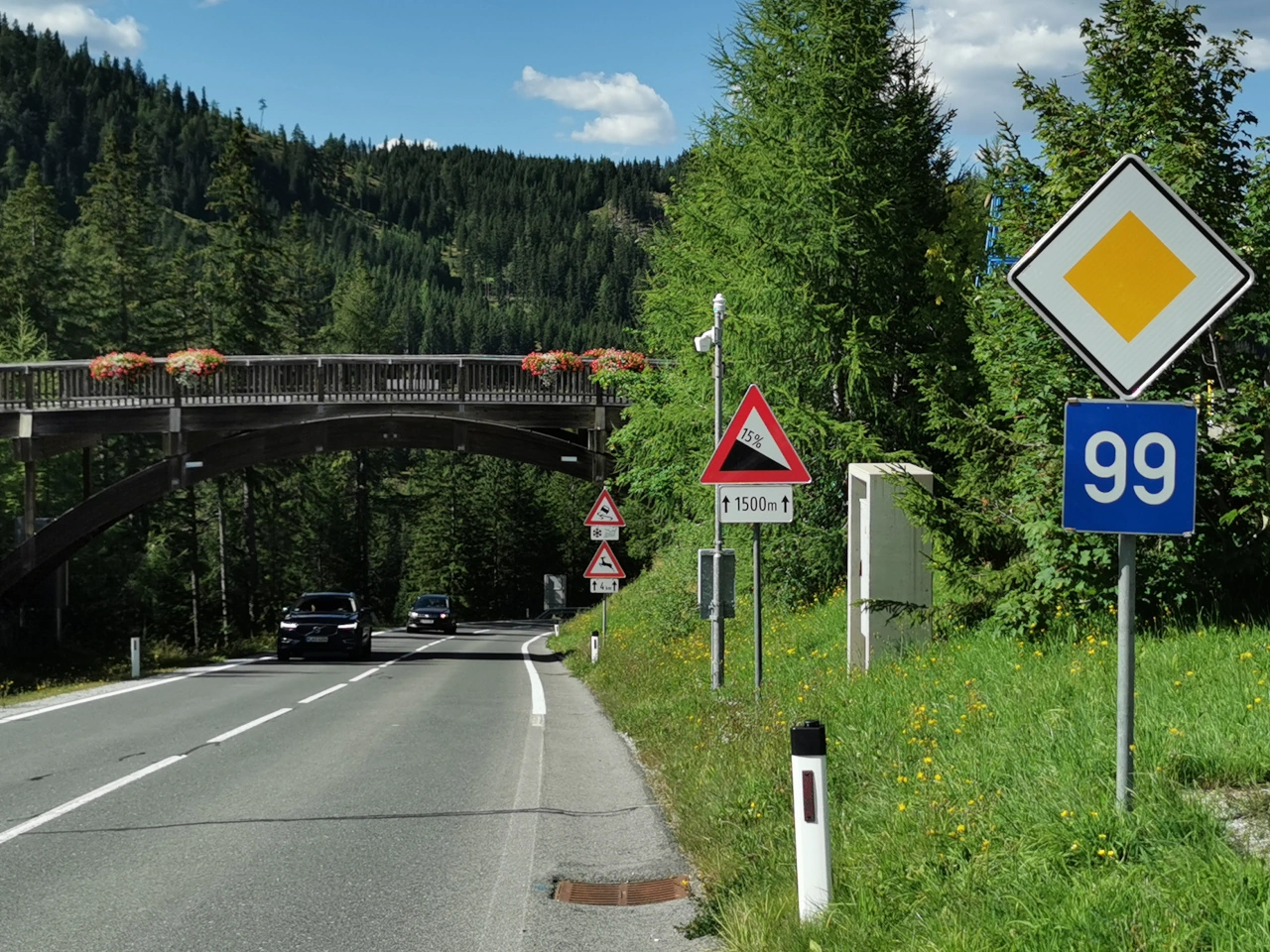
Vía con prioridad
What is a priority road?

A priority road is a road on which drivers normally have priority over traffic entering from intersecting side roads.

How can you recognise a priority road?

It is normally indicated by a priority-road sign at or near its beginning. A corresponding end sign indicates where its continuing priority status stops.

Does a priority road have priority at every intersection?

Normally, yes, while the priority-road designation remains in force. Drivers must still observe traffic lights, authorised officers and any signs applying at a particular intersection.

Does an intersection end a priority road?

Not necessarily. A priority road commonly continues across successive intersections until an end sign or another legally defined change in priority.

Must side roads have give-way or stop signs?

Side roads are commonly controlled by give-way or stop signs, but sign placement and legal requirements differ between countries.

Does traffic from both the left and right have to give way?

Where the priority-road signs apply, drivers entering from intersecting side roads must normally give way regardless of whether they approach from the left or right.

Is a priority road the same as having priority at one intersection?

No. A priority-road sign normally creates continuing priority across several intersections. Another sign may grant priority only at the next intersection.

Does a priority road always continue straight ahead?

No. The priority route may turn at an intersection. A supplementary diagram may show which branch retains priority.

Must you signal when the priority road bends?

Priority does not remove the duty to signal. Use the direction indicators whenever following or leaving the priority route involves a change of direction or lateral movement.

Does having priority mean you may enter without slowing down?

No. Approach every intersection at a safe speed and remain prepared for another road user to fail to give way.

Does a priority road have a special speed limit?

No. The applicable general, zonal or posted speed limit remains in force.

Do traffic lights override priority-road signs?

Functioning traffic lights normally control the intersection instead of the priority signs. Local rules determine what applies when the lights are switched off or flashing.

Do police instructions override priority-road signs?

Yes. Instructions from an authorised traffic officer normally take precedence over traffic signs and ordinary priority rules.

Do pedestrians still have priority at crossings?

Yes, where the applicable crossing rules give them priority. Priority over side-road traffic does not remove duties towards pedestrians.

Must you give way when turning off a priority road?

You must still give way to oncoming traffic, pedestrians, cyclists and other road users where the normal turning rules require it.

Do cyclists on a priority road have priority?

Cyclists using the road or a continuing bike path may have priority over entering or turning traffic, depending on signs, markings and local law.

Does a priority road give priority at a roundabout?

Not automatically. Roundabout priority is determined by its own signs, signals and local rules.

May you overtake on a priority road?

Priority-road status does not itself permit or prohibit overtaking. Drivers must follow the ordinary overtaking rules, markings and visibility requirements.

May you stop or park on a priority road?

This depends on local law and signs. Some countries prohibit parking on priority roads outside built-up areas, while other parking rules may apply inside towns and cities.

Does a vehicle leaving a property have priority?

No. A driver entering the road from a property, parking place or other off-road location normally performs a manoeuvre and must give way to road users already present.

May you enter a blocked intersection when you have priority?

No. Do not enter when congestion would force you to stop inside the intersection and obstruct crossing traffic.

How does a priority road end?

Its continuing priority normally ends at an end-of-priority-road sign. Drivers must then follow the signs or ordinary priority rule applying at the next intersection.

23. Ceda el paso al tráfico en sentido contrario

Ceder el paso al tráfico en sentido contrario significa que los conductores deben permitir que los vehículos que se aproximan en sentido contrario pasen primero por un tramo estrecho de carretera. La regla suele indicarse mediante una señal orientada hacia el sentido que debe ceder y una señal de prioridad correspondiente para el tráfico contrario.

Los conductores deben reducir la velocidad y detenerse cuando sea necesario antes de entrar en el paso estrecho. Solo pueden continuar cuando puedan hacerlo con seguridad y sin obstaculizar al tráfico en sentido contrario que tiene prioridad.
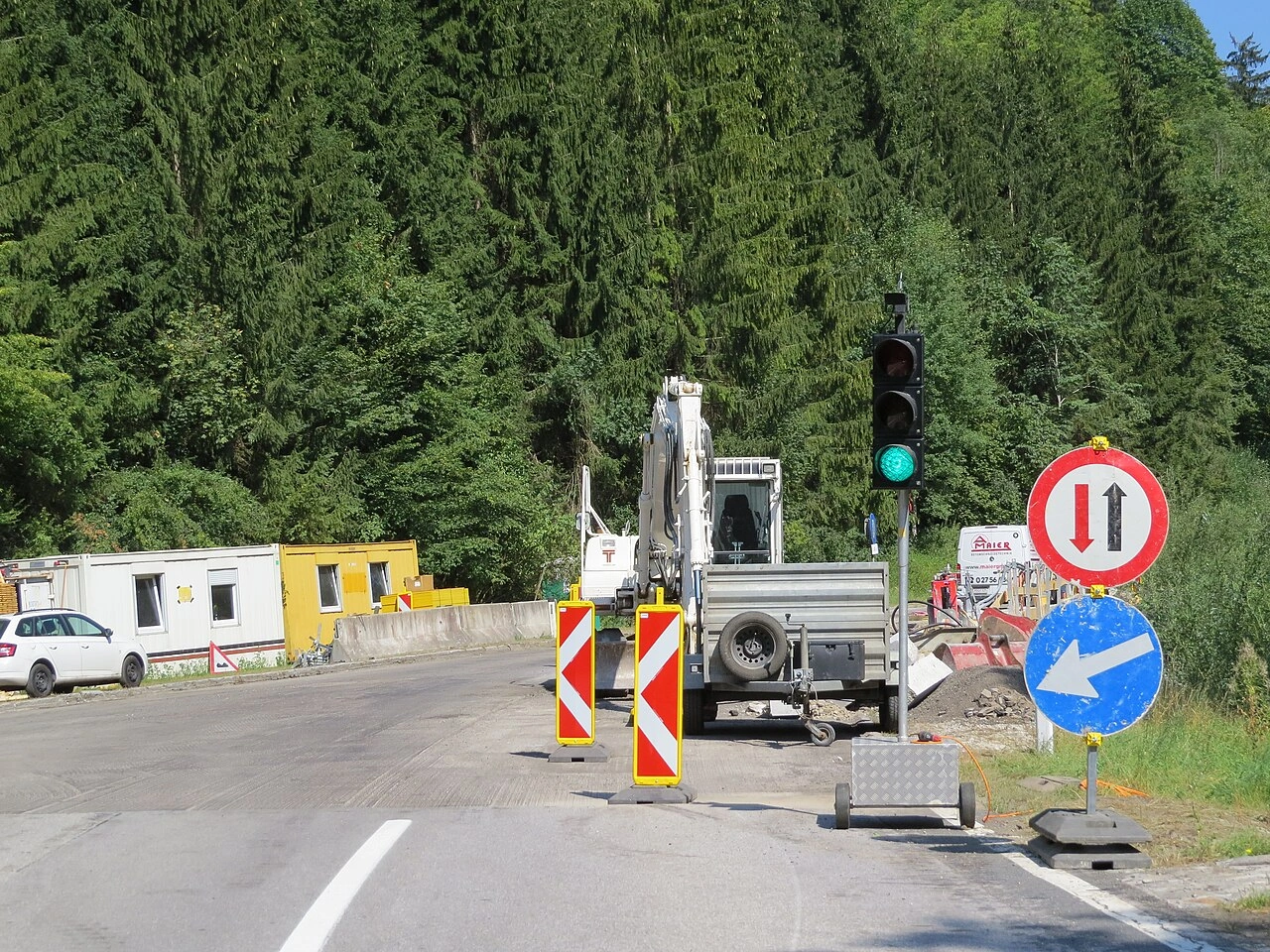
Ceda el paso al tráfico en sentido contrario
What does give way to oncoming traffic mean?

It means that you must allow drivers approaching from the opposite direction to pass through the narrow section first.

How can you recognise the sign?

The sign normally displays two arrows pointing in opposite directions. The arrow representing oncoming traffic is shown as the priority direction, although the exact sign design differs between countries.

Where is this sign normally used?

It is commonly placed before a narrow bridge, roadworks area, traffic-calming feature or other passage where opposing vehicles cannot pass safely at the same time.

What sign does traffic at the opposite end see?

Drivers approaching from the opposite direction normally see a corresponding sign indicating that they have priority over oncoming traffic.

Does the sign make the road one-way?

No. The road remains open in both directions, but traffic from one direction must wait when opposing vehicles are approaching.

Must you always stop at the sign?

No. You must stop only when necessary to give way. You may continue cautiously when the narrow passage is clear and no priority traffic is approaching.

How far away must an oncoming vehicle be before you may enter?

There is no universal fixed distance. You may enter only when the oncoming driver can continue without being forced to brake, stop, reverse or leave the road.

Does reaching the narrowing first give you priority?

No. Priority is determined by the traffic signs, not simply by which driver arrives first.

What if you have already entered the narrow passage?

Continue cautiously when reversing or stopping would create greater danger. Both drivers should cooperate, but entering first does not cancel an obligation that should have been respected before entering.

What if an oncoming vehicle is already inside?

Wait outside the narrow section and leave enough room for the vehicle to exit. Do not enter and force it to stop or reverse.

What if both vehicles arrive at the same time?

The driver facing the give-way sign must wait, while the driver facing the corresponding priority sign may normally proceed first.

Does the sign apply to cyclists and motorcycles?

It normally applies to all drivers, including cyclists and motorcyclists, unless local signs or regulations provide otherwise.

Must you give way to an oncoming cyclist?

Yes. When the sign applies and the passage is too narrow to maintain a safe distance, wait until the cyclist has passed.

What should you do when a bus or truck approaches?

Stop before the narrow section and leave additional space. Large vehicles may require most or all of the available road width.

Does the sign impose a speed limit?

No. It regulates priority rather than speed. Drivers must nevertheless approach slowly enough to observe oncoming traffic and stop safely.

Does it change priority at an intersection?

No. It applies only between opposing traffic at the narrow passage. Priority at nearby intersections is determined separately.

May you overtake near the narrow passage?

The sign does not itself create an overtaking prohibition, but overtaking is normally unsafe when the road width or visibility is limited.

May you stop or park in the narrow passage?

Only where local law permits it and sufficient space remains. A vehicle must not block the passage or force other traffic into danger.

What if temporary traffic lights are operating?

Follow the active traffic lights. Temporary signals controlling alternating traffic normally take precedence over the fixed priority signs.

What if an authorised person directs traffic?

Follow the authorised person’s instructions. Those instructions normally take precedence over traffic lights, signs and ordinary traffic rules.

When does the obligation end?

The obligation ends after the narrow passage controlled by the signs has been cleared. The ordinary traffic rules then apply again.

24. Paso a nivel

Un paso a nivel es un lugar donde una carretera o camino cruza vías férreas al mismo nivel. Puede estar protegido mediante barreras, luces de advertencia, señales acústicas, señales de tráfico o una combinación de estas medidas.

Los usuarios deben aproximarse con cuidado y no entrar nunca cuando se acerque un tren, estén activas las señales de advertencia o la salida esté bloqueada. Deben cruzar sin demora y nunca detenerse, esperar o quedar atrapados sobre las vías.
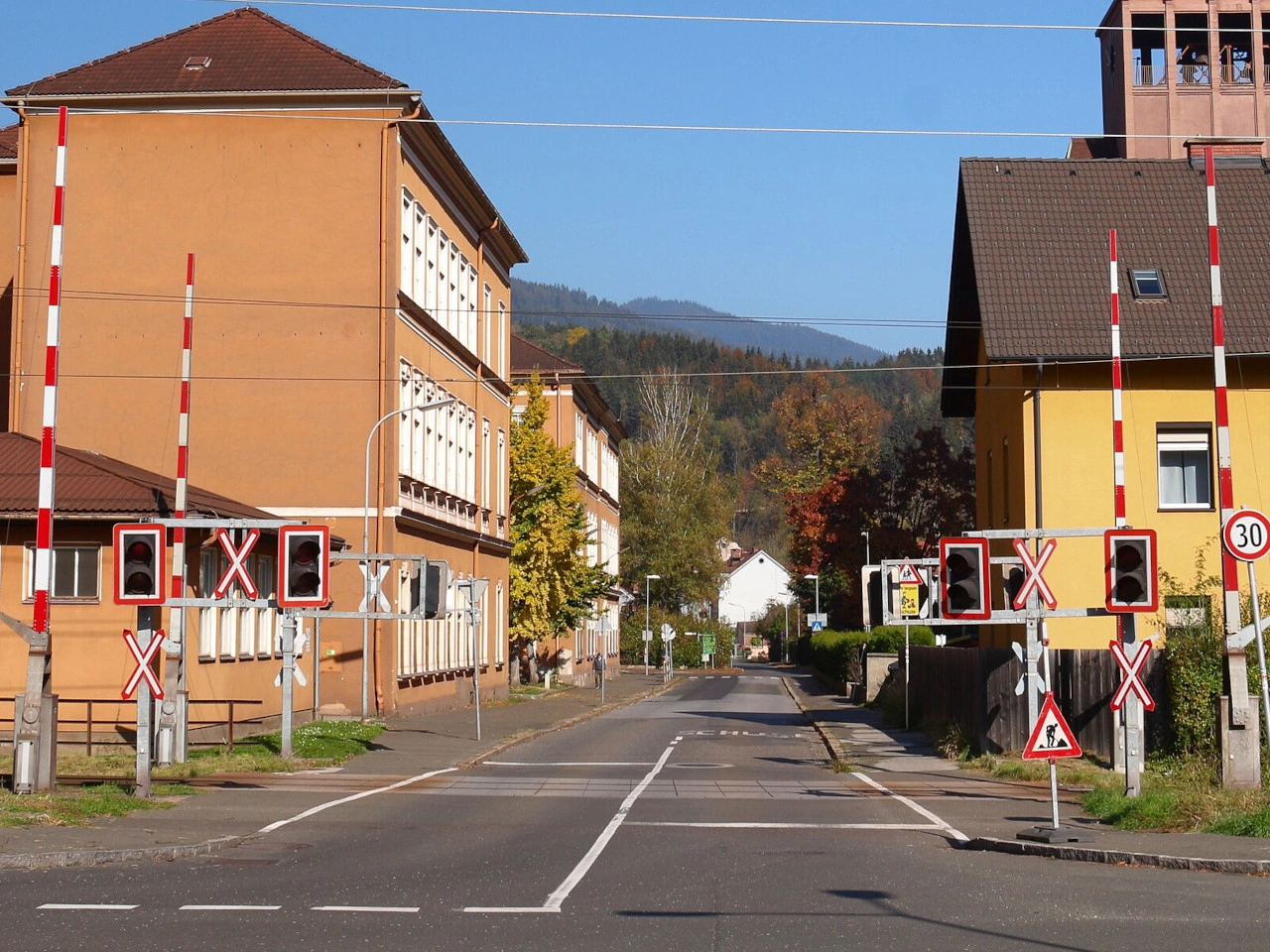
Paso a nivel
What is a railway crossing?

A railway crossing is a place where a road or path crosses railway tracks at the same level.

What is another name for a railway crossing?

It may also be called a level crossing or, particularly in North America, a railroad crossing.

How can you recognise a railway crossing?

It may be indicated by warning signs, crossbuck signs, barriers, flashing lights, bells or road markings. The design differs between countries.

What is the difference between a crossing with and without barriers?

A protected crossing uses full or partial barriers to block road traffic when a train approaches. A crossing without barriers relies on signs, lights, bells or the road user’s own observation.

Must you always stop at a railway crossing?

Not necessarily. You must stop when required by lights, barriers, signs, an approaching train or an authorised person. At an unprotected crossing, slow down and proceed only after checking that no train is approaching.

What do flashing red lights mean?

Flashing red lights mean stop and do not enter the crossing. Remain stopped until the signal permits you to continue.

May you cross while a barrier is moving?

No. Do not enter while a barrier is lowering, rising or closed. Wait until the crossing is fully open and all prohibiting signals have stopped.

May you drive around a closed barrier?

No. Never drive, cycle or walk around or underneath a closed or moving barrier.

What does a warning bell mean?

A warning bell or audible signal normally means that the crossing is closing or that a train is approaching. Do not enter the crossing while it is sounding.

What does a flashing white light mean?

In some countries, a flashing white light indicates that the crossing equipment is operating and road users may pass when the route is clear. Its exact meaning depends on local law.

What should you do at a crossing without lights or barriers?

Reduce speed, look and listen carefully in both directions and cross only after making sure that no train or other rail vehicle is approaching.

May you cross immediately after a train has passed?

Not automatically. Another train may approach on a second track. Wait until all warning signals stop and the crossing is fully open.

What if traffic ahead is blocking the exit?

Do not enter the crossing unless there is enough room beyond the tracks for your entire vehicle. Never rely on traffic moving before a train arrives.

May you wait on the tracks?

No. Railway tracks must always remain clear. Do not stop because of congestion, traffic lights or another obstruction beyond the crossing.

May you overtake at a railway crossing?

Overtaking is often prohibited or restricted because another vehicle can obstruct the view of an approaching train or warning signal. Follow local signs and overtaking rules.

May you stop or park on a railway crossing?

No. Stopping or parking on the tracks creates an immediate and potentially fatal danger.

Do the crossing signals apply to pedestrians and cyclists?

Yes. Pedestrians and cyclists must obey barriers, lights, bells and authorised personnel in the same way as other road users.

Should cyclists ride across the tracks at an angle?

Where possible, cross the rails at an angle close to 90 degrees. Rails can trap a bicycle wheel, especially when they are wet or cross the road diagonally.

What should drivers of long vehicles check?

Make sure the entire vehicle and any trailer can clear the crossing without stopping. Consider the available space, road gradient, turning room and traffic beyond the tracks.

What should drivers of high vehicles check?

Observe all height restrictions and warning signs. Electrified railway lines may have overhead equipment that can be struck by an excessively high vehicle or load.

What should you do if the signals appear defective?

Treat the crossing with extreme caution. Do not assume that no train is approaching merely because the lights or barriers are not operating.

What should you do if your vehicle becomes stuck on the tracks?

Evacuate everyone immediately, move well away from the railway and contact the emergency services or railway operator. Do not remain in the vehicle or return for belongings.

Is a railway crossing the same as tram tracks in the road?

Not always. A railway crossing normally crosses tracks that are separate from the carriageway, while tram or street-running railway tracks may form part of the road itself.

25. Dirección obligatoria

Una señal de dirección obligatoria exige a los conductores circular únicamente en la dirección o una de las direcciones indicadas por su flecha o flechas. Puede obligar a seguir recto, girar o pasar un obstáculo por un lado determinado.

La señal no determina por sí sola la prioridad ni la velocidad. Los conductores deben seguir utilizando el carril adecuado, señalizar cuando sea obligatorio y ceder el paso conforme a las señales y normas de tráfico locales.
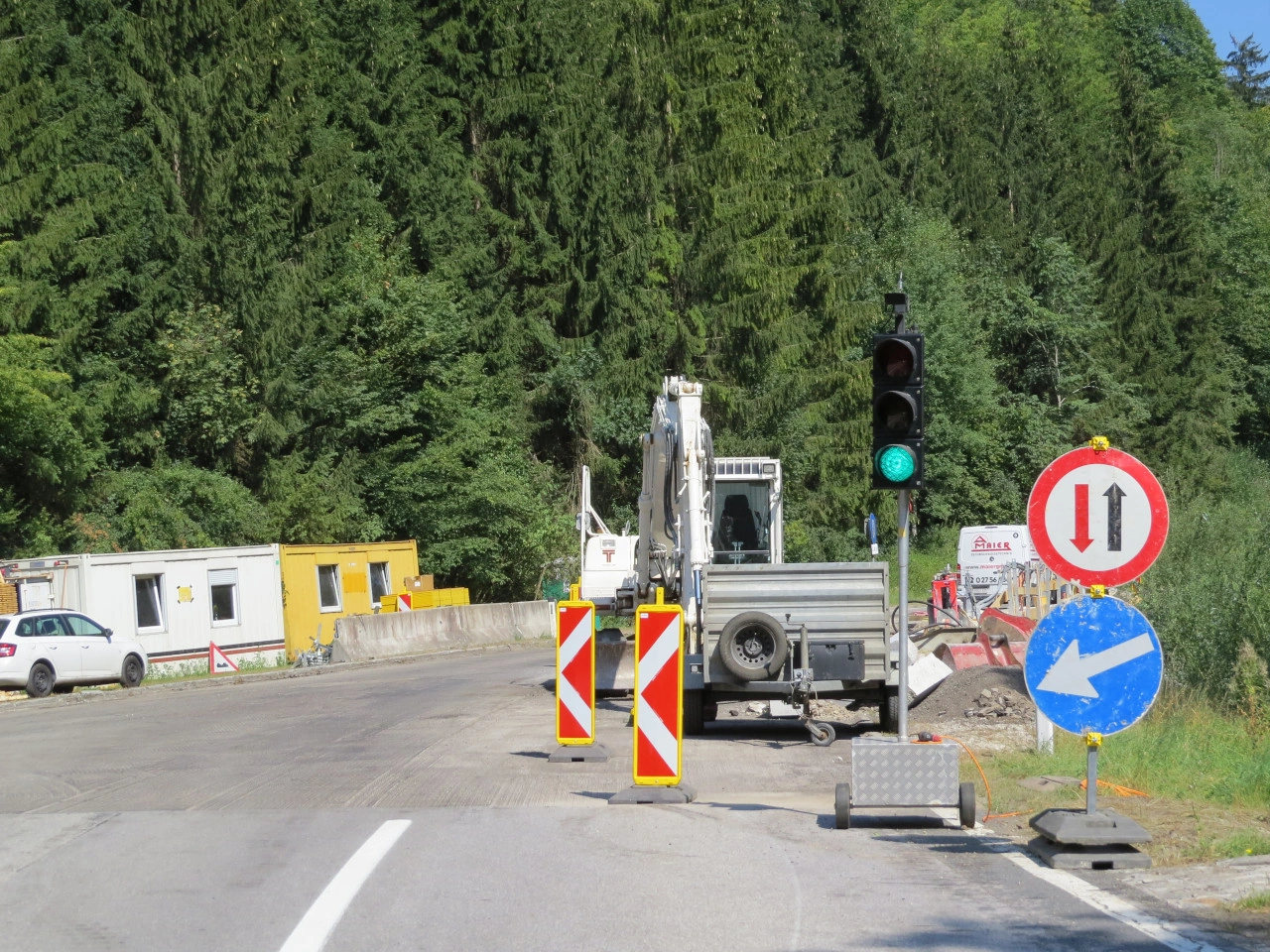
Dirección obligatoria
What does a mandatory-direction sign mean?

It requires drivers to follow the direction or one of the directions shown by the arrow or arrows.

How can you recognise a mandatory-direction sign?

It is commonly a blue circular sign with one or more white arrows. Colours and designs may differ in some countries.

What does an upward arrow mean?

It normally means that drivers must continue straight ahead and may not turn in another direction at that location.

What does a left or right arrow mean?

It normally requires drivers to turn or proceed in the direction shown by the arrow.

What do two arrows mean?

Drivers may choose one of the displayed directions. Any direction not shown is prohibited.

What does an arrow beside an obstacle mean?

It requires drivers to pass the traffic island, barrier, roadworks equipment or other obstruction on the side indicated by the arrow.

Is a mandatory-direction sign the same as a one-way sign?

No. A mandatory-direction sign prescribes a movement at a particular location. A one-way sign indicates the permitted direction along a road or carriageway.

Is it the same as a no-turn sign?

No. A mandatory sign states which direction must be followed, while a prohibition sign states which movement is forbidden. Both may produce a similar practical result.

Does the sign impose a speed limit?

No. Drivers must follow the applicable general, zonal or posted speed limit and reduce speed when necessary to complete the required movement safely.

Does the sign give you priority?

No. You must still obey traffic lights, priority signs and the ordinary rules concerning oncoming traffic, pedestrians, cyclists and other road users.

When does the obligation begin?

It normally applies at the sign, intersection or obstacle associated with it. An advance sign may indicate that the obligation begins farther ahead.

Can a mandatory-direction sign apply to only one lane?

Yes. When it is positioned above a particular lane or clearly associated with that lane, it normally applies only to traffic using that lane.

Can road arrows also prescribe a direction?

Yes. Lane arrows may require drivers to use a particular lane and follow one of the directions displayed within that lane.

Must you use an indicator?

Yes, when the required movement involves turning or changing position and local law requires signalling. The sign does not replace the obligation to indicate.

Does signalling give you priority?

No. An indicator communicates your intention but does not allow you to force another road user to brake or change direction.

May you make a U-turn?

Not when doing so would conflict with the mandatory direction or another prohibition. Drivers must follow the permitted route shown by the signs and markings.

May you reverse to avoid following the sign?

No. Reversing must not be used to evade a mandatory direction. Continue along a lawful route and turn around later where permitted.

Does the sign apply to cyclists?

Cyclists are normally treated as drivers and must obey the sign unless a supplementary panel or local rule expressly exempts them.

Can other road users be exempted?

Yes. Supplementary signs may exempt or separately regulate cyclists, public transport or other specified categories where local law permits this.

What if the required route is blocked?

Do not enter a closed or unsafe route. Stop where safe and follow temporary signs, traffic lights or instructions from authorised personnel.

Do traffic lights cancel a mandatory-direction sign?

Not normally. Traffic lights determine when traffic may proceed, while the mandatory-direction sign determines which movement is permitted.

Do police instructions override the sign?

Yes. Instructions from an authorised traffic officer normally take precedence over traffic signs and ordinary traffic rules.

Can a temporary mandatory-direction sign be binding?

Yes. Properly placed temporary signs at roadworks, incidents or events must be obeyed.

What is a mandatory route for dangerous-goods vehicles?

It requires vehicles carrying specified dangerous goods to follow a designated route suitable for their cargo and any applicable tunnel restrictions.

When does the mandatory direction end?

The obligation is normally completed after the driver has followed the required direction at the intersection or passed the obstacle on the indicated side.