1. Chile

Chile forma una larga y estrecha franja a lo largo de la costa del Pacífico de Sudamérica, entre los Andes y el océano Pacífico, y limita con Perú, Bolivia y Argentina. Se circula por la derecha. Su excepcional longitud norte-sur crea entornos de conducción muy diferentes, desde carreteras desérticas en Atacama hasta vías congestionadas alrededor de Santiago, pasos de montaña andinos y rutas remotas a través de la Patagonia. En invierno, la nieve y el hielo pueden afectar a las carreteras de gran altitud y del sur, y las cadenas para nieve pueden pasar a ser obligatorias cuando las autoridades viarias lo exigen.

Chile no tiene una viñeta nacional, pero muchas autopistas concesionadas cobran peaje. Las autopistas urbanas de Santiago y un número creciente de rutas interurbanas utilizan cobro electrónico TAG y Free Flow, mientras que los métodos de pago varían según la carretera. El límite general de velocidad es de 50 km/h en zonas urbanas y de hasta 100 o 120 km/h en carreteras rurales según su configuración. Las señales con texto aparecen principalmente en español, y Santiago también aplica restricciones estacionales de circulación a determinados vehículos antiguos durante los periodos de control de la contaminación atmosférica invernal.

AI
¿Por qué lado de la carretera se conduce en Chile?

Se conduce por el lado derecho de la carretera.

¿Por qué lado se debe adelantar en Chile?

Normalmente se adelanta por la izquierda. Después de adelantar, vuelva a la derecha cuando haya suficiente distancia de seguridad.

¿Cuáles son los números de emergencia en Chile?

Llame al 133 para emergencias policiales de Carabineros, al 131 para ambulancias SAMU y al 132 para Bomberos.

¿Cuál es el límite de alcohol para los conductores en Chile?

El primer umbral legal de alcohol en Chile es de 0,3 g/L de sangre. De 0,3 g/L a menos de 0,8 g/L se considera conducción bajo la influencia del alcohol, mientras que 0,8 g/L o más se clasifica como conducción en estado de ebriedad. La regla más segura es no beber antes de conducir.

¿Tiene Chile una ley de alcohol cero al volante?

La legislación chilena se conoce comúnmente como Ley Tolerancia Cero, pero esto no significa que el umbral legal sea literalmente 0,0 g/L. La ley utiliza 0,3 g/L como umbral de conducción bajo la influencia y 0,8 g/L para la ebriedad.

¿Cuál es el límite general de velocidad en zonas urbanas de Chile?

La velocidad máxima general en zonas urbanas es de 50 km/h, salvo que se señale otro límite.

¿Cuál es el límite de velocidad en carreteras rurales de Chile?

Para vehículos ligeros, el máximo general es de 100 km/h en carreteras rurales con un carril por sentido.

¿Se puede conducir a 120 km/h en Chile?

Sí. En carreteras rurales con dos o más carriles en el mismo sentido, el máximo general para vehículos ligeros es de 120 km/h, salvo que se indique otro límite.

¿Cuál es el límite de velocidad en zonas escolares de Chile?

El máximo es de 30 km/h en zonas escolares durante los horarios de entrada o salida de alumnos.

¿Pueden los límites señalizados diferir de los límites generales de Chile?

Sí. La autoridad vial competente puede establecer límites superiores o inferiores para una carretera o tramo concreto conforme a los criterios técnicos aplicables, por lo que prevalecen las señales.

¿Se necesita una viñeta para conducir en Chile?

No. Chile no utiliza una viñeta nacional. Se cobran peajes en determinadas autopistas y carreteras concesionadas.

¿Cómo se pagan los peajes en Chile?

El pago depende de la carretera. Muchas autopistas urbanas e interurbanas utilizan peaje electrónico TAG y pórticos Free Flow, mientras que algunas vías también utilizan otros métodos de pago o plazas de peaje.

¿Qué ocurre si se utiliza una autopista Free Flow sin TAG en Chile?

Los conductores sin un TAG activo deben utilizar el método de pago o regularización previsto para esa autopista. No existe un único método para todas las vías Free Flow, aunque en las rutas participantes hay mecanismos como pases diarios y sistemas de pago posterior.

¿Son obligatorios los cinturones de seguridad en Chile?

Sí. Los cinturones son obligatorios para ocupantes tanto de los asientos delanteros como traseros cuando el vehículo debe disponer de ellos.

¿Son obligatorias las sillas infantiles en Chile?

Sí. Los niños deben utilizar un sistema de retención infantil adecuado hasta cumplir 9 años; CONASET también identifica como umbral de tamaño 135 cm y 33 kg. El sistema debe ser adecuado a la edad, talla y peso del niño.

¿Pueden los niños sentarse en el asiento delantero en Chile?

Los niños menores de 12 años deben viajar en el asiento trasero, utilizando el sistema de retención o cinturón que les corresponda.

¿Son obligatorios los cascos de motocicleta en Chile?

Sí. Tanto el conductor como el pasajero de la motocicleta deben llevar un casco protector homologado.

¿Deben las motocicletas utilizar las luces durante el día en Chile?

Sí. Las motocicletas, scooters y vehículos similares deben circular con sus luces fijas encendidas en todo momento.

¿Deben los coches utilizar las luces durante el día en Chile?

En carreteras interurbanas, los vehículos deben utilizar las luces incluso durante el día. También son obligatorias desde media hora después de la puesta del sol hasta media hora antes del amanecer y cuando la visibilidad lo requiera.

¿Se puede utilizar un teléfono móvil mientras se conduce en Chile?

No se puede manipular un teléfono móvil u otro dispositivo electrónico mientras se conduce. La prohibición también se aplica mientras se espera ante un semáforo rojo, una señal STOP o en tráfico detenido. Se permite el uso correcto de manos libres.

¿Quién tiene prioridad en una intersección sin regulación en Chile?

En una intersección sin regulación, el conductor situado a la izquierda debe ceder al vehículo que se aproxima por la derecha. Las señales, semáforos y reglas de vía prioritaria pueden modificar esta norma.

¿Quién tiene prioridad en una glorieta en Chile?

Los conductores que entran en una glorieta deben ceder el paso a los vehículos que ya circulan dentro.

¿Tienen prioridad los peatones en los pasos de peatones en Chile?

Sí. En un paso sin regulación, los peatones tienen prioridad sobre los vehículos. Un peatón que haya comenzado legalmente a cruzar también mantiene el derecho a terminar el cruce si cambia la señal.

¿Qué distancia debe dejar al adelantar a un ciclista en Chile?

Un vehículo a motor que adelanta a una bicicleta u otro ciclo debe mantener una distancia lateral prudente de aproximadamente 1,5 metros durante toda la maniobra.

¿Qué debe hacer cuando se aproxima un vehículo de emergencia en Chile?

Ceda el paso al vehículo de emergencia cuando opere con señales acústicas y visuales. En una intersección, los vehículos deben detenerse cuando sea necesario para permitirle pasar.

¿Se puede utilizar libremente el claxon en Chile?

No. El uso del claxon está generalmente prohibido en zonas urbanas salvo cuando sea estrictamente necesario para evitar un accidente. En carreteras rurales solo puede utilizarse cuando sea necesario.

¿Qué equipo de seguridad debe llevar un coche en Chile?

El equipo exigido incluye un extintor homologado, dispositivos de advertencia de emergencia como triángulos de seguridad, un chaleco reflectante y una rueda de repuesto con el equipo necesario para cambiarla, salvo que el vehículo disponga de una alternativa de fábrica homologada a la rueda de repuesto.

¿Es obligatorio el seguro de vehículos a motor en Chile?

Sí. Los vehículos requieren Seguro Obligatorio de Accidentes Personales (SOAP), el seguro obligatorio de accidentes personales asociado al permiso de circulación. Los vehículos con matrícula extranjera que entran temporalmente en Chile también están sujetos a requisitos de seguro obligatorio de accidentes.

¿Necesitan los vehículos una inspección técnica en Chile?

Los vehículos sujetos al sistema de matriculación chileno generalmente necesitan una Revisión Técnica vigente o el certificado de homologación aplicable para circular legalmente.

¿Pueden los turistas conducir en Chile con un permiso extranjero?

Sí. Un turista extranjero puede conducir durante la duración de su estancia turística autorizada con un permiso válido expedido conforme a las leyes de su país de origen, siempre que sea equivalente al permiso chileno no profesional Clase B.

¿Necesitan los turistas un Permiso Internacional de Conducción en Chile?

No necesariamente. La ley chilena permite expresamente a los turistas utilizar un permiso nacional válido que cumpla los requisitos durante su estancia autorizada. Los permisos internacionales expedidos conforme a tratados o acuerdos reconocidos por Chile también son válidos.

¿Son obligatorios los neumáticos de invierno en Chile?

No existe una obligación nacional de neumáticos de invierno para coches ordinarios. Sin embargo, las condiciones invernales pueden dar lugar a requisitos específicos de tracción en rutas de montaña y del sur.

¿Son obligatorias las cadenas para nieve en Chile?

Las cadenas son obligatorias cuando las señales o las autoridades lo exigen. Los requisitos son habituales durante condiciones invernales en pasos andinos y algunas carreteras del sur, por lo que debe comprobarse el estado de la ruta antes de viajar.

¿Tiene Santiago restricciones de vehículos por contaminación atmosférica?

Sí. Santiago aplica restricciones estacionales de invierno a determinados vehículos antiguos. En 2026, la restricción regular se aplica del 1 de mayo al 31 de agosto, de lunes a viernes excepto festivos, generalmente de 07:30 a 21:00 en el área metropolitana afectada; durante episodios de contaminación pueden aplicarse restricciones adicionales.

¿Qué idioma se utiliza en las señales de tráfico en Chile?

Chile utiliza símbolos de tráfico estandarizados, mientras que la información reglamentaria, de advertencia y de destino escrita aparece principalmente en español.

2. Velocidad recomendada

Una velocidad recomendada es una velocidad aconsejada para un tramo de carretera o peligro concreto, y no un máximo legalmente impuesto. Puede mostrarse cerca de curvas, intersecciones, pendientes pronunciadas, obras u otros lugares donde una velocidad inferior puede ayudar a circular con seguridad.

Los conductores deben tratar una velocidad recomendada como orientación para unas condiciones de conducción seguras y circular todavía más despacio cuando el tiempo, la visibilidad, el tráfico o el estado de la carretera lo requieran. Cualquier límite de velocidad legal independiente sigue siendo obligatorio.
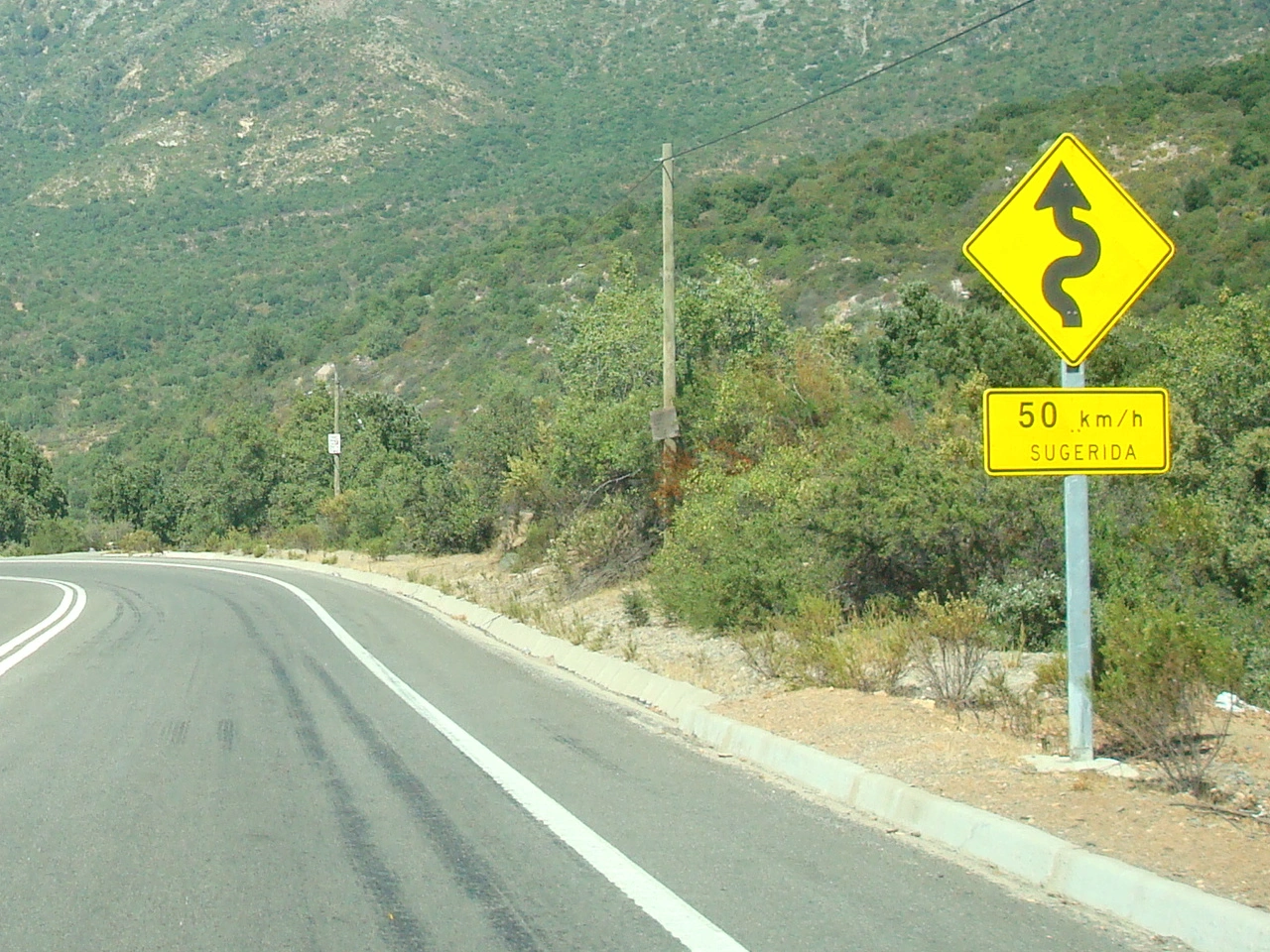
Velocidad recomendada
What is an advisory speed?

An advisory speed is a recommended speed intended to help drivers negotiate a road section or hazard safely.

Is an advisory speed the same as a speed limit?

No. An advisory speed normally provides guidance, while a regulatory maximum-speed sign establishes a legally enforceable speed limit.

Can you drive slower than an advisory speed?

Yes. Drivers should reduce their speed further whenever road, traffic, visibility or weather conditions make the recommended speed unsafe.

3. Pendiente

Una pendiente es un tramo de carretera que asciende o desciende de forma notable. Las pendientes pronunciadas pueden afectar la aceleración, la frenada, la selección de marchas y la distancia necesaria para detener el vehículo.

En descensos largos o pronunciados, los conductores deben seleccionar una marcha adecuada y evitar depender continuamente de los frenos de servicio, ya que pueden sobrecalentarse. En carreteras estrechas de montaña pueden aplicarse normas especiales de prioridad entre vehículos que ascienden y descienden.

Pendiente
What is a road slope?

A road slope is a section of road that rises or descends over a particular distance. It may also be called a gradient, incline or decline.

How can you recognise a steep slope?

A steep slope may be indicated by a warning sign showing an ascending or descending road. The sign may also display the gradient as a percentage.

What does a gradient of 10% mean?

A gradient of 10% means that the road rises or falls approximately 10 metres for every 100 metres travelled horizontally. It does not mean that the road is inclined at 10 degrees.

What is the difference between an ascent and a descent?

An ascent rises in the direction of travel, while a descent falls in the direction of travel. The same section of road is therefore an ascent in one direction and a descent in the other.

Does a slope warning sign impose a speed limit?

Not normally. It warns of a hazard rather than setting a numerical limit. Drivers must still respect the applicable speed limit and reduce their speed further when necessary.

How should you approach a steep descent?

Reduce speed before the descent, select a suitable gear and maintain a safe following distance. Avoid allowing the vehicle to gain excessive speed.

Which gear should you use when descending?

Use a gear that provides sufficient engine braking and helps keep the vehicle at a controlled speed. The appropriate gear depends on the vehicle, gradient and road conditions.

Should you coast downhill in neutral?

No. Coasting reduces engine braking and may make it harder to control the vehicle’s speed. Keep the transmission engaged while descending.

Why should you avoid continuous heavy braking?

Continuous braking on a long descent can cause the brakes to become excessively hot and lose effectiveness. Select a suitable gear, control speed early and use the brakes progressively when needed.

What is brake fade?

Brake fade is a reduction in braking performance caused by excessive heat. It can occur when the brakes are used continuously during a long or steep descent.

How should you drive uphill?

Select a suitable gear before the engine begins to struggle and maintain a steady speed where possible. Be prepared for heavy or low-powered vehicles travelling slowly ahead.

May a vehicle lose speed on a steep ascent?

Yes. Heavy vehicles, vehicles towing trailers and low-powered vehicles may slow considerably. Other drivers should maintain a safe distance and avoid impatient manoeuvres.

May you overtake near the top of a slope?

Do not overtake when the crest prevents you from seeing far enough ahead. Overtaking near a hilltop may also be expressly prohibited by local law, signs or road markings.

Why is visibility limited near the crest of a slope?

The road surface itself may hide approaching traffic, stopped vehicles, pedestrians or other hazards beyond the crest.

Who has priority on a narrow slope?

Some countries give priority to uphill traffic, while others rely on signs or ordinary obstruction rules. Drivers must follow local law and cooperate when passing is difficult.

How should you meet another vehicle on a narrow slope?

Reduce speed and use a passing place where available. The driver who can reverse or move aside more safely should cooperate, subject to any applicable priority signs or local rules.

How do rain, snow or ice affect a slope?

They reduce traction and make acceleration, braking and steering more difficult. Increase the following distance, use smooth controls and reduce speed before entering the slope.

Why are cyclists vulnerable on slopes?

Cyclists may travel slowly and move less steadily when climbing, while they may reach high speeds when descending. Drivers should leave sufficient space and avoid overtaking without a clear view.

How should you park on a slope?

Use the parking brake, select the appropriate gear or parking position and follow local rules concerning wheel position. Make sure the vehicle cannot roll into traffic.

Can a slope affect towing?

Yes. A trailer increases the load on the engine and brakes and may affect stability. Drivers should use a suitable gear, maintain additional distance and avoid excessive speed.

4. Parada de autobús

Una parada de autobús es un lugar designado donde autobuses u otros vehículos de transporte público se detienen para que los pasajeros suban o bajen. Puede estar indicada mediante una señal, marcas viales, refugio, plataforma elevada u otros elementos.

Las normas sobre parar, estacionar, adelantar y ceder el paso a autobuses que salen de una parada varían entre países. Los conductores deben prestar especial atención a peatones que puedan cruzar cerca de la parada.
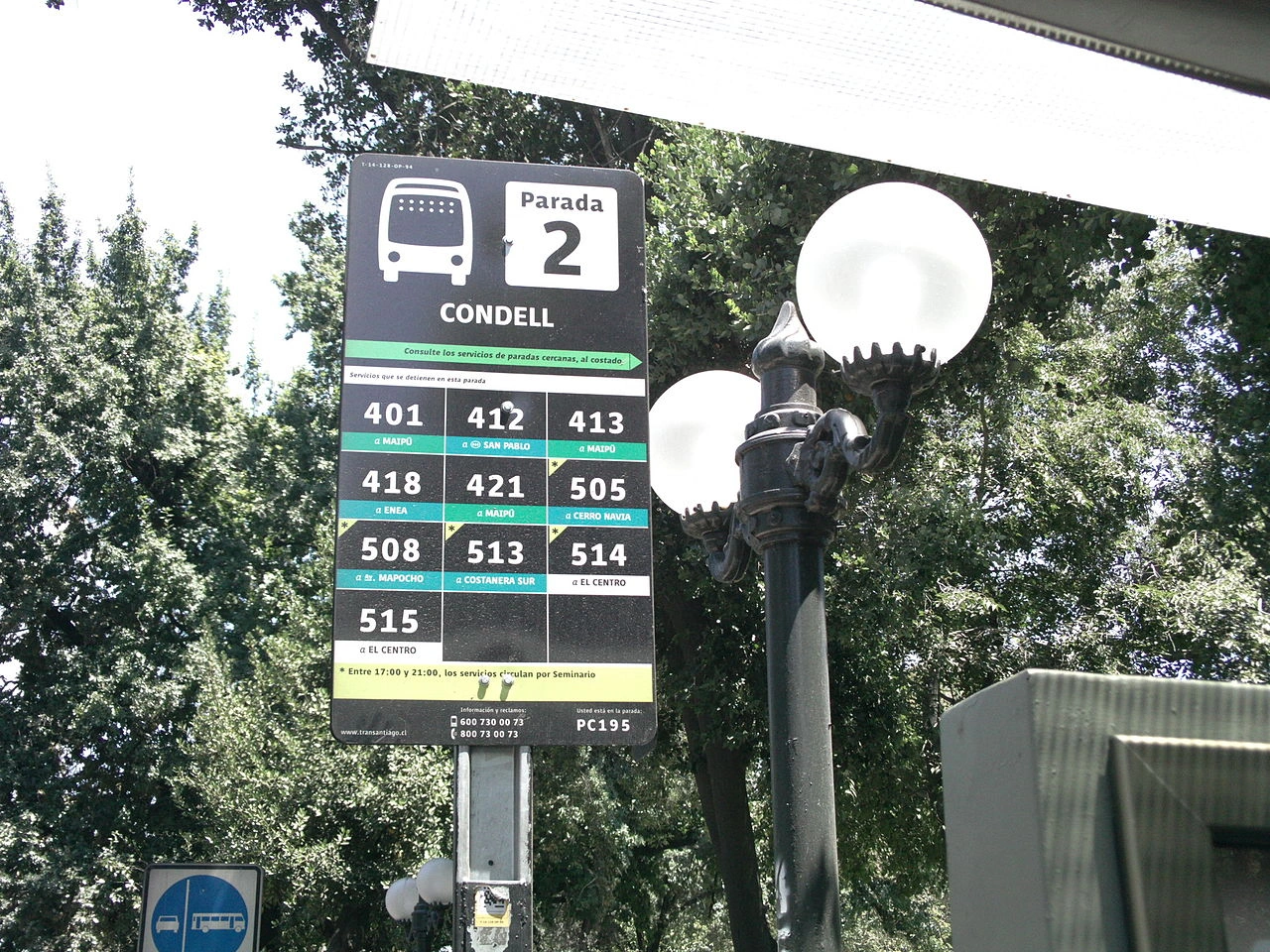
Parada de autobús
What is a bus stop?

A bus stop is a designated location where buses stop so that passengers can board or leave the vehicle.

What should you watch for near a bus stop?

Watch for buses entering or leaving the stop, passengers near the roadway and pedestrians who may cross the road.

Can you park at a bus stop?

Parking or stopping at or near a bus stop is often restricted or prohibited so that buses can reach the stop safely. The exact restrictions depend on local traffic rules.

5. Señal de STOP

Una señal de STOP obliga a los conductores a detener completamente el vehículo antes de continuar. La parada debe realizarse en la línea de detención, antes del paso de peatones o, si no existen, en un punto desde el que se pueda observar con seguridad el tráfico transversal.

Después de detenerse, el conductor debe ceder el paso a cualquier usuario que tenga prioridad y continuar solo cuando sea seguro. La forma y el texto de la señal pueden variar ligeramente entre países.
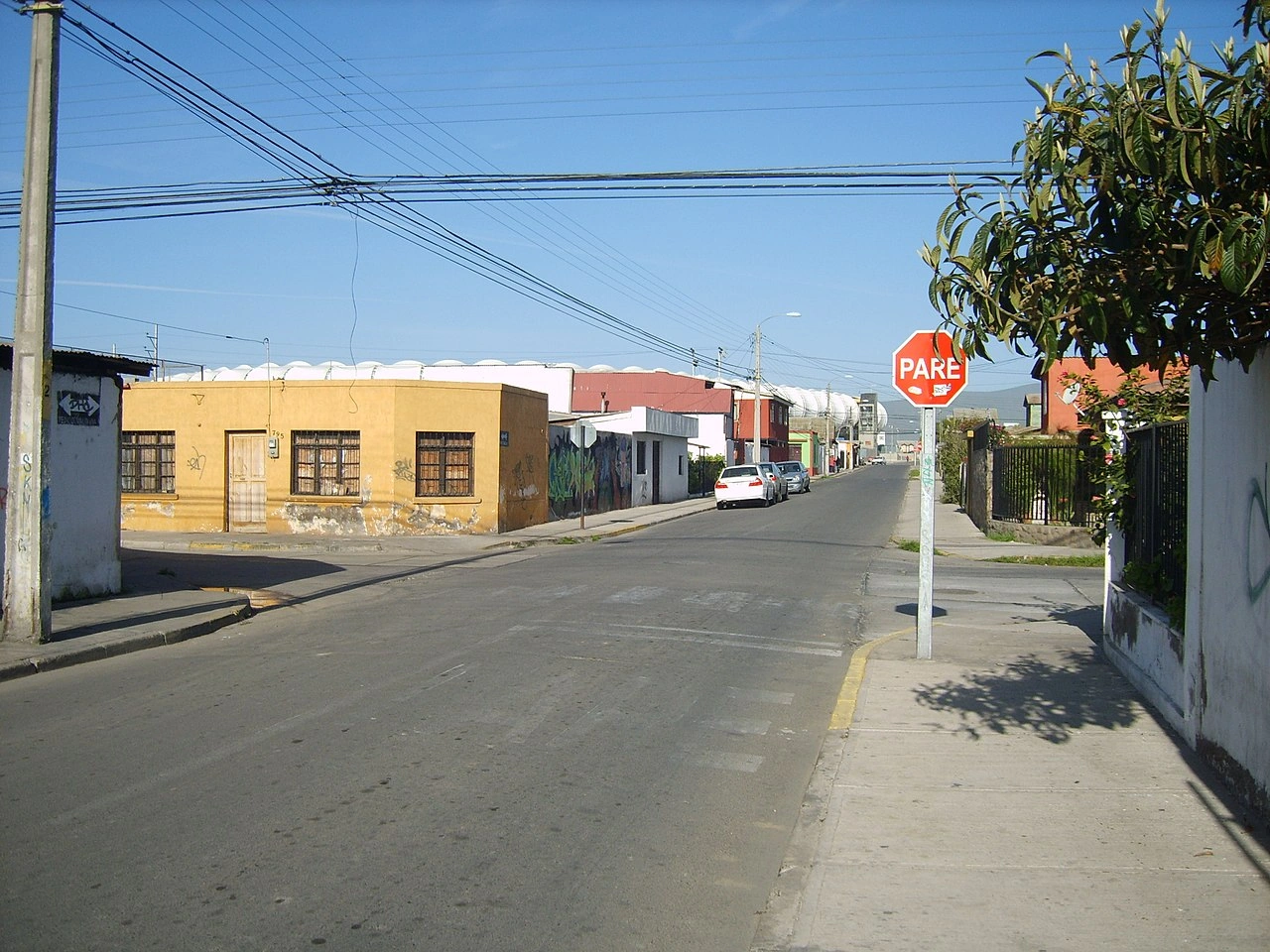
Señal de STOP
What does a stop sign mean?

A stop sign requires a driver to come to a complete stop and give way before proceeding.

How can you recognise a stop sign?

A stop sign is commonly a red octagonal sign displaying the word STOP. Some countries use another legally recognised design, so drivers must learn the signs used locally.

Must you stop when no other traffic is visible?

Yes. The obligation to stop applies even when the road appears completely clear.

What is a complete stop?

A complete stop means that the vehicle has ceased moving entirely. Merely slowing down or allowing the vehicle to continue rolling does not satisfy the requirement.

Where should you stop?

Stop before the stop line where one is provided. Without a line, stop at the legally prescribed position before entering the intersection, crossing or priority road.

May you stop beyond the stop line?

No. The required first stop must be made before the line. If visibility is limited, move forward cautiously after stopping and stop again where necessary before proceeding.

Must every vehicle in a queue stop separately?

Yes. Each driver must make an individual complete stop. Following another vehicle through without stopping is not permitted.

Does stopping give you priority?

No. After stopping, you must continue to give way to all road users who have priority.

Who must you give way to?

Give way to traffic on the road being entered or crossed and to pedestrians, cyclists or other road users who have priority under the applicable rules.

What is the difference between a stop sign and a give-way sign?

A stop sign always requires a complete stop. A give-way sign requires the driver to yield but normally allows continued movement when the road is clearly free.

May you turn after stopping?

Yes. After stopping and giving way, you may turn in any direction permitted by signs, signals, lane arrows and road markings.

May you turn right at a red traffic light after stopping?

This depends entirely on local law and traffic signs. A stop sign does not by itself permit a turn against a red light.

Does a stop sign impose a speed limit?

No. It imposes a stopping and yielding obligation. The normal posted or general speed limit remains applicable before and after the intersection.

Does a stop sign apply to cyclists?

In many countries, cyclists are drivers and must stop unless a specific sign or local rule provides an exception.

What happens at an all-way stop?

The order in which drivers may proceed depends on local rules, commonly involving arrival order, vehicle position and turning direction. Drivers should communicate cautiously and never assume another driver will yield.

What if two vehicles stop at the same time?

Apply the local priority rule and proceed only when the intentions of the other driver are clear. Avoid forcing the other vehicle to brake or change direction.

Do traffic lights override a stop sign?

Where functioning traffic lights control the same movement, they commonly take precedence over the stop sign. Local rules determine what applies when the lights are switched off or flashing.

Do instructions from a police officer override a stop sign?

Yes. Instructions from an authorised traffic officer normally take precedence over traffic signs and ordinary priority rules.

Can a temporary stop sign be legally binding?

Yes. A correctly placed temporary stop sign at roadworks, an event or another temporary traffic arrangement must be obeyed.

What should you do when the stop sign is partly hidden?

If you recognise that a stop sign applies, reduce speed and obey it. Report damaged, obscured or missing signs to the responsible road authority where appropriate.

6. Ceda el paso

Ceda el paso significa que el conductor debe permitir que el tráfico con prioridad pase primero. No siempre es necesario detenerse por completo si la vía está libre, pero el conductor debe reducir la velocidad y estar preparado para parar.

El conductor solo puede entrar o cruzar cuando pueda hacerlo sin obligar al tráfico prioritario a cambiar bruscamente de velocidad o dirección. La señal y las marcas utilizadas varían entre países.
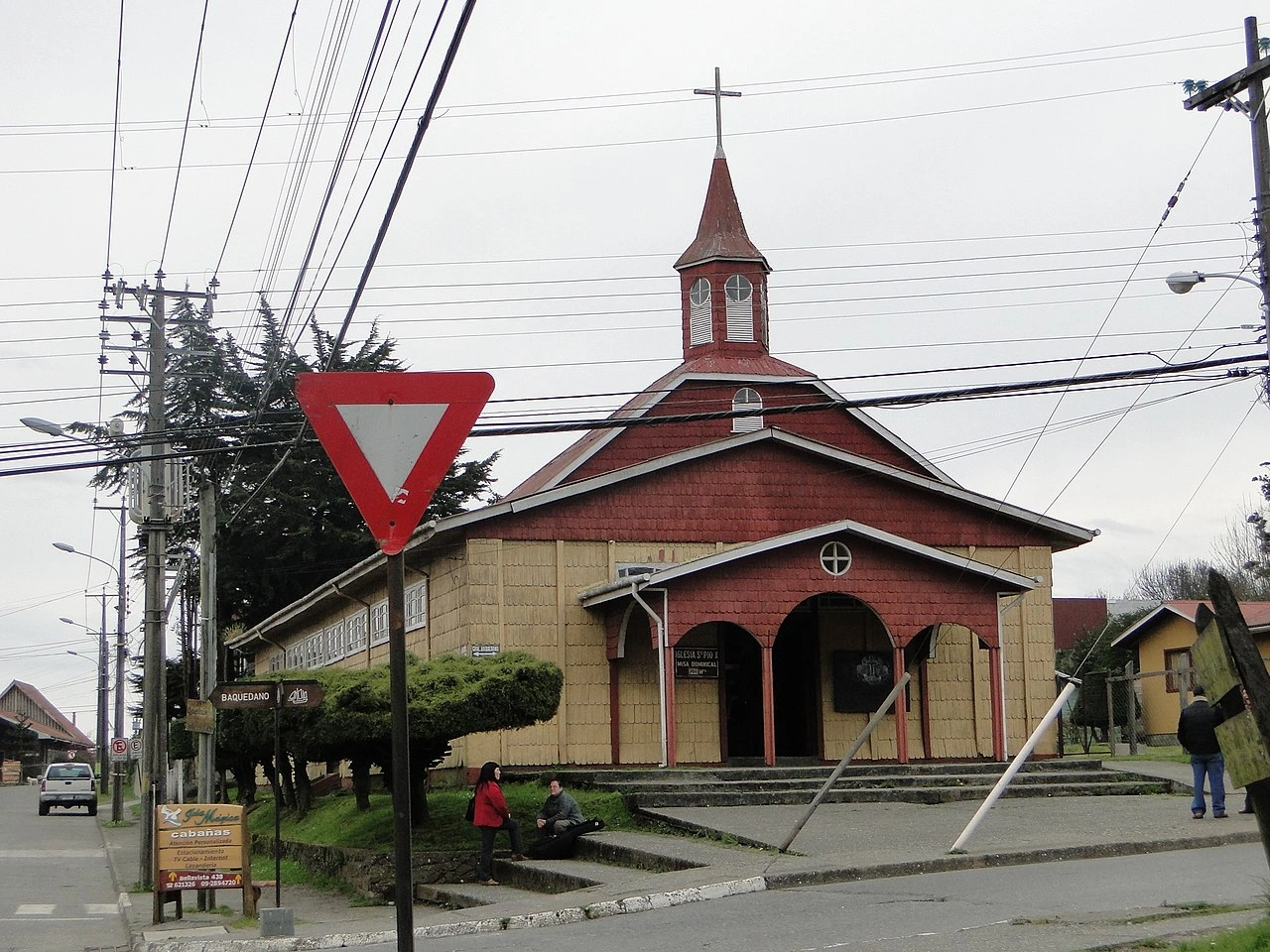
Ceda el paso
What does a give-way sign mean?

A give-way sign requires drivers to allow traffic with priority to proceed first. The driver must slow down and stop when necessary.

How can you recognise a give-way sign?

It is commonly an inverted triangular sign with a red border and a light-coloured centre. In some countries, it is called a yield sign.

Must you always stop at a give-way sign?

No. You must stop only when necessary to give way or obtain a sufficiently clear view. You may continue slowly when the road is clearly free.

What does giving way mean?

Giving way means allowing another road user to continue without being forced to brake, accelerate, stop or change direction because of your movement.

Where should you stop when necessary?

Stop before the give-way line where one is provided. Without a line, stop before entering the intersection or priority road at a position where you can observe traffic safely.

May you cross the give-way line before stopping?

You may move beyond the line only when this does not interfere with traffic that has priority. Where visibility is limited, first slow or stop at the line and then move forward cautiously.

What is the difference between give way and stop?

A stop sign always requires a complete stop. A give-way sign permits the driver to continue without stopping when the road is clearly free and it is safe to proceed.

Does slowing down satisfy the give-way requirement?

Only when slowing down is sufficient to let all priority traffic proceed safely. If another road user would be hindered, the driver must slow further or stop.

Who must you give way to?

Give way to traffic travelling on the road being entered or crossed and to any pedestrians, cyclists or other road users who have priority under the applicable rules.

Does giving way apply only to vehicles approaching from one direction?

No. Check every direction from which lawful traffic may approach, including cycle paths, one-way roads with authorised contraflow traffic and separate carriageways.

Does a give-way sign give the other road permanent priority?

The sign determines priority at the particular location. The priority arrangement at later intersections may be different unless the road is separately identified as a priority road.

Does giving way give you priority afterwards?

No. You may proceed only when it is safe. Another driver’s hesitation or courtesy does not remove your responsibility to avoid danger.

Must every vehicle in a queue give way separately?

Yes. Each driver must observe the road and make an individual decision. You may not follow another vehicle through without checking that the way remains clear.

Does a give-way sign apply to cyclists?

Normally, yes. Cyclists are generally treated as drivers and must obey the sign unless a supplementary sign or local rule provides otherwise.

Can a give-way sign apply only to cyclists?

Yes. Some countries use supplementary signs or path-specific signs to require cyclists to give way while other traffic follows a different priority arrangement.

Does a give-way sign change the speed limit?

No. It regulates priority rather than speed. Drivers must still approach slowly enough to observe traffic and stop when necessary.

Does a give-way sign change turning rules?

No. Drivers must still obey traffic lights, lane arrows, mandatory-direction signs and turning prohibitions.

How does give way work at a roundabout?

Many roundabout entrances have give-way signs requiring entering traffic to yield to vehicles already circulating. Drivers must follow the actual signs because roundabout priority rules differ between countries.

Do traffic lights override a give-way sign?

Functioning traffic lights commonly take precedence over priority signs controlling the same movement. The give-way sign may apply again when the lights are switched off or flashing, depending on local law.

Do police instructions override a give-way sign?

Yes. Instructions from an authorised traffic officer normally take precedence over traffic signs and ordinary priority rules.

What should you do when visibility is limited?

Reduce speed substantially and stop when necessary. Move forward cautiously only after giving way and checking that the road can be entered without danger.

7. Paso a nivel

Un paso a nivel es un lugar donde una carretera o camino cruza vías férreas al mismo nivel. Puede estar protegido mediante barreras, luces de advertencia, señales acústicas, señales de tráfico o una combinación de estas medidas.

Los usuarios deben aproximarse con cuidado y no entrar nunca cuando se acerque un tren, estén activas las señales de advertencia o la salida esté bloqueada. Deben cruzar sin demora y nunca detenerse, esperar o quedar atrapados sobre las vías.
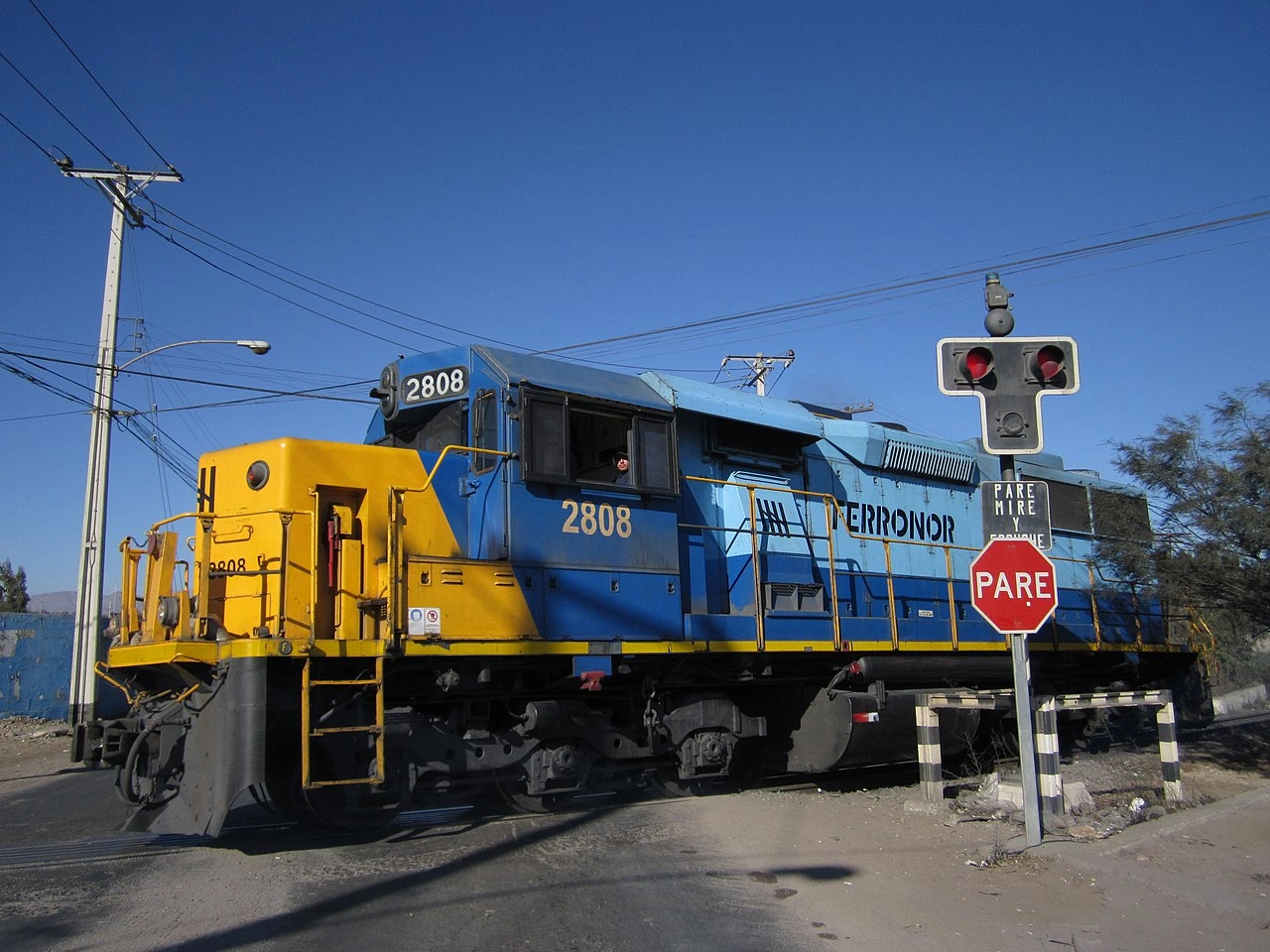
Paso a nivel
What is a railway crossing?

A railway crossing is a place where a road or path crosses railway tracks at the same level.

What is another name for a railway crossing?

It may also be called a level crossing or, particularly in North America, a railroad crossing.

How can you recognise a railway crossing?

It may be indicated by warning signs, crossbuck signs, barriers, flashing lights, bells or road markings. The design differs between countries.

What is the difference between a crossing with and without barriers?

A protected crossing uses full or partial barriers to block road traffic when a train approaches. A crossing without barriers relies on signs, lights, bells or the road user’s own observation.

Must you always stop at a railway crossing?

Not necessarily. You must stop when required by lights, barriers, signs, an approaching train or an authorised person. At an unprotected crossing, slow down and proceed only after checking that no train is approaching.

What do flashing red lights mean?

Flashing red lights mean stop and do not enter the crossing. Remain stopped until the signal permits you to continue.

May you cross while a barrier is moving?

No. Do not enter while a barrier is lowering, rising or closed. Wait until the crossing is fully open and all prohibiting signals have stopped.

May you drive around a closed barrier?

No. Never drive, cycle or walk around or underneath a closed or moving barrier.

What does a warning bell mean?

A warning bell or audible signal normally means that the crossing is closing or that a train is approaching. Do not enter the crossing while it is sounding.

What does a flashing white light mean?

In some countries, a flashing white light indicates that the crossing equipment is operating and road users may pass when the route is clear. Its exact meaning depends on local law.

What should you do at a crossing without lights or barriers?

Reduce speed, look and listen carefully in both directions and cross only after making sure that no train or other rail vehicle is approaching.

May you cross immediately after a train has passed?

Not automatically. Another train may approach on a second track. Wait until all warning signals stop and the crossing is fully open.

What if traffic ahead is blocking the exit?

Do not enter the crossing unless there is enough room beyond the tracks for your entire vehicle. Never rely on traffic moving before a train arrives.

May you wait on the tracks?

No. Railway tracks must always remain clear. Do not stop because of congestion, traffic lights or another obstruction beyond the crossing.

May you overtake at a railway crossing?

Overtaking is often prohibited or restricted because another vehicle can obstruct the view of an approaching train or warning signal. Follow local signs and overtaking rules.

May you stop or park on a railway crossing?

No. Stopping or parking on the tracks creates an immediate and potentially fatal danger.

Do the crossing signals apply to pedestrians and cyclists?

Yes. Pedestrians and cyclists must obey barriers, lights, bells and authorised personnel in the same way as other road users.

Should cyclists ride across the tracks at an angle?

Where possible, cross the rails at an angle close to 90 degrees. Rails can trap a bicycle wheel, especially when they are wet or cross the road diagonally.

What should drivers of long vehicles check?

Make sure the entire vehicle and any trailer can clear the crossing without stopping. Consider the available space, road gradient, turning room and traffic beyond the tracks.

What should drivers of high vehicles check?

Observe all height restrictions and warning signs. Electrified railway lines may have overhead equipment that can be struck by an excessively high vehicle or load.

What should you do if the signals appear defective?

Treat the crossing with extreme caution. Do not assume that no train is approaching merely because the lights or barriers are not operating.

What should you do if your vehicle becomes stuck on the tracks?

Evacuate everyone immediately, move well away from the railway and contact the emergency services or railway operator. Do not remain in the vehicle or return for belongings.

Is a railway crossing the same as tram tracks in the road?

Not always. A railway crossing normally crosses tracks that are separate from the carriageway, while tram or street-running railway tracks may form part of the road itself.

8. Zona escolar

Una zona escolar es una carretera o conjunto de carreteras cerca de un colegio donde numerosos niños pueden caminar, montar en bicicleta, cruzar la calzada o subir y bajar de vehículos. Puede identificarse mediante señales de advertencia, señales de zona, marcas viales, medidas de calmado del tráfico o luces intermitentes.

Pueden aplicarse límites de velocidad especiales, restricciones de estacionamiento o normas de acceso de forma permanente o únicamente durante las horas de entrada y salida. Los conductores deben reducir la velocidad, vigilar atentamente a los niños y estar preparados para detenerse.
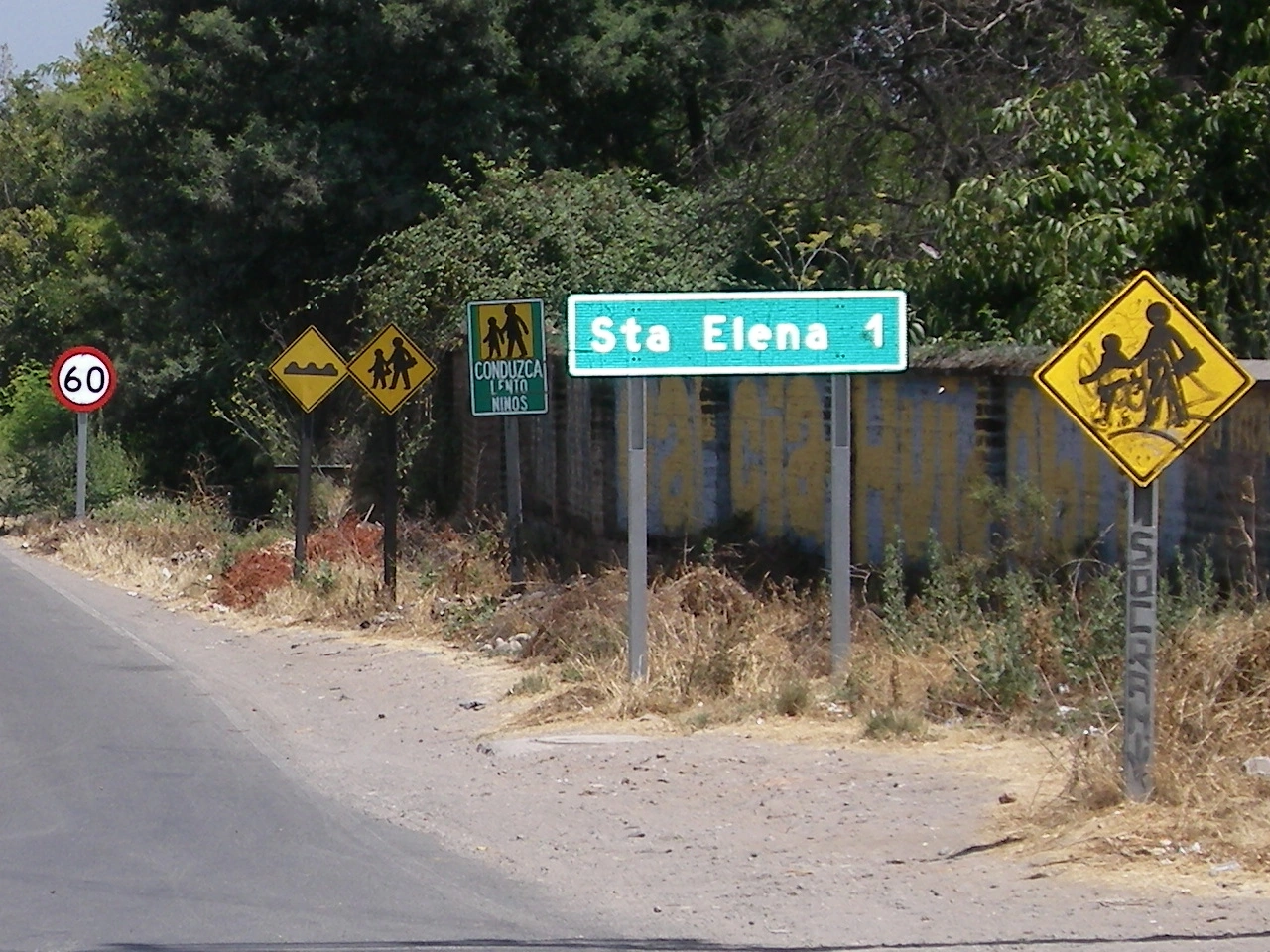
Zona escolar
What is a school area?

A school area is a road or group of roads near a school where drivers should expect large numbers of children, pedestrians, cyclists and stopping vehicles.

How can you recognise a school area?

It may be identified by school warning signs, speed-zone signs, flashing lights, road markings, coloured surfacing or traffic-calming measures. The signs differ between countries.

Does every road beside a school have special legal rules?

No. Special school-area rules normally apply only where signs, signals or local legislation establish them.

What is the speed limit in a school area?

There is no universal school-area speed limit. The applicable limit depends on the country, region, signs and whether a variable restriction is active.

Is the school-area speed limit always active?

Some limits apply permanently, while others apply only during displayed times or when flashing or variable signs are active. Drivers must observe the actual sign arrangement.

Must you drive below the displayed limit?

Yes, when necessary. The displayed speed is a maximum. Children, congestion, poor visibility or vehicles stopping near the school may require a much lower speed.

Why are children especially vulnerable in traffic?

Children may have difficulty judging speed and distance, may be hidden by parked vehicles and may enter the road unexpectedly.

How should you approach a school area?

Reduce speed early, increase your observation and be prepared for children crossing, cyclists changing direction, vehicle doors opening and cars stopping suddenly.

Do children automatically have priority everywhere?

No. Priority depends on crossings, traffic lights, authorised crossing supervisors and local rules. Drivers must nevertheless take exceptional care to avoid endangering children.

Must you obey a school crossing supervisor?

Yes. Drivers and other road users must follow lawful instructions given by an authorised person controlling traffic for children.

May children cross away from a pedestrian crossing?

This depends on local pedestrian rules. Drivers should remain prepared for children to cross unexpectedly, even where they are required to use a nearby crossing.

Does a school sign create pedestrian priority?

Not by itself. A school warning sign alerts drivers to children but does not normally create the legal effect of a pedestrian crossing.

Does a school area change intersection priority?

No. Traffic lights, priority signs and the ordinary intersection rules remain applicable unless another traffic arrangement provides otherwise.

May you overtake in a school area?

Overtaking may be restricted by signs or local law. Even where it is permitted, drivers should not overtake when children, crossings, limited visibility or stopped vehicles make the manoeuvre unsafe.

May you stop to drop off a child?

Only where stopping is permitted and can be completed safely. Do not stop on a crossing, pavement, bike path, bus stop or another prohibited or dangerous location.

May you park near a school entrance?

Follow the parking signs and markings. Do not block entrances, pavements, bike paths, crossings, visibility or access for buses and emergency vehicles.

Why is double parking dangerous near a school?

It blocks traffic and visibility and may force children to walk between moving vehicles or enter the road from behind an obstruction.

What should you watch for near school buses?

Expect children to enter or leave the vehicle and possibly cross the road. Reduce speed and follow any special warning lights, signs or local school-bus rules.

May cyclists ride through a school area?

Normally, yes. They must follow the applicable road, bike-path, speed and priority rules. Drivers should expect inexperienced young cyclists.

Is a school area the same as a school street?

No. A school area normally remains open to traffic under special caution or speed rules. A school street temporarily restricts or excludes motor traffic during specified periods.

Is a school area the same as a Zone 30?

Not universally. A school area may form part of a Zone 30, use another speed limit or have a variable restriction that applies only at particular times.

When do the school-area rules end?

They normally end at an end sign, at the end of the stated time period or when the variable signal is no longer active. The surrounding road rules then apply.

9. Adelantamiento

El adelantamiento es la maniobra de pasar a otro usuario que circula en la misma dirección. Normalmente implica desplazarse a otra posición o carril, pasar al usuario más lento y volver a la posición adecuada cuando sea seguro.

Antes de adelantar, el conductor debe asegurarse de que hay visibilidad y espacio suficientes, comprobar espejos y ángulos muertos, señalizar cuando corresponda y verificar que ningún otro usuario ya está adelantando. La maniobra debe completarse sin superar el límite de velocidad ni poner en peligro a otros usuarios.
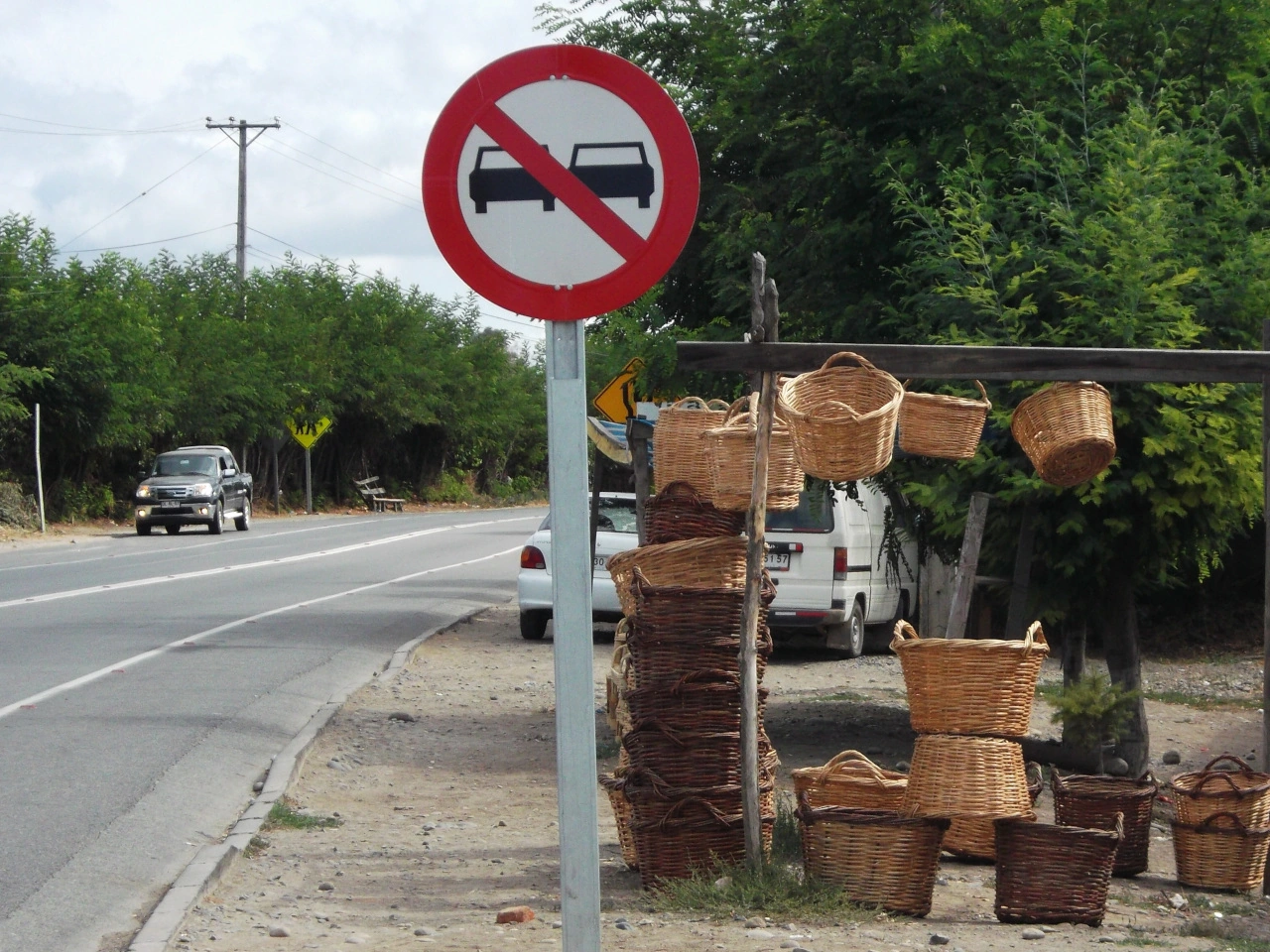
Adelantamiento
On which side should you overtake?

In right-hand traffic countries, overtaking normally takes place on the left. In left-hand traffic countries, it normally takes place on the right. National rules can provide exceptions in particular situations.

What should you check before overtaking?

Make sure there is sufficient visibility and space, check mirrors and blind spots, ensure that nobody behind has already started overtaking and confirm that you can safely return to your normal position after passing.

When should you not overtake?

Do not overtake where signs or road markings prohibit it or where visibility, approaching traffic, intersections, crossings, bends, hills or other conditions make the manoeuvre unsafe.

10. Cruce de animales

Una advertencia de cruce de animales indica un lugar o tramo donde animales salvajes, ganado o animales montados pueden entrar o cruzar la carretera. Los animales pueden aparecer de repente, moverse de forma imprevisible o ser difíciles de ver en la oscuridad, entre vegetación o con mal tiempo.

Los conductores deben reducir la velocidad, observar ambos lados de la carretera y mantenerse preparados para detenerse. La señal no concede por sí misma prioridad a los animales ni impone un límite numérico de velocidad, pero los conductores deben evitar asustarlos, ponerlos en peligro o colisionar con ellos.

What does an animals-crossing sign mean?

It warns that animals may enter or cross the road in the area ahead.

Which animals may the sign refer to?

Depending on the symbol and local conditions, it may refer to deer, cattle, horses, sheep, goats, wild boar or other animals.

How can you recognise an animals-crossing sign?

It is commonly a triangular warning sign displaying the silhouette of an animal. The species shown may indicate the type of animal most likely to be encountered.

Does the sign mean animals are always present?

No. It indicates an increased likelihood of animals crossing, not that animals will be present every time.

Does the sign impose a speed limit?

No. The normal posted or general speed limit remains applicable, but drivers must reduce speed when necessary to react safely.

Do animals have priority because of the sign?

No automatic priority is created by the warning sign. Drivers must nevertheless avoid danger and allow animals already on the road to pass safely.

How should you approach an animal-crossing area?

Reduce speed, increase your following distance and scan the road, verges, fields and vegetation for movement or reflected eyes.

When are wild animals most likely to appear?

Animal activity is often greater around dawn, dusk and darkness, although animals may cross at any time.

Why should you expect more than one animal?

Many animals travel in groups. When one animal crosses, others may follow immediately from the same direction.

Should you sound the horn?

Avoid unnecessary horn use or engine revving because it may frighten an animal and make its movement less predictable. Use a warning only when reasonably necessary to prevent danger.

Should you use full-beam headlights?

Use the appropriate lights without dazzling other road users. When an animal is visible, reduce speed and avoid relying on full beam to make it move away.

What should you do when an animal is on the road?

Slow down smoothly, stop when necessary and allow it enough time and space to leave. Avoid sudden acceleration or aggressive steering.

Should you swerve to avoid an animal?

Avoid an uncontrolled swerve that could cause a collision with another vehicle, tree, barrier, cyclist or pedestrian. Brake firmly while maintaining control and steer only when a safe escape path is clearly available.

How should you pass livestock?

Pass only when the animals and their handlers have sufficient space. Drive slowly, avoid noise and be prepared for an animal to change direction unexpectedly.

How should you pass a horse and rider?

Reduce speed, leave a large lateral distance and pass quietly. Avoid sounding the horn, accelerating sharply or passing when oncoming traffic prevents sufficient clearance.

Must you follow instructions from an animal handler?

Follow lawful instructions from an authorised person and cooperate with handlers controlling animals on or across the road.

May you overtake near an animal crossing?

The warning sign does not necessarily prohibit overtaking, but overtaking should be avoided when animals, limited visibility or approaching traffic make the manoeuvre unsafe.

What if an animal appears behind another vehicle?

Maintain enough following distance to see beyond the vehicle ahead. Be prepared for it to brake suddenly when an animal enters the road.

What should motorcyclists and cyclists do?

Reduce speed, keep both hands firmly in control and avoid sudden movements. Animals may react unexpectedly to quiet or fast-approaching two-wheeled vehicles.

What should you do after hitting an animal?

Stop safely, activate the hazard warning lights and check for injured people. Contact the emergency services or police when necessary and do not approach a wounded wild animal, which may defend itself.

Should you move an injured or dead wild animal?

Normally not. Keep a safe distance and allow the police, wildlife authorities or an animal-rescue service to handle it.

Can animals be present without a warning sign?

Yes. Drivers remain responsible for observing the road and adjusting their speed even where no animal warning sign is displayed.

11. Curva

Una curva es un tramo de carretera que cambia de dirección hacia la izquierda o la derecha. Una curva cerrada, inesperada o con poca visibilidad puede reducir la visión del conductor sobre tráfico que se aproxima, vehículos detenidos, peatones y otros peligros.

Los conductores deben reducir la velocidad antes de entrar en la curva, permanecer dentro de su carril y utilizar movimientos suaves de dirección, frenada y aceleración. Las señales de advertencia pueden indicar la dirección de la primera curva o una serie de curvas sucesivas.

Curva
What is a road curve?

A road curve is a section where the road changes direction to the left or right.

How can you recognise a dangerous curve?

It may be indicated by a triangular warning sign showing a curved line. The symbol normally indicates whether the first curve turns left or right.

What is a double curve?

A double curve consists of two curves in opposite directions. The warning sign normally shows the direction of the first curve.

Can a sign warn of more than two curves?

Yes. A double-curve symbol may also warn of a longer sequence of successive curves. A supplementary panel may indicate the length of the winding section.

Does a curve-warning sign impose a speed limit?

No. It normally warns of danger rather than setting a numerical limit. Drivers must still reduce speed when the permitted maximum would be unsafe.

When should you reduce speed for a curve?

Reduce speed before entering the curve, while the vehicle is travelling straight and has maximum stability.

Should you brake heavily while cornering?

No. Harsh braking in a curve can reduce stability and grip. Complete most braking beforehand and use smooth adjustments where necessary.

Should you accelerate through a curve?

Maintain a controlled speed through the curve. Accelerate smoothly only when the exit becomes visible and the vehicle is stable.

Where should you look while driving through a curve?

Look towards the path you intend to follow and the visible exit of the curve. Continue checking the road surface, lane position and nearby traffic.

Must you remain in your lane?

Yes. Do not cross the centre line or cut across another lane, even when this would make the curve appear easier to negotiate.

Why is visibility limited in a curve?

Buildings, vegetation, slopes, barriers and the road alignment may hide oncoming traffic, cyclists, pedestrians, stopped vehicles or debris.

How fast should you drive through a curve?

Choose a speed that allows you to remain in your lane and stop within the distance you can see to be clear. The safe speed may be far below the legal maximum.

What is an advisory speed for a curve?

An advisory speed is a recommended safe speed for negotiating the curve under suitable conditions. It is not necessarily the legal maximum speed.

How do rain, snow or ice affect a curve?

They reduce tyre grip and increase the risk of skidding. Reduce speed earlier, use smooth controls and leave additional distance from other vehicles.

What should you do if gravel or debris is present?

Avoid sudden braking or steering. Reduce speed smoothly and follow a clear path without entering another traffic lane.

May you overtake in a curve?

Do not overtake when visibility is insufficient to see approaching traffic and complete the manoeuvre safely. Local law, signs and continuous road markings may also prohibit overtaking.

May you stop or park in a curve?

Only where it is permitted and the vehicle remains clearly visible. Stopping or parking in a poorly visible curve may create a serious hazard and is often prohibited.

Should you follow another vehicle closely through a curve?

No. Leave enough distance to react if the vehicle ahead brakes for a hidden obstruction or a sharper part of the curve.

Why should motorcyclists take extra care?

Motorcycles require grip for both cornering and braking. Riders should reduce speed before the curve, choose a stable line and avoid painted markings, gravel and slippery surfaces.

How can a curve affect a trailer or caravan?

A trailer may sway, track closer to the inside of the curve or become unstable when speed and steering inputs are excessive. Enter slowly and steer smoothly.

Why do large vehicles need more space?

Buses and trucks may move closer to lane boundaries because of their length and width. Other drivers should avoid travelling beside them through a tight curve.

What should you do if an oncoming vehicle crosses the centre line?

Reduce speed, move safely towards your side of the road and avoid a sudden manoeuvre that could cause another collision. Sound a warning only when reasonably necessary.

Does the absence of a warning sign mean every curve is safe at the speed limit?

No. Drivers must assess every curve and adapt their speed even when no warning sign is displayed.

12. Semáforos

Los semáforos utilizan luces de colores, flechas o símbolos para regular cuándo los usuarios pueden avanzar, deben prepararse para detenerse o deben permanecer detenidos. Pueden existir señales independientes para determinadas direcciones, carriles, peatones, ciclistas o vehículos de transporte público.

Una luz verde permite avanzar solo cuando el recorrido está libre y la maniobra es legal. Los usuarios deben seguir respetando las normas de prioridad, restricciones de giro, marcas de carril e instrucciones de los agentes autorizados.
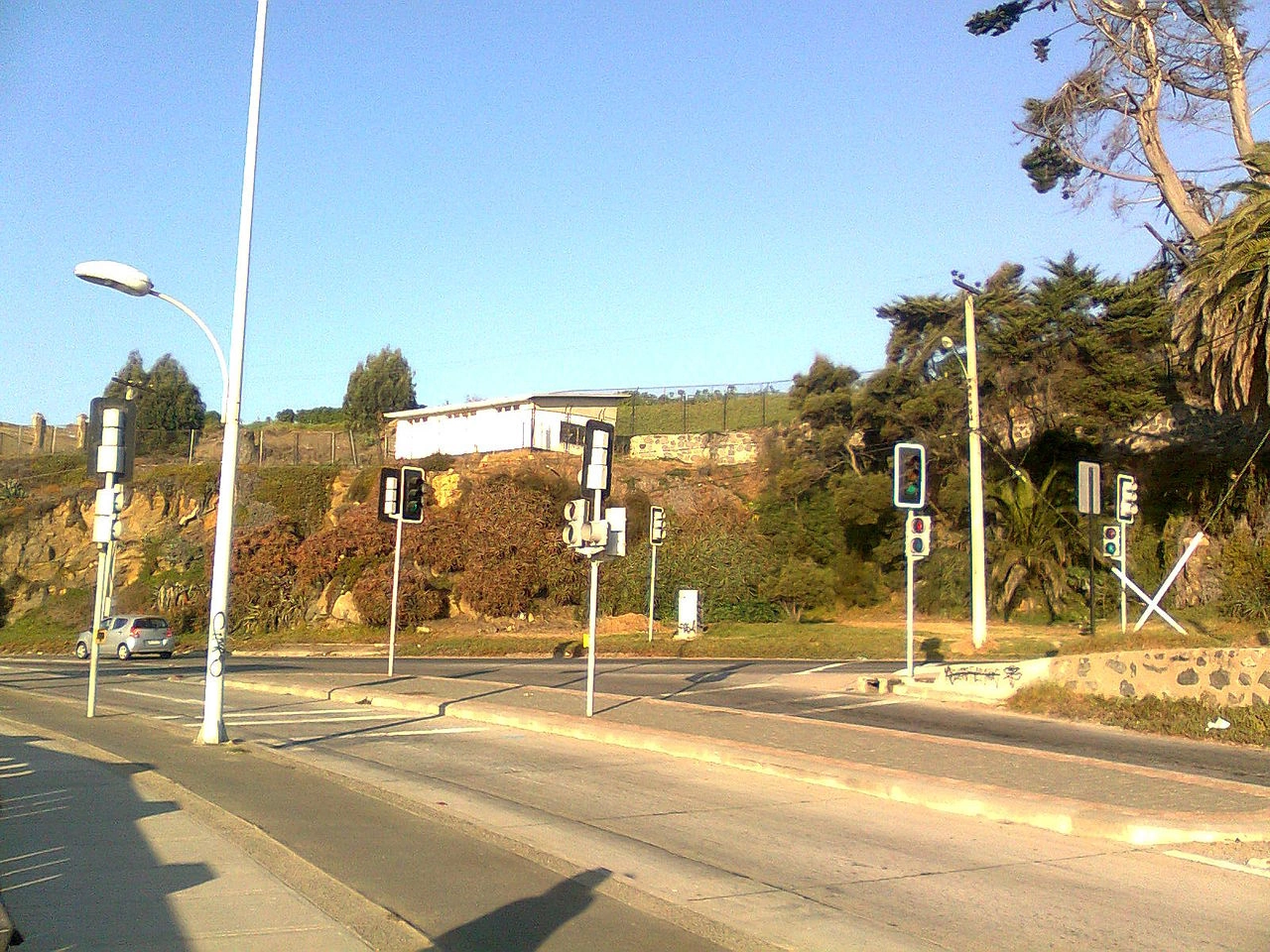
Semáforos
What are traffic lights?

Traffic lights are signals that use coloured lights, arrows or road-user symbols to regulate traffic movements.

What does a red traffic light mean?

A red light requires road users to stop before the stop line or signal and remain stopped until movement is permitted.

What does a steady amber light mean?

A steady amber light normally requires drivers to stop unless they are already too close to stop safely. It warns that the signal is changing to red.

What does a green traffic light mean?

A green light permits road users to pass the signal, but only when the route is clear and the intended movement is otherwise legal.

Does green mean that you have priority over everyone?

No. You may still have to give way to pedestrians, cyclists, oncoming traffic or other road users when turning or following a conditional arrow.

May you enter a blocked intersection on green?

No. Do not enter when congestion is likely to leave you stopped inside the intersection and obstructing crossing traffic.

Where should you stop at a red light?

Stop before the stop line. When no stop line is provided, stop before the traffic light or at another legally prescribed position.

May you cross the stop line and then stop?

No. The required stop must normally be completed before the stop line. Do not stop on a pedestrian or cycle crossing.

What if the light changes to amber while you are approaching?

Stop when this can be done safely. Continue only when you are already too close to stop without creating danger.

Should you accelerate to pass an amber light?

No. Do not accelerate to avoid stopping. Maintain control and stop unless doing so safely is no longer possible.

What do arrow-shaped traffic lights mean?

They have the same general meaning as circular lights, but the prohibition or permission applies only to the direction shown by the arrow.

What does a green arrow displayed with a red light mean?

It may permit travel in the indicated direction while other movements remain prohibited. Drivers may still have to give way to conflicting traffic and pedestrians.

Does a green arrow override a no-turn sign?

Not universally. Drivers must follow the complete local sign arrangement. A traffic signal does not necessarily cancel a separate regulatory prohibition.

May you turn right on red?

Only where local law or a specific sign or signal expressly permits it. There is no universal right to turn on red.

What does a flashing amber light mean?

It warns of a potential hazard and normally allows cautious passage. The ordinary priority arrangement remains applicable.

What should you do when the normal lights are flashing amber?

Reduce speed, observe the intersection carefully and follow the applicable priority signs or default priority rules.

What does a flashing red light mean?

Its meaning depends on local law. At railway crossings and some movable bridges, flashing red lights normally require road users to stop.

What do lane-control signals mean?

A red cross normally closes the lane, a green downward arrow opens it and an amber diagonal arrow instructs drivers to leave the lane in the indicated direction.

May you continue beneath a red lane-control cross?

No. Move out of the lane safely before reaching the red cross unless an authorised person or emergency rule directs otherwise.

What does an amber diagonal lane arrow mean?

It warns that the lane is closing or unavailable ahead. Drivers must move into the adjacent lane indicated by the arrow when safe.

Can separate lights apply to cyclists?

Yes. A signal displaying a bicycle symbol applies to the road users legally covered by that signal rather than to general motor traffic.

Can separate lights apply to pedestrians?

Yes. Pedestrian lights normally use red and green human figures to indicate whether pedestrians may begin crossing.

What does a flashing green pedestrian light mean?

It normally warns that the crossing period is about to end. Pedestrians who have not started should wait for the next green signal.

What if the pedestrian signal changes while someone is crossing?

A person who entered lawfully should continue without unnecessary delay. Turning drivers must allow the crossing to be completed safely.

Can buses and trams have separate traffic lights?

Yes. Public-transport signals may use bars, circles, triangles or other symbols that apply only to authorised service vehicles.

Do functioning traffic lights override priority signs?

They commonly replace the priority arrangement at that location. Priority signs may apply again when the normal signals are inactive or flashing.

Do instructions from a police officer override traffic lights?

Yes. Instructions from an authorised traffic controller normally take precedence over lights, signs, markings and ordinary rules.

What should you do when the lights are not working?

Reduce speed and follow the priority signs, temporary signals, authorised personnel or default priority rules that apply.

May you clear an intersection after the light turns red?

Yes, when you entered lawfully and must leave the intersection. Complete the movement cautiously without endangering other road users.

Does a green light impose a minimum speed?

No. Drivers may proceed but must continue at a safe and legal speed.

May you use a handheld phone while waiting at red?

This depends on local law. In many countries, a driver temporarily stopped in traffic is still considered to be driving and may not use a handheld device.

13. Marcha atrás

La marcha atrás consiste en conducir un vehículo hacia atrás. Se utiliza habitualmente al estacionar, salir de un espacio reducido o recolocar un vehículo cuando avanzar no es práctico.

Antes de dar marcha atrás, el conductor debe comprobar espejos y ángulos muertos, mirar cuidadosamente alrededor y asegurarse de que la zona posterior está libre. Debe hacerse lentamente y solo durante el tiempo necesario porque la visibilidad hacia atrás suele ser limitada.
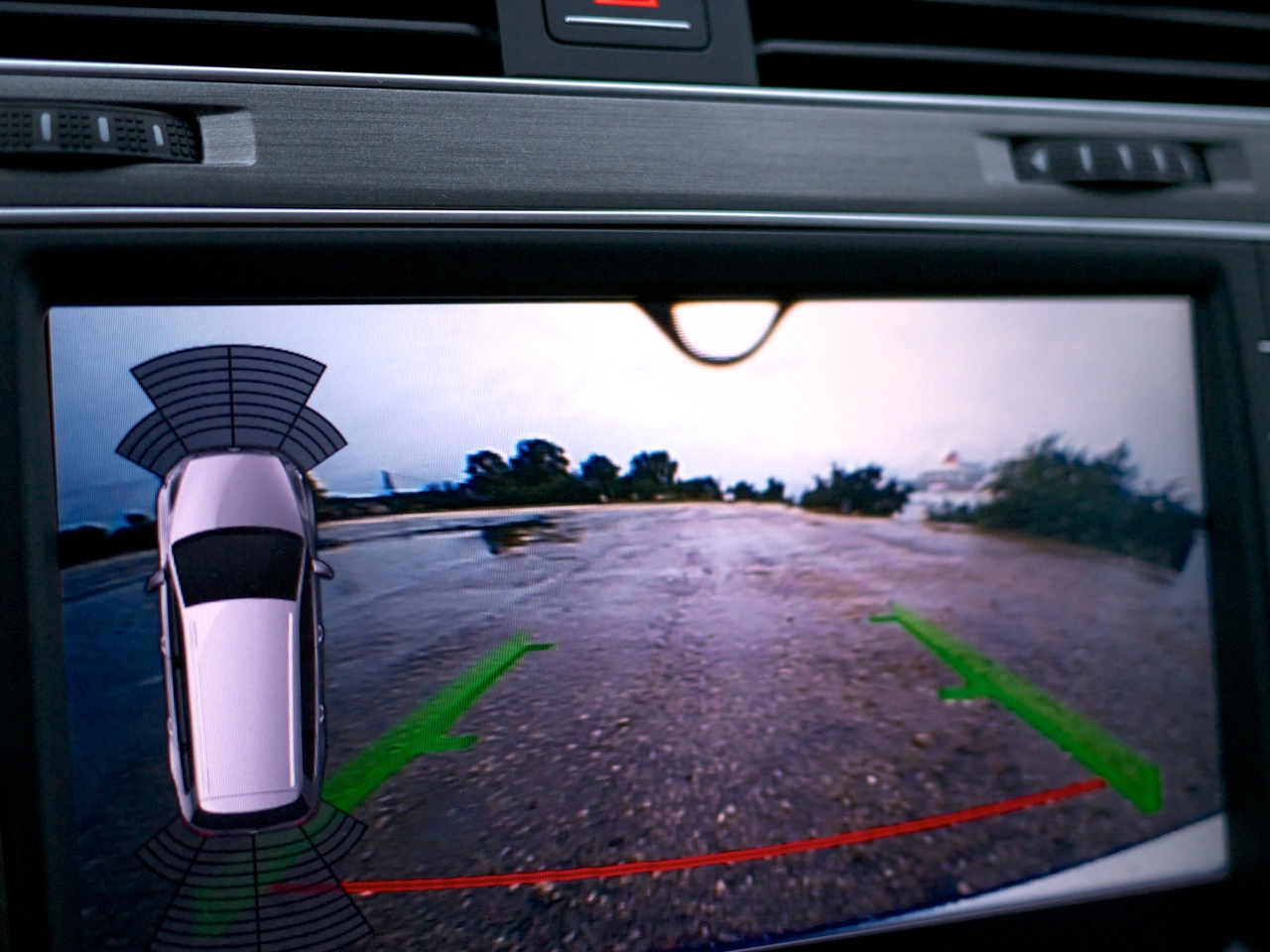
Marcha atrás
What should you check before reversing?

Check behind and around the vehicle for pedestrians, cyclists, other vehicles and obstacles. Use mirrors and cameras where available, but also look directly because monitoring systems can have blind spots.

Who has priority when a vehicle is reversing?

In many countries, reversing is treated as a manoeuvre and the reversing driver must give way to other road users. The exact legal requirements depend on national traffic rules.

Should you reverse for a long distance?

No. Reversing should normally be limited to the distance necessary to complete the manoeuvre safely. Driving forward generally provides better visibility and vehicle control.

14. Intersección sin regulación

Una intersección sin regulación es un cruce donde la prioridad no está regulada específicamente por semáforos, una persona autorizada o señales que asignen prioridad a determinados accesos. Los conductores deben determinar quién tiene prioridad aplicando las normas generales del país.

La regla aplicable varía entre países y puede ser prioridad por la derecha, prioridad por la izquierda u otra norma general de preferencia. Los conductores deben aproximarse con cuidado, observar el tráfico de todas las direcciones y no suponer que una vía más ancha o concurrida tiene automáticamente prioridad.
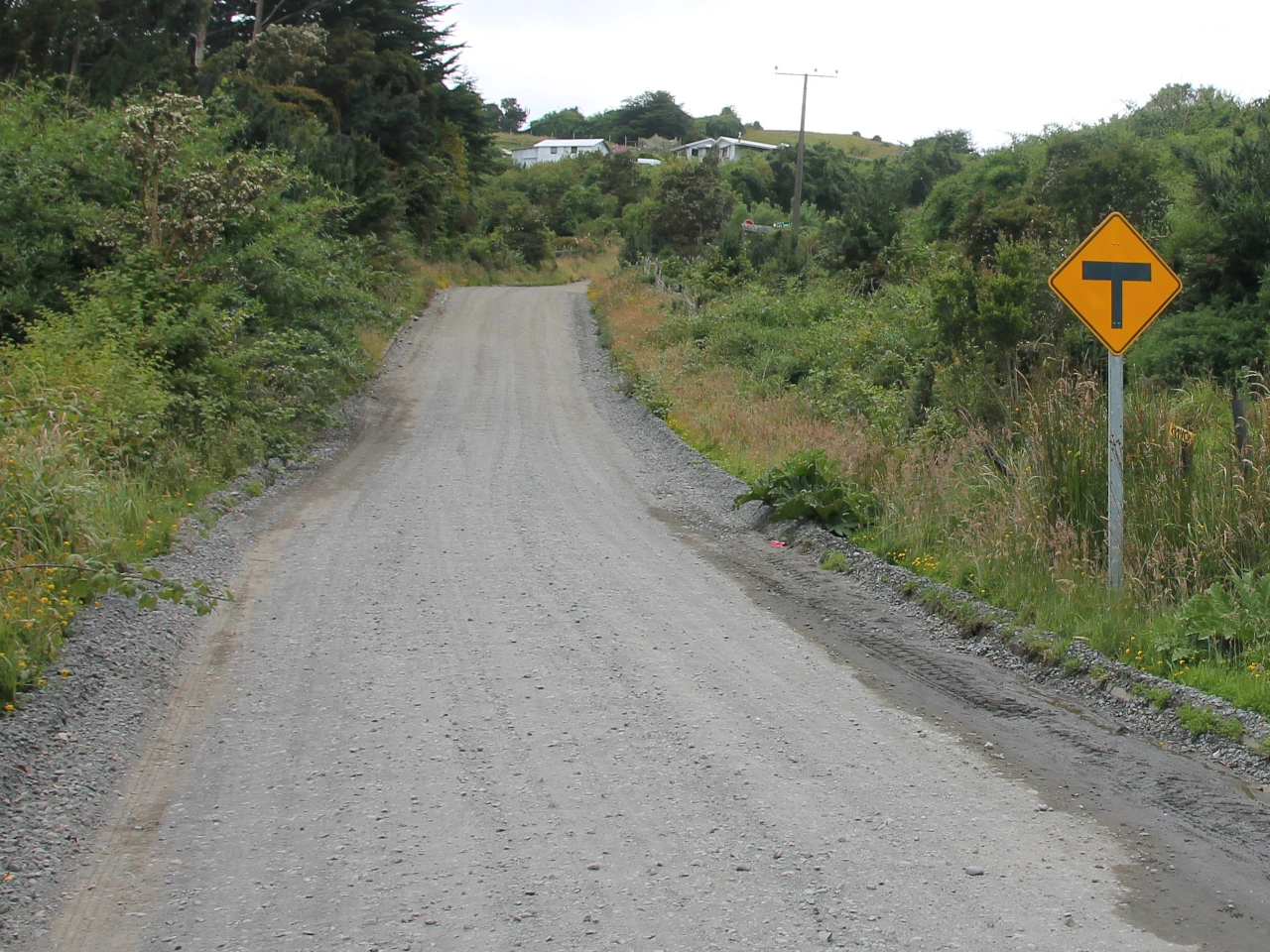
Intersección sin regulación
What is an uncontrolled crossroad?

An uncontrolled crossroad is an intersection where priority is not specifically assigned by traffic lights, an authorised person or priority signs. Drivers must use the default priority rules of the country.

Who has priority at an uncontrolled crossroad?

This depends on the local traffic law. Some countries use priority from the right, while others use different rules. Drivers should know the default intersection rule of the country in which they are driving.

Does the wider road automatically have priority?

Not necessarily. The width, surface or amount of traffic on a road does not by itself determine priority unless local law specifically provides otherwise.

Should you slow down at an uncontrolled crossroad?

Yes. Approach at a speed that allows you to observe approaching traffic, determine who has priority and stop safely if necessary.

Do cyclists have to follow the priority rules at an uncontrolled crossroad?

Yes. Cyclists generally follow the applicable intersection priority rules unless a specific cycle facility, sign or local rule provides otherwise.

Does driving straight ahead automatically give you priority?

No. Continuing straight ahead does not automatically give priority over traffic approaching on another road. The applicable priority rules must still be followed.

Does turning right or left change the priority rules?

Turning may create additional obligations, particularly towards pedestrians, cyclists or opposing traffic. Drivers must follow both the intersection priority rule and the rules governing the intended turn.

What if two vehicles reach an uncontrolled crossroad at the same time?

Apply the country's default priority rule. Do not rely simply on which vehicle appears to have arrived first unless local law specifically uses that rule.

What if the traffic lights at an intersection are not working?

The intersection is not necessarily completely uncontrolled. Priority signs, road markings and default priority rules may still determine who must give way. Drivers should approach with particular caution.

What should you do if you are unsure who has priority?

Reduce speed and be prepared to stop. Never force your way through an intersection simply because the priority situation is unclear.

15. Permiso provisional

Un permiso provisional permite a un alumno conductor practicar en vías públicas antes de obtener un permiso de conducir completo. Las condiciones varían entre países y pueden determinar si debe ir acompañado por un supervisor autorizado, qué vehículos puede conducir, dónde y cuándo puede conducir y cuánto tiempo es válido el permiso. Un permiso provisional normalmente está sujeto a normas más estrictas que uno completo y está destinado específicamente al aprendizaje y a adquirir experiencia práctica de conducción.
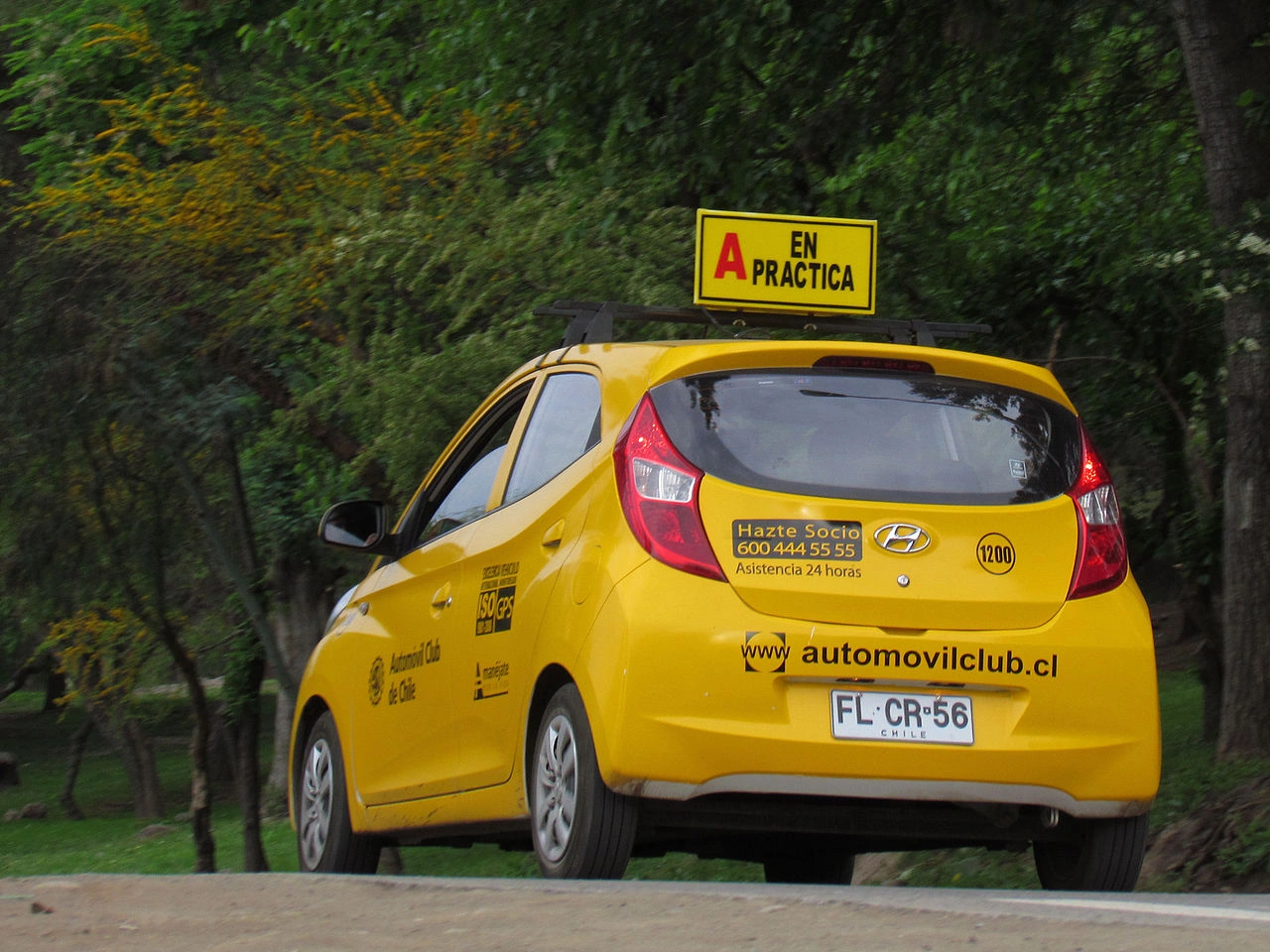
Permiso provisional
What is a provisional driving licence?

A provisional driving licence allows a learner driver to practise driving under specified conditions before obtaining a full driving licence.

Can you drive alone with a provisional licence?

This depends on the type of provisional licence and local rules. Some licences require an approved supervisor, while others allow the learner to practise alone after completing specified training.

How long is a provisional licence valid?

The validity period varies between countries and licence types. If it expires before the learner passes the practical exam, additional conditions may apply before another provisional licence can be obtained.

Can you drive abroad with a provisional licence?

Often not. A provisional licence may be valid only in the country that issued it. Learners should check the applicable rules before attempting to drive abroad.

Are there restrictions on when a learner may drive?

Yes, in some countries. Provisional licences may include restrictions on night driving, passengers, trailers, vehicle types or certain roads.

Do you need to display a learner sign?

Many countries require a learner vehicle to display an L plate or another learner-driver sign. The design and conditions vary by country.

16. Límite de población

Un límite de población marca la entrada o salida de una ciudad, pueblo u otra zona urbana legalmente definida. En muchos países, esta señal también determina dónde comienzan o terminan determinadas normas urbanas, como límites generales de velocidad.

Los conductores deben observar si la señal tiene efectos legales sobre velocidad, estacionamiento, uso del claxon u otras normas. El diseño y consecuencias varían entre países.
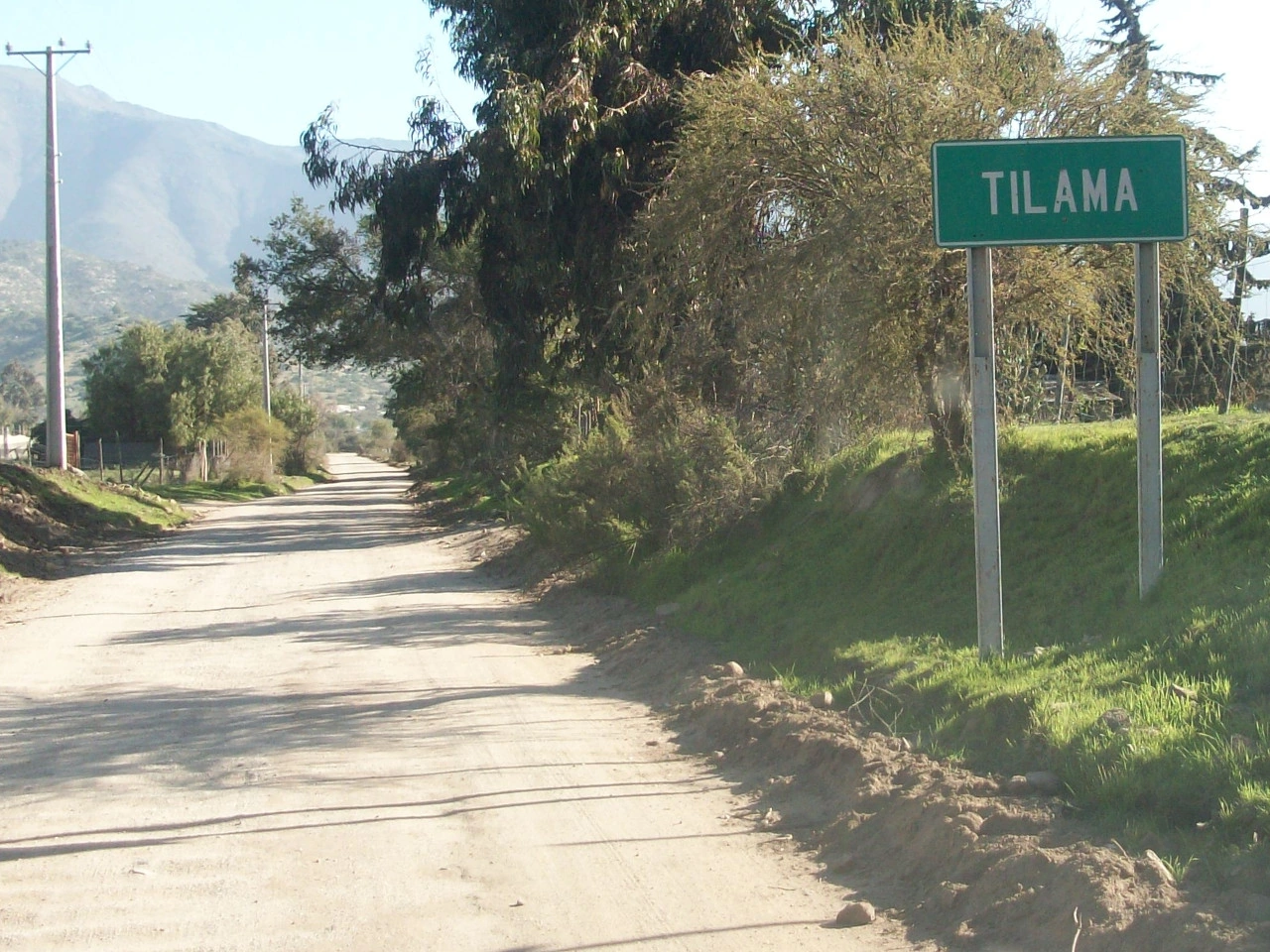
Límite de población
What is a city limit?

A city limit marks the boundary of a city, town, village, locality or municipality. On roads, it is often indicated by a place-name or boundary sign.

Does a city-limit sign always mark a built-up area?

No. A city-limit or locality sign may simply identify a place or administrative boundary. A legally defined built-up area can use a different sign or definition.

Does passing a city-limit sign always change the speed limit?

No. In some countries a locality or boundary sign has consequences for traffic rules, while in others it mainly identifies the place. Drivers must follow the traffic signs and rules that apply in that country.

Is a city limit the same as a municipal boundary?

Not always. Some signs indicate an administrative municipal boundary, while others identify a city, town, village or locality without exactly following the municipality's legal boundary.

What is the difference between a city limit and a built-up area?

A city limit identifies the boundary of a named place or administrative area. A built-up area is a traffic-law concept that may affect rules such as default speed limits. The two boundaries can coincide, but they do not have to.

17. Autobús

Un autobús es un vehículo a motor diseñado para transportar a varios pasajeros, normalmente por carretera como parte del transporte público, escolar, privado u otro servicio de pasajeros. Los autobuses suelen tener mayor capacidad que los turismos y pueden estar diseñados para pasajeros sentados, de pie o ambos.

Pueden aplicarse normas especiales sobre permiso de conducir, capacidad de pasajeros, límites de velocidad, cinturones, carriles bus, paradas y subida de pasajeros. La clasificación legal de autobuses y autocares y las normas aplicables varían entre países, por lo que conductores y pasajeros deben seguir las normas locales de tráfico.
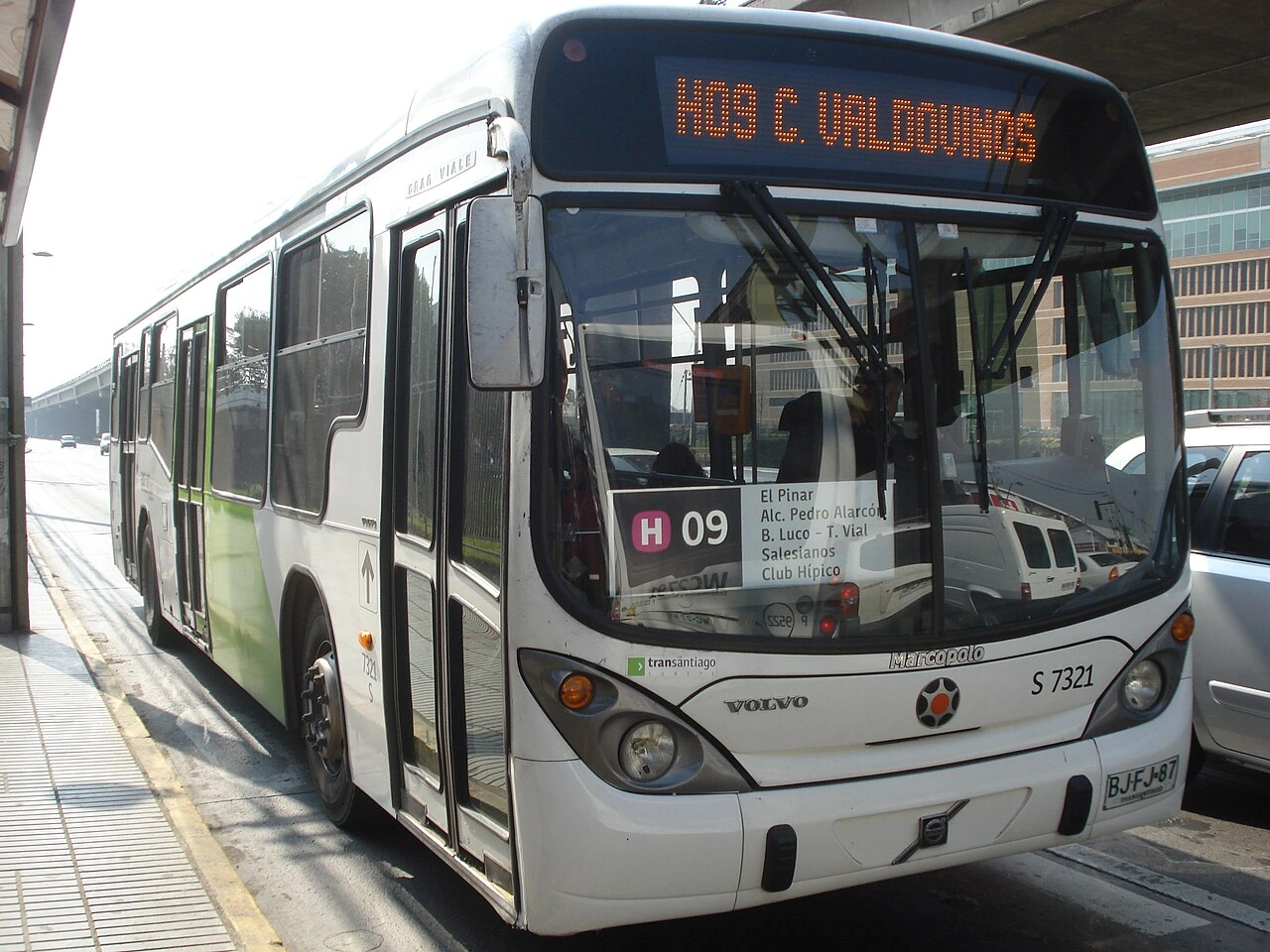
Autobús
What is a bus?

A bus is a motor vehicle designed to transport a relatively large number of passengers. It may be used for public transport, school transport, private services or other passenger transport.

What is the difference between a bus and a coach?

A bus is commonly designed for frequent passenger boarding and may allow standing passengers, while a coach is generally designed for longer journeys with passengers seated. Exact legal definitions vary between countries.

Do you need a special driving licence to drive a bus?

Yes. Driving a vehicle designed to carry more than a specified number of passengers normally requires a dedicated bus or passenger-vehicle driving licence.

Can passengers stand on a bus?

Only when the vehicle is designed and approved to carry standing passengers. Coaches and other vehicles designed exclusively for seated passengers must not be used beyond their approved passenger configuration.

Must bus passengers wear seat belts?

Where seat belts are provided and local law requires their use, passengers must wear them correctly. Urban buses designed for standing passengers may have seating positions or operating conditions that differ from coaches.

Can buses use bus lanes?

Yes, where permitted. Bus lanes are commonly reserved for public transport buses, although local signs may also allow taxis, bicycles or other specified vehicles to use them.

Do buses always have priority when leaving a bus stop?

No. Some countries require other drivers to give way to buses leaving designated stops, particularly in urban areas, while others apply the normal merging rules.

Should you take extra care near a stopped bus?

Yes. Passengers may be boarding, leaving or crossing the road near the bus. Reduce speed where necessary and watch carefully for pedestrians emerging from behind or in front of the vehicle.

Do buses have special speed limits?

They can. Some countries impose lower maximum speeds on buses than on passenger cars, particularly on high-speed roads. Different limits may apply to buses and coaches.

Can a bus use a motorway?

Yes, normally. Buses that satisfy the applicable construction and access requirements may use motorways, but they must obey any vehicle-specific speed limits, lane restrictions and other local rules.

18. Policía

La policía es la autoridad pública responsable de hacer cumplir las leyes, mantener la seguridad pública y gestionar situaciones que pueden afectar al tráfico. En la circulación, los agentes pueden controlar vehículos, hacer cumplir las normas, investigar colisiones, dirigir el tráfico y responder a emergencias.

Los usuarios deben obedecer las instrucciones legales de los agentes u otro personal autorizado de control. Las indicaciones policiales pueden prevalecer temporalmente sobre semáforos, señales o la organización normal del tráfico, según la legislación local.

What is the role of police in road traffic?

Police help enforce traffic laws, manage traffic, investigate collisions and respond to dangerous situations. They may also carry out roadside checks and direct road users.

Must you obey a police officer directing traffic?

Yes. Lawful directions given by an authorised police officer must be followed. In many countries, those directions take precedence over traffic lights, road signs and normal priority rules.

What should you do if police signal you to stop?

Slow down, follow the officer's directions and stop at a safe location as instructed. Do not make sudden movements or continue driving unless directed to do so.

Can police direct you through a red traffic light?

Yes, where authorised by local law. A police officer controlling traffic may instruct road users to proceed even when a traffic light or sign would normally require them to stop.

Can police check your driving documents?

Yes. Police may require drivers to provide documents such as a driving licence, vehicle registration, identification or proof of insurance according to local law.

Can police carry out alcohol or drug checks?

Yes. Traffic police may conduct legally authorised alcohol and drug checks using procedures such as breath, saliva or other approved tests.

Can police temporarily close a road?

Yes. Roads or lanes may be temporarily closed or traffic diverted because of collisions, emergencies, investigations, public events or other safety concerns.

What should you do near police controlling an accident scene?

Reduce speed, remain alert and follow all directions. Do not enter a closed area or interfere with emergency personnel, and leave sufficient space for emergency vehicles.

What should you do when a police vehicle approaches with emergency signals?

Follow the local rules for priority vehicles. Drivers generally have to make sufficient space, give way and stop where necessary so that the emergency vehicle can pass safely.

Can police order a parked vehicle to be moved?

Yes, where local law permits it. Police or another authorised authority may require a vehicle to be moved when it obstructs traffic, creates danger or must be removed for operational reasons.

19. Ambulancia

Una ambulancia es un vehículo equipado y utilizado para prestar asistencia médica de emergencia o transportar pacientes hasta o entre centros sanitarios. Puede llevar material médico y personal formado capaz de proporcionar tratamiento durante el transporte.

Durante una respuesta de emergencia, puede utilizar luces de emergencia y sirena y recibir prioridad especial o exenciones de determinadas normas. Los demás usuarios deben seguir las reglas locales para vehículos de emergencia, dejar espacio suficiente y evitar obstaculizar su paso.
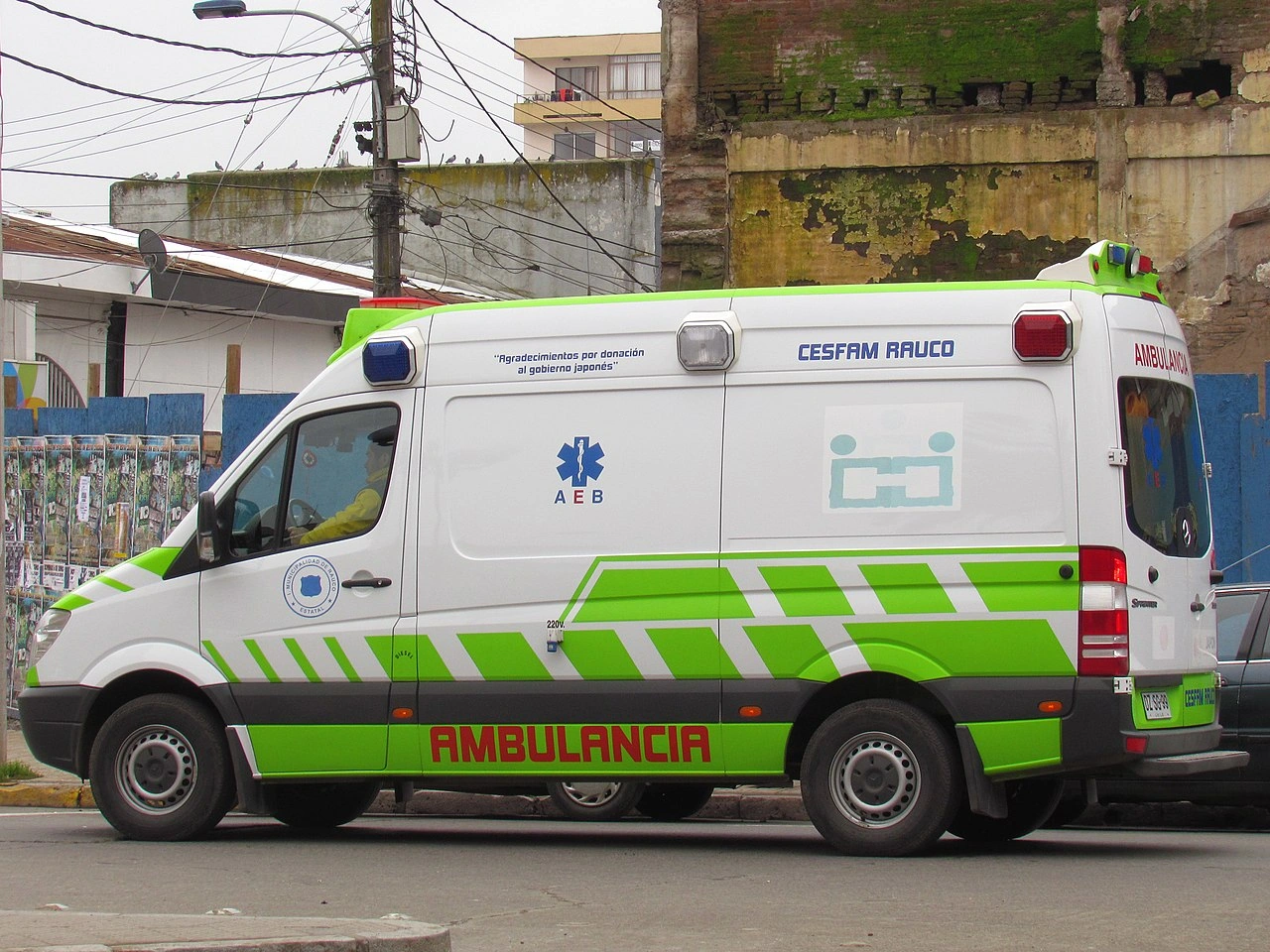
Ambulancia
What is an ambulance?

An ambulance is a specially equipped vehicle used to provide emergency medical assistance and transport sick or injured people.

When does an ambulance have priority?

This depends on the local traffic rules and warning signals being used. Ambulances responding to emergencies commonly use flashing lights and a siren to indicate that other road users must make way.

What should you do when an ambulance approaches?

Remain calm and make sufficient space for it to pass. Slow down or stop where necessary, but avoid sudden or dangerous manoeuvres.

Should you stop immediately when you hear an ambulance siren?

Not necessarily in your exact position. Move or stop in a way that creates a safe passage without blocking an intersection, pedestrian crossing or another part of the road needed by the ambulance.

Can an ambulance pass a red traffic light?

Emergency vehicles may be allowed to pass a red light during an urgent response under special legal conditions. The precise rules differ between countries, and the ambulance driver must still take appropriate precautions.

Can an ambulance exceed the speed limit?

Many countries permit emergency vehicles to depart from certain normal speed rules during an urgent mission, subject to safety requirements and national legislation.

Can an ambulance drive through a traffic queue?

Yes, when responding to an emergency and legally permitted to do so. Other road users should create space and keep emergency corridors or access routes clear where required.

Can you follow an ambulance through traffic?

You should not use the passage created for an ambulance as a way to bypass congestion. Maintain a safe distance and continue to obey the normal traffic rules.

Do ambulances always use their sirens?

No. The use of warning lights and sirens depends on the urgency of the mission and local regulations. An ambulance transporting a patient does not necessarily need to use emergency signals throughout the journey.

What should you do near a stationary ambulance?

Reduce speed and remain alert. Medical personnel, patients or other emergency workers may be entering the road, and the ambulance may need to move unexpectedly.

20. Bache

Un bache es un agujero o depresión en la superficie causado por desgaste, meteorología, agua, cargas repetidas o deterioro del pavimento. Puede variar mucho en tamaño y profundidad y desarrollarse gradualmente o empeorar tras heladas, lluvias intensas o tráfico repetido.

Los baches pueden afectar a dirección, frenada y estabilidad y dañar neumáticos, llantas o suspensión. Los conductores y motoristas deben observar la carretera, adaptar la velocidad y evitar maniobras bruscas o peligrosas.

Bache
What is a pothole?

A pothole is a hole or depression that develops in a road surface when the pavement becomes damaged or deteriorates.

How do potholes form?

Potholes can develop through a combination of water, temperature changes, traffic loads and deterioration of the road material. Cracks can gradually expand until pieces of the surface break away.

Why are potholes dangerous?

A pothole can cause a vehicle to change direction suddenly, lose stability or suffer tyre, wheel or suspension damage. Deep potholes can present a particularly serious hazard at higher speeds.

What should you do when you see a pothole?

Reduce speed when necessary, maintain control of the vehicle and avoid abrupt steering or braking. Only move around the pothole when this can be done safely without endangering other road users.

Should you brake while driving through a pothole?

If possible, reduce your speed before reaching the pothole. Sudden heavy braking or steering while passing over a damaged surface can make the vehicle less stable.

Are potholes particularly dangerous for motorcycles?

Yes. A pothole can disturb the steering or balance of a motorcycle and may cause the rider to lose control.

Are potholes dangerous for cyclists?

Yes. Bicycle wheels can be strongly affected by deep holes or sharp edges, particularly when the cyclist has little time or space to avoid the hazard.

Can a pothole damage a car?

Yes. Severe impacts can damage tyres, wheel rims, suspension components, steering parts or wheel alignment.

Should you swerve suddenly to avoid a pothole?

No. A sudden evasive movement may create a greater danger by bringing the vehicle into conflict with cyclists, pedestrians, oncoming traffic or vehicles in another lane.

Can a warning sign indicate potholes ahead?

Yes. Depending on the country's traffic-sign system, an uneven-road or general-danger warning sign may be used where poor road conditions create a significant hazard.

21. Camino

Un camino es una ruta relativamente estrecha destinada a peatones y, cuando esté permitido, a otros usuarios o vehículos pequeños. Los caminos pueden atravesar zonas urbanas, campo, parques, bosques o conectar otras carreteras, y pueden estar pavimentados o no.

Un camino no es necesariamente lo mismo que una acera o vía ciclista. Los usuarios que pueden utilizarlo dependen de su estatus legal, anchura, señales de tráfico y normas locales.

Camino
What is a path?

A path is a relatively narrow route intended primarily for pedestrians and, where permitted, other road users or small vehicles.

Is a path the same as a footpath?

Not necessarily. A footpath is specifically intended for pedestrians, while a path may also permit cyclists or other users according to local rules.

Is a path the same as a cycle path?

No. A cycle path is specifically designated for bicycles and other permitted users. An ordinary path does not automatically have that legal status.

Can cyclists use a path?

This depends on the legal status, width and signs applying to the path. Some paths permit cyclists, while others are reserved for pedestrians or particular users.

Can motor vehicles use a path?

This depends on local law. Some paths prohibit motor vehicles entirely, while narrow vehicles may be permitted on other paths unless traffic signs restrict access.

Can a path be part of the public-road network?

Yes. A narrow path can legally form part of the public-road network even when it is unsuitable for ordinary cars.

Does a path need to be paved?

No. Paths can be paved, gravelled, compacted or unsurfaced depending on their location and purpose.

Can traffic signs restrict access to a path?

Yes. Signs can reserve a path for particular road users or prohibit certain vehicles, regardless of whether they could physically fit on it.

Who has priority when a path joins a larger road?

The applicable local priority rules determine who must give way. Special rules often apply when a minor path joins an ordinary road.

Can pedestrians and cyclists share a path?

Yes, where both are permitted. Faster users should adapt their speed and avoid endangering or unnecessarily obstructing pedestrians.

Can a path cross another road?

Yes. At the crossing, users must follow the applicable priority signs, traffic lights, road markings and general right-of-way rules.

Is every narrow route legally a path?

No. Its legal classification depends on the definitions and regulations of the country concerned. A narrow route might instead be a footpath, cycle path, private access road or another type of facility.

22. Partículas

Las partículas, o material particulado (PM), son pequeñas partículas sólidas o gotas líquidas suspendidas en el aire. En el tráfico, las emisiones de partículas pueden proceder de gases de escape, desgaste de frenos, desgaste de neumáticos y desgaste de la superficie vial, además del polvo levantado por el paso de vehículos.

El material particulado suele clasificarse por tamaño. PM10 se refiere a partículas de hasta aproximadamente 10 micrómetros de diámetro, mientras que PM2.5 se refiere a partículas más finas de hasta aproximadamente 2,5 micrómetros. Las normas de emisiones, filtros de partículas y medidas de calidad del aire se utilizan para reducir la exposición a estos contaminantes.
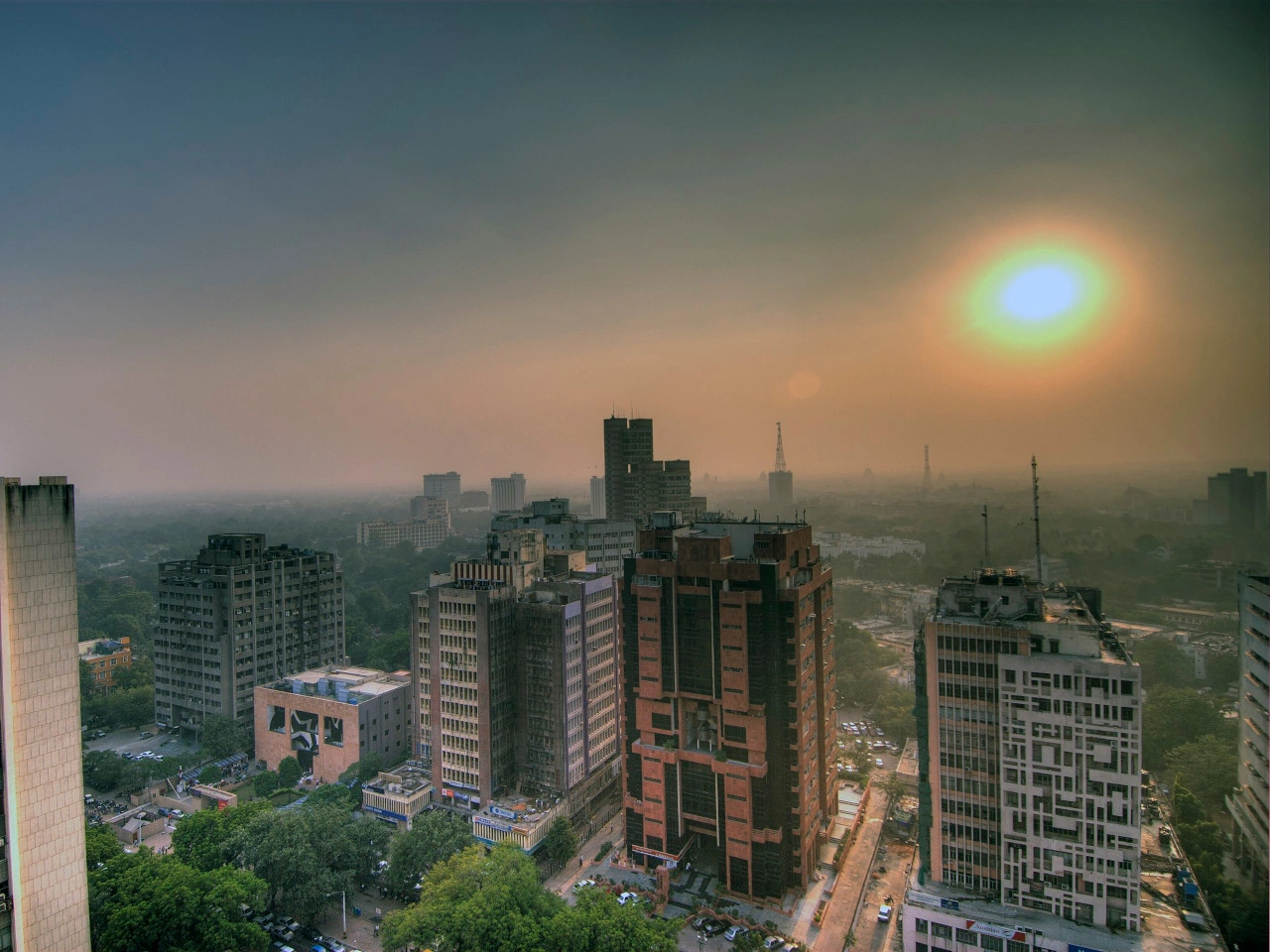
Partículas
What are particulates?

Particulates, or particulate matter, are very small solid particles or liquid droplets suspended in the air.

What are PM10 and PM2.5?

PM10 refers to particles with a diameter of up to approximately 10 micrometres. PM2.5 refers to finer particles with a diameter of up to approximately 2.5 micrometres.

Where do traffic particulates come from?

Road traffic can produce particles through engine exhaust, brake wear, tyre wear and road-surface wear. Passing traffic can also resuspend dust already present on the road.

Are diesel vehicles a source of particulates?

Yes. Combustion in diesel engines can produce very small soot particles. Modern diesel vehicles commonly use particulate filters to capture a large proportion of these exhaust particles.

What is a particulate filter?

A particulate filter is an exhaust-treatment device designed to trap particulate matter produced by an engine. Diesel particulate filters are commonly known as DPFs.

Do petrol engines produce particulates?

Yes. Petrol engines can also produce particulate emissions, particularly certain direct-injection engines. Appropriate emission-control systems may therefore include particulate filters.

Do electric vehicles produce particulates?

Fully electric vehicles produce no exhaust particulates from a combustion engine, but particles can still result from tyre wear, road wear and braking.

Are brake and tyre particles regulated?

Vehicle-emission regulation is increasingly addressing non-exhaust emissions. The European Euro 7 framework includes requirements concerning brake-particle emissions and tyre abrasion.

Is particulate matter the same as CO2?

No. Particulate matter consists of tiny airborne particles, while carbon dioxide is a gas. They are different types of vehicle emissions and are regulated for different environmental reasons.

How can vehicle particulate emissions be reduced?

Measures include effective particulate filters, cleaner vehicle technologies, correctly maintained emission-control systems and reductions in brake, tyre and road-wear emissions.

23. Contaminación del aire

La contaminación del aire es la presencia de gases, partículas u otras sustancias en concentraciones que pueden perjudicar la salud humana, el medio ambiente o los ecosistemas. El tráfico contribuye mediante emisiones de escape y fuentes no relacionadas con el escape como desgaste de frenos, neumáticos y polvo de la carretera.

Entre los contaminantes importantes del tráfico se incluyen óxidos de nitrógeno, material particulado, monóxido de carbono y compuestos orgánicos volátiles. Algunos se emiten directamente y otros se forman en la atmósfera mediante reacciones químicas. Las normas de emisiones, tecnologías más limpias y medidas de gestión del tráfico ayudan a reducirlos.

Contaminación del aire
What is air pollution?

Air pollution is contamination of the air by gases, particles or other substances that can adversely affect human health, the environment or ecosystems.

How does road traffic cause air pollution?

Vehicles produce pollutants through fuel combustion, exhaust systems, brake wear, tyre wear and road-surface interaction. Moving traffic can also resuspend dust already present on the road.

Which air pollutants are associated with road traffic?

Important traffic-related pollutants include nitrogen oxides, particulate matter, carbon monoxide and volatile organic compounds. Their relative importance depends on the vehicle, fuel and driving conditions.

What is nitrogen dioxide?

Nitrogen dioxide (NO2) is an air pollutant associated particularly with combustion processes and road traffic. High concentrations are commonly found near busy roads and densely trafficked urban areas.

What is particulate matter?

Particulate matter consists of tiny solid particles or liquid droplets suspended in the air. Road traffic can produce particles from exhaust, brakes, tyres and road surfaces.

Is CO2 the same as ordinary air pollution?

No. Carbon dioxide is primarily regulated as a greenhouse gas because of its contribution to climate change. Local air-quality pollution generally focuses on substances such as nitrogen dioxide, particulate matter, ozone and other pollutants that directly affect air quality and health.

Do electric vehicles cause air pollution?

Fully electric vehicles produce no combustion-engine exhaust emissions while driving, but they can still contribute to non-exhaust particulate emissions through tyres, brakes and road wear.

Can air pollution be worse near busy roads?

Yes. Concentrations of traffic-related pollutants can be higher close to heavily trafficked roads because many emissions occur close to ground level and near where people live and travel.

What is a low-emission zone?

A low-emission zone is an area where access by more polluting vehicles is restricted in order to reduce traffic-related air pollution. Access criteria may depend on factors such as fuel type, vehicle category and emission standard.

How can traffic-related air pollution be reduced?

Measures include cleaner vehicles, stricter emission standards, effective emission-control equipment, low-emission zones, public transport, cycling and walking, as well as traffic-management measures that reduce unnecessary congestion and emissions.

24. Hora punta

La hora punta es un periodo en el que las carreteras y redes de transporte público tienen una demanda especialmente elevada, normalmente porque mucha gente se desplaza al trabajo, colegio u otros destinos habituales. Suele producirse por la mañana y al final de la tarde o por la noche en días laborables.

Puede causar congestión, velocidades menores, viajes más largos y paradas frecuentes. Los conductores deben mantener una distancia segura, tener paciencia, anticipar cambios del tráfico y seguir cualquier medida temporal o dinámica de gestión.

Hora punta
What is rush hour?

Rush hour is a period when unusually large numbers of people travel at the same time, resulting in increased traffic and often congestion.

When does rush hour occur?

Rush hour commonly occurs during the morning and late afternoon or evening on working days, but the exact times vary according to the city, road and local travel patterns.

Does rush hour always last one hour?

No. The term does not mean that congestion lasts exactly one hour. In busy urban areas, peak traffic conditions may continue for several hours.

Why does traffic become congested during rush hour?

Congestion develops when traffic demand approaches or exceeds the available road capacity. Intersections, merging traffic, collisions, roadworks and weather can make the congestion worse.

Should you increase your following distance in rush-hour traffic?

Yes. Leave sufficient distance to react to sudden braking and frequent changes in traffic speed. Avoid following another vehicle too closely even when traffic is moving slowly.

Should you frequently change lanes during congestion?

Unnecessary lane changes can create additional conflicts and may not significantly reduce journey time. Choose an appropriate lane, observe surrounding traffic and change lane only when it can be done safely.

Can speed limits change during rush hour?

Yes. Roads equipped with variable traffic management may display lower speed limits during congestion. Drivers must follow the speed limit currently indicated.

What is a rush-hour lane?

A rush-hour lane is an additional traffic lane that can be opened during busy periods to increase road capacity. It may use a lane or shoulder that is closed to normal traffic at other times.

Can you use a rush-hour lane whenever traffic is congested?

No. Such a lane may only be used when traffic signals or signs indicate that it is open. Never assume that congestion alone permits its use.

How can you prepare for a journey during rush hour?

Check current traffic conditions and expected journey times, allow additional travel time and consider an alternative route, departure time or mode of transport where appropriate.

25. Código de circulación

Un código de circulación es un conjunto de leyes y normas que regulan cómo se utilizan las vías públicas. Establece reglas para conductores, ciclistas, peatones y otros usuarios y abarca materias como prioridad, velocidad, adelantamiento, estacionamiento, semáforos, señales y marcas viales.

Los códigos difieren entre países y a veces entre regiones. Se espera que todo usuario conozca y respete las normas aplicables donde circula, incluso cuando sean distintas de las de su país de origen.

What is a road code?

A road code is the body of traffic rules and regulations governing how road users must behave on public roads.

What does a road code regulate?

A road code can regulate subjects such as priority, speed, overtaking, turning, parking, traffic signals, road signs and road markings, as well as the responsibilities of different road users.

Are road codes the same in every country?

No. Although many traffic rules and signs are similar internationally, each country establishes its own traffic legislation and may apply different rules, signs, speed limits and requirements.