1. Serbia

Serbia se encuentra en la encrucijada entre Europa Central y el sureste de Europa, y su posición en grandes rutas norte-sur la convierte en un importante país de tránsito entre Europa Central y los Balcanes meridionales. Se circula por la derecha. Las autopistas soportan gran parte del tráfico internacional, mientras que las carreteras secundarias pueden volverse considerablemente más sinuosas en las regiones de colinas y montañas del país. Las señales de tráfico merecen especial atención: en las carreteras estatales de primera clase, los nombres de lugares suelen mostrarse en alfabeto cirílico y latino, mientras que en las carreteras estatales de segunda clase, carreteras municipales y calles puede utilizarse únicamente el cirílico.

Las autopistas serbias utilizan peajes basados en la distancia en lugar de una viñeta. Los tramos de autopista de peaje funcionan como un sistema cerrado, con pago en estaciones de peaje o electrónicamente mediante una etiqueta ENP. Las normas de invierno dependen de las condiciones reales de la carretera: del 1 de noviembre al 1 de abril, los turismos deben llevar neumáticos de invierno en las cuatro ruedas cuando la calzada esté cubierta de nieve, hielo o hielo negro, con una profundidad mínima del dibujo de 4 mm. Las cadenas para nieve u otro dispositivo de tracción homologado forman parte del equipamiento de invierno exigido, mientras que los neumáticos con clavos están prohibidos.

AI
¿Por qué lado de la carretera se circula en Serbia?

Se circula por el lado derecho de la carretera y normalmente se adelanta por la izquierda.

¿Cuál es el número de emergencia en Serbia?

Llame al 112 para asistencia general de emergencia. Serbia también utiliza el 192 para la policía, 193 para bomberos y rescate y 194 para ambulancias.

¿Cuál es el límite de alcohol para conducir en Serbia?

El umbral legal general es de 0,2 g/l (0,2‰). Se aplica alcohol cero a varias categorías, incluidos conductores en periodo probatorio, conductores de motocicletas y ciclomotores y determinados conductores profesionales o de servicios especiales.

¿Cuál es el límite de velocidad en zonas urbanas de Serbia?

La velocidad máxima general en una zona urbana es de 50 km/h, salvo que las señales indiquen lo contrario. En carreteras adecuadas puede permitirse un límite superior señalizado de hasta 80 km/h.

¿Cuál es el límite de velocidad fuera de zonas urbanas en Serbia?

Para un turismo ordinario, la velocidad máxima general en carreteras fuera de zonas urbanas que no sean autopistas ni motoput es de 80 km/h, salvo que se señalice otro límite.

¿Cuál es el límite de velocidad en una motoput en Serbia?

La velocidad máxima general en una motoput es de 100 km/h para un turismo ordinario, salvo que se señalice un límite inferior.

¿Cuál es el límite de velocidad en las autopistas de Serbia?

La velocidad máxima general en autopista para un turismo ordinario es de 130 km/h, salvo que las señales impongan un límite inferior.

¿Cuál es el límite de velocidad en una zona escolar de Serbia?

En una zona escolar señalizada, el límite es normalmente de 30 km/h en zona urbana y 50 km/h fuera de zona urbana entre las 07:00 y las 21:00, salvo que las señales indiquen otro periodo.

¿Qué usuarios tienen prohibido utilizar las autopistas serbias?

Las autopistas están reservadas a determinados vehículos de motor y no están abiertas a peatones, bicicletas ni otros usuarios lentos excluidos. Un vehículo de motor autorizado también debe tener una velocidad máxima por construcción de al menos 50 km/h.

¿Necesita una viñeta de autopista en Serbia?

No. Serbia no utiliza una viñeta nacional de autopista para turismos. En su lugar, se cobran peajes en tramos designados según la distancia recorrida y la categoría del vehículo.

¿Cómo funcionan los peajes de autopista en Serbia?

Los tramos de autopista de peaje utilizan generalmente un sistema cerrado. En pago manual, los conductores reciben una tarjeta magnética al entrar y pagan al salir, mientras que en carriles electrónicos puede utilizarse una etiqueta ENP.

¿Debe utilizar luces de circulación diurna en Serbia?

Sí. Durante la conducción diurna, los vehículos de motor deben utilizar luces de cruce o luces de circulación diurna.

¿Son obligatorios los neumáticos de invierno en Serbia?

Del 1 de noviembre al 1 de abril, los neumáticos de invierno son obligatorios cuando la calzada está cubierta de nieve, hielo o hielo negro. En turismos deben montarse en las cuatro ruedas y tener al menos 4 mm de profundidad de dibujo.

¿Debe llevar cadenas para nieve en Serbia?

Las cadenas para nieve u otro dispositivo de tracción homologado forman parte de los requisitos de equipamiento invernal de Serbia. Durante el periodo de equipamiento invernal generalmente deben llevarse al circular fuera de zonas urbanas y montarse en las ruedas motrices cuando lo exijan las señales o las condiciones de nieve aplicables.

¿Están permitidos los neumáticos con clavos en Serbia?

No. Los neumáticos con clavos están prohibidos en Serbia.

¿Son obligatorios los cinturones de seguridad en Serbia?

Sí. Conductores y pasajeros deben utilizar cinturones de seguridad en los asientos equipados con ellos.

¿Cuándo deben utilizar los niños un sistema de retención infantil en Serbia?

Una persona de menos de 135 cm debe transportarse normalmente en un sistema de retención infantil homologado y adecuado. La ley establece condiciones específicas para el uso de elevadores por niños mayores.

¿Pueden los niños viajar en el asiento delantero en Serbia?

Un niño menor de 12 años generalmente no puede viajar en el asiento delantero. Una excepción permite que un niño de hasta tres años viaje en un sistema orientado hacia atrás adecuado cuando el airbag frontal no exista o esté desactivado.

¿Son obligatorios los cascos de motocicleta en Serbia?

Sí. Los conductores y pasajeros de motocicletas, ciclomotores y determinados vehículos motorizados de tres y cuatro ruedas deben llevar un casco de protección homologado y correctamente abrochado.

¿Puede utilizar un teléfono móvil mientras conduce en Serbia?

El conductor no debe sostener ni utilizar un teléfono móvil mientras conduce salvo mediante un equipo manos libres que no requiera sostener el dispositivo. Se aplican reglas más estrictas a los conductores en periodo probatorio.

¿Qué normas especiales se aplican a los conductores en periodo probatorio en Serbia?

Los conductores en periodo probatorio deben respetar alcohol cero, no pueden conducir entre las 23:00 y las 06:00 y no pueden utilizar el teléfono ni siquiera con manos libres. Su velocidad máxima es de 110 km/h en autopistas, 90 km/h en motoput y el 90 % del límite aplicable en otras carreteras; también existen restricciones para conducir vehículos de categoría B con motores de más de 80 kW salvo que esté presente el supervisor legalmente exigido.

¿Se aplica la prioridad de la derecha en Serbia?

Sí. En una intersección donde la prioridad no esté regulada de otro modo, el conductor debe normalmente ceder el paso a un vehículo que se aproxima por la derecha.

¿Quién tiene prioridad en una glorieta en Serbia?

La prioridad se determina mediante las señales de tráfico y las normas generales de prioridad. Cuando hay una señal de ceda el paso en la entrada, como es habitual, quienes entran deben ceder al tráfico que ya circula. No debe suponerse que estar dentro de una glorieta otorga por sí solo prioridad.

¿Tienen prioridad los peatones en los pasos de peatones en Serbia?

En un paso de peatones no regulado, los conductores deben adaptar la velocidad para poder ceder el paso a los peatones que hayan entrado, estén entrando o manifiesten claramente su intención de entrar en el paso.

¿Tiene Serbia una regla de incorporación en cremallera?

Sí. Cuando termina o queda obstruido un carril en el mismo sentido, el conductor del carril adyacente debe permitir que un vehículo del carril que termina o está bloqueado se incorpore delante.

¿Deben los conductores formar un corredor de emergencia en Serbia?

Sí. En una cola de autopista donde no exista carril de emergencia, los vehículos del carril derecho y de los carriles centrales deben desplazarse hacia el borde derecho, mientras que los del carril izquierdo se desplazan hacia la izquierda, dejando un corredor para vehículos de emergencia y prioritarios.

¿Qué deben hacer los conductores en los pasos a nivel en Serbia?

Los conductores deben ceder el paso a los vehículos ferroviarios y detenerse cuando las barreras estén cerradas o bajando o cuando las señales del paso lo exijan. En un paso sin protección deben detenerse y asegurarse de que no se aproxima ningún tren antes de cruzar.

¿Qué equipamiento de seguridad debe llevar un turismo en Serbia?

Un turismo ordinario debe llevar equipamiento esencial, incluido un triángulo de emergencia, botiquín de primeros auxilios y chaleco reflectante homologados. Los turismos fabricados o matriculados por primera vez después del 1 de enero de 1984 también deben llevar un cable o barra de remolque adecuados. Se aplican requisitos independientes de equipamiento invernal cuando corresponda.

2. Autopista

Una autopista es una carretera especialmente diseñada y señalizada para el tráfico de vehículos de motor. Las autopistas suelen tener calzadas separadas para los sentidos opuestos, acceso controlado mediante entradas y salidas designadas, ningún acceso directo a propiedades colindantes y ningún cruce al mismo nivel con otras carreteras, vías férreas o caminos.

En las autopistas se aplican normas de tráfico especiales. Los usuarios permitidos, los límites de velocidad, las normas de carril, los peajes y los procedimientos de emergencia varían entre países, por lo que los conductores deben respetar las señales y normas de tráfico locales.

How can you recognise a motorway?

A motorway is normally identified by a special motorway sign at its entrance. It commonly has separate carriageways, controlled entrances and exits, and no ordinary intersections or direct access to neighbouring properties.

Who may use a motorway?

Motorways are primarily intended for motor vehicles capable of travelling safely at motorway speeds. Pedestrians, cyclists, animals and certain slow vehicles are generally prohibited, but the exact access requirements differ between countries.

What is the speed limit on a motorway?

There is no universal motorway speed limit. The applicable limit depends on the country, road section, vehicle category and driving conditions. Posted or variable speed-limit signs may replace the general national limit.

How should you enter a motorway?

Use the entrance or acceleration lane to observe motorway traffic and adjust your speed where possible. Enter only when there is a safe gap and follow the local priority and merging rules.

How should you leave a motorway?

Move into the correct lane in good time and signal when required. Enter the exit or deceleration lane before reducing your speed, unless traffic, signs or road conditions require you to slow down earlier.

Which lane should you use on a motorway?

Follow the local keep-left or keep-right rule and any lane-direction signs. Lanes closer to the centre of the motorway are commonly used for overtaking, but lane-use rules differ between countries and vehicle categories.

Can you stop on a motorway?

Voluntary stopping and parking are normally permitted only in designated parking or service areas. Drivers may still have to stop because of congestion, an emergency or another unavoidable situation.

Can you reverse or make a U-turn on a motorway?

Reversing, making a U-turn and driving against the direction of traffic are generally prohibited. If you miss an exit, continue to the next suitable exit.

What should you do if your vehicle breaks down?

Move the vehicle out of the traffic lanes when this can be done safely, activate the hazard warning lights and follow the local breakdown procedures. Leave the vehicle safely, keep away from moving traffic and use a warning triangle or safety vest where required by local law.

What is the difference between a motorway and an expressway?

A motorway normally has the highest level of access control and is governed by specific motorway rules. An expressway may have similar characteristics but may permit different road users or contain lower-standard junctions. The legal distinction varies between countries.

3. Límite de velocidad

Un límite de velocidad es la velocidad máxima legal permitida en una carretera, carril o dentro de una zona designada. Puede estar establecido por la legislación general de tráfico o indicado mediante señales fijas, variables o temporales.

Un límite de velocidad es un máximo, no una velocidad objetivo. Los conductores deben circular más despacio cuando el tráfico, la visibilidad, el tiempo, el estado de la carretera, los usuarios vulnerables o el estado del vehículo hagan insegura la velocidad máxima permitida.

Límite de velocidad
What is a speed limit?

A speed limit is the maximum legal speed permitted on a road, lane or within a designated area. It does not require drivers to travel at that speed.

How can you recognise a speed limit?

A speed limit is commonly displayed as a number on a regulatory traffic sign. General limits may also apply automatically because of the country, road category, vehicle type or surrounding area, even when no speed-limit sign is present.

Is the speed limit a recommended driving speed?

No. It is the highest speed legally permitted under suitable conditions. Drivers must reduce their speed whenever travelling at the limit would be unsafe.

Can you drive more slowly than the speed limit?

Yes. Drivers should travel more slowly when required by traffic, weather, visibility, road conditions or nearby vulnerable road users. Driving unnecessarily slowly may nevertheless be prohibited when it obstructs normal traffic.

Does the same speed limit apply to every vehicle?

Not always. Lower limits may apply to heavy vehicles, buses, vehicles towing trailers, novice drivers or other vehicle categories. The lowest applicable limit must be respected.

What is a default speed limit?

A default speed limit applies automatically to a particular road type or area when no traffic sign indicates another limit. Examples include general limits for motorways, built-up areas or roads outside built-up areas.

Does a posted speed limit replace the default limit?

Usually, yes. A legally placed speed-limit sign normally introduces another maximum speed, although lower vehicle-specific or special-road limits may continue to apply.

When does a speed-limit sign take effect?

A speed restriction normally begins at the location of the sign. Drivers should reduce their speed before passing the sign so that they are already travelling within the limit when it takes effect.

When does a speed limit end?

A signed limit may end at an intersection, an end-of-limit sign, another speed-limit sign or the beginning or end of a legally defined area. The exact rule differs between countries.

Does an intersection end a speed limit?

This depends on local law. An ordinary speed restriction may end at an intersection in some countries, while a zonal speed limit normally continues across intersections until an end-of-zone sign.

What is a speed zone?

A speed zone is an area in which the displayed maximum speed applies throughout all included roads. The limit normally remains in force until the corresponding end-of-zone sign.

What is a variable speed limit?

A variable speed limit is displayed on an electronic or changeable sign and may be adjusted according to congestion, weather, incidents or roadworks. When activated, it has the same legal importance as another applicable regulatory speed sign.

Can different lanes have different speed limits?

Yes. Signs positioned above individual lanes may impose different limits on those lanes. Drivers must observe the limit applying to the lane they use.

Can a temporary speed limit apply?

Yes. Temporary limits may be introduced near roadworks, collisions, hazards or special events. Drivers must follow the temporary traffic signs and instructions that are legally in force.

May you exceed the speed limit while overtaking?

No. Overtaking does not normally permit a driver to exceed the applicable maximum speed. The manoeuvre must be completed safely while respecting the speed limit.

Do poor conditions change the legal speed limit?

Some countries impose specific lower limits in rain, snow or other conditions. Even where the numerical limit does not change, drivers must reduce their speed sufficiently for the conditions.

4. Parada de autobús

Una parada de autobús es un lugar designado donde autobuses u otros vehículos de transporte público se detienen para que los pasajeros suban o bajen. Puede estar indicada mediante una señal, marcas viales, refugio, plataforma elevada u otros elementos.

Las normas sobre parar, estacionar, adelantar y ceder el paso a autobuses que salen de una parada varían entre países. Los conductores deben prestar especial atención a peatones que puedan cruzar cerca de la parada.

Parada de autobús
What is a bus stop?

A bus stop is a designated location where buses stop so that passengers can board or leave the vehicle.

What should you watch for near a bus stop?

Watch for buses entering or leaving the stop, passengers near the roadway and pedestrians who may cross the road.

Can you park at a bus stop?

Parking or stopping at or near a bus stop is often restricted or prohibited so that buses can reach the stop safely. The exact restrictions depend on local traffic rules.

5. Señal de STOP

Una señal de STOP obliga a los conductores a detener completamente el vehículo antes de continuar. La parada debe realizarse en la línea de detención, antes del paso de peatones o, si no existen, en un punto desde el que se pueda observar con seguridad el tráfico transversal.

Después de detenerse, el conductor debe ceder el paso a cualquier usuario que tenga prioridad y continuar solo cuando sea seguro. La forma y el texto de la señal pueden variar ligeramente entre países.

Señal de STOP
What does a stop sign mean?

A stop sign requires a driver to come to a complete stop and give way before proceeding.

How can you recognise a stop sign?

A stop sign is commonly a red octagonal sign displaying the word STOP. Some countries use another legally recognised design, so drivers must learn the signs used locally.

Must you stop when no other traffic is visible?

Yes. The obligation to stop applies even when the road appears completely clear.

What is a complete stop?

A complete stop means that the vehicle has ceased moving entirely. Merely slowing down or allowing the vehicle to continue rolling does not satisfy the requirement.

Where should you stop?

Stop before the stop line where one is provided. Without a line, stop at the legally prescribed position before entering the intersection, crossing or priority road.

May you stop beyond the stop line?

No. The required first stop must be made before the line. If visibility is limited, move forward cautiously after stopping and stop again where necessary before proceeding.

Must every vehicle in a queue stop separately?

Yes. Each driver must make an individual complete stop. Following another vehicle through without stopping is not permitted.

Does stopping give you priority?

No. After stopping, you must continue to give way to all road users who have priority.

Who must you give way to?

Give way to traffic on the road being entered or crossed and to pedestrians, cyclists or other road users who have priority under the applicable rules.

What is the difference between a stop sign and a give-way sign?

A stop sign always requires a complete stop. A give-way sign requires the driver to yield but normally allows continued movement when the road is clearly free.

May you turn after stopping?

Yes. After stopping and giving way, you may turn in any direction permitted by signs, signals, lane arrows and road markings.

May you turn right at a red traffic light after stopping?

This depends entirely on local law and traffic signs. A stop sign does not by itself permit a turn against a red light.

Does a stop sign impose a speed limit?

No. It imposes a stopping and yielding obligation. The normal posted or general speed limit remains applicable before and after the intersection.

Does a stop sign apply to cyclists?

In many countries, cyclists are drivers and must stop unless a specific sign or local rule provides an exception.

What happens at an all-way stop?

The order in which drivers may proceed depends on local rules, commonly involving arrival order, vehicle position and turning direction. Drivers should communicate cautiously and never assume another driver will yield.

What if two vehicles stop at the same time?

Apply the local priority rule and proceed only when the intentions of the other driver are clear. Avoid forcing the other vehicle to brake or change direction.

Do traffic lights override a stop sign?

Where functioning traffic lights control the same movement, they commonly take precedence over the stop sign. Local rules determine what applies when the lights are switched off or flashing.

Do instructions from a police officer override a stop sign?

Yes. Instructions from an authorised traffic officer normally take precedence over traffic signs and ordinary priority rules.

Can a temporary stop sign be legally binding?

Yes. A correctly placed temporary stop sign at roadworks, an event or another temporary traffic arrangement must be obeyed.

What should you do when the stop sign is partly hidden?

If you recognise that a stop sign applies, reduce speed and obey it. Report damaged, obscured or missing signs to the responsible road authority where appropriate.

6. Glorieta

Una glorieta es una intersección en la que el tráfico circula alrededor de una isla central en una dirección establecida. Las entradas y salidas pueden tener uno o varios carriles y estar controladas por señales, marcas o semáforos.

Las normas de prioridad en las glorietas varían entre países y según la señalización. Los conductores deben colocarse correctamente, ceder el paso cuando sea obligatorio, señalizar según las normas locales y comprobar la presencia de ciclistas y peatones antes de salir.

Glorieta
What is a roundabout?

A roundabout is a circular road arrangement where traffic travels in one direction around a central island before leaving through the chosen exit.

How can you recognise a roundabout?

A roundabout is normally identified by a circular-direction sign, a central island and entry roads controlled by signs, markings or local priority rules.

Which direction does traffic travel around a roundabout?

The direction depends on the country’s driving side. Traffic normally travels anticlockwise in right-hand-traffic countries and clockwise in left-hand-traffic countries.

Who has priority at a roundabout?

Priority differs between countries and roundabout designs. Entering traffic commonly gives way to traffic already circulating, but drivers must always follow the actual priority signs and signals.

Must you stop before entering a roundabout?

Not always. Stop when required by a stop sign, traffic light or approaching priority traffic. Otherwise, reduce speed and enter only when there is a safe gap.

Does a roundabout always have a give-way sign?

No. The sign arrangement depends on local law. Some circular intersections use ordinary priority rules or traffic lights instead.

How should you approach a roundabout?

Reduce speed, observe the signs and markings, choose the appropriate lane and check for pedestrians, cyclists and circulating traffic.

Which lane should you choose?

Follow the lane arrows and destination signs. As a general guide, use the lane appropriate for your exit, but exact lane-selection rules differ between countries and roundabout layouts.

May you use an inner lane?

Yes, where the road layout and local rules permit it. Before leaving, change lanes safely and give way to road users already travelling in the lane you wish to enter.

Do you need to signal when entering?

This depends on local law. Some countries require a signal for particular exits, while others require no signal when entering.

Do you need to signal when leaving?

Usually, yes. Signal in the direction of the exit early enough to inform other road users, but not so early that your intention becomes misleading.

Does signalling give you priority?

No. A direction indicator communicates your intention but does not permit you to force another road user to brake or change direction.

May you change lanes on a roundabout?

Only when the lane markings permit it and the manoeuvre can be completed safely. Check mirrors and blind spots, signal where required and give way to traffic already in the target lane.

What should you do if you miss your exit?

Continue around the roundabout and approach the exit again. Do not stop, reverse or cut suddenly across another lane.

May you drive over the central island?

Normally not. Some small roundabouts have a mountable central section intended only for vehicles that cannot otherwise negotiate the road safely.

Do cyclists have priority at a roundabout?

Priority depends on whether cyclists use the carriageway, a continuing bike path or a separate cycle crossing. Drivers and cyclists must follow the signs, markings and local priority rules.

What should drivers check before leaving?

Check mirrors and blind spots for cyclists, mopeds, motorcycles and vehicles beside you. Also check for pedestrians crossing the exit road.

Do pedestrians have priority at roundabout exits?

Pedestrian priority depends on crossings and local law. Drivers should approach exits slowly and be prepared to yield to pedestrians crossing or about to cross.

Does a roundabout have a special speed limit?

Not universally. The posted or general road limit applies, but drivers must travel slowly enough to negotiate the roundabout safely.

May you overtake on a roundabout?

Passing another vehicle may be permitted on a multilane roundabout, but drivers must remain within their lane and avoid unsafe lane changes. Local overtaking restrictions may apply.

May you stop or park on a roundabout?

Follow local signs and parking rules. Stopping or parking on the circulating roadway is commonly prohibited or unsafe because it obstructs traffic and reduces visibility.

Is every circular intersection a roundabout?

No. A circular junction may be governed by traffic lights, ordinary priority rules or another road design. Its legal status depends on its signs and local definition.

7. Paso a nivel

Un paso a nivel es un lugar donde una carretera o camino cruza vías férreas al mismo nivel. Puede estar protegido mediante barreras, luces de advertencia, señales acústicas, señales de tráfico o una combinación de estas medidas.

Los usuarios deben aproximarse con cuidado y no entrar nunca cuando se acerque un tren, estén activas las señales de advertencia o la salida esté bloqueada. Deben cruzar sin demora y nunca detenerse, esperar o quedar atrapados sobre las vías.
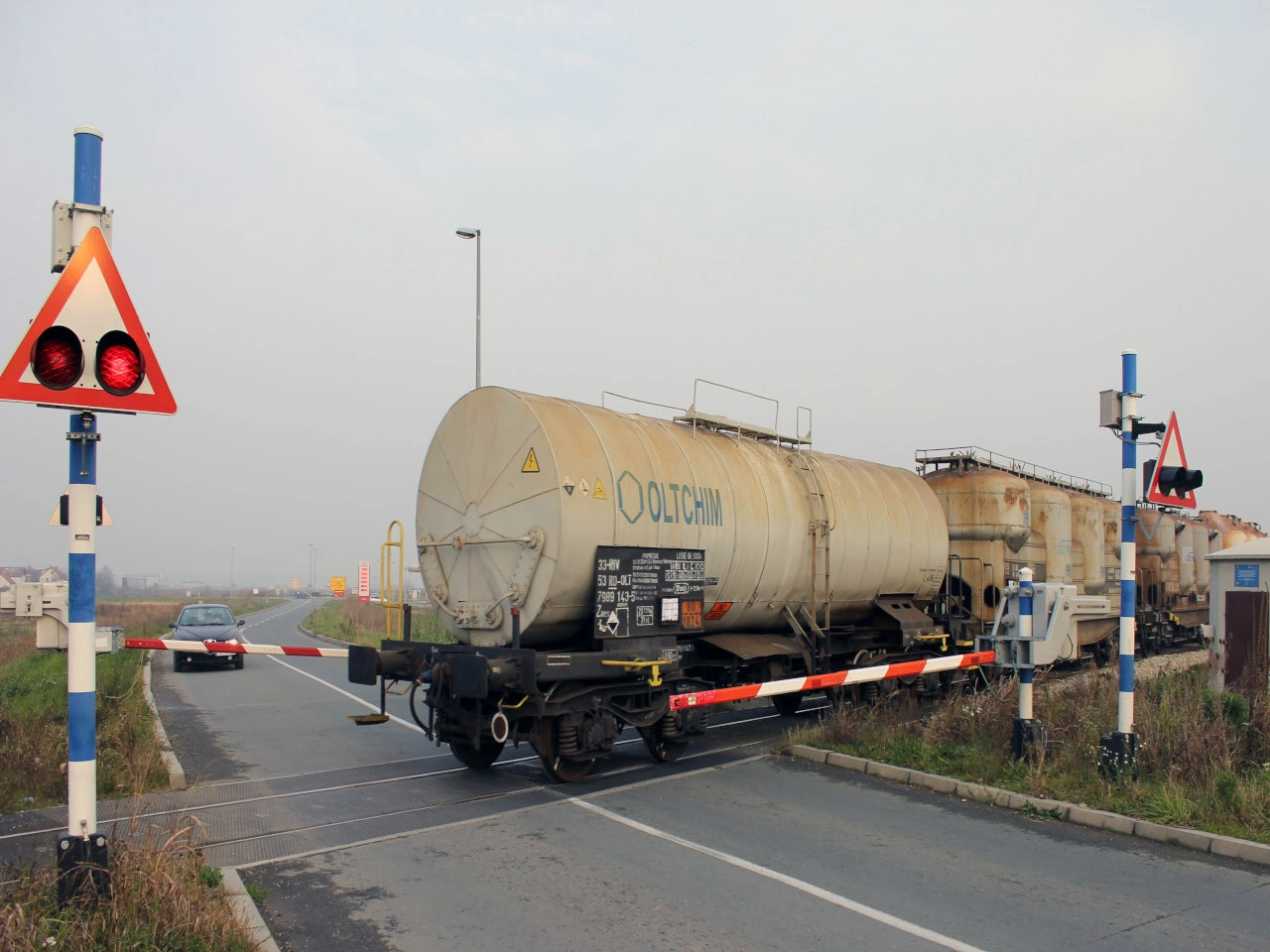
Paso a nivel
What is a railway crossing?

A railway crossing is a place where a road or path crosses railway tracks at the same level.

What is another name for a railway crossing?

It may also be called a level crossing or, particularly in North America, a railroad crossing.

How can you recognise a railway crossing?

It may be indicated by warning signs, crossbuck signs, barriers, flashing lights, bells or road markings. The design differs between countries.

What is the difference between a crossing with and without barriers?

A protected crossing uses full or partial barriers to block road traffic when a train approaches. A crossing without barriers relies on signs, lights, bells or the road user’s own observation.

Must you always stop at a railway crossing?

Not necessarily. You must stop when required by lights, barriers, signs, an approaching train or an authorised person. At an unprotected crossing, slow down and proceed only after checking that no train is approaching.

What do flashing red lights mean?

Flashing red lights mean stop and do not enter the crossing. Remain stopped until the signal permits you to continue.

May you cross while a barrier is moving?

No. Do not enter while a barrier is lowering, rising or closed. Wait until the crossing is fully open and all prohibiting signals have stopped.

May you drive around a closed barrier?

No. Never drive, cycle or walk around or underneath a closed or moving barrier.

What does a warning bell mean?

A warning bell or audible signal normally means that the crossing is closing or that a train is approaching. Do not enter the crossing while it is sounding.

What does a flashing white light mean?

In some countries, a flashing white light indicates that the crossing equipment is operating and road users may pass when the route is clear. Its exact meaning depends on local law.

What should you do at a crossing without lights or barriers?

Reduce speed, look and listen carefully in both directions and cross only after making sure that no train or other rail vehicle is approaching.

May you cross immediately after a train has passed?

Not automatically. Another train may approach on a second track. Wait until all warning signals stop and the crossing is fully open.

What if traffic ahead is blocking the exit?

Do not enter the crossing unless there is enough room beyond the tracks for your entire vehicle. Never rely on traffic moving before a train arrives.

May you wait on the tracks?

No. Railway tracks must always remain clear. Do not stop because of congestion, traffic lights or another obstruction beyond the crossing.

May you overtake at a railway crossing?

Overtaking is often prohibited or restricted because another vehicle can obstruct the view of an approaching train or warning signal. Follow local signs and overtaking rules.

May you stop or park on a railway crossing?

No. Stopping or parking on the tracks creates an immediate and potentially fatal danger.

Do the crossing signals apply to pedestrians and cyclists?

Yes. Pedestrians and cyclists must obey barriers, lights, bells and authorised personnel in the same way as other road users.

Should cyclists ride across the tracks at an angle?

Where possible, cross the rails at an angle close to 90 degrees. Rails can trap a bicycle wheel, especially when they are wet or cross the road diagonally.

What should drivers of long vehicles check?

Make sure the entire vehicle and any trailer can clear the crossing without stopping. Consider the available space, road gradient, turning room and traffic beyond the tracks.

What should drivers of high vehicles check?

Observe all height restrictions and warning signs. Electrified railway lines may have overhead equipment that can be struck by an excessively high vehicle or load.

What should you do if the signals appear defective?

Treat the crossing with extreme caution. Do not assume that no train is approaching merely because the lights or barriers are not operating.

What should you do if your vehicle becomes stuck on the tracks?

Evacuate everyone immediately, move well away from the railway and contact the emergency services or railway operator. Do not remain in the vehicle or return for belongings.

Is a railway crossing the same as tram tracks in the road?

Not always. A railway crossing normally crosses tracks that are separate from the carriageway, while tram or street-running railway tracks may form part of the road itself.

8. Zona escolar

Una zona escolar es una carretera o conjunto de carreteras cerca de un colegio donde numerosos niños pueden caminar, montar en bicicleta, cruzar la calzada o subir y bajar de vehículos. Puede identificarse mediante señales de advertencia, señales de zona, marcas viales, medidas de calmado del tráfico o luces intermitentes.

Pueden aplicarse límites de velocidad especiales, restricciones de estacionamiento o normas de acceso de forma permanente o únicamente durante las horas de entrada y salida. Los conductores deben reducir la velocidad, vigilar atentamente a los niños y estar preparados para detenerse.

Zona escolar
What is a school area?

A school area is a road or group of roads near a school where drivers should expect large numbers of children, pedestrians, cyclists and stopping vehicles.

How can you recognise a school area?

It may be identified by school warning signs, speed-zone signs, flashing lights, road markings, coloured surfacing or traffic-calming measures. The signs differ between countries.

Does every road beside a school have special legal rules?

No. Special school-area rules normally apply only where signs, signals or local legislation establish them.

What is the speed limit in a school area?

There is no universal school-area speed limit. The applicable limit depends on the country, region, signs and whether a variable restriction is active.

Is the school-area speed limit always active?

Some limits apply permanently, while others apply only during displayed times or when flashing or variable signs are active. Drivers must observe the actual sign arrangement.

Must you drive below the displayed limit?

Yes, when necessary. The displayed speed is a maximum. Children, congestion, poor visibility or vehicles stopping near the school may require a much lower speed.

Why are children especially vulnerable in traffic?

Children may have difficulty judging speed and distance, may be hidden by parked vehicles and may enter the road unexpectedly.

How should you approach a school area?

Reduce speed early, increase your observation and be prepared for children crossing, cyclists changing direction, vehicle doors opening and cars stopping suddenly.

Do children automatically have priority everywhere?

No. Priority depends on crossings, traffic lights, authorised crossing supervisors and local rules. Drivers must nevertheless take exceptional care to avoid endangering children.

Must you obey a school crossing supervisor?

Yes. Drivers and other road users must follow lawful instructions given by an authorised person controlling traffic for children.

May children cross away from a pedestrian crossing?

This depends on local pedestrian rules. Drivers should remain prepared for children to cross unexpectedly, even where they are required to use a nearby crossing.

Does a school sign create pedestrian priority?

Not by itself. A school warning sign alerts drivers to children but does not normally create the legal effect of a pedestrian crossing.

Does a school area change intersection priority?

No. Traffic lights, priority signs and the ordinary intersection rules remain applicable unless another traffic arrangement provides otherwise.

May you overtake in a school area?

Overtaking may be restricted by signs or local law. Even where it is permitted, drivers should not overtake when children, crossings, limited visibility or stopped vehicles make the manoeuvre unsafe.

May you stop to drop off a child?

Only where stopping is permitted and can be completed safely. Do not stop on a crossing, pavement, bike path, bus stop or another prohibited or dangerous location.

May you park near a school entrance?

Follow the parking signs and markings. Do not block entrances, pavements, bike paths, crossings, visibility or access for buses and emergency vehicles.

Why is double parking dangerous near a school?

It blocks traffic and visibility and may force children to walk between moving vehicles or enter the road from behind an obstruction.

What should you watch for near school buses?

Expect children to enter or leave the vehicle and possibly cross the road. Reduce speed and follow any special warning lights, signs or local school-bus rules.

May cyclists ride through a school area?

Normally, yes. They must follow the applicable road, bike-path, speed and priority rules. Drivers should expect inexperienced young cyclists.

Is a school area the same as a school street?

No. A school area normally remains open to traffic under special caution or speed rules. A school street temporarily restricts or excludes motor traffic during specified periods.

Is a school area the same as a Zone 30?

Not universally. A school area may form part of a Zone 30, use another speed limit or have a variable restriction that applies only at particular times.

When do the school-area rules end?

They normally end at an end sign, at the end of the stated time period or when the variable signal is no longer active. The surrounding road rules then apply.

9. Circulación en sentido contrario

La circulación en sentido contrario se produce cuando un conductor circula contra el sentido legalmente permitido del tráfico. Puede ocurrir en una calle de sentido único, carretera de calzadas separadas, entrada o salida de autopista u otro tramo reservado al tráfico de una sola dirección.

Circular en sentido contrario genera un riesgo extremo de colisión frontal. Los conductores deben respetar las señales de dirección, las de entrada prohibida, las flechas de carril y las marcas viales. Quien entre accidentalmente en una vía en sentido incorrecto debe reducir la velocidad, advertir al resto del tráfico, detenerse en el lugar más seguro disponible y contactar con los servicios de emergencia.

Circulación en sentido contrario
What is wrong-way driving?

Wrong-way driving means travelling against the legally permitted direction of traffic.

Where can wrong-way driving occur?

It can occur on one-way streets, divided roads, motorways, slip roads, tunnels, car parks and temporary traffic arrangements.

Why is wrong-way driving especially dangerous?

Other drivers do not expect approaching traffic in their lane, and the combined speeds can make a head-on collision extremely severe.

How can you recognise a prohibited direction?

Look for no-entry signs, one-way signs, mandatory-direction signs, lane arrows and road markings. Motorway exits may also have repeated signs or warning systems facing the wrong direction.

Is wrong-way driving the same as entering a no-entry road?

Entering past a no-entry sign can cause wrong-way driving, but the term also covers turning around on a divided road or using the wrong carriageway without passing such a sign.

Is driving against a one-way street always prohibited?

Normally, yes. However, signs may expressly permit certain road users, such as cyclists or public transport, to travel in the opposite direction.

Is authorised contraflow traffic wrong-way driving?

No. A cyclist, bus or other road user travelling in an expressly authorised contraflow lane or direction is using the road legally.

Can roadworks temporarily change the normal direction?

Yes. Temporary signs, barriers, lane signals and markings may redirect traffic onto another lane or carriageway. Follow the temporary arrangement rather than the usual road layout.

What should you do when you see a wrong-way driver?

Reduce speed immediately, keep as far as safely possible towards the outer edge of your carriageway and avoid sudden lane changes. Warn the police or emergency services as soon as this can be done safely.

Should you attempt to stop the wrong-way driver?

No. Do not block, chase or turn after the vehicle. Protect yourself and allow trained emergency services to intervene.

Should you flash your headlights?

A brief warning may help the driver recognise the error, but avoid prolonged or aggressive signalling that could cause panic or an unpredictable manoeuvre.

Should you sound the horn?

Use the horn only when reasonably necessary to warn of immediate danger. Your first priority is to reduce speed and create as much safe space as possible.

Should you stop in a live traffic lane?

Normally not. Sudden stopping may cause a rear-end collision. Slow down and move towards a safe shoulder, refuge or other protected location where possible.

What should you do after receiving a wrong-way-driver warning?

Reduce speed, stop overtaking, increase your following distance and remain in the lane or position recommended by the local authorities or warning system.

Should you continue using the overtaking lane?

Avoid unnecessary use of lanes nearest opposing or central traffic when a wrong-way driver has been reported. Follow local emergency guidance and electronic signs.

What should you do if you are driving in the wrong direction?

Slow down immediately, activate the hazard warning lights and use dipped headlights where required. Move to the safest available edge or shoulder and stop.

Should you accelerate to reach the next exit?

No. Increasing speed greatly increases the collision risk. Stop safely and wait for instructions from the police.

Should you make a U-turn across traffic?

No. Do not turn across live lanes, cross a central reservation or attempt to correct the mistake through another dangerous manoeuvre.

Should you reverse back to the entrance?

No. Reversing against traffic or along a motorway slip road creates additional danger. Stop safely and contact the emergency services.

Should you leave the vehicle after stopping?

This depends on the location and immediate danger. Remain protected from moving traffic and follow instructions from the emergency services. Do not stand in a live lane.

How should you contact the emergency services?

Stop safely before using a handheld phone. A passenger may call while the vehicle is moving when local law permits and this can be done without distracting the driver.

What information should you report?

Report the road name or number, direction, nearby exit or landmark, vehicle description and the wrong-way driver’s approximate location and direction.

What commonly causes wrong-way driving?

Possible causes include confusion at junctions, poor visibility, unfamiliar roads, impairment, navigation errors, turning around illegally or deliberately ignoring traffic signs.

How can drivers prevent entering the wrong direction?

Slow down at unfamiliar junctions, read signs before turning, verify the road layout and do not rely exclusively on navigation instructions.

Does a navigation system override traffic signs?

No. Traffic signs, signals, markings and instructions from authorised persons always take precedence over navigation guidance.

10. Obras

Las obras viales son actividades de construcción, mantenimiento, reparación o inspección realizadas en la carretera o junto a ella. Pueden modificar temporalmente el trazado, la anchura de los carriles, los límites de velocidad, la prioridad, los sentidos permitidos y las instalaciones para peatones o ciclistas.

Los conductores deben respetar las señales temporales, semáforos, barreras, marcas viales e instrucciones del personal autorizado. Deben reducir la velocidad, aumentar la distancia de seguimiento y estar preparados para carriles estrechos, tráfico detenido, trabajadores, maquinaria y cambios repentinos de ruta.

Obras
What are roadworks?

Roadworks are construction, maintenance, repair or inspection activities carried out on or beside a road.

How can you recognise roadworks?

They may be indicated by a roadworks warning sign, cones, barriers, temporary markings, flashing lights, machinery or workers.

Does a roadworks sign impose a speed limit?

No, not by itself. A separate temporary or permanent speed-limit sign establishes the legal maximum speed.

Must you drive below the speed limit?

Yes, when necessary. Narrow lanes, workers, machinery, poor surfaces, congestion or limited visibility may require a substantially lower speed.

Are temporary traffic signs legally binding?

Yes. Correctly installed temporary signs must be obeyed for as long as they are in force.

Which road markings should you follow?

Follow the temporary markings that guide traffic through the works. Local law determines how they take priority over older permanent markings.

Must you obey temporary traffic lights?

Yes. Stop at the line or signal when required and do not proceed until the applicable light permits it.

Must you obey road workers directing traffic?

Obey instructions from workers or controllers who are legally authorised to regulate traffic. Their signals may temporarily replace the ordinary traffic arrangement.

What should you do when a lane closes?

Observe the signs and lane arrows, check mirrors and blind spots and merge safely into the continuing lane.

What is zipper merging?

Zipper merging means that vehicles in an ending or blocked lane merge alternately with vehicles in the continuing lane near the narrowing during congested traffic.

Should you merge early?

This depends on local law and traffic conditions. Where zipper merging applies during congestion, use both lanes and merge near the narrowing. In flowing traffic, change lanes when a safe gap is available.

Who has priority when your lane is obstructed?

Without another traffic control, the driver whose route is obstructed commonly has to yield before moving into the path of approaching or adjacent traffic.

Can temporary lights control alternating traffic?

Yes. Temporary signals may allow only one direction at a time through a narrow section.

May you enter when the exit is blocked?

No. Do not enter a narrow section, intersection or temporary crossing when congestion may leave you stopped inside it.

May you move cones or barriers?

No. Do not move, pass around or ignore traffic-control equipment unless an authorised person instructs you to do so.

May you overtake in roadworks?

Only when signs and markings permit it and sufficient width and visibility remain. Overtaking is often unsafe in narrow or shifted lanes.

May you stop or park in roadworks?

Only where temporary and permanent signs permit it. Do not obstruct workers, machinery, emergency access or temporary pedestrian and cycle routes.

What should you watch for near workers?

Expect workers to enter the road, machinery to move or reverse and vehicles to leave the worksite. Reduce speed and leave generous space.

What should cyclists do at roadworks?

Follow the signed temporary cycle route or lane. Check surrounding traffic carefully before leaving a closed or obstructed bike path.

What should pedestrians do?

Use the designated temporary walkway or crossing and follow barriers, signs, signals and instructions from authorised personnel.

Why should you increase your following distance?

Traffic may brake suddenly because of queues, lane changes, machinery, debris or changing signals. Additional distance provides more time to react.

What should you do if your vehicle breaks down in roadworks?

Move to the safest available location where possible, activate the hazard warning lights and contact assistance. Avoid standing in a live or narrow traffic lane.

Do ordinary traffic rules still apply?

Yes. Rules concerning safe speed, following distance, signalling, priority and vulnerable road users continue to apply unless a lawful temporary arrangement changes them.

11. Semáforos

Los semáforos utilizan luces de colores, flechas o símbolos para regular cuándo los usuarios pueden avanzar, deben prepararse para detenerse o deben permanecer detenidos. Pueden existir señales independientes para determinadas direcciones, carriles, peatones, ciclistas o vehículos de transporte público.

Una luz verde permite avanzar solo cuando el recorrido está libre y la maniobra es legal. Los usuarios deben seguir respetando las normas de prioridad, restricciones de giro, marcas de carril e instrucciones de los agentes autorizados.

Semáforos
What are traffic lights?

Traffic lights are signals that use coloured lights, arrows or road-user symbols to regulate traffic movements.

What does a red traffic light mean?

A red light requires road users to stop before the stop line or signal and remain stopped until movement is permitted.

What does a steady amber light mean?

A steady amber light normally requires drivers to stop unless they are already too close to stop safely. It warns that the signal is changing to red.

What does a green traffic light mean?

A green light permits road users to pass the signal, but only when the route is clear and the intended movement is otherwise legal.

Does green mean that you have priority over everyone?

No. You may still have to give way to pedestrians, cyclists, oncoming traffic or other road users when turning or following a conditional arrow.

May you enter a blocked intersection on green?

No. Do not enter when congestion is likely to leave you stopped inside the intersection and obstructing crossing traffic.

Where should you stop at a red light?

Stop before the stop line. When no stop line is provided, stop before the traffic light or at another legally prescribed position.

May you cross the stop line and then stop?

No. The required stop must normally be completed before the stop line. Do not stop on a pedestrian or cycle crossing.

What if the light changes to amber while you are approaching?

Stop when this can be done safely. Continue only when you are already too close to stop without creating danger.

Should you accelerate to pass an amber light?

No. Do not accelerate to avoid stopping. Maintain control and stop unless doing so safely is no longer possible.

What do arrow-shaped traffic lights mean?

They have the same general meaning as circular lights, but the prohibition or permission applies only to the direction shown by the arrow.

What does a green arrow displayed with a red light mean?

It may permit travel in the indicated direction while other movements remain prohibited. Drivers may still have to give way to conflicting traffic and pedestrians.

Does a green arrow override a no-turn sign?

Not universally. Drivers must follow the complete local sign arrangement. A traffic signal does not necessarily cancel a separate regulatory prohibition.

May you turn right on red?

Only where local law or a specific sign or signal expressly permits it. There is no universal right to turn on red.

What does a flashing amber light mean?

It warns of a potential hazard and normally allows cautious passage. The ordinary priority arrangement remains applicable.

What should you do when the normal lights are flashing amber?

Reduce speed, observe the intersection carefully and follow the applicable priority signs or default priority rules.

What does a flashing red light mean?

Its meaning depends on local law. At railway crossings and some movable bridges, flashing red lights normally require road users to stop.

What do lane-control signals mean?

A red cross normally closes the lane, a green downward arrow opens it and an amber diagonal arrow instructs drivers to leave the lane in the indicated direction.

May you continue beneath a red lane-control cross?

No. Move out of the lane safely before reaching the red cross unless an authorised person or emergency rule directs otherwise.

What does an amber diagonal lane arrow mean?

It warns that the lane is closing or unavailable ahead. Drivers must move into the adjacent lane indicated by the arrow when safe.

Can separate lights apply to cyclists?

Yes. A signal displaying a bicycle symbol applies to the road users legally covered by that signal rather than to general motor traffic.

Can separate lights apply to pedestrians?

Yes. Pedestrian lights normally use red and green human figures to indicate whether pedestrians may begin crossing.

What does a flashing green pedestrian light mean?

It normally warns that the crossing period is about to end. Pedestrians who have not started should wait for the next green signal.

What if the pedestrian signal changes while someone is crossing?

A person who entered lawfully should continue without unnecessary delay. Turning drivers must allow the crossing to be completed safely.

Can buses and trams have separate traffic lights?

Yes. Public-transport signals may use bars, circles, triangles or other symbols that apply only to authorised service vehicles.

Do functioning traffic lights override priority signs?

They commonly replace the priority arrangement at that location. Priority signs may apply again when the normal signals are inactive or flashing.

Do instructions from a police officer override traffic lights?

Yes. Instructions from an authorised traffic controller normally take precedence over lights, signs, markings and ordinary rules.

What should you do when the lights are not working?

Reduce speed and follow the priority signs, temporary signals, authorised personnel or default priority rules that apply.

May you clear an intersection after the light turns red?

Yes, when you entered lawfully and must leave the intersection. Complete the movement cautiously without endangering other road users.

Does a green light impose a minimum speed?

No. Drivers may proceed but must continue at a safe and legal speed.

May you use a handheld phone while waiting at red?

This depends on local law. In many countries, a driver temporarily stopped in traffic is still considered to be driving and may not use a handheld device.

12. Permiso de conducir

Un permiso de conducir es una autorización oficial que permite a una persona conducir determinadas categorías de vehículos en la vía pública. El permiso puede incluir información como la identidad del titular, categorías autorizadas, fechas de validez, restricciones y códigos especiales.

Los requisitos para obtener y conservar un permiso varían entre países y pueden incluir edad mínima, formación, exámenes teóricos y prácticos, requisitos médicos y renovaciones. Los conductores deben utilizar únicamente vehículos incluidos en las categorías y condiciones de su permiso.

Permiso de conducir
What is a driving licence?

A driving licence is an official authorisation to drive specified categories of motor vehicle.

Is a driving licence the same as a driving permit?

The terms may refer to the same document, depending on the country. Some countries use permit specifically for learners or temporary authorisations.

What is a provisional driving licence?

A provisional or learner licence allows a person to practise driving under specified restrictions before obtaining a full licence.

What is a full driving licence?

A full licence is issued after the holder has completed the required tests or training. Restrictions may still apply because of age, vehicle type, medical fitness or licence codes.

Does one licence allow you to drive every vehicle?

No. Driving licences are divided into categories for motorcycles, cars, buses, trucks, trailers and other vehicles.

What is a licence category?

A licence category identifies the type and size of vehicle the holder is authorised to drive.

Must the licence be valid for the vehicle being driven?

Yes. Holding a licence for one category does not normally authorise driving a vehicle belonging to another category.

Can a licence contain restrictions?

Yes. Codes may restrict the holder to an automatic transmission, corrective lenses, an adapted vehicle or another specified condition.

What is the difference between an automatic and manual licence?

In some countries, passing the test in an automatic vehicle restricts the holder to automatic vehicles until an additional test or procedure is completed.

Does a driving licence expire?

Usually, yes. The document, individual categories or medical authorisation may have expiry dates and require renewal.

May you drive with an expired licence?

No. The licence and the category required for the vehicle must remain valid.

Must you carry your driving licence?

This depends on local law. Many countries require drivers to carry the original licence and present it to an authorised officer when requested.

Is a photograph or copy of the licence sufficient?

Not normally. A photograph, scan or photocopy is not generally a substitute for the original document unless an official digital-licence system is legally recognised.

Does a driving licence prove that you own the vehicle?

No. It proves driving authorisation, not ownership, registration or insurance.

What tests are required to obtain a licence?

Requirements may include a theory test, eyesight test, practical driving test, medical examination or compulsory training.

Is there a universal minimum driving age?

No. Minimum ages differ between countries and vehicle categories.

Can a learner drive without supervision?

Only where the provisional-licence system permits independent driving. Other learners must be accompanied by an approved supervisor or instructor.

Can a learner drive in another country?

Often not. Provisional and learner licences are frequently valid only in the country or region that issued them.

What is an international driving permit?

An international driving permit is a standardised translation of a valid national licence intended to help authorities interpret it abroad.

Does an international driving permit replace a national licence?

No. It normally has legal value only when presented together with the valid national driving licence on which it is based.

Is a national licence valid abroad?

This depends on the destination, length of stay, residence status and agreements between the countries concerned. An exchange or international permit may be required.

Can a foreign licence be exchanged?

Some countries exchange recognised foreign licences without new tests, while others require theory, practical or medical examinations.

Can medical fitness affect a licence?

Yes. A medical condition may require an assessment, shorter validity period, adapted vehicle or licence restriction.

Must changes in medical fitness be reported?

This depends on local law. Drivers remain responsible for ensuring that they are physically and mentally fit to drive safely.

Do professional drivers need additional qualifications?

Often, yes. Drivers of trucks, buses, taxis or vehicles used commercially may require professional competence, medical examinations or periodic training.

What happens when a licence is suspended?

The holder may not drive during the suspension period, even if the physical document remains in their possession.

What is disqualification from driving?

Disqualification is a legal prohibition on driving, usually imposed by a court or competent authority for a specified period or until conditions are fulfilled.

What should you do if the licence is lost or stolen?

Report it where required and apply for a replacement through the competent licensing authority. Do not continue driving when local law requires the original document to be carried.

What should you do if the licence is damaged?

Request a replacement when the document is unreadable, damaged or no longer allows the holder to be identified reliably.

Does changing address require a new licence?

This depends on the country and whether the address appears on the licence. Drivers must follow the local notification and replacement procedure.

13. Espejo de tráfico

Un espejo de tráfico es un espejo convexo instalado para mejorar la visibilidad en lugares donde edificios, vegetación, curvas u otros obstáculos impiden ver claramente el tráfico que se aproxima. Suele utilizarse en intersecciones, accesos, aparcamientos y salidas estrechas.

El espejo puede ayudar a detectar otros usuarios, pero no sustituye la observación directa ni modifica las normas de prioridad. Los conductores deben avanzar lentamente y continuar comprobando el tráfico por otros medios.

Espejo de tráfico
What is a traffic mirror?

A traffic mirror is a convex roadside mirror that helps road users see around an obstruction or into a road with limited visibility.

Where are traffic mirrors commonly installed?

They may be placed near intersections, narrow roads, bends, car-park exits, private driveways, tunnels or other locations where buildings, vegetation or road geometry obstruct the view.

Why is the mirror curved?

A convex surface provides a wider field of view than a flat mirror, allowing more of the approaching road to be seen.

Does a traffic mirror show an exact image?

No. The reflected image is distorted, and objects normally appear smaller and farther away than they really are.

Can you accurately judge speed in a traffic mirror?

Not reliably. The curved image makes it difficult to estimate how fast another road user is approaching.

Can you accurately judge distance in the mirror?

No. Distance can appear greater than it really is, so an approaching vehicle may reach the intersection sooner than expected.

Can the mirror create a blind area?

Yes. Its position and viewing angle may leave parts of the road outside the reflected image. Small cyclists, motorcycles or pedestrians may also be difficult to notice.

Does a traffic mirror give you priority?

No. It does not change priority. Drivers must continue to follow stop signs, give-way signs, traffic lights and the ordinary priority rules.

Does seeing an empty mirror mean the road is clear?

No. Another road user may be outside the reflected area, hidden by glare or too small to notice. Always check the road directly before proceeding.

Must you still stop at a stop sign?

Yes. The mirror does not replace the mandatory complete stop. Stop at the prescribed position, then use direct observation and the mirror as additional information.

Must you still give way?

Yes. You may proceed only when traffic with priority can continue without being forced to brake, stop or change direction.

How should you use a traffic mirror?

Approach slowly, stop when required and scan the mirror for movement. Then look directly in both directions and continue only after confirming that the road is clear.

Should you look only at the mirror?

No. Alternate between the mirror and direct observation. The mirror should supplement rather than replace normal checks.

Can rain affect a traffic mirror?

Yes. Rain, water droplets and spray may blur or partially obscure the reflected image.

Can frost or condensation affect it?

Yes. Dew, condensation, frost, ice or snow may make the mirror difficult or impossible to use.

Can sunlight cause problems?

Yes. Sunlight may create glare or reflections that hide approaching road users.

Can headlights be misleading at night?

Yes. Reflected headlights may make it difficult to determine the exact direction, distance or speed of an approaching vehicle.

Can the mirror move out of position?

Yes. Wind, impacts, vandalism, vibration or temperature changes may alter its orientation and make the reflected view inaccurate.

What if the mirror is dirty or damaged?

Do not rely on it. Proceed with additional caution and report the defect to the responsible road authority or property owner.

Does a traffic mirror impose a speed limit?

No. The applicable road or posted speed limit remains in force, but restricted visibility normally requires a lower approach speed.

Does it require drivers to sound the horn?

No. Use the horn only where local law permits it and a warning is reasonably necessary to prevent danger.

Can pedestrians and cyclists use the mirror?

Yes. It may help them observe approaching traffic, but they must also look directly and follow the applicable crossing and priority rules.

Can a private individual install a traffic mirror?

A mirror may generally be installed on private property with the owner’s permission, subject to local rules. Installing one on, above or beside a public road normally requires permission from the road authority.

Should a mirror replace better road design?

No. Removing vegetation, relocating parking, improving the intersection layout or changing traffic circulation may provide a safer and more reliable solution.

14. Estacionamiento

Estacionar significa dejar un vehículo inmóvil en un lugar durante un periodo de tiempo, en lugar de detenerlo solo brevemente por las condiciones del tráfico u otra necesidad inmediata. Muchos países distinguen el estacionamiento de una parada corta para recoger o dejar pasajeros o para cargar o descargar mercancías, aunque la definición legal exacta varía.

El estacionamiento puede estar permitido, restringido, reservado, limitado en el tiempo o prohibido mediante señales de tráfico, marcas viales, zonas de estacionamiento y normas locales. Los conductores deben estacionar sin crear peligro ni obstrucción innecesaria y cumplir las condiciones relativas a pago, permisos, categorías de vehículos o duración máxima.

Estacionamiento
What is the difference between parking and stopping?

Parking generally means leaving a vehicle stationary for longer than a brief stop required for passengers, loading or unloading. A vehicle stopped because of traffic lights, congestion, an emergency or another traffic condition is normally not considered parked. The precise legal definitions vary between countries.

How can you tell where parking is allowed?

Look for parking signs, prohibition signs, road markings and parking-zone signs. Local rules may also permit parking along certain roads even when individual parking spaces are not marked.

Can you park anywhere if there is no sign prohibiting parking?

No. General traffic rules can prohibit parking even when no specific prohibition sign is present. Common examples include locations where a parked vehicle would obstruct visibility, crossings, intersections, cycle facilities or the movement of other traffic.

Can you park on a pavement or sidewalk?

Parking on a pavement or sidewalk is prohibited or restricted in many countries unless signs or markings specifically allow it. Vehicles must not force pedestrians into the roadway or block an accessible pedestrian route.

Can you park near a pedestrian crossing?

Parking on or close to a pedestrian crossing is generally restricted because a vehicle can hide pedestrians from approaching drivers. The required clearance distance varies between countries.

Can you park close to an intersection?

Many countries prohibit parking within a specified distance of an intersection because parked vehicles can reduce visibility and obstruct turning traffic. Follow the local distance requirements and any signs or markings.

What does a parking sign mean?

A parking sign identifies a place or area where parking is permitted or regulated. Additional signs or panels may specify time limits, payment requirements, vehicle categories, permits or particular parking arrangements.

How does paid parking work?

Where parking is subject to payment, drivers must follow the instructions displayed locally. Payment may be made through a parking meter, ticket machine, mobile application or another authorised system. The permitted duration and charging periods vary by location.

Who may use an accessible parking space?

Spaces marked for people with disabilities are reserved for vehicles displaying or registered with the required disability parking permit. Eligibility, permit display requirements and parking privileges depend on national and local law.

Can you leave a vehicle parked for an unlimited time?

Not necessarily. Local rules may impose a maximum parking duration, even where parking is otherwise permitted. Different limits may apply to abandoned, commercial, heavy or recreational vehicles.

15. Marcha atrás

La marcha atrás consiste en conducir un vehículo hacia atrás. Se utiliza habitualmente al estacionar, salir de un espacio reducido o recolocar un vehículo cuando avanzar no es práctico.

Antes de dar marcha atrás, el conductor debe comprobar espejos y ángulos muertos, mirar cuidadosamente alrededor y asegurarse de que la zona posterior está libre. Debe hacerse lentamente y solo durante el tiempo necesario porque la visibilidad hacia atrás suele ser limitada.
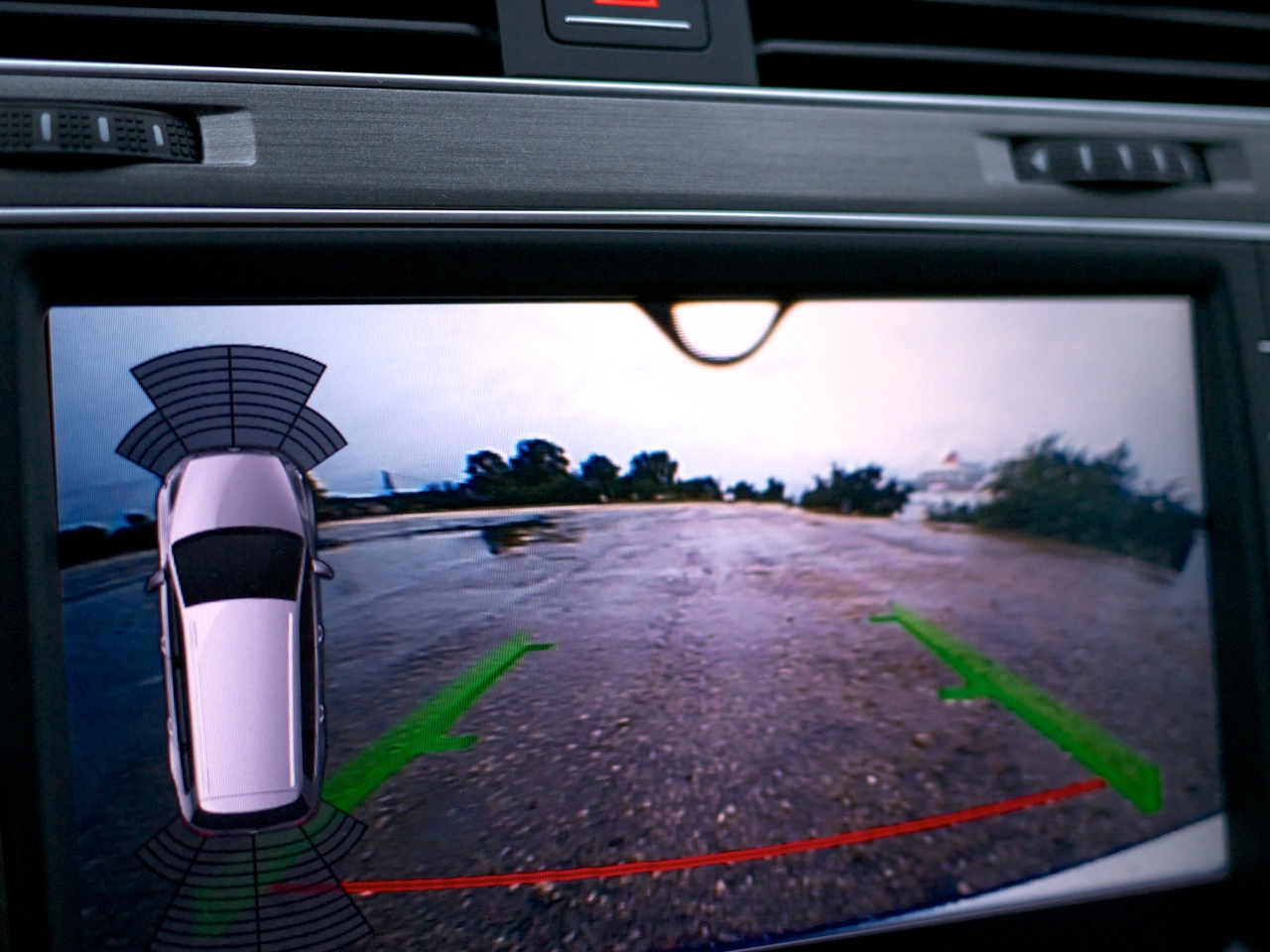
Marcha atrás
What should you check before reversing?

Check behind and around the vehicle for pedestrians, cyclists, other vehicles and obstacles. Use mirrors and cameras where available, but also look directly because monitoring systems can have blind spots.

Who has priority when a vehicle is reversing?

In many countries, reversing is treated as a manoeuvre and the reversing driver must give way to other road users. The exact legal requirements depend on national traffic rules.

Should you reverse for a long distance?

No. Reversing should normally be limited to the distance necessary to complete the manoeuvre safely. Driving forward generally provides better visibility and vehicle control.

16. Límite de población

Un límite de población marca la entrada o salida de una ciudad, pueblo u otra zona urbana legalmente definida. En muchos países, esta señal también determina dónde comienzan o terminan determinadas normas urbanas, como límites generales de velocidad.

Los conductores deben observar si la señal tiene efectos legales sobre velocidad, estacionamiento, uso del claxon u otras normas. El diseño y consecuencias varían entre países.

Límite de población
What is a city limit?

A city limit marks the boundary of a city, town, village, locality or municipality. On roads, it is often indicated by a place-name or boundary sign.

Does a city-limit sign always mark a built-up area?

No. A city-limit or locality sign may simply identify a place or administrative boundary. A legally defined built-up area can use a different sign or definition.

Does passing a city-limit sign always change the speed limit?

No. In some countries a locality or boundary sign has consequences for traffic rules, while in others it mainly identifies the place. Drivers must follow the traffic signs and rules that apply in that country.

Is a city limit the same as a municipal boundary?

Not always. Some signs indicate an administrative municipal boundary, while others identify a city, town, village or locality without exactly following the municipality's legal boundary.

What is the difference between a city limit and a built-up area?

A city limit identifies the boundary of a named place or administrative area. A built-up area is a traffic-law concept that may affect rules such as default speed limits. The two boundaries can coincide, but they do not have to.

17. Atracción turística

Una atracción turística es un lugar de interés al que los visitantes pueden desplazarse por motivos culturales, históricos, recreativos, naturales o de entretenimiento. Entre los ejemplos se incluyen monumentos, castillos, museos, parajes escénicos, parques de atracciones y otros destinos destacados.

Las atracciones turísticas pueden indicarse mediante señales turísticas o de dirección que ayudan a los viajeros a encontrar el destino. Los colores, símbolos y tipos de atracciones mostrados varían entre países.
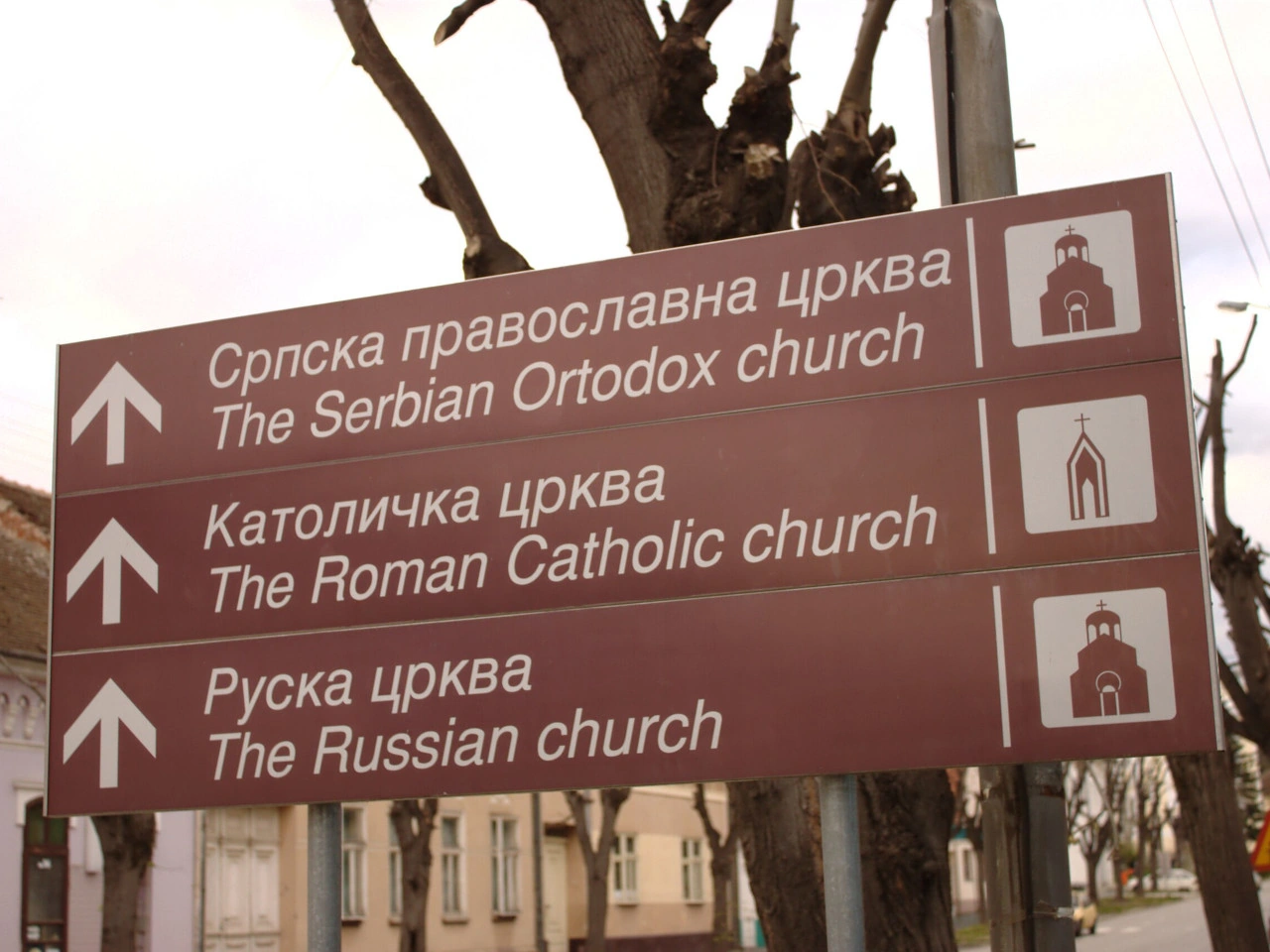
Atracción turística
What is a tourist attraction?

A tourist attraction is a place that visitors travel to because of its cultural, historical, natural, recreational or entertainment value.

What are examples of tourist attractions?

Examples include monuments, castles, museums, scenic locations, cultural sites, amusement parks and recreational destinations.

Can tourist attractions be indicated by road signs?

Yes. Many countries use tourist or direction signs to guide travellers toward important attractions and places of interest.

18. Autobús

Un autobús es un vehículo a motor diseñado para transportar a varios pasajeros, normalmente por carretera como parte del transporte público, escolar, privado u otro servicio de pasajeros. Los autobuses suelen tener mayor capacidad que los turismos y pueden estar diseñados para pasajeros sentados, de pie o ambos.

Pueden aplicarse normas especiales sobre permiso de conducir, capacidad de pasajeros, límites de velocidad, cinturones, carriles bus, paradas y subida de pasajeros. La clasificación legal de autobuses y autocares y las normas aplicables varían entre países, por lo que conductores y pasajeros deben seguir las normas locales de tráfico.

Autobús
What is a bus?

A bus is a motor vehicle designed to transport a relatively large number of passengers. It may be used for public transport, school transport, private services or other passenger transport.

What is the difference between a bus and a coach?

A bus is commonly designed for frequent passenger boarding and may allow standing passengers, while a coach is generally designed for longer journeys with passengers seated. Exact legal definitions vary between countries.

Do you need a special driving licence to drive a bus?

Yes. Driving a vehicle designed to carry more than a specified number of passengers normally requires a dedicated bus or passenger-vehicle driving licence.

Can passengers stand on a bus?

Only when the vehicle is designed and approved to carry standing passengers. Coaches and other vehicles designed exclusively for seated passengers must not be used beyond their approved passenger configuration.

Must bus passengers wear seat belts?

Where seat belts are provided and local law requires their use, passengers must wear them correctly. Urban buses designed for standing passengers may have seating positions or operating conditions that differ from coaches.

Can buses use bus lanes?

Yes, where permitted. Bus lanes are commonly reserved for public transport buses, although local signs may also allow taxis, bicycles or other specified vehicles to use them.

Do buses always have priority when leaving a bus stop?

No. Some countries require other drivers to give way to buses leaving designated stops, particularly in urban areas, while others apply the normal merging rules.

Should you take extra care near a stopped bus?

Yes. Passengers may be boarding, leaving or crossing the road near the bus. Reduce speed where necessary and watch carefully for pedestrians emerging from behind or in front of the vehicle.

Do buses have special speed limits?

They can. Some countries impose lower maximum speeds on buses than on passenger cars, particularly on high-speed roads. Different limits may apply to buses and coaches.

Can a bus use a motorway?

Yes, normally. Buses that satisfy the applicable construction and access requirements may use motorways, but they must obey any vehicle-specific speed limits, lane restrictions and other local rules.

19. Policía

La policía es la autoridad pública responsable de hacer cumplir las leyes, mantener la seguridad pública y gestionar situaciones que pueden afectar al tráfico. En la circulación, los agentes pueden controlar vehículos, hacer cumplir las normas, investigar colisiones, dirigir el tráfico y responder a emergencias.

Los usuarios deben obedecer las instrucciones legales de los agentes u otro personal autorizado de control. Las indicaciones policiales pueden prevalecer temporalmente sobre semáforos, señales o la organización normal del tráfico, según la legislación local.

What is the role of police in road traffic?

Police help enforce traffic laws, manage traffic, investigate collisions and respond to dangerous situations. They may also carry out roadside checks and direct road users.

Must you obey a police officer directing traffic?

Yes. Lawful directions given by an authorised police officer must be followed. In many countries, those directions take precedence over traffic lights, road signs and normal priority rules.

What should you do if police signal you to stop?

Slow down, follow the officer's directions and stop at a safe location as instructed. Do not make sudden movements or continue driving unless directed to do so.

Can police direct you through a red traffic light?

Yes, where authorised by local law. A police officer controlling traffic may instruct road users to proceed even when a traffic light or sign would normally require them to stop.

Can police check your driving documents?

Yes. Police may require drivers to provide documents such as a driving licence, vehicle registration, identification or proof of insurance according to local law.

Can police carry out alcohol or drug checks?

Yes. Traffic police may conduct legally authorised alcohol and drug checks using procedures such as breath, saliva or other approved tests.

Can police temporarily close a road?

Yes. Roads or lanes may be temporarily closed or traffic diverted because of collisions, emergencies, investigations, public events or other safety concerns.

What should you do near police controlling an accident scene?

Reduce speed, remain alert and follow all directions. Do not enter a closed area or interfere with emergency personnel, and leave sufficient space for emergency vehicles.

What should you do when a police vehicle approaches with emergency signals?

Follow the local rules for priority vehicles. Drivers generally have to make sufficient space, give way and stop where necessary so that the emergency vehicle can pass safely.

Can police order a parked vehicle to be moved?

Yes, where local law permits it. Police or another authorised authority may require a vehicle to be moved when it obstructs traffic, creates danger or must be removed for operational reasons.

20. Ambulancia

Una ambulancia es un vehículo equipado y utilizado para prestar asistencia médica de emergencia o transportar pacientes hasta o entre centros sanitarios. Puede llevar material médico y personal formado capaz de proporcionar tratamiento durante el transporte.

Durante una respuesta de emergencia, puede utilizar luces de emergencia y sirena y recibir prioridad especial o exenciones de determinadas normas. Los demás usuarios deben seguir las reglas locales para vehículos de emergencia, dejar espacio suficiente y evitar obstaculizar su paso.

Ambulancia
What is an ambulance?

An ambulance is a specially equipped vehicle used to provide emergency medical assistance and transport sick or injured people.

When does an ambulance have priority?

This depends on the local traffic rules and warning signals being used. Ambulances responding to emergencies commonly use flashing lights and a siren to indicate that other road users must make way.

What should you do when an ambulance approaches?

Remain calm and make sufficient space for it to pass. Slow down or stop where necessary, but avoid sudden or dangerous manoeuvres.

Should you stop immediately when you hear an ambulance siren?

Not necessarily in your exact position. Move or stop in a way that creates a safe passage without blocking an intersection, pedestrian crossing or another part of the road needed by the ambulance.

Can an ambulance pass a red traffic light?

Emergency vehicles may be allowed to pass a red light during an urgent response under special legal conditions. The precise rules differ between countries, and the ambulance driver must still take appropriate precautions.

Can an ambulance exceed the speed limit?

Many countries permit emergency vehicles to depart from certain normal speed rules during an urgent mission, subject to safety requirements and national legislation.

Can an ambulance drive through a traffic queue?

Yes, when responding to an emergency and legally permitted to do so. Other road users should create space and keep emergency corridors or access routes clear where required.

Can you follow an ambulance through traffic?

You should not use the passage created for an ambulance as a way to bypass congestion. Maintain a safe distance and continue to obey the normal traffic rules.

Do ambulances always use their sirens?

No. The use of warning lights and sirens depends on the urgency of the mission and local regulations. An ambulance transporting a patient does not necessarily need to use emergency signals throughout the journey.

What should you do near a stationary ambulance?

Reduce speed and remain alert. Medical personnel, patients or other emergency workers may be entering the road, and the ambulance may need to move unexpectedly.

21. Bache

Un bache es un agujero o depresión en la superficie causado por desgaste, meteorología, agua, cargas repetidas o deterioro del pavimento. Puede variar mucho en tamaño y profundidad y desarrollarse gradualmente o empeorar tras heladas, lluvias intensas o tráfico repetido.

Los baches pueden afectar a dirección, frenada y estabilidad y dañar neumáticos, llantas o suspensión. Los conductores y motoristas deben observar la carretera, adaptar la velocidad y evitar maniobras bruscas o peligrosas.

Bache
What is a pothole?

A pothole is a hole or depression that develops in a road surface when the pavement becomes damaged or deteriorates.

How do potholes form?

Potholes can develop through a combination of water, temperature changes, traffic loads and deterioration of the road material. Cracks can gradually expand until pieces of the surface break away.

Why are potholes dangerous?

A pothole can cause a vehicle to change direction suddenly, lose stability or suffer tyre, wheel or suspension damage. Deep potholes can present a particularly serious hazard at higher speeds.

What should you do when you see a pothole?

Reduce speed when necessary, maintain control of the vehicle and avoid abrupt steering or braking. Only move around the pothole when this can be done safely without endangering other road users.

Should you brake while driving through a pothole?

If possible, reduce your speed before reaching the pothole. Sudden heavy braking or steering while passing over a damaged surface can make the vehicle less stable.

Are potholes particularly dangerous for motorcycles?

Yes. A pothole can disturb the steering or balance of a motorcycle and may cause the rider to lose control.

Are potholes dangerous for cyclists?

Yes. Bicycle wheels can be strongly affected by deep holes or sharp edges, particularly when the cyclist has little time or space to avoid the hazard.

Can a pothole damage a car?

Yes. Severe impacts can damage tyres, wheel rims, suspension components, steering parts or wheel alignment.

Should you swerve suddenly to avoid a pothole?

No. A sudden evasive movement may create a greater danger by bringing the vehicle into conflict with cyclists, pedestrians, oncoming traffic or vehicles in another lane.

Can a warning sign indicate potholes ahead?

Yes. Depending on the country's traffic-sign system, an uneven-road or general-danger warning sign may be used where poor road conditions create a significant hazard.

22. Camino

Un camino es una ruta relativamente estrecha destinada a peatones y, cuando esté permitido, a otros usuarios o vehículos pequeños. Los caminos pueden atravesar zonas urbanas, campo, parques, bosques o conectar otras carreteras, y pueden estar pavimentados o no.

Un camino no es necesariamente lo mismo que una acera o vía ciclista. Los usuarios que pueden utilizarlo dependen de su estatus legal, anchura, señales de tráfico y normas locales.

Camino
What is a path?

A path is a relatively narrow route intended primarily for pedestrians and, where permitted, other road users or small vehicles.

Is a path the same as a footpath?

Not necessarily. A footpath is specifically intended for pedestrians, while a path may also permit cyclists or other users according to local rules.

Is a path the same as a cycle path?

No. A cycle path is specifically designated for bicycles and other permitted users. An ordinary path does not automatically have that legal status.

Can cyclists use a path?

This depends on the legal status, width and signs applying to the path. Some paths permit cyclists, while others are reserved for pedestrians or particular users.

Can motor vehicles use a path?

This depends on local law. Some paths prohibit motor vehicles entirely, while narrow vehicles may be permitted on other paths unless traffic signs restrict access.

Can a path be part of the public-road network?

Yes. A narrow path can legally form part of the public-road network even when it is unsuitable for ordinary cars.

Does a path need to be paved?

No. Paths can be paved, gravelled, compacted or unsurfaced depending on their location and purpose.

Can traffic signs restrict access to a path?

Yes. Signs can reserve a path for particular road users or prohibit certain vehicles, regardless of whether they could physically fit on it.

Who has priority when a path joins a larger road?

The applicable local priority rules determine who must give way. Special rules often apply when a minor path joins an ordinary road.

Can pedestrians and cyclists share a path?

Yes, where both are permitted. Faster users should adapt their speed and avoid endangering or unnecessarily obstructing pedestrians.

Can a path cross another road?

Yes. At the crossing, users must follow the applicable priority signs, traffic lights, road markings and general right-of-way rules.

Is every narrow route legally a path?

No. Its legal classification depends on the definitions and regulations of the country concerned. A narrow route might instead be a footpath, cycle path, private access road or another type of facility.

23. Partículas

Las partículas, o material particulado (PM), son pequeñas partículas sólidas o gotas líquidas suspendidas en el aire. En el tráfico, las emisiones de partículas pueden proceder de gases de escape, desgaste de frenos, desgaste de neumáticos y desgaste de la superficie vial, además del polvo levantado por el paso de vehículos.

El material particulado suele clasificarse por tamaño. PM10 se refiere a partículas de hasta aproximadamente 10 micrómetros de diámetro, mientras que PM2.5 se refiere a partículas más finas de hasta aproximadamente 2,5 micrómetros. Las normas de emisiones, filtros de partículas y medidas de calidad del aire se utilizan para reducir la exposición a estos contaminantes.
Partículas
What are particulates?

Particulates, or particulate matter, are very small solid particles or liquid droplets suspended in the air.

What are PM10 and PM2.5?

PM10 refers to particles with a diameter of up to approximately 10 micrometres. PM2.5 refers to finer particles with a diameter of up to approximately 2.5 micrometres.

Where do traffic particulates come from?

Road traffic can produce particles through engine exhaust, brake wear, tyre wear and road-surface wear. Passing traffic can also resuspend dust already present on the road.

Are diesel vehicles a source of particulates?

Yes. Combustion in diesel engines can produce very small soot particles. Modern diesel vehicles commonly use particulate filters to capture a large proportion of these exhaust particles.

What is a particulate filter?

A particulate filter is an exhaust-treatment device designed to trap particulate matter produced by an engine. Diesel particulate filters are commonly known as DPFs.

Do petrol engines produce particulates?

Yes. Petrol engines can also produce particulate emissions, particularly certain direct-injection engines. Appropriate emission-control systems may therefore include particulate filters.

Do electric vehicles produce particulates?

Fully electric vehicles produce no exhaust particulates from a combustion engine, but particles can still result from tyre wear, road wear and braking.

Are brake and tyre particles regulated?

Vehicle-emission regulation is increasingly addressing non-exhaust emissions. The European Euro 7 framework includes requirements concerning brake-particle emissions and tyre abrasion.

Is particulate matter the same as CO2?

No. Particulate matter consists of tiny airborne particles, while carbon dioxide is a gas. They are different types of vehicle emissions and are regulated for different environmental reasons.

How can vehicle particulate emissions be reduced?

Measures include effective particulate filters, cleaner vehicle technologies, correctly maintained emission-control systems and reductions in brake, tyre and road-wear emissions.

24. Contaminación del aire

La contaminación del aire es la presencia de gases, partículas u otras sustancias en concentraciones que pueden perjudicar la salud humana, el medio ambiente o los ecosistemas. El tráfico contribuye mediante emisiones de escape y fuentes no relacionadas con el escape como desgaste de frenos, neumáticos y polvo de la carretera.

Entre los contaminantes importantes del tráfico se incluyen óxidos de nitrógeno, material particulado, monóxido de carbono y compuestos orgánicos volátiles. Algunos se emiten directamente y otros se forman en la atmósfera mediante reacciones químicas. Las normas de emisiones, tecnologías más limpias y medidas de gestión del tráfico ayudan a reducirlos.

Contaminación del aire
What is air pollution?

Air pollution is contamination of the air by gases, particles or other substances that can adversely affect human health, the environment or ecosystems.

How does road traffic cause air pollution?

Vehicles produce pollutants through fuel combustion, exhaust systems, brake wear, tyre wear and road-surface interaction. Moving traffic can also resuspend dust already present on the road.

Which air pollutants are associated with road traffic?

Important traffic-related pollutants include nitrogen oxides, particulate matter, carbon monoxide and volatile organic compounds. Their relative importance depends on the vehicle, fuel and driving conditions.

What is nitrogen dioxide?

Nitrogen dioxide (NO2) is an air pollutant associated particularly with combustion processes and road traffic. High concentrations are commonly found near busy roads and densely trafficked urban areas.

What is particulate matter?

Particulate matter consists of tiny solid particles or liquid droplets suspended in the air. Road traffic can produce particles from exhaust, brakes, tyres and road surfaces.

Is CO2 the same as ordinary air pollution?

No. Carbon dioxide is primarily regulated as a greenhouse gas because of its contribution to climate change. Local air-quality pollution generally focuses on substances such as nitrogen dioxide, particulate matter, ozone and other pollutants that directly affect air quality and health.

Do electric vehicles cause air pollution?

Fully electric vehicles produce no combustion-engine exhaust emissions while driving, but they can still contribute to non-exhaust particulate emissions through tyres, brakes and road wear.

Can air pollution be worse near busy roads?

Yes. Concentrations of traffic-related pollutants can be higher close to heavily trafficked roads because many emissions occur close to ground level and near where people live and travel.

What is a low-emission zone?

A low-emission zone is an area where access by more polluting vehicles is restricted in order to reduce traffic-related air pollution. Access criteria may depend on factors such as fuel type, vehicle category and emission standard.

How can traffic-related air pollution be reduced?

Measures include cleaner vehicles, stricter emission standards, effective emission-control equipment, low-emission zones, public transport, cycling and walking, as well as traffic-management measures that reduce unnecessary congestion and emissions.

25. Hora punta

La hora punta es un periodo en el que las carreteras y redes de transporte público tienen una demanda especialmente elevada, normalmente porque mucha gente se desplaza al trabajo, colegio u otros destinos habituales. Suele producirse por la mañana y al final de la tarde o por la noche en días laborables.

Puede causar congestión, velocidades menores, viajes más largos y paradas frecuentes. Los conductores deben mantener una distancia segura, tener paciencia, anticipar cambios del tráfico y seguir cualquier medida temporal o dinámica de gestión.

Hora punta
What is rush hour?

Rush hour is a period when unusually large numbers of people travel at the same time, resulting in increased traffic and often congestion.

When does rush hour occur?

Rush hour commonly occurs during the morning and late afternoon or evening on working days, but the exact times vary according to the city, road and local travel patterns.

Does rush hour always last one hour?

No. The term does not mean that congestion lasts exactly one hour. In busy urban areas, peak traffic conditions may continue for several hours.

Why does traffic become congested during rush hour?

Congestion develops when traffic demand approaches or exceeds the available road capacity. Intersections, merging traffic, collisions, roadworks and weather can make the congestion worse.

Should you increase your following distance in rush-hour traffic?

Yes. Leave sufficient distance to react to sudden braking and frequent changes in traffic speed. Avoid following another vehicle too closely even when traffic is moving slowly.

Should you frequently change lanes during congestion?

Unnecessary lane changes can create additional conflicts and may not significantly reduce journey time. Choose an appropriate lane, observe surrounding traffic and change lane only when it can be done safely.

Can speed limits change during rush hour?

Yes. Roads equipped with variable traffic management may display lower speed limits during congestion. Drivers must follow the speed limit currently indicated.

What is a rush-hour lane?

A rush-hour lane is an additional traffic lane that can be opened during busy periods to increase road capacity. It may use a lane or shoulder that is closed to normal traffic at other times.

Can you use a rush-hour lane whenever traffic is congested?

No. Such a lane may only be used when traffic signals or signs indicate that it is open. Never assume that congestion alone permits its use.

How can you prepare for a journey during rush hour?

Check current traffic conditions and expected journey times, allow additional travel time and consider an alternative route, departure time or mode of transport where appropriate.