1. Brasil

Brasil ocupa una enorme parte de Sudamérica, y se circula por la derecha. Su tamaño hace que las condiciones de las carreteras sean excepcionalmente variadas, desde vías rápidas urbanas con mucho tráfico y grandes carreteras interurbanas hasta largas rutas a través de regiones agrícolas, selva tropical y zonas remotas del interior. Algunos viajes rurales cubren distancias muy grandes entre servicios, mientras que las lluvias intensas pueden provocar inundaciones, deslizamientos de tierra y cierres de carreteras en regiones susceptibles.

Brasil cuenta con un marco nacional de tráfico conforme al Código de Trânsito Brasileiro (CTB), aunque las autoridades locales pueden establecer y señalizar normas específicas de cada carretera, como los límites de velocidad. No existe una viñeta nacional; determinadas carreteras concesionadas cobran peajes mediante plazas convencionales o, cada vez más, mediante cobro electrónico sin barreras Free Flow. Las señales con texto aparecen principalmente en portugués. Brasil también aplica una política de alcohol cero al volante, y los requisitos de luces diurnas se aplican en varias situaciones específicas, incluidas determinadas carreteras de calzada única.

AI
¿Por qué lado de la carretera se conduce en Brasil?

Se conduce por el lado derecho de la carretera.

¿Por qué lado se debe adelantar en Brasil?

Normalmente se adelanta por la izquierda. Se permite adelantar por la derecha en situaciones limitadas, como cuando el vehículo de delante está colocado para girar a la izquierda.

¿Cuáles son los números de emergencia en Brasil?

Llame al 190 para la Policía Militar, al 192 para asistencia médica de emergencia SAMU y al 193 para Bomberos. En las carreteras federales, puede contactar con la Policía Rodoviaria Federal (PRF) en el 191.

¿Cuál es el límite de alcohol para los conductores en Brasil?

Brasil aplica una política de alcohol cero. El CTB establece que cualquier concentración de alcohol puede dar lugar a sanciones por conducción bajo los efectos del alcohol, sujeto a las tolerancias técnicas de medición utilizadas en la aplicación. Por ello, la regla más segura es no beber antes de conducir.

¿Cuándo se convierte la conducción bajo los efectos del alcohol en delito penal en Brasil?

El CTB establece un umbral penal de 0,3 mg de alcohol por litro de aire alveolar o 6 decigramos por litro de sangre, y el deterioro también puede acreditarse mediante otras pruebas aceptadas legalmente. Se aplican tolerancias de medición cuando se utiliza un alcoholímetro probatorio.

¿Cuáles son los límites urbanos por defecto en Brasil?

Cuando no hay una señal reglamentaria de velocidad, el CTB establece límites según la clase de vía: 80 km/h en vías rápidas urbanas, 60 km/h en vías arteriales, 40 km/h en vías colectoras y 30 km/h en vías locales.

¿Cuál es el límite de velocidad por defecto en carreteras rurales divididas de Brasil?

En una carretera rural pavimentada con calzadas separadas y sin otro límite señalizado, el máximo es de 110 km/h para coches, motocicletas, pickups y vehículos ligeros similares, y 90 km/h para otros vehículos.

¿Cuál es el límite de velocidad por defecto en carreteras rurales de calzada única en Brasil?

En una carretera rural pavimentada de calzada única sin otro límite señalizado, el máximo es de 100 km/h para coches, motocicletas, pickups y vehículos ligeros similares, y 90 km/h para otros vehículos.

¿Cuál es el límite de velocidad en carreteras rurales sin pavimentar de Brasil?

El CTB define una estrada como una carretera rural sin pavimentar. Cuando no se indica otro límite, el máximo es de 60 km/h.

¿Pueden los límites señalizados diferir de los límites legales por defecto de Brasil?

Sí. La autoridad responsable de la carretera puede establecer límites señalizados superiores o inferiores según las características de la vía y las condiciones del tráfico. Prevalece el límite indicado.

¿Existe una velocidad mínima en Brasil?

Como regla general, la velocidad mínima no debe ser inferior a la mitad de la velocidad máxima aplicable, teniendo en cuenta las condiciones del tráfico y de la carretera.

¿Se necesita una viñeta para conducir en Brasil?

No. Brasil no tiene una viñeta nacional. Solo se cobran peajes en determinadas carreteras concesionadas e infraestructuras.

¿Cómo se pagan los peajes en Brasil?

El pago depende de la concesión. Brasil utiliza tanto plazas de peaje convencionales como peaje electrónico Free Flow. Los pórticos Free Flow identifican los vehículos mediante etiquetas electrónicas o matrículas, y quienes no tengan etiqueta pueden pagar a través de los canales oficiales del concesionario.

¿Qué es el peaje Free Flow en Brasil?

Free Flow es un sistema de peaje electrónico sin barreras: los vehículos pasan bajo un pórtico sin detenerse y el sistema identifica una etiqueta o lee la matrícula para cobrar electrónicamente el peaje correspondiente.

¿Son obligatorios los cinturones de seguridad en Brasil?

Sí. Conductores y pasajeros deben llevar cinturón en las carreteras de todo Brasil, salvo las excepciones específicas reguladas.

¿Son obligatorias las sillas infantiles en Brasil?

Sí. Los niños menores de 10 años que no hayan alcanzado 1,45 metros de altura deben viajar generalmente en el asiento trasero utilizando un sistema de retención adecuado a su edad, peso y altura, sujeto a determinadas excepciones según el vehículo.

¿Son obligatorios los cascos de motocicleta en Brasil?

Sí. Tanto el conductor como el pasajero de la motocicleta deben llevar casco de seguridad. También deben cumplir las normas relativas a viseras o protección ocular.

¿Pueden los niños viajar como pasajeros en motocicleta en Brasil?

Una motocicleta no puede transportar a un niño menor de 10 años ni a una persona que, por las circunstancias, no pueda ocuparse de su propia seguridad.

¿Deben las motocicletas utilizar las luces durante el día en Brasil?

Sí. Las motocicletas, scooters y ciclomotores deben utilizar la luz de cruce tanto de día como de noche.

¿Deben los coches utilizar las luces durante el día en Brasil?

Los coches deben utilizar luces de cruce durante el día en túneles y durante lluvia, niebla o neblina. Los vehículos sin luces de circulación diurna también deben utilizar luces de cruce durante el día en carreteras de calzada única fuera de zonas urbanas.

¿Se puede utilizar un teléfono móvil mientras se conduce en Brasil?

Está prohibido conducir sosteniendo o manipulando un teléfono móvil. El CTB también restringe conducir utilizando un teléfono o auriculares conectados a equipos de audio.

¿Quién tiene prioridad en una intersección sin regulación en Brasil?

Si una corriente de tráfico circula por una carretera, el tráfico que ya está en esa carretera tiene prioridad. En una glorieta, tiene prioridad el tráfico que circula dentro. En otras intersecciones sin regulación, ceda al vehículo que se aproxima por su derecha.

¿Quién tiene prioridad en las glorietas de Brasil?

El conductor que entra en una glorieta debe ceder el paso a los vehículos que ya circulan dentro, salvo que semáforos o señales establezcan otra disposición.

¿Tienen prioridad los peatones en los pasos de peatones en Brasil?

Sí. Los peatones que ya están cruzando por un paso marcado tienen prioridad. Cuando el cruce está regulado por señales, los peatones que comenzaron a cruzar legalmente mantienen la prioridad hasta terminar.

¿Se puede girar a la derecha con el semáforo en rojo en Brasil?

Solo cuando una señal específica permita girar a la derecha con rojo. La presencia de una luz roja por sí sola no crea una autorización general para girar.

¿Debe el tráfico más lento mantenerse a la derecha en Brasil?

Sí. En carreteras con varios carriles en el mismo sentido, los carriles de la derecha se destinan generalmente a vehículos más lentos y grandes, mientras que los de la izquierda se utilizan principalmente para adelantar y para tráfico más rápido.

¿Qué debe hacer cuando se aproxima un vehículo de emergencia en Brasil?

Debe dar prioridad a los vehículos de emergencia que actúen en una emergencia con las señales acústicas y luminosas exigidas. No los obstaculice ni los siga de cerca para aprovechar su paso.

¿Qué distancia debe dejar al adelantar a un ciclista en Brasil?

El conductor debe dejar al menos 1,5 metros de distancia lateral al pasar o adelantar a una bicicleta.

¿Se puede utilizar libremente el claxon en Brasil?

No. El claxon solo debe utilizarse brevemente cuando sea necesario para evitar un peligro o, fuera de zonas urbanas, para advertir a otro conductor de la intención de adelantar.

¿Qué equipo de advertencia debe llevar un coche ordinario en Brasil?

Las normas de equipamiento exigen un dispositivo portátil de advertencia de emergencia, normalmente el triángulo de seguridad. PRF también aconseja comprobar antes de viajar el equipo obligatorio, como rueda de repuesto, gato y llave de ruedas cuando corresponda.

¿Qué debe hacer si su vehículo se avería en la carretera en Brasil?

Active las luces de emergencia y advierta al tráfico que se aproxima. Cuando un vehículo queda inmovilizado en una emergencia, el triángulo de seguridad o dispositivo equivalente debe colocarse normalmente al menos 30 metros detrás del vehículo, aumentando la distancia cuando la visibilidad lo requiera.

¿Pueden los turistas conducir en Brasil con un permiso extranjero?

Un conductor con permiso extranjero cubierto por un convenio internacional, acuerdo o régimen de reciprocidad aplicable puede generalmente conducir en Brasil durante hasta 180 días desde su entrada en el país, siempre que el permiso siga siendo válido y lleve los documentos exigidos.

¿Necesitan los turistas un Permiso Internacional de Conducción en Brasil?

Los documentos exigidos dependen del acuerdo internacional aplicable al permiso extranjero. Según las normas actuales, los conductores cubiertos por el Convenio de Viena de 1968 deben llevar el Permiso Internacional de Conducción junto con el permiso extranjero válido, identificación y prueba de la fecha de entrada en Brasil. Otros acuerdos bilaterales o internacionales pueden establecer requisitos diferentes.

¿Qué deben saber los conductores sobre las lluvias intensas en Brasil?

Las lluvias intensas pueden provocar inundaciones, deslizamientos de tierra, caída de materiales y cierres de carreteras en zonas susceptibles. Reduzca la velocidad, aumente la distancia de seguimiento y nunca entre en agua de inundación si desconoce su profundidad o el estado de la carretera debajo.

¿Qué idioma se utiliza en las señales de tráfico en Brasil?

Brasil utiliza señales estandarizadas a nivel nacional, con símbolos reconocibles internacionalmente y leyendas escritas principalmente en portugués.

2. Límite de velocidad

Un límite de velocidad es la velocidad máxima legal permitida en una carretera, carril o dentro de una zona designada. Puede estar establecido por la legislación general de tráfico o indicado mediante señales fijas, variables o temporales.

Un límite de velocidad es un máximo, no una velocidad objetivo. Los conductores deben circular más despacio cuando el tráfico, la visibilidad, el tiempo, el estado de la carretera, los usuarios vulnerables o el estado del vehículo hagan insegura la velocidad máxima permitida.

What is a speed limit?

A speed limit is the maximum legal speed permitted on a road, lane or within a designated area. It does not require drivers to travel at that speed.

How can you recognise a speed limit?

A speed limit is commonly displayed as a number on a regulatory traffic sign. General limits may also apply automatically because of the country, road category, vehicle type or surrounding area, even when no speed-limit sign is present.

Is the speed limit a recommended driving speed?

No. It is the highest speed legally permitted under suitable conditions. Drivers must reduce their speed whenever travelling at the limit would be unsafe.

Can you drive more slowly than the speed limit?

Yes. Drivers should travel more slowly when required by traffic, weather, visibility, road conditions or nearby vulnerable road users. Driving unnecessarily slowly may nevertheless be prohibited when it obstructs normal traffic.

Does the same speed limit apply to every vehicle?

Not always. Lower limits may apply to heavy vehicles, buses, vehicles towing trailers, novice drivers or other vehicle categories. The lowest applicable limit must be respected.

What is a default speed limit?

A default speed limit applies automatically to a particular road type or area when no traffic sign indicates another limit. Examples include general limits for motorways, built-up areas or roads outside built-up areas.

Does a posted speed limit replace the default limit?

Usually, yes. A legally placed speed-limit sign normally introduces another maximum speed, although lower vehicle-specific or special-road limits may continue to apply.

When does a speed-limit sign take effect?

A speed restriction normally begins at the location of the sign. Drivers should reduce their speed before passing the sign so that they are already travelling within the limit when it takes effect.

When does a speed limit end?

A signed limit may end at an intersection, an end-of-limit sign, another speed-limit sign or the beginning or end of a legally defined area. The exact rule differs between countries.

Does an intersection end a speed limit?

This depends on local law. An ordinary speed restriction may end at an intersection in some countries, while a zonal speed limit normally continues across intersections until an end-of-zone sign.

What is a speed zone?

A speed zone is an area in which the displayed maximum speed applies throughout all included roads. The limit normally remains in force until the corresponding end-of-zone sign.

What is a variable speed limit?

A variable speed limit is displayed on an electronic or changeable sign and may be adjusted according to congestion, weather, incidents or roadworks. When activated, it has the same legal importance as another applicable regulatory speed sign.

Can different lanes have different speed limits?

Yes. Signs positioned above individual lanes may impose different limits on those lanes. Drivers must observe the limit applying to the lane they use.

Can a temporary speed limit apply?

Yes. Temporary limits may be introduced near roadworks, collisions, hazards or special events. Drivers must follow the temporary traffic signs and instructions that are legally in force.

May you exceed the speed limit while overtaking?

No. Overtaking does not normally permit a driver to exceed the applicable maximum speed. The manoeuvre must be completed safely while respecting the speed limit.

Do poor conditions change the legal speed limit?

Some countries impose specific lower limits in rain, snow or other conditions. Even where the numerical limit does not change, drivers must reduce their speed sufficiently for the conditions.

3. Resalto

Un resalto es un dispositivo elevado de calmado del tráfico colocado a través de toda o parte de una carretera para obligar a los conductores a reducir la velocidad. Se utiliza habitualmente cerca de escuelas, zonas residenciales, pasos de peatones y otros lugares donde son necesarias velocidades bajas.

Los conductores deben reducir la velocidad antes de llegar al resalto y cruzarlo de forma suave y controlada. Pasar demasiado rápido puede reducir el control del vehículo, causar molestias a los ocupantes y dañar el vehículo.

Resalto
What is the purpose of a speed bump?

A speed bump is intended to physically reduce vehicle speeds. It encourages drivers to slow down in places where pedestrians, cyclists, children or local traffic may be present.

How can you recognise a speed bump?

A speed bump is a raised section extending across all or part of the road. It may be marked with contrasting paint, road markings or warning signs to make it more visible.

Is a speed bump the same as a speed table?

No. A speed bump or speed hump normally has a rounded profile. A speed table has ramps leading to a longer, flat raised section that may contain an intersection or pedestrian crossing.

Is a speed cushion the same as a speed bump?

No. A speed cushion is a narrower raised device that does not cover the full width of a traffic lane. Its design may allow buses and emergency vehicles to pass with less disturbance while still slowing smaller vehicles.

Is there a universal speed limit over a speed bump?

No. The legal speed depends on the country, traffic signs and road type. Even when no special limit applies, drivers must cross the device at a speed that is safe for the road, vehicle and passengers.

How should you approach a speed bump?

Check surrounding traffic, reduce your speed smoothly and approach in a straight line where possible. Avoid sudden braking immediately before the bump.

Should you brake while crossing a speed bump?

Most of the necessary braking should be completed before reaching the raised surface. Cross at a steady, low speed and avoid harsh braking or acceleration while the wheels are on the device.

Should you drive across a speed bump at an angle?

Normally not. Cross in the normal direction of the traffic lane unless the road layout requires otherwise. Driving diagonally may place the vehicle in the path of approaching or overtaking traffic.

May motorcycles and bicycles use a speed bump?

Yes. Riders should reduce speed, keep the vehicle stable and cross as directly as possible. Painted or wet raised surfaces may provide less grip.

Do pedestrians have priority at a speed bump?

Not automatically. A speed bump does not by itself create a pedestrian crossing. Pedestrian priority depends on crossings, traffic signals, signs and local law.

Does a speed bump change priority at an intersection?

No. The presence of a raised surface does not normally change the priority rules. Drivers must continue to follow traffic signs, signals and the ordinary intersection rules.

May you overtake on a speed bump?

Overtaking may be restricted by local law or signs. Even where it is not expressly prohibited, drivers should avoid overtaking when the raised surface, limited space or nearby vulnerable road users make the manoeuvre unsafe.

May you stop or park on a speed bump?

This depends on local law. Stopping or parking may be prohibited because the vehicle could obstruct visibility, traffic flow or the purpose of the traffic-calming device.

Can a speed bump damage a vehicle?

A correctly designed speed bump should be crossed safely at an appropriate speed. Crossing too quickly may damage tyres, wheels, suspension, bodywork or cargo and may cause passengers discomfort.

Does the road speed limit change after a speed bump?

Not necessarily. A special limit may apply only to the raised device, while a signed speed restriction or speed zone may continue beyond it. Drivers must follow the applicable signs and local rules.

Why do buses and emergency vehicles sometimes avoid speed bumps?

Raised devices can affect passenger comfort, emergency response and large vehicles. Some roads therefore use speed tables, cushions or other traffic-calming measures designed to reduce these effects.

4. Pendiente

Una pendiente es un tramo de carretera que asciende o desciende de forma notable. Las pendientes pronunciadas pueden afectar la aceleración, la frenada, la selección de marchas y la distancia necesaria para detener el vehículo.

En descensos largos o pronunciados, los conductores deben seleccionar una marcha adecuada y evitar depender continuamente de los frenos de servicio, ya que pueden sobrecalentarse. En carreteras estrechas de montaña pueden aplicarse normas especiales de prioridad entre vehículos que ascienden y descienden.

What is a road slope?

A road slope is a section of road that rises or descends over a particular distance. It may also be called a gradient, incline or decline.

How can you recognise a steep slope?

A steep slope may be indicated by a warning sign showing an ascending or descending road. The sign may also display the gradient as a percentage.

What does a gradient of 10% mean?

A gradient of 10% means that the road rises or falls approximately 10 metres for every 100 metres travelled horizontally. It does not mean that the road is inclined at 10 degrees.

What is the difference between an ascent and a descent?

An ascent rises in the direction of travel, while a descent falls in the direction of travel. The same section of road is therefore an ascent in one direction and a descent in the other.

Does a slope warning sign impose a speed limit?

Not normally. It warns of a hazard rather than setting a numerical limit. Drivers must still respect the applicable speed limit and reduce their speed further when necessary.

How should you approach a steep descent?

Reduce speed before the descent, select a suitable gear and maintain a safe following distance. Avoid allowing the vehicle to gain excessive speed.

Which gear should you use when descending?

Use a gear that provides sufficient engine braking and helps keep the vehicle at a controlled speed. The appropriate gear depends on the vehicle, gradient and road conditions.

Should you coast downhill in neutral?

No. Coasting reduces engine braking and may make it harder to control the vehicle’s speed. Keep the transmission engaged while descending.

Why should you avoid continuous heavy braking?

Continuous braking on a long descent can cause the brakes to become excessively hot and lose effectiveness. Select a suitable gear, control speed early and use the brakes progressively when needed.

What is brake fade?

Brake fade is a reduction in braking performance caused by excessive heat. It can occur when the brakes are used continuously during a long or steep descent.

How should you drive uphill?

Select a suitable gear before the engine begins to struggle and maintain a steady speed where possible. Be prepared for heavy or low-powered vehicles travelling slowly ahead.

May a vehicle lose speed on a steep ascent?

Yes. Heavy vehicles, vehicles towing trailers and low-powered vehicles may slow considerably. Other drivers should maintain a safe distance and avoid impatient manoeuvres.

May you overtake near the top of a slope?

Do not overtake when the crest prevents you from seeing far enough ahead. Overtaking near a hilltop may also be expressly prohibited by local law, signs or road markings.

Why is visibility limited near the crest of a slope?

The road surface itself may hide approaching traffic, stopped vehicles, pedestrians or other hazards beyond the crest.

Who has priority on a narrow slope?

Some countries give priority to uphill traffic, while others rely on signs or ordinary obstruction rules. Drivers must follow local law and cooperate when passing is difficult.

How should you meet another vehicle on a narrow slope?

Reduce speed and use a passing place where available. The driver who can reverse or move aside more safely should cooperate, subject to any applicable priority signs or local rules.

How do rain, snow or ice affect a slope?

They reduce traction and make acceleration, braking and steering more difficult. Increase the following distance, use smooth controls and reduce speed before entering the slope.

Why are cyclists vulnerable on slopes?

Cyclists may travel slowly and move less steadily when climbing, while they may reach high speeds when descending. Drivers should leave sufficient space and avoid overtaking without a clear view.

How should you park on a slope?

Use the parking brake, select the appropriate gear or parking position and follow local rules concerning wheel position. Make sure the vehicle cannot roll into traffic.

Can a slope affect towing?

Yes. A trailer increases the load on the engine and brakes and may affect stability. Drivers should use a suitable gear, maintain additional distance and avoid excessive speed.

5. Señal de STOP

Una señal de STOP obliga a los conductores a detener completamente el vehículo antes de continuar. La parada debe realizarse en la línea de detención, antes del paso de peatones o, si no existen, en un punto desde el que se pueda observar con seguridad el tráfico transversal.

Después de detenerse, el conductor debe ceder el paso a cualquier usuario que tenga prioridad y continuar solo cuando sea seguro. La forma y el texto de la señal pueden variar ligeramente entre países.
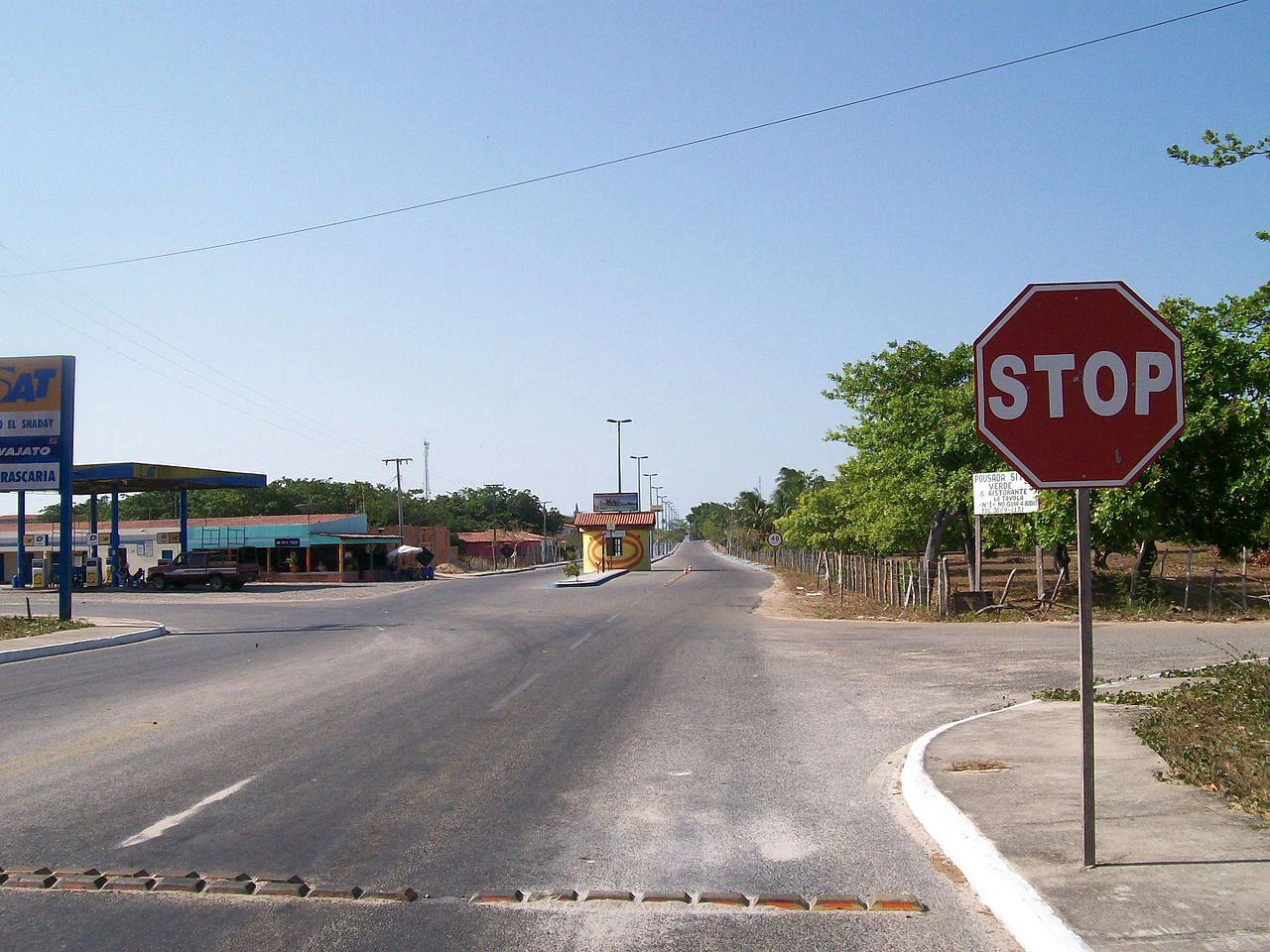
Señal de STOP
What does a stop sign mean?

A stop sign requires a driver to come to a complete stop and give way before proceeding.

How can you recognise a stop sign?

A stop sign is commonly a red octagonal sign displaying the word STOP. Some countries use another legally recognised design, so drivers must learn the signs used locally.

Must you stop when no other traffic is visible?

Yes. The obligation to stop applies even when the road appears completely clear.

What is a complete stop?

A complete stop means that the vehicle has ceased moving entirely. Merely slowing down or allowing the vehicle to continue rolling does not satisfy the requirement.

Where should you stop?

Stop before the stop line where one is provided. Without a line, stop at the legally prescribed position before entering the intersection, crossing or priority road.

May you stop beyond the stop line?

No. The required first stop must be made before the line. If visibility is limited, move forward cautiously after stopping and stop again where necessary before proceeding.

Must every vehicle in a queue stop separately?

Yes. Each driver must make an individual complete stop. Following another vehicle through without stopping is not permitted.

Does stopping give you priority?

No. After stopping, you must continue to give way to all road users who have priority.

Who must you give way to?

Give way to traffic on the road being entered or crossed and to pedestrians, cyclists or other road users who have priority under the applicable rules.

What is the difference between a stop sign and a give-way sign?

A stop sign always requires a complete stop. A give-way sign requires the driver to yield but normally allows continued movement when the road is clearly free.

May you turn after stopping?

Yes. After stopping and giving way, you may turn in any direction permitted by signs, signals, lane arrows and road markings.

May you turn right at a red traffic light after stopping?

This depends entirely on local law and traffic signs. A stop sign does not by itself permit a turn against a red light.

Does a stop sign impose a speed limit?

No. It imposes a stopping and yielding obligation. The normal posted or general speed limit remains applicable before and after the intersection.

Does a stop sign apply to cyclists?

In many countries, cyclists are drivers and must stop unless a specific sign or local rule provides an exception.

What happens at an all-way stop?

The order in which drivers may proceed depends on local rules, commonly involving arrival order, vehicle position and turning direction. Drivers should communicate cautiously and never assume another driver will yield.

What if two vehicles stop at the same time?

Apply the local priority rule and proceed only when the intentions of the other driver are clear. Avoid forcing the other vehicle to brake or change direction.

Do traffic lights override a stop sign?

Where functioning traffic lights control the same movement, they commonly take precedence over the stop sign. Local rules determine what applies when the lights are switched off or flashing.

Do instructions from a police officer override a stop sign?

Yes. Instructions from an authorised traffic officer normally take precedence over traffic signs and ordinary priority rules.

Can a temporary stop sign be legally binding?

Yes. A correctly placed temporary stop sign at roadworks, an event or another temporary traffic arrangement must be obeyed.

What should you do when the stop sign is partly hidden?

If you recognise that a stop sign applies, reduce speed and obey it. Report damaged, obscured or missing signs to the responsible road authority where appropriate.

6. Glorieta

Una glorieta es una intersección en la que el tráfico circula alrededor de una isla central en una dirección establecida. Las entradas y salidas pueden tener uno o varios carriles y estar controladas por señales, marcas o semáforos.

Las normas de prioridad en las glorietas varían entre países y según la señalización. Los conductores deben colocarse correctamente, ceder el paso cuando sea obligatorio, señalizar según las normas locales y comprobar la presencia de ciclistas y peatones antes de salir.

Glorieta
What is a roundabout?

A roundabout is a circular road arrangement where traffic travels in one direction around a central island before leaving through the chosen exit.

How can you recognise a roundabout?

A roundabout is normally identified by a circular-direction sign, a central island and entry roads controlled by signs, markings or local priority rules.

Which direction does traffic travel around a roundabout?

The direction depends on the country’s driving side. Traffic normally travels anticlockwise in right-hand-traffic countries and clockwise in left-hand-traffic countries.

Who has priority at a roundabout?

Priority differs between countries and roundabout designs. Entering traffic commonly gives way to traffic already circulating, but drivers must always follow the actual priority signs and signals.

Must you stop before entering a roundabout?

Not always. Stop when required by a stop sign, traffic light or approaching priority traffic. Otherwise, reduce speed and enter only when there is a safe gap.

Does a roundabout always have a give-way sign?

No. The sign arrangement depends on local law. Some circular intersections use ordinary priority rules or traffic lights instead.

How should you approach a roundabout?

Reduce speed, observe the signs and markings, choose the appropriate lane and check for pedestrians, cyclists and circulating traffic.

Which lane should you choose?

Follow the lane arrows and destination signs. As a general guide, use the lane appropriate for your exit, but exact lane-selection rules differ between countries and roundabout layouts.

May you use an inner lane?

Yes, where the road layout and local rules permit it. Before leaving, change lanes safely and give way to road users already travelling in the lane you wish to enter.

Do you need to signal when entering?

This depends on local law. Some countries require a signal for particular exits, while others require no signal when entering.

Do you need to signal when leaving?

Usually, yes. Signal in the direction of the exit early enough to inform other road users, but not so early that your intention becomes misleading.

Does signalling give you priority?

No. A direction indicator communicates your intention but does not permit you to force another road user to brake or change direction.

May you change lanes on a roundabout?

Only when the lane markings permit it and the manoeuvre can be completed safely. Check mirrors and blind spots, signal where required and give way to traffic already in the target lane.

What should you do if you miss your exit?

Continue around the roundabout and approach the exit again. Do not stop, reverse or cut suddenly across another lane.

May you drive over the central island?

Normally not. Some small roundabouts have a mountable central section intended only for vehicles that cannot otherwise negotiate the road safely.

Do cyclists have priority at a roundabout?

Priority depends on whether cyclists use the carriageway, a continuing bike path or a separate cycle crossing. Drivers and cyclists must follow the signs, markings and local priority rules.

What should drivers check before leaving?

Check mirrors and blind spots for cyclists, mopeds, motorcycles and vehicles beside you. Also check for pedestrians crossing the exit road.

Do pedestrians have priority at roundabout exits?

Pedestrian priority depends on crossings and local law. Drivers should approach exits slowly and be prepared to yield to pedestrians crossing or about to cross.

Does a roundabout have a special speed limit?

Not universally. The posted or general road limit applies, but drivers must travel slowly enough to negotiate the roundabout safely.

May you overtake on a roundabout?

Passing another vehicle may be permitted on a multilane roundabout, but drivers must remain within their lane and avoid unsafe lane changes. Local overtaking restrictions may apply.

May you stop or park on a roundabout?

Follow local signs and parking rules. Stopping or parking on the circulating roadway is commonly prohibited or unsafe because it obstructs traffic and reduces visibility.

Is every circular intersection a roundabout?

No. A circular junction may be governed by traffic lights, ordinary priority rules or another road design. Its legal status depends on its signs and local definition.

7. Paso de peatones

Un paso de peatones es un lugar designado donde los peatones pueden cruzar una carretera. Suele estar indicado mediante marcas viales, señales, semáforos o una combinación de estas medidas.

Los conductores deben aproximarse con la debida precaución y ceder el paso cuando lo exija la legislación local. Los peatones también deben observar el tráfico que se aproxima y respetar cualquier semáforo peatonal o instrucción de los agentes autorizados.

What is a pedestrian crossing?

A pedestrian crossing is a designated place for pedestrians to cross a road. It may be controlled by traffic lights or operate without signals.

How can you recognise a pedestrian crossing?

It may be indicated by white road markings, traffic signs, flashing lights, pedestrian signals or a raised crossing. Its appearance varies between countries.

Is a pedestrian crossing the same as a zebra crossing?

A zebra crossing is a type of pedestrian crossing marked by broad contrasting stripes or rectangles. Not every pedestrian crossing uses this design.

Do pedestrians always have priority?

Not universally. Priority depends on local law, traffic signals and whether the pedestrian is already crossing or clearly preparing to cross.

Must drivers stop for pedestrians waiting beside the crossing?

This depends on local law. In many countries, drivers must give way when a pedestrian is clearly intending or preparing to enter the crossing.

How should drivers approach a pedestrian crossing?

Reduce speed, observe both sides of the road and be prepared to stop. Pay particular attention to children, older people and persons with limited mobility.

May you enter a crossing when traffic is congested?

No. Do not enter when traffic ahead may force you to stop on the crossing and block pedestrians.

Where should you stop for a pedestrian?

Stop before the crossing or before the applicable stop line. Leave the crossing completely clear.

May you overtake near a pedestrian crossing?

Overtaking may be prohibited, particularly when another vehicle has stopped or slowed for the crossing. Even where no specific prohibition applies, overtaking is unsafe when pedestrians may be hidden from view.

May you stop or park on a pedestrian crossing?

Normally not. Stopping or parking on or immediately before a crossing can obstruct pedestrians and hide them from approaching drivers.

Does a pedestrian crossing impose a speed limit?

Not by itself. Drivers must respect the applicable speed limit and reduce their speed further when necessary to stop safely.

Do traffic lights change the priority rules?

Yes. Drivers and pedestrians must follow the signals applying to them. Drivers must still allow pedestrians who lawfully started crossing to finish safely.

May pedestrians cross when their signal is red?

No. Pedestrians must wait when the pedestrian signal prohibits them from entering the road.

What if the pedestrian signal changes while someone is crossing?

A pedestrian who entered lawfully should continue at a normal pace. Drivers must allow the crossing to be completed safely.

May cyclists ride across a pedestrian crossing?

This depends on local law. In many countries, a person riding a bicycle is treated as a driver and does not receive pedestrian priority. A cyclist walking beside the bicycle is normally treated as a pedestrian.

Is a pedestrian crossing also a cycle crossing?

Not automatically. A separate cycle crossing, cycle path or combined crossing may be indicated by additional markings or signs.

Must pedestrians use a nearby crossing?

Some countries require pedestrians to use a crossing when one is located within a specified distance. Other countries allow crossing elsewhere when it can be done safely.

May pedestrians remain standing on the crossing?

No. Pedestrians should cross without unnecessary delay and should not obstruct traffic by stopping or lingering on the road.

Does a raised pedestrian crossing change priority?

The raised surface itself does not necessarily determine priority. Drivers and pedestrians must follow the crossing markings, signs, signals and local rules.

What should drivers check when turning across a crossing?

Check for pedestrians approaching from both sides and give way where required. Turning drivers should not focus only on motor traffic.

What should pedestrians do before crossing?

Observe approaching traffic, make sure drivers have sufficient time to react and cross carefully. Priority does not remove the need to avoid stepping into the path of a vehicle that cannot stop safely.

8. Paso a nivel

Un paso a nivel es un lugar donde una carretera o camino cruza vías férreas al mismo nivel. Puede estar protegido mediante barreras, luces de advertencia, señales acústicas, señales de tráfico o una combinación de estas medidas.

Los usuarios deben aproximarse con cuidado y no entrar nunca cuando se acerque un tren, estén activas las señales de advertencia o la salida esté bloqueada. Deben cruzar sin demora y nunca detenerse, esperar o quedar atrapados sobre las vías.
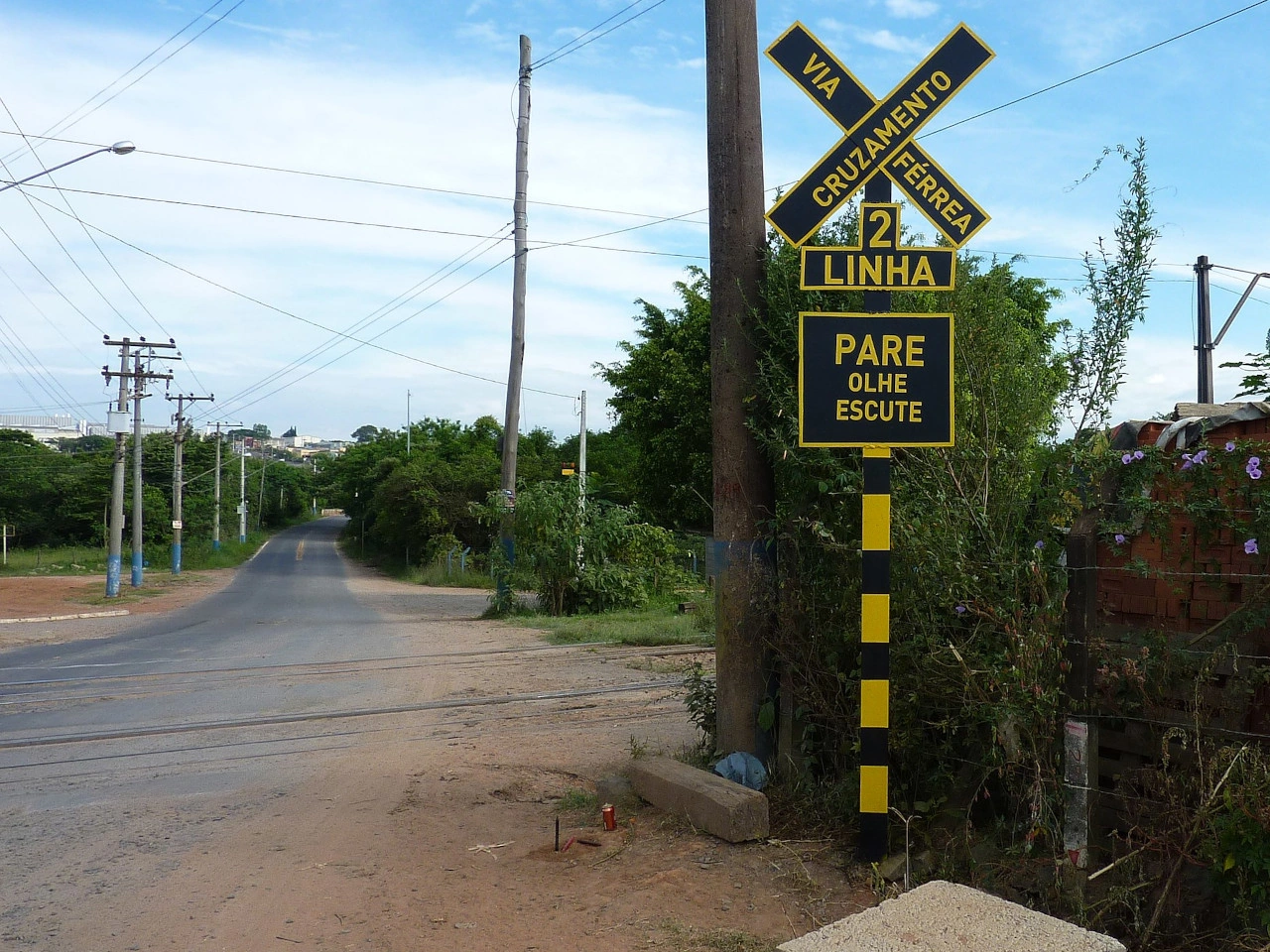
Paso a nivel
What is a railway crossing?

A railway crossing is a place where a road or path crosses railway tracks at the same level.

What is another name for a railway crossing?

It may also be called a level crossing or, particularly in North America, a railroad crossing.

How can you recognise a railway crossing?

It may be indicated by warning signs, crossbuck signs, barriers, flashing lights, bells or road markings. The design differs between countries.

What is the difference between a crossing with and without barriers?

A protected crossing uses full or partial barriers to block road traffic when a train approaches. A crossing without barriers relies on signs, lights, bells or the road user’s own observation.

Must you always stop at a railway crossing?

Not necessarily. You must stop when required by lights, barriers, signs, an approaching train or an authorised person. At an unprotected crossing, slow down and proceed only after checking that no train is approaching.

What do flashing red lights mean?

Flashing red lights mean stop and do not enter the crossing. Remain stopped until the signal permits you to continue.

May you cross while a barrier is moving?

No. Do not enter while a barrier is lowering, rising or closed. Wait until the crossing is fully open and all prohibiting signals have stopped.

May you drive around a closed barrier?

No. Never drive, cycle or walk around or underneath a closed or moving barrier.

What does a warning bell mean?

A warning bell or audible signal normally means that the crossing is closing or that a train is approaching. Do not enter the crossing while it is sounding.

What does a flashing white light mean?

In some countries, a flashing white light indicates that the crossing equipment is operating and road users may pass when the route is clear. Its exact meaning depends on local law.

What should you do at a crossing without lights or barriers?

Reduce speed, look and listen carefully in both directions and cross only after making sure that no train or other rail vehicle is approaching.

May you cross immediately after a train has passed?

Not automatically. Another train may approach on a second track. Wait until all warning signals stop and the crossing is fully open.

What if traffic ahead is blocking the exit?

Do not enter the crossing unless there is enough room beyond the tracks for your entire vehicle. Never rely on traffic moving before a train arrives.

May you wait on the tracks?

No. Railway tracks must always remain clear. Do not stop because of congestion, traffic lights or another obstruction beyond the crossing.

May you overtake at a railway crossing?

Overtaking is often prohibited or restricted because another vehicle can obstruct the view of an approaching train or warning signal. Follow local signs and overtaking rules.

May you stop or park on a railway crossing?

No. Stopping or parking on the tracks creates an immediate and potentially fatal danger.

Do the crossing signals apply to pedestrians and cyclists?

Yes. Pedestrians and cyclists must obey barriers, lights, bells and authorised personnel in the same way as other road users.

Should cyclists ride across the tracks at an angle?

Where possible, cross the rails at an angle close to 90 degrees. Rails can trap a bicycle wheel, especially when they are wet or cross the road diagonally.

What should drivers of long vehicles check?

Make sure the entire vehicle and any trailer can clear the crossing without stopping. Consider the available space, road gradient, turning room and traffic beyond the tracks.

What should drivers of high vehicles check?

Observe all height restrictions and warning signs. Electrified railway lines may have overhead equipment that can be struck by an excessively high vehicle or load.

What should you do if the signals appear defective?

Treat the crossing with extreme caution. Do not assume that no train is approaching merely because the lights or barriers are not operating.

What should you do if your vehicle becomes stuck on the tracks?

Evacuate everyone immediately, move well away from the railway and contact the emergency services or railway operator. Do not remain in the vehicle or return for belongings.

Is a railway crossing the same as tram tracks in the road?

Not always. A railway crossing normally crosses tracks that are separate from the carriageway, while tram or street-running railway tracks may form part of the road itself.

9. Prohibición de giro

Una prohibición de giro impide a los conductores girar en la dirección indicada por una señal. Puede prohibir girar a la izquierda, a la derecha o realizar un cambio de sentido en una intersección o a lo largo de un tramo determinado.

Los conductores deben continuar por una ruta permitida y respetar las flechas de carril o las señales de dirección obligatoria. Una prohibición de giro no determina por sí sola la prioridad ni la velocidad, y cualquier excepción para ciclistas, transporte público u otros usuarios debe indicarse expresamente.
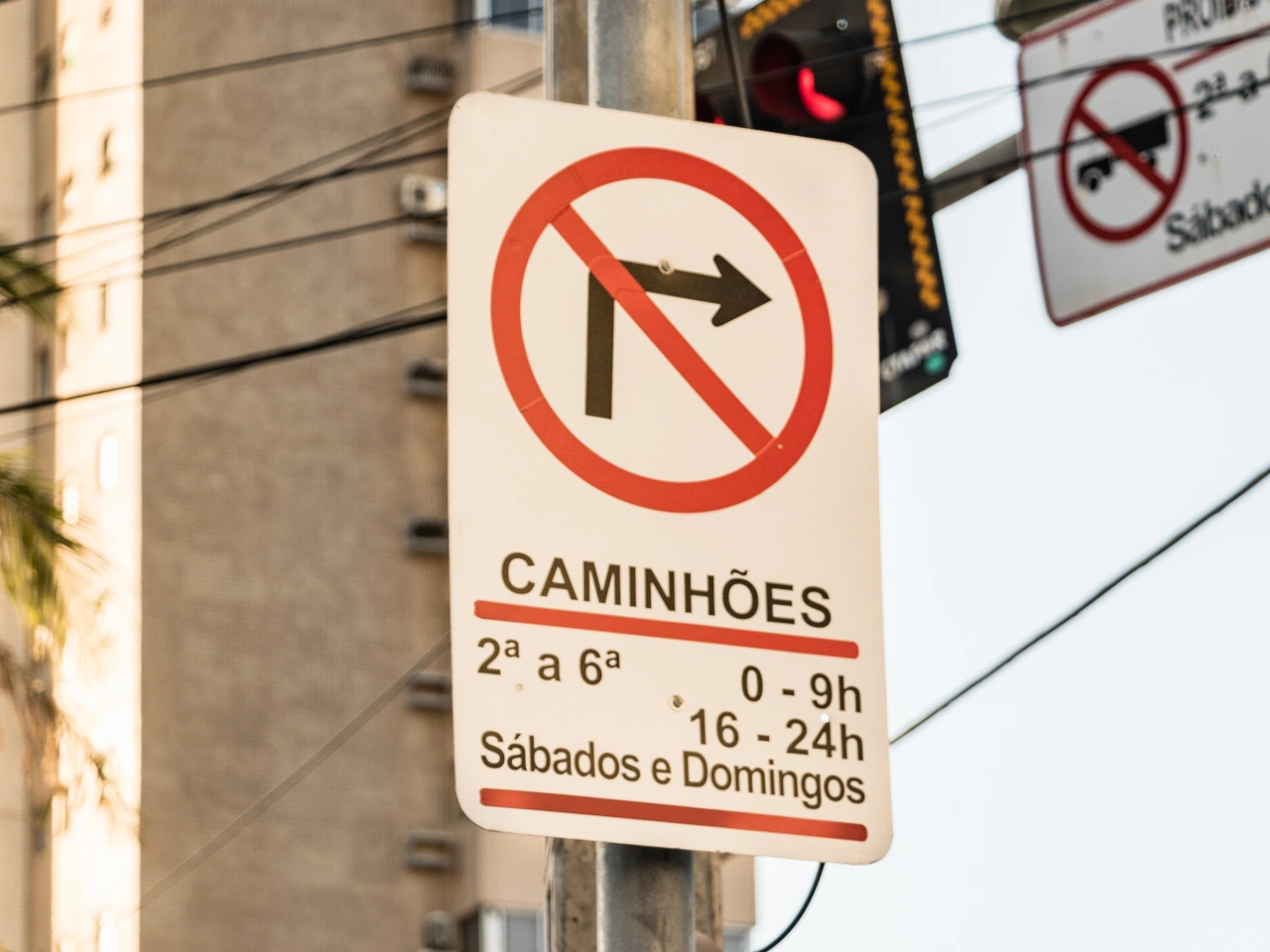
Prohibición de giro
What is a turn prohibition?

A turn prohibition prevents drivers from making a particular turn or change of direction indicated by a traffic sign.

How can you recognise a turn-prohibition sign?

It is commonly a circular sign with a red border showing a crossed or barred turning arrow. The arrow indicates the movement that is prohibited.

What does a no-left-turn sign mean?

It prohibits drivers from turning left at the location or intersection to which the sign applies.

What does a no-right-turn sign mean?

It prohibits drivers from turning right at the location or intersection to which the sign applies.

What does a no-U-turn sign mean?

It prohibits drivers from turning around to travel in the opposite direction.

Is a prohibited turn the same as a mandatory direction?

No. A prohibition sign identifies a movement that may not be made. A mandatory-direction sign identifies the direction or directions that must be followed.

Is a turn prohibition the same as a no-entry sign?

No. A turn prohibition prevents a particular approach from turning into a road. A no-entry sign prohibits vehicles from entering the road from the direction where it is displayed.

Is a turn prohibition the same as one-way traffic?

No. A one-way rule controls the permitted direction along a road. A turn prohibition controls a particular movement at or near an intersection.

When does a turn prohibition apply?

It may apply at the sign, at the next intersection or throughout a stated section. Drivers must follow the sign design and the rules of the country concerned.

Can a turn prohibition be announced in advance?

Yes. An advance sign or supplementary distance panel may warn drivers that the prohibited turn is farther ahead.

Can the sign apply to only one lane?

Yes. A sign positioned above or clearly associated with one lane may apply only to drivers using that lane.

Do lane arrows also restrict turning?

Yes. Drivers must choose the correct lane and follow one of the directions displayed by its legally binding arrows.

Does a green traffic light permit a prohibited turn?

No. A green light permits traffic to proceed, but drivers must still respect turn prohibitions, lane arrows and other regulatory signs.

Does a turn prohibition change priority?

No. Drivers making another permitted movement must still follow traffic lights, priority signs and the ordinary rules concerning pedestrians, cyclists and other vehicles.

Does a turn prohibition impose a speed limit?

No. The applicable general, zonal or posted speed limit remains in force.

Must you use an indicator for a permitted turn?

Yes, where local law requires it. Signal early enough to communicate your intention and stop signalling after completing the movement.

Does signalling make a prohibited turn legal?

No. An indicator communicates an intention but cannot authorise a movement prohibited by a traffic sign.

May cyclists be exempted?

Yes. A supplementary sign may allow cyclists or other specified road users to make a turn that remains prohibited for general traffic.

May buses or taxis be exempted?

Public transport, taxis or other authorised vehicles may be exempted where a supplementary sign or local rule expressly permits the movement.

Does a no-left-turn sign also prohibit a U-turn?

Not universally. Some countries treat these as separate prohibitions. Drivers must check whether a separate no-U-turn sign or general rule applies.

May you turn into a driveway before the prohibited intersection?

This depends on the exact legal scope of the sign. A sign applying specifically to the next intersection may not regulate an earlier property entrance, but another sign or road marking may still prohibit the movement.

May you reverse to avoid the turn prohibition?

No. Do not reverse through traffic or into an intersection to evade the sign. Continue along a permitted route and change direction later where it is legal and safe.

What should you do after entering the wrong lane?

Follow the movement permitted from that lane. Do not turn suddenly across another lane or ignore the sign; continue and choose another legal route.

Can a temporary turn prohibition be binding?

Yes. Properly placed temporary signs near roadworks, incidents or events must be obeyed.

Do instructions from an authorised officer override the sign?

Yes. Follow instructions from an authorised traffic officer even when they differ from the displayed turn prohibition.

10. Zona escolar

Una zona escolar es una carretera o conjunto de carreteras cerca de un colegio donde numerosos niños pueden caminar, montar en bicicleta, cruzar la calzada o subir y bajar de vehículos. Puede identificarse mediante señales de advertencia, señales de zona, marcas viales, medidas de calmado del tráfico o luces intermitentes.

Pueden aplicarse límites de velocidad especiales, restricciones de estacionamiento o normas de acceso de forma permanente o únicamente durante las horas de entrada y salida. Los conductores deben reducir la velocidad, vigilar atentamente a los niños y estar preparados para detenerse.
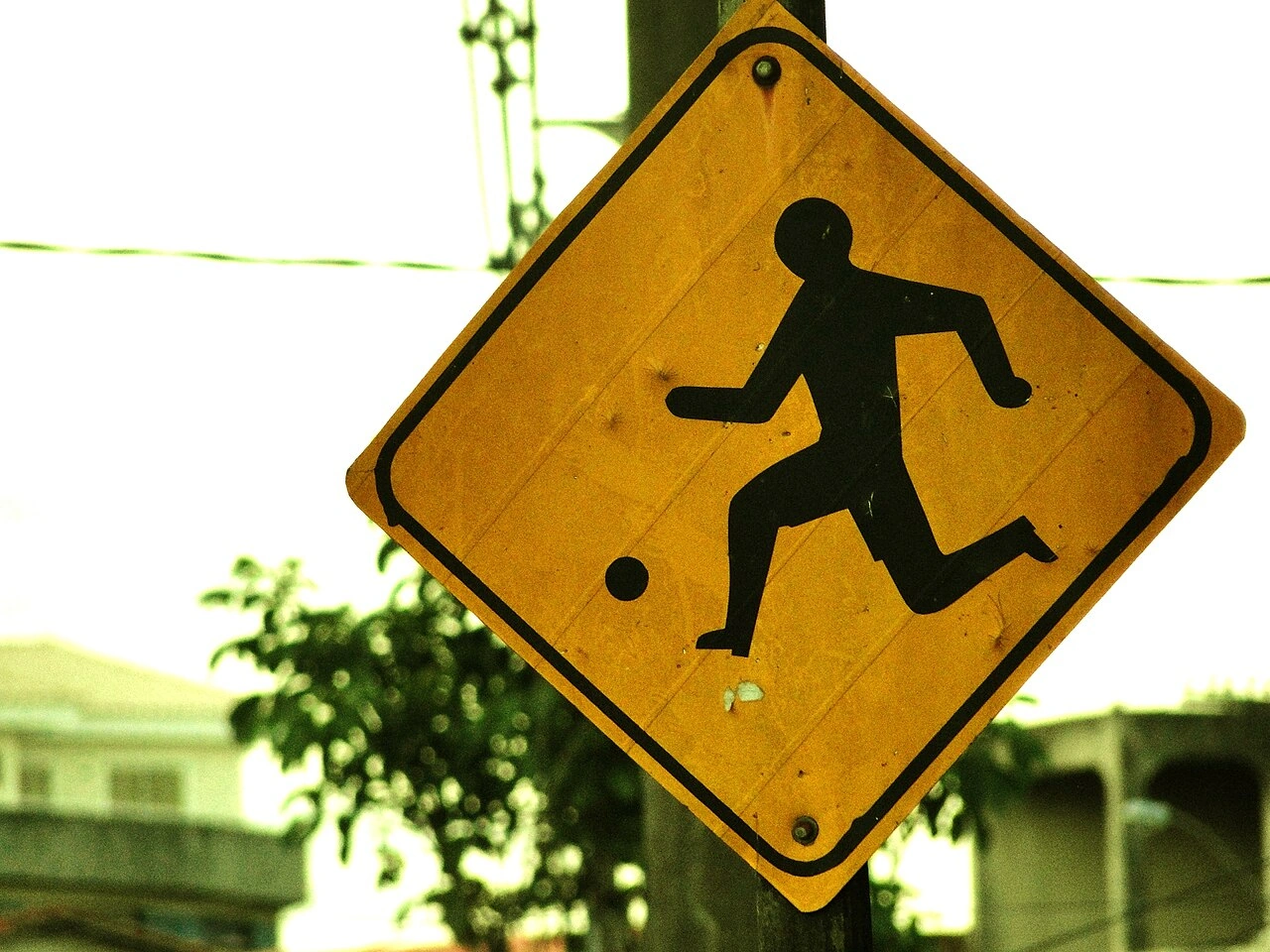
Zona escolar
What is a school area?

A school area is a road or group of roads near a school where drivers should expect large numbers of children, pedestrians, cyclists and stopping vehicles.

How can you recognise a school area?

It may be identified by school warning signs, speed-zone signs, flashing lights, road markings, coloured surfacing or traffic-calming measures. The signs differ between countries.

Does every road beside a school have special legal rules?

No. Special school-area rules normally apply only where signs, signals or local legislation establish them.

What is the speed limit in a school area?

There is no universal school-area speed limit. The applicable limit depends on the country, region, signs and whether a variable restriction is active.

Is the school-area speed limit always active?

Some limits apply permanently, while others apply only during displayed times or when flashing or variable signs are active. Drivers must observe the actual sign arrangement.

Must you drive below the displayed limit?

Yes, when necessary. The displayed speed is a maximum. Children, congestion, poor visibility or vehicles stopping near the school may require a much lower speed.

Why are children especially vulnerable in traffic?

Children may have difficulty judging speed and distance, may be hidden by parked vehicles and may enter the road unexpectedly.

How should you approach a school area?

Reduce speed early, increase your observation and be prepared for children crossing, cyclists changing direction, vehicle doors opening and cars stopping suddenly.

Do children automatically have priority everywhere?

No. Priority depends on crossings, traffic lights, authorised crossing supervisors and local rules. Drivers must nevertheless take exceptional care to avoid endangering children.

Must you obey a school crossing supervisor?

Yes. Drivers and other road users must follow lawful instructions given by an authorised person controlling traffic for children.

May children cross away from a pedestrian crossing?

This depends on local pedestrian rules. Drivers should remain prepared for children to cross unexpectedly, even where they are required to use a nearby crossing.

Does a school sign create pedestrian priority?

Not by itself. A school warning sign alerts drivers to children but does not normally create the legal effect of a pedestrian crossing.

Does a school area change intersection priority?

No. Traffic lights, priority signs and the ordinary intersection rules remain applicable unless another traffic arrangement provides otherwise.

May you overtake in a school area?

Overtaking may be restricted by signs or local law. Even where it is permitted, drivers should not overtake when children, crossings, limited visibility or stopped vehicles make the manoeuvre unsafe.

May you stop to drop off a child?

Only where stopping is permitted and can be completed safely. Do not stop on a crossing, pavement, bike path, bus stop or another prohibited or dangerous location.

May you park near a school entrance?

Follow the parking signs and markings. Do not block entrances, pavements, bike paths, crossings, visibility or access for buses and emergency vehicles.

Why is double parking dangerous near a school?

It blocks traffic and visibility and may force children to walk between moving vehicles or enter the road from behind an obstruction.

What should you watch for near school buses?

Expect children to enter or leave the vehicle and possibly cross the road. Reduce speed and follow any special warning lights, signs or local school-bus rules.

May cyclists ride through a school area?

Normally, yes. They must follow the applicable road, bike-path, speed and priority rules. Drivers should expect inexperienced young cyclists.

Is a school area the same as a school street?

No. A school area normally remains open to traffic under special caution or speed rules. A school street temporarily restricts or excludes motor traffic during specified periods.

Is a school area the same as a Zone 30?

Not universally. A school area may form part of a Zone 30, use another speed limit or have a variable restriction that applies only at particular times.

When do the school-area rules end?

They normally end at an end sign, at the end of the stated time period or when the variable signal is no longer active. The surrounding road rules then apply.

11. Semáforos

Los semáforos utilizan luces de colores, flechas o símbolos para regular cuándo los usuarios pueden avanzar, deben prepararse para detenerse o deben permanecer detenidos. Pueden existir señales independientes para determinadas direcciones, carriles, peatones, ciclistas o vehículos de transporte público.

Una luz verde permite avanzar solo cuando el recorrido está libre y la maniobra es legal. Los usuarios deben seguir respetando las normas de prioridad, restricciones de giro, marcas de carril e instrucciones de los agentes autorizados.
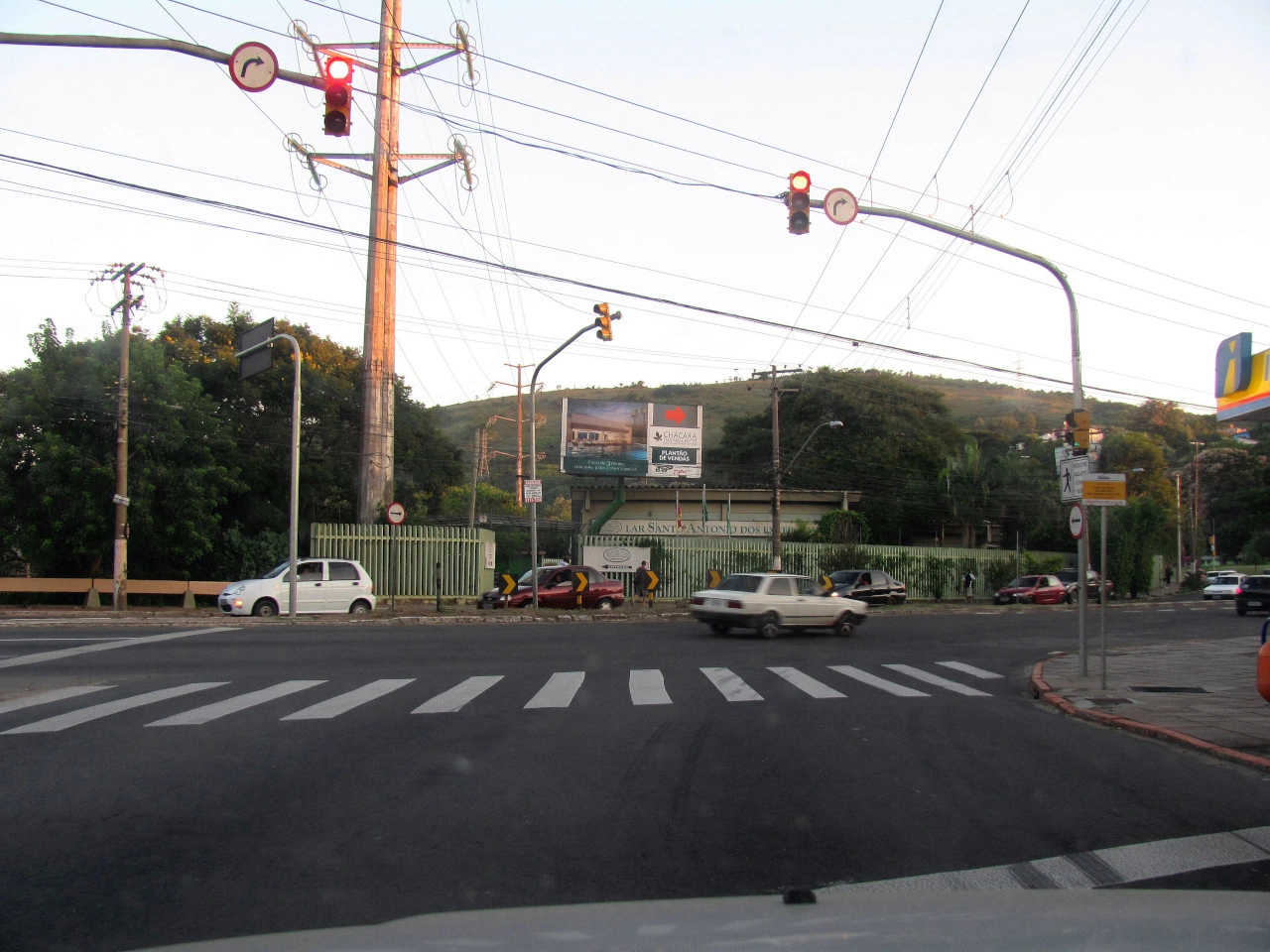
Semáforos
What are traffic lights?

Traffic lights are signals that use coloured lights, arrows or road-user symbols to regulate traffic movements.

What does a red traffic light mean?

A red light requires road users to stop before the stop line or signal and remain stopped until movement is permitted.

What does a steady amber light mean?

A steady amber light normally requires drivers to stop unless they are already too close to stop safely. It warns that the signal is changing to red.

What does a green traffic light mean?

A green light permits road users to pass the signal, but only when the route is clear and the intended movement is otherwise legal.

Does green mean that you have priority over everyone?

No. You may still have to give way to pedestrians, cyclists, oncoming traffic or other road users when turning or following a conditional arrow.

May you enter a blocked intersection on green?

No. Do not enter when congestion is likely to leave you stopped inside the intersection and obstructing crossing traffic.

Where should you stop at a red light?

Stop before the stop line. When no stop line is provided, stop before the traffic light or at another legally prescribed position.

May you cross the stop line and then stop?

No. The required stop must normally be completed before the stop line. Do not stop on a pedestrian or cycle crossing.

What if the light changes to amber while you are approaching?

Stop when this can be done safely. Continue only when you are already too close to stop without creating danger.

Should you accelerate to pass an amber light?

No. Do not accelerate to avoid stopping. Maintain control and stop unless doing so safely is no longer possible.

What do arrow-shaped traffic lights mean?

They have the same general meaning as circular lights, but the prohibition or permission applies only to the direction shown by the arrow.

What does a green arrow displayed with a red light mean?

It may permit travel in the indicated direction while other movements remain prohibited. Drivers may still have to give way to conflicting traffic and pedestrians.

Does a green arrow override a no-turn sign?

Not universally. Drivers must follow the complete local sign arrangement. A traffic signal does not necessarily cancel a separate regulatory prohibition.

May you turn right on red?

Only where local law or a specific sign or signal expressly permits it. There is no universal right to turn on red.

What does a flashing amber light mean?

It warns of a potential hazard and normally allows cautious passage. The ordinary priority arrangement remains applicable.

What should you do when the normal lights are flashing amber?

Reduce speed, observe the intersection carefully and follow the applicable priority signs or default priority rules.

What does a flashing red light mean?

Its meaning depends on local law. At railway crossings and some movable bridges, flashing red lights normally require road users to stop.

What do lane-control signals mean?

A red cross normally closes the lane, a green downward arrow opens it and an amber diagonal arrow instructs drivers to leave the lane in the indicated direction.

May you continue beneath a red lane-control cross?

No. Move out of the lane safely before reaching the red cross unless an authorised person or emergency rule directs otherwise.

What does an amber diagonal lane arrow mean?

It warns that the lane is closing or unavailable ahead. Drivers must move into the adjacent lane indicated by the arrow when safe.

Can separate lights apply to cyclists?

Yes. A signal displaying a bicycle symbol applies to the road users legally covered by that signal rather than to general motor traffic.

Can separate lights apply to pedestrians?

Yes. Pedestrian lights normally use red and green human figures to indicate whether pedestrians may begin crossing.

What does a flashing green pedestrian light mean?

It normally warns that the crossing period is about to end. Pedestrians who have not started should wait for the next green signal.

What if the pedestrian signal changes while someone is crossing?

A person who entered lawfully should continue without unnecessary delay. Turning drivers must allow the crossing to be completed safely.

Can buses and trams have separate traffic lights?

Yes. Public-transport signals may use bars, circles, triangles or other symbols that apply only to authorised service vehicles.

Do functioning traffic lights override priority signs?

They commonly replace the priority arrangement at that location. Priority signs may apply again when the normal signals are inactive or flashing.

Do instructions from a police officer override traffic lights?

Yes. Instructions from an authorised traffic controller normally take precedence over lights, signs, markings and ordinary rules.

What should you do when the lights are not working?

Reduce speed and follow the priority signs, temporary signals, authorised personnel or default priority rules that apply.

May you clear an intersection after the light turns red?

Yes, when you entered lawfully and must leave the intersection. Complete the movement cautiously without endangering other road users.

Does a green light impose a minimum speed?

No. Drivers may proceed but must continue at a safe and legal speed.

May you use a handheld phone while waiting at red?

This depends on local law. In many countries, a driver temporarily stopped in traffic is still considered to be driving and may not use a handheld device.

12. Advertencia de semáforos

Una advertencia de semáforos es una señal que avisa a los conductores de que hay semáforos más adelante. Se utiliza habitualmente donde los semáforos pueden resultar inesperados, ser difíciles de ver a distancia o estar situados en una carretera donde los conductores necesitan más tiempo para prepararse para detenerse.

Los conductores que se aproximen deben reducir la velocidad cuando sea necesario, observar los semáforos que hay delante y estar preparados para detenerse si cambia la señal o hay tráfico esperando en la intersección.
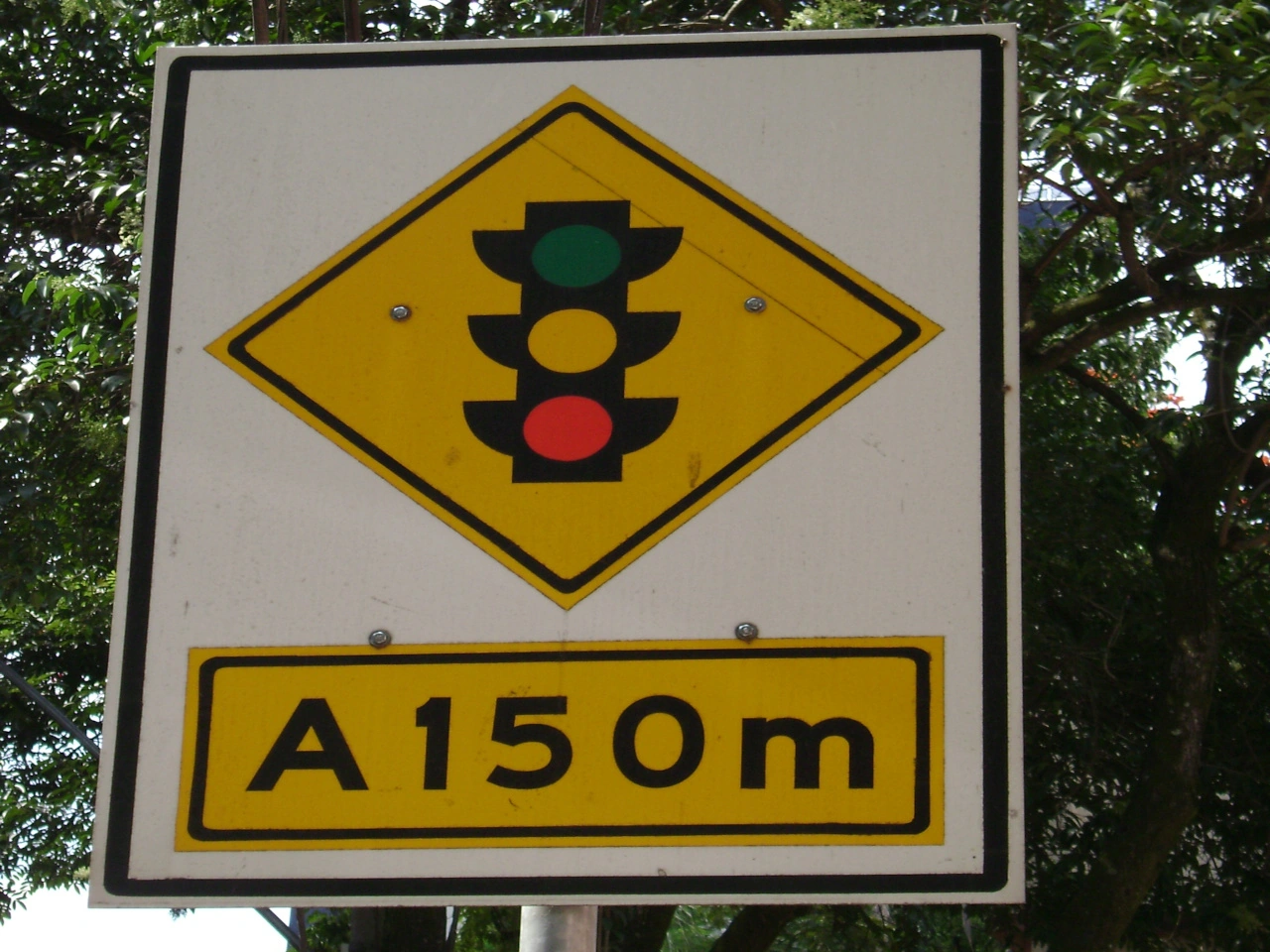
Advertencia de semáforos
What does a traffic lights warning mean?

A traffic lights warning alerts drivers that traffic signals are located ahead.

Why is a traffic lights warning sign used?

It may be used where traffic lights are unexpected, difficult to see sufficiently early or located on a road where advance warning improves safety.

How should you react to a traffic lights warning?

Remain alert, reduce speed when necessary and be prepared to stop at the traffic lights or behind waiting traffic.

13. Semáforos peatonales

Los semáforos peatonales regulan cuándo los peatones pueden comenzar a cruzar una carretera. Normalmente muestran una figura roja de pie para prohibir iniciar el cruce y una figura verde caminando para permitirlo.

Una señal intermitente o una cuenta atrás puede advertir de que el periodo permitido está terminando. Los peatones deben cruzar sin demoras innecesarias, mientras que los conductores que giran deben permanecer atentos y permitir que quienes entraron legalmente terminen de cruzar con seguridad.
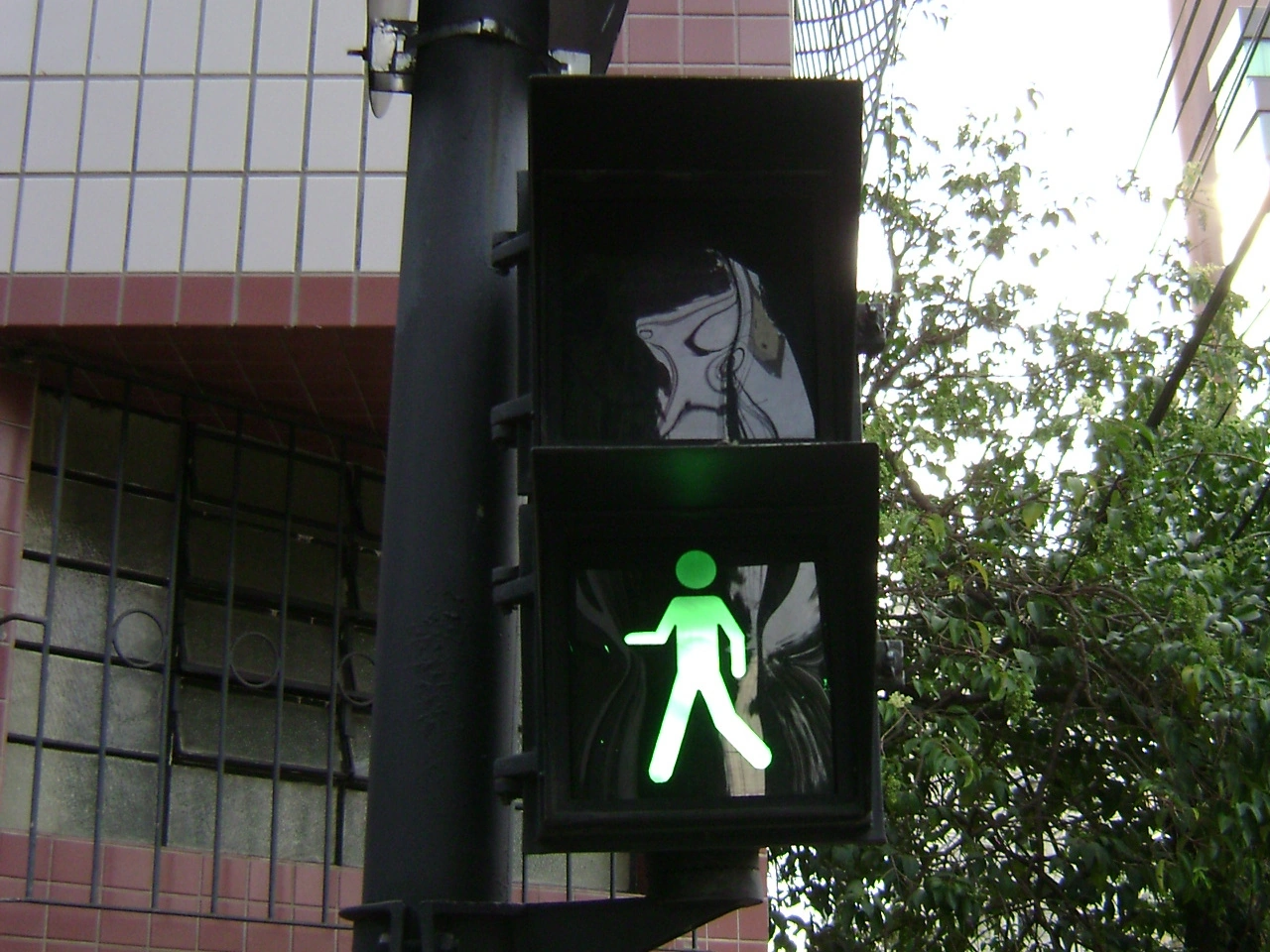
Semáforos peatonales
What are pedestrian lights?

Pedestrian lights are traffic signals that indicate when pedestrians may begin crossing a road.

How can you recognise pedestrian lights?

They commonly display a red standing person and a green walking person. Their design may vary between countries.

What does the red pedestrian light mean?

It means that pedestrians must not begin crossing.

What does the green pedestrian light mean?

It means that pedestrians may begin crossing, provided they still observe the road and cross without unnecessary delay.

Does green guarantee that no vehicle will cross your path?

No. Turning vehicles, emergency vehicles or traffic following another authorised signal may still cross the pedestrian route. Pedestrians should remain attentive.

What does a flashing green pedestrian light mean?

It normally warns that the permitted crossing period is about to end. Pedestrians who have not started should consider waiting for the next green signal.

What does a flashing red pedestrian light mean?

Its meaning varies between countries. It commonly means that pedestrians must not begin crossing, while those already on the road should finish without delay.

What does a countdown display mean?

A countdown may show approximately how much time remains before the signal changes. It does not remove the duty to cross cautiously.

May you begin crossing when the countdown is nearly finished?

Begin only when there is enough time to cross safely and without stopping unnecessarily on the road. Waiting for the next green phase may be safer.

What if the signal changes to red while you are crossing?

Continue crossing at a normal pace towards the nearest safe side. Do not turn back suddenly, stop unnecessarily or run into another traffic stream.

Must drivers allow pedestrians to finish crossing?

Yes. Drivers should allow pedestrians who entered lawfully to complete the crossing safely, even when vehicle traffic receives permission to proceed.

May turning drivers cross during the pedestrian green phase?

Some signal systems permit turning vehicles and pedestrians at the same time. Turning drivers must give way where required and must not endanger pedestrians.

What is a conflict-free pedestrian phase?

It is a signal phase during which conflicting vehicle movements are stopped so pedestrians can cross without permitted traffic turning across their route.

What is an all-pedestrian phase?

It is a phase in which pedestrians may cross several or all approaches while vehicle traffic is stopped. Diagonal crossing is permitted only when the signals and markings allow it.

What do arrows around a pedestrian symbol mean?

They may indicate that the same pedestrian signal applies simultaneously to several crossing directions. The exact meaning depends on local law.

What should pedestrians do before stepping onto the road?

Check that approaching and turning vehicles are stopping and that the route is clear. A green signal does not make a collision impossible.

Must pedestrians cross without delay?

Yes. They should proceed at a normal pace and should not linger, stop unnecessarily or obstruct traffic on the crossing.

What if there are no pedestrian lights?

Pedestrians may have to follow the traffic lights controlling vehicles, an authorised officer or the ordinary pedestrian-crossing rules.

What is a pedestrian push button?

A push button normally registers a request for a pedestrian crossing phase. Pressing it does not itself permit crossing; pedestrians must wait for the appropriate signal.

Does repeatedly pressing the button make the signal change faster?

Normally not. Once the request has been registered, additional presses usually have no effect.

What are audible pedestrian signals?

Audible signals use sounds to help pedestrians with visual impairments identify when crossing is permitted or when the signal is changing.

What are tactile pedestrian signals?

Tactile signals may use a vibrating button, rotating cone or raised markings to provide crossing information to pedestrians with visual impairments.

Do pedestrian lights apply to cyclists?

Not normally. A cyclist riding a bicycle must follow the applicable cycle or vehicle signal unless a combined pedestrian-and-cycle signal applies.

What if a cyclist walks beside the bicycle?

A person walking beside a bicycle is normally treated as a pedestrian and follows the pedestrian signal.

What are combined pedestrian-and-cycle lights?

They display pedestrian and bicycle symbols and apply to the road users indicated by those symbols.

May pedestrians cross when an authorised officer signals them to wait?

No. Instructions from an authorised traffic controller normally take precedence over pedestrian lights.

What should you do when the pedestrian lights are not working?

Cross only according to the functioning vehicle signals, priority rules and instructions from authorised personnel. Proceed cautiously and take approaching traffic into account.

14. Permiso de conducir

Un permiso de conducir es una autorización oficial que permite a una persona conducir determinadas categorías de vehículos en la vía pública. El permiso puede incluir información como la identidad del titular, categorías autorizadas, fechas de validez, restricciones y códigos especiales.

Los requisitos para obtener y conservar un permiso varían entre países y pueden incluir edad mínima, formación, exámenes teóricos y prácticos, requisitos médicos y renovaciones. Los conductores deben utilizar únicamente vehículos incluidos en las categorías y condiciones de su permiso.
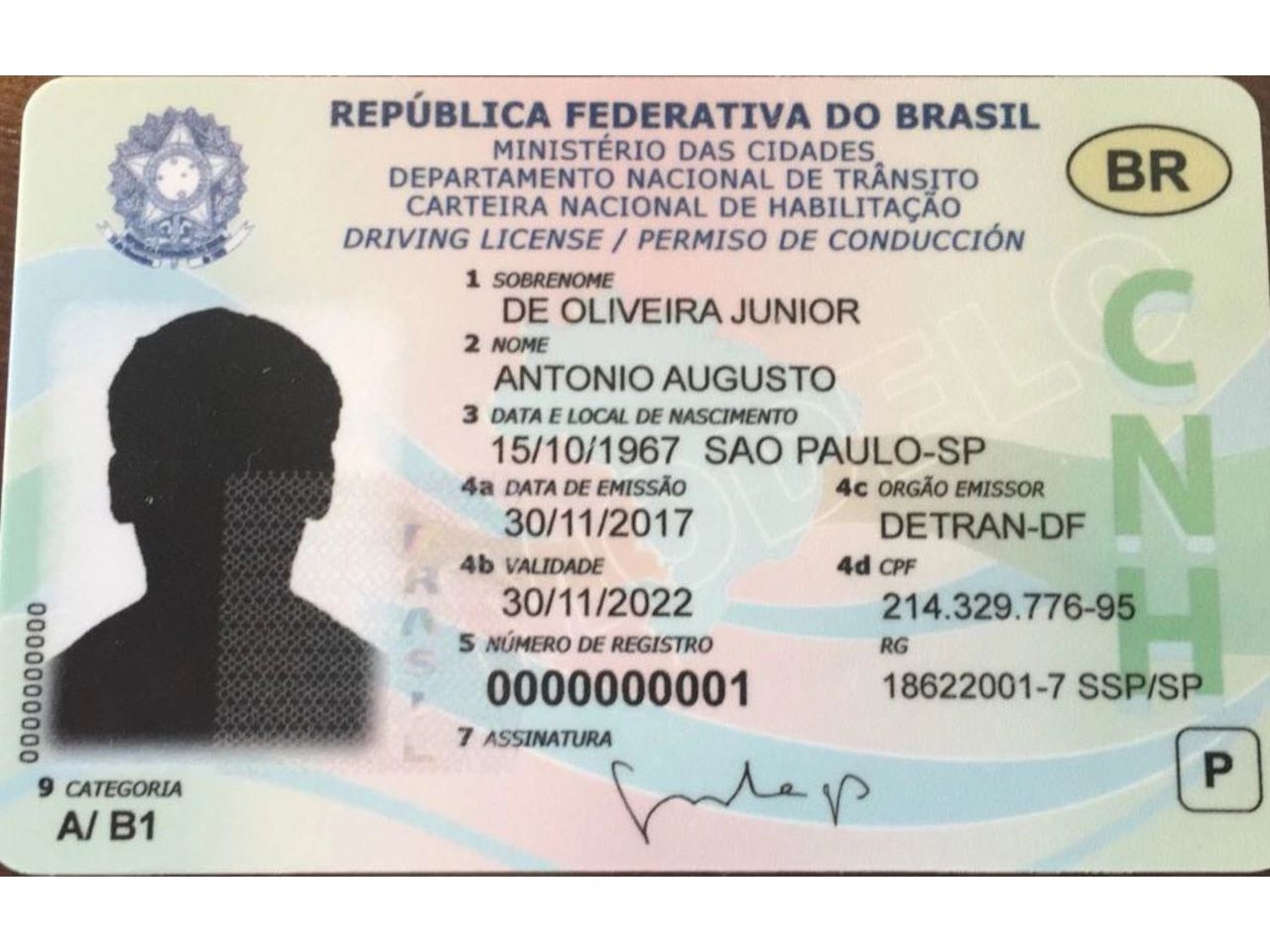
Permiso de conducir
What is a driving licence?

A driving licence is an official authorisation to drive specified categories of motor vehicle.

Is a driving licence the same as a driving permit?

The terms may refer to the same document, depending on the country. Some countries use permit specifically for learners or temporary authorisations.

What is a provisional driving licence?

A provisional or learner licence allows a person to practise driving under specified restrictions before obtaining a full licence.

What is a full driving licence?

A full licence is issued after the holder has completed the required tests or training. Restrictions may still apply because of age, vehicle type, medical fitness or licence codes.

Does one licence allow you to drive every vehicle?

No. Driving licences are divided into categories for motorcycles, cars, buses, trucks, trailers and other vehicles.

What is a licence category?

A licence category identifies the type and size of vehicle the holder is authorised to drive.

Must the licence be valid for the vehicle being driven?

Yes. Holding a licence for one category does not normally authorise driving a vehicle belonging to another category.

Can a licence contain restrictions?

Yes. Codes may restrict the holder to an automatic transmission, corrective lenses, an adapted vehicle or another specified condition.

What is the difference between an automatic and manual licence?

In some countries, passing the test in an automatic vehicle restricts the holder to automatic vehicles until an additional test or procedure is completed.

Does a driving licence expire?

Usually, yes. The document, individual categories or medical authorisation may have expiry dates and require renewal.

May you drive with an expired licence?

No. The licence and the category required for the vehicle must remain valid.

Must you carry your driving licence?

This depends on local law. Many countries require drivers to carry the original licence and present it to an authorised officer when requested.

Is a photograph or copy of the licence sufficient?

Not normally. A photograph, scan or photocopy is not generally a substitute for the original document unless an official digital-licence system is legally recognised.

Does a driving licence prove that you own the vehicle?

No. It proves driving authorisation, not ownership, registration or insurance.

What tests are required to obtain a licence?

Requirements may include a theory test, eyesight test, practical driving test, medical examination or compulsory training.

Is there a universal minimum driving age?

No. Minimum ages differ between countries and vehicle categories.

Can a learner drive without supervision?

Only where the provisional-licence system permits independent driving. Other learners must be accompanied by an approved supervisor or instructor.

Can a learner drive in another country?

Often not. Provisional and learner licences are frequently valid only in the country or region that issued them.

What is an international driving permit?

An international driving permit is a standardised translation of a valid national licence intended to help authorities interpret it abroad.

Does an international driving permit replace a national licence?

No. It normally has legal value only when presented together with the valid national driving licence on which it is based.

Is a national licence valid abroad?

This depends on the destination, length of stay, residence status and agreements between the countries concerned. An exchange or international permit may be required.

Can a foreign licence be exchanged?

Some countries exchange recognised foreign licences without new tests, while others require theory, practical or medical examinations.

Can medical fitness affect a licence?

Yes. A medical condition may require an assessment, shorter validity period, adapted vehicle or licence restriction.

Must changes in medical fitness be reported?

This depends on local law. Drivers remain responsible for ensuring that they are physically and mentally fit to drive safely.

Do professional drivers need additional qualifications?

Often, yes. Drivers of trucks, buses, taxis or vehicles used commercially may require professional competence, medical examinations or periodic training.

What happens when a licence is suspended?

The holder may not drive during the suspension period, even if the physical document remains in their possession.

What is disqualification from driving?

Disqualification is a legal prohibition on driving, usually imposed by a court or competent authority for a specified period or until conditions are fulfilled.

What should you do if the licence is lost or stolen?

Report it where required and apply for a replacement through the competent licensing authority. Do not continue driving when local law requires the original document to be carried.

What should you do if the licence is damaged?

Request a replacement when the document is unreadable, damaged or no longer allows the holder to be identified reliably.

Does changing address require a new licence?

This depends on the country and whether the address appears on the licence. Drivers must follow the local notification and replacement procedure.

15. Marcador de ubicación

Un marcador de ubicación identifica una posición concreta en una carretera mediante un número, código, referencia kilométrica u otro sistema. Estos marcadores ayudan a conductores, servicios de emergencia, mantenimiento y autoridades a describir una ubicación con precisión.

En caso de avería, accidente u otra emergencia, comunicar la referencia exacta del marcador puede ayudar a localizar el lugar con rapidez. El formato y la frecuencia de estos marcadores varían entre países y carreteras.

Marcador de ubicación
What is a road location marker?

A road location marker is a numbered reference point identifying a measured position along a particular road or route.

What is a kilometre marker?

A kilometre marker indicates the number of kilometres measured from an established starting point on the road.

What is a hectometre marker?

A hectometre marker identifies a position at intervals of 100 metres. One kilometre contains ten hectometres.

What does a marker showing 14.7 mean?

It normally identifies a point approximately 14 kilometres and 700 metres from the route’s reference origin.

Is the marker the distance to the next town?

No. It normally measures the position along the road from a fixed reference origin rather than the remaining distance to a destination.

Where does the kilometre measurement begin?

It begins at a reference point chosen for that road, such as the start of the route, a border, an administrative boundary or another officially defined origin.

Does the numbering always increase in the direction of travel?

No. It increases in the officially defined direction of the route. Drivers travelling in the opposite direction may see the values decrease.

How can you recognise a location marker?

It may appear as a numbered roadside post, small sign, plate, marker attached to a barrier or numbers painted beside the carriageway.

Are kilometre markers used in every country?

Many countries use kilometre markers, while countries using imperial measurements may use mile markers. Designs and intervals differ.

Are hectometre markers always placed every 100 metres?

They are intended to represent 100-metre intervals, but their physical placement and permitted tolerances depend on the road authority and local conditions.

What information should you give during an emergency?

Give the road number, marker value, direction of travel and nearest junction or landmark where possible.

Why is the road number important?

The same kilometre value may occur on many different roads. The road number identifies which route the marker belongs to.

Why is the direction of travel important?

Divided roads have separate carriageways. Reporting the direction helps emergency services approach the correct side without making a long diversion.

Can a marker help locate a breakdown?

Yes. Reporting the nearest marker can help breakdown and emergency services identify the affected road section more accurately.

Can it help report debris or another hazard?

Yes. The marker can help road authorities locate an obstruction, damaged barrier, animal, collision or other dangerous situation.

Is a location marker a traffic sign?

Normally not. It is a reference or identification device rather than a regulatory sign.

Does it impose a speed limit?

No. The applicable speed comes from general traffic rules and regulatory speed signs.

Does it change priority?

No. Traffic lights, priority signs and ordinary intersection rules remain applicable.

Does it mark the beginning of a new road rule?

No. Passing a kilometre or hectometre marker does not normally begin or end a traffic regulation.

Can markers be used for road maintenance?

Yes. Road authorities use reference points to locate signs, barriers, bridges, defects, works and other infrastructure precisely.

Can navigation coordinates replace a location marker?

Coordinates can be useful, but a road reference marker may be easier for road operators and emergency services to connect with the correct carriageway and road section.

What if the marker is damaged or missing?

Use the nearest visible marker together with the road number, direction, junctions and other identifiable features.

Should a driver stop simply to read a marker?

No. Do not stop in a live lane or another prohibited location. A passenger may note the marker, or the driver may read it after stopping somewhere safe during an actual emergency.

Can temporary roadworks change the marker values?

Normally not. Temporary traffic routes may move traffic away from the marker’s usual position, but the official road reference system generally remains unchanged.

16. Prohibido parar

Prohibido parar significa que los vehículos no pueden detenerse voluntariamente en el lugar indicado, ni siquiera brevemente para recoger o dejar pasajeros o cargar o descargar mercancías. Es una restricción más estricta que una prohibición de estacionar.

Puede indicarse mediante una señal, marca vial o norma local. El conductor debe continuar hasta un lugar donde esté permitido detenerse, salvo que se vea obligado a hacerlo por las condiciones del tráfico, una emergencia u otra obligación legal.
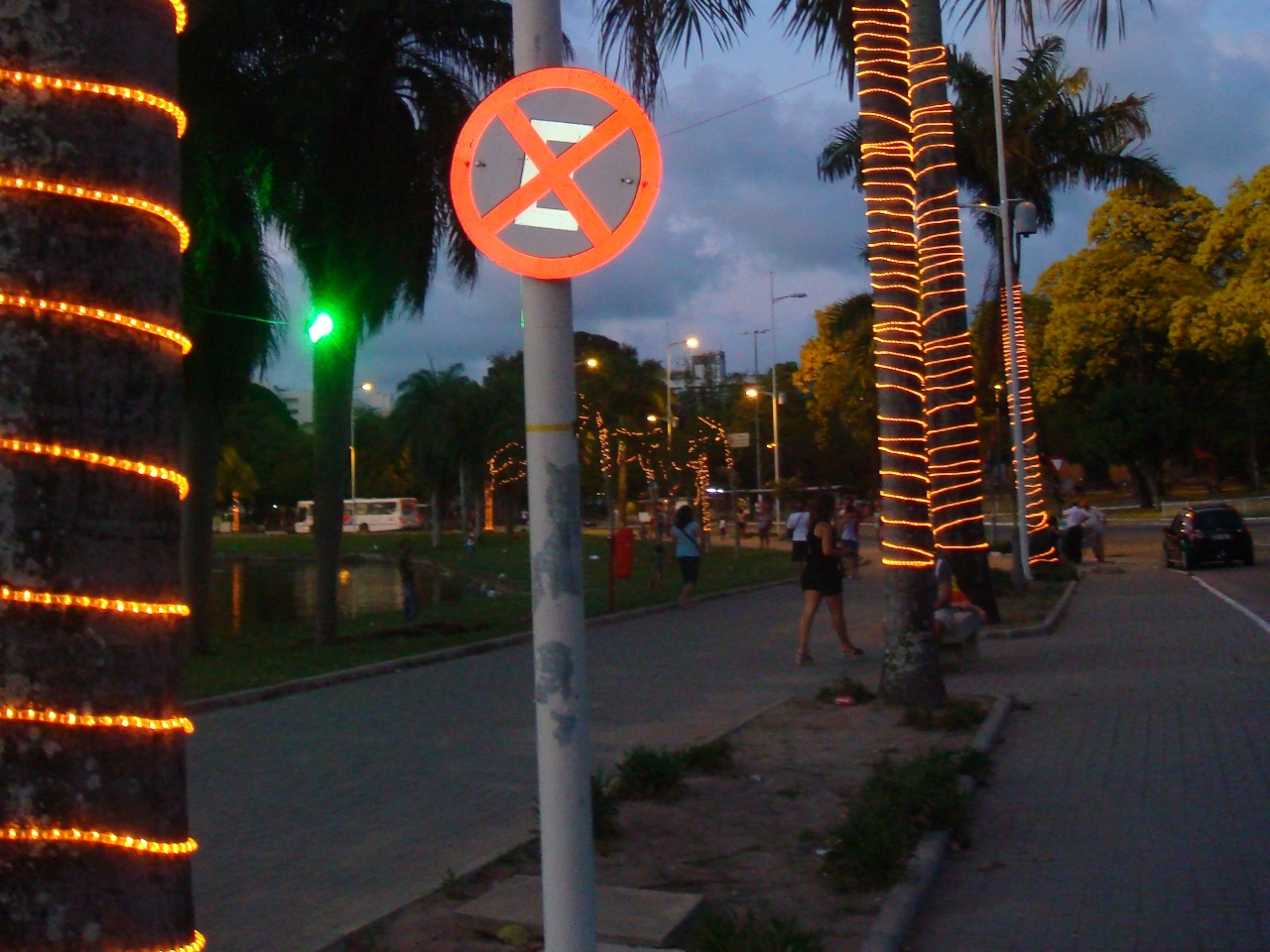
Prohibido parar
What does a no stopping restriction mean?

It means that a driver may not voluntarily stop the vehicle in the restricted area. The prohibition normally includes stopping to pick up or drop off passengers or to load or unload goods.

What is the difference between no stopping and no parking?

No stopping is the stricter restriction. A no-parking rule may still allow a brief stop for activities such as picking up passengers or loading goods, while a no-stopping rule prohibits these voluntary stops as well.

Can you stop in a no-stopping area during an emergency?

A driver may have to stop because of an emergency, traffic conditions, a red light, police instructions or another situation outside the driver's control. Such compulsory stops are generally different from voluntarily stopping the vehicle.

17. Estacionamiento para personas con discapacidad

El estacionamiento para personas con discapacidad se refiere a plazas y privilegios reservados para personas con discapacidad que cumplen los requisitos aplicables. Las plazas reservadas suelen identificarse con el símbolo internacional de la silla de ruedas y situarse para facilitar el acceso a instalaciones cercanas.

El uso de una plaza reservada normalmente requiere una tarjeta o permiso válido para personas con discapacidad. El permiso suele corresponder a la persona autorizada y no a un vehículo concreto, y solo puede utilizarse cuando esa persona conduce o viaja en el vehículo.
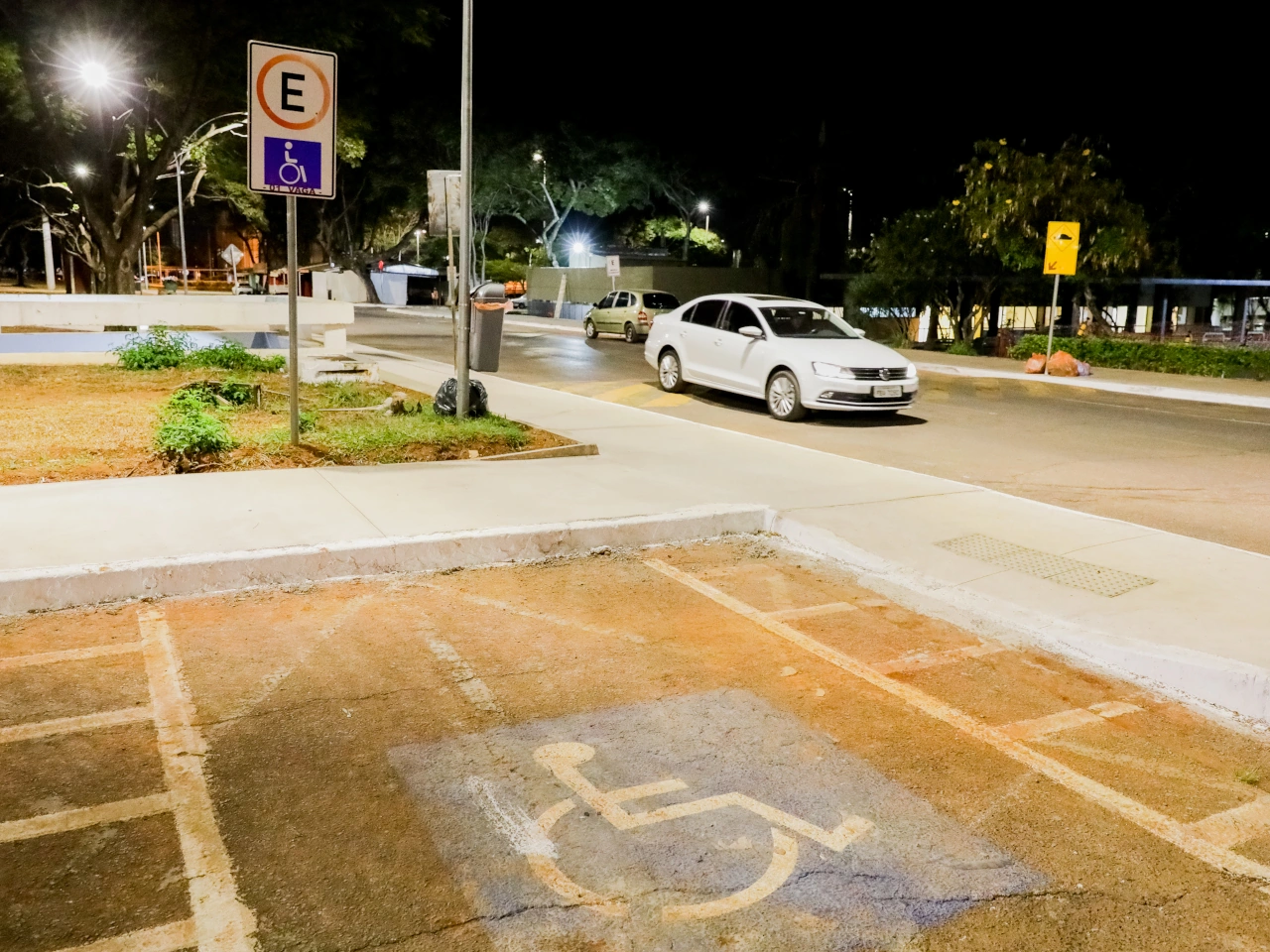
Estacionamiento para personas con discapacidad
Who may use a disabled parking space?

Disabled parking spaces are intended for eligible people who hold a valid disabled parking permit or card. The exact eligibility requirements and permit system depend on the country.

Can someone use a disabled parking permit when the holder is not present?

Generally no. Disabled parking permits are normally personal and may only be used when the permit holder is driving or travelling in the vehicle.

Does a disabled parking permit always provide free parking?

No. A permit may provide access to reserved spaces or exemptions from certain parking restrictions, but rules concerning parking charges and time limits vary between countries and local authorities.

18. Marcha atrás

La marcha atrás consiste en conducir un vehículo hacia atrás. Se utiliza habitualmente al estacionar, salir de un espacio reducido o recolocar un vehículo cuando avanzar no es práctico.

Antes de dar marcha atrás, el conductor debe comprobar espejos y ángulos muertos, mirar cuidadosamente alrededor y asegurarse de que la zona posterior está libre. Debe hacerse lentamente y solo durante el tiempo necesario porque la visibilidad hacia atrás suele ser limitada.
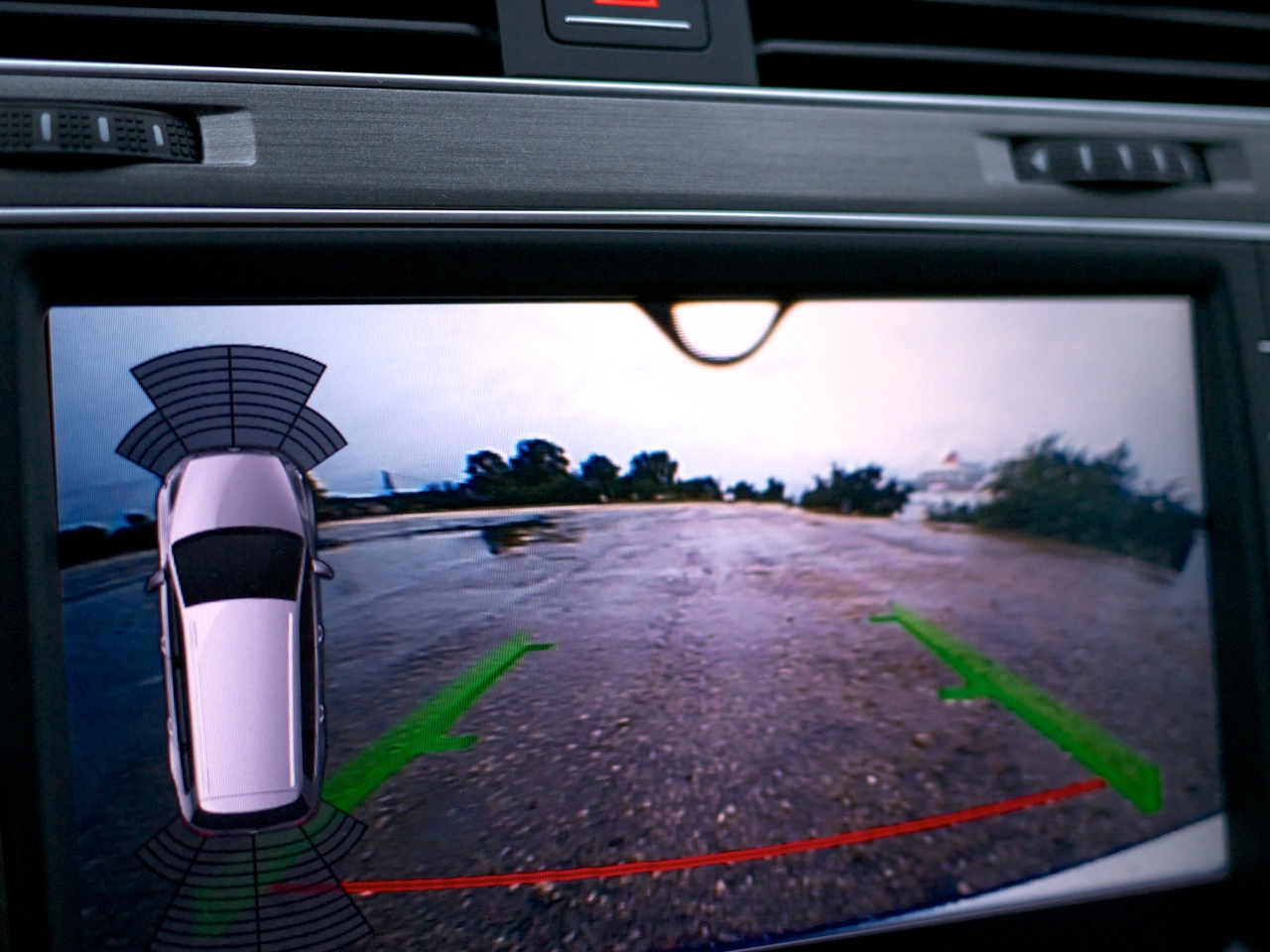
Marcha atrás
What should you check before reversing?

Check behind and around the vehicle for pedestrians, cyclists, other vehicles and obstacles. Use mirrors and cameras where available, but also look directly because monitoring systems can have blind spots.

Who has priority when a vehicle is reversing?

In many countries, reversing is treated as a manoeuvre and the reversing driver must give way to other road users. The exact legal requirements depend on national traffic rules.

Should you reverse for a long distance?

No. Reversing should normally be limited to the distance necessary to complete the manoeuvre safely. Driving forward generally provides better visibility and vehicle control.

19. Carga sobredimensionada

Una carga sobredimensionada hace que un vehículo o conjunto supere las dimensiones normalmente permitidas para el tráfico, como longitud, anchura o altura máximas. Estas cargas suelen incluir maquinaria grande, componentes de construcción u objetos que no pueden dividirse razonablemente en cargas menores.

Su transporte puede requerir un permiso especial, una ruta autorizada, señales de advertencia, luces o vehículos de escolta. Los conductores deben cumplir las condiciones impuestas por las autoridades responsables de las carreteras utilizadas.

Carga sobredimensionada
What is an oversize load?

An oversize load is a load that makes a vehicle or vehicle combination exceed one or more of the normal legal dimensions for road use, such as its permitted width, height or length.

Does an oversize load require a special permit?

Often yes. Depending on the country, dimensions and route, a permit may be required and can specify where and when the vehicle may travel and what additional safety measures must be used.

Why might an oversize load need an escort vehicle?

Escort vehicles can warn other road users, help manage difficult road sections and assist the exceptional vehicle when its size creates additional traffic risks. The number and type of escorts required depend on national rules and the dimensions of the transport.

20. Atracción turística

Una atracción turística es un lugar de interés al que los visitantes pueden desplazarse por motivos culturales, históricos, recreativos, naturales o de entretenimiento. Entre los ejemplos se incluyen monumentos, castillos, museos, parajes escénicos, parques de atracciones y otros destinos destacados.

Las atracciones turísticas pueden indicarse mediante señales turísticas o de dirección que ayudan a los viajeros a encontrar el destino. Los colores, símbolos y tipos de atracciones mostrados varían entre países.
Atracción turística
What is a tourist attraction?

A tourist attraction is a place that visitors travel to because of its cultural, historical, natural, recreational or entertainment value.

What are examples of tourist attractions?

Examples include monuments, castles, museums, scenic locations, cultural sites, amusement parks and recreational destinations.

Can tourist attractions be indicated by road signs?

Yes. Many countries use tourist or direction signs to guide travellers toward important attractions and places of interest.

21. Claxon

El claxon es un dispositivo sonoro utilizado para advertir a otros usuarios de un peligro o llamar su atención cuando sea necesario por seguridad. La mayoría de los vehículos de motor disponen de un claxon eléctrico accionado desde el volante. Las normas de tráfico suelen restringir su uso innecesario o excesivo, especialmente en zonas urbanas o residenciales. Por ello, debe utilizarse como dispositivo de advertencia y no como forma de expresar frustración o saludar a otros usuarios.
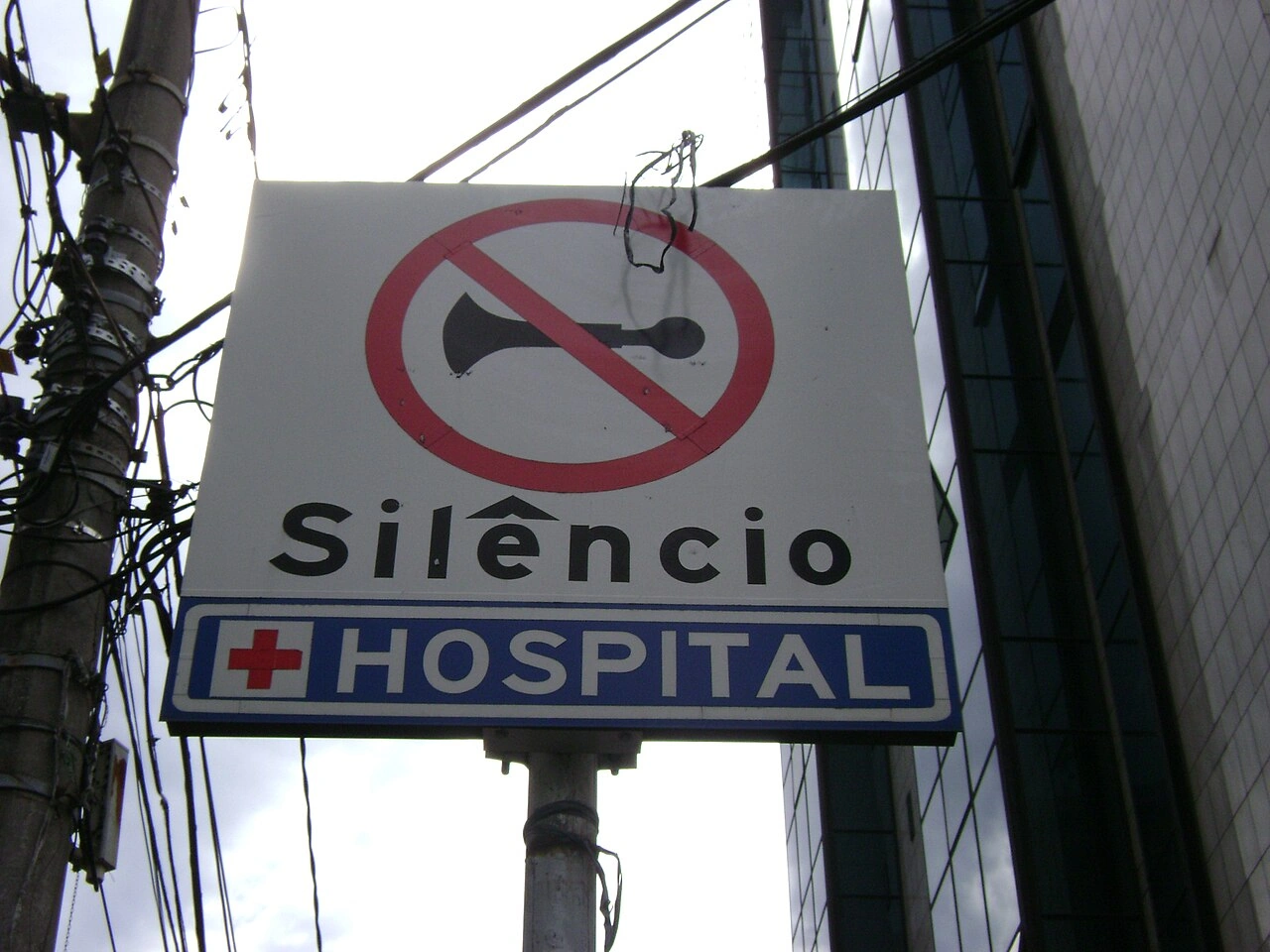
Claxon
What is a car horn?

A car horn is a sound-producing warning device used to alert other road users when their attention is needed for safety.

When should you use the horn?

The horn should generally be used when a sound warning is necessary to help prevent danger or an accident. The exact circumstances in which horn use is permitted depend on local traffic laws.

Can you use the horn to show annoyance?

Generally, no. A horn is intended as a safety warning device, and unnecessary or excessive use may be prohibited by local traffic rules.

Can you use the horn at night?

Rules for using the horn at night vary between countries. Some traffic laws restrict sound signals at night and require drivers to use their lights instead, except when there is immediate danger.

Can a vehicle horn be modified?

Vehicle horns may have to meet technical requirements for their sound and operation. Horns that imitate emergency-service sirens or otherwise fail applicable vehicle standards may be prohibited.

Is the horn checked during a vehicle inspection?

In countries with periodic technical inspections, the operation and condition of the horn may be checked as part of the vehicle's safety equipment.

22. Estación de carga

Una estación de carga es un lugar equipado con uno o más puntos donde la batería de un vehículo eléctrico o híbrido enchufable puede conectarse a una fuente de electricidad y recargarse. Puede estar situada junto a vías públicas, en aparcamientos, áreas de servicio o propiedades privadas.

Las plazas de carga pueden estar reservadas a vehículos que estén cargando y sujetas a restricciones de estacionamiento, límites de tiempo, pago u otras condiciones. Los conductores deben respetar las señales, normas de estacionamiento e instrucciones de carga aplicables.

Estación de carga
What is a charging station?

A charging station is a location where electric vehicles can be connected to an electricity supply to recharge their batteries. A station may contain one or several individual charging points.

Who can use an electric-vehicle charging station?

Charging stations are intended for vehicles that can be externally charged, such as battery-electric vehicles and plug-in hybrid vehicles. The exact vehicle categories permitted may be indicated by local signs or operator conditions.

Is a charging space an ordinary parking space?

Not necessarily. A space beside a charger may be reserved for electric vehicles or vehicles that are charging. Drivers must check the signs and markings before parking there.

Can a petrol or diesel vehicle park at a charging station?

Not where the parking space is officially reserved for electric vehicles. An ordinary parking space located near a charger may be different, so the applicable signs and markings determine who may park there.

Can an electric vehicle park at a charging point without charging?

This depends on the local traffic and parking rules. Many charging spaces require the vehicle to be connected to the charger, even if the vehicle itself is electric.

Do you have to pay to use a charging station?

Charging may be free or subject to payment. The price and payment method are determined by the charging operator, while separate parking charges may also apply.

Can a charging station have a maximum parking time?

Yes. Traffic signs, parking regulations or charging conditions may establish a maximum duration to encourage drivers to move their vehicles and make the charger available to others.

Must you move the vehicle when charging is finished?

Follow the local parking rules and charging conditions. Some locations require vehicles to leave after charging or impose additional fees or time limits when the charging session has ended.

Does using a charger override ordinary parking restrictions?

No. A charging station does not allow a driver to ignore no-parking rules, reserved spaces, time limits or other traffic regulations. The vehicle must still be legally parked.

Are all charging stations equally fast?

No. Charging stations can provide different charging powers. Some are intended for longer parking periods, while high-power chargers can recharge compatible vehicles much more quickly.

23. Ciclista

Un ciclista es una persona que conduce una bicicleta. Puede circular por la calzada, carriles bici, vías ciclistas u otras infraestructuras según las normas locales.

Los ciclistas son usuarios vulnerables y pueden verse afectados por viento, superficies irregulares, puertas de vehículos y adelantamientos cercanos. Los conductores deben dejar espacio suficiente y comprobar la presencia de ciclistas antes de girar o abrir puertas.

What is a cyclist?

A cyclist is a person who rides and controls a bicycle.

Is a cyclist considered a road user?

Yes. Cyclists are road users and must follow the traffic rules, signs and signals that apply to them.

Where should cyclists ride?

This depends on local rules. Cyclists may be required to use a cycle path or designated cycling facility, while in other situations they may ride on the carriageway.

24. Autobús

Un autobús es un vehículo a motor diseñado para transportar a varios pasajeros, normalmente por carretera como parte del transporte público, escolar, privado u otro servicio de pasajeros. Los autobuses suelen tener mayor capacidad que los turismos y pueden estar diseñados para pasajeros sentados, de pie o ambos.

Pueden aplicarse normas especiales sobre permiso de conducir, capacidad de pasajeros, límites de velocidad, cinturones, carriles bus, paradas y subida de pasajeros. La clasificación legal de autobuses y autocares y las normas aplicables varían entre países, por lo que conductores y pasajeros deben seguir las normas locales de tráfico.
Autobús
What is a bus?

A bus is a motor vehicle designed to transport a relatively large number of passengers. It may be used for public transport, school transport, private services or other passenger transport.

What is the difference between a bus and a coach?

A bus is commonly designed for frequent passenger boarding and may allow standing passengers, while a coach is generally designed for longer journeys with passengers seated. Exact legal definitions vary between countries.

Do you need a special driving licence to drive a bus?

Yes. Driving a vehicle designed to carry more than a specified number of passengers normally requires a dedicated bus or passenger-vehicle driving licence.

Can passengers stand on a bus?

Only when the vehicle is designed and approved to carry standing passengers. Coaches and other vehicles designed exclusively for seated passengers must not be used beyond their approved passenger configuration.

Must bus passengers wear seat belts?

Where seat belts are provided and local law requires their use, passengers must wear them correctly. Urban buses designed for standing passengers may have seating positions or operating conditions that differ from coaches.

Can buses use bus lanes?

Yes, where permitted. Bus lanes are commonly reserved for public transport buses, although local signs may also allow taxis, bicycles or other specified vehicles to use them.

Do buses always have priority when leaving a bus stop?

No. Some countries require other drivers to give way to buses leaving designated stops, particularly in urban areas, while others apply the normal merging rules.

Should you take extra care near a stopped bus?

Yes. Passengers may be boarding, leaving or crossing the road near the bus. Reduce speed where necessary and watch carefully for pedestrians emerging from behind or in front of the vehicle.

Do buses have special speed limits?

They can. Some countries impose lower maximum speeds on buses than on passenger cars, particularly on high-speed roads. Different limits may apply to buses and coaches.

Can a bus use a motorway?

Yes, normally. Buses that satisfy the applicable construction and access requirements may use motorways, but they must obey any vehicle-specific speed limits, lane restrictions and other local rules.

25. Policía

La policía es la autoridad pública responsable de hacer cumplir las leyes, mantener la seguridad pública y gestionar situaciones que pueden afectar al tráfico. En la circulación, los agentes pueden controlar vehículos, hacer cumplir las normas, investigar colisiones, dirigir el tráfico y responder a emergencias.

Los usuarios deben obedecer las instrucciones legales de los agentes u otro personal autorizado de control. Las indicaciones policiales pueden prevalecer temporalmente sobre semáforos, señales o la organización normal del tráfico, según la legislación local.

What is the role of police in road traffic?

Police help enforce traffic laws, manage traffic, investigate collisions and respond to dangerous situations. They may also carry out roadside checks and direct road users.

Must you obey a police officer directing traffic?

Yes. Lawful directions given by an authorised police officer must be followed. In many countries, those directions take precedence over traffic lights, road signs and normal priority rules.

What should you do if police signal you to stop?

Slow down, follow the officer's directions and stop at a safe location as instructed. Do not make sudden movements or continue driving unless directed to do so.

Can police direct you through a red traffic light?

Yes, where authorised by local law. A police officer controlling traffic may instruct road users to proceed even when a traffic light or sign would normally require them to stop.

Can police check your driving documents?

Yes. Police may require drivers to provide documents such as a driving licence, vehicle registration, identification or proof of insurance according to local law.

Can police carry out alcohol or drug checks?

Yes. Traffic police may conduct legally authorised alcohol and drug checks using procedures such as breath, saliva or other approved tests.

Can police temporarily close a road?

Yes. Roads or lanes may be temporarily closed or traffic diverted because of collisions, emergencies, investigations, public events or other safety concerns.

What should you do near police controlling an accident scene?

Reduce speed, remain alert and follow all directions. Do not enter a closed area or interfere with emergency personnel, and leave sufficient space for emergency vehicles.

What should you do when a police vehicle approaches with emergency signals?

Follow the local rules for priority vehicles. Drivers generally have to make sufficient space, give way and stop where necessary so that the emergency vehicle can pass safely.

Can police order a parked vehicle to be moved?

Yes, where local law permits it. Police or another authorised authority may require a vehicle to be moved when it obstructs traffic, creates danger or must be removed for operational reasons.