Normas de tráficoIndonesia
Alemania
Argentina
Australia
Austria
Bangladés
Bosnia y Herzegovina
Brasil
Bélgica
Canadá
Chequia
Chile
China
Colombia
Dinamarca
Eslovaquia
Eslovenia
España
Estados Unidos
Filipinas
Finlandia
Francia
Grecia
Hungría
India
Indonesia
Irlanda
Islandia
Italia
Japón
Malasia
Mundial
México
Nepal
Noruega
Nueva Zelanda
Panamá
Países Bajos
Perú
Polonia
Portugal
Reino Unido
Rumanía
Rusia
Serbia
Sudáfrica
Suecia
Suiza
Tailandia
Turquía
Ucrania
Uruguay
1. Indonesia
Indonesia es un vasto país archipelágico del Sudeste Asiático, extendido por miles de islas entre los océanos Índico y Pacífico. Se circula por la izquierda. Las condiciones de conducción difieren mucho entre la densamente poblada Java, zonas turísticas como Bali, grandes carreteras de Sumatra y Sulawesi y regiones insulares más remotas; los viajes entre islas también pueden implicar transbordadores. El bahasa indonesia es la principal lengua utilizada para la información vial escrita. El clima tropical es otro factor importante, ya que las lluvias intensas pueden reducir rápidamente la visibilidad y provocar agua acumulada o inundaciones en las carreteras.
Indonesia tiene una red creciente de vías rápidas de peaje, especialmente en Java y Sumatra, pero no existe una viñeta nacional. Los pagos de peaje son sin efectivo, normalmente mediante dinero electrónico, y el máximo nacional en carreteras de peaje de circulación libre suele ser de 100 km/h con un mínimo de 60 km/h, aunque los límites señalizados pueden ser inferiores. Las motocicletas dominan el tráfico en muchas partes del país, pero generalmente están prohibidas en las carreteras de peaje; la autopista Bali Mandara es una excepción notable porque dispone de un carril separado para motocicletas. En carreteras ordinarias, los máximos nacionales suelen ser 80 km/h en vías interurbanas, 50 km/h en zonas urbanas y 30 km/h en zonas residenciales.
¿Por qué lado de la carretera se circula en Indonesia?
Se circula por el lado izquierdo de la carretera y normalmente se adelanta por la derecha.
¿Qué números de emergencia se utilizan en Indonesia?
Para asistencia policial, llame al 110, que funciona a nivel nacional. Las emergencias médicas pueden comunicarse mediante el 119. El servicio integrado 112 también funciona en un número creciente de ciudades y regencias, pero su implantación sigue siendo local y no es uniforme en todo el país.
¿Cuál es el límite de alcohol para conducir en Indonesia?
Está prohibido conducir bajo los efectos del alcohol u otras sustancias que reduzcan la concentración. La legislación nacional de Indonesia no establece actualmente un único límite general numérico de alcohol en sangre, por lo que no debe beberse alcohol antes de conducir.
¿Cuál es el límite de velocidad en zonas urbanas de Indonesia?
El máximo nacional en una zona urbana es generalmente de 50 km/h. Puede establecerse y señalizarse un límite inferior para una carretera concreta.
¿Cuál es el límite de velocidad fuera de zonas urbanas en Indonesia?
El máximo nacional en una carretera interurbana es generalmente de 80 km/h, salvo que se establezca un límite inferior.
¿Cuál es el límite de velocidad en zonas residenciales de Indonesia?
El máximo nacional en una zona residencial es generalmente de 30 km/h, salvo que las señales establezcan otro límite.
¿Cuál es el límite de velocidad en las carreteras de peaje de Indonesia?
En carreteras de circulación libre como las vías rápidas de peaje, el marco nacional establece generalmente un máximo de 100 km/h y un mínimo de 60 km/h. Debe respetarse siempre el límite señalizado, ya que algunos tramos pueden tener límites inferiores.
¿Necesita una viñeta de autopista en Indonesia?
No. Indonesia no utiliza una viñeta nacional de autopista. Los conductores pagan peajes en tramos concretos de carreteras de peaje.
¿Cómo se pagan los peajes en Indonesia?
Las transacciones en carreteras de peaje de Indonesia son sin efectivo. Normalmente se paga electrónicamente mediante una tarjeta de dinero electrónico aceptada u otro sistema admitido en la carretera correspondiente.
¿Están permitidas las motocicletas en las carreteras de peaje de Indonesia?
Generalmente no. Las motocicletas suelen estar prohibidas en carreteras de peaje. Una excepción destacada es la Bali Mandara Toll Road, que dispone de un carril separado para vehículos de dos ruedas.
¿Deben los turismos utilizar los faros durante el día en Indonesia?
Los turismos ordinarios deben utilizar generalmente las luces principales de noche y en condiciones específicas en las que sea necesaria iluminación; no existe una obligación nacional equivalente de luces diurnas para turismos en condiciones despejadas.
¿Deben las motocicletas utilizar los faros durante el día en Indonesia?
Sí. Los conductores de motocicletas deben utilizar su faro principal durante el día, además de cumplir los requisitos normales de iluminación de noche y con condiciones adversas.
¿Son obligatorios los cinturones de seguridad en Indonesia?
Sí. La legislación nacional exige expresamente que el conductor y el pasajero sentado a su lado en un vehículo de cuatro o más ruedas utilicen cinturones de seguridad.
¿Están legalmente obligados todos los pasajeros traseros a utilizar cinturón en Indonesia?
Indonesia tiene una ley nacional de cinturones, pero la principal Road Traffic Act no impone la misma obligación universal a todos los ocupantes traseros que existe en algunos otros países. Aun así, todos los ocupantes deben utilizar un cinturón disponible por seguridad.
¿Tiene Indonesia una ley nacional sobre sillas infantiles?
Actualmente Indonesia no tiene una ley nacional de uso de sistemas de retención infantil que establezca un umbral universal de edad o altura. Aun así, se recomienda encarecidamente utilizar un sistema adecuado.
¿Son obligatorios los cascos de motocicleta en Indonesia?
Sí. Tanto el conductor como el pasajero de la motocicleta deben llevar un casco que cumpla la Norma Nacional de Indonesia (SNI).
¿Cuántos pasajeros puede llevar una motocicleta en Indonesia?
Una motocicleta sin sidecar puede llevar como máximo un pasajero además del conductor.
¿Puede utilizar un teléfono móvil mientras conduce en Indonesia?
El conductor debe manejar el vehículo con plena concentración. La legislación indonesia considera incompatibles con este deber actividades como utilizar un teléfono que interfieran con la concentración, por lo que no debe manipularse ni utilizarse de forma distractora mientras se conduce.
¿Se aplica la prioridad de la derecha en las intersecciones sin regulación de Indonesia?
No como regla universal. Indonesia tiene su propio sistema de prioridad. Por ejemplo, en una intersección no regulada con cuatro o más ramales equivalentes, tiene prioridad el vehículo que se aproxima por el ramal izquierdo. Las señales, marcas y la categoría o disposición de las carreteras pueden cambiar la prioridad.
¿Quién tiene prioridad en una glorieta en Indonesia?
Al entrar en una glorieta, el conductor debe dar prioridad a los vehículos que se aproximan por la derecha, lo que en la circulación normal por la izquierda significa el tráfico que ya circula por la glorieta.
¿Puede girar automáticamente a la izquierda con semáforo en rojo en Indonesia?
No. En una intersección regulada por semáforos, el conductor no puede girar automáticamente a la izquierda con rojo. Solo puede hacerlo cuando una señal o indicación semafórica lo permita específicamente.
¿Tienen prioridad los peatones en los pasos de peatones en Indonesia?
Sí. Los peatones tienen derecho a prioridad al cruzar por un paso designado. Los conductores también deben extremar la precaución cuando los peatones estén a punto de cruzar.
¿Qué deben hacer los conductores en un paso a nivel en Indonesia?
Los conductores deben detenerse cuando suene la señal ferroviaria, una barrera comience a cerrarse u otra advertencia lo exija, dar prioridad al tren y permitir que los vehículos que ya estén cruzando las vías terminen de hacerlo.
¿Quién tiene prioridad en una carretera estrecha y empinada en Indonesia?
Cuando dos vehículos no pueden cruzarse con seguridad en una carretera empinada, el vehículo que circula cuesta abajo debe normalmente ceder el paso al que sube.
¿Qué equipamiento de seguridad debe llevar un turismo en Indonesia?
El equipamiento obligatorio para determinados vehículos de cuatro ruedas incluye una rueda de repuesto, triángulo de emergencia, gato, llave de rueda y material de primeros auxilios, conforme a los requisitos técnicos del vehículo.
¿Deben los conductores reducir la velocidad durante lluvias intensas en Indonesia?
Sí. La legislación de tráfico indonesia exige expresamente reducir la velocidad durante la lluvia o cuando haya agua acumulada. Las lluvias tropicales intensas pueden reducir rápidamente la visibilidad y el agarre.
¿Pueden las autoridades locales imponer límites de velocidad inferiores en Indonesia?
Sí. Las velocidades nacionales son máximos y las autoridades pueden establecer límites inferiores por riesgo de accidentes, geometría de la carretera, estado del firme, actividad del entorno u otras consideraciones locales.
¿Qué idioma se utiliza en las señales de tráfico en Indonesia?
La información vial escrita aparece principalmente en Bahasa Indonesia. Las señales reglamentarias y de advertencia también utilizan colores, formas y símbolos estándar, por lo que muchas instrucciones importantes pueden entenderse sin depender completamente del texto.
2. Autopista
Una autopista es una carretera especialmente diseñada y señalizada para el tráfico de vehículos de motor. Las autopistas suelen tener calzadas separadas para los sentidos opuestos, acceso controlado mediante entradas y salidas designadas, ningún acceso directo a propiedades colindantes y ningún cruce al mismo nivel con otras carreteras, vías férreas o caminos.
En las autopistas se aplican normas de tráfico especiales. Los usuarios permitidos, los límites de velocidad, las normas de carril, los peajes y los procedimientos de emergencia varían entre países, por lo que los conductores deben respetar las señales y normas de tráfico locales.
How can you recognise a motorway?
A motorway is normally identified by a special motorway sign at its entrance. It commonly has separate carriageways, controlled entrances and exits, and no ordinary intersections or direct access to neighbouring properties.
Who may use a motorway?
Motorways are primarily intended for motor vehicles capable of travelling safely at motorway speeds. Pedestrians, cyclists, animals and certain slow vehicles are generally prohibited, but the exact access requirements differ between countries.
What is the speed limit on a motorway?
There is no universal motorway speed limit. The applicable limit depends on the country, road section, vehicle category and driving conditions. Posted or variable speed-limit signs may replace the general national limit.
How should you enter a motorway?
Use the entrance or acceleration lane to observe motorway traffic and adjust your speed where possible. Enter only when there is a safe gap and follow the local priority and merging rules.
How should you leave a motorway?
Move into the correct lane in good time and signal when required. Enter the exit or deceleration lane before reducing your speed, unless traffic, signs or road conditions require you to slow down earlier.
Which lane should you use on a motorway?
Follow the local keep-left or keep-right rule and any lane-direction signs. Lanes closer to the centre of the motorway are commonly used for overtaking, but lane-use rules differ between countries and vehicle categories.
Can you stop on a motorway?
Voluntary stopping and parking are normally permitted only in designated parking or service areas. Drivers may still have to stop because of congestion, an emergency or another unavoidable situation.
Can you reverse or make a U-turn on a motorway?
Reversing, making a U-turn and driving against the direction of traffic are generally prohibited. If you miss an exit, continue to the next suitable exit.
What should you do if your vehicle breaks down?
Move the vehicle out of the traffic lanes when this can be done safely, activate the hazard warning lights and follow the local breakdown procedures. Leave the vehicle safely, keep away from moving traffic and use a warning triangle or safety vest where required by local law.
What is the difference between a motorway and an expressway?
A motorway normally has the highest level of access control and is governed by specific motorway rules. An expressway may have similar characteristics but may permit different road users or contain lower-standard junctions. The legal distinction varies between countries.
3. Límite de velocidad
Un límite de velocidad es la velocidad máxima legal permitida en una carretera, carril o dentro de una zona designada. Puede estar establecido por la legislación general de tráfico o indicado mediante señales fijas, variables o temporales.
Un límite de velocidad es un máximo, no una velocidad objetivo. Los conductores deben circular más despacio cuando el tráfico, la visibilidad, el tiempo, el estado de la carretera, los usuarios vulnerables o el estado del vehículo hagan insegura la velocidad máxima permitida.
What is a speed limit?
A speed limit is the maximum legal speed permitted on a road, lane or within a designated area. It does not require drivers to travel at that speed.
How can you recognise a speed limit?
A speed limit is commonly displayed as a number on a regulatory traffic sign. General limits may also apply automatically because of the country, road category, vehicle type or surrounding area, even when no speed-limit sign is present.
Is the speed limit a recommended driving speed?
No. It is the highest speed legally permitted under suitable conditions. Drivers must reduce their speed whenever travelling at the limit would be unsafe.
Can you drive more slowly than the speed limit?
Yes. Drivers should travel more slowly when required by traffic, weather, visibility, road conditions or nearby vulnerable road users. Driving unnecessarily slowly may nevertheless be prohibited when it obstructs normal traffic.
Does the same speed limit apply to every vehicle?
Not always. Lower limits may apply to heavy vehicles, buses, vehicles towing trailers, novice drivers or other vehicle categories. The lowest applicable limit must be respected.
What is a default speed limit?
A default speed limit applies automatically to a particular road type or area when no traffic sign indicates another limit. Examples include general limits for motorways, built-up areas or roads outside built-up areas.
Does a posted speed limit replace the default limit?
Usually, yes. A legally placed speed-limit sign normally introduces another maximum speed, although lower vehicle-specific or special-road limits may continue to apply.
When does a speed-limit sign take effect?
A speed restriction normally begins at the location of the sign. Drivers should reduce their speed before passing the sign so that they are already travelling within the limit when it takes effect.
When does a speed limit end?
A signed limit may end at an intersection, an end-of-limit sign, another speed-limit sign or the beginning or end of a legally defined area. The exact rule differs between countries.
Does an intersection end a speed limit?
This depends on local law. An ordinary speed restriction may end at an intersection in some countries, while a zonal speed limit normally continues across intersections until an end-of-zone sign.
What is a speed zone?
A speed zone is an area in which the displayed maximum speed applies throughout all included roads. The limit normally remains in force until the corresponding end-of-zone sign.
What is a variable speed limit?
A variable speed limit is displayed on an electronic or changeable sign and may be adjusted according to congestion, weather, incidents or roadworks. When activated, it has the same legal importance as another applicable regulatory speed sign.
Can different lanes have different speed limits?
Yes. Signs positioned above individual lanes may impose different limits on those lanes. Drivers must observe the limit applying to the lane they use.
Can a temporary speed limit apply?
Yes. Temporary limits may be introduced near roadworks, collisions, hazards or special events. Drivers must follow the temporary traffic signs and instructions that are legally in force.
May you exceed the speed limit while overtaking?
No. Overtaking does not normally permit a driver to exceed the applicable maximum speed. The manoeuvre must be completed safely while respecting the speed limit.
Do poor conditions change the legal speed limit?
Some countries impose specific lower limits in rain, snow or other conditions. Even where the numerical limit does not change, drivers must reduce their speed sufficiently for the conditions.
4. Puente
Un puente es una estructura que lleva una carretera, camino o vía férrea sobre un obstáculo como un río, valle, línea ferroviaria u otra carretera. Un puente de carretera puede transportar una o más calzadas junto con instalaciones para peatones o ciclistas.
Los conductores deben respetar cualquier restricción de velocidad, peso, altura, anchura o acceso de vehículos aplicable al puente. Puede ser necesario especial cuidado en puentes estrechos, expuestos o móviles y cuando condiciones meteorológicas como viento, lluvia o hielo afecten a la superficie.
What is a bridge?
A bridge is a structure that carries a road, path or railway over an obstacle such as a river, valley, railway or another road.
Can a bridge carry several traffic lanes?
Yes. Road bridges may carry one or several traffic lanes and can also contain pavements, cycle facilities or public-transport infrastructure.
Can a bridge have a weight limit?
Yes. A bridge may have restrictions on the maximum vehicle mass or axle load that it can safely accommodate. Drivers of heavy vehicles must obey the applicable signs.
Can a bridge have a width or height restriction?
Yes. Narrow bridges or structures forming part of a bridge can have width, height or other dimensional restrictions indicated by traffic signs.
What is a movable bridge?
A movable bridge is a bridge that can open, lift, swing or otherwise move to allow ships or other traffic to pass beneath or through it.
What should you do when a movable bridge is opening?
Stop when required by the traffic lights, barriers or other signals and remain behind the designated stopping point until the crossing is reopened.
Can bridges become slippery?
Yes. Bridge surfaces can become wet, icy or slippery and may sometimes cool differently from the surrounding road. Drivers should adapt their speed to the actual conditions.
Can strong winds be dangerous on a bridge?
Yes. Exposed bridges can be affected by crosswinds, particularly for motorcycles, bicycles, high-sided vehicles and vehicles towing trailers.
Can you stop or park on a bridge?
This depends on the local traffic rules, road layout and signs. Stopping or parking may be prohibited where it would create danger, obstruct traffic or reduce the available road width.
Can pedestrians and cyclists use a bridge?
Yes, where permitted. Bridges may provide pavements, cycle paths or shared facilities, while high-speed or restricted bridges may prohibit certain road users.
Can traffic be restricted to one direction on a narrow bridge?
Yes. Priority signs, traffic lights or other traffic-management measures may control which direction passes first where two-way traffic cannot safely meet.
Should you overtake on a narrow bridge?
Only when overtaking is legal and clearly safe. Limited width or visibility can make overtaking inappropriate even where no specific prohibition is shown.
5. Carretera de peaje
Una carretera de peaje es una carretera, puente, túnel u otra infraestructura vial por cuyo uso se cobra una tasa. El importe puede depender del tipo de vehículo, la distancia recorrida, el tramo utilizado, la hora u otros criterios establecidos por el operador.
El pago puede realizarse en plazas de peaje, mediante etiquetas electrónicas, reconocimiento de matrícula, aplicaciones u otros sistemas. Los conductores deben comprobar el método de pago y cualquier requisito de registro antes de utilizar la carretera.
What is a toll road?
A toll road is a road or section of road for which a charge must be paid to use it. Tolls may also apply to particular bridges, tunnels or other road infrastructure.
How are road tolls paid?
Depending on the country, tolls may be paid at a toll booth, through an electronic toll system, vignette or distance-based charging system.
Do all vehicles pay the same toll?
Not necessarily. Toll rates can vary according to vehicle type, size, weight, emissions, distance travelled or the particular road being used.
6. Pendiente
Una pendiente es un tramo de carretera que asciende o desciende de forma notable. Las pendientes pronunciadas pueden afectar la aceleración, la frenada, la selección de marchas y la distancia necesaria para detener el vehículo.
En descensos largos o pronunciados, los conductores deben seleccionar una marcha adecuada y evitar depender continuamente de los frenos de servicio, ya que pueden sobrecalentarse. En carreteras estrechas de montaña pueden aplicarse normas especiales de prioridad entre vehículos que ascienden y descienden.
What is a road slope?
A road slope is a section of road that rises or descends over a particular distance. It may also be called a gradient, incline or decline.
How can you recognise a steep slope?
A steep slope may be indicated by a warning sign showing an ascending or descending road. The sign may also display the gradient as a percentage.
What does a gradient of 10% mean?
A gradient of 10% means that the road rises or falls approximately 10 metres for every 100 metres travelled horizontally. It does not mean that the road is inclined at 10 degrees.
What is the difference between an ascent and a descent?
An ascent rises in the direction of travel, while a descent falls in the direction of travel. The same section of road is therefore an ascent in one direction and a descent in the other.
Does a slope warning sign impose a speed limit?
Not normally. It warns of a hazard rather than setting a numerical limit. Drivers must still respect the applicable speed limit and reduce their speed further when necessary.
How should you approach a steep descent?
Reduce speed before the descent, select a suitable gear and maintain a safe following distance. Avoid allowing the vehicle to gain excessive speed.
Which gear should you use when descending?
Use a gear that provides sufficient engine braking and helps keep the vehicle at a controlled speed. The appropriate gear depends on the vehicle, gradient and road conditions.
Should you coast downhill in neutral?
No. Coasting reduces engine braking and may make it harder to control the vehicle’s speed. Keep the transmission engaged while descending.
Why should you avoid continuous heavy braking?
Continuous braking on a long descent can cause the brakes to become excessively hot and lose effectiveness. Select a suitable gear, control speed early and use the brakes progressively when needed.
What is brake fade?
Brake fade is a reduction in braking performance caused by excessive heat. It can occur when the brakes are used continuously during a long or steep descent.
How should you drive uphill?
Select a suitable gear before the engine begins to struggle and maintain a steady speed where possible. Be prepared for heavy or low-powered vehicles travelling slowly ahead.
May a vehicle lose speed on a steep ascent?
Yes. Heavy vehicles, vehicles towing trailers and low-powered vehicles may slow considerably. Other drivers should maintain a safe distance and avoid impatient manoeuvres.
May you overtake near the top of a slope?
Do not overtake when the crest prevents you from seeing far enough ahead. Overtaking near a hilltop may also be expressly prohibited by local law, signs or road markings.
Why is visibility limited near the crest of a slope?
The road surface itself may hide approaching traffic, stopped vehicles, pedestrians or other hazards beyond the crest.
Who has priority on a narrow slope?
Some countries give priority to uphill traffic, while others rely on signs or ordinary obstruction rules. Drivers must follow local law and cooperate when passing is difficult.
How should you meet another vehicle on a narrow slope?
Reduce speed and use a passing place where available. The driver who can reverse or move aside more safely should cooperate, subject to any applicable priority signs or local rules.
How do rain, snow or ice affect a slope?
They reduce traction and make acceleration, braking and steering more difficult. Increase the following distance, use smooth controls and reduce speed before entering the slope.
Why are cyclists vulnerable on slopes?
Cyclists may travel slowly and move less steadily when climbing, while they may reach high speeds when descending. Drivers should leave sufficient space and avoid overtaking without a clear view.
How should you park on a slope?
Use the parking brake, select the appropriate gear or parking position and follow local rules concerning wheel position. Make sure the vehicle cannot roll into traffic.
Can a slope affect towing?
Yes. A trailer increases the load on the engine and brakes and may affect stability. Drivers should use a suitable gear, maintain additional distance and avoid excessive speed.
7. Glorieta
Una glorieta es una intersección en la que el tráfico circula alrededor de una isla central en una dirección establecida. Las entradas y salidas pueden tener uno o varios carriles y estar controladas por señales, marcas o semáforos.
Las normas de prioridad en las glorietas varían entre países y según la señalización. Los conductores deben colocarse correctamente, ceder el paso cuando sea obligatorio, señalizar según las normas locales y comprobar la presencia de ciclistas y peatones antes de salir.
What is a roundabout?
A roundabout is a circular road arrangement where traffic travels in one direction around a central island before leaving through the chosen exit.
How can you recognise a roundabout?
A roundabout is normally identified by a circular-direction sign, a central island and entry roads controlled by signs, markings or local priority rules.
Which direction does traffic travel around a roundabout?
The direction depends on the country’s driving side. Traffic normally travels anticlockwise in right-hand-traffic countries and clockwise in left-hand-traffic countries.
Who has priority at a roundabout?
Priority differs between countries and roundabout designs. Entering traffic commonly gives way to traffic already circulating, but drivers must always follow the actual priority signs and signals.
Must you stop before entering a roundabout?
Not always. Stop when required by a stop sign, traffic light or approaching priority traffic. Otherwise, reduce speed and enter only when there is a safe gap.
Does a roundabout always have a give-way sign?
No. The sign arrangement depends on local law. Some circular intersections use ordinary priority rules or traffic lights instead.
How should you approach a roundabout?
Reduce speed, observe the signs and markings, choose the appropriate lane and check for pedestrians, cyclists and circulating traffic.
Which lane should you choose?
Follow the lane arrows and destination signs. As a general guide, use the lane appropriate for your exit, but exact lane-selection rules differ between countries and roundabout layouts.
May you use an inner lane?
Yes, where the road layout and local rules permit it. Before leaving, change lanes safely and give way to road users already travelling in the lane you wish to enter.
Do you need to signal when entering?
This depends on local law. Some countries require a signal for particular exits, while others require no signal when entering.
Do you need to signal when leaving?
Usually, yes. Signal in the direction of the exit early enough to inform other road users, but not so early that your intention becomes misleading.
Does signalling give you priority?
No. A direction indicator communicates your intention but does not permit you to force another road user to brake or change direction.
May you change lanes on a roundabout?
Only when the lane markings permit it and the manoeuvre can be completed safely. Check mirrors and blind spots, signal where required and give way to traffic already in the target lane.
What should you do if you miss your exit?
Continue around the roundabout and approach the exit again. Do not stop, reverse or cut suddenly across another lane.
May you drive over the central island?
Normally not. Some small roundabouts have a mountable central section intended only for vehicles that cannot otherwise negotiate the road safely.
Do cyclists have priority at a roundabout?
Priority depends on whether cyclists use the carriageway, a continuing bike path or a separate cycle crossing. Drivers and cyclists must follow the signs, markings and local priority rules.
What should drivers check before leaving?
Check mirrors and blind spots for cyclists, mopeds, motorcycles and vehicles beside you. Also check for pedestrians crossing the exit road.
Do pedestrians have priority at roundabout exits?
Pedestrian priority depends on crossings and local law. Drivers should approach exits slowly and be prepared to yield to pedestrians crossing or about to cross.
Does a roundabout have a special speed limit?
Not universally. The posted or general road limit applies, but drivers must travel slowly enough to negotiate the roundabout safely.
May you overtake on a roundabout?
Passing another vehicle may be permitted on a multilane roundabout, but drivers must remain within their lane and avoid unsafe lane changes. Local overtaking restrictions may apply.
May you stop or park on a roundabout?
Follow local signs and parking rules. Stopping or parking on the circulating roadway is commonly prohibited or unsafe because it obstructs traffic and reduces visibility.
Is every circular intersection a roundabout?
No. A circular junction may be governed by traffic lights, ordinary priority rules or another road design. Its legal status depends on its signs and local definition.
8. Paso de peatones
Un paso de peatones es un lugar designado donde los peatones pueden cruzar una carretera. Suele estar indicado mediante marcas viales, señales, semáforos o una combinación de estas medidas.
Los conductores deben aproximarse con la debida precaución y ceder el paso cuando lo exija la legislación local. Los peatones también deben observar el tráfico que se aproxima y respetar cualquier semáforo peatonal o instrucción de los agentes autorizados.
What is a pedestrian crossing?
A pedestrian crossing is a designated place for pedestrians to cross a road. It may be controlled by traffic lights or operate without signals.
How can you recognise a pedestrian crossing?
It may be indicated by white road markings, traffic signs, flashing lights, pedestrian signals or a raised crossing. Its appearance varies between countries.
Is a pedestrian crossing the same as a zebra crossing?
A zebra crossing is a type of pedestrian crossing marked by broad contrasting stripes or rectangles. Not every pedestrian crossing uses this design.
Do pedestrians always have priority?
Not universally. Priority depends on local law, traffic signals and whether the pedestrian is already crossing or clearly preparing to cross.
Must drivers stop for pedestrians waiting beside the crossing?
This depends on local law. In many countries, drivers must give way when a pedestrian is clearly intending or preparing to enter the crossing.
How should drivers approach a pedestrian crossing?
Reduce speed, observe both sides of the road and be prepared to stop. Pay particular attention to children, older people and persons with limited mobility.
May you enter a crossing when traffic is congested?
No. Do not enter when traffic ahead may force you to stop on the crossing and block pedestrians.
Where should you stop for a pedestrian?
Stop before the crossing or before the applicable stop line. Leave the crossing completely clear.
May you overtake near a pedestrian crossing?
Overtaking may be prohibited, particularly when another vehicle has stopped or slowed for the crossing. Even where no specific prohibition applies, overtaking is unsafe when pedestrians may be hidden from view.
May you stop or park on a pedestrian crossing?
Normally not. Stopping or parking on or immediately before a crossing can obstruct pedestrians and hide them from approaching drivers.
Does a pedestrian crossing impose a speed limit?
Not by itself. Drivers must respect the applicable speed limit and reduce their speed further when necessary to stop safely.
Do traffic lights change the priority rules?
Yes. Drivers and pedestrians must follow the signals applying to them. Drivers must still allow pedestrians who lawfully started crossing to finish safely.
May pedestrians cross when their signal is red?
No. Pedestrians must wait when the pedestrian signal prohibits them from entering the road.
What if the pedestrian signal changes while someone is crossing?
A pedestrian who entered lawfully should continue at a normal pace. Drivers must allow the crossing to be completed safely.
May cyclists ride across a pedestrian crossing?
This depends on local law. In many countries, a person riding a bicycle is treated as a driver and does not receive pedestrian priority. A cyclist walking beside the bicycle is normally treated as a pedestrian.
Is a pedestrian crossing also a cycle crossing?
Not automatically. A separate cycle crossing, cycle path or combined crossing may be indicated by additional markings or signs.
Must pedestrians use a nearby crossing?
Some countries require pedestrians to use a crossing when one is located within a specified distance. Other countries allow crossing elsewhere when it can be done safely.
May pedestrians remain standing on the crossing?
No. Pedestrians should cross without unnecessary delay and should not obstruct traffic by stopping or lingering on the road.
Does a raised pedestrian crossing change priority?
The raised surface itself does not necessarily determine priority. Drivers and pedestrians must follow the crossing markings, signs, signals and local rules.
What should drivers check when turning across a crossing?
Check for pedestrians approaching from both sides and give way where required. Turning drivers should not focus only on motor traffic.
What should pedestrians do before crossing?
Observe approaching traffic, make sure drivers have sufficient time to react and cross carefully. Priority does not remove the need to avoid stepping into the path of a vehicle that cannot stop safely.
9. Paso a nivel
Un paso a nivel es un lugar donde una carretera o camino cruza vías férreas al mismo nivel. Puede estar protegido mediante barreras, luces de advertencia, señales acústicas, señales de tráfico o una combinación de estas medidas.
Los usuarios deben aproximarse con cuidado y no entrar nunca cuando se acerque un tren, estén activas las señales de advertencia o la salida esté bloqueada. Deben cruzar sin demora y nunca detenerse, esperar o quedar atrapados sobre las vías.
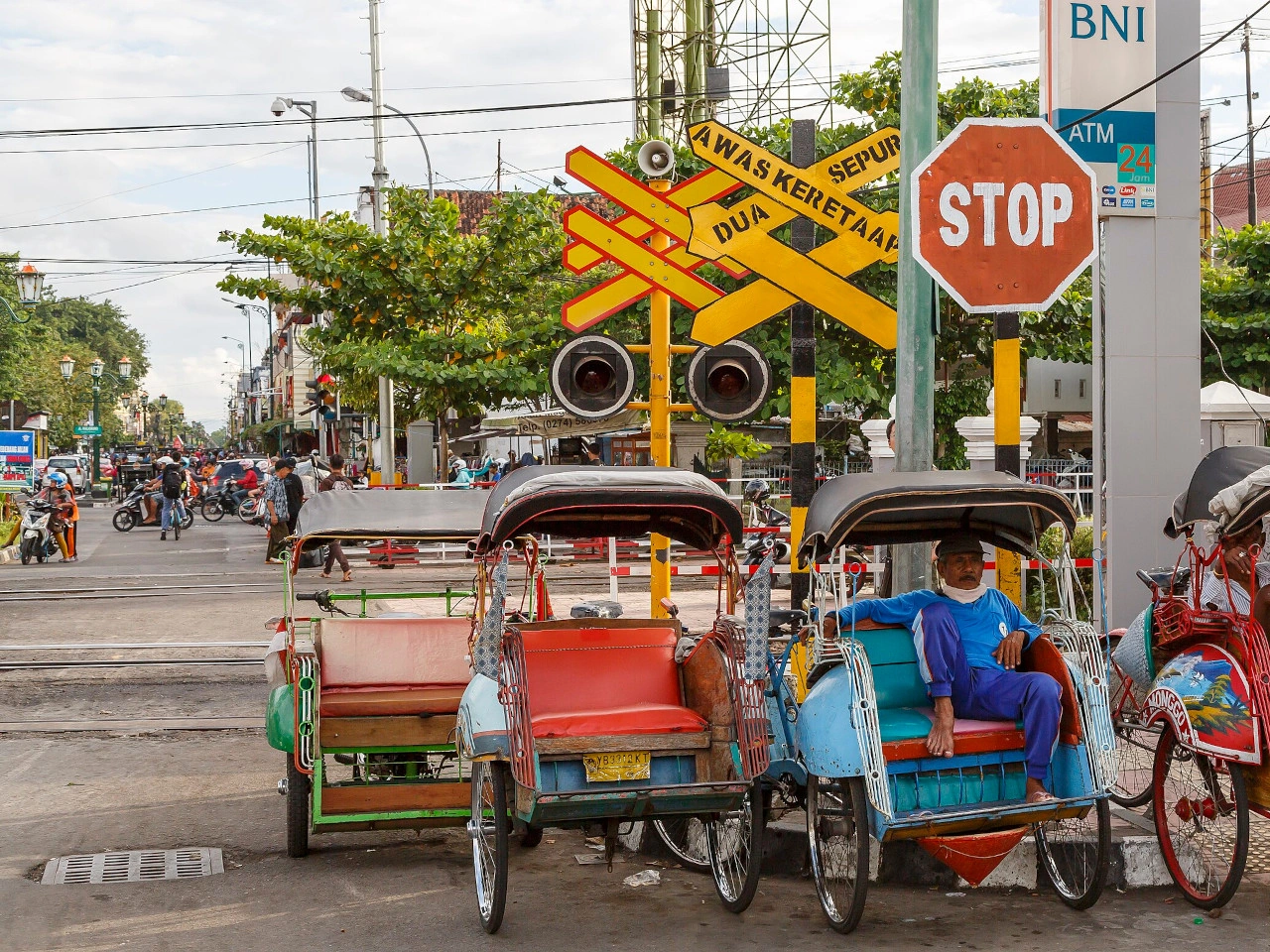
What is a railway crossing?
A railway crossing is a place where a road or path crosses railway tracks at the same level.
What is another name for a railway crossing?
It may also be called a level crossing or, particularly in North America, a railroad crossing.
How can you recognise a railway crossing?
It may be indicated by warning signs, crossbuck signs, barriers, flashing lights, bells or road markings. The design differs between countries.
What is the difference between a crossing with and without barriers?
A protected crossing uses full or partial barriers to block road traffic when a train approaches. A crossing without barriers relies on signs, lights, bells or the road user’s own observation.
Must you always stop at a railway crossing?
Not necessarily. You must stop when required by lights, barriers, signs, an approaching train or an authorised person. At an unprotected crossing, slow down and proceed only after checking that no train is approaching.
What do flashing red lights mean?
Flashing red lights mean stop and do not enter the crossing. Remain stopped until the signal permits you to continue.
May you cross while a barrier is moving?
No. Do not enter while a barrier is lowering, rising or closed. Wait until the crossing is fully open and all prohibiting signals have stopped.
May you drive around a closed barrier?
No. Never drive, cycle or walk around or underneath a closed or moving barrier.
What does a warning bell mean?
A warning bell or audible signal normally means that the crossing is closing or that a train is approaching. Do not enter the crossing while it is sounding.
What does a flashing white light mean?
In some countries, a flashing white light indicates that the crossing equipment is operating and road users may pass when the route is clear. Its exact meaning depends on local law.
What should you do at a crossing without lights or barriers?
Reduce speed, look and listen carefully in both directions and cross only after making sure that no train or other rail vehicle is approaching.
May you cross immediately after a train has passed?
Not automatically. Another train may approach on a second track. Wait until all warning signals stop and the crossing is fully open.
What if traffic ahead is blocking the exit?
Do not enter the crossing unless there is enough room beyond the tracks for your entire vehicle. Never rely on traffic moving before a train arrives.
May you wait on the tracks?
No. Railway tracks must always remain clear. Do not stop because of congestion, traffic lights or another obstruction beyond the crossing.
May you overtake at a railway crossing?
Overtaking is often prohibited or restricted because another vehicle can obstruct the view of an approaching train or warning signal. Follow local signs and overtaking rules.
May you stop or park on a railway crossing?
No. Stopping or parking on the tracks creates an immediate and potentially fatal danger.
Do the crossing signals apply to pedestrians and cyclists?
Yes. Pedestrians and cyclists must obey barriers, lights, bells and authorised personnel in the same way as other road users.
Should cyclists ride across the tracks at an angle?
Where possible, cross the rails at an angle close to 90 degrees. Rails can trap a bicycle wheel, especially when they are wet or cross the road diagonally.
What should drivers of long vehicles check?
Make sure the entire vehicle and any trailer can clear the crossing without stopping. Consider the available space, road gradient, turning room and traffic beyond the tracks.
What should drivers of high vehicles check?
Observe all height restrictions and warning signs. Electrified railway lines may have overhead equipment that can be struck by an excessively high vehicle or load.
What should you do if the signals appear defective?
Treat the crossing with extreme caution. Do not assume that no train is approaching merely because the lights or barriers are not operating.
What should you do if your vehicle becomes stuck on the tracks?
Evacuate everyone immediately, move well away from the railway and contact the emergency services or railway operator. Do not remain in the vehicle or return for belongings.
Is a railway crossing the same as tram tracks in the road?
Not always. A railway crossing normally crosses tracks that are separate from the carriageway, while tram or street-running railway tracks may form part of the road itself.
10. Prohibición de giro
Una prohibición de giro impide a los conductores girar en la dirección indicada por una señal. Puede prohibir girar a la izquierda, a la derecha o realizar un cambio de sentido en una intersección o a lo largo de un tramo determinado.
Los conductores deben continuar por una ruta permitida y respetar las flechas de carril o las señales de dirección obligatoria. Una prohibición de giro no determina por sí sola la prioridad ni la velocidad, y cualquier excepción para ciclistas, transporte público u otros usuarios debe indicarse expresamente.
What is a turn prohibition?
A turn prohibition prevents drivers from making a particular turn or change of direction indicated by a traffic sign.
How can you recognise a turn-prohibition sign?
It is commonly a circular sign with a red border showing a crossed or barred turning arrow. The arrow indicates the movement that is prohibited.
What does a no-left-turn sign mean?
It prohibits drivers from turning left at the location or intersection to which the sign applies.
What does a no-right-turn sign mean?
It prohibits drivers from turning right at the location or intersection to which the sign applies.
What does a no-U-turn sign mean?
It prohibits drivers from turning around to travel in the opposite direction.
Is a prohibited turn the same as a mandatory direction?
No. A prohibition sign identifies a movement that may not be made. A mandatory-direction sign identifies the direction or directions that must be followed.
Is a turn prohibition the same as a no-entry sign?
No. A turn prohibition prevents a particular approach from turning into a road. A no-entry sign prohibits vehicles from entering the road from the direction where it is displayed.
Is a turn prohibition the same as one-way traffic?
No. A one-way rule controls the permitted direction along a road. A turn prohibition controls a particular movement at or near an intersection.
When does a turn prohibition apply?
It may apply at the sign, at the next intersection or throughout a stated section. Drivers must follow the sign design and the rules of the country concerned.
Can a turn prohibition be announced in advance?
Yes. An advance sign or supplementary distance panel may warn drivers that the prohibited turn is farther ahead.
Can the sign apply to only one lane?
Yes. A sign positioned above or clearly associated with one lane may apply only to drivers using that lane.
Do lane arrows also restrict turning?
Yes. Drivers must choose the correct lane and follow one of the directions displayed by its legally binding arrows.
Does a green traffic light permit a prohibited turn?
No. A green light permits traffic to proceed, but drivers must still respect turn prohibitions, lane arrows and other regulatory signs.
Does a turn prohibition change priority?
No. Drivers making another permitted movement must still follow traffic lights, priority signs and the ordinary rules concerning pedestrians, cyclists and other vehicles.
Does a turn prohibition impose a speed limit?
No. The applicable general, zonal or posted speed limit remains in force.
Must you use an indicator for a permitted turn?
Yes, where local law requires it. Signal early enough to communicate your intention and stop signalling after completing the movement.
Does signalling make a prohibited turn legal?
No. An indicator communicates an intention but cannot authorise a movement prohibited by a traffic sign.
May cyclists be exempted?
Yes. A supplementary sign may allow cyclists or other specified road users to make a turn that remains prohibited for general traffic.
May buses or taxis be exempted?
Public transport, taxis or other authorised vehicles may be exempted where a supplementary sign or local rule expressly permits the movement.
Does a no-left-turn sign also prohibit a U-turn?
Not universally. Some countries treat these as separate prohibitions. Drivers must check whether a separate no-U-turn sign or general rule applies.
May you turn into a driveway before the prohibited intersection?
This depends on the exact legal scope of the sign. A sign applying specifically to the next intersection may not regulate an earlier property entrance, but another sign or road marking may still prohibit the movement.
May you reverse to avoid the turn prohibition?
No. Do not reverse through traffic or into an intersection to evade the sign. Continue along a permitted route and change direction later where it is legal and safe.
What should you do after entering the wrong lane?
Follow the movement permitted from that lane. Do not turn suddenly across another lane or ignore the sign; continue and choose another legal route.
Can a temporary turn prohibition be binding?
Yes. Properly placed temporary signs near roadworks, incidents or events must be obeyed.
Do instructions from an authorised officer override the sign?
Yes. Follow instructions from an authorised traffic officer even when they differ from the displayed turn prohibition.
11. Zona escolar
Una zona escolar es una carretera o conjunto de carreteras cerca de un colegio donde numerosos niños pueden caminar, montar en bicicleta, cruzar la calzada o subir y bajar de vehículos. Puede identificarse mediante señales de advertencia, señales de zona, marcas viales, medidas de calmado del tráfico o luces intermitentes.
Pueden aplicarse límites de velocidad especiales, restricciones de estacionamiento o normas de acceso de forma permanente o únicamente durante las horas de entrada y salida. Los conductores deben reducir la velocidad, vigilar atentamente a los niños y estar preparados para detenerse.
What is a school area?
A school area is a road or group of roads near a school where drivers should expect large numbers of children, pedestrians, cyclists and stopping vehicles.
How can you recognise a school area?
It may be identified by school warning signs, speed-zone signs, flashing lights, road markings, coloured surfacing or traffic-calming measures. The signs differ between countries.
Does every road beside a school have special legal rules?
No. Special school-area rules normally apply only where signs, signals or local legislation establish them.
What is the speed limit in a school area?
There is no universal school-area speed limit. The applicable limit depends on the country, region, signs and whether a variable restriction is active.
Is the school-area speed limit always active?
Some limits apply permanently, while others apply only during displayed times or when flashing or variable signs are active. Drivers must observe the actual sign arrangement.
Must you drive below the displayed limit?
Yes, when necessary. The displayed speed is a maximum. Children, congestion, poor visibility or vehicles stopping near the school may require a much lower speed.
Why are children especially vulnerable in traffic?
Children may have difficulty judging speed and distance, may be hidden by parked vehicles and may enter the road unexpectedly.
How should you approach a school area?
Reduce speed early, increase your observation and be prepared for children crossing, cyclists changing direction, vehicle doors opening and cars stopping suddenly.
Do children automatically have priority everywhere?
No. Priority depends on crossings, traffic lights, authorised crossing supervisors and local rules. Drivers must nevertheless take exceptional care to avoid endangering children.
Must you obey a school crossing supervisor?
Yes. Drivers and other road users must follow lawful instructions given by an authorised person controlling traffic for children.
May children cross away from a pedestrian crossing?
This depends on local pedestrian rules. Drivers should remain prepared for children to cross unexpectedly, even where they are required to use a nearby crossing.
Does a school sign create pedestrian priority?
Not by itself. A school warning sign alerts drivers to children but does not normally create the legal effect of a pedestrian crossing.
Does a school area change intersection priority?
No. Traffic lights, priority signs and the ordinary intersection rules remain applicable unless another traffic arrangement provides otherwise.
May you overtake in a school area?
Overtaking may be restricted by signs or local law. Even where it is permitted, drivers should not overtake when children, crossings, limited visibility or stopped vehicles make the manoeuvre unsafe.
May you stop to drop off a child?
Only where stopping is permitted and can be completed safely. Do not stop on a crossing, pavement, bike path, bus stop or another prohibited or dangerous location.
May you park near a school entrance?
Follow the parking signs and markings. Do not block entrances, pavements, bike paths, crossings, visibility or access for buses and emergency vehicles.
Why is double parking dangerous near a school?
It blocks traffic and visibility and may force children to walk between moving vehicles or enter the road from behind an obstruction.
What should you watch for near school buses?
Expect children to enter or leave the vehicle and possibly cross the road. Reduce speed and follow any special warning lights, signs or local school-bus rules.
May cyclists ride through a school area?
Normally, yes. They must follow the applicable road, bike-path, speed and priority rules. Drivers should expect inexperienced young cyclists.
Is a school area the same as a school street?
No. A school area normally remains open to traffic under special caution or speed rules. A school street temporarily restricts or excludes motor traffic during specified periods.
Is a school area the same as a Zone 30?
Not universally. A school area may form part of a Zone 30, use another speed limit or have a variable restriction that applies only at particular times.
When do the school-area rules end?
They normally end at an end sign, at the end of the stated time period or when the variable signal is no longer active. The surrounding road rules then apply.
12. Curva
Una curva es un tramo de carretera que cambia de dirección hacia la izquierda o la derecha. Una curva cerrada, inesperada o con poca visibilidad puede reducir la visión del conductor sobre tráfico que se aproxima, vehículos detenidos, peatones y otros peligros.
Los conductores deben reducir la velocidad antes de entrar en la curva, permanecer dentro de su carril y utilizar movimientos suaves de dirección, frenada y aceleración. Las señales de advertencia pueden indicar la dirección de la primera curva o una serie de curvas sucesivas.
What is a road curve?
A road curve is a section where the road changes direction to the left or right.
How can you recognise a dangerous curve?
It may be indicated by a triangular warning sign showing a curved line. The symbol normally indicates whether the first curve turns left or right.
What is a double curve?
A double curve consists of two curves in opposite directions. The warning sign normally shows the direction of the first curve.
Can a sign warn of more than two curves?
Yes. A double-curve symbol may also warn of a longer sequence of successive curves. A supplementary panel may indicate the length of the winding section.
Does a curve-warning sign impose a speed limit?
No. It normally warns of danger rather than setting a numerical limit. Drivers must still reduce speed when the permitted maximum would be unsafe.
When should you reduce speed for a curve?
Reduce speed before entering the curve, while the vehicle is travelling straight and has maximum stability.
Should you brake heavily while cornering?
No. Harsh braking in a curve can reduce stability and grip. Complete most braking beforehand and use smooth adjustments where necessary.
Should you accelerate through a curve?
Maintain a controlled speed through the curve. Accelerate smoothly only when the exit becomes visible and the vehicle is stable.
Where should you look while driving through a curve?
Look towards the path you intend to follow and the visible exit of the curve. Continue checking the road surface, lane position and nearby traffic.
Must you remain in your lane?
Yes. Do not cross the centre line or cut across another lane, even when this would make the curve appear easier to negotiate.
Why is visibility limited in a curve?
Buildings, vegetation, slopes, barriers and the road alignment may hide oncoming traffic, cyclists, pedestrians, stopped vehicles or debris.
How fast should you drive through a curve?
Choose a speed that allows you to remain in your lane and stop within the distance you can see to be clear. The safe speed may be far below the legal maximum.
What is an advisory speed for a curve?
An advisory speed is a recommended safe speed for negotiating the curve under suitable conditions. It is not necessarily the legal maximum speed.
How do rain, snow or ice affect a curve?
They reduce tyre grip and increase the risk of skidding. Reduce speed earlier, use smooth controls and leave additional distance from other vehicles.
What should you do if gravel or debris is present?
Avoid sudden braking or steering. Reduce speed smoothly and follow a clear path without entering another traffic lane.
May you overtake in a curve?
Do not overtake when visibility is insufficient to see approaching traffic and complete the manoeuvre safely. Local law, signs and continuous road markings may also prohibit overtaking.
May you stop or park in a curve?
Only where it is permitted and the vehicle remains clearly visible. Stopping or parking in a poorly visible curve may create a serious hazard and is often prohibited.
Should you follow another vehicle closely through a curve?
No. Leave enough distance to react if the vehicle ahead brakes for a hidden obstruction or a sharper part of the curve.
Why should motorcyclists take extra care?
Motorcycles require grip for both cornering and braking. Riders should reduce speed before the curve, choose a stable line and avoid painted markings, gravel and slippery surfaces.
How can a curve affect a trailer or caravan?
A trailer may sway, track closer to the inside of the curve or become unstable when speed and steering inputs are excessive. Enter slowly and steer smoothly.
Why do large vehicles need more space?
Buses and trucks may move closer to lane boundaries because of their length and width. Other drivers should avoid travelling beside them through a tight curve.
What should you do if an oncoming vehicle crosses the centre line?
Reduce speed, move safely towards your side of the road and avoid a sudden manoeuvre that could cause another collision. Sound a warning only when reasonably necessary.
Does the absence of a warning sign mean every curve is safe at the speed limit?
No. Drivers must assess every curve and adapt their speed even when no warning sign is displayed.
13. Prioridad en la próxima intersección
Prioridad en la próxima intersección significa que los conductores que circulan por una determinada carretera tienen prioridad frente al tráfico que entra desde carreteras que la cruzan en la siguiente intersección. Esta disposición suele indicarse mediante señales orientadas tanto al tráfico prioritario como al que debe ceder el paso.
A diferencia de una vía con prioridad continuada, esta prioridad solo se aplica en la intersección indicada. Los conductores deben seguir aproximándose con precaución y respetar semáforos, agentes autorizados, cruces, normas de giro y otras señales aplicables.
What does priority at the next junction mean?
It means that drivers travelling on the indicated road have priority over traffic entering from intersecting roads at the next junction.
Is this the same as a priority road?
No. Priority at the next junction applies to one particular junction. A priority road normally keeps its priority across several junction until its status ends.
Is a main road always a priority road?
No. The term main road may describe a larger, busier or more important road, but legal priority is determined by traffic signs, signals and local rules.
How can you recognise priority at the next junction?
It may be indicated by a priority-junction sign showing a thick line for the priority route and thinner lines for the roads that must give way.
Does the thick line show the priority route?
Yes. On signs using a junction diagram, the thicker line normally represents the road followed by traffic with priority.
Does the priority route always continue straight ahead?
No. The priority route may turn left or right. A diagram or supplementary panel may show which branch retains priority.
What signs do drivers on the side roads normally see?
They commonly face a give-way or stop sign, requiring them to yield to traffic on the priority route.
Does priority from the right still apply?
Not when legally placed signs establish another priority arrangement at that junction. Drivers must follow the actual signs rather than the ordinary default rule.
Does the sign give priority at later junctions?
No. After passing the indicated junction, the priority arrangement at the next junction must be determined separately.
Does having priority mean you may enter without slowing down?
No. Approach at a safe speed and remain prepared for another road user to fail to give way.
Does having priority mean you must proceed first?
No. Priority is not an obligation to continue. Slow down or stop whenever proceeding would create danger.
May you enter a blocked junction?
No. Do not enter when congestion is likely to leave your vehicle stopped inside the junction and obstructing other traffic.
Does the sign impose a speed limit?
No. The applicable general, zonal, posted or vehicle-specific speed limit remains in force.
Does it give priority over pedestrians?
No. Drivers must still yield to pedestrians where crossings, traffic signals or turning rules require it.
Does it give priority over cyclists?
It regulates priority between traffic approaching the junction, but drivers must still respect continuing bike paths, cycle crossings and turning rules.
Must you signal when the priority route turns?
Yes, when following the route involves a change of direction and local law requires signalling. Priority does not remove the obligation to indicate.
Does signalling give you priority?
No. An indicator communicates your intended movement but does not allow you to endanger or obstruct another road user.
Must you yield to oncoming traffic when turning left?
Normally, yes. Priority over side-road traffic does not automatically give a left-turning driver priority over lawful oncoming traffic.
Do functioning traffic lights override the priority signs?
Functioning traffic lights normally control the junction instead of the priority signs. Local rules determine what applies when the lights are switched off or flashing.
Do authorised officers override the signs?
Yes. Instructions from an authorised traffic controller normally take precedence over signs, signals and ordinary priority rules.
Does the sign prohibit overtaking?
No. Overtaking remains subject to the ordinary rules, visibility, road markings and any separate prohibition signs.
Does the sign prohibit stopping or parking?
No. The ordinary stopping and parking rules and any local signs or markings remain applicable.
What applies after you pass the intersection?
The special priority indicated by the sign has been completed. At later junctions, follow the signs, signals or default priority rule applying there.
14. Semáforos
Los semáforos utilizan luces de colores, flechas o símbolos para regular cuándo los usuarios pueden avanzar, deben prepararse para detenerse o deben permanecer detenidos. Pueden existir señales independientes para determinadas direcciones, carriles, peatones, ciclistas o vehículos de transporte público.
Una luz verde permite avanzar solo cuando el recorrido está libre y la maniobra es legal. Los usuarios deben seguir respetando las normas de prioridad, restricciones de giro, marcas de carril e instrucciones de los agentes autorizados.
What are traffic lights?
Traffic lights are signals that use coloured lights, arrows or road-user symbols to regulate traffic movements.
What does a red traffic light mean?
A red light requires road users to stop before the stop line or signal and remain stopped until movement is permitted.
What does a steady amber light mean?
A steady amber light normally requires drivers to stop unless they are already too close to stop safely. It warns that the signal is changing to red.
What does a green traffic light mean?
A green light permits road users to pass the signal, but only when the route is clear and the intended movement is otherwise legal.
Does green mean that you have priority over everyone?
No. You may still have to give way to pedestrians, cyclists, oncoming traffic or other road users when turning or following a conditional arrow.
May you enter a blocked intersection on green?
No. Do not enter when congestion is likely to leave you stopped inside the intersection and obstructing crossing traffic.
Where should you stop at a red light?
Stop before the stop line. When no stop line is provided, stop before the traffic light or at another legally prescribed position.
May you cross the stop line and then stop?
No. The required stop must normally be completed before the stop line. Do not stop on a pedestrian or cycle crossing.
What if the light changes to amber while you are approaching?
Stop when this can be done safely. Continue only when you are already too close to stop without creating danger.
Should you accelerate to pass an amber light?
No. Do not accelerate to avoid stopping. Maintain control and stop unless doing so safely is no longer possible.
What do arrow-shaped traffic lights mean?
They have the same general meaning as circular lights, but the prohibition or permission applies only to the direction shown by the arrow.
What does a green arrow displayed with a red light mean?
It may permit travel in the indicated direction while other movements remain prohibited. Drivers may still have to give way to conflicting traffic and pedestrians.
Does a green arrow override a no-turn sign?
Not universally. Drivers must follow the complete local sign arrangement. A traffic signal does not necessarily cancel a separate regulatory prohibition.
May you turn right on red?
Only where local law or a specific sign or signal expressly permits it. There is no universal right to turn on red.
What does a flashing amber light mean?
It warns of a potential hazard and normally allows cautious passage. The ordinary priority arrangement remains applicable.
What should you do when the normal lights are flashing amber?
Reduce speed, observe the intersection carefully and follow the applicable priority signs or default priority rules.
What does a flashing red light mean?
Its meaning depends on local law. At railway crossings and some movable bridges, flashing red lights normally require road users to stop.
What do lane-control signals mean?
A red cross normally closes the lane, a green downward arrow opens it and an amber diagonal arrow instructs drivers to leave the lane in the indicated direction.
May you continue beneath a red lane-control cross?
No. Move out of the lane safely before reaching the red cross unless an authorised person or emergency rule directs otherwise.
What does an amber diagonal lane arrow mean?
It warns that the lane is closing or unavailable ahead. Drivers must move into the adjacent lane indicated by the arrow when safe.
Can separate lights apply to cyclists?
Yes. A signal displaying a bicycle symbol applies to the road users legally covered by that signal rather than to general motor traffic.
Can separate lights apply to pedestrians?
Yes. Pedestrian lights normally use red and green human figures to indicate whether pedestrians may begin crossing.
What does a flashing green pedestrian light mean?
It normally warns that the crossing period is about to end. Pedestrians who have not started should wait for the next green signal.
What if the pedestrian signal changes while someone is crossing?
A person who entered lawfully should continue without unnecessary delay. Turning drivers must allow the crossing to be completed safely.
Can buses and trams have separate traffic lights?
Yes. Public-transport signals may use bars, circles, triangles or other symbols that apply only to authorised service vehicles.
Do functioning traffic lights override priority signs?
They commonly replace the priority arrangement at that location. Priority signs may apply again when the normal signals are inactive or flashing.
Do instructions from a police officer override traffic lights?
Yes. Instructions from an authorised traffic controller normally take precedence over lights, signs, markings and ordinary rules.
What should you do when the lights are not working?
Reduce speed and follow the priority signs, temporary signals, authorised personnel or default priority rules that apply.
May you clear an intersection after the light turns red?
Yes, when you entered lawfully and must leave the intersection. Complete the movement cautiously without endangering other road users.
Does a green light impose a minimum speed?
No. Drivers may proceed but must continue at a safe and legal speed.
May you use a handheld phone while waiting at red?
This depends on local law. In many countries, a driver temporarily stopped in traffic is still considered to be driving and may not use a handheld device.
15. Permiso de conducir
Un permiso de conducir es una autorización oficial que permite a una persona conducir determinadas categorías de vehículos en la vía pública. El permiso puede incluir información como la identidad del titular, categorías autorizadas, fechas de validez, restricciones y códigos especiales.
Los requisitos para obtener y conservar un permiso varían entre países y pueden incluir edad mínima, formación, exámenes teóricos y prácticos, requisitos médicos y renovaciones. Los conductores deben utilizar únicamente vehículos incluidos en las categorías y condiciones de su permiso.
What is a driving licence?
A driving licence is an official authorisation to drive specified categories of motor vehicle.
Is a driving licence the same as a driving permit?
The terms may refer to the same document, depending on the country. Some countries use permit specifically for learners or temporary authorisations.
What is a provisional driving licence?
A provisional or learner licence allows a person to practise driving under specified restrictions before obtaining a full licence.
What is a full driving licence?
A full licence is issued after the holder has completed the required tests or training. Restrictions may still apply because of age, vehicle type, medical fitness or licence codes.
Does one licence allow you to drive every vehicle?
No. Driving licences are divided into categories for motorcycles, cars, buses, trucks, trailers and other vehicles.
What is a licence category?
A licence category identifies the type and size of vehicle the holder is authorised to drive.
Must the licence be valid for the vehicle being driven?
Yes. Holding a licence for one category does not normally authorise driving a vehicle belonging to another category.
Can a licence contain restrictions?
Yes. Codes may restrict the holder to an automatic transmission, corrective lenses, an adapted vehicle or another specified condition.
What is the difference between an automatic and manual licence?
In some countries, passing the test in an automatic vehicle restricts the holder to automatic vehicles until an additional test or procedure is completed.
Does a driving licence expire?
Usually, yes. The document, individual categories or medical authorisation may have expiry dates and require renewal.
May you drive with an expired licence?
No. The licence and the category required for the vehicle must remain valid.
Must you carry your driving licence?
This depends on local law. Many countries require drivers to carry the original licence and present it to an authorised officer when requested.
Is a photograph or copy of the licence sufficient?
Not normally. A photograph, scan or photocopy is not generally a substitute for the original document unless an official digital-licence system is legally recognised.
Does a driving licence prove that you own the vehicle?
No. It proves driving authorisation, not ownership, registration or insurance.
What tests are required to obtain a licence?
Requirements may include a theory test, eyesight test, practical driving test, medical examination or compulsory training.
Is there a universal minimum driving age?
No. Minimum ages differ between countries and vehicle categories.
Can a learner drive without supervision?
Only where the provisional-licence system permits independent driving. Other learners must be accompanied by an approved supervisor or instructor.
Can a learner drive in another country?
Often not. Provisional and learner licences are frequently valid only in the country or region that issued them.
What is an international driving permit?
An international driving permit is a standardised translation of a valid national licence intended to help authorities interpret it abroad.
Does an international driving permit replace a national licence?
No. It normally has legal value only when presented together with the valid national driving licence on which it is based.
Is a national licence valid abroad?
This depends on the destination, length of stay, residence status and agreements between the countries concerned. An exchange or international permit may be required.
Can a foreign licence be exchanged?
Some countries exchange recognised foreign licences without new tests, while others require theory, practical or medical examinations.
Can medical fitness affect a licence?
Yes. A medical condition may require an assessment, shorter validity period, adapted vehicle or licence restriction.
Must changes in medical fitness be reported?
This depends on local law. Drivers remain responsible for ensuring that they are physically and mentally fit to drive safely.
Do professional drivers need additional qualifications?
Often, yes. Drivers of trucks, buses, taxis or vehicles used commercially may require professional competence, medical examinations or periodic training.
What happens when a licence is suspended?
The holder may not drive during the suspension period, even if the physical document remains in their possession.
What is disqualification from driving?
Disqualification is a legal prohibition on driving, usually imposed by a court or competent authority for a specified period or until conditions are fulfilled.
What should you do if the licence is lost or stolen?
Report it where required and apply for a replacement through the competent licensing authority. Do not continue driving when local law requires the original document to be carried.
What should you do if the licence is damaged?
Request a replacement when the document is unreadable, damaged or no longer allows the holder to be identified reliably.
Does changing address require a new licence?
This depends on the country and whether the address appears on the licence. Drivers must follow the local notification and replacement procedure.
16. Estacionamiento
Estacionar significa dejar un vehículo inmóvil en un lugar durante un periodo de tiempo, en lugar de detenerlo solo brevemente por las condiciones del tráfico u otra necesidad inmediata. Muchos países distinguen el estacionamiento de una parada corta para recoger o dejar pasajeros o para cargar o descargar mercancías, aunque la definición legal exacta varía.
El estacionamiento puede estar permitido, restringido, reservado, limitado en el tiempo o prohibido mediante señales de tráfico, marcas viales, zonas de estacionamiento y normas locales. Los conductores deben estacionar sin crear peligro ni obstrucción innecesaria y cumplir las condiciones relativas a pago, permisos, categorías de vehículos o duración máxima.
What is the difference between parking and stopping?
Parking generally means leaving a vehicle stationary for longer than a brief stop required for passengers, loading or unloading. A vehicle stopped because of traffic lights, congestion, an emergency or another traffic condition is normally not considered parked. The precise legal definitions vary between countries.
How can you tell where parking is allowed?
Look for parking signs, prohibition signs, road markings and parking-zone signs. Local rules may also permit parking along certain roads even when individual parking spaces are not marked.
Can you park anywhere if there is no sign prohibiting parking?
No. General traffic rules can prohibit parking even when no specific prohibition sign is present. Common examples include locations where a parked vehicle would obstruct visibility, crossings, intersections, cycle facilities or the movement of other traffic.
Can you park on a pavement or sidewalk?
Parking on a pavement or sidewalk is prohibited or restricted in many countries unless signs or markings specifically allow it. Vehicles must not force pedestrians into the roadway or block an accessible pedestrian route.
Can you park near a pedestrian crossing?
Parking on or close to a pedestrian crossing is generally restricted because a vehicle can hide pedestrians from approaching drivers. The required clearance distance varies between countries.
Can you park close to an intersection?
Many countries prohibit parking within a specified distance of an intersection because parked vehicles can reduce visibility and obstruct turning traffic. Follow the local distance requirements and any signs or markings.
What does a parking sign mean?
A parking sign identifies a place or area where parking is permitted or regulated. Additional signs or panels may specify time limits, payment requirements, vehicle categories, permits or particular parking arrangements.
How does paid parking work?
Where parking is subject to payment, drivers must follow the instructions displayed locally. Payment may be made through a parking meter, ticket machine, mobile application or another authorised system. The permitted duration and charging periods vary by location.
Who may use an accessible parking space?
Spaces marked for people with disabilities are reserved for vehicles displaying or registered with the required disability parking permit. Eligibility, permit display requirements and parking privileges depend on national and local law.
Can you leave a vehicle parked for an unlimited time?
Not necessarily. Local rules may impose a maximum parking duration, even where parking is otherwise permitted. Different limits may apply to abandoned, commercial, heavy or recreational vehicles.
17. Prohibido estacionar
Prohibido estacionar indica que los vehículos no pueden quedar estacionados en el lugar o tramo de carretera cubierto por la restricción. Según la legislación local, todavía puede permitirse detenerse brevemente para recoger o dejar pasajeros o para cargar o descargar mercancías, siempre que la parada en sí no esté prohibida.
La prohibición de estacionar puede aplicarse de forma continua o solo durante determinadas horas, días, categorías de vehículos o tramos de carretera. Su alcance exacto y las excepciones vienen determinados por la señal, los paneles complementarios, las marcas viales y las normas locales.
What does a no-parking sign mean?
A no-parking sign prohibits leaving a vehicle parked in the area or along the section of road to which the restriction applies. The exact legal definition of parking and the extent of the prohibition vary between countries.
Is no parking the same as no stopping?
No. A no-parking restriction commonly still permits certain brief stops, such as picking up or dropping off passengers or loading or unloading goods. A no-stopping restriction is stricter and generally prohibits voluntary stopping as well as parking.
Can you wait in your vehicle where parking is prohibited?
Remaining inside the vehicle does not necessarily mean that it is not parked. If the vehicle remains stationary beyond what local law permits as a brief stop, it may legally be considered parked even when the driver stays inside.
Can you pick up or drop off passengers in a no-parking area?
Often yes, if stopping is permitted and the vehicle remains there only as long as reasonably necessary for passengers to get in or out. Local rules may impose stricter restrictions at particular locations.
Can you load or unload goods where parking is prohibited?
In many countries, genuine loading or unloading is treated as stopping rather than parking and may therefore be permitted. The vehicle should remain there only for the time reasonably necessary for the activity.
How far does a no-parking restriction apply?
This depends on the country's signing rules. The restriction may continue to the next intersection, an end sign, a stated distance or the end of a designated zone. Supplementary arrows or distance panels may indicate its exact extent.
Does a no-parking sign apply on both sides of the road?
Usually a roadside no-parking sign applies only to the side of the road on which it is placed, unless it forms part of a zonal restriction or local signs indicate otherwise.
Can a no-parking restriction apply only at certain times?
Yes. A supplementary panel may restrict the prohibition to particular hours, days or periods. Outside those periods, parking may be permitted if no other rule prohibits it.
Can a no-parking restriction apply only to certain vehicles?
Yes. Additional signs or symbols may make a parking restriction applicable to particular vehicle categories, such as heavy vehicles, motorcycles or other specified vehicles.
Can you park immediately after a no-parking sign ends?
Only if parking is otherwise legal. The end of a specific no-parking restriction does not override general parking prohibitions near crossings, intersections, driveways, traffic signs or other protected locations.
18. Prohibido parar
Prohibido parar significa que los vehículos no pueden detenerse voluntariamente en el lugar indicado, ni siquiera brevemente para recoger o dejar pasajeros o cargar o descargar mercancías. Es una restricción más estricta que una prohibición de estacionar.
Puede indicarse mediante una señal, marca vial o norma local. El conductor debe continuar hasta un lugar donde esté permitido detenerse, salvo que se vea obligado a hacerlo por las condiciones del tráfico, una emergencia u otra obligación legal.
What does a no stopping restriction mean?
It means that a driver may not voluntarily stop the vehicle in the restricted area. The prohibition normally includes stopping to pick up or drop off passengers or to load or unload goods.
What is the difference between no stopping and no parking?
No stopping is the stricter restriction. A no-parking rule may still allow a brief stop for activities such as picking up passengers or loading goods, while a no-stopping rule prohibits these voluntary stops as well.
Can you stop in a no-stopping area during an emergency?
A driver may have to stop because of an emergency, traffic conditions, a red light, police instructions or another situation outside the driver's control. Such compulsory stops are generally different from voluntarily stopping the vehicle.
19. Marcha atrás
La marcha atrás consiste en conducir un vehículo hacia atrás. Se utiliza habitualmente al estacionar, salir de un espacio reducido o recolocar un vehículo cuando avanzar no es práctico.
Antes de dar marcha atrás, el conductor debe comprobar espejos y ángulos muertos, mirar cuidadosamente alrededor y asegurarse de que la zona posterior está libre. Debe hacerse lentamente y solo durante el tiempo necesario porque la visibilidad hacia atrás suele ser limitada.
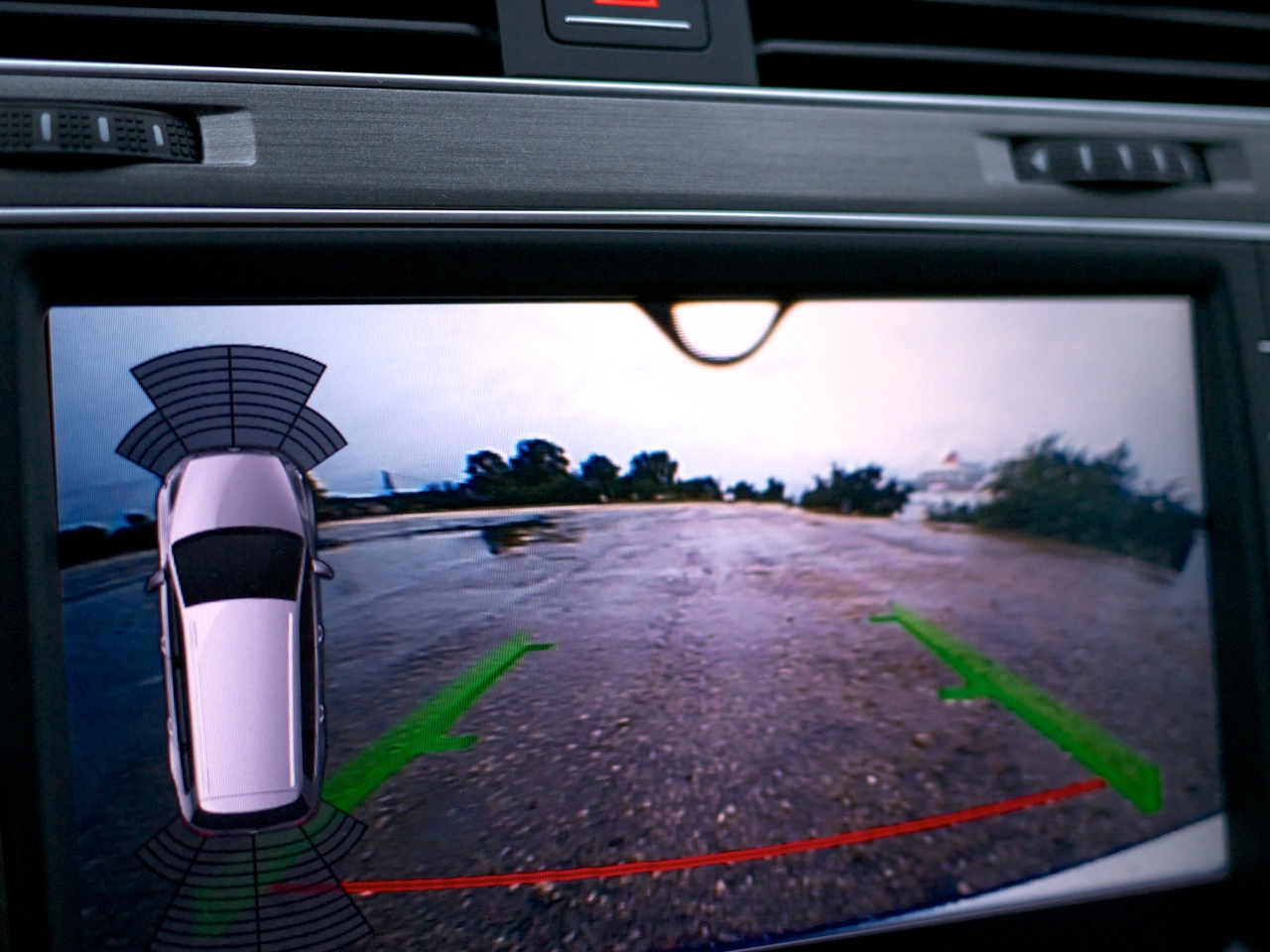
What should you check before reversing?
Check behind and around the vehicle for pedestrians, cyclists, other vehicles and obstacles. Use mirrors and cameras where available, but also look directly because monitoring systems can have blind spots.
Who has priority when a vehicle is reversing?
In many countries, reversing is treated as a manoeuvre and the reversing driver must give way to other road users. The exact legal requirements depend on national traffic rules.
Should you reverse for a long distance?
No. Reversing should normally be limited to the distance necessary to complete the manoeuvre safely. Driving forward generally provides better visibility and vehicle control.
20. Cambio de sentido
Un cambio de sentido es una maniobra en la que un vehículo gira para circular en la dirección opuesta. Normalmente implica cruzar parte de la calzada y reincorporarse al tráfico orientado hacia la dirección de la que venía.
Antes de realizarlo, el conductor debe comprobar el tráfico, peatones y ciclistas, señalizar cuando sea obligatorio y asegurarse de que hay visibilidad y espacio suficientes. Los cambios de sentido pueden estar prohibidos mediante señales o en determinados tipos de vías.
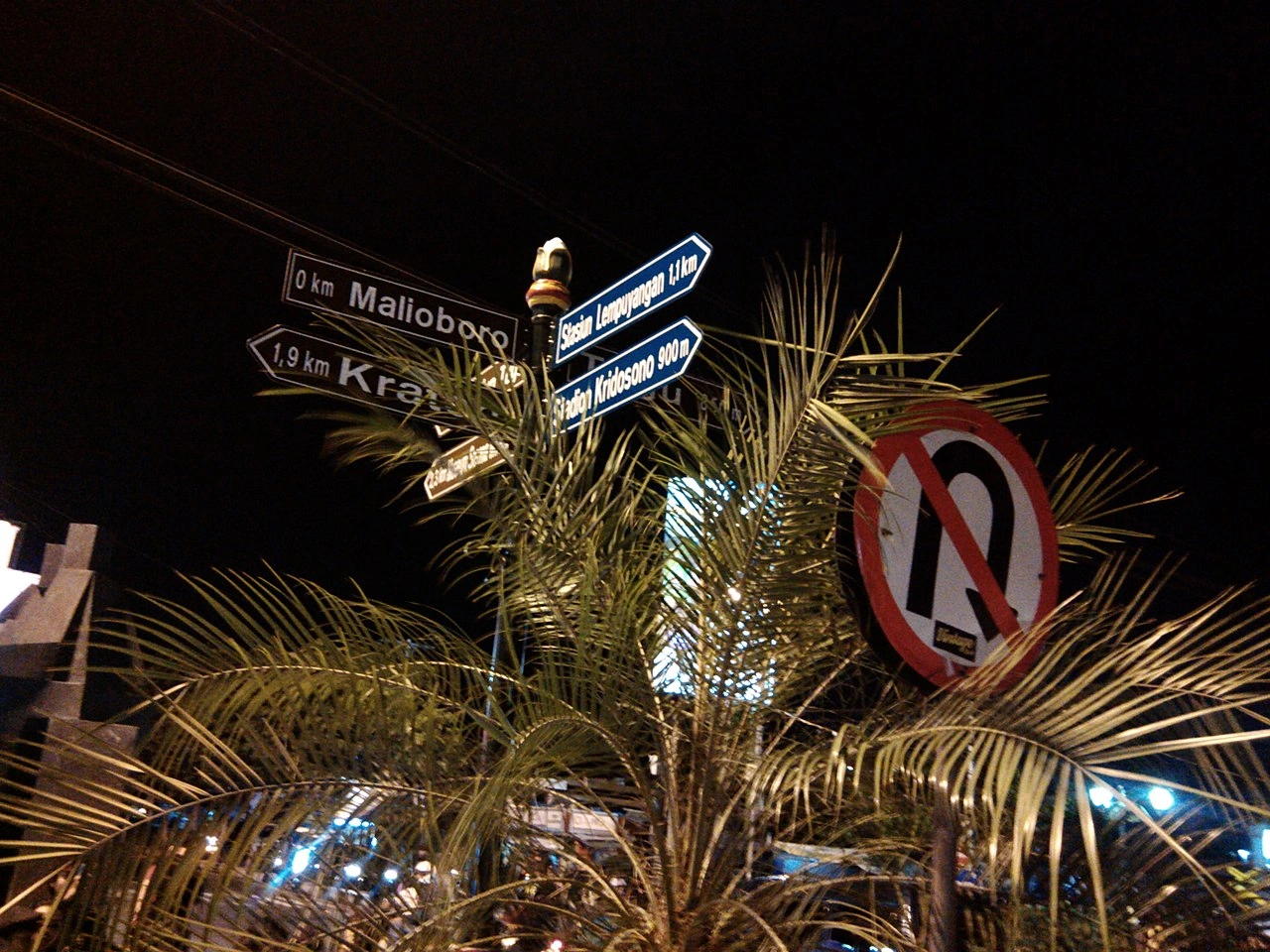
What is a U-turn?
A U-turn is a manoeuvre used to reverse a vehicle's direction so that it continues along the road in the opposite direction.
What should you check before making a U-turn?
Check traffic in all relevant directions, mirrors and blind spots, and look for pedestrians, cyclists and other road users. Make sure there is sufficient visibility and space and that the manoeuvre is permitted.
Can you make a U-turn anywhere?
No. U-turns may be prohibited by traffic signs or road rules and should never be attempted where visibility, road layout or traffic conditions make the manoeuvre unsafe.
21. Intersección sin regulación
Una intersección sin regulación es un cruce donde la prioridad no está regulada específicamente por semáforos, una persona autorizada o señales que asignen prioridad a determinados accesos. Los conductores deben determinar quién tiene prioridad aplicando las normas generales del país.
La regla aplicable varía entre países y puede ser prioridad por la derecha, prioridad por la izquierda u otra norma general de preferencia. Los conductores deben aproximarse con cuidado, observar el tráfico de todas las direcciones y no suponer que una vía más ancha o concurrida tiene automáticamente prioridad.
What is an uncontrolled crossroad?
An uncontrolled crossroad is an intersection where priority is not specifically assigned by traffic lights, an authorised person or priority signs. Drivers must use the default priority rules of the country.
Who has priority at an uncontrolled crossroad?
This depends on the local traffic law. Some countries use priority from the right, while others use different rules. Drivers should know the default intersection rule of the country in which they are driving.
Does the wider road automatically have priority?
Not necessarily. The width, surface or amount of traffic on a road does not by itself determine priority unless local law specifically provides otherwise.
Should you slow down at an uncontrolled crossroad?
Yes. Approach at a speed that allows you to observe approaching traffic, determine who has priority and stop safely if necessary.
Do cyclists have to follow the priority rules at an uncontrolled crossroad?
Yes. Cyclists generally follow the applicable intersection priority rules unless a specific cycle facility, sign or local rule provides otherwise.
Does driving straight ahead automatically give you priority?
No. Continuing straight ahead does not automatically give priority over traffic approaching on another road. The applicable priority rules must still be followed.
Does turning right or left change the priority rules?
Turning may create additional obligations, particularly towards pedestrians, cyclists or opposing traffic. Drivers must follow both the intersection priority rule and the rules governing the intended turn.
What if two vehicles reach an uncontrolled crossroad at the same time?
Apply the country's default priority rule. Do not rely simply on which vehicle appears to have arrived first unless local law specifically uses that rule.
What if the traffic lights at an intersection are not working?
The intersection is not necessarily completely uncontrolled. Priority signs, road markings and default priority rules may still determine who must give way. Drivers should approach with particular caution.
What should you do if you are unsure who has priority?
Reduce speed and be prepared to stop. Never force your way through an intersection simply because the priority situation is unclear.
22. Matrícula
Una matrícula, también llamada placa de matrícula, es una placa que muestra un identificador único asignado a un vehículo por la autoridad competente. Permite identificarlo para fines como matriculación, control de tráfico, impuestos, seguro y control de estacionamiento.
El aspecto, formato, ubicación y número de placas exigidas varían entre países y categorías de vehículos. Los conductores deben asegurarse de que las matrículas estén correctamente instaladas, claramente visibles y legibles y seguir las normas locales cuando una placa se pierda, sea robada, dañada o sustituida.
What is a licence plate?
A licence plate is a plate displaying the registration identifier assigned to a vehicle. It allows authorities and other authorised systems to identify the vehicle's registration.
Is a licence plate the same as a registration plate?
Yes. Licence plate, registration plate and number plate are different terms commonly used for the plate displaying a vehicle's official registration number.
Does every vehicle need a licence plate?
Most motor vehicles used on public roads must display one or more registration plates, but requirements differ for motorcycles, trailers, agricultural vehicles and other special vehicle categories.
Do vehicles need both front and rear licence plates?
This depends on the country and vehicle type. Cars commonly require front and rear plates, while motorcycles and certain other vehicles may require only a rear plate.
Must a licence plate remain visible?
Yes. A required registration plate must normally remain clearly visible and readable. It should not be hidden by luggage, dirt, accessories or other objects.
Can you modify a licence plate?
Generally no. Changing the characters, colours, dimensions or appearance of an official plate may make it invalid or illegal. Plates and authorised reproductions must comply with local specifications.
What should you do if a licence plate is lost or stolen?
Follow the local reporting and replacement procedure. Many countries require the loss or theft to be reported to the police or vehicle-registration authority before a replacement plate can be issued.
Can you drive with a damaged licence plate?
A plate must remain legible and compliant with local requirements. If damage prevents it from being read or makes it invalid, it should be replaced according to the local registration procedure.
Can a licence plate be personalised?
Some countries allow motorists to request a personalised registration combination. The available characters, formats and prohibited combinations are determined by the registration authority.
Does a licence plate stay with the vehicle when it is sold?
This varies between countries. In some systems the plate remains with the vehicle, while in others it remains associated with the registered holder and may be retained or returned when the vehicle is sold.
23. Autobús
Un autobús es un vehículo a motor diseñado para transportar a varios pasajeros, normalmente por carretera como parte del transporte público, escolar, privado u otro servicio de pasajeros. Los autobuses suelen tener mayor capacidad que los turismos y pueden estar diseñados para pasajeros sentados, de pie o ambos.
Pueden aplicarse normas especiales sobre permiso de conducir, capacidad de pasajeros, límites de velocidad, cinturones, carriles bus, paradas y subida de pasajeros. La clasificación legal de autobuses y autocares y las normas aplicables varían entre países, por lo que conductores y pasajeros deben seguir las normas locales de tráfico.
What is a bus?
A bus is a motor vehicle designed to transport a relatively large number of passengers. It may be used for public transport, school transport, private services or other passenger transport.
What is the difference between a bus and a coach?
A bus is commonly designed for frequent passenger boarding and may allow standing passengers, while a coach is generally designed for longer journeys with passengers seated. Exact legal definitions vary between countries.
Do you need a special driving licence to drive a bus?
Yes. Driving a vehicle designed to carry more than a specified number of passengers normally requires a dedicated bus or passenger-vehicle driving licence.
Can passengers stand on a bus?
Only when the vehicle is designed and approved to carry standing passengers. Coaches and other vehicles designed exclusively for seated passengers must not be used beyond their approved passenger configuration.
Must bus passengers wear seat belts?
Where seat belts are provided and local law requires their use, passengers must wear them correctly. Urban buses designed for standing passengers may have seating positions or operating conditions that differ from coaches.
Can buses use bus lanes?
Yes, where permitted. Bus lanes are commonly reserved for public transport buses, although local signs may also allow taxis, bicycles or other specified vehicles to use them.
Do buses always have priority when leaving a bus stop?
No. Some countries require other drivers to give way to buses leaving designated stops, particularly in urban areas, while others apply the normal merging rules.
Should you take extra care near a stopped bus?
Yes. Passengers may be boarding, leaving or crossing the road near the bus. Reduce speed where necessary and watch carefully for pedestrians emerging from behind or in front of the vehicle.
Do buses have special speed limits?
They can. Some countries impose lower maximum speeds on buses than on passenger cars, particularly on high-speed roads. Different limits may apply to buses and coaches.
Can a bus use a motorway?
Yes, normally. Buses that satisfy the applicable construction and access requirements may use motorways, but they must obey any vehicle-specific speed limits, lane restrictions and other local rules.
24. Policía
La policía es la autoridad pública responsable de hacer cumplir las leyes, mantener la seguridad pública y gestionar situaciones que pueden afectar al tráfico. En la circulación, los agentes pueden controlar vehículos, hacer cumplir las normas, investigar colisiones, dirigir el tráfico y responder a emergencias.
Los usuarios deben obedecer las instrucciones legales de los agentes u otro personal autorizado de control. Las indicaciones policiales pueden prevalecer temporalmente sobre semáforos, señales o la organización normal del tráfico, según la legislación local.
What is the role of police in road traffic?
Police help enforce traffic laws, manage traffic, investigate collisions and respond to dangerous situations. They may also carry out roadside checks and direct road users.
Must you obey a police officer directing traffic?
Yes. Lawful directions given by an authorised police officer must be followed. In many countries, those directions take precedence over traffic lights, road signs and normal priority rules.
What should you do if police signal you to stop?
Slow down, follow the officer's directions and stop at a safe location as instructed. Do not make sudden movements or continue driving unless directed to do so.
Can police direct you through a red traffic light?
Yes, where authorised by local law. A police officer controlling traffic may instruct road users to proceed even when a traffic light or sign would normally require them to stop.
Can police check your driving documents?
Yes. Police may require drivers to provide documents such as a driving licence, vehicle registration, identification or proof of insurance according to local law.
Can police carry out alcohol or drug checks?
Yes. Traffic police may conduct legally authorised alcohol and drug checks using procedures such as breath, saliva or other approved tests.
Can police temporarily close a road?
Yes. Roads or lanes may be temporarily closed or traffic diverted because of collisions, emergencies, investigations, public events or other safety concerns.
What should you do near police controlling an accident scene?
Reduce speed, remain alert and follow all directions. Do not enter a closed area or interfere with emergency personnel, and leave sufficient space for emergency vehicles.
What should you do when a police vehicle approaches with emergency signals?
Follow the local rules for priority vehicles. Drivers generally have to make sufficient space, give way and stop where necessary so that the emergency vehicle can pass safely.
Can police order a parked vehicle to be moved?
Yes, where local law permits it. Police or another authorised authority may require a vehicle to be moved when it obstructs traffic, creates danger or must be removed for operational reasons.
25. Ambulancia
Una ambulancia es un vehículo equipado y utilizado para prestar asistencia médica de emergencia o transportar pacientes hasta o entre centros sanitarios. Puede llevar material médico y personal formado capaz de proporcionar tratamiento durante el transporte.
Durante una respuesta de emergencia, puede utilizar luces de emergencia y sirena y recibir prioridad especial o exenciones de determinadas normas. Los demás usuarios deben seguir las reglas locales para vehículos de emergencia, dejar espacio suficiente y evitar obstaculizar su paso.
What is an ambulance?
An ambulance is a specially equipped vehicle used to provide emergency medical assistance and transport sick or injured people.
When does an ambulance have priority?
This depends on the local traffic rules and warning signals being used. Ambulances responding to emergencies commonly use flashing lights and a siren to indicate that other road users must make way.
What should you do when an ambulance approaches?
Remain calm and make sufficient space for it to pass. Slow down or stop where necessary, but avoid sudden or dangerous manoeuvres.
Should you stop immediately when you hear an ambulance siren?
Not necessarily in your exact position. Move or stop in a way that creates a safe passage without blocking an intersection, pedestrian crossing or another part of the road needed by the ambulance.
Can an ambulance pass a red traffic light?
Emergency vehicles may be allowed to pass a red light during an urgent response under special legal conditions. The precise rules differ between countries, and the ambulance driver must still take appropriate precautions.
Can an ambulance exceed the speed limit?
Many countries permit emergency vehicles to depart from certain normal speed rules during an urgent mission, subject to safety requirements and national legislation.
Can an ambulance drive through a traffic queue?
Yes, when responding to an emergency and legally permitted to do so. Other road users should create space and keep emergency corridors or access routes clear where required.
Can you follow an ambulance through traffic?
You should not use the passage created for an ambulance as a way to bypass congestion. Maintain a safe distance and continue to obey the normal traffic rules.
Do ambulances always use their sirens?
No. The use of warning lights and sirens depends on the urgency of the mission and local regulations. An ambulance transporting a patient does not necessarily need to use emergency signals throughout the journey.
What should you do near a stationary ambulance?
Reduce speed and remain alert. Medical personnel, patients or other emergency workers may be entering the road, and the ambulance may need to move unexpectedly.

Normas de tráfico