Doble curvaHungría

Aprende normas de tráfico con explicaciones claras y ejemplos visuales en nuestro libro ilustrado, diseñado para que estudiar sea sencillo y ameno.


242. Doble curva

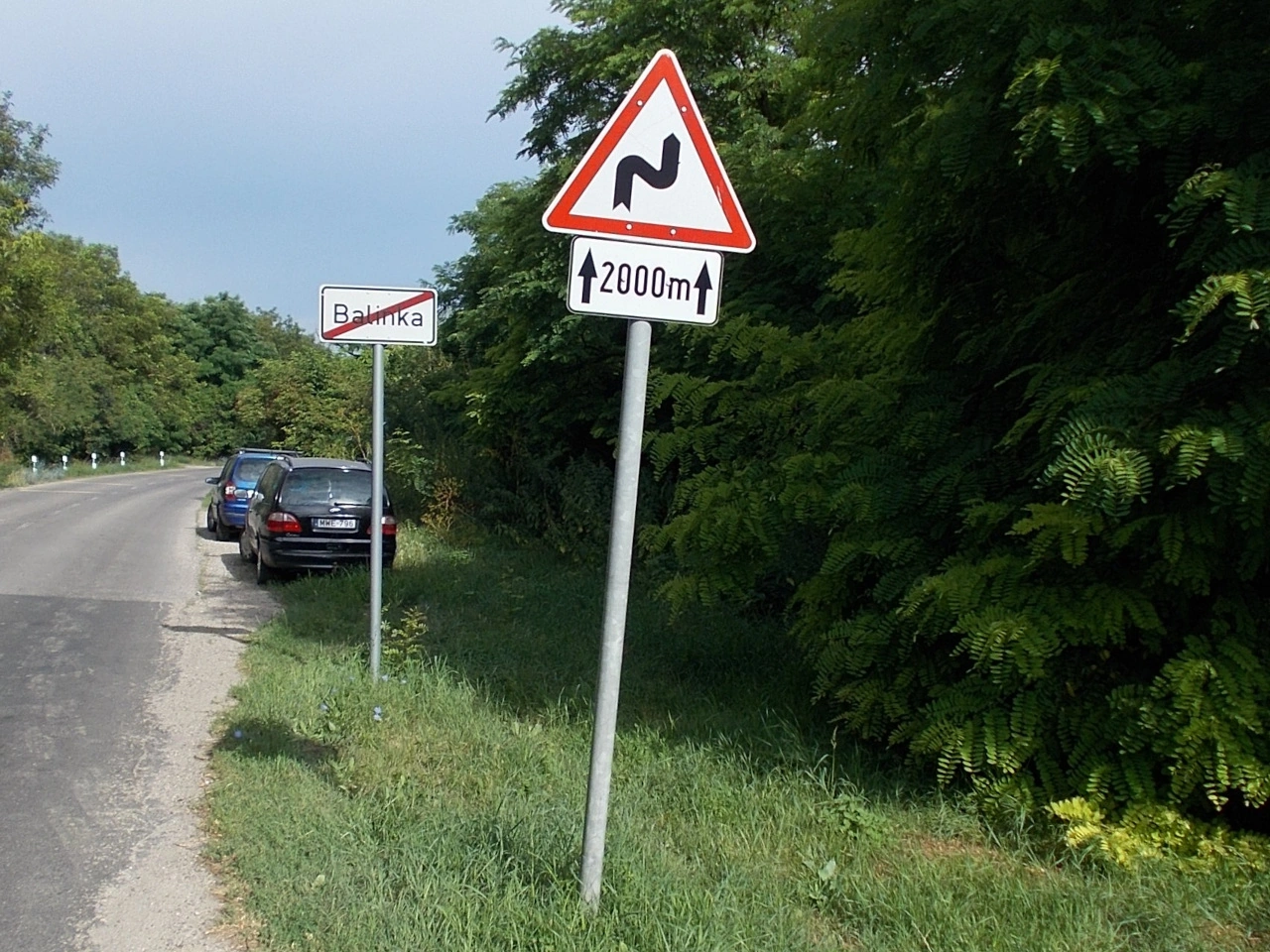
Una doble curva es un tramo de carretera con dos curvas consecutivas en sentidos opuestos. La primera puede girar a la izquierda y después a la derecha, o viceversa.

La misma señal de advertencia también puede indicar una sucesión más larga de curvas. El conductor debe reducir la velocidad antes de la primera curva, mantenerse dentro de su carril y estar preparado para que las siguientes curvas difieran en sentido, radio y longitud.
Doble curva
What is a double curve?

A double curve consists of two successive curves in opposite directions.

How can you recognise a double-curve warning sign?

It normally shows an S-shaped road symbol. The symbol indicates whether the first curve turns left or right.

What does first curve to the left mean?

It means that the road first bends left and is then followed by a curve in the opposite direction.

What does first curve to the right mean?

It means that the road first bends right and is then followed by a curve in the opposite direction.

Can the sign warn of more than two curves?

Yes. In many countries, the same sign may warn of a longer succession of curves. A supplementary panel may indicate the length of the winding section.

Does the sign show the exact shape of every curve?

No. It normally shows only the general direction of the first curves. Their radius, length and spacing may be different from the symbol.

Does a double-curve sign impose a speed limit?

No. It normally warns of danger rather than establishing a numerical limit. Drivers must reduce speed whenever the legal maximum would be unsafe.

When should you reduce speed?

Reduce speed before entering the first curve, while the vehicle is still travelling straight and has maximum stability.

Should you accelerate between the two curves?

Do not accelerate strongly merely because there is a short straight section between them. Maintain a controlled speed until the direction and exit of the following curve are clear.

Should you brake while changing direction?

Avoid harsh braking while steering from one curve into the next. Complete most braking beforehand and use smooth control inputs.

Where should you look?

Look towards the visible road ahead and through each curve while continuing to monitor your lane position, road surface and nearby traffic.

Must you remain within your lane?

Yes. Do not cut across the centre line or another traffic lane to straighten the sequence of curves.

Why can a double curve be more difficult than one curve?

The vehicle’s weight shifts from one side to the other, visibility may change rapidly and the second curve may be sharper or closer than expected.

Why should you leave more following distance?

The vehicle ahead may brake unexpectedly for the second curve, an obstruction or changing road conditions that are not yet visible to you.

May you overtake in a double curve?

Do not overtake when you cannot see far enough ahead to complete the manoeuvre safely. Signs, continuous lines and local law may also prohibit overtaking.

May you stop or park in a double curve?

Only where it is permitted and your vehicle remains clearly visible. Stopping or parking where visibility is limited may create a serious hazard.

How do rain, snow or ice affect double curves?

They reduce tyre grip and increase the risk of skidding during the rapid change of direction. Reduce speed earlier and steer, brake and accelerate smoothly.

Why should motorcyclists take extra care?

Motorcyclists must change lean direction between the curves and depend heavily on tyre grip. Loose material, markings or wet surfaces can make the transition hazardous.

How can a double curve affect a trailer or caravan?

A trailer may sway or follow a tighter path through the curves. Excessive speed or abrupt steering can reduce stability.

Why do trucks and buses need additional space?

Long vehicles may track towards the inside of each curve or approach lane boundaries. Other drivers should avoid travelling beside them through a tight sequence.

What should you do if the second curve is sharper than expected?

Look towards the intended path, reduce acceleration and steer smoothly. Avoid sudden braking or crossing into another lane.

Does the absence of a warning sign mean the curves are safe at the speed limit?

No. Drivers must assess every road section and choose a safe speed even when no warning sign is displayed.

1 Hungría 2 Autopista 3 Zona residencial 4 Zona 5 Límite de velocidad 6 Carril bici 7 Advertencia de peatones 8 Zona peatonal 9 Pendiente 10 Parada de autobús 11 Señal de STOP 12 Ceda el paso 13 Glorieta 14 Vía con prioridad 15 Estrechamiento de calzada 16 Prioridad sobre el tráfico en sentido contrario 17 Ceda el paso al tráfico en sentido contrario 18 Paso de peatones 19 Paso a nivel 20 Dirección obligatoria 21 Zona escolar 22 Adelantamiento 23 Cruce de animales 24 Calzada deslizante 25 Panel direccional 26 Circulación en sentido contrario 27 Obras 28 Límite de altura 29 Límite de peso 30 Señal de control de velocidad 31 Barreras selectivas 32 Prioridad en la próxima intersección 33 Semáforos 34 Advertencia de semáforos 35 Marcas viales 36 Paneles de aproximación 37 Espejo de tráfico 38 Ruta ciclista 39 Estacionamiento 40 Prohibido estacionar 41 Prohibido parar 42 Estacionamiento para personas con discapacidad 43 Marcha atrás 44 Cambio de sentido 45 Intersección sin regulación 46 Estado de la calzada 47 Límite de población 48 Matrícula 49 Estación de carga 50 Peligros 51 Ciclista 52 Ciclomotor 53 Turismo 54 Autobús 55 Policía 56 Ambulancia 57 Taxi 58 Norma europea de emisiones 59 Bache 60 Camino 61 Partículas 62 Contaminación del aire 63 Hora punta 64 Código de circulación 65 Doble sentido 66 Canaleta de la calle 67 Bicicleta de carga 68 Vehículo forestal 69 Vehículo de construcción 70 Camión articulado 71 Trolebús 72 Speed pedelec 73 Vehículo de reparto 74 Motor al ralentí 75 Grúa 76 Tracción a las cuatro ruedas 77 Prohibido el paso de vehículos 78 Bicicleta 79 Equipamiento de motocicleta 80 Vía férrea 81 Caravana 82 Remolque 83 Enganche de remolque 84 Camión de bomberos 85 Sirena 86 Convoy 87 Luces de vehículos de emergencia 88 Maquinaria agrícola 89 Bicicleta eléctrica 90 Vehículo eléctrico 91 Pedelec 92 Cuadriciclo 93 Microcoche 94 Vehículo todoterreno 95 Furgoneta 96 Vehículo recreativo 97 Scooter 98 Trikke 99 Vehículo de movilidad personal 100 Monopatín ... 101 Segway 102 Patinete 103 Patines 104 Cartero 105 Autoestopista 106 Niño pequeño 107 Niño 108 Discapacidad 109 Tren para automóviles 110 km/h 111 mph 112 Velocímetro 113 Altura libre del vehículo 114 Camino de tierra 115 Conducción 116 Sistema start-stop 117 Cambio manual 118 Cambio automático 119 Acelerador 120 Cuentarrevoluciones 121 Volante 122 Dirección asistida 123 Exploración visual 124 Espejo 125 Combustible 126 Indicador de combustible 127 Gasolina 128 Diésel 129 Líquido de escape diésel 130 Seguro de automóvil 131 Botiquín de primeros auxilios 132 Extintor 133 Ropa de alta visibilidad 134 Primeros auxilios 135 Barrera escalonada de hormigón 136 Barreras 137 Luces del vehículo 138 Alumbrado público 139 Luces de cruce 140 Luces de carretera 141 Luces antiniebla 142 Luces antiniebla delanteras 143 Luces antiniebla traseras 144 Luces de posición 145 Intermitentes 146 Luces de emergencia 147 Testigos del cuadro de instrumentos 148 Alumbrado de bicicleta 149 Timbre de bicicleta 150 Ráfagas de luces 151 Cinturón de seguridad 152 Sistemas de retención infantil 153 Reposacabezas 154 Airbag 155 ABS 156 ESP 157 Sistema de control de tracción 158 Casco 159 Casco de bicicleta 160 Manos libres 161 Smartphone 162 GPS 163 Freno 164 Freno de estacionamiento 165 Líquido de frenos 166 Neumáticos 167 Código del neumático 168 Neumáticos de invierno 169 Presión de los neumáticos 170 Cadenas para nieve 171 Neumático de bicicleta 172 Oruga continua 173 Peso bruto del vehículo 174 Clasificación de peso bruto del vehículo 175 Carga 176 Carrocería 177 Maletero 178 Baca 179 Parabrisas 180 Martillo de emergencia 181 Batería del coche 182 Batería de tracción 183 Suspensión 184 Amortiguador 185 Muelle 186 Sistema de escape 187 Gases de escape 188 Hollín 189 Catalizador 190 Motor 191 Motor de gasolina 192 Motor diésel 193 Motor eléctrico 194 Correa de distribución 195 Bujía de precalentamiento 196 Cilindro 197 Aceite del motor 198 Líquido refrigerante 199 Mantenimiento 200 Rueda de repuesto 201 Neumático pinchado 202 Gato 203 Inspección del vehículo 204 Llave 205 Salpicadero 206 Limpiaparabrisas 207 Puertas 208 Guantera 209 Visibilidad 210 Lluvia 211 Niebla 212 Granizo 213 Luz solar 214 Gafas de sol 215 Sal 216 Aire acondicionado 217 Aquaplaning 218 Distracción 219 Emociones 220 Agresividad al volante 221 Salud 222 Epilepsia 223 Ceguera nocturna 224 Discapacidad visual 225 Fatiga 226 Defectos 227 Infracción de tráfico 228 Alcohol 229 Control de alcoholemia 230 Dispositivo de bloqueo por alcohol 231 Prueba de aliento 232 Análisis de aire espirado 233 Concentración de alcohol en sangre 234 Análisis de sangre 235 Prueba de saliva 236 Drogas 237 Medicamentos 238 Sanciones 239 Exceso de velocidad 240 Fumar 241 Cámara de control de tráfico 242 Doble curva 243 Accidente 244 Lesiones 245 Hemorragia nasal 246 Daños 247 Avería 248 Triángulo de emergencia 249 Normas de tráfico 250 Autoescuela 251 Señales de tráfico