Espejo de tráficoHungría

Aprende normas de tráfico con explicaciones claras y ejemplos visuales en nuestro libro ilustrado, diseñado para que estudiar sea sencillo y ameno.


37. Espejo de tráfico

Un espejo de tráfico es un espejo convexo instalado para mejorar la visibilidad en lugares donde edificios, vegetación, curvas u otros obstáculos impiden ver claramente el tráfico que se aproxima. Suele utilizarse en intersecciones, accesos, aparcamientos y salidas estrechas.

El espejo puede ayudar a detectar otros usuarios, pero no sustituye la observación directa ni modifica las normas de prioridad. Los conductores deben avanzar lentamente y continuar comprobando el tráfico por otros medios.
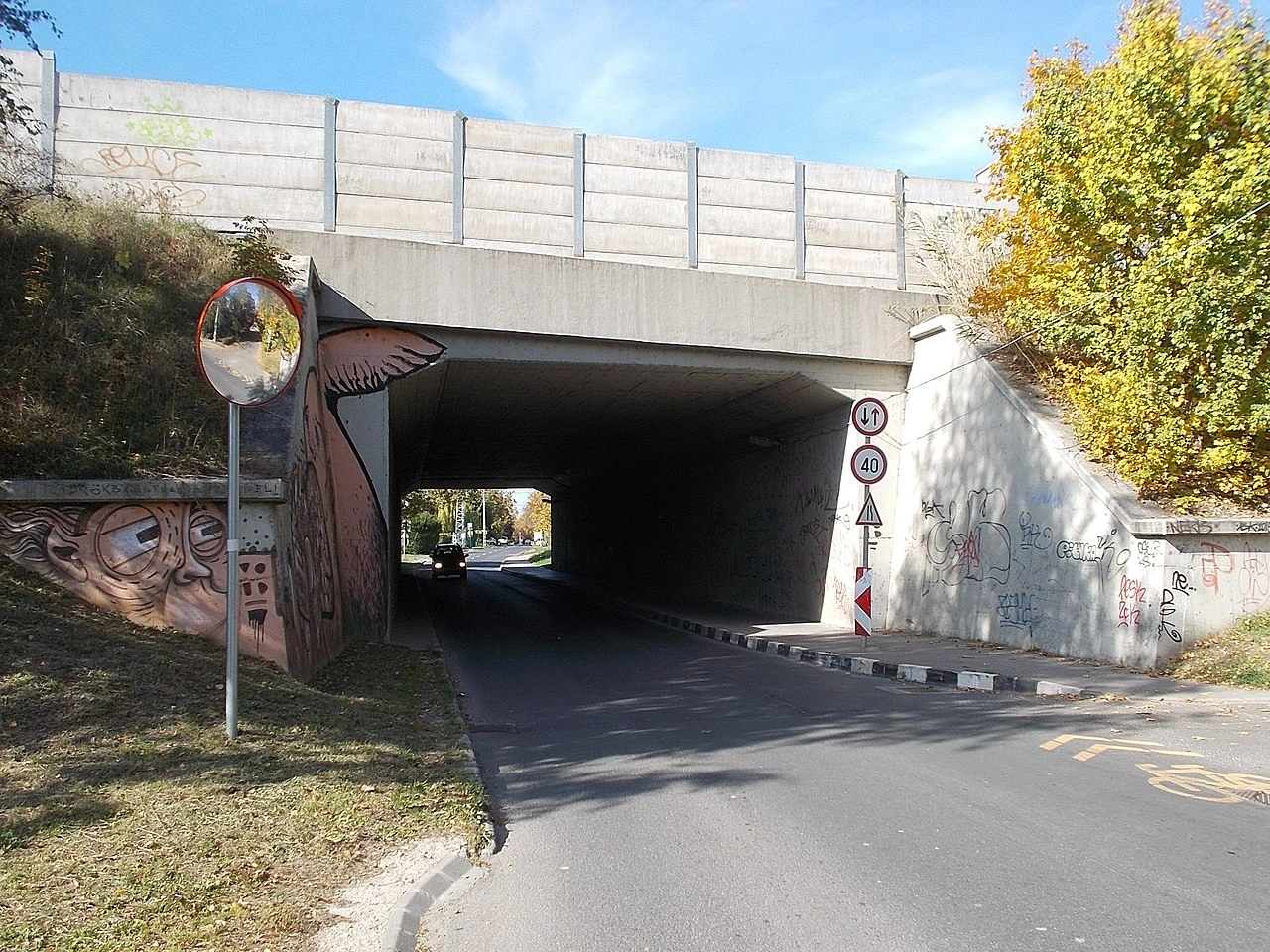
Espejo de tráfico
What is a traffic mirror?

A traffic mirror is a convex roadside mirror that helps road users see around an obstruction or into a road with limited visibility.

Where are traffic mirrors commonly installed?

They may be placed near intersections, narrow roads, bends, car-park exits, private driveways, tunnels or other locations where buildings, vegetation or road geometry obstruct the view.

Why is the mirror curved?

A convex surface provides a wider field of view than a flat mirror, allowing more of the approaching road to be seen.

Does a traffic mirror show an exact image?

No. The reflected image is distorted, and objects normally appear smaller and farther away than they really are.

Can you accurately judge speed in a traffic mirror?

Not reliably. The curved image makes it difficult to estimate how fast another road user is approaching.

Can you accurately judge distance in the mirror?

No. Distance can appear greater than it really is, so an approaching vehicle may reach the intersection sooner than expected.

Can the mirror create a blind area?

Yes. Its position and viewing angle may leave parts of the road outside the reflected image. Small cyclists, motorcycles or pedestrians may also be difficult to notice.

Does a traffic mirror give you priority?

No. It does not change priority. Drivers must continue to follow stop signs, give-way signs, traffic lights and the ordinary priority rules.

Does seeing an empty mirror mean the road is clear?

No. Another road user may be outside the reflected area, hidden by glare or too small to notice. Always check the road directly before proceeding.

Must you still stop at a stop sign?

Yes. The mirror does not replace the mandatory complete stop. Stop at the prescribed position, then use direct observation and the mirror as additional information.

Must you still give way?

Yes. You may proceed only when traffic with priority can continue without being forced to brake, stop or change direction.

How should you use a traffic mirror?

Approach slowly, stop when required and scan the mirror for movement. Then look directly in both directions and continue only after confirming that the road is clear.

Should you look only at the mirror?

No. Alternate between the mirror and direct observation. The mirror should supplement rather than replace normal checks.

Can rain affect a traffic mirror?

Yes. Rain, water droplets and spray may blur or partially obscure the reflected image.

Can frost or condensation affect it?

Yes. Dew, condensation, frost, ice or snow may make the mirror difficult or impossible to use.

Can sunlight cause problems?

Yes. Sunlight may create glare or reflections that hide approaching road users.

Can headlights be misleading at night?

Yes. Reflected headlights may make it difficult to determine the exact direction, distance or speed of an approaching vehicle.

Can the mirror move out of position?

Yes. Wind, impacts, vandalism, vibration or temperature changes may alter its orientation and make the reflected view inaccurate.

What if the mirror is dirty or damaged?

Do not rely on it. Proceed with additional caution and report the defect to the responsible road authority or property owner.

Does a traffic mirror impose a speed limit?

No. The applicable road or posted speed limit remains in force, but restricted visibility normally requires a lower approach speed.

Does it require drivers to sound the horn?

No. Use the horn only where local law permits it and a warning is reasonably necessary to prevent danger.

Can pedestrians and cyclists use the mirror?

Yes. It may help them observe approaching traffic, but they must also look directly and follow the applicable crossing and priority rules.

Can a private individual install a traffic mirror?

A mirror may generally be installed on private property with the owner’s permission, subject to local rules. Installing one on, above or beside a public road normally requires permission from the road authority.

Should a mirror replace better road design?

No. Removing vegetation, relocating parking, improving the intersection layout or changing traffic circulation may provide a safer and more reliable solution.

1 Hungría 2 Autopista 3 Zona residencial 4 Zona 5 Límite de velocidad 6 Carril bici 7 Advertencia de peatones 8 Zona peatonal 9 Pendiente 10 Parada de autobús 11 Señal de STOP 12 Ceda el paso 13 Glorieta 14 Vía con prioridad 15 Estrechamiento de calzada 16 Prioridad sobre el tráfico en sentido contrario 17 Ceda el paso al tráfico en sentido contrario 18 Paso de peatones 19 Paso a nivel 20 Dirección obligatoria 21 Zona escolar 22 Adelantamiento 23 Cruce de animales 24 Calzada deslizante 25 Panel direccional 26 Circulación en sentido contrario 27 Obras 28 Límite de altura 29 Límite de peso 30 Señal de control de velocidad 31 Barreras selectivas 32 Prioridad en la próxima intersección 33 Semáforos 34 Advertencia de semáforos 35 Marcas viales 36 Paneles de aproximación 37 Espejo de tráfico 38 Ruta ciclista 39 Estacionamiento 40 Prohibido estacionar 41 Prohibido parar 42 Estacionamiento para personas con discapacidad 43 Marcha atrás 44 Cambio de sentido 45 Intersección sin regulación 46 Estado de la calzada 47 Límite de población 48 Matrícula 49 Estación de carga 50 Peligros 51 Ciclista 52 Ciclomotor 53 Turismo 54 Autobús 55 Policía 56 Ambulancia 57 Taxi 58 Norma europea de emisiones 59 Bache 60 Camino 61 Partículas 62 Contaminación del aire 63 Hora punta 64 Código de circulación 65 Doble sentido 66 Canaleta de la calle 67 Bicicleta de carga 68 Vehículo forestal 69 Vehículo de construcción 70 Camión articulado 71 Trolebús 72 Speed pedelec 73 Vehículo de reparto 74 Motor al ralentí 75 Grúa 76 Tracción a las cuatro ruedas 77 Prohibido el paso de vehículos 78 Bicicleta 79 Equipamiento de motocicleta 80 Vía férrea 81 Caravana 82 Remolque 83 Enganche de remolque 84 Camión de bomberos 85 Sirena 86 Convoy 87 Luces de vehículos de emergencia 88 Maquinaria agrícola 89 Bicicleta eléctrica 90 Vehículo eléctrico 91 Pedelec 92 Cuadriciclo 93 Microcoche 94 Vehículo todoterreno 95 Furgoneta 96 Vehículo recreativo 97 Scooter 98 Trikke 99 Vehículo de movilidad personal 100 Monopatín ...