


Cédez le passage à la circulation venant en sens inverseRussie
 Règles de circulation
 Russie
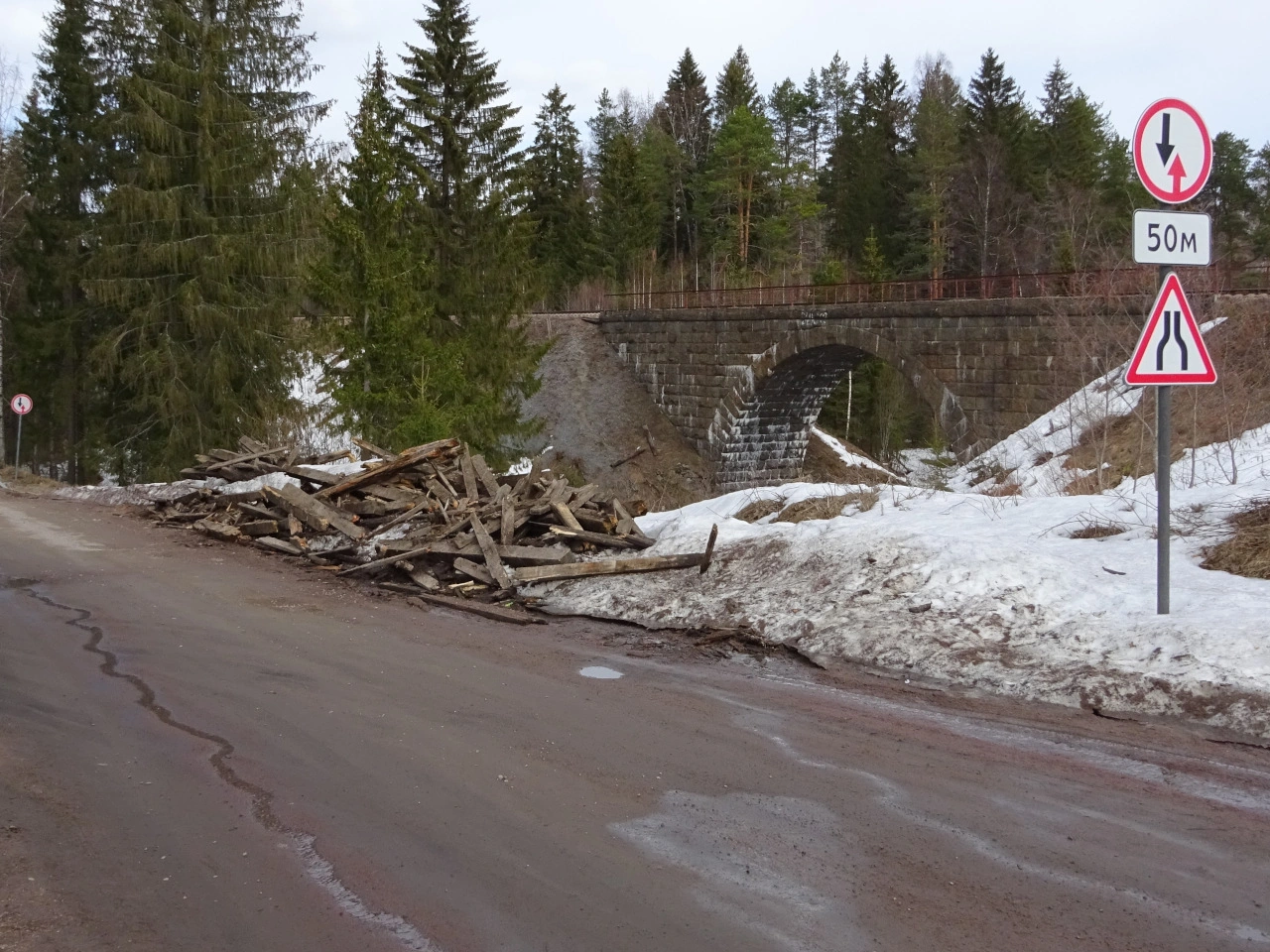
18. Cédez le passage à la circulation venant en sens inverse
Céder le passage à la circulation venant en sens inverse signifie que les conducteurs doivent laisser les véhicules arrivant en sens opposé franchir en premier une section étroite de la route. La règle est normalement indiquée par un panneau faisant face au sens qui doit céder et un panneau de priorité correspondant faisant face au trafic opposé.
Les conducteurs doivent réduire leur vitesse et s’arrêter si nécessaire avant de s’engager dans le passage étroit. Ils ne peuvent continuer que lorsqu’ils peuvent le faire en toute sécurité et sans gêner le trafic venant en sens inverse qui est prioritaire.
What does give way to oncoming traffic mean?
It means that you must allow drivers approaching from the opposite direction to pass through the narrow section first.
How can you recognise the sign?
The sign normally displays two arrows pointing in opposite directions. The arrow representing oncoming traffic is shown as the priority direction, although the exact sign design differs between countries.
Where is this sign normally used?
It is commonly placed before a narrow bridge, roadworks area, traffic-calming feature or other passage where opposing vehicles cannot pass safely at the same time.
What sign does traffic at the opposite end see?
Drivers approaching from the opposite direction normally see a corresponding sign indicating that they have priority over oncoming traffic.
Does the sign make the road one-way?
No. The road remains open in both directions, but traffic from one direction must wait when opposing vehicles are approaching.
Must you always stop at the sign?
No. You must stop only when necessary to give way. You may continue cautiously when the narrow passage is clear and no priority traffic is approaching.
How far away must an oncoming vehicle be before you may enter?
There is no universal fixed distance. You may enter only when the oncoming driver can continue without being forced to brake, stop, reverse or leave the road.
Does reaching the narrowing first give you priority?
No. Priority is determined by the traffic signs, not simply by which driver arrives first.
What if you have already entered the narrow passage?
Continue cautiously when reversing or stopping would create greater danger. Both drivers should cooperate, but entering first does not cancel an obligation that should have been respected before entering.
What if an oncoming vehicle is already inside?
Wait outside the narrow section and leave enough room for the vehicle to exit. Do not enter and force it to stop or reverse.
What if both vehicles arrive at the same time?
The driver facing the give-way sign must wait, while the driver facing the corresponding priority sign may normally proceed first.
Does the sign apply to cyclists and motorcycles?
It normally applies to all drivers, including cyclists and motorcyclists, unless local signs or regulations provide otherwise.
Must you give way to an oncoming cyclist?
Yes. When the sign applies and the passage is too narrow to maintain a safe distance, wait until the cyclist has passed.
What should you do when a bus or truck approaches?
Stop before the narrow section and leave additional space. Large vehicles may require most or all of the available road width.
Does the sign impose a speed limit?
No. It regulates priority rather than speed. Drivers must nevertheless approach slowly enough to observe oncoming traffic and stop safely.
Does it change priority at an intersection?
No. It applies only between opposing traffic at the narrow passage. Priority at nearby intersections is determined separately.
May you overtake near the narrow passage?
The sign does not itself create an overtaking prohibition, but overtaking is normally unsafe when the road width or visibility is limited.
May you stop or park in the narrow passage?
Only where local law permits it and sufficient space remains. A vehicle must not block the passage or force other traffic into danger.
What if temporary traffic lights are operating?
Follow the active traffic lights. Temporary signals controlling alternating traffic normally take precedence over the fixed priority signs.
What if an authorised person directs traffic?
Follow the authorised person’s instructions. Those instructions normally take precedence over traffic lights, signs and ordinary traffic rules.
When does the obligation end?
The obligation ends after the narrow passage controlled by the signs has been cleared. The ordinary traffic rules then apply again.


