Règles de circulationRussie

Apprenez les règles de circulation avec des explications claires et des exemples visuels dans notre livre illustré, simple et agréable à étudier.


1 Russie 2 Autoroute 3 Zone résidentielle 4 Zone 5 Limitation de vitesse 6 Chemin piéton 7 Piste cyclable 8 Pont 9 Ralentisseur 10 Circulation à sens unique 11 Voie de bus 12 Arrêt de bus 13 Panneau Stop 14 Cédez le passage 15 Rond-point 16 Route prioritaire 17 Priorité sur la circulation venant en sens inverse 18 Cédez le passage à la circulation venant en sens inverse 19 Passage pour piétons 20 Passage à niveau 21 Direction obligatoire 22 Zone scolaire 23 Dépassement 24 Traversée d’animaux 25 Chaussée glissante 26 Virage 27 Circulation à contresens 28 Travaux routiers 29 Limitation de hauteur 30 Feux de circulation 31 Feux pour piétons 32 Marquages routiers 33 Permis de conduire 34 Repère de localisation 35 Balises de compte à rebours 36 Téléphone d’urgence 37 Stationnement 38 Arrêt interdit 39 Stationnement pour personnes handicapées 40 Marche arrière 41 État de la chaussée 42 Permis provisoire 43 Issue de secours 44 Limite d’agglomération 45 Attraction touristique 46 Klaxon 47 Plaque d’immatriculation 48 Station de recharge 49 Cycliste 50 Cyclomoteur 51 Moto 52 Autobus 53 Police 54 Ambulance 55 Taxi 56 Nid-de-poule 57 Chemin 58 Particules 59 Pollution de l’air 60 Intersection 61 Heure de pointe 62 Code de la route 63 Caniveau 64 Vélo cargo 65 Véhicule forestier 66 Véhicule de chantier 67 Ensemble semi-remorque 68 Trolleybus 69 Speed pedelec 70 Véhicule de livraison 71 Moteur au ralenti 72 Dépanneuse 73 Quatre roues motrices 74 Vélo 75 Équipement de moto 76 Tram 77 Train 78 Voie ferrée 79 Caravane 80 Remorque 81 Attelage 82 Camion de pompiers 83 Sirène 84 Convoi 85 Feux des véhicules d’urgence 86 Machines agricoles 87 Vélo électrique 88 Véhicule électrique 89 Pedelec 90 Quadricycle 91 Voiturette 92 Véhicule tout-terrain 93 Fourgonnette 94 Véhicule de loisirs 95 Scooter 96 Trikke 97 Engin de déplacement personnel 98 Skateboard 99 Segway 100 Trottinette ...

1. Russie

La Russie s’étend sur l’Europe orientale et l’Asie du Nord, et son immense superficie fait des longs trajets routiers une caractéristique essentielle du pays. La circulation se fait à droite. Le réseau routier va des réseaux urbains denses autour des grandes villes aux routes fédérales traversant des régions peu peuplées, où les stations-service, les services et les localités peuvent être séparés par de très grandes distances. Le russe est la principale langue utilisée sur les panneaux routiers, et les noms de destinations ainsi que les autres informations écrites sont généralement affichés en alphabet cyrillique, qu’il est utile de connaître si vous ne savez pas le lire.

Les conditions saisonnières sont particulièrement importantes. Les voitures particulières doivent utiliser des pneus hiver en décembre, janvier et février, et la neige abondante, le verglas et le froid extrême peuvent affecter les routes bien plus longtemps dans de nombreuses régions. La Russie possède à la fois des routes rapides gratuites et payantes, notamment des sections des M-4, M-11 et M-12, mais il n’existe pas de vignette nationale pour les voitures particulières. Une autre différence notable par rapport à une grande partie de l’Europe est la limitation générale de 60 km/h en agglomération ; sur les autoroutes, la limite normale est de 110 km/h, même si certaines sections spécialement désignées peuvent autoriser jusqu’à 130 km/h.

AI
De quel côté de la route roule-t-on en Russie ?

Roulez du côté droit de la route et dépassez normalement par la gauche.

Quel est le numéro d’urgence en Russie ?

Appelez le 112 pour une assistance d’urgence. Ce numéro met les appelants en relation avec des services tels que la police, les ambulances et les services d’incendie et de secours.

Quelle est la limite d’alcool au volant en Russie ?

La conduite en état d’ivresse est interdite. Pour les contrôles, l’état alcoolique est établi au-dessus de 0,16 mg d’alcool par litre d’air expiré ou à partir de 0,3 g/l dans le sang. Ces seuils tiennent compte des critères de mesure et ne doivent pas être considérés comme une quantité d’alcool sûre à consommer avant de conduire.

Quelle est la limitation de vitesse en agglomération en Russie ?

La vitesse maximale générale en agglomération est de 60 km/h, sauf si des panneaux établissent une autre limite. Des limites supérieures peuvent être autorisées sur des routes adaptées et signalées.

Quelle est la limitation de vitesse hors agglomération en Russie ?

Pour les voitures particulières ordinaires, la vitesse maximale générale hors agglomération est de 90 km/h, sauf si une autre limite est légalement établie ou signalée.

Quelle est la limitation de vitesse sur les autoroutes en Russie ?

Pour les voitures particulières ordinaires, la vitesse maximale générale sur autoroute est de 110 km/h. Sur certaines sections autoroutières adaptées, l’autorité routière peut fixer une limite signalée supérieure allant jusqu’à 130 km/h.

Quelle est la limitation de vitesse dans les zones résidentielles en Russie ?

La vitesse maximale dans les zones résidentielles, zones cyclables et cours d’immeubles est de 20 km/h.

Quels véhicules sont interdits sur les autoroutes russes ?

Les autoroutes sont interdites aux piétons, vélos, cyclomoteurs, tracteurs, engins automoteurs et à certains autres usagers lents. Les véhicules dont les caractéristiques techniques ou l’état les limitent à moins de 40 km/h y sont également interdits.

Faut-il une vignette autoroutière en Russie ?

Non. La Russie n’utilise pas de vignette autoroutière nationale pour les voitures particulières. Des péages s’appliquent plutôt sur certaines autoroutes et sections routières, avec des modalités de paiement dépendant de l’itinéraire et du système de péage.

Existe-t-il des autoroutes à péage en Russie ?

Oui. La Russie possède un vaste réseau de sections routières payantes, notamment sur des axes tels que la M-4 Don, la M-11 Neva et la M-12 Vostok. Les conducteurs doivent vérifier l’itinéraire et le tarif actuels avant de voyager.

Faut-il utiliser les feux de jour en Russie ?

Oui. Pendant la journée, les véhicules à moteur en circulation doivent utiliser les feux de croisement ou les feux de circulation diurne.

Les pneus hiver sont-ils obligatoires en Russie ?

Oui. Les voitures particulières de catégorie M1 et les véhicules utilitaires légers de catégorie N1 doivent utiliser des pneus hiver en décembre, janvier et février. Les pneus hiver doivent être montés sur toutes les roues.

Peut-on utiliser des pneus hiver cloutés toute l’année en Russie ?

Non. Les pneus équipés de clous antidérapants ne doivent pas être utilisés en juin, juillet ou août. Les règles concernant les pneus hiver non cloutés sont différentes, mais les conducteurs doivent toujours utiliser des pneus adaptés aux conditions météorologiques et routières réelles.

Les ceintures de sécurité sont-elles obligatoires en Russie ?

Oui. Les conducteurs et passagers doivent utiliser les ceintures de sécurité lorsque le véhicule en est équipé.

Quand les enfants doivent-ils utiliser un dispositif de retenue en Russie ?

Les enfants de moins de 7 ans doivent utiliser un dispositif de retenue adapté. Les enfants âgés de 7 à 11 ans inclus peuvent utiliser soit un dispositif adapté, soit la ceinture du véhicule sur un siège arrière, mais doivent utiliser un dispositif de retenue adapté lorsqu’ils voyagent sur le siège avant.

Peut-on utiliser un adaptateur de ceinture à la place d’un siège enfant en Russie ?

Pas comme substitut à un dispositif de retenue homologué. Depuis le 1er septembre 2025, les règles précisent explicitement que les sangles, éléments souples avec boucles, adaptateurs de ceinture, clips, coussinets de ceinture et objets similaires ne sont pas considérés comme des dispositifs de retenue pour enfants.

Peut-on laisser un jeune enfant seul dans une voiture stationnée en Russie ?

Un enfant de moins de 7 ans ne doit pas être laissé dans un véhicule stationné sans la présence d’un adulte.

Les casques de moto sont-ils obligatoires en Russie ?

Oui. Un motocycliste doit porter un casque de moto attaché et ne doit pas transporter de passager qui ne porte pas lui-même un casque attaché.

Peut-on utiliser un téléphone portable en conduisant en Russie ?

Un conducteur ne doit pas utiliser un téléphone lorsque le véhicule est en mouvement, sauf s’il peut l’utiliser avec un système mains libres ne nécessitant pas de tenir l’appareil.

La priorité à droite s’applique-t-elle en Russie ?

Oui. À une intersection de routes de même priorité, le conducteur d’un véhicule non ferroviaire doit normalement céder le passage aux véhicules venant de droite.

Qui a priorité à un rond-point en Russie ?

La priorité dépend de la signalisation à l’approche. Lorsqu’on entre sur un rond-point signalé depuis une route qui n’est pas la route prioritaire, il faut céder le passage aux véhicules qui circulent déjà. Si l’approche est désignée comme route prioritaire, il faut suivre les panneaux de priorité applicables plutôt que de supposer que le trafic circulant est toujours prioritaire.

Les piétons ont-ils priorité aux passages en Russie ?

À un passage pour piétons non réglementé, les conducteurs doivent céder le passage aux piétons qui traversent ou se sont engagés sur la chaussée pour traverser.

Que signifie un feu orange en Russie ?

Un feu orange fixe interdit normalement le mouvement et avertit que le signal change. Un conducteur qui ne peut pas s’arrêter à l’endroit requis sans freinage d’urgence peut continuer dans les circonstances autorisées par le code de la route.

Que faut-il faire après un arrêt d’urgence ou un accident en Russie ?

Utilisez les feux de détresse lorsque cela est requis et placez un triangle de présignalisation suffisamment loin pour avertir le trafic qui approche. Il doit être placé à au moins 15 m en agglomération et 30 m hors agglomération.

Quand faut-il porter un gilet réfléchissant en Russie ?

Après un arrêt forcé ou un accident hors agglomération, la nuit ou lorsque la visibilité est limitée, un conducteur se trouvant sur la chaussée ou l’accotement doit porter une veste, un gilet ou une chasuble réfléchissante conforme.

Existe-t-il des règles particulières pour les conducteurs novices en Russie ?

Oui. Les conducteurs titulaires de la catégorie correspondante depuis moins de deux ans doivent normalement afficher le panneau jaune d’identification « Conducteur novice » sur les véhicules concernés. Il leur est également interdit de remorquer un autre véhicule à moteur, et des exigences distinctes de deux ans d’expérience s’appliquent au transport de passagers sur motos et cyclomoteurs.

2. Autoroute

Une autoroute est une route spécialement conçue et signalée pour la circulation motorisée. Les autoroutes disposent normalement de chaussées séparées pour les sens opposés, d’un accès contrôlé par des entrées et sorties désignées, sans accès direct aux propriétés voisines ni croisements à niveau avec d’autres routes, voies ferrées ou chemins.

Des règles de circulation particulières s’appliquent sur les autoroutes. Les usagers autorisés, limitations de vitesse, règles de voie, péages et procédures d’urgence varient selon les pays ; les conducteurs doivent donc respecter la signalisation et la réglementation locales.
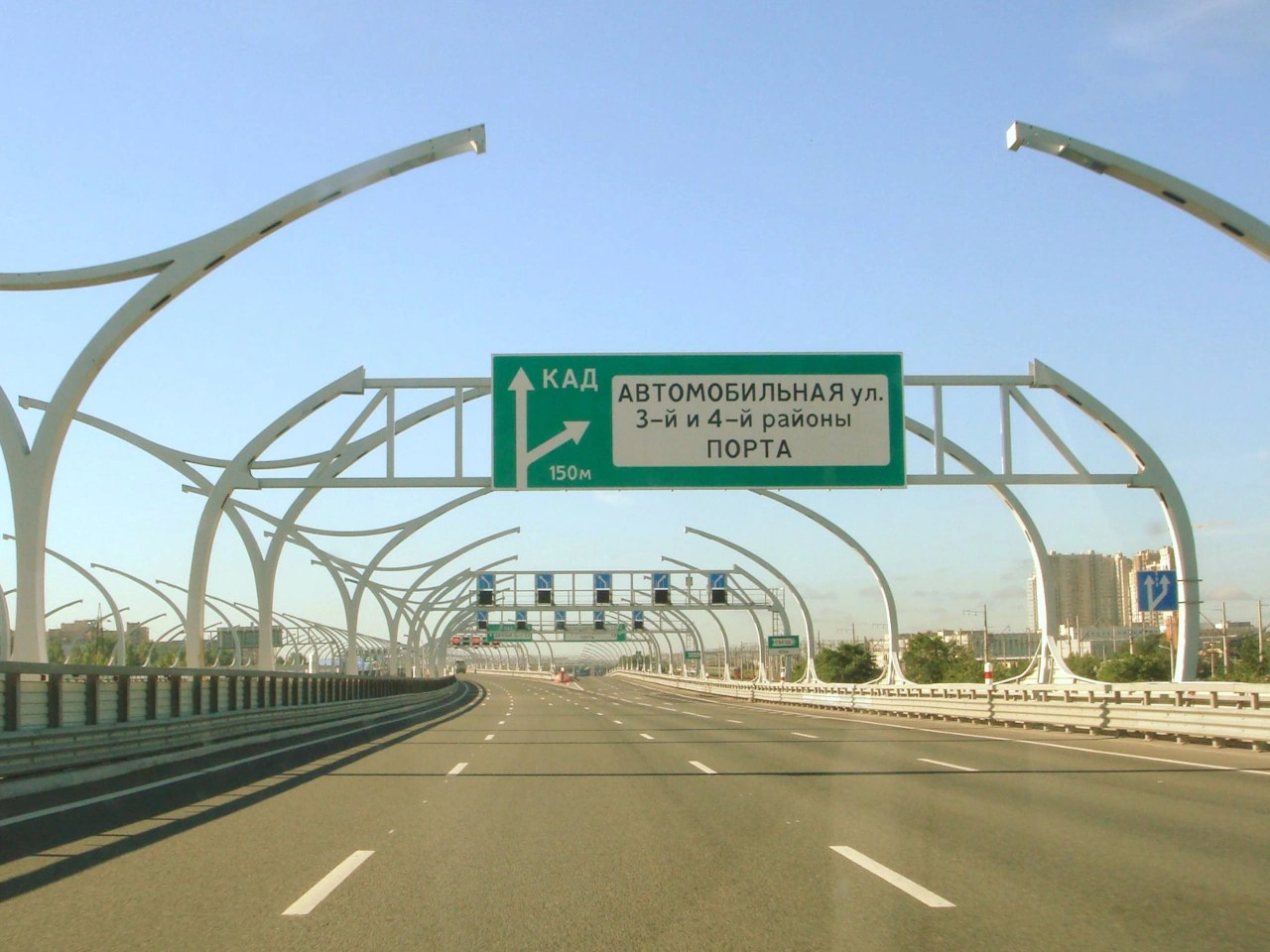
Autoroute
How can you recognise a motorway?

A motorway is normally identified by a special motorway sign at its entrance. It commonly has separate carriageways, controlled entrances and exits, and no ordinary intersections or direct access to neighbouring properties.

Who may use a motorway?

Motorways are primarily intended for motor vehicles capable of travelling safely at motorway speeds. Pedestrians, cyclists, animals and certain slow vehicles are generally prohibited, but the exact access requirements differ between countries.

What is the speed limit on a motorway?

There is no universal motorway speed limit. The applicable limit depends on the country, road section, vehicle category and driving conditions. Posted or variable speed-limit signs may replace the general national limit.

How should you enter a motorway?

Use the entrance or acceleration lane to observe motorway traffic and adjust your speed where possible. Enter only when there is a safe gap and follow the local priority and merging rules.

How should you leave a motorway?

Move into the correct lane in good time and signal when required. Enter the exit or deceleration lane before reducing your speed, unless traffic, signs or road conditions require you to slow down earlier.

Which lane should you use on a motorway?

Follow the local keep-left or keep-right rule and any lane-direction signs. Lanes closer to the centre of the motorway are commonly used for overtaking, but lane-use rules differ between countries and vehicle categories.

Can you stop on a motorway?

Voluntary stopping and parking are normally permitted only in designated parking or service areas. Drivers may still have to stop because of congestion, an emergency or another unavoidable situation.

Can you reverse or make a U-turn on a motorway?

Reversing, making a U-turn and driving against the direction of traffic are generally prohibited. If you miss an exit, continue to the next suitable exit.

What should you do if your vehicle breaks down?

Move the vehicle out of the traffic lanes when this can be done safely, activate the hazard warning lights and follow the local breakdown procedures. Leave the vehicle safely, keep away from moving traffic and use a warning triangle or safety vest where required by local law.

What is the difference between a motorway and an expressway?

A motorway normally has the highest level of access control and is governed by specific motorway rules. An expressway may have similar characteristics but may permit different road users or contain lower-standard junctions. The legal distinction varies between countries.

3. Zone résidentielle

Une zone résidentielle est une rue ou un ensemble de rues où l’habitat et l’accès aux propriétés locales constituent les fonctions principales. Les conducteurs doivent s’attendre à rencontrer des piétons, cyclistes, enfants, véhicules stationnés et véhicules entrant ou sortant d’accès privés.

Certains pays signalent des zones résidentielles particulières et y appliquent des règles spéciales de faible vitesse ou d’espace partagé. La limitation de vitesse, les droits des piétons, les règles de stationnement et les usagers autorisés dépendent donc de la signalisation et de la réglementation locales.

How can you recognise a residential area?

A residential area commonly contains homes, driveways, parked vehicles and local streets. It may also have special entrance signs, traffic-calming measures or shared road space, but its appearance and legal status differ between countries.

Is a residential area the same as a built-up area?

Not necessarily. A built-up area may include residential, commercial and industrial streets. A residential area is primarily associated with housing and local access and may form only one part of a larger built-up area.

Is every residential neighbourhood a legally designated residential zone?

No. In many countries, special residential-zone rules apply only where an official entrance sign is displayed. An ordinary neighbourhood may remain subject to the normal rules for the surrounding road or built-up area.

What is the speed limit in a residential area?

There is no universal residential-area speed limit. Some countries apply a very low limit in signposted residential or shared-space zones, while ordinary residential streets may follow the general built-up-area limit or a posted zone limit.

Do pedestrians have priority in a residential area?

The rights of pedestrians depend on the country and the type of residential area. In some signposted shared-space zones, pedestrians may use the whole road and drivers must give them special consideration. On ordinary residential streets, the normal pedestrian and crossing rules may apply.

May children play in a residential area?

Playing may be expressly permitted in certain legally designated residential or shared-space zones. This is not automatically allowed on every residential street. Drivers should nevertheless remain especially alert for children, who may enter the road unexpectedly.

Which road users may enter a residential area?

Residential areas are normally accessible to local motor traffic, cyclists and pedestrians, but additional signs may restrict certain vehicles or through traffic. A residential area is therefore not necessarily a pedestrian-only zone.

How should you drive in a residential area?

Drive at a speed that allows you to stop safely, watch both sides of the road and expect pedestrians, cyclists, children, pets and vehicles emerging from entrances. Leave enough space and avoid unnecessary acceleration, noise or aggressive overtaking.

May you overtake in a residential area?

Overtaking is not universally prohibited, but it may be restricted by local law, signs or road design. Even where it is permitted, drivers should not overtake when the limited space or presence of vulnerable road users makes it unsafe.

Where may you park in a residential area?

Follow the local parking signs, markings and general parking rules. Do not block entrances, pavements, crossings, sight lines or the passage of other road users. Special residential zones may permit parking only in designated spaces.

What is the difference between a residential area and a pedestrian zone?

Motor vehicles are normally still permitted in a residential area, although they may be subject to strict speed and parking rules. In a pedestrian zone, vehicle access is generally prohibited or limited to specific users, purposes or times.

4. Zone

Une zone de circulation est un secteur dans lequel une règle de circulation s’applique à l’ensemble des routes ou sections de route qu’il comprend. La règle commence normalement à un panneau d’entrée de zone et reste applicable jusqu’au panneau correspondant de fin de zone.

Les zones peuvent réglementer la vitesse, le stationnement, l’accès, les catégories de véhicules, les émissions ou d’autres comportements routiers. Les panneaux utilisés, les routes concernées et l’effet des intersections ou exceptions locales dépendent du droit routier local.
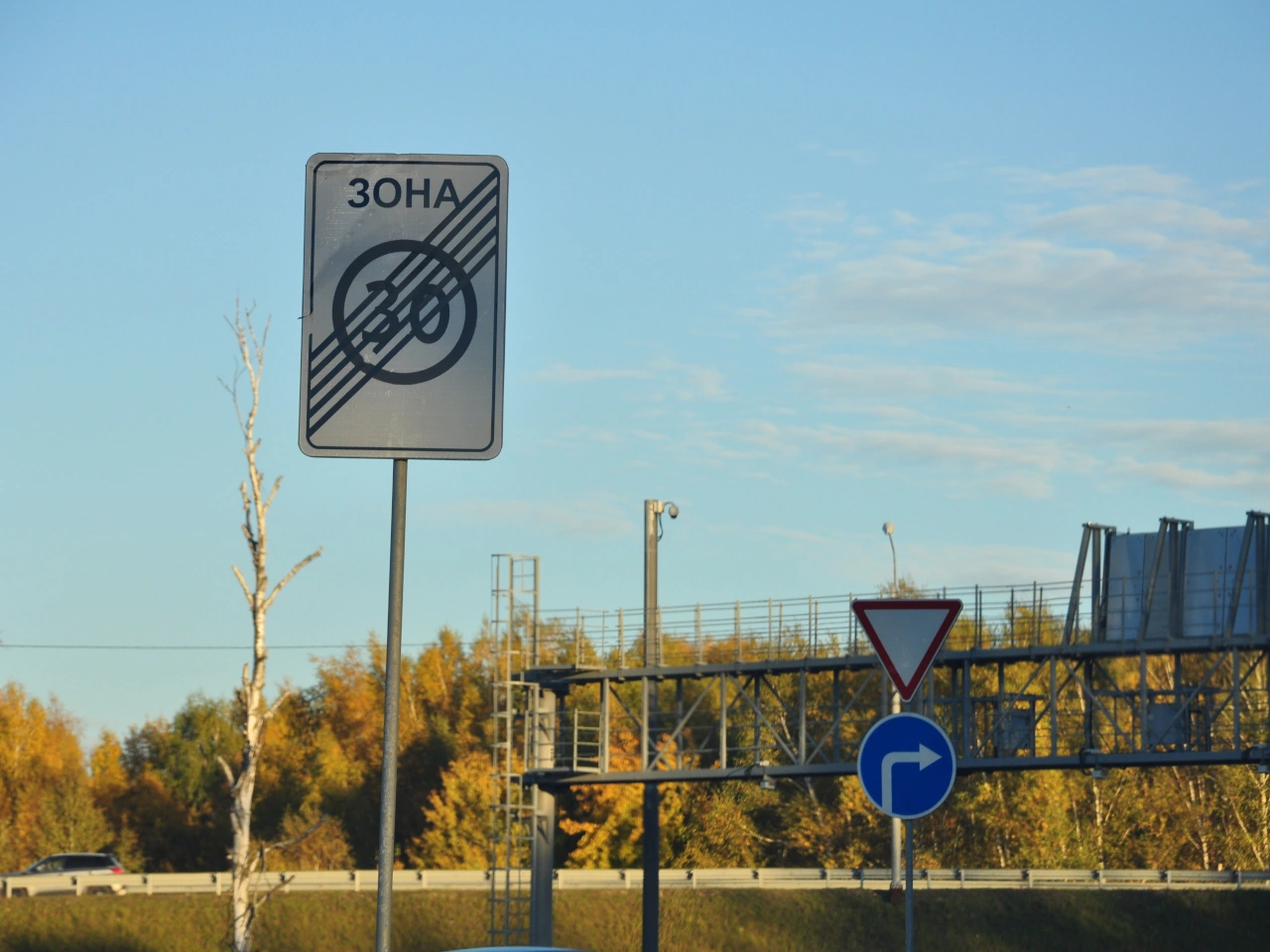
Zone
What is a traffic zone?

A traffic zone is a defined area in which a particular restriction, prohibition or obligation applies throughout the included roads rather than only at one location.

How can you recognise a traffic zone?

A traffic zone normally begins with a zone-entry sign showing the applicable rule. A corresponding end-of-zone sign indicates where that rule stops applying.

What is the difference between a zone sign and an ordinary traffic sign?

An ordinary sign usually applies to a particular road, direction, lane or section. A zone sign applies throughout a designated area, which may contain several roads and intersections.

Does a zone normally continue after an intersection?

Usually, yes. A zonal rule commonly continues through intersections until an end-of-zone sign is reached. The exact effect of intersections depends on local law.

How does a traffic zone end?

A traffic zone normally ends when you pass the corresponding end-of-zone sign. The normal road rules or another signed regulation then apply.

Can more than one rule apply inside a zone?

Yes. A zone may contain several regulations, such as a speed limit together with parking or access restrictions. Drivers must observe every applicable sign.

Can another traffic sign apply inside a zone?

Yes. A local sign may introduce a different or more restrictive rule on a particular road or section. Whether the original zonal rule resumes afterwards depends on local law and the type of regulation.

What types of traffic zones exist?

Common examples include speed zones, parking zones, low-emission zones, pedestrian zones, cycling zones, school zones and zones restricting particular vehicle categories.

Is a traffic zone the same as a built-up area?

No. A built-up area is a broader legally defined urban area. A traffic zone imposes a specific signed rule and may be located inside or outside a built-up area.

Is a traffic zone the same as a residential area?

No. A residential area describes an area mainly used for housing. It may contain one or more traffic zones, but the terms do not automatically have the same legal meaning.

Does a zonal rule apply to every road user?

Not necessarily. The sign, symbol or additional panel may limit the rule to particular vehicles, road users, times or circumstances.

What should you do when entering a traffic zone?

Observe the entrance sign carefully, identify every displayed rule and remember that the regulation may continue across several roads and intersections until the zone ends.

5. Limitation de vitesse

Une limitation de vitesse est la vitesse maximale légale autorisée sur une route, une voie ou dans une zone désignée. Elle peut être fixée par la réglementation générale de la circulation ou indiquée par des panneaux fixes, variables ou temporaires.

Une limitation de vitesse est un maximum, et non une vitesse à atteindre. Les conducteurs doivent rouler plus lentement chaque fois que la circulation, la visibilité, la météo, l’état de la route, les usagers vulnérables ou l’état du véhicule rendent dangereuse la vitesse maximale autorisée.
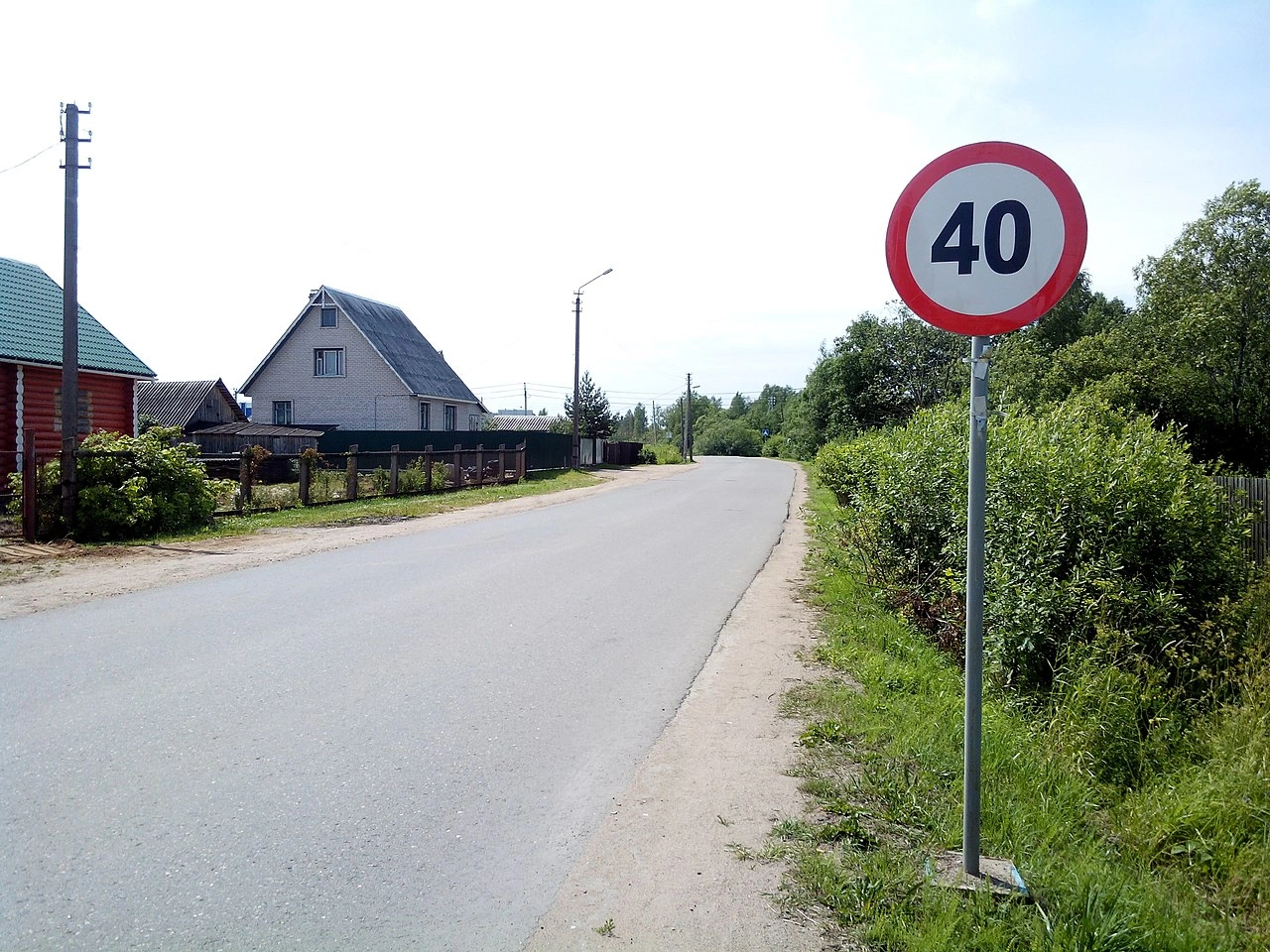
Limitation de vitesse
What is a speed limit?

A speed limit is the maximum legal speed permitted on a road, lane or within a designated area. It does not require drivers to travel at that speed.

How can you recognise a speed limit?

A speed limit is commonly displayed as a number on a regulatory traffic sign. General limits may also apply automatically because of the country, road category, vehicle type or surrounding area, even when no speed-limit sign is present.

Is the speed limit a recommended driving speed?

No. It is the highest speed legally permitted under suitable conditions. Drivers must reduce their speed whenever travelling at the limit would be unsafe.

Can you drive more slowly than the speed limit?

Yes. Drivers should travel more slowly when required by traffic, weather, visibility, road conditions or nearby vulnerable road users. Driving unnecessarily slowly may nevertheless be prohibited when it obstructs normal traffic.

Does the same speed limit apply to every vehicle?

Not always. Lower limits may apply to heavy vehicles, buses, vehicles towing trailers, novice drivers or other vehicle categories. The lowest applicable limit must be respected.

What is a default speed limit?

A default speed limit applies automatically to a particular road type or area when no traffic sign indicates another limit. Examples include general limits for motorways, built-up areas or roads outside built-up areas.

Does a posted speed limit replace the default limit?

Usually, yes. A legally placed speed-limit sign normally introduces another maximum speed, although lower vehicle-specific or special-road limits may continue to apply.

When does a speed-limit sign take effect?

A speed restriction normally begins at the location of the sign. Drivers should reduce their speed before passing the sign so that they are already travelling within the limit when it takes effect.

When does a speed limit end?

A signed limit may end at an intersection, an end-of-limit sign, another speed-limit sign or the beginning or end of a legally defined area. The exact rule differs between countries.

Does an intersection end a speed limit?

This depends on local law. An ordinary speed restriction may end at an intersection in some countries, while a zonal speed limit normally continues across intersections until an end-of-zone sign.

What is a speed zone?

A speed zone is an area in which the displayed maximum speed applies throughout all included roads. The limit normally remains in force until the corresponding end-of-zone sign.

What is a variable speed limit?

A variable speed limit is displayed on an electronic or changeable sign and may be adjusted according to congestion, weather, incidents or roadworks. When activated, it has the same legal importance as another applicable regulatory speed sign.

Can different lanes have different speed limits?

Yes. Signs positioned above individual lanes may impose different limits on those lanes. Drivers must observe the limit applying to the lane they use.

Can a temporary speed limit apply?

Yes. Temporary limits may be introduced near roadworks, collisions, hazards or special events. Drivers must follow the temporary traffic signs and instructions that are legally in force.

May you exceed the speed limit while overtaking?

No. Overtaking does not normally permit a driver to exceed the applicable maximum speed. The manoeuvre must be completed safely while respecting the speed limit.

Do poor conditions change the legal speed limit?

Some countries impose specific lower limits in rain, snow or other conditions. Even where the numerical limit does not change, drivers must reduce their speed sufficiently for the conditions.

6. Chemin piéton

Un chemin piéton est un chemin ou une partie de route principalement destiné à la circulation des piétons. Il peut longer une route, traverser un parc ou une zone résidentielle, ou être indépendant des voies utilisées par les véhicules à moteur.

Un chemin piéton peut être exclusivement réservé aux piétons ou faire partie d’un itinéraire partagé avec des cyclistes ou d’autres usagers autorisés. L’accès, la priorité et les usagers autorisés dépendent de la signalisation et de la réglementation locales applicables au chemin.
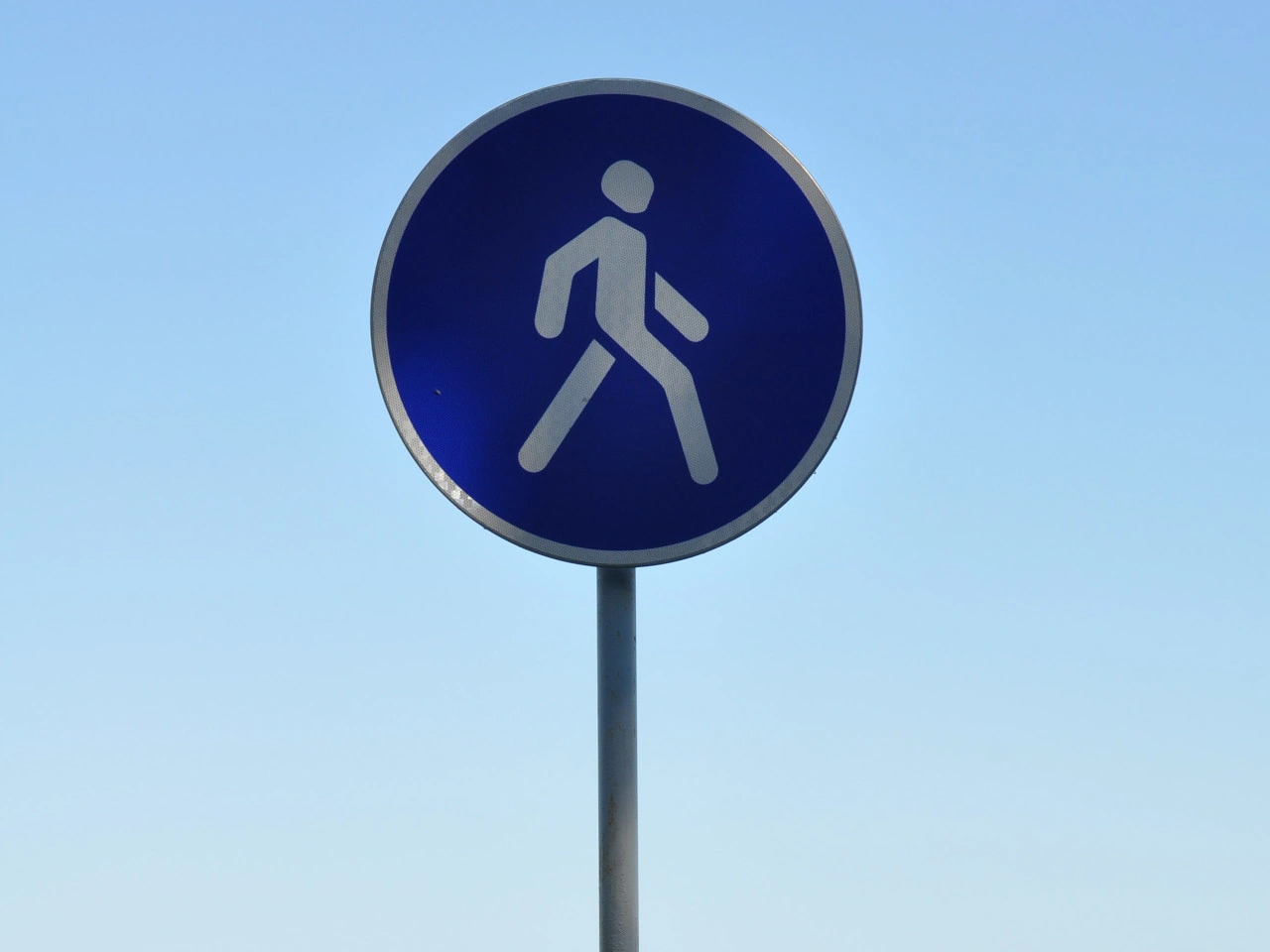
Chemin piéton
What is a footpath?

A footpath is a path or part of a road intended primarily for pedestrians.

Is a footpath the same as a pavement?

Not necessarily. A pavement or sidewalk normally runs alongside a roadway, while a footpath may follow an independent route or pass through an area without an adjacent roadway.

Who may use a footpath?

Pedestrians are the primary users. Depending on the signs and local regulations, cyclists or other categories may also be permitted on shared paths.

Can cyclists use a pedestrian-only footpath?

Normally no when the path is specifically reserved for pedestrians. Cyclists may have to dismount unless local rules or signs allow cycling.

Can someone walking a bicycle use a footpath?

In many countries, a person walking a bicycle by hand is treated as a pedestrian and may therefore use pedestrian facilities, subject to local rules.

Can motor vehicles use a footpath?

Normally no when the route is reserved for pedestrians. Limited access may sometimes be authorised for maintenance, emergency or other specific purposes.

Can a footpath be shared with cyclists?

Yes. A route may be designated as a shared pedestrian-and-cycle path. Users must follow any signs indicating how the space should be shared.

Do pedestrians have priority on a shared footpath?

This depends on the local traffic rules and type of shared facility. Cyclists and other permitted users should always avoid endangering pedestrians.

Can a footpath cross a roadway?

Yes. Where a path crosses a roadway, pedestrians must follow the applicable crossing, priority and traffic-light rules.

Can a footpath be part of the public road?

Yes. Pedestrian paths can form part of the wider public-road network even though ordinary motor traffic may not use them.

Can a footpath have its own traffic sign?

Yes. Many countries use a specific pedestrian symbol to indicate a path reserved or compulsory for pedestrians.

What should cyclists do when a footpath is not open to cycling?

Use the appropriate cycle facility or roadway. Where local law permits it, a cyclist may also dismount and continue as a pedestrian.

7. Piste cyclable

Une piste cyclable est une partie de route ou un itinéraire distinct destiné principalement ou exclusivement aux personnes circulant à vélo. Elle peut être physiquement séparée du trafic motorisé, marquée sur la chaussée ou identifiée par des panneaux de signalisation.

Les pistes cyclables peuvent être à sens unique, à double sens ou partagées avec d’autres usagers. Les usagers autorisés, le sens de circulation, les règles de priorité et l’obligation d’utiliser la piste dépendent de la signalisation et de la réglementation locales.
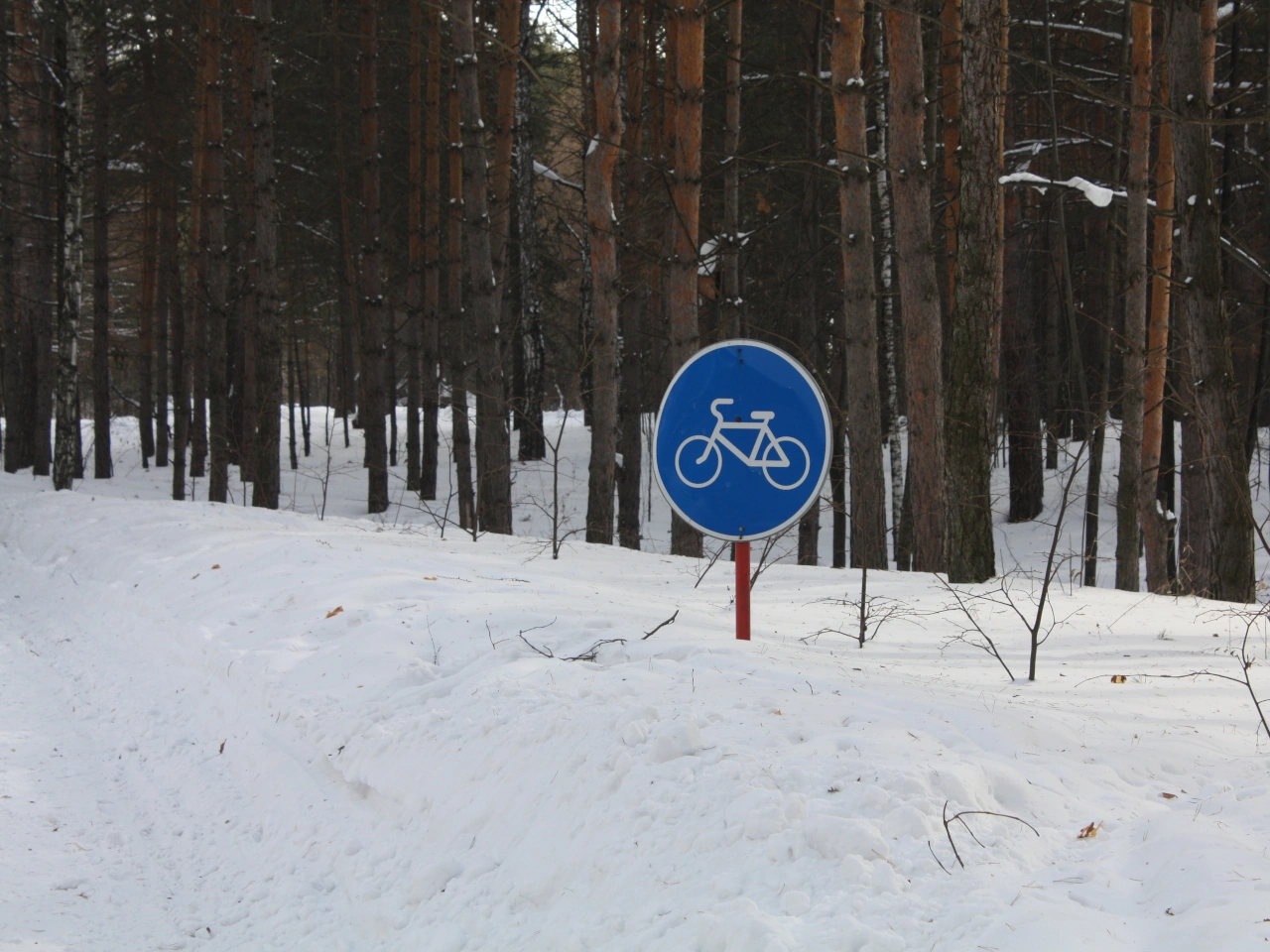
Piste cyclable
How can you recognise a bike path?

A bike path may be identified by a bicycle traffic sign, bicycle symbols, coloured surfacing or road markings. It may run beside the carriageway or follow a completely separate route.

Is a bike path the same as a bike lane?

Not always. A bike lane is normally marked directly on or beside the carriageway, while a bike path may be physically separated from motor traffic. The terminology and legal distinction vary between countries.

Must cyclists use a bike path?

This depends on local law and the signs displayed. Some bike paths are mandatory, while others are optional. Cyclists may also be permitted to leave a path to turn, overtake or avoid an obstruction.

Can a bike path carry traffic in both directions?

Yes. Some bike paths are two-way, but others may be used only in the direction indicated by signs, markings or their position beside the road. Cyclists should not assume that every path permits travel in both directions.

May pedestrians use a bike path?

Pedestrians may use a bike path where it is designated as a shared-use path or where local law permits it. On a cycle-only path, pedestrians may be prohibited or permitted only when no suitable pedestrian facility is available.

May mopeds or speed pedelecs use a bike path?

This depends on the country, vehicle category, road speed and traffic signs. Some bike paths permit or require certain mopeds or speed pedelecs, while others are reserved exclusively for ordinary bicycles.

May motor vehicles use a bike path?

Normally not. Motor vehicles may cross a bike path to enter another road or property where this is permitted, but they must follow the applicable priority rules and must not endanger path users.

Who has priority where a vehicle crosses a bike path?

Priority depends on the road layout, signs, signals and local law. Drivers crossing a continuous bike path commonly have to give way to its users, but cyclists approaching a separate cycle crossing may not automatically have priority before entering it.

Does a cyclist always have priority at a cycle crossing?

No. A marked cycle crossing does not universally give an approaching cyclist priority. Cyclists should enter cautiously and observe approaching traffic unless signs, signals or local rules clearly give them priority.

Is there a speed limit on a bike path?

Some countries or local authorities impose specific limits, particularly on shared paths. Even without a posted limit, cyclists must travel at a safe and considerate speed for the width, visibility and number of other users.

May you stop or park on a bike path?

Normally not. Stopping or parking on a bike path can force cyclists into motor traffic and may be expressly prohibited by law.

What should cyclists do when passing pedestrians?

Reduce speed, give a clear warning where appropriate and leave sufficient space. Pedestrians may change direction unexpectedly, especially on a shared path.

What should cyclists do when a bike path is blocked?

Slow down and check surrounding traffic before leaving the path. Avoid the obstruction safely and return to the bike path when permitted and practical.

Can cyclists ride side by side on a bike path?

This depends on local law and the available width. Even where riding side by side is permitted, cyclists must not block, endanger or unnecessarily hinder other path users.

What is the difference between a bike path and a shared-use path?

A bike path is intended primarily or exclusively for cycling. A shared-use path is legally intended for cyclists together with pedestrians or other indicated road users, who must use the space considerately.

8. Pont

Un pont est un ouvrage qui fait passer une route, un chemin ou une voie ferrée au-dessus d’un obstacle tel qu’une rivière, une vallée, une voie ferrée ou une autre route. Un pont routier peut comporter une ou plusieurs chaussées ainsi que des aménagements pour piétons ou cyclistes.

Les conducteurs doivent respecter toute restriction de vitesse, de poids, de hauteur, de largeur ou d’accès des véhicules applicable au pont. Une prudence particulière peut être nécessaire sur les ponts étroits, exposés ou mobiles et lorsque des conditions météorologiques telles que le vent, la pluie ou le verglas affectent la chaussée.
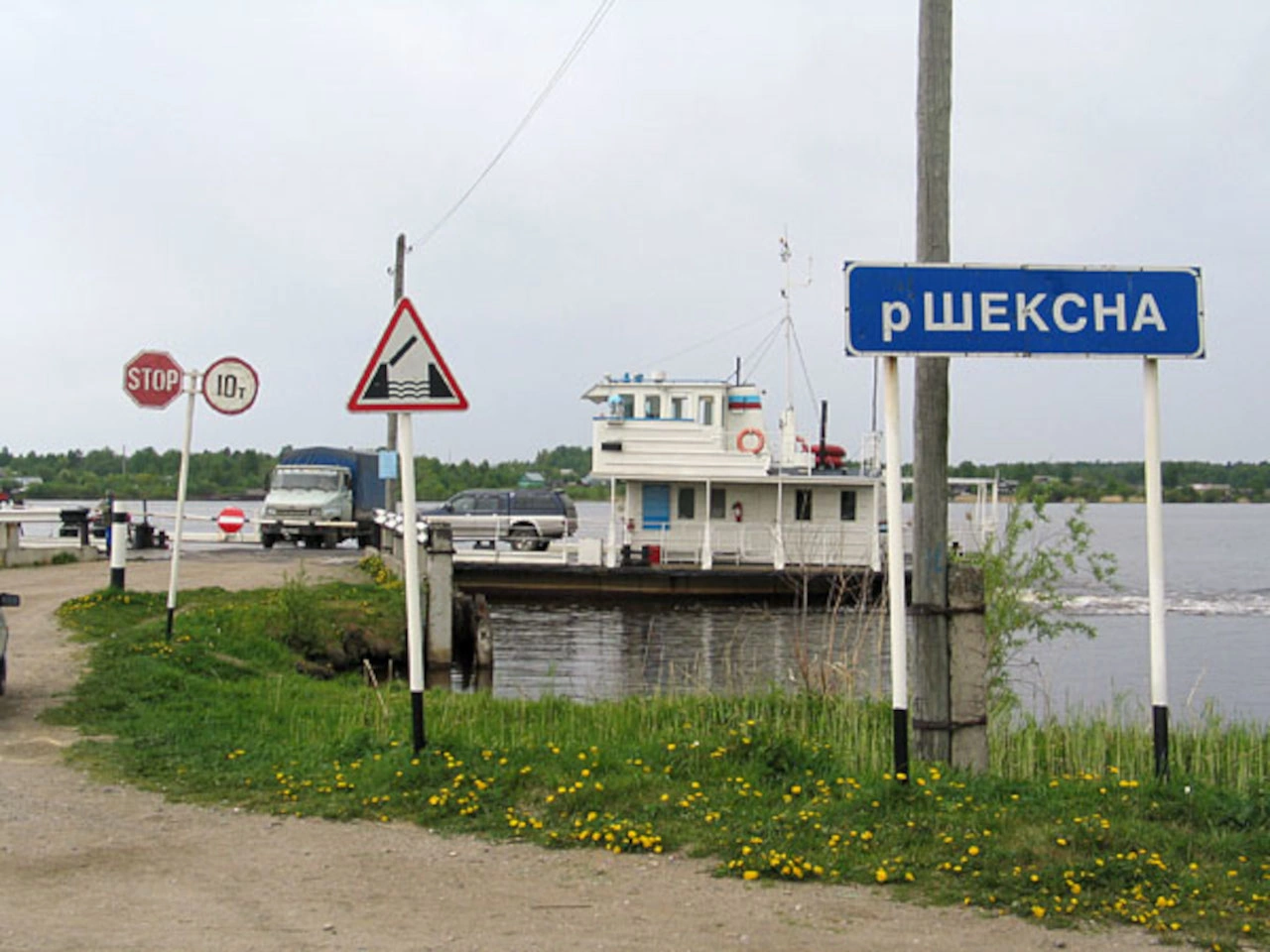
Pont
What is a bridge?

A bridge is a structure that carries a road, path or railway over an obstacle such as a river, valley, railway or another road.

Can a bridge carry several traffic lanes?

Yes. Road bridges may carry one or several traffic lanes and can also contain pavements, cycle facilities or public-transport infrastructure.

Can a bridge have a weight limit?

Yes. A bridge may have restrictions on the maximum vehicle mass or axle load that it can safely accommodate. Drivers of heavy vehicles must obey the applicable signs.

Can a bridge have a width or height restriction?

Yes. Narrow bridges or structures forming part of a bridge can have width, height or other dimensional restrictions indicated by traffic signs.

What is a movable bridge?

A movable bridge is a bridge that can open, lift, swing or otherwise move to allow ships or other traffic to pass beneath or through it.

What should you do when a movable bridge is opening?

Stop when required by the traffic lights, barriers or other signals and remain behind the designated stopping point until the crossing is reopened.

Can bridges become slippery?

Yes. Bridge surfaces can become wet, icy or slippery and may sometimes cool differently from the surrounding road. Drivers should adapt their speed to the actual conditions.

Can strong winds be dangerous on a bridge?

Yes. Exposed bridges can be affected by crosswinds, particularly for motorcycles, bicycles, high-sided vehicles and vehicles towing trailers.

Can you stop or park on a bridge?

This depends on the local traffic rules, road layout and signs. Stopping or parking may be prohibited where it would create danger, obstruct traffic or reduce the available road width.

Can pedestrians and cyclists use a bridge?

Yes, where permitted. Bridges may provide pavements, cycle paths or shared facilities, while high-speed or restricted bridges may prohibit certain road users.

Can traffic be restricted to one direction on a narrow bridge?

Yes. Priority signs, traffic lights or other traffic-management measures may control which direction passes first where two-way traffic cannot safely meet.

Should you overtake on a narrow bridge?

Only when overtaking is legal and clearly safe. Limited width or visibility can make overtaking inappropriate even where no specific prohibition is shown.

9. Ralentisseur

Un ralentisseur est un dispositif surélevé de modération de la circulation placé sur tout ou partie d’une route afin d’obliger les conducteurs à réduire leur vitesse. Il est couramment utilisé près des habitations, écoles, passages, zones de stationnement et autres lieux où une faible vitesse est importante.

Les ralentisseurs varient par leur forme, leur hauteur et leur statut juridique. Les conducteurs doivent les aborder à une vitesse faible et maîtrisée et respecter les panneaux d’avertissement ou limitations de vitesse applicables.
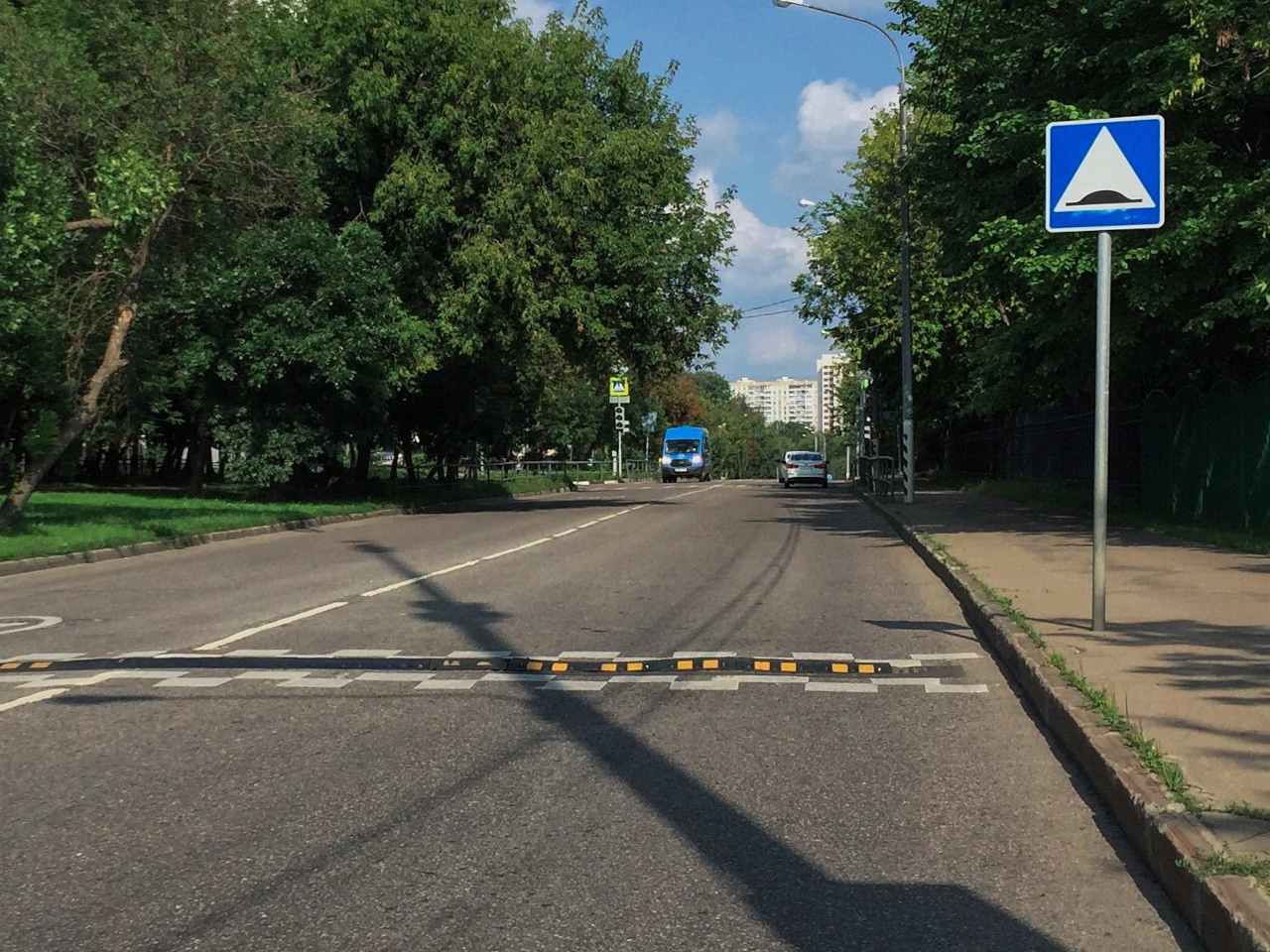
Ralentisseur
What is the purpose of a speed bump?

A speed bump is intended to physically reduce vehicle speeds. It encourages drivers to slow down in places where pedestrians, cyclists, children or local traffic may be present.

How can you recognise a speed bump?

A speed bump is a raised section extending across all or part of the road. It may be marked with contrasting paint, road markings or warning signs to make it more visible.

Is a speed bump the same as a speed table?

No. A speed bump or speed hump normally has a rounded profile. A speed table has ramps leading to a longer, flat raised section that may contain an intersection or pedestrian crossing.

Is a speed cushion the same as a speed bump?

No. A speed cushion is a narrower raised device that does not cover the full width of a traffic lane. Its design may allow buses and emergency vehicles to pass with less disturbance while still slowing smaller vehicles.

Is there a universal speed limit over a speed bump?

No. The legal speed depends on the country, traffic signs and road type. Even when no special limit applies, drivers must cross the device at a speed that is safe for the road, vehicle and passengers.

How should you approach a speed bump?

Check surrounding traffic, reduce your speed smoothly and approach in a straight line where possible. Avoid sudden braking immediately before the bump.

Should you brake while crossing a speed bump?

Most of the necessary braking should be completed before reaching the raised surface. Cross at a steady, low speed and avoid harsh braking or acceleration while the wheels are on the device.

Should you drive across a speed bump at an angle?

Normally not. Cross in the normal direction of the traffic lane unless the road layout requires otherwise. Driving diagonally may place the vehicle in the path of approaching or overtaking traffic.

May motorcycles and bicycles use a speed bump?

Yes. Riders should reduce speed, keep the vehicle stable and cross as directly as possible. Painted or wet raised surfaces may provide less grip.

Do pedestrians have priority at a speed bump?

Not automatically. A speed bump does not by itself create a pedestrian crossing. Pedestrian priority depends on crossings, traffic signals, signs and local law.

Does a speed bump change priority at an intersection?

No. The presence of a raised surface does not normally change the priority rules. Drivers must continue to follow traffic signs, signals and the ordinary intersection rules.

May you overtake on a speed bump?

Overtaking may be restricted by local law or signs. Even where it is not expressly prohibited, drivers should avoid overtaking when the raised surface, limited space or nearby vulnerable road users make the manoeuvre unsafe.

May you stop or park on a speed bump?

This depends on local law. Stopping or parking may be prohibited because the vehicle could obstruct visibility, traffic flow or the purpose of the traffic-calming device.

Can a speed bump damage a vehicle?

A correctly designed speed bump should be crossed safely at an appropriate speed. Crossing too quickly may damage tyres, wheels, suspension, bodywork or cargo and may cause passengers discomfort.

Does the road speed limit change after a speed bump?

Not necessarily. A special limit may apply only to the raised device, while a signed speed restriction or speed zone may continue beyond it. Drivers must follow the applicable signs and local rules.

Why do buses and emergency vehicles sometimes avoid speed bumps?

Raised devices can affect passenger comfort, emergency response and large vehicles. Some roads therefore use speed tables, cushions or other traffic-calming measures designed to reduce these effects.

10. Circulation à sens unique

La circulation à sens unique signifie que les véhicules sur une route ou une chaussée ne peuvent circuler que dans une direction désignée. Le sens autorisé est normalement indiqué par des panneaux, des flèches de voie ou des marquages routiers.

Certains usagers, tels que les cyclistes ou véhicules de transport public, peuvent être autorisés à circuler dans le sens opposé lorsque des panneaux le permettent expressément. Une rue à sens unique ne détermine pas à elle seule la limitation de vitesse, la priorité ou les règles de stationnement.
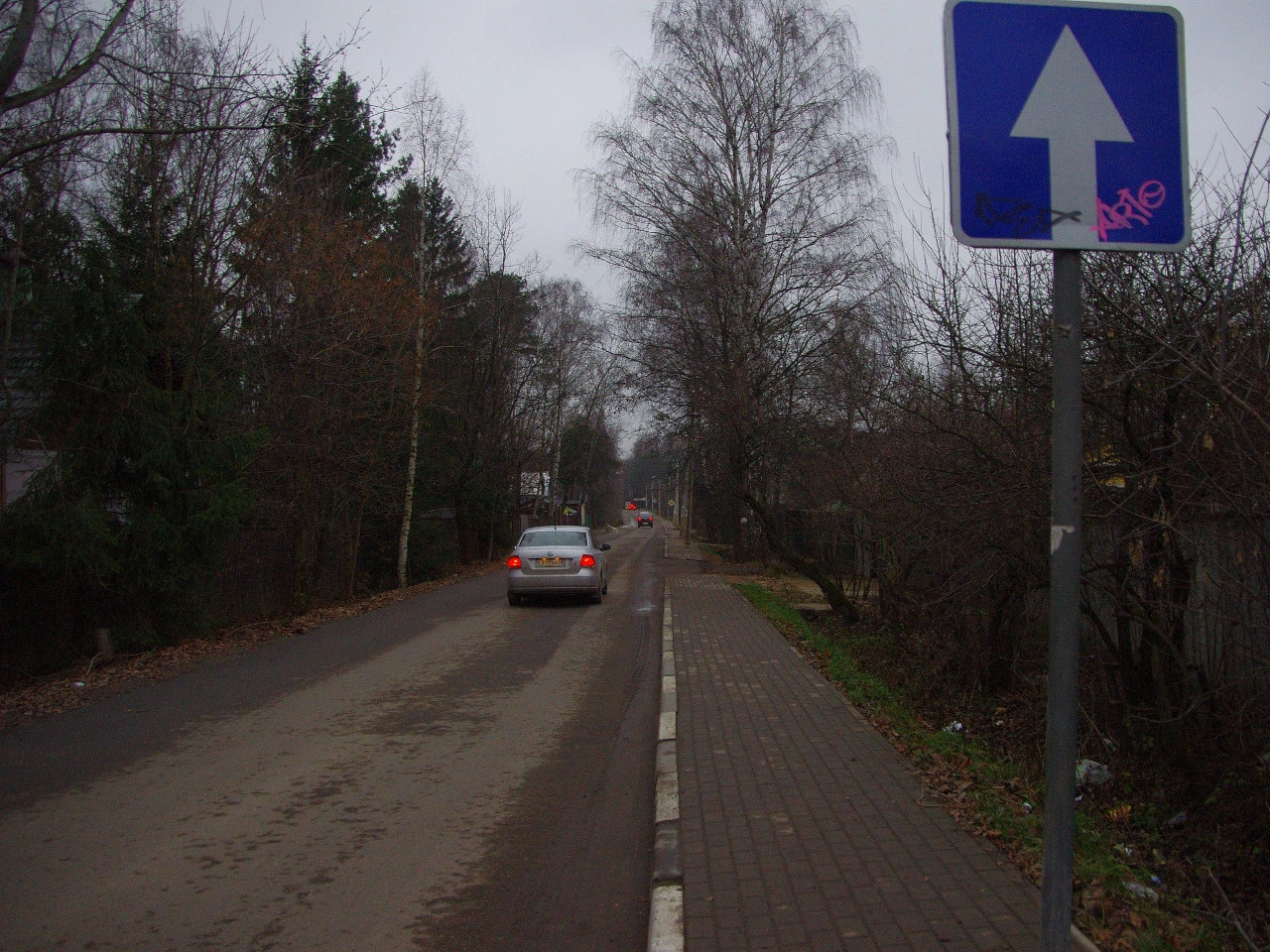
Circulation à sens unique
What is a one-way road?

A one-way road is a road or carriageway on which vehicles may travel only in the designated direction.

How can you recognise one-way traffic?

One-way traffic is normally indicated by a one-way sign at the entrance and a no-entry sign at the opposite end. Lane arrows and road markings may provide additional guidance.

Is a one-way sign the same as a no-entry sign?

No. A one-way sign confirms the permitted direction of travel. A no-entry sign prohibits drivers from entering from the opposite direction.

Does one-way traffic apply to the entire road?

It may apply to an entire road, one carriageway, a particular lane or only a designated section. Drivers must follow the signs and markings applying to the part of the road they use.

Can a divided road have one-way traffic on each carriageway?

Yes. On a divided road, each carriageway normally carries traffic in one direction even though the road as a whole carries traffic in both directions.

May cyclists travel against one-way traffic?

Only when traffic signs or local law expressly permit contraflow cycling. Drivers should check supplementary signs and remain alert for cyclists approaching from the opposite direction.

May buses travel against one-way traffic?

Public-transport vehicles may use a contraflow lane where signs and road markings permit it. Other drivers may not use that lane unless they are also authorised.

Does a one-way road have its own speed limit?

No. The applicable speed depends on the country, road type, surrounding area and traffic signs.

Does one-way traffic change priority at intersections?

No. Drivers must continue to follow traffic lights, priority signs and the ordinary local priority rules.

Does traffic on a one-way road always have priority?

No. The one-way designation regulates direction of travel, not priority. Traffic entering or crossing the road may still have priority under signs or local law.

Which lane should you use on a one-way road?

Follow the local lane-positioning rules, lane arrows and destination signs. Drivers commonly keep to the normal side of the road unless overtaking, turning or choosing a marked lane.

Where should you position yourself before turning?

Use the lane or side indicated for the intended direction. On many one-way roads, drivers turning towards the opposite side of the road may position themselves closer to that side before turning.

May you overtake on a one-way road?

Overtaking may be permitted where there is sufficient space and no sign or rule prohibits it. The normal overtaking side and safety requirements continue to apply unless local law provides otherwise.

May you reverse on a one-way road?

A short reversing manoeuvre may be permitted where local law allows it and it can be completed safely. Drivers must not use reversing to travel along the road in the prohibited direction.

May you make a U-turn on a one-way road?

You may not turn around and continue against the permitted direction. A U-turn may also be prohibited by signs or general traffic law.

May you park on both sides of a one-way road?

This depends on local law, signs, markings and the available width. Some countries permit parking along either side, while others retain stricter positioning rules.

Can pedestrians come from both directions?

Yes. One-way traffic restrictions normally apply to vehicles using the carriageway, not to pedestrians using pavements or other pedestrian facilities.

Should you still check both directions?

Yes. Cyclists, buses, emergency vehicles or other authorised users may approach from the opposite direction. Drivers should check both directions before turning, crossing or opening a vehicle door.

What should you do if you enter a one-way road incorrectly?

Do not continue against traffic. Stop somewhere safe without creating additional danger and follow lawful directions to leave or correct the situation. Do not reverse blindly into an intersection.

How does one-way traffic end?

The restriction may end at an end sign, an intersection, a change in road design or a sign warning that two-way traffic resumes. Follow the local signs and road layout.

11. Voie de bus

Une voie de bus est une voie de circulation réservée principalement aux autobus ou à d’autres véhicules de transport public autorisés. Elle vise à améliorer la régularité et la fluidité des transports publics en permettant aux véhicules autorisés d’éviter les embouteillages du trafic général.

D’autres usagers, tels que taxis, cyclistes, motos ou véhicules transportant plusieurs occupants, peuvent également être autorisés lorsque les panneaux le permettent expressément. Les heures de fonctionnement, véhicules autorisés, sens de circulation et règles d’entrée ou de traversée de la voie dépendent de la signalisation et de la réglementation locales.
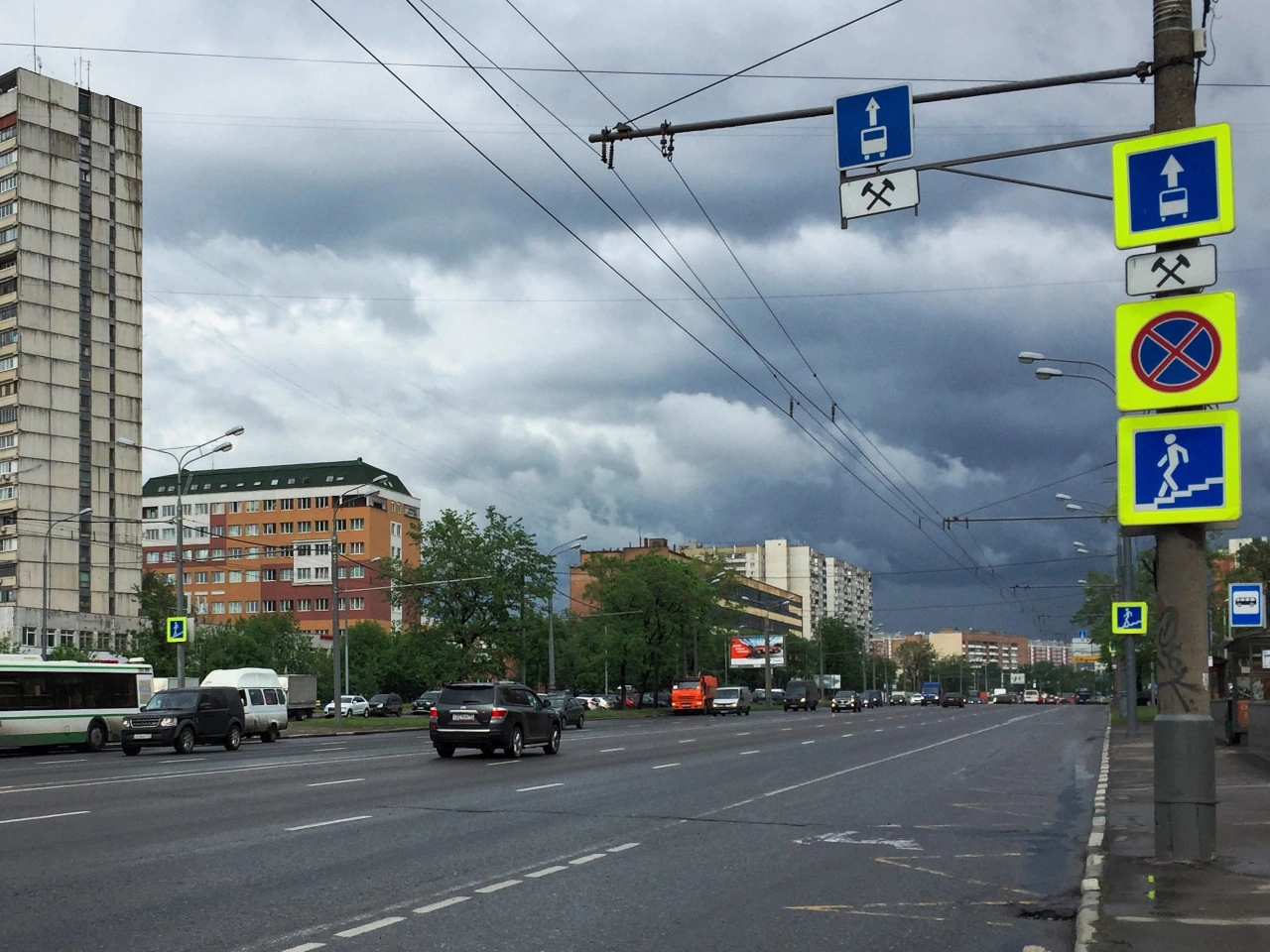
Voie de bus
What is a bus lane?

A bus lane is a lane reserved primarily for buses or other authorised public-transport vehicles. Its purpose is to help public transport move efficiently through traffic.

How can you recognise a bus lane?

A bus lane may be identified by a bus-lane sign, lane markings, coloured surfacing or the word BUS painted on the road. The markings and colours differ between countries.

Is a bus lane the same as a bus-only road?

No. A bus lane forms part of a wider road arrangement, while a bus-only road may reserve the entire road for buses and other authorised users.

Who may use a bus lane?

Buses operating authorised or scheduled services may normally use it. Other vehicles may enter only when the traffic signs or local regulations expressly permit them.

May taxis use a bus lane?

This depends on local law and the signs displayed. Some bus lanes permit licensed taxis, while others are reserved exclusively for buses.

May cyclists use a bus lane?

Cyclists may use a bus lane where signs or local law permit them. They should remain alert for large vehicles, stops, passengers and buses moving towards the kerb.

May motorcycles use a bus lane?

Only where motorcycles are expressly permitted. Permission may apply to all motorcycles, particular times or specific bus lanes.

Can a bus lane operate only at certain times?

Yes. A sign may show days or hours during which the restriction applies. Outside those periods, the lane may become available to general traffic, subject to the local rules.

Does a bus lane have a special speed limit?

Not necessarily. The normal road or posted speed limit generally applies unless a separate restriction is displayed.

May ordinary vehicles enter a bus lane to turn?

Some countries allow drivers to enter a bus lane shortly before a junction to make a turn. Drivers must follow the lane markings and enter only at the point where local rules permit it.

May you cross a bus lane?

Usually, where necessary and permitted. A driver may need to cross it at an intersection or to enter or leave a property, parking area or side road. The driver must check carefully for buses, cyclists and other authorised users.

May you use a bus lane to pass congestion?

No. An unauthorised driver may not use the bus lane simply to overtake a queue or reach the front of traffic.

May you stop or park in a bus lane?

Stopping and parking are normally prohibited unless a sign or marked bay expressly permits them. A stopped vehicle can obstruct buses and force authorised lane users into general traffic.

Do buses always have priority when leaving a stop?

Not universally. Some countries require drivers to allow a signalling bus to leave a stop, particularly inside built-up areas. Elsewhere, ordinary merging rules apply.

Does a bus lane change priority at an intersection?

No. Traffic lights, priority signs and the ordinary intersection rules continue to apply unless special public-transport signals indicate otherwise.

Can a bus lane run against the direction of general traffic?

Yes. A contraflow bus lane may carry authorised vehicles in the opposite direction from nearby general traffic. Drivers and pedestrians should check both directions before crossing.

What do special bus traffic lights mean?

Some countries use separate lights or symbols for public-transport vehicles. Only drivers authorised to use that lane should follow those signals, while other traffic follows its own lights.

What should you check before crossing a bus lane?

Check mirrors and blind spots and look for buses, taxis, cyclists, motorcycles or other authorised vehicles. Their lane may be moving even when general traffic is stationary.

How does a bus lane end?

It may end at a sign, a change in road markings, an intersection or the end of its stated operating period. Drivers should follow the lane arrows and merge safely where required.

12. Arrêt de bus

Un arrêt de bus est un endroit désigné où les autobus s’arrêtent pour permettre aux passagers de monter ou descendre. Il peut être identifié par un panneau, un abri, un quai surélevé, un marquage routier ou une autre infrastructure de transport public et peut se trouver au bord de la route ou dans une zone d’arrêt spécialement aménagée.

Les conducteurs qui approchent d’un arrêt de bus doivent surveiller attentivement les autobus, les piétons et les passagers qui traversent ou pénètrent sur la chaussée. Des restrictions d’arrêt ou de stationnement peuvent s’appliquer autour des arrêts afin de maintenir la zone accessible et visible.

Arrêt de bus
What is a bus stop?

A bus stop is a designated location where buses stop so that passengers can board or leave the vehicle.

What should you watch for near a bus stop?

Watch for buses entering or leaving the stop, passengers near the roadway and pedestrians who may cross the road.

Can you park at a bus stop?

Parking or stopping at or near a bus stop is often restricted or prohibited so that buses can reach the stop safely. The exact restrictions depend on local traffic rules.

13. Panneau Stop

Un panneau Stop oblige les conducteurs à immobiliser complètement leur véhicule et à céder le passage avant de s’engager sur la route ou de la traverser. L’arrêt doit être effectué à la ligne d’arrêt ou à un autre emplacement prescrit par la loi.

Après l’arrêt, le conducteur ne peut repartir que lorsque cela peut être fait en toute sécurité et sans gêner la circulation prioritaire. Le panneau n’accorde pas la priorité au conducteur qui s’est arrêté.
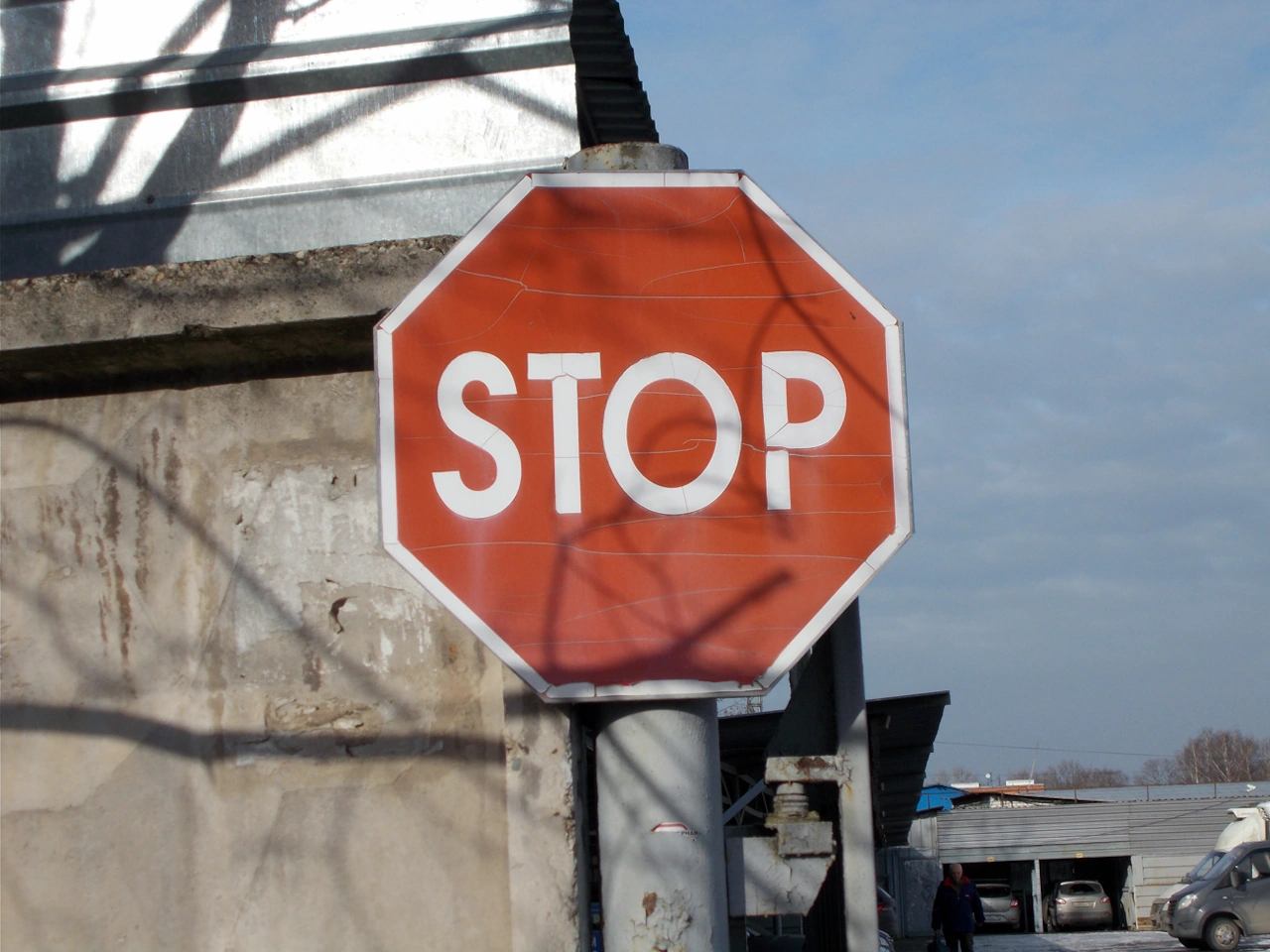
Panneau Stop
What does a stop sign mean?

A stop sign requires a driver to come to a complete stop and give way before proceeding.

How can you recognise a stop sign?

A stop sign is commonly a red octagonal sign displaying the word STOP. Some countries use another legally recognised design, so drivers must learn the signs used locally.

Must you stop when no other traffic is visible?

Yes. The obligation to stop applies even when the road appears completely clear.

What is a complete stop?

A complete stop means that the vehicle has ceased moving entirely. Merely slowing down or allowing the vehicle to continue rolling does not satisfy the requirement.

Where should you stop?

Stop before the stop line where one is provided. Without a line, stop at the legally prescribed position before entering the intersection, crossing or priority road.

May you stop beyond the stop line?

No. The required first stop must be made before the line. If visibility is limited, move forward cautiously after stopping and stop again where necessary before proceeding.

Must every vehicle in a queue stop separately?

Yes. Each driver must make an individual complete stop. Following another vehicle through without stopping is not permitted.

Does stopping give you priority?

No. After stopping, you must continue to give way to all road users who have priority.

Who must you give way to?

Give way to traffic on the road being entered or crossed and to pedestrians, cyclists or other road users who have priority under the applicable rules.

What is the difference between a stop sign and a give-way sign?

A stop sign always requires a complete stop. A give-way sign requires the driver to yield but normally allows continued movement when the road is clearly free.

May you turn after stopping?

Yes. After stopping and giving way, you may turn in any direction permitted by signs, signals, lane arrows and road markings.

May you turn right at a red traffic light after stopping?

This depends entirely on local law and traffic signs. A stop sign does not by itself permit a turn against a red light.

Does a stop sign impose a speed limit?

No. It imposes a stopping and yielding obligation. The normal posted or general speed limit remains applicable before and after the intersection.

Does a stop sign apply to cyclists?

In many countries, cyclists are drivers and must stop unless a specific sign or local rule provides an exception.

What happens at an all-way stop?

The order in which drivers may proceed depends on local rules, commonly involving arrival order, vehicle position and turning direction. Drivers should communicate cautiously and never assume another driver will yield.

What if two vehicles stop at the same time?

Apply the local priority rule and proceed only when the intentions of the other driver are clear. Avoid forcing the other vehicle to brake or change direction.

Do traffic lights override a stop sign?

Where functioning traffic lights control the same movement, they commonly take precedence over the stop sign. Local rules determine what applies when the lights are switched off or flashing.

Do instructions from a police officer override a stop sign?

Yes. Instructions from an authorised traffic officer normally take precedence over traffic signs and ordinary priority rules.

Can a temporary stop sign be legally binding?

Yes. A correctly placed temporary stop sign at roadworks, an event or another temporary traffic arrangement must be obeyed.

What should you do when the stop sign is partly hidden?

If you recognise that a stop sign applies, reduce speed and obey it. Report damaged, obscured or missing signs to the responsible road authority where appropriate.

14. Cédez le passage

Un panneau Cédez le passage oblige les conducteurs à laisser passer les usagers prioritaires avant de s’engager sur une route, de la traverser ou de la rejoindre. Les conducteurs doivent réduire leur vitesse, observer le trafic approchant et s’arrêter si nécessaire.

Contrairement à un panneau Stop, un Cédez le passage n’impose pas toujours un arrêt complet. Le conducteur peut continuer sans s’arrêter uniquement si le passage est clairement libre et qu’aucun usager prioritaire n’est obligé de modifier sa vitesse ou sa trajectoire.
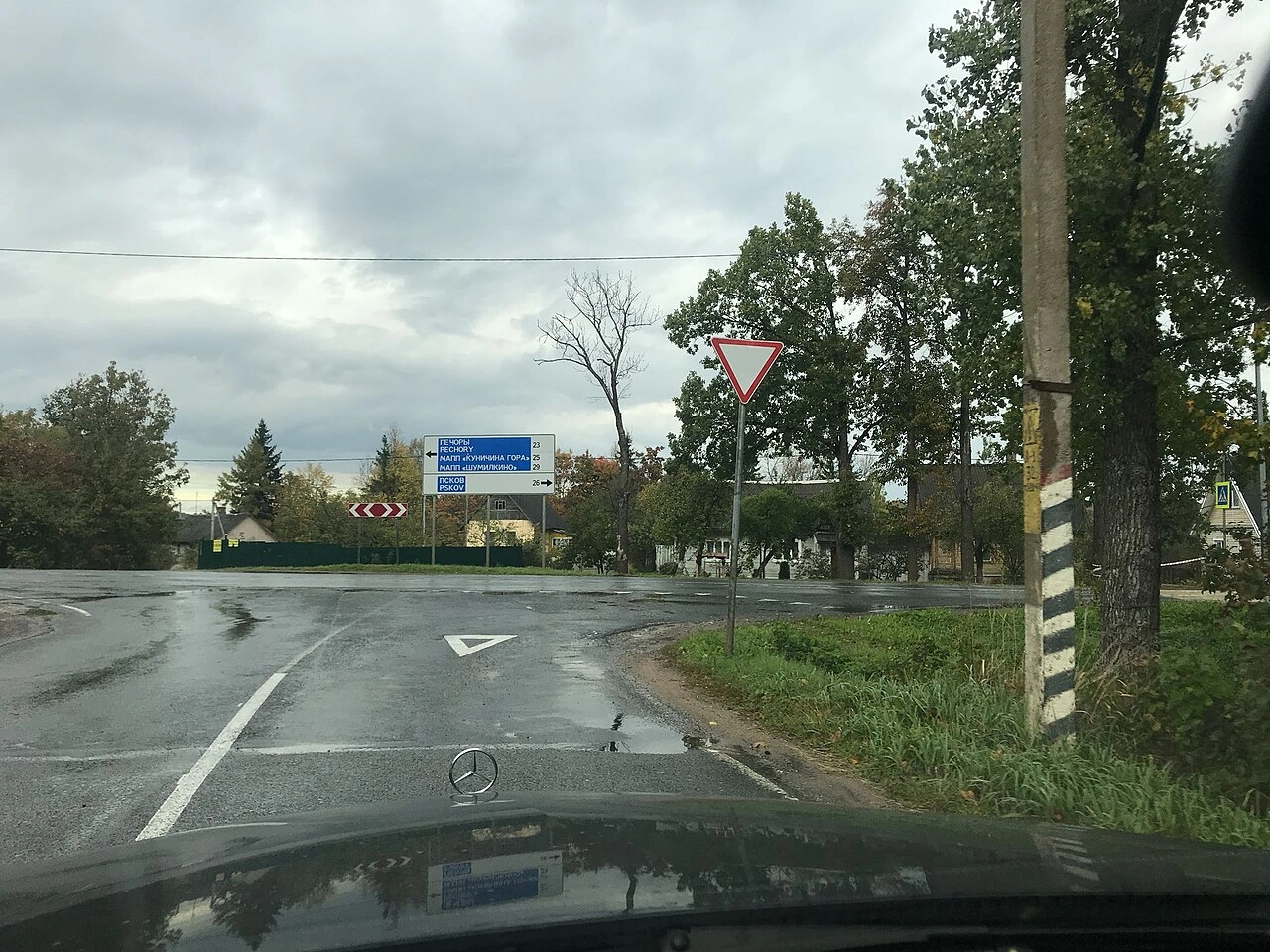
Cédez le passage
What does a give-way sign mean?

A give-way sign requires drivers to allow traffic with priority to proceed first. The driver must slow down and stop when necessary.

How can you recognise a give-way sign?

It is commonly an inverted triangular sign with a red border and a light-coloured centre. In some countries, it is called a yield sign.

Must you always stop at a give-way sign?

No. You must stop only when necessary to give way or obtain a sufficiently clear view. You may continue slowly when the road is clearly free.

What does giving way mean?

Giving way means allowing another road user to continue without being forced to brake, accelerate, stop or change direction because of your movement.

Where should you stop when necessary?

Stop before the give-way line where one is provided. Without a line, stop before entering the intersection or priority road at a position where you can observe traffic safely.

May you cross the give-way line before stopping?

You may move beyond the line only when this does not interfere with traffic that has priority. Where visibility is limited, first slow or stop at the line and then move forward cautiously.

What is the difference between give way and stop?

A stop sign always requires a complete stop. A give-way sign permits the driver to continue without stopping when the road is clearly free and it is safe to proceed.

Does slowing down satisfy the give-way requirement?

Only when slowing down is sufficient to let all priority traffic proceed safely. If another road user would be hindered, the driver must slow further or stop.

Who must you give way to?

Give way to traffic travelling on the road being entered or crossed and to any pedestrians, cyclists or other road users who have priority under the applicable rules.

Does giving way apply only to vehicles approaching from one direction?

No. Check every direction from which lawful traffic may approach, including cycle paths, one-way roads with authorised contraflow traffic and separate carriageways.

Does a give-way sign give the other road permanent priority?

The sign determines priority at the particular location. The priority arrangement at later intersections may be different unless the road is separately identified as a priority road.

Does giving way give you priority afterwards?

No. You may proceed only when it is safe. Another driver’s hesitation or courtesy does not remove your responsibility to avoid danger.

Must every vehicle in a queue give way separately?

Yes. Each driver must observe the road and make an individual decision. You may not follow another vehicle through without checking that the way remains clear.

Does a give-way sign apply to cyclists?

Normally, yes. Cyclists are generally treated as drivers and must obey the sign unless a supplementary sign or local rule provides otherwise.

Can a give-way sign apply only to cyclists?

Yes. Some countries use supplementary signs or path-specific signs to require cyclists to give way while other traffic follows a different priority arrangement.

Does a give-way sign change the speed limit?

No. It regulates priority rather than speed. Drivers must still approach slowly enough to observe traffic and stop when necessary.

Does a give-way sign change turning rules?

No. Drivers must still obey traffic lights, lane arrows, mandatory-direction signs and turning prohibitions.

How does give way work at a roundabout?

Many roundabout entrances have give-way signs requiring entering traffic to yield to vehicles already circulating. Drivers must follow the actual signs because roundabout priority rules differ between countries.

Do traffic lights override a give-way sign?

Functioning traffic lights commonly take precedence over priority signs controlling the same movement. The give-way sign may apply again when the lights are switched off or flashing, depending on local law.

Do police instructions override a give-way sign?

Yes. Instructions from an authorised traffic officer normally take precedence over traffic signs and ordinary priority rules.

What should you do when visibility is limited?

Reduce speed substantially and stop when necessary. Move forward cautiously only after giving way and checking that the road can be entered without danger.

15. Rond-point

Un rond-point est un aménagement circulaire dans lequel la circulation tourne autour d’un îlot central dans une direction déterminée. Les véhicules entrent et sortent par les routes raccordées, et la signalisation ou les règles locales déterminent la priorité.

Les conducteurs doivent réduire leur vitesse, choisir une voie appropriée, observer tous les usagers et signaler comme requis lors de la sortie. Le sens de circulation, la priorité à l’entrée, l’utilisation des voies et les règles concernant cyclistes et piétons dépendent de la signalisation et de la réglementation locales.
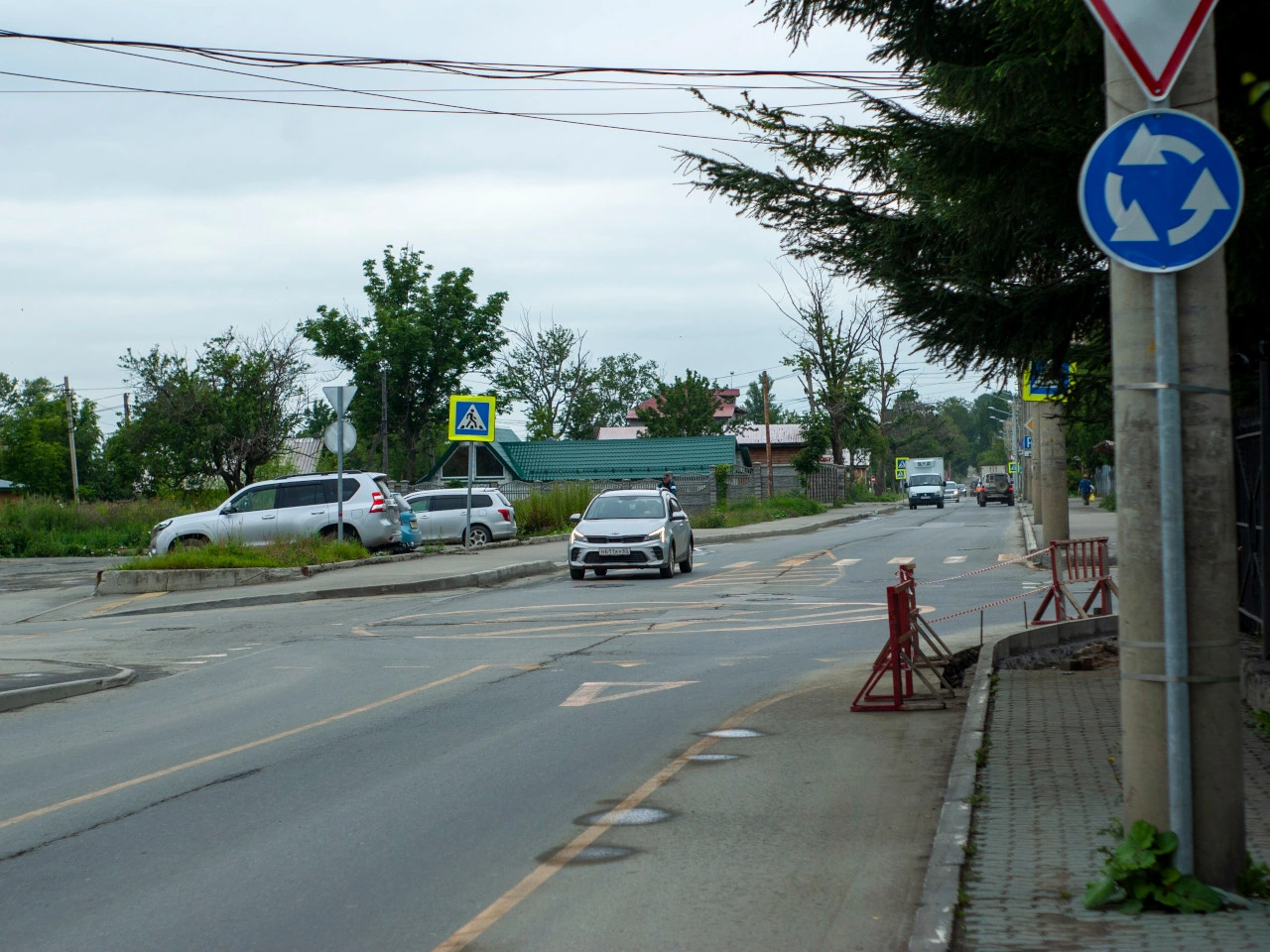
Rond-point
What is a roundabout?

A roundabout is a circular road arrangement where traffic travels in one direction around a central island before leaving through the chosen exit.

How can you recognise a roundabout?

A roundabout is normally identified by a circular-direction sign, a central island and entry roads controlled by signs, markings or local priority rules.

Which direction does traffic travel around a roundabout?

The direction depends on the country’s driving side. Traffic normally travels anticlockwise in right-hand-traffic countries and clockwise in left-hand-traffic countries.

Who has priority at a roundabout?

Priority differs between countries and roundabout designs. Entering traffic commonly gives way to traffic already circulating, but drivers must always follow the actual priority signs and signals.

Must you stop before entering a roundabout?

Not always. Stop when required by a stop sign, traffic light or approaching priority traffic. Otherwise, reduce speed and enter only when there is a safe gap.

Does a roundabout always have a give-way sign?

No. The sign arrangement depends on local law. Some circular intersections use ordinary priority rules or traffic lights instead.

How should you approach a roundabout?

Reduce speed, observe the signs and markings, choose the appropriate lane and check for pedestrians, cyclists and circulating traffic.

Which lane should you choose?

Follow the lane arrows and destination signs. As a general guide, use the lane appropriate for your exit, but exact lane-selection rules differ between countries and roundabout layouts.

May you use an inner lane?

Yes, where the road layout and local rules permit it. Before leaving, change lanes safely and give way to road users already travelling in the lane you wish to enter.

Do you need to signal when entering?

This depends on local law. Some countries require a signal for particular exits, while others require no signal when entering.

Do you need to signal when leaving?

Usually, yes. Signal in the direction of the exit early enough to inform other road users, but not so early that your intention becomes misleading.

Does signalling give you priority?

No. A direction indicator communicates your intention but does not permit you to force another road user to brake or change direction.

May you change lanes on a roundabout?

Only when the lane markings permit it and the manoeuvre can be completed safely. Check mirrors and blind spots, signal where required and give way to traffic already in the target lane.

What should you do if you miss your exit?

Continue around the roundabout and approach the exit again. Do not stop, reverse or cut suddenly across another lane.

May you drive over the central island?

Normally not. Some small roundabouts have a mountable central section intended only for vehicles that cannot otherwise negotiate the road safely.

Do cyclists have priority at a roundabout?

Priority depends on whether cyclists use the carriageway, a continuing bike path or a separate cycle crossing. Drivers and cyclists must follow the signs, markings and local priority rules.

What should drivers check before leaving?

Check mirrors and blind spots for cyclists, mopeds, motorcycles and vehicles beside you. Also check for pedestrians crossing the exit road.

Do pedestrians have priority at roundabout exits?

Pedestrian priority depends on crossings and local law. Drivers should approach exits slowly and be prepared to yield to pedestrians crossing or about to cross.

Does a roundabout have a special speed limit?

Not universally. The posted or general road limit applies, but drivers must travel slowly enough to negotiate the roundabout safely.

May you overtake on a roundabout?

Passing another vehicle may be permitted on a multilane roundabout, but drivers must remain within their lane and avoid unsafe lane changes. Local overtaking restrictions may apply.

May you stop or park on a roundabout?

Follow local signs and parking rules. Stopping or parking on the circulating roadway is commonly prohibited or unsafe because it obstructs traffic and reduces visibility.

Is every circular intersection a roundabout?

No. A circular junction may be governed by traffic lights, ordinary priority rules or another road design. Its legal status depends on its signs and local definition.

16. Route prioritaire

Une route prioritaire est une route dont les usagers ont priorité sur les véhicules arrivant des routes qui la croisent. Elle est normalement identifiée par un panneau de route prioritaire, tandis qu’un panneau de fin indique où ce statut de priorité continue cesse.

Les conducteurs circulant sur une route prioritaire doivent néanmoins respecter les feux de circulation, les agents habilités, les limitations de vitesse, les passages et les règles de changement de direction. Avoir la priorité ne permet jamais de s’engager si cela crée un danger ou bloque une intersection.
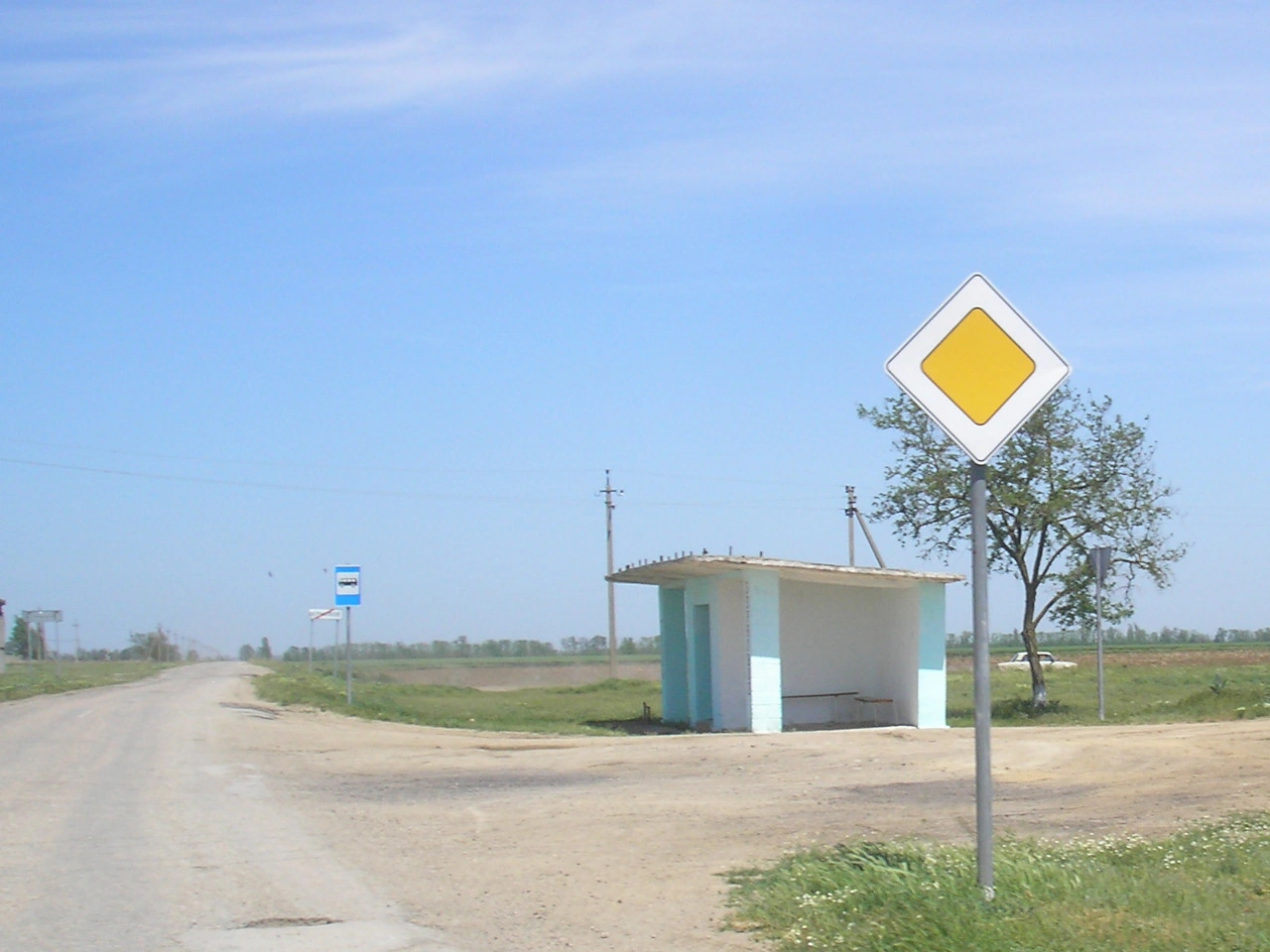
Route prioritaire
What is a priority road?

A priority road is a road on which drivers normally have priority over traffic entering from intersecting side roads.

How can you recognise a priority road?

It is normally indicated by a priority-road sign at or near its beginning. A corresponding end sign indicates where its continuing priority status stops.

Does a priority road have priority at every intersection?

Normally, yes, while the priority-road designation remains in force. Drivers must still observe traffic lights, authorised officers and any signs applying at a particular intersection.

Does an intersection end a priority road?

Not necessarily. A priority road commonly continues across successive intersections until an end sign or another legally defined change in priority.

Must side roads have give-way or stop signs?

Side roads are commonly controlled by give-way or stop signs, but sign placement and legal requirements differ between countries.

Does traffic from both the left and right have to give way?

Where the priority-road signs apply, drivers entering from intersecting side roads must normally give way regardless of whether they approach from the left or right.

Is a priority road the same as having priority at one intersection?

No. A priority-road sign normally creates continuing priority across several intersections. Another sign may grant priority only at the next intersection.

Does a priority road always continue straight ahead?

No. The priority route may turn at an intersection. A supplementary diagram may show which branch retains priority.

Must you signal when the priority road bends?

Priority does not remove the duty to signal. Use the direction indicators whenever following or leaving the priority route involves a change of direction or lateral movement.

Does having priority mean you may enter without slowing down?

No. Approach every intersection at a safe speed and remain prepared for another road user to fail to give way.

Does a priority road have a special speed limit?

No. The applicable general, zonal or posted speed limit remains in force.

Do traffic lights override priority-road signs?

Functioning traffic lights normally control the intersection instead of the priority signs. Local rules determine what applies when the lights are switched off or flashing.

Do police instructions override priority-road signs?

Yes. Instructions from an authorised traffic officer normally take precedence over traffic signs and ordinary priority rules.

Do pedestrians still have priority at crossings?

Yes, where the applicable crossing rules give them priority. Priority over side-road traffic does not remove duties towards pedestrians.

Must you give way when turning off a priority road?

You must still give way to oncoming traffic, pedestrians, cyclists and other road users where the normal turning rules require it.

Do cyclists on a priority road have priority?

Cyclists using the road or a continuing bike path may have priority over entering or turning traffic, depending on signs, markings and local law.

Does a priority road give priority at a roundabout?

Not automatically. Roundabout priority is determined by its own signs, signals and local rules.

May you overtake on a priority road?

Priority-road status does not itself permit or prohibit overtaking. Drivers must follow the ordinary overtaking rules, markings and visibility requirements.

May you stop or park on a priority road?

This depends on local law and signs. Some countries prohibit parking on priority roads outside built-up areas, while other parking rules may apply inside towns and cities.

Does a vehicle leaving a property have priority?

No. A driver entering the road from a property, parking place or other off-road location normally performs a manoeuvre and must give way to road users already present.

May you enter a blocked intersection when you have priority?

No. Do not enter when congestion would force you to stop inside the intersection and obstruct crossing traffic.

How does a priority road end?

Its continuing priority normally ends at an end-of-priority-road sign. Drivers must then follow the signs or ordinary priority rule applying at the next intersection.

17. Priorité sur la circulation venant en sens inverse

La priorité sur la circulation venant en sens inverse signifie que les conducteurs circulant dans une direction ont priorité dans une section étroite sur ceux qui arrivent en sens opposé. La règle est normalement signalée par un panneau de priorité dans un sens et un panneau correspondant de cédez le passage dans l’autre.

Les conducteurs prioritaires doivent malgré tout approcher avec prudence et ne pas forcer le passage si la section est bloquée ou déjà occupée. Les panneaux règlent la priorité dans la section étroite, et non la vitesse, le stationnement ou la priorité aux intersections voisines.
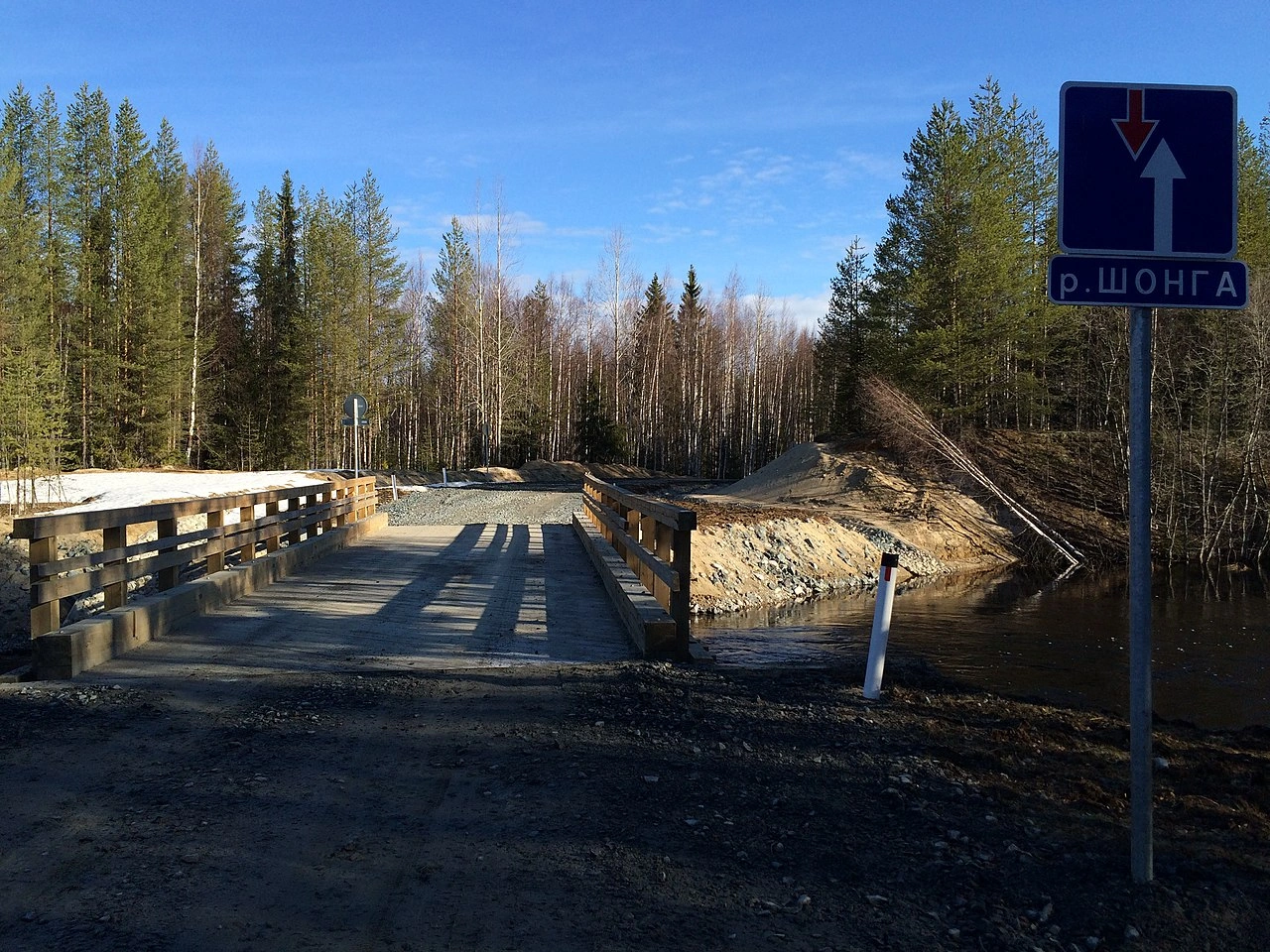
Priorité sur la circulation venant en sens inverse
What does priority over oncoming traffic mean?

It means that drivers travelling in your direction have priority through the narrow passage over drivers approaching from the opposite direction.

How can you recognise the sign?

It is commonly a rectangular sign showing two arrows in opposite directions. The larger or lighter arrow represents the direction that has priority, while the other arrow represents oncoming traffic.

Where is this sign normally used?

It is used at a bridge, roadworks area, traffic-calming feature or another narrow section where vehicles travelling in opposite directions cannot pass safely.

What sign does oncoming traffic see?

Drivers approaching from the opposite end normally see a corresponding sign requiring them to give way to oncoming traffic.

Does the sign mean that the road is one-way?

No. Traffic may use the road in both directions, but only one direction should normally pass through the narrow section at a time.

Does the sign give priority along the entire road?

No. It applies only to the particular narrow section associated with the sign.

Does it give you priority at an intersection?

No. It regulates priority between opposing traffic at the narrowing. Traffic lights, intersection signs and ordinary priority rules remain applicable elsewhere.

Does it impose a speed limit?

No. Drivers must respect the applicable speed limit and approach slowly enough to stop safely if the passage is occupied.

Must you stop before entering?

Not normally. You may continue when the passage is clear, but you must slow or stop when necessary to avoid danger.

Does having priority mean you must enter first?

No. Priority is a right to proceed before approaching traffic, not an obligation to continue. Wait when entering would create danger or block the passage.

What if an oncoming vehicle is already in the narrow section?

Reduce speed and allow the vehicle enough room to leave. Do not enter simply because your sign gives you priority if doing so would trap the other vehicle or cause a collision.

May you force an oncoming driver to reverse?

No. Drivers must avoid creating danger. When another vehicle is already committed to the passage, the safest solution may be to wait until it has cleared.

What if both vehicles arrive at the same time?

The driver facing the priority sign may normally proceed first, while the opposite driver must wait. Both drivers should reduce speed and make sure the other has understood the situation.

Does the rule apply to cyclists and motorcycles?

It normally applies to all drivers, including cyclists and motorcyclists, but local law may define the exact road users covered.

Should you leave space for cyclists?

Yes. Do not pass a cyclist in the narrow section unless the required safe lateral distance can be maintained.

What should you do when meeting a large vehicle?

Allow additional width and time. Buses, trucks and vehicles towing trailers may need most or all of the available road space.

May pedestrians be present in the narrow section?

Yes. Drivers must remain alert for pedestrians, particularly where a pavement or verge also becomes narrow or unavailable.

Does the sign permit overtaking?

No. It regulates opposing traffic only. Overtaking remains subject to the ordinary rules, and it is often unsafe near a narrow passage.

May you stop or park in the narrow section?

Only where local law permits it and sufficient space remains. Stopping or parking must not block the passage or create danger.

What if temporary traffic lights are operating?

Follow the traffic lights. Active temporary signals or instructions from authorised workers normally take precedence over the fixed priority arrangement.

Do police or road-worker instructions override the sign?

Yes. Follow instructions from an authorised person even when they differ from the priority indicated by the sign.

When does the priority rule end?

It ends after you have passed through the narrow section controlled by the signs. The ordinary traffic rules then apply again.

18. Cédez le passage à la circulation venant en sens inverse

Céder le passage à la circulation venant en sens inverse signifie que les conducteurs doivent laisser les véhicules arrivant en sens opposé franchir en premier une section étroite de la route. La règle est normalement indiquée par un panneau faisant face au sens qui doit céder et un panneau de priorité correspondant faisant face au trafic opposé.

Les conducteurs doivent réduire leur vitesse et s’arrêter si nécessaire avant de s’engager dans le passage étroit. Ils ne peuvent continuer que lorsqu’ils peuvent le faire en toute sécurité et sans gêner le trafic venant en sens inverse qui est prioritaire.
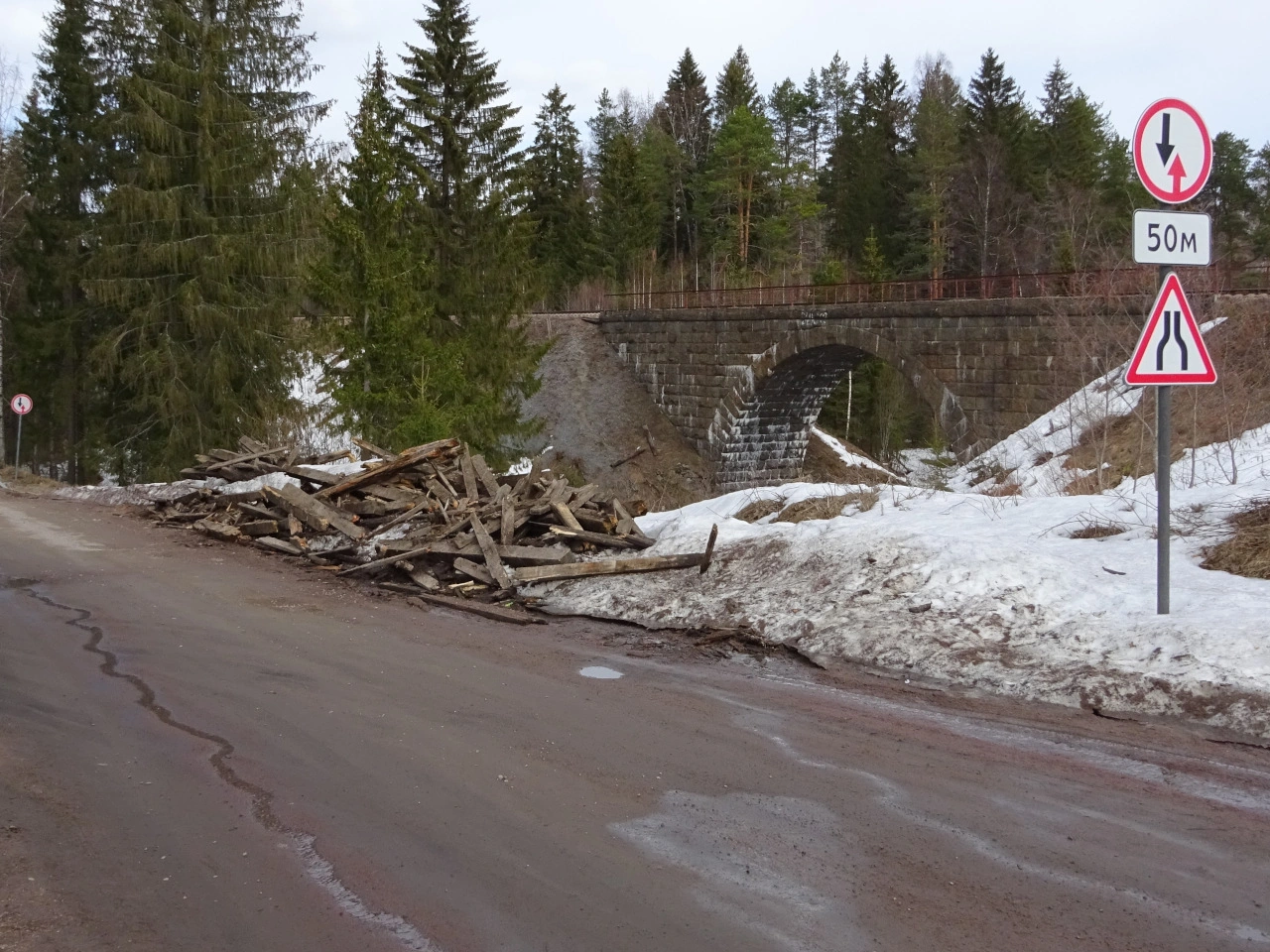
Cédez le passage à la circulation venant en sens inverse
What does give way to oncoming traffic mean?

It means that you must allow drivers approaching from the opposite direction to pass through the narrow section first.

How can you recognise the sign?

The sign normally displays two arrows pointing in opposite directions. The arrow representing oncoming traffic is shown as the priority direction, although the exact sign design differs between countries.

Where is this sign normally used?

It is commonly placed before a narrow bridge, roadworks area, traffic-calming feature or other passage where opposing vehicles cannot pass safely at the same time.

What sign does traffic at the opposite end see?

Drivers approaching from the opposite direction normally see a corresponding sign indicating that they have priority over oncoming traffic.

Does the sign make the road one-way?

No. The road remains open in both directions, but traffic from one direction must wait when opposing vehicles are approaching.

Must you always stop at the sign?

No. You must stop only when necessary to give way. You may continue cautiously when the narrow passage is clear and no priority traffic is approaching.

How far away must an oncoming vehicle be before you may enter?

There is no universal fixed distance. You may enter only when the oncoming driver can continue without being forced to brake, stop, reverse or leave the road.

Does reaching the narrowing first give you priority?

No. Priority is determined by the traffic signs, not simply by which driver arrives first.

What if you have already entered the narrow passage?

Continue cautiously when reversing or stopping would create greater danger. Both drivers should cooperate, but entering first does not cancel an obligation that should have been respected before entering.

What if an oncoming vehicle is already inside?

Wait outside the narrow section and leave enough room for the vehicle to exit. Do not enter and force it to stop or reverse.

What if both vehicles arrive at the same time?

The driver facing the give-way sign must wait, while the driver facing the corresponding priority sign may normally proceed first.

Does the sign apply to cyclists and motorcycles?

It normally applies to all drivers, including cyclists and motorcyclists, unless local signs or regulations provide otherwise.

Must you give way to an oncoming cyclist?

Yes. When the sign applies and the passage is too narrow to maintain a safe distance, wait until the cyclist has passed.

What should you do when a bus or truck approaches?

Stop before the narrow section and leave additional space. Large vehicles may require most or all of the available road width.

Does the sign impose a speed limit?

No. It regulates priority rather than speed. Drivers must nevertheless approach slowly enough to observe oncoming traffic and stop safely.

Does it change priority at an intersection?

No. It applies only between opposing traffic at the narrow passage. Priority at nearby intersections is determined separately.

May you overtake near the narrow passage?

The sign does not itself create an overtaking prohibition, but overtaking is normally unsafe when the road width or visibility is limited.

May you stop or park in the narrow passage?

Only where local law permits it and sufficient space remains. A vehicle must not block the passage or force other traffic into danger.

What if temporary traffic lights are operating?

Follow the active traffic lights. Temporary signals controlling alternating traffic normally take precedence over the fixed priority signs.

What if an authorised person directs traffic?

Follow the authorised person’s instructions. Those instructions normally take precedence over traffic lights, signs and ordinary traffic rules.

When does the obligation end?

The obligation ends after the narrow passage controlled by the signs has been cleared. The ordinary traffic rules then apply again.

19. Passage pour piétons

Un passage pour piétons est un emplacement désigné où les piétons peuvent traverser une route. Il est généralement indiqué par des marquages routiers, des panneaux, des signaux lumineux ou une combinaison de ces éléments.

Les conducteurs doivent l’aborder avec la prudence appropriée et céder le passage lorsque la loi locale l’exige. Les piétons doivent également observer la circulation approchante et respecter les signaux pour piétons ou les instructions des agents habilités.
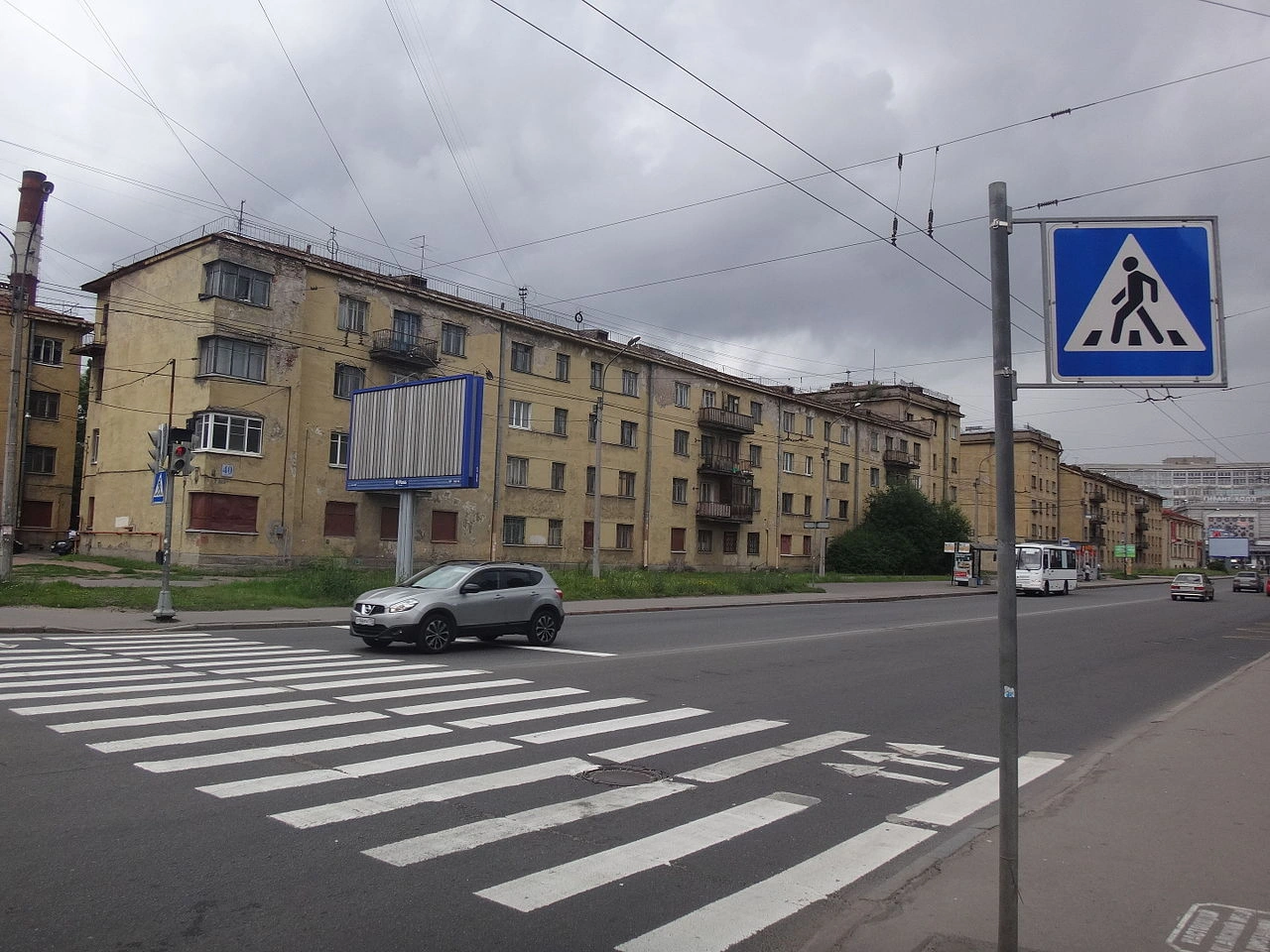
Passage pour piétons
What is a pedestrian crossing?

A pedestrian crossing is a designated place for pedestrians to cross a road. It may be controlled by traffic lights or operate without signals.

How can you recognise a pedestrian crossing?

It may be indicated by white road markings, traffic signs, flashing lights, pedestrian signals or a raised crossing. Its appearance varies between countries.

Is a pedestrian crossing the same as a zebra crossing?

A zebra crossing is a type of pedestrian crossing marked by broad contrasting stripes or rectangles. Not every pedestrian crossing uses this design.

Do pedestrians always have priority?

Not universally. Priority depends on local law, traffic signals and whether the pedestrian is already crossing or clearly preparing to cross.

Must drivers stop for pedestrians waiting beside the crossing?

This depends on local law. In many countries, drivers must give way when a pedestrian is clearly intending or preparing to enter the crossing.

How should drivers approach a pedestrian crossing?

Reduce speed, observe both sides of the road and be prepared to stop. Pay particular attention to children, older people and persons with limited mobility.

May you enter a crossing when traffic is congested?

No. Do not enter when traffic ahead may force you to stop on the crossing and block pedestrians.

Where should you stop for a pedestrian?

Stop before the crossing or before the applicable stop line. Leave the crossing completely clear.

May you overtake near a pedestrian crossing?

Overtaking may be prohibited, particularly when another vehicle has stopped or slowed for the crossing. Even where no specific prohibition applies, overtaking is unsafe when pedestrians may be hidden from view.

May you stop or park on a pedestrian crossing?

Normally not. Stopping or parking on or immediately before a crossing can obstruct pedestrians and hide them from approaching drivers.

Does a pedestrian crossing impose a speed limit?

Not by itself. Drivers must respect the applicable speed limit and reduce their speed further when necessary to stop safely.

Do traffic lights change the priority rules?

Yes. Drivers and pedestrians must follow the signals applying to them. Drivers must still allow pedestrians who lawfully started crossing to finish safely.

May pedestrians cross when their signal is red?

No. Pedestrians must wait when the pedestrian signal prohibits them from entering the road.

What if the pedestrian signal changes while someone is crossing?

A pedestrian who entered lawfully should continue at a normal pace. Drivers must allow the crossing to be completed safely.

May cyclists ride across a pedestrian crossing?

This depends on local law. In many countries, a person riding a bicycle is treated as a driver and does not receive pedestrian priority. A cyclist walking beside the bicycle is normally treated as a pedestrian.

Is a pedestrian crossing also a cycle crossing?

Not automatically. A separate cycle crossing, cycle path or combined crossing may be indicated by additional markings or signs.

Must pedestrians use a nearby crossing?

Some countries require pedestrians to use a crossing when one is located within a specified distance. Other countries allow crossing elsewhere when it can be done safely.

May pedestrians remain standing on the crossing?

No. Pedestrians should cross without unnecessary delay and should not obstruct traffic by stopping or lingering on the road.

Does a raised pedestrian crossing change priority?

The raised surface itself does not necessarily determine priority. Drivers and pedestrians must follow the crossing markings, signs, signals and local rules.

What should drivers check when turning across a crossing?

Check for pedestrians approaching from both sides and give way where required. Turning drivers should not focus only on motor traffic.

What should pedestrians do before crossing?

Observe approaching traffic, make sure drivers have sufficient time to react and cross carefully. Priority does not remove the need to avoid stepping into the path of a vehicle that cannot stop safely.

20. Passage à niveau

Un passage à niveau est un endroit où une route ou un chemin croise des voies ferrées au même niveau. Il peut être protégé par des barrières, des feux d’avertissement, des sonneries, des panneaux de signalisation ou une combinaison de ces dispositifs.

Les usagers doivent approcher avec prudence et ne jamais s’engager lorsqu’un train approche, que les signaux d’avertissement sont actifs ou que la sortie est bloquée. Ils doivent traverser sans délai et ne jamais s’arrêter, attendre ou se retrouver immobilisés sur les voies.

What is a railway crossing?

A railway crossing is a place where a road or path crosses railway tracks at the same level.

What is another name for a railway crossing?

It may also be called a level crossing or, particularly in North America, a railroad crossing.

How can you recognise a railway crossing?

It may be indicated by warning signs, crossbuck signs, barriers, flashing lights, bells or road markings. The design differs between countries.

What is the difference between a crossing with and without barriers?

A protected crossing uses full or partial barriers to block road traffic when a train approaches. A crossing without barriers relies on signs, lights, bells or the road user’s own observation.

Must you always stop at a railway crossing?

Not necessarily. You must stop when required by lights, barriers, signs, an approaching train or an authorised person. At an unprotected crossing, slow down and proceed only after checking that no train is approaching.

What do flashing red lights mean?

Flashing red lights mean stop and do not enter the crossing. Remain stopped until the signal permits you to continue.

May you cross while a barrier is moving?

No. Do not enter while a barrier is lowering, rising or closed. Wait until the crossing is fully open and all prohibiting signals have stopped.

May you drive around a closed barrier?

No. Never drive, cycle or walk around or underneath a closed or moving barrier.

What does a warning bell mean?

A warning bell or audible signal normally means that the crossing is closing or that a train is approaching. Do not enter the crossing while it is sounding.

What does a flashing white light mean?

In some countries, a flashing white light indicates that the crossing equipment is operating and road users may pass when the route is clear. Its exact meaning depends on local law.

What should you do at a crossing without lights or barriers?

Reduce speed, look and listen carefully in both directions and cross only after making sure that no train or other rail vehicle is approaching.

May you cross immediately after a train has passed?

Not automatically. Another train may approach on a second track. Wait until all warning signals stop and the crossing is fully open.

What if traffic ahead is blocking the exit?

Do not enter the crossing unless there is enough room beyond the tracks for your entire vehicle. Never rely on traffic moving before a train arrives.

May you wait on the tracks?

No. Railway tracks must always remain clear. Do not stop because of congestion, traffic lights or another obstruction beyond the crossing.

May you overtake at a railway crossing?

Overtaking is often prohibited or restricted because another vehicle can obstruct the view of an approaching train or warning signal. Follow local signs and overtaking rules.

May you stop or park on a railway crossing?

No. Stopping or parking on the tracks creates an immediate and potentially fatal danger.

Do the crossing signals apply to pedestrians and cyclists?

Yes. Pedestrians and cyclists must obey barriers, lights, bells and authorised personnel in the same way as other road users.

Should cyclists ride across the tracks at an angle?

Where possible, cross the rails at an angle close to 90 degrees. Rails can trap a bicycle wheel, especially when they are wet or cross the road diagonally.

What should drivers of long vehicles check?

Make sure the entire vehicle and any trailer can clear the crossing without stopping. Consider the available space, road gradient, turning room and traffic beyond the tracks.

What should drivers of high vehicles check?

Observe all height restrictions and warning signs. Electrified railway lines may have overhead equipment that can be struck by an excessively high vehicle or load.

What should you do if the signals appear defective?

Treat the crossing with extreme caution. Do not assume that no train is approaching merely because the lights or barriers are not operating.

What should you do if your vehicle becomes stuck on the tracks?

Evacuate everyone immediately, move well away from the railway and contact the emergency services or railway operator. Do not remain in the vehicle or return for belongings.

Is a railway crossing the same as tram tracks in the road?

Not always. A railway crossing normally crosses tracks that are separate from the carriageway, while tram or street-running railway tracks may form part of the road itself.

21. Direction obligatoire

Un panneau de direction obligatoire impose aux conducteurs de circuler uniquement dans la direction ou l’une des directions indiquées par sa ou ses flèches. Il peut obliger à continuer tout droit, à tourner ou à contourner un obstacle par un côté déterminé.

Le panneau ne détermine pas à lui seul la priorité ou la vitesse. Les conducteurs doivent toujours utiliser la voie appropriée, signaler lorsque cela est requis et céder le passage conformément à la signalisation et à la réglementation locales.

What does a mandatory-direction sign mean?

It requires drivers to follow the direction or one of the directions shown by the arrow or arrows.

How can you recognise a mandatory-direction sign?

It is commonly a blue circular sign with one or more white arrows. Colours and designs may differ in some countries.

What does an upward arrow mean?

It normally means that drivers must continue straight ahead and may not turn in another direction at that location.

What does a left or right arrow mean?

It normally requires drivers to turn or proceed in the direction shown by the arrow.

What do two arrows mean?

Drivers may choose one of the displayed directions. Any direction not shown is prohibited.

What does an arrow beside an obstacle mean?

It requires drivers to pass the traffic island, barrier, roadworks equipment or other obstruction on the side indicated by the arrow.

Is a mandatory-direction sign the same as a one-way sign?

No. A mandatory-direction sign prescribes a movement at a particular location. A one-way sign indicates the permitted direction along a road or carriageway.

Is it the same as a no-turn sign?

No. A mandatory sign states which direction must be followed, while a prohibition sign states which movement is forbidden. Both may produce a similar practical result.

Does the sign impose a speed limit?

No. Drivers must follow the applicable general, zonal or posted speed limit and reduce speed when necessary to complete the required movement safely.

Does the sign give you priority?

No. You must still obey traffic lights, priority signs and the ordinary rules concerning oncoming traffic, pedestrians, cyclists and other road users.

When does the obligation begin?

It normally applies at the sign, intersection or obstacle associated with it. An advance sign may indicate that the obligation begins farther ahead.

Can a mandatory-direction sign apply to only one lane?

Yes. When it is positioned above a particular lane or clearly associated with that lane, it normally applies only to traffic using that lane.

Can road arrows also prescribe a direction?

Yes. Lane arrows may require drivers to use a particular lane and follow one of the directions displayed within that lane.

Must you use an indicator?

Yes, when the required movement involves turning or changing position and local law requires signalling. The sign does not replace the obligation to indicate.

Does signalling give you priority?

No. An indicator communicates your intention but does not allow you to force another road user to brake or change direction.

May you make a U-turn?

Not when doing so would conflict with the mandatory direction or another prohibition. Drivers must follow the permitted route shown by the signs and markings.

May you reverse to avoid following the sign?

No. Reversing must not be used to evade a mandatory direction. Continue along a lawful route and turn around later where permitted.

Does the sign apply to cyclists?

Cyclists are normally treated as drivers and must obey the sign unless a supplementary panel or local rule expressly exempts them.

Can other road users be exempted?

Yes. Supplementary signs may exempt or separately regulate cyclists, public transport or other specified categories where local law permits this.

What if the required route is blocked?

Do not enter a closed or unsafe route. Stop where safe and follow temporary signs, traffic lights or instructions from authorised personnel.

Do traffic lights cancel a mandatory-direction sign?

Not normally. Traffic lights determine when traffic may proceed, while the mandatory-direction sign determines which movement is permitted.

Do police instructions override the sign?

Yes. Instructions from an authorised traffic officer normally take precedence over traffic signs and ordinary traffic rules.

Can a temporary mandatory-direction sign be binding?

Yes. Properly placed temporary signs at roadworks, incidents or events must be obeyed.

What is a mandatory route for dangerous-goods vehicles?

It requires vehicles carrying specified dangerous goods to follow a designated route suitable for their cargo and any applicable tunnel restrictions.

When does the mandatory direction end?

The obligation is normally completed after the driver has followed the required direction at the intersection or passed the obstacle on the indicated side.

22. Zone scolaire

Une zone scolaire est une route ou un ensemble de routes proches d’une école où de nombreux enfants peuvent marcher, faire du vélo, traverser la route ou monter et descendre de véhicules. Elle peut être indiquée par des panneaux d’avertissement, panneaux de zone, marquages routiers, dispositifs de modération de la circulation ou feux clignotants.

Des limitations de vitesse particulières, restrictions de stationnement ou règles d’accès peuvent s’appliquer en permanence ou seulement aux heures d’arrivée et de sortie de l’école. Les conducteurs doivent réduire leur vitesse, surveiller attentivement les enfants et être prêts à s’arrêter.

What is a school area?

A school area is a road or group of roads near a school where drivers should expect large numbers of children, pedestrians, cyclists and stopping vehicles.

How can you recognise a school area?

It may be identified by school warning signs, speed-zone signs, flashing lights, road markings, coloured surfacing or traffic-calming measures. The signs differ between countries.

Does every road beside a school have special legal rules?

No. Special school-area rules normally apply only where signs, signals or local legislation establish them.

What is the speed limit in a school area?

There is no universal school-area speed limit. The applicable limit depends on the country, region, signs and whether a variable restriction is active.

Is the school-area speed limit always active?

Some limits apply permanently, while others apply only during displayed times or when flashing or variable signs are active. Drivers must observe the actual sign arrangement.

Must you drive below the displayed limit?

Yes, when necessary. The displayed speed is a maximum. Children, congestion, poor visibility or vehicles stopping near the school may require a much lower speed.

Why are children especially vulnerable in traffic?

Children may have difficulty judging speed and distance, may be hidden by parked vehicles and may enter the road unexpectedly.

How should you approach a school area?

Reduce speed early, increase your observation and be prepared for children crossing, cyclists changing direction, vehicle doors opening and cars stopping suddenly.

Do children automatically have priority everywhere?

No. Priority depends on crossings, traffic lights, authorised crossing supervisors and local rules. Drivers must nevertheless take exceptional care to avoid endangering children.

Must you obey a school crossing supervisor?

Yes. Drivers and other road users must follow lawful instructions given by an authorised person controlling traffic for children.

May children cross away from a pedestrian crossing?

This depends on local pedestrian rules. Drivers should remain prepared for children to cross unexpectedly, even where they are required to use a nearby crossing.

Does a school sign create pedestrian priority?

Not by itself. A school warning sign alerts drivers to children but does not normally create the legal effect of a pedestrian crossing.

Does a school area change intersection priority?

No. Traffic lights, priority signs and the ordinary intersection rules remain applicable unless another traffic arrangement provides otherwise.

May you overtake in a school area?

Overtaking may be restricted by signs or local law. Even where it is permitted, drivers should not overtake when children, crossings, limited visibility or stopped vehicles make the manoeuvre unsafe.

May you stop to drop off a child?

Only where stopping is permitted and can be completed safely. Do not stop on a crossing, pavement, bike path, bus stop or another prohibited or dangerous location.

May you park near a school entrance?

Follow the parking signs and markings. Do not block entrances, pavements, bike paths, crossings, visibility or access for buses and emergency vehicles.

Why is double parking dangerous near a school?

It blocks traffic and visibility and may force children to walk between moving vehicles or enter the road from behind an obstruction.

What should you watch for near school buses?

Expect children to enter or leave the vehicle and possibly cross the road. Reduce speed and follow any special warning lights, signs or local school-bus rules.

May cyclists ride through a school area?

Normally, yes. They must follow the applicable road, bike-path, speed and priority rules. Drivers should expect inexperienced young cyclists.

Is a school area the same as a school street?

No. A school area normally remains open to traffic under special caution or speed rules. A school street temporarily restricts or excludes motor traffic during specified periods.

Is a school area the same as a Zone 30?

Not universally. A school area may form part of a Zone 30, use another speed limit or have a variable restriction that applies only at particular times.

When do the school-area rules end?

They normally end at an end sign, at the end of the stated time period or when the variable signal is no longer active. The surrounding road rules then apply.

23. Dépassement

Le dépassement consiste à passer devant un autre usager circulant dans la même direction. Il implique normalement de changer de position ou de voie, de dépasser l’usager plus lent puis de revenir à la position appropriée lorsque cela peut être fait en sécurité.

Avant de dépasser, un conducteur doit s’assurer que la visibilité et l’espace sont suffisants, vérifier les rétroviseurs et angles morts, signaler lorsque cela est requis et s’assurer qu’aucun autre usager n’est déjà en train de le dépasser. La manœuvre doit être achevée sans dépasser la limitation de vitesse ni mettre en danger les autres usagers.
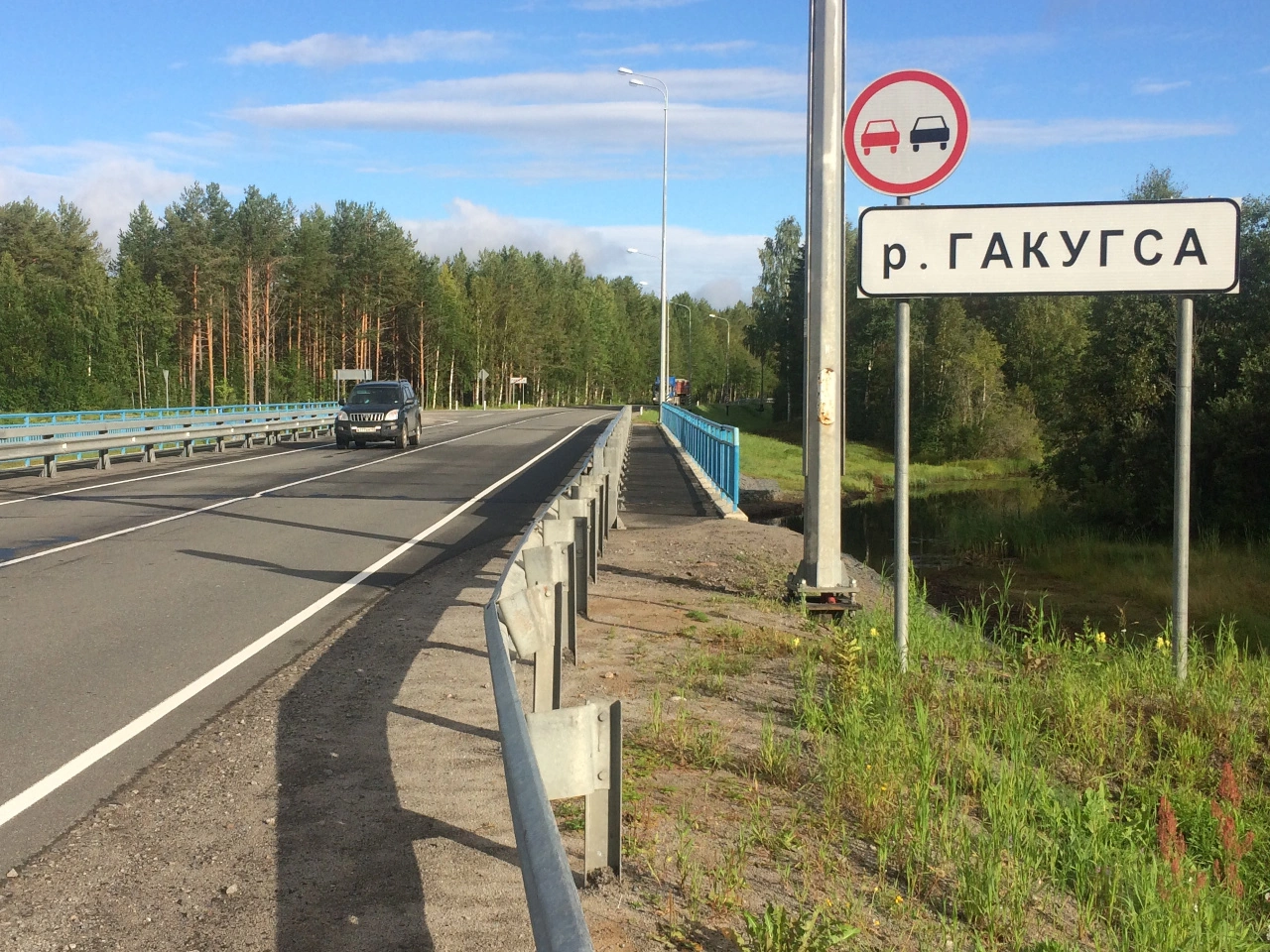
Dépassement
On which side should you overtake?

In right-hand traffic countries, overtaking normally takes place on the left. In left-hand traffic countries, it normally takes place on the right. National rules can provide exceptions in particular situations.

What should you check before overtaking?

Make sure there is sufficient visibility and space, check mirrors and blind spots, ensure that nobody behind has already started overtaking and confirm that you can safely return to your normal position after passing.

When should you not overtake?

Do not overtake where signs or road markings prohibit it or where visibility, approaching traffic, intersections, crossings, bends, hills or other conditions make the manoeuvre unsafe.

24. Traversée d’animaux

Un avertissement de traversée d’animaux indique un endroit ou une section où des animaux sauvages, du bétail ou des animaux montés peuvent pénétrer sur la route ou la traverser. Les animaux peuvent apparaître soudainement, se déplacer de manière imprévisible ou être difficiles à voir dans l’obscurité, la végétation ou par mauvais temps.

Les conducteurs doivent réduire leur vitesse, surveiller les deux côtés de la route et rester prêts à s’arrêter. Le panneau d’avertissement ne donne pas à lui seul la priorité aux animaux et n’impose pas une limitation numérique, mais les conducteurs doivent éviter de les effrayer, de les mettre en danger ou de les heurter.

What does an animals-crossing sign mean?

It warns that animals may enter or cross the road in the area ahead.

Which animals may the sign refer to?

Depending on the symbol and local conditions, it may refer to deer, cattle, horses, sheep, goats, wild boar or other animals.

How can you recognise an animals-crossing sign?

It is commonly a triangular warning sign displaying the silhouette of an animal. The species shown may indicate the type of animal most likely to be encountered.

Does the sign mean animals are always present?

No. It indicates an increased likelihood of animals crossing, not that animals will be present every time.

Does the sign impose a speed limit?

No. The normal posted or general speed limit remains applicable, but drivers must reduce speed when necessary to react safely.

Do animals have priority because of the sign?

No automatic priority is created by the warning sign. Drivers must nevertheless avoid danger and allow animals already on the road to pass safely.

How should you approach an animal-crossing area?

Reduce speed, increase your following distance and scan the road, verges, fields and vegetation for movement or reflected eyes.

When are wild animals most likely to appear?

Animal activity is often greater around dawn, dusk and darkness, although animals may cross at any time.

Why should you expect more than one animal?

Many animals travel in groups. When one animal crosses, others may follow immediately from the same direction.

Should you sound the horn?

Avoid unnecessary horn use or engine revving because it may frighten an animal and make its movement less predictable. Use a warning only when reasonably necessary to prevent danger.

Should you use full-beam headlights?

Use the appropriate lights without dazzling other road users. When an animal is visible, reduce speed and avoid relying on full beam to make it move away.

What should you do when an animal is on the road?

Slow down smoothly, stop when necessary and allow it enough time and space to leave. Avoid sudden acceleration or aggressive steering.

Should you swerve to avoid an animal?

Avoid an uncontrolled swerve that could cause a collision with another vehicle, tree, barrier, cyclist or pedestrian. Brake firmly while maintaining control and steer only when a safe escape path is clearly available.

How should you pass livestock?

Pass only when the animals and their handlers have sufficient space. Drive slowly, avoid noise and be prepared for an animal to change direction unexpectedly.

How should you pass a horse and rider?

Reduce speed, leave a large lateral distance and pass quietly. Avoid sounding the horn, accelerating sharply or passing when oncoming traffic prevents sufficient clearance.

Must you follow instructions from an animal handler?

Follow lawful instructions from an authorised person and cooperate with handlers controlling animals on or across the road.

May you overtake near an animal crossing?

The warning sign does not necessarily prohibit overtaking, but overtaking should be avoided when animals, limited visibility or approaching traffic make the manoeuvre unsafe.

What if an animal appears behind another vehicle?

Maintain enough following distance to see beyond the vehicle ahead. Be prepared for it to brake suddenly when an animal enters the road.

What should motorcyclists and cyclists do?

Reduce speed, keep both hands firmly in control and avoid sudden movements. Animals may react unexpectedly to quiet or fast-approaching two-wheeled vehicles.

What should you do after hitting an animal?

Stop safely, activate the hazard warning lights and check for injured people. Contact the emergency services or police when necessary and do not approach a wounded wild animal, which may defend itself.

Should you move an injured or dead wild animal?

Normally not. Keep a safe distance and allow the police, wildlife authorities or an animal-rescue service to handle it.

Can animals be present without a warning sign?

Yes. Drivers remain responsible for observing the road and adjusting their speed even where no animal warning sign is displayed.

25. Chaussée glissante

Une chaussée glissante offre une adhérence réduite des pneus et peut rendre la direction, le freinage et l’accélération moins efficaces. Une route peut devenir glissante à cause de la pluie, de la glace, de la neige, de la boue, de l’huile, de matériaux meubles ou d’autres substances sur la surface. Les conducteurs doivent réduire leur vitesse, augmenter la distance de sécurité et éviter les mouvements brusques de direction, freinage ou accélération. Une prudence accrue est nécessaire dans les virages, sur les ponts et partout où l’état de la chaussée change de manière inattendue.
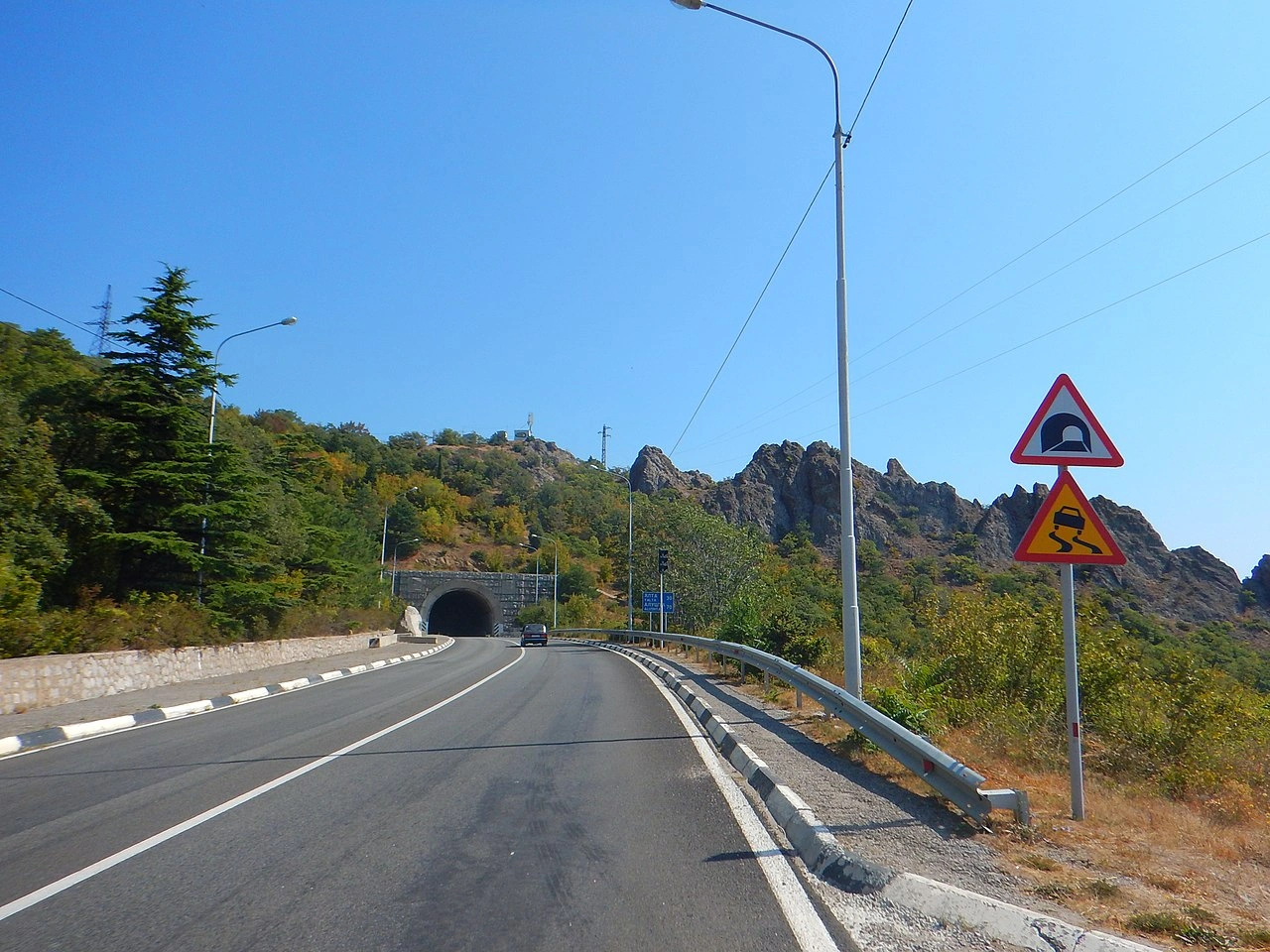
Chaussée glissante
What makes a road slippery?

A road can become slippery because of rain, ice, snow, mud, oil, loose material or other substances that reduce tyre grip.

How should you drive on a slippery road?

Reduce speed, increase your following distance and use smooth steering, braking and acceleration. Sudden movements can cause the tyres to lose grip.

Why does braking distance increase on a slippery road?

Reduced tyre grip means the tyres cannot generate as much braking force, so the vehicle may need a longer distance to slow down or stop.

Can a road be slippery even when it looks dry?

Yes. Oil, dust, loose material or a thin layer of ice can reduce grip even when the road does not appear obviously wet or slippery.

Are bends more dangerous on slippery roads?

Yes. Turning requires tyre grip, so a slippery surface can make it easier for the vehicle to skid or leave its intended path, especially at higher speeds.

What should you do if your vehicle starts to skid?

Stay calm and avoid sudden braking or steering. Make smooth corrections and allow the tyres to regain grip. The correct response can depend on the vehicle and its safety systems.