逆走オーストラリア

わかりやすい説明と視覚的な例を使った図解付きの本で、交通ルールをシンプルかつ楽しく学べます。


26. 逆走

逆走は、法律で定められた交通方向に反して走行することです。一方通行道路、分離道路、高速道路の入口・出口、その他一方向専用区間で発生することがあります。

逆走は正面衝突の極めて高い危険を生みます。方向標識、進入禁止標識、車線矢印、路面表示に従わなければなりません。誤って逆方向へ進入した場合は減速し、他車へ警告し、可能な限り安全な場所で停止して緊急サービスへ連絡します。
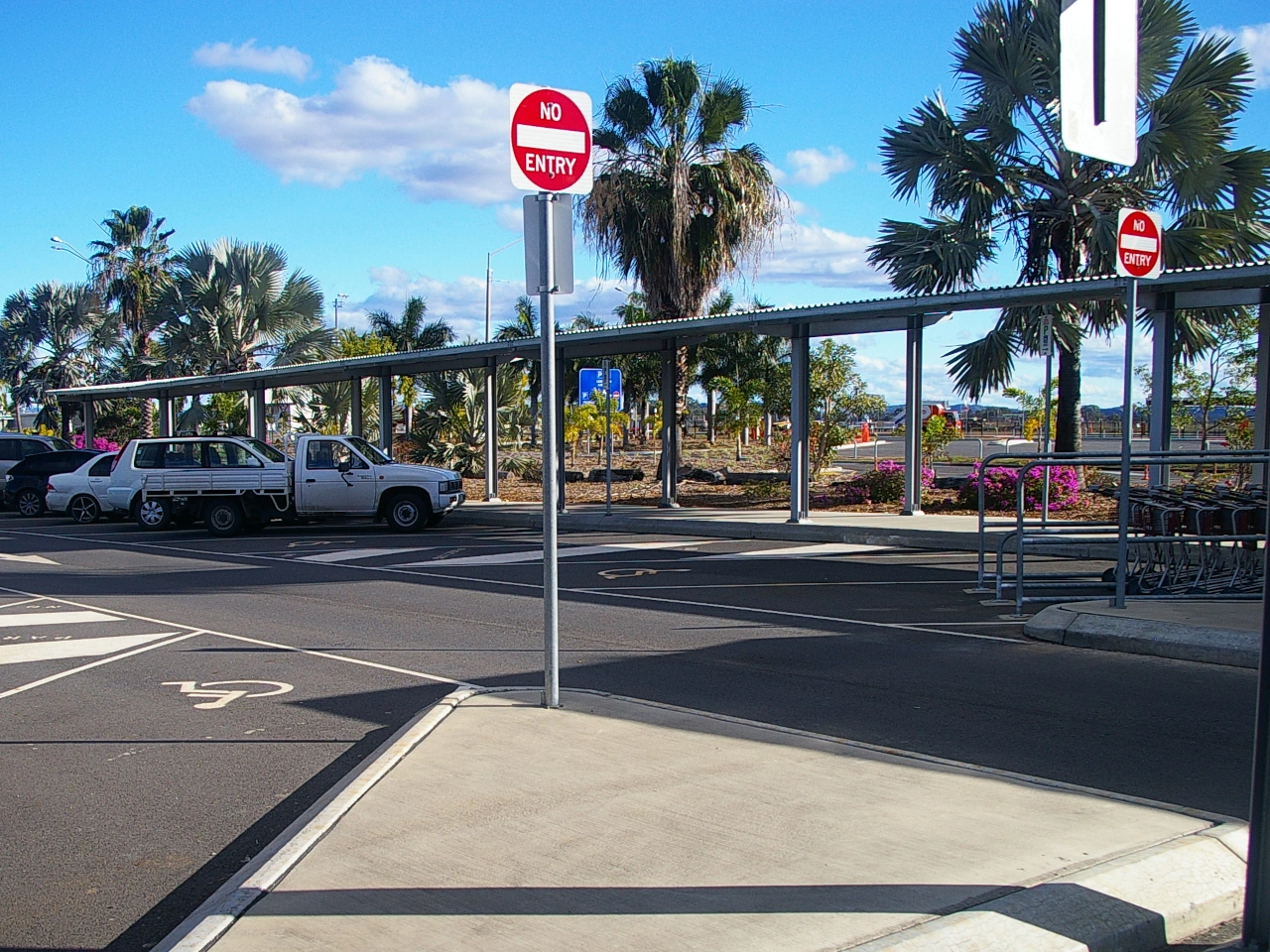
逆走
What is wrong-way driving?

Wrong-way driving means travelling against the legally permitted direction of traffic.

Where can wrong-way driving occur?

It can occur on one-way streets, divided roads, motorways, slip roads, tunnels, car parks and temporary traffic arrangements.

Why is wrong-way driving especially dangerous?

Other drivers do not expect approaching traffic in their lane, and the combined speeds can make a head-on collision extremely severe.

How can you recognise a prohibited direction?

Look for no-entry signs, one-way signs, mandatory-direction signs, lane arrows and road markings. Motorway exits may also have repeated signs or warning systems facing the wrong direction.

Is wrong-way driving the same as entering a no-entry road?

Entering past a no-entry sign can cause wrong-way driving, but the term also covers turning around on a divided road or using the wrong carriageway without passing such a sign.

Is driving against a one-way street always prohibited?

Normally, yes. However, signs may expressly permit certain road users, such as cyclists or public transport, to travel in the opposite direction.

Is authorised contraflow traffic wrong-way driving?

No. A cyclist, bus or other road user travelling in an expressly authorised contraflow lane or direction is using the road legally.

Can roadworks temporarily change the normal direction?

Yes. Temporary signs, barriers, lane signals and markings may redirect traffic onto another lane or carriageway. Follow the temporary arrangement rather than the usual road layout.

What should you do when you see a wrong-way driver?

Reduce speed immediately, keep as far as safely possible towards the outer edge of your carriageway and avoid sudden lane changes. Warn the police or emergency services as soon as this can be done safely.

Should you attempt to stop the wrong-way driver?

No. Do not block, chase or turn after the vehicle. Protect yourself and allow trained emergency services to intervene.

Should you flash your headlights?

A brief warning may help the driver recognise the error, but avoid prolonged or aggressive signalling that could cause panic or an unpredictable manoeuvre.

Should you sound the horn?

Use the horn only when reasonably necessary to warn of immediate danger. Your first priority is to reduce speed and create as much safe space as possible.

Should you stop in a live traffic lane?

Normally not. Sudden stopping may cause a rear-end collision. Slow down and move towards a safe shoulder, refuge or other protected location where possible.

What should you do after receiving a wrong-way-driver warning?

Reduce speed, stop overtaking, increase your following distance and remain in the lane or position recommended by the local authorities or warning system.

Should you continue using the overtaking lane?

Avoid unnecessary use of lanes nearest opposing or central traffic when a wrong-way driver has been reported. Follow local emergency guidance and electronic signs.

What should you do if you are driving in the wrong direction?

Slow down immediately, activate the hazard warning lights and use dipped headlights where required. Move to the safest available edge or shoulder and stop.

Should you accelerate to reach the next exit?

No. Increasing speed greatly increases the collision risk. Stop safely and wait for instructions from the police.

Should you make a U-turn across traffic?

No. Do not turn across live lanes, cross a central reservation or attempt to correct the mistake through another dangerous manoeuvre.

Should you reverse back to the entrance?

No. Reversing against traffic or along a motorway slip road creates additional danger. Stop safely and contact the emergency services.

Should you leave the vehicle after stopping?

This depends on the location and immediate danger. Remain protected from moving traffic and follow instructions from the emergency services. Do not stand in a live lane.

How should you contact the emergency services?

Stop safely before using a handheld phone. A passenger may call while the vehicle is moving when local law permits and this can be done without distracting the driver.

What information should you report?

Report the road name or number, direction, nearby exit or landmark, vehicle description and the wrong-way driver’s approximate location and direction.

What commonly causes wrong-way driving?

Possible causes include confusion at junctions, poor visibility, unfamiliar roads, impairment, navigation errors, turning around illegally or deliberately ignoring traffic signs.

How can drivers prevent entering the wrong direction?

Slow down at unfamiliar junctions, read signs before turning, verify the road layout and do not rely exclusively on navigation instructions.

Does a navigation system override traffic signs?

No. Traffic signs, signals, markings and instructions from authorised persons always take precedence over navigation guidance.

1 オーストラリア 2 高速道路 3 住宅地域 4 速度制限 5 推奨速度 6 自転車道 7 歩行者注意 8 橋 9 速度抑制ハンプ 10 有料道路 11 一方通行 12 勾配 13 バス停 14 一時停止標識 15 譲れ 16 ラウンドアバウト 17 横断歩道 18 踏切 19 指定方向 20 右左折禁止 21 学校周辺 22 動物横断 23 滑りやすい道路 24 カーブ 25 シェブロン標識 26 逆走 27 高さ制限 28 速度取締表示 29 選択式バリア 30 信号機 31 信号機あり警戒 32 歩行者信号 33 路面標示 34 左側通行 35 運転免許証 36 位置標識 37 非常電話 38 駐車禁止 39 停車禁止 40 障害者用駐車 41 交通管理 42 後退 43 Uターン 44 無規制交差点 45 制限外積載物 46 ナンバープレート 47 充電ステーション 48 地域交通 49 モペッド 50 トラック 51 バス 52 警察 53 救急車 54 ポットホール 55 通路 56 粒子状物質 57 大気汚染 58 ラッシュアワー 59 交通法規 60 双方向交通 61 道路側溝 62 カーゴバイク 63 林業車両 64 建設車両 65 セミトレーラートラック 66 トロリーバス 67 スピードペデレック 68 配送車両 69 アイドリング 70 レッカー車 71 四輪駆動 72 自転車 73 オートバイ装備 74 トラム 75 軌道 76 キャラバン 77 トレーラー 78 牽引ヒッチ 79 消防車 80 サイレン 81 車列 82 緊急車両の警光灯 83 農業機械 84 電動自転車 85 電気自動車 86 ペデレック 87 クアドリシクル 88 マイクロカー 89 全地形対応車 90 バン 91 キャンピング車 92 スクーター 93 Trikke 94 パーソナルモビリティ 95 スケートボード 96 セグウェイ 97 キックスクーター 98 ローラースケート 99 郵便配達員 100 ヒッチハイカー ...