高さ制限オーストラリア

わかりやすい説明と視覚的な例を使った図解付きの本で、交通ルールをシンプルかつ楽しく学べます。


27. 高さ制限

高さ制限は、表示された値を超える全高の車両が道路区間、橋、トンネル、門、その他の構造物へ進入・通過することを禁止します。車両高には積荷や上部へ取り付けた装備も含まれます。

背の高い車両の運転者は正確な全高を把握し、事前警告に従い、必要なら別ルートを使用します。安全な高さの余裕が不明な場合、目視だけに頼ったり無理に通過したりしてはいけません。
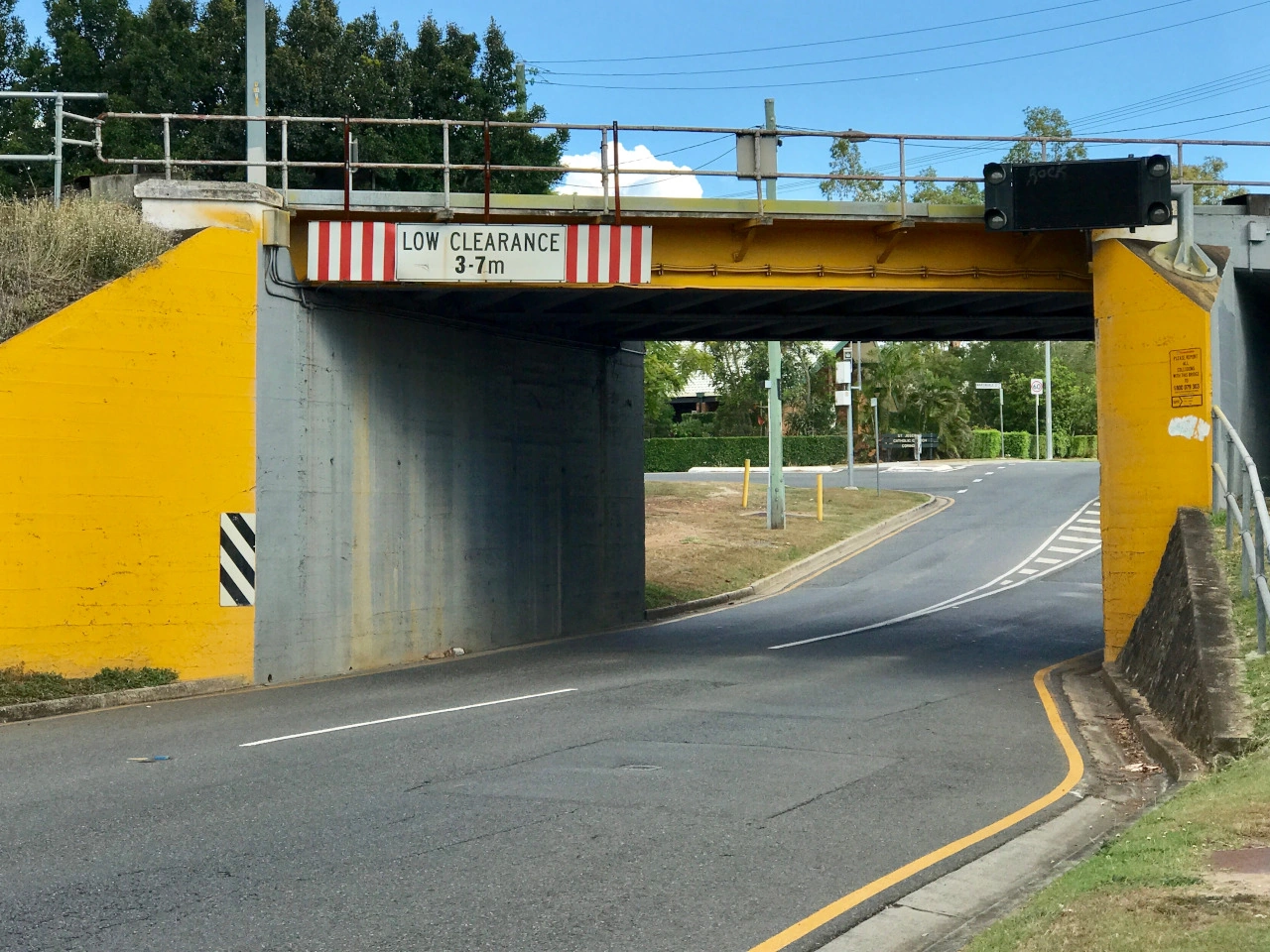
高さ制限
What does a height-limit sign mean?

It prohibits vehicles whose total height exceeds the displayed value from continuing beyond the sign.

How can you recognise a height-limit sign?

It is commonly a circular regulatory sign showing a height in metres, feet or another local unit between vertical arrows.

What is included in the vehicle’s total height?

The height includes the vehicle, its load and any attached equipment, such as roof boxes, bicycles, machinery, antennas or raised loading equipment.

Does the limit apply to trailers?

Yes. Every part of a vehicle combination must fit beneath the restriction, including the towing vehicle, trailer and load.

Does the sign show the exact physical clearance?

Not necessarily. Road authorities may display a lower value than the measured clearance to provide a safety margin.

May a vehicle exactly as high as the displayed value pass?

The legal wording commonly prohibits vehicles higher than the displayed value, but drivers should not attempt to pass without a practical safety margin. Measurement errors, movement and road conditions can reduce the available clearance.

How can a vehicle’s height change?

Loading, tyre pressure, suspension settings, raised equipment, replacement tyres and road movement can alter the vehicle’s total height.

Can air suspension affect the height?

Yes. The vehicle may rise or lower depending on its suspension mode, speed and load. Use the maximum travelling height when planning the route.

Can the clearance vary between lanes?

Yes. An arched bridge, tunnel roof or overhead structure may provide different clearance in each lane. Follow lane-specific signs and markings.

Can the clearance vary across the width of one lane?

Yes. Clearance may be lower near the edge of an arch or where the road slopes sideways. Remain within the authorised marked path.

Can resurfacing reduce the available clearance?

Yes. A new road surface can raise the road level and reduce the space beneath a bridge or structure.

Can snow, water or road debris affect clearance?

Yes. Material on the road can raise the vehicle or restrict the usable route. Flooding may also conceal the road surface or another hazard.

Where are height restrictions commonly found?

They are common at bridges, tunnels, car parks, loading areas, gateways, railway structures and roads with overhead equipment.

Is a height-limit sign a warning or a prohibition?

It is normally a prohibition. A vehicle that exceeds the displayed height may not pass.

Does a height-limit sign impose a speed limit?

No. The applicable road or posted speed limit remains in force, although drivers should approach cautiously.

Does the sign change priority?

No. Traffic lights, priority signs and ordinary priority rules remain applicable.

Can a height restriction be announced in advance?

Yes. An advance sign may show the restriction and the distance to it so that high vehicles can choose another route.

What should you do when your vehicle is too high?

Do not continue. Stop where safe and follow the signed diversion or another suitable route. Do not reverse into traffic without assistance.

Should you rely on a navigation system?

No. Navigation may contain outdated or incomplete vehicle restrictions. Traffic signs and the actual road conditions always take precedence.

Should professional drivers know their vehicle’s height?

Yes. Drivers of trucks, buses, motorhomes and vehicles carrying roof loads should know and, where useful, display the vehicle’s maximum travelling height inside the cab.

What should you do when uncertain about your height?

Stop before the restriction in a safe place and verify the vehicle’s height. Choose another route when safe clearance cannot be confirmed.

May you move into another lane with greater clearance?

Only when signs and markings permit it and the manoeuvre can be completed safely. Do not cross a closed lane, continuous line or opposing traffic merely to gain clearance.

May you lower or remove equipment to pass?

Only in a safe place and when the equipment can be secured correctly afterwards. Never stop beneath the structure or in a live lane to alter the vehicle.

What should you do if your vehicle strikes a bridge?

Stop immediately where safe, activate the hazard warning lights and contact the emergency services or police. Do not continue because the vehicle, load or structure may be unstable.

Should traffic continue beneath a struck bridge?

No, when damage may have occurred. Keep away from the structure and follow instructions from the police, road authority or railway operator.

1 オーストラリア 2 高速道路 3 住宅地域 4 速度制限 5 推奨速度 6 自転車道 7 歩行者注意 8 橋 9 速度抑制ハンプ 10 有料道路 11 一方通行 12 勾配 13 バス停 14 一時停止標識 15 譲れ 16 ラウンドアバウト 17 横断歩道 18 踏切 19 指定方向 20 右左折禁止 21 学校周辺 22 動物横断 23 滑りやすい道路 24 カーブ 25 シェブロン標識 26 逆走 27 高さ制限 28 速度取締表示 29 選択式バリア 30 信号機 31 信号機あり警戒 32 歩行者信号 33 路面標示 34 左側通行 35 運転免許証 36 位置標識 37 非常電話 38 駐車禁止 39 停車禁止 40 障害者用駐車 41 交通管理 42 後退 43 Uターン 44 無規制交差点 45 制限外積載物 46 ナンバープレート 47 充電ステーション 48 地域交通 49 モペッド 50 トラック 51 バス 52 警察 53 救急車 54 ポットホール 55 通路 56 粒子状物質 57 大気汚染 58 ラッシュアワー 59 交通法規 60 双方向交通 61 道路側溝 62 カーゴバイク 63 林業車両 64 建設車両 65 セミトレーラートラック 66 トロリーバス 67 スピードペデレック 68 配送車両 69 アイドリング 70 レッカー車 71 四輪駆動 72 自転車 73 オートバイ装備 74 トラム 75 軌道 76 キャラバン 77 トレーラー 78 牽引ヒッチ 79 消防車 80 サイレン 81 車列 82 緊急車両の警光灯 83 農業機械 84 電動自転車 85 電気自動車 86 ペデレック 87 クアドリシクル 88 マイクロカー 89 全地形対応車 90 バン 91 キャンピング車 92 スクーター 93 Trikke 94 パーソナルモビリティ 95 スケートボード 96 セグウェイ 97 キックスクーター 98 ローラースケート 99 郵便配達員 100 ヒッチハイカー ...