交通ルールインド

わかりやすい説明と視覚的な例を使った図解付きの本で、交通ルールをシンプルかつ楽しく学べます。


1 インド 2 速度制限 3 有料道路 4 バス停 5 一時停止標識 6 ラウンドアバウト 7 横断歩道 8 踏切 9 学校周辺 10 動物横断 11 カーブ 12 道路工事 13 次の交差点で優先 14 信号機 15 運転免許証 16 道路反射鏡 17 停車禁止 18 後退 19 ナンバープレート 20 充電ステーション 21 バス 22 警察 23 救急車 24 ポットホール 25 通路 26 粒子状物質 27 大気汚染 28 ラッシュアワー 29 交通法規 30 道路側溝 31 カーゴバイク 32 林業車両 33 建設車両 34 セミトレーラートラック 35 トロリーバス 36 スピードペデレック 37 配送車両 38 アイドリング 39 レッカー車 40 四輪駆動 41 自転車 42 オートバイ装備 43 軌道 44 キャラバン 45 トレーラー 46 牽引ヒッチ 47 消防車 48 サイレン 49 車列 50 緊急車両の警光灯 51 農業機械 52 電動自転車 53 電気自動車 54 ペデレック 55 クアドリシクル 56 マイクロカー 57 全地形対応車 58 バン 59 キャンピング車 60 スクーター 61 Trikke 62 パーソナルモビリティ 63 スケートボード 64 セグウェイ 65 キックスクーター 66 ローラースケート 67 郵便配達員 68 ヒッチハイカー 69 幼児 70 子ども 71 障害 72 手押し車 73 カートレイン 74 km/h 75 mph 76 速度計 77 車高 78 未舗装土道 79 運転 80 アイドリングストップシステム 81 マニュアルトランスミッション 82 オートマチックトランスミッション 83 スロットル 84 タコメーター 85 ハンドル 86 パワーステアリング 87 スキャニング 88 ミラー 89 燃料 90 燃料計 91 ガソリン 92 ディーゼル燃料 93 ディーゼル排気液 94 自動車保険 95 救急セット 96 消火器 97 高視認性衣類 98 応急手当 99 コンクリートステップバリア 100 バリア ...

1. インド

インドはヒマラヤからインド洋まで広がる南アジアの大国で、西にアラビア海、東にベンガル湾があります。交通は左側通行です。大都市の密集した混合交通、長距離幹線道路、西部の砂漠道路、ヒマラヤの山岳路、モンスーン期の季節的な混乱など、非常に多様な運転環境があります。多言語国家のため、道路情報は英語、ヒンディー語、地域言語で表示されることがあり、州をまたぐと使用言語や文字が変わります。

全国共通の高速道路ヴィネットはありません。多くの国道・高速道路料金はFASTagによる電子徴収が行われ、対象となる非商用車は参加する国道・国営高速道路料金所で年間FASTagパスも利用できます。速度規制は地方分権的で、国の規則は普通乗用車についてアクセス制御高速道路で最大120 km/hなど上限速度を定めますが、州政府や道路管理者はより低い制限を設定できます。地域をまたぐ運転では、掲示された速度制限に従うことが特に重要です。

AI
インドでは道路のどちら側を走りますか?

道路の左側を走行し、通常は右側から追い越します。

インドの緊急通報番号は何番ですか?

全国Emergency Response Support Systemには112へ電話します。警察、消防、救急などの緊急支援へアクセスできます。

インドの飲酒運転のアルコール基準値は?

血液100 mlあたり30 mgを超える血中アルコール濃度(0.3 g/l相当)での運転はMotor Vehicles Actの飲酒運転規定に該当します。最も安全なのは運転前に飲酒しないことです。

インドの市街地の速度制限は?

全国一律の市街地速度制限はありません。普通M1乗用車について中央政府が定める自治体内道路の最高上限は70 km/hですが、州や道路当局はより低い道路別速度を設定することが一般的です。常に掲示速度に従ってください。

インドのアクセス制御高速道路の速度制限は?

普通M1乗用車について、アクセス制御高速道路の全国最高上限は120 km/hです。個別高速道路や区間ではより低い速度が設定・表示される場合があります。

インドの分離道路の速度制限は?

普通M1乗用車について、4車線以上で車道間が物理的に分離された道路の全国最高上限は100 km/hです。州または掲示されたより低い制限が優先します。

インドのその他の道路の速度制限は?

高速道路や高規格分離道路に該当しない道路で、普通M1乗用車の中央政府最高上限は一般に70 km/hです。地方当局はより低い制限を設定できるため、常に道路標識に従います。

インドでは高速道路ヴィネットが必要ですか?

いいえ。インドでは全国共通高速道路ヴィネットを使用していません。特定の国道、高速道路、橋など指定道路施設で通行料金が徴収されます。

インドのFASTagとは何ですか?

FASTagはRFID技術を使う電子道路料金支払制度です。車両にタグを取り付け、対応する料金所で通行料金を電子的に徴収できます。

インドにはFASTag年間パスがありますか?

はい。有効なFASTagを持つ対象非商用車は、参加するNHAIの国道・国営高速道路料金所でFASTag Annual Passを選択できます。12か月または200回の料金所通過のいずれか早い方まで有効です。

インドでは乗用車は昼間もヘッドライトを点灯する必要がありますか?

通常の乗用車について、晴天の昼間すべてでロービームを使用する全国一律義務はありません。インドのAutomatic Headlamp On(AHO)要件の対象となる現代の二輪車は、所定の昼間灯火が自動的に作動します。

インドではシートベルトは義務ですか?

はい。運転者と乗客は規則に従ってシートベルトを使用しなければなりません。州政府は指定された一部の旅客運送車両区分に限定的な免除を設けることができます。

インドでは子どもはいつチャイルドシートを使用する必要がありますか?

自動車に乗る14歳未満の子どもは、安全ベルトまたは適切なチャイルドシートで拘束されなければなりません。多くの欧州諸国と異なり、全国法は一律の135 cm・150 cm基準ではなく年齢基準を使用します。

インドではオートバイのヘルメットは義務ですか?

法定の限定的な例外を除き、公共場所でオートバイを運転・乗車・同乗する4歳を超えるすべての人は、所定の保護ヘルメットを確実に着用しなければなりません。

インドでオートバイに幼児を乗せる場合、どの規則がありますか?

4歳未満の子どもには特別規則があります。所定の安全ハーネスを使用し、9か月から4歳の子どもは適切な保護頭具を着用し、4歳以下の子どもを後部に乗せている間はオートバイの速度を40 km/h以下にしなければなりません。

インドでは運転中に携帯電話を使用できますか?

手に持った通信機器を運転中に使用することは危険運転として扱われます。ナビゲーション機器は、安全な車両制御から運転者の注意をそらさない方法でのみ使用できます。

インドの無規制交差点では誰が優先ですか?

まず交通標識、信号、主要道路の優先規則に従います。それ以外の無規制交差点では慎重に接近し、他の優先規則がない場合は通常右から接近する交通に道を譲ります。

インドのラウンドアバウトでは誰が優先ですか?

すでにラウンドアバウト内を走行している車両が優先です。交差点を規制する信号、標識、警察官の指示にも従います。

インドの横断歩道では歩行者が優先ですか?

運転者は横断歩道へ慎重に接近し、横断歩道を利用している歩行者に道を譲る必要があります。歩行者を危険にさらしたり妨げたりする場合は横断歩道へ進入してはいけません。

インドでは赤信号で左折できますか?

一般に可能です。全国運転規則では、信号・標識などで特に禁止されていない限り、右から接近する交通と進路を横断する歩行者・自転車へ道を譲ってから赤信号で左折できます。

インドではどこでもクラクションを鳴らせますか?

いいえ。不必要または連続的にクラクションを鳴らしたり、静穏区域・クラクション禁止区域など標識で禁止される場所で使用したりしてはいけません。

インドでは緊急車両に道を譲る必要がありますか?

はい。運転者は消防車、救急車など指定緊急車両が警告装置を使用している場合、道路脇へ寄り、自由な通行を確保しなければなりません。

インドの乗用車にはどの安全装備を備えるべきですか?

インドの車両規則では、適切な警告三角表示板と救急セットなどの安全装備に加え、所定の工具や車種別スペア装備が定められています。スペアタイヤ、電球、工具などの具体的要件は車両設計・区分により異なります。

インドでは車両にPollution Under Control証明書が必要ですか?

インドの使用過程車排出ガス検査の対象車両は、有効なPollution Under Control Certificate(PUCC)を持たなければなりません。検査・有効期間の要件は車両、燃料、排出基準などにより異なります。

インドの道路標識ではどの言語が使われますか?

全国で単一の文字言語・文字体系を使用しているわけではありません。道路情報には英語、ヒンディー語、該当する州・地域言語が使われることがあり、州を移動すると使用文字も大きく変わる場合があります。

2. 速度制限

速度制限は、道路、車線、または指定区域で法律上許可される最高速度です。一般交通法規によって定められる場合も、固定式・可変式・一時的な標識で示される場合もあります。

速度制限は上限であり、目標速度ではありません。交通、視界、天候、路面状況、交通弱者、車両状態などにより上限速度が安全でない場合、運転者はさらに減速する必要があります。

What is a speed limit?

A speed limit is the maximum legal speed permitted on a road, lane or within a designated area. It does not require drivers to travel at that speed.

How can you recognise a speed limit?

A speed limit is commonly displayed as a number on a regulatory traffic sign. General limits may also apply automatically because of the country, road category, vehicle type or surrounding area, even when no speed-limit sign is present.

Is the speed limit a recommended driving speed?

No. It is the highest speed legally permitted under suitable conditions. Drivers must reduce their speed whenever travelling at the limit would be unsafe.

Can you drive more slowly than the speed limit?

Yes. Drivers should travel more slowly when required by traffic, weather, visibility, road conditions or nearby vulnerable road users. Driving unnecessarily slowly may nevertheless be prohibited when it obstructs normal traffic.

Does the same speed limit apply to every vehicle?

Not always. Lower limits may apply to heavy vehicles, buses, vehicles towing trailers, novice drivers or other vehicle categories. The lowest applicable limit must be respected.

What is a default speed limit?

A default speed limit applies automatically to a particular road type or area when no traffic sign indicates another limit. Examples include general limits for motorways, built-up areas or roads outside built-up areas.

Does a posted speed limit replace the default limit?

Usually, yes. A legally placed speed-limit sign normally introduces another maximum speed, although lower vehicle-specific or special-road limits may continue to apply.

When does a speed-limit sign take effect?

A speed restriction normally begins at the location of the sign. Drivers should reduce their speed before passing the sign so that they are already travelling within the limit when it takes effect.

When does a speed limit end?

A signed limit may end at an intersection, an end-of-limit sign, another speed-limit sign or the beginning or end of a legally defined area. The exact rule differs between countries.

Does an intersection end a speed limit?

This depends on local law. An ordinary speed restriction may end at an intersection in some countries, while a zonal speed limit normally continues across intersections until an end-of-zone sign.

What is a speed zone?

A speed zone is an area in which the displayed maximum speed applies throughout all included roads. The limit normally remains in force until the corresponding end-of-zone sign.

What is a variable speed limit?

A variable speed limit is displayed on an electronic or changeable sign and may be adjusted according to congestion, weather, incidents or roadworks. When activated, it has the same legal importance as another applicable regulatory speed sign.

Can different lanes have different speed limits?

Yes. Signs positioned above individual lanes may impose different limits on those lanes. Drivers must observe the limit applying to the lane they use.

Can a temporary speed limit apply?

Yes. Temporary limits may be introduced near roadworks, collisions, hazards or special events. Drivers must follow the temporary traffic signs and instructions that are legally in force.

May you exceed the speed limit while overtaking?

No. Overtaking does not normally permit a driver to exceed the applicable maximum speed. The manoeuvre must be completed safely while respecting the speed limit.

Do poor conditions change the legal speed limit?

Some countries impose specific lower limits in rain, snow or other conditions. Even where the numerical limit does not change, drivers must reduce their speed sufficiently for the conditions.

3. 有料道路

有料道路は、利用するため料金の支払いが必要な道路、橋、トンネル、または道路区間です。料金は建設、維持管理、運営などの費用に充てられます。

支払い方法には料金所の現金・カード、電子タグ、ナンバープレート認識、オンライン決済などがあります。利用前に料金、支払方法、期限を確認し、外国登録車に特別な登録要件がある場合は従う必要があります。

有料道路
What is a toll road?

A toll road is a road or section of road for which a charge must be paid to use it. Tolls may also apply to particular bridges, tunnels or other road infrastructure.

How are road tolls paid?

Depending on the country, tolls may be paid at a toll booth, through an electronic toll system, vignette or distance-based charging system.

Do all vehicles pay the same toll?

Not necessarily. Toll rates can vary according to vehicle type, size, weight, emissions, distance travelled or the particular road being used.

4. バス停

バス停は、路線バスが乗客を乗降させるため指定された場所です。標識、路面標示、停留所施設、待合所などで示されます。

バス停付近では、バスの発進、道路を横断する乗客、停車車両で視界が遮られる危険に注意します。停止・駐車規制やバスへの優先規則は国や地域によって異なります。

バス停
What is a bus stop?

A bus stop is a designated location where buses stop so that passengers can board or leave the vehicle.

What should you watch for near a bus stop?

Watch for buses entering or leaving the stop, passengers near the roadway and pedestrians who may cross the road.

Can you park at a bus stop?

Parking or stopping at or near a bus stop is often restricted or prohibited so that buses can reach the stop safely. The exact restrictions depend on local traffic rules.

5. 一時停止標識

一時停止標識は、運転者に指定された停止位置で完全に停止することを求める規制標識です。停止線がある場合はその手前、なければ交差点や見通しを確保できる位置で停止します。

停止後、運転者は優先権のある交通や歩行者に道を譲り、安全を確認してから進みます。標識の文字や形状は国によって多少異なります。

一時停止標識
What does a stop sign mean?

A stop sign requires a driver to come to a complete stop and give way before proceeding.

How can you recognise a stop sign?

A stop sign is commonly a red octagonal sign displaying the word STOP. Some countries use another legally recognised design, so drivers must learn the signs used locally.

Must you stop when no other traffic is visible?

Yes. The obligation to stop applies even when the road appears completely clear.

What is a complete stop?

A complete stop means that the vehicle has ceased moving entirely. Merely slowing down or allowing the vehicle to continue rolling does not satisfy the requirement.

Where should you stop?

Stop before the stop line where one is provided. Without a line, stop at the legally prescribed position before entering the intersection, crossing or priority road.

May you stop beyond the stop line?

No. The required first stop must be made before the line. If visibility is limited, move forward cautiously after stopping and stop again where necessary before proceeding.

Must every vehicle in a queue stop separately?

Yes. Each driver must make an individual complete stop. Following another vehicle through without stopping is not permitted.

Does stopping give you priority?

No. After stopping, you must continue to give way to all road users who have priority.

Who must you give way to?

Give way to traffic on the road being entered or crossed and to pedestrians, cyclists or other road users who have priority under the applicable rules.

What is the difference between a stop sign and a give-way sign?

A stop sign always requires a complete stop. A give-way sign requires the driver to yield but normally allows continued movement when the road is clearly free.

May you turn after stopping?

Yes. After stopping and giving way, you may turn in any direction permitted by signs, signals, lane arrows and road markings.

May you turn right at a red traffic light after stopping?

This depends entirely on local law and traffic signs. A stop sign does not by itself permit a turn against a red light.

Does a stop sign impose a speed limit?

No. It imposes a stopping and yielding obligation. The normal posted or general speed limit remains applicable before and after the intersection.

Does a stop sign apply to cyclists?

In many countries, cyclists are drivers and must stop unless a specific sign or local rule provides an exception.

What happens at an all-way stop?

The order in which drivers may proceed depends on local rules, commonly involving arrival order, vehicle position and turning direction. Drivers should communicate cautiously and never assume another driver will yield.

What if two vehicles stop at the same time?

Apply the local priority rule and proceed only when the intentions of the other driver are clear. Avoid forcing the other vehicle to brake or change direction.

Do traffic lights override a stop sign?

Where functioning traffic lights control the same movement, they commonly take precedence over the stop sign. Local rules determine what applies when the lights are switched off or flashing.

Do instructions from a police officer override a stop sign?

Yes. Instructions from an authorised traffic officer normally take precedence over traffic signs and ordinary priority rules.

Can a temporary stop sign be legally binding?

Yes. A correctly placed temporary stop sign at roadworks, an event or another temporary traffic arrangement must be obeyed.

What should you do when the stop sign is partly hidden?

If you recognise that a stop sign applies, reduce speed and obey it. Report damaged, obscured or missing signs to the responsible road authority where appropriate.

6. ラウンドアバウト

ラウンドアバウトは、中央島の周囲を一方向に循環し、複数の道路が接続する交差点です。進入交通の速度を下げ、交差点内の交錯点を減らすよう設計されています。

進入時の優先関係、車線選択、合図方法は国によって異なります。運転者は進入口の優先標識、車線矢印、路面表示に従い、退出時は歩行者や自転車にも注意する必要があります。
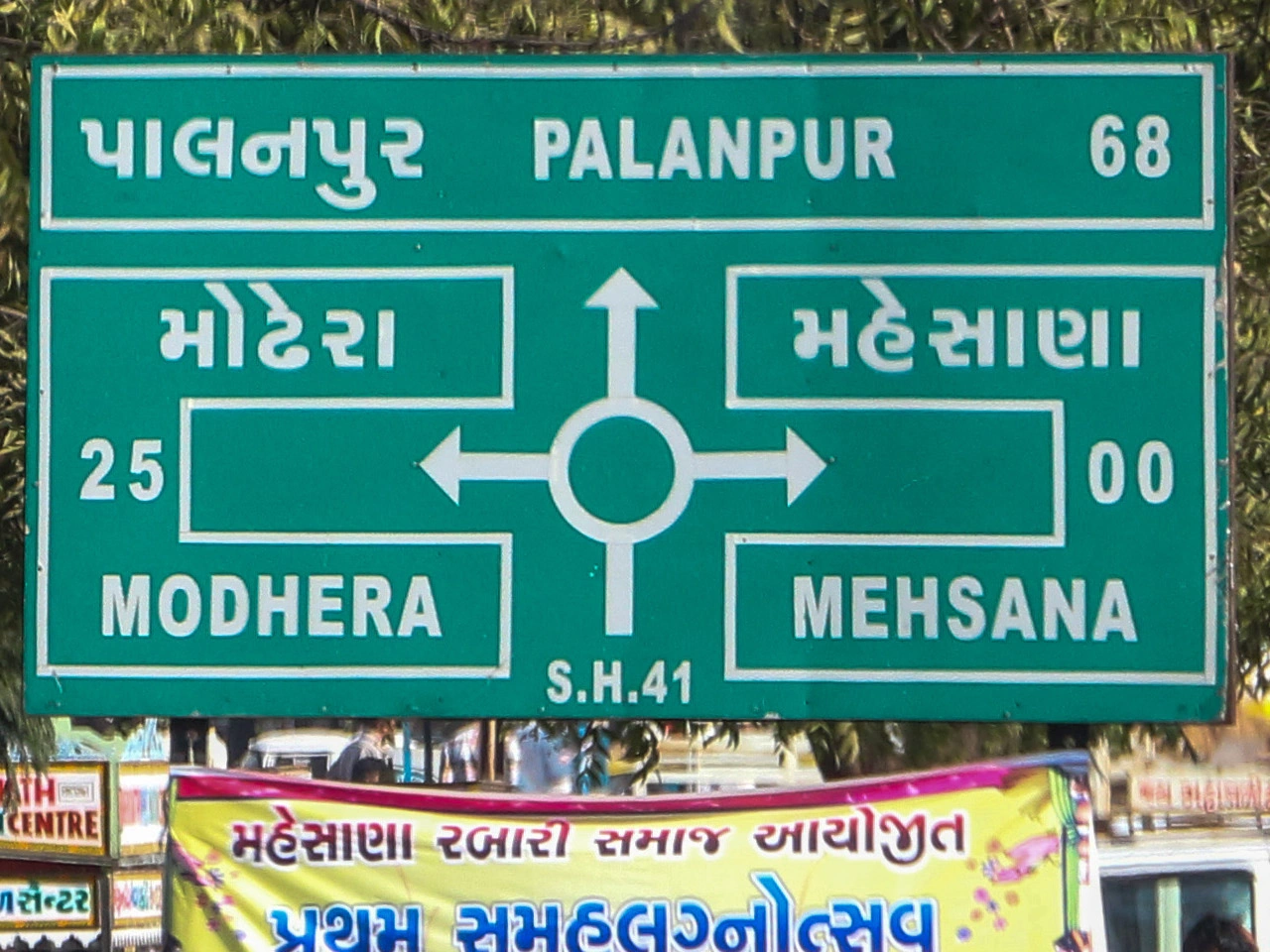
ラウンドアバウト
What is a roundabout?

A roundabout is a circular road arrangement where traffic travels in one direction around a central island before leaving through the chosen exit.

How can you recognise a roundabout?

A roundabout is normally identified by a circular-direction sign, a central island and entry roads controlled by signs, markings or local priority rules.

Which direction does traffic travel around a roundabout?

The direction depends on the country’s driving side. Traffic normally travels anticlockwise in right-hand-traffic countries and clockwise in left-hand-traffic countries.

Who has priority at a roundabout?

Priority differs between countries and roundabout designs. Entering traffic commonly gives way to traffic already circulating, but drivers must always follow the actual priority signs and signals.

Must you stop before entering a roundabout?

Not always. Stop when required by a stop sign, traffic light or approaching priority traffic. Otherwise, reduce speed and enter only when there is a safe gap.

Does a roundabout always have a give-way sign?

No. The sign arrangement depends on local law. Some circular intersections use ordinary priority rules or traffic lights instead.

How should you approach a roundabout?

Reduce speed, observe the signs and markings, choose the appropriate lane and check for pedestrians, cyclists and circulating traffic.

Which lane should you choose?

Follow the lane arrows and destination signs. As a general guide, use the lane appropriate for your exit, but exact lane-selection rules differ between countries and roundabout layouts.

May you use an inner lane?

Yes, where the road layout and local rules permit it. Before leaving, change lanes safely and give way to road users already travelling in the lane you wish to enter.

Do you need to signal when entering?

This depends on local law. Some countries require a signal for particular exits, while others require no signal when entering.

Do you need to signal when leaving?

Usually, yes. Signal in the direction of the exit early enough to inform other road users, but not so early that your intention becomes misleading.

Does signalling give you priority?

No. A direction indicator communicates your intention but does not permit you to force another road user to brake or change direction.

May you change lanes on a roundabout?

Only when the lane markings permit it and the manoeuvre can be completed safely. Check mirrors and blind spots, signal where required and give way to traffic already in the target lane.

What should you do if you miss your exit?

Continue around the roundabout and approach the exit again. Do not stop, reverse or cut suddenly across another lane.

May you drive over the central island?

Normally not. Some small roundabouts have a mountable central section intended only for vehicles that cannot otherwise negotiate the road safely.

Do cyclists have priority at a roundabout?

Priority depends on whether cyclists use the carriageway, a continuing bike path or a separate cycle crossing. Drivers and cyclists must follow the signs, markings and local priority rules.

What should drivers check before leaving?

Check mirrors and blind spots for cyclists, mopeds, motorcycles and vehicles beside you. Also check for pedestrians crossing the exit road.

Do pedestrians have priority at roundabout exits?

Pedestrian priority depends on crossings and local law. Drivers should approach exits slowly and be prepared to yield to pedestrians crossing or about to cross.

Does a roundabout have a special speed limit?

Not universally. The posted or general road limit applies, but drivers must travel slowly enough to negotiate the roundabout safely.

May you overtake on a roundabout?

Passing another vehicle may be permitted on a multilane roundabout, but drivers must remain within their lane and avoid unsafe lane changes. Local overtaking restrictions may apply.

May you stop or park on a roundabout?

Follow local signs and parking rules. Stopping or parking on the circulating roadway is commonly prohibited or unsafe because it obstructs traffic and reduces visibility.

Is every circular intersection a roundabout?

No. A circular junction may be governed by traffic lights, ordinary priority rules or another road design. Its legal status depends on its signs and local definition.

7. 横断歩道

横断歩道は、歩行者が道路を横断するために指定された場所です。路面標示、交通標識、信号、またはそれらの組み合わせで示されます。

運転者は適切に注意して接近し、現地法で必要な場合は歩行者へ道を譲ります。歩行者も接近車両を確認し、歩行者信号や交通整理員の指示に従う必要があります。

横断歩道
What is a pedestrian crossing?

A pedestrian crossing is a designated place for pedestrians to cross a road. It may be controlled by traffic lights or operate without signals.

How can you recognise a pedestrian crossing?

It may be indicated by white road markings, traffic signs, flashing lights, pedestrian signals or a raised crossing. Its appearance varies between countries.

Is a pedestrian crossing the same as a zebra crossing?

A zebra crossing is a type of pedestrian crossing marked by broad contrasting stripes or rectangles. Not every pedestrian crossing uses this design.

Do pedestrians always have priority?

Not universally. Priority depends on local law, traffic signals and whether the pedestrian is already crossing or clearly preparing to cross.

Must drivers stop for pedestrians waiting beside the crossing?

This depends on local law. In many countries, drivers must give way when a pedestrian is clearly intending or preparing to enter the crossing.

How should drivers approach a pedestrian crossing?

Reduce speed, observe both sides of the road and be prepared to stop. Pay particular attention to children, older people and persons with limited mobility.

May you enter a crossing when traffic is congested?

No. Do not enter when traffic ahead may force you to stop on the crossing and block pedestrians.

Where should you stop for a pedestrian?

Stop before the crossing or before the applicable stop line. Leave the crossing completely clear.

May you overtake near a pedestrian crossing?

Overtaking may be prohibited, particularly when another vehicle has stopped or slowed for the crossing. Even where no specific prohibition applies, overtaking is unsafe when pedestrians may be hidden from view.

May you stop or park on a pedestrian crossing?

Normally not. Stopping or parking on or immediately before a crossing can obstruct pedestrians and hide them from approaching drivers.

Does a pedestrian crossing impose a speed limit?

Not by itself. Drivers must respect the applicable speed limit and reduce their speed further when necessary to stop safely.

Do traffic lights change the priority rules?

Yes. Drivers and pedestrians must follow the signals applying to them. Drivers must still allow pedestrians who lawfully started crossing to finish safely.

May pedestrians cross when their signal is red?

No. Pedestrians must wait when the pedestrian signal prohibits them from entering the road.

What if the pedestrian signal changes while someone is crossing?

A pedestrian who entered lawfully should continue at a normal pace. Drivers must allow the crossing to be completed safely.

May cyclists ride across a pedestrian crossing?

This depends on local law. In many countries, a person riding a bicycle is treated as a driver and does not receive pedestrian priority. A cyclist walking beside the bicycle is normally treated as a pedestrian.

Is a pedestrian crossing also a cycle crossing?

Not automatically. A separate cycle crossing, cycle path or combined crossing may be indicated by additional markings or signs.

Must pedestrians use a nearby crossing?

Some countries require pedestrians to use a crossing when one is located within a specified distance. Other countries allow crossing elsewhere when it can be done safely.

May pedestrians remain standing on the crossing?

No. Pedestrians should cross without unnecessary delay and should not obstruct traffic by stopping or lingering on the road.

Does a raised pedestrian crossing change priority?

The raised surface itself does not necessarily determine priority. Drivers and pedestrians must follow the crossing markings, signs, signals and local rules.

What should drivers check when turning across a crossing?

Check for pedestrians approaching from both sides and give way where required. Turning drivers should not focus only on motor traffic.

What should pedestrians do before crossing?

Observe approaching traffic, make sure drivers have sufficient time to react and cross carefully. Priority does not remove the need to avoid stepping into the path of a vehicle that cannot stop safely.

8. 踏切

踏切は、道路または通路と鉄道線路が同じ高さで交差する場所で、level crossingやrailroad crossingとも呼ばれます。遮断機、警報灯、警報音、標識などで保護される場合があります。

道路利用者は慎重に接近し、列車が接近している場合、警報が作動している場合、出口側が塞がれている場合は進入してはいけません。速やかに横断し、線路上で停止、待機、立ち往生してはなりません。

踏切
What is a railway crossing?

A railway crossing is a place where a road or path crosses railway tracks at the same level.

What is another name for a railway crossing?

It may also be called a level crossing or, particularly in North America, a railroad crossing.

How can you recognise a railway crossing?

It may be indicated by warning signs, crossbuck signs, barriers, flashing lights, bells or road markings. The design differs between countries.

What is the difference between a crossing with and without barriers?

A protected crossing uses full or partial barriers to block road traffic when a train approaches. A crossing without barriers relies on signs, lights, bells or the road user’s own observation.

Must you always stop at a railway crossing?

Not necessarily. You must stop when required by lights, barriers, signs, an approaching train or an authorised person. At an unprotected crossing, slow down and proceed only after checking that no train is approaching.

What do flashing red lights mean?

Flashing red lights mean stop and do not enter the crossing. Remain stopped until the signal permits you to continue.

May you cross while a barrier is moving?

No. Do not enter while a barrier is lowering, rising or closed. Wait until the crossing is fully open and all prohibiting signals have stopped.

May you drive around a closed barrier?

No. Never drive, cycle or walk around or underneath a closed or moving barrier.

What does a warning bell mean?

A warning bell or audible signal normally means that the crossing is closing or that a train is approaching. Do not enter the crossing while it is sounding.

What does a flashing white light mean?

In some countries, a flashing white light indicates that the crossing equipment is operating and road users may pass when the route is clear. Its exact meaning depends on local law.

What should you do at a crossing without lights or barriers?

Reduce speed, look and listen carefully in both directions and cross only after making sure that no train or other rail vehicle is approaching.

May you cross immediately after a train has passed?

Not automatically. Another train may approach on a second track. Wait until all warning signals stop and the crossing is fully open.

What if traffic ahead is blocking the exit?

Do not enter the crossing unless there is enough room beyond the tracks for your entire vehicle. Never rely on traffic moving before a train arrives.

May you wait on the tracks?

No. Railway tracks must always remain clear. Do not stop because of congestion, traffic lights or another obstruction beyond the crossing.

May you overtake at a railway crossing?

Overtaking is often prohibited or restricted because another vehicle can obstruct the view of an approaching train or warning signal. Follow local signs and overtaking rules.

May you stop or park on a railway crossing?

No. Stopping or parking on the tracks creates an immediate and potentially fatal danger.

Do the crossing signals apply to pedestrians and cyclists?

Yes. Pedestrians and cyclists must obey barriers, lights, bells and authorised personnel in the same way as other road users.

Should cyclists ride across the tracks at an angle?

Where possible, cross the rails at an angle close to 90 degrees. Rails can trap a bicycle wheel, especially when they are wet or cross the road diagonally.

What should drivers of long vehicles check?

Make sure the entire vehicle and any trailer can clear the crossing without stopping. Consider the available space, road gradient, turning room and traffic beyond the tracks.

What should drivers of high vehicles check?

Observe all height restrictions and warning signs. Electrified railway lines may have overhead equipment that can be struck by an excessively high vehicle or load.

What should you do if the signals appear defective?

Treat the crossing with extreme caution. Do not assume that no train is approaching merely because the lights or barriers are not operating.

What should you do if your vehicle becomes stuck on the tracks?

Evacuate everyone immediately, move well away from the railway and contact the emergency services or railway operator. Do not remain in the vehicle or return for belongings.

Is a railway crossing the same as tram tracks in the road?

Not always. A railway crossing normally crosses tracks that are separate from the carriageway, while tram or street-running railway tracks may form part of the road itself.

9. 学校周辺

学校周辺は、多くの子どもが徒歩、自転車で通行し、道路を横断したり車両へ乗降したりする可能性が高い学校付近の道路または道路群です。警戒標識、ゾーン標識、路面表示、交通静穏化設備、点滅灯などで示されます。

特別な速度制限、駐車規制、進入規制が常時または登下校時間だけ適用されることがあります。運転者は減速し、子どもを注意深く確認し、停止できるよう備える必要があります。

What is a school area?

A school area is a road or group of roads near a school where drivers should expect large numbers of children, pedestrians, cyclists and stopping vehicles.

How can you recognise a school area?

It may be identified by school warning signs, speed-zone signs, flashing lights, road markings, coloured surfacing or traffic-calming measures. The signs differ between countries.

Does every road beside a school have special legal rules?

No. Special school-area rules normally apply only where signs, signals or local legislation establish them.

What is the speed limit in a school area?

There is no universal school-area speed limit. The applicable limit depends on the country, region, signs and whether a variable restriction is active.

Is the school-area speed limit always active?

Some limits apply permanently, while others apply only during displayed times or when flashing or variable signs are active. Drivers must observe the actual sign arrangement.

Must you drive below the displayed limit?

Yes, when necessary. The displayed speed is a maximum. Children, congestion, poor visibility or vehicles stopping near the school may require a much lower speed.

Why are children especially vulnerable in traffic?

Children may have difficulty judging speed and distance, may be hidden by parked vehicles and may enter the road unexpectedly.

How should you approach a school area?

Reduce speed early, increase your observation and be prepared for children crossing, cyclists changing direction, vehicle doors opening and cars stopping suddenly.

Do children automatically have priority everywhere?

No. Priority depends on crossings, traffic lights, authorised crossing supervisors and local rules. Drivers must nevertheless take exceptional care to avoid endangering children.

Must you obey a school crossing supervisor?

Yes. Drivers and other road users must follow lawful instructions given by an authorised person controlling traffic for children.

May children cross away from a pedestrian crossing?

This depends on local pedestrian rules. Drivers should remain prepared for children to cross unexpectedly, even where they are required to use a nearby crossing.

Does a school sign create pedestrian priority?

Not by itself. A school warning sign alerts drivers to children but does not normally create the legal effect of a pedestrian crossing.

Does a school area change intersection priority?

No. Traffic lights, priority signs and the ordinary intersection rules remain applicable unless another traffic arrangement provides otherwise.

May you overtake in a school area?

Overtaking may be restricted by signs or local law. Even where it is permitted, drivers should not overtake when children, crossings, limited visibility or stopped vehicles make the manoeuvre unsafe.

May you stop to drop off a child?

Only where stopping is permitted and can be completed safely. Do not stop on a crossing, pavement, bike path, bus stop or another prohibited or dangerous location.

May you park near a school entrance?

Follow the parking signs and markings. Do not block entrances, pavements, bike paths, crossings, visibility or access for buses and emergency vehicles.

Why is double parking dangerous near a school?

It blocks traffic and visibility and may force children to walk between moving vehicles or enter the road from behind an obstruction.

What should you watch for near school buses?

Expect children to enter or leave the vehicle and possibly cross the road. Reduce speed and follow any special warning lights, signs or local school-bus rules.

May cyclists ride through a school area?

Normally, yes. They must follow the applicable road, bike-path, speed and priority rules. Drivers should expect inexperienced young cyclists.

Is a school area the same as a school street?

No. A school area normally remains open to traffic under special caution or speed rules. A school street temporarily restricts or excludes motor traffic during specified periods.

Is a school area the same as a Zone 30?

Not universally. A school area may form part of a Zone 30, use another speed limit or have a variable restriction that applies only at particular times.

When do the school-area rules end?

They normally end at an end sign, at the end of the stated time period or when the variable signal is no longer active. The surrounding road rules then apply.

10. 動物横断

動物横断警戒は、野生動物、家畜、乗用動物が道路へ進入または横断する可能性がある場所を示します。動物は突然現れ、予測できない動きをし、暗闇や植生、悪天候では見えにくいことがあります。

運転者は減速し、道路両側を確認し、停止できるよう備える必要があります。この標識自体が動物に法的優先権を与えたり特定速度を定めたりするわけではありませんが、動物を驚かせたり危険にさらしたり衝突したりしないよう運転します。

What does an animals-crossing sign mean?

It warns that animals may enter or cross the road in the area ahead.

Which animals may the sign refer to?

Depending on the symbol and local conditions, it may refer to deer, cattle, horses, sheep, goats, wild boar or other animals.

How can you recognise an animals-crossing sign?

It is commonly a triangular warning sign displaying the silhouette of an animal. The species shown may indicate the type of animal most likely to be encountered.

Does the sign mean animals are always present?

No. It indicates an increased likelihood of animals crossing, not that animals will be present every time.

Does the sign impose a speed limit?

No. The normal posted or general speed limit remains applicable, but drivers must reduce speed when necessary to react safely.

Do animals have priority because of the sign?

No automatic priority is created by the warning sign. Drivers must nevertheless avoid danger and allow animals already on the road to pass safely.

How should you approach an animal-crossing area?

Reduce speed, increase your following distance and scan the road, verges, fields and vegetation for movement or reflected eyes.

When are wild animals most likely to appear?

Animal activity is often greater around dawn, dusk and darkness, although animals may cross at any time.

Why should you expect more than one animal?

Many animals travel in groups. When one animal crosses, others may follow immediately from the same direction.

Should you sound the horn?

Avoid unnecessary horn use or engine revving because it may frighten an animal and make its movement less predictable. Use a warning only when reasonably necessary to prevent danger.

Should you use full-beam headlights?

Use the appropriate lights without dazzling other road users. When an animal is visible, reduce speed and avoid relying on full beam to make it move away.

What should you do when an animal is on the road?

Slow down smoothly, stop when necessary and allow it enough time and space to leave. Avoid sudden acceleration or aggressive steering.

Should you swerve to avoid an animal?

Avoid an uncontrolled swerve that could cause a collision with another vehicle, tree, barrier, cyclist or pedestrian. Brake firmly while maintaining control and steer only when a safe escape path is clearly available.

How should you pass livestock?

Pass only when the animals and their handlers have sufficient space. Drive slowly, avoid noise and be prepared for an animal to change direction unexpectedly.

How should you pass a horse and rider?

Reduce speed, leave a large lateral distance and pass quietly. Avoid sounding the horn, accelerating sharply or passing when oncoming traffic prevents sufficient clearance.

Must you follow instructions from an animal handler?

Follow lawful instructions from an authorised person and cooperate with handlers controlling animals on or across the road.

May you overtake near an animal crossing?

The warning sign does not necessarily prohibit overtaking, but overtaking should be avoided when animals, limited visibility or approaching traffic make the manoeuvre unsafe.

What if an animal appears behind another vehicle?

Maintain enough following distance to see beyond the vehicle ahead. Be prepared for it to brake suddenly when an animal enters the road.

What should motorcyclists and cyclists do?

Reduce speed, keep both hands firmly in control and avoid sudden movements. Animals may react unexpectedly to quiet or fast-approaching two-wheeled vehicles.

What should you do after hitting an animal?

Stop safely, activate the hazard warning lights and check for injured people. Contact the emergency services or police when necessary and do not approach a wounded wild animal, which may defend itself.

Should you move an injured or dead wild animal?

Normally not. Keep a safe distance and allow the police, wildlife authorities or an animal-rescue service to handle it.

Can animals be present without a warning sign?

Yes. Drivers remain responsible for observing the road and adjusting their speed even where no animal warning sign is displayed.

11. カーブ

カーブは、道路が左または右へ方向を変える区間です。急なカーブ、予期しにくいカーブ、見通しの悪いカーブでは、対向車、停止車両、歩行者、その他の危険を確認できる距離が短くなります。

運転者はカーブに入る前に減速し、自分の車線内を保ち、滑らかに操舵、制動、加速します。警戒標識は最初のカーブ方向や連続カーブを示す場合があります。

カーブ
What is a road curve?

A road curve is a section where the road changes direction to the left or right.

How can you recognise a dangerous curve?

It may be indicated by a triangular warning sign showing a curved line. The symbol normally indicates whether the first curve turns left or right.

What is a double curve?

A double curve consists of two curves in opposite directions. The warning sign normally shows the direction of the first curve.

Can a sign warn of more than two curves?

Yes. A double-curve symbol may also warn of a longer sequence of successive curves. A supplementary panel may indicate the length of the winding section.

Does a curve-warning sign impose a speed limit?

No. It normally warns of danger rather than setting a numerical limit. Drivers must still reduce speed when the permitted maximum would be unsafe.

When should you reduce speed for a curve?

Reduce speed before entering the curve, while the vehicle is travelling straight and has maximum stability.

Should you brake heavily while cornering?

No. Harsh braking in a curve can reduce stability and grip. Complete most braking beforehand and use smooth adjustments where necessary.

Should you accelerate through a curve?

Maintain a controlled speed through the curve. Accelerate smoothly only when the exit becomes visible and the vehicle is stable.

Where should you look while driving through a curve?

Look towards the path you intend to follow and the visible exit of the curve. Continue checking the road surface, lane position and nearby traffic.

Must you remain in your lane?

Yes. Do not cross the centre line or cut across another lane, even when this would make the curve appear easier to negotiate.

Why is visibility limited in a curve?

Buildings, vegetation, slopes, barriers and the road alignment may hide oncoming traffic, cyclists, pedestrians, stopped vehicles or debris.

How fast should you drive through a curve?

Choose a speed that allows you to remain in your lane and stop within the distance you can see to be clear. The safe speed may be far below the legal maximum.

What is an advisory speed for a curve?

An advisory speed is a recommended safe speed for negotiating the curve under suitable conditions. It is not necessarily the legal maximum speed.

How do rain, snow or ice affect a curve?

They reduce tyre grip and increase the risk of skidding. Reduce speed earlier, use smooth controls and leave additional distance from other vehicles.

What should you do if gravel or debris is present?

Avoid sudden braking or steering. Reduce speed smoothly and follow a clear path without entering another traffic lane.

May you overtake in a curve?

Do not overtake when visibility is insufficient to see approaching traffic and complete the manoeuvre safely. Local law, signs and continuous road markings may also prohibit overtaking.

May you stop or park in a curve?

Only where it is permitted and the vehicle remains clearly visible. Stopping or parking in a poorly visible curve may create a serious hazard and is often prohibited.

Should you follow another vehicle closely through a curve?

No. Leave enough distance to react if the vehicle ahead brakes for a hidden obstruction or a sharper part of the curve.

Why should motorcyclists take extra care?

Motorcycles require grip for both cornering and braking. Riders should reduce speed before the curve, choose a stable line and avoid painted markings, gravel and slippery surfaces.

How can a curve affect a trailer or caravan?

A trailer may sway, track closer to the inside of the curve or become unstable when speed and steering inputs are excessive. Enter slowly and steer smoothly.

Why do large vehicles need more space?

Buses and trucks may move closer to lane boundaries because of their length and width. Other drivers should avoid travelling beside them through a tight curve.

What should you do if an oncoming vehicle crosses the centre line?

Reduce speed, move safely towards your side of the road and avoid a sudden manoeuvre that could cause another collision. Sound a warning only when reasonably necessary.

Does the absence of a warning sign mean every curve is safe at the speed limit?

No. Drivers must assess every curve and adapt their speed even when no warning sign is displayed.

12. 道路工事

道路工事は、道路上または道路脇で行われる建設、維持、修理、点検作業です。道路配置、車線幅、速度制限、優先関係、通行方向、歩行者・自転車施設が一時的に変更されることがあります。

運転者は仮設標識、信号、バリア、路面表示、作業員の指示に従い、減速し、車間距離を増やし、狭い車線、渋滞、作業員、重機、急な経路変更に備える必要があります。

道路工事
What are roadworks?

Roadworks are construction, maintenance, repair or inspection activities carried out on or beside a road.

How can you recognise roadworks?

They may be indicated by a roadworks warning sign, cones, barriers, temporary markings, flashing lights, machinery or workers.

Does a roadworks sign impose a speed limit?

No, not by itself. A separate temporary or permanent speed-limit sign establishes the legal maximum speed.

Must you drive below the speed limit?

Yes, when necessary. Narrow lanes, workers, machinery, poor surfaces, congestion or limited visibility may require a substantially lower speed.

Are temporary traffic signs legally binding?

Yes. Correctly installed temporary signs must be obeyed for as long as they are in force.

Which road markings should you follow?

Follow the temporary markings that guide traffic through the works. Local law determines how they take priority over older permanent markings.

Must you obey temporary traffic lights?

Yes. Stop at the line or signal when required and do not proceed until the applicable light permits it.

Must you obey road workers directing traffic?

Obey instructions from workers or controllers who are legally authorised to regulate traffic. Their signals may temporarily replace the ordinary traffic arrangement.

What should you do when a lane closes?

Observe the signs and lane arrows, check mirrors and blind spots and merge safely into the continuing lane.

What is zipper merging?

Zipper merging means that vehicles in an ending or blocked lane merge alternately with vehicles in the continuing lane near the narrowing during congested traffic.

Should you merge early?

This depends on local law and traffic conditions. Where zipper merging applies during congestion, use both lanes and merge near the narrowing. In flowing traffic, change lanes when a safe gap is available.

Who has priority when your lane is obstructed?

Without another traffic control, the driver whose route is obstructed commonly has to yield before moving into the path of approaching or adjacent traffic.

Can temporary lights control alternating traffic?

Yes. Temporary signals may allow only one direction at a time through a narrow section.

May you enter when the exit is blocked?

No. Do not enter a narrow section, intersection or temporary crossing when congestion may leave you stopped inside it.

May you move cones or barriers?

No. Do not move, pass around or ignore traffic-control equipment unless an authorised person instructs you to do so.

May you overtake in roadworks?

Only when signs and markings permit it and sufficient width and visibility remain. Overtaking is often unsafe in narrow or shifted lanes.

May you stop or park in roadworks?

Only where temporary and permanent signs permit it. Do not obstruct workers, machinery, emergency access or temporary pedestrian and cycle routes.

What should you watch for near workers?

Expect workers to enter the road, machinery to move or reverse and vehicles to leave the worksite. Reduce speed and leave generous space.

What should cyclists do at roadworks?

Follow the signed temporary cycle route or lane. Check surrounding traffic carefully before leaving a closed or obstructed bike path.

What should pedestrians do?

Use the designated temporary walkway or crossing and follow barriers, signs, signals and instructions from authorised personnel.

Why should you increase your following distance?

Traffic may brake suddenly because of queues, lane changes, machinery, debris or changing signals. Additional distance provides more time to react.

What should you do if your vehicle breaks down in roadworks?

Move to the safest available location where possible, activate the hazard warning lights and contact assistance. Avoid standing in a live or narrow traffic lane.

Do ordinary traffic rules still apply?

Yes. Rules concerning safe speed, following distance, signalling, priority and vulnerable road users continue to apply unless a lawful temporary arrangement changes them.

13. 次の交差点で優先

次の交差点で優先とは、特定道路を走る車両が、次の交差点で交差道路から進入する交通より優先されることを意味します。通常、優先側と譲る側の両方へ標識で示されます。

継続する優先道路とは異なり、この優先は指定交差点だけに適用されます。運転者は慎重に接近し、信号、交通整理員、横断場所、右左折規則、その他の標識にも従います。
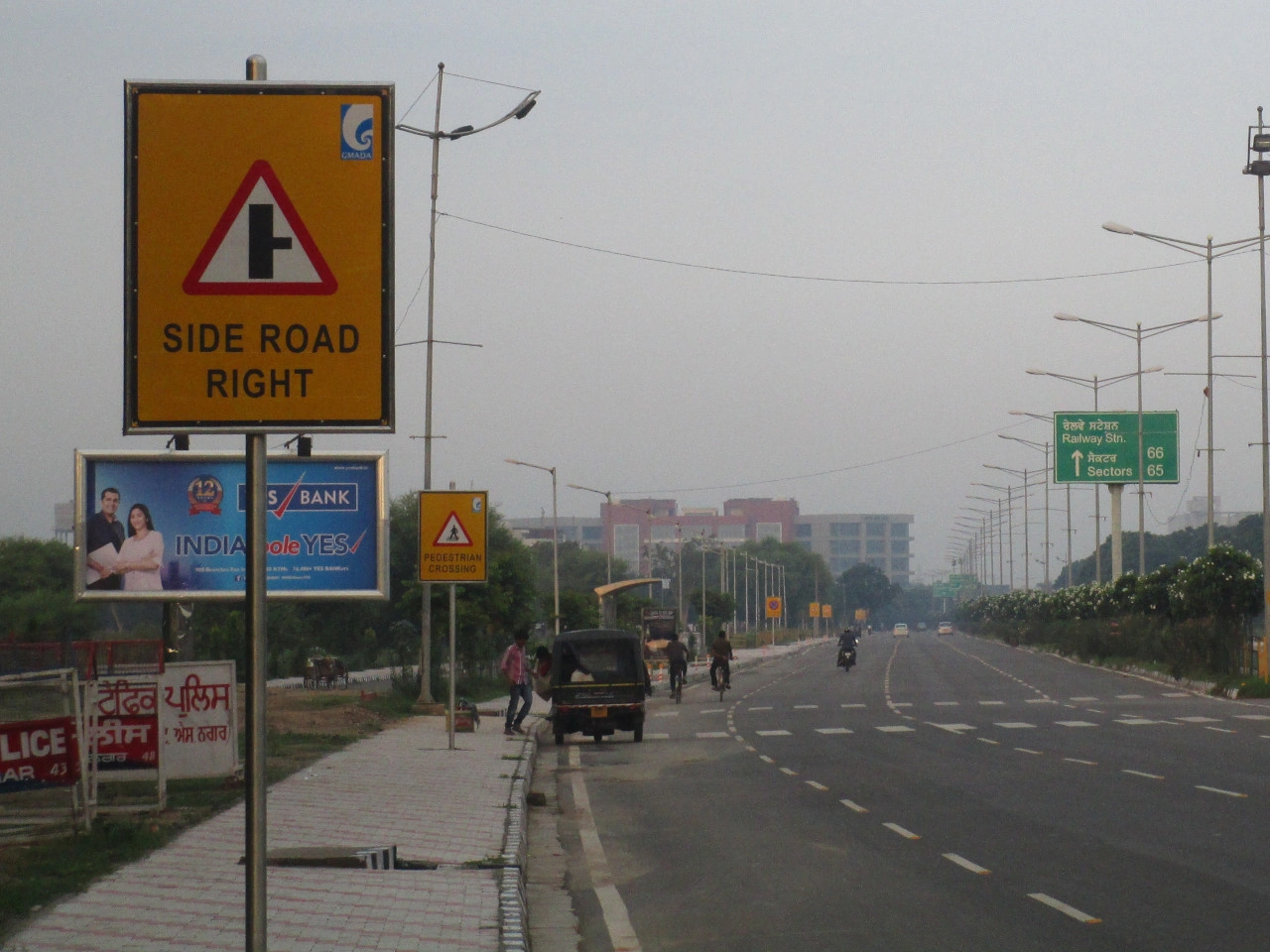
次の交差点で優先
What does priority at the next junction mean?

It means that drivers travelling on the indicated road have priority over traffic entering from intersecting roads at the next junction.

Is this the same as a priority road?

No. Priority at the next junction applies to one particular junction. A priority road normally keeps its priority across several junction until its status ends.

Is a main road always a priority road?

No. The term main road may describe a larger, busier or more important road, but legal priority is determined by traffic signs, signals and local rules.

How can you recognise priority at the next junction?

It may be indicated by a priority-junction sign showing a thick line for the priority route and thinner lines for the roads that must give way.

Does the thick line show the priority route?

Yes. On signs using a junction diagram, the thicker line normally represents the road followed by traffic with priority.

Does the priority route always continue straight ahead?

No. The priority route may turn left or right. A diagram or supplementary panel may show which branch retains priority.

What signs do drivers on the side roads normally see?

They commonly face a give-way or stop sign, requiring them to yield to traffic on the priority route.

Does priority from the right still apply?

Not when legally placed signs establish another priority arrangement at that junction. Drivers must follow the actual signs rather than the ordinary default rule.

Does the sign give priority at later junctions?

No. After passing the indicated junction, the priority arrangement at the next junction must be determined separately.

Does having priority mean you may enter without slowing down?

No. Approach at a safe speed and remain prepared for another road user to fail to give way.

Does having priority mean you must proceed first?

No. Priority is not an obligation to continue. Slow down or stop whenever proceeding would create danger.

May you enter a blocked junction?

No. Do not enter when congestion is likely to leave your vehicle stopped inside the junction and obstructing other traffic.

Does the sign impose a speed limit?

No. The applicable general, zonal, posted or vehicle-specific speed limit remains in force.

Does it give priority over pedestrians?

No. Drivers must still yield to pedestrians where crossings, traffic signals or turning rules require it.

Does it give priority over cyclists?

It regulates priority between traffic approaching the junction, but drivers must still respect continuing bike paths, cycle crossings and turning rules.

Must you signal when the priority route turns?

Yes, when following the route involves a change of direction and local law requires signalling. Priority does not remove the obligation to indicate.

Does signalling give you priority?

No. An indicator communicates your intended movement but does not allow you to endanger or obstruct another road user.

Must you yield to oncoming traffic when turning left?

Normally, yes. Priority over side-road traffic does not automatically give a left-turning driver priority over lawful oncoming traffic.

Do functioning traffic lights override the priority signs?

Functioning traffic lights normally control the junction instead of the priority signs. Local rules determine what applies when the lights are switched off or flashing.

Do authorised officers override the signs?

Yes. Instructions from an authorised traffic controller normally take precedence over signs, signals and ordinary priority rules.

Does the sign prohibit overtaking?

No. Overtaking remains subject to the ordinary rules, visibility, road markings and any separate prohibition signs.

Does the sign prohibit stopping or parking?

No. The ordinary stopping and parking rules and any local signs or markings remain applicable.

What applies after you pass the intersection?

The special priority indicated by the sign has been completed. At later junctions, follow the signs, signals or default priority rule applying there.

14. 信号機

信号機は、色灯、矢印、記号によって道路利用者が進行できる時、停止準備をする時、停止し続ける時を規制します。進行方向、車線、歩行者、自転車、公共交通ごとに別の信号がある場合があります。

青信号でも、進路が空いており、その動きが法的に許可される場合にのみ進めます。優先規則、右左折制限、車線表示、交通整理員の指示にも従う必要があります。
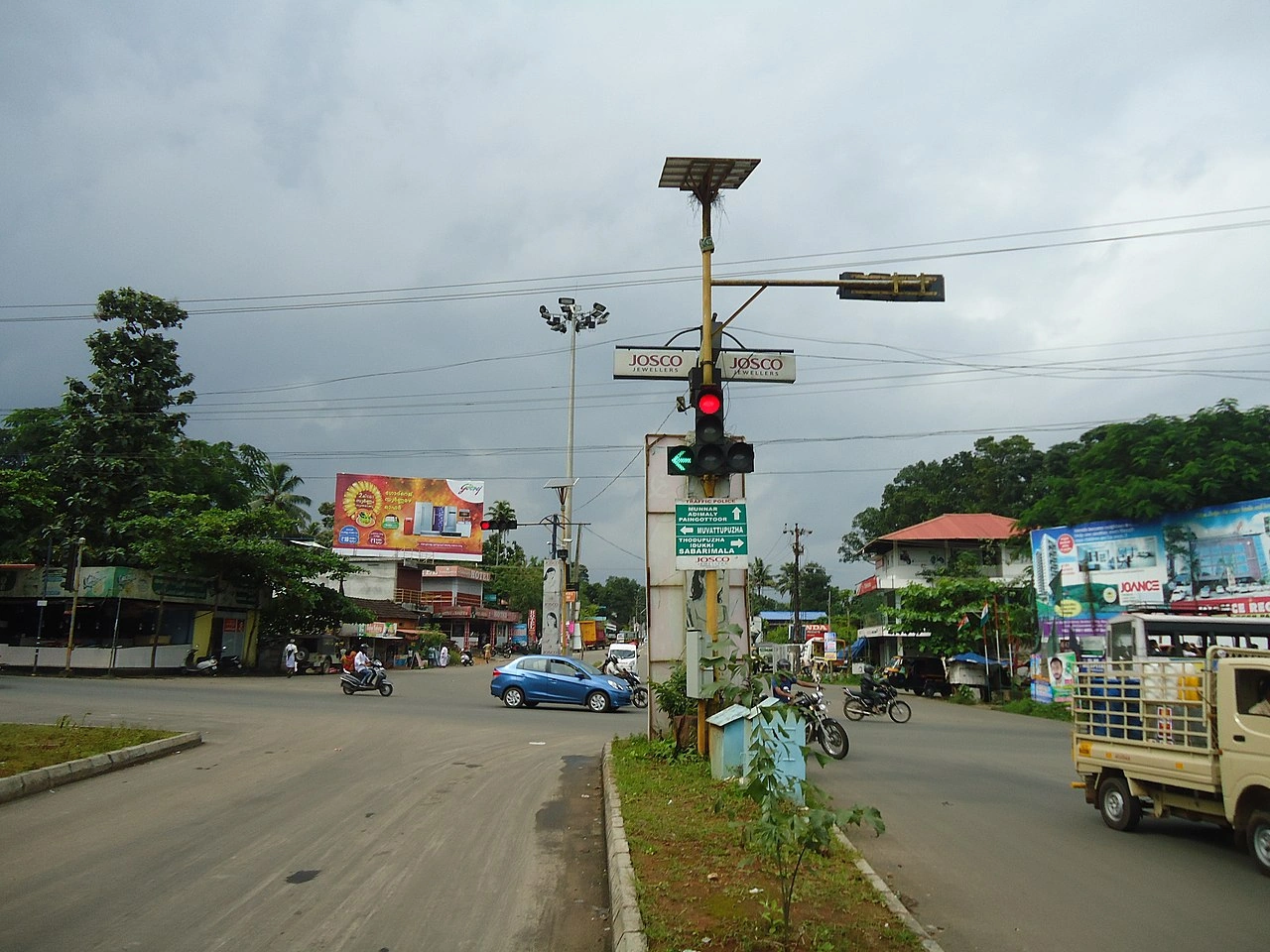
信号機
What are traffic lights?

Traffic lights are signals that use coloured lights, arrows or road-user symbols to regulate traffic movements.

What does a red traffic light mean?

A red light requires road users to stop before the stop line or signal and remain stopped until movement is permitted.

What does a steady amber light mean?

A steady amber light normally requires drivers to stop unless they are already too close to stop safely. It warns that the signal is changing to red.

What does a green traffic light mean?

A green light permits road users to pass the signal, but only when the route is clear and the intended movement is otherwise legal.

Does green mean that you have priority over everyone?

No. You may still have to give way to pedestrians, cyclists, oncoming traffic or other road users when turning or following a conditional arrow.

May you enter a blocked intersection on green?

No. Do not enter when congestion is likely to leave you stopped inside the intersection and obstructing crossing traffic.

Where should you stop at a red light?

Stop before the stop line. When no stop line is provided, stop before the traffic light or at another legally prescribed position.

May you cross the stop line and then stop?

No. The required stop must normally be completed before the stop line. Do not stop on a pedestrian or cycle crossing.

What if the light changes to amber while you are approaching?

Stop when this can be done safely. Continue only when you are already too close to stop without creating danger.

Should you accelerate to pass an amber light?

No. Do not accelerate to avoid stopping. Maintain control and stop unless doing so safely is no longer possible.

What do arrow-shaped traffic lights mean?

They have the same general meaning as circular lights, but the prohibition or permission applies only to the direction shown by the arrow.

What does a green arrow displayed with a red light mean?

It may permit travel in the indicated direction while other movements remain prohibited. Drivers may still have to give way to conflicting traffic and pedestrians.

Does a green arrow override a no-turn sign?

Not universally. Drivers must follow the complete local sign arrangement. A traffic signal does not necessarily cancel a separate regulatory prohibition.

May you turn right on red?

Only where local law or a specific sign or signal expressly permits it. There is no universal right to turn on red.

What does a flashing amber light mean?

It warns of a potential hazard and normally allows cautious passage. The ordinary priority arrangement remains applicable.

What should you do when the normal lights are flashing amber?

Reduce speed, observe the intersection carefully and follow the applicable priority signs or default priority rules.

What does a flashing red light mean?

Its meaning depends on local law. At railway crossings and some movable bridges, flashing red lights normally require road users to stop.

What do lane-control signals mean?

A red cross normally closes the lane, a green downward arrow opens it and an amber diagonal arrow instructs drivers to leave the lane in the indicated direction.

May you continue beneath a red lane-control cross?

No. Move out of the lane safely before reaching the red cross unless an authorised person or emergency rule directs otherwise.

What does an amber diagonal lane arrow mean?

It warns that the lane is closing or unavailable ahead. Drivers must move into the adjacent lane indicated by the arrow when safe.

Can separate lights apply to cyclists?

Yes. A signal displaying a bicycle symbol applies to the road users legally covered by that signal rather than to general motor traffic.

Can separate lights apply to pedestrians?

Yes. Pedestrian lights normally use red and green human figures to indicate whether pedestrians may begin crossing.

What does a flashing green pedestrian light mean?

It normally warns that the crossing period is about to end. Pedestrians who have not started should wait for the next green signal.

What if the pedestrian signal changes while someone is crossing?

A person who entered lawfully should continue without unnecessary delay. Turning drivers must allow the crossing to be completed safely.

Can buses and trams have separate traffic lights?

Yes. Public-transport signals may use bars, circles, triangles or other symbols that apply only to authorised service vehicles.

Do functioning traffic lights override priority signs?

They commonly replace the priority arrangement at that location. Priority signs may apply again when the normal signals are inactive or flashing.

Do instructions from a police officer override traffic lights?

Yes. Instructions from an authorised traffic controller normally take precedence over lights, signs, markings and ordinary rules.

What should you do when the lights are not working?

Reduce speed and follow the priority signs, temporary signals, authorised personnel or default priority rules that apply.

May you clear an intersection after the light turns red?

Yes, when you entered lawfully and must leave the intersection. Complete the movement cautiously without endangering other road users.

Does a green light impose a minimum speed?

No. Drivers may proceed but must continue at a safe and legal speed.

May you use a handheld phone while waiting at red?

This depends on local law. In many countries, a driver temporarily stopped in traffic is still considered to be driving and may not use a handheld device.

15. 運転免許証

運転免許証は、特定の1種類以上の自動車カテゴリーを運転することを許可する公的文書です。運転可能な車両を決める条件、制限、カテゴリーコード、有効期限が記載されることがあります。

運転者は対象車種と管轄地域で有効な免許を所持しなければなりません。免許には仮免許、本免許、限定免許、停止中、取消などがあり、職業運転には追加資格が必要な場合があります。

運転免許証
What is a driving licence?

A driving licence is an official authorisation to drive specified categories of motor vehicle.

Is a driving licence the same as a driving permit?

The terms may refer to the same document, depending on the country. Some countries use permit specifically for learners or temporary authorisations.

What is a provisional driving licence?

A provisional or learner licence allows a person to practise driving under specified restrictions before obtaining a full licence.

What is a full driving licence?

A full licence is issued after the holder has completed the required tests or training. Restrictions may still apply because of age, vehicle type, medical fitness or licence codes.

Does one licence allow you to drive every vehicle?

No. Driving licences are divided into categories for motorcycles, cars, buses, trucks, trailers and other vehicles.

What is a licence category?

A licence category identifies the type and size of vehicle the holder is authorised to drive.

Must the licence be valid for the vehicle being driven?

Yes. Holding a licence for one category does not normally authorise driving a vehicle belonging to another category.

Can a licence contain restrictions?

Yes. Codes may restrict the holder to an automatic transmission, corrective lenses, an adapted vehicle or another specified condition.

What is the difference between an automatic and manual licence?

In some countries, passing the test in an automatic vehicle restricts the holder to automatic vehicles until an additional test or procedure is completed.

Does a driving licence expire?

Usually, yes. The document, individual categories or medical authorisation may have expiry dates and require renewal.

May you drive with an expired licence?

No. The licence and the category required for the vehicle must remain valid.

Must you carry your driving licence?

This depends on local law. Many countries require drivers to carry the original licence and present it to an authorised officer when requested.

Is a photograph or copy of the licence sufficient?

Not normally. A photograph, scan or photocopy is not generally a substitute for the original document unless an official digital-licence system is legally recognised.

Does a driving licence prove that you own the vehicle?

No. It proves driving authorisation, not ownership, registration or insurance.

What tests are required to obtain a licence?

Requirements may include a theory test, eyesight test, practical driving test, medical examination or compulsory training.

Is there a universal minimum driving age?

No. Minimum ages differ between countries and vehicle categories.

Can a learner drive without supervision?

Only where the provisional-licence system permits independent driving. Other learners must be accompanied by an approved supervisor or instructor.

Can a learner drive in another country?

Often not. Provisional and learner licences are frequently valid only in the country or region that issued them.

What is an international driving permit?

An international driving permit is a standardised translation of a valid national licence intended to help authorities interpret it abroad.

Does an international driving permit replace a national licence?

No. It normally has legal value only when presented together with the valid national driving licence on which it is based.

Is a national licence valid abroad?

This depends on the destination, length of stay, residence status and agreements between the countries concerned. An exchange or international permit may be required.

Can a foreign licence be exchanged?

Some countries exchange recognised foreign licences without new tests, while others require theory, practical or medical examinations.

Can medical fitness affect a licence?

Yes. A medical condition may require an assessment, shorter validity period, adapted vehicle or licence restriction.

Must changes in medical fitness be reported?

This depends on local law. Drivers remain responsible for ensuring that they are physically and mentally fit to drive safely.

Do professional drivers need additional qualifications?

Often, yes. Drivers of trucks, buses, taxis or vehicles used commercially may require professional competence, medical examinations or periodic training.

What happens when a licence is suspended?

The holder may not drive during the suspension period, even if the physical document remains in their possession.

What is disqualification from driving?

Disqualification is a legal prohibition on driving, usually imposed by a court or competent authority for a specified period or until conditions are fulfilled.

What should you do if the licence is lost or stolen?

Report it where required and apply for a replacement through the competent licensing authority. Do not continue driving when local law requires the original document to be carried.

What should you do if the licence is damaged?

Request a replacement when the document is unreadable, damaged or no longer allows the holder to be identified reliably.

Does changing address require a new licence?

This depends on the country and whether the address appears on the licence. Drivers must follow the local notification and replacement procedure.

16. 道路反射鏡

道路反射鏡は、見通しの悪い交差点、出入口、カーブなどに設置される凸面鏡です。曲面により通常の平面鏡より広い範囲の接近交通を確認できます。

道路反射鏡はあくまで視認補助です。距離、速度、方向が歪んで見え、暗闇、天候、汚れ、破損の影響も受けます。運転者は直接道路も確認し、優先規則に従い、安全な場合にのみ進行します。

道路反射鏡
What is a traffic mirror?

A traffic mirror is a convex roadside mirror that helps road users see around an obstruction or into a road with limited visibility.

Where are traffic mirrors commonly installed?

They may be placed near intersections, narrow roads, bends, car-park exits, private driveways, tunnels or other locations where buildings, vegetation or road geometry obstruct the view.

Why is the mirror curved?

A convex surface provides a wider field of view than a flat mirror, allowing more of the approaching road to be seen.

Does a traffic mirror show an exact image?

No. The reflected image is distorted, and objects normally appear smaller and farther away than they really are.

Can you accurately judge speed in a traffic mirror?

Not reliably. The curved image makes it difficult to estimate how fast another road user is approaching.

Can you accurately judge distance in the mirror?

No. Distance can appear greater than it really is, so an approaching vehicle may reach the intersection sooner than expected.

Can the mirror create a blind area?

Yes. Its position and viewing angle may leave parts of the road outside the reflected image. Small cyclists, motorcycles or pedestrians may also be difficult to notice.

Does a traffic mirror give you priority?

No. It does not change priority. Drivers must continue to follow stop signs, give-way signs, traffic lights and the ordinary priority rules.

Does seeing an empty mirror mean the road is clear?

No. Another road user may be outside the reflected area, hidden by glare or too small to notice. Always check the road directly before proceeding.

Must you still stop at a stop sign?

Yes. The mirror does not replace the mandatory complete stop. Stop at the prescribed position, then use direct observation and the mirror as additional information.

Must you still give way?

Yes. You may proceed only when traffic with priority can continue without being forced to brake, stop or change direction.

How should you use a traffic mirror?

Approach slowly, stop when required and scan the mirror for movement. Then look directly in both directions and continue only after confirming that the road is clear.

Should you look only at the mirror?

No. Alternate between the mirror and direct observation. The mirror should supplement rather than replace normal checks.

Can rain affect a traffic mirror?

Yes. Rain, water droplets and spray may blur or partially obscure the reflected image.

Can frost or condensation affect it?

Yes. Dew, condensation, frost, ice or snow may make the mirror difficult or impossible to use.

Can sunlight cause problems?

Yes. Sunlight may create glare or reflections that hide approaching road users.

Can headlights be misleading at night?

Yes. Reflected headlights may make it difficult to determine the exact direction, distance or speed of an approaching vehicle.

Can the mirror move out of position?

Yes. Wind, impacts, vandalism, vibration or temperature changes may alter its orientation and make the reflected view inaccurate.

What if the mirror is dirty or damaged?

Do not rely on it. Proceed with additional caution and report the defect to the responsible road authority or property owner.

Does a traffic mirror impose a speed limit?

No. The applicable road or posted speed limit remains in force, but restricted visibility normally requires a lower approach speed.

Does it require drivers to sound the horn?

No. Use the horn only where local law permits it and a warning is reasonably necessary to prevent danger.

Can pedestrians and cyclists use the mirror?

Yes. It may help them observe approaching traffic, but they must also look directly and follow the applicable crossing and priority rules.

Can a private individual install a traffic mirror?

A mirror may generally be installed on private property with the owner’s permission, subject to local rules. Installing one on, above or beside a public road normally requires permission from the road authority.

Should a mirror replace better road design?

No. Removing vegetation, relocating parking, improving the intersection layout or changing traffic circulation may provide a safer and more reliable solution.

17. 停車禁止

停車禁止は、乗客の乗降や荷物の積み下ろしのための短時間停止も含め、指定場所で任意に停止してはいけないことを意味します。駐車禁止より厳しい規制です。

標識、路面表示、地域規則で示されます。交通状況、緊急事態、法的義務によって停止を強制される場合を除き、停車可能な場所まで進む必要があります。
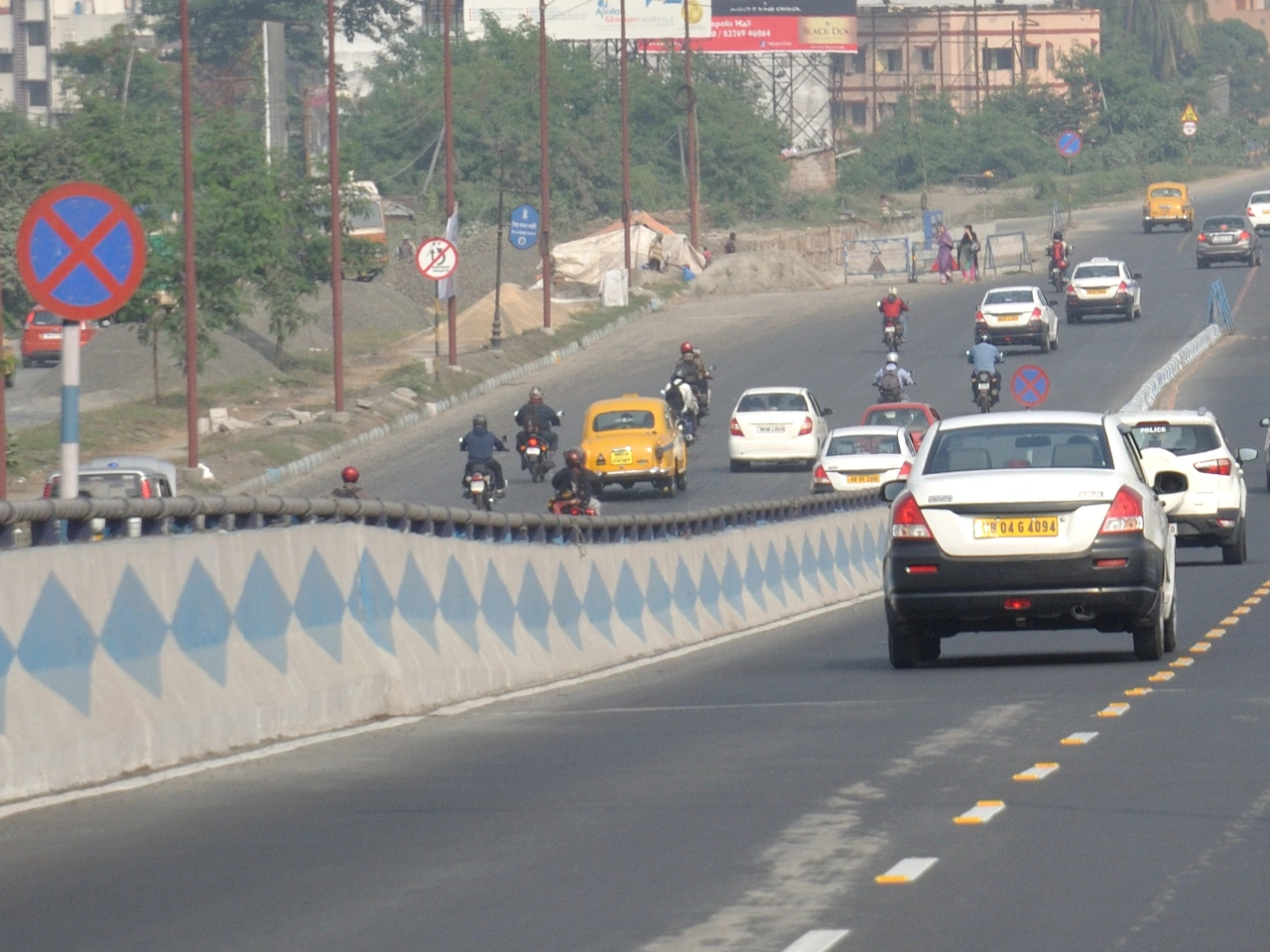
停車禁止
What does a no stopping restriction mean?

It means that a driver may not voluntarily stop the vehicle in the restricted area. The prohibition normally includes stopping to pick up or drop off passengers or to load or unload goods.

What is the difference between no stopping and no parking?

No stopping is the stricter restriction. A no-parking rule may still allow a brief stop for activities such as picking up passengers or loading goods, while a no-stopping rule prohibits these voluntary stops as well.

Can you stop in a no-stopping area during an emergency?

A driver may have to stop because of an emergency, traffic conditions, a red light, police instructions or another situation outside the driver's control. Such compulsory stops are generally different from voluntarily stopping the vehicle.

18. 後退

後退は車両を後ろ向きに動かすことです。駐車、狭い場所から出るとき、前進では位置調整できない場合などに使われます。

後退前にミラーと死角を確認し、車両周囲をよく見て後方が空いていることを確かめます。後方視界は限られるため、ゆっくり、必要な距離だけ後退します。
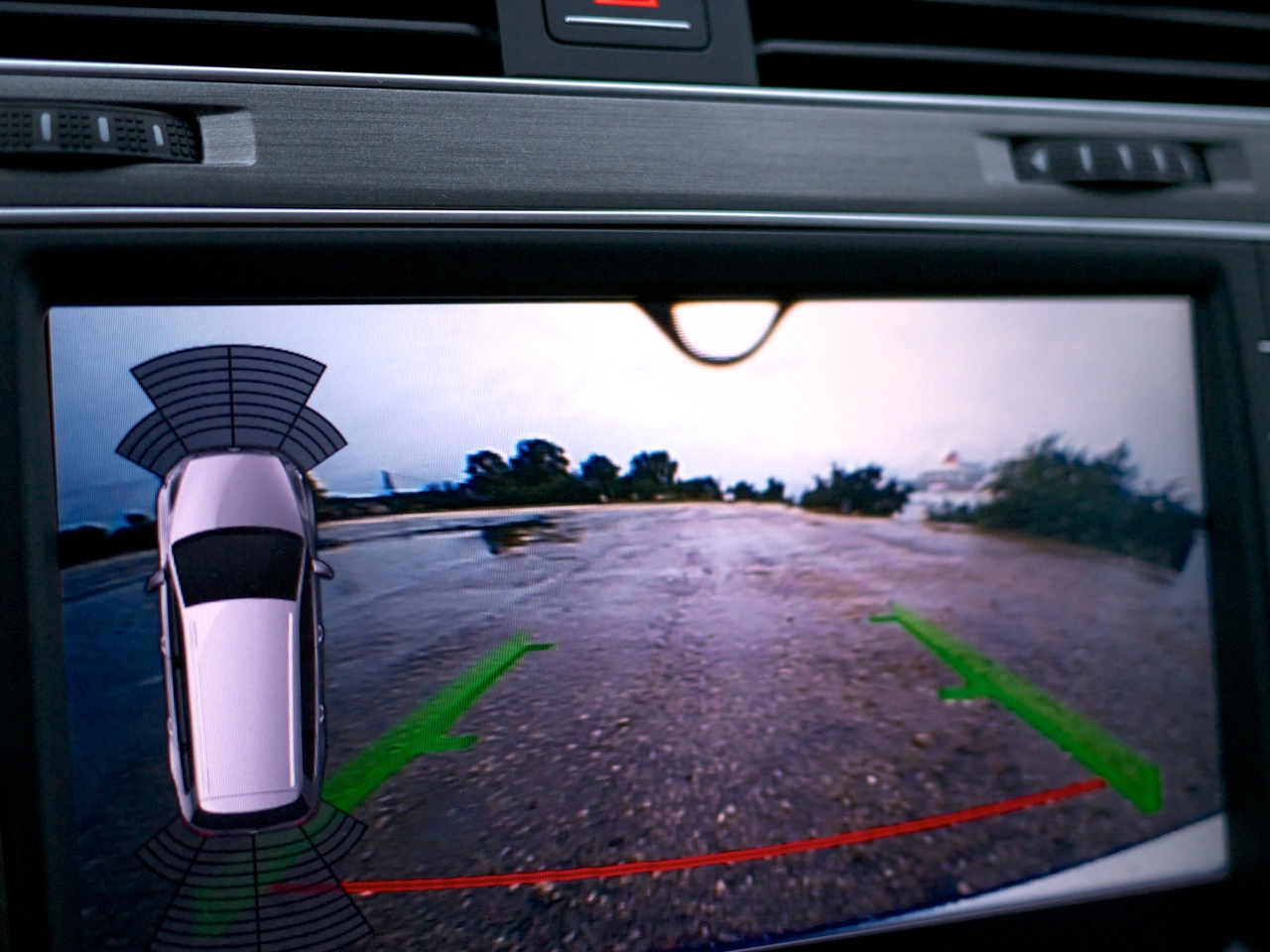
後退
What should you check before reversing?

Check behind and around the vehicle for pedestrians, cyclists, other vehicles and obstacles. Use mirrors and cameras where available, but also look directly because monitoring systems can have blind spots.

Who has priority when a vehicle is reversing?

In many countries, reversing is treated as a manoeuvre and the reversing driver must give way to other road users. The exact legal requirements depend on national traffic rules.

Should you reverse for a long distance?

No. Reversing should normally be limited to the distance necessary to complete the manoeuvre safely. Driving forward generally provides better visibility and vehicle control.

19. ナンバープレート

ナンバープレート(登録番号標または車両番号標)は、登録当局から車両へ割り当てられた固有の登録識別番号を表示するプレートです。車両登録、交通取締、税、保険、駐車管理などで車両を識別するために使われます。

外観、形式、取付位置、必要枚数は国や車種で異なります。必要なプレートを正しく取り付け、はっきり見え、読み取れる状態に保ち、紛失、盗難、破損、交換時には現地規則に従います。
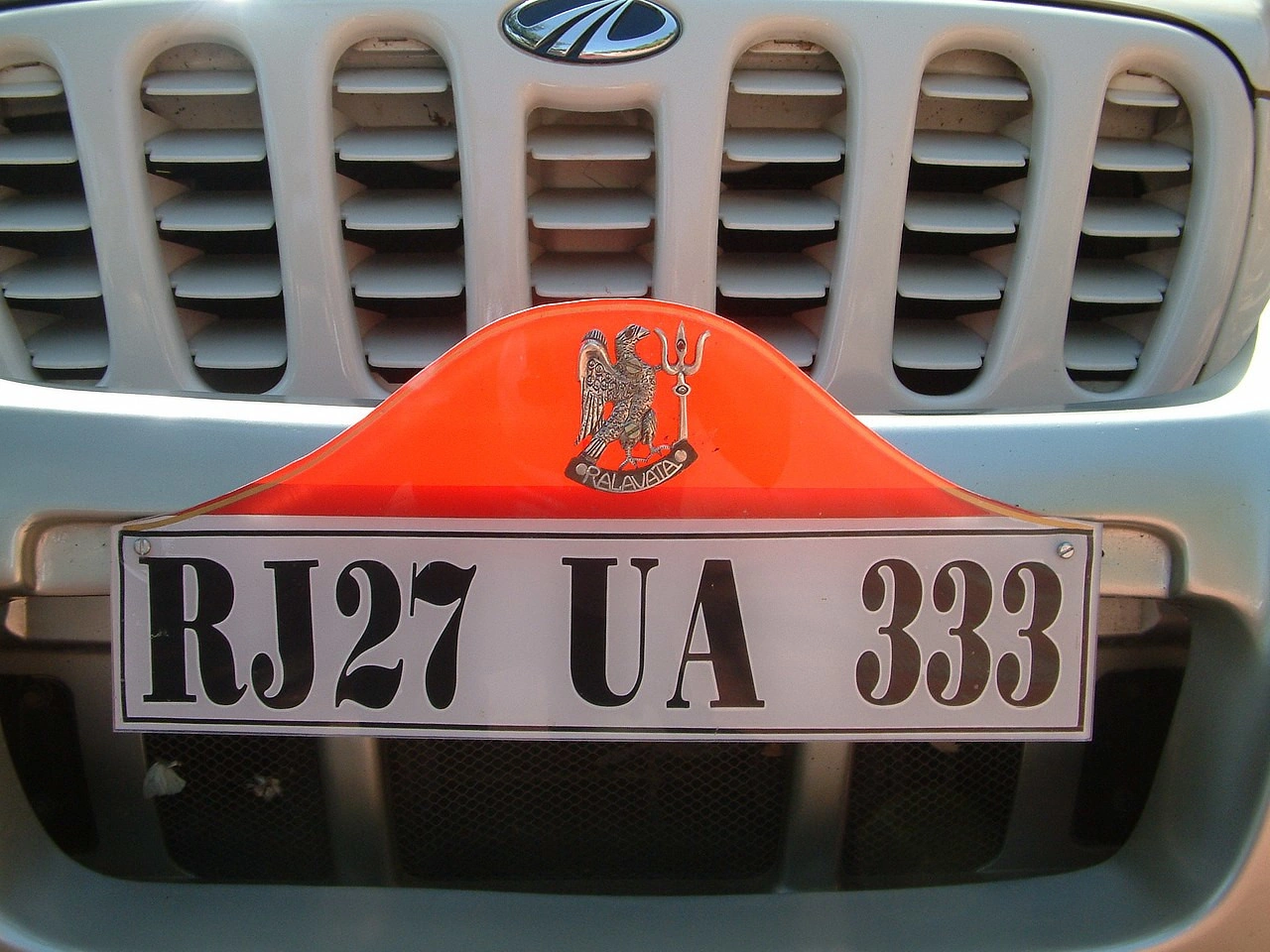
ナンバープレート
What is a licence plate?

A licence plate is a plate displaying the registration identifier assigned to a vehicle. It allows authorities and other authorised systems to identify the vehicle's registration.

Is a licence plate the same as a registration plate?

Yes. Licence plate, registration plate and number plate are different terms commonly used for the plate displaying a vehicle's official registration number.

Does every vehicle need a licence plate?

Most motor vehicles used on public roads must display one or more registration plates, but requirements differ for motorcycles, trailers, agricultural vehicles and other special vehicle categories.

Do vehicles need both front and rear licence plates?

This depends on the country and vehicle type. Cars commonly require front and rear plates, while motorcycles and certain other vehicles may require only a rear plate.

Must a licence plate remain visible?

Yes. A required registration plate must normally remain clearly visible and readable. It should not be hidden by luggage, dirt, accessories or other objects.

Can you modify a licence plate?

Generally no. Changing the characters, colours, dimensions or appearance of an official plate may make it invalid or illegal. Plates and authorised reproductions must comply with local specifications.

What should you do if a licence plate is lost or stolen?

Follow the local reporting and replacement procedure. Many countries require the loss or theft to be reported to the police or vehicle-registration authority before a replacement plate can be issued.

Can you drive with a damaged licence plate?

A plate must remain legible and compliant with local requirements. If damage prevents it from being read or makes it invalid, it should be replaced according to the local registration procedure.

Can a licence plate be personalised?

Some countries allow motorists to request a personalised registration combination. The available characters, formats and prohibited combinations are determined by the registration authority.

Does a licence plate stay with the vehicle when it is sold?

This varies between countries. In some systems the plate remains with the vehicle, while in others it remains associated with the registered holder and may be retained or returned when the vehicle is sold.

20. 充電ステーション

充電ステーションは、電気自動車またはプラグインハイブリッド車のバッテリーを電源へ接続して充電できる1基以上の充電器を備えた場所です。公道沿い、駐車場、サービスエリア、私有地などに設置されます。

充電スペースは充電中の車両専用の場合があり、駐車制限、時間制限、料金などの条件が適用されます。現地の標識、駐車規則、充電設備の指示に従います。
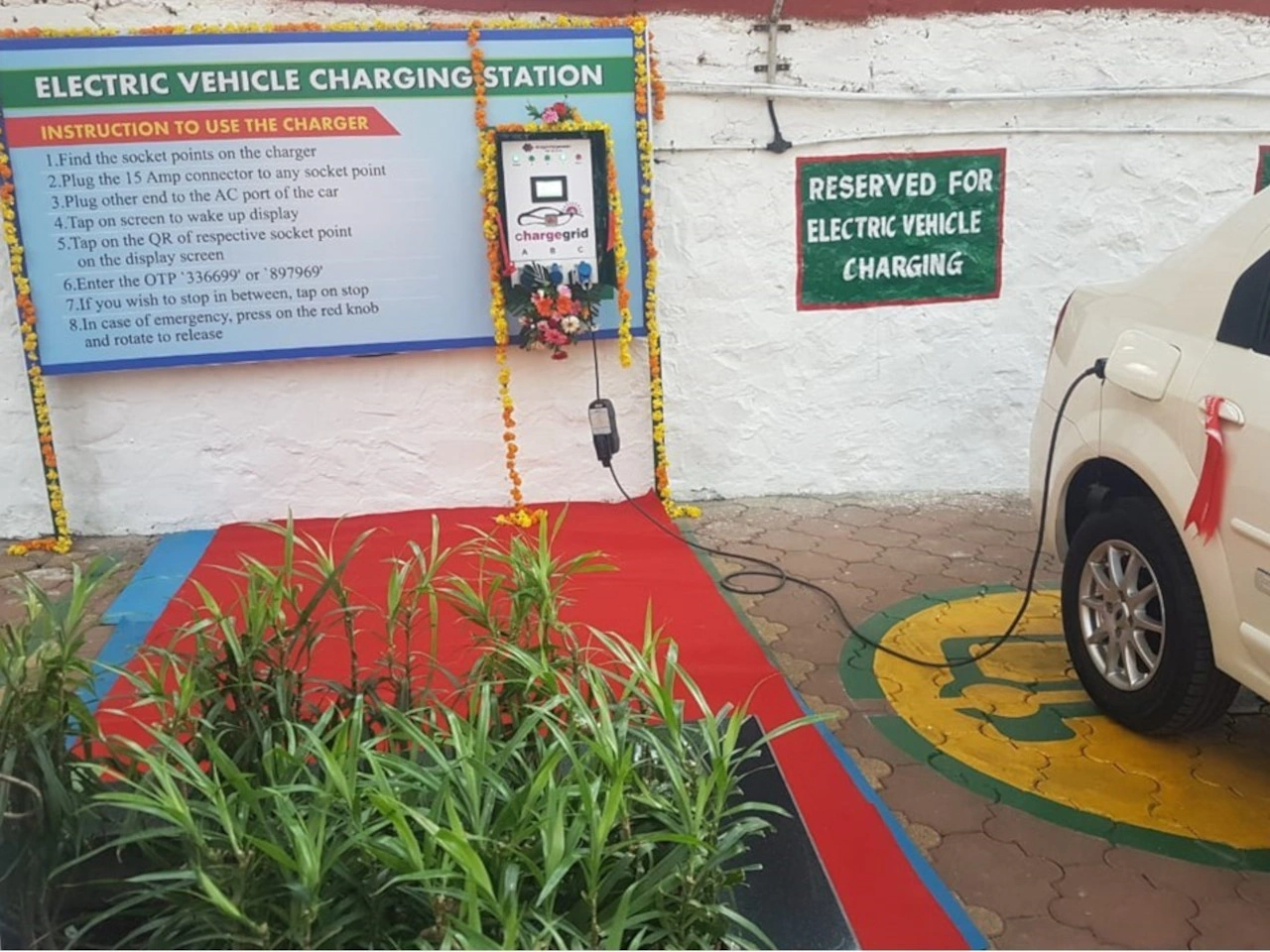
充電ステーション
What is a charging station?

A charging station is a location where electric vehicles can be connected to an electricity supply to recharge their batteries. A station may contain one or several individual charging points.

Who can use an electric-vehicle charging station?

Charging stations are intended for vehicles that can be externally charged, such as battery-electric vehicles and plug-in hybrid vehicles. The exact vehicle categories permitted may be indicated by local signs or operator conditions.

Is a charging space an ordinary parking space?

Not necessarily. A space beside a charger may be reserved for electric vehicles or vehicles that are charging. Drivers must check the signs and markings before parking there.

Can a petrol or diesel vehicle park at a charging station?

Not where the parking space is officially reserved for electric vehicles. An ordinary parking space located near a charger may be different, so the applicable signs and markings determine who may park there.

Can an electric vehicle park at a charging point without charging?

This depends on the local traffic and parking rules. Many charging spaces require the vehicle to be connected to the charger, even if the vehicle itself is electric.

Do you have to pay to use a charging station?

Charging may be free or subject to payment. The price and payment method are determined by the charging operator, while separate parking charges may also apply.

Can a charging station have a maximum parking time?

Yes. Traffic signs, parking regulations or charging conditions may establish a maximum duration to encourage drivers to move their vehicles and make the charger available to others.

Must you move the vehicle when charging is finished?

Follow the local parking rules and charging conditions. Some locations require vehicles to leave after charging or impose additional fees or time limits when the charging session has ended.

Does using a charger override ordinary parking restrictions?

No. A charging station does not allow a driver to ignore no-parking rules, reserved spaces, time limits or other traffic regulations. The vehicle must still be legally parked.

Are all charging stations equally fast?

No. Charging stations can provide different charging powers. Some are intended for longer parking periods, while high-power chargers can recharge compatible vehicles much more quickly.

21. バス

バスは、公共交通、スクール輸送、私的輸送などで多数の乗客を道路上で運ぶための自動車です。乗用車より乗車定員が多く、座席のみ、立席を含む、または両方の形式があります。

運転免許、乗車定員、速度、シートベルト、バスレーン、停留所、乗降などに特別規則が適用される場合があります。分類や規則は国によって異なるため、現地交通規則に従います。

バス
What is a bus?

A bus is a motor vehicle designed to transport a relatively large number of passengers. It may be used for public transport, school transport, private services or other passenger transport.

What is the difference between a bus and a coach?

A bus is commonly designed for frequent passenger boarding and may allow standing passengers, while a coach is generally designed for longer journeys with passengers seated. Exact legal definitions vary between countries.

Do you need a special driving licence to drive a bus?

Yes. Driving a vehicle designed to carry more than a specified number of passengers normally requires a dedicated bus or passenger-vehicle driving licence.

Can passengers stand on a bus?

Only when the vehicle is designed and approved to carry standing passengers. Coaches and other vehicles designed exclusively for seated passengers must not be used beyond their approved passenger configuration.

Must bus passengers wear seat belts?

Where seat belts are provided and local law requires their use, passengers must wear them correctly. Urban buses designed for standing passengers may have seating positions or operating conditions that differ from coaches.

Can buses use bus lanes?

Yes, where permitted. Bus lanes are commonly reserved for public transport buses, although local signs may also allow taxis, bicycles or other specified vehicles to use them.

Do buses always have priority when leaving a bus stop?

No. Some countries require other drivers to give way to buses leaving designated stops, particularly in urban areas, while others apply the normal merging rules.

Should you take extra care near a stopped bus?

Yes. Passengers may be boarding, leaving or crossing the road near the bus. Reduce speed where necessary and watch carefully for pedestrians emerging from behind or in front of the vehicle.

Do buses have special speed limits?

They can. Some countries impose lower maximum speeds on buses than on passenger cars, particularly on high-speed roads. Different limits may apply to buses and coaches.

Can a bus use a motorway?

Yes, normally. Buses that satisfy the applicable construction and access requirements may use motorways, but they must obey any vehicle-specific speed limits, lane restrictions and other local rules.

22. 警察

警察は、法律の執行、公共安全、道路交通へ影響する状況の管理を担う公的機関です。交通では車両検査、交通取締、事故調査、交通整理、緊急対応などを行います。

道路利用者は警察官など権限を持つ交通整理員の適法な指示に従います。現地法により、警察の指示は一時的に信号、道路標識、通常の交通配置より優先する場合があります。

What is the role of police in road traffic?

Police help enforce traffic laws, manage traffic, investigate collisions and respond to dangerous situations. They may also carry out roadside checks and direct road users.

Must you obey a police officer directing traffic?

Yes. Lawful directions given by an authorised police officer must be followed. In many countries, those directions take precedence over traffic lights, road signs and normal priority rules.

What should you do if police signal you to stop?

Slow down, follow the officer's directions and stop at a safe location as instructed. Do not make sudden movements or continue driving unless directed to do so.

Can police direct you through a red traffic light?

Yes, where authorised by local law. A police officer controlling traffic may instruct road users to proceed even when a traffic light or sign would normally require them to stop.

Can police check your driving documents?

Yes. Police may require drivers to provide documents such as a driving licence, vehicle registration, identification or proof of insurance according to local law.

Can police carry out alcohol or drug checks?

Yes. Traffic police may conduct legally authorised alcohol and drug checks using procedures such as breath, saliva or other approved tests.

Can police temporarily close a road?

Yes. Roads or lanes may be temporarily closed or traffic diverted because of collisions, emergencies, investigations, public events or other safety concerns.

What should you do near police controlling an accident scene?

Reduce speed, remain alert and follow all directions. Do not enter a closed area or interfere with emergency personnel, and leave sufficient space for emergency vehicles.

What should you do when a police vehicle approaches with emergency signals?

Follow the local rules for priority vehicles. Drivers generally have to make sufficient space, give way and stop where necessary so that the emergency vehicle can pass safely.

Can police order a parked vehicle to be moved?

Yes, where local law permits it. Police or another authorised authority may require a vehicle to be moved when it obstructs traffic, creates danger or must be removed for operational reasons.

23. 救急車

救急車は、緊急医療の提供や患者輸送のため装備・使用される車両です。医療機器と訓練された職員を乗せ、搬送中に治療する場合があります。

緊急出動中は警光灯とサイレンを使用し、特別な優先権や一部交通規則の例外が認められる場合があります。他の道路利用者は現地規則に従い、十分な通路を空け、進行を妨げない必要があります。

救急車
What is an ambulance?

An ambulance is a specially equipped vehicle used to provide emergency medical assistance and transport sick or injured people.

When does an ambulance have priority?

This depends on the local traffic rules and warning signals being used. Ambulances responding to emergencies commonly use flashing lights and a siren to indicate that other road users must make way.

What should you do when an ambulance approaches?

Remain calm and make sufficient space for it to pass. Slow down or stop where necessary, but avoid sudden or dangerous manoeuvres.

Should you stop immediately when you hear an ambulance siren?

Not necessarily in your exact position. Move or stop in a way that creates a safe passage without blocking an intersection, pedestrian crossing or another part of the road needed by the ambulance.

Can an ambulance pass a red traffic light?

Emergency vehicles may be allowed to pass a red light during an urgent response under special legal conditions. The precise rules differ between countries, and the ambulance driver must still take appropriate precautions.

Can an ambulance exceed the speed limit?

Many countries permit emergency vehicles to depart from certain normal speed rules during an urgent mission, subject to safety requirements and national legislation.

Can an ambulance drive through a traffic queue?

Yes, when responding to an emergency and legally permitted to do so. Other road users should create space and keep emergency corridors or access routes clear where required.

Can you follow an ambulance through traffic?

You should not use the passage created for an ambulance as a way to bypass congestion. Maintain a safe distance and continue to obey the normal traffic rules.

Do ambulances always use their sirens?

No. The use of warning lights and sirens depends on the urgency of the mission and local regulations. An ambulance transporting a patient does not necessarily need to use emergency signals throughout the journey.

What should you do near a stationary ambulance?

Reduce speed and remain alert. Medical personnel, patients or other emergency workers may be entering the road, and the ambulance may need to move unexpectedly.

24. ポットホール

ポットホールは、摩耗、天候、水、反復荷重、舗装劣化などにより路面に生じる穴・窪みです。大きさ・深さはさまざまで、凍結、豪雨、反復交通で悪化することがあります。

操舵、制動、車両安定性へ影響し、タイヤ、ホイール、サスペンションを損傷することがあります。前方路面を確認し、速度を調整し、危険な急操作を避けます。

ポットホール
What is a pothole?

A pothole is a hole or depression that develops in a road surface when the pavement becomes damaged or deteriorates.

How do potholes form?

Potholes can develop through a combination of water, temperature changes, traffic loads and deterioration of the road material. Cracks can gradually expand until pieces of the surface break away.

Why are potholes dangerous?

A pothole can cause a vehicle to change direction suddenly, lose stability or suffer tyre, wheel or suspension damage. Deep potholes can present a particularly serious hazard at higher speeds.

What should you do when you see a pothole?

Reduce speed when necessary, maintain control of the vehicle and avoid abrupt steering or braking. Only move around the pothole when this can be done safely without endangering other road users.

Should you brake while driving through a pothole?

If possible, reduce your speed before reaching the pothole. Sudden heavy braking or steering while passing over a damaged surface can make the vehicle less stable.

Are potholes particularly dangerous for motorcycles?

Yes. A pothole can disturb the steering or balance of a motorcycle and may cause the rider to lose control.

Are potholes dangerous for cyclists?

Yes. Bicycle wheels can be strongly affected by deep holes or sharp edges, particularly when the cyclist has little time or space to avoid the hazard.

Can a pothole damage a car?

Yes. Severe impacts can damage tyres, wheel rims, suspension components, steering parts or wheel alignment.

Should you swerve suddenly to avoid a pothole?

No. A sudden evasive movement may create a greater danger by bringing the vehicle into conflict with cyclists, pedestrians, oncoming traffic or vehicles in another lane.

Can a warning sign indicate potholes ahead?

Yes. Depending on the country's traffic-sign system, an uneven-road or general-danger warning sign may be used where poor road conditions create a significant hazard.

25. 通路

通路は、主に歩行者向けの比較的狭い経路で、許可されている場合はその他の道路利用者や小型車両も利用できます。市街地、農村、公園、森林、道路間などに設けられ、舗装されている場合と未舗装の場合があります。

通路は必ずしも歩道や自転車道と同じではありません。利用できる道路利用者は、その法的区分、幅、交通標識、地域規則によって決まります。

通路
What is a path?

A path is a relatively narrow route intended primarily for pedestrians and, where permitted, other road users or small vehicles.

Is a path the same as a footpath?

Not necessarily. A footpath is specifically intended for pedestrians, while a path may also permit cyclists or other users according to local rules.

Is a path the same as a cycle path?

No. A cycle path is specifically designated for bicycles and other permitted users. An ordinary path does not automatically have that legal status.

Can cyclists use a path?

This depends on the legal status, width and signs applying to the path. Some paths permit cyclists, while others are reserved for pedestrians or particular users.

Can motor vehicles use a path?

This depends on local law. Some paths prohibit motor vehicles entirely, while narrow vehicles may be permitted on other paths unless traffic signs restrict access.

Can a path be part of the public-road network?

Yes. A narrow path can legally form part of the public-road network even when it is unsuitable for ordinary cars.

Does a path need to be paved?

No. Paths can be paved, gravelled, compacted or unsurfaced depending on their location and purpose.

Can traffic signs restrict access to a path?

Yes. Signs can reserve a path for particular road users or prohibit certain vehicles, regardless of whether they could physically fit on it.

Who has priority when a path joins a larger road?

The applicable local priority rules determine who must give way. Special rules often apply when a minor path joins an ordinary road.

Can pedestrians and cyclists share a path?

Yes, where both are permitted. Faster users should adapt their speed and avoid endangering or unnecessarily obstructing pedestrians.

Can a path cross another road?

Yes. At the crossing, users must follow the applicable priority signs, traffic lights, road markings and general right-of-way rules.

Is every narrow route legally a path?

No. Its legal classification depends on the definitions and regulations of the country concerned. A narrow route might instead be a footpath, cycle path, private access road or another type of facility.