VerkehrsspiegelVereinigte Staaten

Lerne Verkehrsregeln mit klaren Erklärungen und visuellen Beispielen in unserem illustrierten Buch – einfach, verständlich und anschaulich.


46. Verkehrsspiegel

Ein Verkehrsspiegel ist ein konvexer Spiegel, der in der Nähe einer Kreuzung, Einfahrt, Kurve oder einer anderen Stelle mit eingeschränkter Sicht angebracht wird. Seine gewölbte Oberfläche bietet einen größeren Blickwinkel auf herannahende Verkehrsteilnehmer als ein flacher Spiegel.

Ein Verkehrsspiegel ist nur eine Sichthilfe. Er kann Entfernung, Geschwindigkeit und Richtung verzerren und durch Dunkelheit, Wetter, Schmutz oder Beschädigung beeinträchtigt sein. Fahrer müssen die Straße weiterhin direkt beobachten, alle Vorfahrtsregeln beachten und nur weiterfahren, wenn es sicher ist.
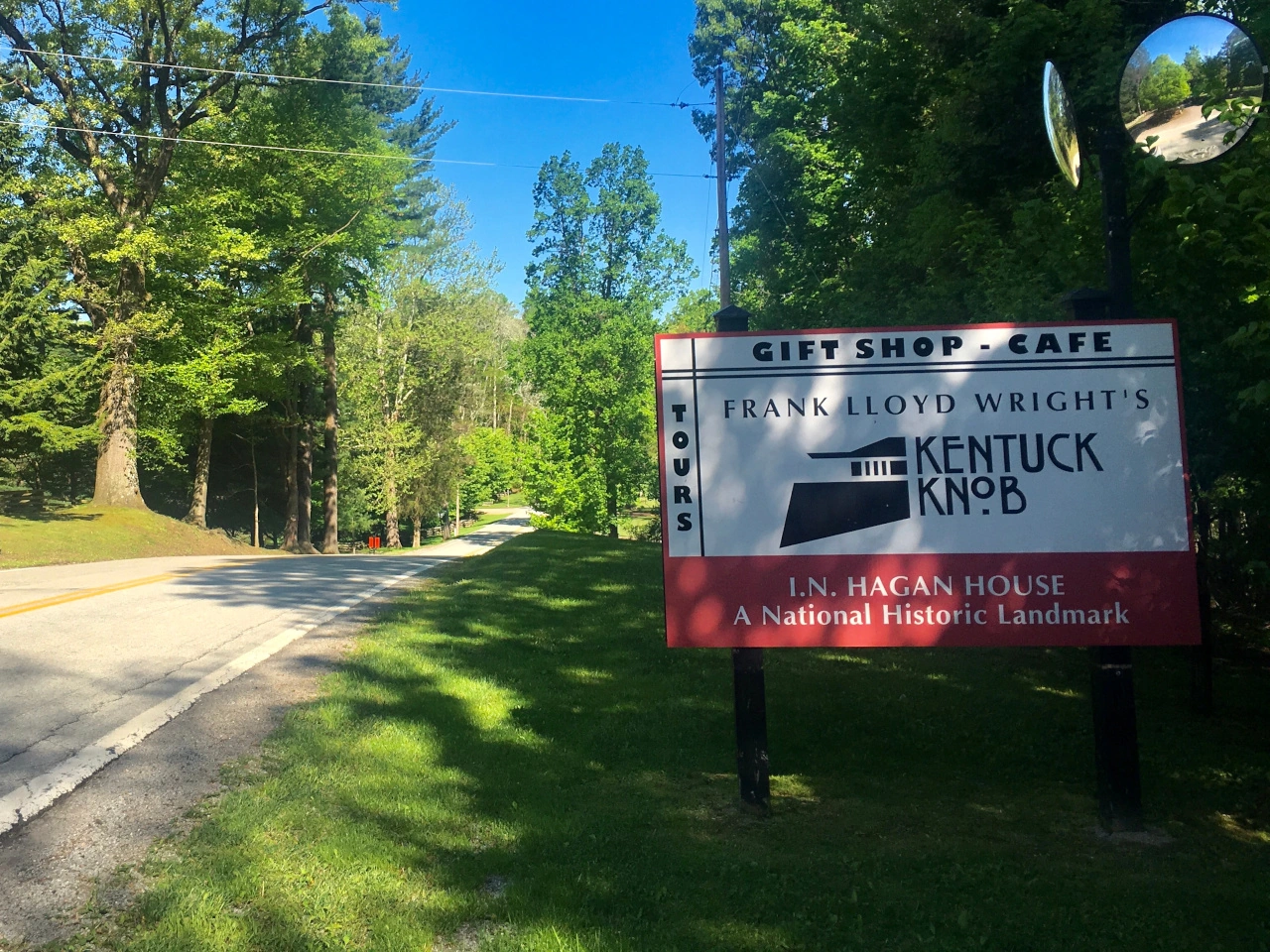
Verkehrsspiegel
What is a traffic mirror?

A traffic mirror is a convex roadside mirror that helps road users see around an obstruction or into a road with limited visibility.

Where are traffic mirrors commonly installed?

They may be placed near intersections, narrow roads, bends, car-park exits, private driveways, tunnels or other locations where buildings, vegetation or road geometry obstruct the view.

Why is the mirror curved?

A convex surface provides a wider field of view than a flat mirror, allowing more of the approaching road to be seen.

Does a traffic mirror show an exact image?

No. The reflected image is distorted, and objects normally appear smaller and farther away than they really are.

Can you accurately judge speed in a traffic mirror?

Not reliably. The curved image makes it difficult to estimate how fast another road user is approaching.

Can you accurately judge distance in the mirror?

No. Distance can appear greater than it really is, so an approaching vehicle may reach the intersection sooner than expected.

Can the mirror create a blind area?

Yes. Its position and viewing angle may leave parts of the road outside the reflected image. Small cyclists, motorcycles or pedestrians may also be difficult to notice.

Does a traffic mirror give you priority?

No. It does not change priority. Drivers must continue to follow stop signs, give-way signs, traffic lights and the ordinary priority rules.

Does seeing an empty mirror mean the road is clear?

No. Another road user may be outside the reflected area, hidden by glare or too small to notice. Always check the road directly before proceeding.

Must you still stop at a stop sign?

Yes. The mirror does not replace the mandatory complete stop. Stop at the prescribed position, then use direct observation and the mirror as additional information.

Must you still give way?

Yes. You may proceed only when traffic with priority can continue without being forced to brake, stop or change direction.

How should you use a traffic mirror?

Approach slowly, stop when required and scan the mirror for movement. Then look directly in both directions and continue only after confirming that the road is clear.

Should you look only at the mirror?

No. Alternate between the mirror and direct observation. The mirror should supplement rather than replace normal checks.

Can rain affect a traffic mirror?

Yes. Rain, water droplets and spray may blur or partially obscure the reflected image.

Can frost or condensation affect it?

Yes. Dew, condensation, frost, ice or snow may make the mirror difficult or impossible to use.

Can sunlight cause problems?

Yes. Sunlight may create glare or reflections that hide approaching road users.

Can headlights be misleading at night?

Yes. Reflected headlights may make it difficult to determine the exact direction, distance or speed of an approaching vehicle.

Can the mirror move out of position?

Yes. Wind, impacts, vandalism, vibration or temperature changes may alter its orientation and make the reflected view inaccurate.

What if the mirror is dirty or damaged?

Do not rely on it. Proceed with additional caution and report the defect to the responsible road authority or property owner.

Does a traffic mirror impose a speed limit?

No. The applicable road or posted speed limit remains in force, but restricted visibility normally requires a lower approach speed.

Does it require drivers to sound the horn?

No. Use the horn only where local law permits it and a warning is reasonably necessary to prevent danger.

Can pedestrians and cyclists use the mirror?

Yes. It may help them observe approaching traffic, but they must also look directly and follow the applicable crossing and priority rules.

Can a private individual install a traffic mirror?

A mirror may generally be installed on private property with the owner’s permission, subject to local rules. Installing one on, above or beside a public road normally requires permission from the road authority.

Should a mirror replace better road design?

No. Removing vegetation, relocating parking, improving the intersection layout or changing traffic circulation may provide a safer and more reliable solution.

1 Vereinigte Staaten 2 Autobahn 3 Schnellstraße 4 Geschwindigkeitsbegrenzung 5 Mindestgeschwindigkeit 6 Richtgeschwindigkeit 7 Radweg 8 Warnung vor Fußgängern 9 Tunnel 10 Brücke 11 Bremsschwelle 12 Mautstraße 13 Einbahnverkehr 14 Steigung oder Gefälle 15 Busspur 16 Bushaltestelle 17 Sackgasse 18 Stoppschild 19 Vorfahrt gewähren 20 Kreisverkehr 21 Fahrbahnverengung 22 Fußgängerüberweg 23 Bahnübergang 24 Vorgeschriebene Fahrtrichtung 25 Abbiegeverbot 26 Schulbereich 27 Wild- oder Viehwechsel 28 Rutschige Fahrbahn 29 Steinschlag 30 Flugzeuge 31 Kurve 32 Richtungstafel 33 Falschfahrt 34 Straßenarbeiten 35 Höhenbegrenzung 36 Gewichtsbeschränkung 37 Geschwindigkeitskontrolle 38 Selektive Sperren 39 Ampeln 40 Warnung vor Ampeln 41 Fußgängerampeln 42 Fahrbahnmarkierungen 43 Aufstellfläche für Radfahrer 44 Geschwindigkeitsanzeige 45 Führerschein 46 Verkehrsspiegel 47 Notruftelefon 48 Radroute 49 Parken 50 Parkverbot 51 Halteverbot 52 Längsparken 53 Park and Ride 54 Kiss and Ride 55 Behindertenparkplatz 56 Verkehrsmanagement 57 Rückwärtsfahren 58 Wenden 59 Fahrgemeinschaft 60 Umleitung 61 Ungeregelte Kreuzung 62 Rampe 63 Ausfahrt 64 Reiten 65 Notausgang 66 Notfall-Auslaufspur 67 Überbreite oder übergroße Ladung 68 Ortsgrenze 69 Sehenswürdigkeit 70 Hupe 71 Achslastbegrenzung 72 Kennzeichen 73 Ladestation 74 Überflutung 75 Senke 76 Pferd 77 Anliegerverkehr 78 Fußgänger 79 Radfahrer 80 Motorrad 81 Lkw 82 Bus 83 Polizei 84 Krankenwagen 85 Polizeizeichen 86 Schotterstraße 87 Schlagloch 88 Mittelstreifen 89 Öffentliches Eigentum 90 Weg 91 Feinstaub 92 Luftverschmutzung 93 Kreuzungsfreier Knotenpunkt 94 Hauptverkehrszeit 95 Tankstelle 96 Straßenverkehrsordnung 97 Gegenverkehr 98 Überholfahrstreifen 99 Straßenrinne 100 Gegenstände auf der Fahrbahn ...