


Blind spotUnited States
Learn traffic rules with clear explanations and visual examples in our illustrated book, designed to make studying simple and engaging.
 Traffic rules
 United States
265. Blind spot
A blind spot is an area around a vehicle that the driver cannot see directly or through the mirrors. Blind spots vary with the size and design of the vehicle and can be particularly large around trucks, buses and other high-sided vehicles. Drivers should adjust their mirrors correctly and check beside the vehicle before changing lanes, turning or moving away. Cyclists, pedestrians and motorcyclists should also avoid remaining beside large vehicles where the driver may not be able to see them.
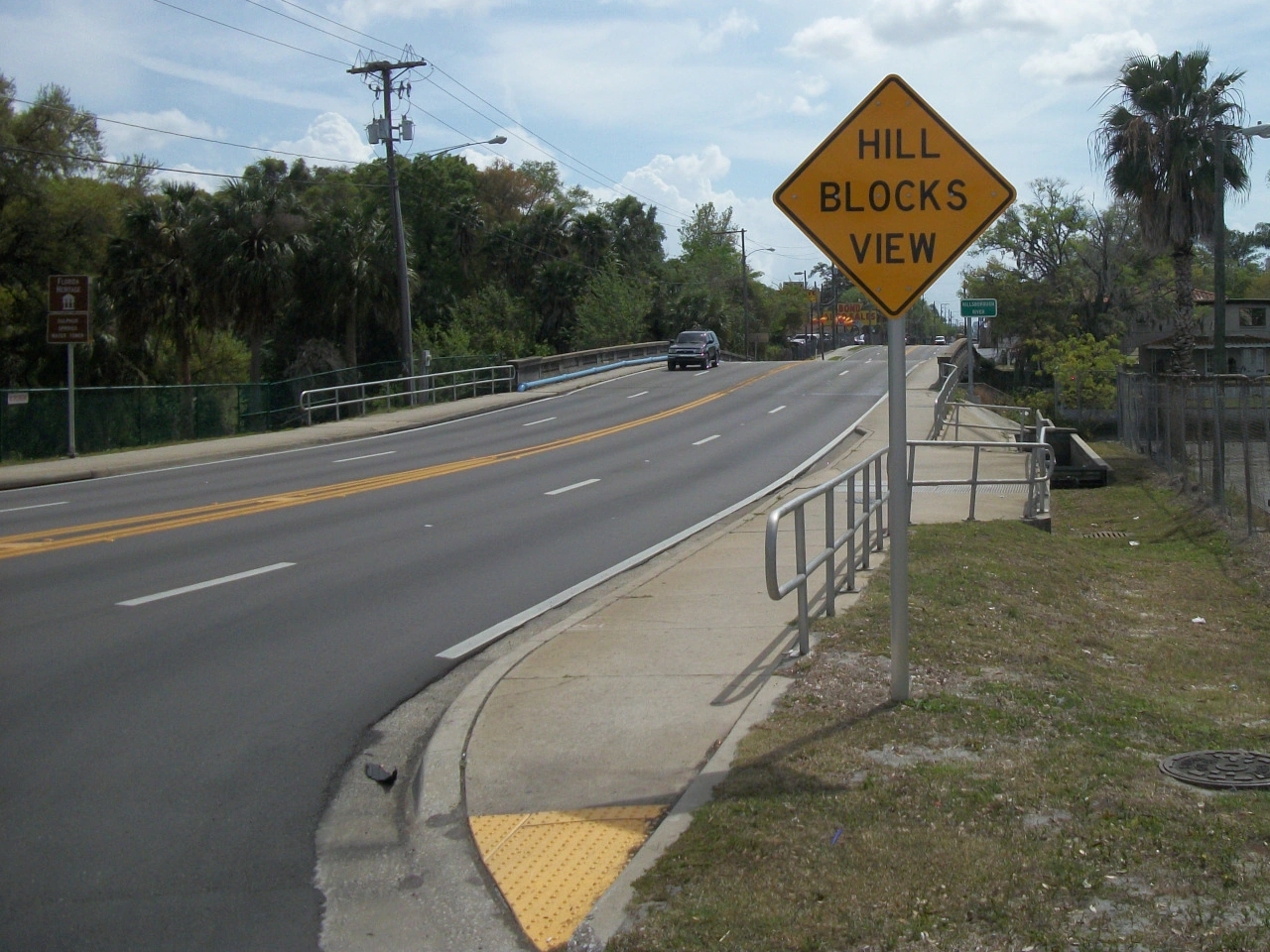
Wikimedia.org • DanTD • CC BY-SA
What is a blind spot?
A blind spot is an area around a vehicle that cannot be seen directly by the driver or adequately through the mirrors.
Do all vehicles have blind spots?
Yes. The size and position of blind spots depend on the vehicle design, mirrors and driver position. Large vehicles generally have larger blind spots than passenger cars.
How should you check a blind spot?
Adjust the mirrors correctly and, where necessary, make a brief direct check beside the vehicle before changing lanes, turning or moving away. The exact technique depends on the vehicle.
Why are truck blind spots dangerous?
Trucks can have large areas around the front, sides and rear that are difficult or impossible for the driver to see. Cyclists and pedestrians can therefore disappear from view even when they are close to the vehicle.
Can mirrors eliminate every blind spot?
No. Correctly adjusted mirrors can greatly improve visibility, but some areas may still remain difficult to see. Drivers should use all available mirrors and direct observation where appropriate.
Where should cyclists avoid riding near a truck?
Cyclists should avoid remaining directly beside, immediately in front of or close behind a large vehicle, particularly near intersections where the vehicle may turn.


