


PedestrianUnited States
 Traffic rules
 United States
78. Pedestrian
A pedestrian is a person travelling on foot along or across a road, street, path or other public space. Depending on local traffic law, people pushing bicycles, wheelchairs, prams or certain other small devices may also be treated as pedestrians.
Pedestrians normally use pavements, sidewalks, footpaths and pedestrian areas where these are available. When crossing a road or walking where no suitable pedestrian facility exists, they must follow the applicable crossing rules, traffic lights and other local traffic regulations.
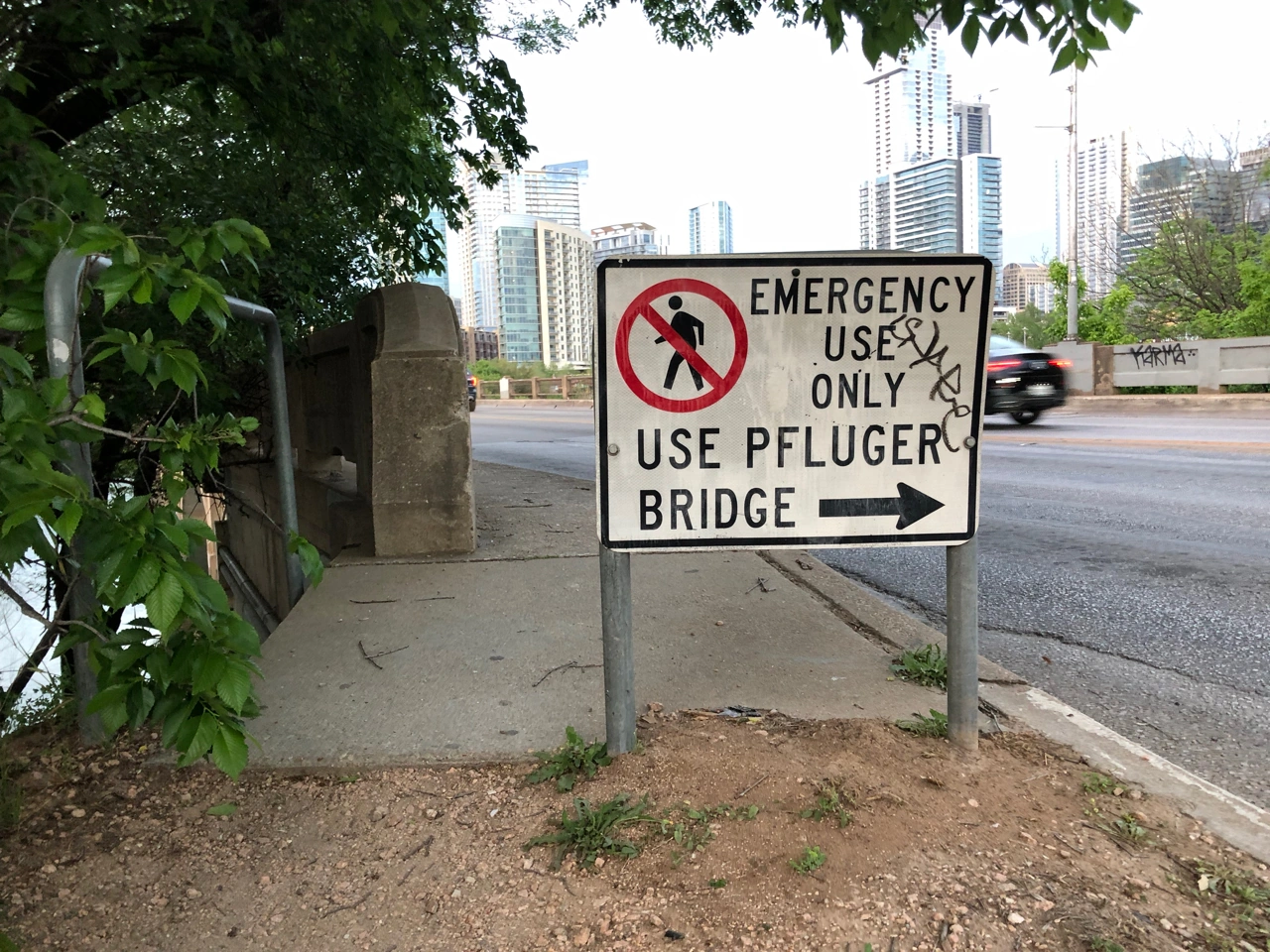
Wikimedia.org • Minh Nguyen • CC BY-SA
What is a pedestrian?
A pedestrian is primarily a person travelling on foot. Local traffic laws may also treat people pushing bicycles, wheelchairs, prams or certain other devices as pedestrians.
Where should pedestrians normally walk?
Pedestrians should normally use pavements, sidewalks, footpaths or other areas provided for pedestrians. Where these are unavailable, local rules determine where pedestrians may walk on or beside the road.
Which side of the road should pedestrians walk on when there is no pavement?
This depends on the country's traffic rules. Many countries require or recommend pedestrians to face approaching traffic, but the exact rule varies.
Where should pedestrians cross a road?
Use a pedestrian crossing, traffic-light-controlled crossing or other designated crossing where required or reasonably available. Where crossing elsewhere is permitted, choose a location with good visibility and cross carefully.
Do pedestrians always have priority at a pedestrian crossing?
The exact priority rule varies between countries. Drivers are commonly required to give way to pedestrians using or entering designated crossings, but pedestrians must still obey traffic lights and avoid entering the road dangerously.
Must pedestrians obey traffic lights?
Yes. Where pedestrian signals are provided, pedestrians must follow their indications and should not enter the roadway while the signal prohibits crossing.
Is someone pushing a bicycle a pedestrian?
In many traffic systems, a person who dismounts and walks beside a bicycle is treated as a pedestrian. The precise legal classification depends on local law.
Can pedestrians use a cycle path?
This depends on the road layout and local rules. Pedestrians may sometimes use a cycle path when no suitable pedestrian facility is available, but they must not unnecessarily obstruct cyclists or other authorised users.
Do turning vehicles have to watch for pedestrians?
Yes. Drivers turning into another road must watch carefully for pedestrians crossing the road they are entering and give way where required by local traffic law.
What should pedestrians do before crossing a road?
Check carefully for approaching traffic from all relevant directions, make sure there is sufficient time and distance to cross safely, and continue to observe traffic while crossing.


