


ReversingUnited States
An introduction to the traffic rules and road signs of United States. Learn about driving, road safety and much more in our illustrated book, with answers to frequently asked questions.
For informational purposes only. Always follow official regulations. Some content and images were created with AI assistance.
 Traffic rules
 United States
57. Reversing
Reversing means driving a vehicle backwards. It is commonly used when parking, leaving a confined space or repositioning a vehicle where forward movement is not practical.
Before reversing, the driver should check mirrors and blind spots, look carefully around the vehicle and make sure the area behind is clear. Reversing should be performed slowly and only for as long as necessary because visibility behind the vehicle is often limited.
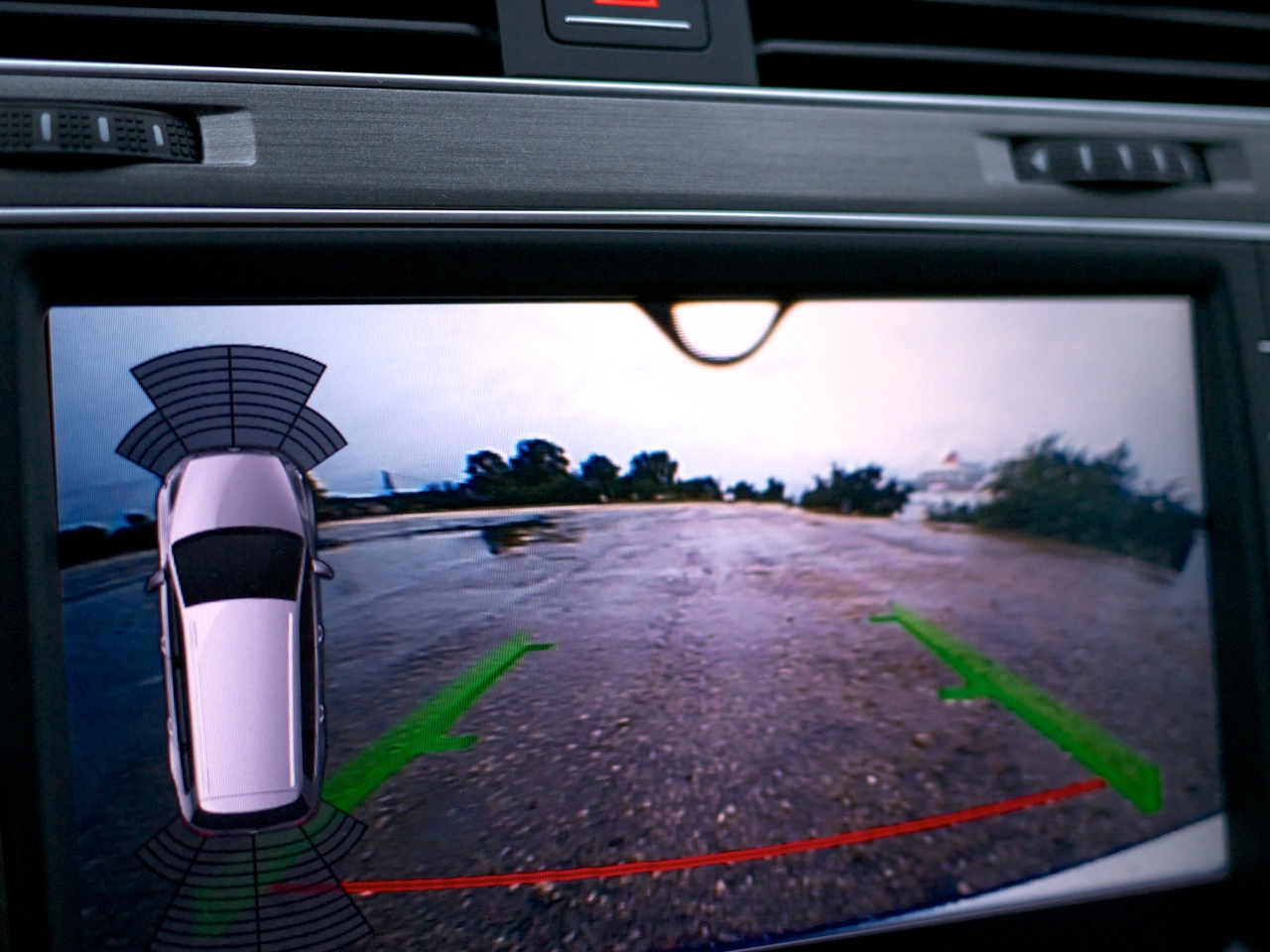
Wikimedia.org • Kārlis Dambrāns • CC BY
What should you check before reversing?
Check behind and around the vehicle for pedestrians, cyclists, other vehicles and obstacles. Use mirrors and cameras where available, but also look directly because monitoring systems can have blind spots.
Who has priority when a vehicle is reversing?
In many countries, reversing is treated as a manoeuvre and the reversing driver must give way to other road users. The exact legal requirements depend on national traffic rules.
Should you reverse for a long distance?
No. Reversing should normally be limited to the distance necessary to complete the manoeuvre safely. Driving forward generally provides better visibility and vehicle control.


