Límite de alturaRusia

Aprende normas de tráfico con explicaciones claras y ejemplos visuales en nuestro libro ilustrado, diseñado para que estudiar sea sencillo y ameno.


29. Límite de altura

Un límite de altura prohíbe entrar o pasar por un tramo, puente, túnel, portal u otra estructura a los vehículos cuya altura total supere el valor indicado. La altura incluye la carga y cualquier equipo fijado encima del vehículo.

Los conductores de vehículos altos deben conocer su altura exacta, prestar atención a las advertencias previas y utilizar una ruta alternativa cuando sea necesario. Nunca deben confiar únicamente en una valoración visual ni intentar pasar bajo una estructura cuando no esté garantizado un margen de altura seguro.
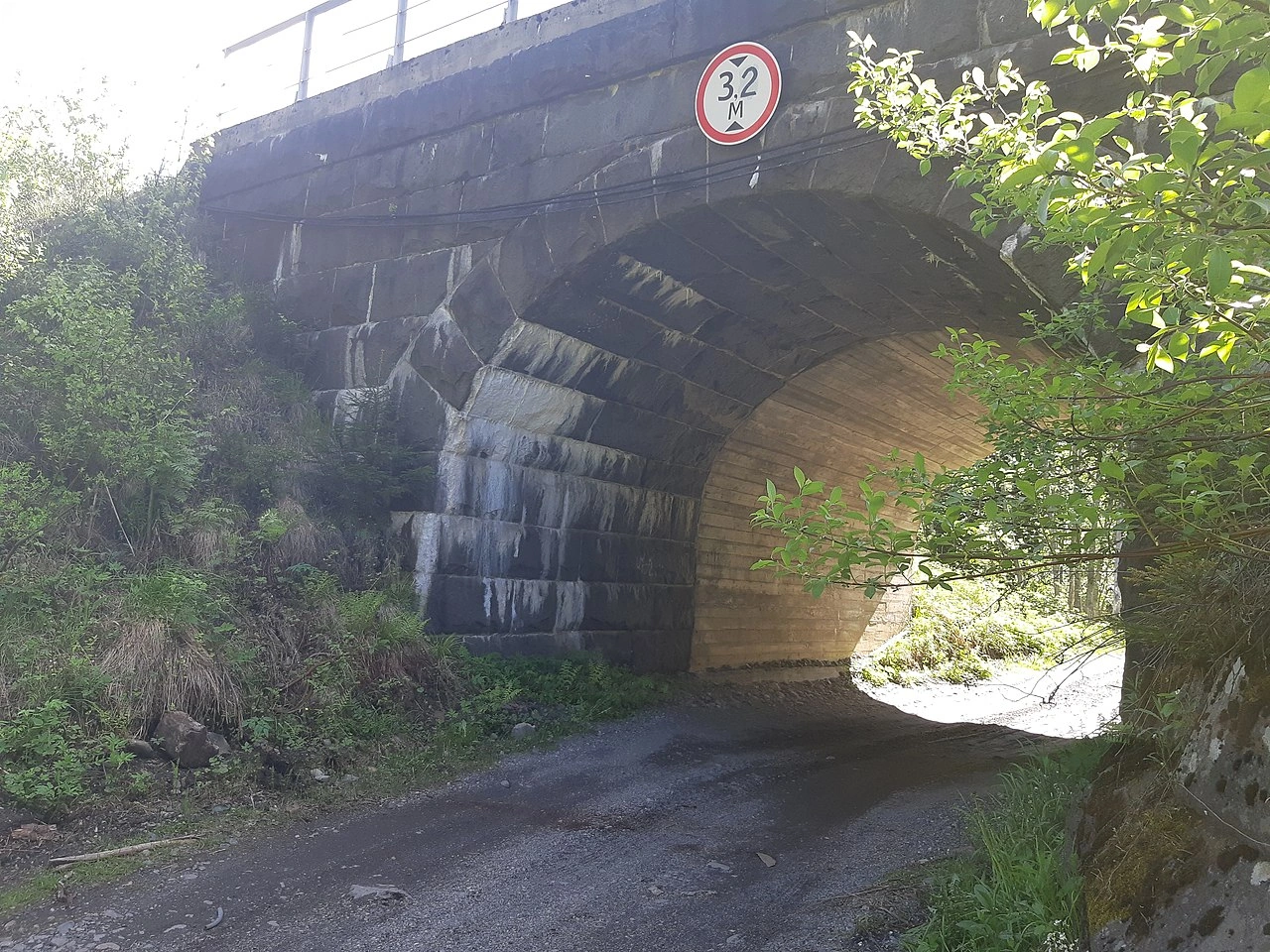
Límite de altura
What does a height-limit sign mean?

It prohibits vehicles whose total height exceeds the displayed value from continuing beyond the sign.

How can you recognise a height-limit sign?

It is commonly a circular regulatory sign showing a height in metres, feet or another local unit between vertical arrows.

What is included in the vehicle’s total height?

The height includes the vehicle, its load and any attached equipment, such as roof boxes, bicycles, machinery, antennas or raised loading equipment.

Does the limit apply to trailers?

Yes. Every part of a vehicle combination must fit beneath the restriction, including the towing vehicle, trailer and load.

Does the sign show the exact physical clearance?

Not necessarily. Road authorities may display a lower value than the measured clearance to provide a safety margin.

May a vehicle exactly as high as the displayed value pass?

The legal wording commonly prohibits vehicles higher than the displayed value, but drivers should not attempt to pass without a practical safety margin. Measurement errors, movement and road conditions can reduce the available clearance.

How can a vehicle’s height change?

Loading, tyre pressure, suspension settings, raised equipment, replacement tyres and road movement can alter the vehicle’s total height.

Can air suspension affect the height?

Yes. The vehicle may rise or lower depending on its suspension mode, speed and load. Use the maximum travelling height when planning the route.

Can the clearance vary between lanes?

Yes. An arched bridge, tunnel roof or overhead structure may provide different clearance in each lane. Follow lane-specific signs and markings.

Can the clearance vary across the width of one lane?

Yes. Clearance may be lower near the edge of an arch or where the road slopes sideways. Remain within the authorised marked path.

Can resurfacing reduce the available clearance?

Yes. A new road surface can raise the road level and reduce the space beneath a bridge or structure.

Can snow, water or road debris affect clearance?

Yes. Material on the road can raise the vehicle or restrict the usable route. Flooding may also conceal the road surface or another hazard.

Where are height restrictions commonly found?

They are common at bridges, tunnels, car parks, loading areas, gateways, railway structures and roads with overhead equipment.

Is a height-limit sign a warning or a prohibition?

It is normally a prohibition. A vehicle that exceeds the displayed height may not pass.

Does a height-limit sign impose a speed limit?

No. The applicable road or posted speed limit remains in force, although drivers should approach cautiously.

Does the sign change priority?

No. Traffic lights, priority signs and ordinary priority rules remain applicable.

Can a height restriction be announced in advance?

Yes. An advance sign may show the restriction and the distance to it so that high vehicles can choose another route.

What should you do when your vehicle is too high?

Do not continue. Stop where safe and follow the signed diversion or another suitable route. Do not reverse into traffic without assistance.

Should you rely on a navigation system?

No. Navigation may contain outdated or incomplete vehicle restrictions. Traffic signs and the actual road conditions always take precedence.

Should professional drivers know their vehicle’s height?

Yes. Drivers of trucks, buses, motorhomes and vehicles carrying roof loads should know and, where useful, display the vehicle’s maximum travelling height inside the cab.

What should you do when uncertain about your height?

Stop before the restriction in a safe place and verify the vehicle’s height. Choose another route when safe clearance cannot be confirmed.

May you move into another lane with greater clearance?

Only when signs and markings permit it and the manoeuvre can be completed safely. Do not cross a closed lane, continuous line or opposing traffic merely to gain clearance.

May you lower or remove equipment to pass?

Only in a safe place and when the equipment can be secured correctly afterwards. Never stop beneath the structure or in a live lane to alter the vehicle.

What should you do if your vehicle strikes a bridge?

Stop immediately where safe, activate the hazard warning lights and contact the emergency services or police. Do not continue because the vehicle, load or structure may be unstable.

Should traffic continue beneath a struck bridge?

No, when damage may have occurred. Keep away from the structure and follow instructions from the police, road authority or railway operator.

1 Rusia 2 Autopista 3 Zona residencial 4 Zona 5 Límite de velocidad 6 Senda peatonal 7 Carril bici 8 Puente 9 Resalto 10 Sentido único 11 Carril bus 12 Parada de autobús 13 Señal de STOP 14 Ceda el paso 15 Glorieta 16 Vía con prioridad 17 Prioridad sobre el tráfico en sentido contrario 18 Ceda el paso al tráfico en sentido contrario 19 Paso de peatones 20 Paso a nivel 21 Dirección obligatoria 22 Zona escolar 23 Adelantamiento 24 Cruce de animales 25 Calzada deslizante 26 Curva 27 Circulación en sentido contrario 28 Obras 29 Límite de altura 30 Semáforos 31 Semáforos peatonales 32 Marcas viales 33 Permiso de conducir 34 Marcador de ubicación 35 Paneles de aproximación 36 Teléfono de emergencia 37 Estacionamiento 38 Prohibido parar 39 Estacionamiento para personas con discapacidad 40 Marcha atrás 41 Estado de la calzada 42 Permiso provisional 43 Salida de emergencia 44 Límite de población 45 Atracción turística 46 Claxon 47 Matrícula 48 Estación de carga 49 Ciclista 50 Ciclomotor 51 Motocicleta 52 Autobús 53 Policía 54 Ambulancia 55 Taxi 56 Bache 57 Camino 58 Partículas 59 Contaminación del aire 60 Intersección 61 Hora punta 62 Código de circulación 63 Canaleta de la calle 64 Bicicleta de carga 65 Vehículo forestal 66 Vehículo de construcción 67 Camión articulado 68 Trolebús 69 Speed pedelec 70 Vehículo de reparto 71 Motor al ralentí 72 Grúa 73 Tracción a las cuatro ruedas 74 Bicicleta 75 Equipamiento de motocicleta 76 Tranvía 77 Tren 78 Vía férrea 79 Caravana 80 Remolque 81 Enganche de remolque 82 Camión de bomberos 83 Sirena 84 Convoy 85 Luces de vehículos de emergencia 86 Maquinaria agrícola 87 Bicicleta eléctrica 88 Vehículo eléctrico 89 Pedelec 90 Cuadriciclo 91 Microcoche 92 Vehículo todoterreno 93 Furgoneta 94 Vehículo recreativo 95 Scooter 96 Trikke 97 Vehículo de movilidad personal 98 Monopatín 99 Segway 100 Patinete ...